Portrait Art
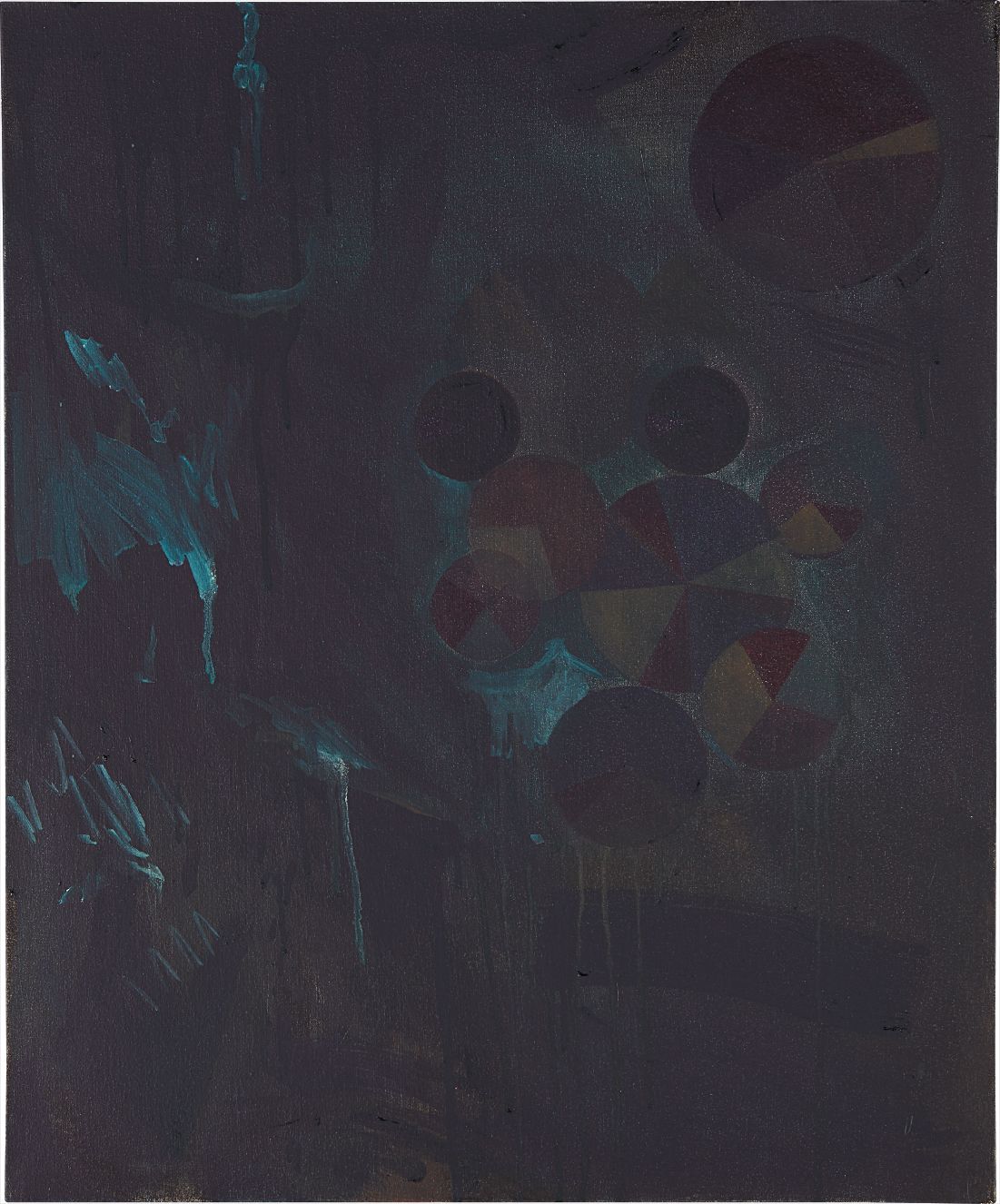
Charlie Hammond
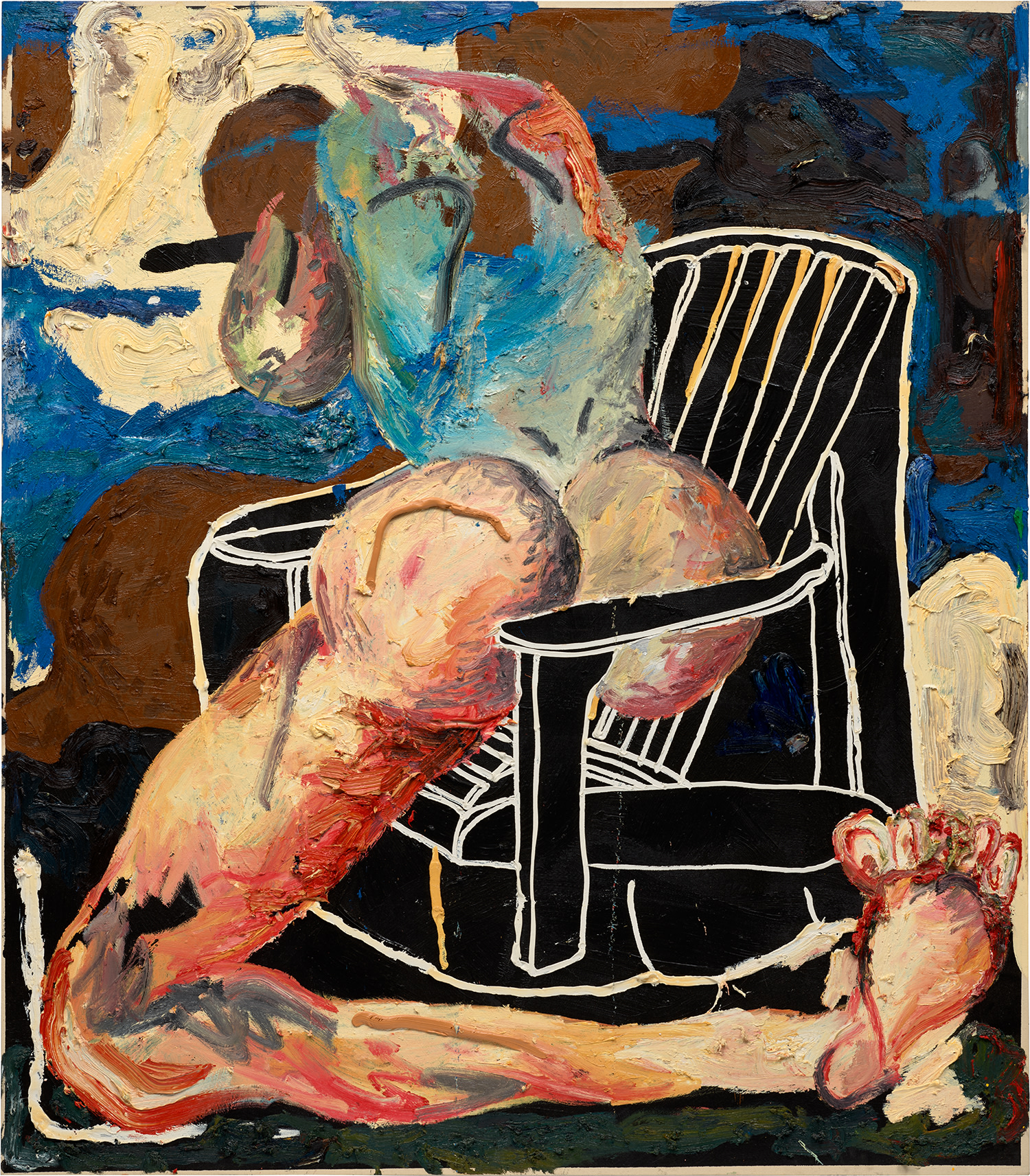
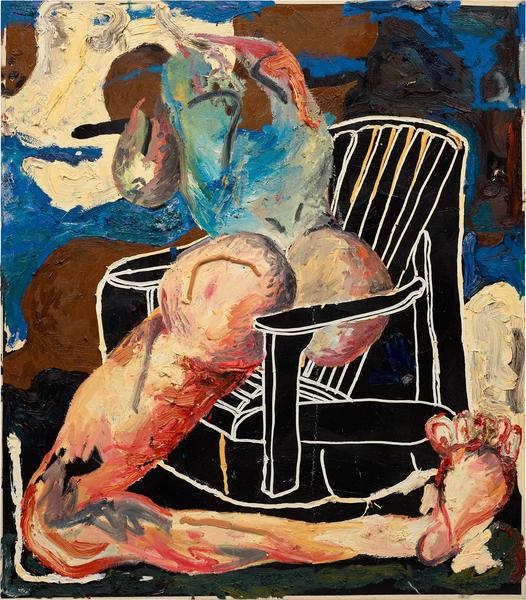
Portrait of the Bureaucrat (Lurking in Dark Paint)



The Face Has Never Been More Contested
When Lucian Freud's portrait of performance artist Leigh Bowery sold at Christie's London for over 11 million pounds in 2012, it felt like the market was placing a bet not just on a painting but on a whole philosophy of looking. Freud had spent years insisting that the face was the last honest place in painting, a surface where psychology and flesh could not be separated. That sale, and the sustained critical attention that followed Freud's death in 2011, signaled something collectors were already sensing: portrait art was not a conservative holdout in contemporary practice. It was the most charged and contested arena in the entire field.
The energy has not slowed. If anything, the conversation around portraiture has intensified through the past several years, driven in part by urgent social questions about representation, visibility, and who gets to be immortalized in paint. The National Portrait Gallery in London completed a major renovation and reopened in 2023 with a reinstallation that challenged the traditional hierarchies of its collection, foregrounding artists from underrepresented backgrounds and reframing what a portrait is even allowed to do. The reopening drew enormous critical attention and reminded a broad public that the genre is neither settled nor neutral.
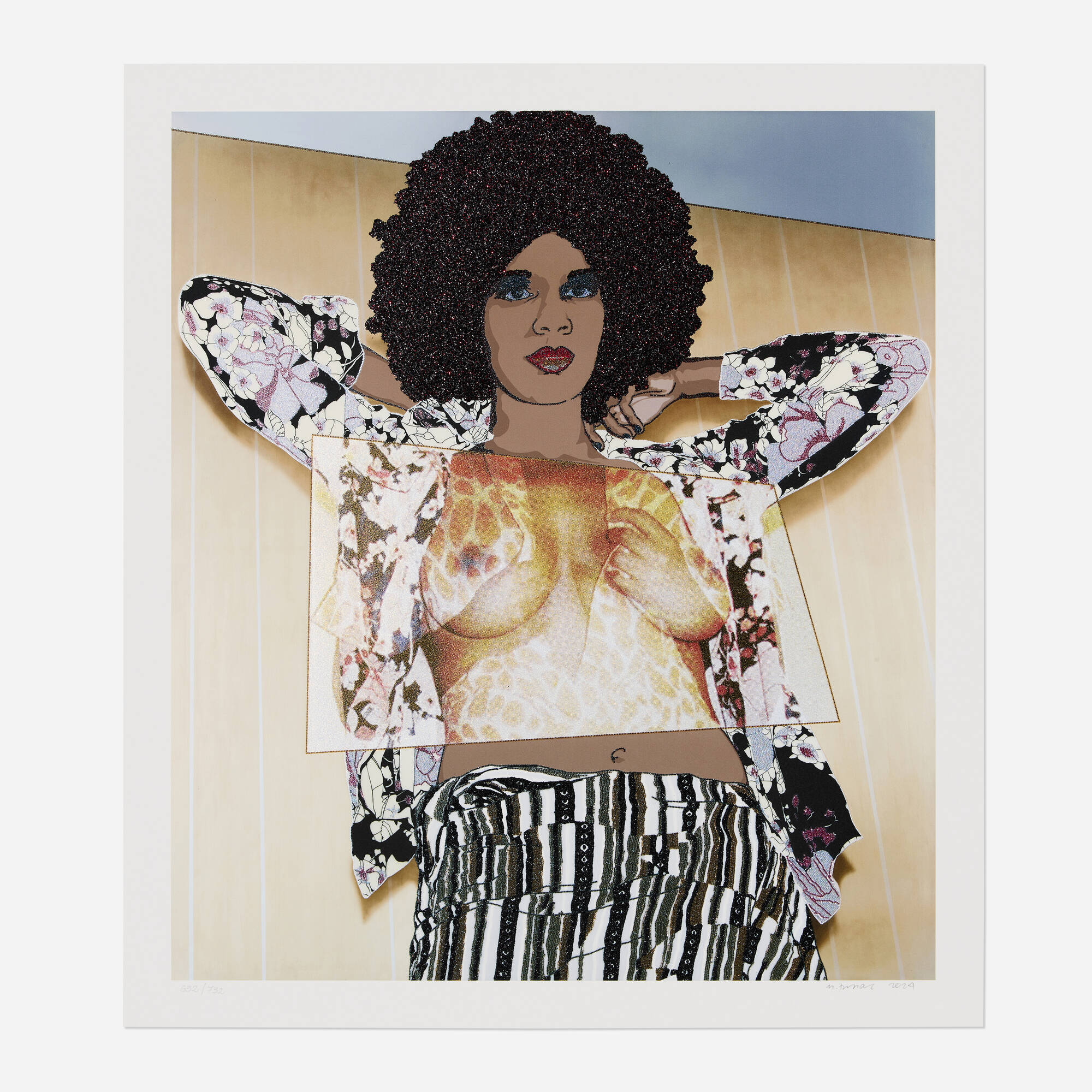
Mickalene Thomas
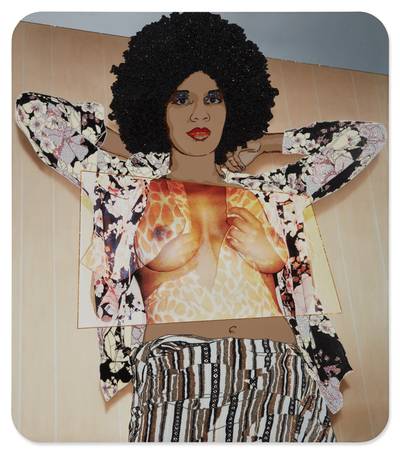
Portrait of Maya #10, 2024
Mickalene Thomas has been central to this reframing in the American context. Her rhinestone encrusted, photograph sourced portraits of Black women, presented across major museum surveys including her retrospective work at the Aperture Foundation and ongoing institutional recognition, make an explicit argument about glamour, interiority, and the politics of being seen. Thomas does not simply diversify the portrait tradition. She restructures its assumptions from inside.
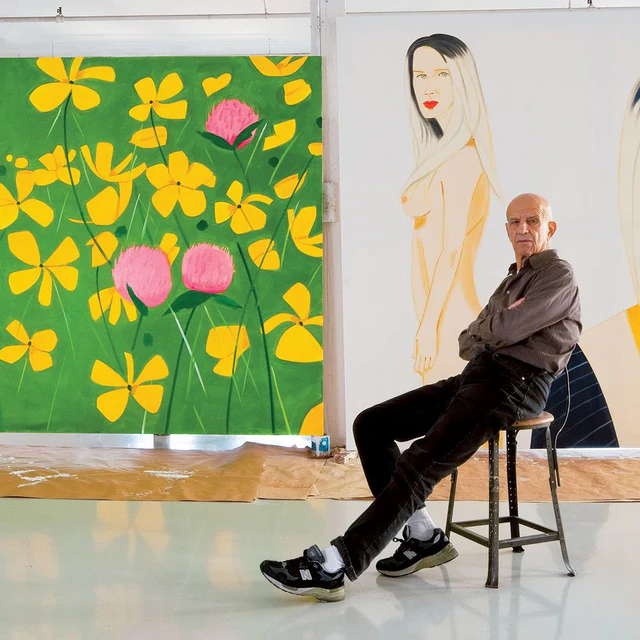
Institutions including the Brooklyn Museum and the Museum of Contemporary Art in Los Angeles have collected her work, and that institutional embrace reflects a broader commitment to understanding portraiture as a site of cultural negotiation rather than just aesthetic achievement. At the auction level, the market for portrait work across the contemporary and modern spectrum has shown remarkable resilience. Alex Katz, whose cool, large scale portraits defined a particular strand of American figuration for decades, has seen sustained demand at auction through major houses, with his iconic flat compositions regularly exceeding presale estimates. Katz occupies an interesting position: art historically significant, beloved by a generation of painters who followed him, and increasingly legible to younger collectors who encounter his influence everywhere from fashion photography to streetwear.
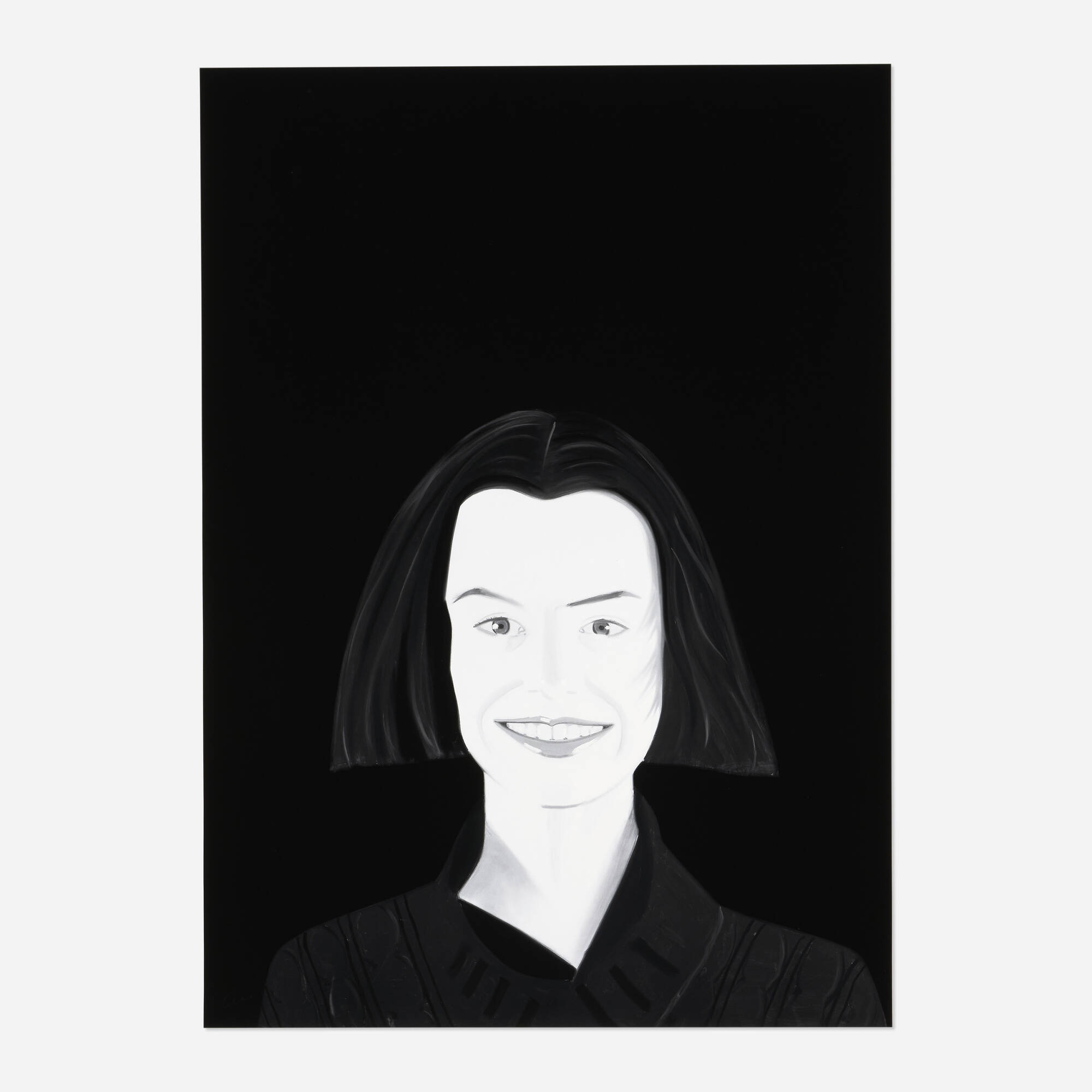
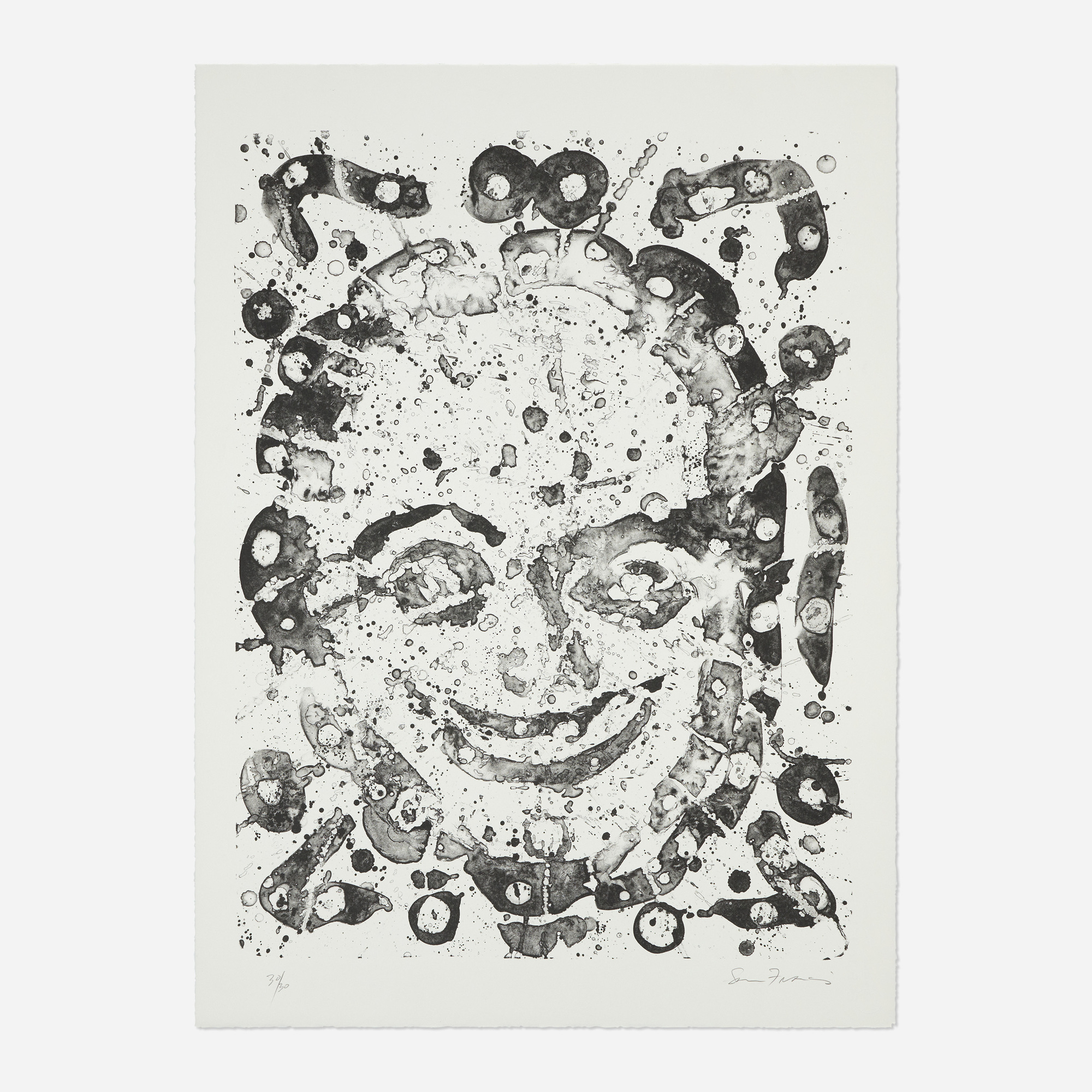
Alex Katz
Katryn (from the Smiles series), 2017
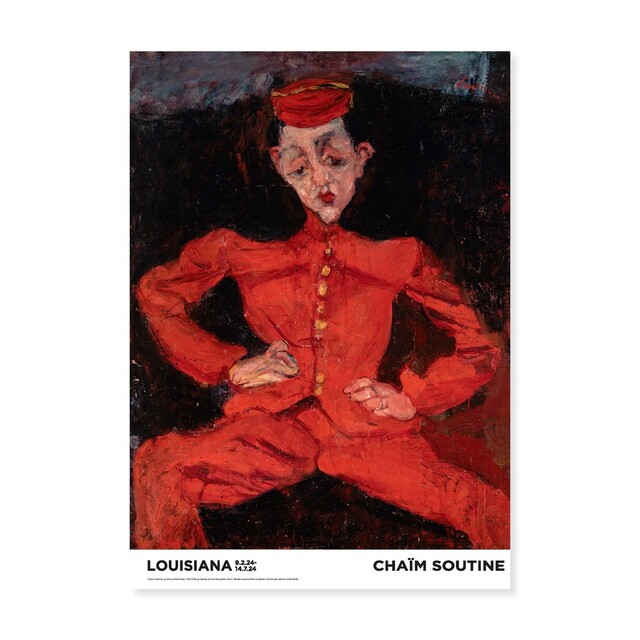
Jonathan Yeo, whose technically virtuosic painted portraits have made him one of the most sought after portraitists working in Britain today, has similarly attracted collector attention that bridges the traditional commissioned portrait world and the contemporary art market proper. His work, including the recently unveiled portrait of King Charles III, places him in an unusual position: genuinely at the intersection of public life and gallery culture. The estate and legacy market remains one of the strongest signals of long term institutional confidence. Chaim Soutine, whose expressionist portraits and figure paintings have been reassessed significantly in recent decades, saw renewed critical attention through the important 2022 exhibition at the Fondation Vuitton in Paris, which placed him in dialogue with Francis Bacon and demonstrated how his emotional intensity anticipated much of what we now call psychological realism in portraiture.
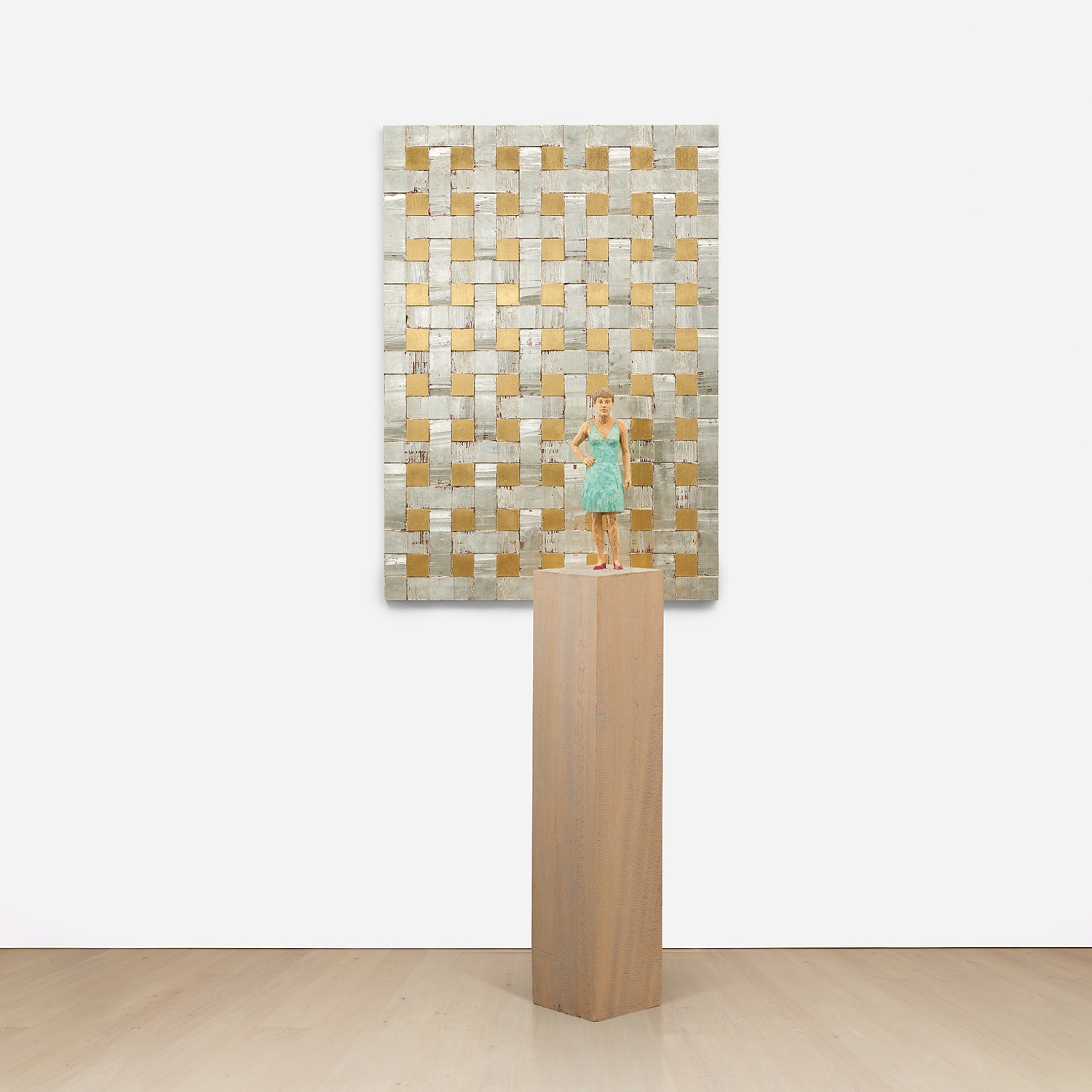
Stephan Balkenhol, the German sculptor whose carved wooden figures hover between individual and archetype, occupies a quieter but deeply considered corner of the portrait conversation. His work sits in major European and American collections and represents a strand of portraiture concerned less with likeness than with the existential condition of simply being a body in the world. The critical writing shaping this space is genuinely exciting. T.
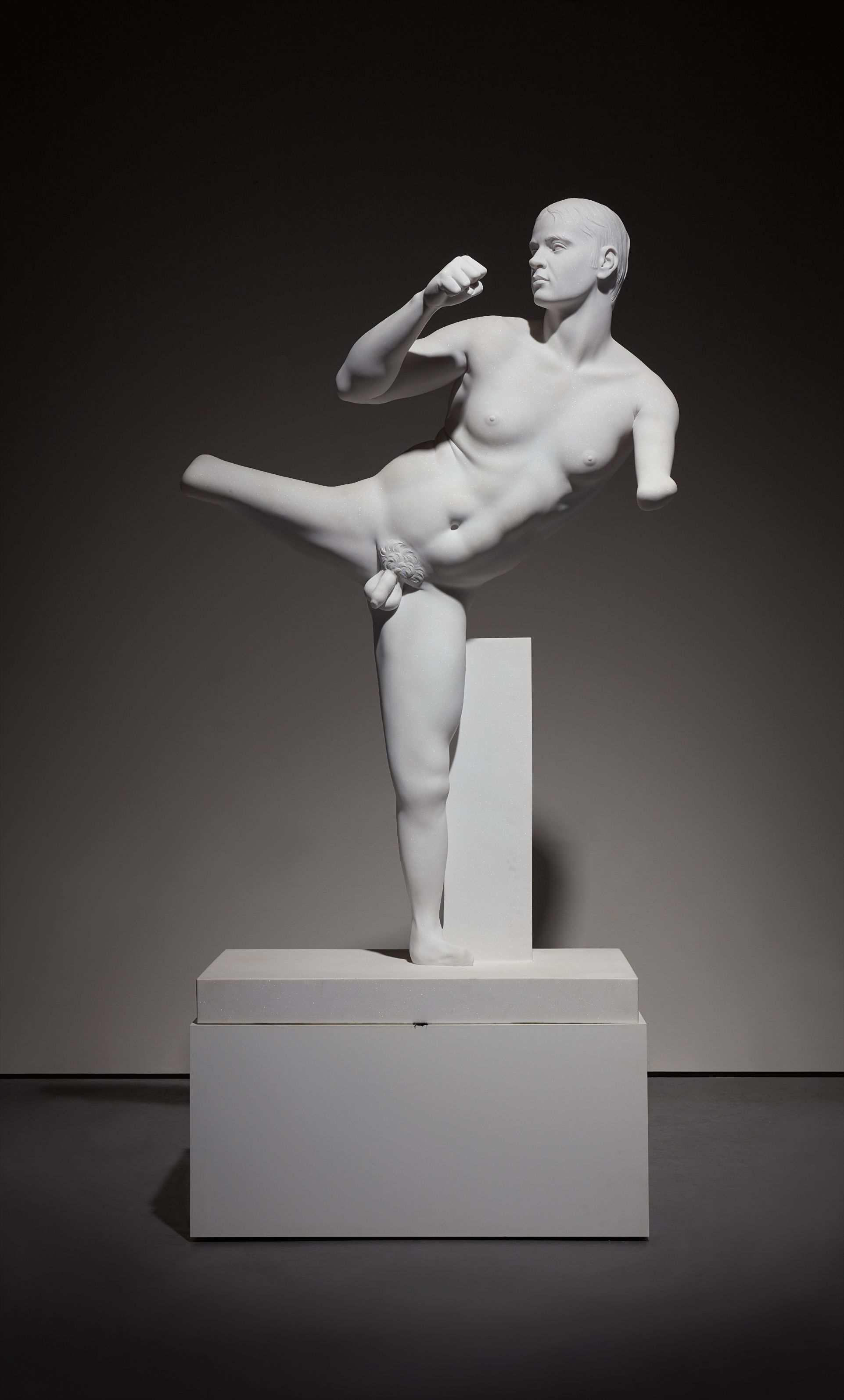
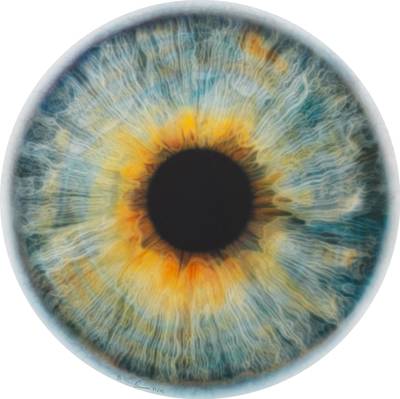
Marc Quinn
Stuart Penn
J. Clark's long engagement with figurative painting continues to offer the most rigorous framework for understanding why the face matters in art history. More recently, critics associated with frieze and Artforum have pushed toward a language that takes seriously both the formal ambitions of painters like Henrik Aarrestad Uldalen, whose romantically charged, technically refined figures have built a devoted following, and the conceptual stakes of artists like Marc Quinn, whose Self series using frozen blood as a medium turns the self portrait into a provocation about mortality and material. Quinn's work, well represented on The Collection, asks whether a portrait can ever tell the truth about a body, or whether it can only tell the truth about time.
Younger painters are generating real excitement. Andres Valencia, the Los Angeles based teenager who attracted serious gallery attention and significant auction results by his mid teens, represents something genuinely unexpected: a painter whose portrait work combines art historical reference with an almost unconscious fluency in digital visual culture. His prices rose quickly, and while the market for very young artists always carries risk, the critical reception has been serious rather than merely novelty driven. Alex Becerra, also working in Los Angeles, brings a different kind of urgency, his figures dense with mythological and subcultural reference, portraits of an interior world as much as an exterior one.
Charlie Hammond
Portrait of the Bureaucrat (Lurking in Dark Paint)
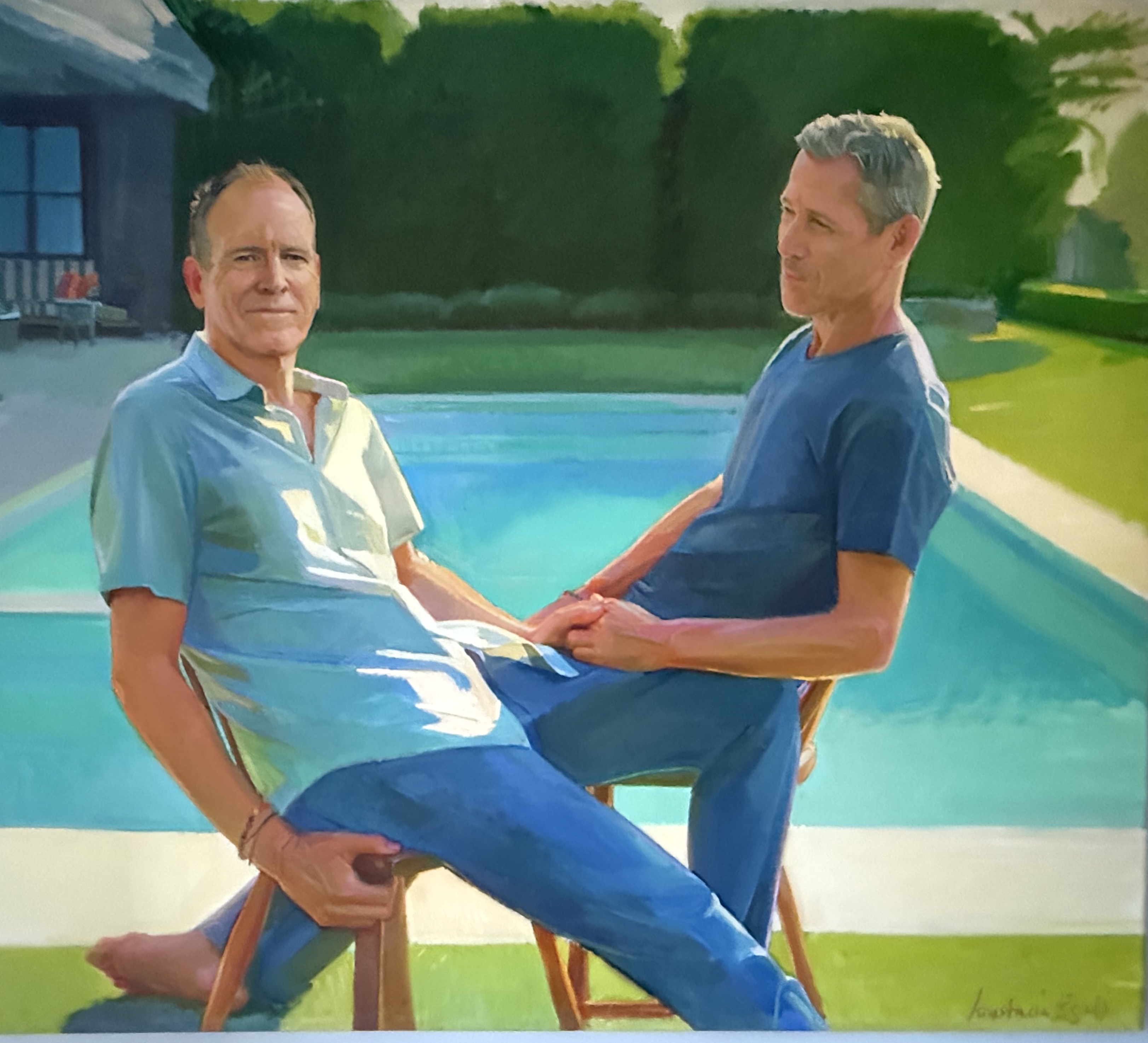
Charlie Hammond and Mark Drew round out a picture of portrait practice that refuses easy categorization, each working in modes that complicate what a portrait is even required to show. What feels alive in portraiture right now is precisely the instability of the category itself. The question of who is being portrayed, by whom, for what audience, and with what claim to truth has never felt more genuinely open. Collectors who engage seriously with this space are not simply acquiring faces.
They are participating in one of the most consequential aesthetic and ethical debates of our moment. The market understands this, the institutions understand this, and the artists are pushing accordingly. The face, as it turns out, still has a great deal left to say.