Pharmaceutical
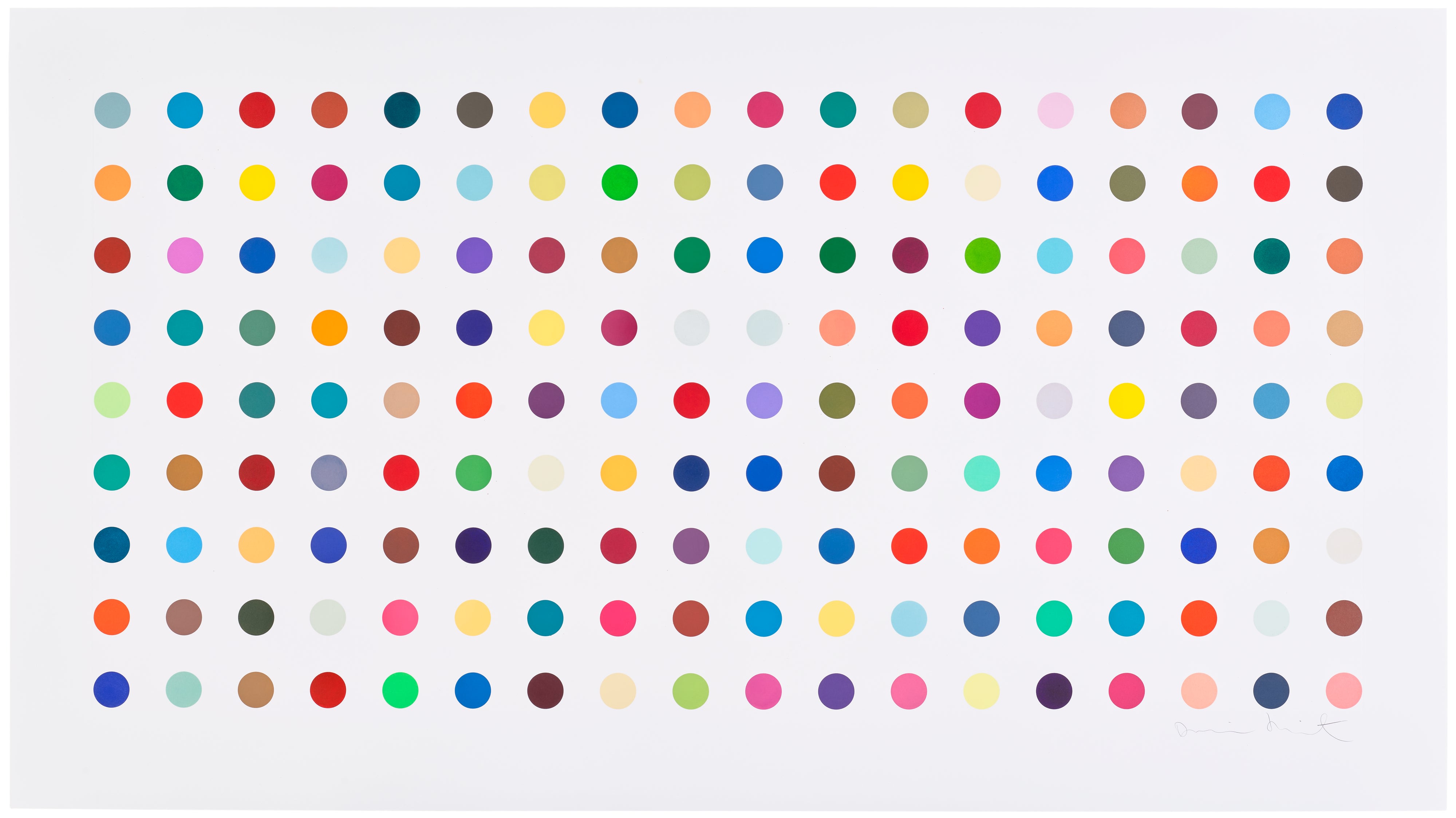
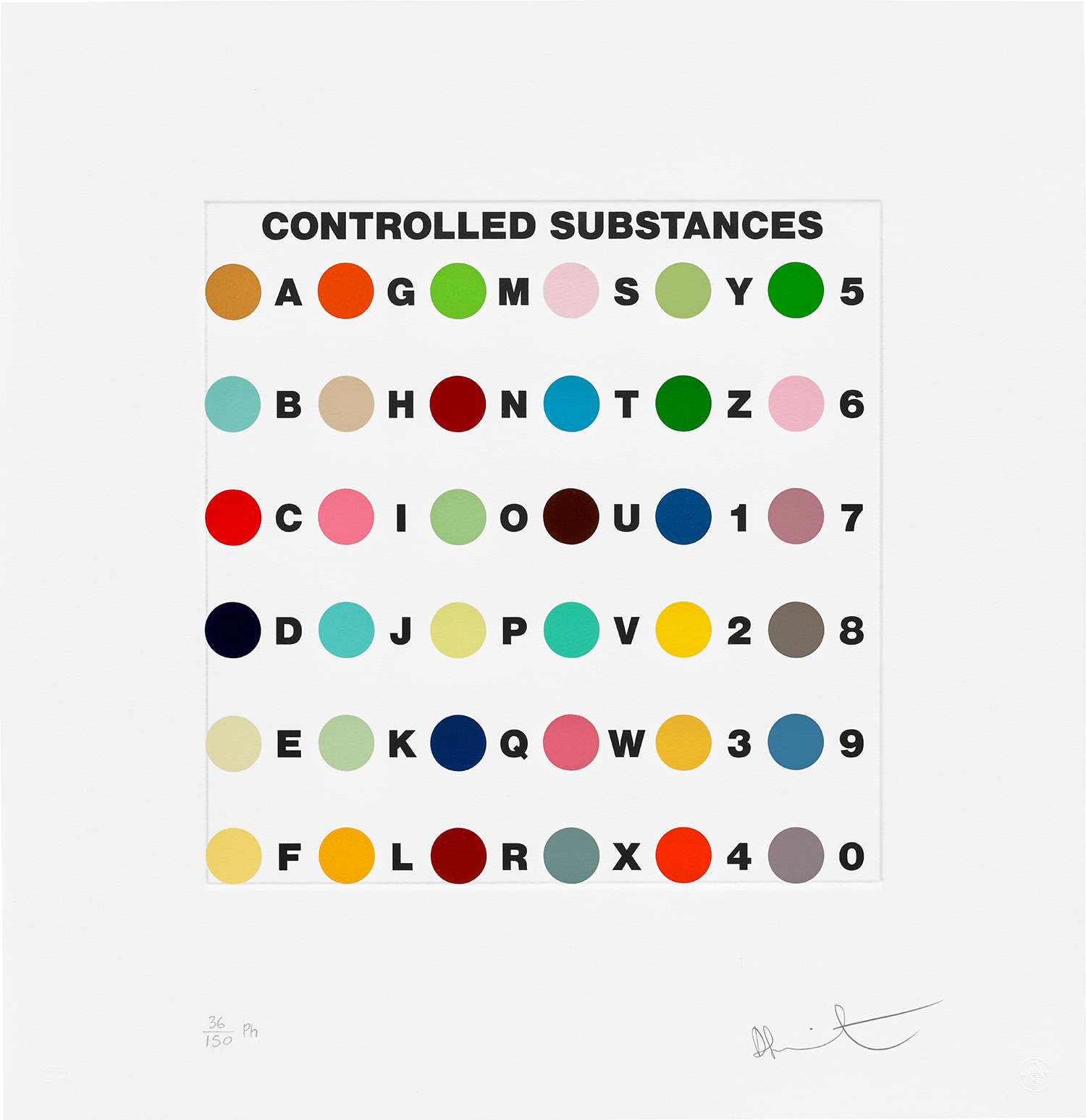
Damien Hirst
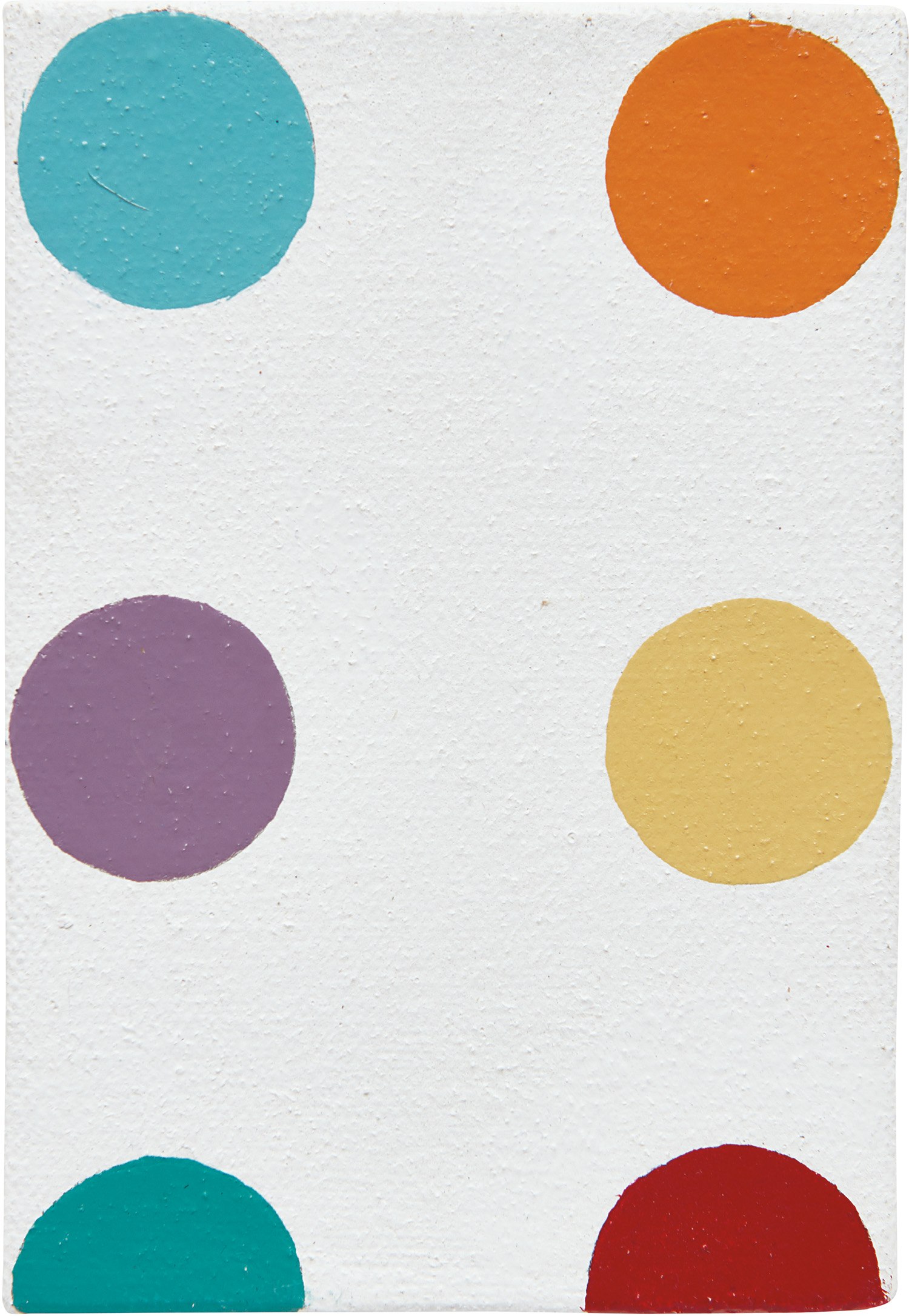
Tetrahydrocannabinol
The Art That Medicine Left Behind
There is something deeply unsettling about a pill bottle rendered as sculpture, or a medicine cabinet elevated to the status of a reliquary. Pharmaceutical art occupies this precise territory, the space between healing and harm, between the clinical and the spiritual, between the body as system and the body as mystery. As a theme in contemporary practice, it has proven remarkably durable, and for good reason. It speaks to something most of us would rather not articulate directly: the degree to which modern life is mediated by chemistry, by branded compounds, by the quiet authority of the white coat and the blister pack.
The serious engagement of visual art with pharmaceutical culture has roots that stretch back at least to the post war period, when consumer society and medical optimism were growing in tandem. But it was in the 1980s and 1990s that the theme gained real critical momentum, partly in response to the AIDS crisis, which forced artists and activists alike to confront the politics of drug access, clinical trials, and the pharmaceutical industry's relationship to suffering. Gran Fury, the collective born out of ACT UP, produced work that weaponized the visual language of advertising and medicine against the institutions that controlled both. Their provocations were blunt and necessary, and they established a grammar that later artists would inherit and transform.
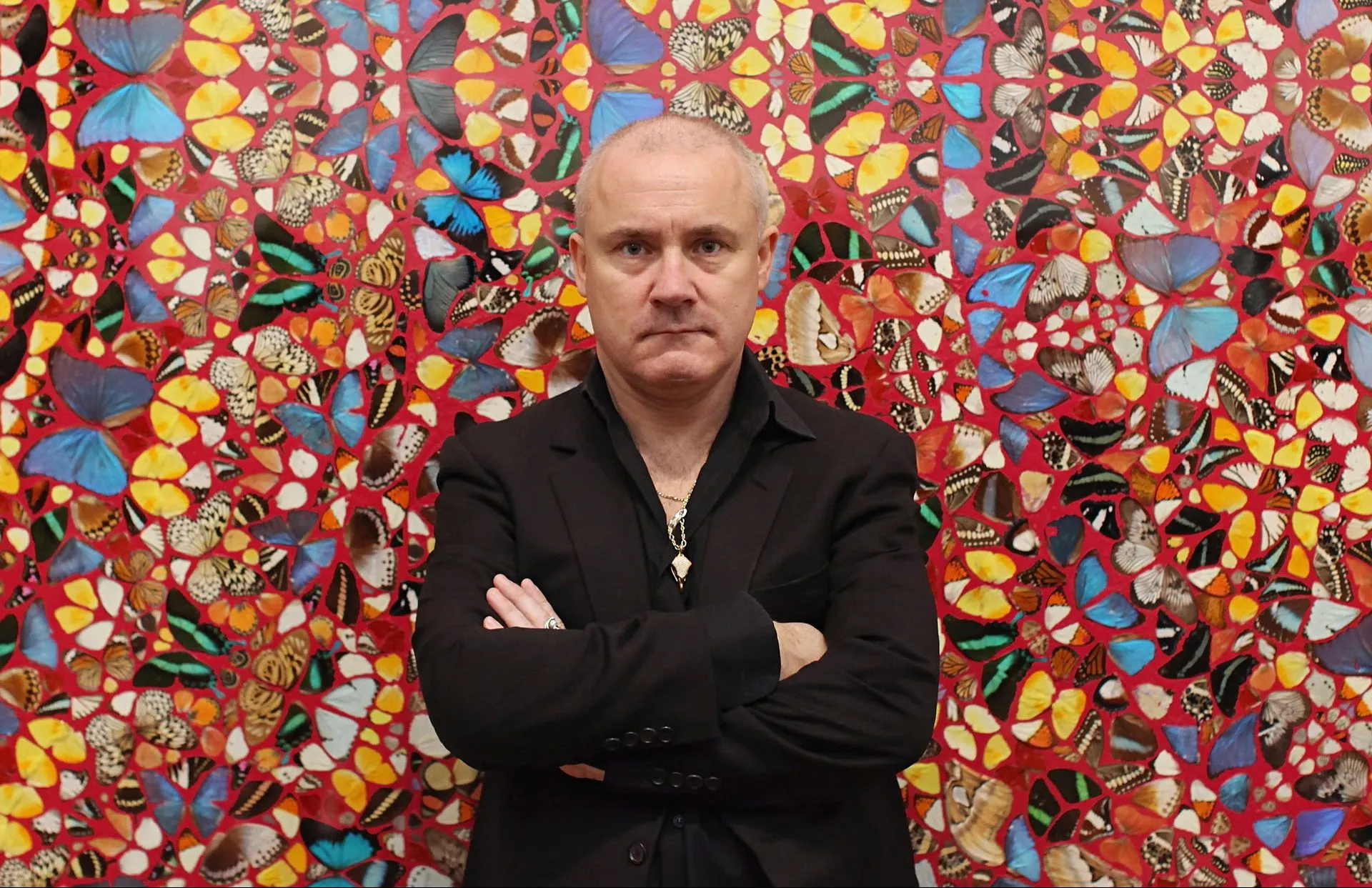
Damien Hirst
Tetrahydrocannabinol
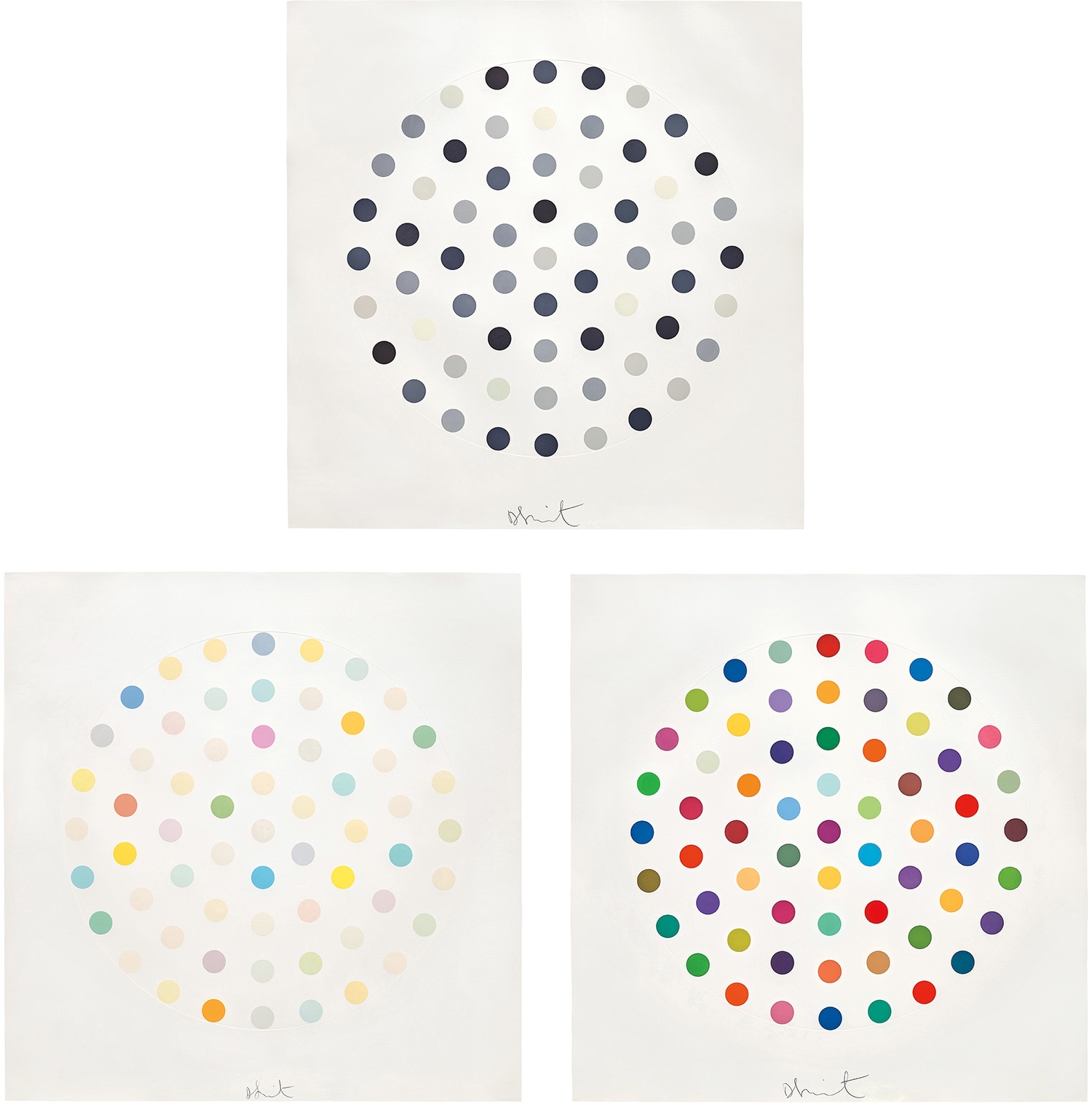
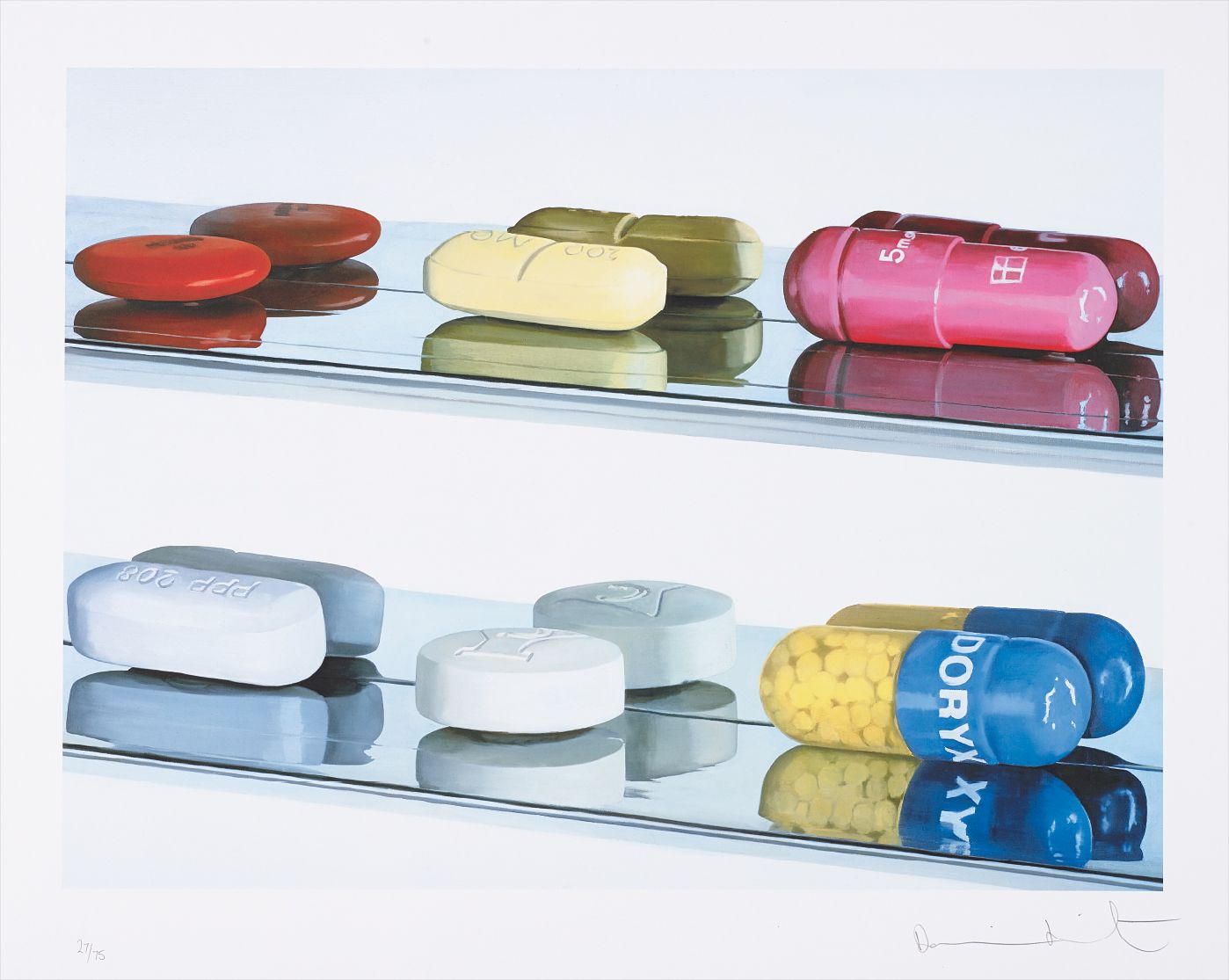
Damien Hirst arrived at this territory with a different kind of ambition. Through the early 1990s and into the following decade, Hirst made the aesthetics of medicine central to his practice in ways that were theatrical, sincere, and deeply ambivalent all at once. His medicine cabinets, those cool white grids of pharmaceuticals arranged behind glass, occupied gallery spaces as though transplanted directly from a hospital dispensary. Works like "Pharmacy" from 1992 reproduced the interior of a chemist's shop with such fidelity that some visitors reportedly asked to purchase products from it.
The gesture was not parody but something more troubling: an act of faithful reproduction that made the ordinary strange, that asked viewers to stand in front of a shelf of branded medicines and feel, for the first time, the full weight of what they were looking at. Hirst is exceptionally well represented on The Collection, and returning to these works in the context of a platform designed for serious collectors allows one to appreciate how sustained and systematic his investigation of this theme has been. What makes the pharmaceutical as subject so productive for artists is its layered symbolism. The pill is simultaneously a technological triumph and an admission of fragility.
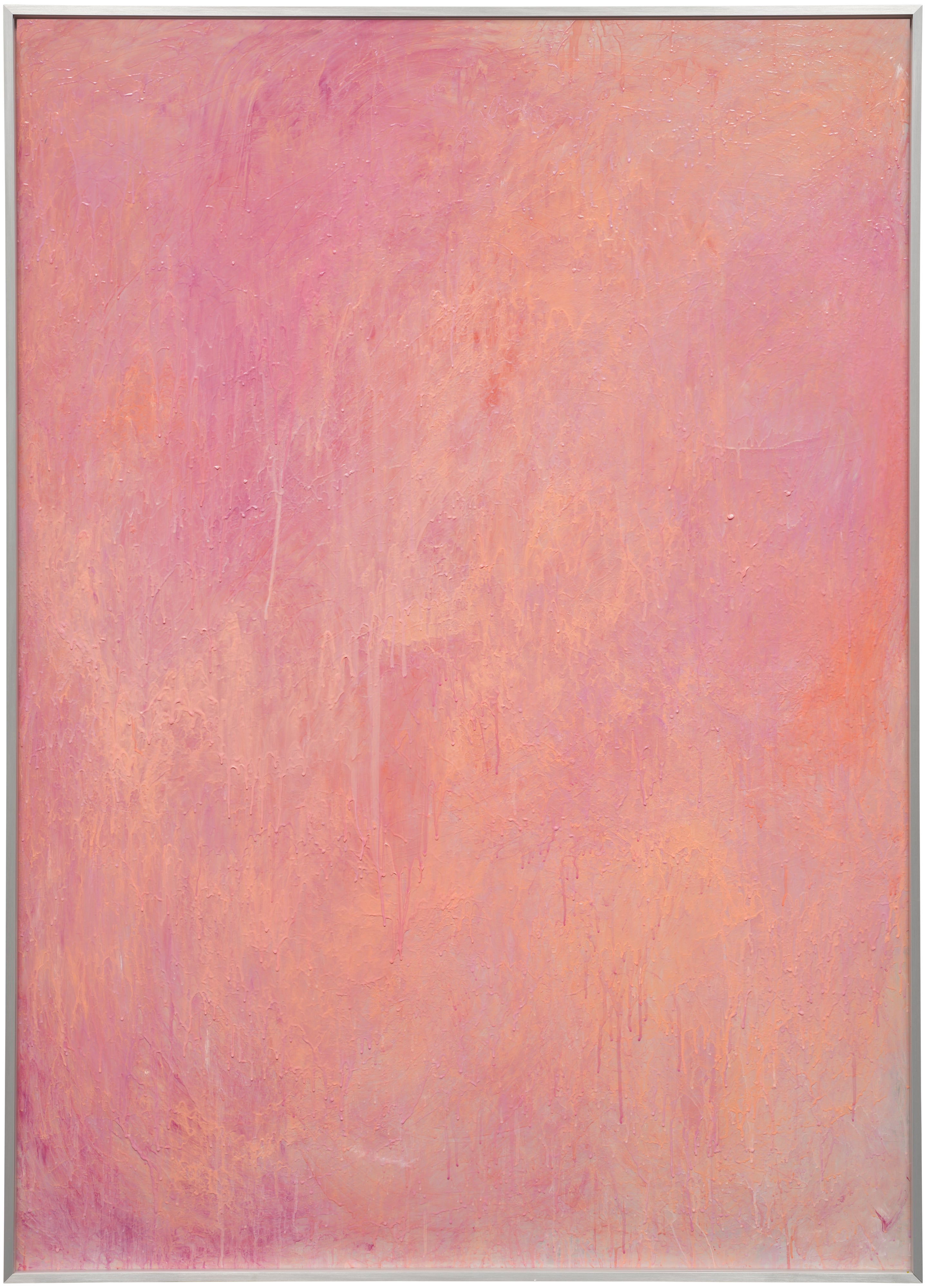
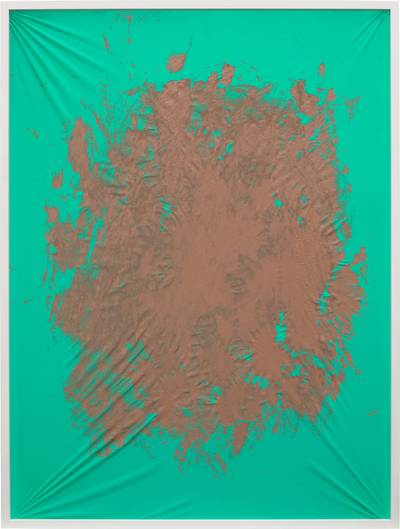
Pamela Rosenkranz
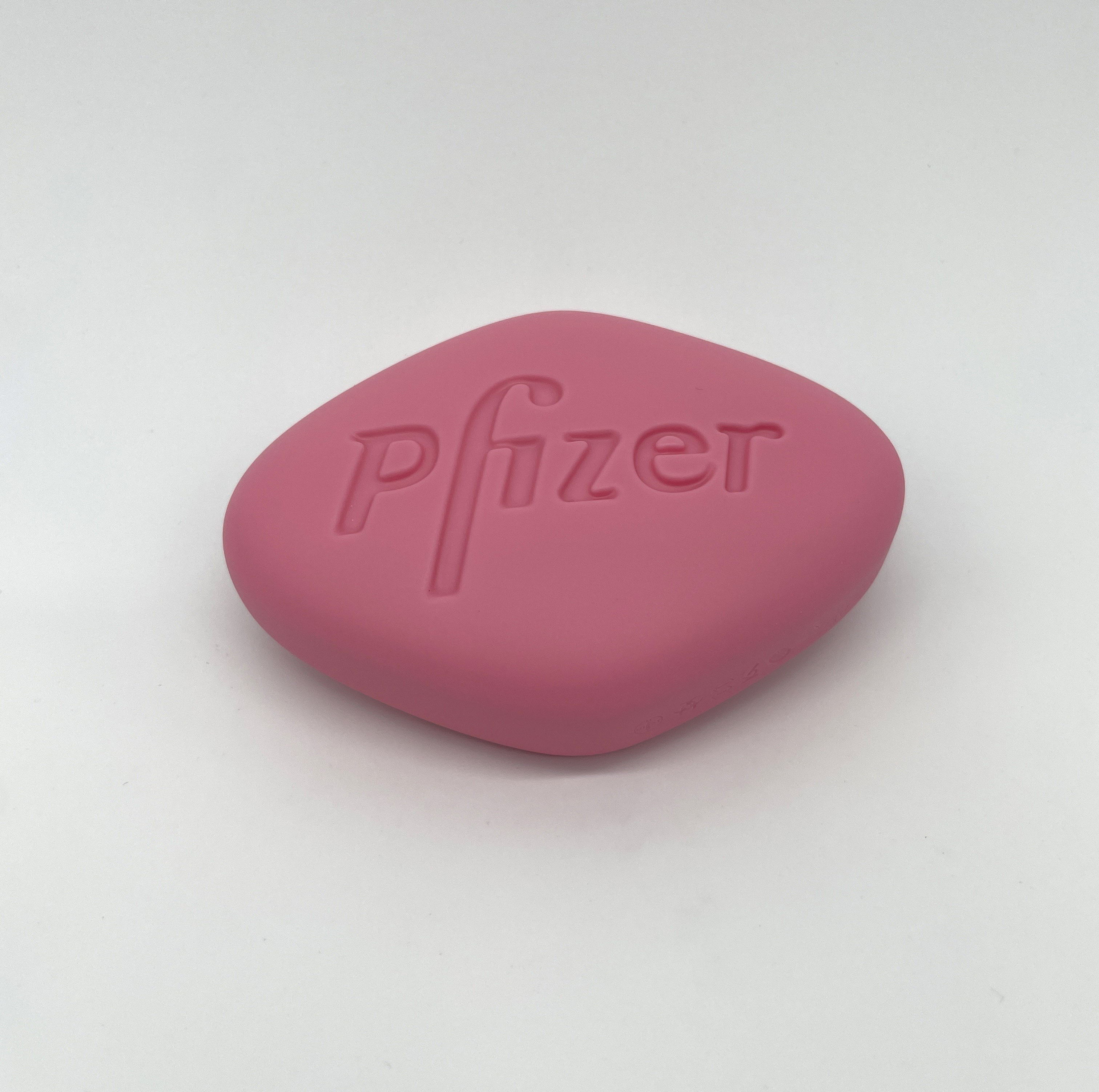
Sexual Power (Viagra Painting, Feeling Green), 2020
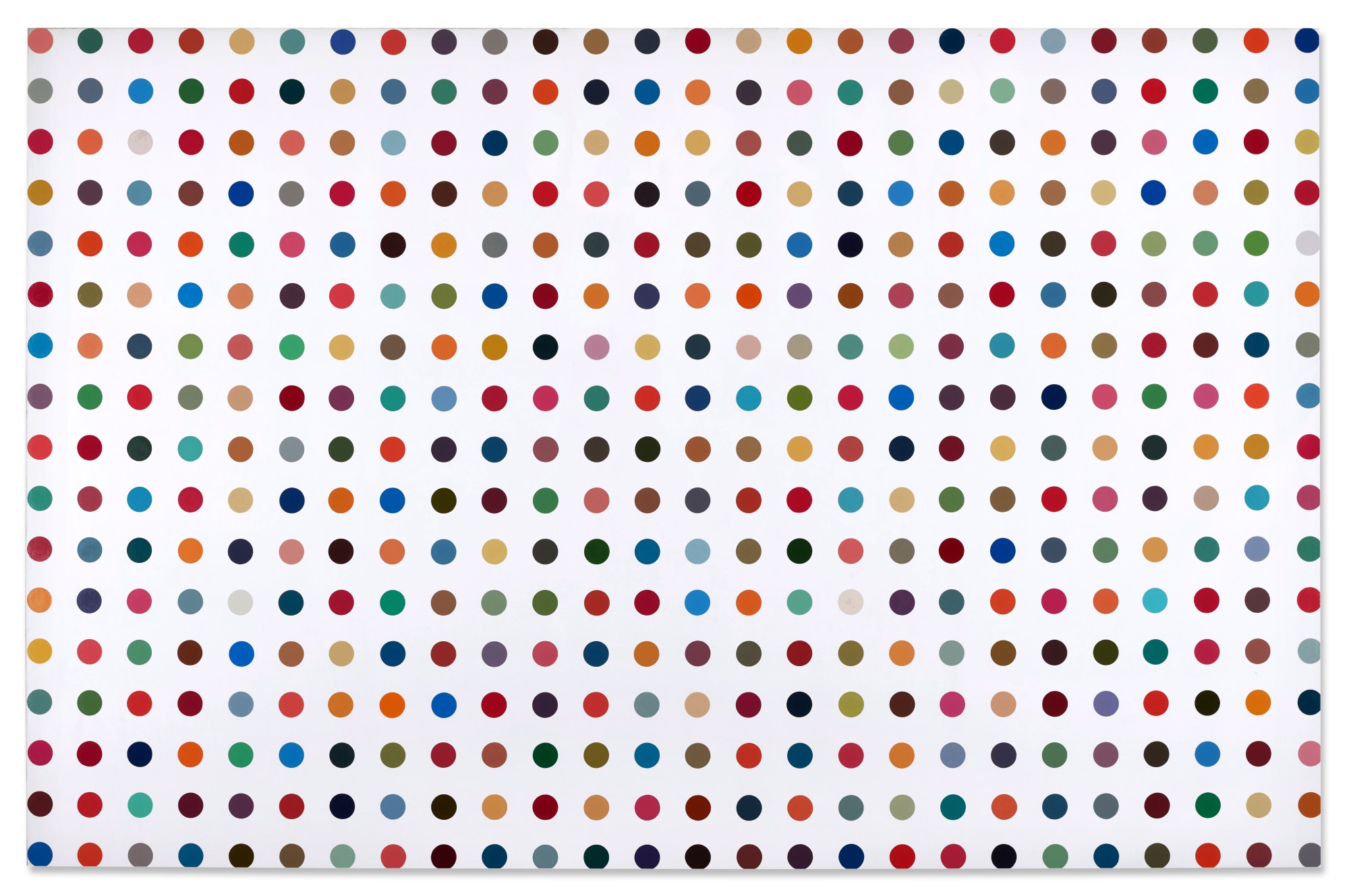
Bottles, capsules, and clinical packaging carry the visual authority of institutional trust while also signalling dependence, chronic illness, and the commodification of wellbeing. Hirst understood this contradiction intuitively and pushed it hard. His spot paintings, which draw their palette partly from the colour coding systems used in pharmaceutical manufacturing, extend the theme into abstraction, turning the retinal pleasure of pure colour into something that hums with chemical association. The works feel festive and somehow cold at the same time, which is precisely the emotional register of a well stocked pharmacy.
Pamela Rosenkranz brings an entirely different sensibility to related terrain. Her practice interrogates the relationship between the human body, synthetic materials, and the pharmacological substances that have become inseparable from contemporary selfhood. Rosenkranz works with skin tones, liquids, and branded products to ask what it means to experience the body as a surface that has been chemically managed and aesthetically optimised. Her work, represented on The Collection, arrives at the pharmaceutical through biopolitics rather than spectacle, asking quieter and perhaps more destabilising questions about identity, race, and the normalisation of pharmaceutical intervention.
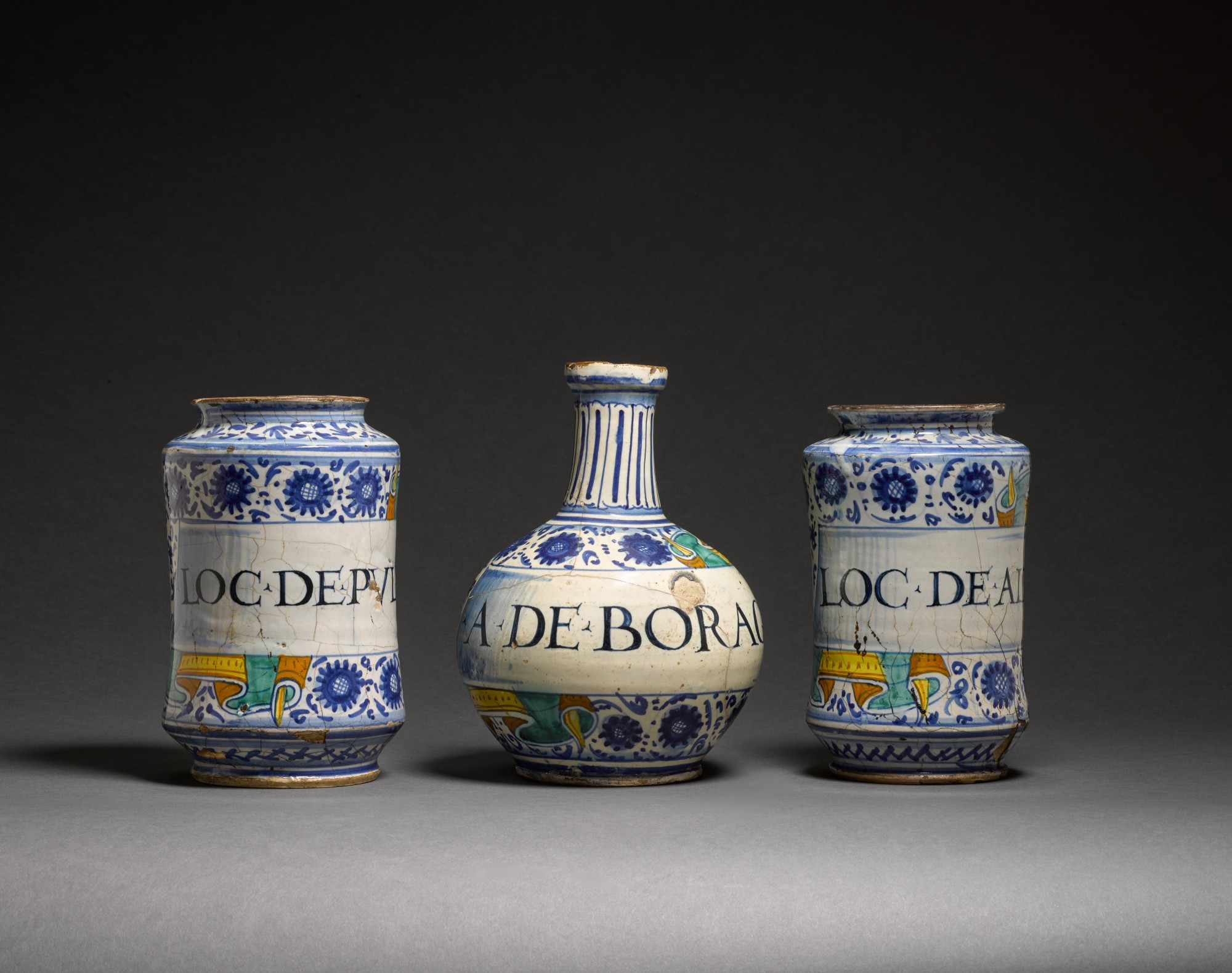
Unknown
A pair of Italian maiolica albarelli and a bottle, Faenza, circa 1525
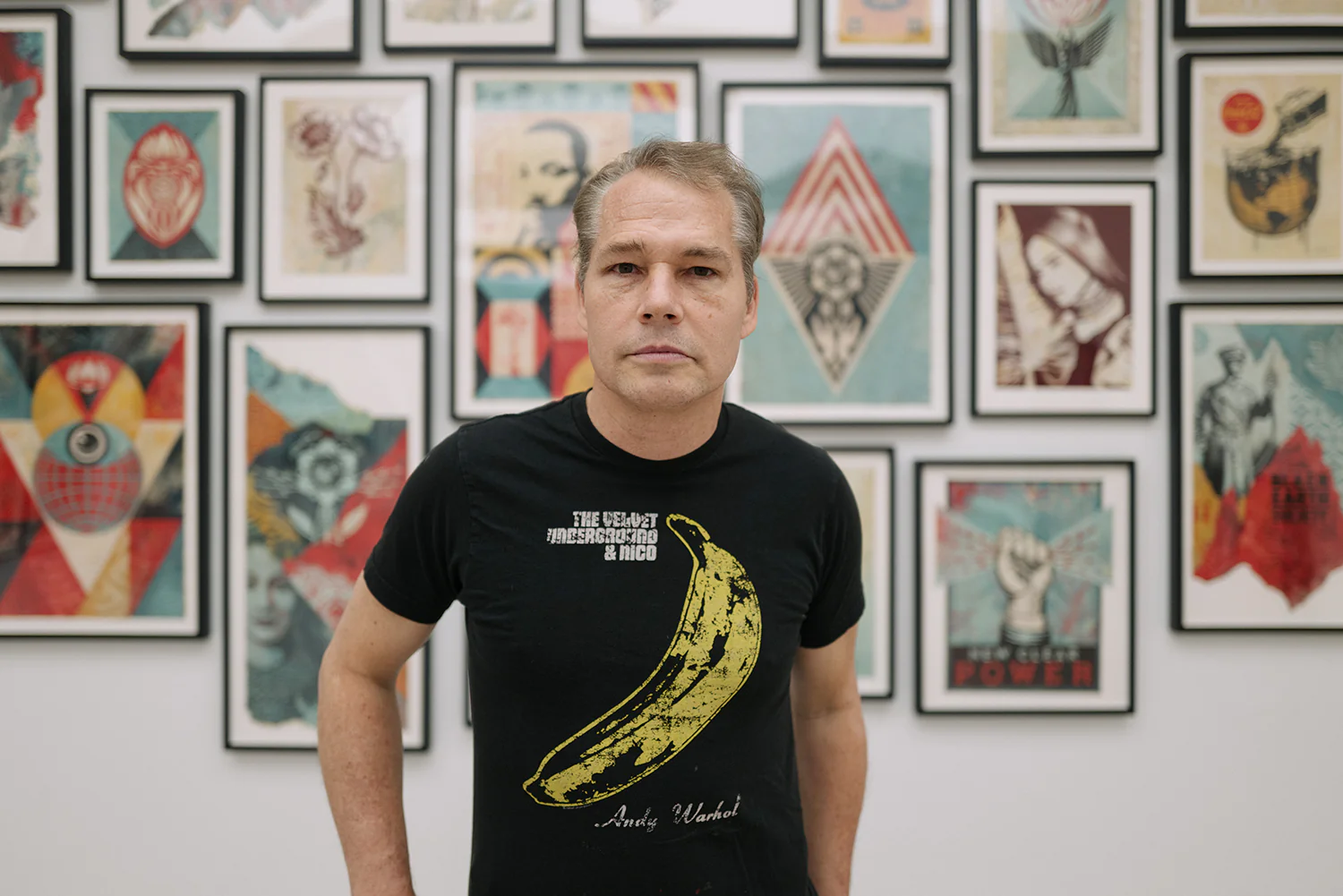
Where Hirst confronts you with scale and abundance, Rosenkranz works at the level of the intimate and the almost imperceptible. Shepard Fairey, whose practice is rooted in the visual rhetoric of propaganda and consumer culture, has also moved through adjacent territory. His engagement with systems of control and the production of social compliance connects to pharmaceutical themes even when the imagery does not show a pill or a syringe directly. Fairey's work on The Collection reflects a career spent interrogating the mechanisms by which authority makes itself visible, and the pharmaceutical industry is one of the more powerful contemporary examples of that mechanism.
The intersection is worth noting: the same graphic language that sells political movements has, for decades, been used to sell drugs. Culturally, the pharmaceutical turn in art reflects a broader reckoning with what it means to live inside systems of managed health. We are more conscious than ever of side effects, of clinical language, of the way diagnoses shape identity. Artists working in this vein are not simply illustrating these anxieties; they are giving them form, making them available for contemplation at a pace that daily life does not allow.
There is also something genuinely beautiful in much of this work. The geometry of a pill organiser, the translucency of a capsule, the precise typography of a drug insert: these are objects of strange formal elegance, and artists have been right to notice. For collectors, pharmaceutical art offers something rare: a category with genuine intellectual depth and visual immediacy, work that holds its power across time because its subject matter is not going anywhere. If anything, the cultural dominance of pharmaceutical culture has accelerated since Hirst first lined up those cabinet shelves.
The questions these works ask, about mortality, about trust, about what we are willing to put in our bodies and why, remain as urgent as ever. Engaging with this body of work is not simply a matter of aesthetic pleasure, though the pleasure is real. It is an invitation to think carefully about the world we are already living in.