Patinated Metal
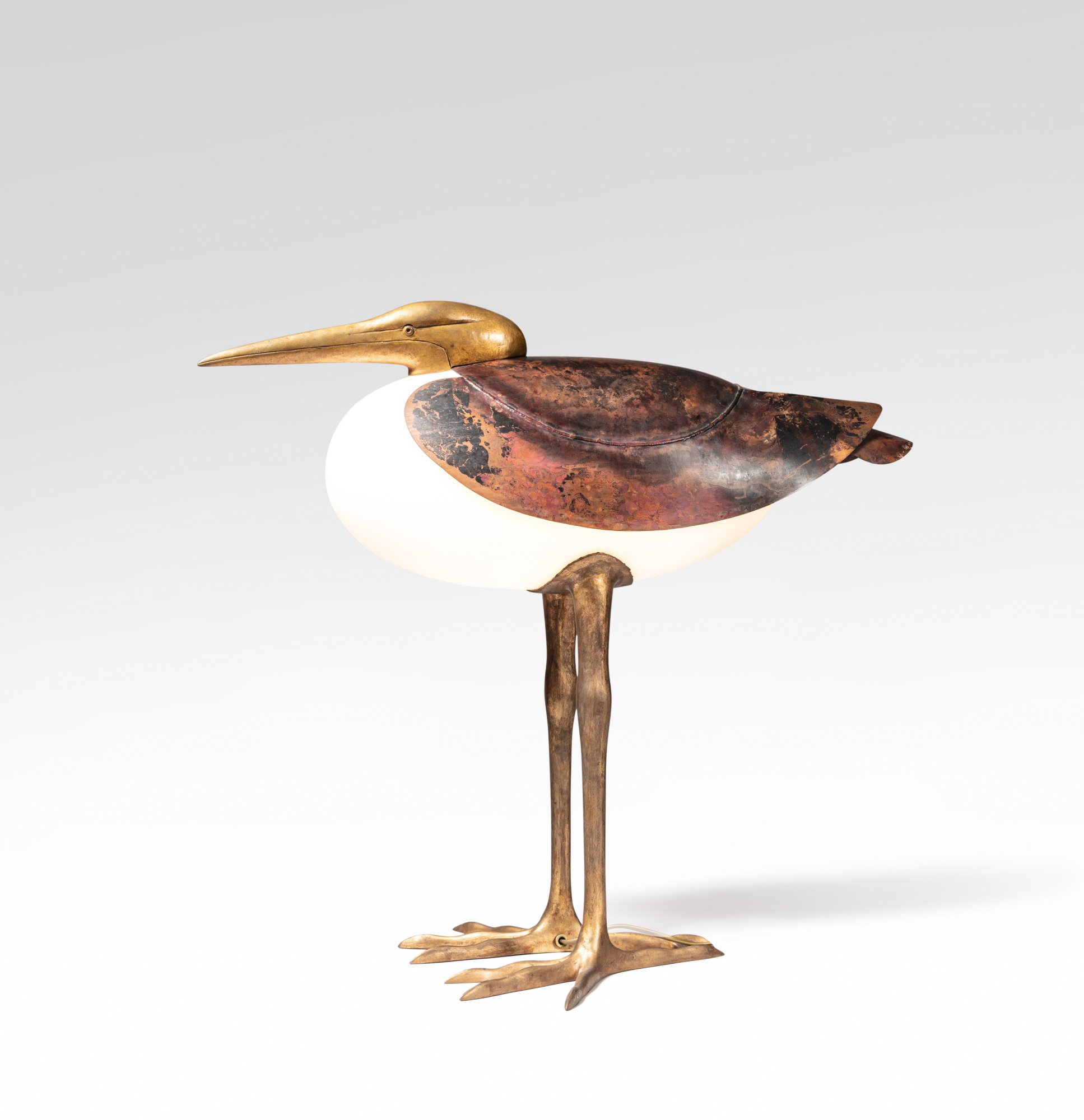
François-Xavier Lalanne
Grand échassier lamp
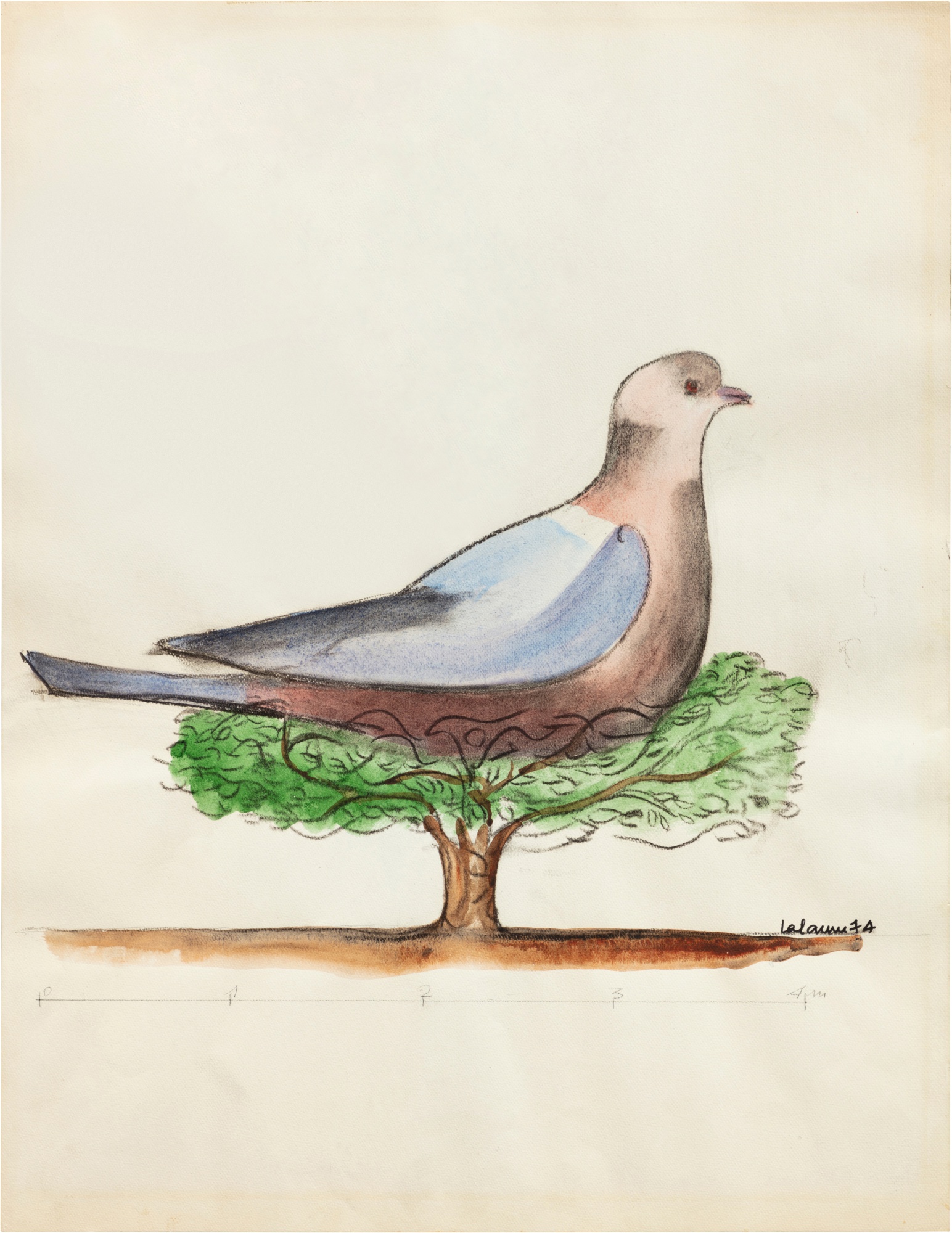


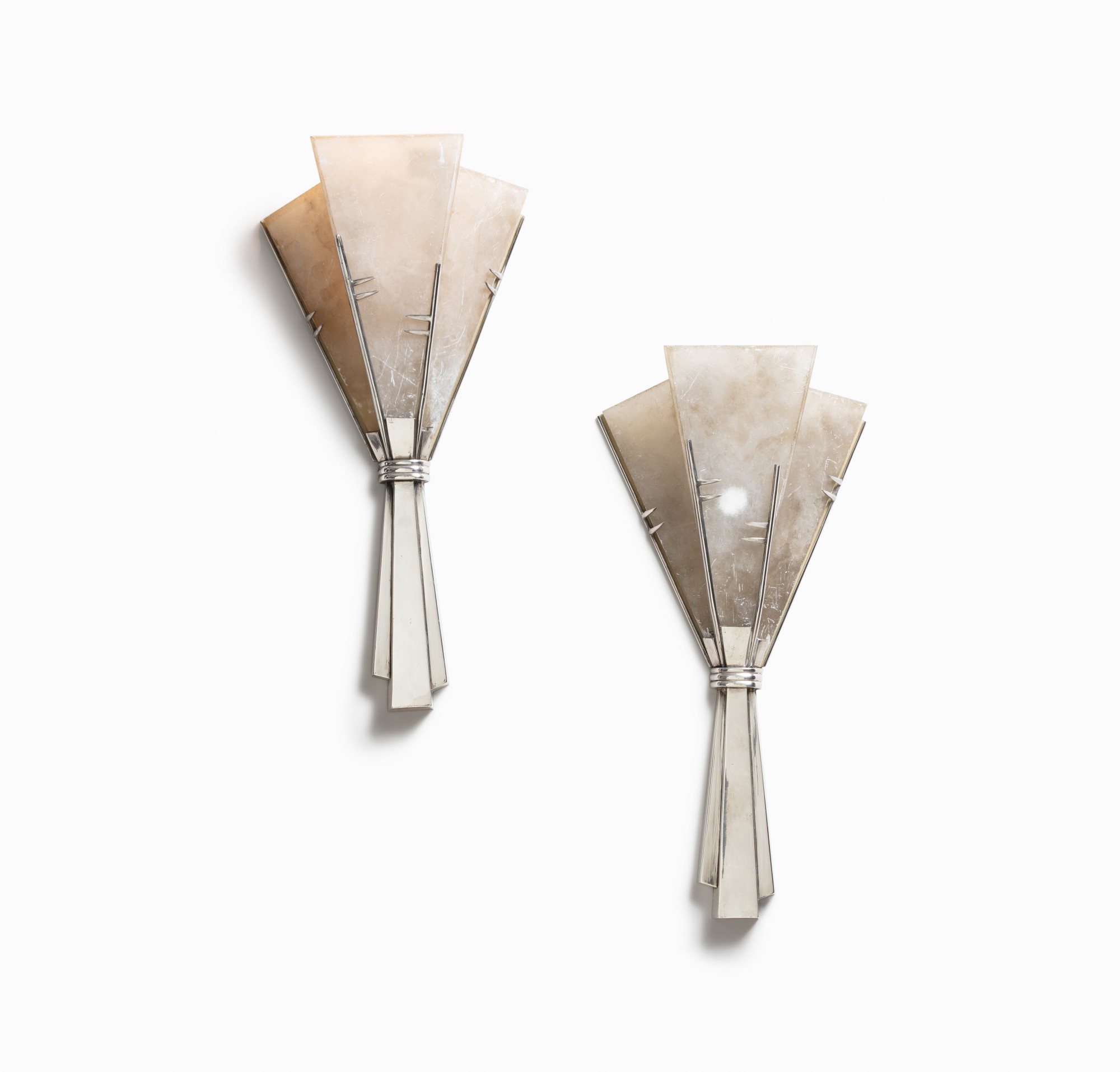
Metal That Breathes: The Living Surface
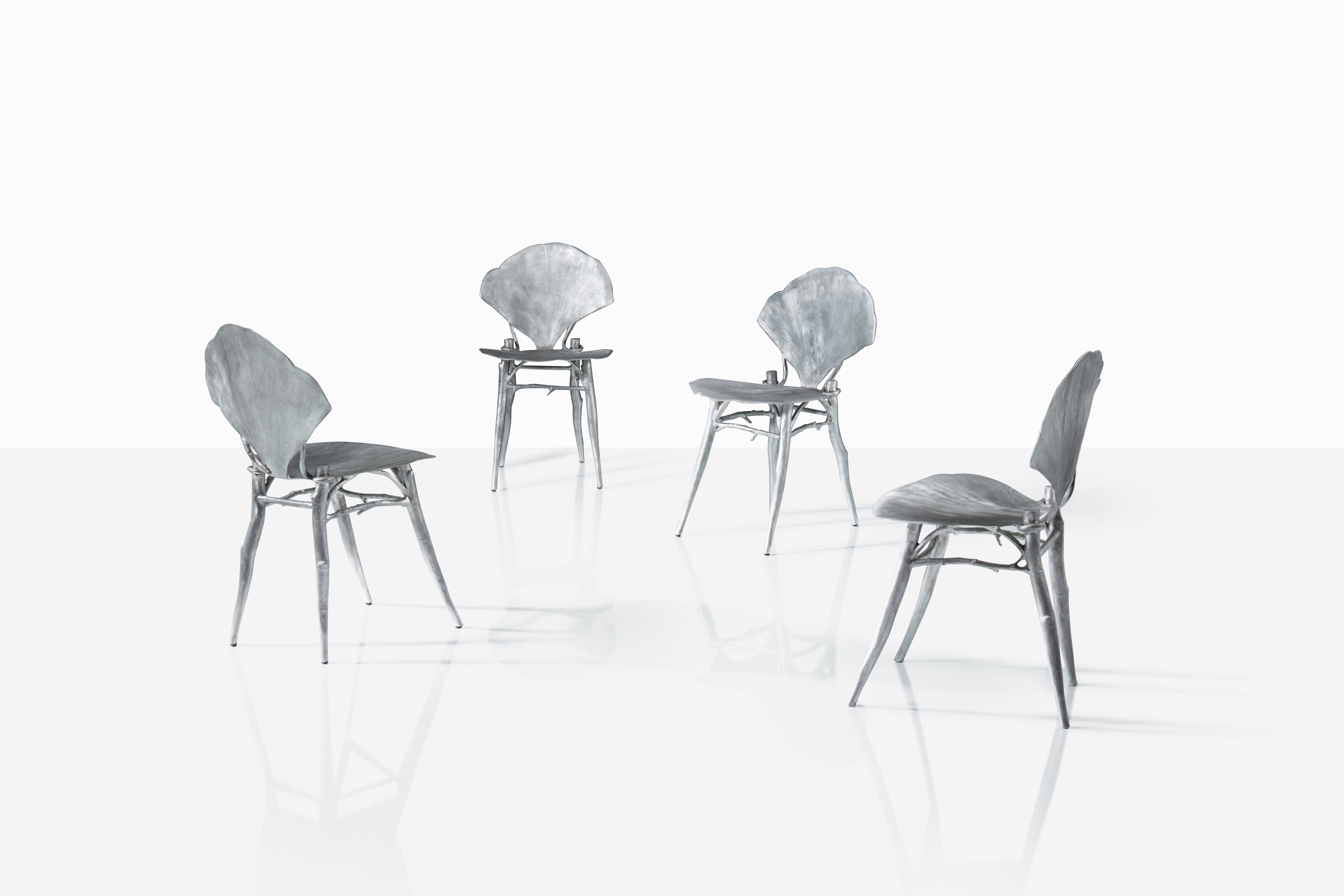
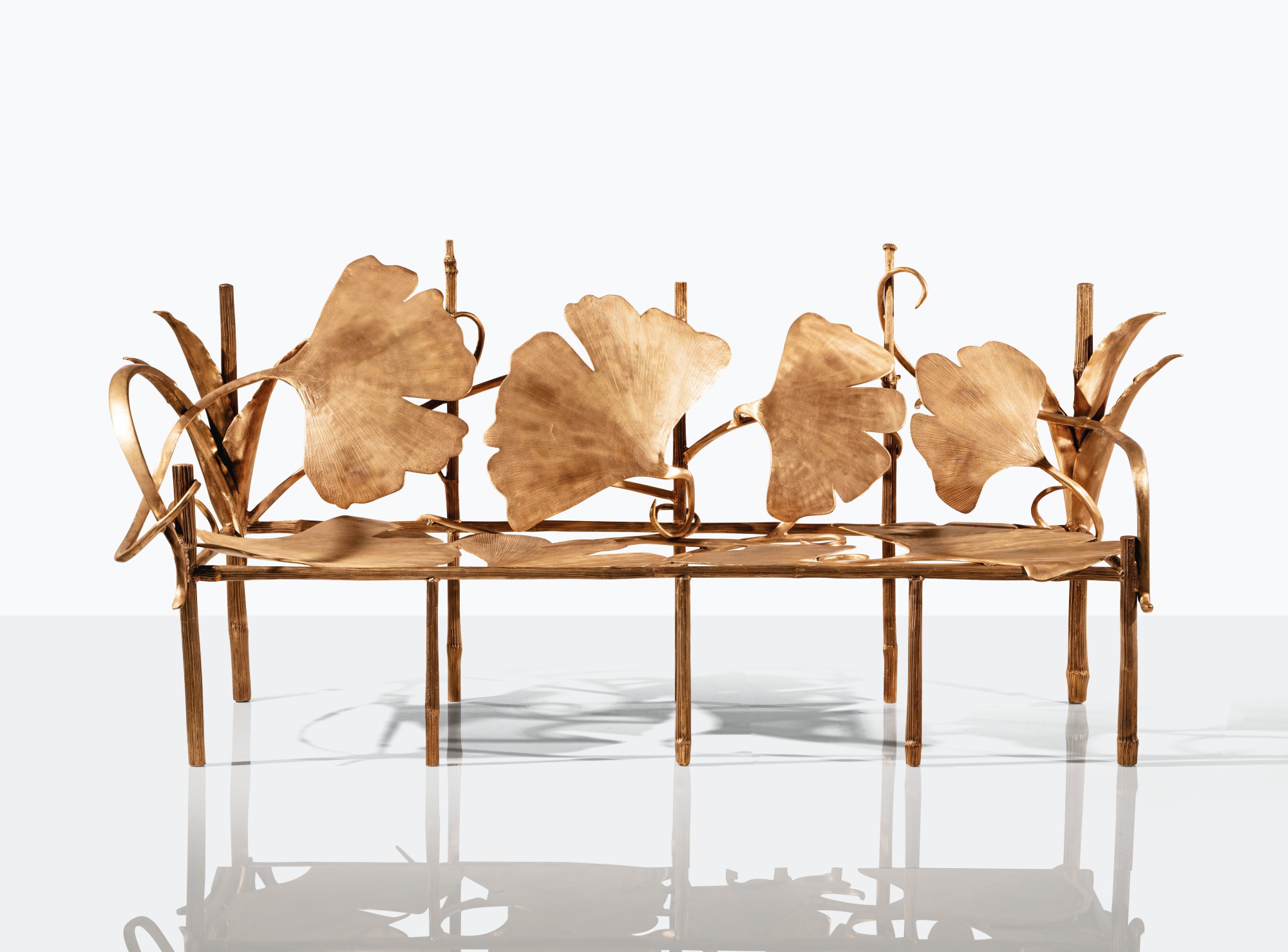
At Christie's Paris in the spring of 2023, a bronze sheep by François Xavier Lalanne sold for well over a million euros, drawing gasps not because the result was unexpected but because it confirmed something collectors had quietly suspected for years: patinated metal has moved from decorative category to serious fine art investment, and the market has fully caught up with what connoisseurs always knew. The piece, one of Lalanne's iconic animal sculptures, carried that particular green and amber warmth that only decades of oxidation can produce. It was the surface as much as the form that drove the bidding. That surface has become a language unto itself.
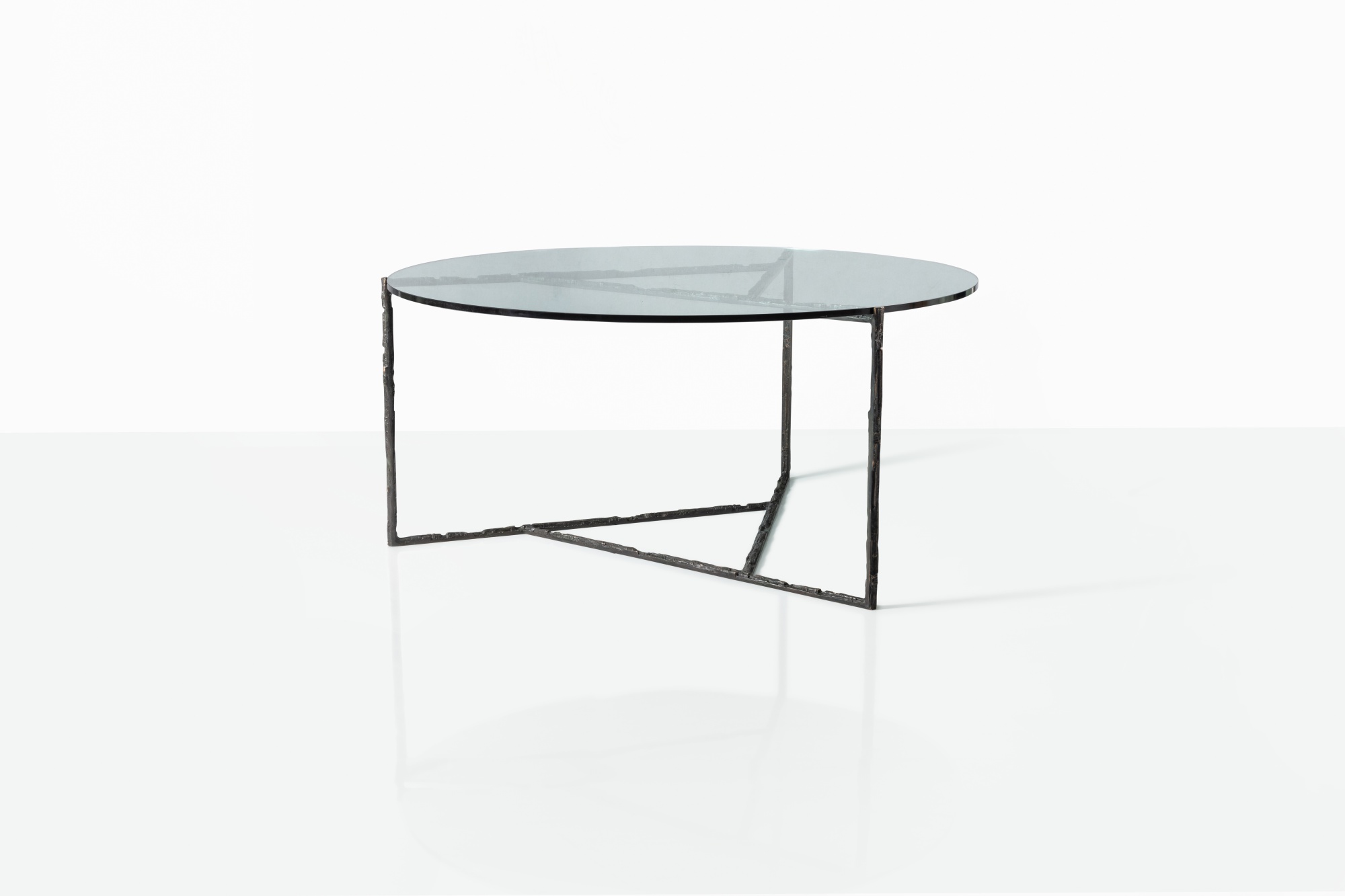
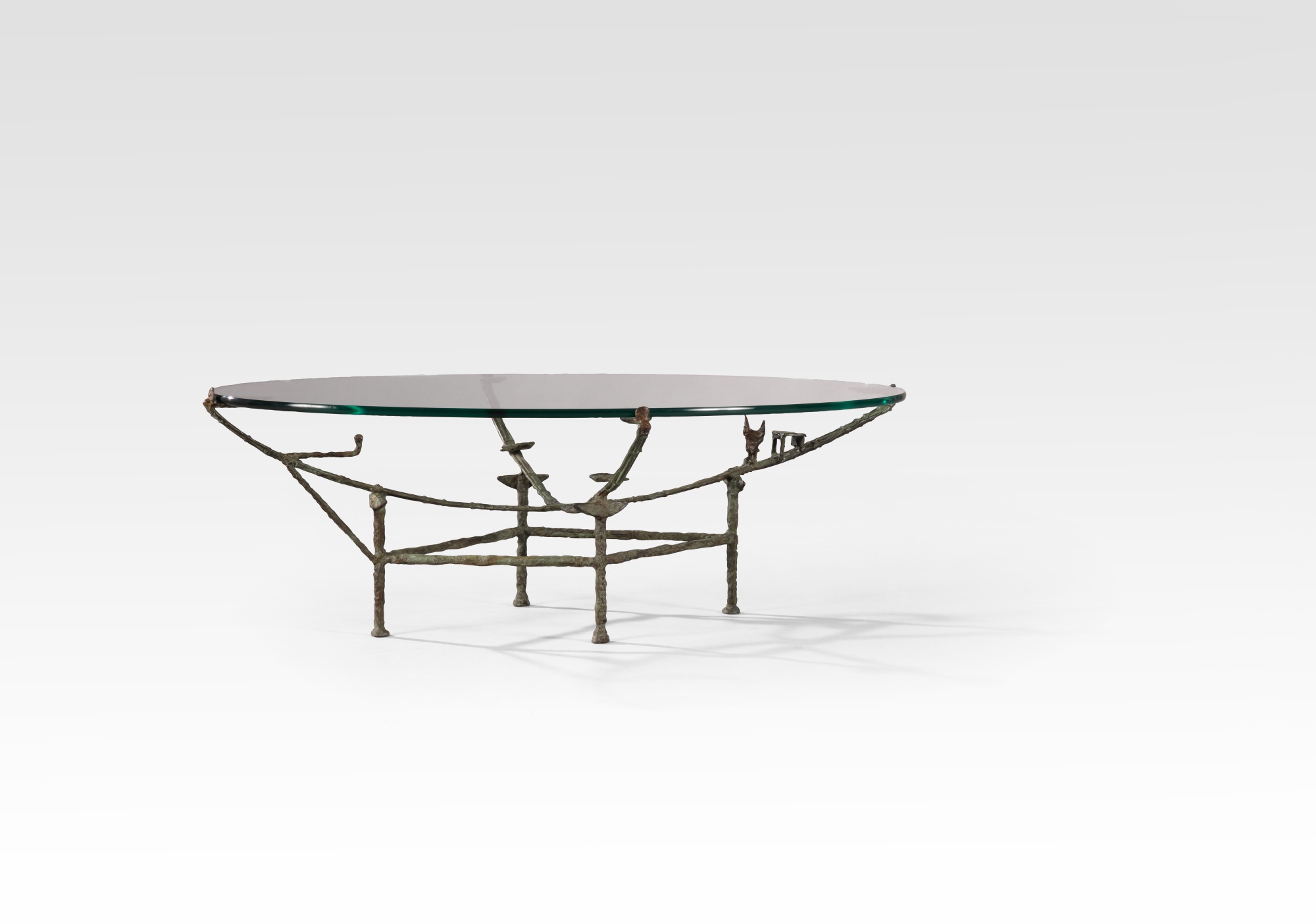
Patination is often misunderstood as mere finish, a cosmetic afterthought applied to disguise or decorate. But for the most compelling sculptors working in bronze, iron, and mixed metals, the patina is the conversation. It records time, environment, and the hand of the maker in ways that paint on canvas simply cannot replicate. When Diego Giacometti developed his distinctive bronze furniture and objects throughout the 1970s and 1980s, the rough, almost geological texture of his surfaces was inseparable from the emotional register of the work.
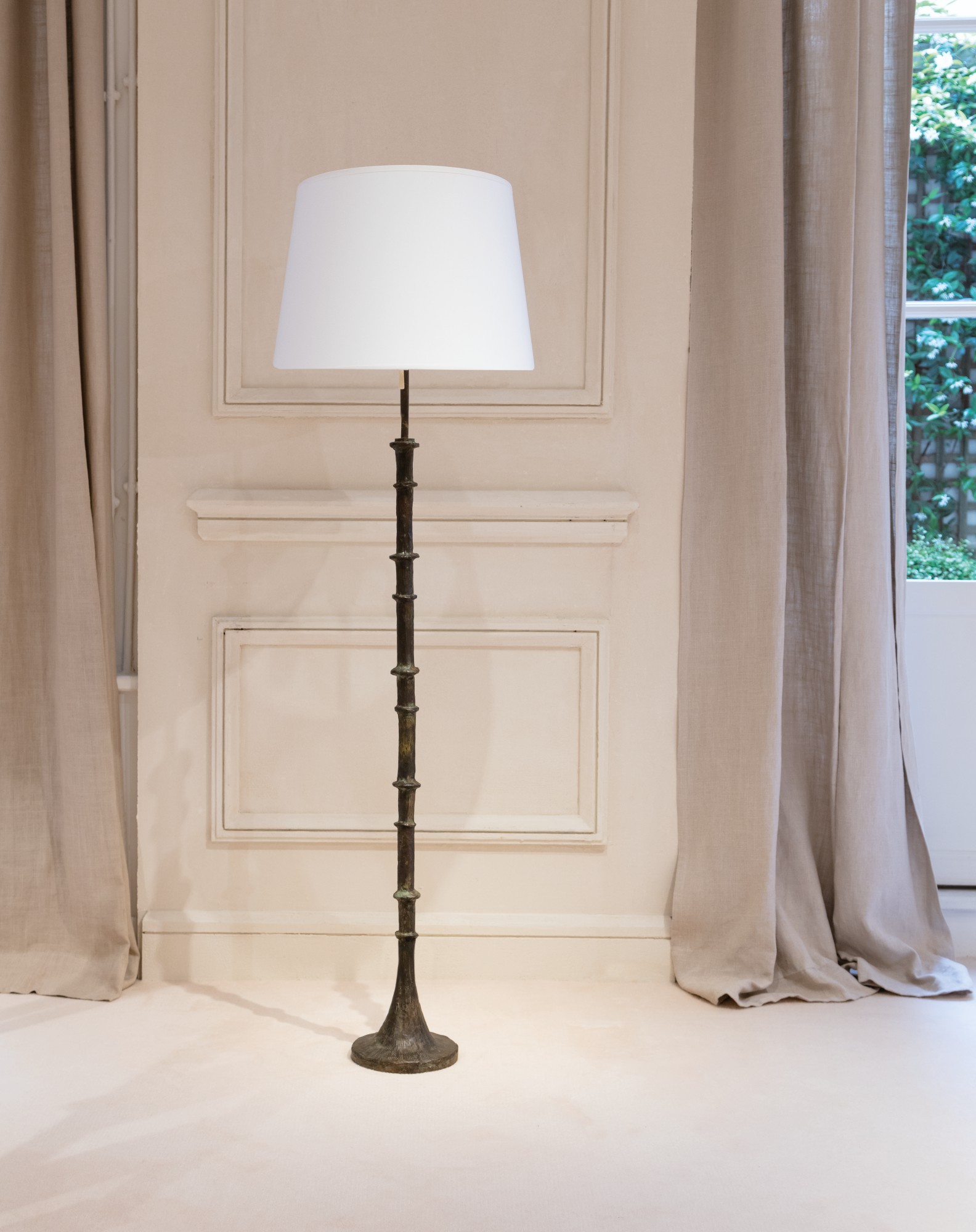
Diego Giacometti
Lampadaire Aux anneaux
His pieces looked like they had been excavated rather than cast, as if they belonged to some ancient ceremonial world that he was only rediscovering. That quality continues to command extraordinary prices whenever his work appears at auction. The critical rehabilitation of decorative and applied metalwork as fine art has been one of the quieter but more significant curatorial shifts of the past decade. The Musée des Arts Décoratifs in Paris has been central to this, with successive exhibitions examining the boundary between object and sculpture, use and contemplation.
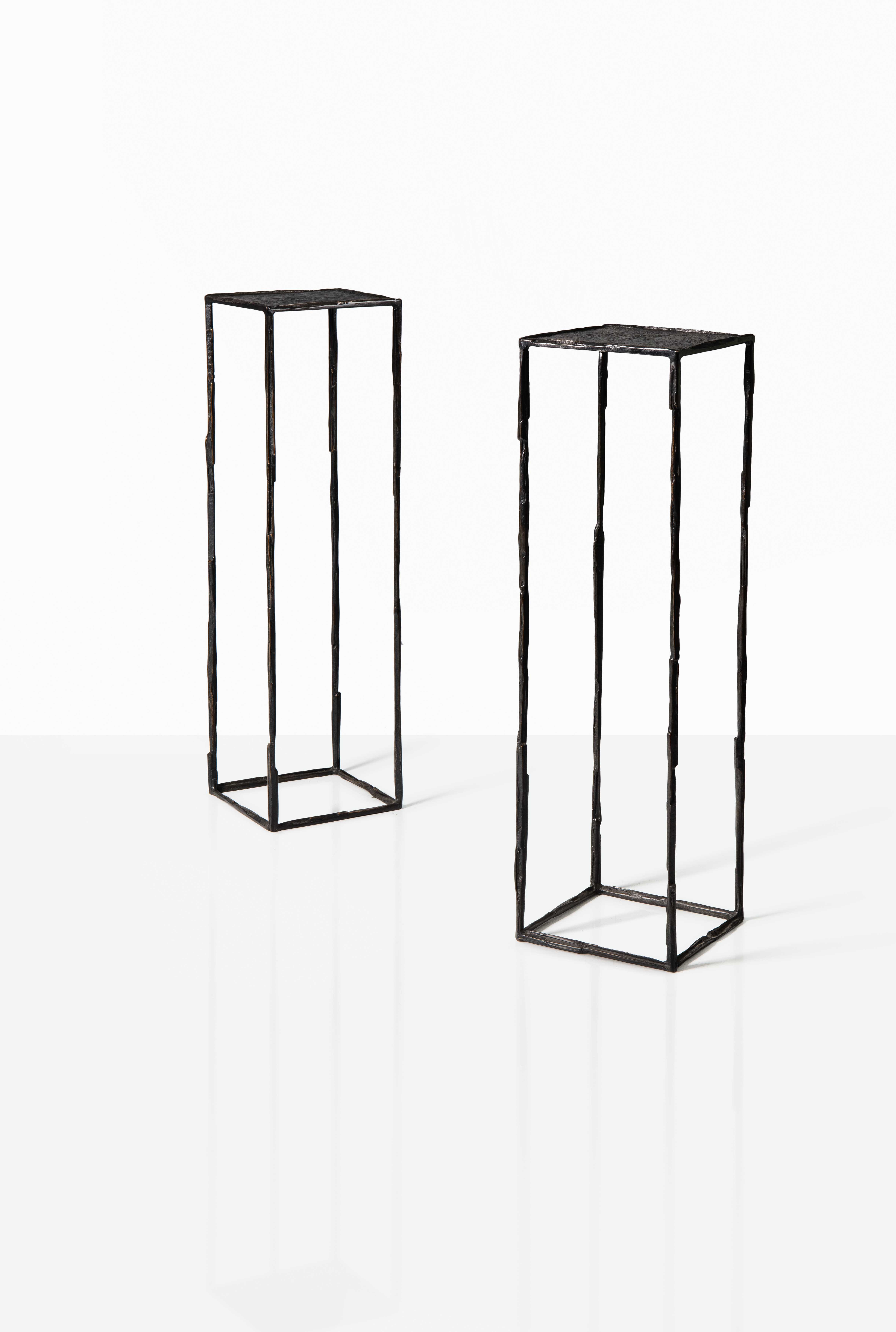
The Lalanne retrospective at the Musée des Arts Décoratifs in 2010 was a watershed moment, presenting François Xavier and Claude Lalanne as artists whose work demanded the same sustained attention as any painter or sculptor of their generation. Claude Lalanne, who continued working until near the end of her life in 2019, never stopped experimenting with electroplated surfaces and botanical casting, and her final works showed a fearlessness with material that younger artists are still absorbing. On the secondary market, the Lalanne name remains the gravitational center of this category, but the surrounding constellation of artists has grown considerably more interesting. Éric Schmitt, whose bronze and iron works occupy a space between primitive ritual object and refined modernist form, has seen steady auction appreciation over the past five years.
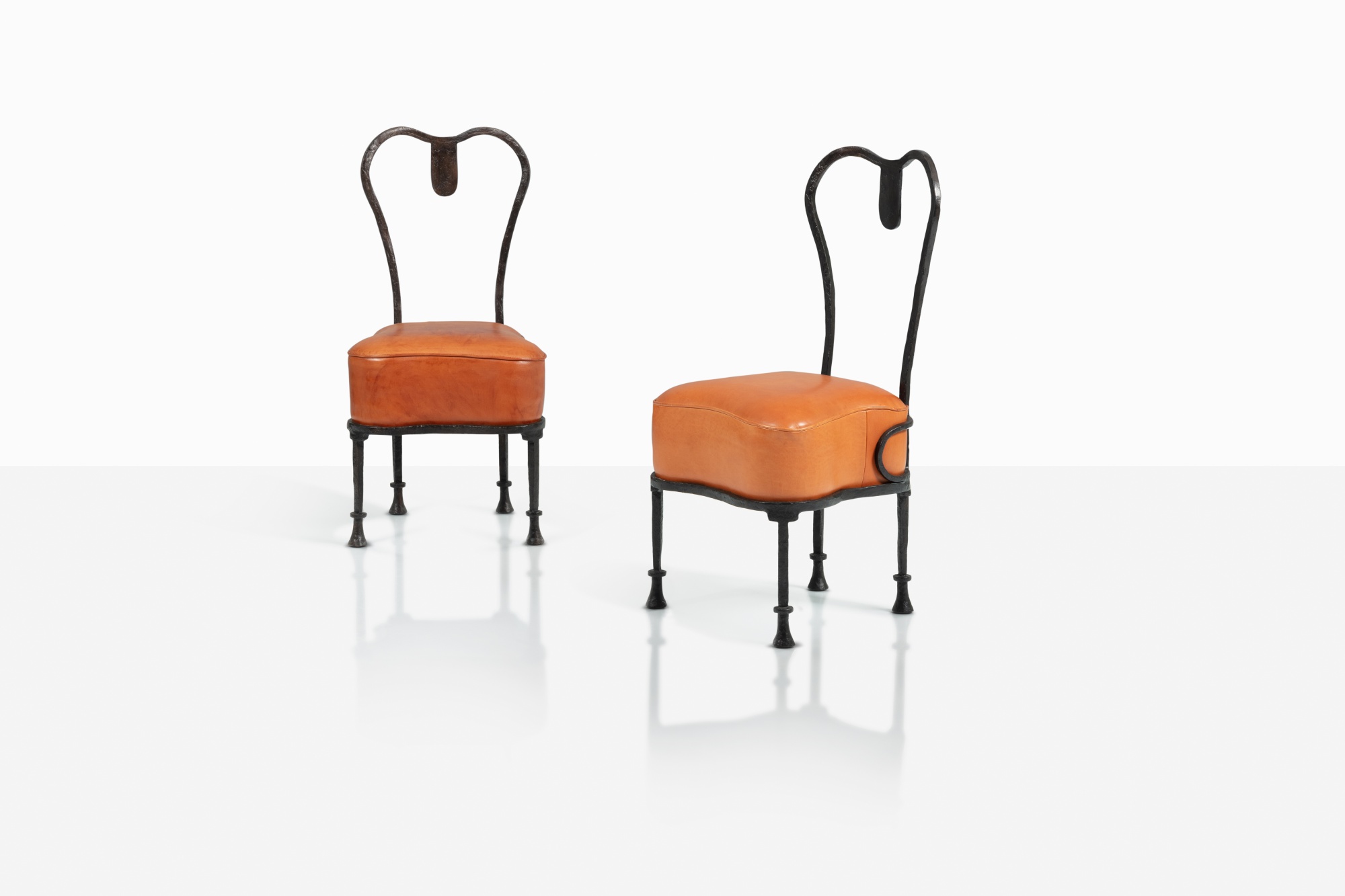
Éric Schmitt
Paire de chauffeuses Osselet
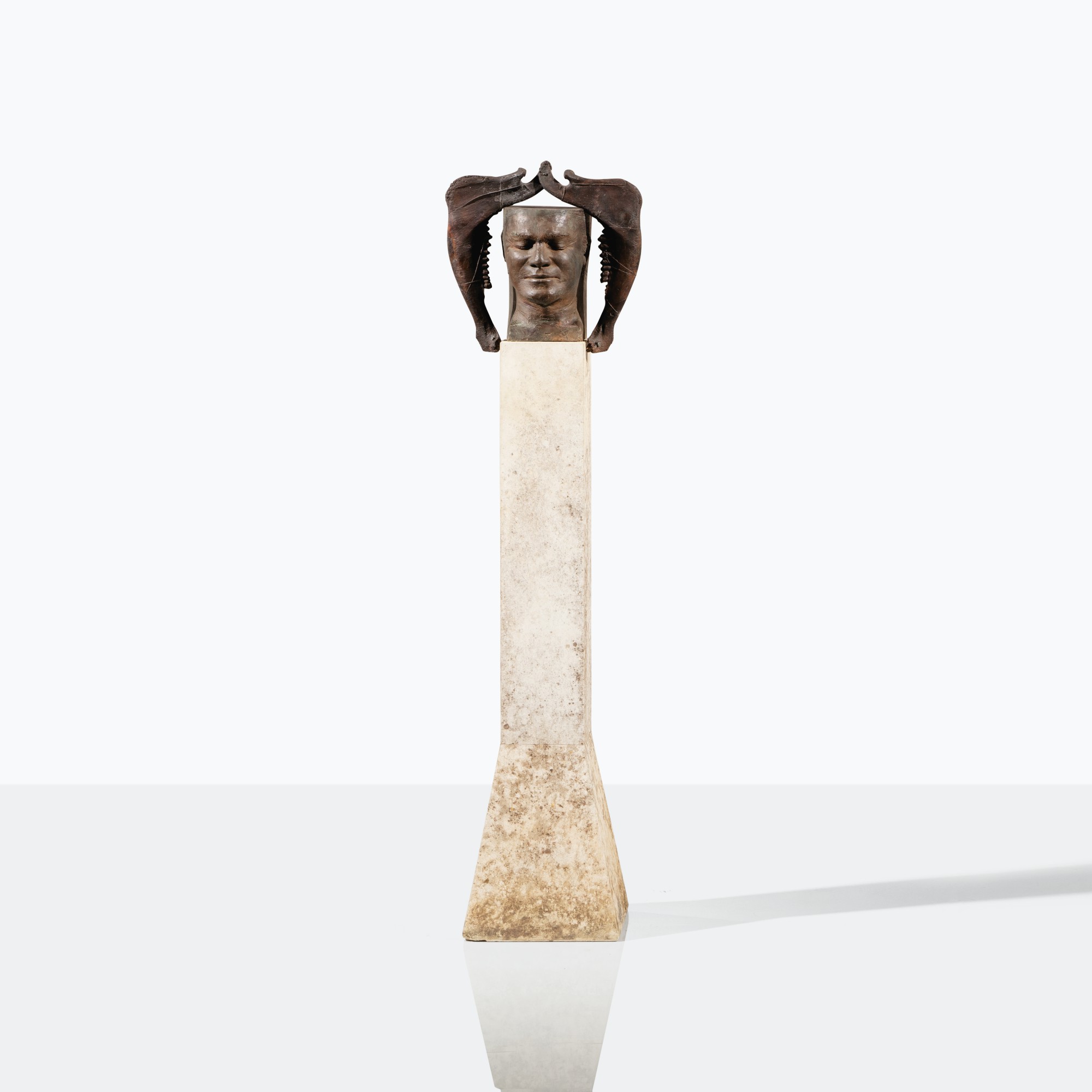
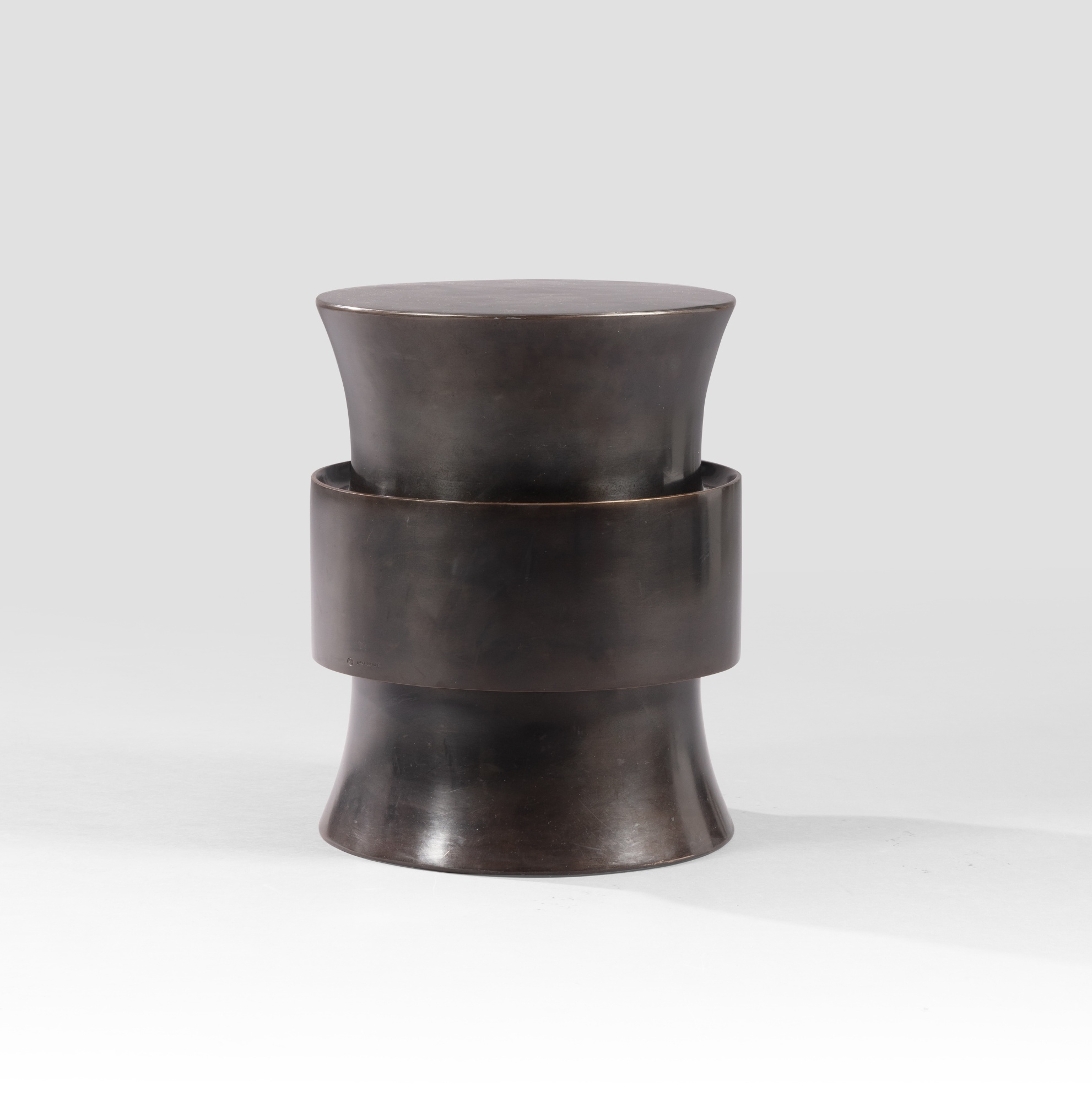
His surfaces carry a quality of deliberate aging that feels neither artificial nor nostalgic but genuinely temporal. Bruno Romeda, the Argentine sculptor long based in Paris, brings a geometric rigor to patinated metal that connects this tradition to the constructivist lineage, and his market has shown consistent strength among collectors who move between abstraction and craft. Tom Otterness, better known for his public installations across American cities, brings a very different register of wit and accessibility to cast bronze, and his auction results reflect a broad collector base that spans institutional and private buying. The institutional appetite for this work has expanded well beyond the decorative arts departments where much of it once sat classified and somewhat undervalued.
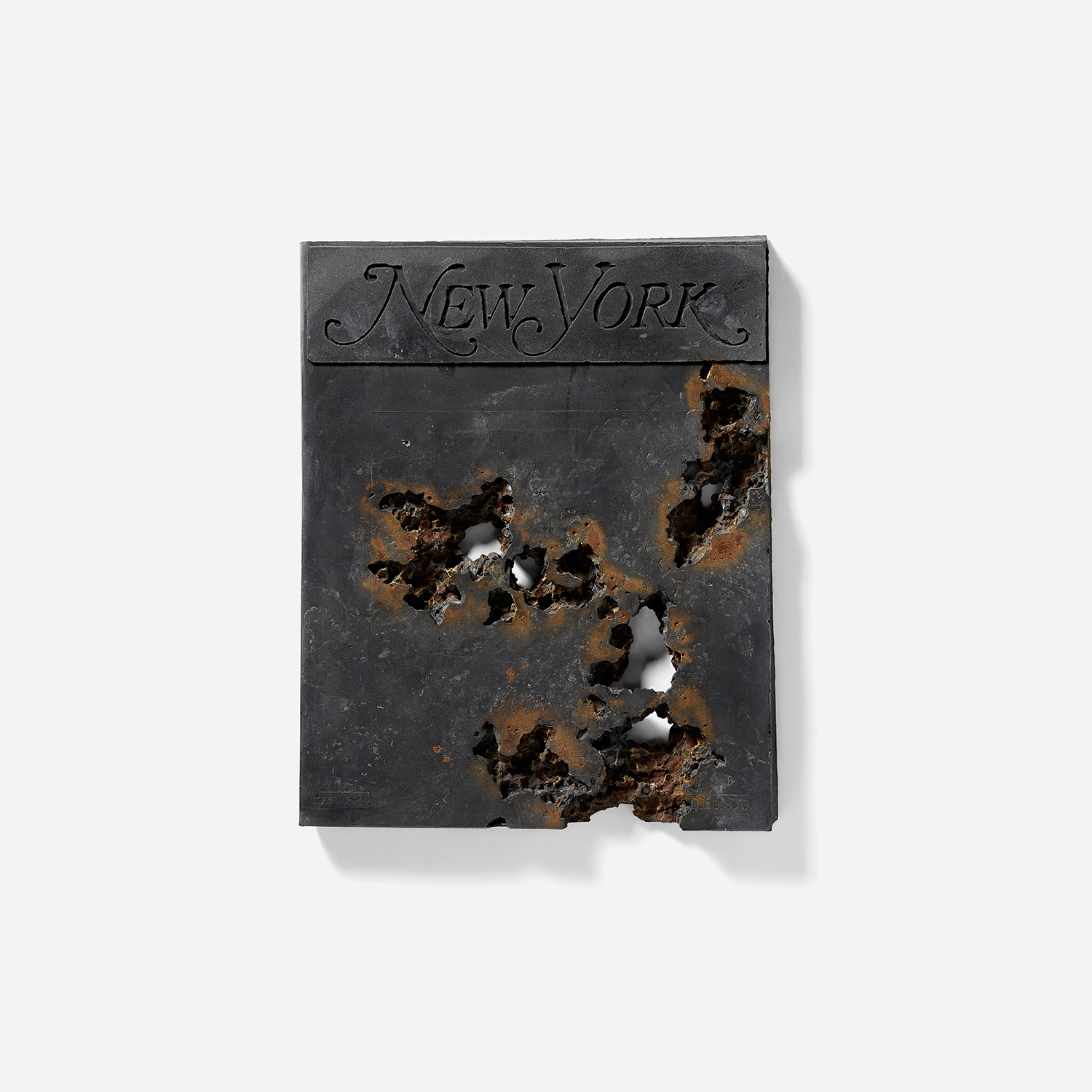
The Nasher Sculpture Center in Dallas has been quietly building a context for understanding metal sculpture across traditions, and several major American private museums have added significant patinated works to permanent collections in the past three years. What this signals is a reclassification in progress: these objects are being understood less as furniture or decorative supplements to painting collections and more as primary sculptural statements that can hold a room on their own terms. Daniel Arsham's ongoing engagement with patinated and eroded surfaces, which places his work in direct dialogue with archaeological imagination, has introduced a younger generation of collectors to the emotional possibilities of oxidized metal. His work on The Collection reflects this crossover appeal between the contemporary art world and the longer tradition of bronze casting.
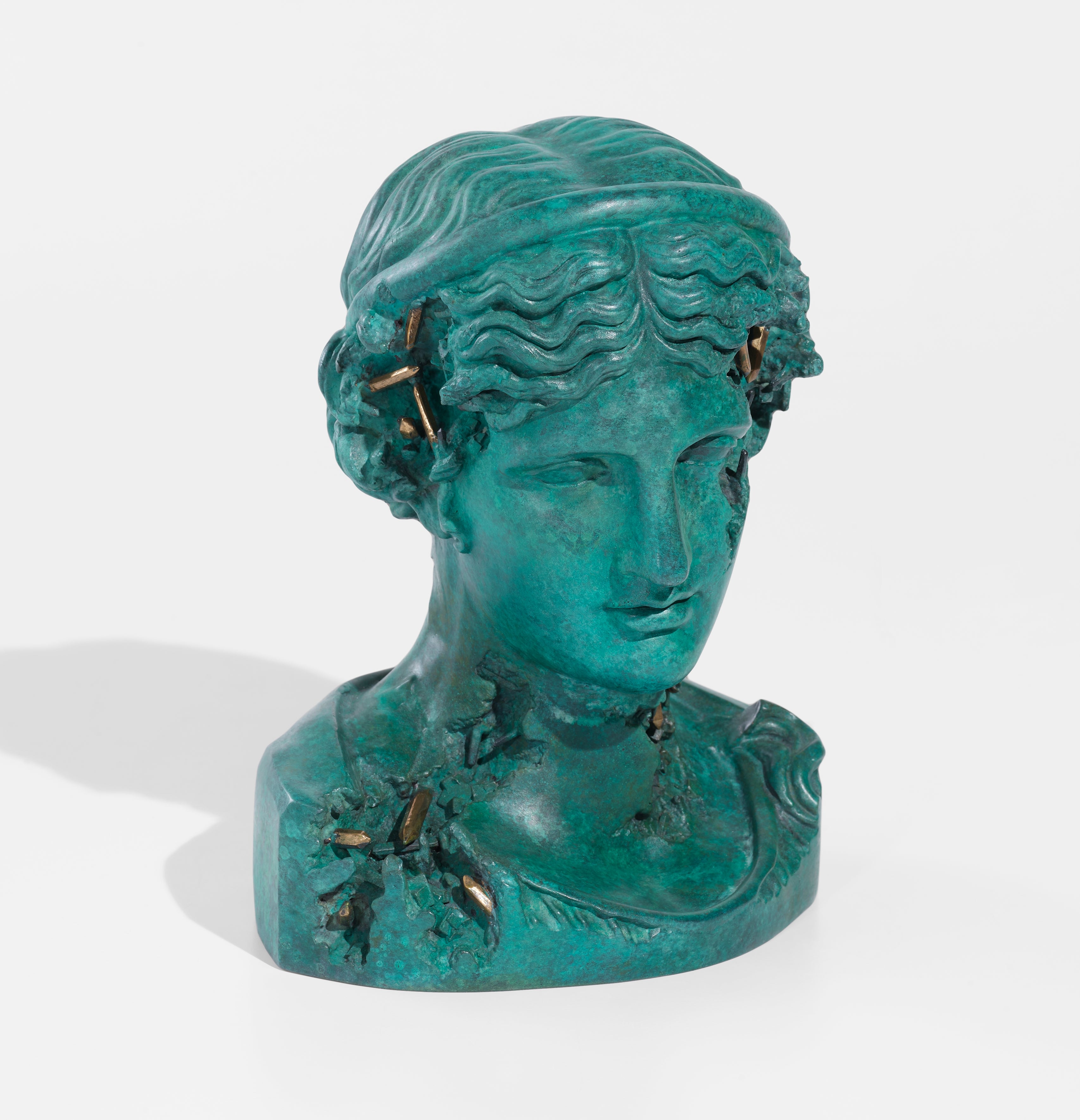
Daniel Arsham
Bronze Eroded Melpomene
The critical writing around this area has sharpened considerably. Glenn Adamson's sustained thinking about the relationship between making, material, and meaning has given collectors and curators a vocabulary for discussing craft based sculpture without condescension or special pleading. Publications including Frieze and Apollo have run substantive pieces examining how artists like Julian Opie and Elizabeth Garouste engage with metal surfaces in ways that challenge the conventional separation between fine art and applied design. Jacques Quinet and the postwar French tradition of artist furniture are receiving renewed scholarly attention, with several monographs and catalogue essays appearing in the past two years that place these makers in direct conversation with contemporaneous painting and sculpture.
The conversation is more integrated now, less worried about the old hierarchies. What feels genuinely alive in this space right now is the growing interest in Japanese and East Asian metalwork traditions meeting Western sculptural practice. Kanchi Miyazaki represents a sensibility that approaches patination as a meditative and spiritual process, not simply a technical one, and collectors who encounter this work tend to respond with an unusually personal intensity. The energy is also moving toward younger artists who are revisiting historical patination techniques with new conceptual frameworks, asking what it means to make something look old in an age of instant digital reproduction.
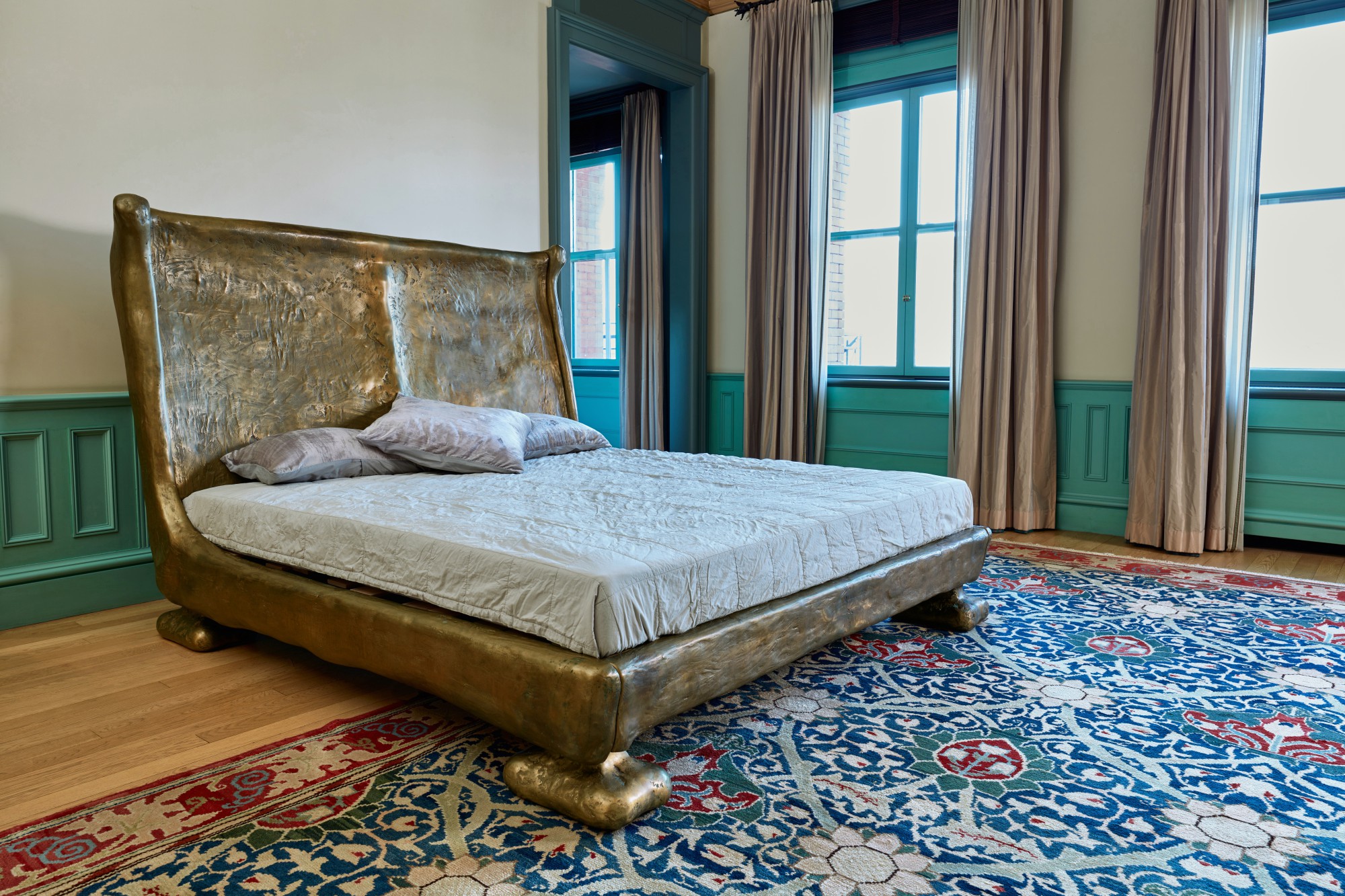
Julian Schnabel
Unique "Prehistoric Sleigh II" Bed
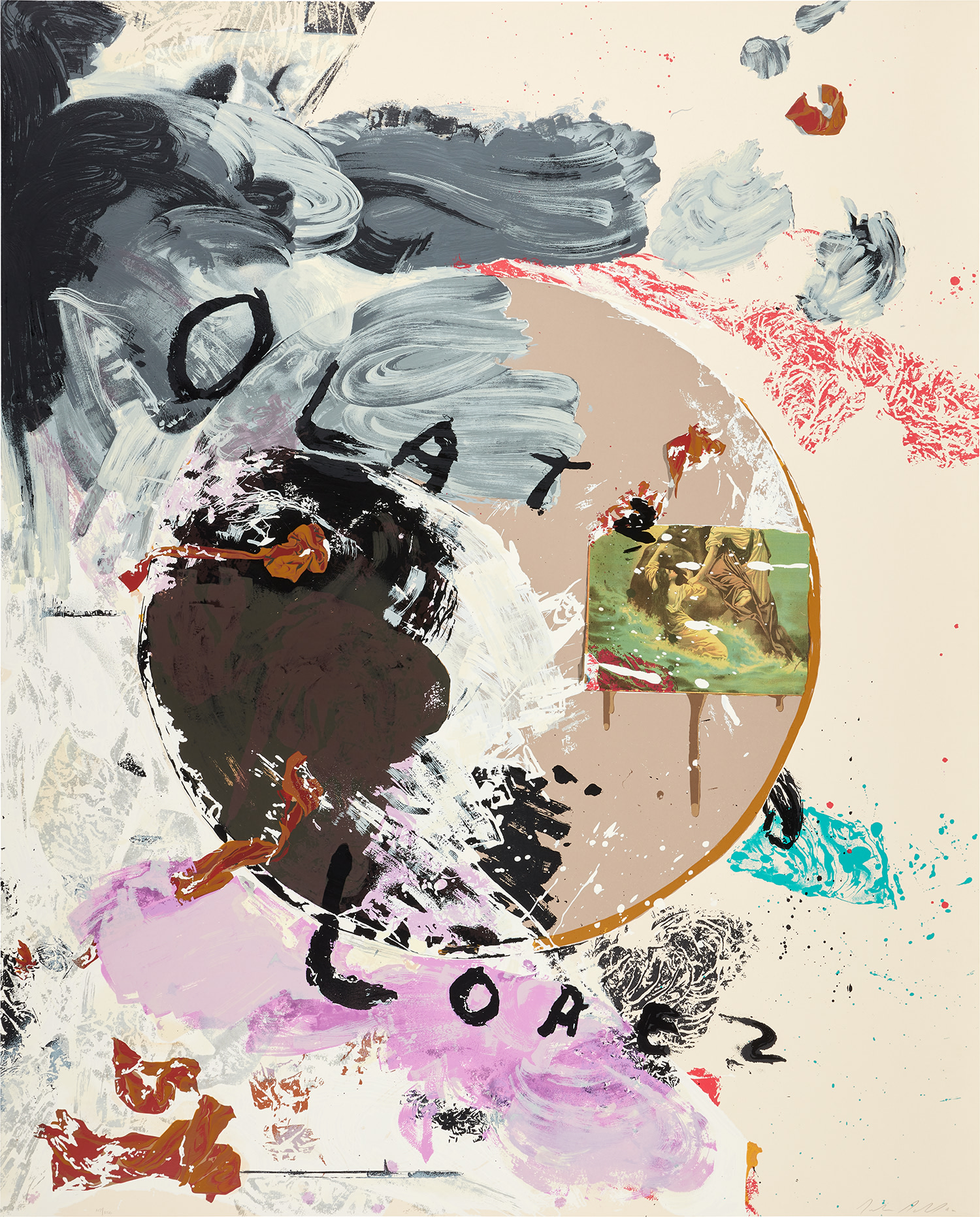
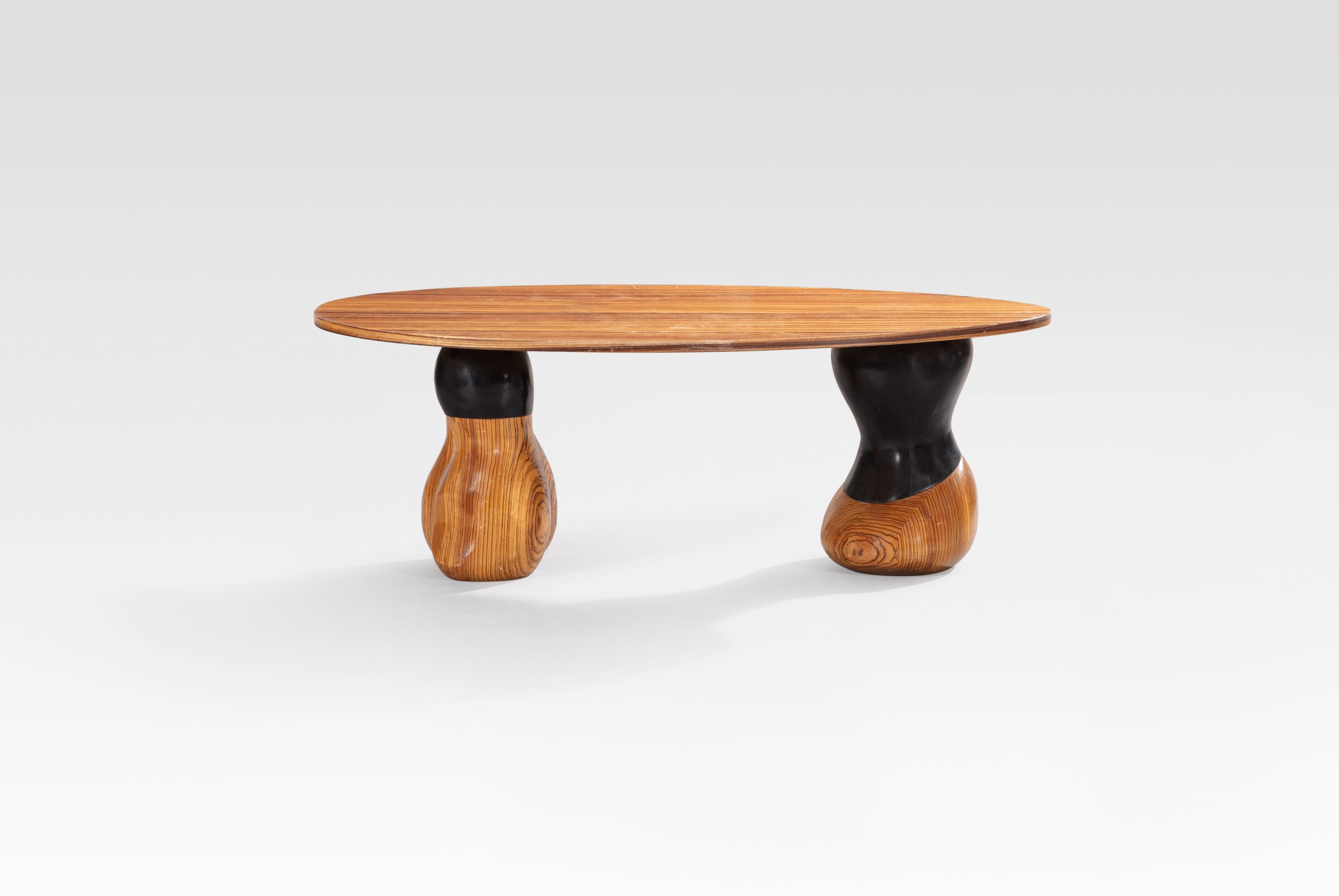
Julian Schnabel's rare forays into metal and surface bring his characteristic painterly aggression into three dimensions, reminding us that the boundary between disciplines has always been more permeable than institutions suggest. The works represented on The Collection across this category offer a remarkably coherent map of where patinated metal stands as a serious collecting area. From the refined naturalism of the Lalannes to the geometric severity of Romeda, from Giacometti's mythological bronze world to Arsham's future archaeology, the range is precisely what you would want from a field in productive conversation with itself. The patina accumulates meaning the way it accumulates chemistry: slowly, irreversibly, and with a beauty that only deepens over time.
That is not a bad argument for buying now.