Old Masters Influence
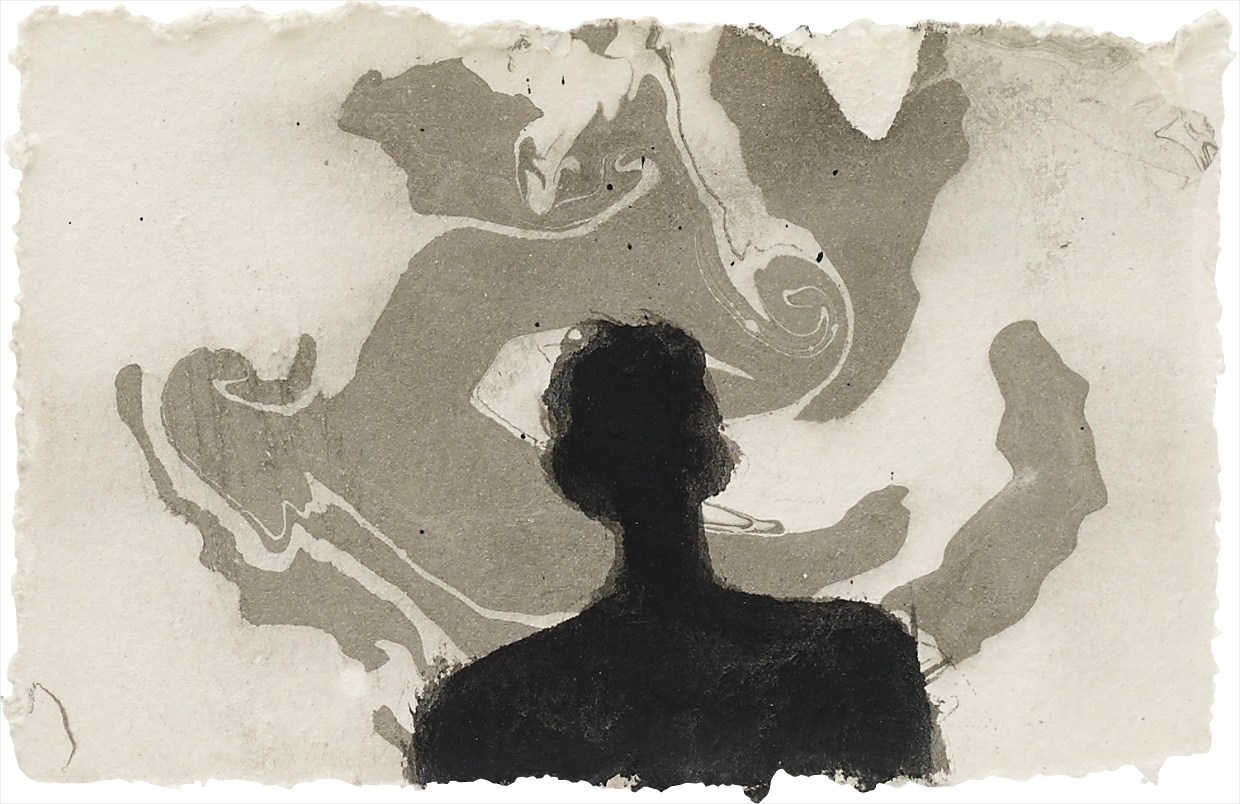
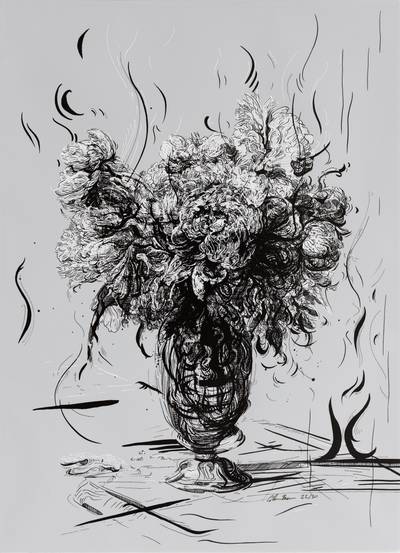
Glenn Brown
Layered Portrait (After Lucian Freud) 3
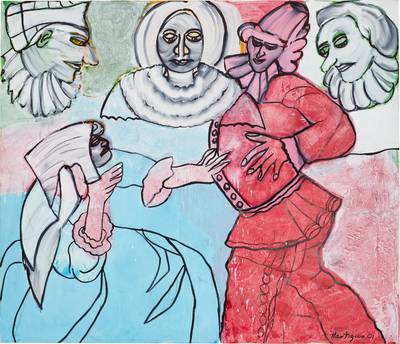
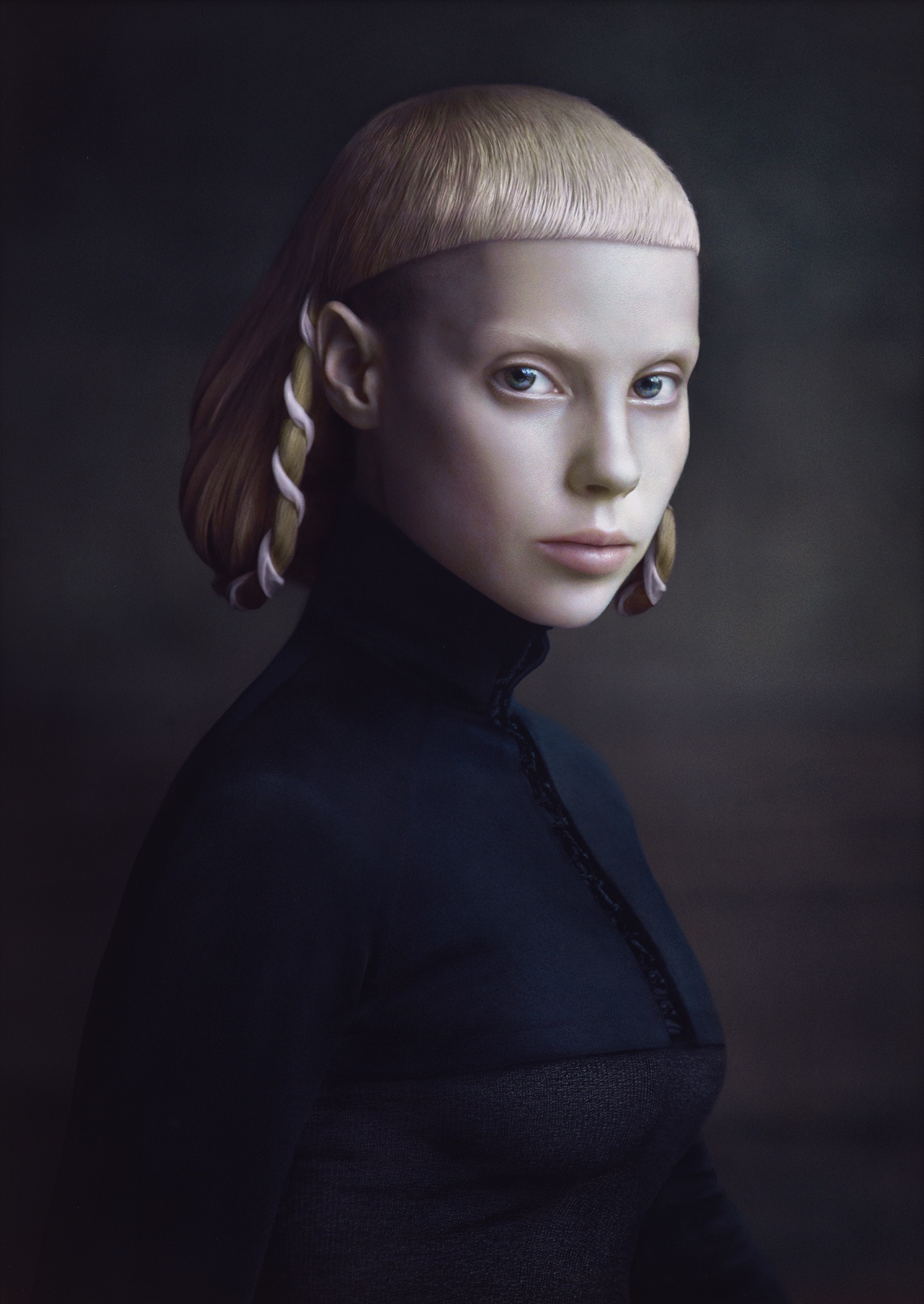
The Old Masters Never Really Left Us
There is a particular quality of light in a Rembrandt portrait, a warmth that seems to emanate from somewhere beneath the surface of the paint, as though the figure is lit from within rather than from without. This is chiaroscuro at its most philosophical, light and shadow not merely as technique but as a meditation on what it means to be seen, to be known, to be rendered permanent. That quality, so specific to the seventeenth century Dutch and Flemish masters, has never stopped haunting painters and photographers who came after. The conversation between contemporary artists and the Old Masters is not a matter of nostalgia or academic exercise.
It is one of the most generative tensions in art today. The tradition we loosely call the Old Masters spans roughly from the early Renaissance of the fifteenth century through to the late eighteenth century, encompassing Raphael, Titian, Caravaggio, Vermeer, Rubens, and Velázquez among many others. These were artists working within elaborate systems of patronage, religious commission, and guild training, producing works that were simultaneously devotional objects, status symbols, and demonstrations of extraordinary technical mastery. The materials were unforgiving: ground pigments bound in linseed or walnut oil, applied to prepared wooden panels or stretched canvas, built up in translucent glazes over weeks or months.
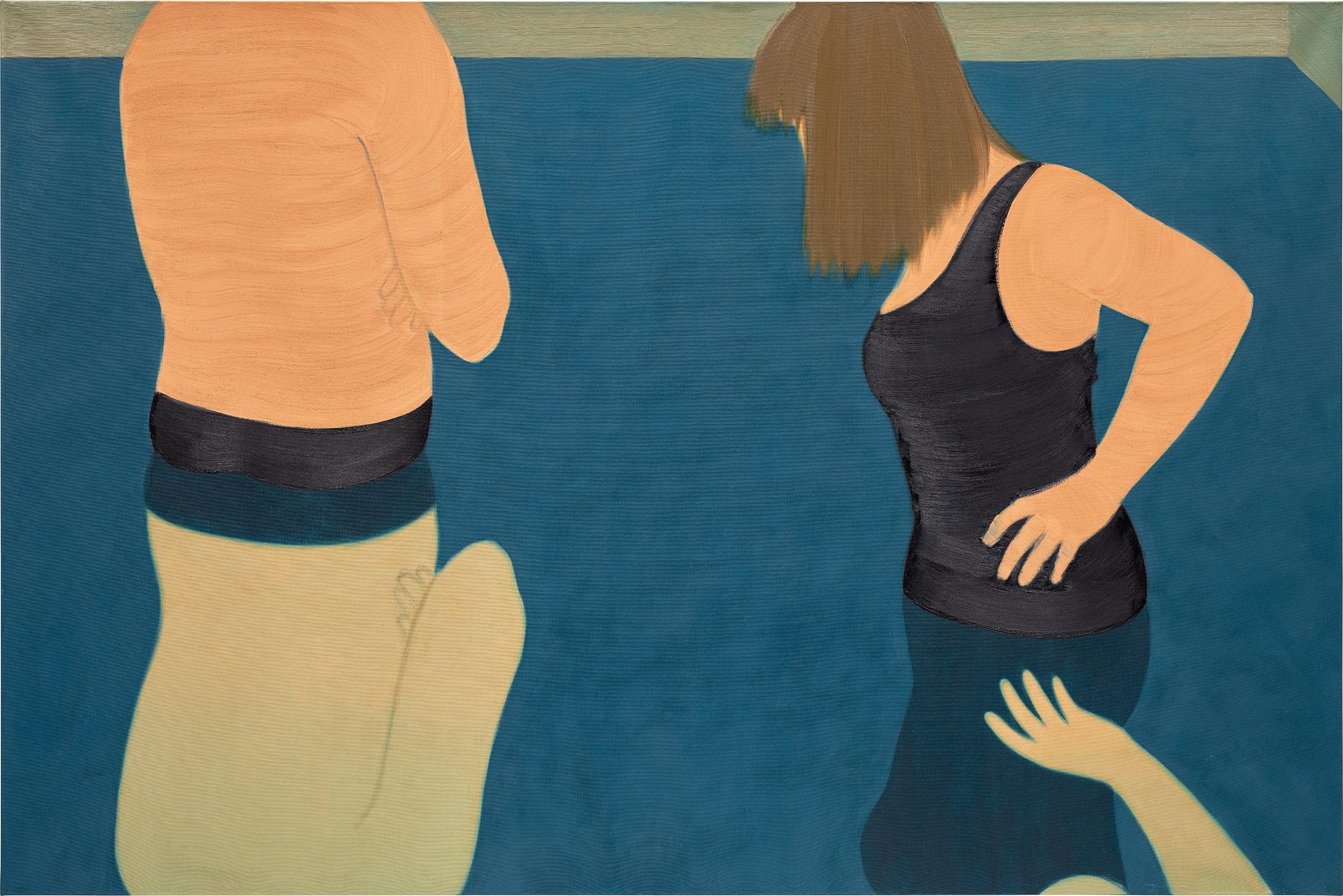
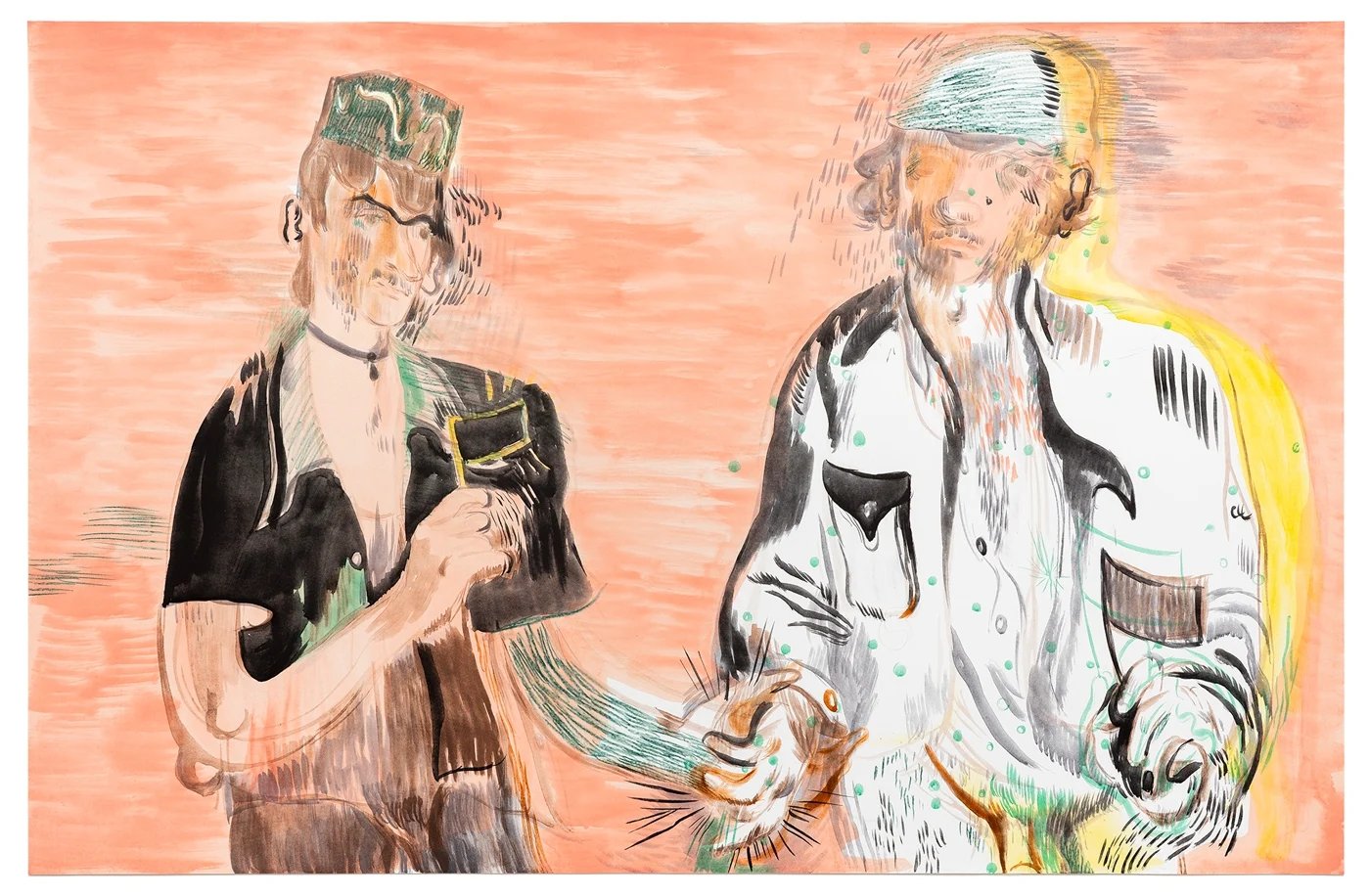
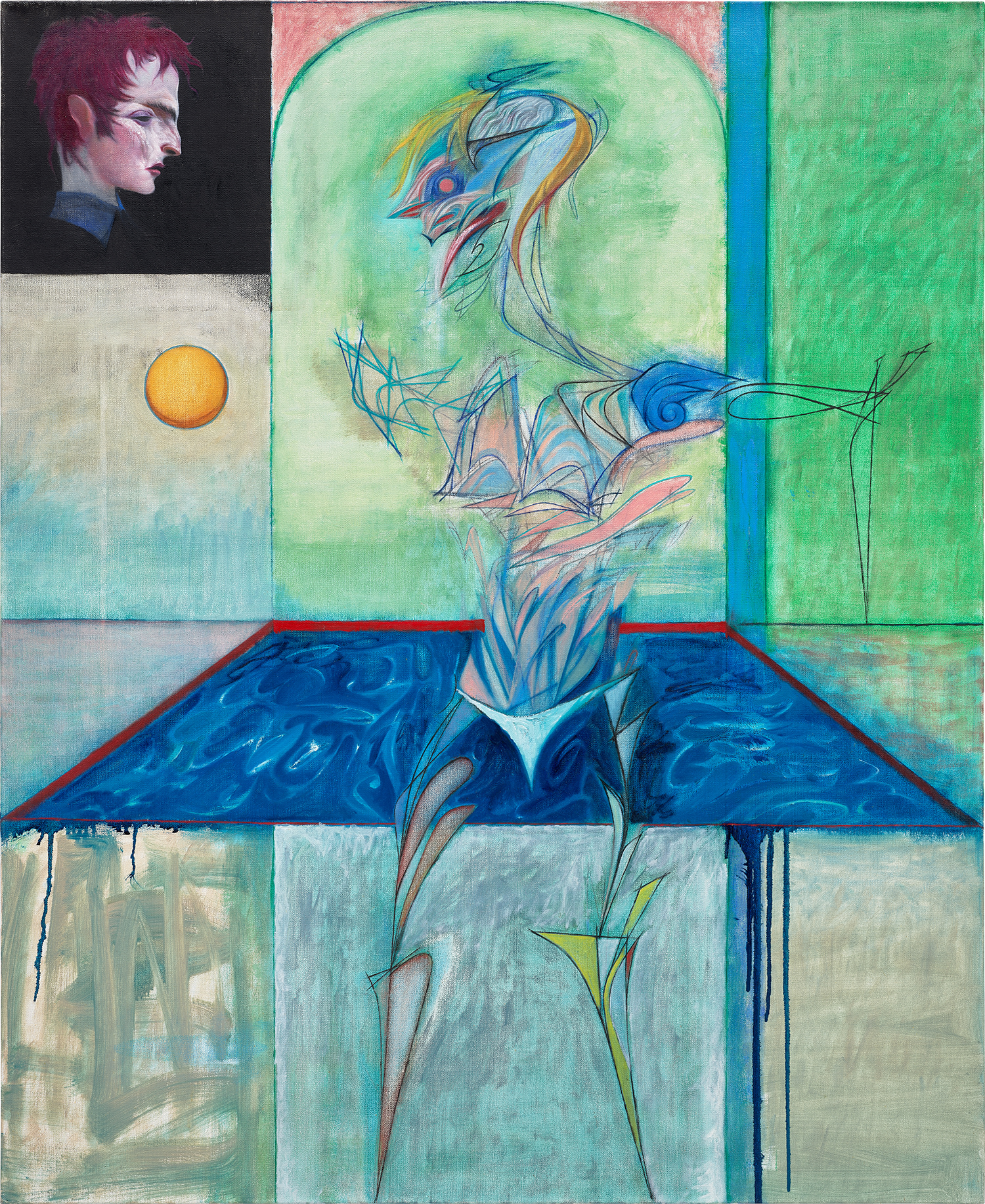
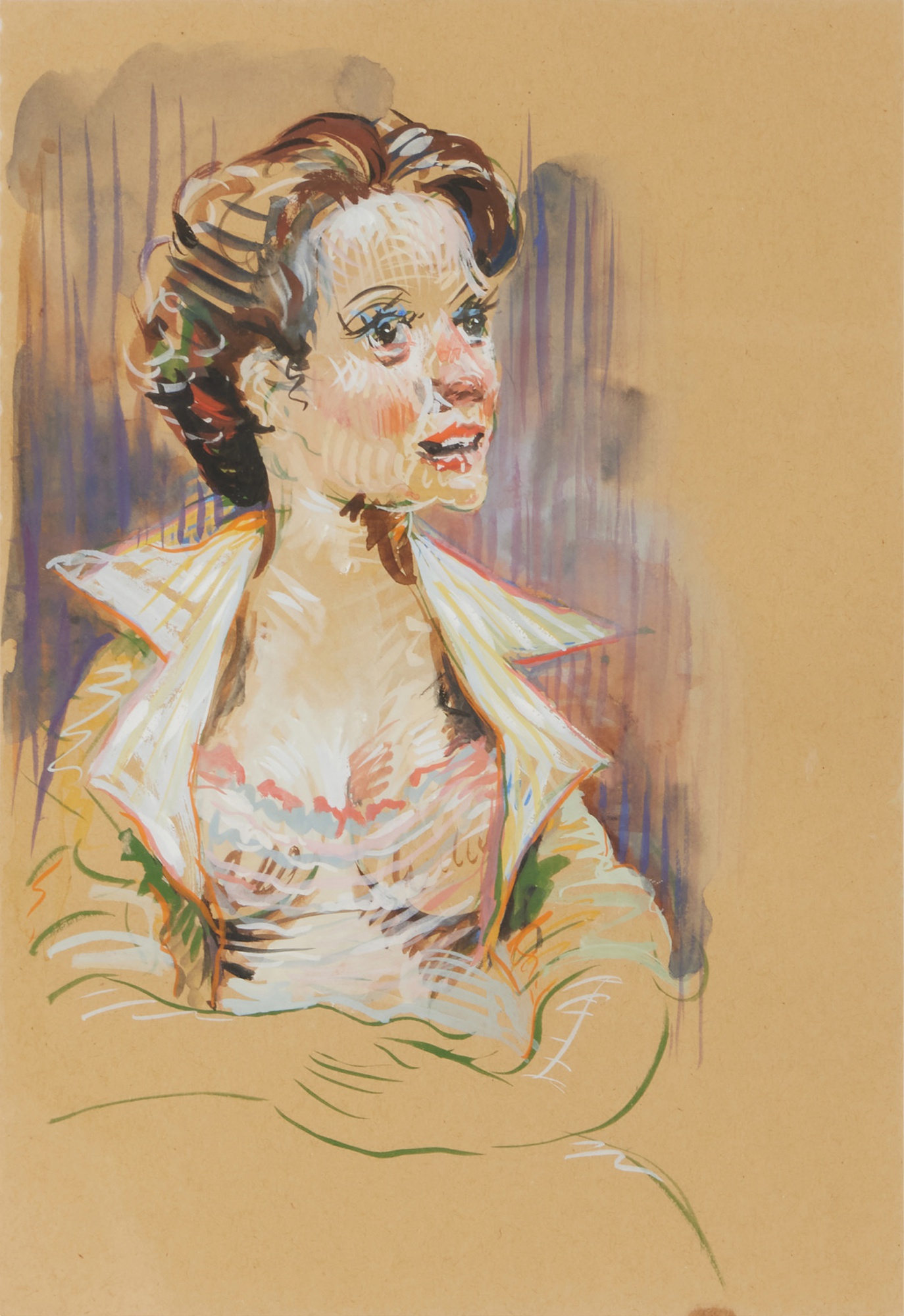
Julien Nguyen
Point Break, 2016
The knowledge required to produce such work was accumulated over years of apprenticeship, hands in the paint alongside a master, learning to see before learning to make. The influence of this tradition did not simply fade when Modernism arrived. It went underground, emerged in unexpected places, and eventually became a subject worthy of direct, unironic investigation. By the time the Neo Expressionists of the 1980s were raiding art history for imagery and affect, the question of how to engage with the past had become central to contemporary practice rather than peripheral to it.
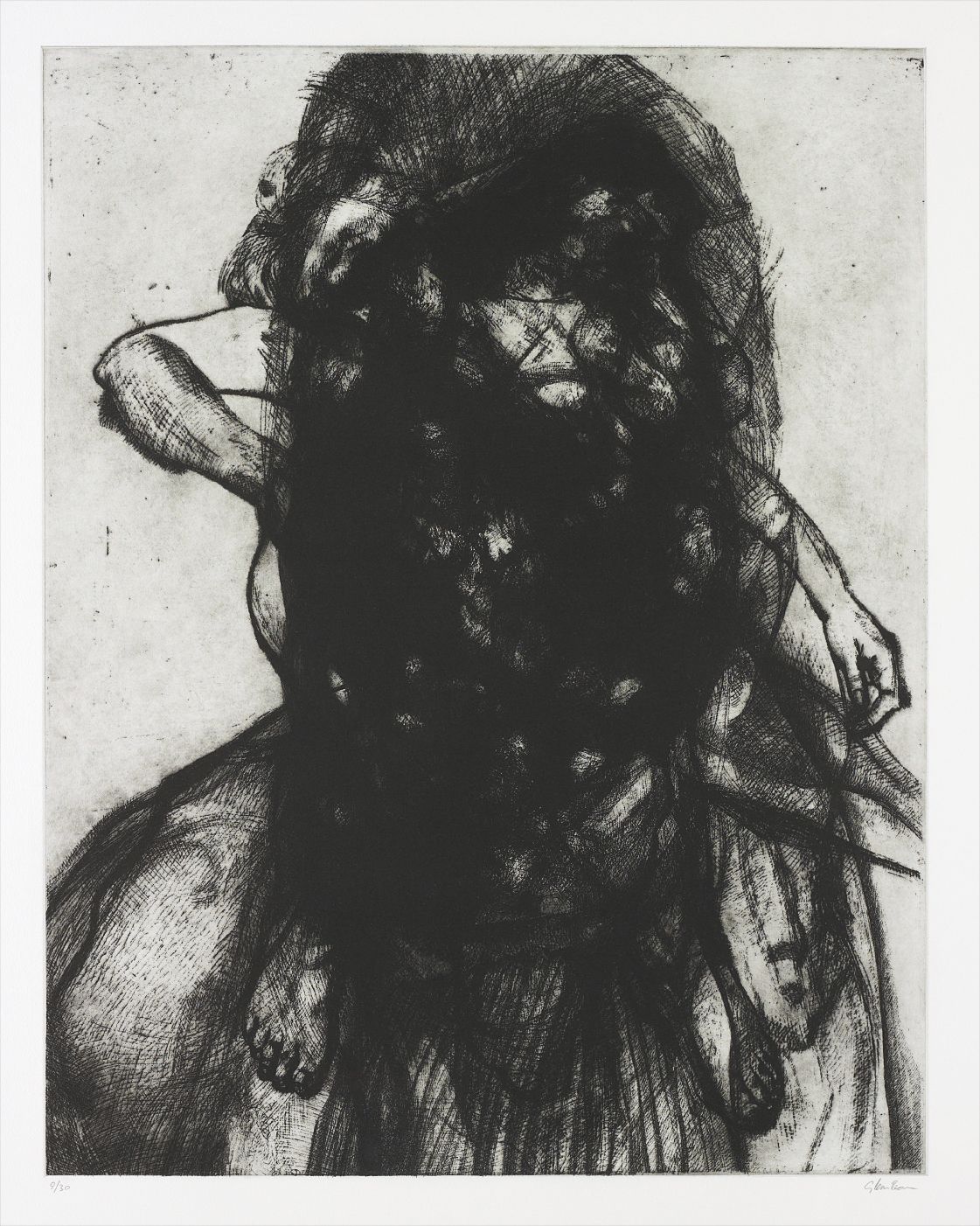
Glenn Brown is perhaps the most forensically engaged of any living painter with this question. Working from reproductions of Old Master paintings as well as science fiction illustration, Brown submits his sources to radical transformations of color and impasto, producing surfaces that appear to have enormous physical texture while being almost entirely flat. His work asks what a painting is when the image is separated from the hand that made it, a question that could only have been posed from deep inside a tradition rather than from outside it. The body, draped or undraped, idealized or frankly carnal, is the central site of Old Master influence in contemporary painting.
Glenn Brown
Layered Portrait (After Lucian Freud) 3
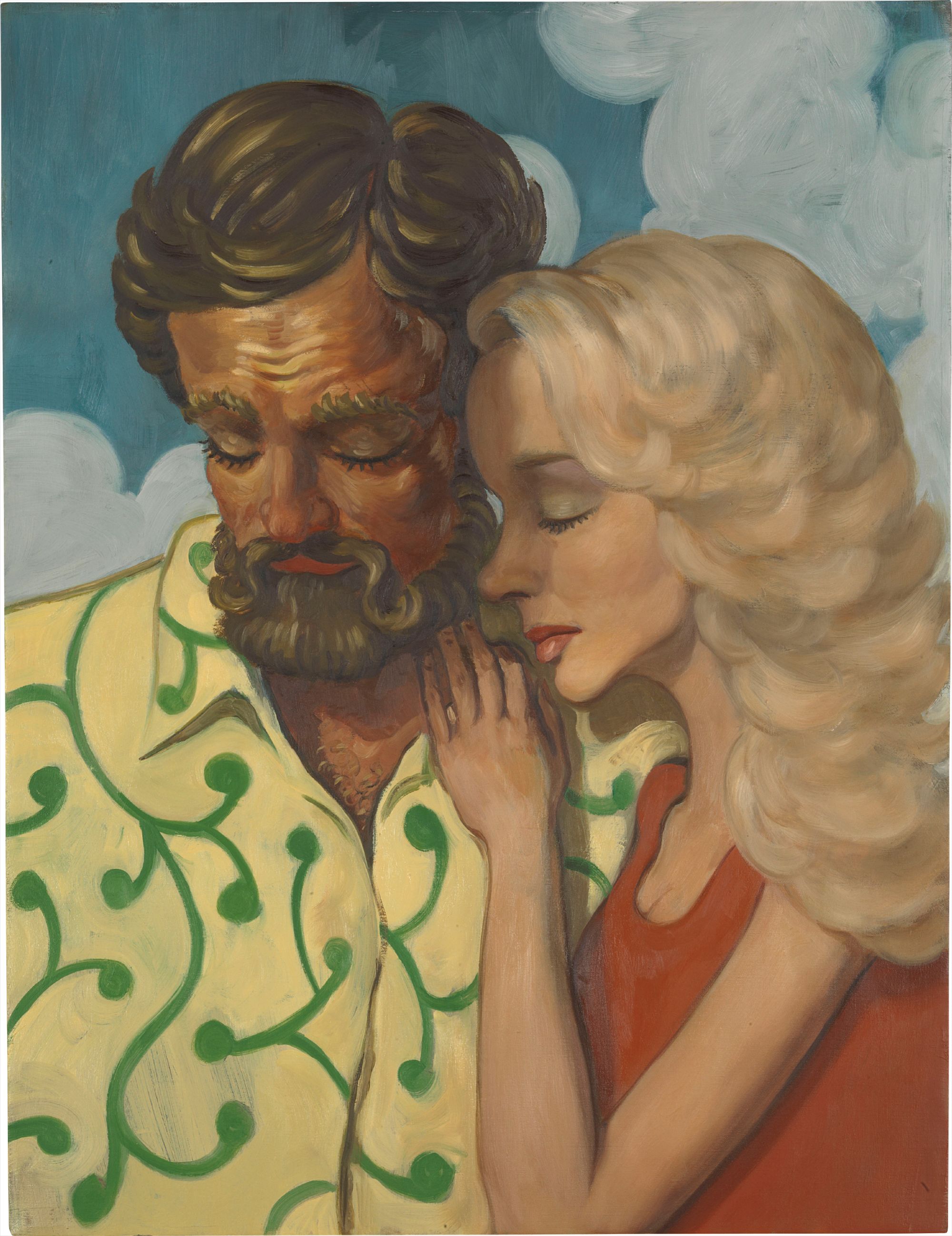
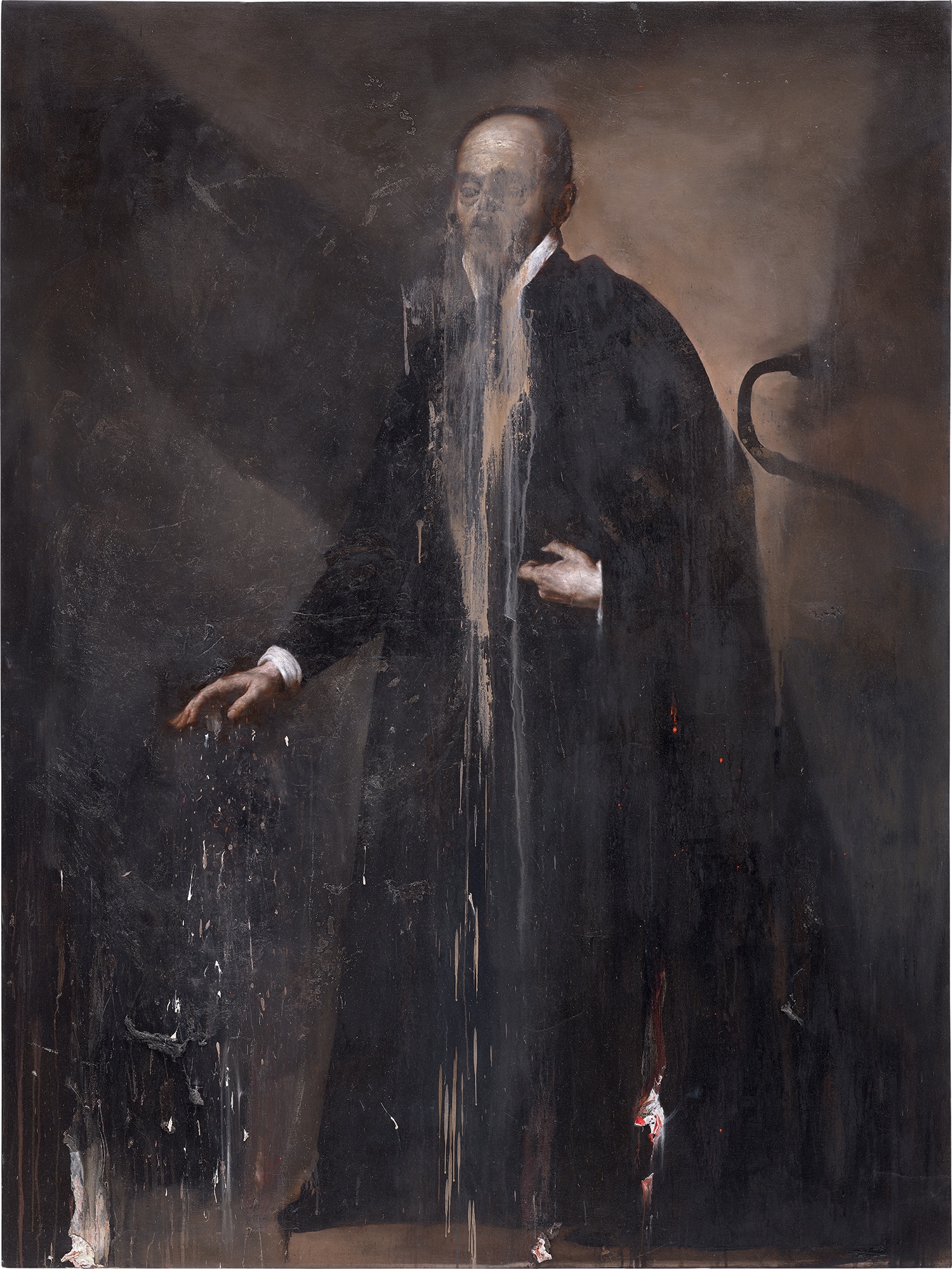
John Currin has spent decades working through the implications of Northern Renaissance figure painting, particularly the attenuated elegance of Lucas Cranach the Elder, filtering that tradition through an awareness of American commercial imagery and a genuine, sometimes uncomfortable, interest in desire and awkwardness. His figures occupy a space that feels simultaneously historical and aggressively of the present, which is precisely what makes them so difficult to look away from. Julien Nguyen, younger and working in a mode that draws on Mannerist elongation and the cool, intellectual surfaces of seventeenth century French classicism, brings a rigor and strangeness to his painted figures that feels genuinely new while being grounded in very old ways of organizing a picture plane. Nicola Samorì works in a different register entirely, one that treats the Old Master surface not as inspiration but as raw material.
He paints in oils on alabaster and other unusual grounds, then subjects the painted surface to processes of removal, burning, or distortion, creating images that appear to be in the process of decay or emergence. The devotional intensity of Counter Reformation painting is somewhere in his DNA, but so is a contemporary awareness of fragility and loss. His work asks what survives of a tradition when you subject it to genuine violence, and the answer he finds is: more than you might expect. Photography entered this conversation with particular force in the late twentieth century.
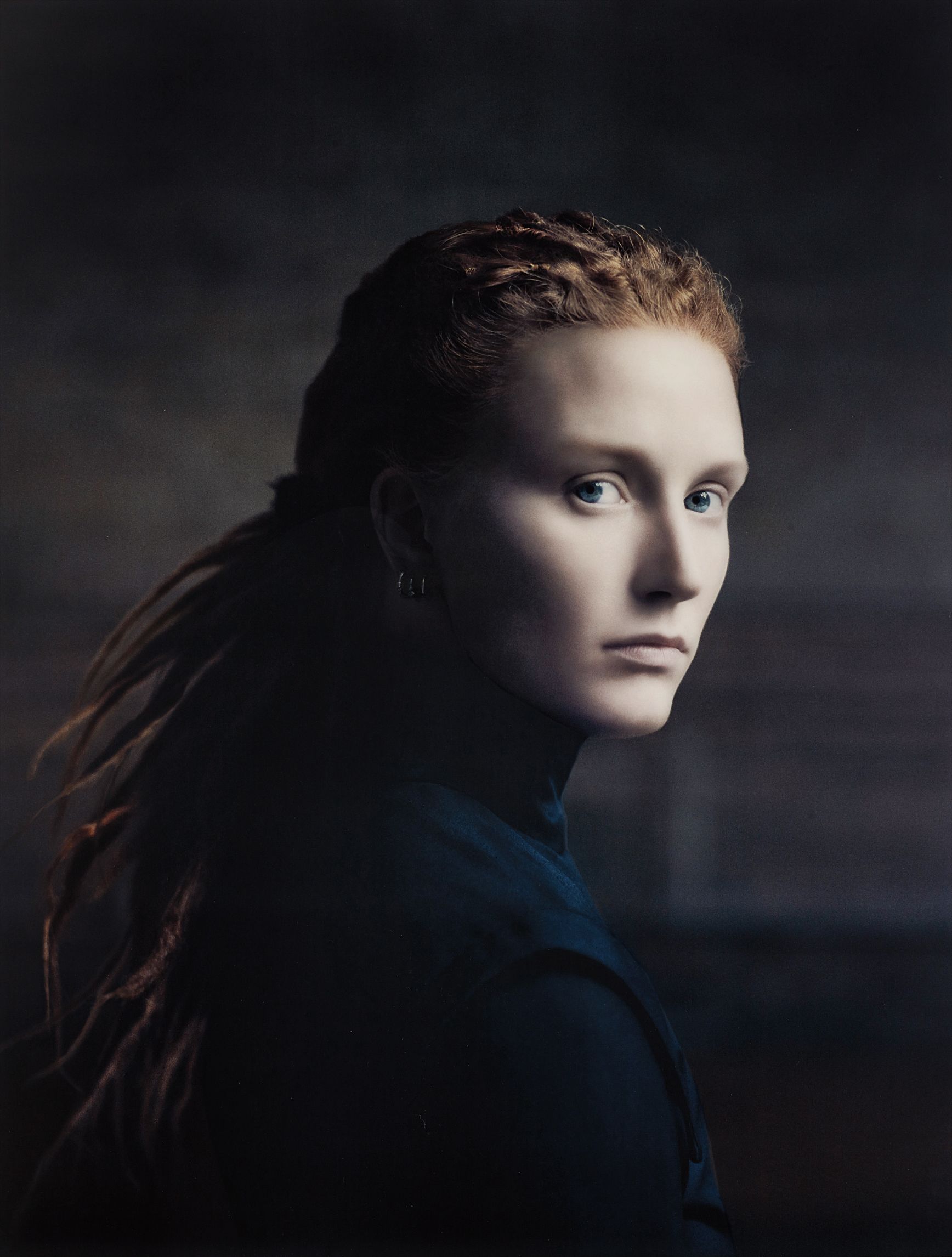
Desirée Dolron
Xteriors IV
Photographers working with large format cameras, deliberate studio arrangements, and long exposures began producing images that made explicit claims on the Old Master tradition, not as pastiche but as genuine investigation. Desirée Dolron's work, particularly her Xterior series, draws on the visual conventions of Flemish and Dutch portraiture, using dramatic directional light and frontal, contemplative subjects to produce images that feel as though they could have been made in Antwerp in 1660. The effect is not seamless, which is part of the point. The slight anachronism, the evidence of contemporary skin and contemporary silence, makes the historical reference sharper rather than softer.
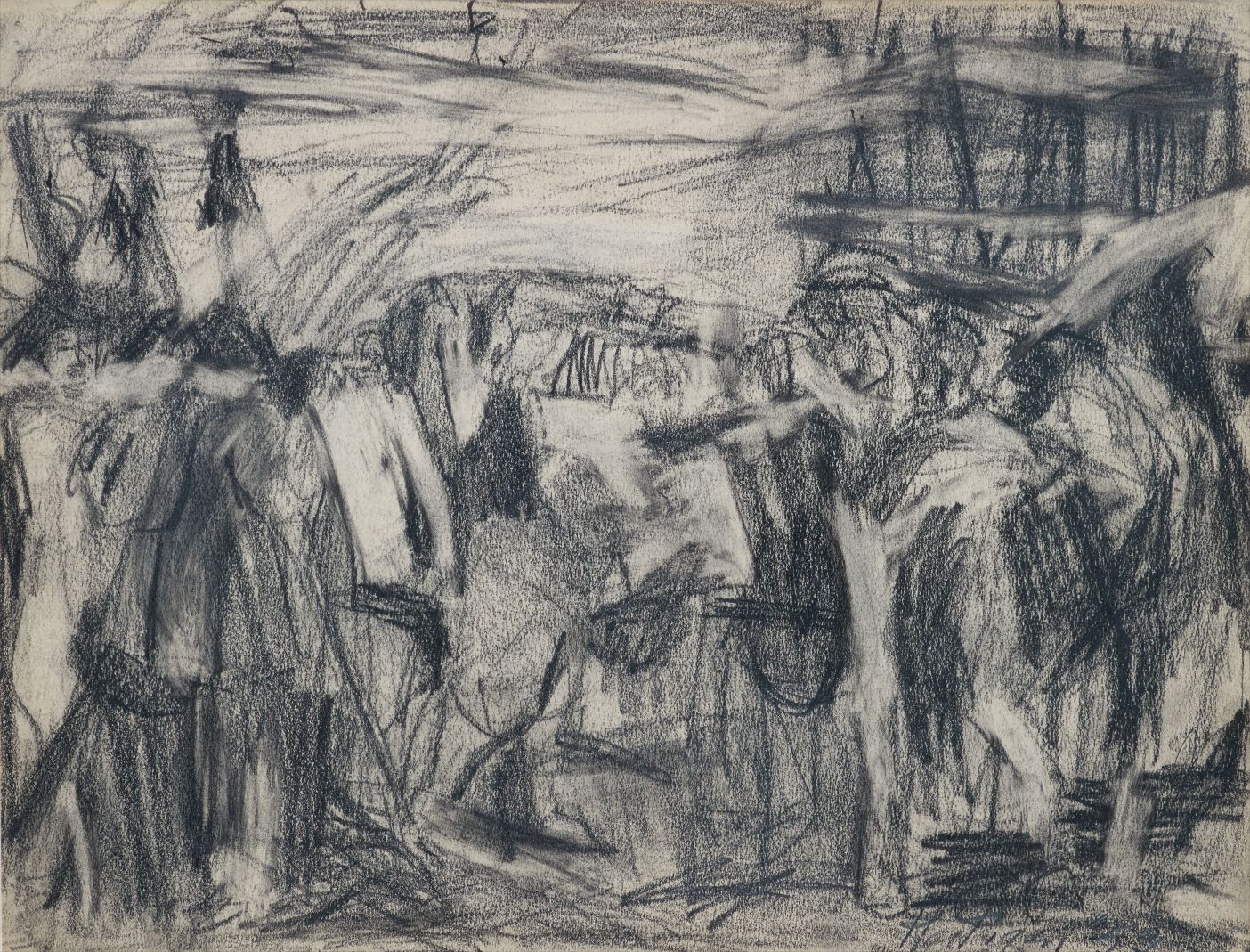
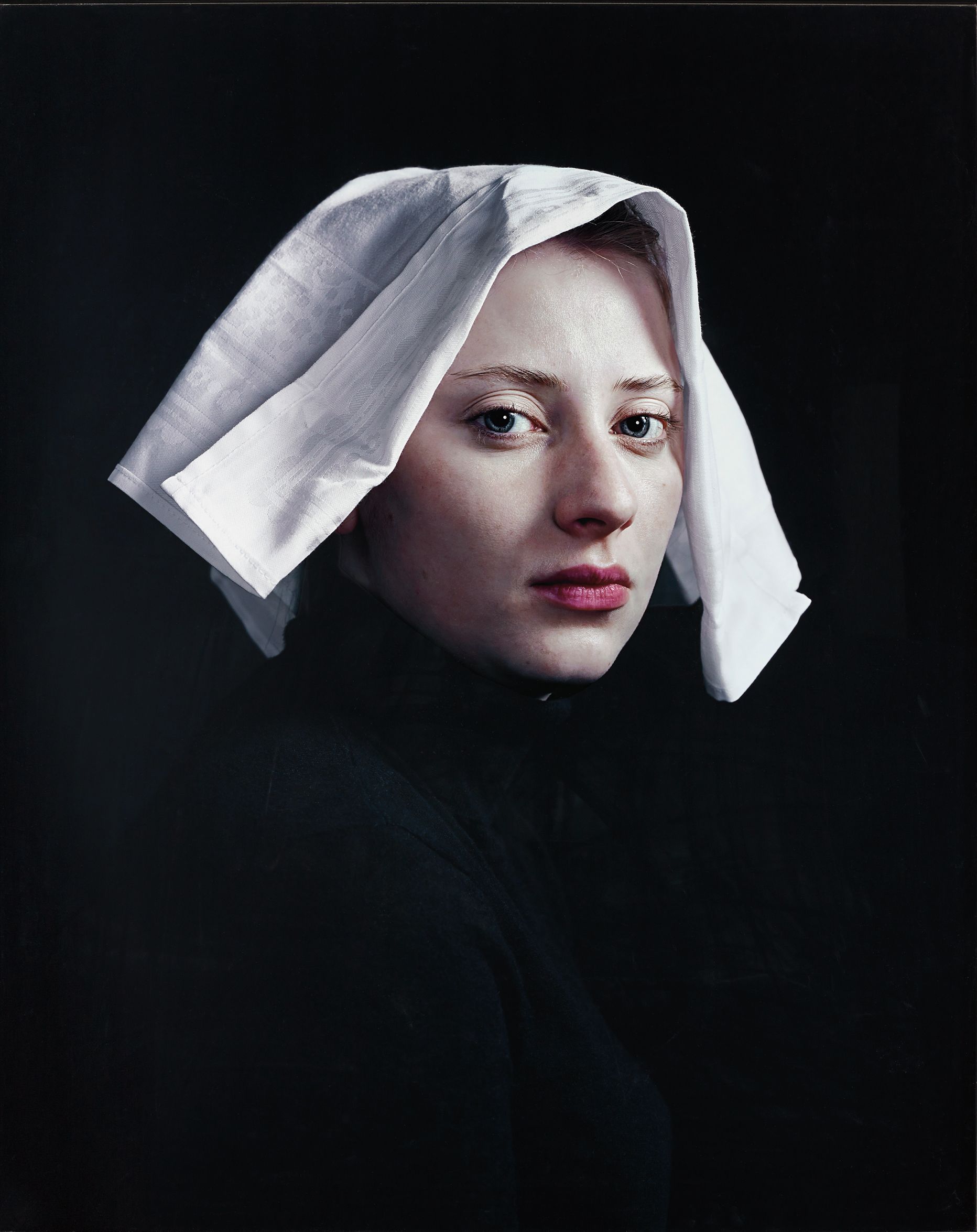
Hendrik Kerstens has pursued a similar inquiry through portraits of his daughter, placing her in settings and costumes that echo Vermeer and other Dutch genre painters, questioning what is universal in those images and what is entirely particular to a specific historical and economic moment. Grace Hartigan is a reminder that the conversation between Abstract Expressionism and the Old Masters was always more complicated than the canonical story suggests. Working in New York in the 1950s alongside artists committed to pure abstraction, Hartigan maintained an explicit engagement with historical painting, from Rubens to Goya, that informed the figurative elements she reintroduced into her work from the late 1950s onward. She understood that the gestural freedom of Abstract Expressionism and the compositional ambition of the Baroque were not opposites but distant relatives.
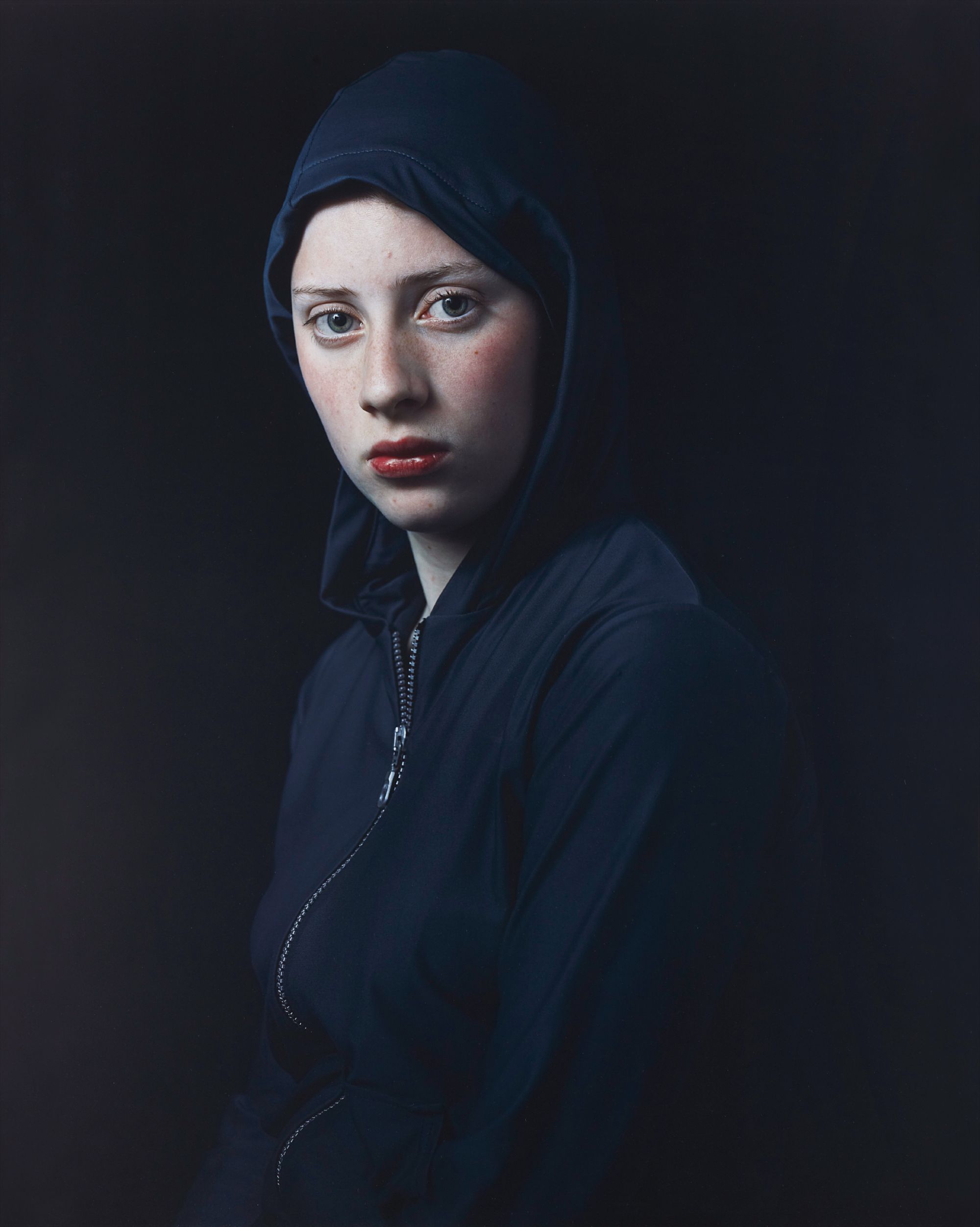
Hendrik Kerstens
Cap, August
What unites the artists working in this territory today is not a shared style or even a shared attitude toward the past. Some approach the Old Masters with reverence, some with irony, some with something closer to aggression. What they share is the recognition that these images and techniques are not inert, not simply historical artifacts to be catalogued and preserved. They remain active, capable of generating new meaning when placed in new contexts, new hands, new conversations.
The works gathered on The Collection from artists working in this mode represent a range of approaches to that recognition, from the painterly to the photographic, from the devotional to the critical. The Old Masters, it turns out, are not a chapter that has been closed. They are more like a frequency that certain artists are always tuned to receive.