Oil And Tempera
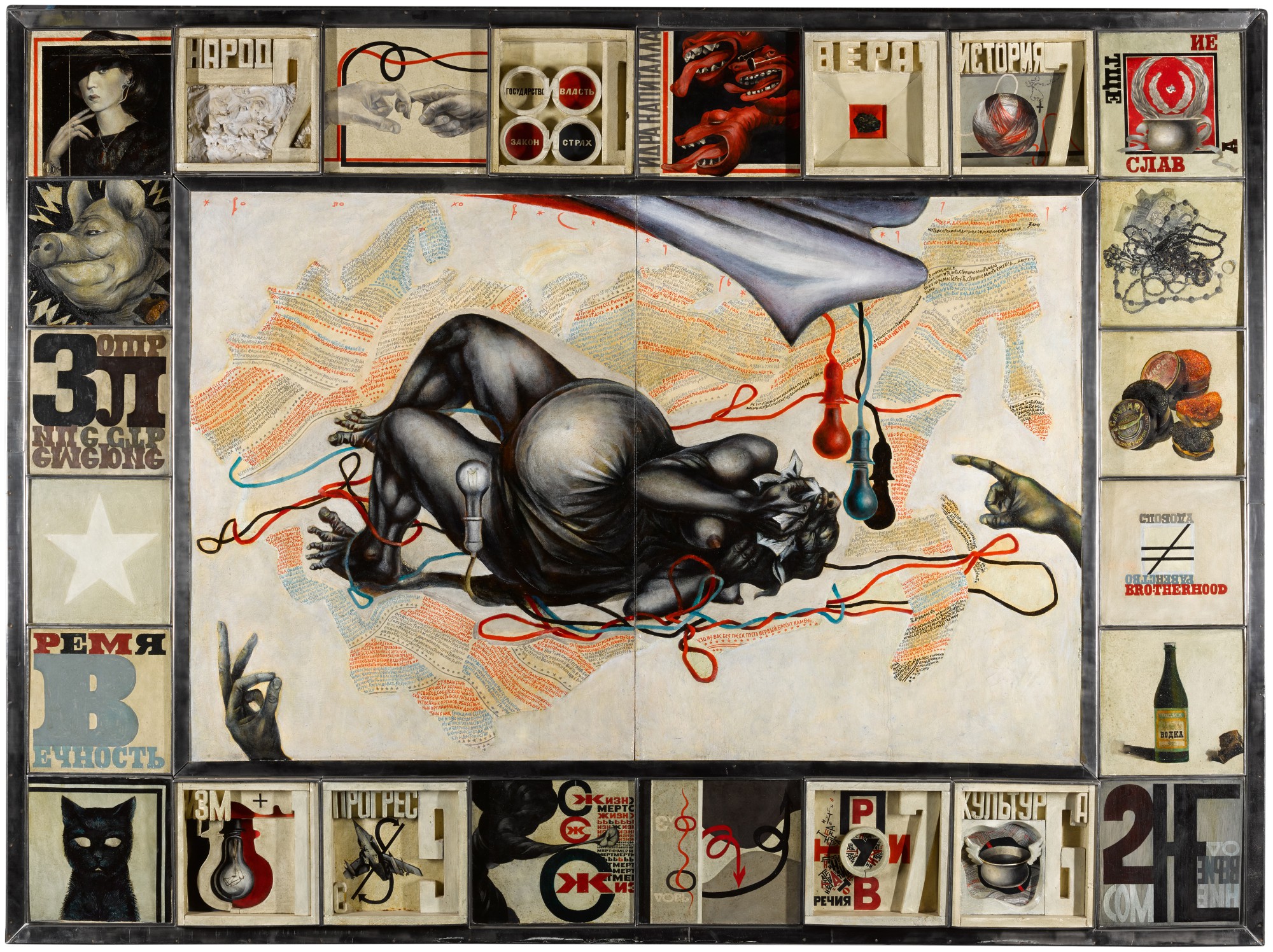
Sergei Volokhov
Russia


The Ancient Alchemy Collectors Cannot Resist
There is something quietly seductive about a painting made in two mediums at once. Oil and tempera, used together or in layered sequence, produce a surface unlike anything achievable through either material alone. The tempera underneath lends structure and a certain cool luminosity, while the oil glazes that follow bring depth, warmth, and a quality of light that seems to emanate from within the picture plane itself. Collectors who live with these works often describe a feeling that the painting changes across the day, catching morning light differently than afternoon, which is not imagination but genuine optical physics at work.
The appeal goes beyond technique. Works made in this combined medium carry a sense of intentionality that resonates with serious collectors. An artist who chooses to work in both oil and tempera is making a considered decision about time, about layering, about the relationship between the underpainting and the final surface. You are, in a sense, acquiring evidence of a conversation the artist had with the materials over days or weeks.
Workshop of The Master of The Correr Phaethon
Massacre Of The Innocents
That conversation is visible in the finished work if you know how to look, and that quality of visible process is something the market has consistently rewarded. Knowing what separates a good work from a great one in this category requires some training of the eye. The finest examples show a coherent integration between the two mediums rather than an awkward layering where one fights the other. Look closely at transition zones, at edges, at the way shadow areas are built.
In strong works, the tempera passages and the oil passages feel inevitable, as though they could not have been made any other way. Condition is also paramount. Because tempera and oil expand and contract at different rates with temperature and humidity, works that have been stored carelessly or subjected to environmental instability can develop subtle cracking patterns that compromise both appearance and value. Always ask for a condition report and request that it distinguish between age cracks that are stable and those that are active or progressive.
Marc Chagall
La joie au cirque, 1983
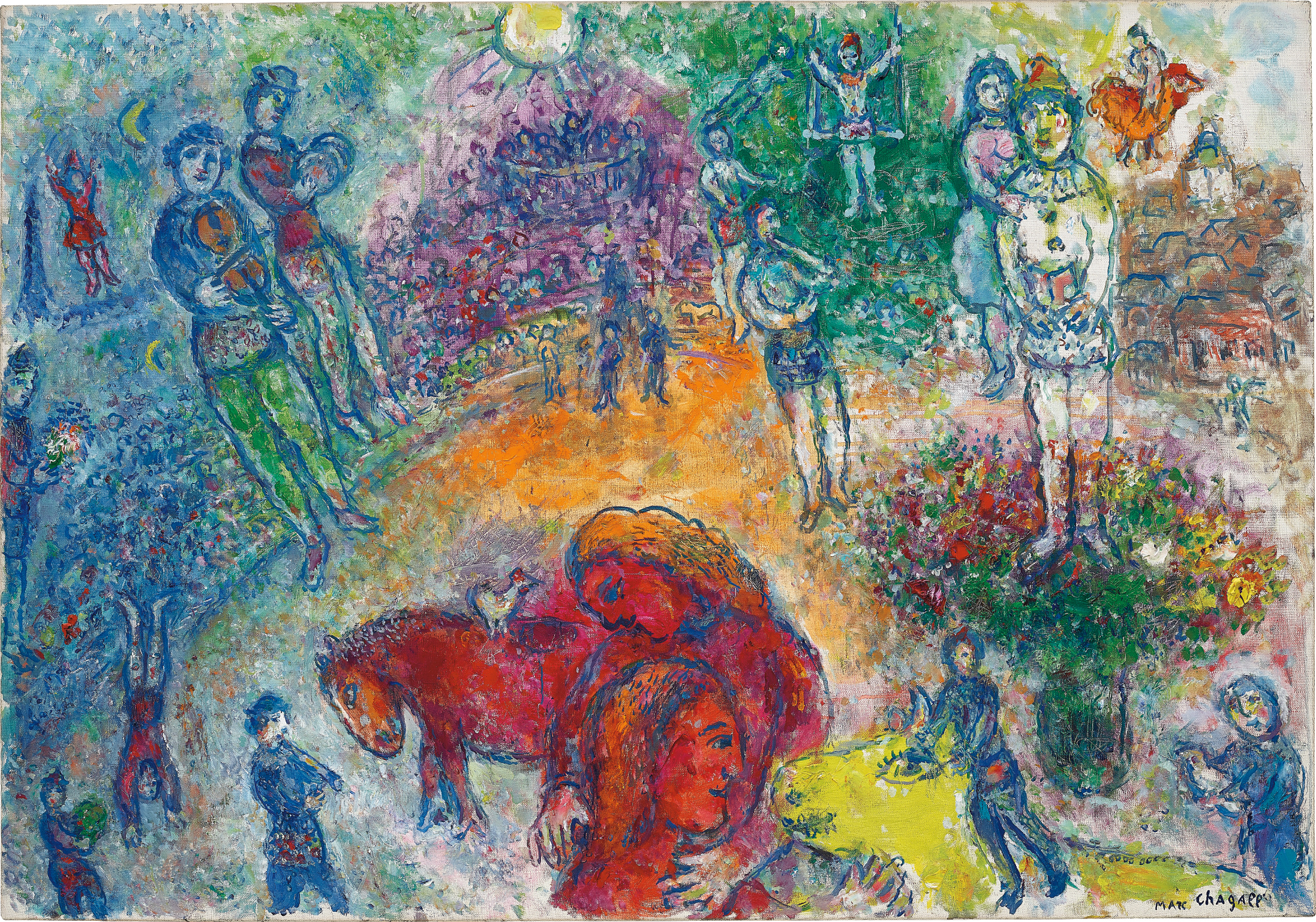
The artists represented on The Collection who work in this area offer a striking range of approaches. Marc Chagall, whose work appears here, is a figure whose use of painterly layering and luminous surface brought together traditions from the Russian Jewish world of his Vitebsk origins with the lessons of Paris modernism. Living with a Chagall is living with a painting that continues to reveal itself. Julien Nguyen is a compelling case for a different reason entirely.
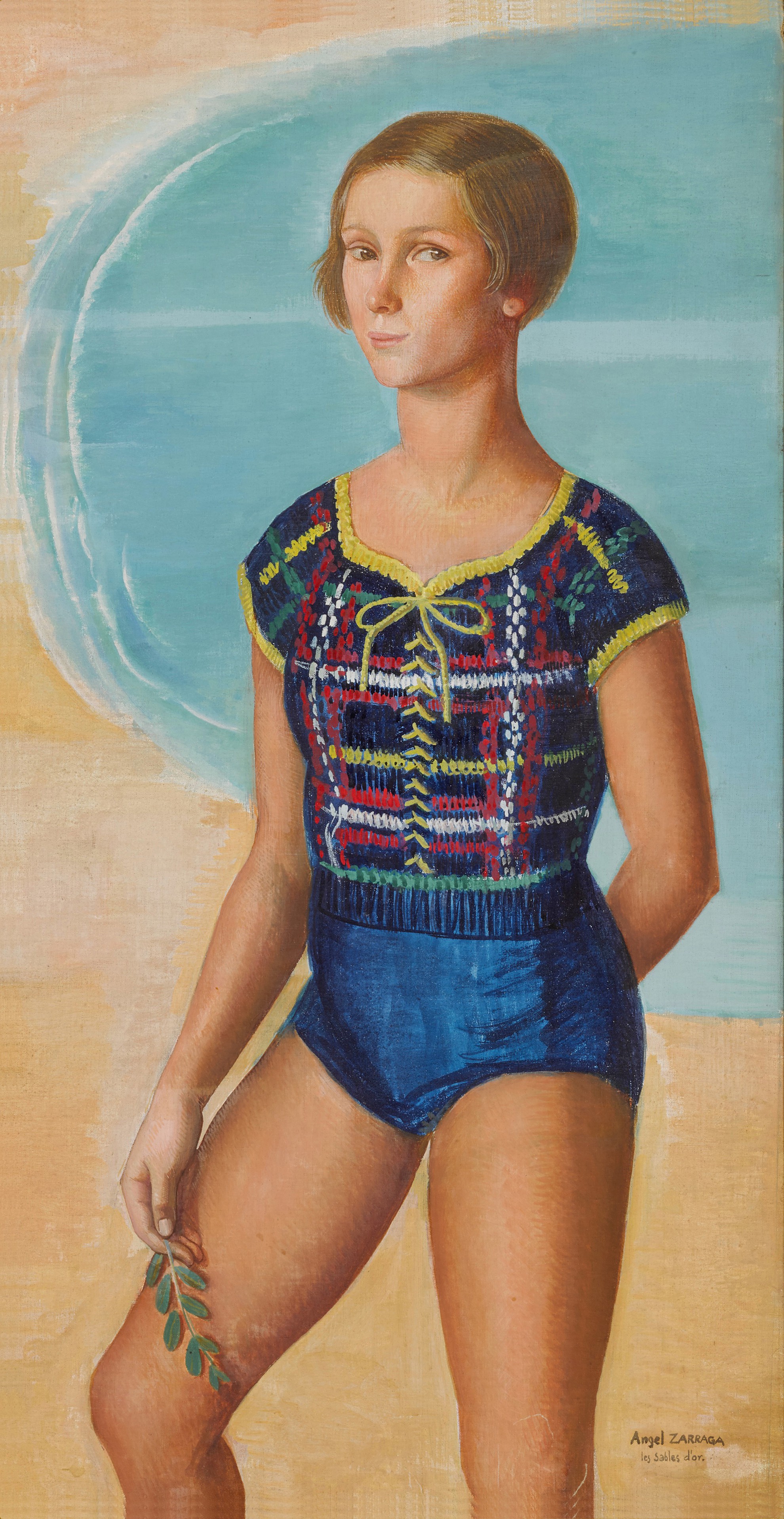
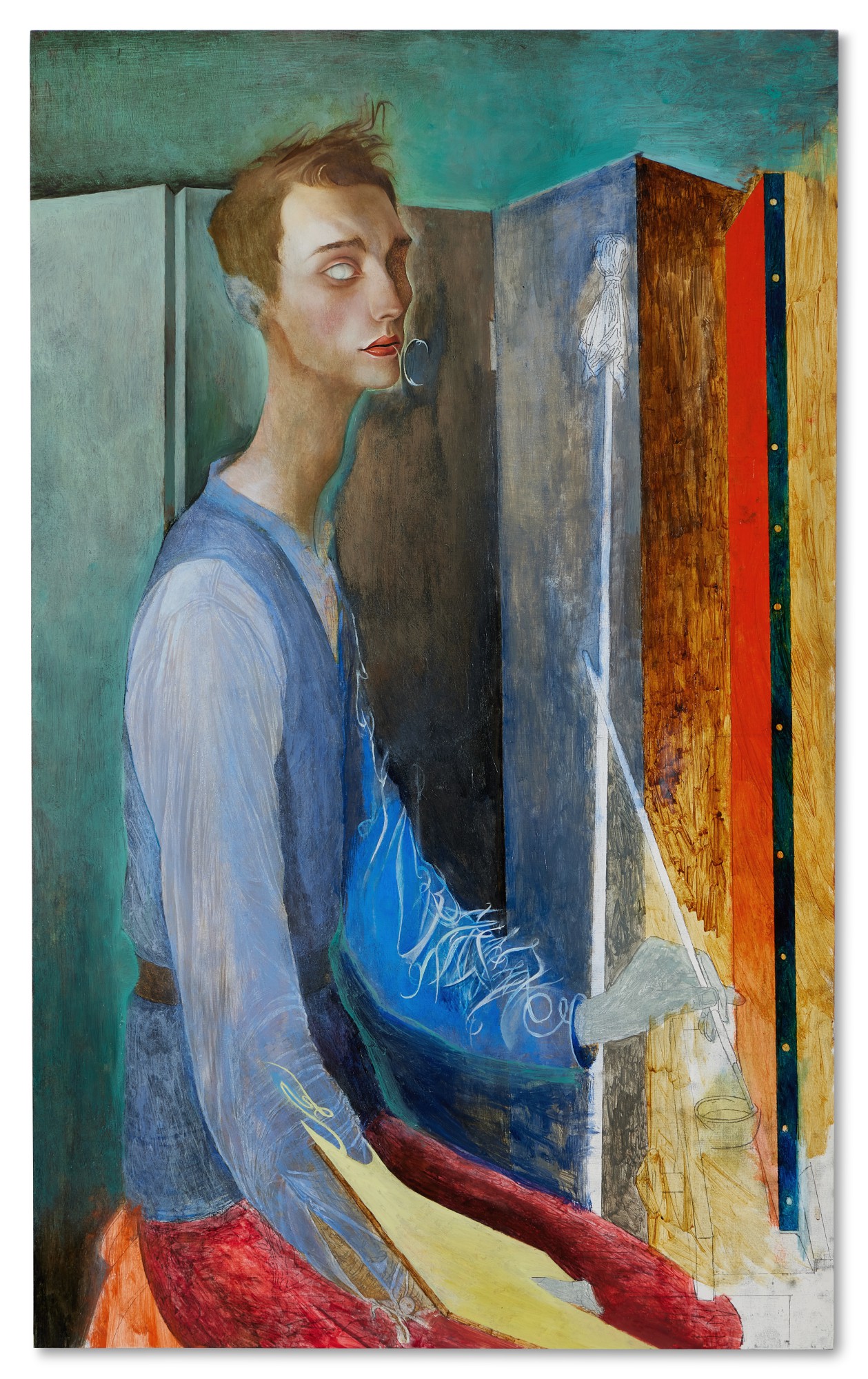
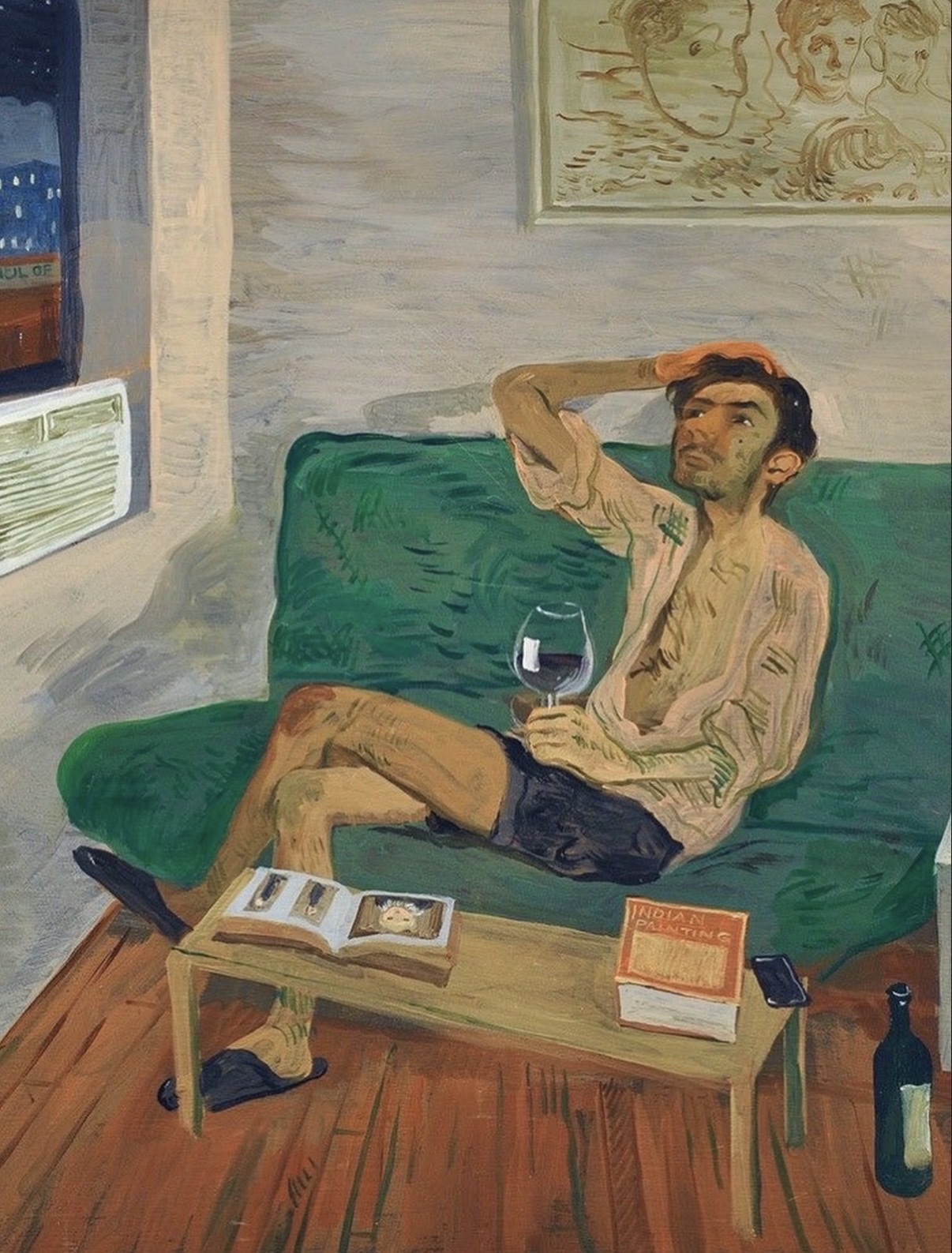
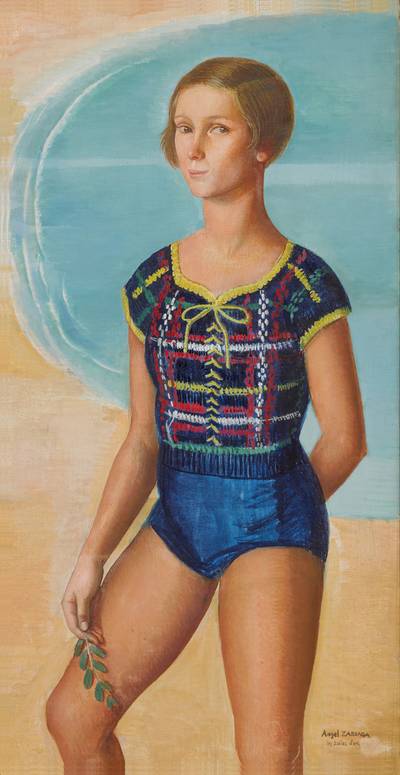
This Los Angeles born painter, who came to serious critical attention in the 2010s, works from a deep engagement with European Old Master technique, including egg tempera underpainting beneath oil glazes, in the service of imagery that is unmistakably contemporary. His work at galleries like David Kordansky drew significant attention precisely because it was formally rigorous in a way that much figurative painting of that moment was not. Angel Zarraga, the Mexican painter active in the early twentieth century and long associated with a kind of spiritual figuration that straddled symbolism and modernism, is a name that remains undervalued relative to his importance. His work commands serious attention from scholars of Latin American modernism but has not yet crossed into the broader collector consciousness in the way it deserves.
Sigrid Holmwood
Sámi Couple
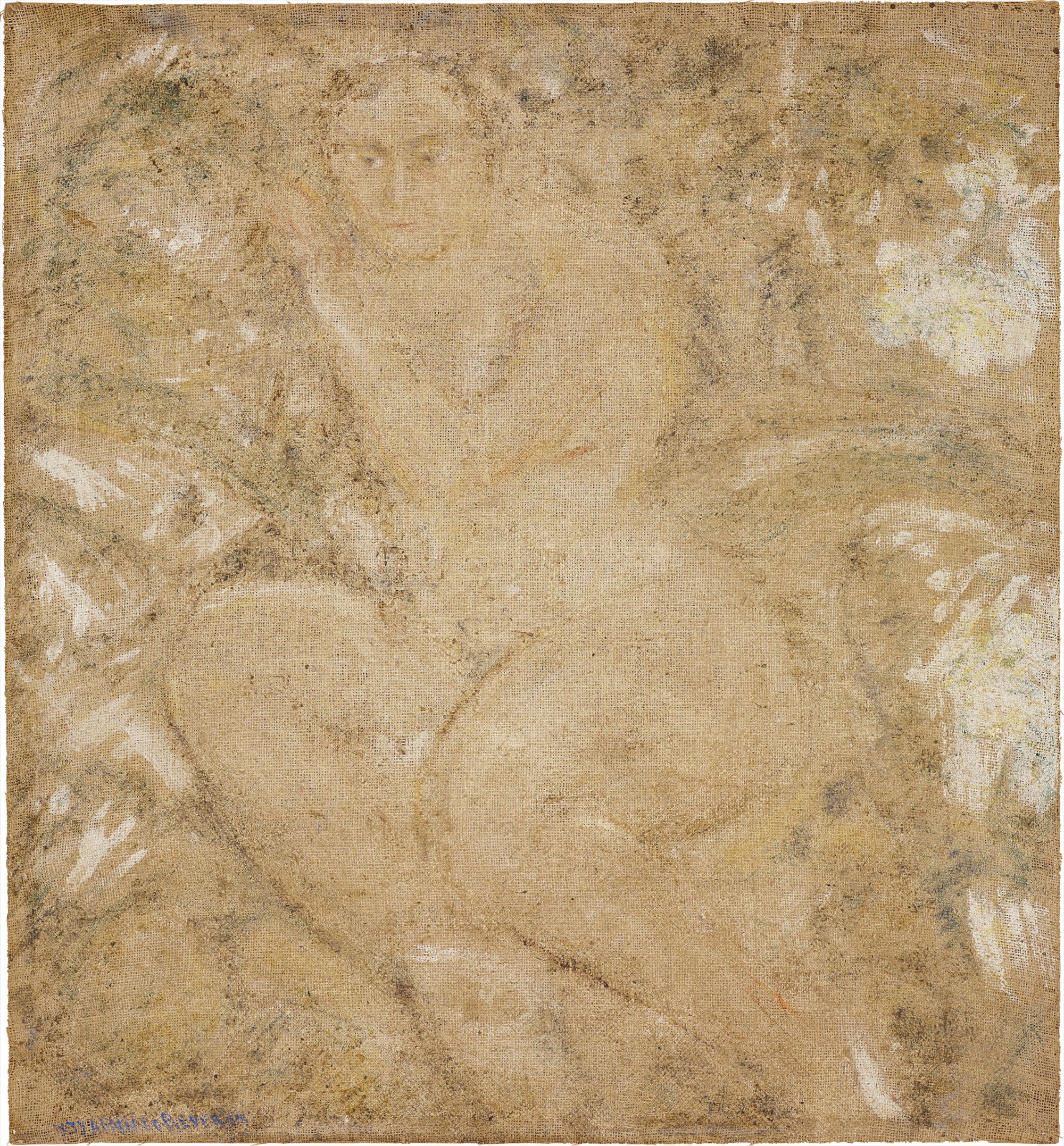
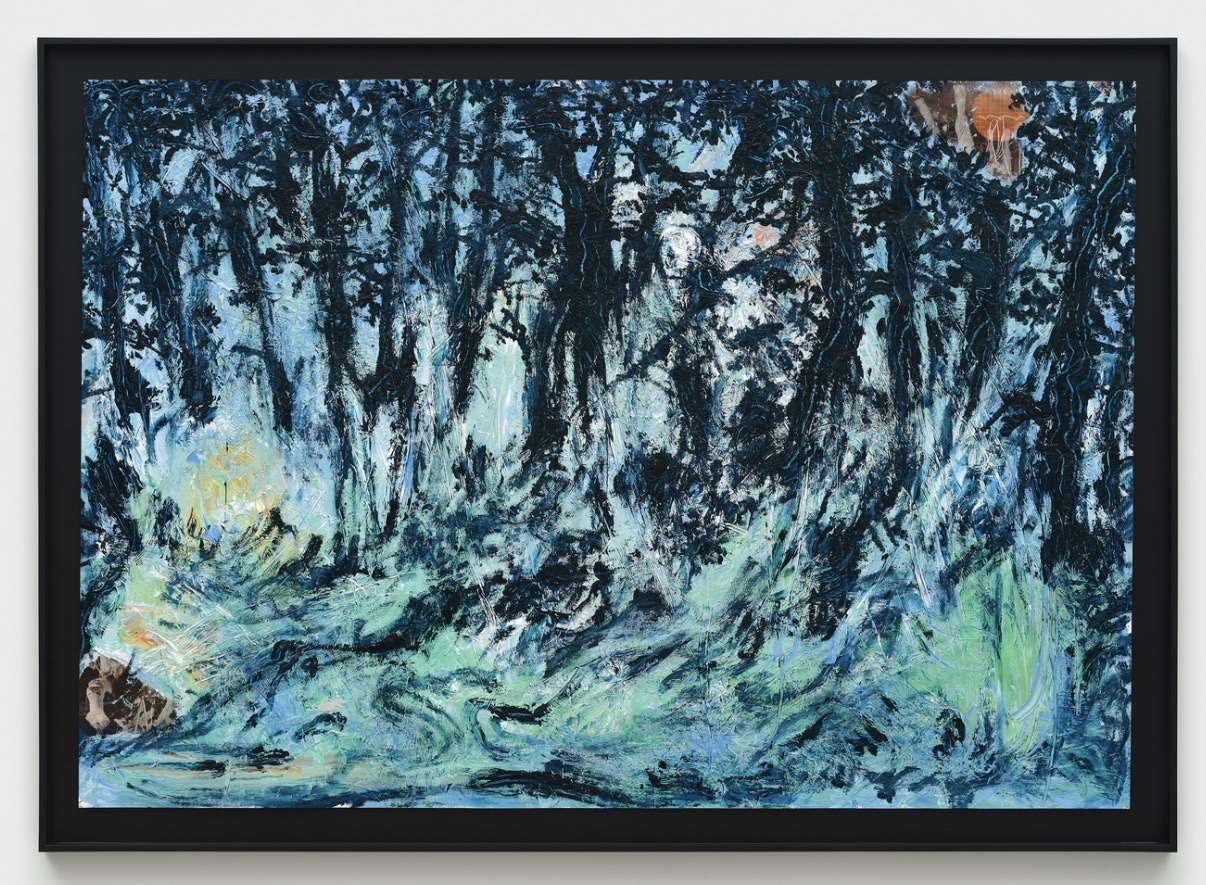
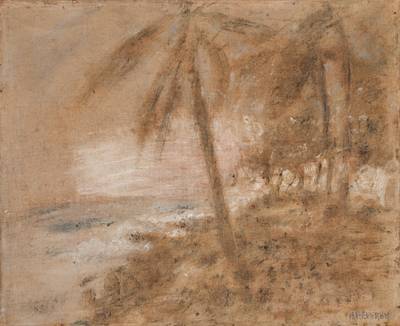
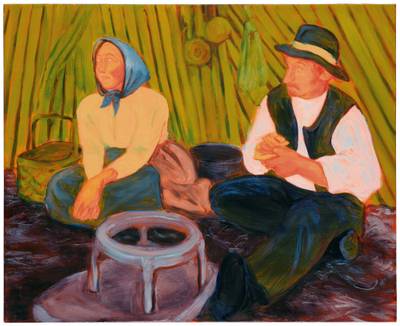
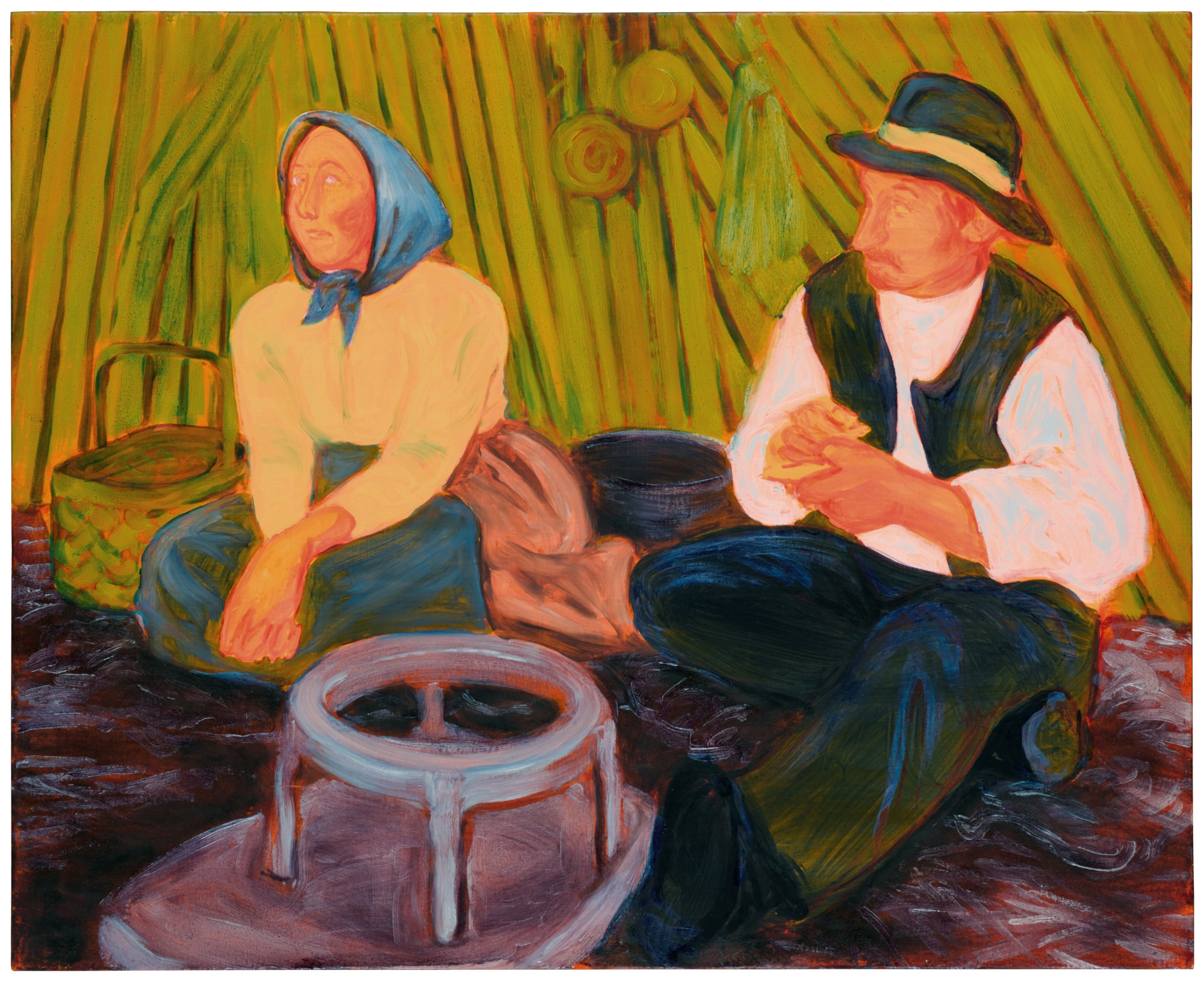
The same could be said of Armando Reveron, the Venezuelan painter whose deeply personal and technically obsessive practice produced works of extraordinary tactile presence. Reveron's work has gained traction in recent years through major museum retrospectives and his inclusion in surveys of global modernism, and prices on the secondary market have responded accordingly, though not yet to the degree that his historical significance warrants. For collectors with an eye toward emerging value, Sigrid Holmwood is a name worth knowing. This British painter, who received significant attention through her residency at the Van Gogh Museum in Amsterdam and her interest in historically informed pigments and processes, approaches painting as both art and research.
Her practice engages directly with premodern technique, including tempera, in ways that feel urgent rather than nostalgic. Wolfgang Paalen, the Austrian born surrealist who eventually settled in Mexico and became a central figure in the Pacific Coast avant garde during the 1940s, represents a different kind of opportunity. His work has been reassessed meaningfully since his major retrospective at the Museum of Modern Art in Mexico City, and collectors who have acquired his work in the past decade have generally seen that judgment confirmed by the market. At auction, works combining oil and tempera have performed with notable consistency in the mid to upper ranges of the market, particularly when provenance is clean and condition is strong.
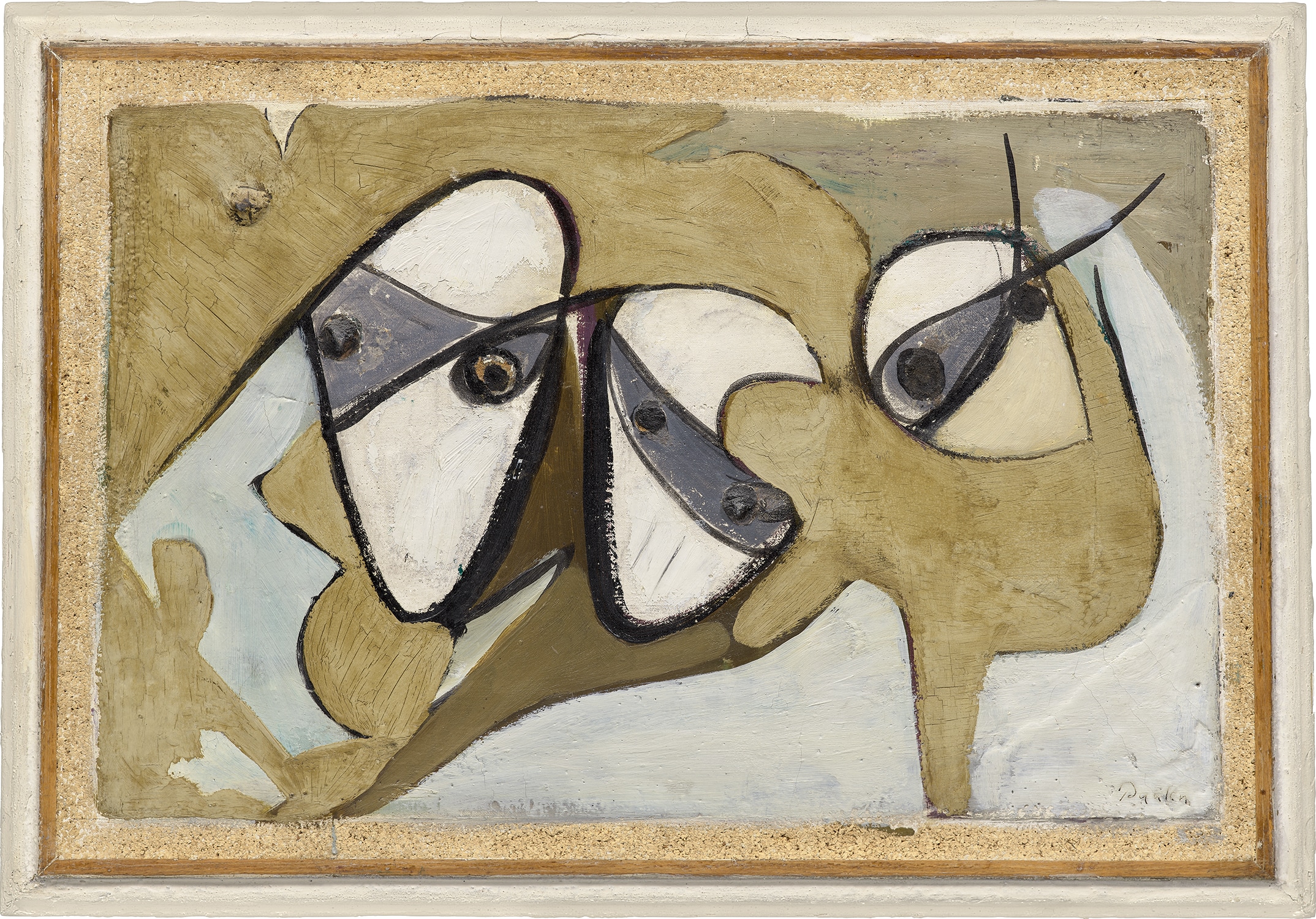
Wolfgang Paalen
Phantoms I, 1933
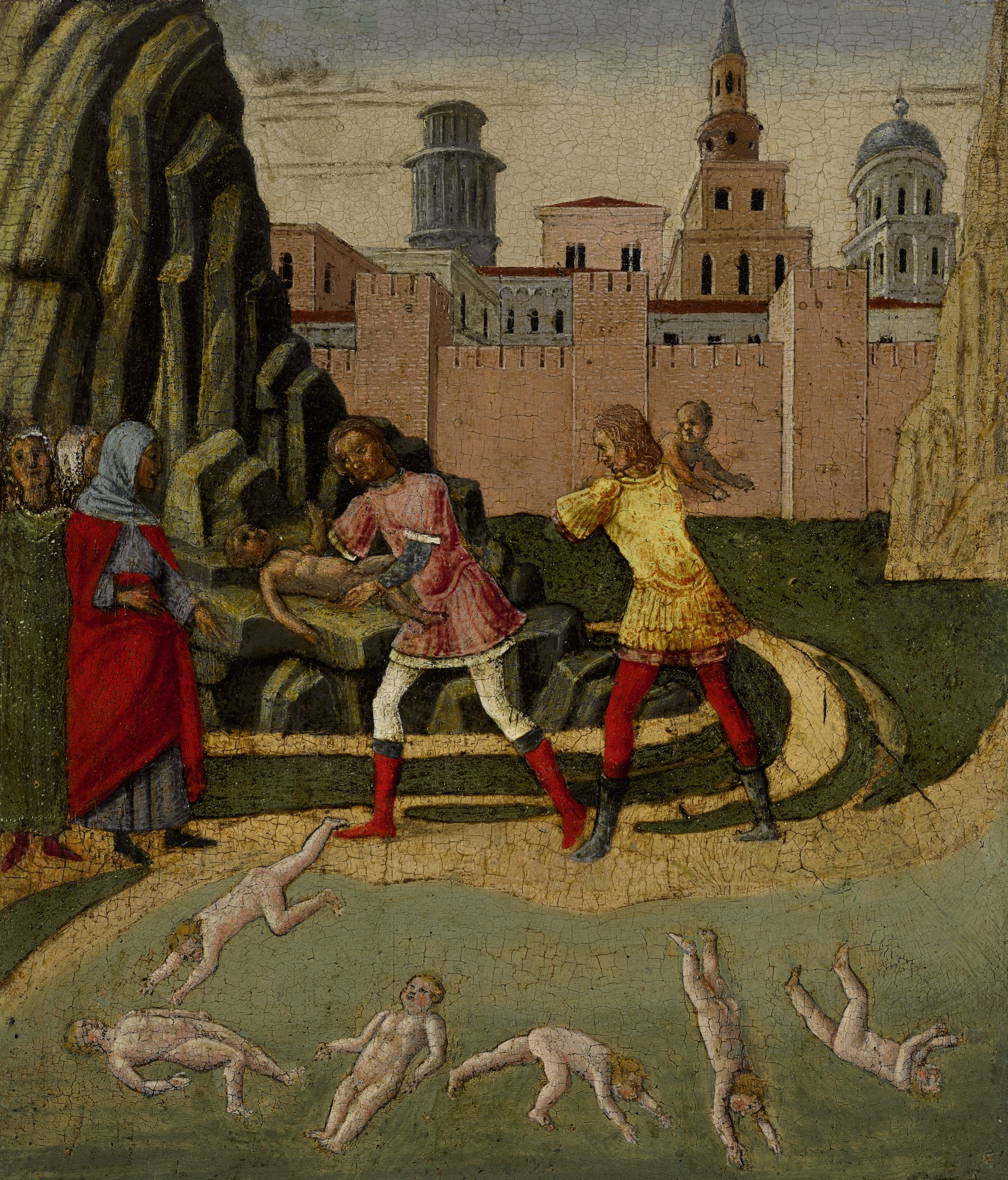
The Old Master and early modern categories see the most activity, with buyers in Europe and the United States both competitive for the finest examples. Workshop attributions, such as works connected to a master's studio rather than solely to the master's hand, trade at meaningful discounts but can represent genuine value if the quality of execution is high. The Workshop of the Master of the Correr Phaethon, represented on The Collection, is exactly the kind of attribution that rewards patient collecting. These workshop pieces carry historical weight and visual authority while remaining accessible to buyers who cannot compete at the level of fully autograph works.
Practically speaking, there are several questions every collector should ask before acquiring a work in this category. Ask specifically about the support: canvas, panel, and paper all behave differently over time and require different display and storage conditions. Ask whether any restoration has been carried out and request documentation. Avoid hanging these works in direct sunlight or near sources of significant heat, both of which accelerate the differential movement between the oil and tempera layers.
And if you are considering a work with a workshop or uncertain attribution, ask what documentary basis supports that attribution. The best galleries will welcome the question. The answers reveal a great deal, about the work and about who you are buying from.