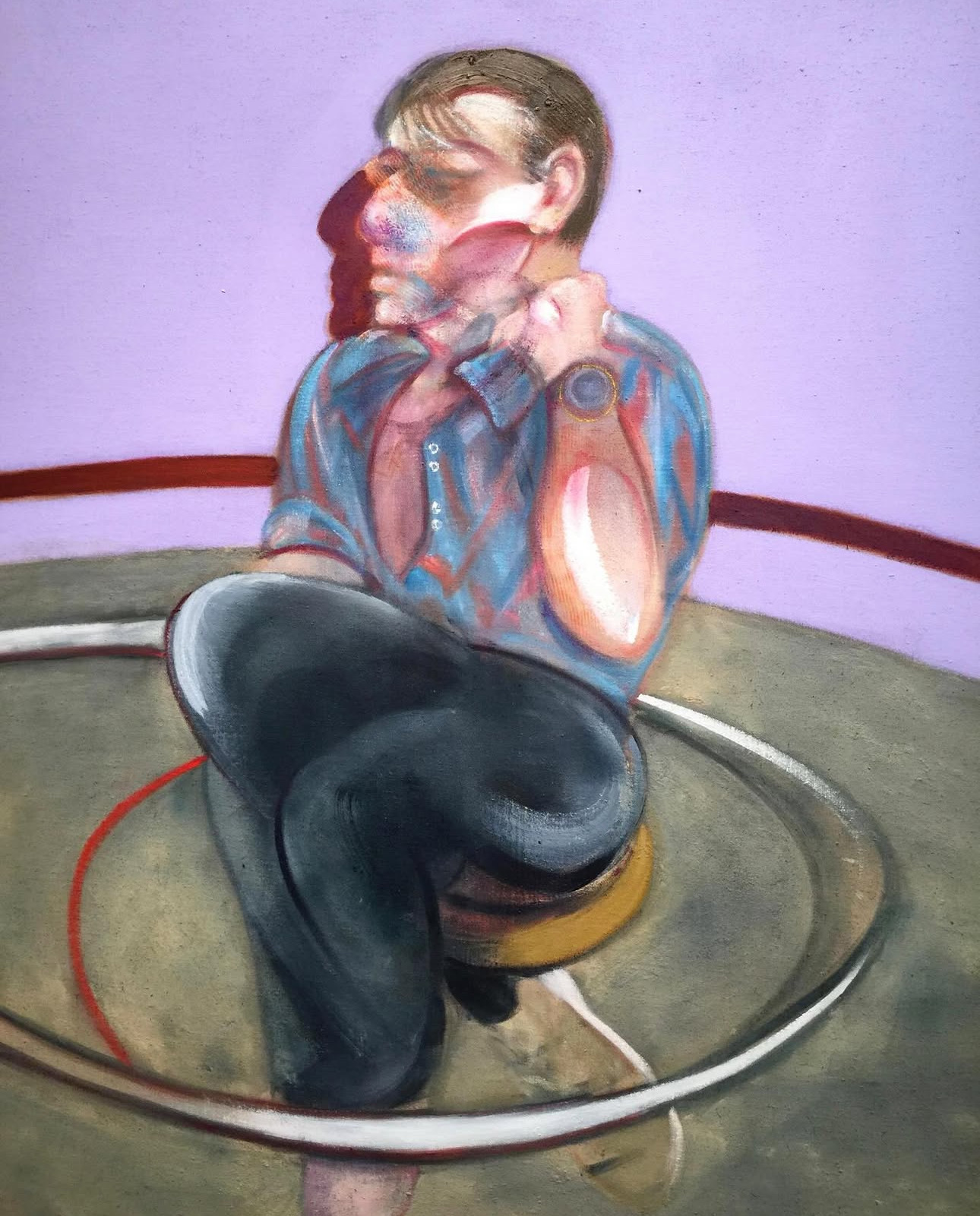
Newspaper Collage
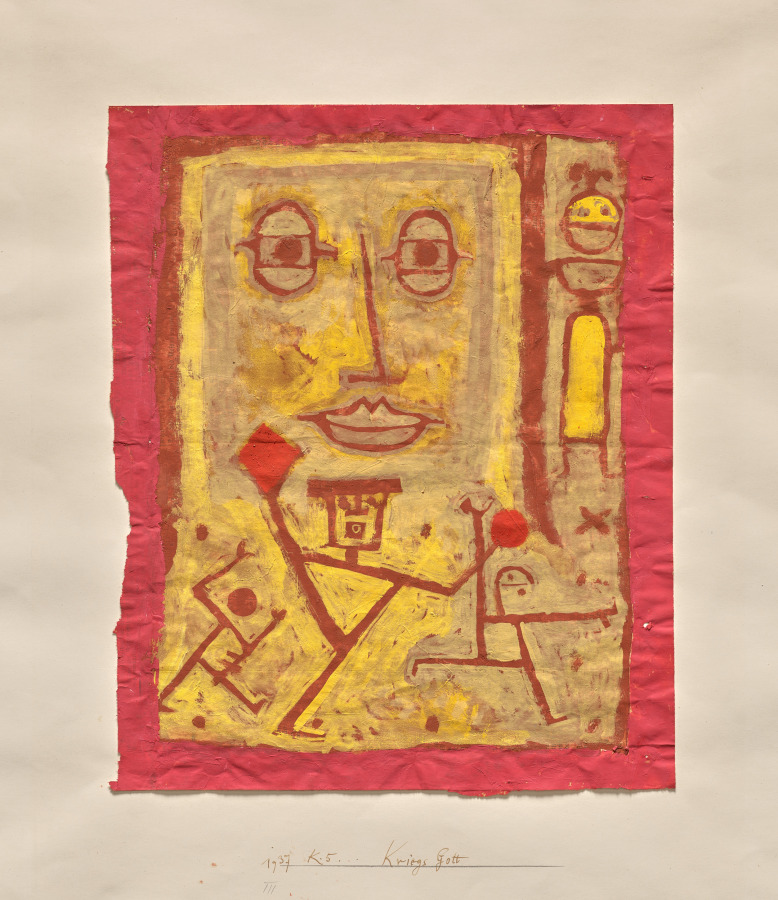
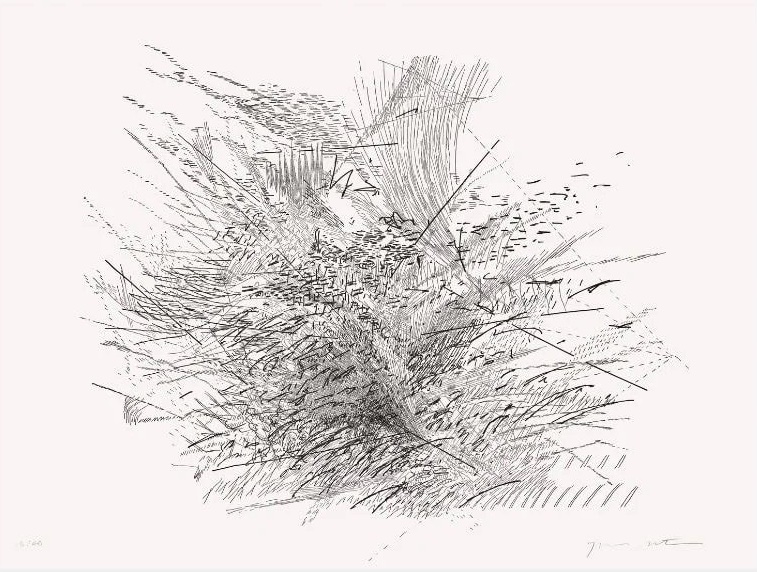
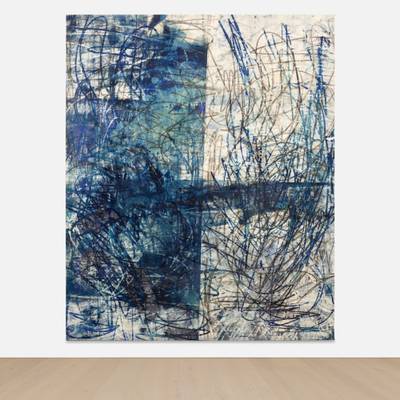
Paul Klee
God of War, 1937



.png/400px-95Arethusa_(Lightcurve_Inversion).png)
The Beautiful Chaos of Collaged Newsprint
There is something almost transgressive about a work made from newsprint. The newspaper was designed to be discarded, to carry the news of one morning and be gone by the next. When an artist freezes that material inside a composition, they are doing something philosophically loaded: they are making permanent what was always meant to disappear. Collectors who are drawn to newspaper collage often describe a feeling they struggle to articulate at first, a sense of time made visible, of the world's noise quieted into something that asks for sustained looking.
That tension between the ephemeral and the enduring is exactly what makes these works so compelling to live with. The intimacy of the format is a genuine factor in why collectors return to it. Newspaper collage tends to work at a human scale, close to the body, inviting inspection rather than demanding it from across the room. You find yourself reading fragments, recognising typefaces, catching half a headline that trails off into paint or torn edge.
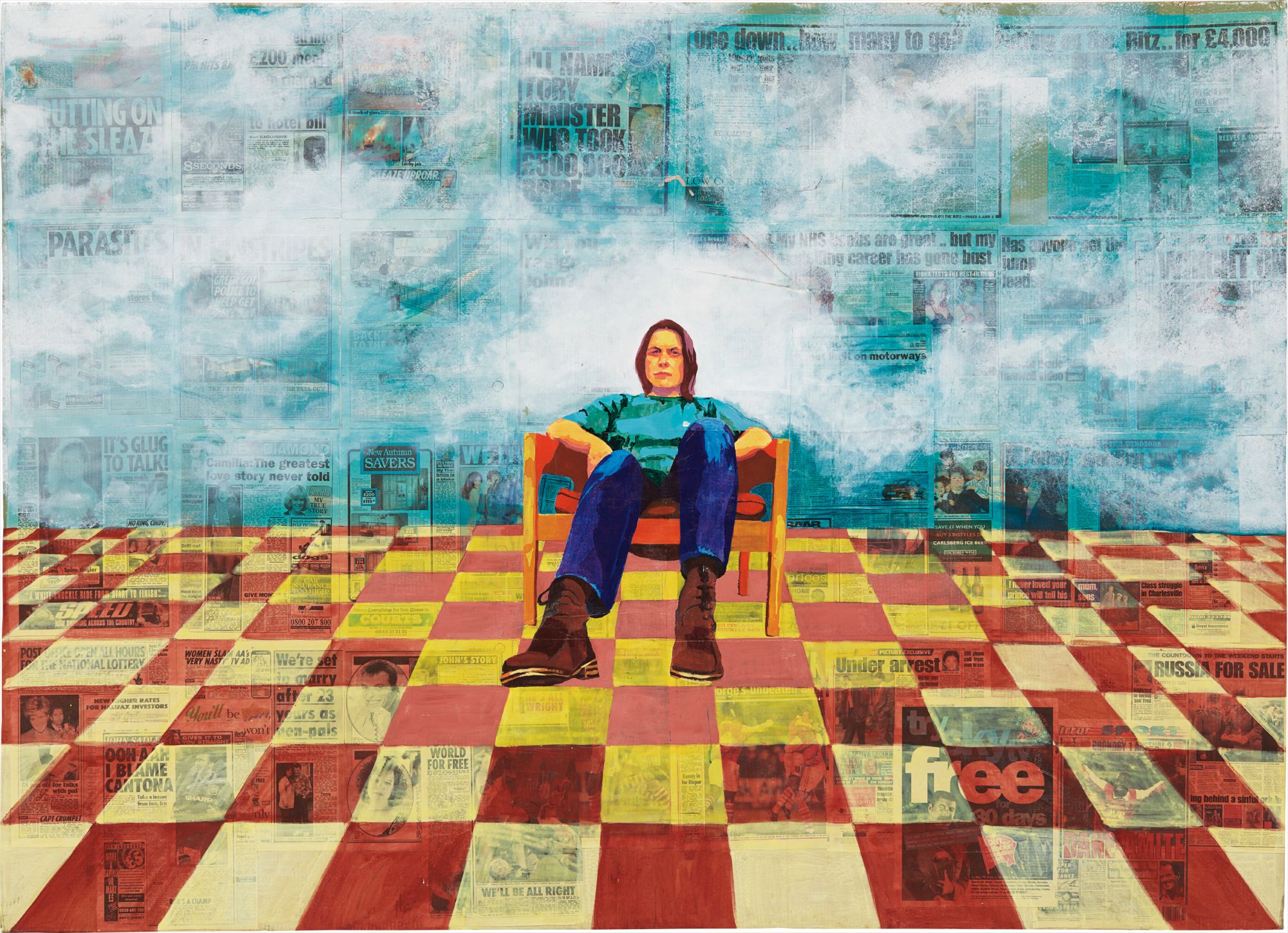
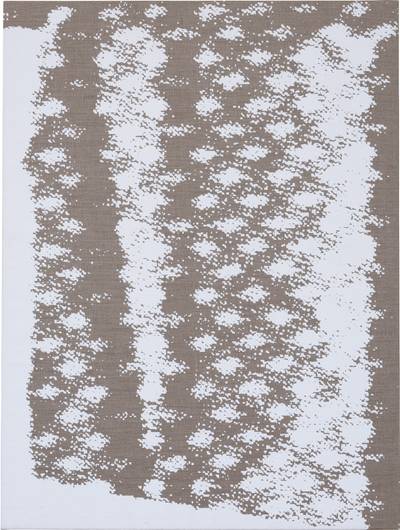
Roman Liška
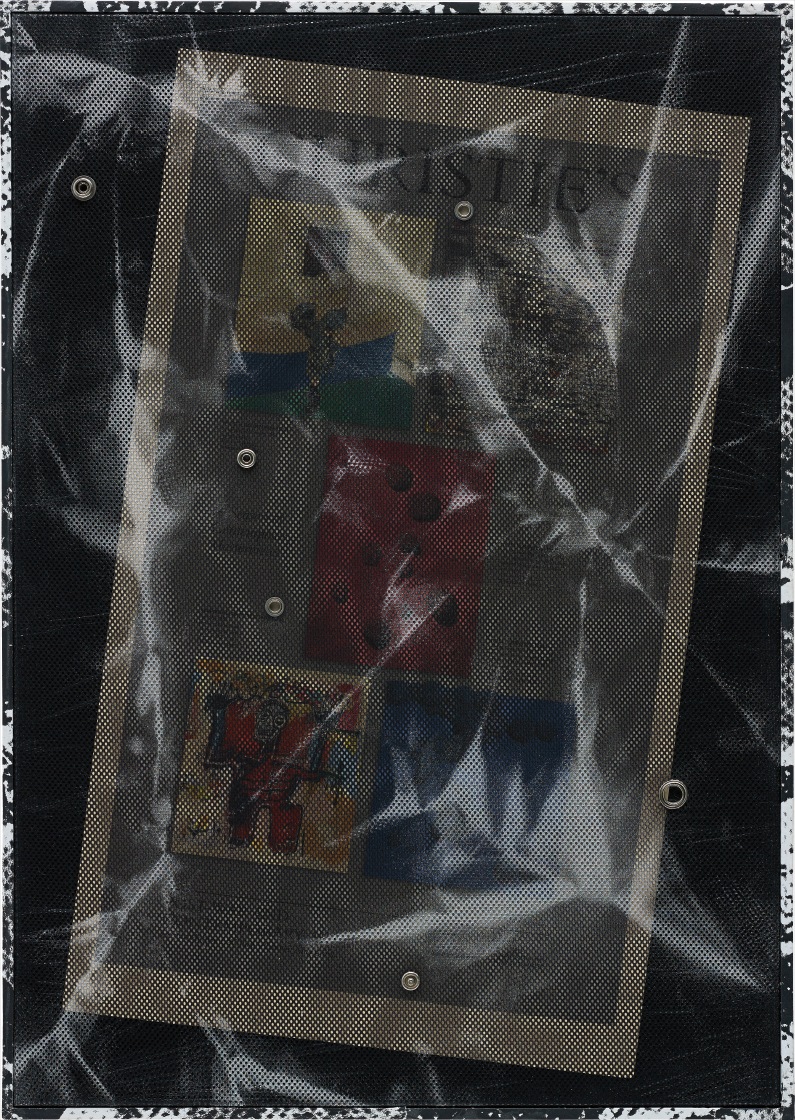
Christie's (FT Weekend series), 2012
Living with a work like this means the experience shifts over time as you notice new details, new layers of meaning in the text that the artist has chosen to preserve or obscure. It is one of those rare categories where the work keeps giving. What separates a good newspaper collage from a truly great one is largely a matter of intention and control. The most persuasive works demonstrate that the artist understood the specific newspaper material they were working with, not merely as texture but as content.
The best practitioners make decisions about legibility that feel deliberate rather than accidental, allowing certain words or images to surface while suppressing others. A collector should look carefully at whether the relationship between the collaged newsprint and the other elements of the work feels genuinely integrated or merely decorative. When newspaper becomes wallpaper, the work loses its nerve. Scale decisions and material layering also signal ambition.
Derek Fordjour
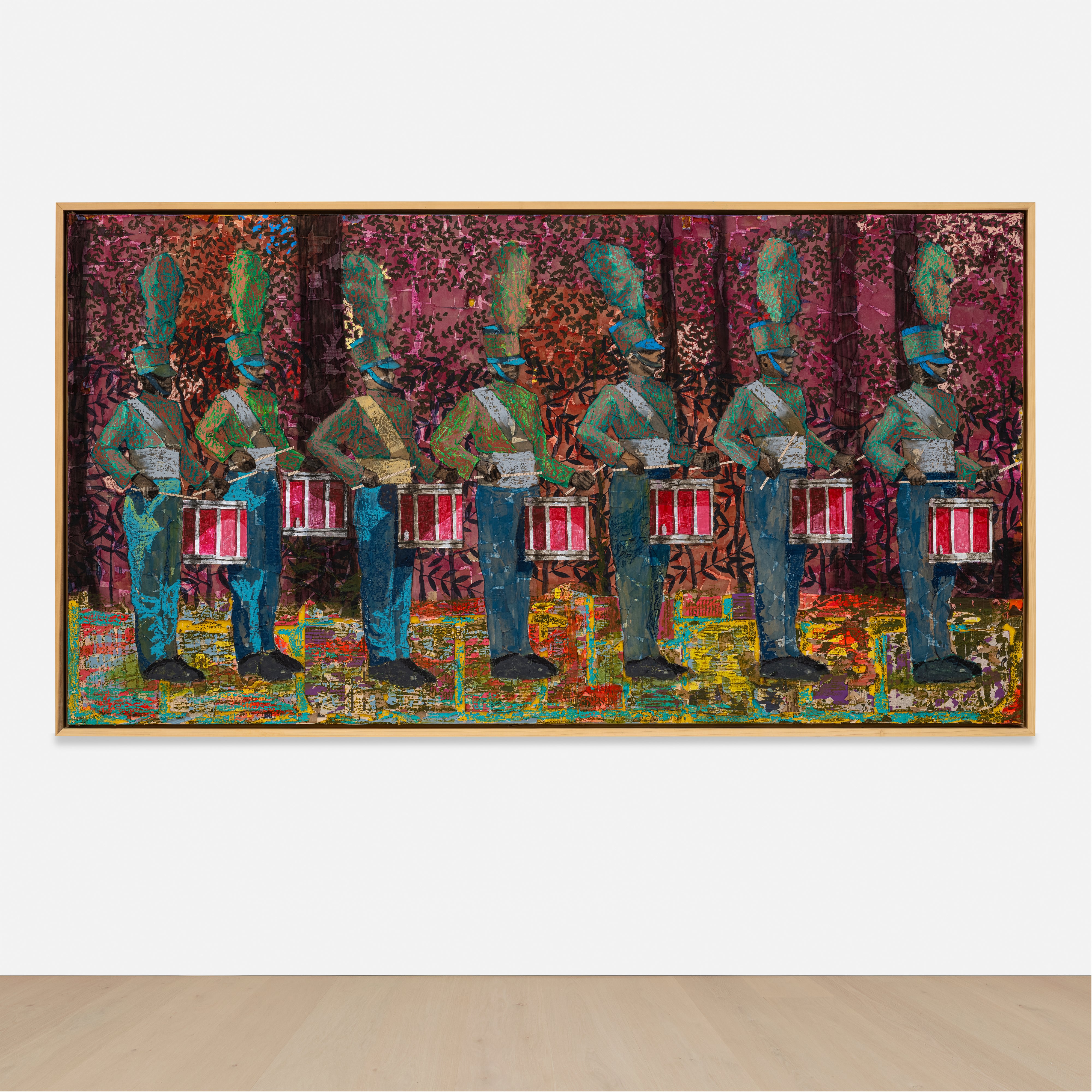
Six Count, 2018
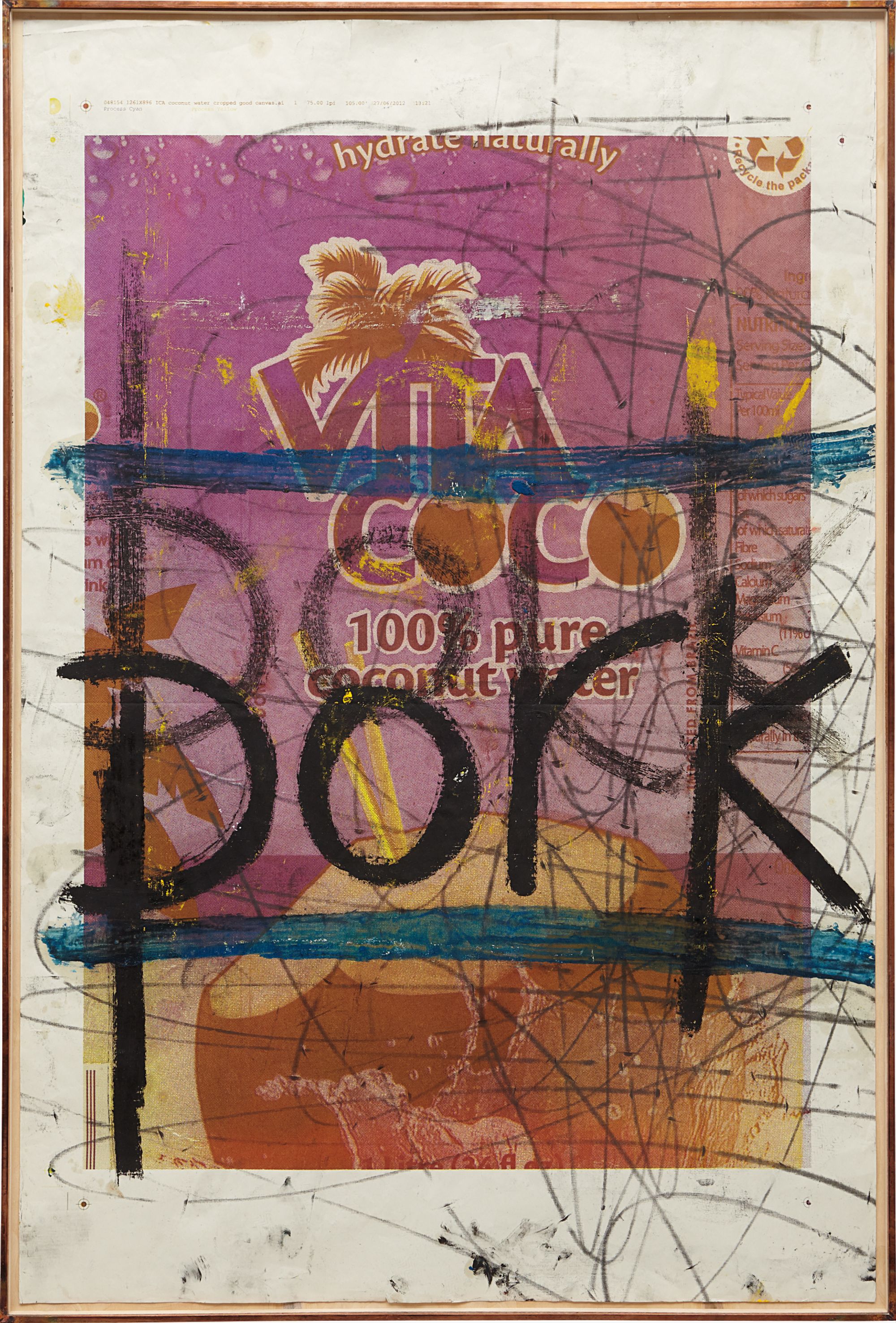
Oscar Murillo, whose practice frequently involves newspaper and found printed matter within large scale works that address labour, migration, and global capital, demonstrates how newsprint can carry genuine ideological weight rather than functioning as nostalgic texture. His works on The Collection reflect that engagement with the material world at its most immediate and politically charged. Derek Fordjour approaches collage from a different angle, building up surfaces with newsprint and other materials beneath painted imagery to create works of considerable psychological depth, where the layered substrate becomes almost archaeological. His pieces reward the collector who looks past the surface image to understand what is buried underneath.
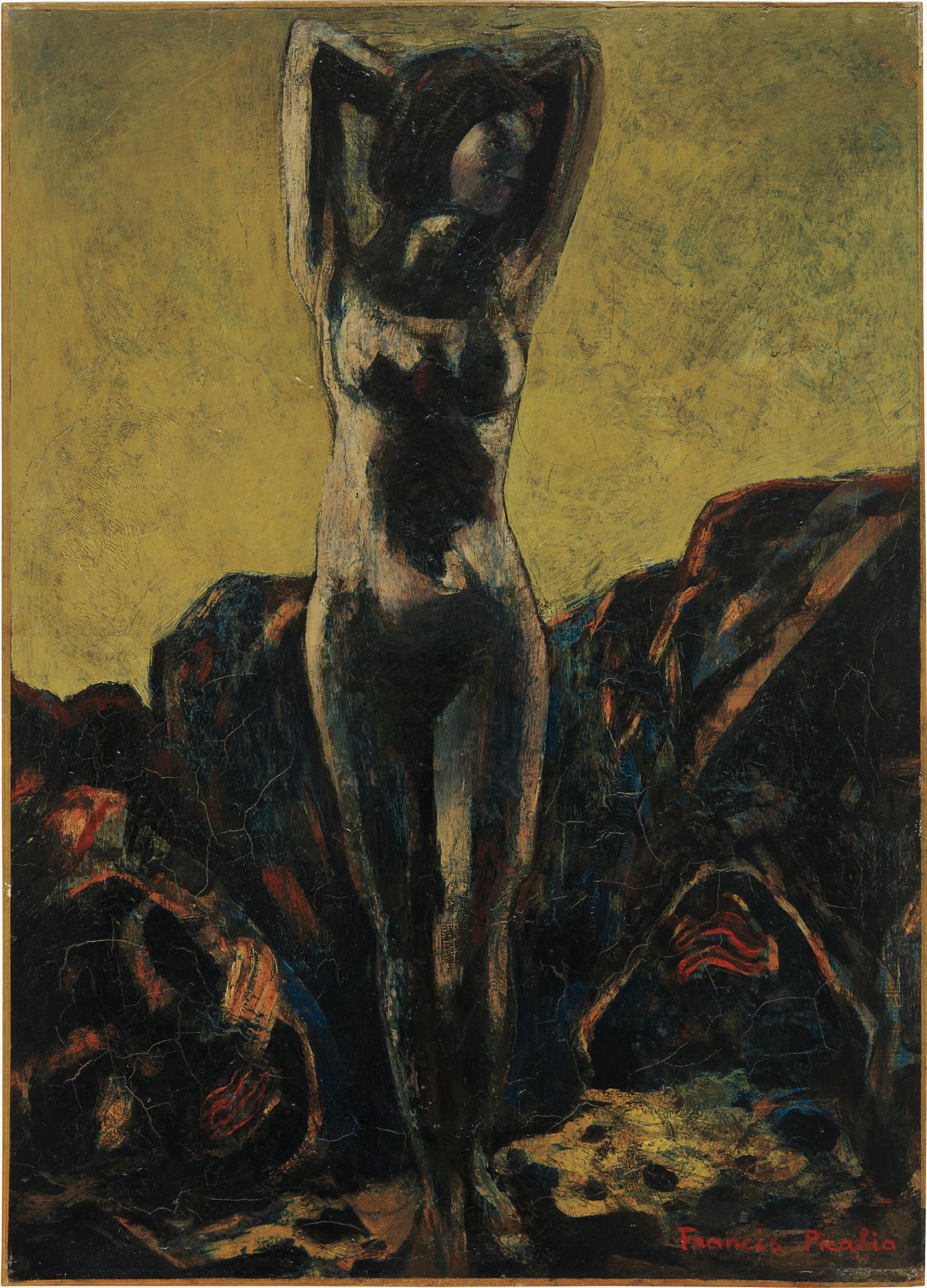
For collectors interested in historical grounding alongside contemporary relevance, it is worth considering how Francis Picabia and Paul Klee, both represented on The Collection, approached the integration of text and mixed media into their work during the early twentieth century. Picabia's Dada period embraced the provocations of print culture, and that lineage runs directly through to contemporary artists working with newsprint today. Understanding those connections enriches not only the intellectual framework of a collection but often its market coherence as well, since curators and institutional buyers respond to collections that demonstrate a clear understanding of lineage. The secondary market for newspaper collage has shown real resilience, particularly for works by artists who have achieved significant institutional recognition.
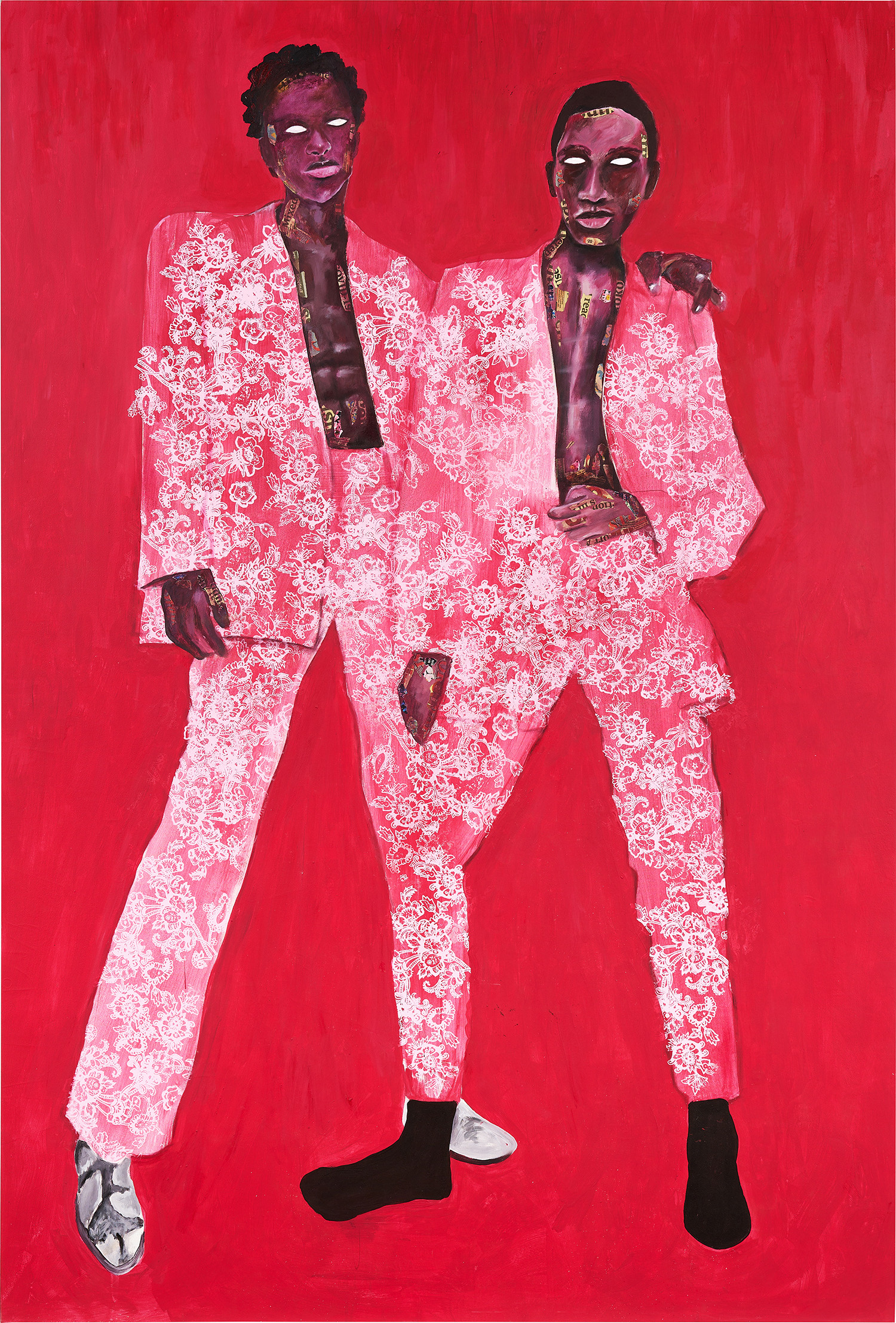
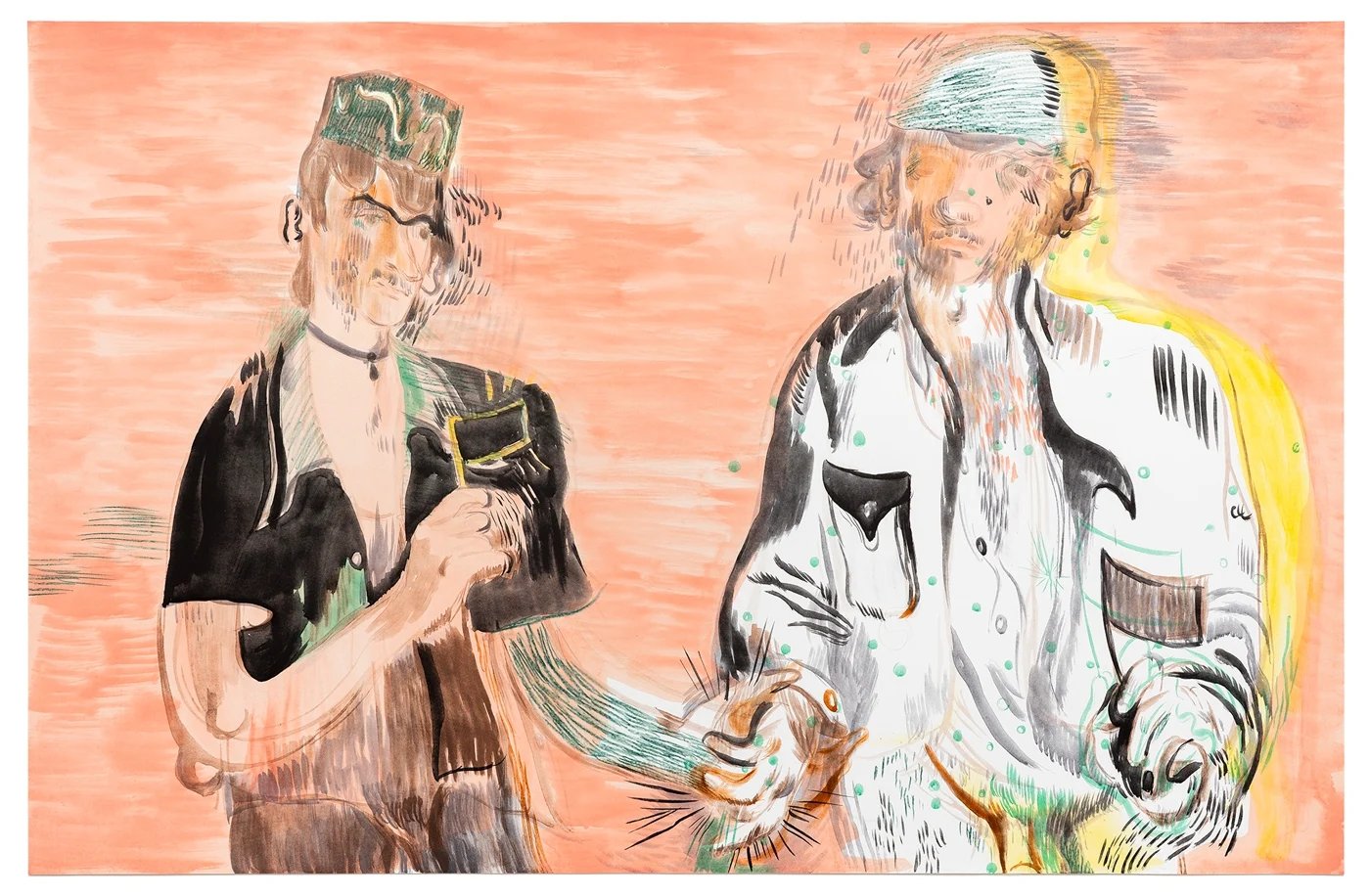
Emmanuel Taku
Brothers in Red, 2020
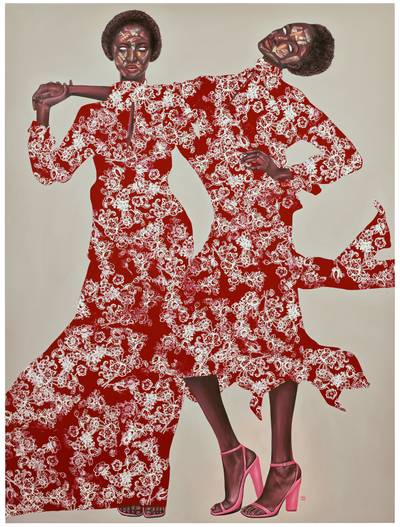
Works by Murillo have performed consistently well at auction, with his mixed media pieces on paper drawing serious competition at major houses. The key dynamic to watch is the relationship between unique works and works on paper more broadly: unique collage works tend to hold value more firmly than multiples or editions, simply because their singularity is more easily argued to collectors and to future buyers. When a Fordjour or a Murillo comes to auction with solid provenance and exhibition history, it tends to attract confident bidding rather than speculative hesitation. For those watching emerging positions in the space, Emmanuel Taku is worth serious attention.
His work engages with found materials including print media in ways that feel rooted in a clear conceptual position, and his trajectory suggests that institutional interest will follow. Antonio Seguí brought a different kind of energy to works on paper throughout his long career, with a graphic sensibility that positioned him between illustration and fine art in ways the market is still working to fully value. Roman Liška's practice occupies a quieter register but demonstrates a rigorous engagement with surface and material that tends to age well in both critical and market terms. On practical matters, condition is paramount in this category in ways that collectors sometimes underestimate.
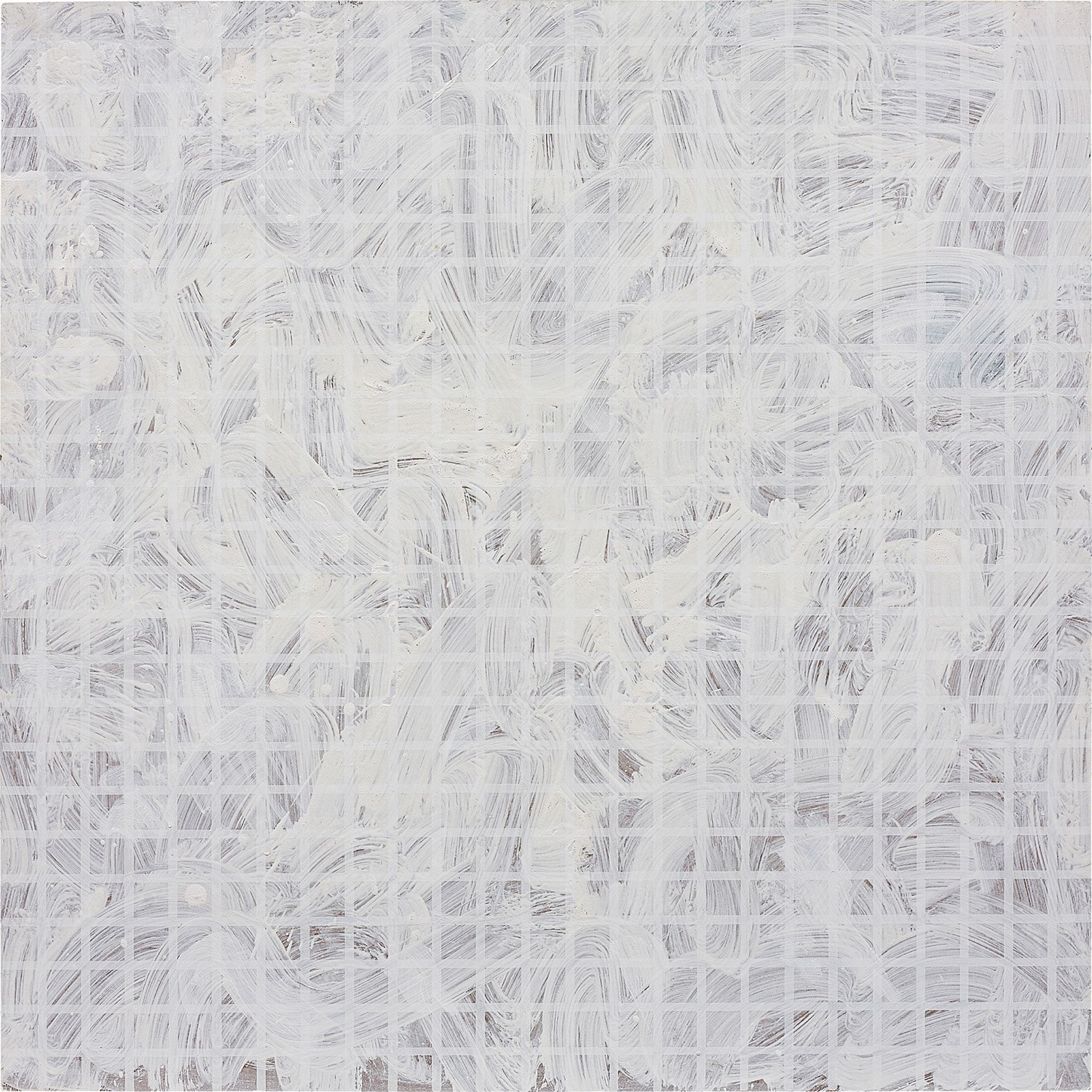
Antonio Seguí
Sortie, 1982
Newsprint is acidic by nature, and even when professionally mounted or treated, works incorporating it require stable environmental conditions, controlled humidity, and protection from direct light. Ask your gallery or the selling institution specifically whether the newsprint has been deacidified and how the work has been stored and previously displayed. These are not anxious questions but sensible ones, and any gallery worth working with will welcome them. Glazing with UV protective glass or acrylic is close to mandatory for long term preservation.
When evaluating whether to acquire a unique collage work versus an edition that incorporates collage elements, consider what the edition adds beyond accessibility. A genuine collage is by definition unique even if the composition is repeated, but some artists produce screenprints with collage additions, and those occupy a different category both aesthetically and at resale. Unique works carry a stronger argument at every stage of the market cycle. Finally, ask the gallery for clear documentation of the materials used and request any available conservation notes.
A work that arrives with that level of transparency is a work that has been properly cared for, and that care tends to be reflected in its long term value.