New Leipzig School
Tilo Baumgärtel
Tilo Baumgärtel

Leipzig's Painters Still Have Something to Say
When a large scale Neo Rauch canvas appeared at Christie's New York in the early 2020s and cleared well above its high estimate, it confirmed something seasoned collectors had suspected for years: the New Leipzig School is not a market novelty that crested and receded. It is, instead, one of the more durably significant painting movements to emerge from post reunification Europe, and its market weight keeps pace with its critical standing. The result was a reminder that the best work from this loose constellation of painters around the Hochschule für Grafik und Buchkunst carries genuine staying power, the kind that shifts from speculative to canonical without much fanfare. The story of the New Leipzig School is inseparable from a specific building and a specific rupture in history.
After reunification in 1990, the Leipzig Academy found itself in a strange position: suddenly connected to the wider art world, flush with a tradition of craft based figurative painting that the West had largely abandoned, and surrounded by a city whose half empty Gründerzeit apartments became studios and gathering spaces almost overnight. The painters who trained there in the 1990s and early 2000s developed a visual language that was figurative without being illustrative, dreamlike without being surrealist, and politically resonant without being didactic. Neo Rauch, who studied and then taught at the academy, became the movement's most recognized figure, but the energy was always more collective than that single name suggests. Museum attention has been substantial and growing.
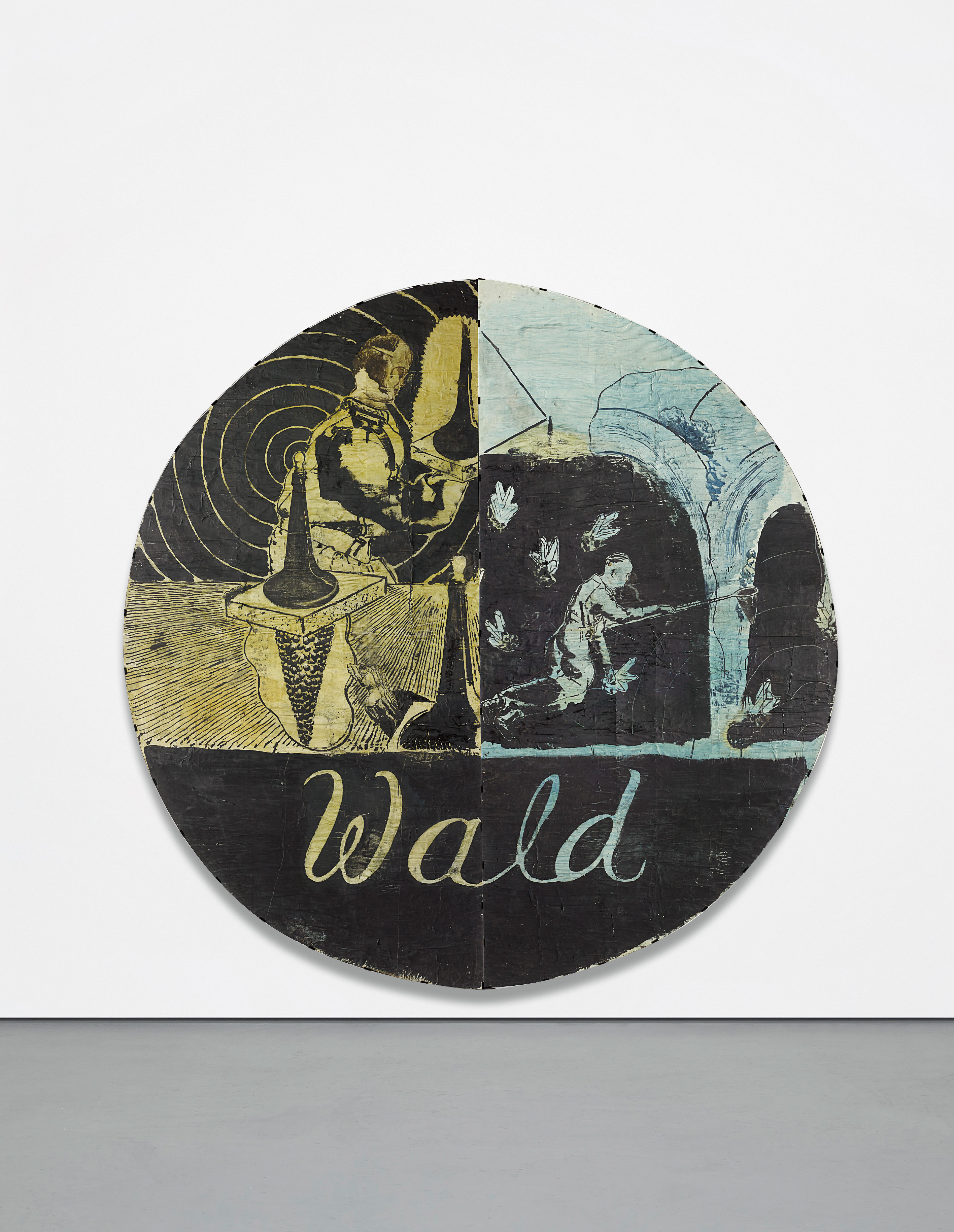
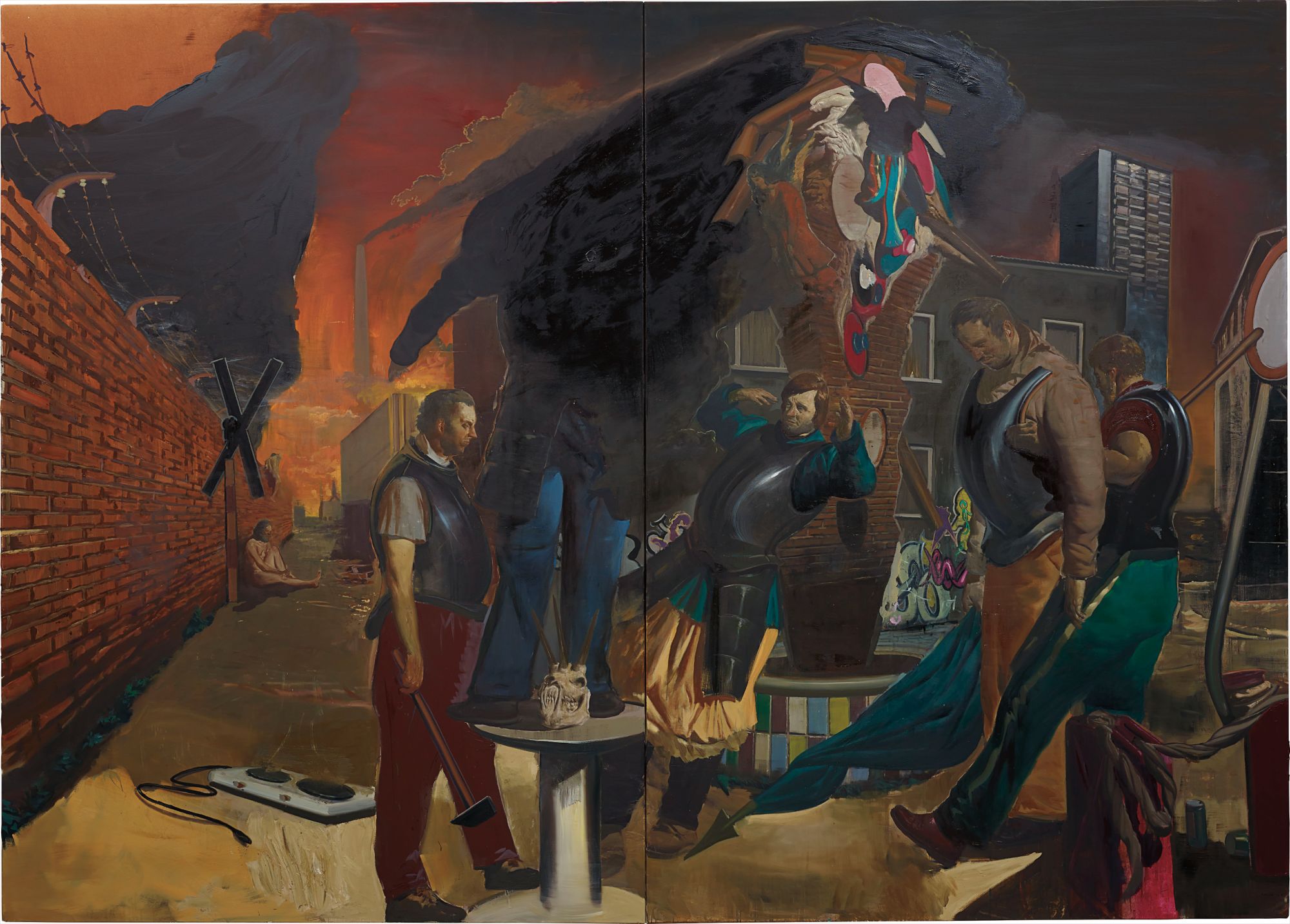
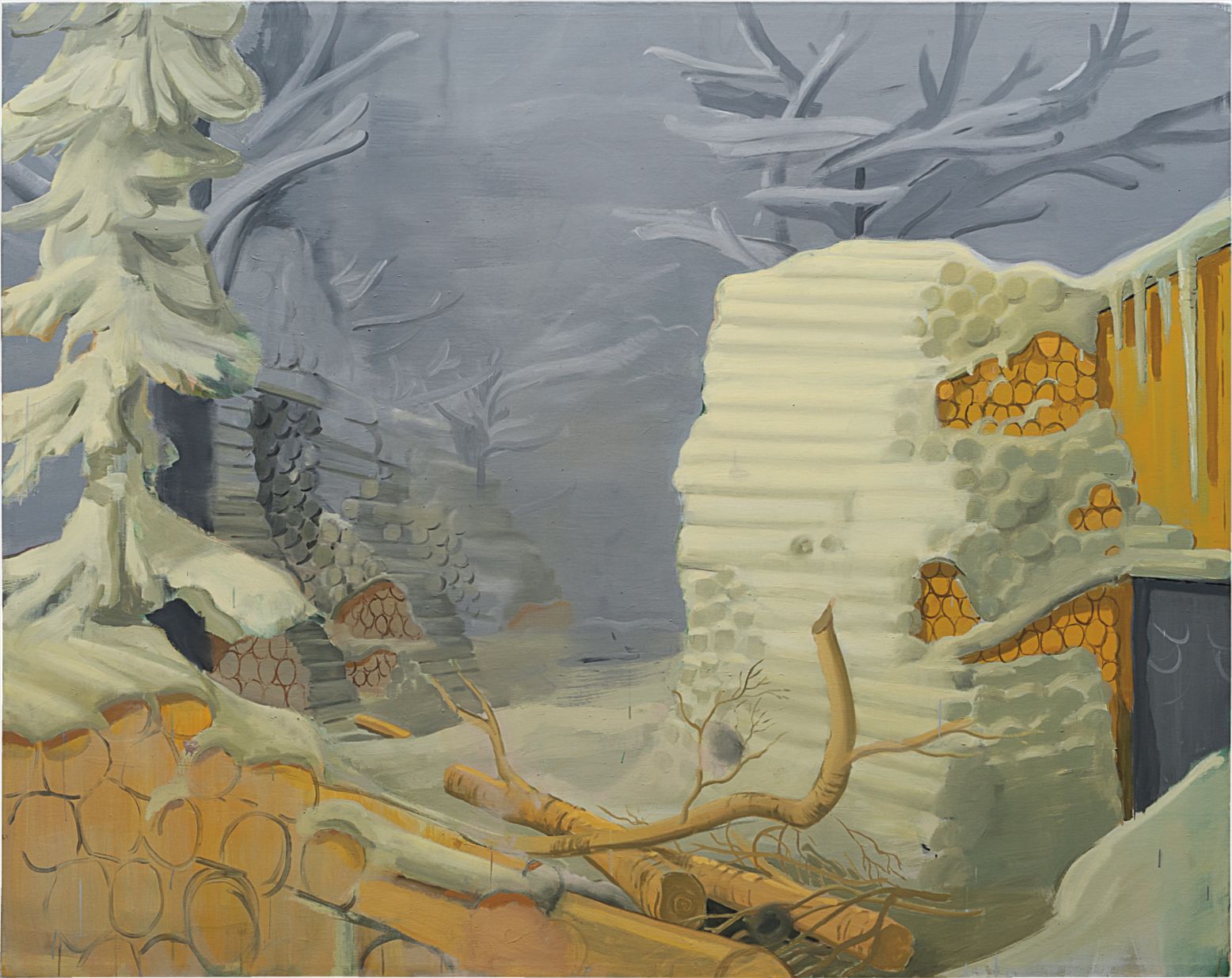
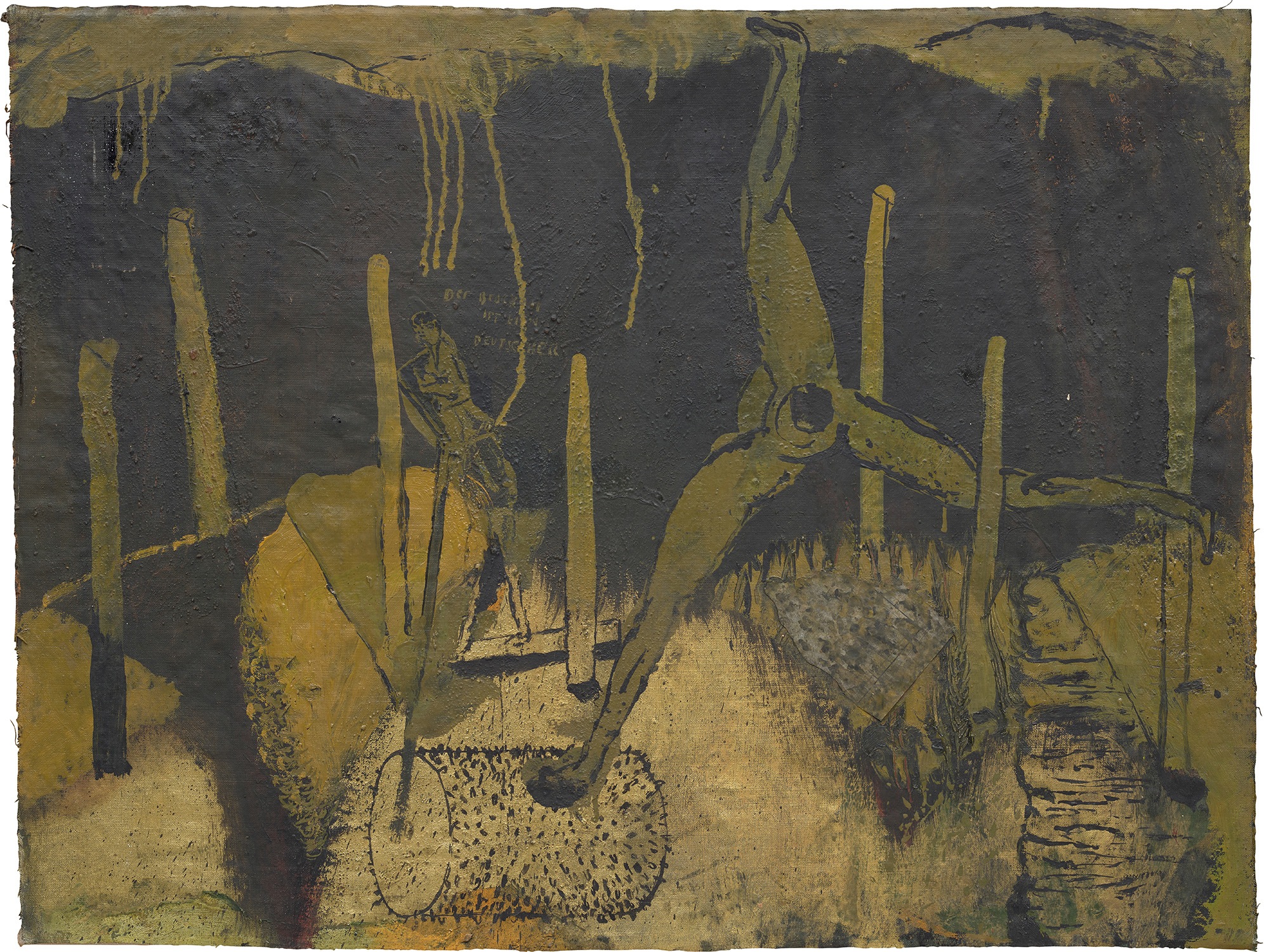
Neo Rauch
Wald
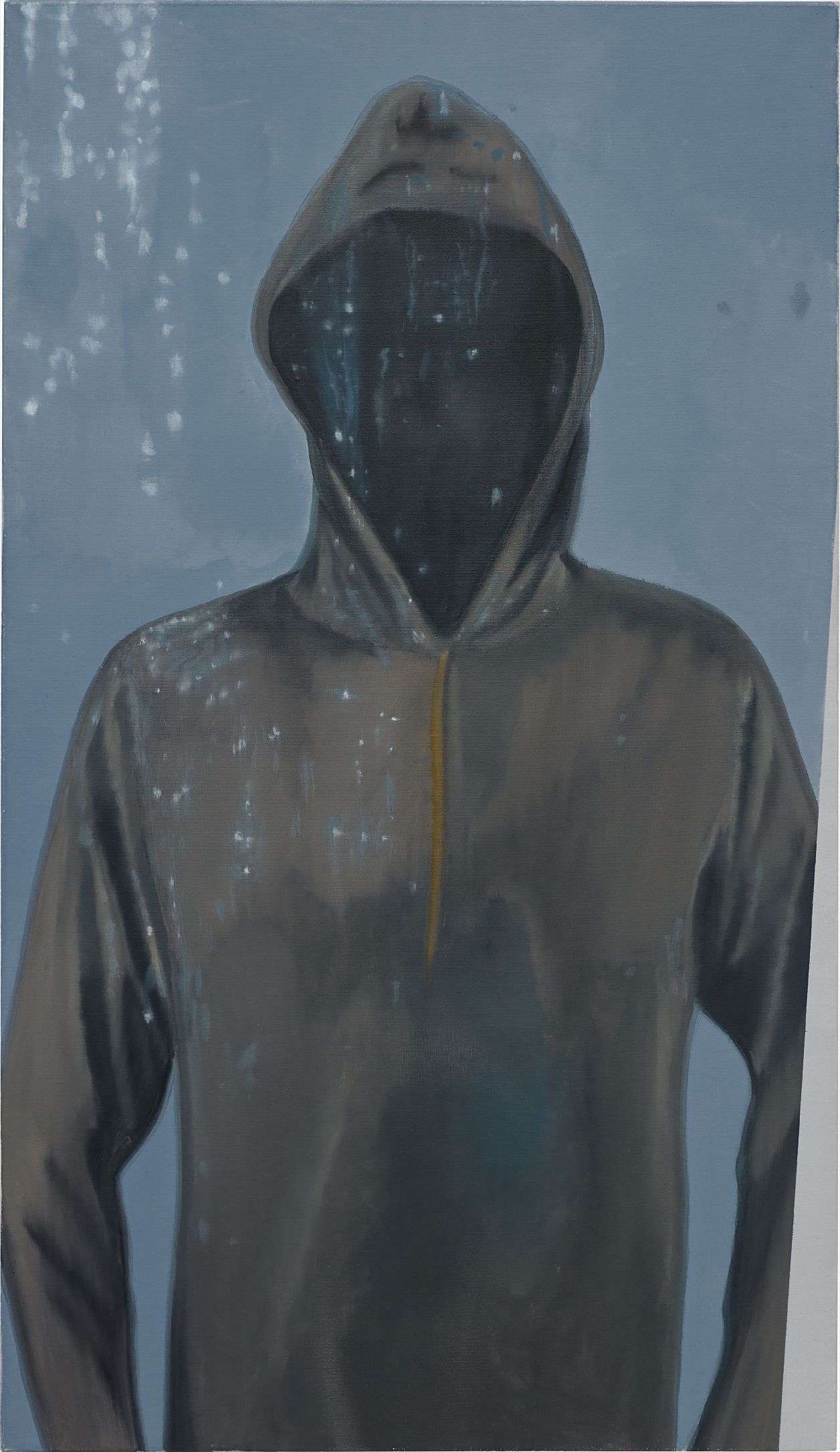
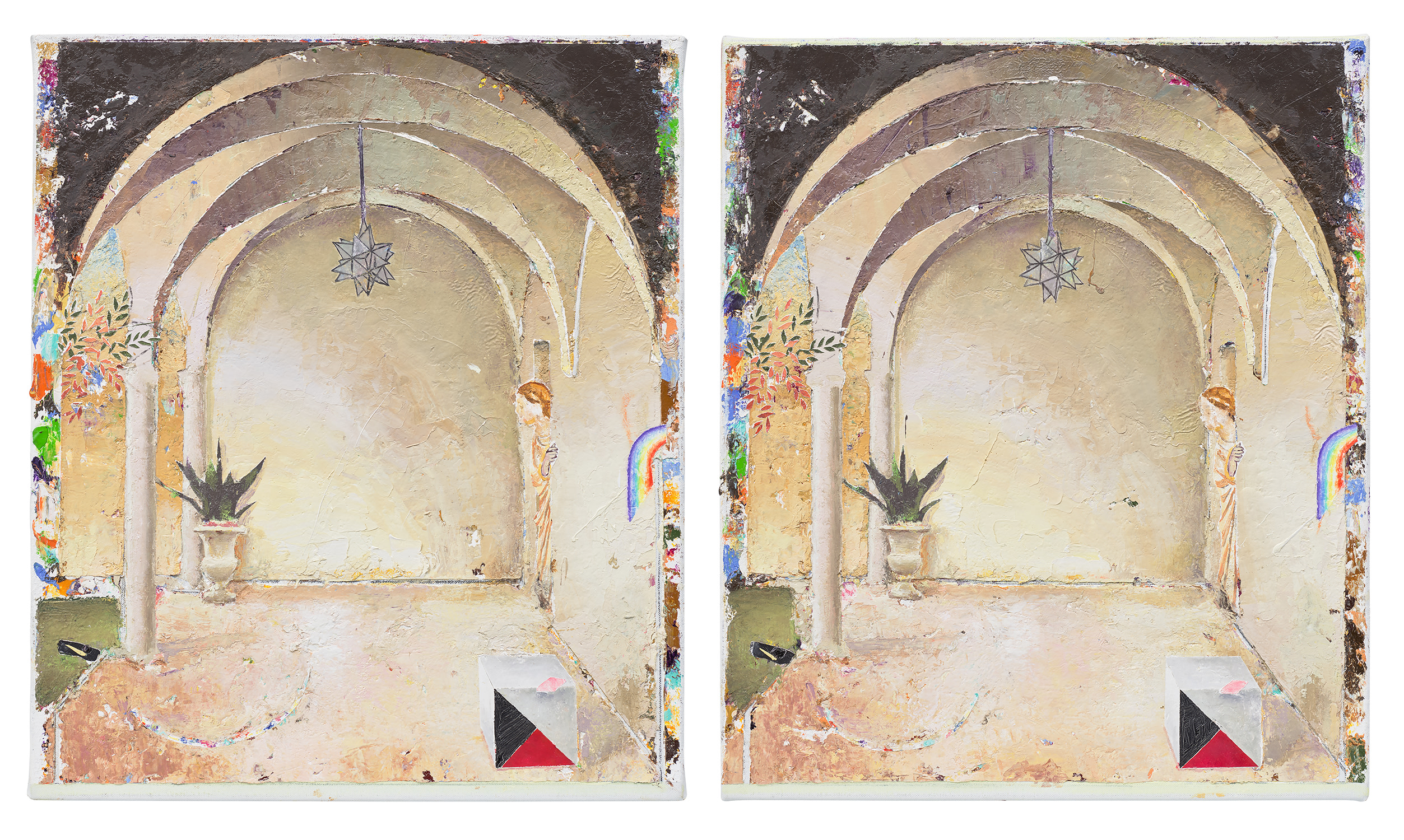
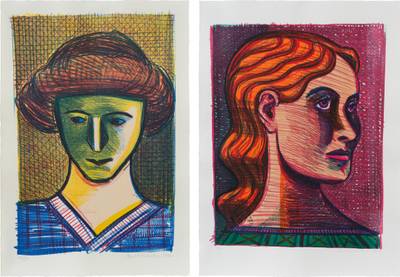
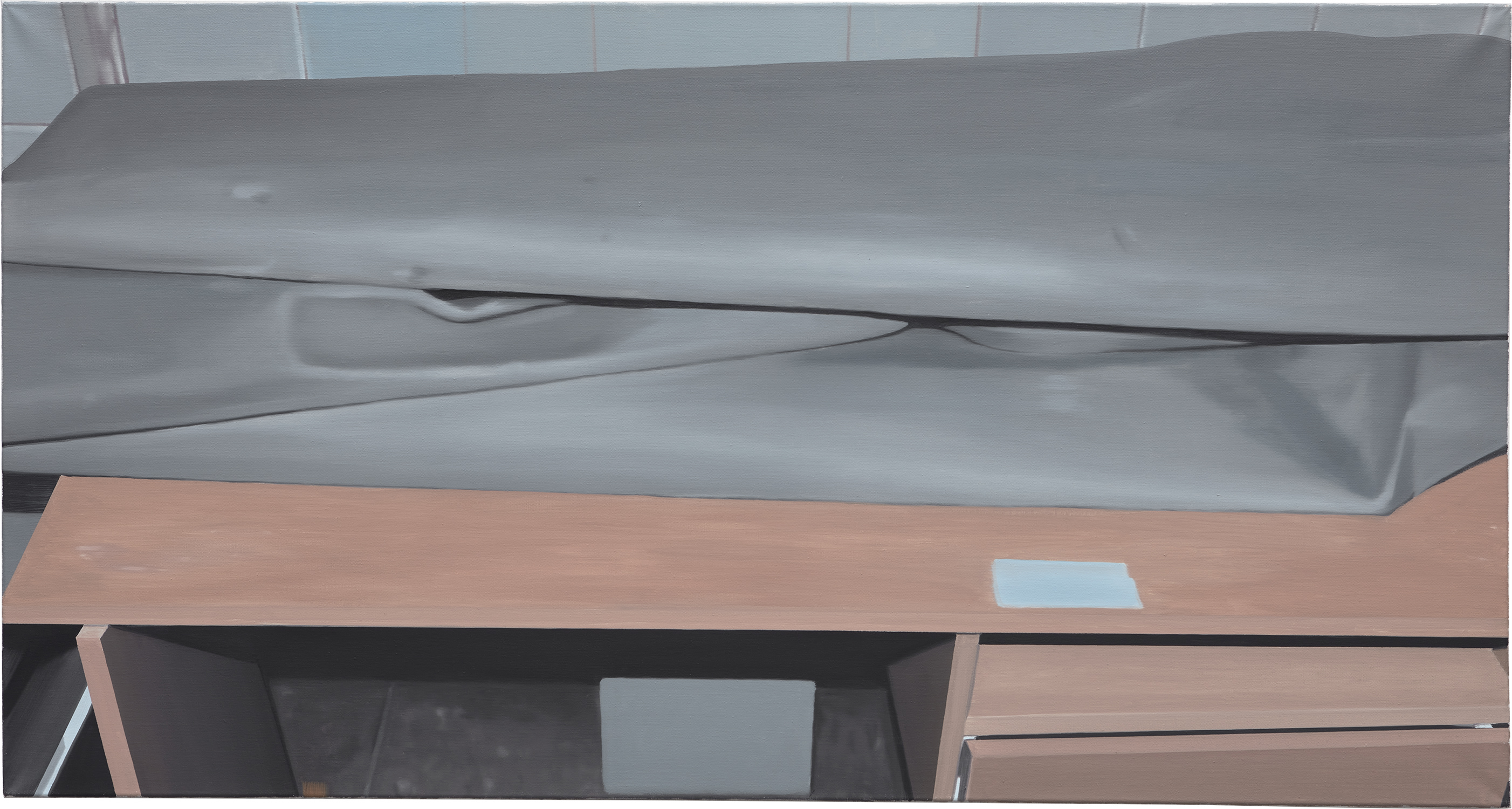
Rauch has been the subject of major retrospectives at the Museum der bildenden Künste in Leipzig, and his work entered prominent American collections relatively early, which helped normalize European figurative painting for collectors who had grown up in a market dominated by American abstraction and conceptualism. Matthias Weischer received serious institutional attention in Germany and abroad, with solo presentations that foregrounded his interest in claustrophobic interiors layered with pattern and residue. Christoph Ruckhäberle, whose flat poster like compositions draw on a vernacular graphic tradition, has been shown in both commercial and institutional contexts across Europe and the United States. Tilo Baumgärtel and Susanne Kühn have each attracted curatorial interest for the psychological density they bring to figuration, a quality that reads differently in person than in reproduction.
Auction results across the group reveal a market with genuine hierarchy. Rauch commands the highest prices by a significant margin, with major works regularly achieving six and seven figures at the principal houses. His paintings, dense with allegorical figures and a palette that seems to belong to no particular era, have found homes in some of the most serious private collections in Europe and America. Weischer and Ruckhäberle occupy a compelling middle tier where quality examples still feel undervalued relative to their art historical significance, which is exactly where experienced collectors tend to concentrate their attention.
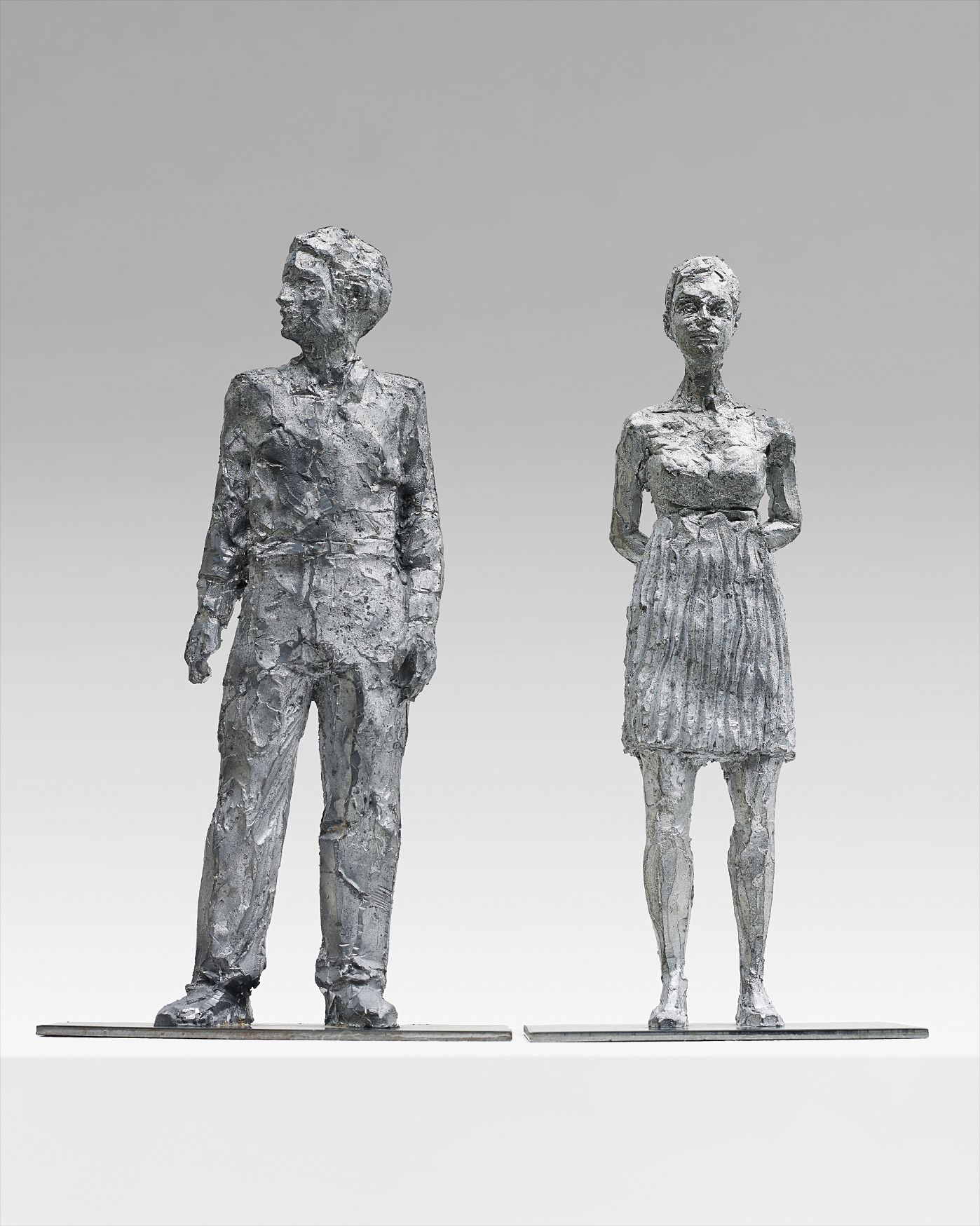
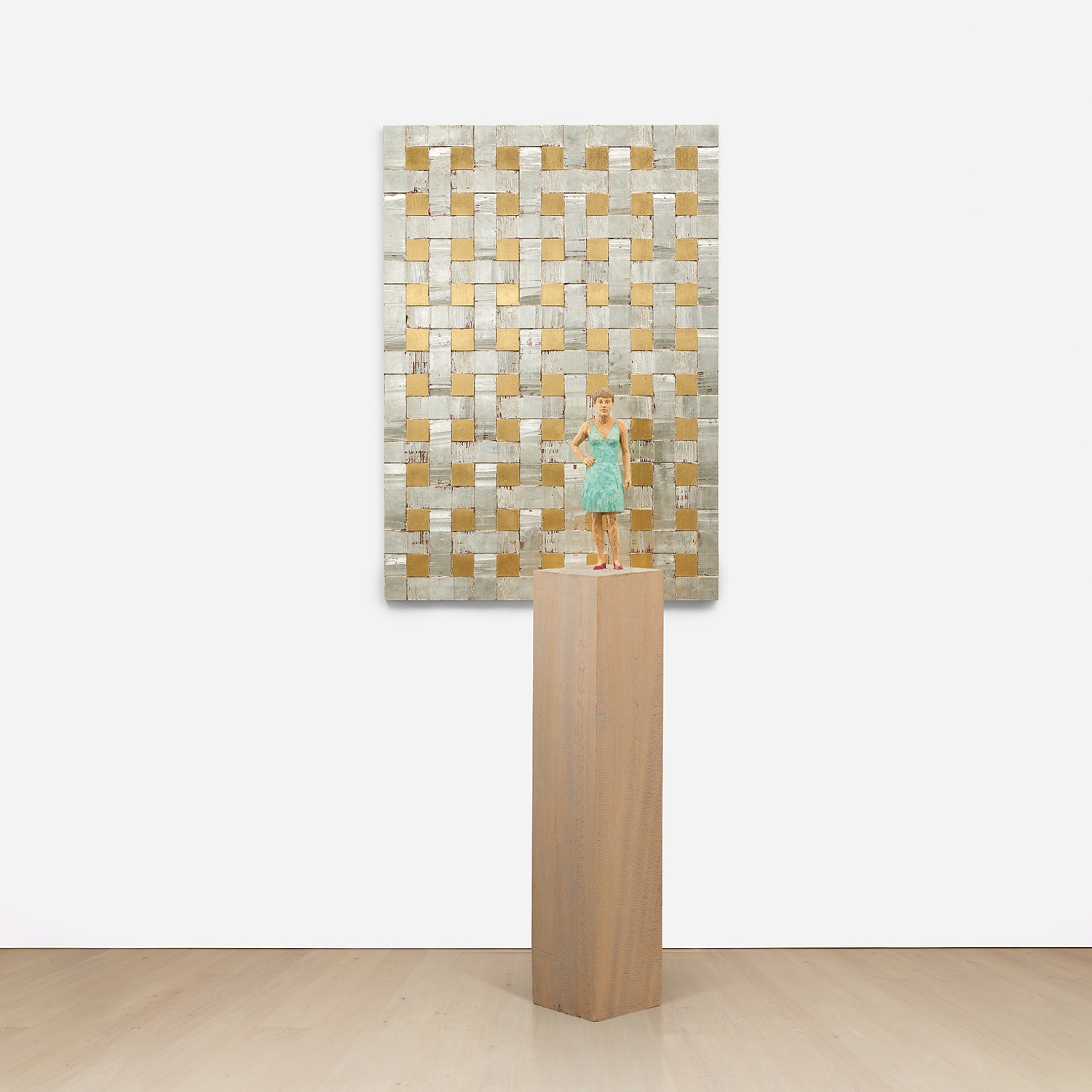
Stephan Balkenhol
Mann und Frau
Eberhard Havekost, whose coolly photographic approach to painting set him somewhat apart from the warmer figurative tendency of some peers, also attracted real market interest before his death in 2019, and his estate works continue to be sought after. The presence of Stephan Balkenhol in this conversation is worth noting: his carved wooden figures predate the Leipzig phenomenon and belong to a different genealogy, but they share the same appetite for the human form rendered with quiet strangeness. The institutional collecting picture is instructive. The Museum of Modern Art in New York, the Rubell Family Collection in Miami, and the Saatchi Collection in London all moved on Leipzig School work during the movement's period of greatest visibility in the mid 2000s, but sustained institutional acquisition has continued well beyond that initial wave.
The Pinakothek der Moderne in Munich and various Kunsthalle institutions across the German speaking world have deepened their holdings consistently. What this signals is that curators are not treating the New Leipzig School as a historical episode requiring preservation so much as an ongoing conversation requiring continued engagement. That distinction matters enormously when thinking about long term value. The critical conversation has evolved in interesting ways.
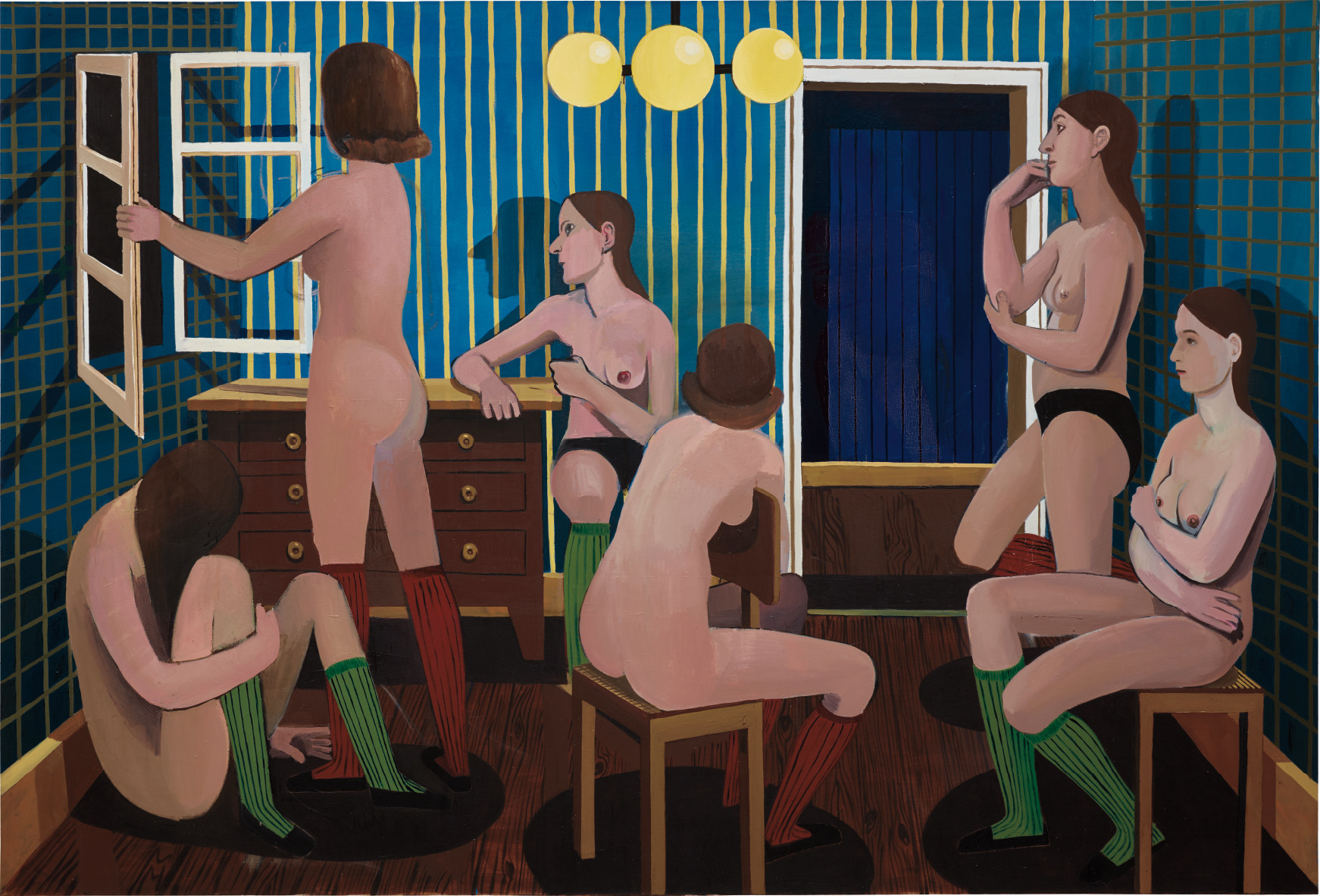
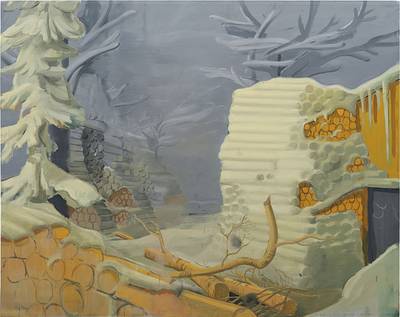
Christoph Ruckhäberle
Nacht, 2004
Early writing on the movement, particularly in the American press around 2005 and 2006 when gallery representation in New York was at its most active, tended to reach for loaded comparisons to Socialist Realism or to frame the painters as nostalgists for a vanished East German visual culture. That reading never quite fit and has been largely set aside. More recent critical writing, including essays in Frieze and catalog texts by curators at German institutions, has focused instead on questions of pictorial time: how these painters construct images that seem to exist outside of any legible present moment, hovering between memory, myth, and something that feels almost like prophecy. That is a more interesting and more accurate critical frame, and it has given collectors a richer vocabulary for thinking about what they are actually looking at.
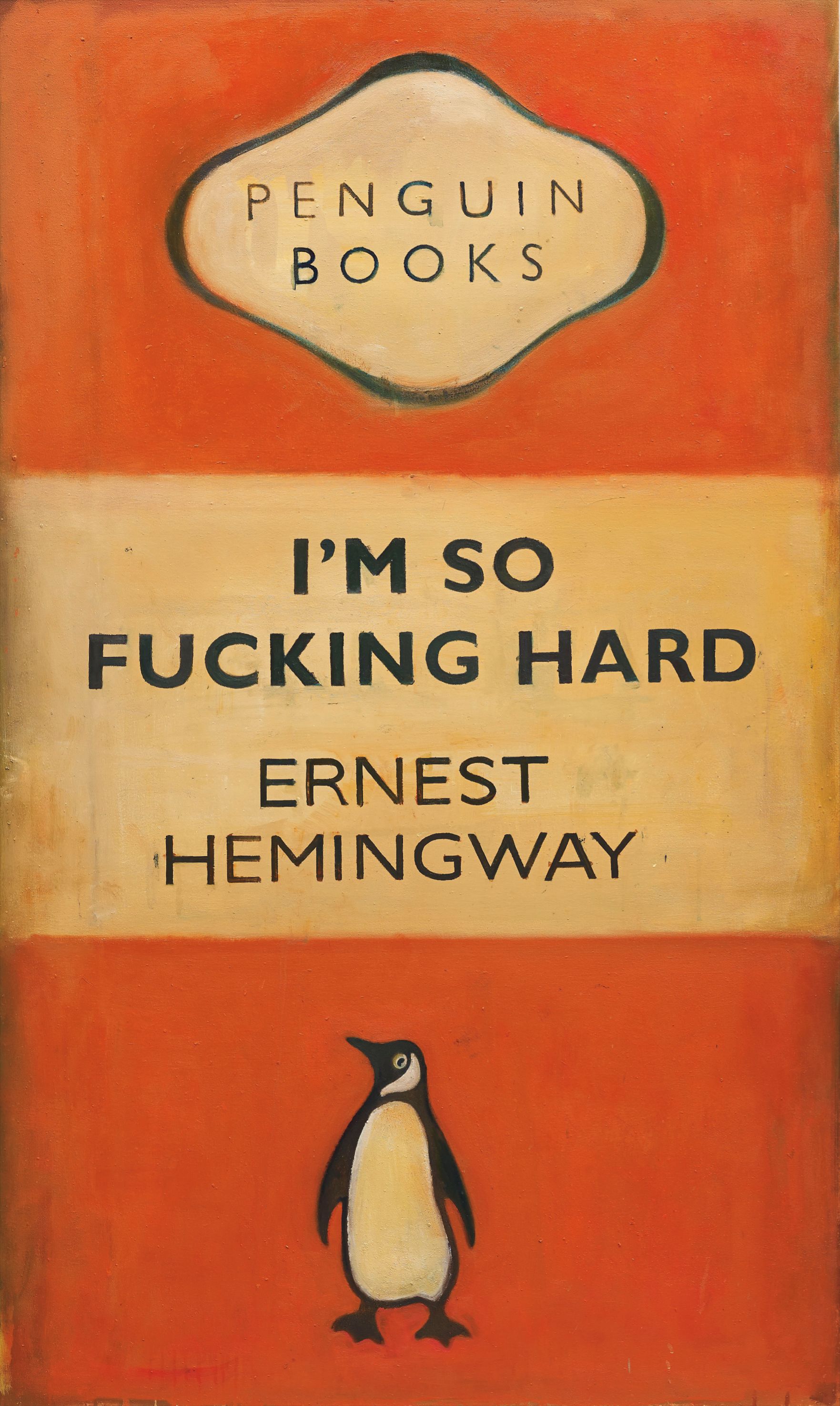
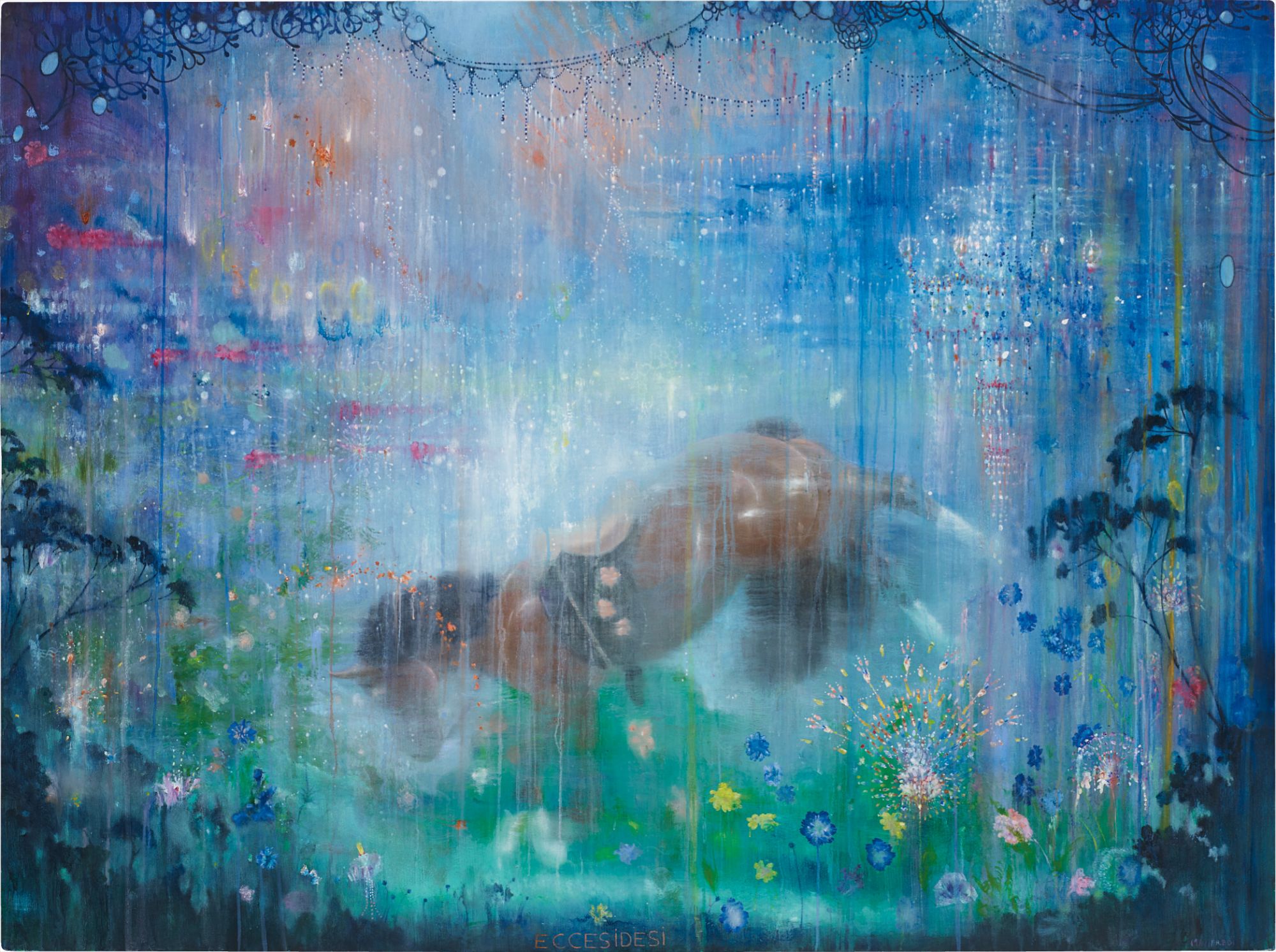
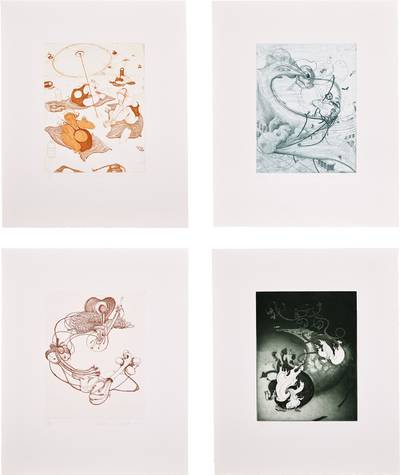
An artist like Inka Essenhigh, who trained in the United States but whose biomorphic figuration shares certain affinities with the Leipzig sensibility, appears in this conversation as a reminder that the movement's influence traveled beyond its geographic origins. The appetite for painting that takes the figure seriously without abandoning formal ambition is not a regional phenomenon. It reflects something broader about where painting has been heading since the late 1990s, a sustained recovery of confidence in the idea that representation can carry philosophical and emotional weight without ironic deflection. What feels alive right now is the growing attention to the painters in this circle who are not yet household names among collectors outside of Germany.
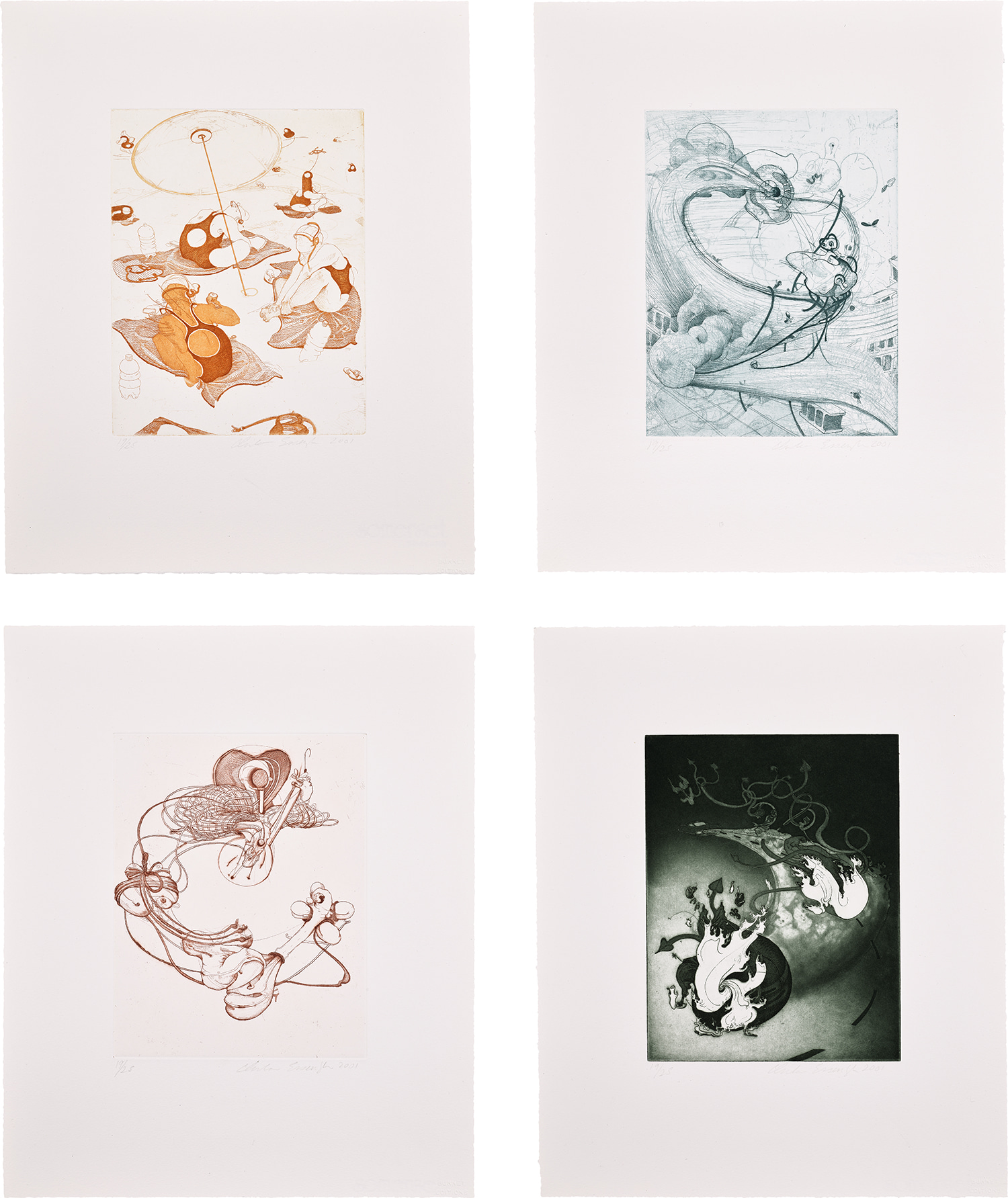
Inka Essenhigh
Inka Essenhigh
The works on The Collection include several artists from this school whose secondary market activity is still forming its shape, which is precisely the moment when considered acquisition makes the most sense. What feels settled is Rauch's canonical status: that argument is over. What might surprise is how quickly the critical rehabilitation of the broader school accelerates as younger curators, many of whom grew up with these paintings on the walls of German museums, begin to shape major survey exhibitions. The New Leipzig School is not finished being discovered.