Narrative Illustration
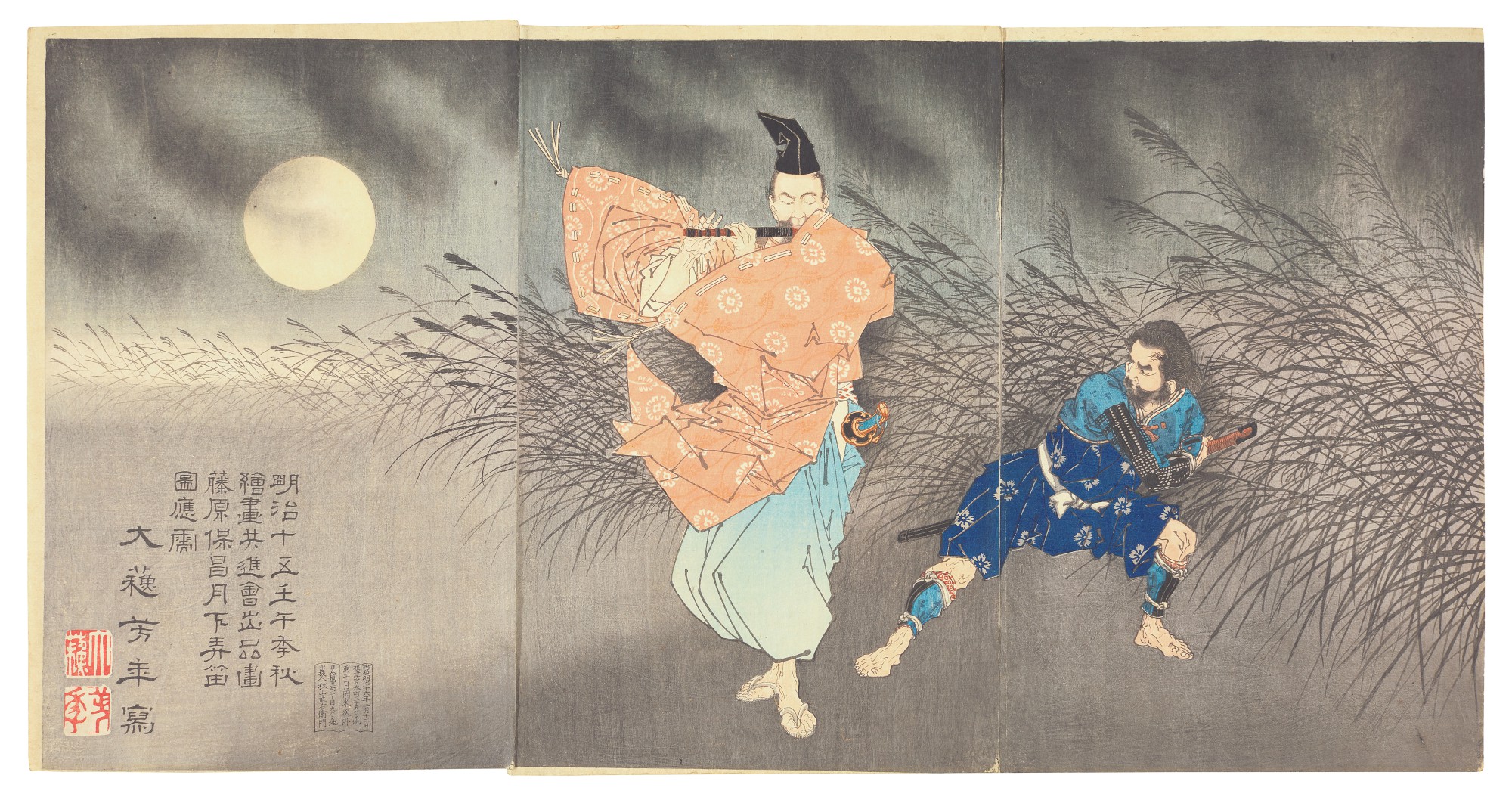
Tsukioka Yoshitoshi
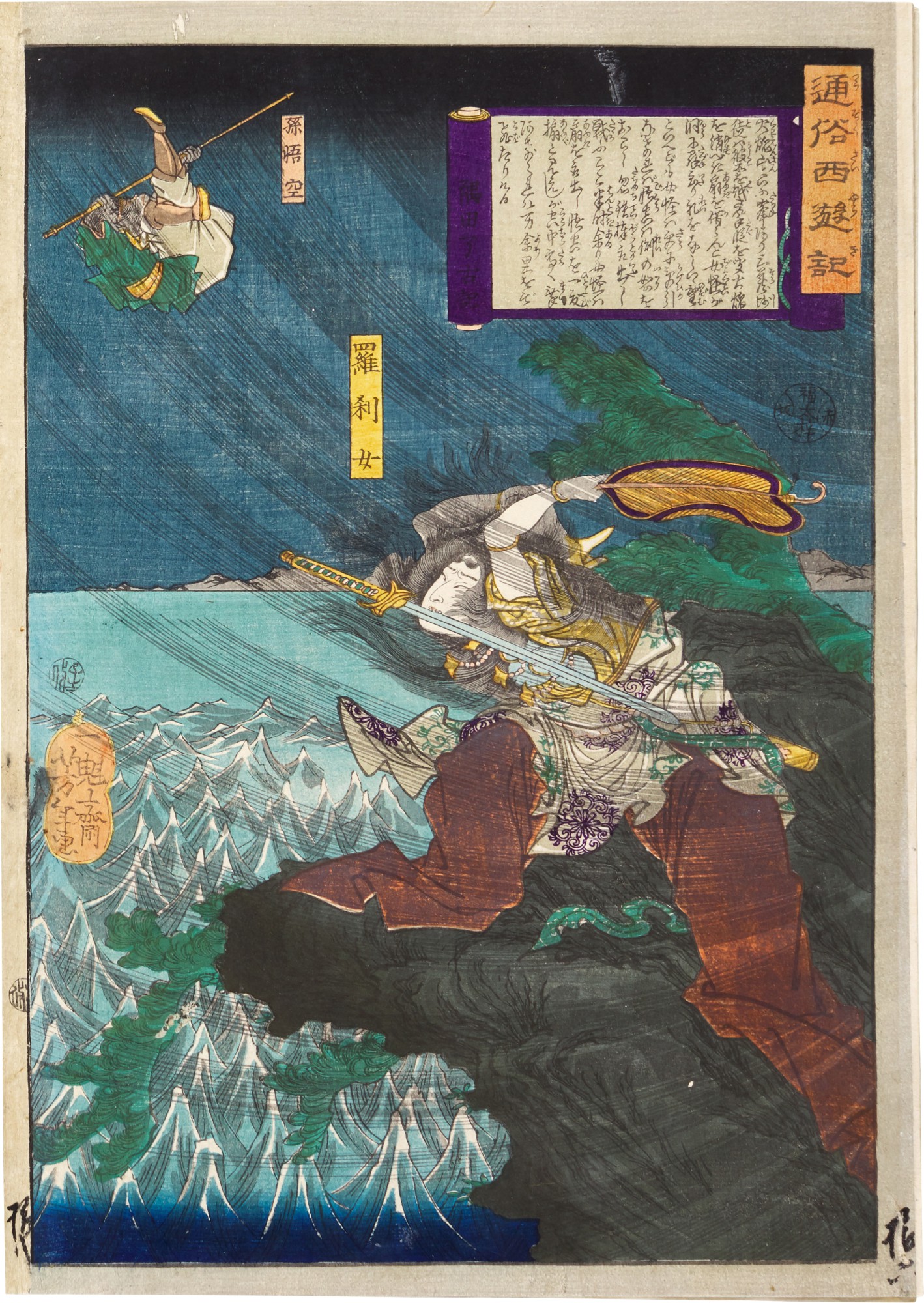
Tsukioka Yoshitoshi (1839-1892) The complete set of The Journey to the West, A Popular Version (Tsuzoku saiyuki), Edo period, 19th century

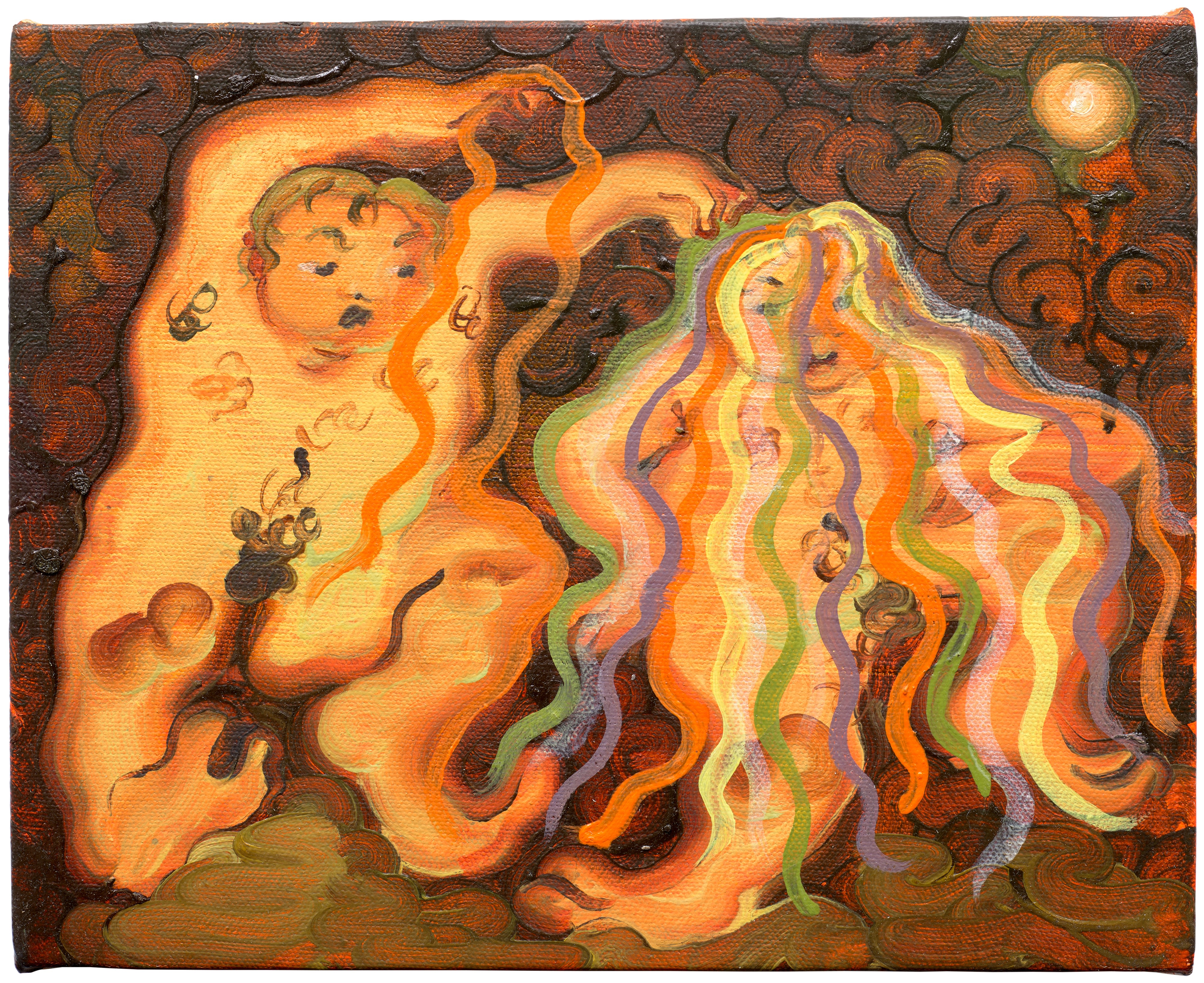
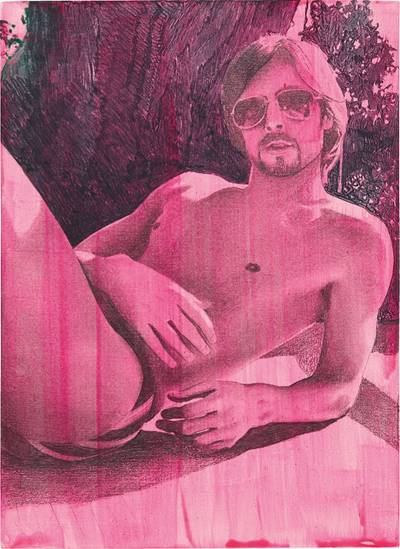
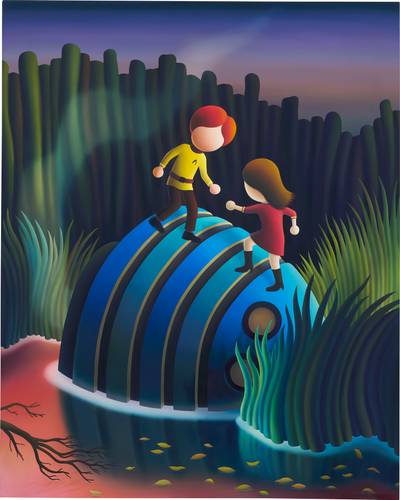
Pictures That Tell You Everything
When a single woodblock print by Tsukioka Yoshitoshi sold at Christie's New York for well over six figures, it confirmed something the art world had been quietly acknowledging for years: narrative illustration is no longer a secondary conversation. The image in question depicted a figure caught between worlds, caught between violence and tenderness, rendered in a palette that felt simultaneously ancient and cinematically alive. The room that night understood it was looking at something that had earned its place among the serious work. Narrative illustration occupies a fascinating position in the current market precisely because it refuses easy categorisation.
It is not quite fine art in the traditional academy sense, not quite commercial art, and yet it draws on the full visual intelligence of both traditions. The result is a body of work that tends to be extraordinarily legible to collectors who came to art through literature, film, or music, which is to say, most serious collectors today. When institutions began paying attention to this legibility as a critical quality rather than a liability, prices and prestige followed. The most significant institutional shift in recent years has been the willingness of major museums to mount dedicated exhibitions around artists who built their reputations through illustrated work.
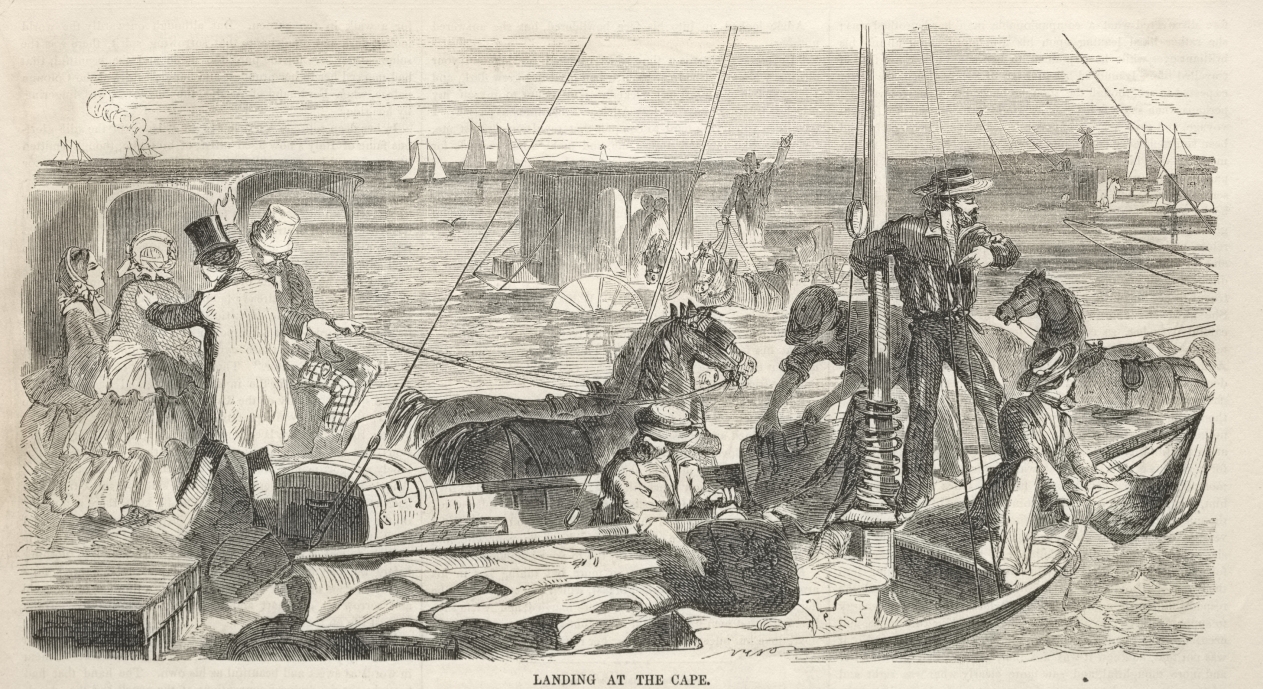
Winslow Homer
Camp Meeting Sketches: Landing at the Cape, 1858
The British Museum's ongoing commitment to Japanese printmaking has done much to contextualise Yoshitoshi within a broader history of narrative image making, situating his late Meiji period work as a response to cultural rupture rather than mere decorative production. Similarly, the Victoria and Albert Museum has been quietly aggressive in acquiring works that sit at the intersection of fine print and narrative scene, recognising that the boundary was always artificial. These institutional endorsements have given collectors the confidence to pay accordingly. In terms of auction performance, the artists who consistently attract the most serious bidding are those who managed to hold the tension between personal vision and communicative clarity.
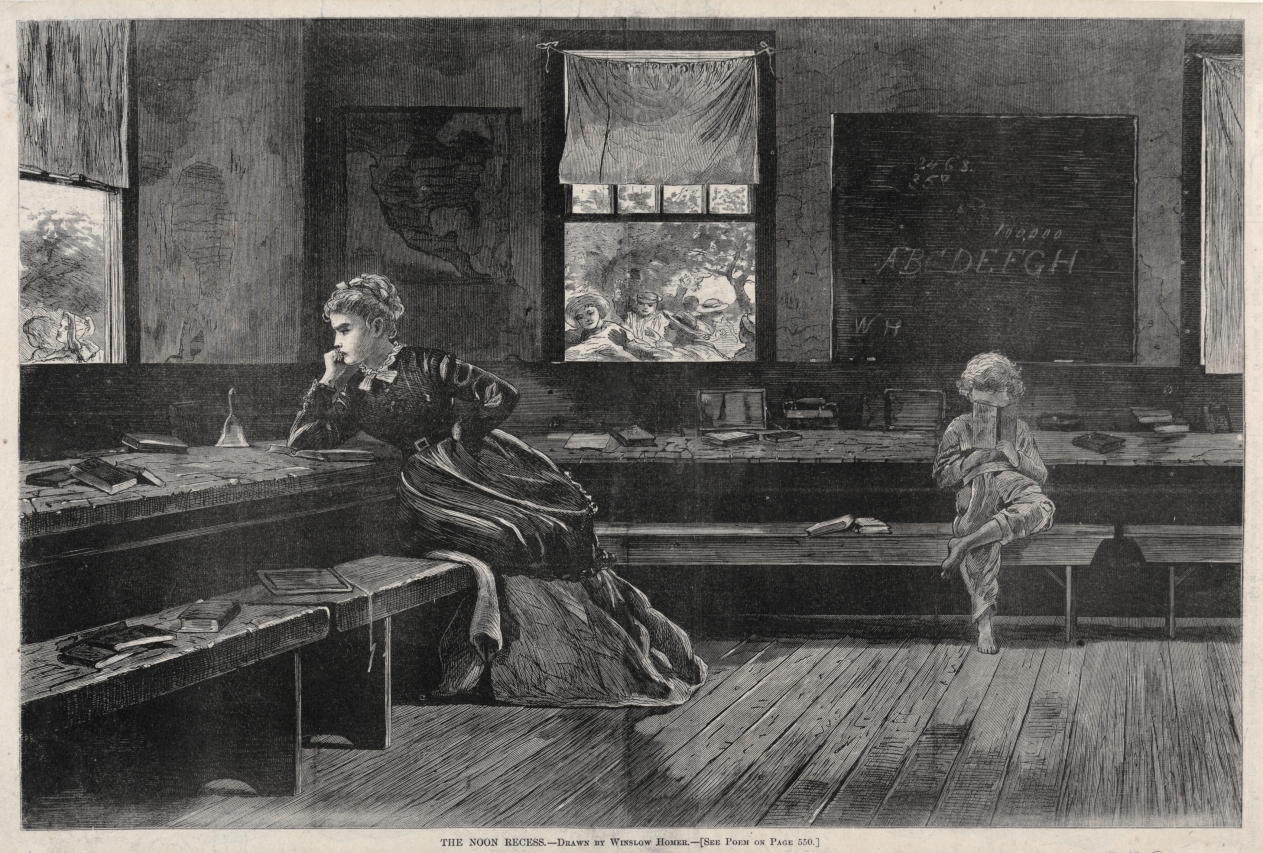
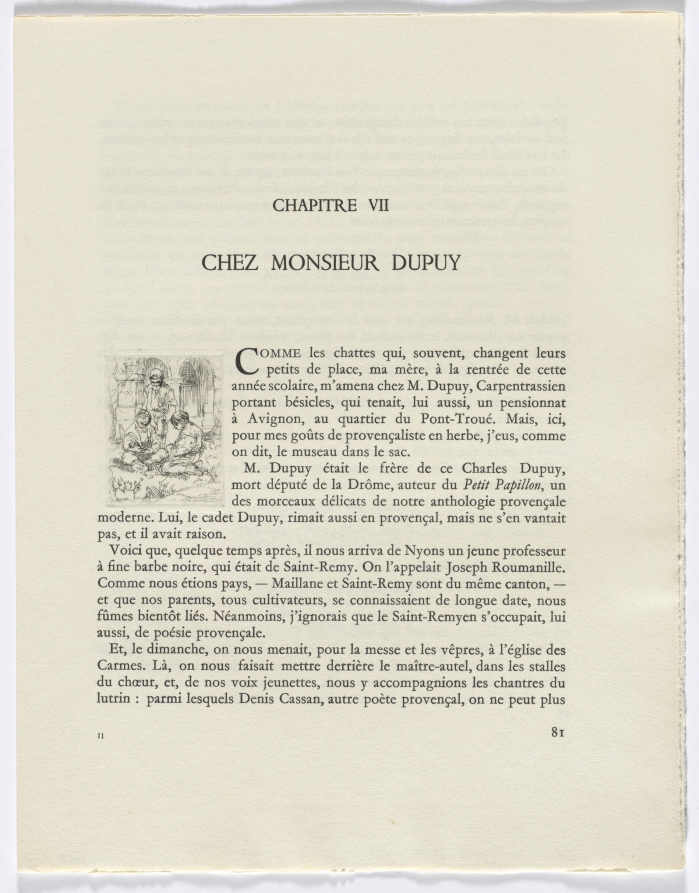
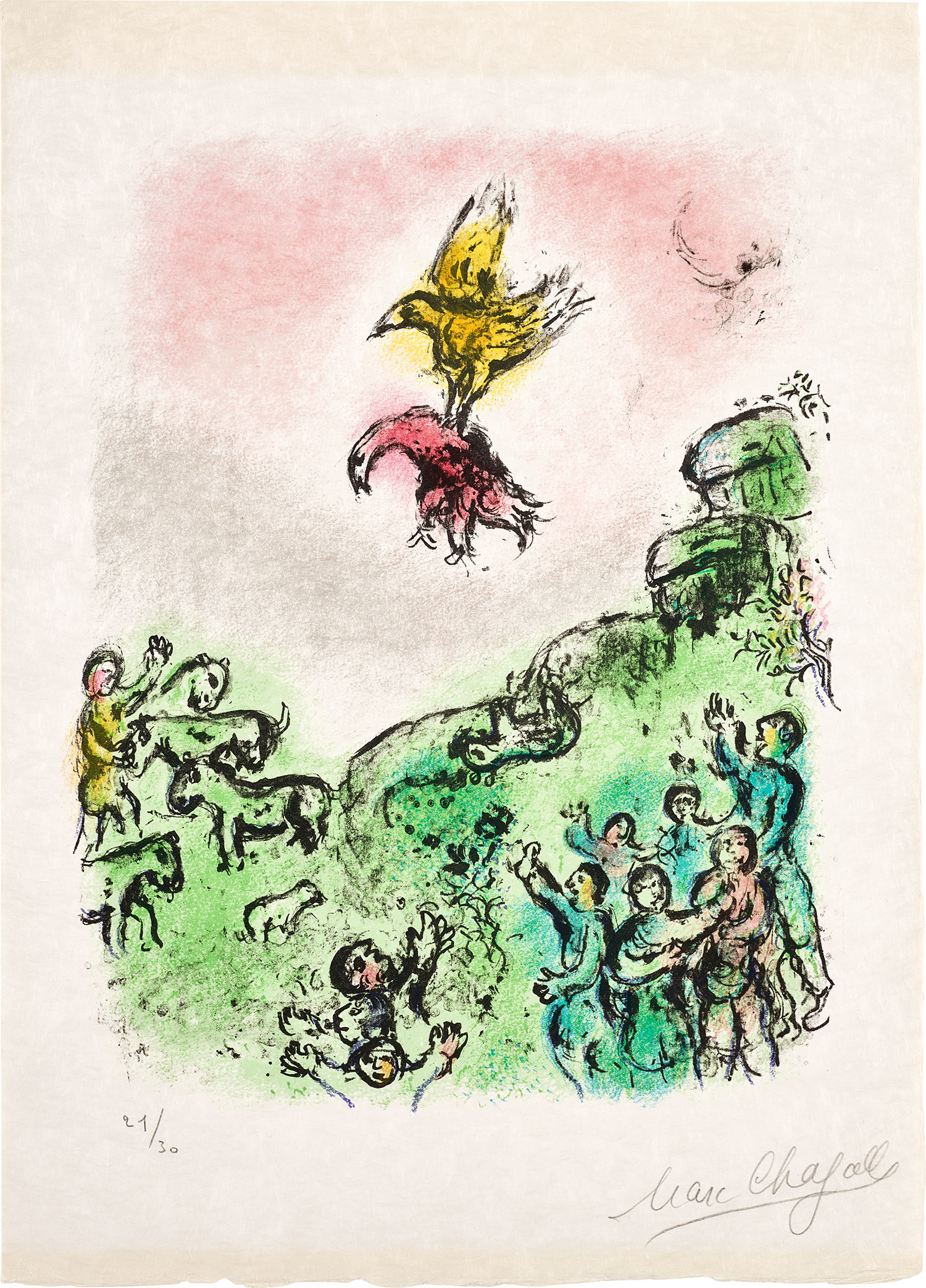
Winslow Homer's works on paper have performed strongly at Sotheby's and Christie's across multiple seasons, with his ability to compress an entire drama into a single scene proving irresistible to American collectors in particular. Marc Chagall's narrative imagery remains a reliable auction performer at the upper end of the market, driven by decades of institutional support and a collector base that spans continents. What is more interesting to watch right now is the growing appetite for artists like Auguste Brouet, whose darkly atmospheric etchings are beginning to attract genuine competition at auction rather than the polite interest they received a decade ago. Charles Méryon represents another instructive case.
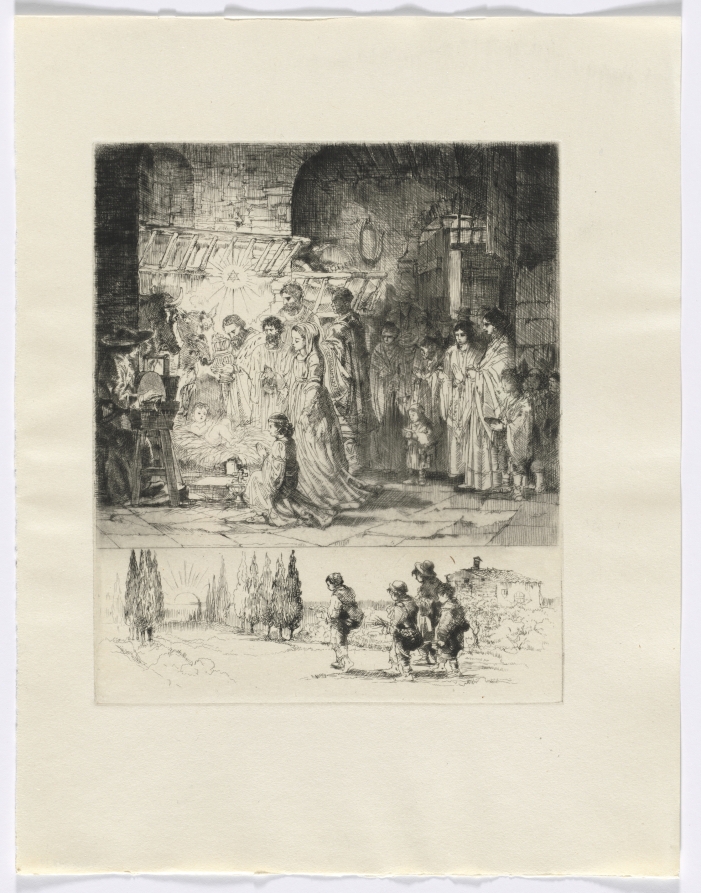
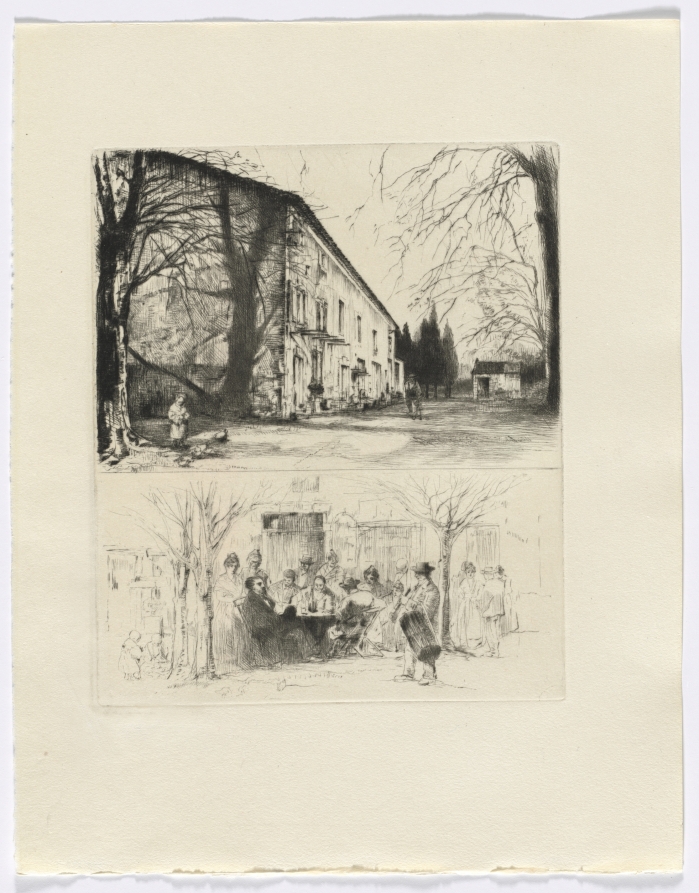
Auguste Brouet
Frédéric Mistral: Mémoires et Recits by Frédéric Mistral: nativity/ figures walking on a road (insert after p. 32), 1937
His nineteenth century etchings of Paris, once appreciated mainly by specialists, have attracted renewed critical attention as a kind of proto cinematic storytelling, images that seem to anticipate both the atmosphere of the French New Wave and the brooding city of noir fiction. The critical rehabilitation of Méryon says something important about how collectors are now reading narrative illustration: less as a historical curiosity and more as a living conversation about how images construct and sustain emotional worlds. Stephen Gooden's precise and mythologically rich engravings occupy a similar space, where technical virtuosity serves a larger narrative ambition. The critical conversation itself has been shaped considerably by writers working at the intersection of art history and cultural theory.
Authors like Marina Warner, whose work on fairy tale and image has been widely read across museum and collector communities, have given serious intellectual scaffolding to the appreciation of illustrative narrative. Publications including The Burlington Magazine and Print Quarterly have published increasingly ambitious scholarship on artists like Lucien Pissarro and Émile Namur, arguing for their place in a broader modernist story rather than treating them as footnotes to more celebrated relatives or movements. This kind of critical repositioning creates the conditions for market movement. Contemporary artists working in this tradition are generating real excitement right now.
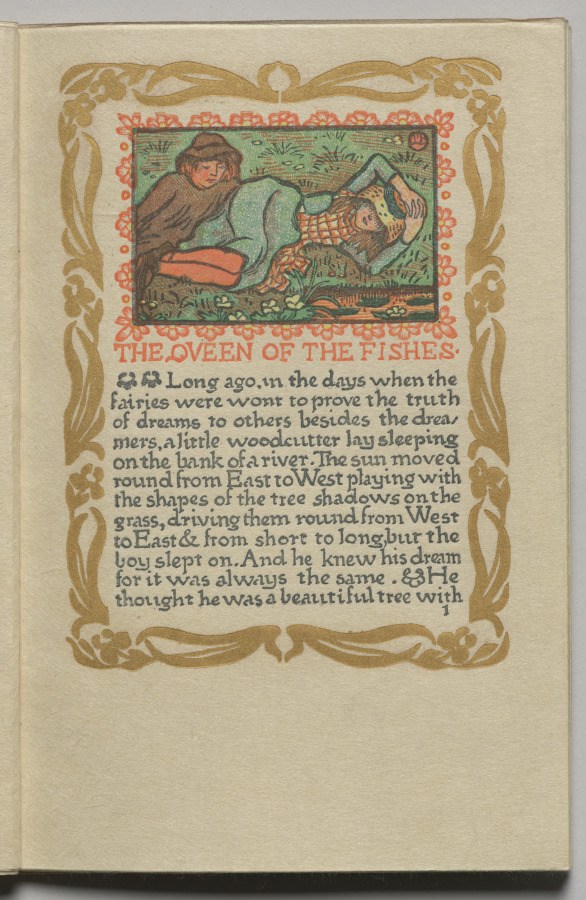
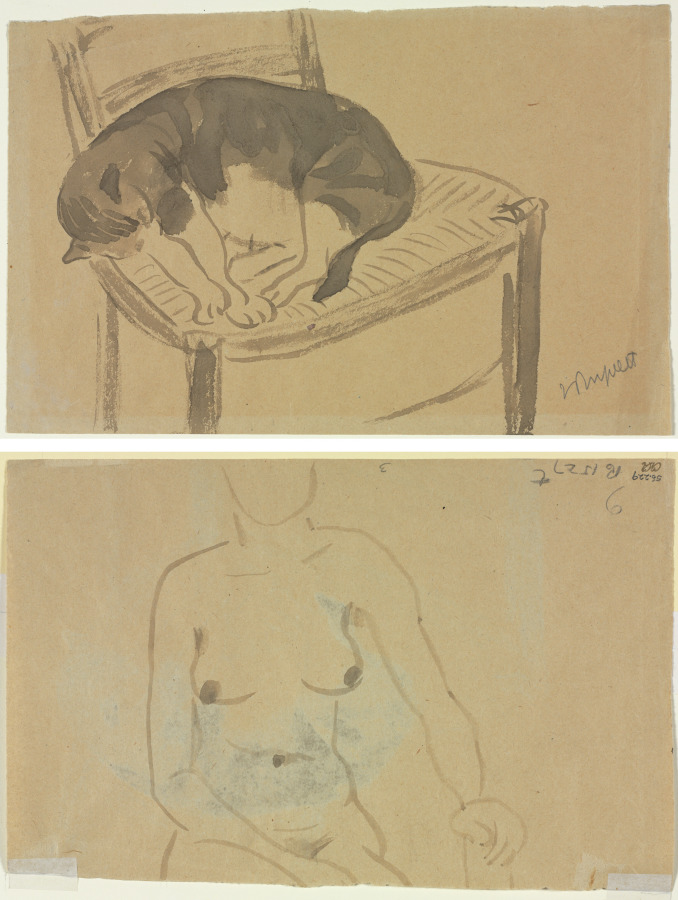
Lucien Pissarro
The Queen of the Fishes: Plate 1, 1894
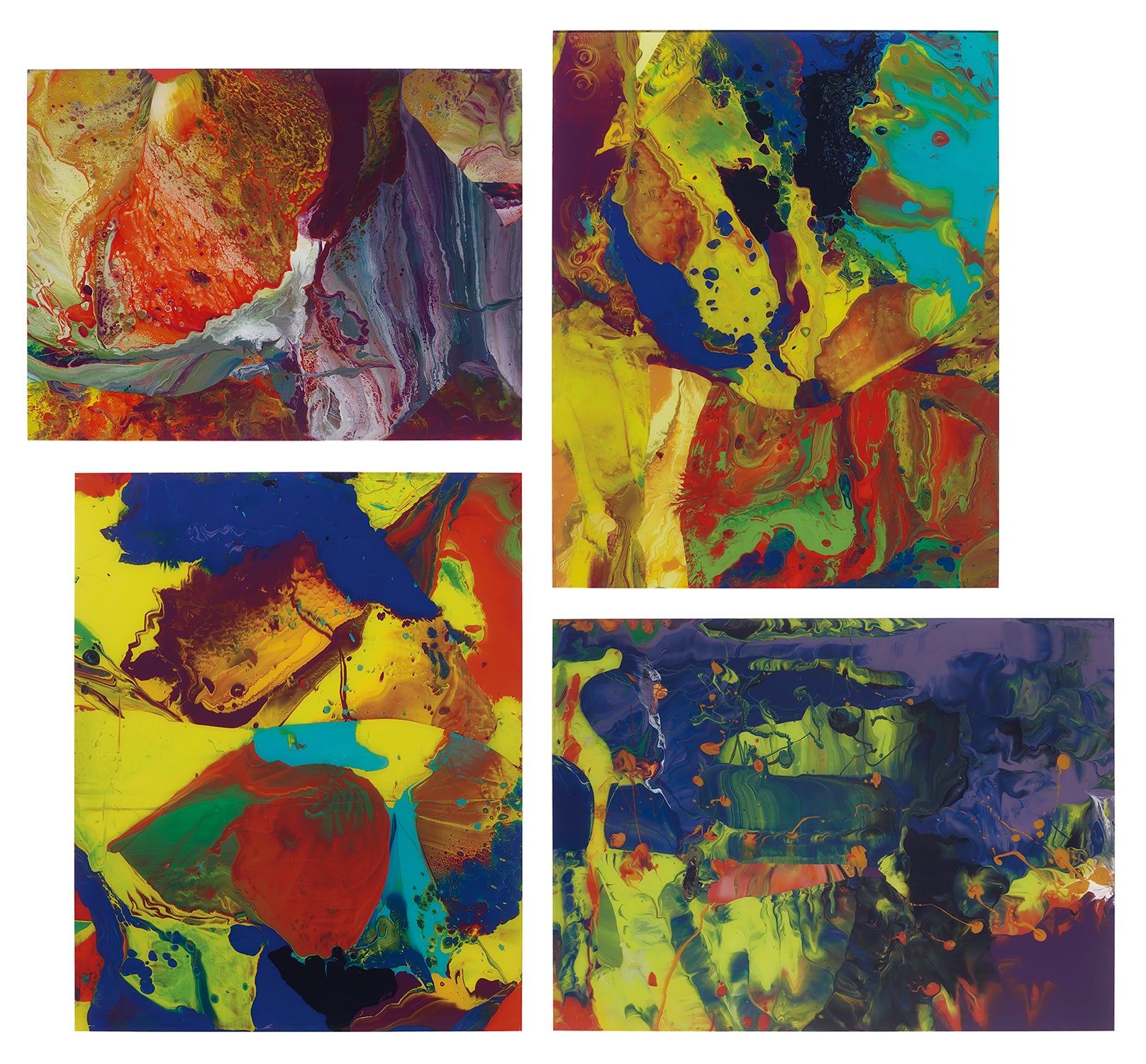
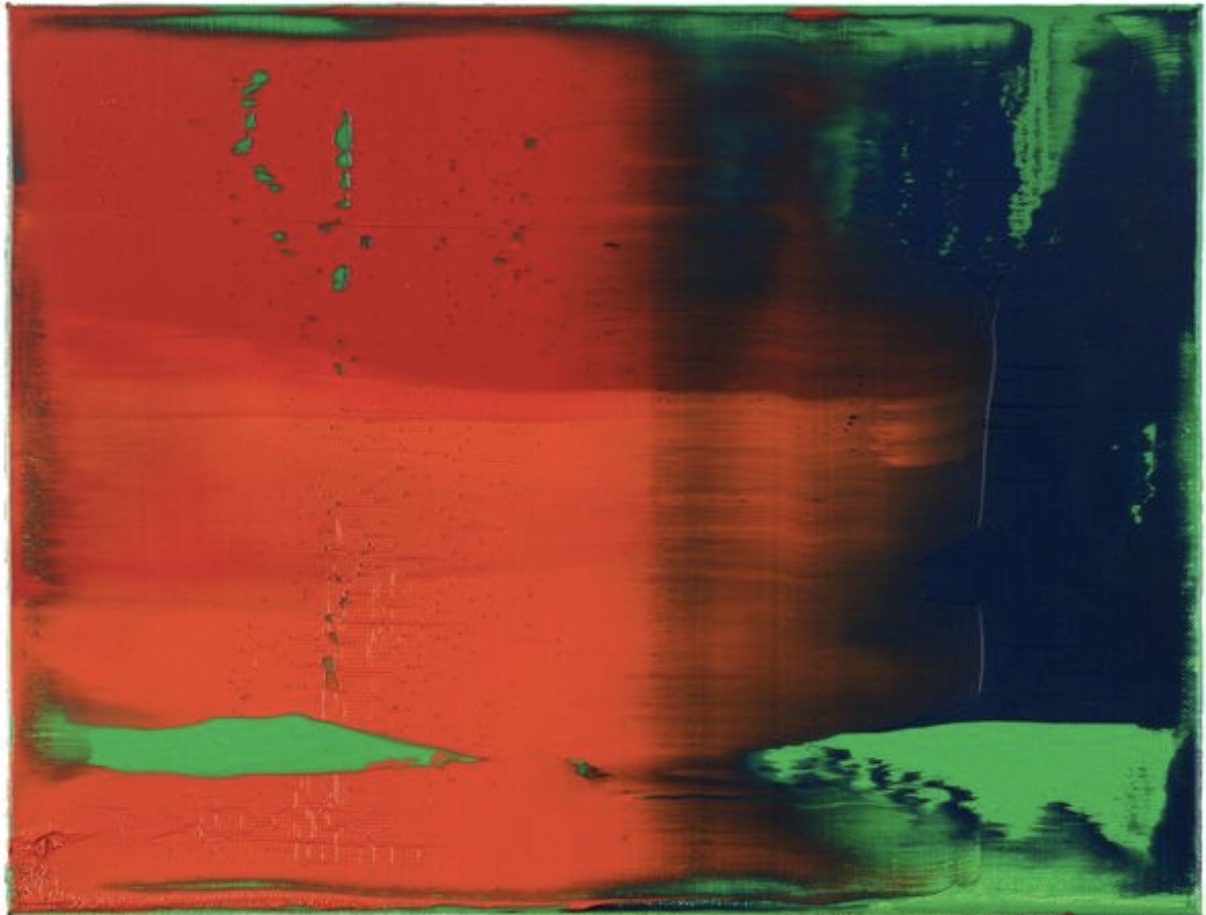
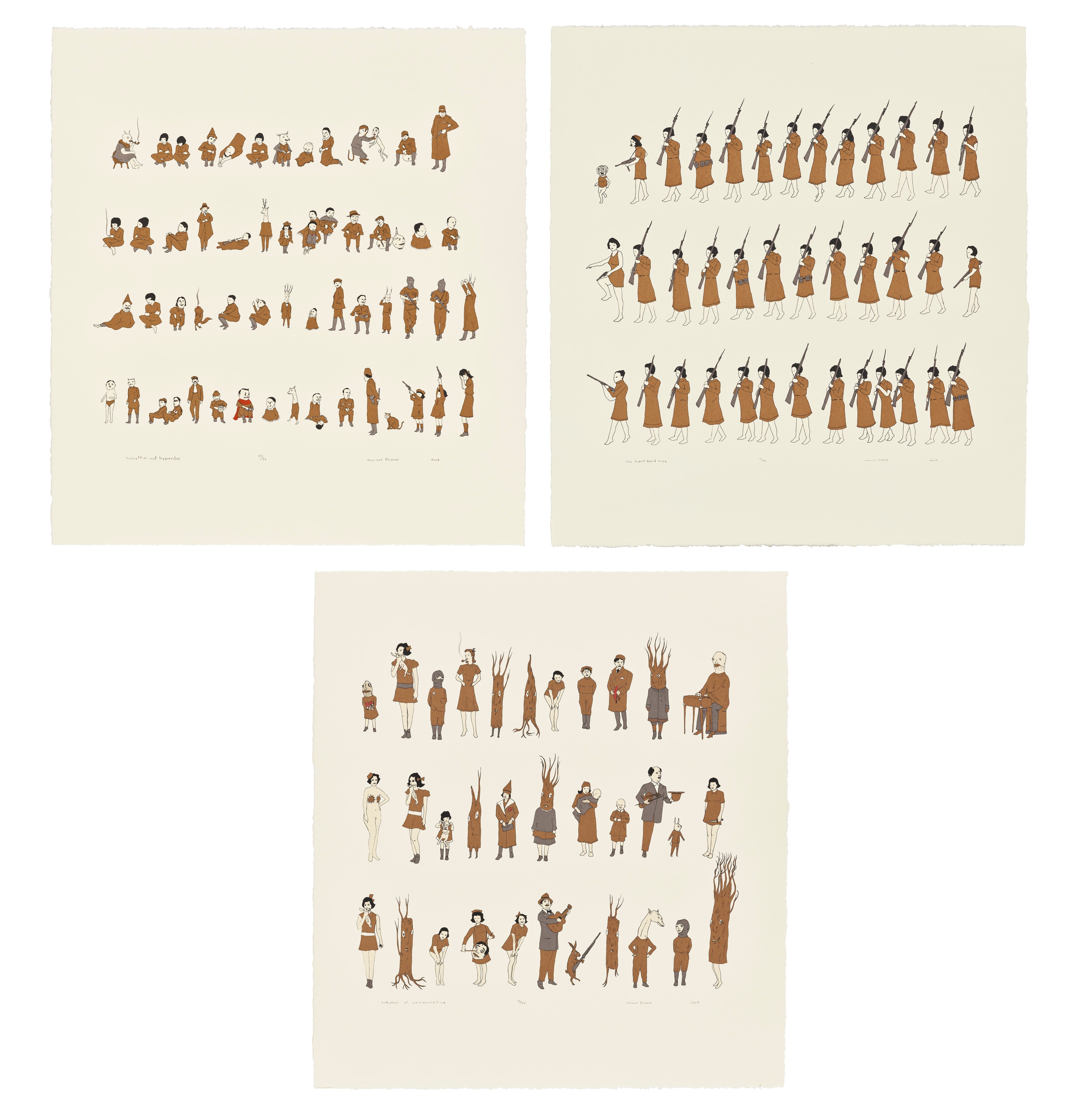
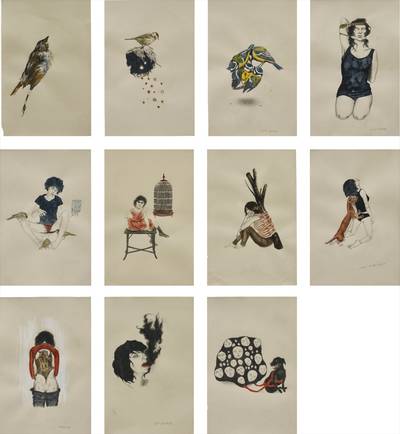
Marcel Dzama's theatrical, slightly sinister tableaux have attracted strong institutional support including acquisitions by the Museum of Modern Art, and his auction results reflect a collector base that understands the art historical lineage his work inhabits. Rachel Goodyear, working in delicate graphite and watercolour, has developed a following among collectors who respond to the unnerving psychological undertow in her apparently gentle narratives. Artists like Jordi Ribes and Christoph Schmidberger are worth watching closely as the market begins to formalise its interest in a younger generation working with narrative illustration as a conscious critical position rather than simply a stylistic choice. Gerhard Richter's photographic paintings, which could reasonably be read through the lens of narrative illustration given their debt to the storytelling conventions of press photography, command prices that remind us how permeable these category boundaries really are.
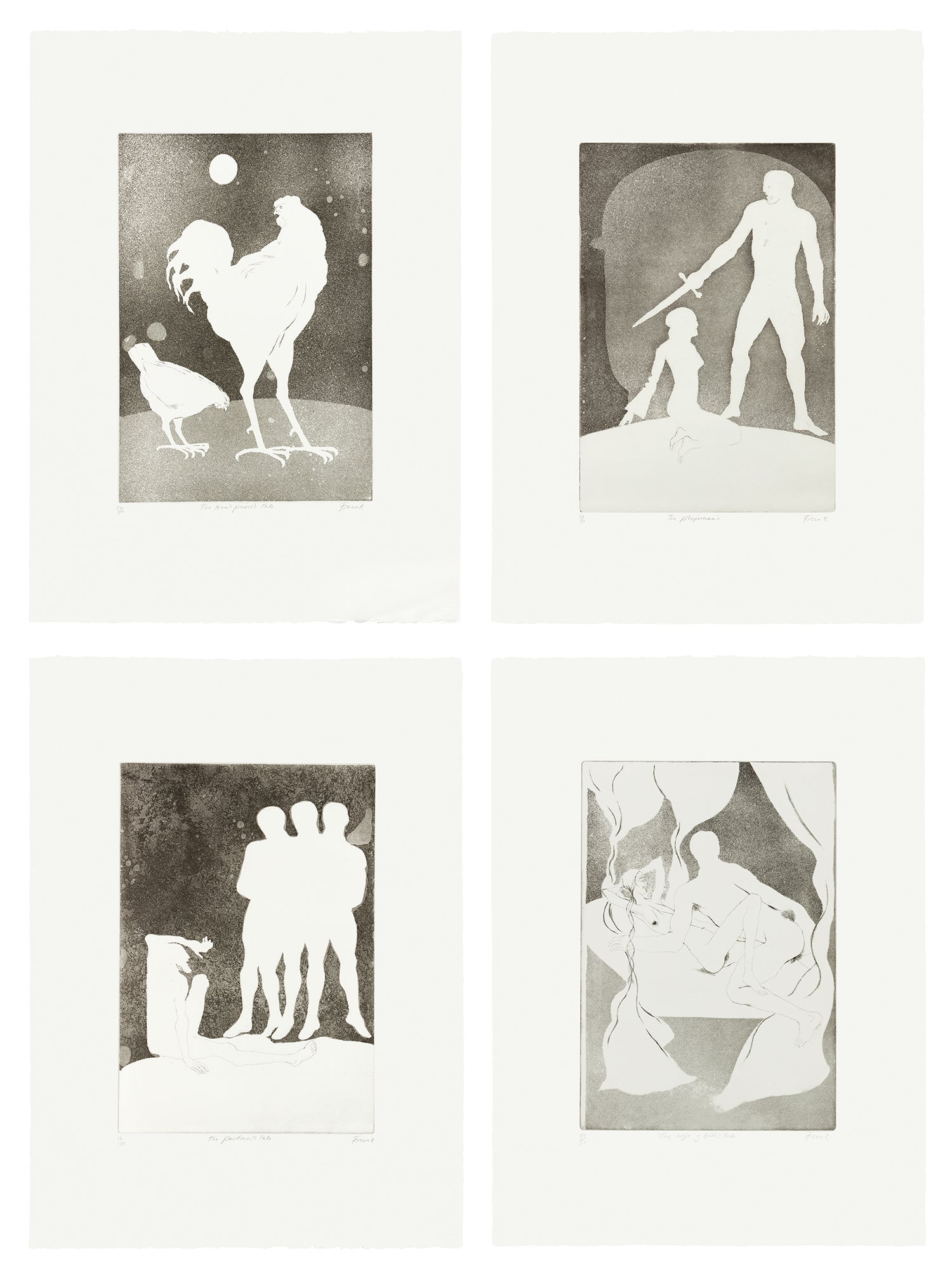
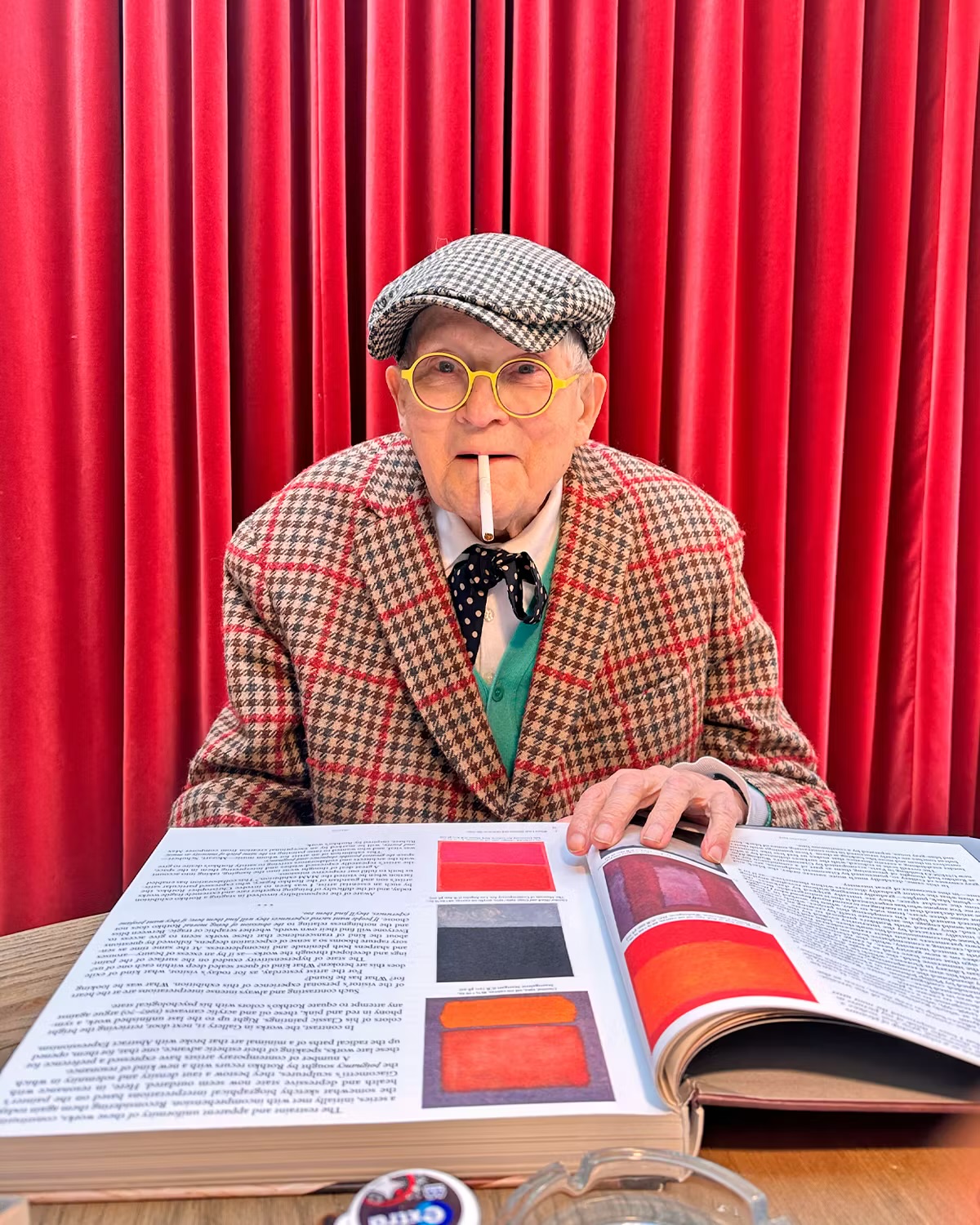
David Hockney's illustrated works and books have always attracted a devoted collector audience, and his visual storytelling across multiple media demonstrates that the most enduring narrative illustrators are those whose images keep giving, keep yielding new readings across time. Elisabeth Frink brought a different quality to narrative work, a sculptural weight and moral seriousness that her prints and drawings carry with quiet authority. Where the energy is heading feels clear to anyone paying attention. There is growing institutional and commercial interest in the global dimensions of narrative illustration, particularly work from Japan and from the illustrated traditions of South Asia and Latin America that Western auction infrastructure is only beginning to properly accommodate.
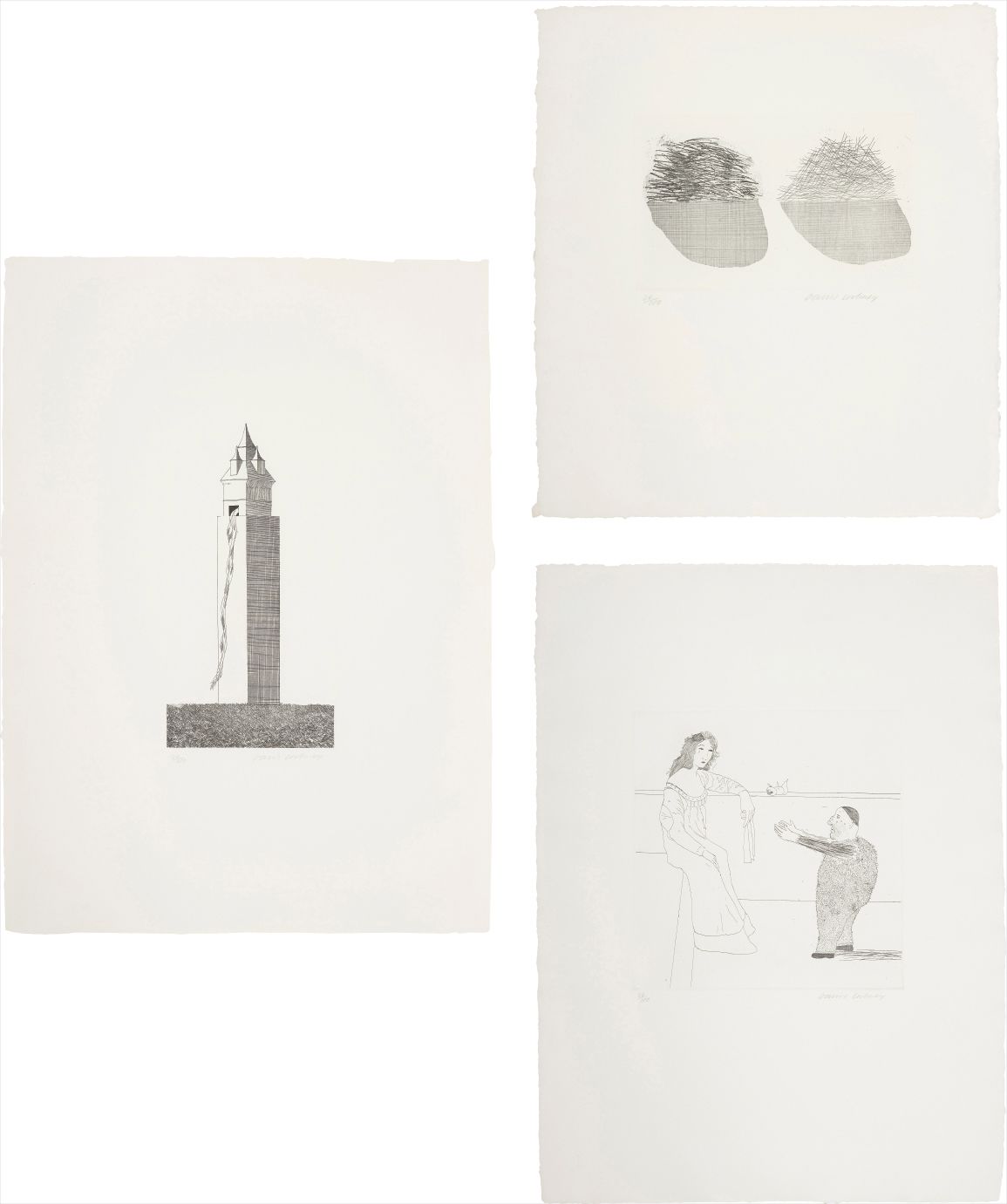
David Hockney
The Tower Had One Window; Straw on the Left, Gold on the Right; and Pleading for the Child, plates 16, 36 and 37 from Illustrations for Six Fairy Tales from the Brothers Grimm
The market for works on paper generally is in a strong period, driven partly by younger collectors for whom the scale and intimacy of paper based work suits both their living spaces and their budgets. The surprise that is coming, if you had to name one, is probably the formal critical recognition that narrative illustration was never a lesser form at all, but rather the place where the most fundamental questions about what pictures are for were always being asked most honestly.