Music Photography
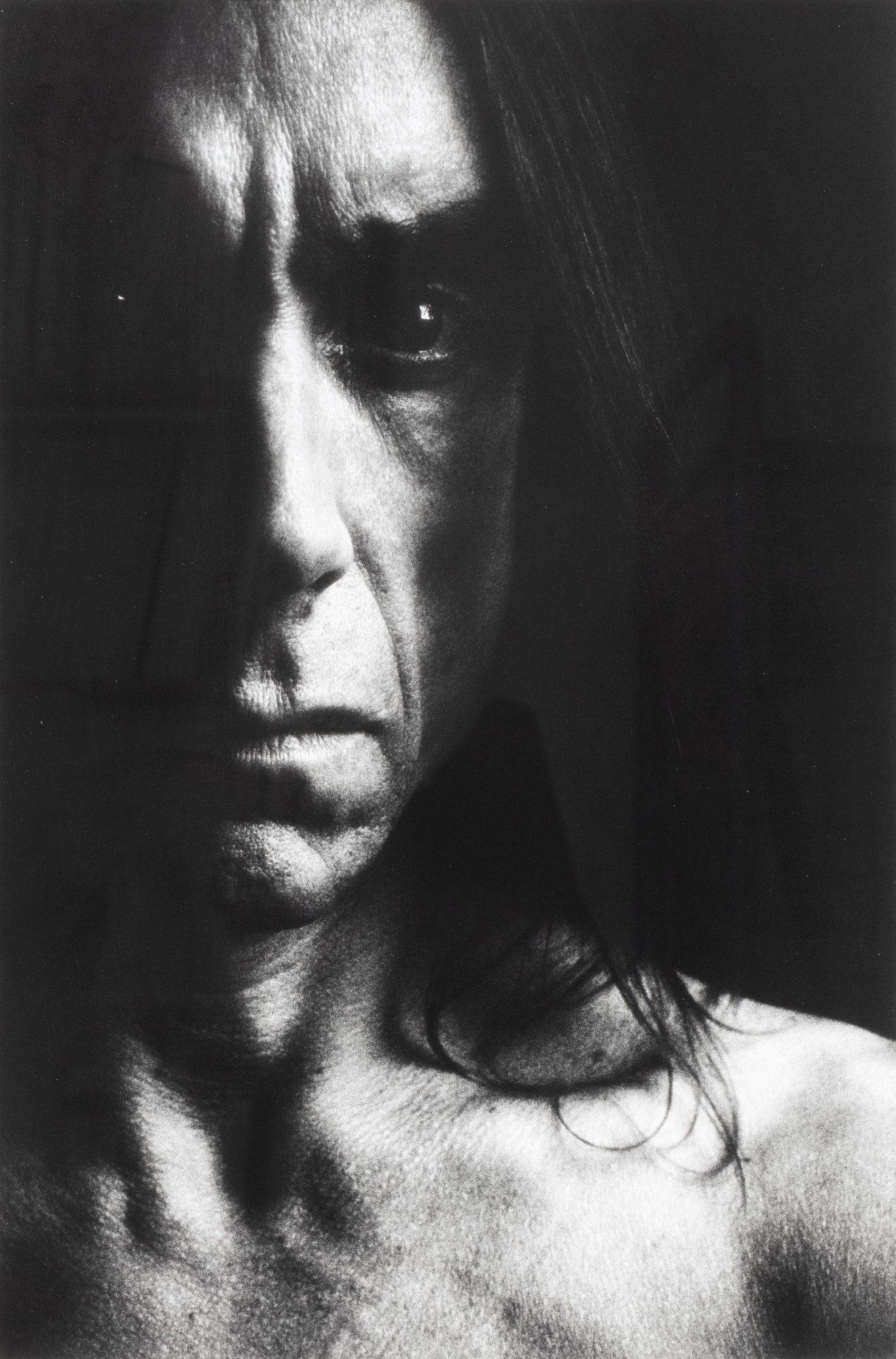
Claude Gassian
Iggy Pop, New York, 1993, 1993
The Beat You Can Actually Hang
There is something quietly radical about a photograph that captures a musician in the space between performance and person. Collectors drawn to music photography are rarely chasing celebrity memorabilia. They are after something more elusive: the feeling of being present in a moment that shaped culture, made permanent by someone who understood both the music and the light. Living with one of these works is different from living with a landscape or an abstract.
There is a pulse to it. You find yourself returning to it the way you return to a favourite record, discovering something new each time. The intimacy is the point. Music photographers work in conditions that demand a kind of trust that other photographic disciplines rarely require.
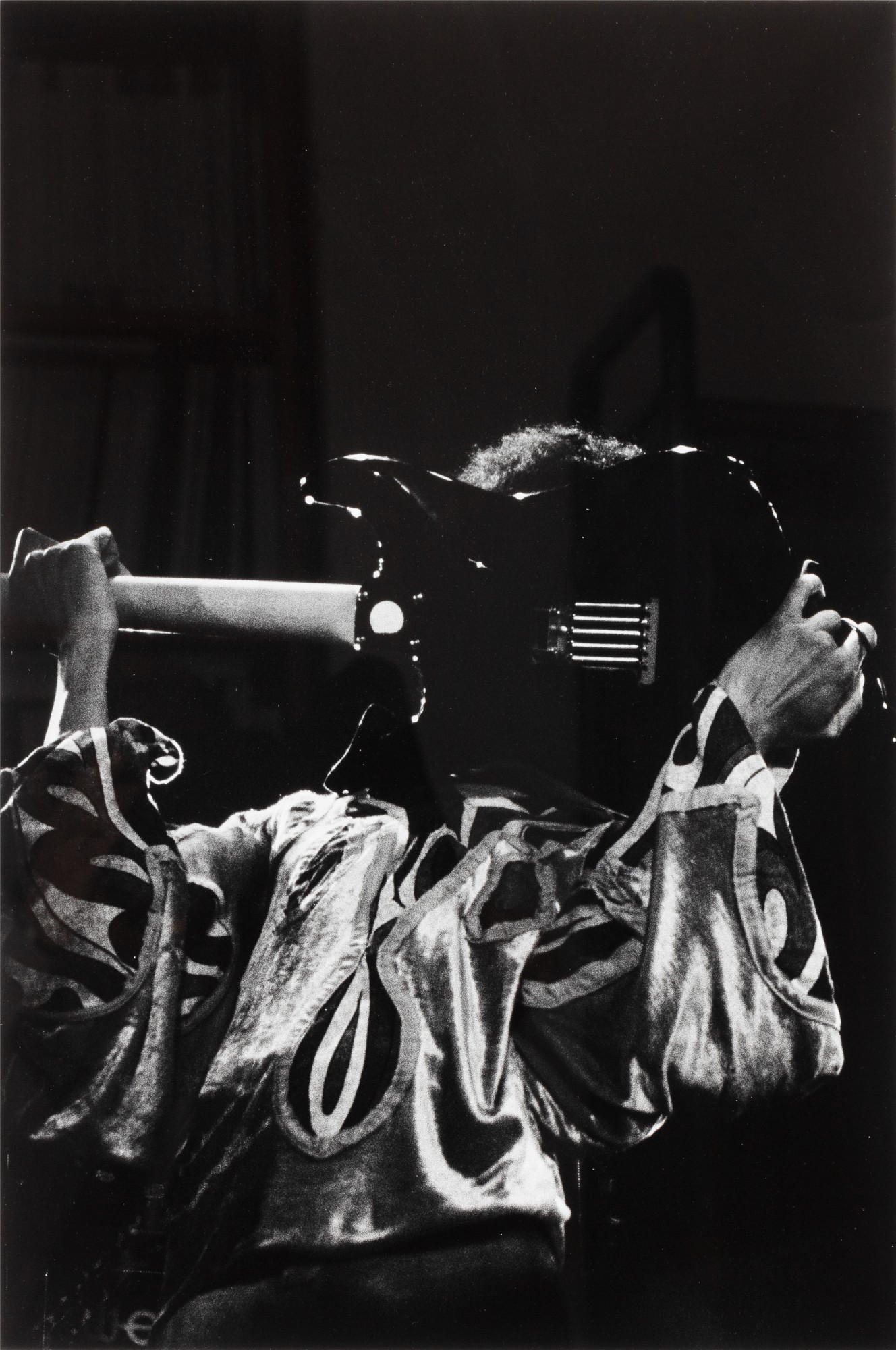
David Corio
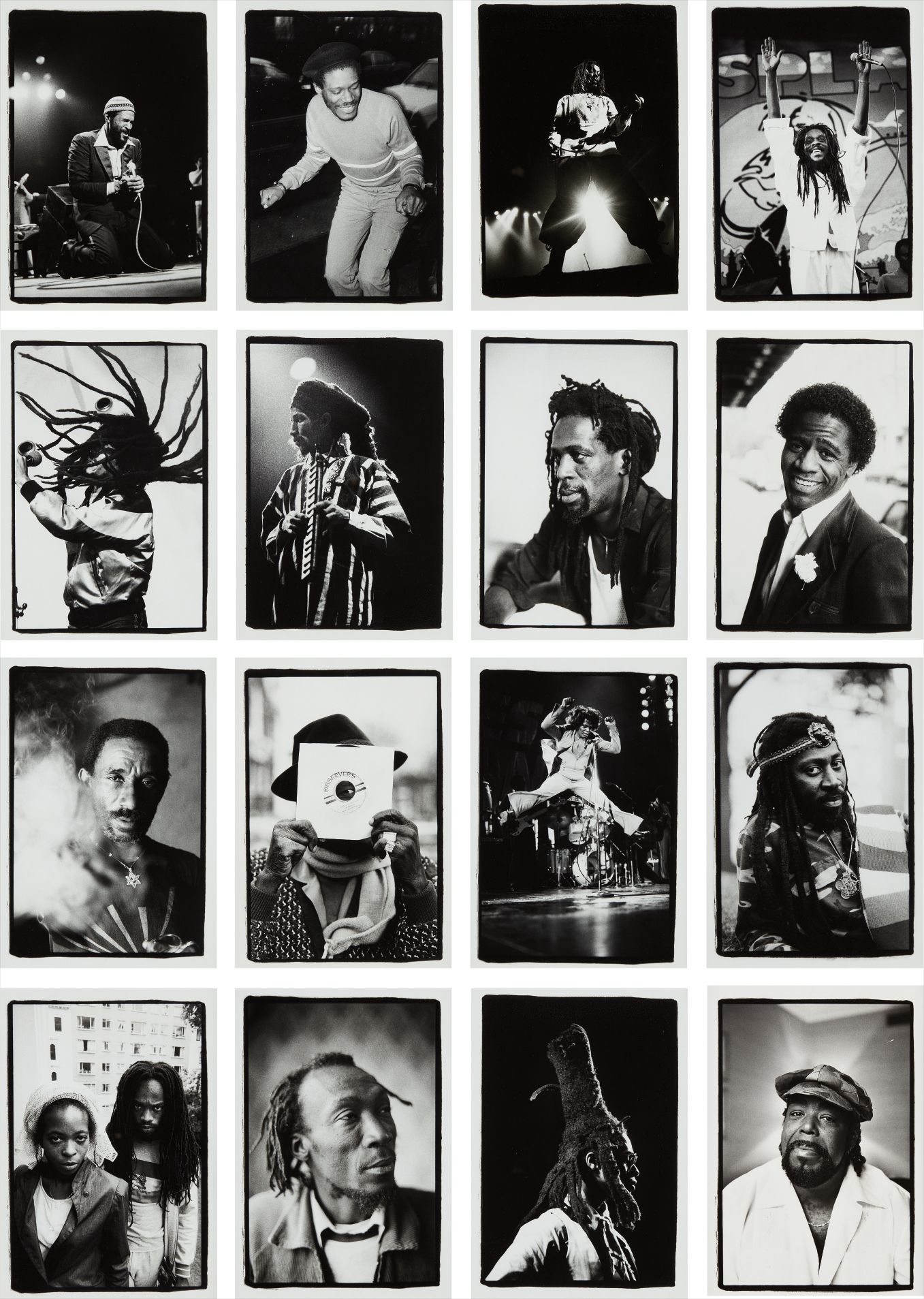
Sixteen Works: (i) Marvin Gaye; (ii) Horace Andy; (iii) Peter Tosh; (iv) Dennis Brown; (v) Augustus Pablo; (vi) Bob Marley; (vii) Gregory Isaacs; (viii) Al Green; (ix) Lee Perry; (x) Niney the Observer; (xi) James Brown; (xii) Bunny Wailer; (xiii) Black Uhuru; (xiv) Alton Ellis; (xv) David Hinds; (xvi) Barry White
A great session between photographer and subject produces images where the guard is down and the soul is briefly visible. This is what separates a competent music photograph from an exceptional one. A good work captures a likeness. A great work captures a state of mind.
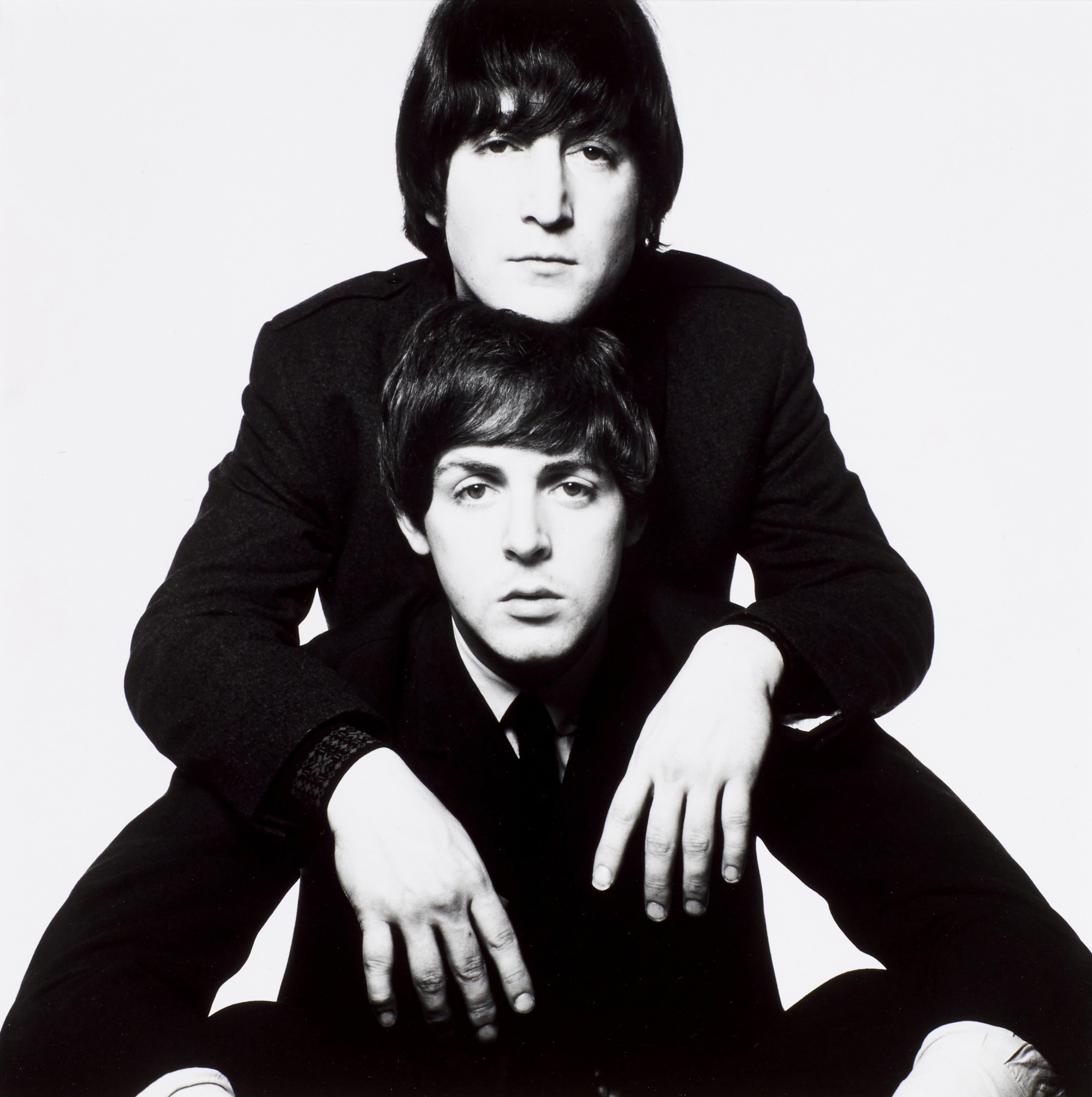
Collectors should look for that quality of psychological depth, the sense that the camera was forgotten, and that what remains is something genuinely unrepeatable. Technical brilliance matters, but it is not sufficient on its own. Look at the compositional intelligence in the work of Claude Gassian, whose portraits of musicians carry a cinematic weight that places them firmly in the tradition of serious portraiture. His work reminds you that music photography at its finest is not journalism, it is portraiture of a very particular kind.
Claude Gassian
Iggy Pop, New York, 1993, 1993
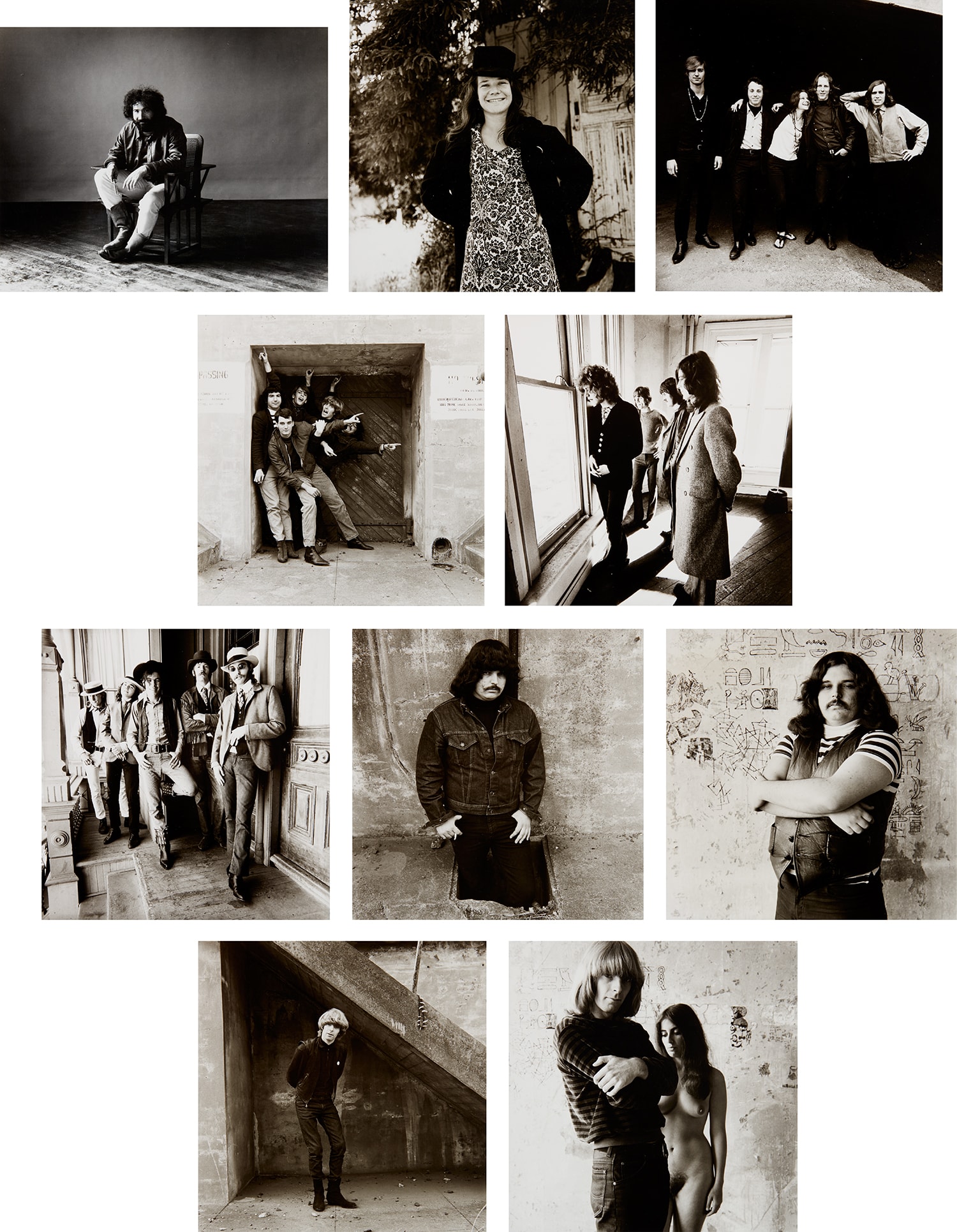
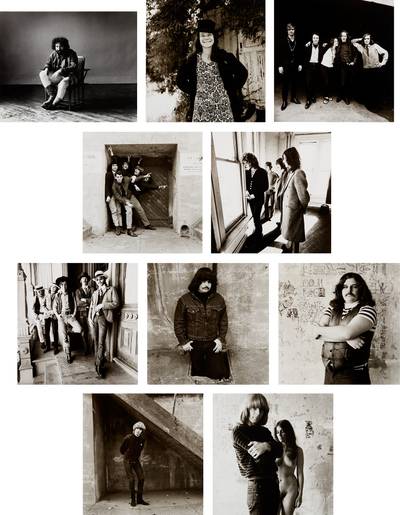
Similarly, David Corio built a body of work across reggae, post punk, and hip hop that is now understood as an essential visual document of several parallel cultural revolutions happening simultaneously in London and New York during the late 1970s and 1980s. The casual energy in his images belies real formal control. When thinking about value, the question of provenance and cultural moment becomes central. Herb Greene photographed the Grateful Dead and the wider San Francisco psychedelic scene in the late 1960s with a sensitivity that was ahead of its time.
His images are not simply documents of a scene. They are artworks that understood the visual language of that movement from the inside. Works from this period and this milieu have performed strongly at auction precisely because they occupy that rare space where cultural history and photographic artistry reinforce each other. Jean Baptiste Mondino brings an entirely different sensibility, one rooted in the relationship between fashion, music, and image construction.
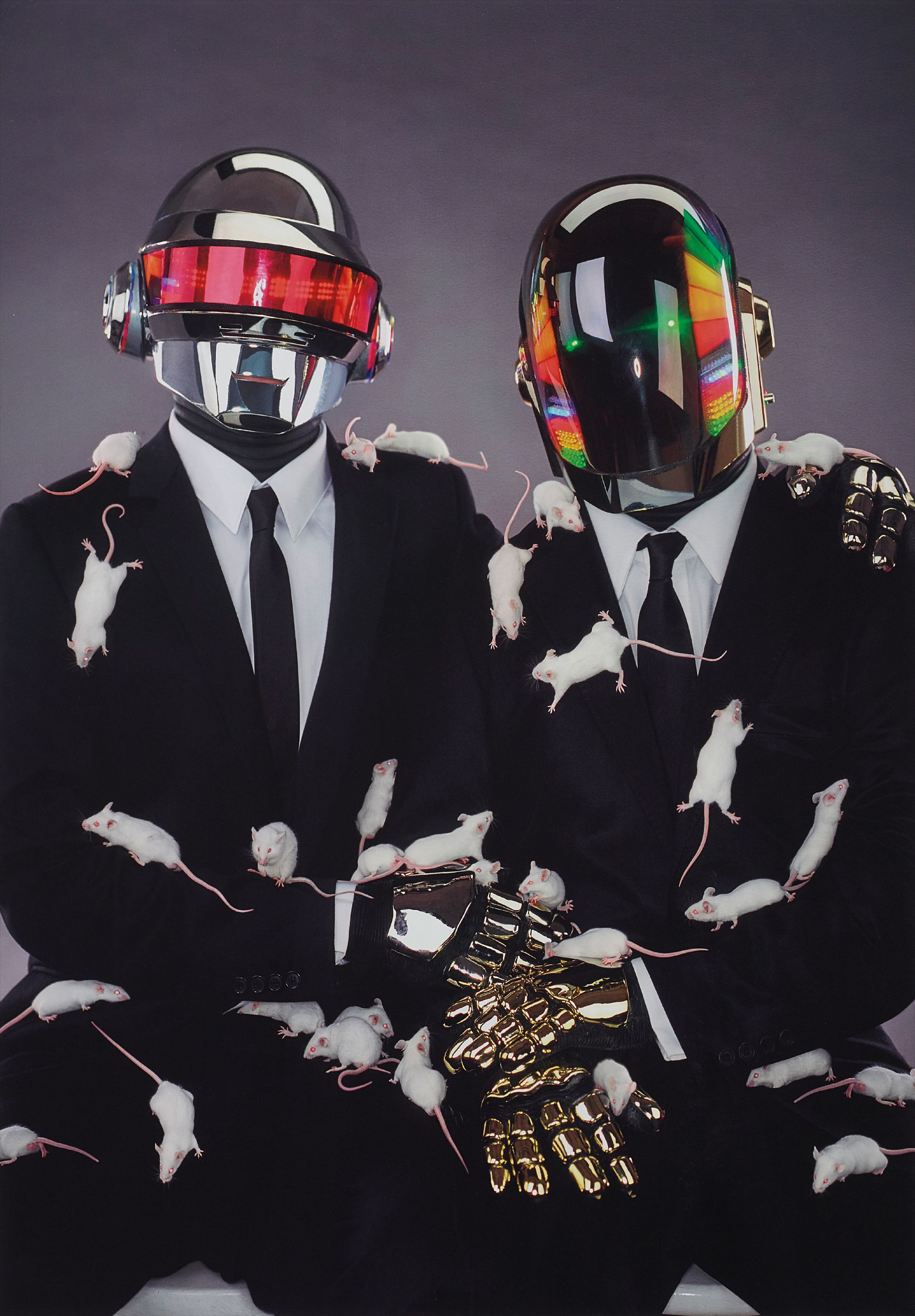
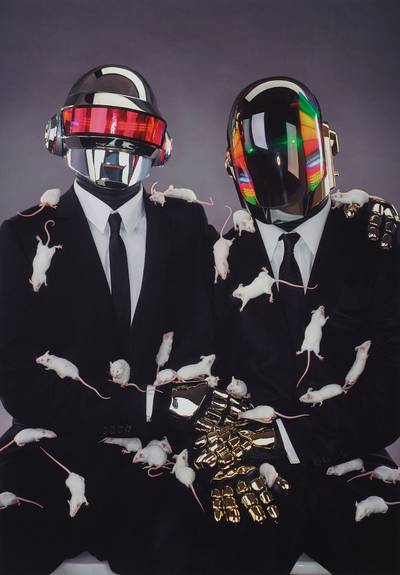
Jean-Baptiste Mondino
Daft Punk
His portraits of musicians are deliberately staged, theatrically lit, and conceptually rich in ways that place them in conversation with fine art photography far beyond the music world. For collectors with an eye on longer horizons, there is also the question of artists who have been undervalued relative to their actual contribution. Music photography as a category spent decades being treated as secondary to editorial or fine art photography, which created real distortions in the market. That correction is well underway, but there remain photographers whose archives and signed editions are still accessible at prices that seem unlikely to hold.
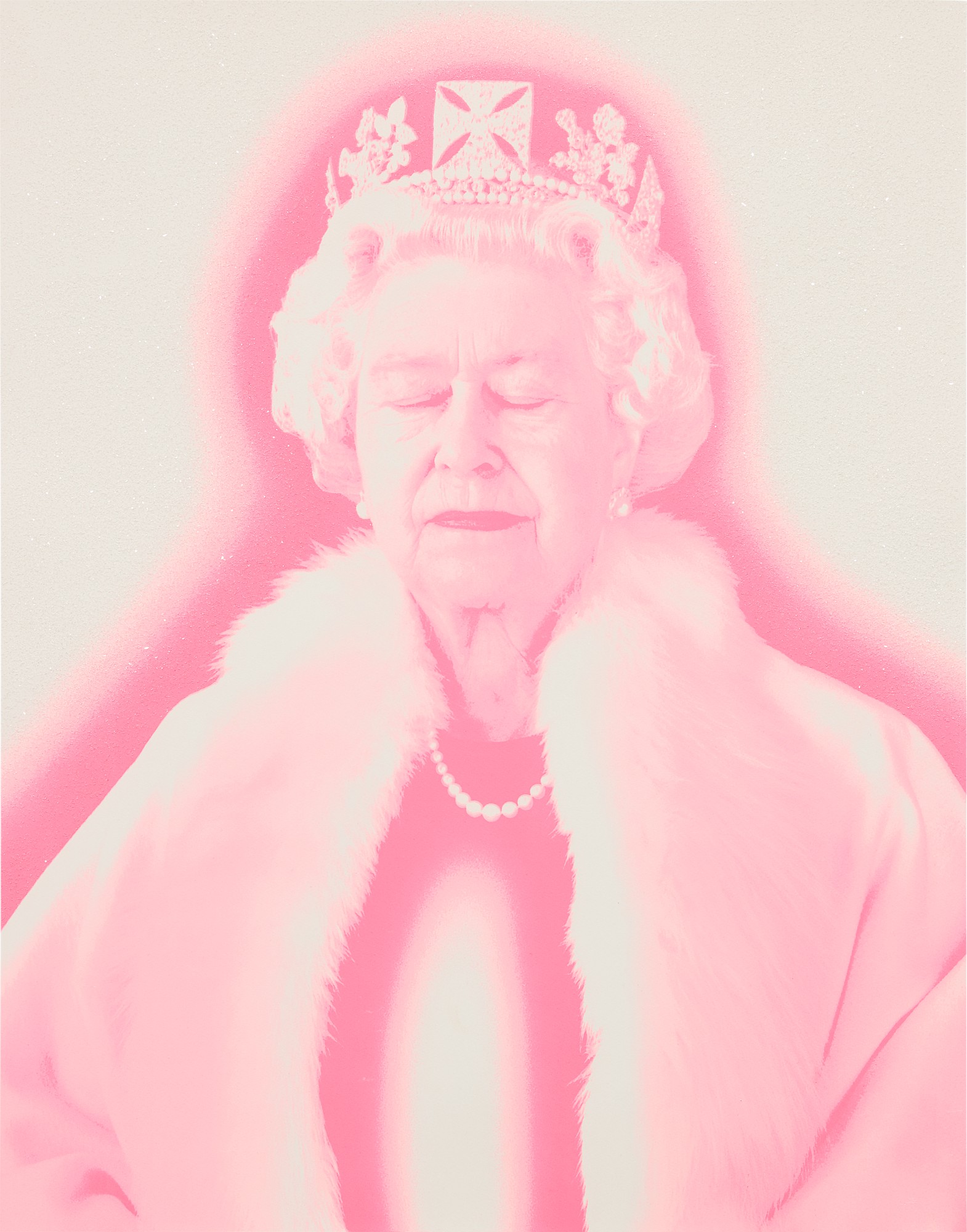
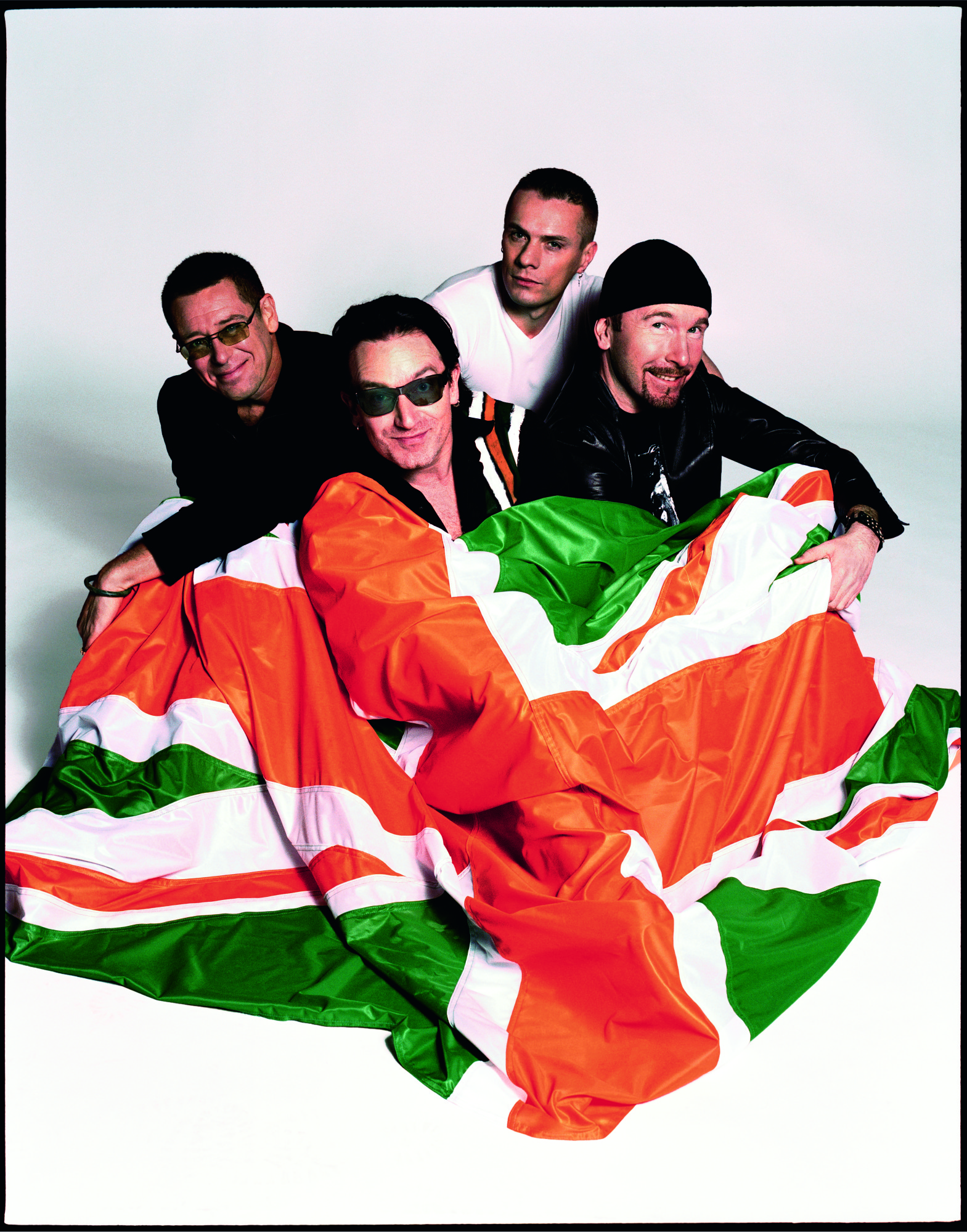
Younger photographers documenting contemporary music scenes, particularly those working in hip hop, electronic music, and the club culture that has emerged across European cities in the past decade, represent a genuinely open opportunity. The infrastructure of collecting in this area is still forming, which means that attentive collectors can position themselves early. Chris Levine occupies an interesting space in this conversation. Known for the famous lightness of being portrait of Queen Elizabeth II, his work with musicians brings the same meditative quality to subjects who inhabit a very different register of public life.
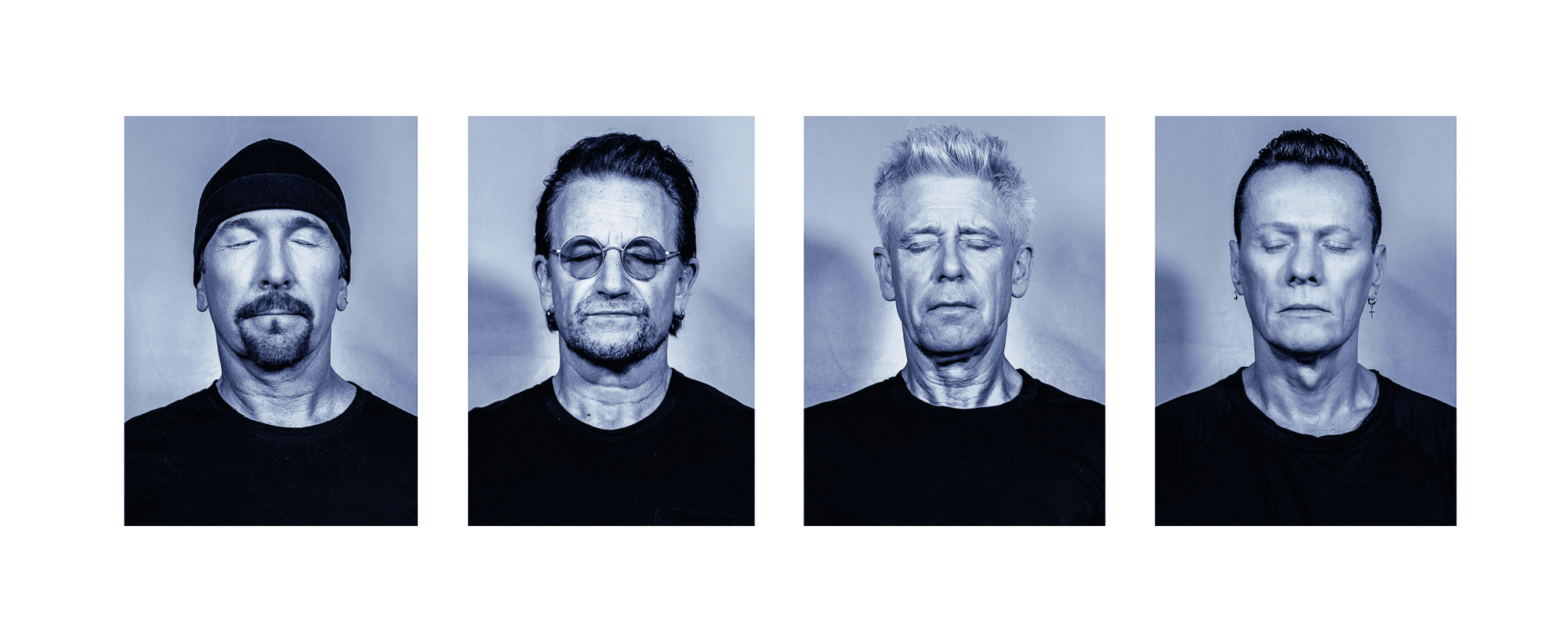
Chris Levine
U2 At One, 2017
The works carry a stillness that feels deliberately counterintuitive when the subject is someone associated with noise and energy. David Bailey's music portraits, meanwhile, benefit from his entire cultural biography. Bailey photographing a musician in the 1960s or 1970s was not simply one artist documenting another. It was a collision of two figures who were each reshaping how Britain saw itself.
That history is embedded in the image and it does not depreciate. At auction, music photography has shown steady appreciation for works with strong provenance, clear edition documentation, and subjects whose cultural standing has solidified over time. The secondary market rewards prints that can be authenticated with original negatives, accompanied by period exhibition history, or that come from the artist's own studio estate. Prices at the major houses for vintage prints by photographers working during the foundational decades of rock, soul, and reggae have moved meaningfully upward over the past fifteen years.
The category is no longer considered a soft corner of the photography market. Practical considerations matter enormously in this area. Ask any gallery about the edition size and whether the artist supervised the printing or whether posthumous prints exist, as this affects both value and your relationship with the object. For framing, museum quality UV filtering glass is essential since these works are often displayed in living spaces that receive changing natural light.
Storage and condition are equally important. Vintage prints on fibre based paper from the 1960s and 1970s can show silver mirroring if they have been poorly stored, and this is very difficult to reverse. When acquiring work, request a full condition report and ask specifically about any prior exhibition loans, since extended display under institutional lighting can cause subtle but cumulative fading. The works represented on The Collection reflect the breadth of what this category contains at its most considered.
These are not snapshots elevated by association. They are photographs made by artists who brought genuine vision to a world that happened to involve music as its subject. That distinction is worth holding onto when you are standing in front of something and feeling the pull of it. Trust that feeling, but understand what is underneath it.
The best music photographs are not about nostalgia. They are about what it looks like when someone is completely alive.