Mosaic
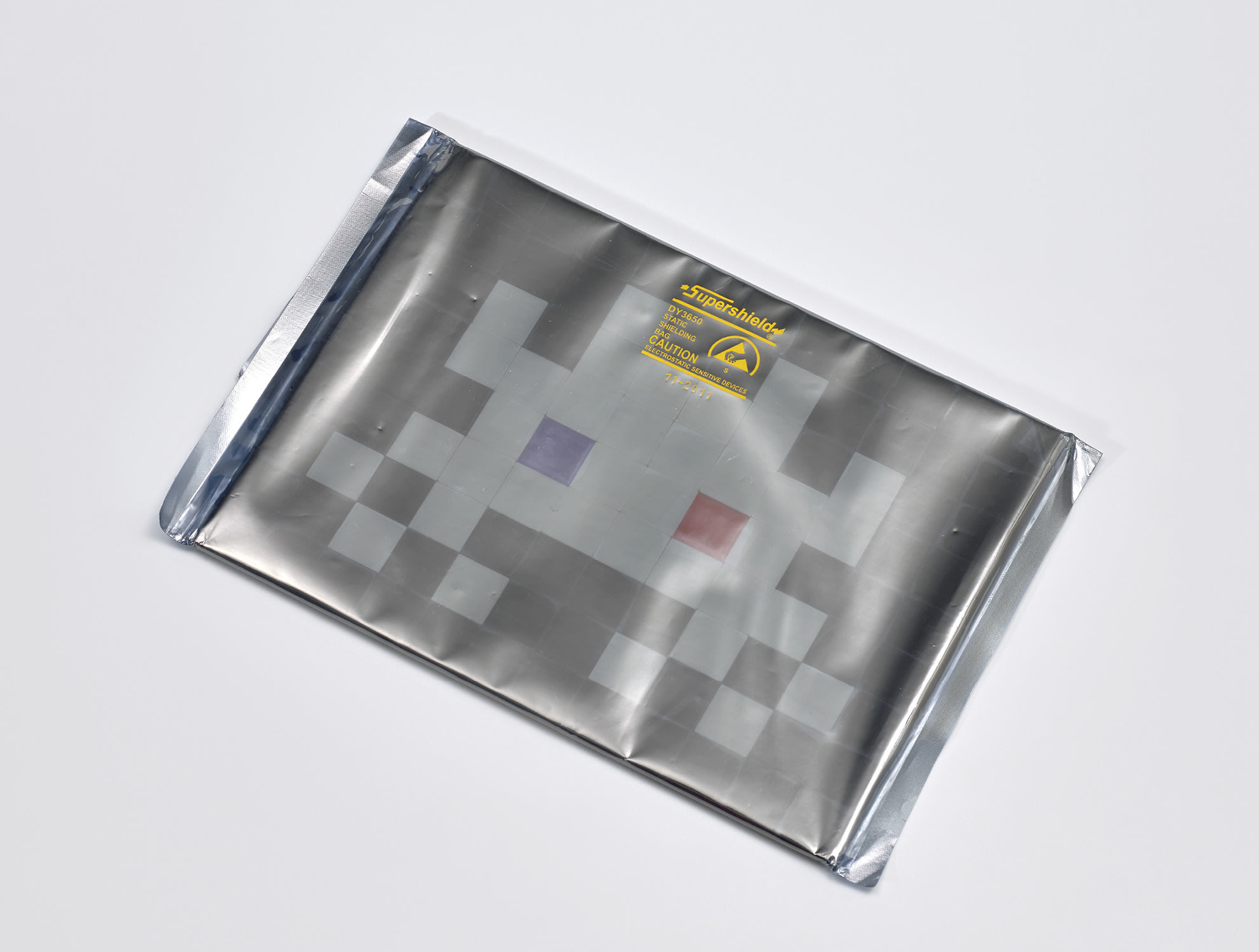
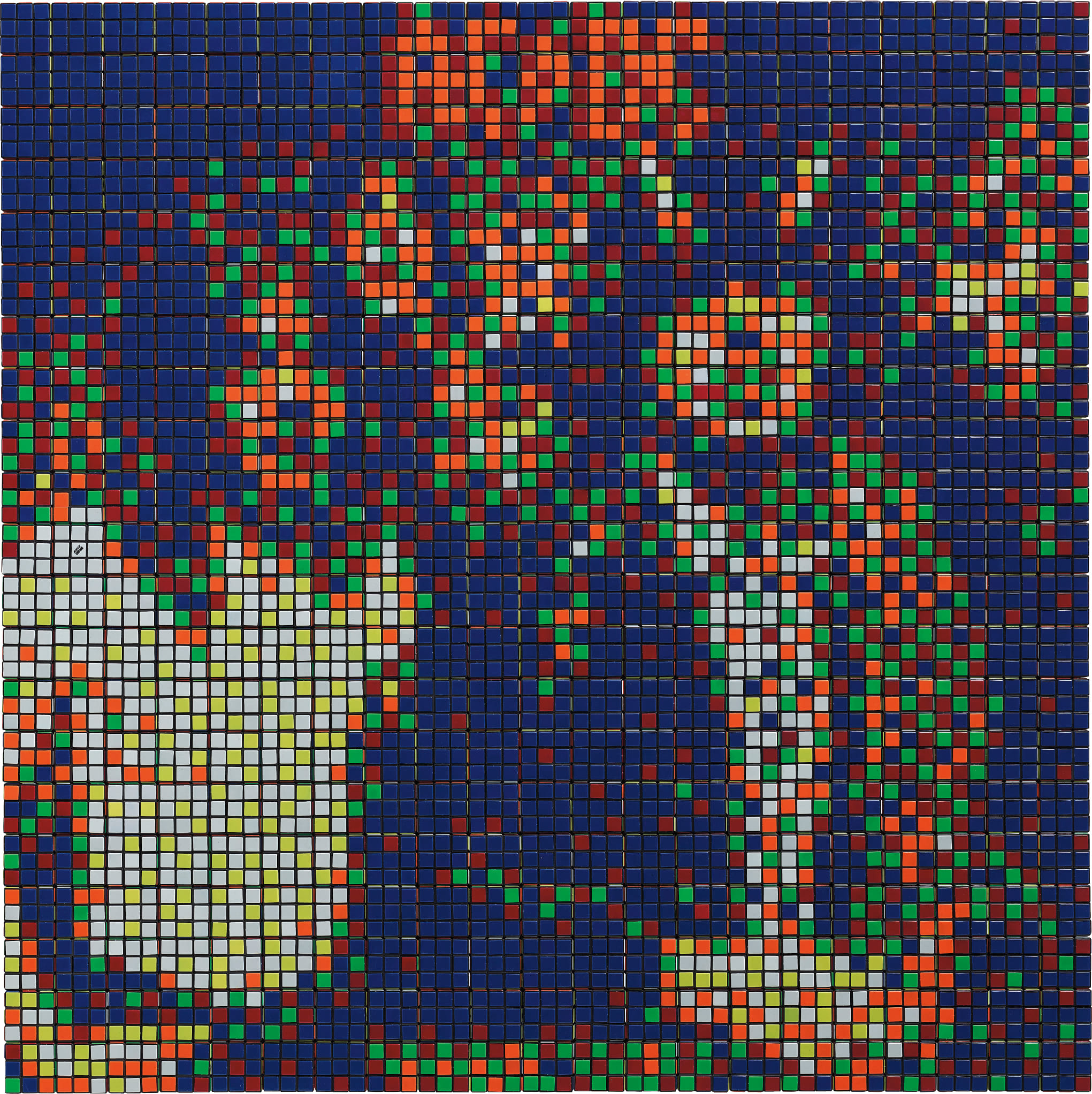
Invader
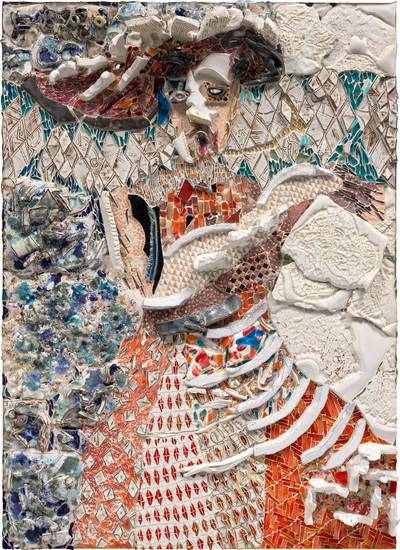
Invasion Kit #14 (3D Vision)
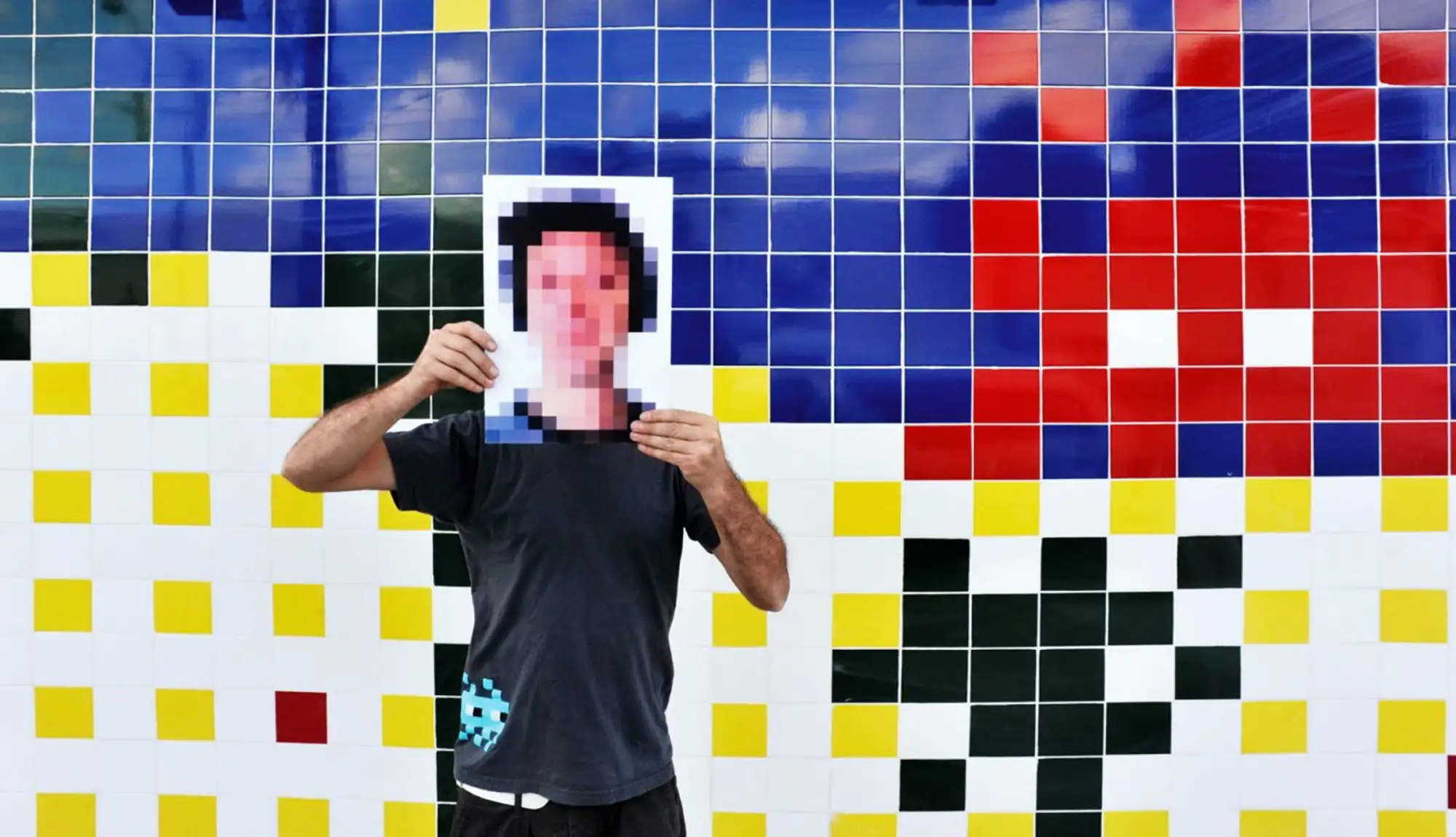

Broken Into Beauty: The Allure of Mosaic
There is something almost irrational about the pull of mosaic. A collector who lives with it will tell you the same thing: the work changes depending on where you stand, what time of day it is, how the light moves across the room. That quality of perpetual animation, the sense that the surface is breathing, is not something you can fully appreciate in a photograph or on a screen. It has to be experienced in the room, and once it has been, it tends to become necessary.
The people who collect in this space tend to be collectors who have grown tired of passive objects. They want something that participates in the life of a room rather than simply hanging in it. The collecting logic for mosaic spans an unusually wide range of time and intention. On one end you have Byzantine fragments, some of them a thousand years old or more, that carry the weight of devotional making and an almost unbearable material patience.
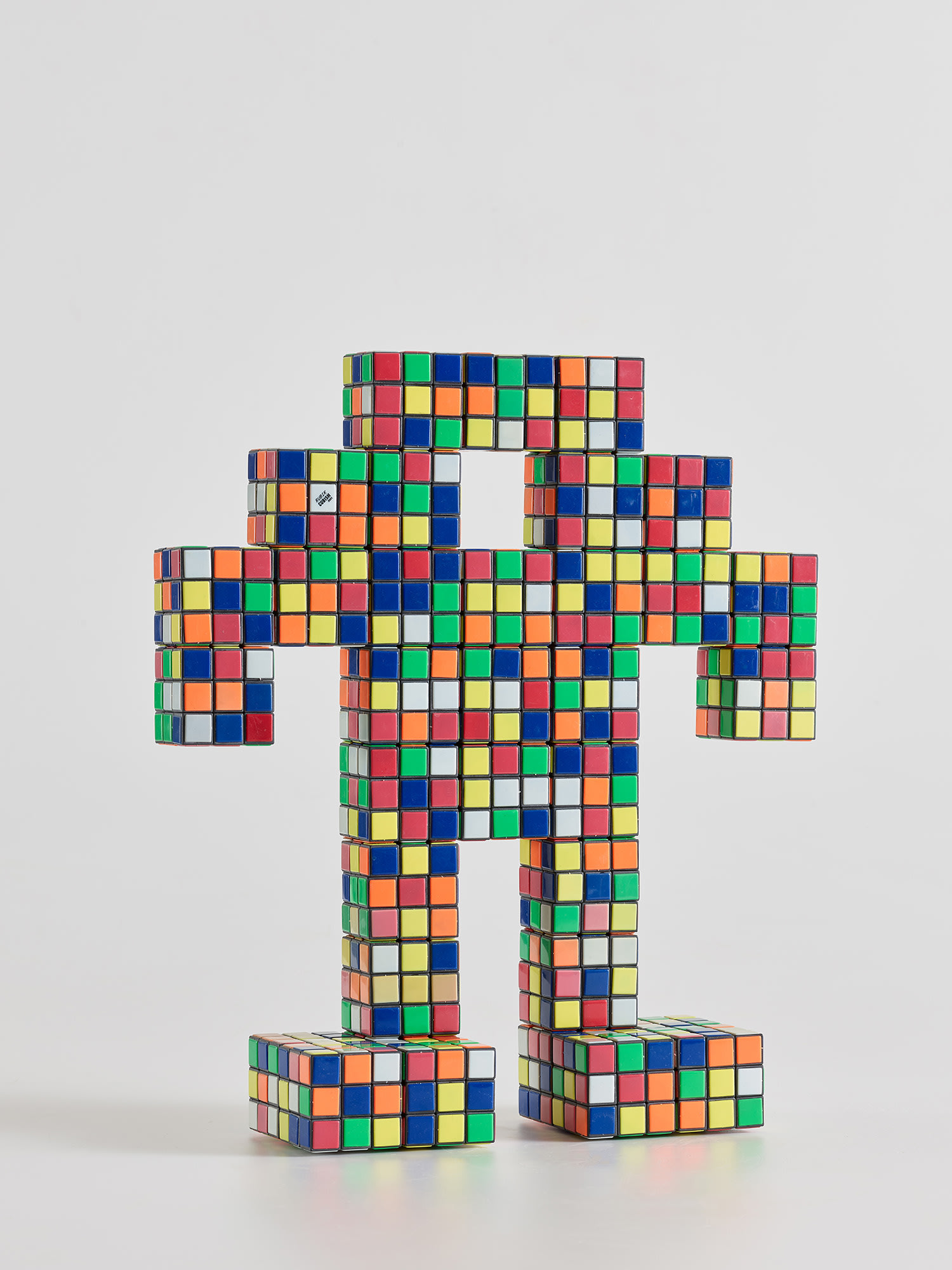
Invader
Invasion Kit #14 (3D Vision)
On the other end you have artists like Invader, the Paris based street artist whose tiled compositions deliberately invoke the pixel and the arcade, treating the mosaic grid as a language for contemporary urban life. What connects these two poles is not medium alone but a shared structural philosophy: meaning is made through accumulation, through the careful placing of discrete units until something greater than any individual piece emerges. Collectors who understand this find themselves moving fluidly across centuries in ways that surprise even themselves. Separating a good work from a great one in this category requires attention to several things at once.
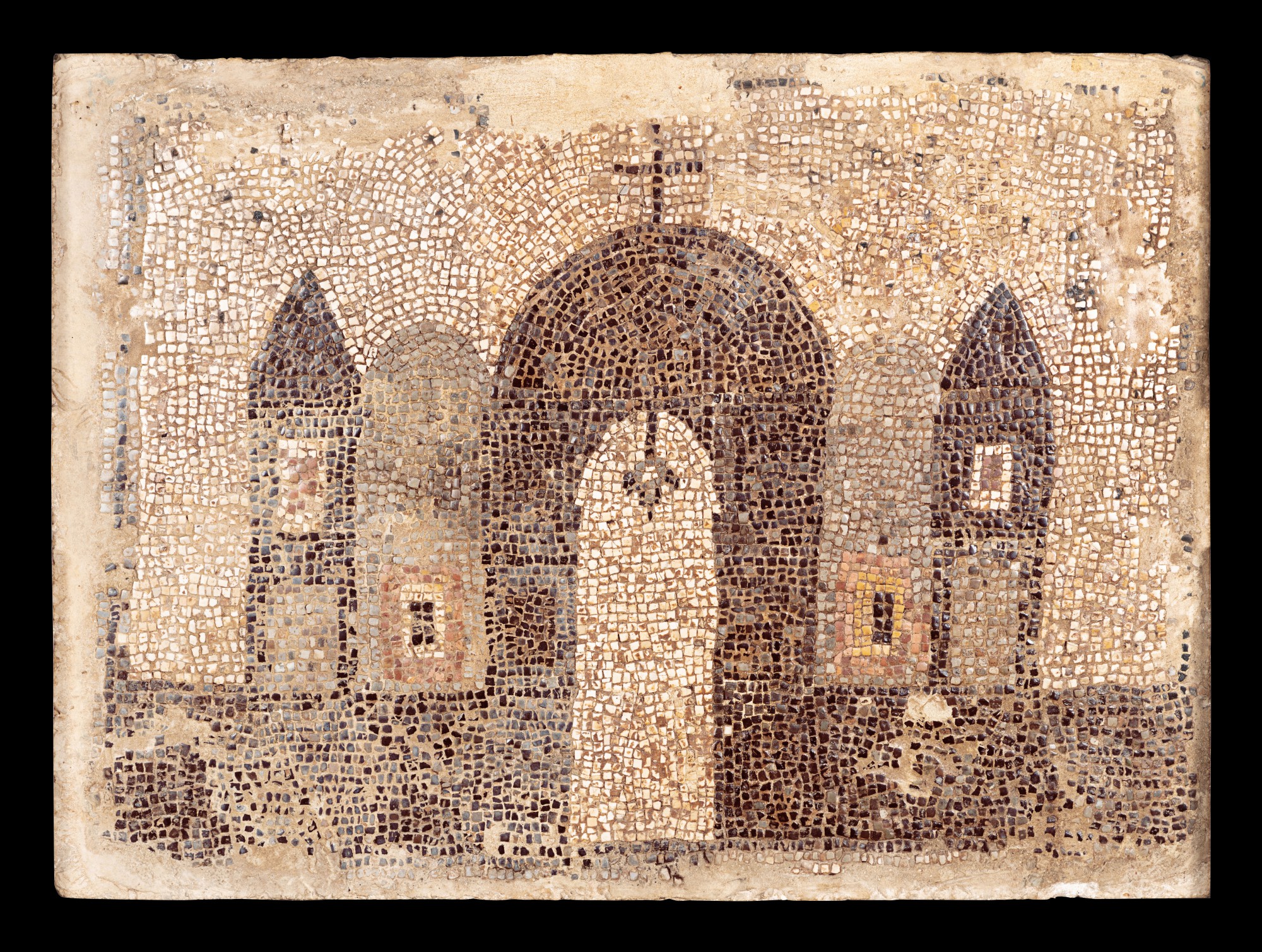
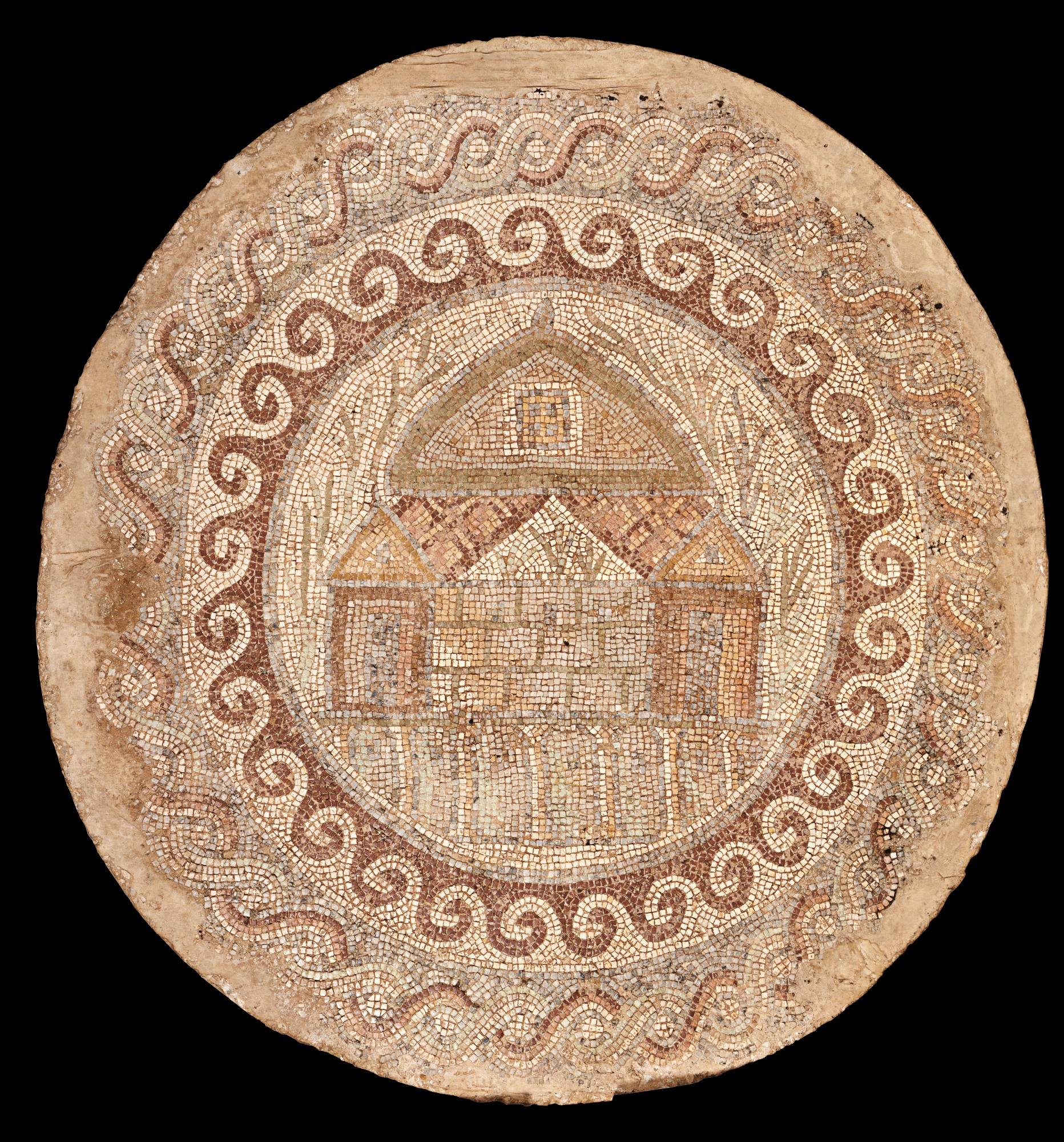
For ancient and Byzantine material, provenance and scholarly documentation are everything. A work with a clean collecting history, ideally one that has passed through major institutions or appeared in serious academic literature, will always outperform comparables at auction. The quality of the tesserae themselves matters enormously: the color saturation, the presence of gold glass, the fineness of the cutting, and crucially the degree to which the original setting has been preserved rather than heavily restored. A Byzantine mosaic roundel or panel with strong color retention and minimal intervention is in a different category from one that has been over worked by a conservator with more enthusiasm than restraint.
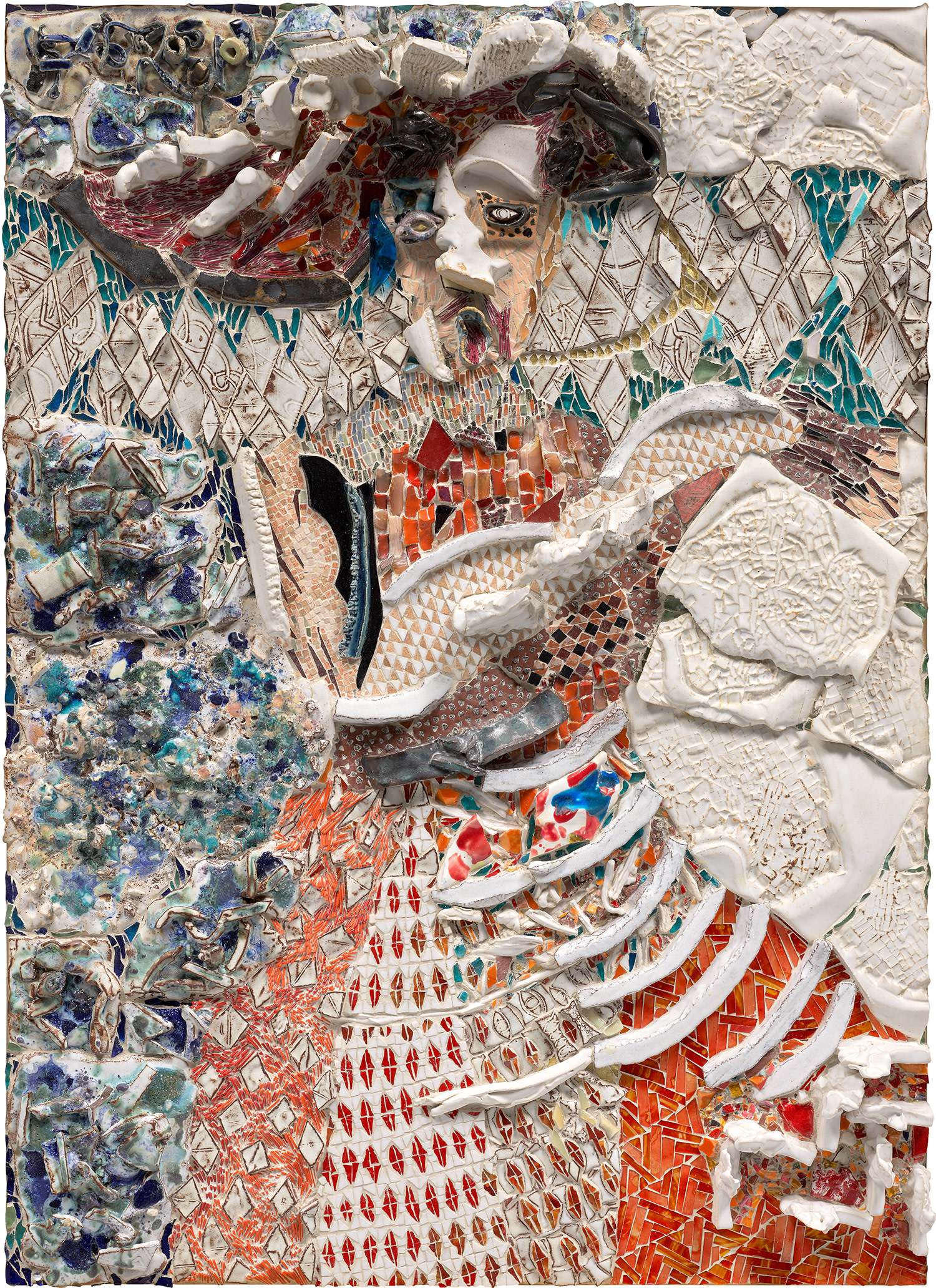
Tim Hawkinson
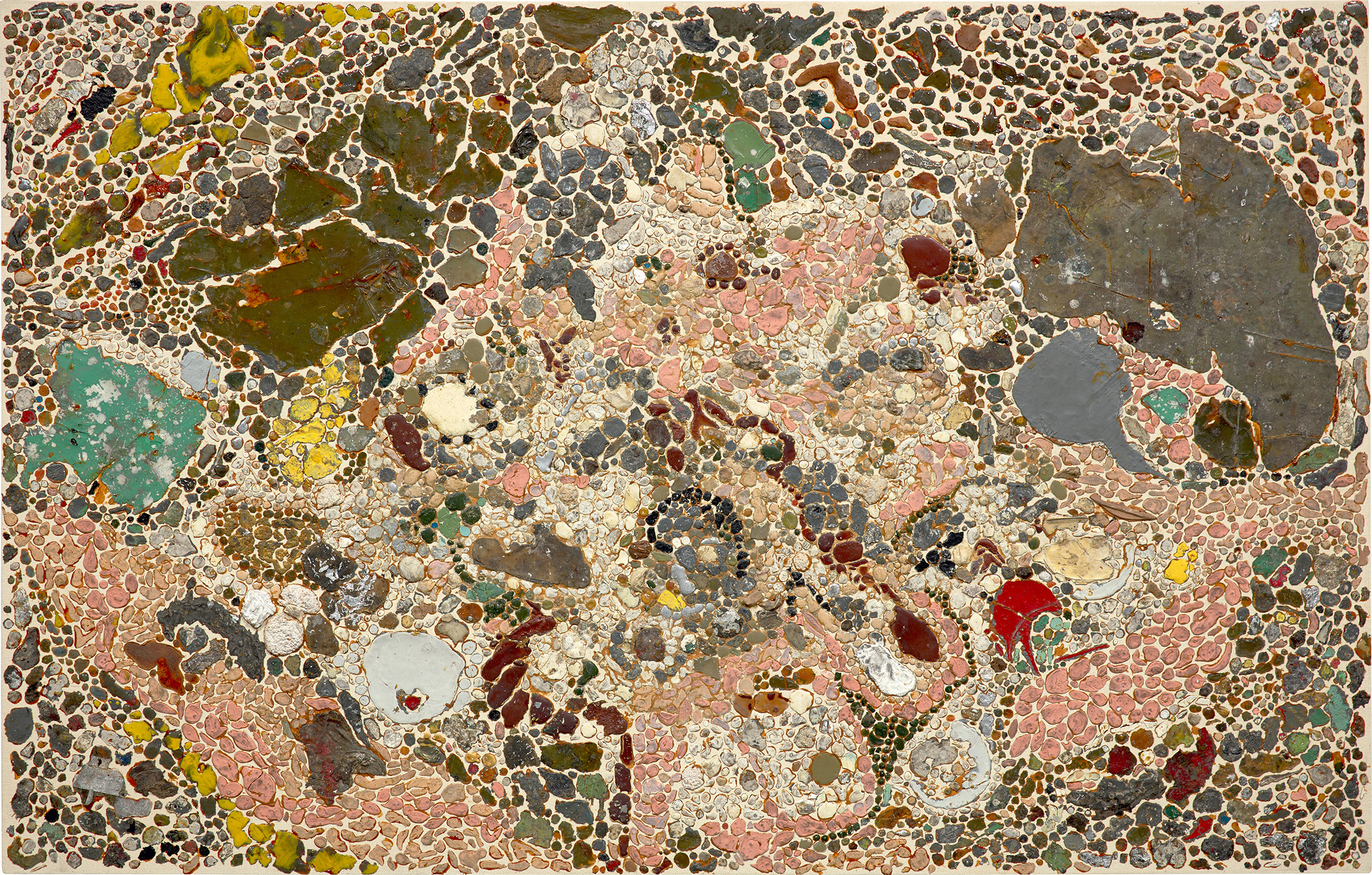
Paint Drip Mosaic, 1993
For contemporary works, the calculus shifts but the underlying question remains the same: how deeply is the artist engaging with the medium rather than simply borrowing its visual vocabulary? Invader is instructive here. His work is not mosaic in the ancient sense but it is mosaic in every structural sense, and his sustained investigation of the tile grid as both form and concept has produced a body of work with genuine staying power. His pieces have performed strongly at auction for over a decade, with secondary market demand driven by a global community of dedicated collectors who understand that the best examples function simultaneously as street art artifacts and as serious formal objects.
Condition is particularly important with his work given its origins in public space, and documented original installations command a premium over studio pieces. Niki de Saint Phalle brings a completely different energy to the category. Her use of mirror mosaic and tile in her large sculptural works, most famously in the Tarot Garden in Tuscany, belongs to a tradition of total environments that has grown significantly in critical and market stature over the past decade. Works on paper and smaller sculptural pieces that show her mosaic sensibility have become increasingly difficult to source, and serious collectors have been paying attention.
Important Maya Mosaic Jade Mask
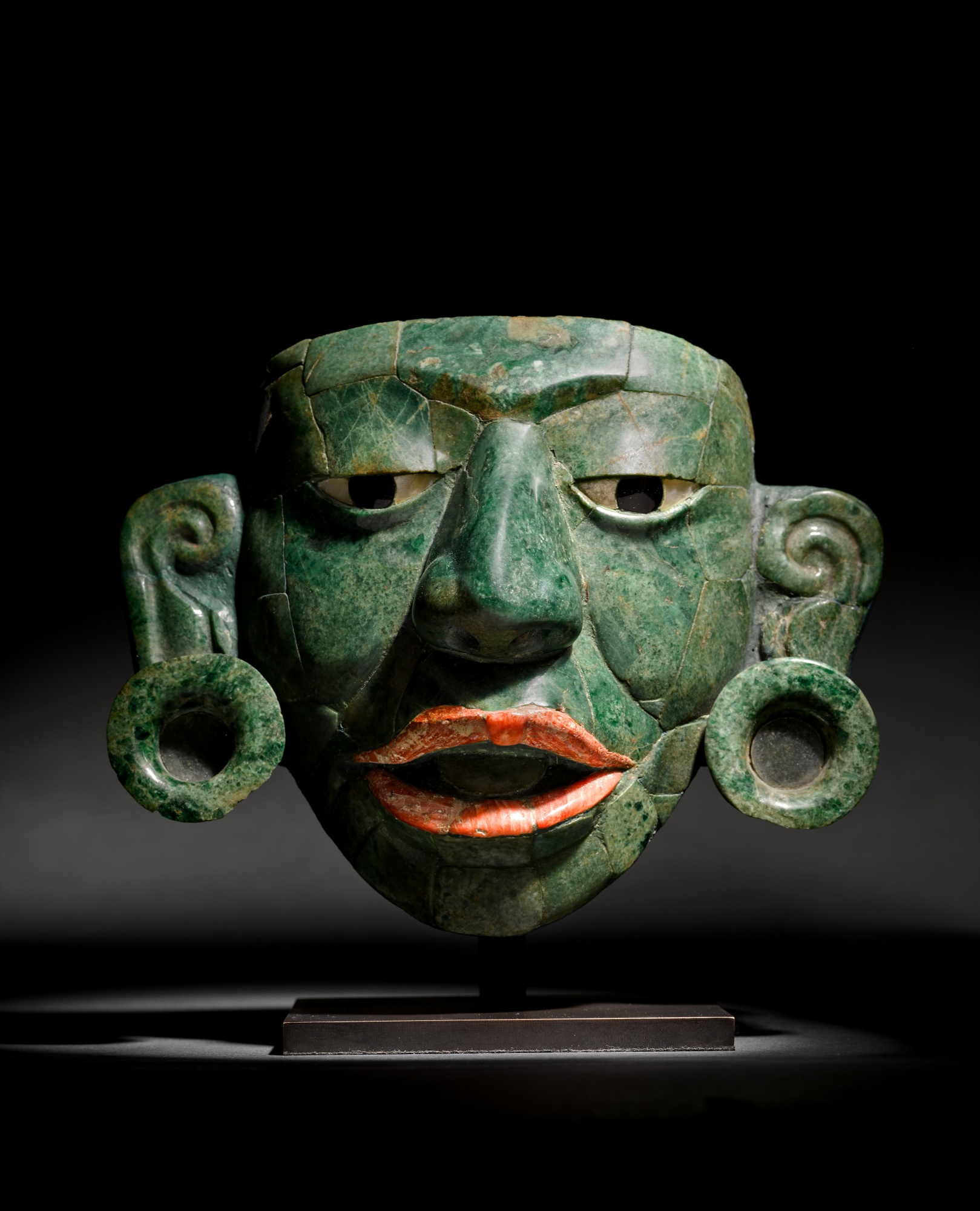
Important Maya Mosaic Jade Mask
Sol Calero is another name worth watching in this space. Her immersive painted environments often incorporate tile referenced surfaces and decorative systems that draw on Caribbean vernacular architecture, and her market has developed steadily alongside growing institutional recognition. She represents exactly the kind of mid career opportunity that rewards attention now rather than later. For collectors drawn to archaeological material, the Important Maya Mosaic Jade Mask available on The Collection represents a category of ancient Mesoamerican object that appears rarely on the market and carries extraordinary cultural and historical significance.
Jade mosaic masks from the Classic Maya period were among the most labor intensive and ritually charged objects a society could produce, and museum quality examples are exceptionally scarce. Works of this kind require careful due diligence around provenance and legal collecting status, but for collectors who have done that work, they represent both a profound encounter with ancient making and a long term hold that is unlikely to disappoint. At auction, mosaic works across categories have shown consistent demand, though the market rewards specificity over generality. Byzantine fragments with solid documentation and visual impact have found strong results at the major houses, particularly when they arrive with academic provenance.
A Byzantine Mosaic Roundel
A Byzantine Mosaic Roundel, 5th/6th Century A.D.
Tim Hawkinson, whose practice incorporates obsessive accumulation and material transformation, occupies a position in the contemporary market that collectors of mosaic sensibility often find compelling, even when his methods diverge from traditional tile setting. His work appeals to the same collector instinct: the pleasure of understanding that extraordinary things are built from ordinary units pushed to their limit. Practical advice for anyone entering this space begins with condition documentation. For ancient works, commission an independent conservation report before purchasing.
Ask specifically about the extent of restoration and whether any original setting survives intact beneath repairs. For contemporary works by living artists, ask whether the piece was made in the studio or installed in situ, and whether documentation of the original placement exists. For Invader in particular, authentication through the artist's own cataloguing system is essential and well established. Display considerations are straightforward but important: avoid direct sunlight for ancient works with organic adhesives, and consider lighting from an angle rather than directly above, as raking light reveals the dimensionality of the surface and makes the work come alive in ways that flat illumination simply cannot achieve.
The collectors who spend time thinking about how light moves across a mosaic are, not coincidentally, the same ones who tend to build the most interesting collections.