Intimist
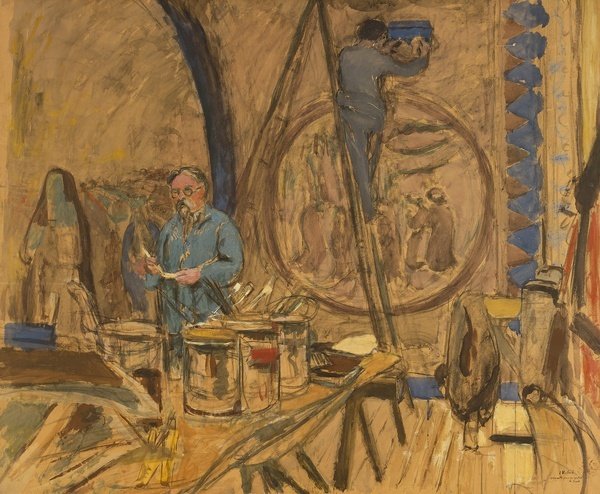
Édouard Vuillard
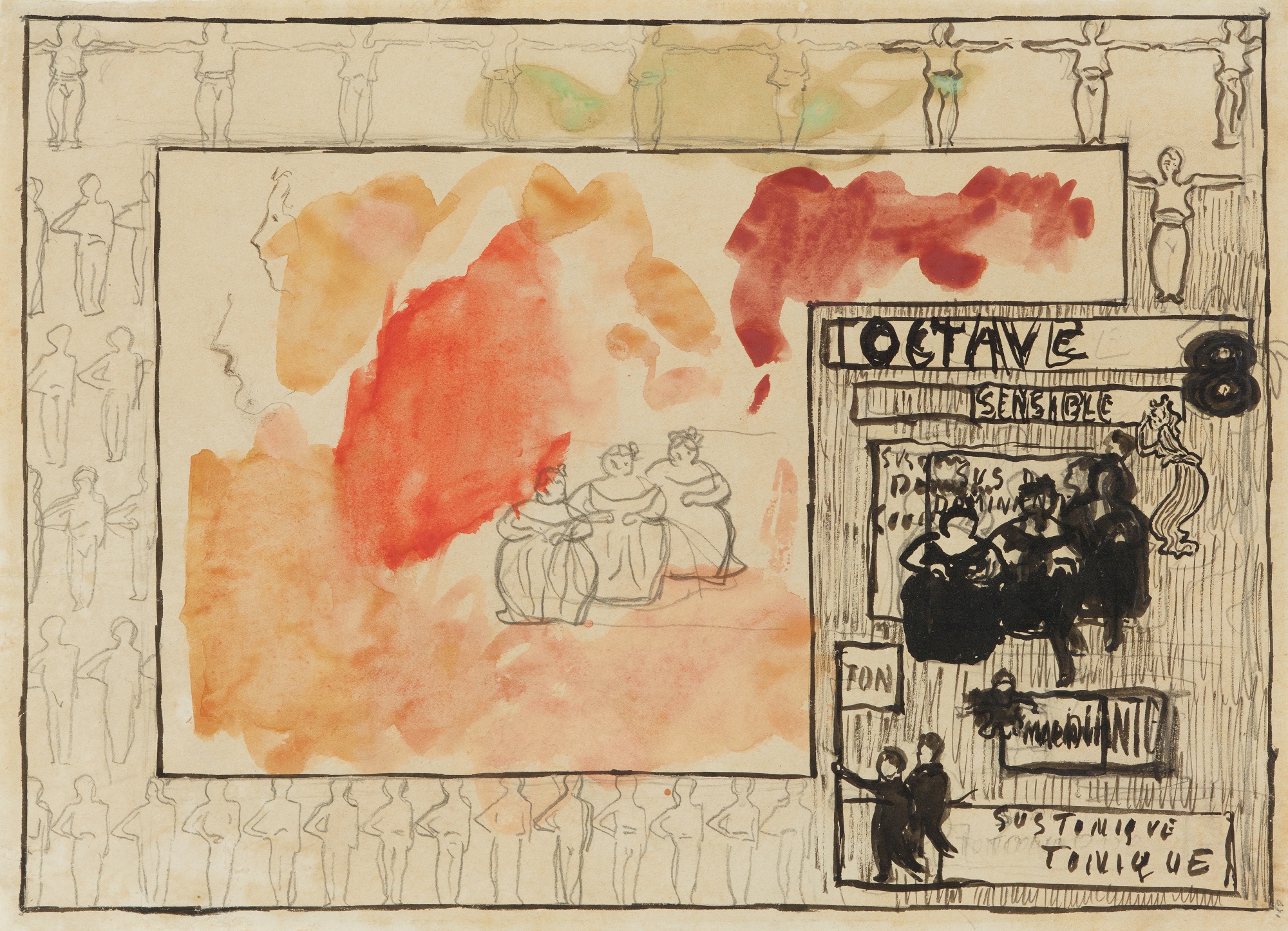
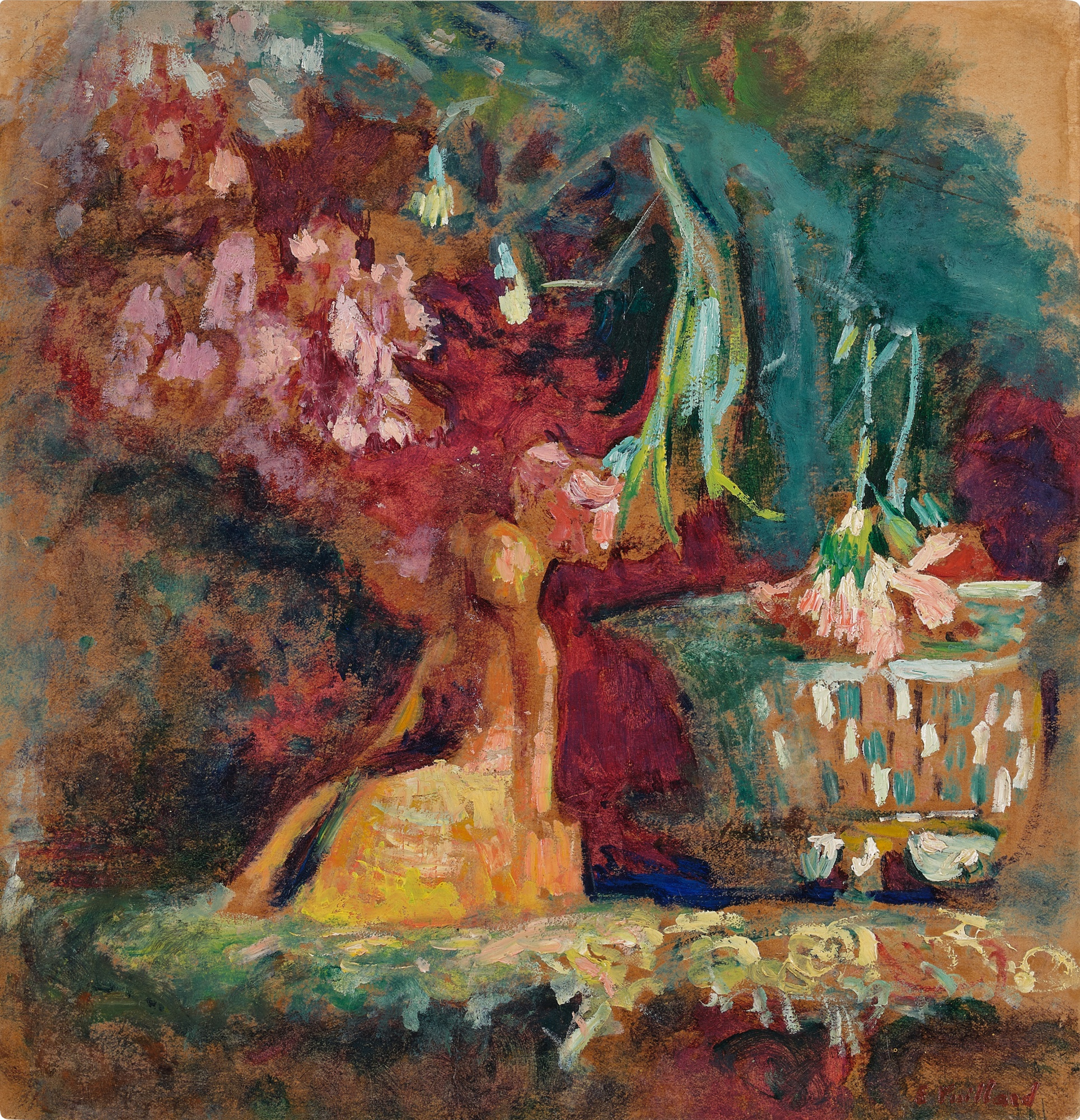
Mme Arthur Fontaine au piano, 1904
The Quiet Room That Changed Everything
There is a particular kind of attention required to look at an Intimist painting. You cannot rush it. You have to let your eyes adjust, the way you would stepping into a dimly lit room after being outside in the sun. Once they do, an entire world opens up: a woman reading by a window, the grain of a tablecloth, afternoon light pooling on floorboards.
These are not grand subjects. That is entirely the point. The Intimist painters of late nineteenth and early twentieth century Paris staked a radical claim that the domestic interior, the unheroic texture of everyday life, was worthy of the most sustained and serious artistic attention. The movement coalesced in the 1890s around a loosely affiliated group of young painters who called themselves the Nabis, a name drawn from the Hebrew word for prophet.
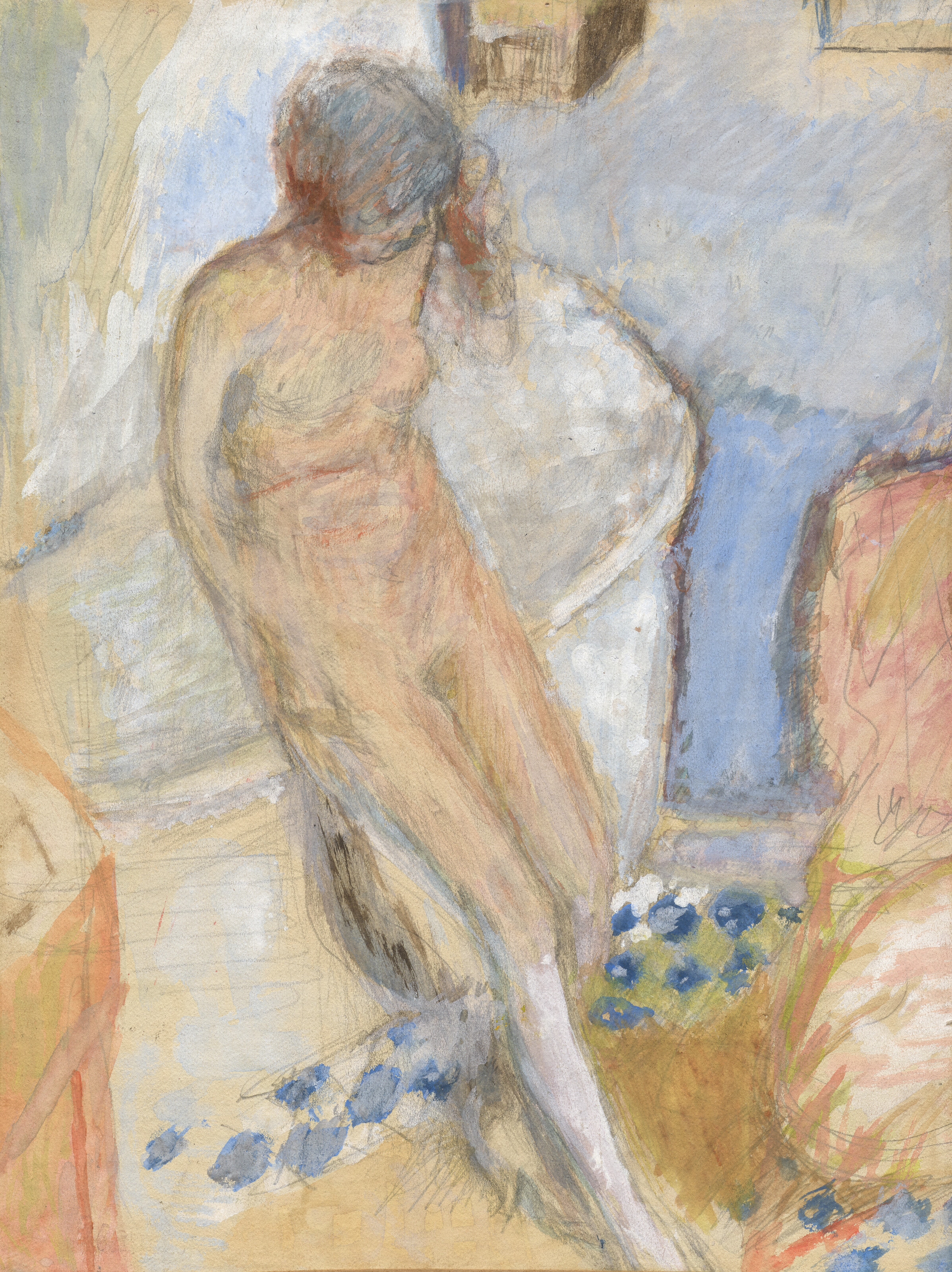
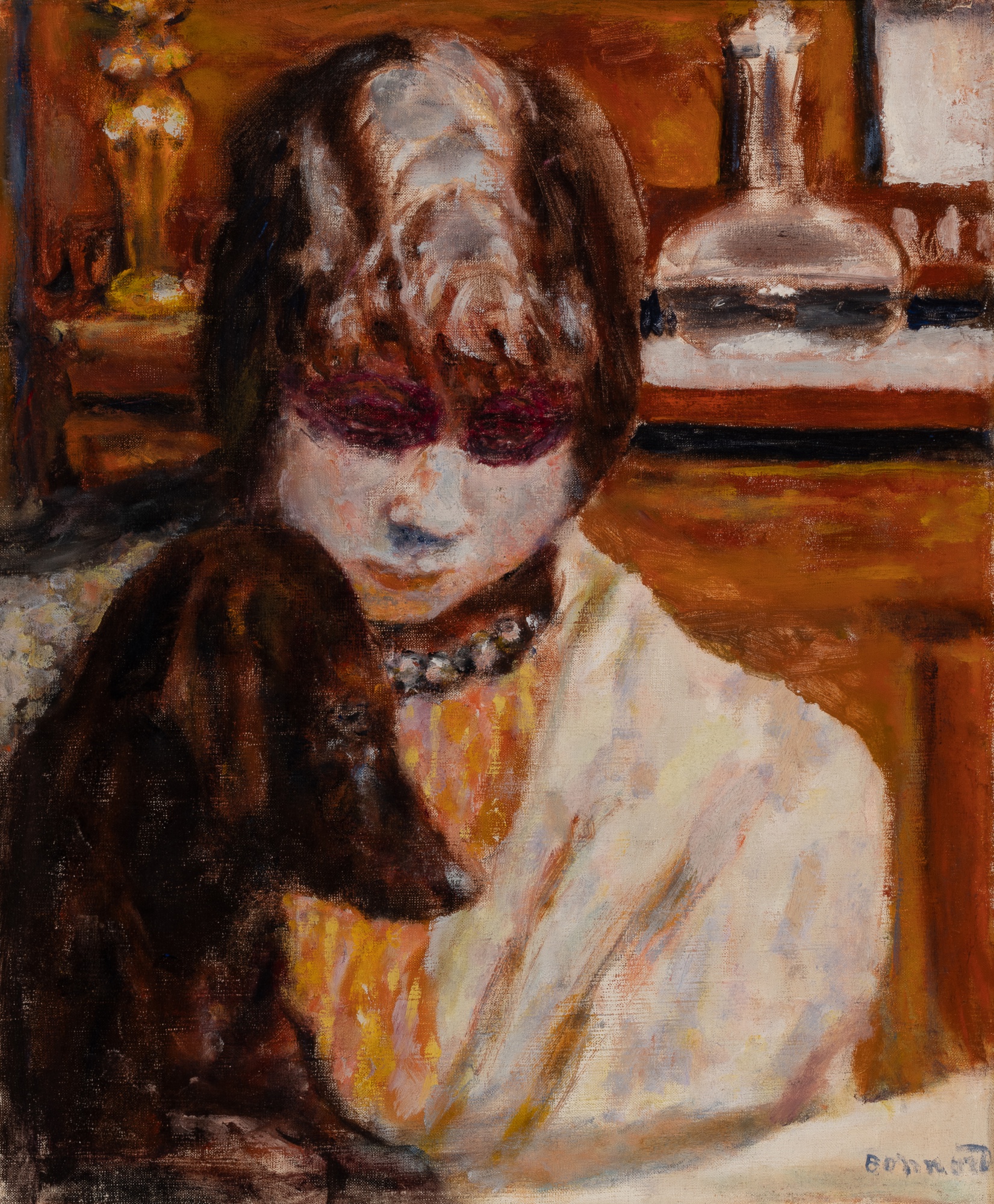
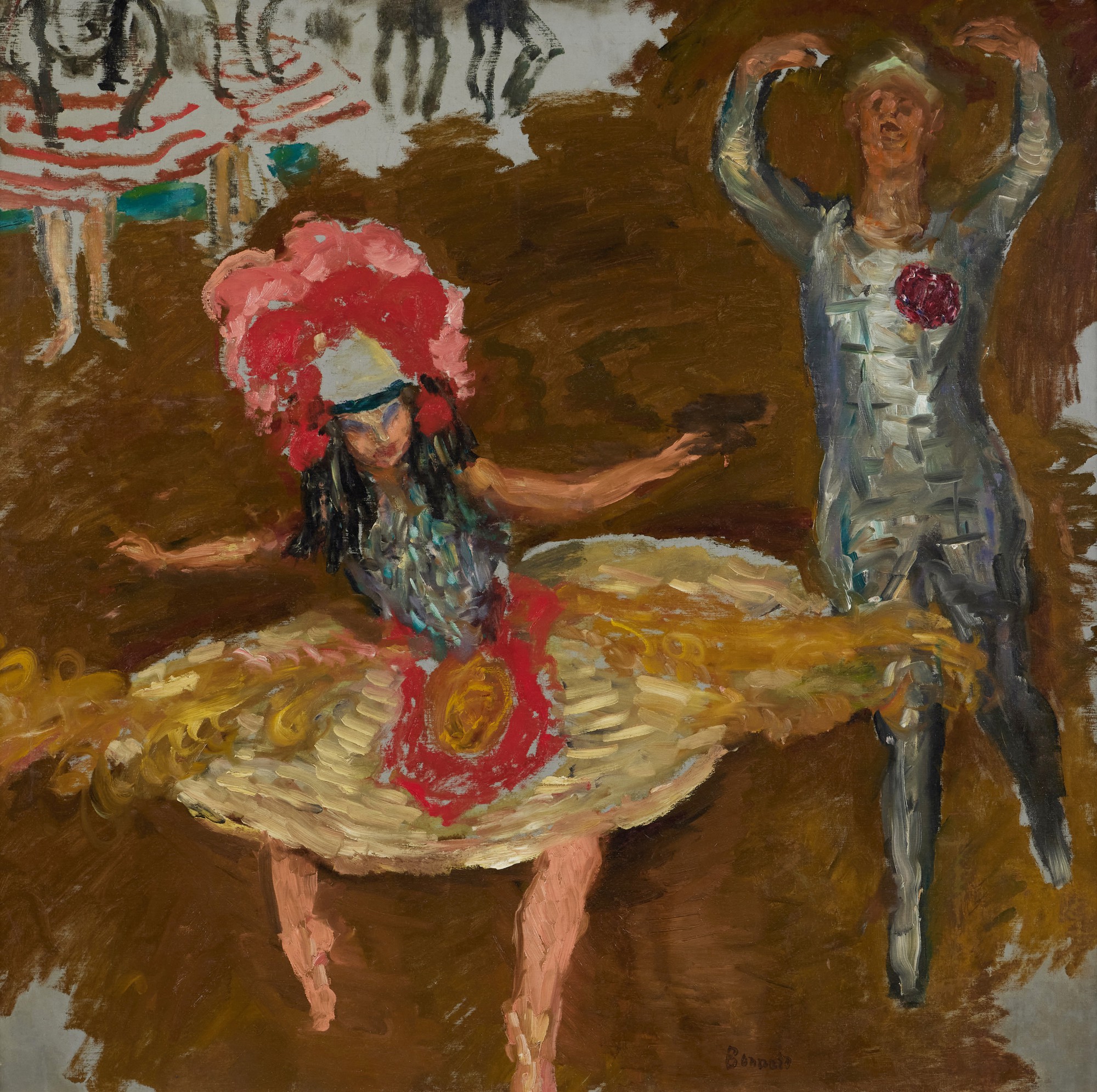
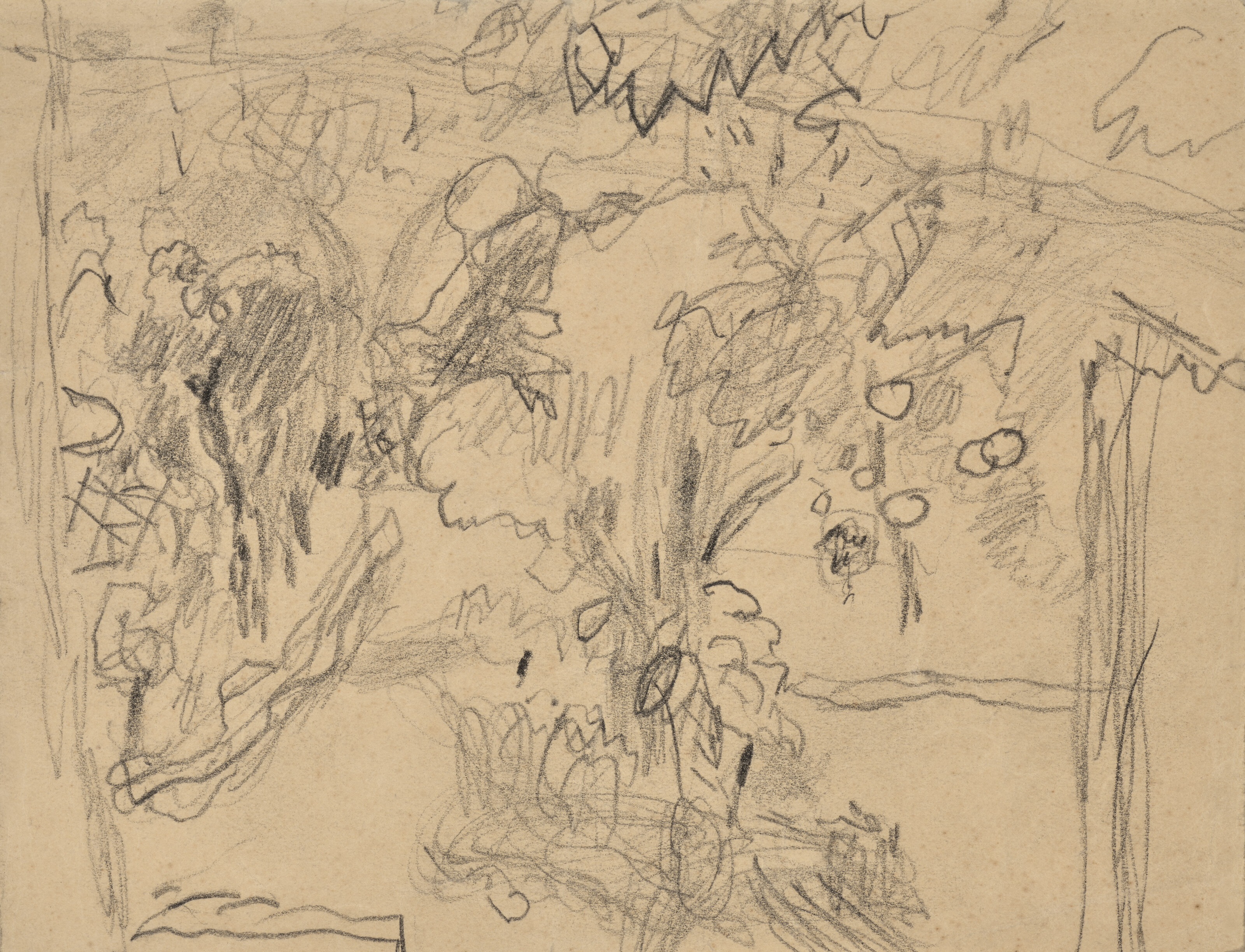
Pierre Bonnard
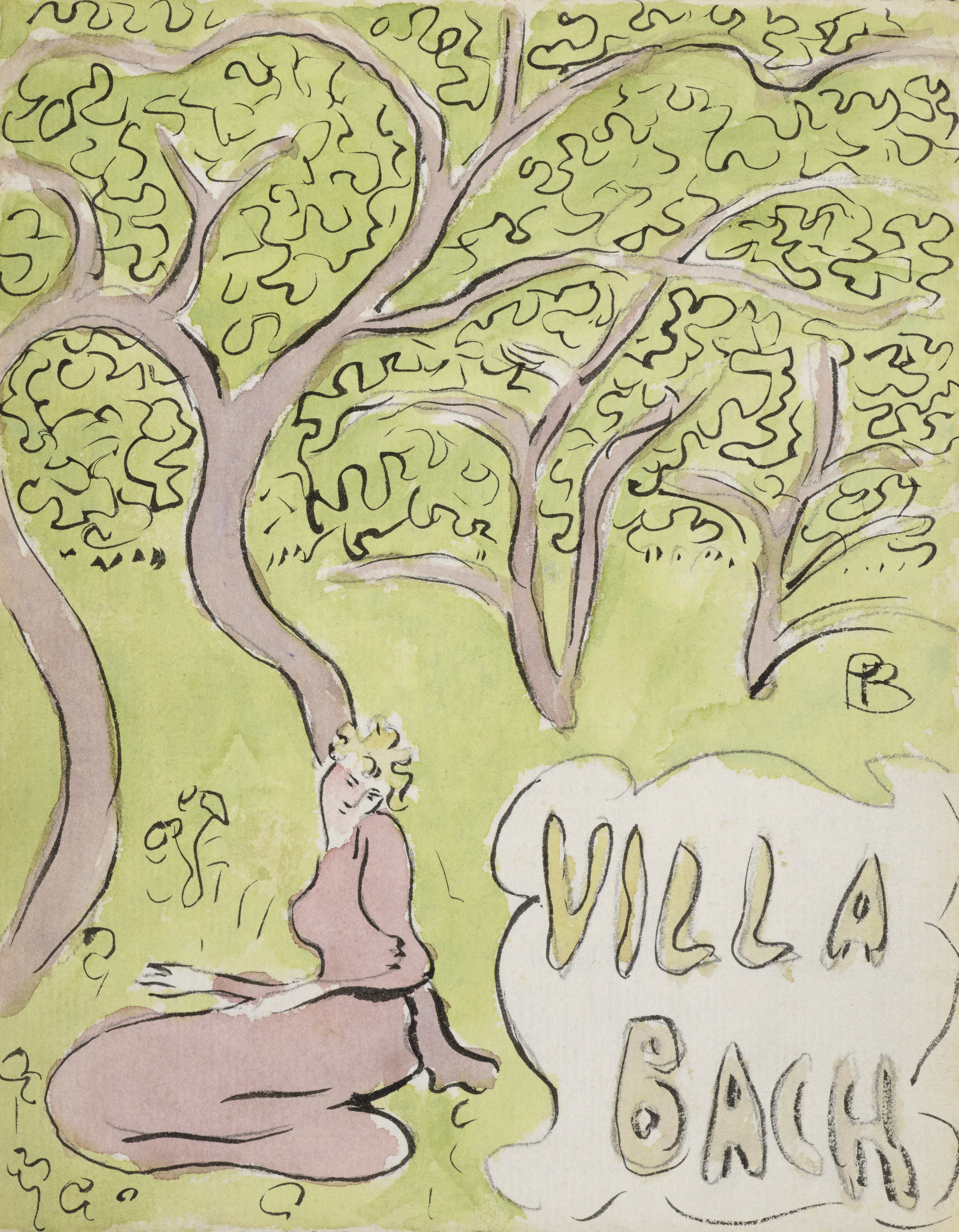
Projet de programme pour la Villa Bach (Femme sous les arbres)
Formed in 1888 following Paul Gauguin's visit to the Pont Aven school, the Nabis included figures such as Paul Sérusier, Maurice Denis, and Paul Ranson, all of them galvanized by Gauguin's assertion that a painting was, before it was anything else, a flat surface covered in colors arranged in a certain order. But where some Nabis moved toward symbolism or decoration, two of the group's most gifted members turned inward. Pierre Bonnard and Édouard Vuillard would develop the mode that critics would eventually call Intimism, a sustained, loving, and formally inventive investigation of private space. Vuillard in particular pushed the domestic interior to the edge of abstraction.
In the early 1890s he was producing works of astonishing complexity, paintings in which a woman's patterned dress dissolves into the patterned wallpaper behind her, in which figure and ground refuse to separate cleanly, in which the familiar becomes strange. His so called Intimist period, roughly 1890 to 1900, produced some of the most quietly radical work of the entire Post Impressionist era. Works from these years, small panels in distemper on cardboard, possess a density of surface that rewards close attention in a way that photographs simply cannot replicate. You have to be in front of them.
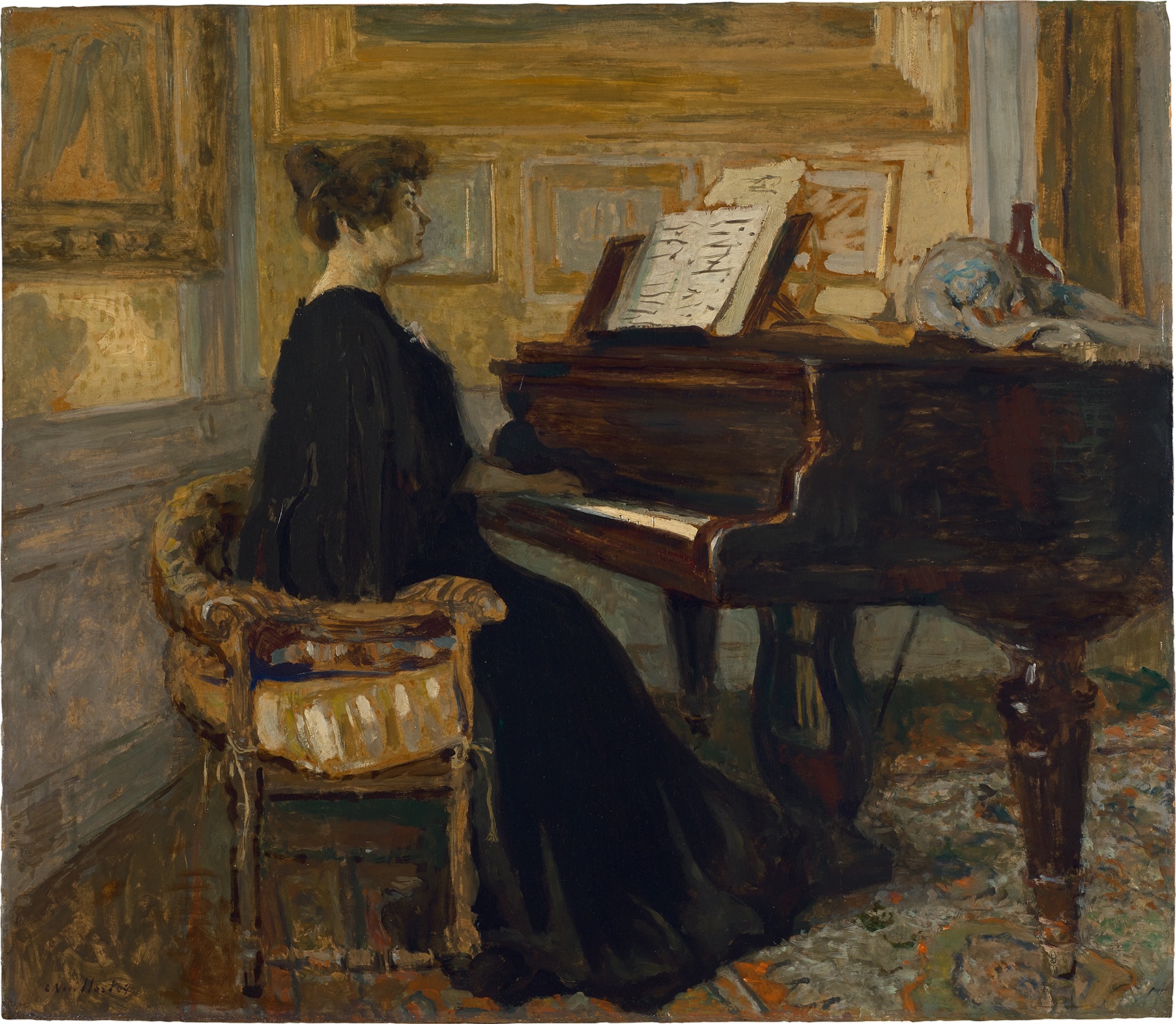
Édouard Vuillard
Mme Arthur Fontaine au piano, 1904
Bonnard arrived at Intimism through a slightly different temperament. Where Vuillard could be somber, even claustrophobic, Bonnard was saturated with color and erotic warmth. His interiors are flooded with Mediterranean light even when they are set in Paris apartments. His companion and later wife Marthe de Méligny appears in his work across nearly five decades, bathing, dressing, moving through the rooms they shared.
These are not merely domestic records. They are investigations into perception, into the way memory and sensation transform what we see into something trembling and alive. By the time of his late canvases, painted in the 1930s and 1940s at his house in Le Cannet in the south of France, Bonnard had arrived at a chromatic intensity that placed him in conversation with Matisse and, it would later become clear, with the American colorists of the following generation. The techniques that define Intimist work are inseparable from their emotional register.
Both Bonnard and Vuillard worked from memory and from notes rather than directly from the subject, a practice that introduced a layer of psychological filtering into even the most apparently straightforward domestic scene. Vuillard frequently used distemper, a water based medium that produces a matte, chalky surface quite unlike oil paint, giving his interiors a hushed, almost fresco like quality. Bonnard worked in oil but often tacked his unstretched canvas to the wall and painted without a fixed horizon line, moving around the image, which accounts for the vertiginous tipping of his tabletops and the odd, dream like spatial compression of his best work. Both artists were influenced by the flattened space and bold outline of Japanese woodblock prints, which were circulating widely in Paris from the 1860s onward and had already transformed Manet, Degas, and the Impressionists.
Culturally, Intimism arrived at a moment when the boundaries of what counted as a serious subject in painting were being actively contested. The great public gestures of academic painting, history scenes, mythological allegories, portraits of statesmen, still carried enormous institutional prestige. Against this, the Intimists proposed something that looked almost like nothing at all: breakfast, a hallway, a woman's back. The audacity was real, even if it was expressed in a whisper rather than a shout.
In France the movement found critical support from figures such as the writer Thadée Natanson and the Revue Blanche, the progressive literary and arts journal around which the Nabis gathered in the 1890s, a milieu that also included Toulouse Lautrec and the young Marcel Proust. The influence of Intimism on subsequent art history is difficult to overstate precisely because it is so diffuse, so thoroughly absorbed into the air painters breathe. You hear its note in the domestic quietude of Vilhelm Hammershøi's grey Copenhagen interiors. You feel it in Fairfield Porter's sun drenched American rooms and in the restrained emotional charge of contemporary painters such as Luc Tuymans and Peter Doig.
The sustained attention to domestic space that has characterized a significant strand of painting across the last century draws in some degree from the example set by those small panels and canvases produced in Paris apartments in the 1890s. For collectors, Intimist works present a particular and very specific pleasure. They are made to live with. They do not perform for the room.
They reward the kind of daily, unhurried looking that public museum viewing rarely allows. The works by Pierre Bonnard and Édouard Vuillard represented on The Collection speak directly to this tradition: paintings that ask you to slow down, to notice what you had stopped seeing, to understand that the most significant drama is very often the one unfolding in the next room.