Immersive Art

Ernesto Neto
Glob (Cuminho)





Step Inside: Collecting Art You Inhabit
There is a particular kind of collector who, upon encountering a truly immersive work, stops thinking about wall space altogether. The question shifts from where this might hang to how it might change a room, a body, a state of mind. This is what draws serious collectors to immersive and experiential art: not the spectacle of it, though spectacle is often present, but the way it refuses to stay at a distance. You do not observe these works so much as you are absorbed by them, and that quality of absorption creates a relationship between artwork and owner that is genuinely unlike anything else in a collection.
Living with immersive art demands a certain kind of commitment, and the collectors who make that commitment tend to find it transformative. A light installation changes with the hour. A video environment shifts in mood depending on who enters the room and in what frame of mind. There is an intimacy to that, a sense that the work is alive to its context in ways that a painting, however extraordinary, simply is not.
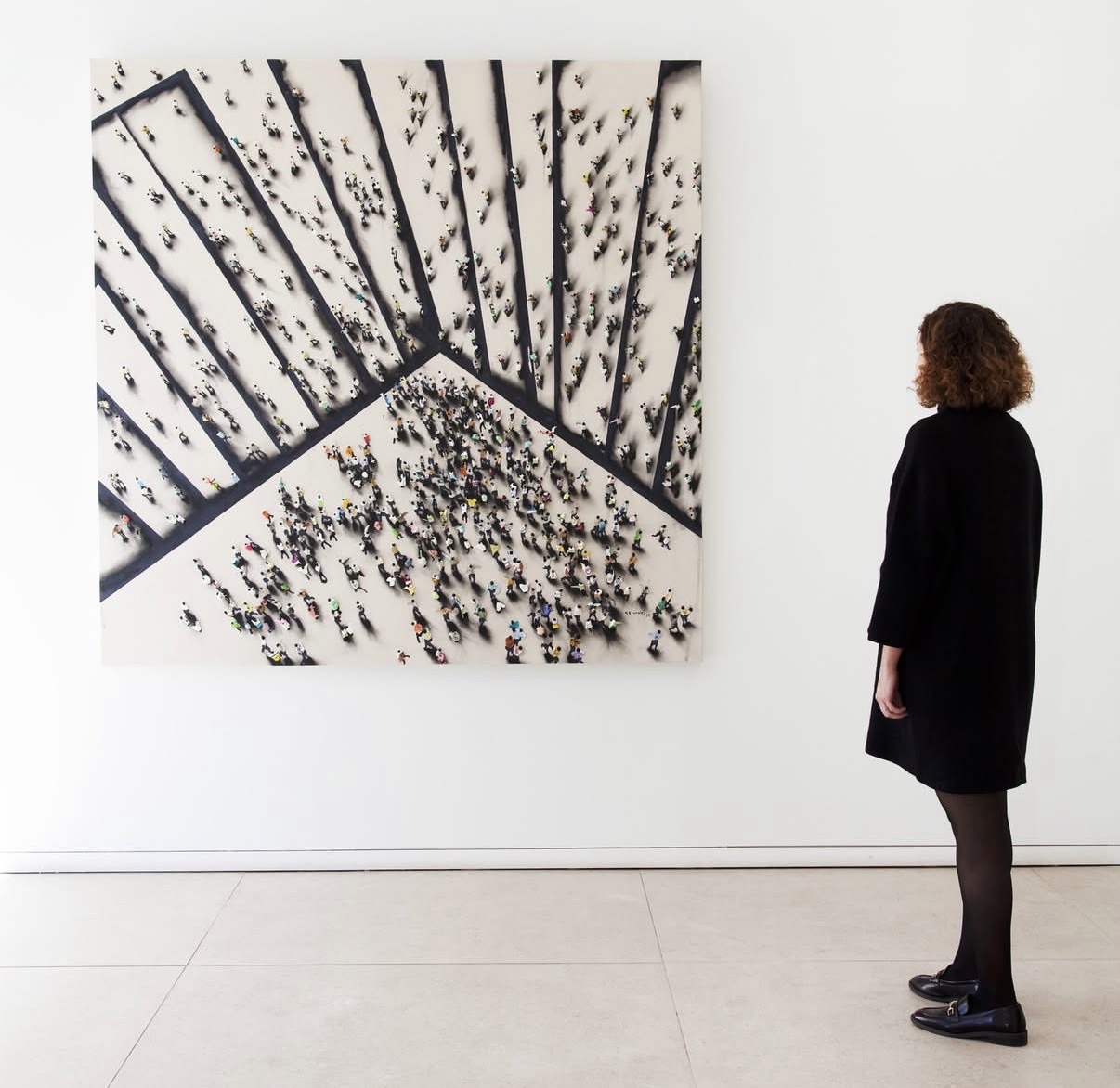
Iván Navarro
Shortcut
For collectors who have exhausted the pleasures of more conventional acquisition, this responsiveness becomes addictive. Knowing what separates a good immersive work from a great one requires looking past the immediate sensory impact. Any number of artists can produce an arresting light or video environment, and the market has seen its share of technically impressive but ultimately shallow spectacle. What distinguishes enduring works in this category is conceptual density: the sense that the visual or environmental experience is doing real intellectual and emotional work, not simply overwhelming the senses.
The best pieces reward return visits, revealing new layers as circumstances and the viewer change. Ask yourself, after the initial encounter has faded, whether you find yourself thinking about the work. That afterimage in the mind is a reliable indicator of lasting value. Edition structure matters enormously in this category, and it is one of the first things a serious collector should interrogate.
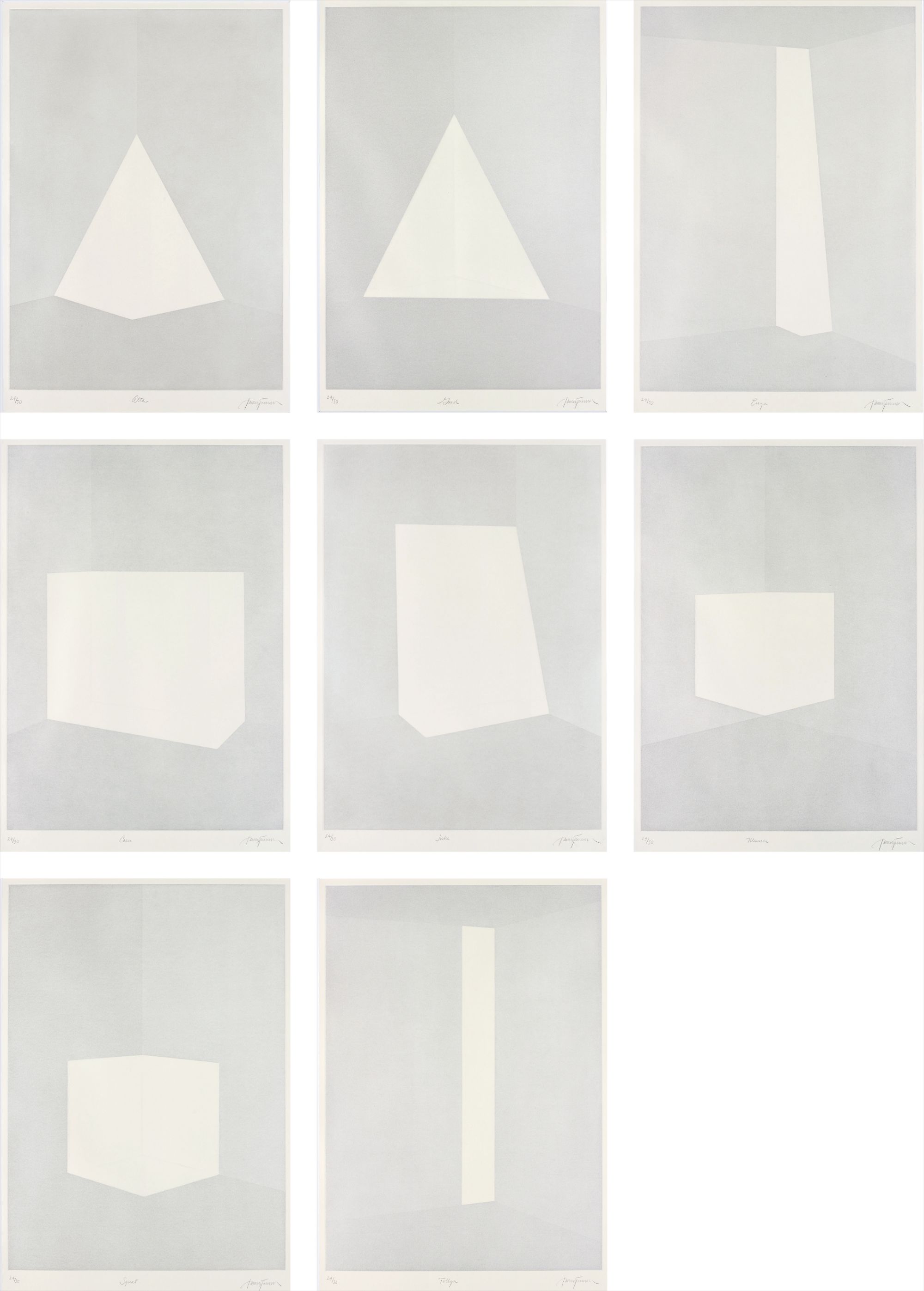
James Turrell
Still Light
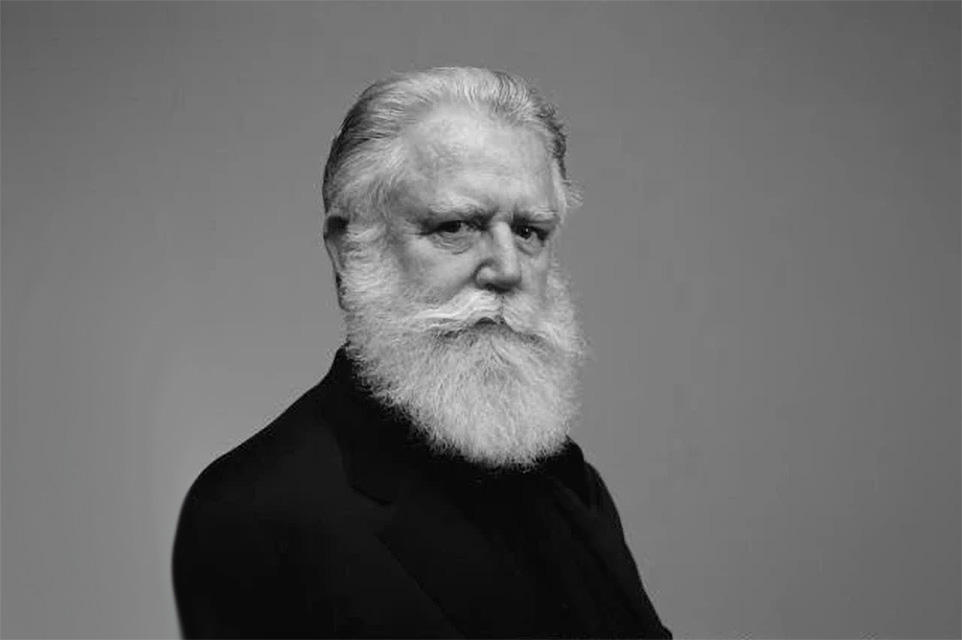
Many immersive works are produced in small editions, sometimes as few as three or five, with artist proofs that occasionally reenter the market. The edition number alone does not determine value, but clarity about the total edition size, the current whereabouts of other works in the edition, and the terms of the certificate of authenticity are all essential. For artists like James Turrell, whose light projections and Skyspaces exist in both unique and editioned forms, understanding precisely what you are acquiring and how it relates to the broader body of work is critical. Turrell has been building his reputation since the 1960s through his Ganzfeld pieces and his ongoing work at Roden Crater in Arizona, and his market is among the most established in this field.
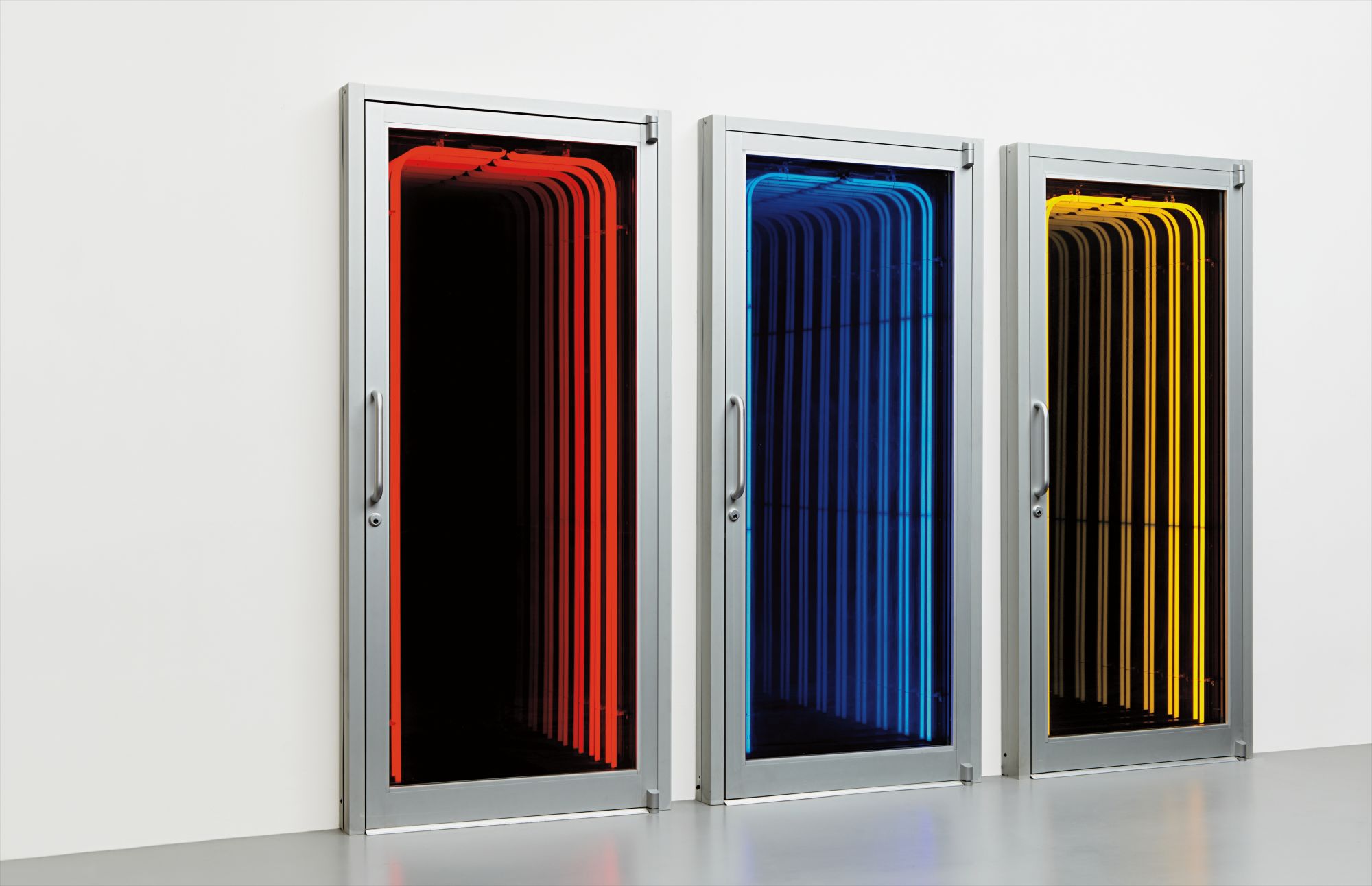
Iván Navarro, who is well represented on The Collection, offers a compelling case study in how immersive practice can be grounded in urgent content. His neon and mirror works create vertiginous tunnel effects that draw directly on his experience growing up under Pinochet's Chile, using the seductive language of light to speak about surveillance, imprisonment, and power. That combination of formal beauty and political weight is exactly what collectors should seek. Works that operate on multiple registers simultaneously tend to hold their meaning across decades and across changing cultural conversations.
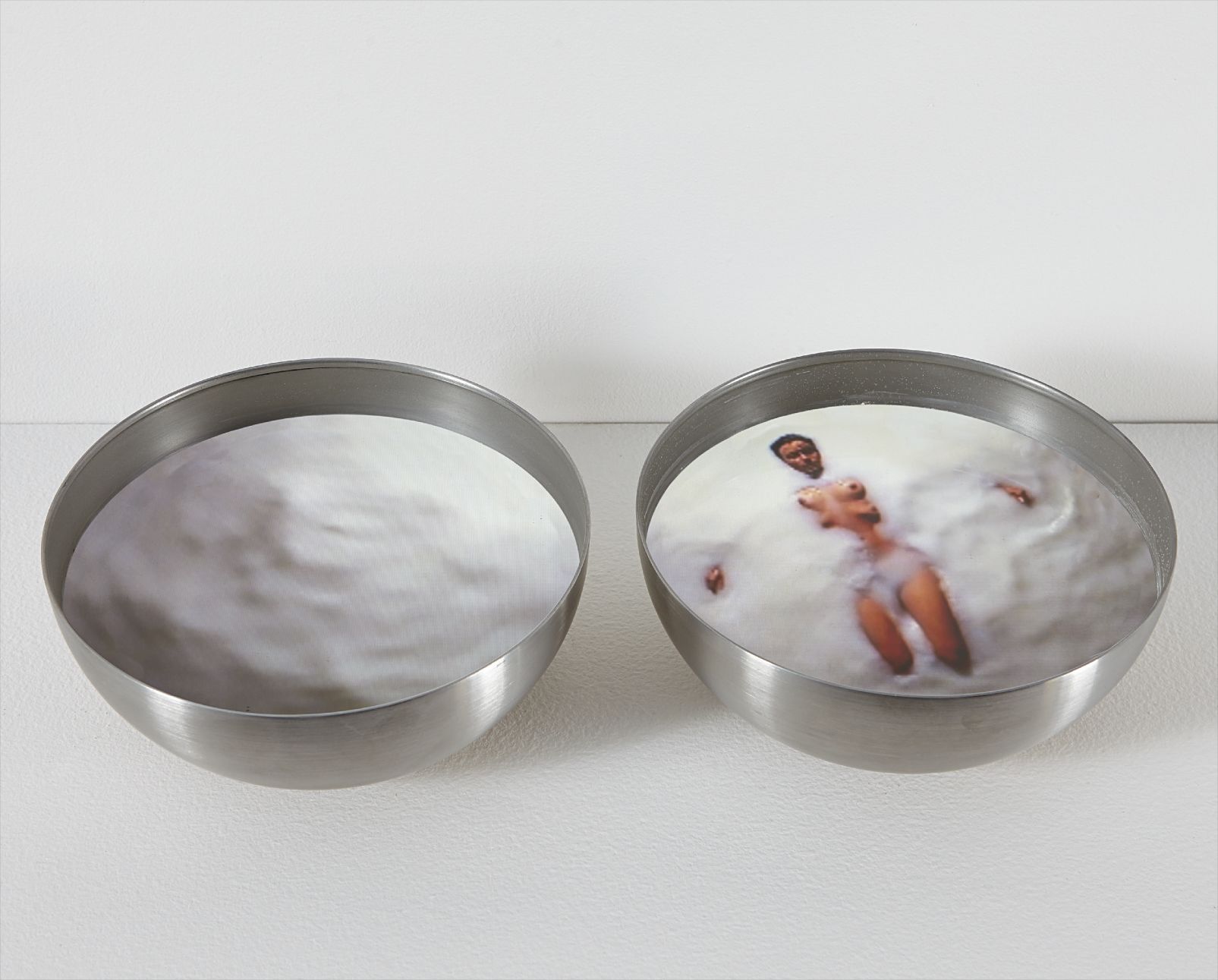
Ernesto Neto
Glob (Cuminho)
Navarro has shown extensively at major international venues and his secondary market has strengthened steadily as his critical reputation has grown. Ernesto Neto and Jennifer Steinkamp represent two quite different approaches to immersion that both merit serious collector attention. Neto's biomorphic installations, often made from translucent fabric and aromatic materials, create full body environments that engage smell and touch alongside sight, drawing on Afro Brazilian spiritual traditions and a deep interest in community and healing. His work has been acquired by major institutional collections globally.
Steinkamp, by contrast, works in projection and software, creating looping botanical and architectural environments that transform interiors with uncanny precision. Her work is rigorously programmatic and her reputation in both institutional and private contexts has grown significantly since the early 2000s. Both artists represent categories of practice with strong secondary market performance and continued institutional relevance. Doug Aitken and Peter Sarkisian each bring distinct video based practices to this conversation.
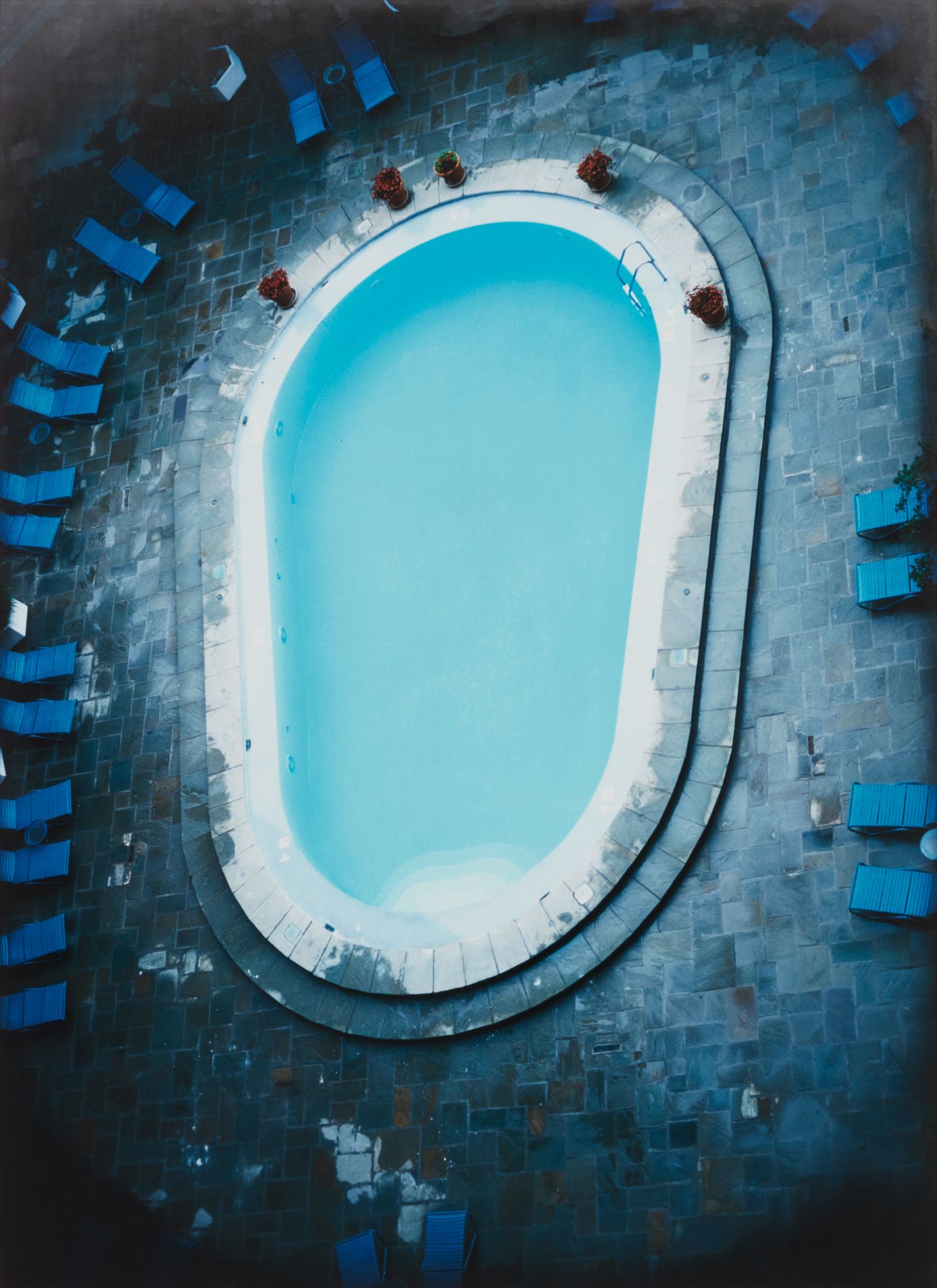
Doug Aitken
over the ocean, 2000
Aitken, who made his international reputation with the multi channel video installation Electric Earth at the 1999 Venice Biennale, has continued to push the boundaries of site specific and architectural projection, and his market reflects that sustained critical positioning. Sarkisian's work is less widely known outside specialist circles, and that relative obscurity represents an opportunity. His video sculptures, which embed projected imagery within physical objects in disorienting ways, have a wit and material intelligence that reward close looking and remain undervalued relative to their quality. For collectors looking toward emerging territory, the intersection of immersive practice and digital native approaches is where some of the most interesting work is being made right now.
A generation of artists trained in gaming environments, spatial computing, and interactive systems is producing work that challenges the established categories of installation and video art in genuinely new ways. The question of longevity is real here: technology dependent works require ongoing maintenance, and collectors should ask galleries directly about the long term support structure for any technology reliant piece. Software obsolescence, hardware sourcing, and the terms of artist involvement in future reinstallations are all negotiable points and should be addressed in writing before any acquisition. At auction, major works by Turrell, Neto, and Aitken have achieved strong results at the leading houses, though the category rewards private sale in many cases because of the logistical complexity involved.
Condition for immersive works is a nuanced subject. Physical components can be repaired or replaced, but the integrity of the experience is what must be preserved, and a work that has been significantly altered from its original specifications to accommodate a new space raises legitimate questions about authenticity. Always ask for complete technical documentation and the original installation instructions. If the gallery cannot provide these, treat that as a significant red flag.
The most durable collections in this category are built on works where the concept is clear, the documentation is complete, and the relationship with the artist or estate provides a reasonable path to reinstallation support for years to come.