Iconic Master
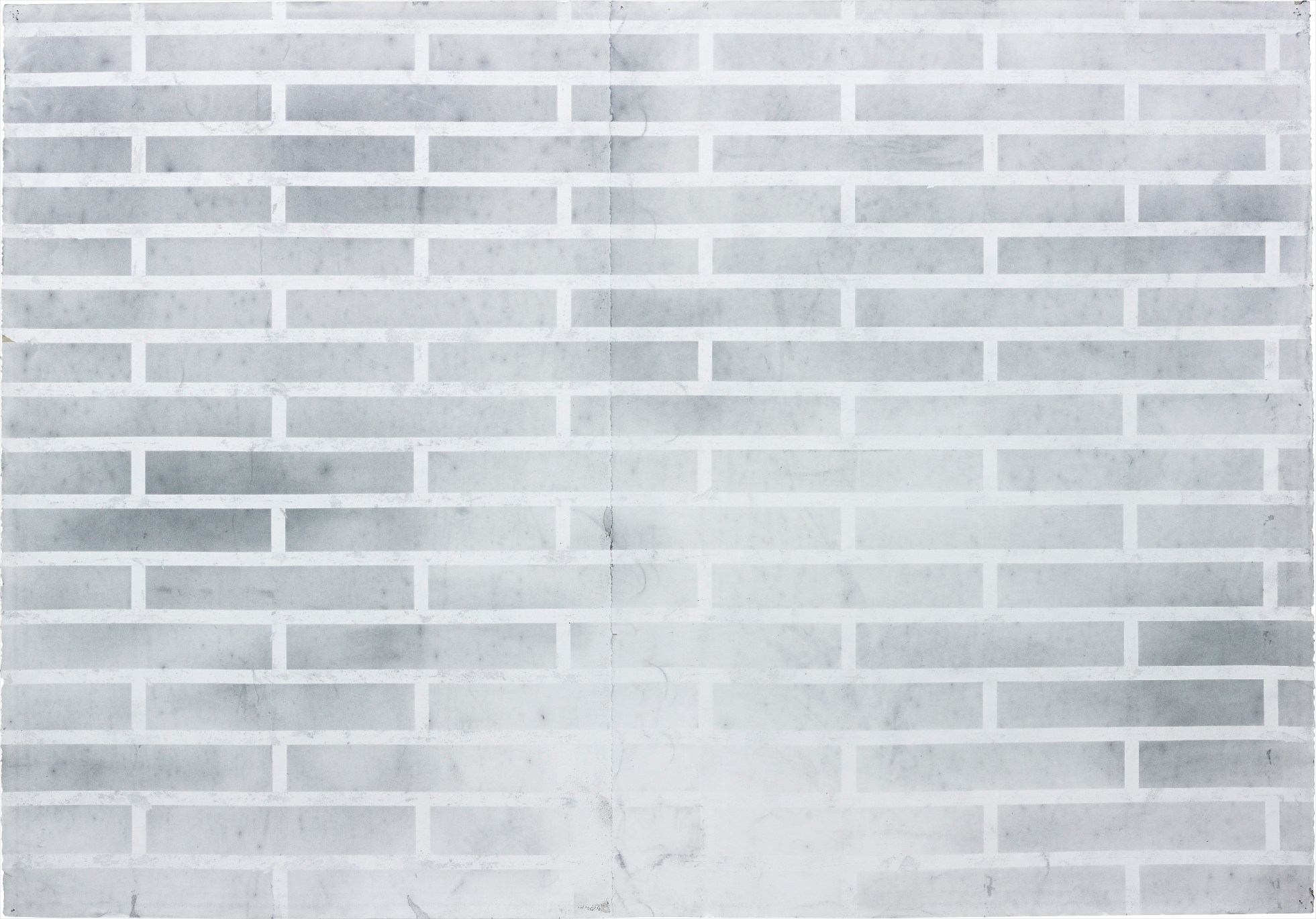
Andy Warhol
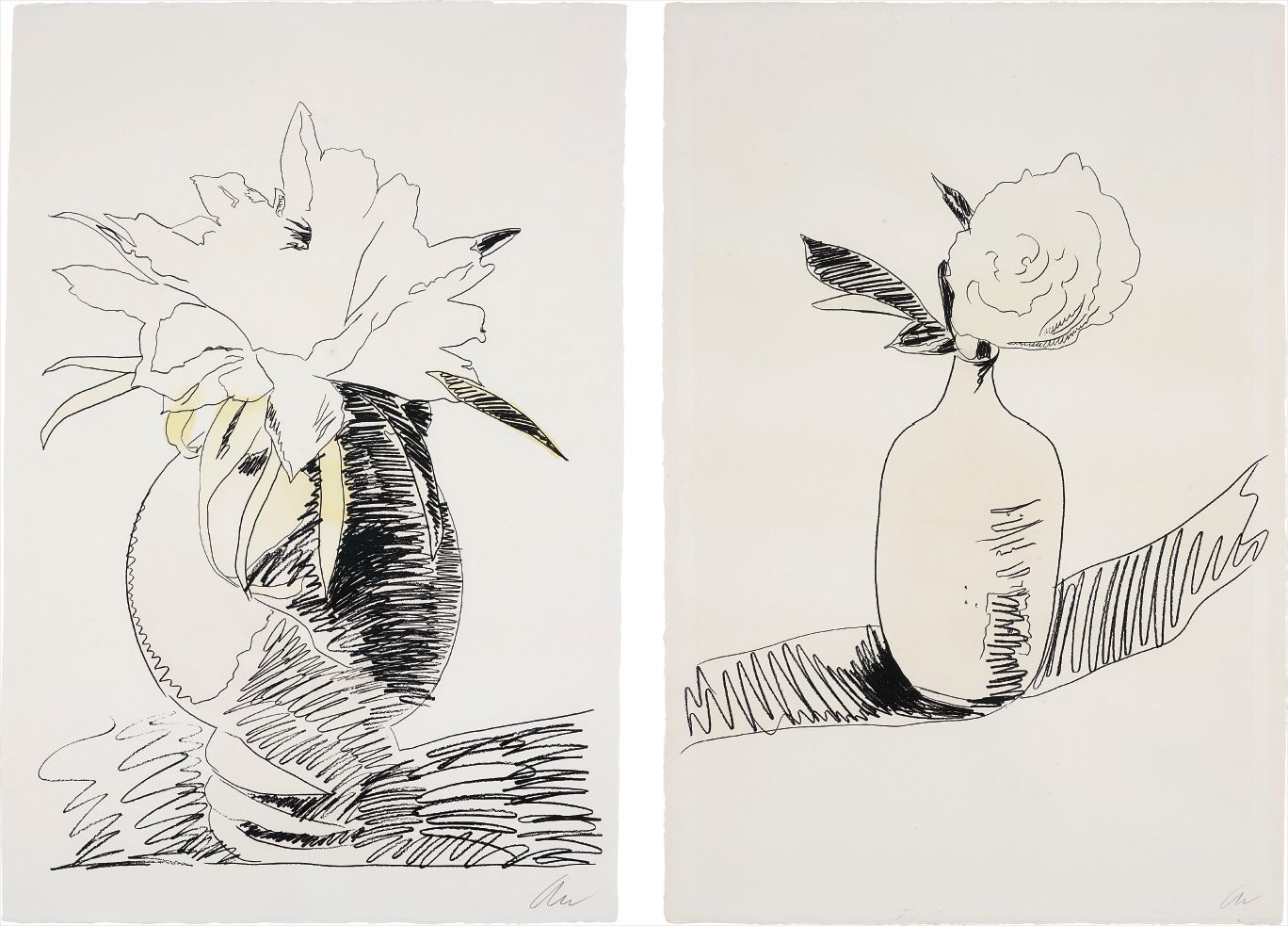
Hand with Flowers and Carnation/Diptychon, 1961
The Masters Still Have Something to Say
When Christie's brought a late Warhol portrait to auction in late 2023 and the room held its breath for nearly four minutes before the hammer fell, something became clear all over again. The so called iconic masters of the twentieth century are not simply historical artifacts to be catalogued and stored. They are living provocations, capable of stopping conversation, commanding rooms, and generating arguments about value, meaning, and legacy that feel as urgent now as they did when these works were first made. The market knows this.
So do the museums. And increasingly, so do a new generation of collectors who came of age in a digital world but find themselves drawn, almost gravitationally, toward the physical weight of a Pollock drip or the cool authority of a Warhol silkscreen. The past several years have seen a remarkable clustering of major institutional shows dedicated to exactly these figures. The Museum of Modern Art's 2019 rehang of its permanent collection deliberately placed Jackson Pollock's "One: Number 31, 1950" in new dialogue with younger abstract painters, signaling that the institution was not content to simply preserve the canon but wanted to stress test it.
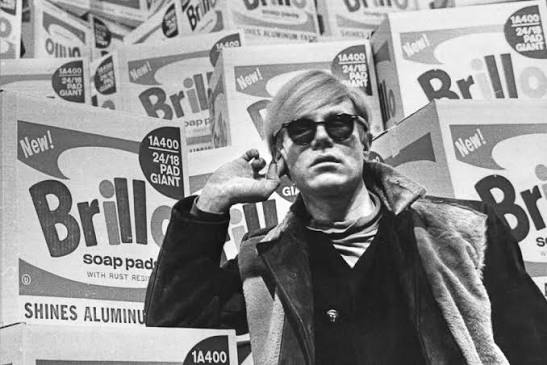
Andy Warhol
Hand with Flowers and Carnation/Diptychon, 1961
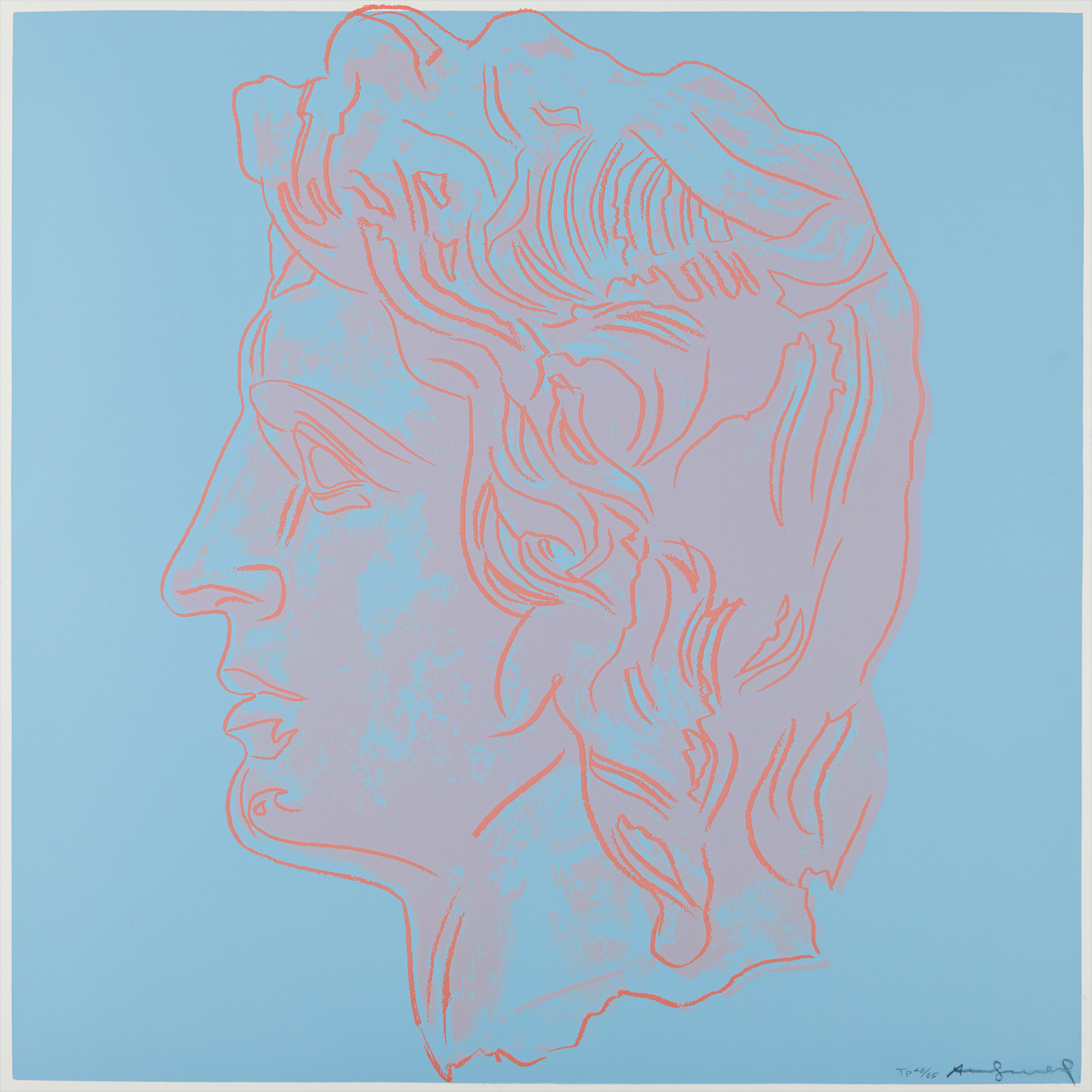
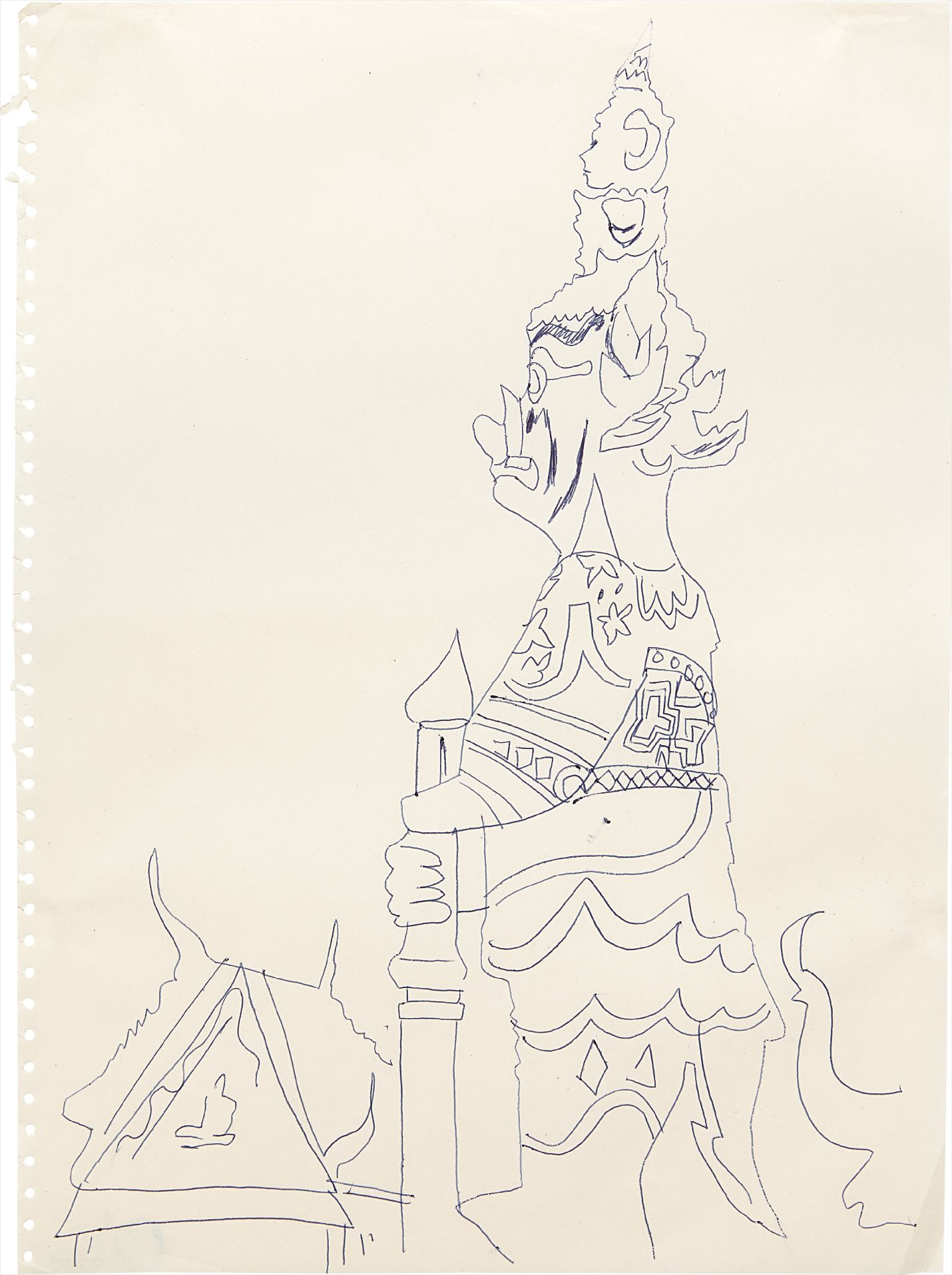
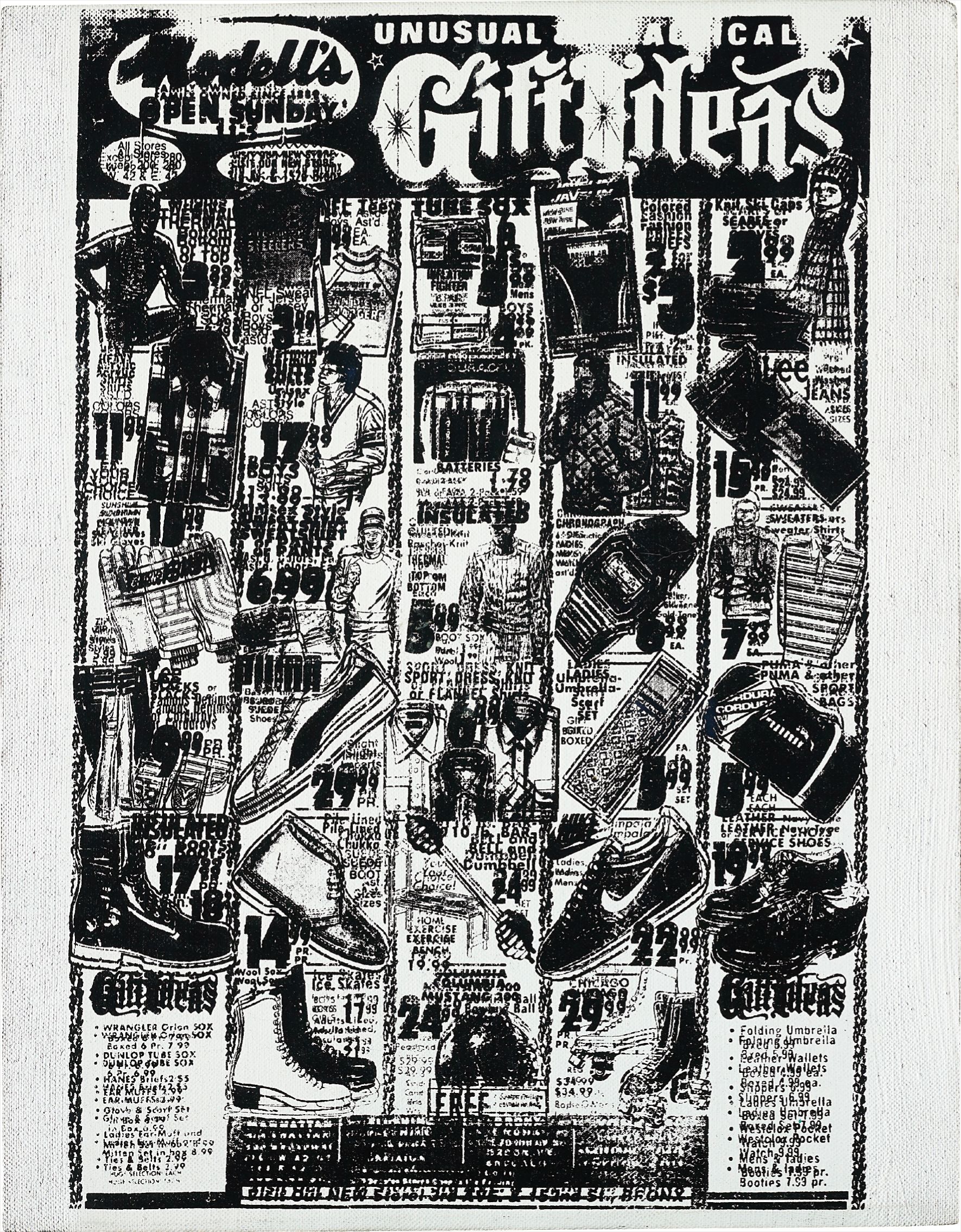
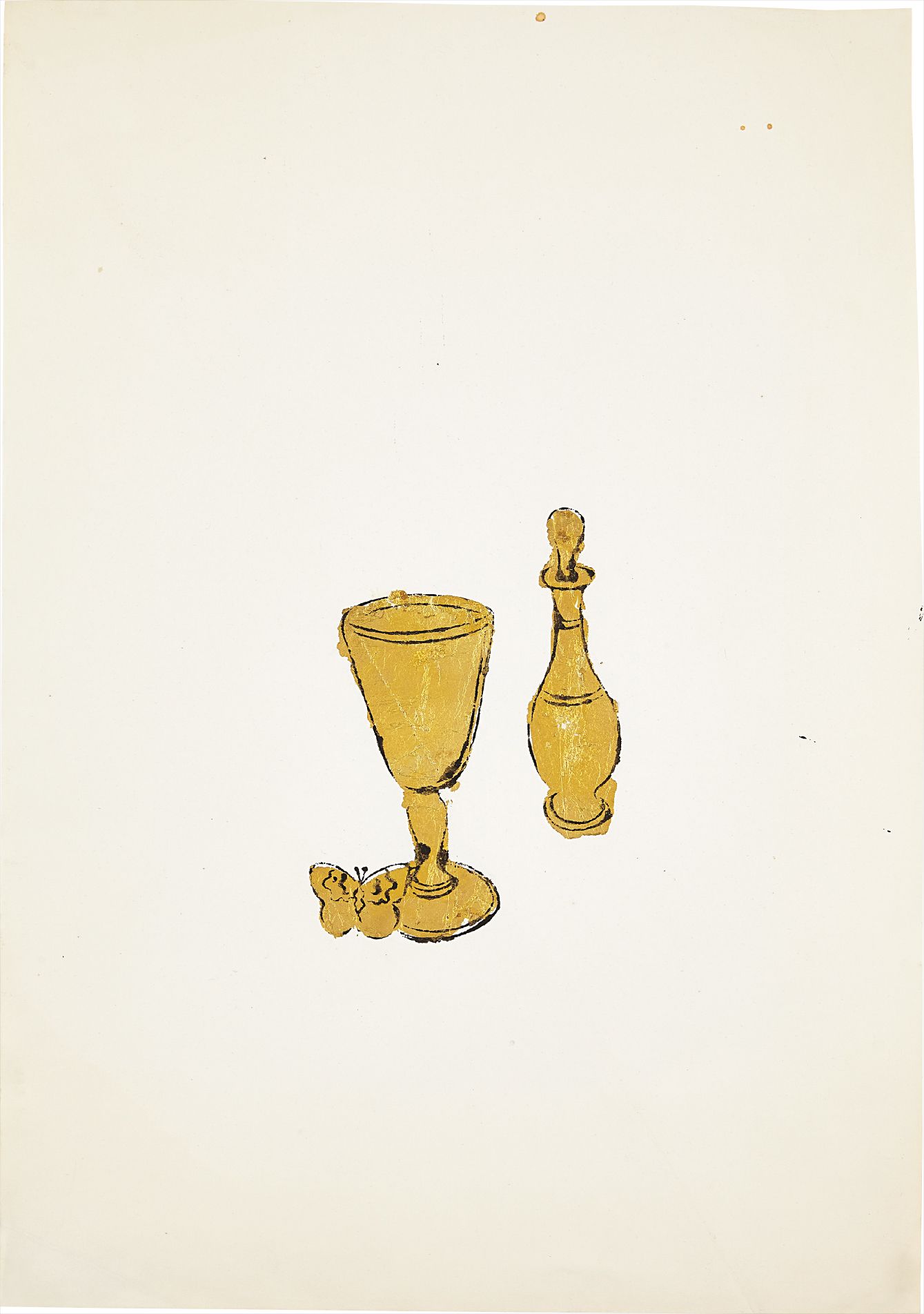
Meanwhile the Tate Modern's Picasso retrospectives have drawn record attendance year after year, a fact that surprises critics who predicted millennial audiences would find his biography too complicated to stomach. They haven't. If anything, the tension between the work and the life has made the exhibitions more charged, more debated, more necessary. Andy Warhol remains, by almost any metric, the single most commercially active artist in this group.
His works regularly appear at the top of seasonal auction tallies, and the breadth of his output means that the market encompasses everything from works priced for serious but not institutional collectors to pieces that test the upper limits of what any single painting can fetch. The Andy Warhol Foundation has been an unusually active and transparent steward of his legacy, which has helped sustain both scholarly interest and market confidence simultaneously. When a work can appear on the cover of an auction catalogue and simultaneously be the subject of a serious academic monograph in the same season, that is a sign of genuine cultural staying power. Pollock's market tells a different story, one shaped by scarcity and mythology in roughly equal measure.
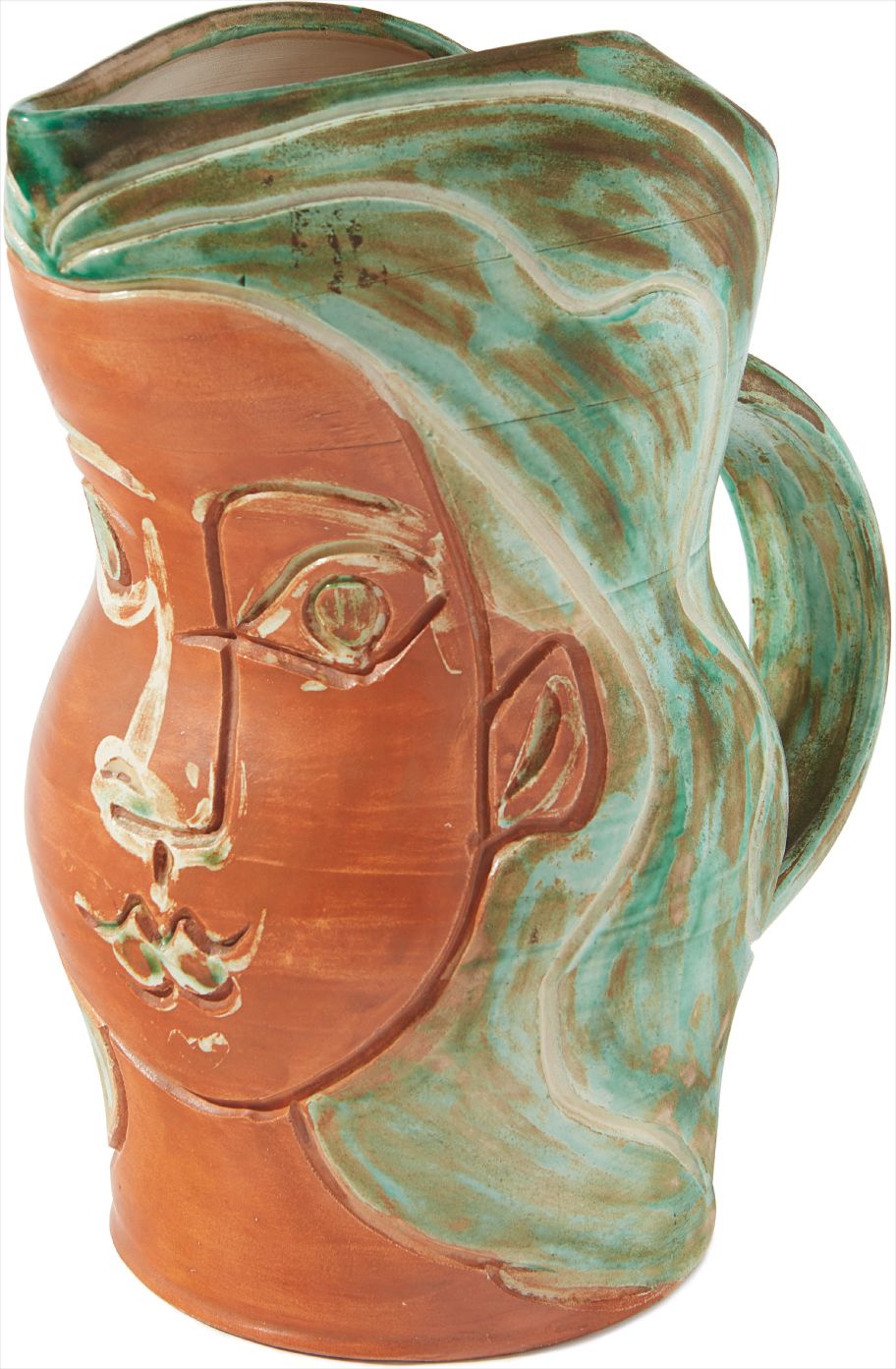
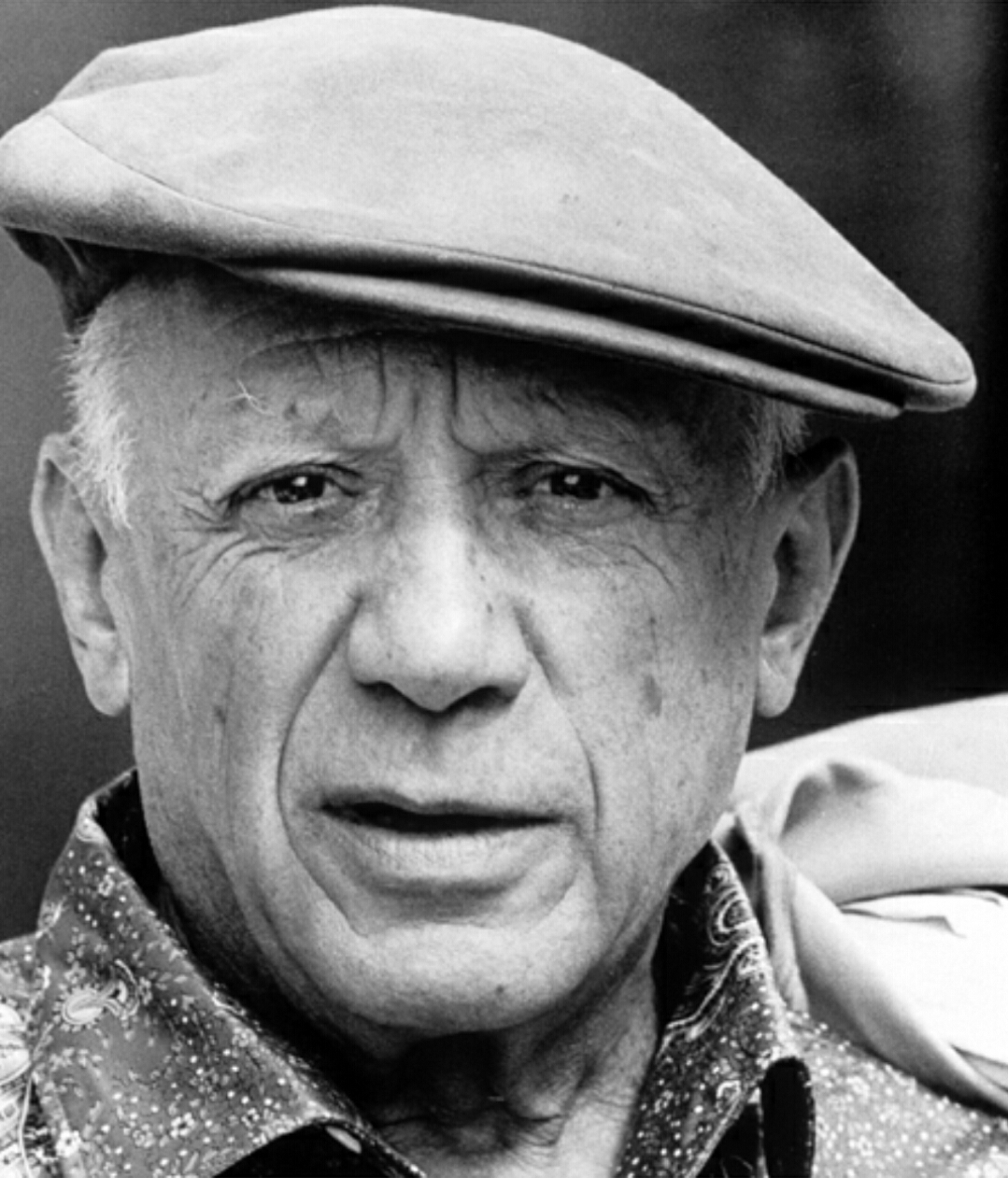
Pablo Picasso
Woman’s Face (Visage de femme)
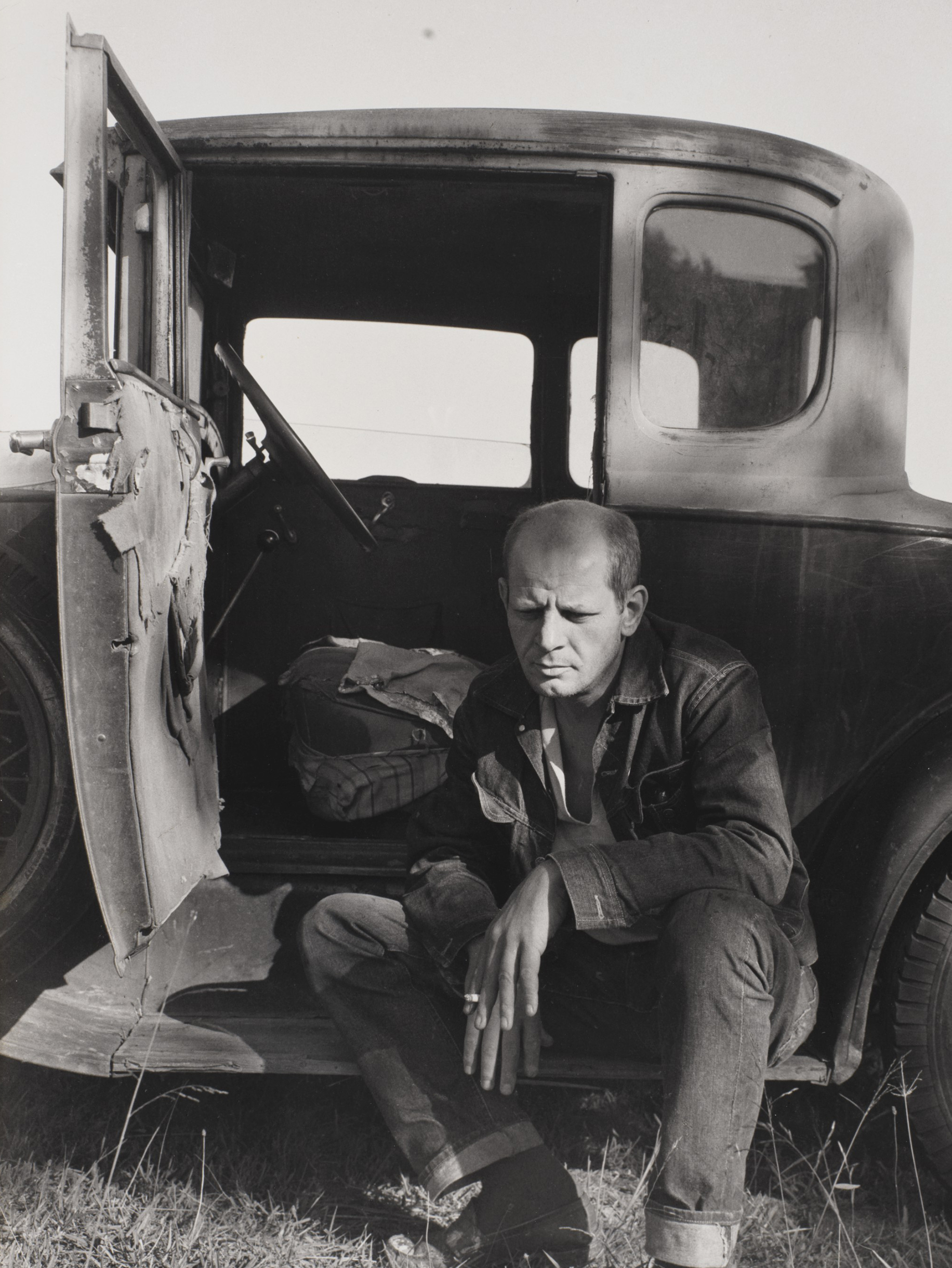
With a relatively contained body of work and no estate actively producing new scholarship at the pace of the Warhol Foundation, each auction appearance of a significant Pollock feels like an event rather than a transaction. The 2006 sale of "No. 5, 1948" for over 140 million dollars remains one of the most discussed results in the history of contemporary collecting, and while the figures attributed to that sale have been disputed and complicated over the years, the underlying point stands. Pollock's most ambitious work occupies a category of cultural seriousness that the market treats with something approaching reverence.
Institutions from the Getty to the Pompidou have made his work central to their permanent collection narratives, and that institutional endorsement functions as a kind of permanent price floor. Picasso sits somewhat apart from both, not because the market for his work is weak but because it is so vast and so varied that generalizations become almost meaningless. A ceramic piece, a late drawing, a major Cubist canvas, and a work from his Blue Period can all carry the Picasso name and yet inhabit entirely different markets, attract different buyers, and generate entirely different critical conversations. What has been most interesting in recent years is the renewed attention to his output from the late 1960s and early 1970s, work that was long dismissed as the self indulgent production of an old man unwilling to stop and is now being reconsidered as something stranger and more interesting.
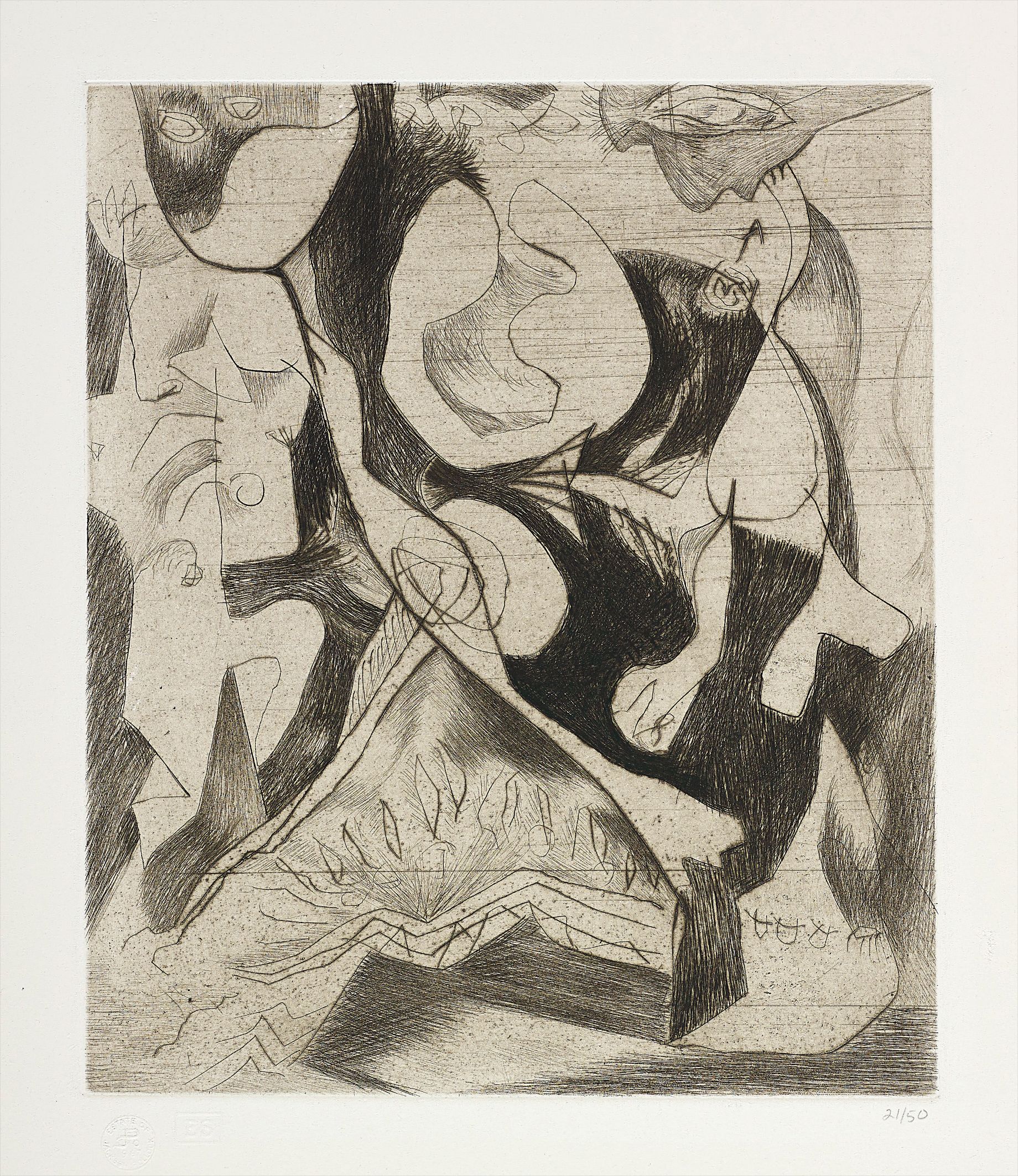
Jackson Pollock
circa 1944/1967
The 2023 Picasso Celebration programming across Paris, marking the fiftieth anniversary of his death, produced several serious curatorial interventions that gave this late work room to breathe, and the critical response was more open than anyone expected. The writers and curators shaping this conversation are not, for the most part, the ones interested in rehabilitation or reassessment for its own sake. Scholars like T.J.
Clark, whose writing on Abstract Expressionism remains a touchstone, pushed the conversation toward the social and political conditions that produced this work. More recently, critics writing in Artforum, Burlington Magazine, and October have been asking what it means to love this work now, in an art world that is rightly expanding its sense of who and what deserves canonical status. The answer seems to be that the canonical does not need defending so much as it needs recontextualizing, and that exercise turns out to be genuinely generative rather than defensive. What feels most alive in this space right now is the question of the next buyer.
For decades, the assumption was that iconic master works would flow toward a relatively small set of institutional and private hands. What is shifting is the geography and biography of those hands. Major collectors from Asia, the Gulf, and Latin America have entered this market with seriousness and sophistication, and they are not simply buying trophies. They are building collections with intellectual ambition, and works by Warhol, Pollock, and Picasso sit within those collections as anchors, points of orientation around which newer and more surprising acquisitions make sense.
The iconic master category is, in this sense, becoming a global shared language rather than a Western inheritance. For collectors engaging with these artists through platforms like The Collection, the works available represent not just financial assets but genuine entry points into one of the richest conversations in modern cultural life. The question worth sitting with is not whether these artists matter but what they mean to you specifically, and why now. That question, asked honestly, tends to produce the most interesting collections.