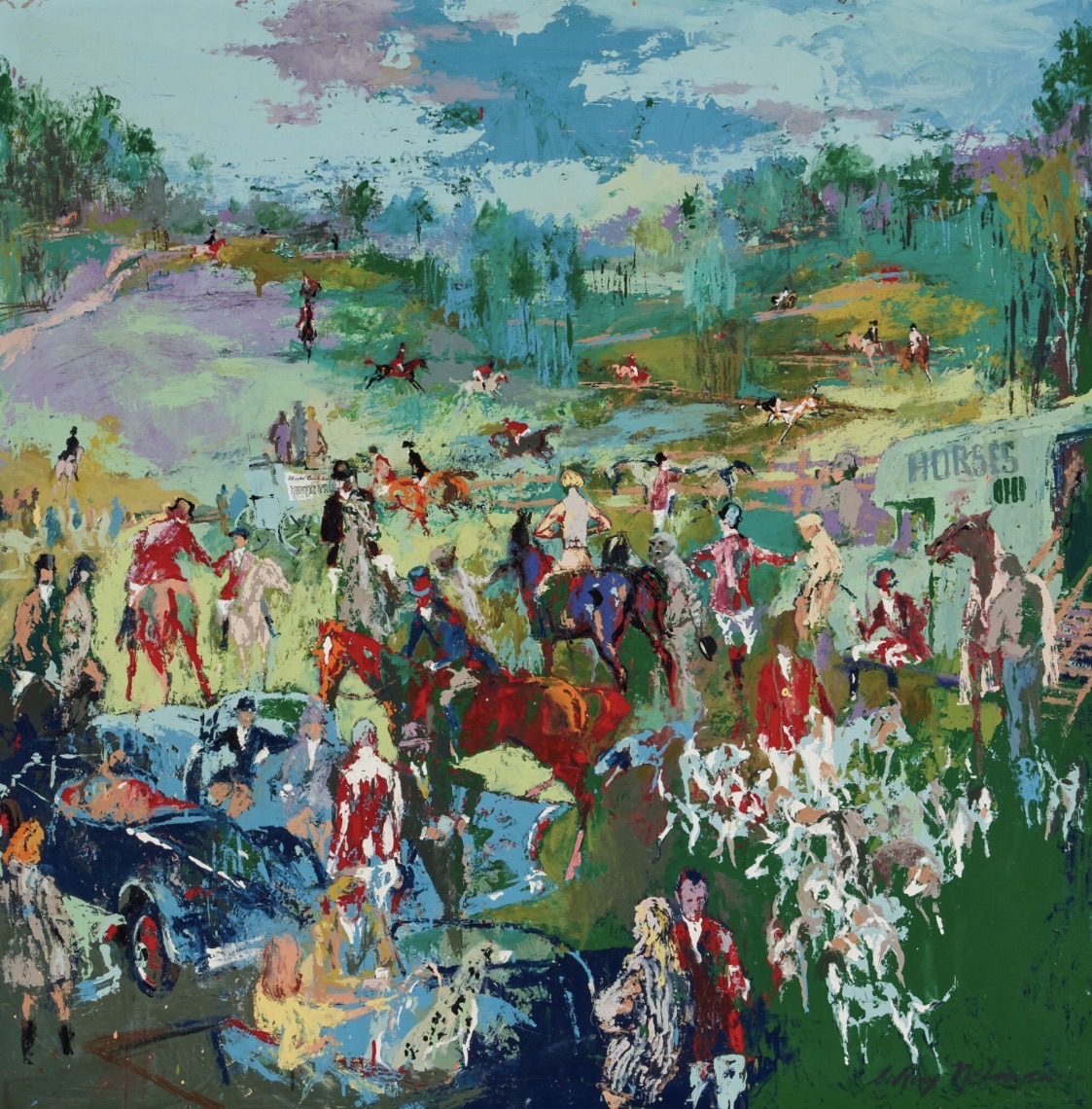
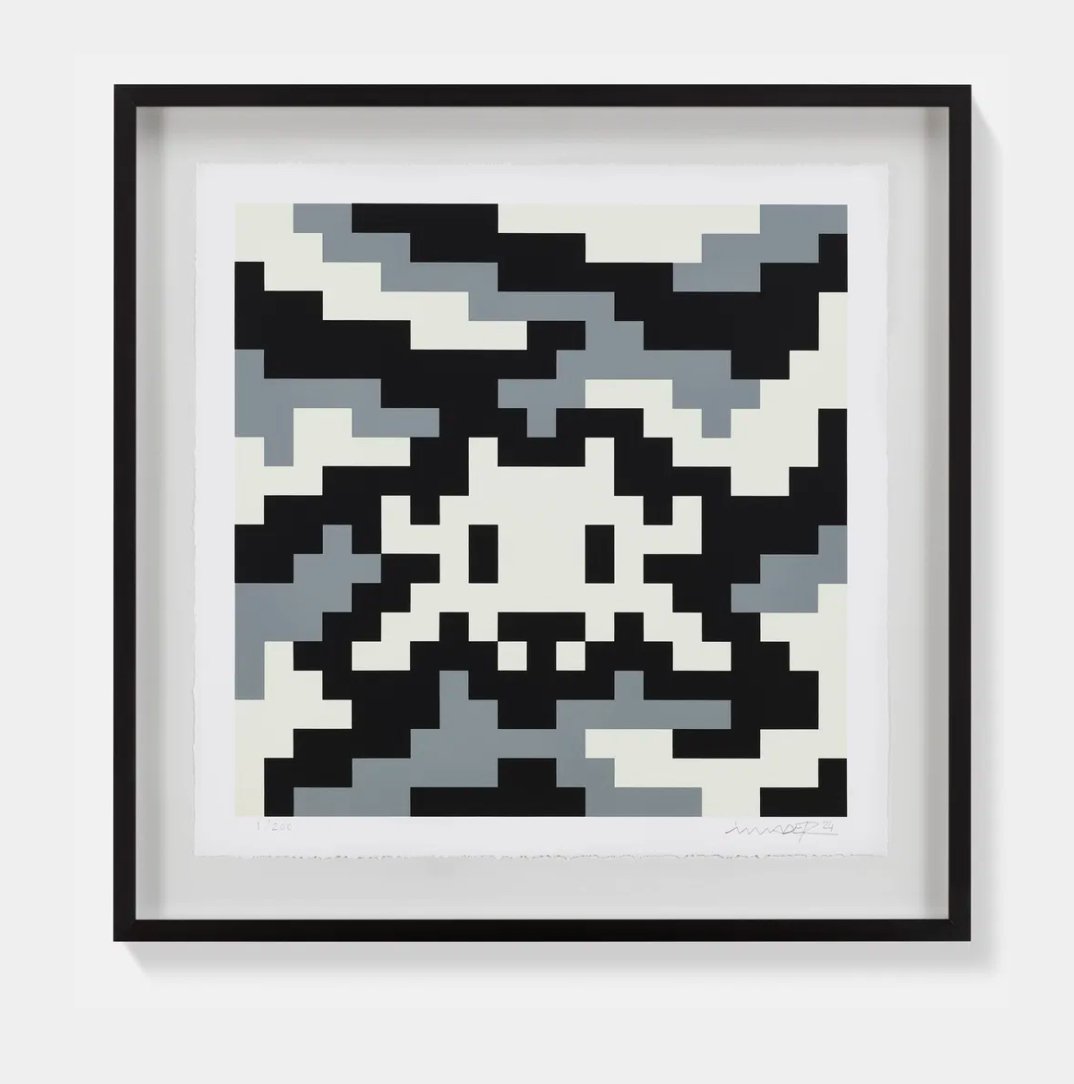
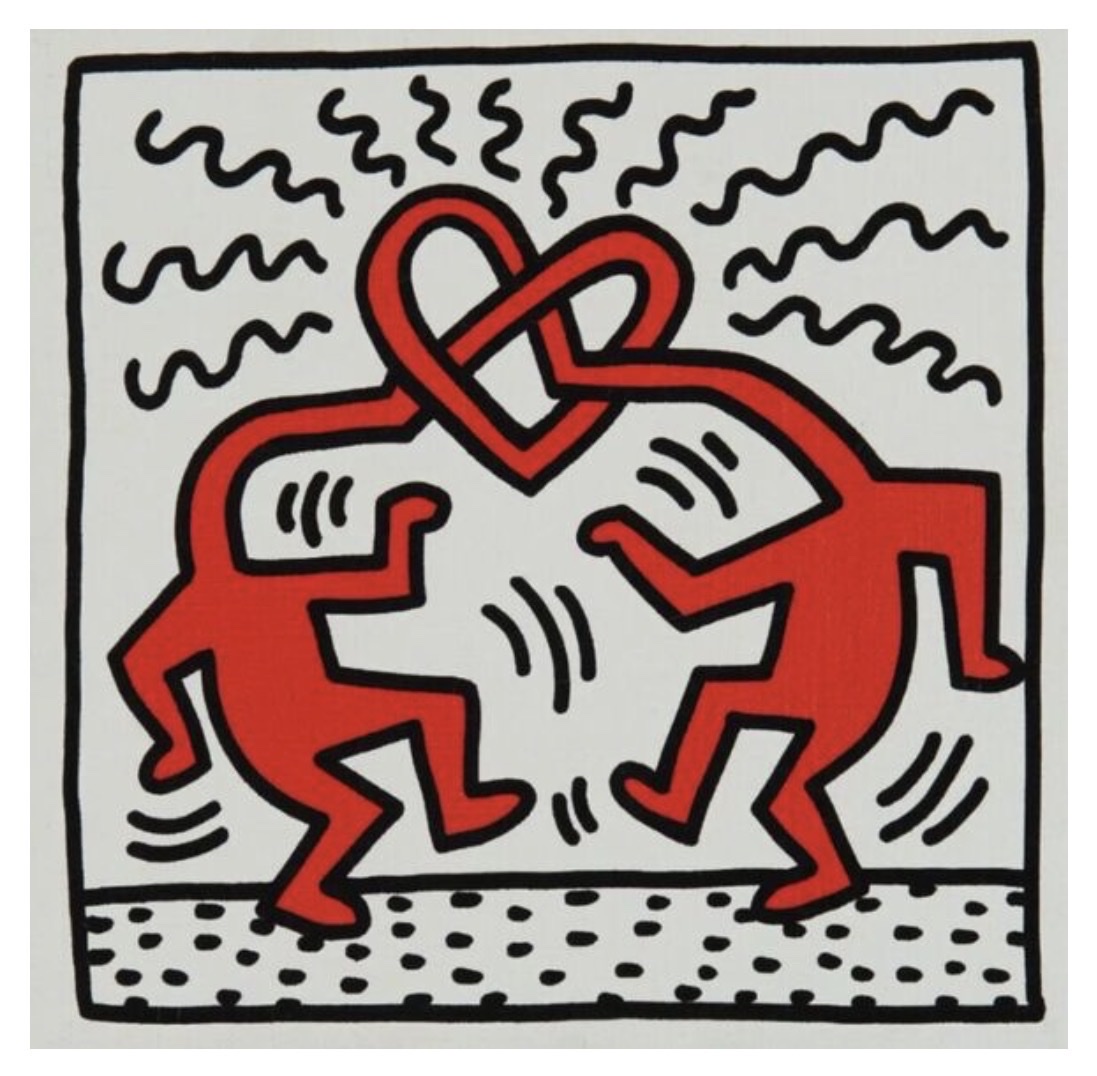
Group Portrait
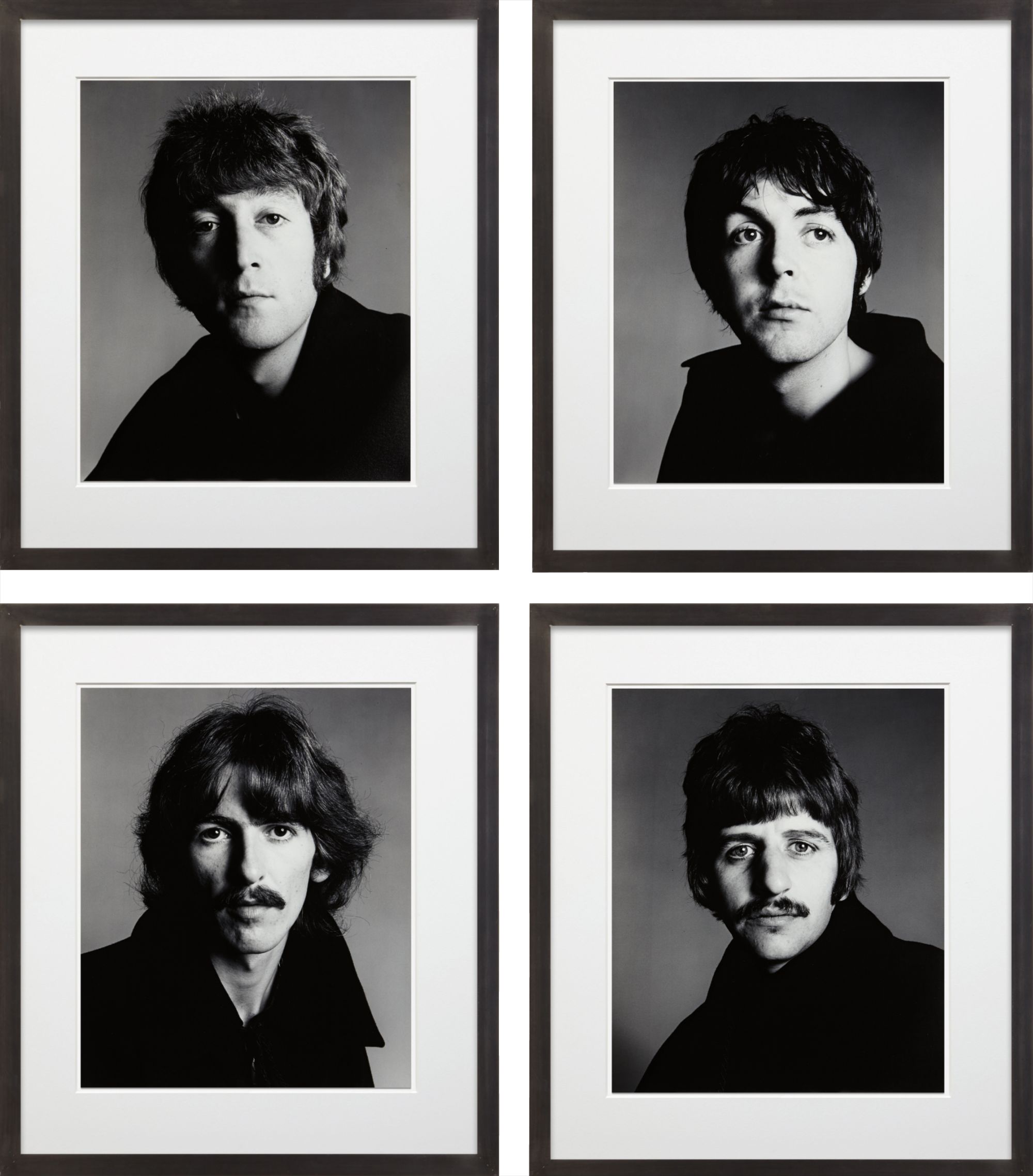
Richard Avedon
The Beatles, London, August 11
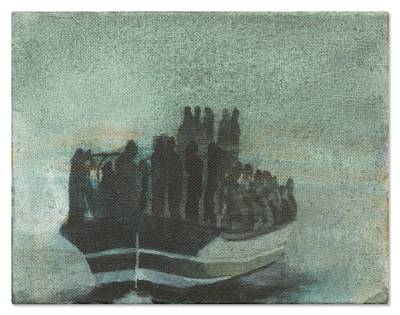
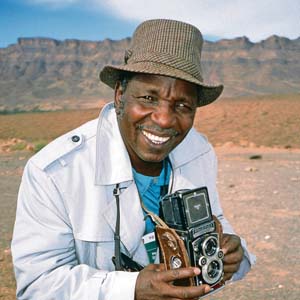
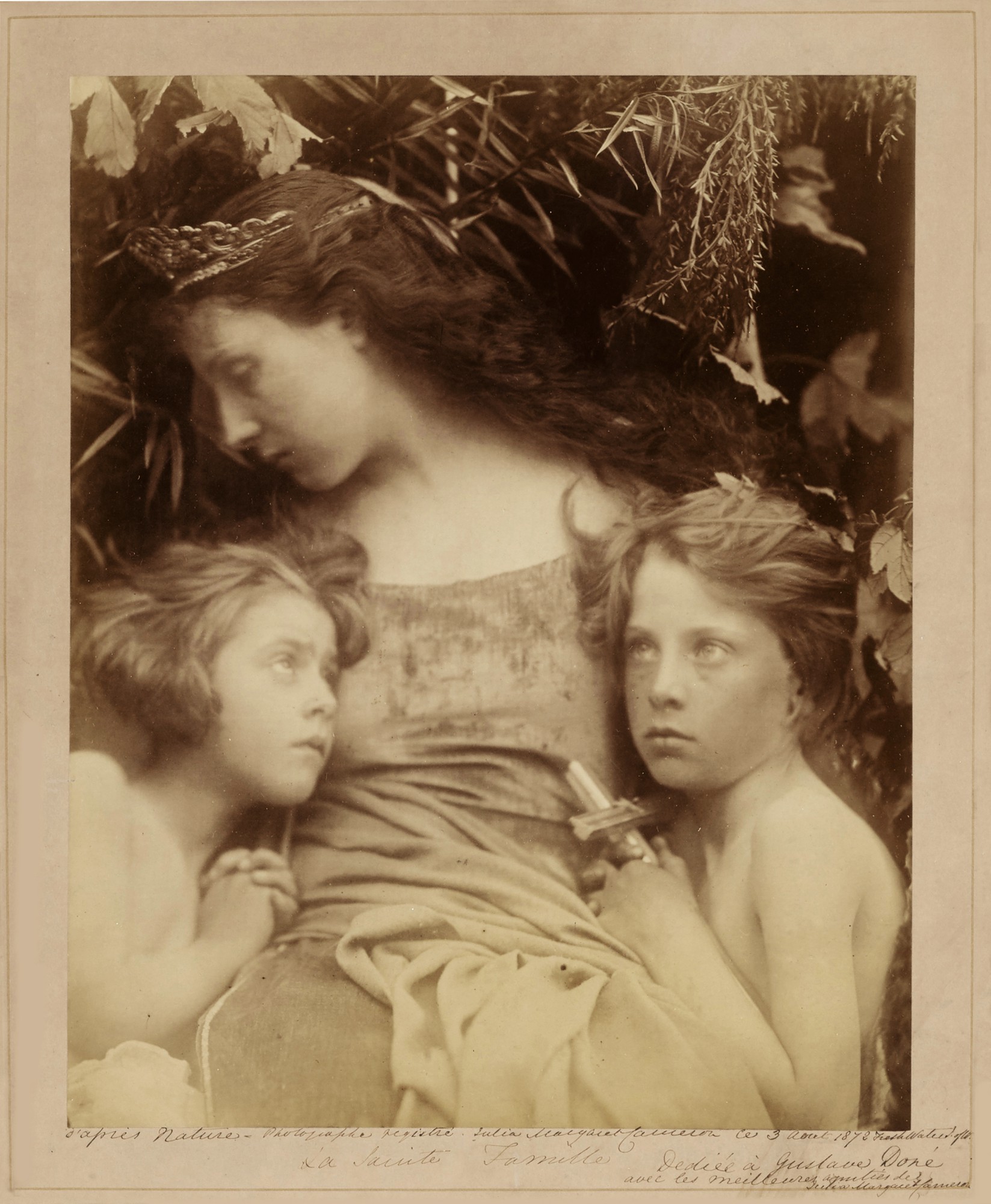
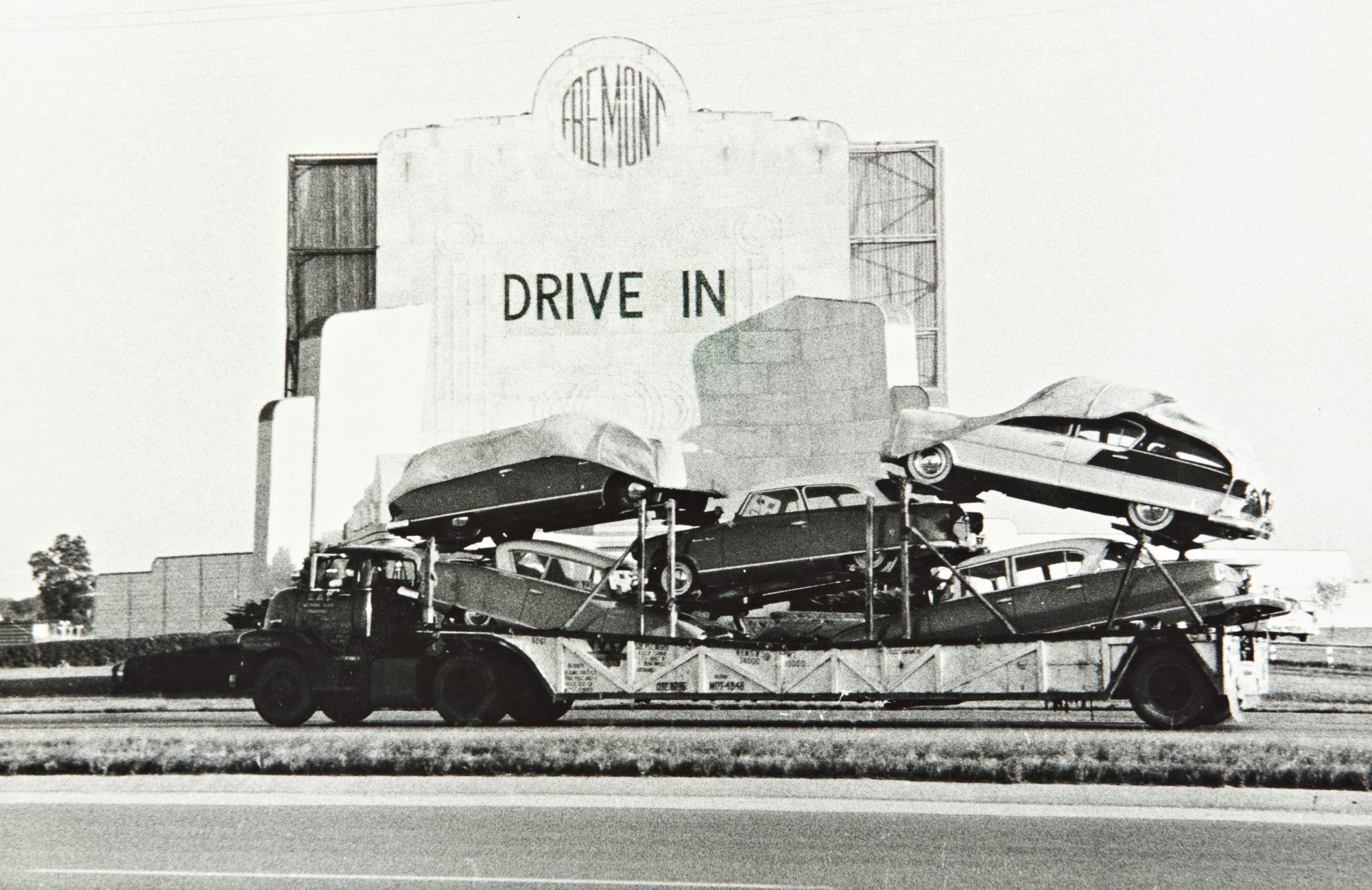
Everyone Is Here: The Pull of the Group Portrait
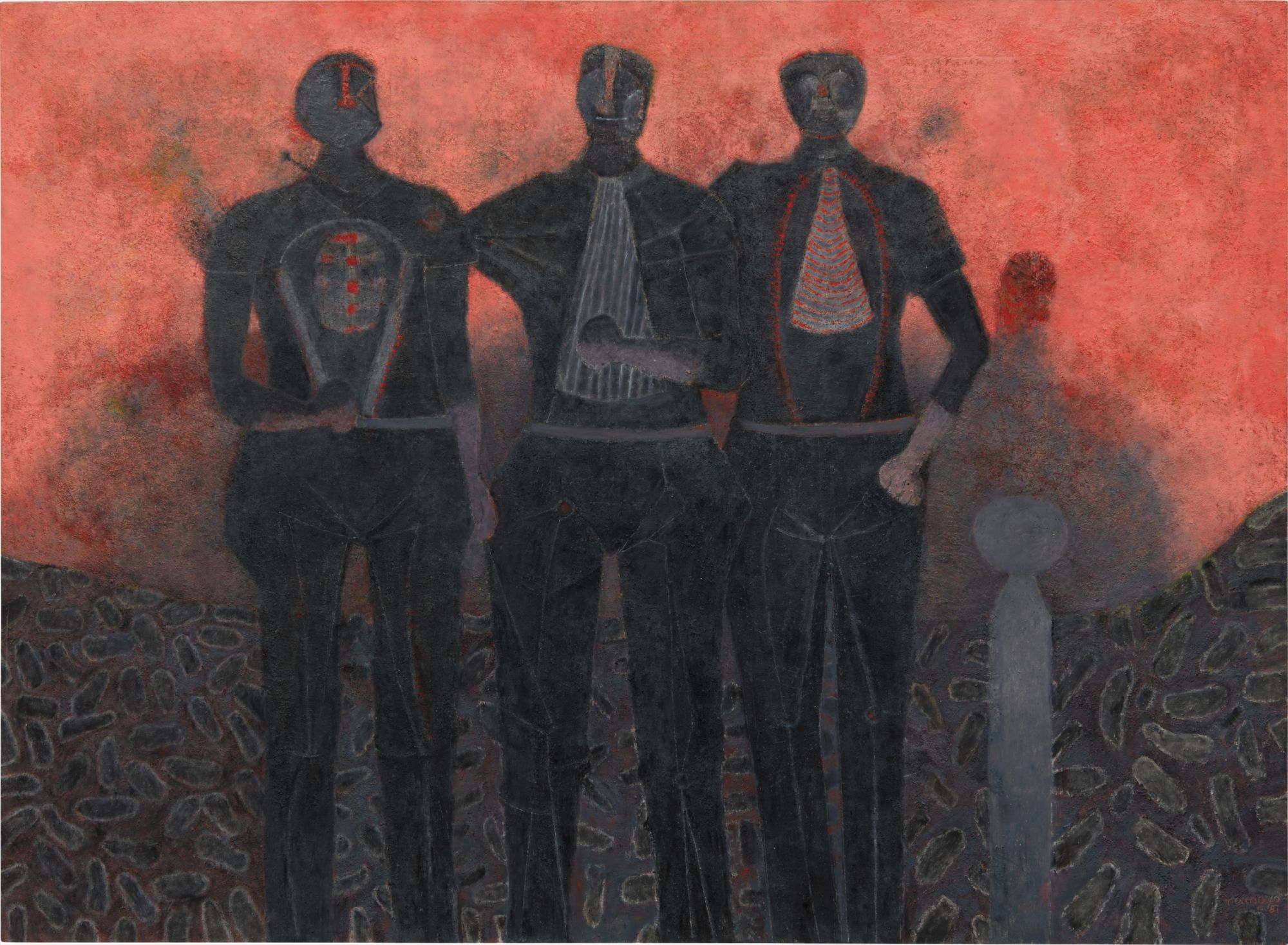
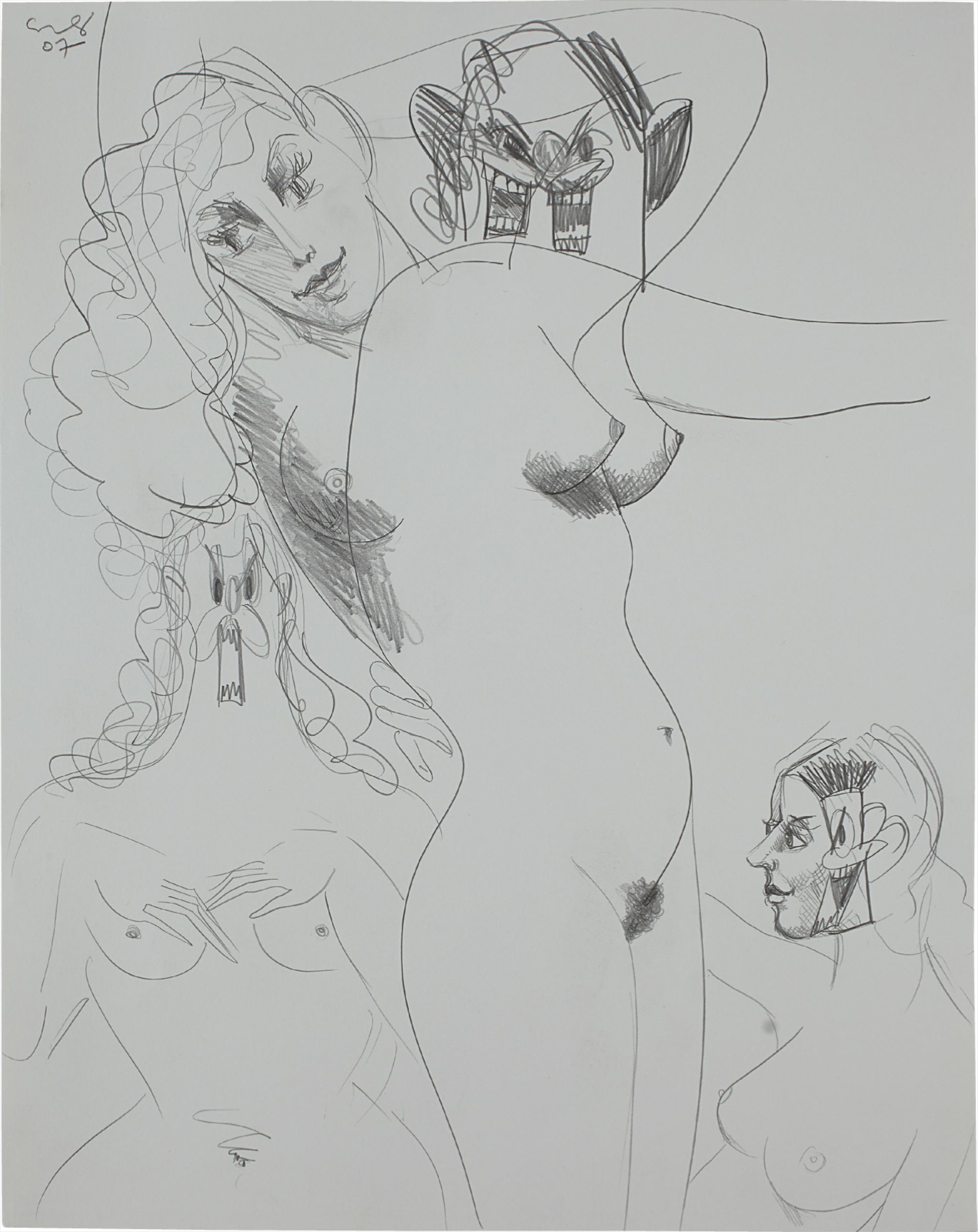
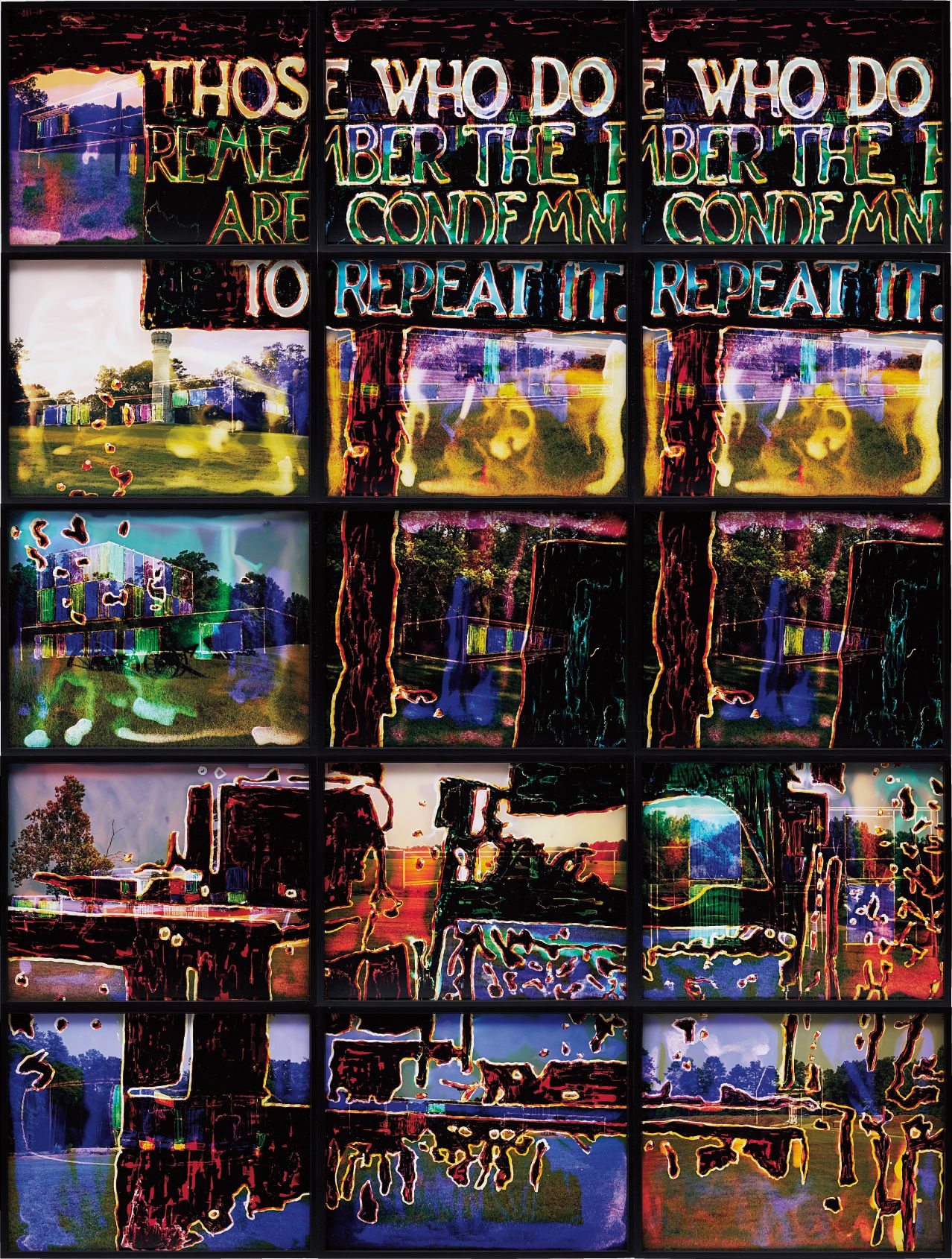
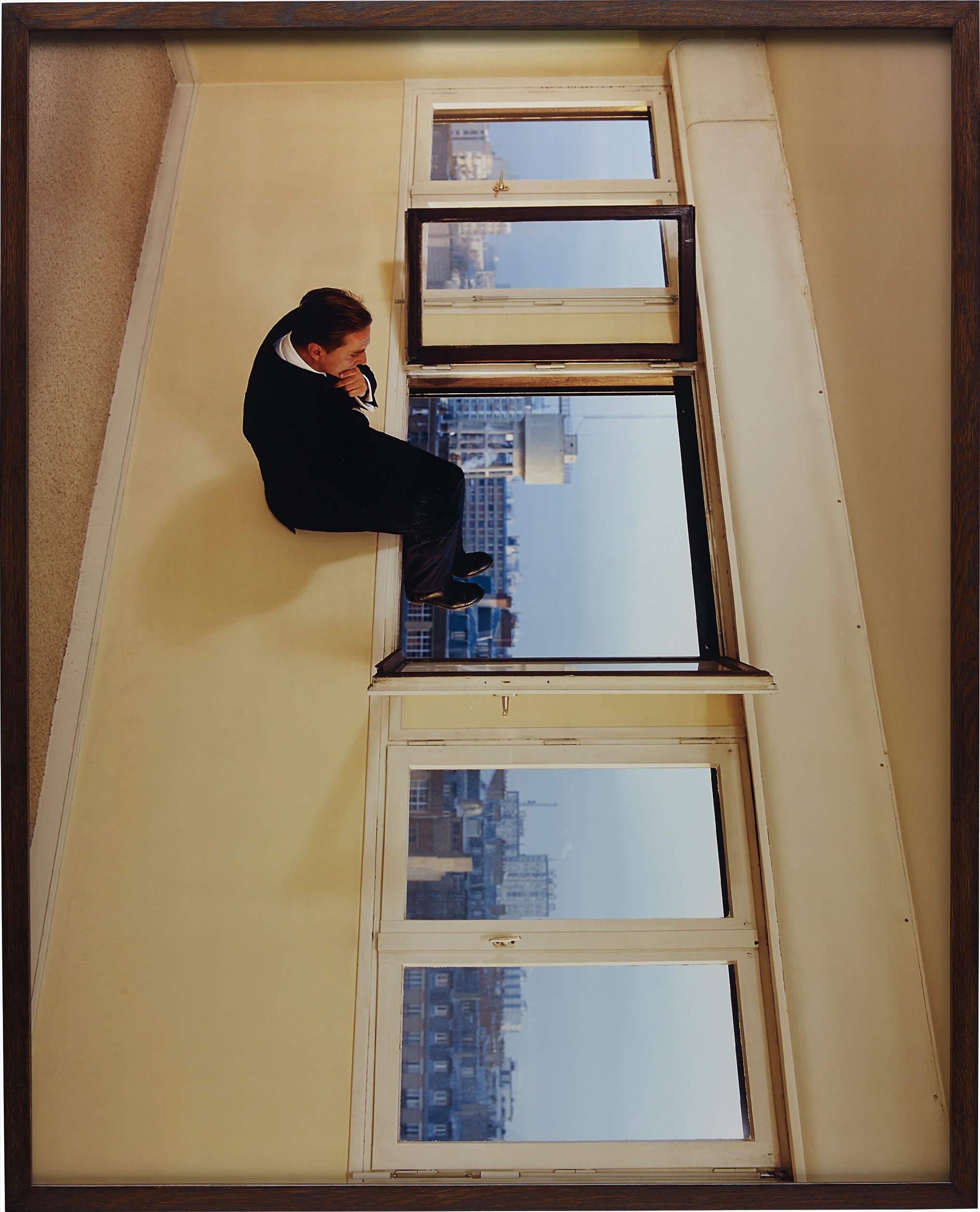
There is something almost primal about a room full of people rendered in paint, silver gelatin, or ink. The group portrait asks you to slow down in a way that a single figure rarely does. You find yourself scanning faces, reading postures, trying to work out who holds the power, who is bored, who is pretending to look comfortable. Collectors who fall for this subject tend to fall hard, because living with a great group portrait is like having a conversation that never quite resolves itself.
The work keeps giving because the social drama keeps shifting depending on your mood, your angle, your moment in life. What makes someone reach for a group portrait rather than a landscape or an abstract canvas is often rooted in their own relationship to community and collective memory. These works carry a documentary impulse even when they are purely invented. They speak to how people congregate, perform for one another, and submit to being seen together.
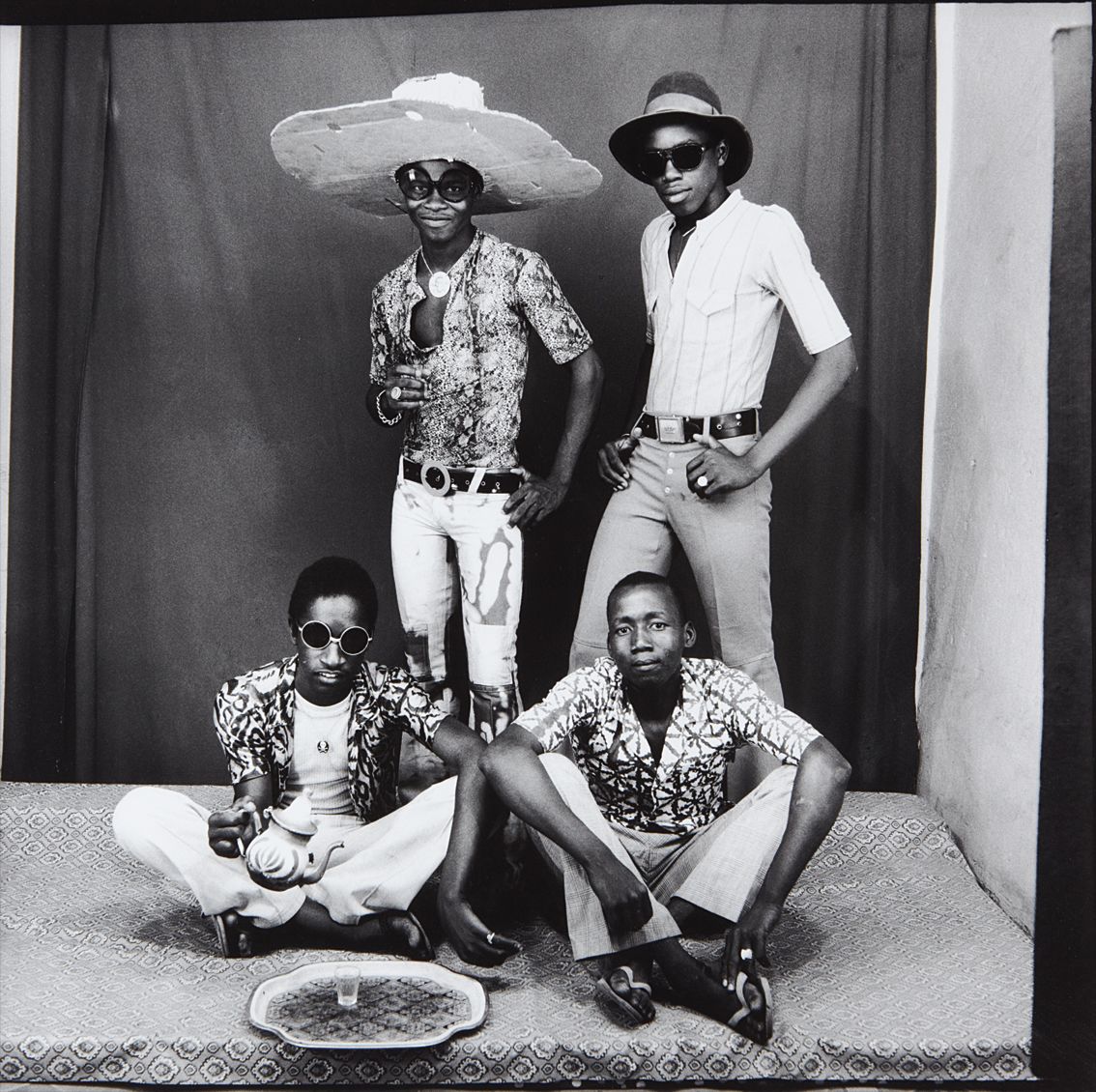
Malick Sidibé
Friends of the Spanish
For a collector, that creates a richly layered object, one that functions as social history, psychological study, and formal exercise all at once. The appeal is not nostalgia exactly, but something closer to recognition. Separating a good group portrait from a great one comes down to tension. The best works in this genre resist resolution.
They do not simply show people gathered together but suggest something unspoken between them, a hierarchy, a fracture, a tenderness. Look for works where the composition does actual work, where the arrangement of bodies tells you something that no caption could. Scale matters too. A commanding group portrait should feel like an encounter, not an illustration.
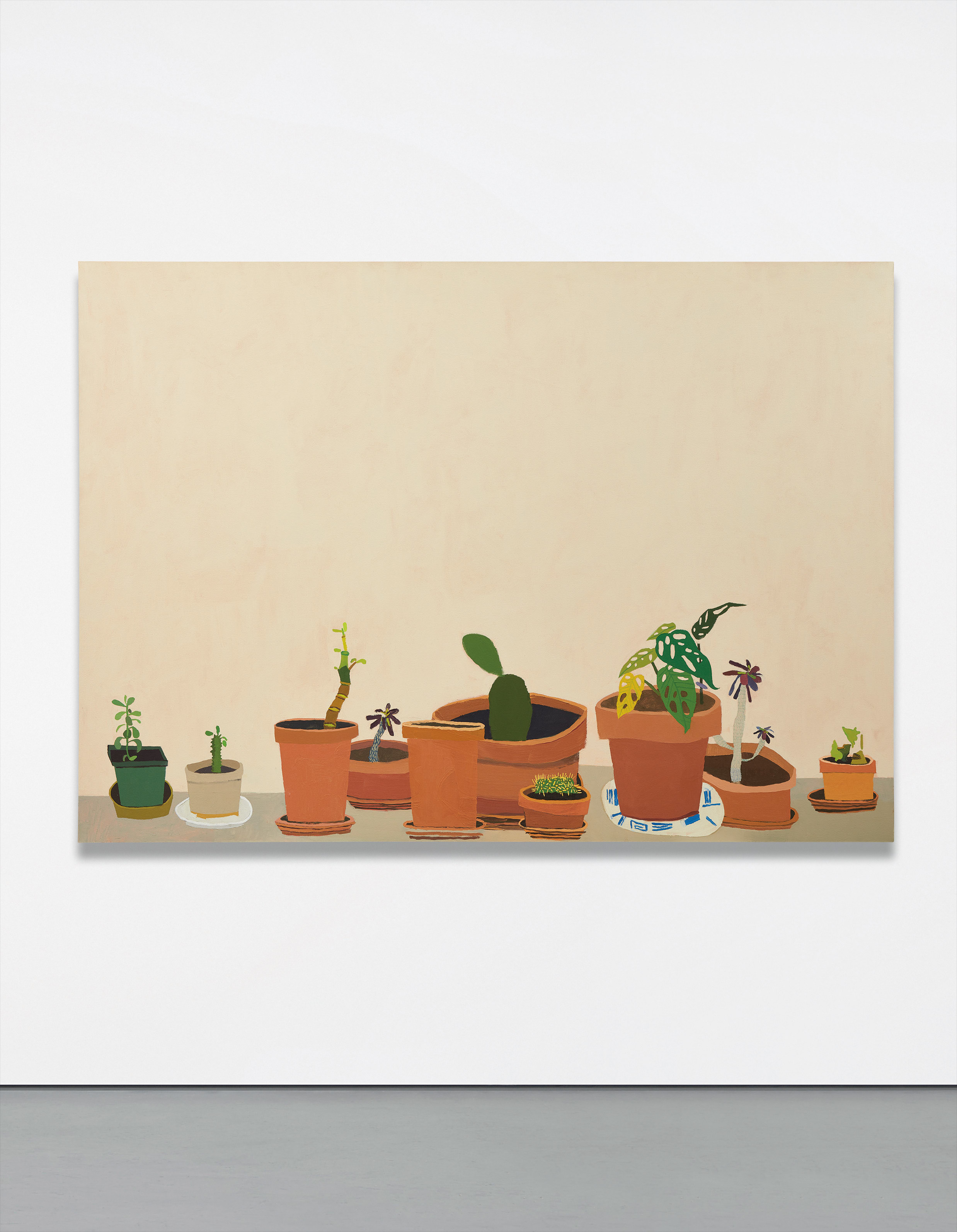
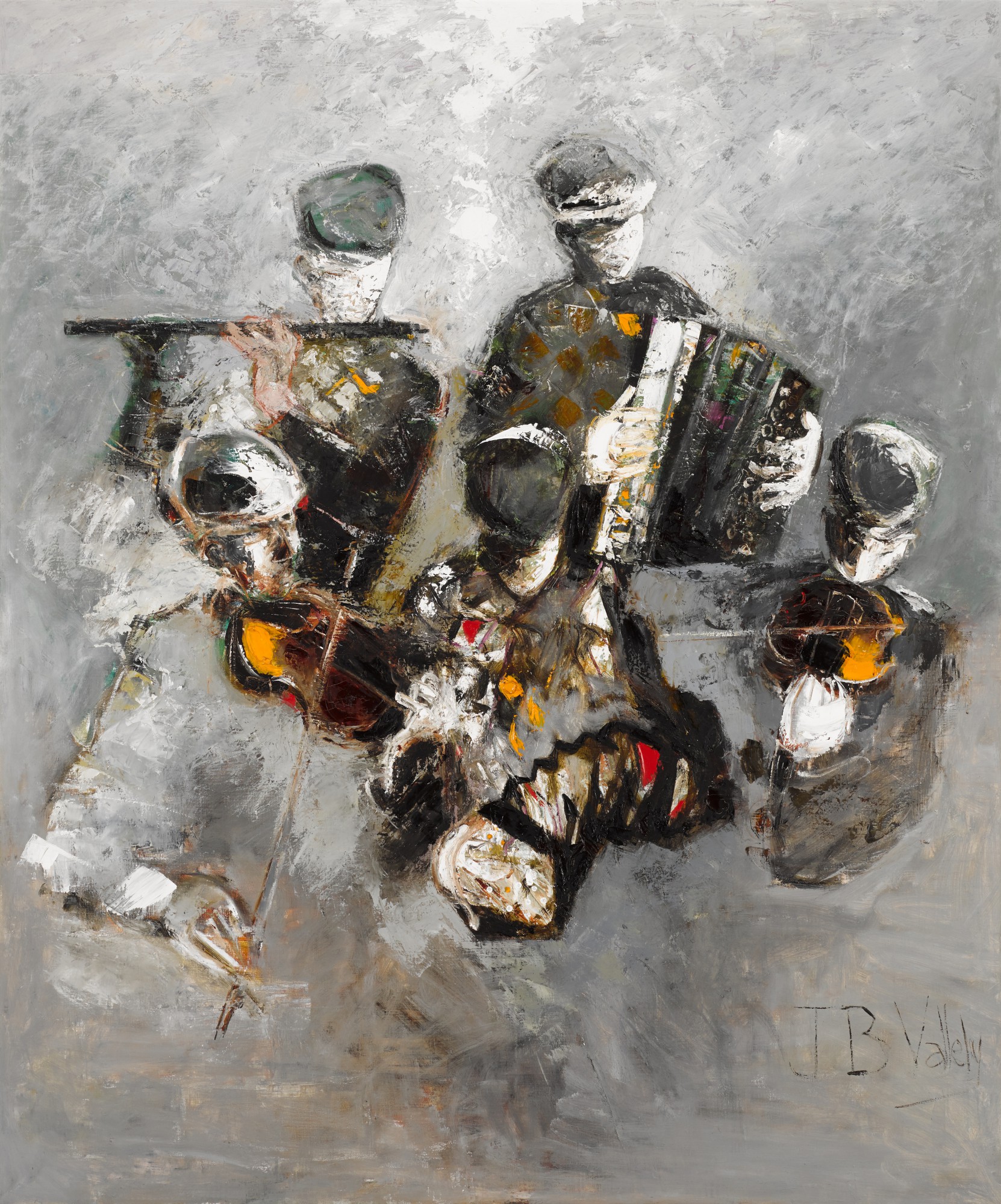
Jonas Wood
Group Portrait, 2004
And condition is paramount, especially in photography, where tonal range in older prints can collapse badly if a work has been poorly stored or exposed to light over many years. The photographic tradition within the group portrait is extraordinarily strong, and the works on The Collection reflect that range with real depth. August Sander, whose systematic project to document the German people in the early twentieth century remains one of the most intellectually ambitious undertakings in photographic history, understood the group as social specimen. His work rewards serious collecting because it sits at the intersection of art and anthropology, and museum demand has kept institutional interest consistent.
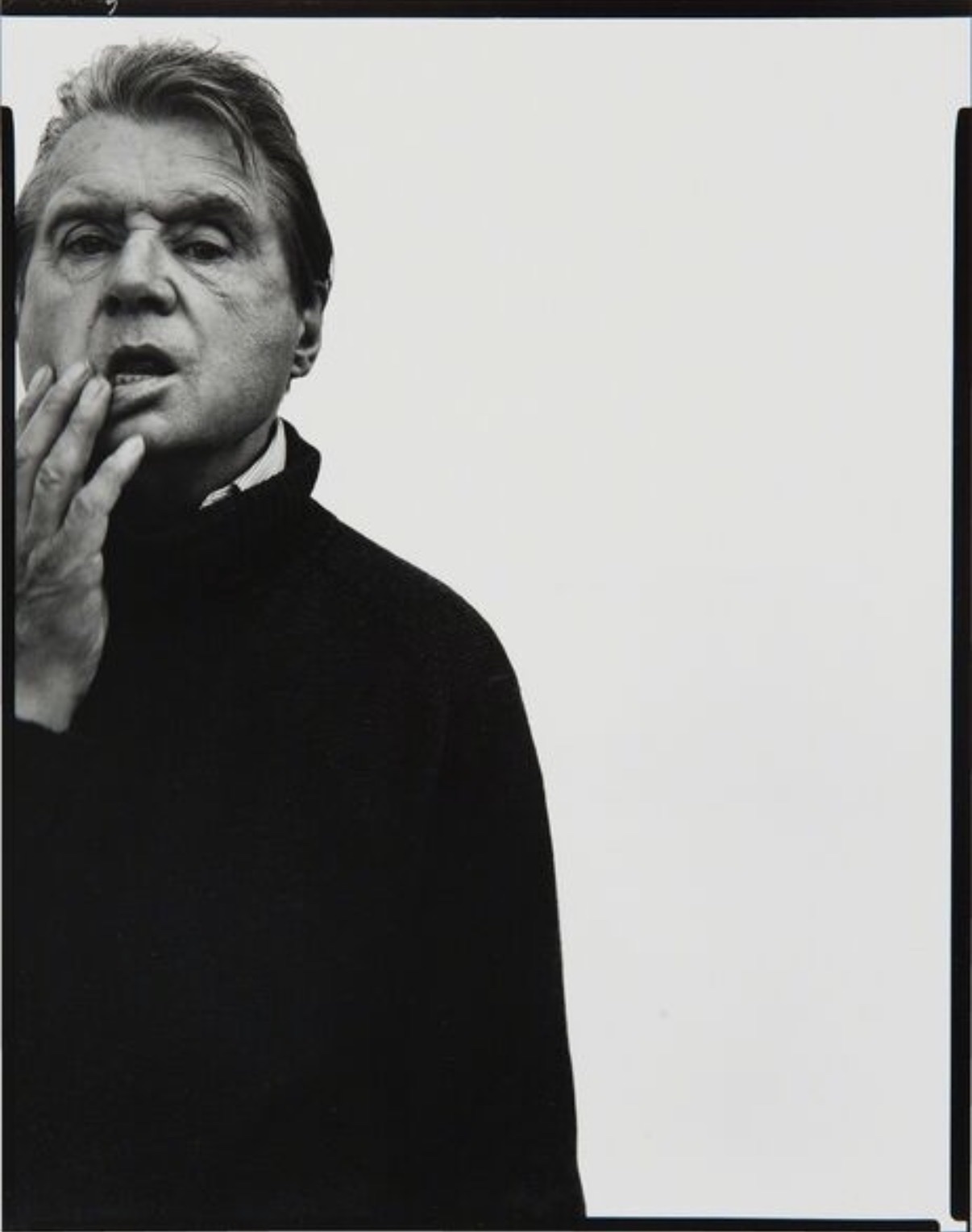
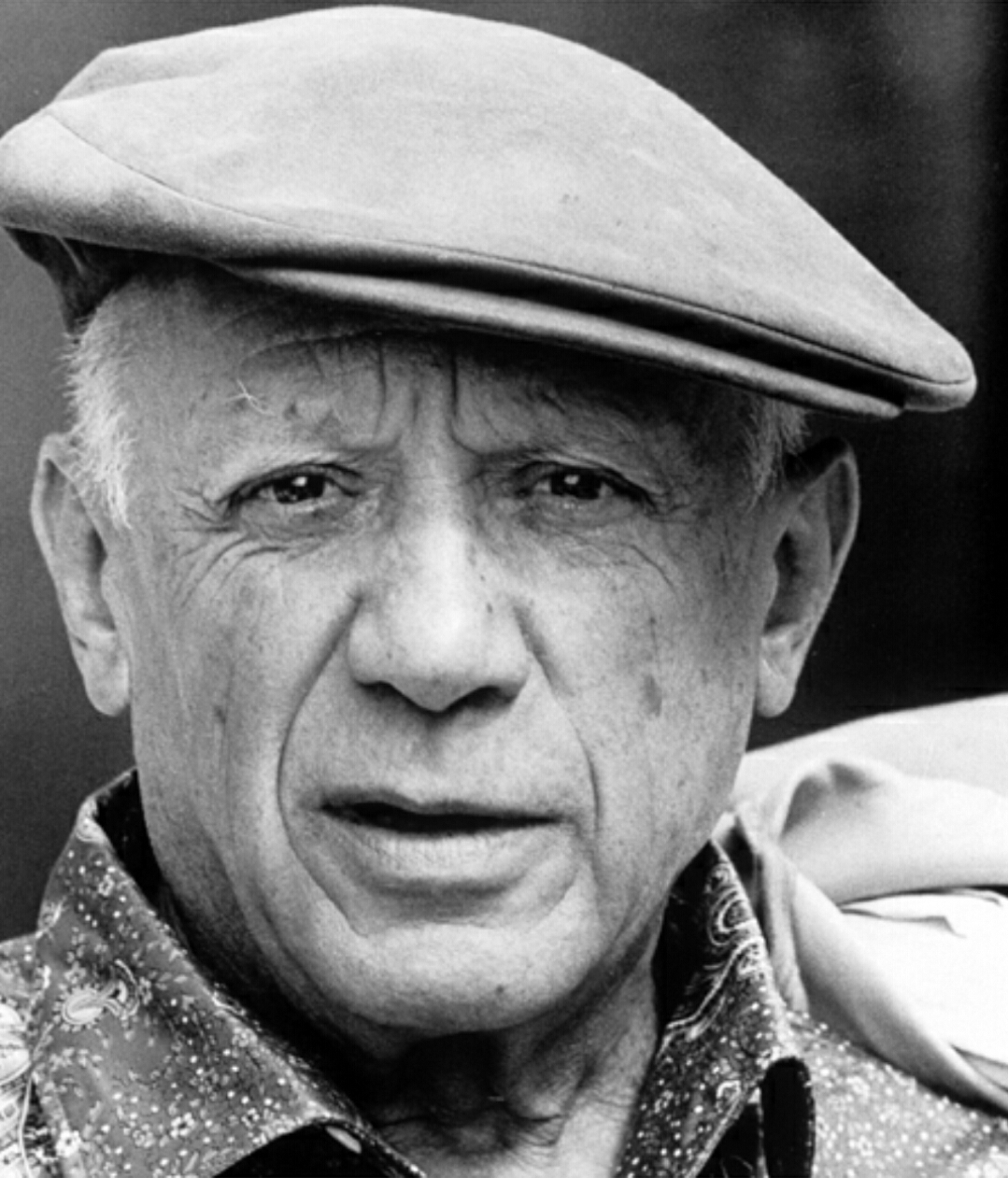
Richard Avedon brought an entirely different energy to the subject, stripping away context and comfort to force confrontation between subject and viewer. His group work has sustained serious auction performance for decades, and major prints remain among the most coveted objects in the photography market. The rare and historically significant photographs of Raja Deen Dayal, the court photographer to the Nizam of Hyderabad in the late nineteenth century, represent a body of work that feels increasingly important as collectors and institutions reassess the full global history of the medium. For collectors interested in where genuine value still exists, the work of Malick Sidibé deserves sustained attention.
Richard Avedon
The Beatles, London, August 11
His photographs of Malian youth in the 1960s and 1970s, taken at dances and on the banks of the Niger River, capture collective joy with a formal intelligence that is easy to underestimate on first encounter. Sidibé received the Golden Lion for Lifetime Achievement at the Venice Biennale in 2007, and while his market has grown considerably since then, his work remains accessible compared to his historical peers in the photographic canon. Julia Margaret Cameron, the Victorian photographer who brought radical intimacy to her portrait practice, is another figure whose works appear at auction with enough regularity to allow entry points, though pristine condition albumen prints command significant premiums. In painting, the picture is equally compelling.
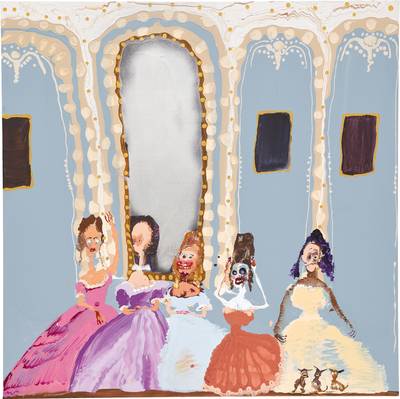
Genieve Figgis brings a destabilizing gothic quality to her figurative work, dissolving the comfortable conventions of the aristocratic group portrait into something anxious and gleefully uncertain. Her prices have moved decisively upward as institutional support has grown, and early works on paper represent perhaps the last accessible point for collectors who want to hold something significant. Claire Tabouret works with a different register of unease, rendering groups of children and figures in washes of pigment that feel simultaneously tender and threatening. Both artists are building the kind of sustained critical and commercial momentum that tends to produce long term value, and both are deeply serious about the specific psychological territory that groups of people inhabit.
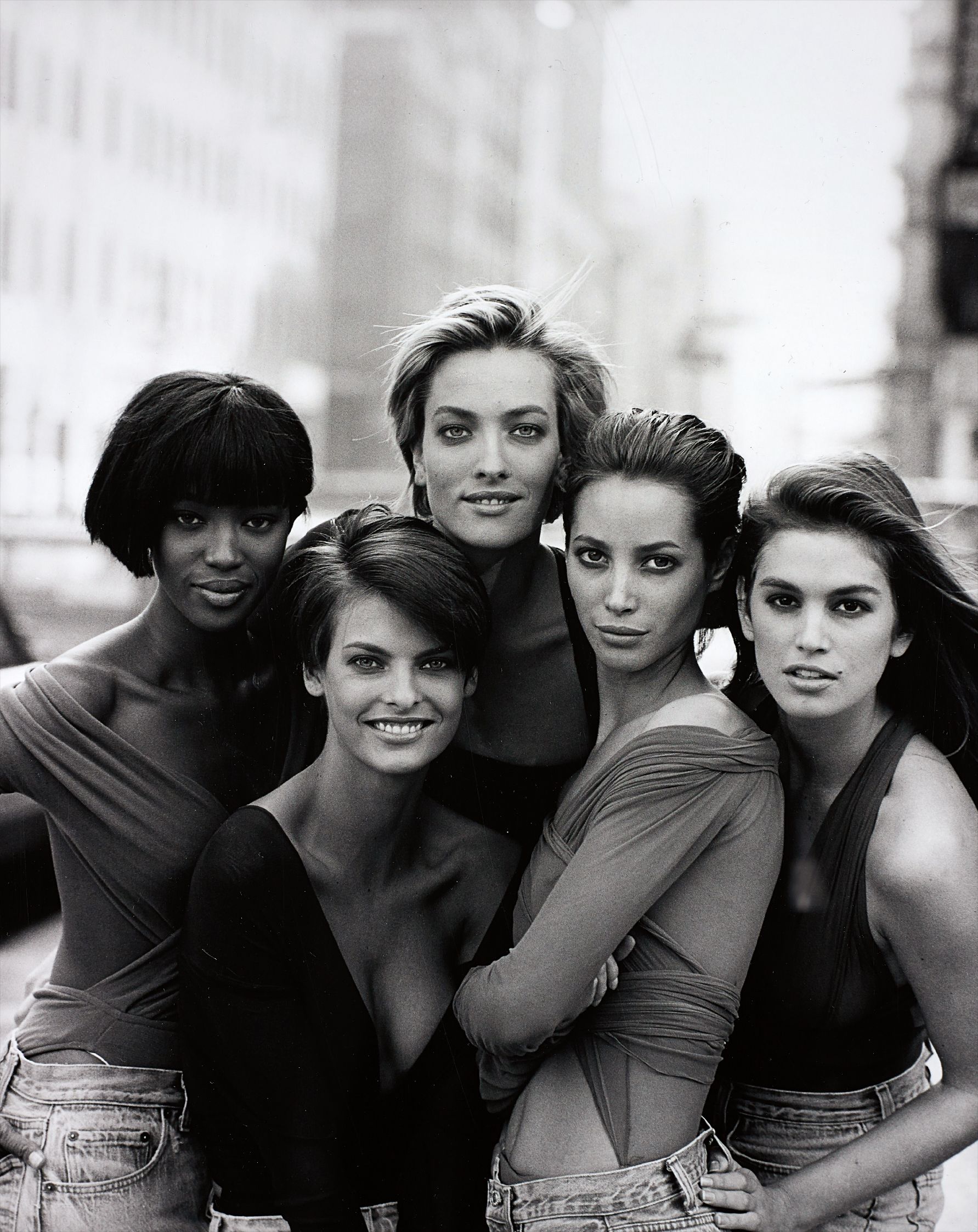
Peter Lindbergh
Naomi Campbell, Linda Evangelista, Tatjana Patitz, Christy Turlington and Cindy Crawford, New York
At auction, group portraits perform most reliably when they carry documentary or art historical weight alongside aesthetic quality. Works that can be contextualized within a larger project or career narrative consistently outperform isolated curiosities. The secondary market for photography in this category has been particularly active in the past decade, driven partly by institutional collecting and partly by a generation of collectors who came to photography through fashion and editorial culture. Names like Peter Lindbergh, whose group work with models in the 1980s and 1990s redefined the language of fashion photography, hold value across multiple collector demographics.
Andy Warhol's group portraits in silkscreen carry the additional complexity of edition structures, which brings me to something worth addressing directly. When acquiring prints or editions in this category, always ask the gallery for the full edition size, the number of artist proofs, and whether any institution or estate holds a significant portion of the edition. These details affect both value and liquidity in ways that are not always immediately obvious. For unique works on canvas or paper, ask specifically about any restoration history and request condition reports in writing before committing.
Display considerations matter more than collectors sometimes anticipate: large format photographs are vulnerable to UV damage and should be glazed with museum quality acrylic or glass, while works on paper require consistent humidity and should never be hung on exterior walls. The group portrait rewards the effort. These are works you will find yourself thinking about long after the lights go out.