Functional Design
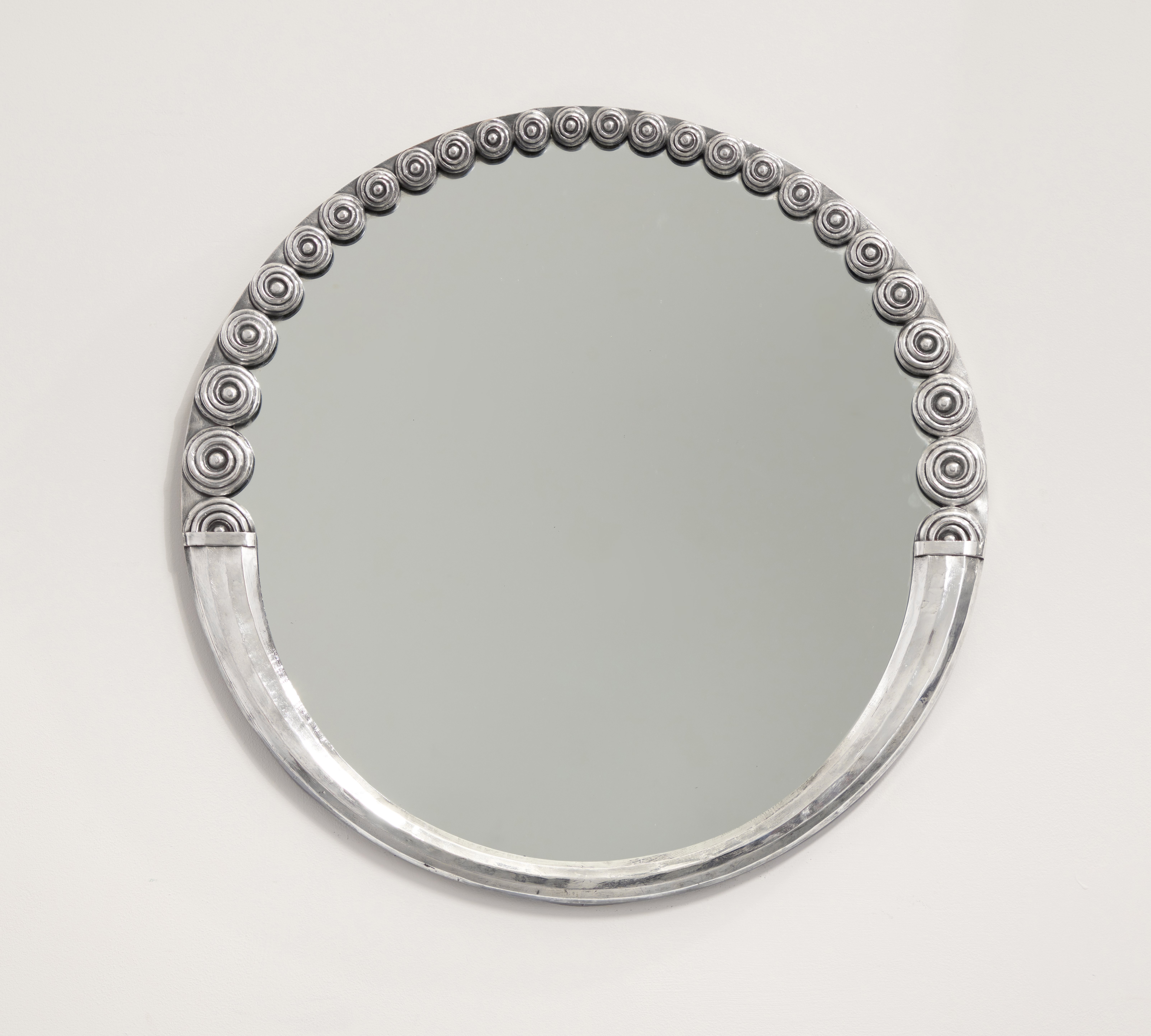
André Groult
Mirror


When Beautiful Objects Also Do Something
Last spring, a Jean Prouvé Standard chair from the early 1950s sold at Wright auction in Chicago for well above its high estimate, continuing a pattern that has made his work among the most aggressively pursued in the design market. The room, a mix of architects, collectors who came up through contemporary art, and a new generation of buyers who treat furniture the way an earlier generation treated painting, told its own story. Something has shifted in how serious collectors think about functional design, and the shift feels permanent rather than cyclical. The conversation about where design sits relative to fine art has been going on for decades, but the terms keep changing in interesting ways.
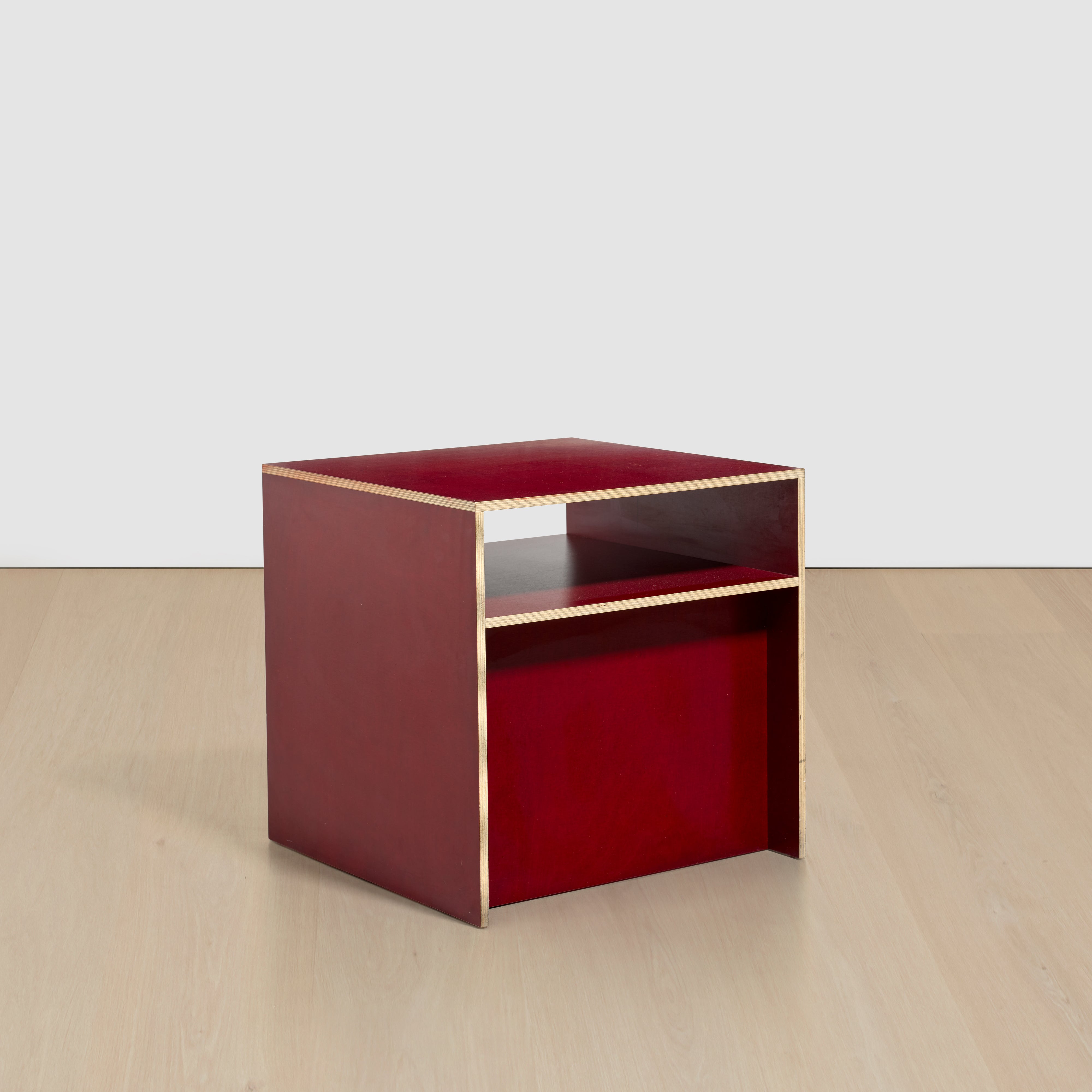
For a long time the question was whether a chair could be art, a framing that now feels slightly beside the point. The better question, the one animating both the market and the curatorial world, is what we lose by drawing that line at all. Charlotte Perriand spent her career refusing it. So did Donald Judd, who designed furniture with the same exacting formal logic he brought to his stacks and progressions, and whose chairs and tables now appear in both auction categories depending on the house and the mood of the market.
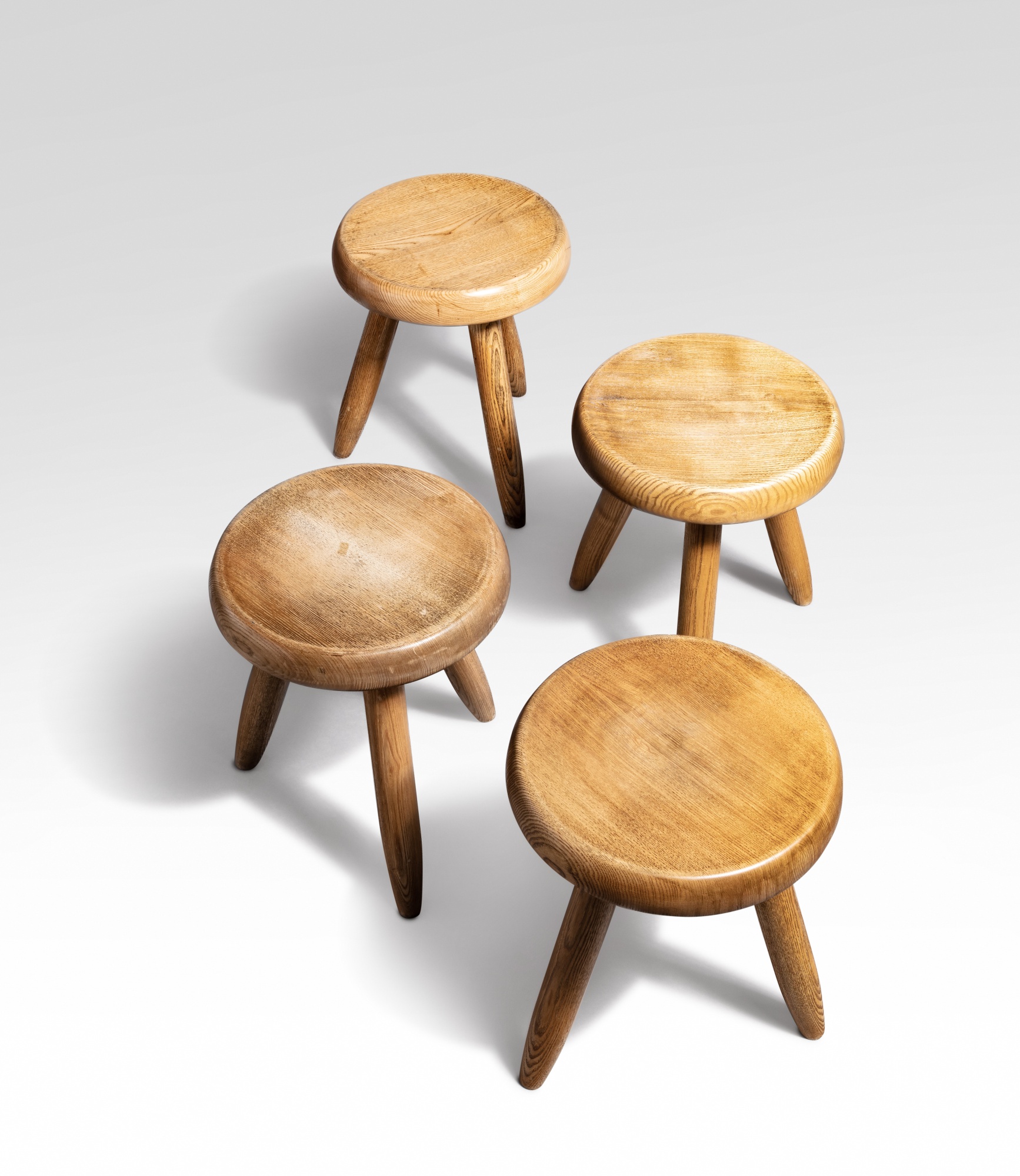
Charlotte Perriand
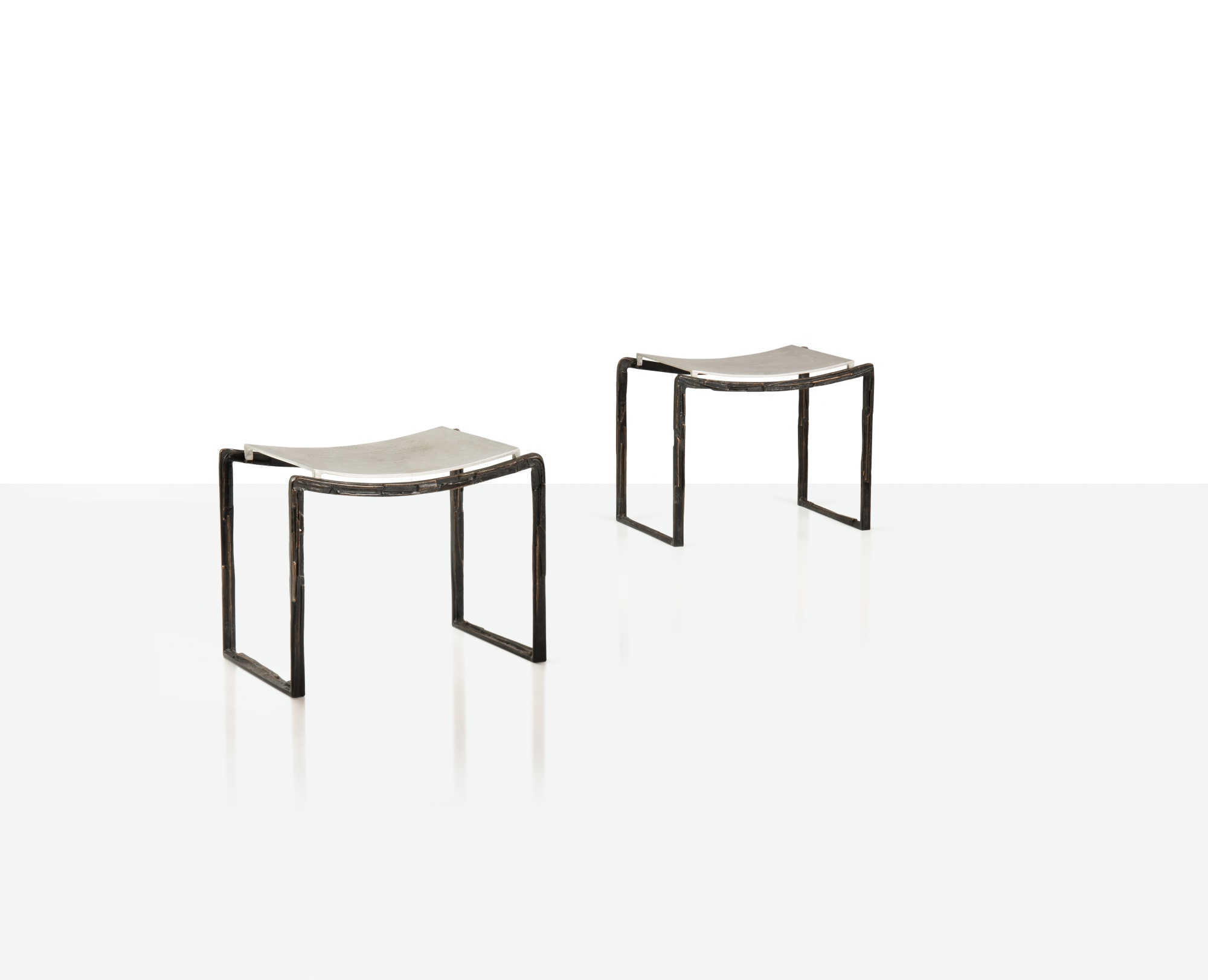
Quatre tabourets Berger hauts
The institutional world has been catching up. The Centre Pompidou mounted a major Perriand retrospective in 2019 that traveled and generated significant critical attention, helping reframe her not as Le Corbusier's collaborator but as one of the century's essential designers on her own terms. Around the same time, the Vitra Design Museum deepened its programming around midcentury European work, and the Museum of Arts and Design in New York continued to make the case for studio craft as something worthy of serious scholarly attention. When institutions of that stature commit curatorial resources to this territory, it tends to accelerate collector confidence in lasting ways.
At auction, the names that consistently command the highest prices and the most competitive bidding include Prouvé, Pierre Jeanneret, and Gio Ponti. Jeanneret's Chandigarh furniture, produced for the city Le Corbusier planned in India during the 1950s, has seen extraordinary price growth over the past decade, with individual pieces selling in the six figures at Phillips, Christie's, and Sotheby's. The provenance attached to those objects, the idea of furniture actually used in a utopian civic project, seems to amplify their appeal rather than diminish it. Ponti's work, particularly his Superleggera chair for Cassina and his ceramics, attracts buyers drawn equally to his wit and to the formal rigor underneath it.
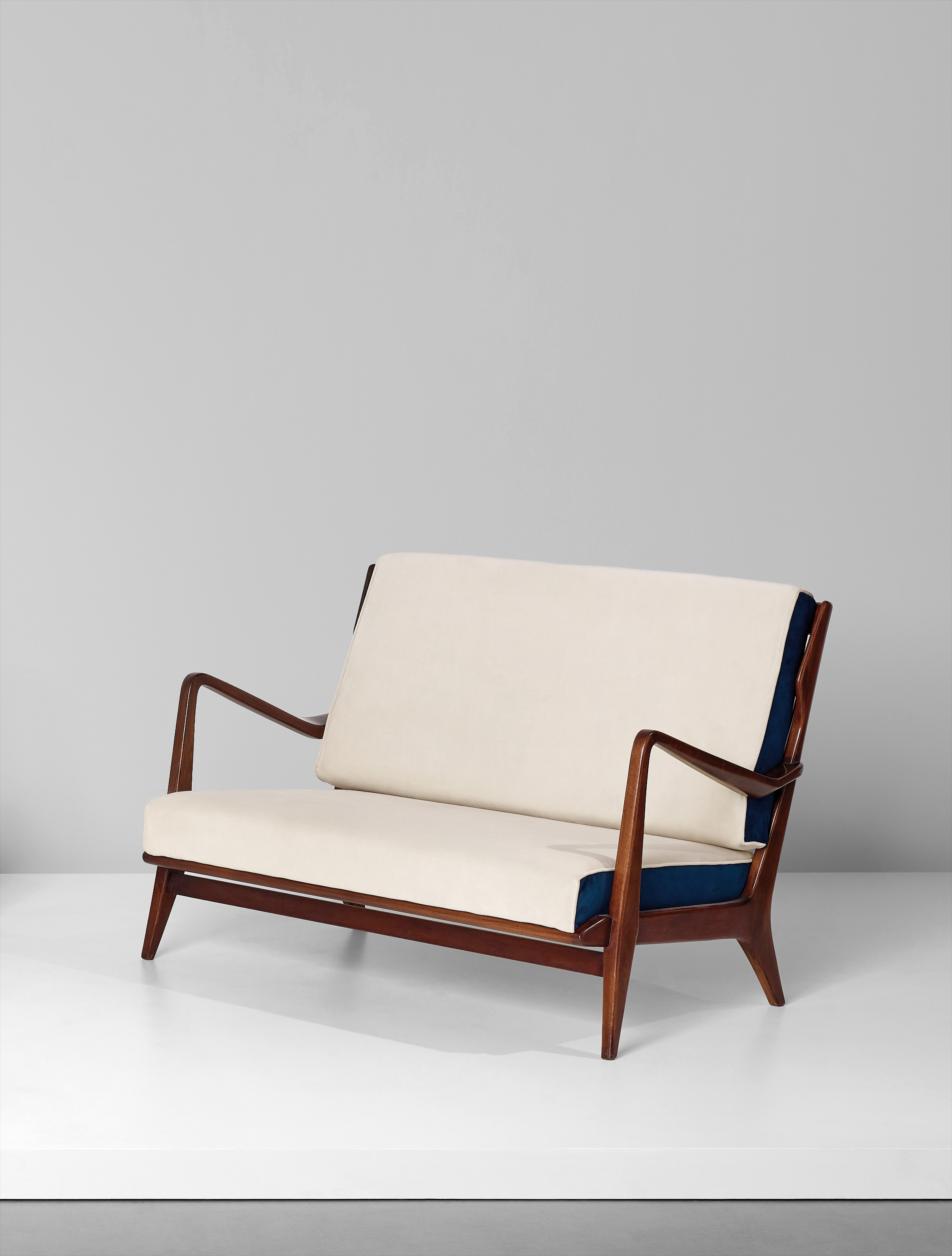
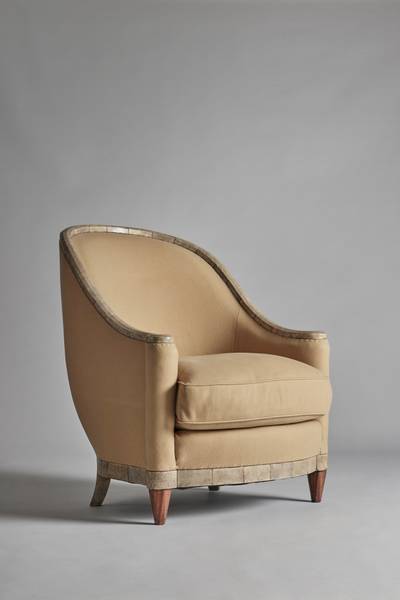
Gio Ponti
Settee, model no. 516
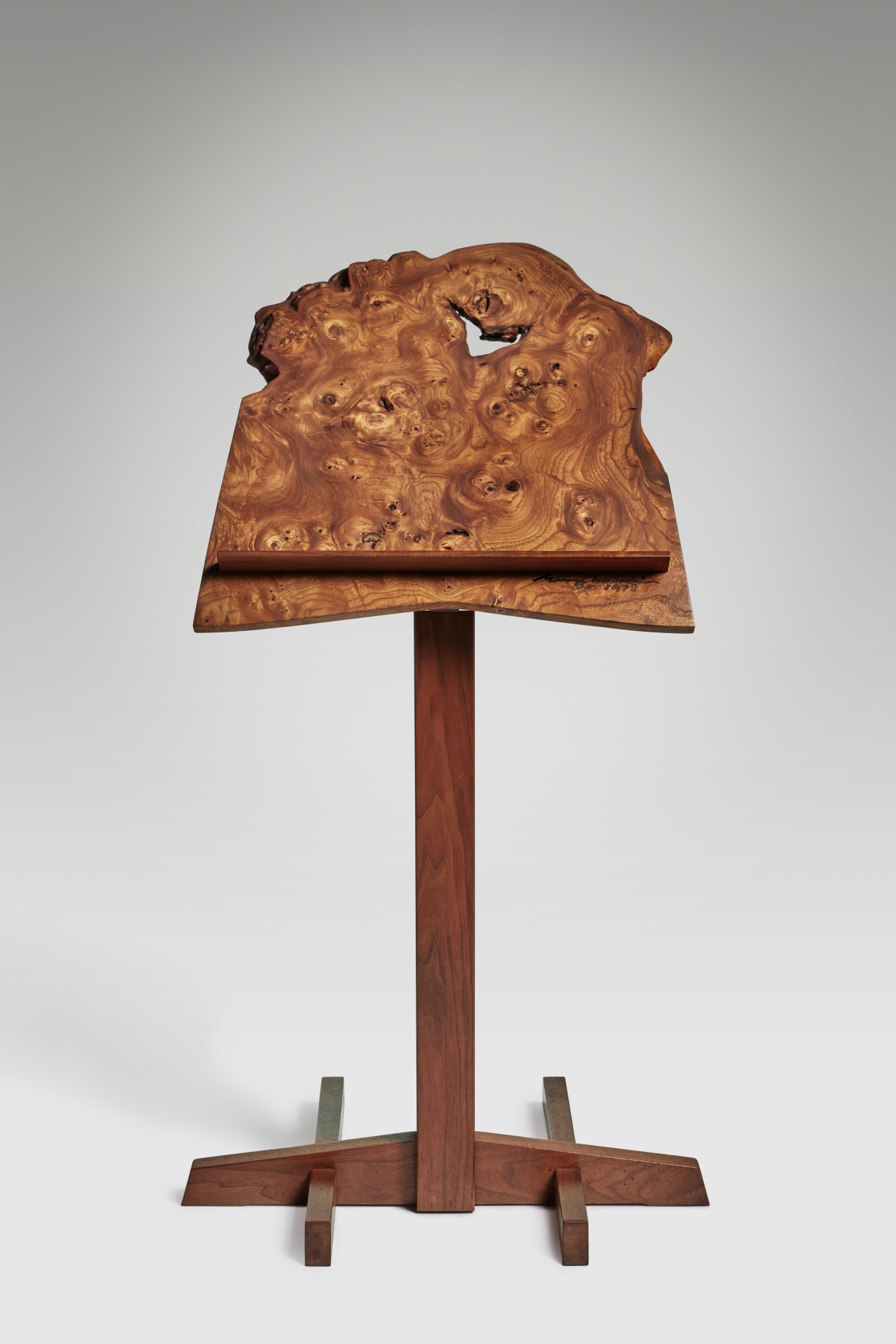
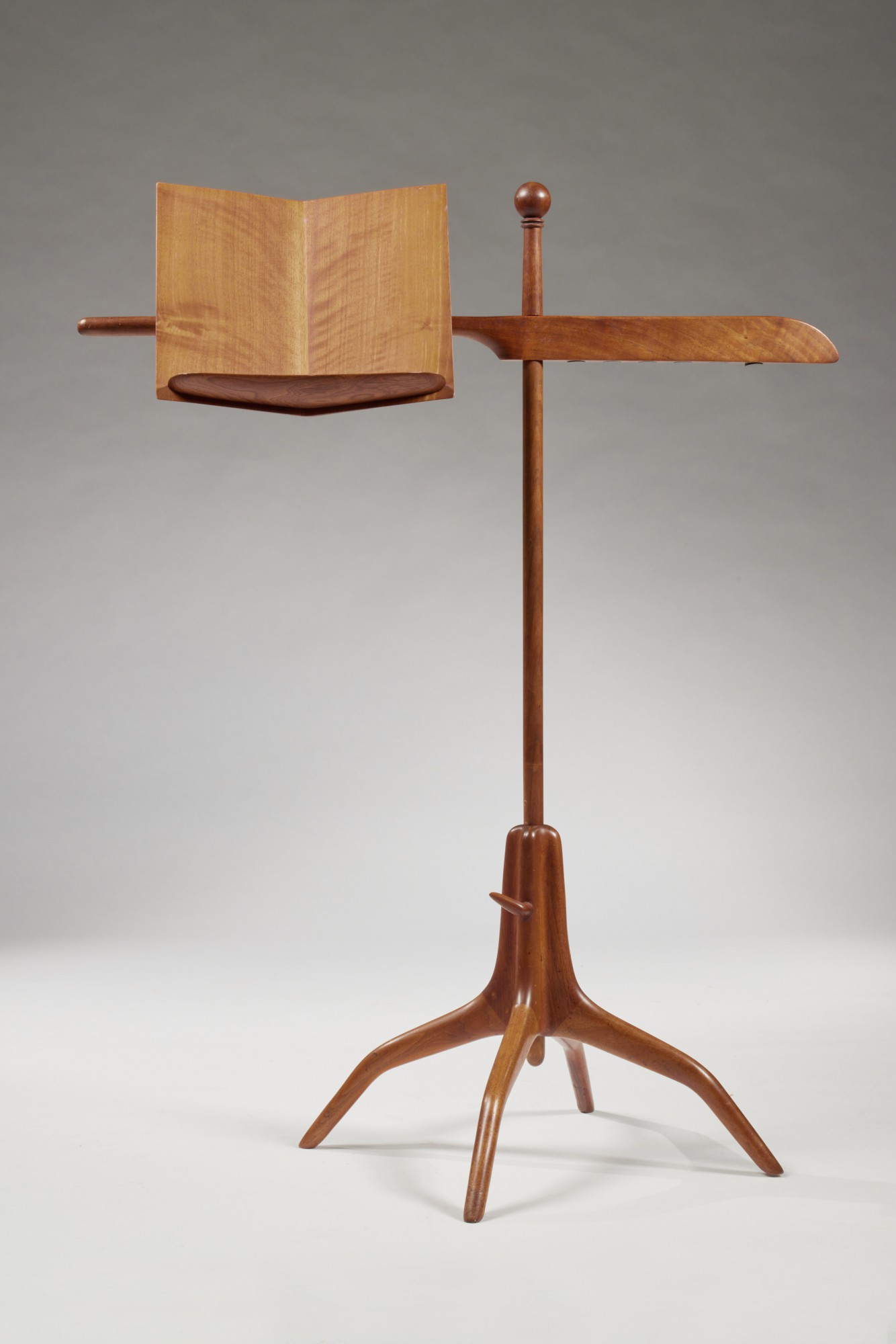
The market for his pieces has broadened beyond Italy and beyond traditional design collectors. Wharton Esherick and George Nakashima occupy a related but distinct space, one rooted in American studio craft and a philosophy of the handmade that resonates with collectors who are skeptical of mass production as a value in itself. Esherick's carved wooden objects and furniture have appeared at major houses with growing frequency, and the Wharton Esherick Museum outside Philadelphia remains one of the great artist's house museums anywhere, a complete environment that helps collectors understand what is at stake. Sam Maloof, whose rocking chairs became almost iconic representations of American craft philosophy, continues to attract serious bidding.
These are objects that ask to be touched, which creates a different kind of intimacy than most fine art allows. The critical writing around functional design has become more rigorous and less apologetic. Glenn Adamson, whose books including Thinking Through Craft and The Invention of Craft have given the field a more sophisticated theoretical vocabulary, has been influential in shaping how curators and collectors articulate what they care about. Paola Antonelli at MoMA has argued consistently and publicly that design deserves the same intellectual attention as any other discipline, and her acquisitions for the permanent collection, which have included everything from video games to medical devices, have pushed the boundaries of what the institution considers worth preserving.
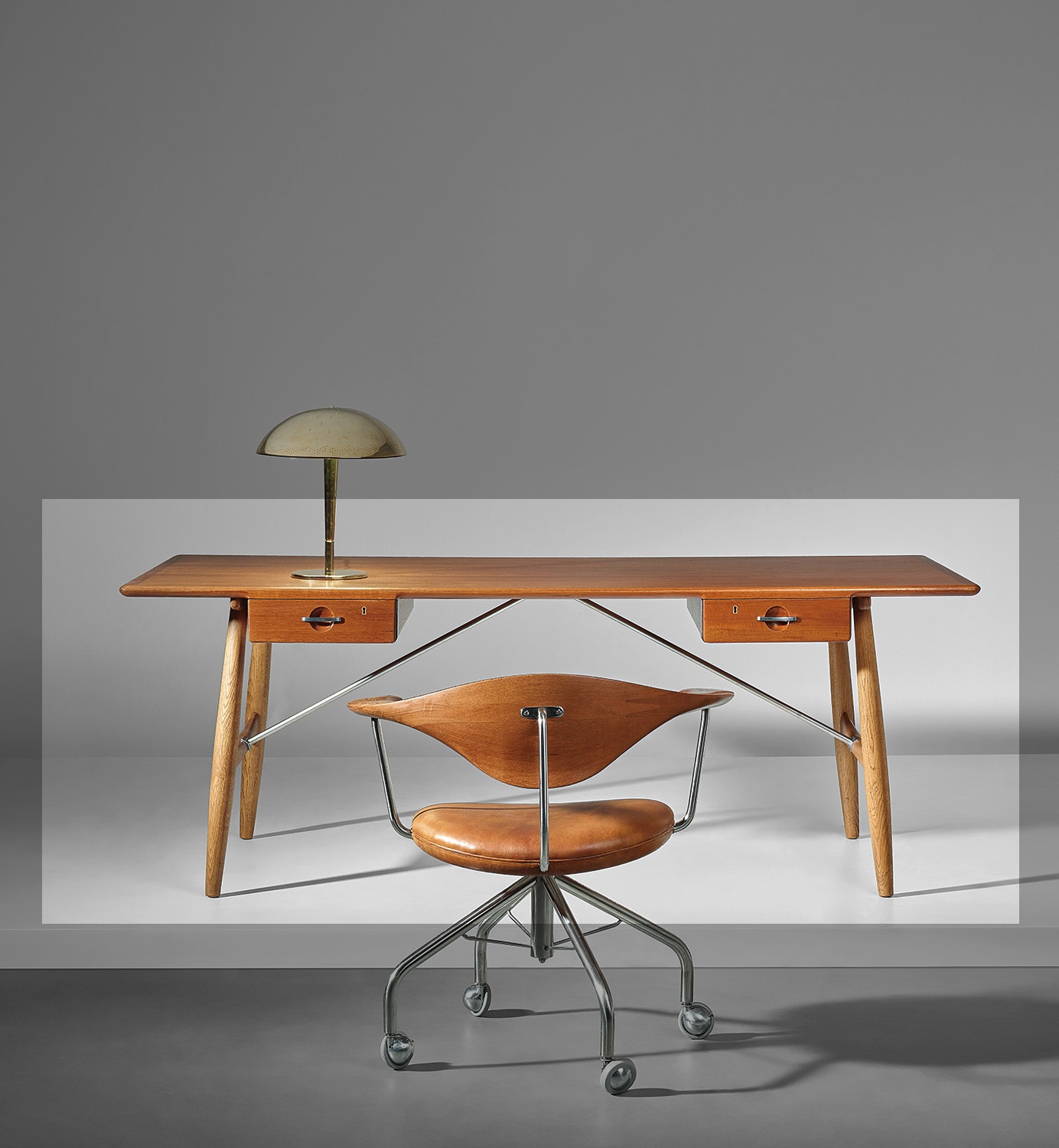
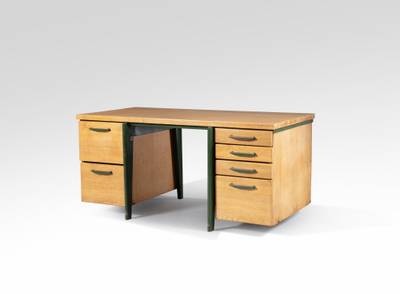
Hans J. Wegner
Early 'Architect's desk', model no. JH571
Publications like Frieze, which now covers design with the same editorial seriousness it brings to painting and sculpture, signal that the integrated market is here to stay. François Xavier Lalanne sits at a fascinating intersection, producing objects that function as sculpture, furniture, and sometimes sheer fantasy simultaneously. The market for his work has been extraordinarily strong, with major pieces achieving results that would be remarkable in any category. Carl Auböck, the Viennese designer whose brass objects occupy a space between tool and trophy, has attracted a devoted following among collectors who appreciate restraint and material intelligence.
His work feels like a corrective to maximalism, an argument that small and considered can carry as much weight as large and declarative. Jean Royère, known for his exuberant upholstered forms and his ability to make furniture feel almost anthropomorphic, has seen prices rise sharply as a younger generation discovers him through social media and exhibition catalogs. What feels alive right now is the growing appetite for objects that carry social or political histories, furniture from collective projects, pieces made for specific communities, work that documents a set of beliefs about how people should live together. Jeanneret's Chandigarh pieces are the obvious example but not the only one.
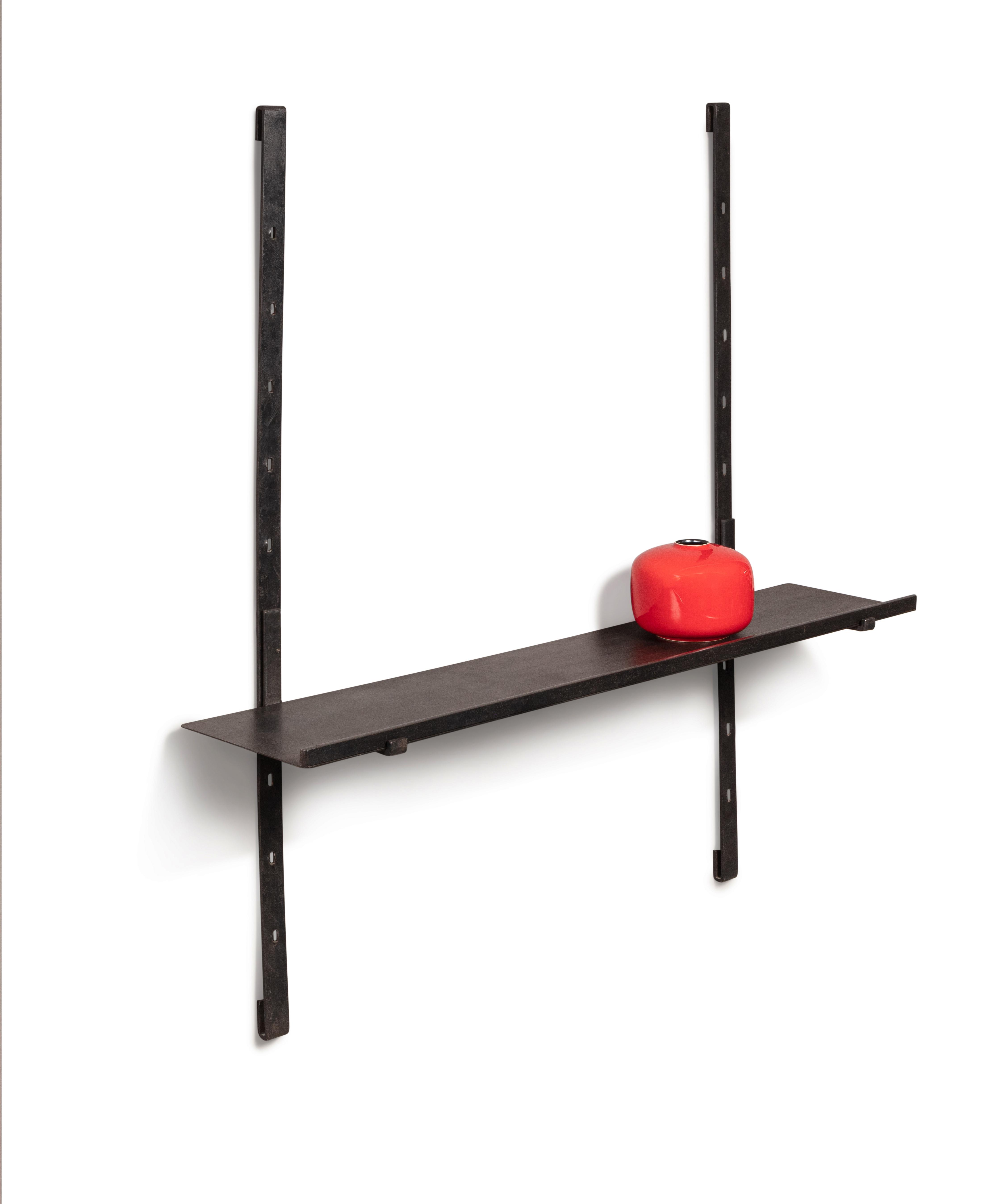
Pierre Chareau
Étagère suspendue PD 698
There is also renewed interest in designers who worked outside the European and American centers, and auction houses have begun to reflect that. What feels settled is the blue chip tier, Prouvé, Ponti, Perriand, Aalto, names that have proved their market stability across multiple cycles. What might surprise collectors in the coming years is the reassessment of figures who worked at the edges of these movements and were overlooked because they did not fit neatly into existing narratives. The history of functional design is full of them, and the institutions and scholars are only beginning to look.