Fresco
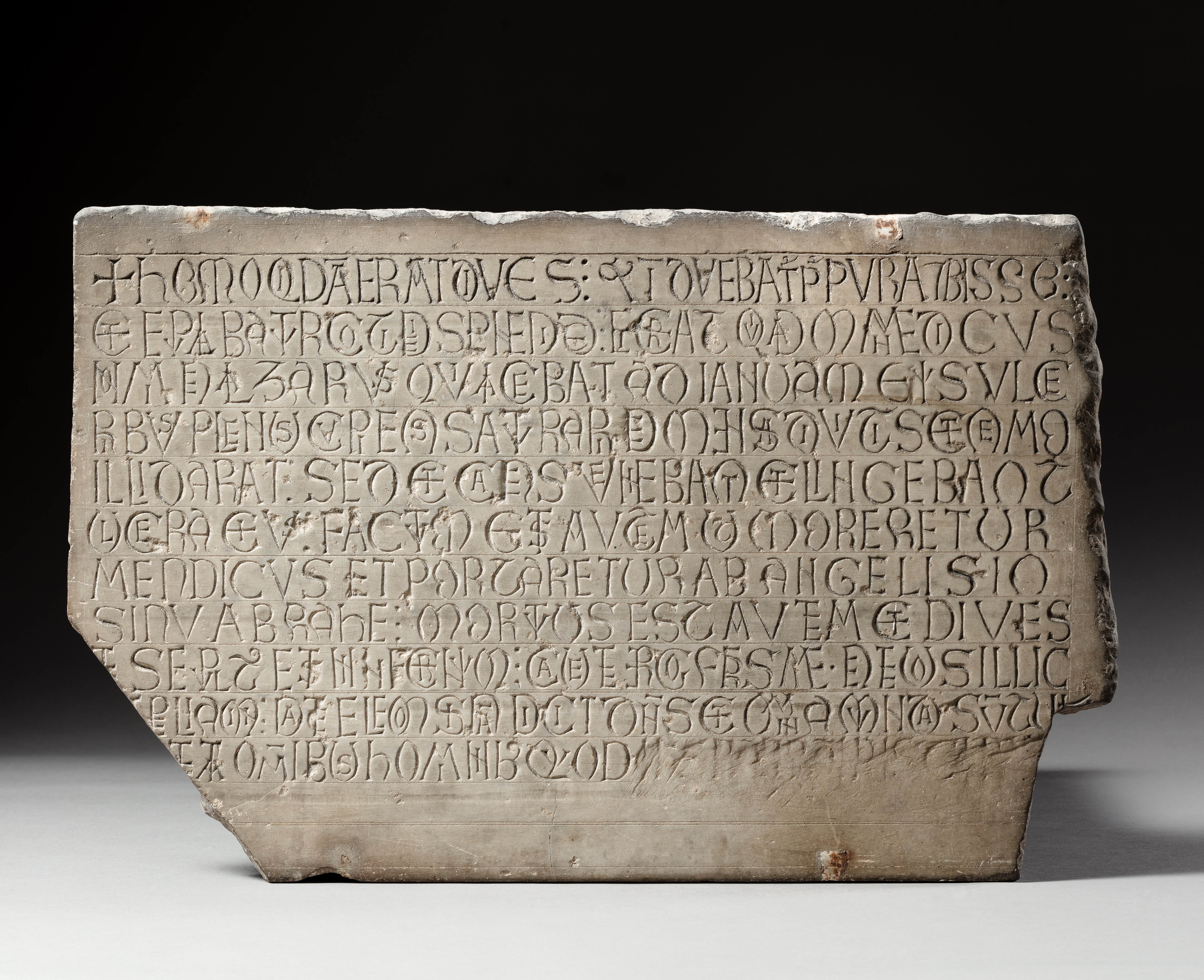
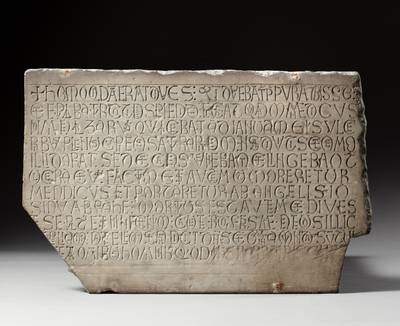
Southern French, Lower-Languedoc, 12th century
Sud de la France, Bas-Languedoc, XIIe siècle
The Wall Remembers Everything: Fresco Now
When the Getty Villa mounted its landmark exhibition on Roman wall painting a few years back, something unexpected happened in the rooms. Visitors lingered. They leaned in close to the fragmentary surfaces, reading the cracks and losses not as damage but as testimony. Fresco, the most ancient and unforgiving of all painting techniques, was suddenly speaking to a contemporary audience hungry for permanence in an era of screens.
That moment crystallized something collectors and curators had been sensing for a while: the appetite for works made in this medium, or surviving from it, had quietly but decisively shifted. The market for medieval and early Renaissance fresco fragments has always occupied a peculiar position in the collecting world. These are objects that were never meant to be portable. They were torn from church walls, monastery refectories, and palace chambers across Italy, France, and Spain, most dramatically in the nineteenth and early twentieth centuries when the art trade operated with a freedom that would be unthinkable today.
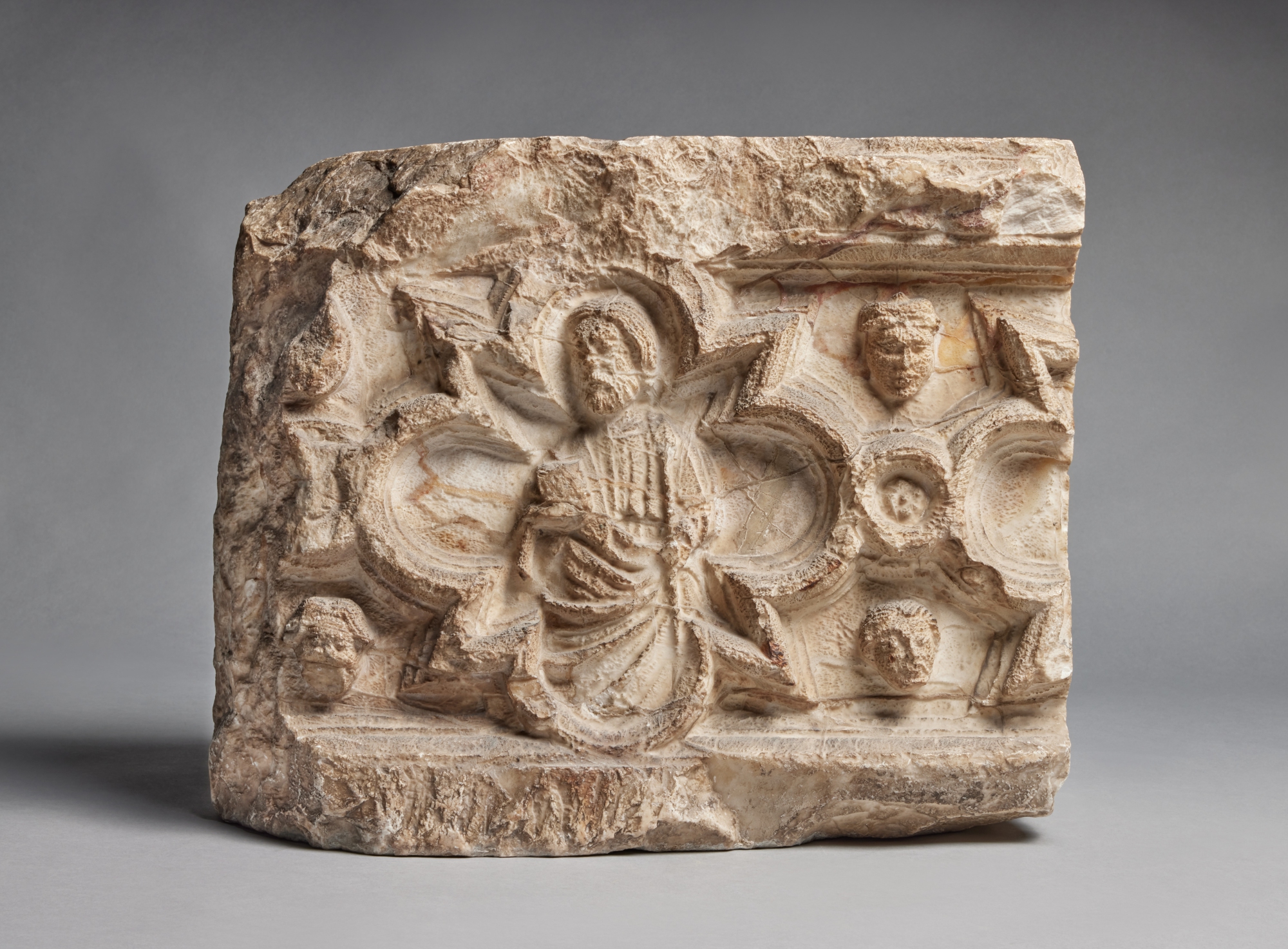
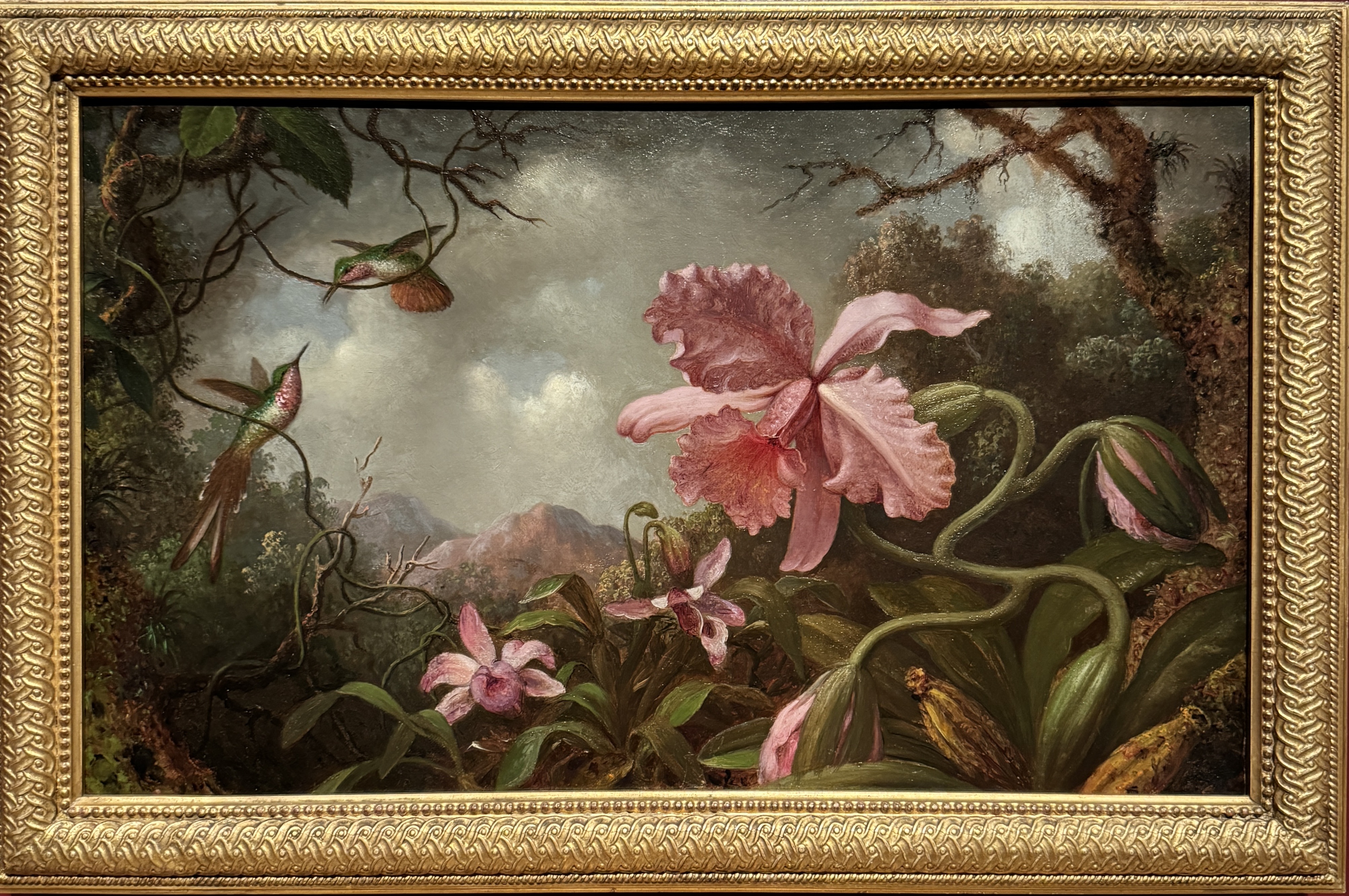
North Italian, 14th century
Architectural Fragment with a Saint
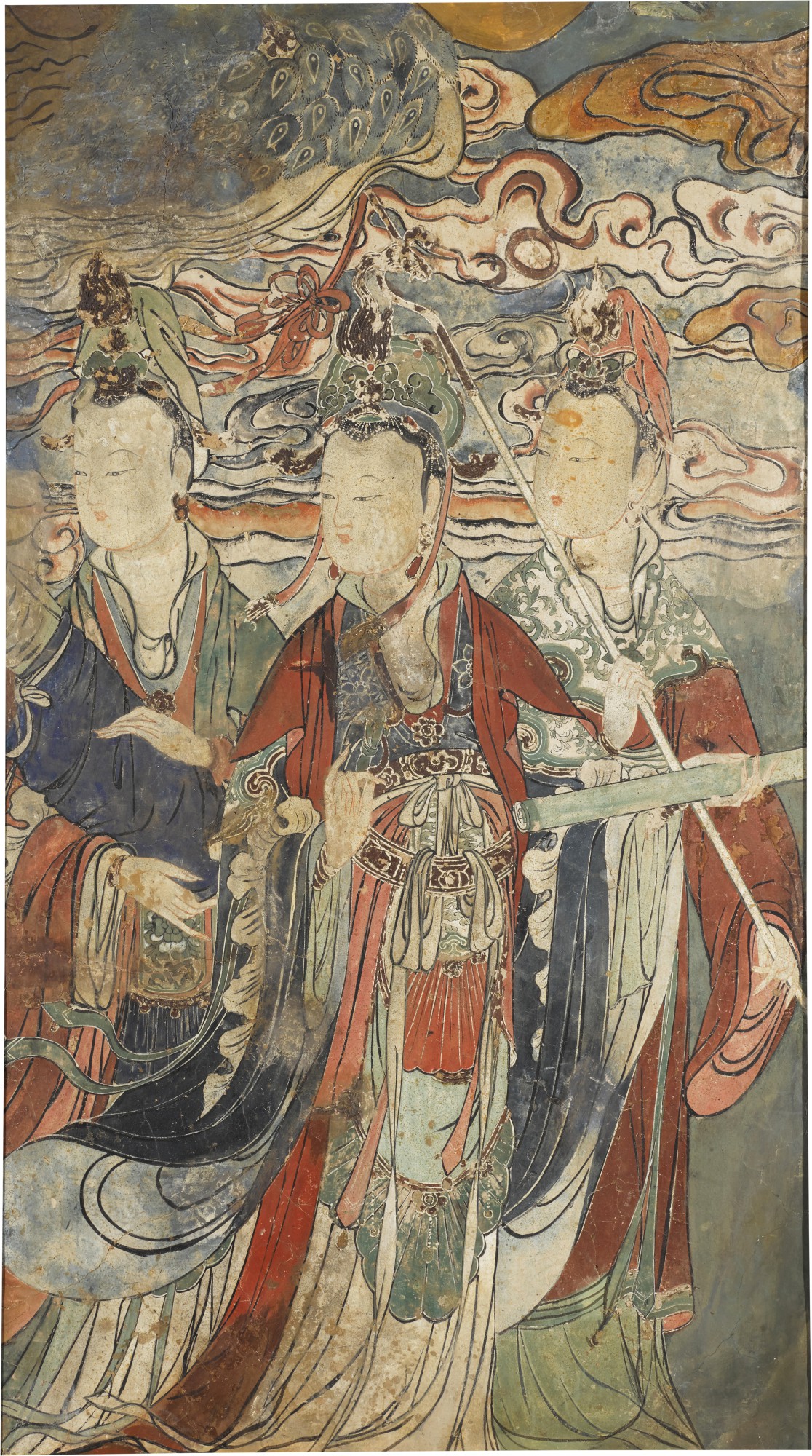
What arrived on the market were fragments carrying the full weight of their original architectural context, compressed now into a transportable panel or a wooden backing. Sotheby's and Christie's have handled exceptional examples over the decades, with Italian medieval fragments regularly attracting spirited bidding from both institutional and private buyers. Among the artists and works represented on The Collection, the range is genuinely instructive. A monumental fragmentary fresco of a guardian king stands as perhaps the most commanding single presence, the kind of work that stops a room.
Guardian figures of this type, often associated with Buddhist iconographic traditions as they filtered through Central Asian artistic exchange, carry enormous art historical freight. They speak to the extraordinary reach of fresco as a technique across cultures and centuries, far beyond its European associations. Similarly, works attributed to North Italian practice of the fourteenth century and to the Southern French, Lower Languedoc tradition of the twelfth century place collectors in direct contact with the devotional intensity of the Romanesque and early Gothic worlds, periods that institutional buyers have pursued with increasing seriousness. The polychrome stucco fresco fragments on The Collection deserve particular attention because they occupy a fascinating technical borderland.
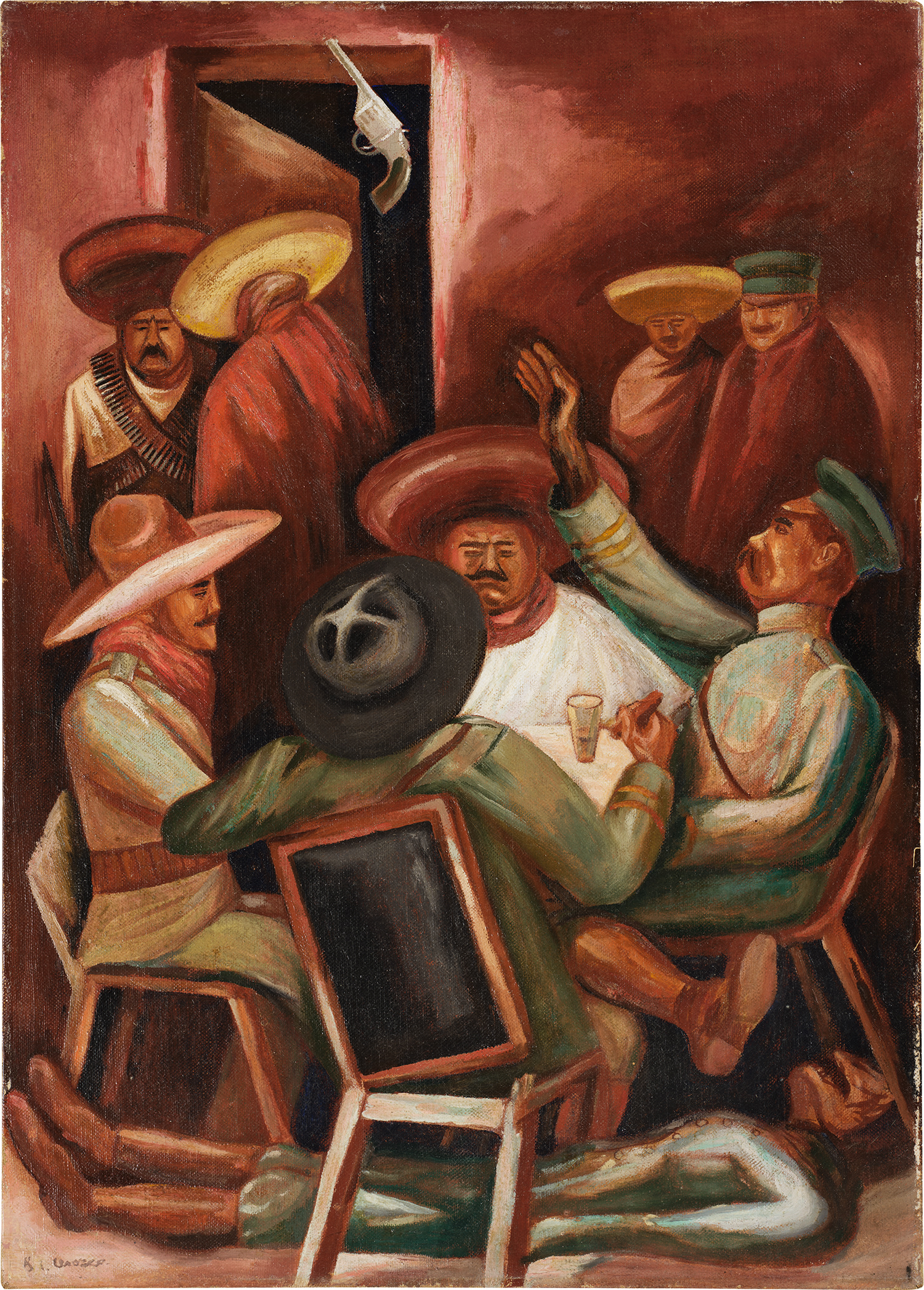
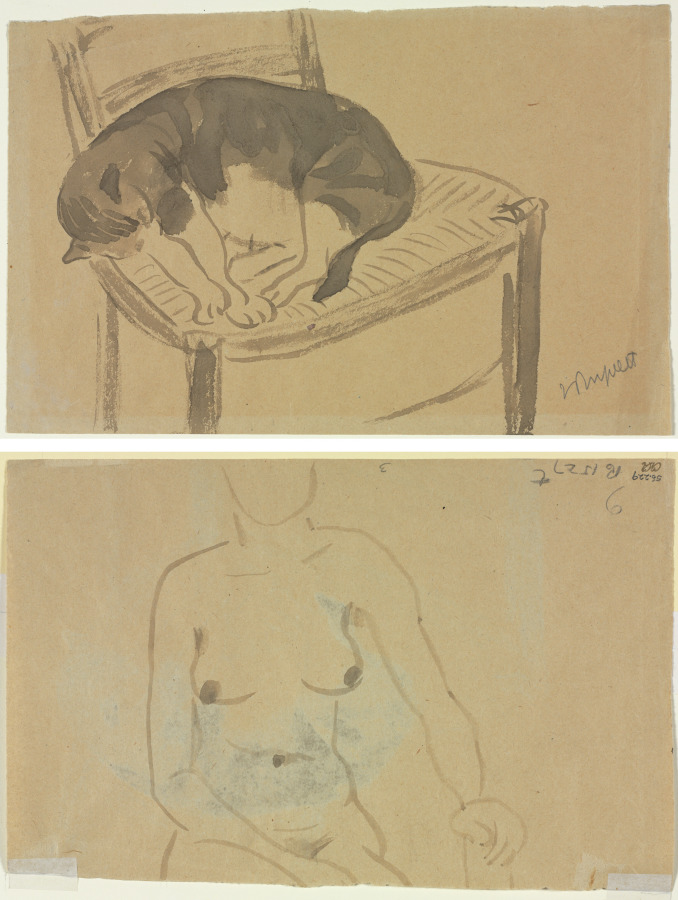
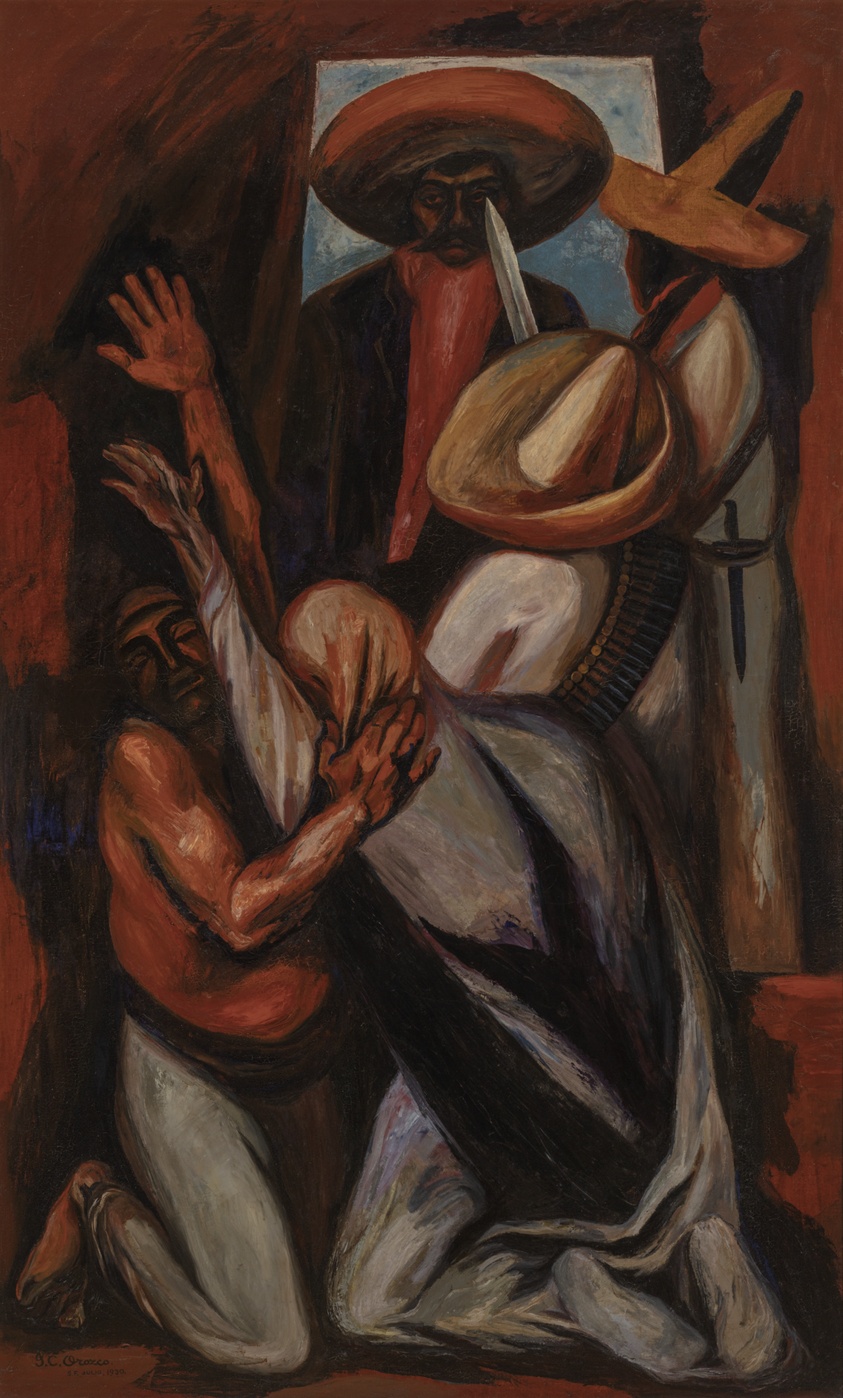
José Clemente Orozco
¿Quién sigue? (Who is Next?), 1931
Stucco fresco, in which pigment is worked into a lime and aggregate ground rather than pure wet plaster, was a technique refined across the Islamic world and later absorbed into Mediterranean Christian practice. These fragments therefore carry a cross cultural biography that makes them relevant to contemporary curatorial conversations about connectivity and exchange rather than the old nationalism of art history. The Aga Khan Museum in Toronto and the Museum of Islamic Art in Doha have both made significant acquisitions in related areas, signaling that this material is no longer peripheral to the canon. José Clemente Orozco represents the other pole of the fresco conversation, one rooted not in medieval survival but in twentieth century ambition.
The great Mexican muralists, Orozco among them, consciously revived fresco as a political and public medium in the 1920s and 1930s, arguing that painting belonged on walls visible to everyone rather than in the private rooms of collectors. The irony is exquisite: work made in a spirit of radical democratization now appears in auction rooms and private collections, where Orozco drawings, studies, and portable works command strong prices. A major Orozco sold through Christie's New York in recent years demonstrated that serious collectors understand his position as perhaps the most psychologically complex of the muralists, less celebratory than Rivera, more tormented and therefore more contemporary in feeling. Critically, the conversation around fresco has been shaped by a generation of scholars who refuse to treat fragments as lesser objects.
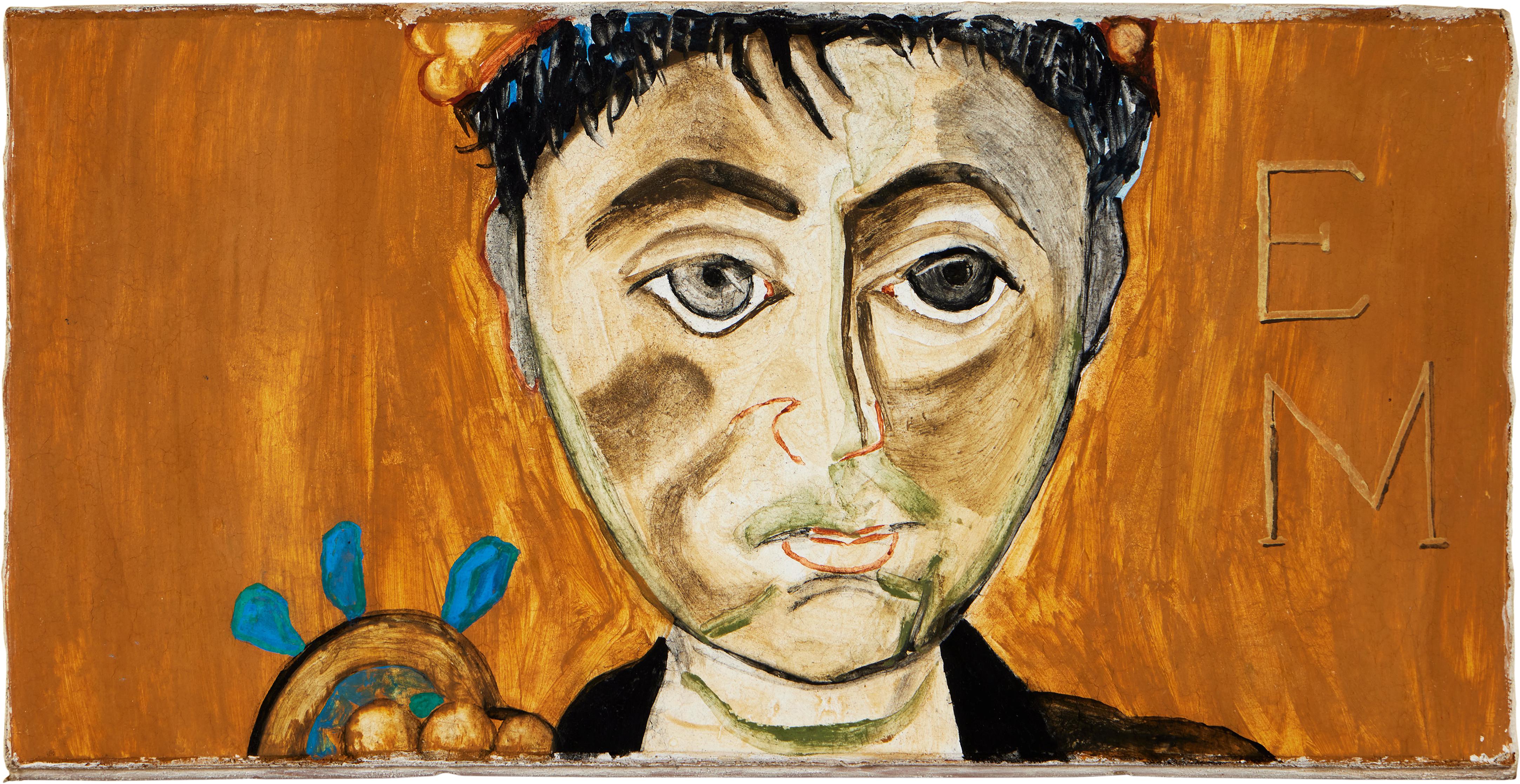
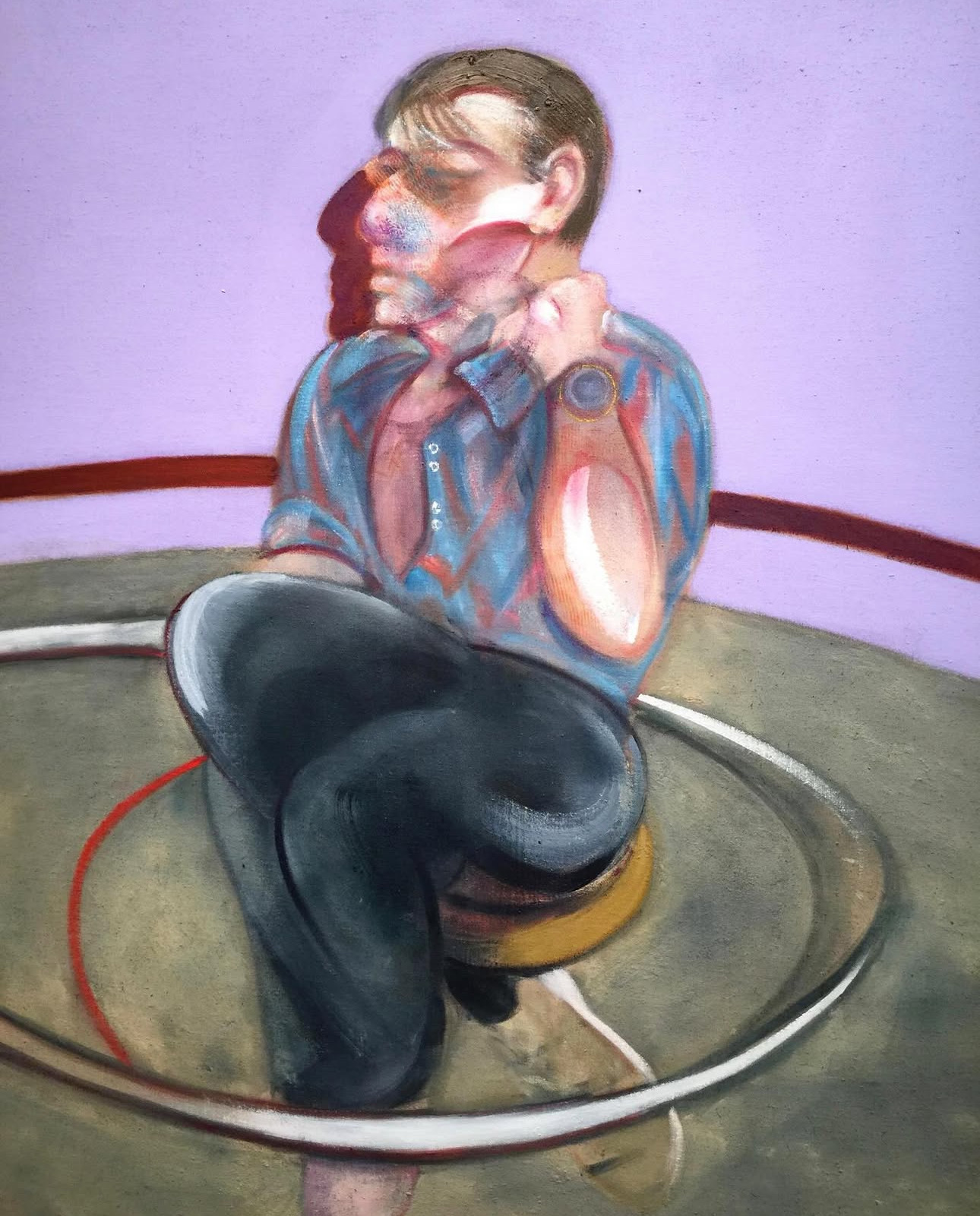
Unknown
EM, 1981
Scholars associated with the Courtauld Institute and the Index of Medieval Art at Princeton have done essential work rehabilitating fragmentary survival as a legitimate subject of serious study rather than a consolation prize for what was lost. Publications including The Burlington Magazine and Gesta have carried important essays on the afterlife of displaced frescoes, the ethics of their market history, and the ways in which dislocation paradoxically opened them to new readings. Curators at the Metropolitan Museum of Art, where the collection of Italian medieval and Byzantine material remains extraordinary, have been thoughtful participants in this reassessment. What feels alive right now is the intersection of fresco with questions about materiality that preoccupy so much of contemporary practice.
Artists including Cecily Brown and Julie Mehretu have spoken about fresco as a haunting presence behind their own layered surfaces. Younger painters are experimenting with lime grounds and intonaco techniques learned through conservation programs in Italy. This means that when collectors look at a twelfth century Languedoc fragment or a North Italian devotional panel from the trecento, they are not only looking backward. They are looking at something that has reentered the visual bloodstream of living artists.
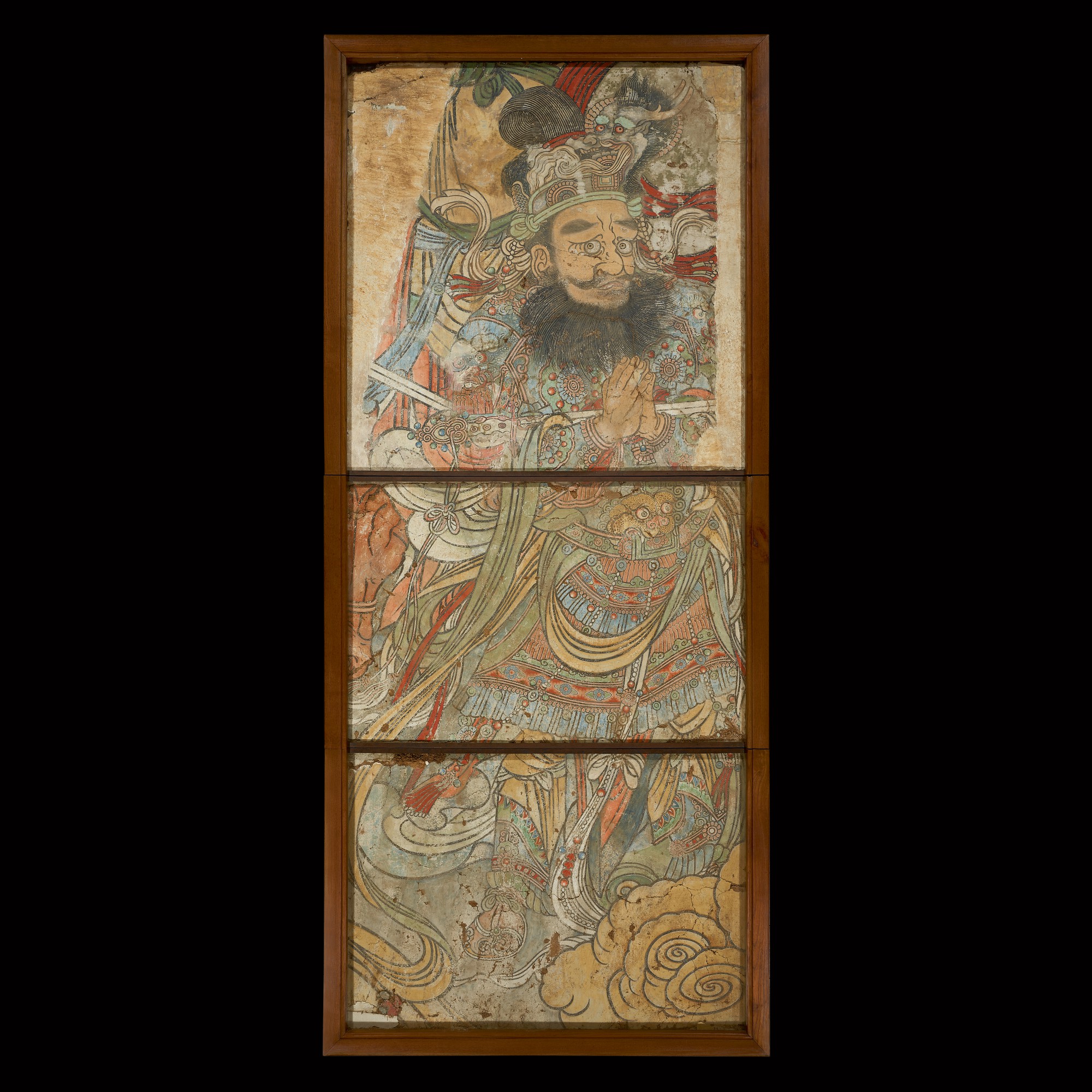
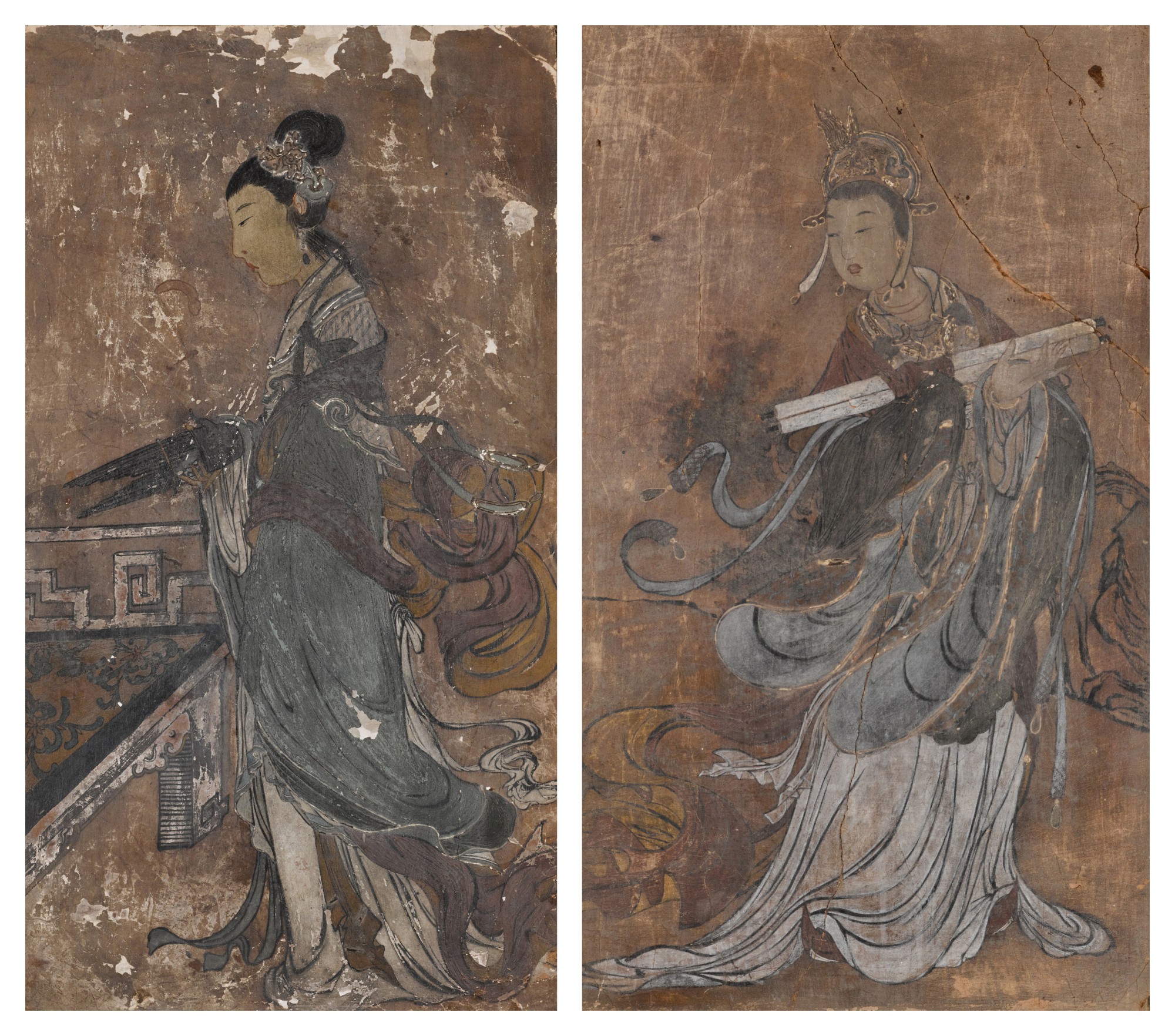
A monumental fragmentary fresco of a guardian king
宋至元 彩繪天王像壁畫殘片
The surprises are likely to come from geography. Works of Central and South Asian origin made in fresco and stucco fresco techniques remain significantly undervalued relative to their art historical importance. The guardian king tradition across Dunhuang, Gandhara, and the Silk Road oases represents one of the great subjects in global art history, and Western auction markets have only begun to price that significance seriously. Institutions in China, Japan, and South Korea are building collections aggressively in this area, and their appetite will almost certainly reshape what the Western market believes this material is worth.
For collectors with the patience and the eye, fresco in all its fragmented, displaced, and astonishing survival is exactly the kind of territory where genuine discoveries remain possible.