Flat Color Fields
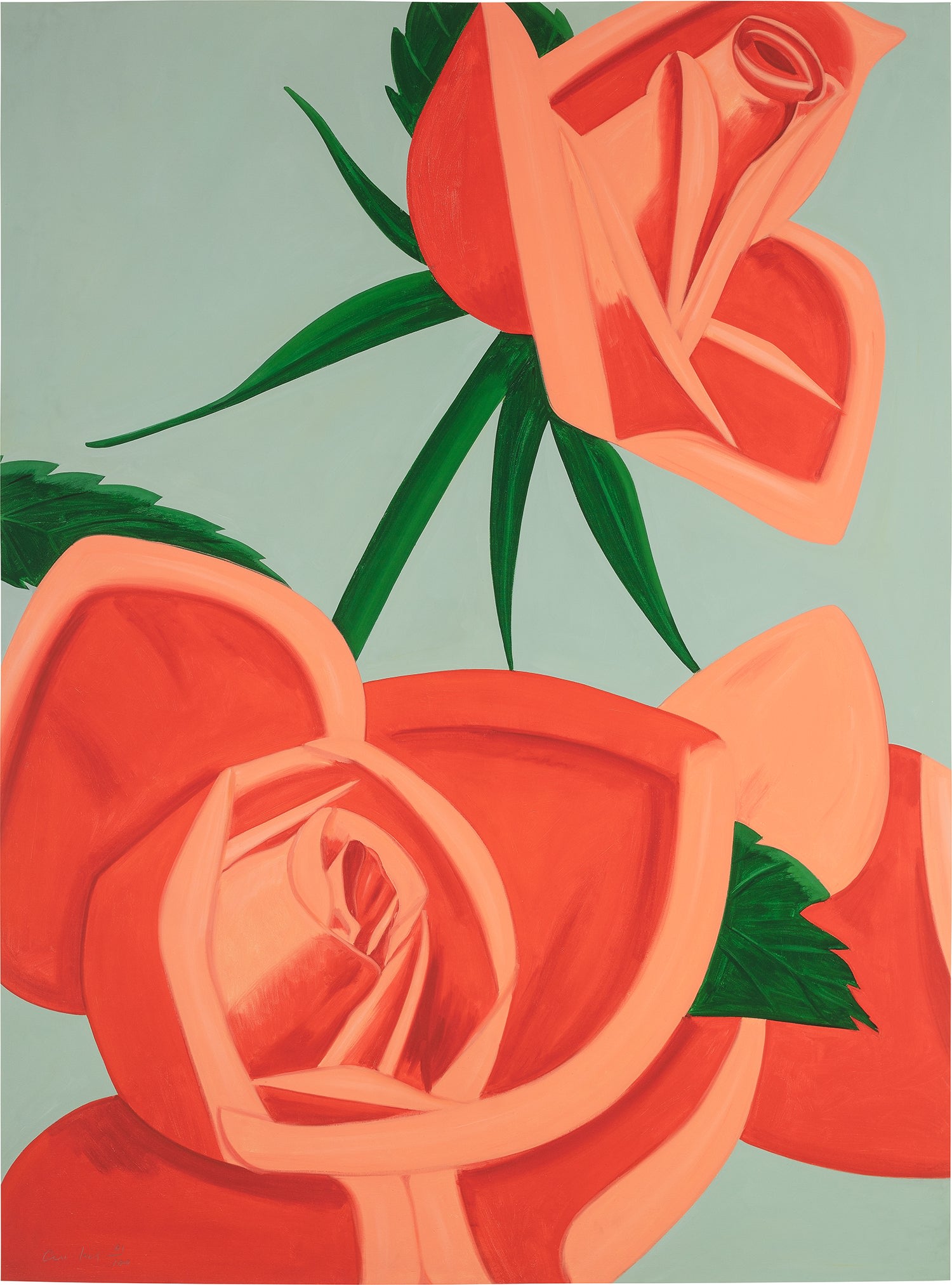
Alex Katz
Rose Bud (S. 692)

The Quiet Power of Pure Color
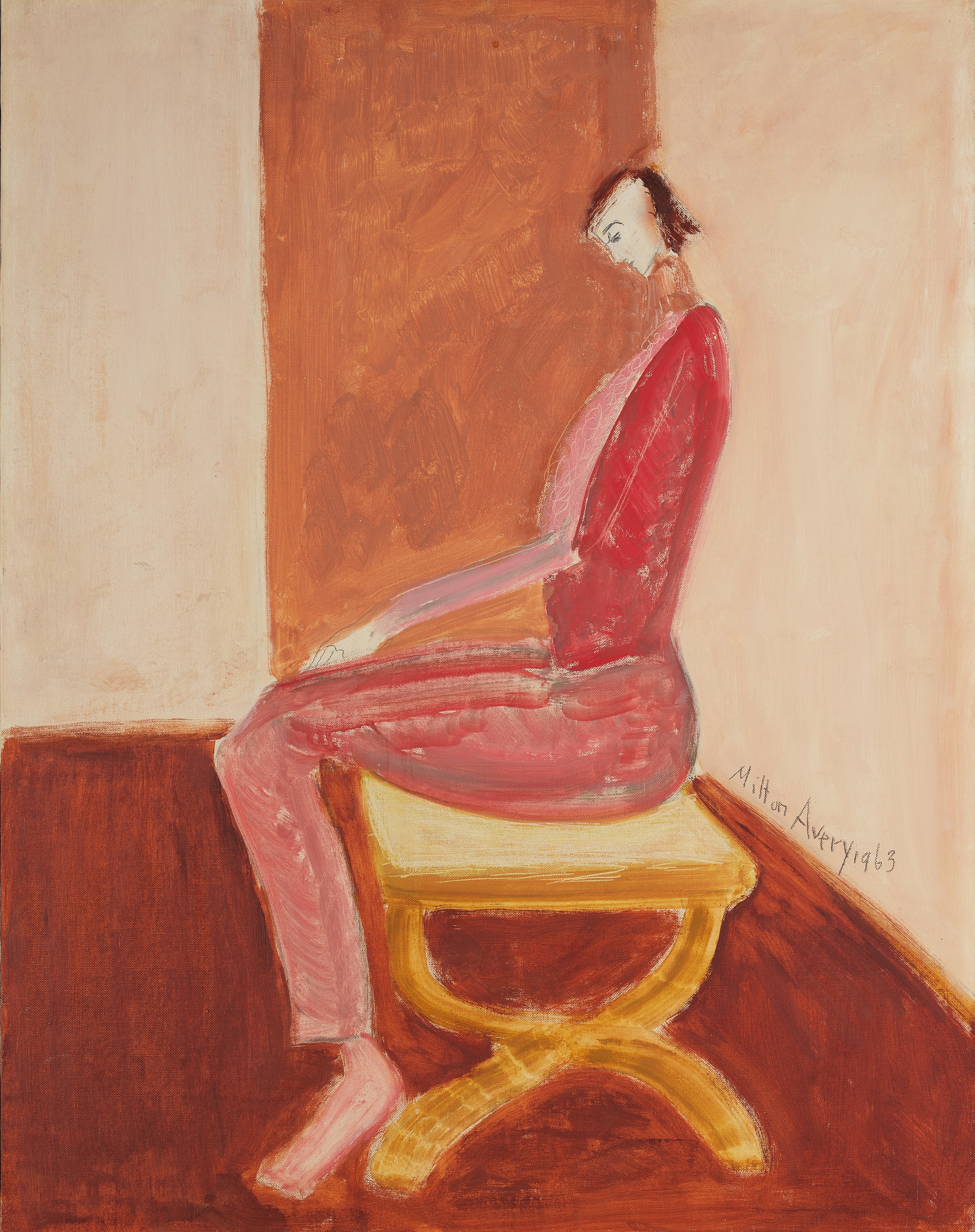
When a Milton Avery canvas sold at Christie's New York for well over a million dollars in recent years, the bidding room understood something that critics have circled around for decades: flat color is not a simplification of the world. It is a compression of it. Avery's luminous, unmodulated fields carry an emotional density that more labored surfaces rarely achieve, and the market has finally caught up to what painters and poets knew all along. There is nothing simple about choosing to leave a thing alone.
The conversation around flat color fields has intensified considerably since the Museum of Modern Art mounted its 2022 survey focused on American modernism and its quieter legacies. Shows like these have a way of recontextualizing artists who once seemed settled into their canonical positions. Avery, long bracketed as a transitional figure between American modernism and the Abstract Expressionists who admired him, including Mark Rothko who credited him openly, emerges in this light as something more foundational. His deliberate flatness was not naivety.
Alex Katz
Rose Bud (S. 692)
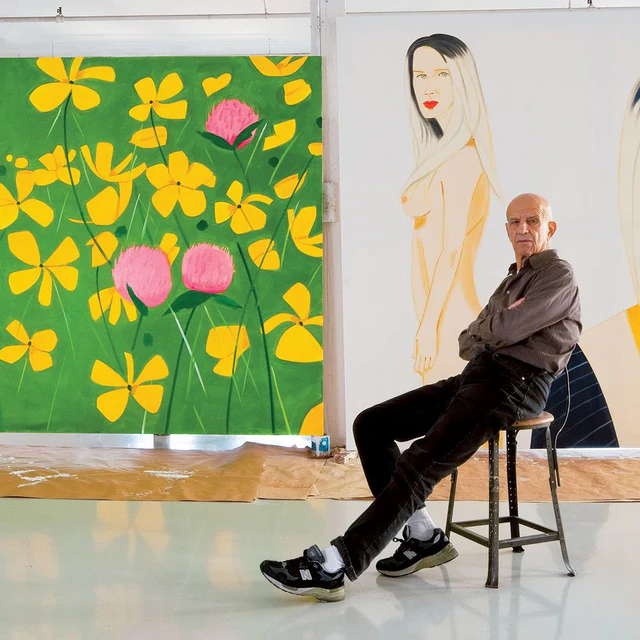
It was a very considered refusal. Alex Katz has been the subject of a major retrospective at the Guggenheim Bilbao and continued institutional enthusiasm across Europe and North America, and what those shows make bracingly clear is how his approach to flat color operates differently from Avery's while arriving at comparable emotional territory. Katz's cropped figures and flattened grounds feel cinematic, indebted to billboard culture and the cool visual grammar of the postwar city. His prices at auction reflect sustained collector confidence: major works regularly clear seven figures at Sotheby's and Christie's, with certain signature canvases climbing considerably higher.
He represents what the market rewards when an artist's visual language becomes so distinctive it functions almost like a logo, instantly legible and endlessly desired. Roy Lichtenstein complicates the flat color conversation in productive ways. His Ben Day dot fields and hard graphic outlines borrowed the industrial flatness of commercial printing and turned it into a vehicle for art historical critique. The auction market for Lichtenstein has remained among the most robust in postwar American art, with major works achieving prices that place him comfortably among the top tier of twentieth century names.
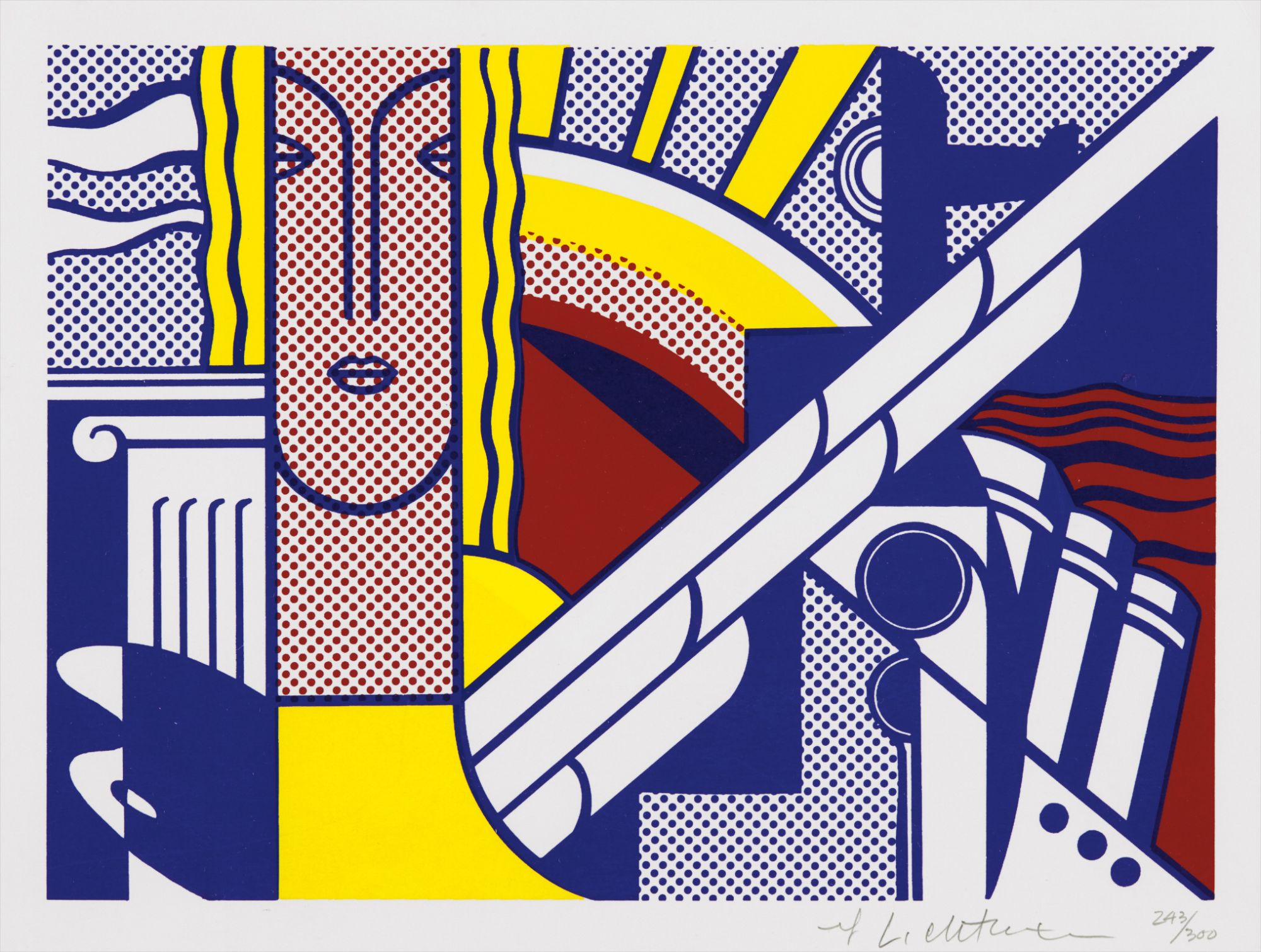
Roy Lichtenstein
Modern Art Poster
What Lichtenstein understood, and what collectors have rewarded, is that flatness can be knowing. It can wink. The surfaces look simple until you stand close enough to feel how much is happening underneath the decision not to blend. Institutional collecting in this space tells a revealing story.
The Tate Modern, the Walker Art Center, and the Whitney Museum of American Art have all deepened their holdings of works that explore flat and reduced color as a primary strategy. The Whitney's longstanding commitment to American painters who work in this register has helped anchor the critical legitimacy of the mode for several generations. When a major public institution acquires seriously in an area, it signals not just taste but durability. Collectors watching those acquisitions understand that the floor beneath these works is not going anywhere.
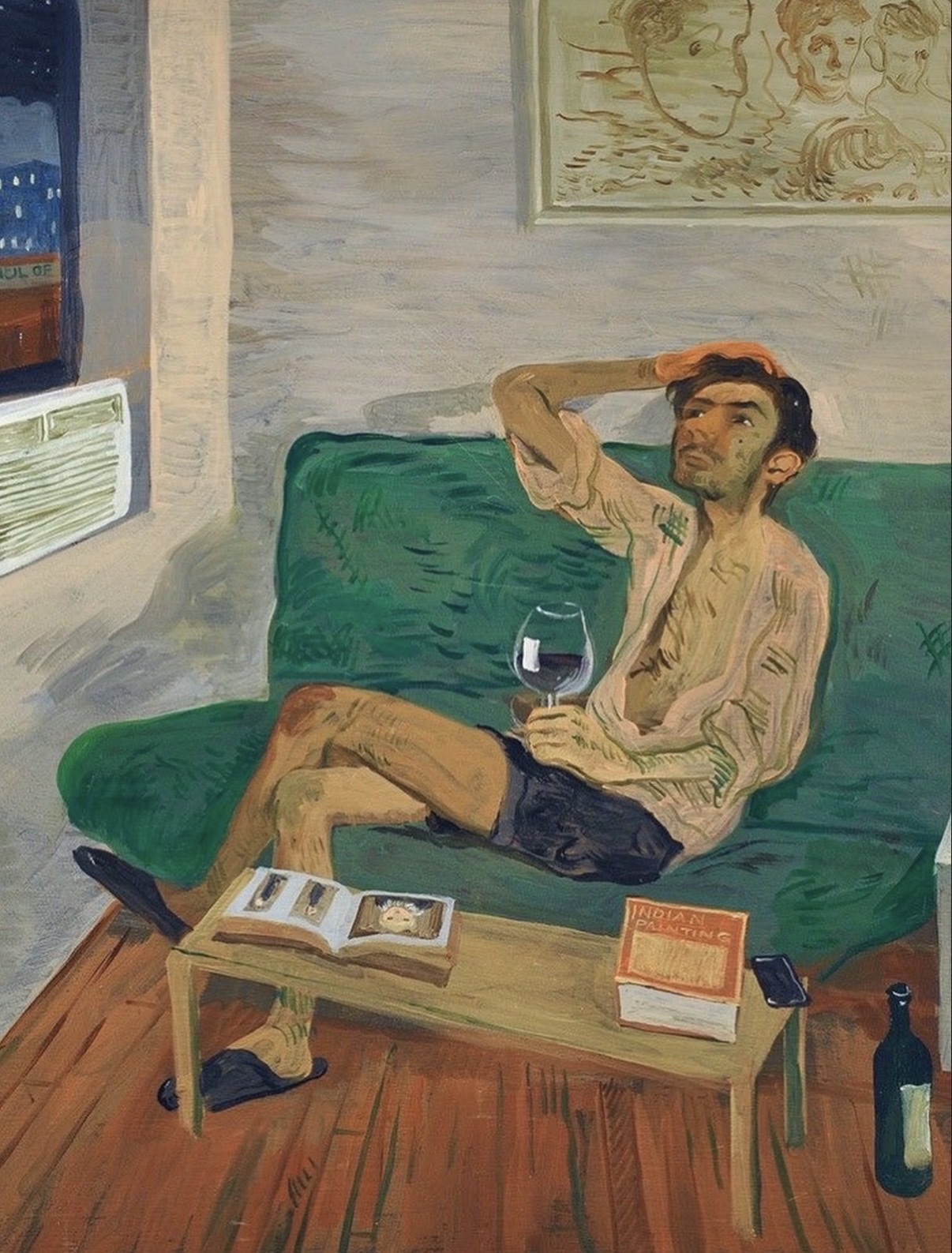
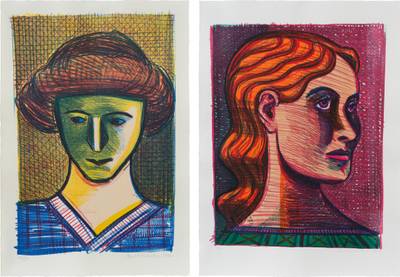
Christoph Ruckhäberle
China
Christoph Ruckhäberle brings a distinctly European sensibility to the flat color conversation and his inclusion alongside Katz and Avery on a platform like The Collection is genuinely instructive. Ruckhäberle's figures, drawn from theatrical and literary sources, are rendered in compressed planes of color that owe something to woodcut traditions and something to the Leipzig school's interest in defamiliarized figuration. His market is still developing relative to the American names alongside him, which makes this a genuinely interesting moment for collectors paying attention. The critical apparatus in Germany and increasingly in the United Kingdom has been generous to his work, and gallery representation at serious venues in Europe has given his prices a stable upward trajectory.
The writers and curators shaping this area right now tend to approach flatness not as a formalist issue but as an existential one. Critics writing in Artforum and Frieze over the past several years have returned repeatedly to questions about what it means to reduce the visual world to planes of unbroken color, what that gesture costs and what it offers in an era of overwhelming visual complexity. The philosopher and art theorist T.J.

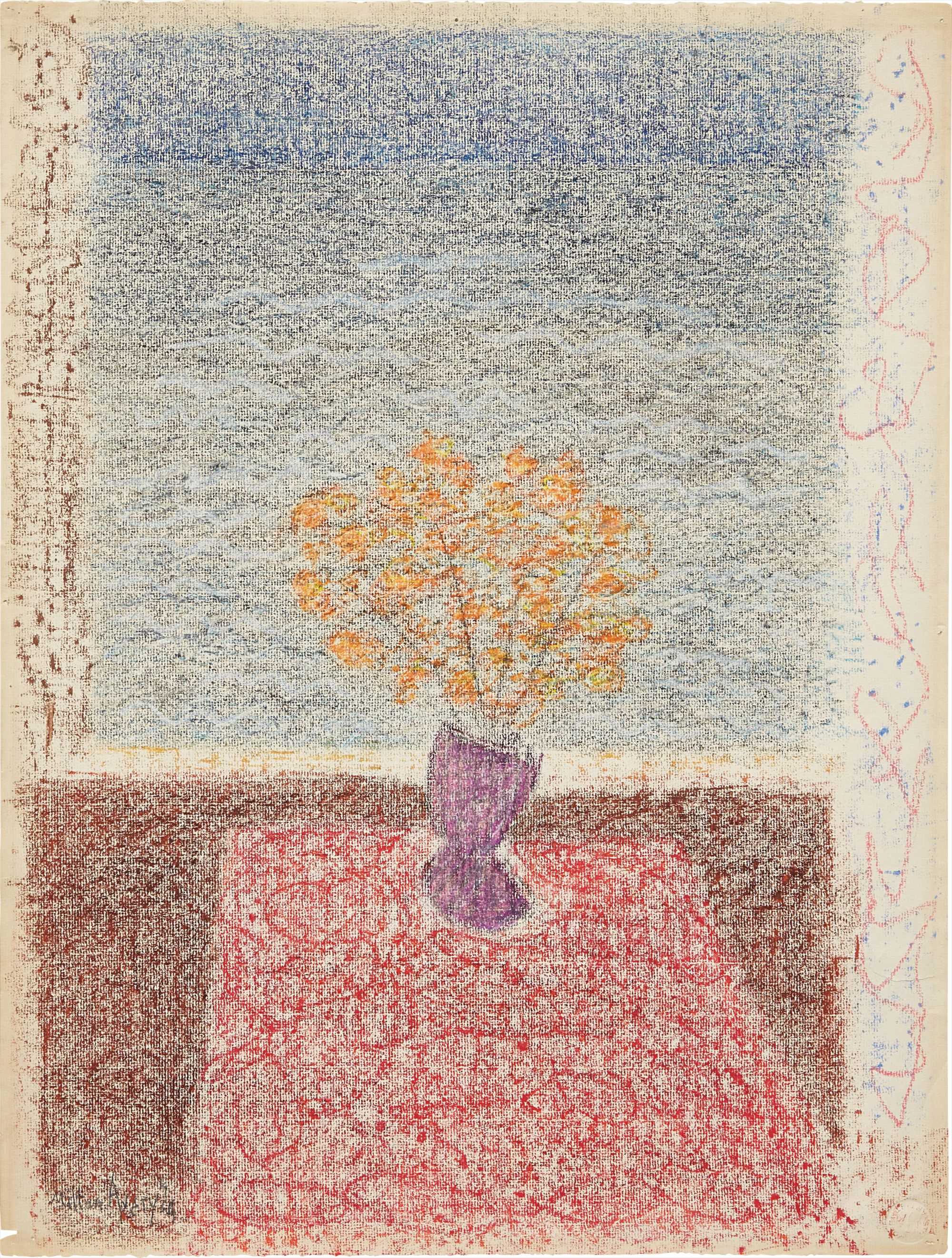
Milton Avery
The White Hen and Fantasy Creatures (double-sided), 1947
Clark, whose writing on modernism remains essential, has framed flatness as one of the central problems of modern painting rather than one of its solutions. That framing has given curators permission to treat artists working in this mode as contributors to an ongoing argument rather than practitioners of a settled style. The energy in this category right now feels genuinely alive at the intersection of figuration and abstraction, where artists are using flat color not to dissolve form but to intensify it. There is a generation of painters in their thirties and forties working across Europe and North America who treat Katz and Avery not as historical monuments but as living provocations.
The question of what a flat color field means when placed against a recognizable figure, a face, a body, a room, carries real urgency in contemporary practice. That urgency is showing up at art fairs and in gallery programs and eventually it arrives at auction, where the prices begin to confirm what the studios already knew. For collectors, the most interesting moment in any category is when its history feels clarified and its future remains genuinely open. Flat color fields are exactly there.
The major figures are well established and well priced for good reason, and the works on The Collection represent some of the most resolved examples of this tradition available to serious collectors today. But the next chapter is being written right now in studios that are taking the lessons of Avery and Katz and Lichtenstein and doing something unexpected with them. The collector who understands this history is also the one best positioned to recognize what comes next.