Fashion Photography
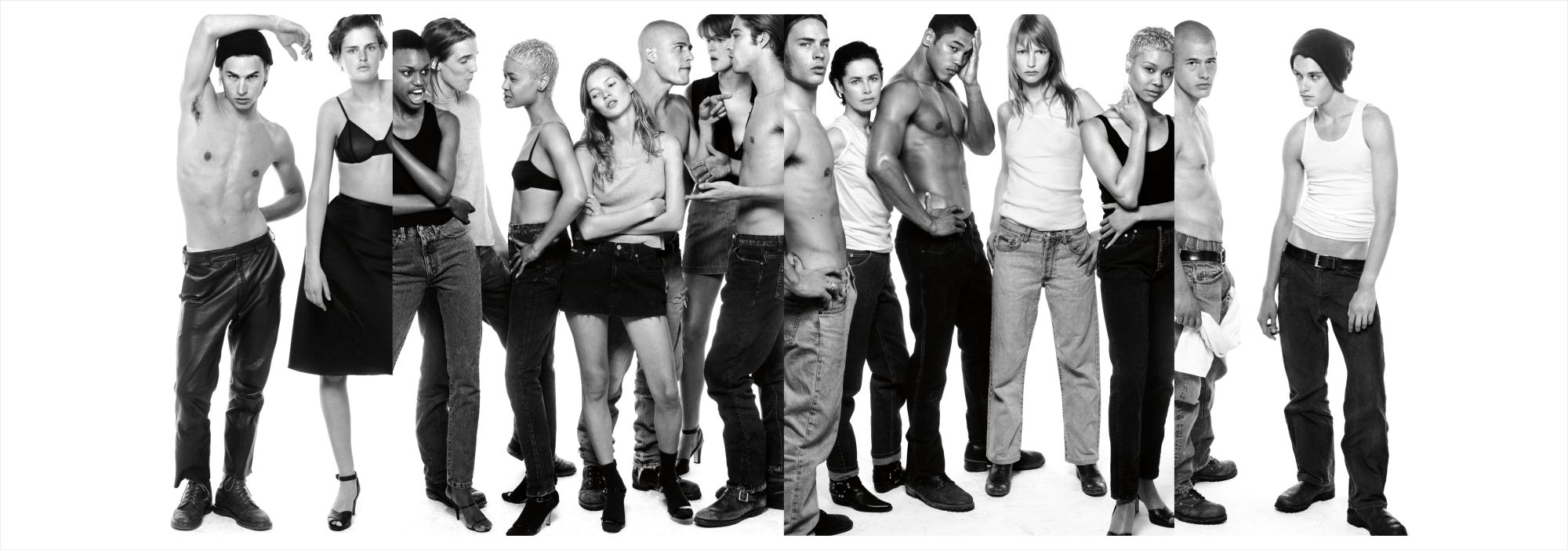
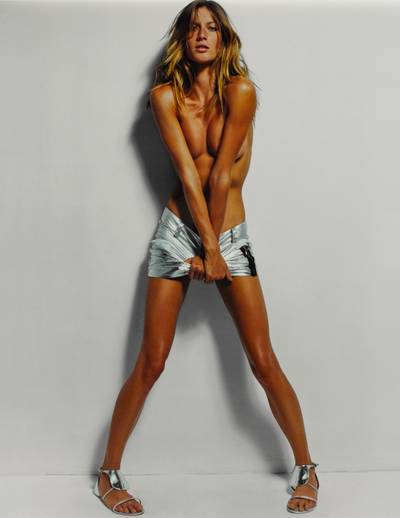
Steven Meisel
CK One, New York City



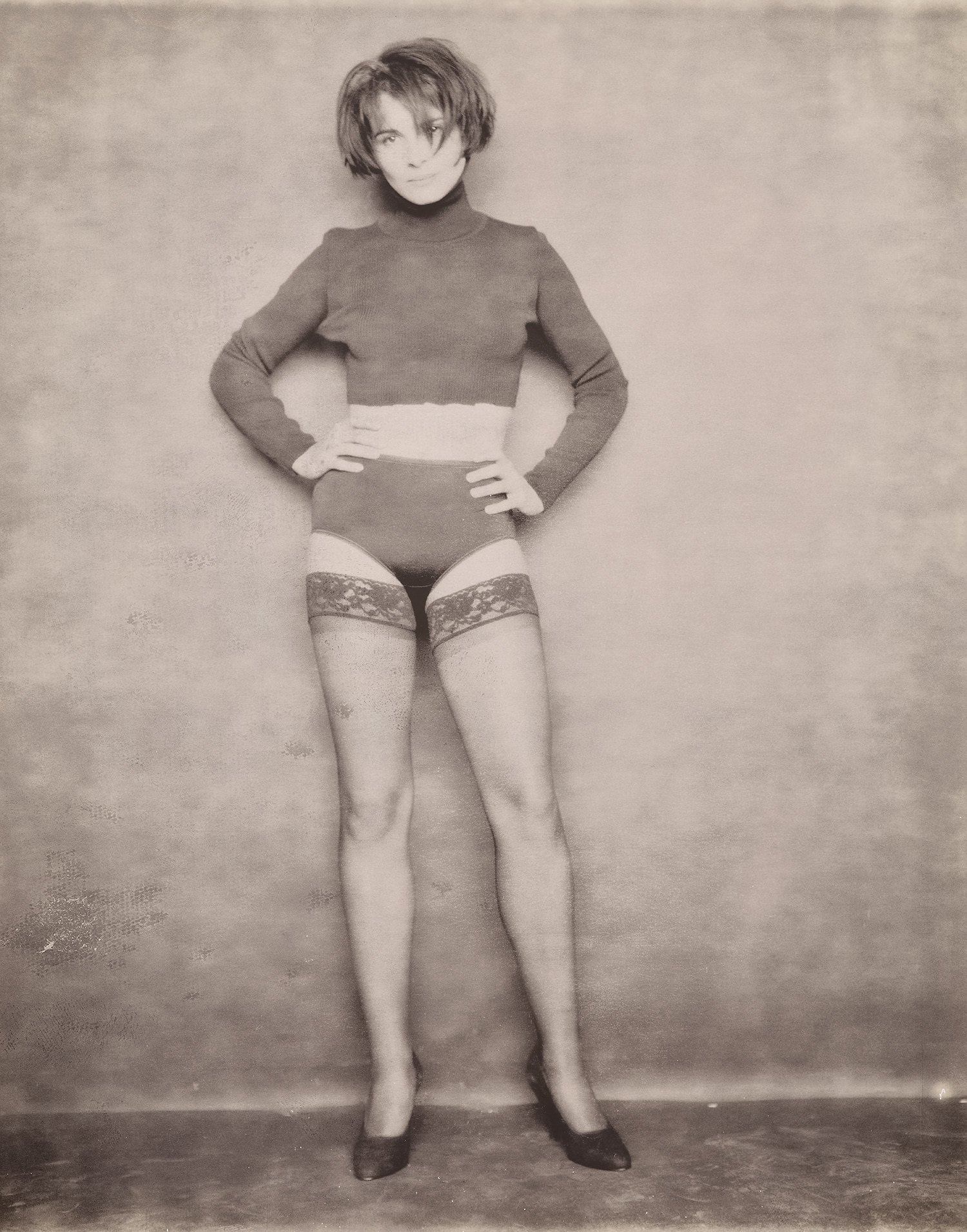
When Fashion Learned to Dream in Photographs
There is a moment in every great fashion photograph when clothing becomes secondary. The dress, the suit, the coat, all recede, and what remains is something harder to name: atmosphere, desire, a psychological charge that holds you in place. This is the paradox at the heart of fashion photography, and it is why the medium, so often dismissed as commerce dressed up as art, has produced some of the most compelling images of the twentieth century and beyond. The tension between the sellable and the sublime has never been fully resolved, and that unresolved tension is precisely where the most interesting work lives.
The origins of fashion photography reach back to the earliest decades of photography itself, but the medium found its first real ambitions in Paris during the 1910s and 1920s, when magazines like Vogue and Harper's Bazaar began commissioning images that went beyond mere product documentation. Baron Adolphe de Meyer brought a soft, pictorialist sensibility to early Vogue, but it was Edward Steichen who shifted the register entirely, bringing a modernist clarity and graphic boldness to his work for Condé Nast beginning in 1923. Steichen understood that a fashion photograph was not a picture of clothes. It was a picture of a way of being.
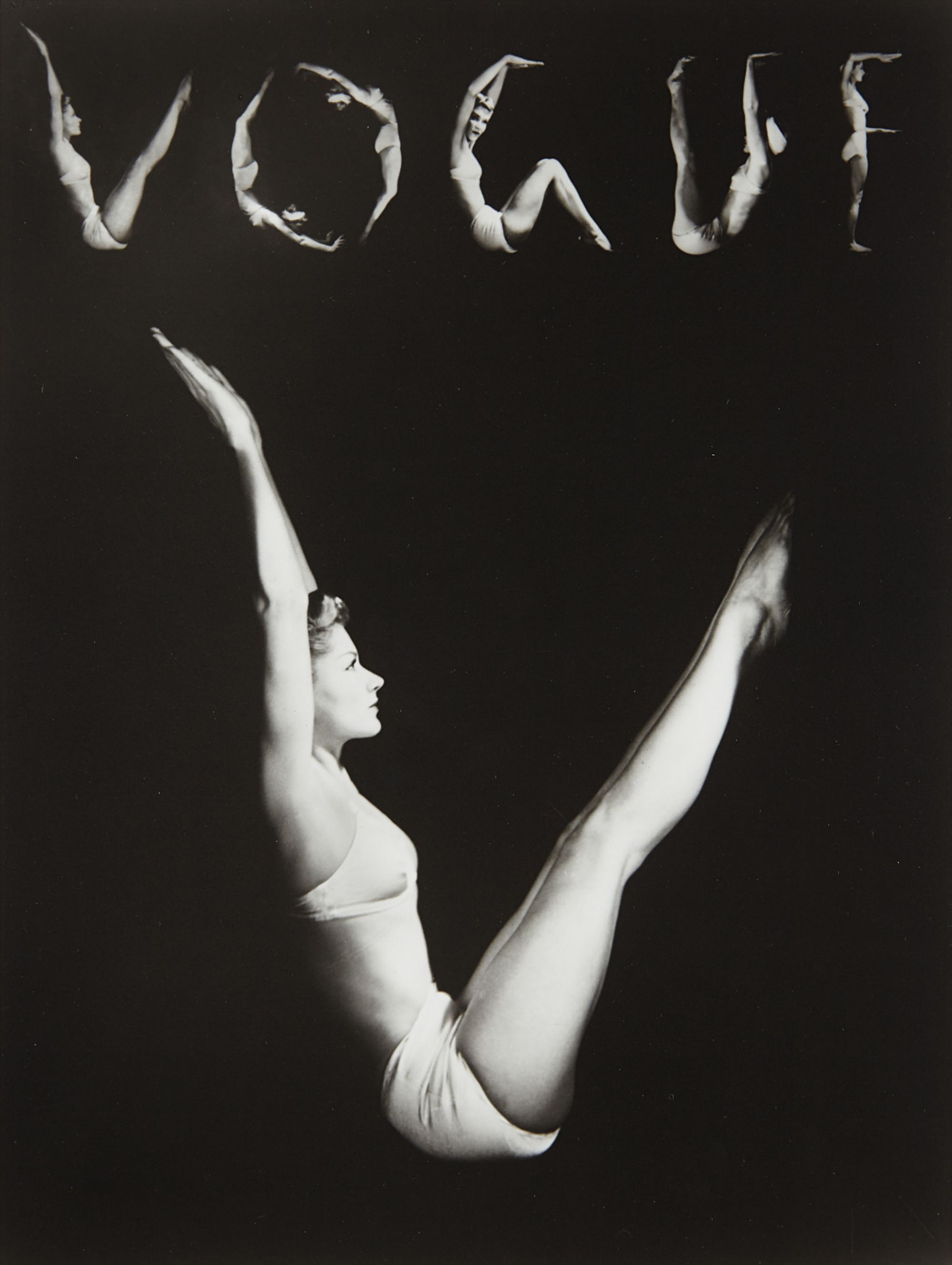
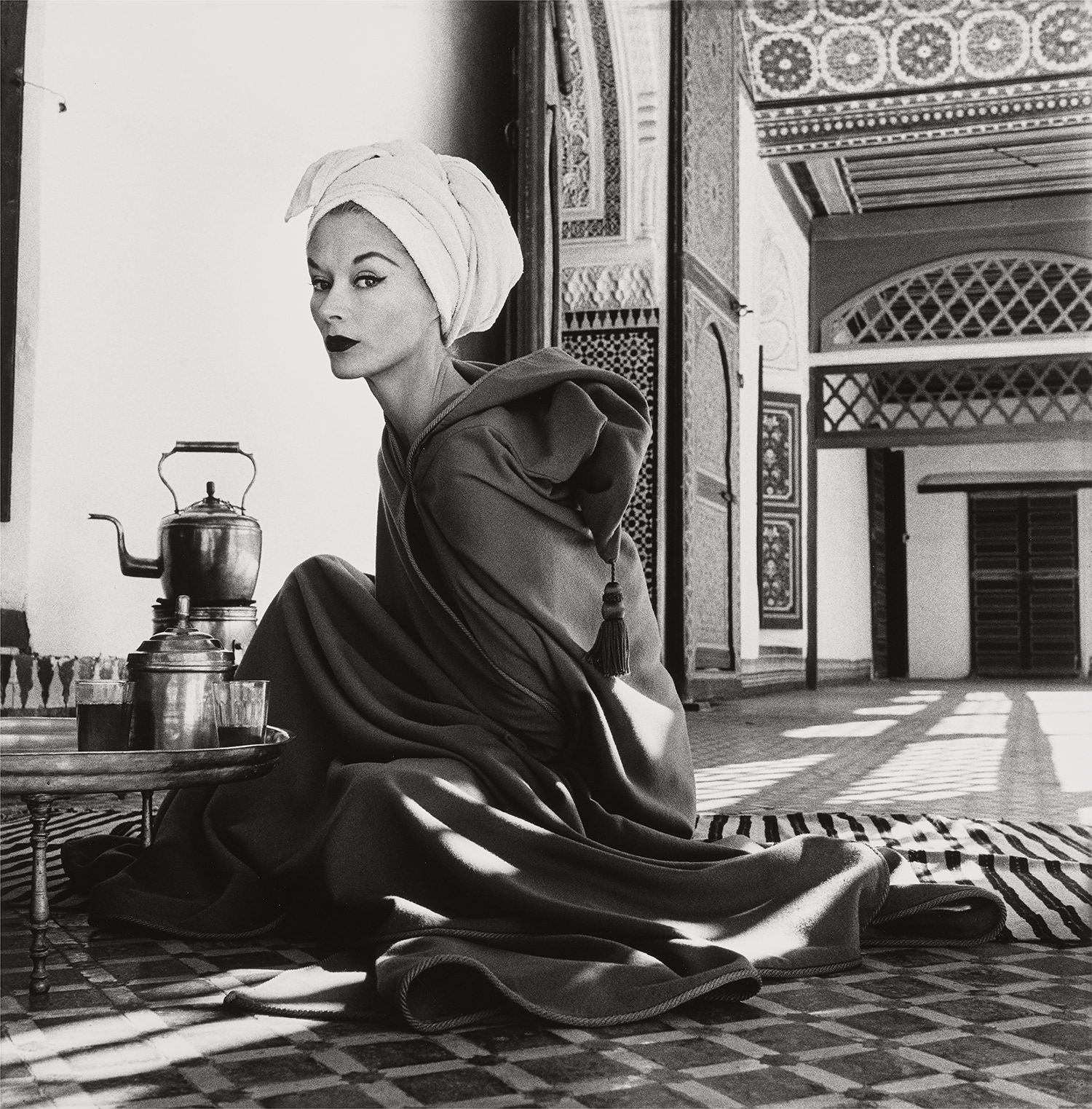
Horst P. Horst
Vogue (Lisa Fonssagrives) New York
The interwar years produced a generation of photographers whose influence is still felt in every editorial produced today. George Hoyningen Huene, shooting for French Vogue through the late 1920s and into the 1930s, brought a sculptural neoclassicism to his images, treating the body with the gravity of ancient statuary while keeping everything firmly anchored in the modern moment. Horst P. Horst, who studied briefly under Le Corbusier and assisted Hoyningen Huene before establishing his own extraordinary career, deepened that architectural sensibility and added a psychological complexity that made his best work genuinely unsettling in the most elegant way.
His 1939 image known as the Mainbocher Corset remains one of the most discussed photographs in the history of the medium. Erwin Blumenfeld, working across Paris and New York, brought a Dadaist restlessness and a darkroom experimentalism that made his covers for Vogue and Cosmopolitan feel genuinely avant garde. The postwar period transformed fashion photography again, as New York consolidated its position alongside Paris as a center of visual culture. Richard Avedon joined Harper's Bazaar in 1945 and almost immediately began pushing the genre toward something more kinetic and emotionally open.
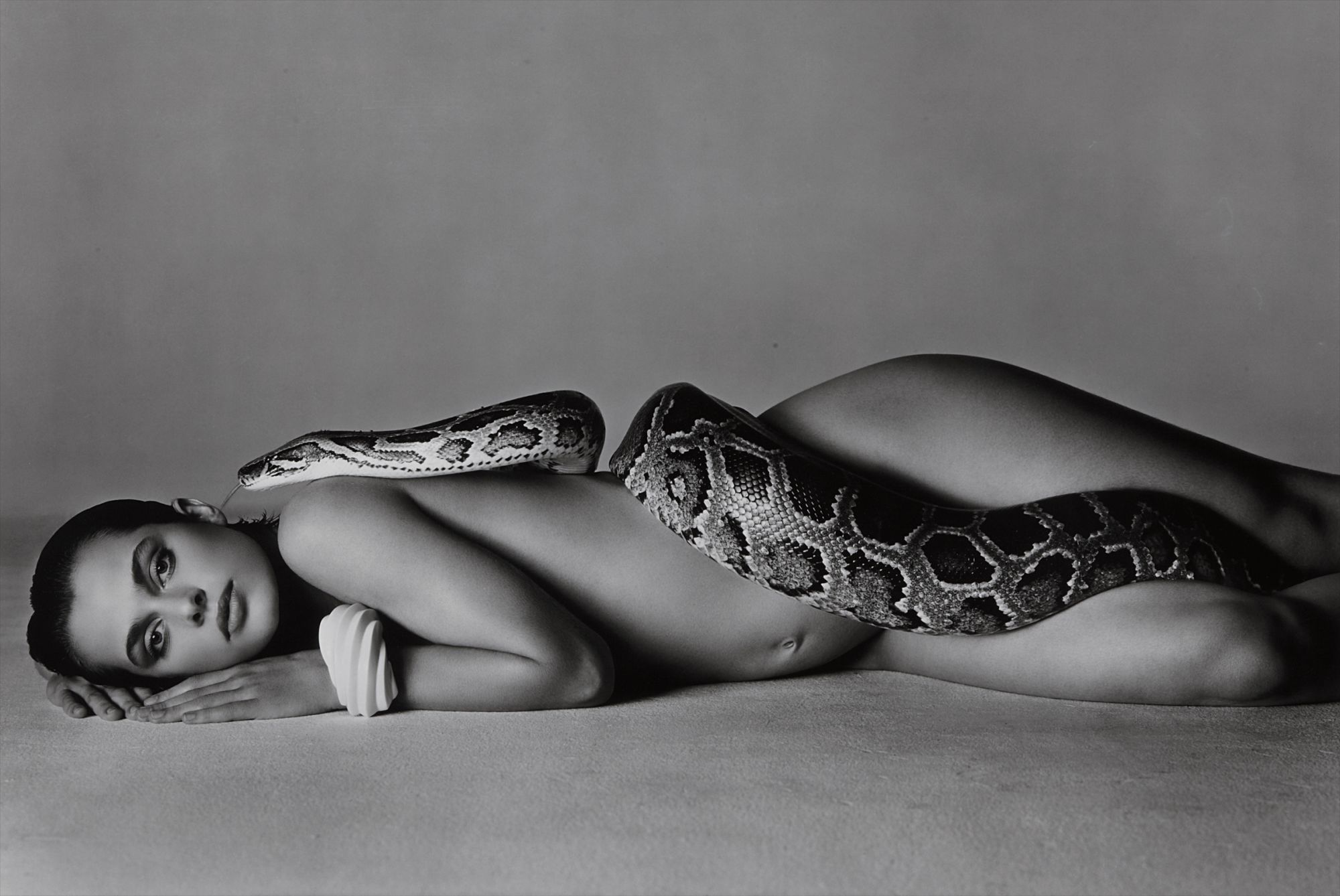
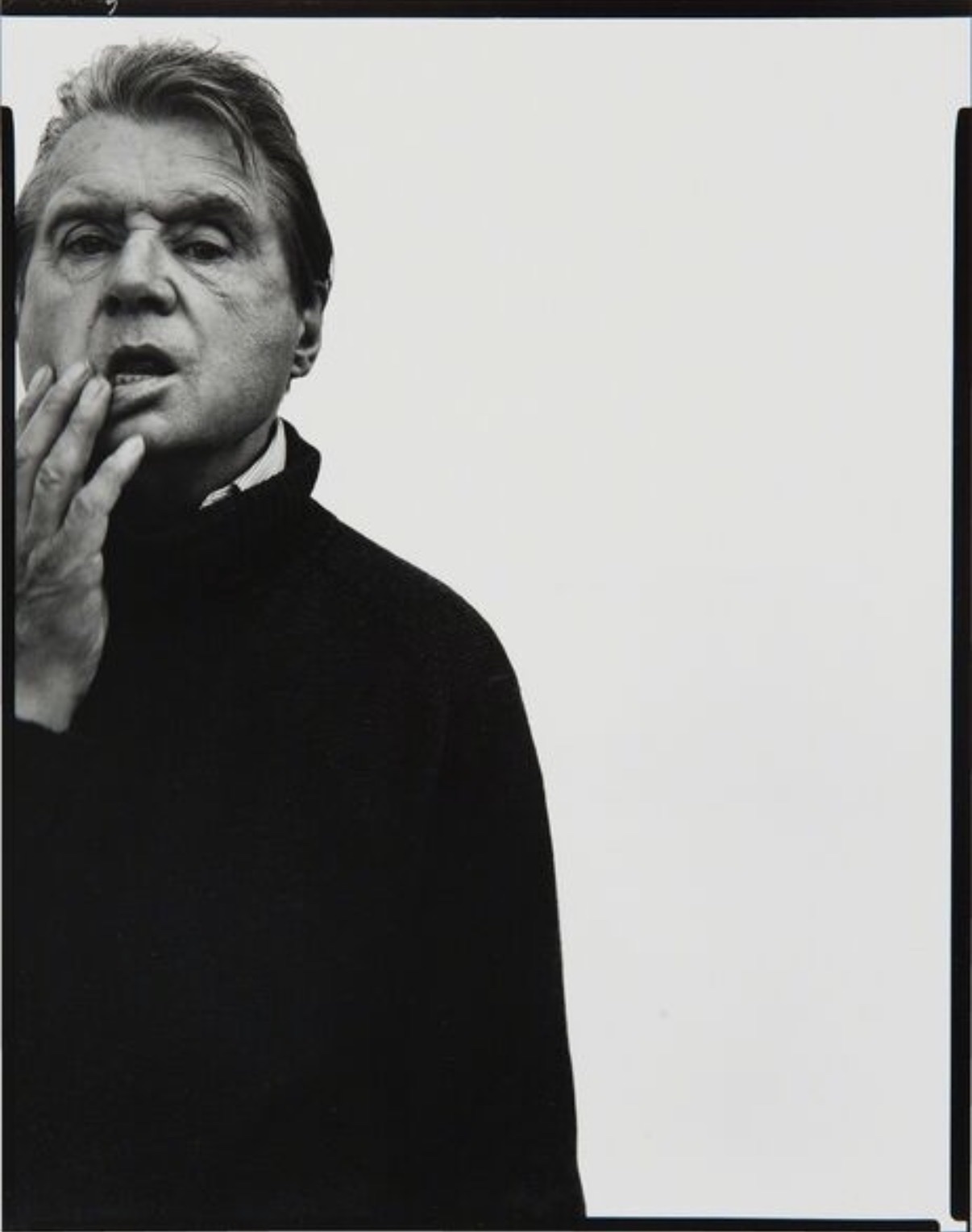
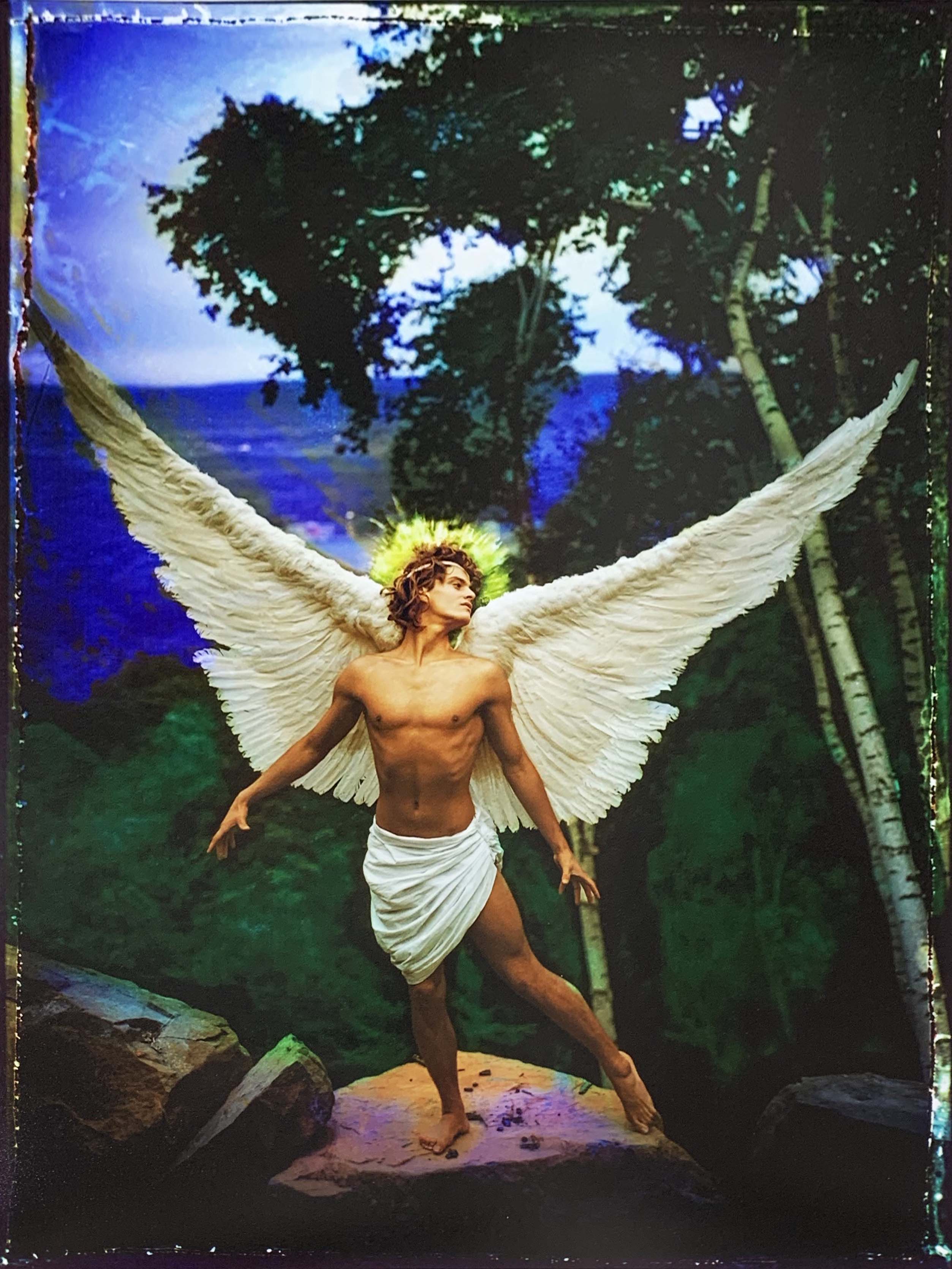
Richard Avedon
Nastassja Kinski and the Serpent, Los Angeles, California, June 14
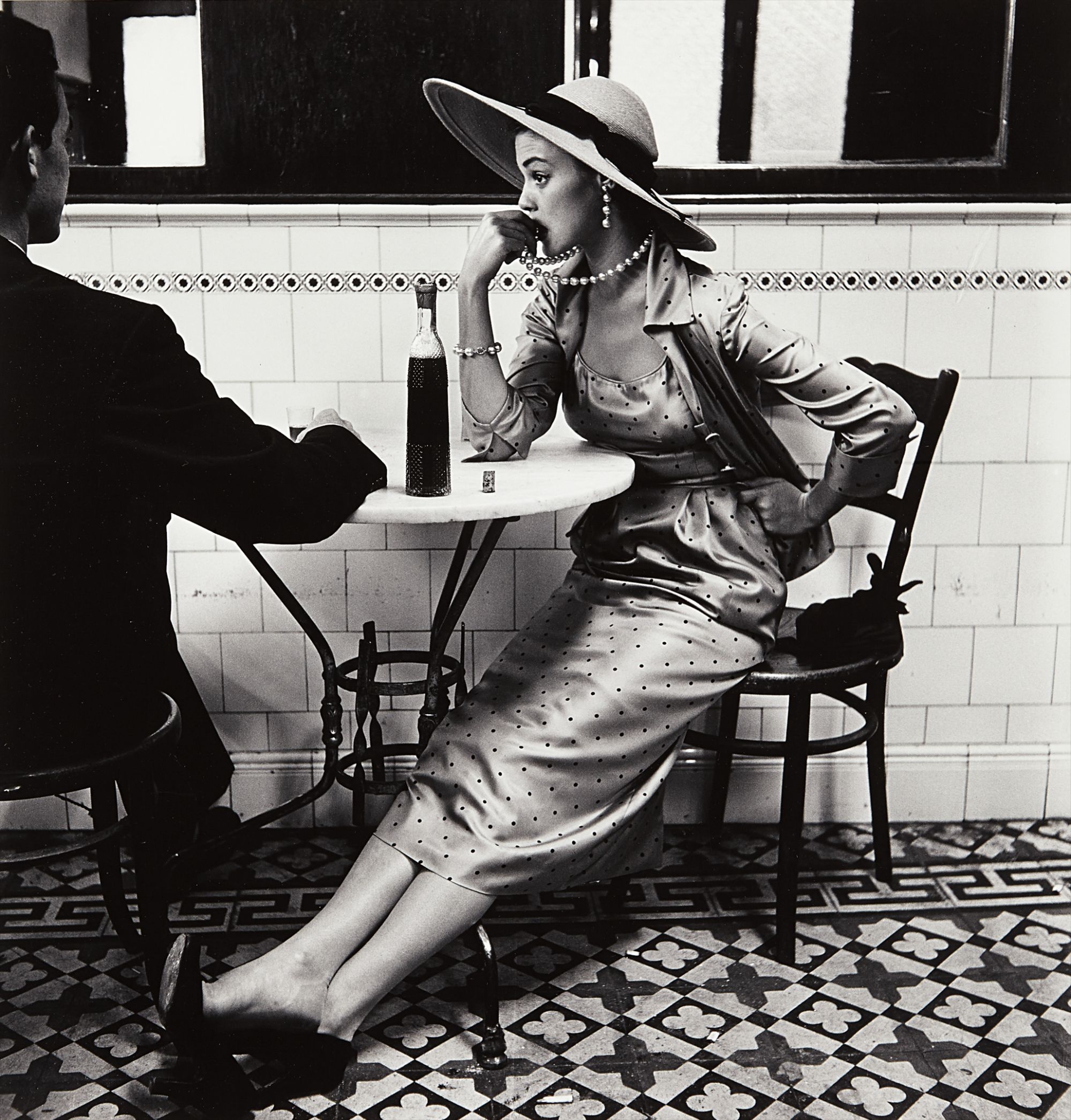
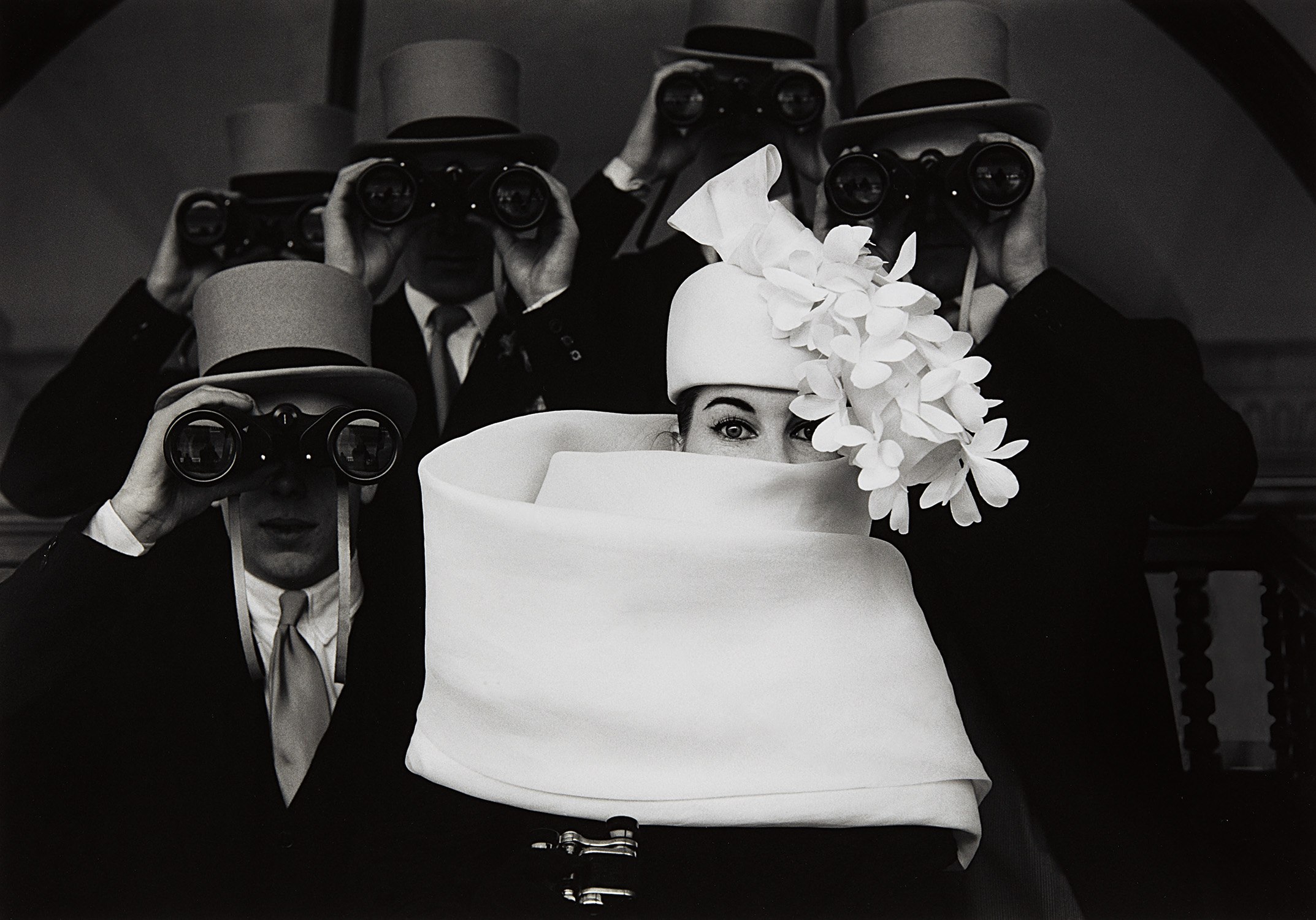
His models moved, laughed, ran through the streets of Paris. Irving Penn, working at Vogue from the same era, took the opposite approach, stripping everything back to the studio, the plain backdrop, the confrontational simplicity that made his portraits and fashion work equally powerful. These two photographers effectively defined the poles between which the whole field still navigates: the world outside the studio versus the world the studio creates. Both are exceptionally well represented in The Collection, and seeing their work together reveals just how productively different two masters working in the same moment can be.
The 1960s and 1970s brought new energies and new provocations. William Klein turned fashion photography inside out, bringing the rough grain and confrontational energy of street photography into the studio and onto location. His 1954 book on New York had already announced an entirely different visual language, and when that language collided with fashion, the result was images that felt pulled from life rather than constructed for the page. Helmut Newton arrived at his full power during this period, and his contribution to the form is impossible to overstate.
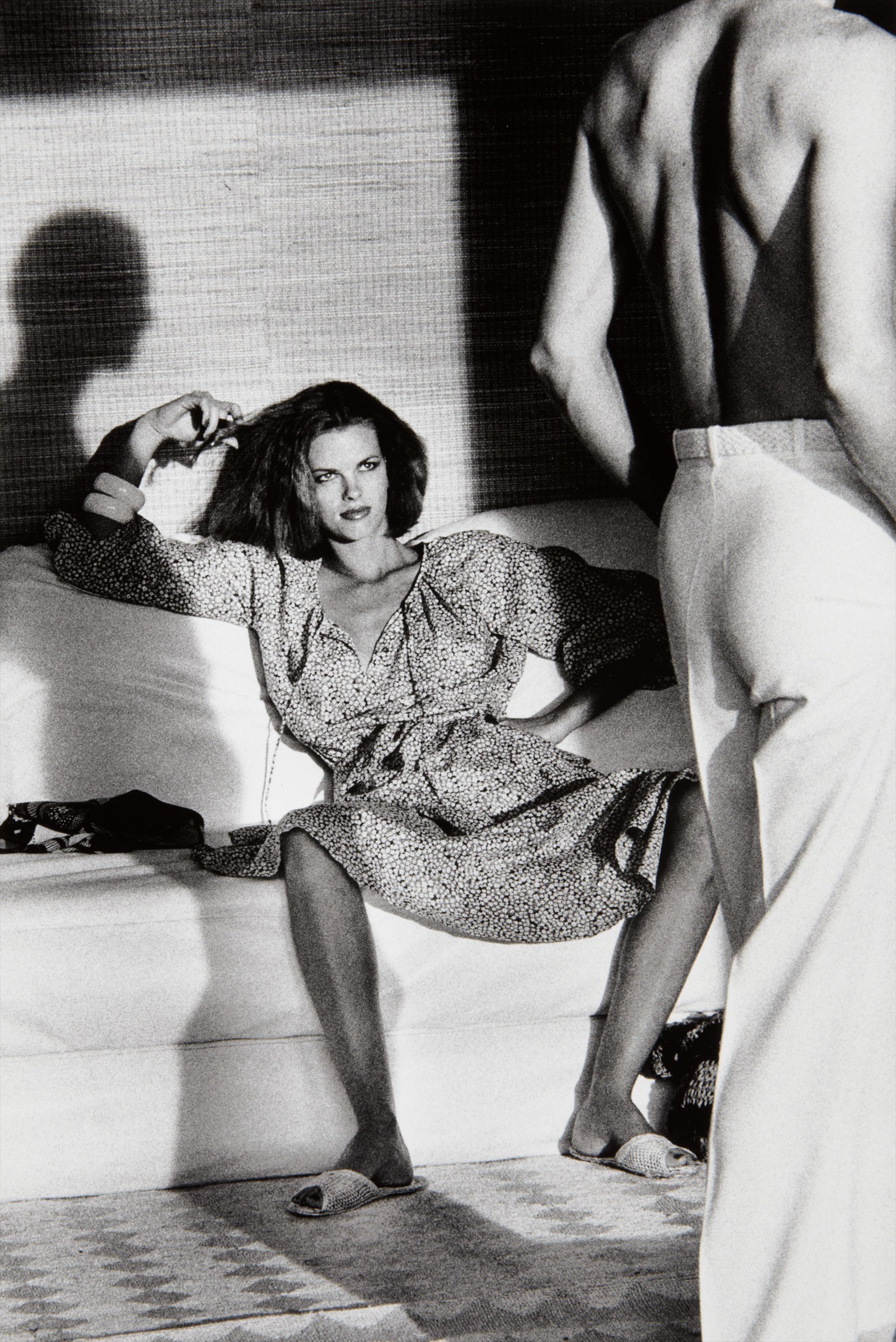
Helmut Newton
Woman Examining Man, U.S. Vogue, Saint-Tropez
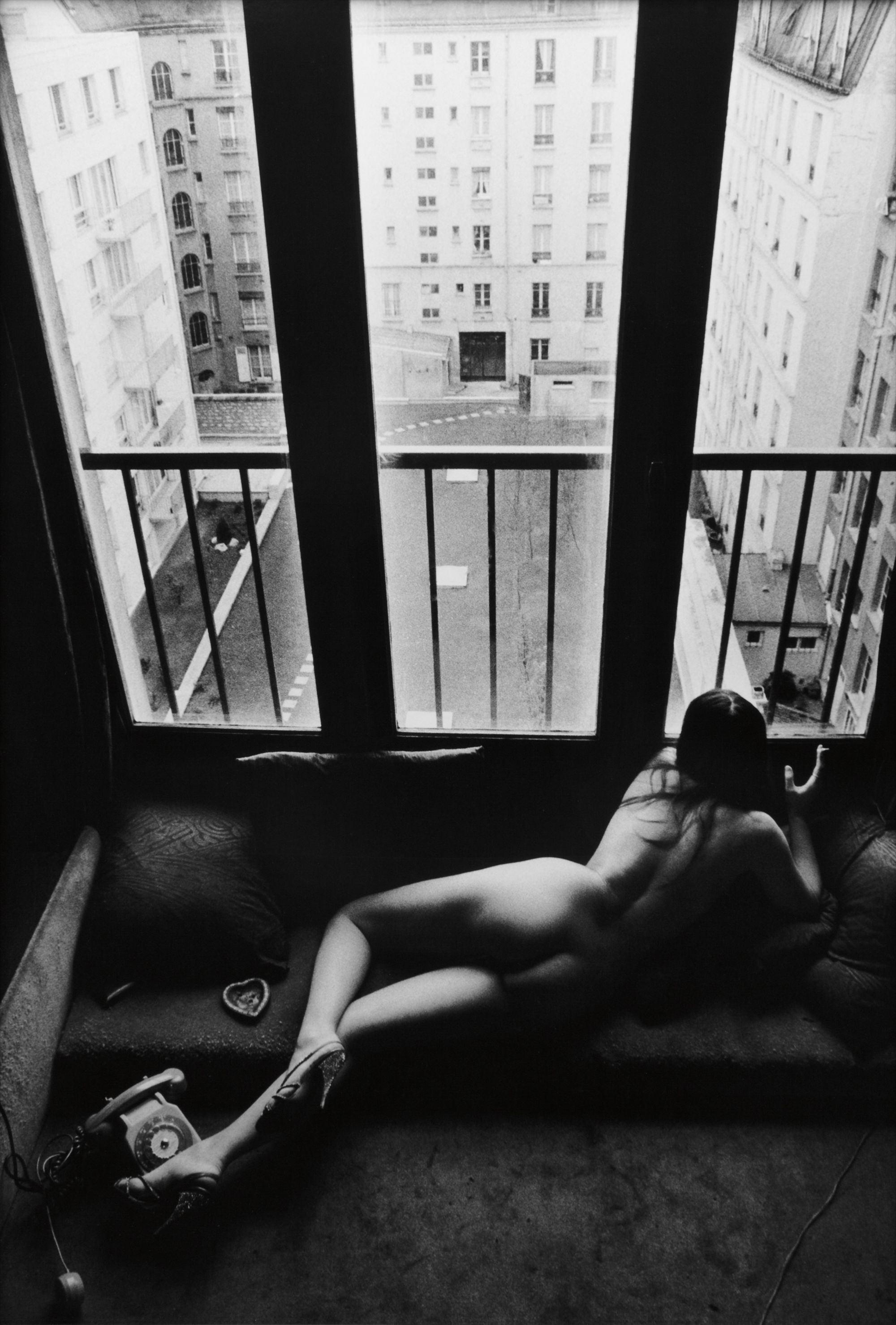
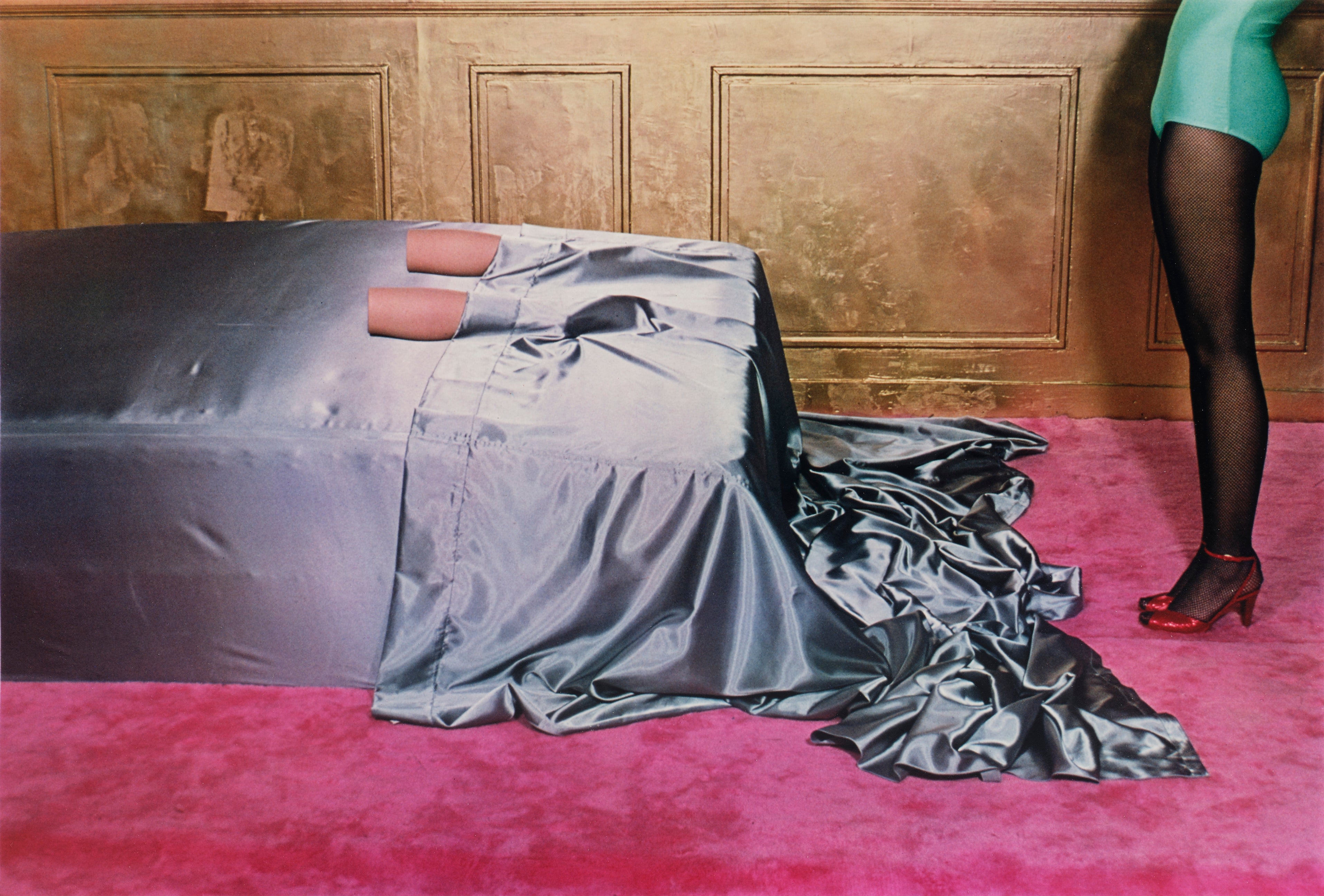
Working primarily in the South of France, Monte Carlo, and Paris for French Vogue, Newton created a body of work that was simultaneously glamorous and deeply strange, suffused with power dynamics, dark humor, and a European sensibility that American fashion photography had never quite produced. His output is among the most substantial on The Collection, and returning to it repeatedly reveals new layers each time. Guy Bourdin, Newton's near contemporary and in some ways his most interesting counterpart, took surrealism into advertising with an absoluteness no one has matched since. His campaigns for Charles Jourdan in the 1970s remain benchmarks of conceptual ambition within commercial photography.
Where Newton's tension was carnal and sociological, Bourdin's was cinematic and disorienting, images that suggested narratives without resolving them. Lillian Bassman, working at Harper's Bazaar from the late 1940s under the mentorship of Alexey Brodovitch, brought an almost painterly abstraction to her prints, bleaching and manipulating negatives in the darkroom to produce images that read more like drawings than photographs. Her work was genuinely ahead of its time. The 1980s and 1990s saw fashion photography expand dramatically in cultural visibility and in ambition.
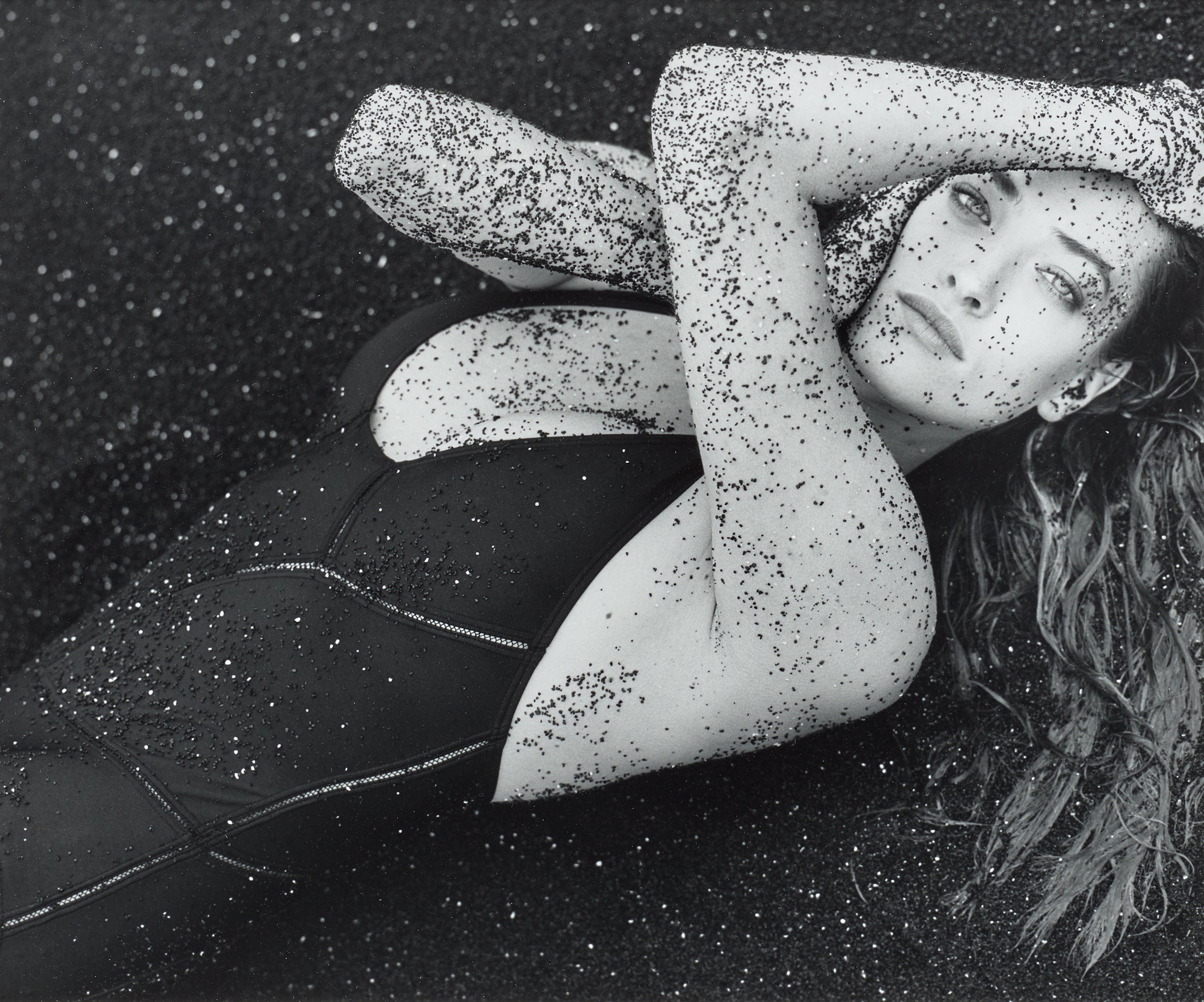
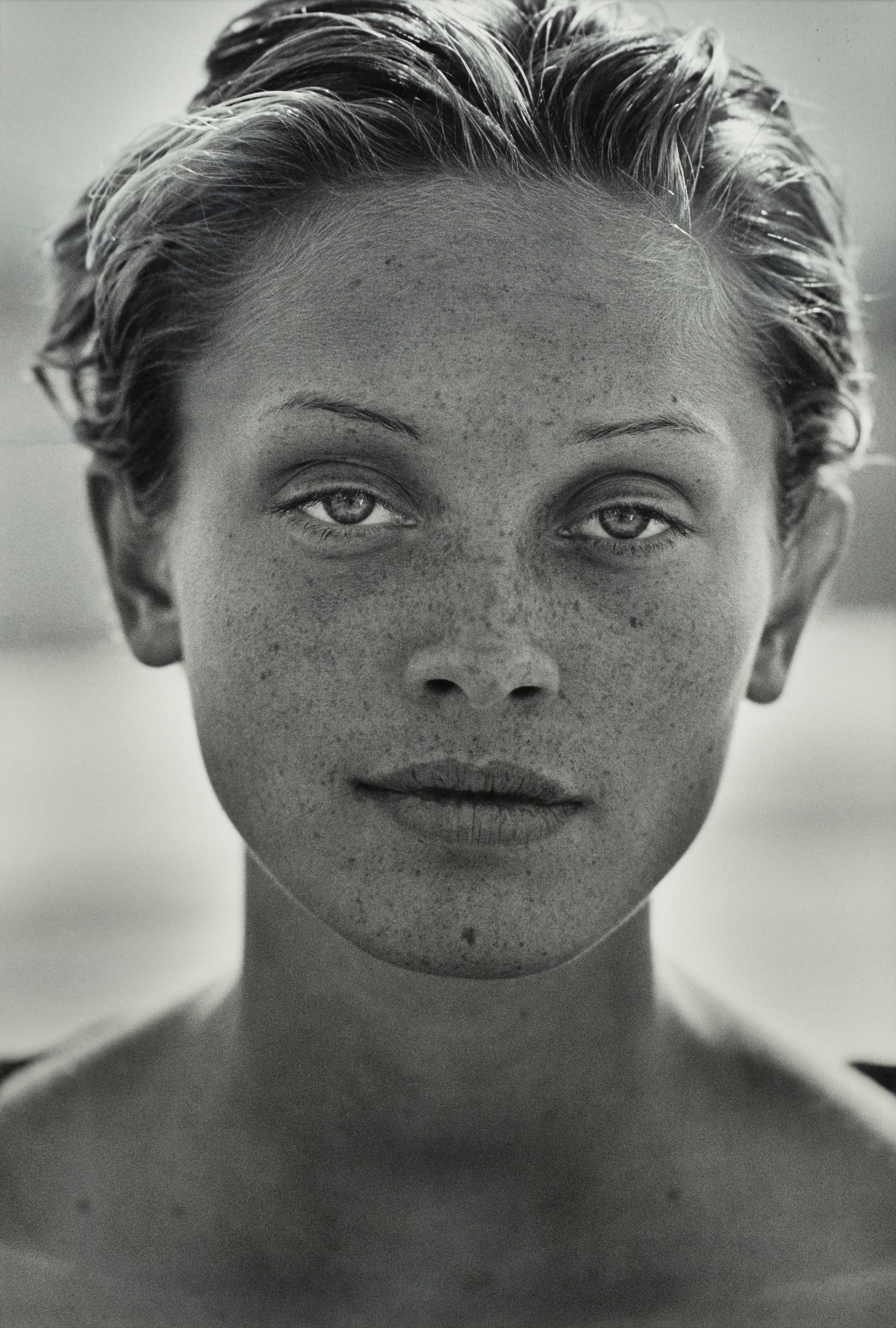
Herb Ritts
Tatjana with Black Sand, Hawaii, 1987, 1987
Herb Ritts brought a California classicism and a directness to his portraits and fashion work that made him one of the defining visual voices of the decade. Peter Lindbergh, whose 1988 shoot in Malibu with a group of young models including Linda Evangelista and Naomi Campbell is widely credited with catalyzing the supermodel era, brought a cinematic, humanist quality to his work that always resisted the cold glamour available to photographers of his stature. Paolo Roversi, working primarily in Paris, developed a Polaroid based technique using large format Polaroid film that produced images of a unique, almost watercolor softness, intimate and timeless in ways that resisted fashion's usual temporality. Today, fashion photography sits more comfortably in gallery and museum contexts than ever before, though the question of whether that institutional embrace clarifies or complicates the work remains genuinely open.
The Victoria and Albert Museum, the International Center of Photography in New York, and major auction houses have all affirmed the market and critical value of the genre. Yet the most interesting work in the field, from Miles Aldridge's hyper saturated domestic surrealism to the collaborative intensity of Mert and Marcus, still derives its charge from that original tension: the obligation to seduce and the freedom, if you push hard enough, to disturb. That negotiation, conducted across a century of extraordinary images, is what makes this field endlessly worth looking at.