Expressive Portraiture
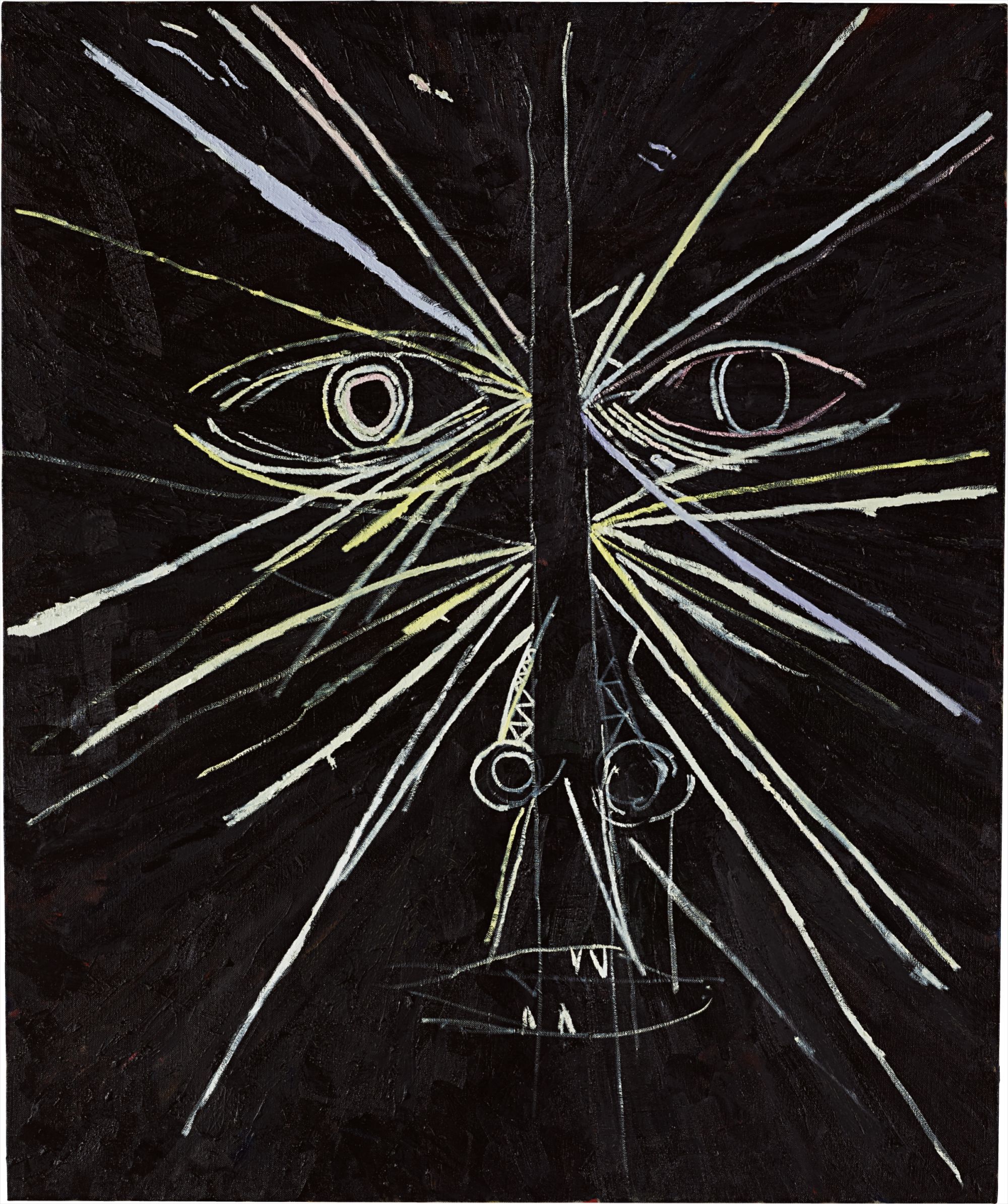
Mark Grotjahn
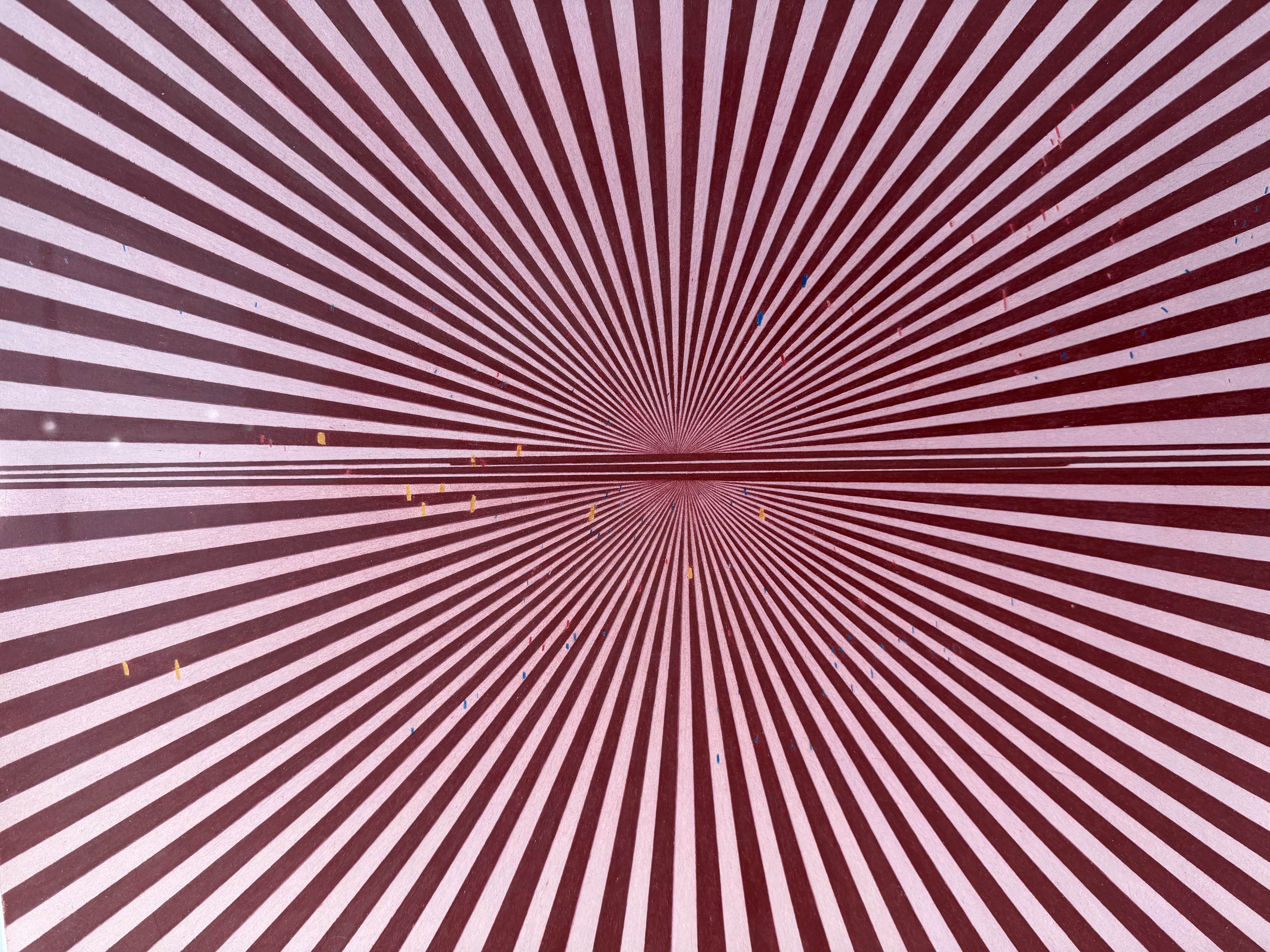
"The ‘Face Paintings’ allow me to express myself in a way that the ‘Butterflies’ don’t. I have an idea as to what sort of face is going to happen when I do a ‘Face Painting,’ but I don’t exactly know what color it will take, or how many eyes it’s going to have, whereas the ‘Butterflies’ are fairly planned out. They’re still intuitive, but I generally know where they are going. It’s a different kind of freedom, a different kind of expressionism. It’s personal without being overtly personal."
The Face That Will Not Look Away
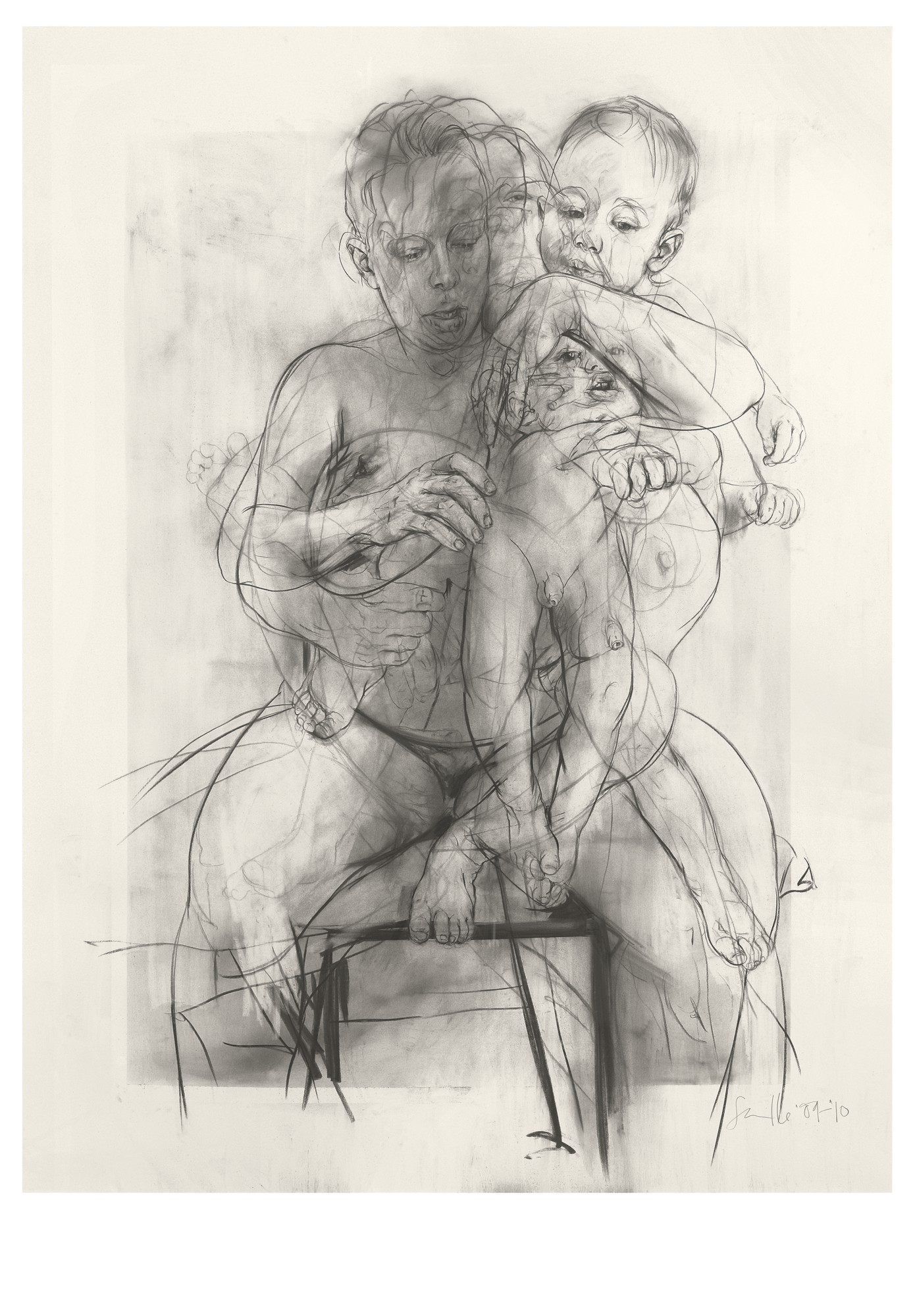
When Jenny Saville's 'Propped' sold at Sotheby's London in 2018 for over nine million pounds, setting a world auction record for a living female artist at the time, it felt less like a market event and more like a reckoning. The painting, a monumental self portrait of a fleshy, unflinching body bearing a fragment of Luce Irigaray's feminist philosophy on its surface, forced the room to contend with something portraiture rarely demands: genuine discomfort in the presence of genuine truth. That result sent a signal that collectors and institutions had been quietly registering for years, which is that expressive portraiture, when it is working at its highest register, is among the most psychologically potent categories in contemporary art. The energy around this category has not cooled since.
If anything, the critical and commercial conversation around expressive portraiture has intensified, shaped by a broader cultural hunger for images that feel personally and politically accountable. Saville remains one of the defining figures in this conversation, her work at the intersection of Old Master technique and contemporary feminist discourse occupying a space few painters can credibly claim. Her appearances in major survey exhibitions, including the retrospective held at the Modern Art Oxford in 2012, and her continued presence in institutional collections from the Saatchi Collection onward, have cemented her reputation not as a provocateur but as a genuine heir to a painterly tradition that runs from Rubens through Lucian Freud. The auction market for expressive portraiture is layered and revealing.
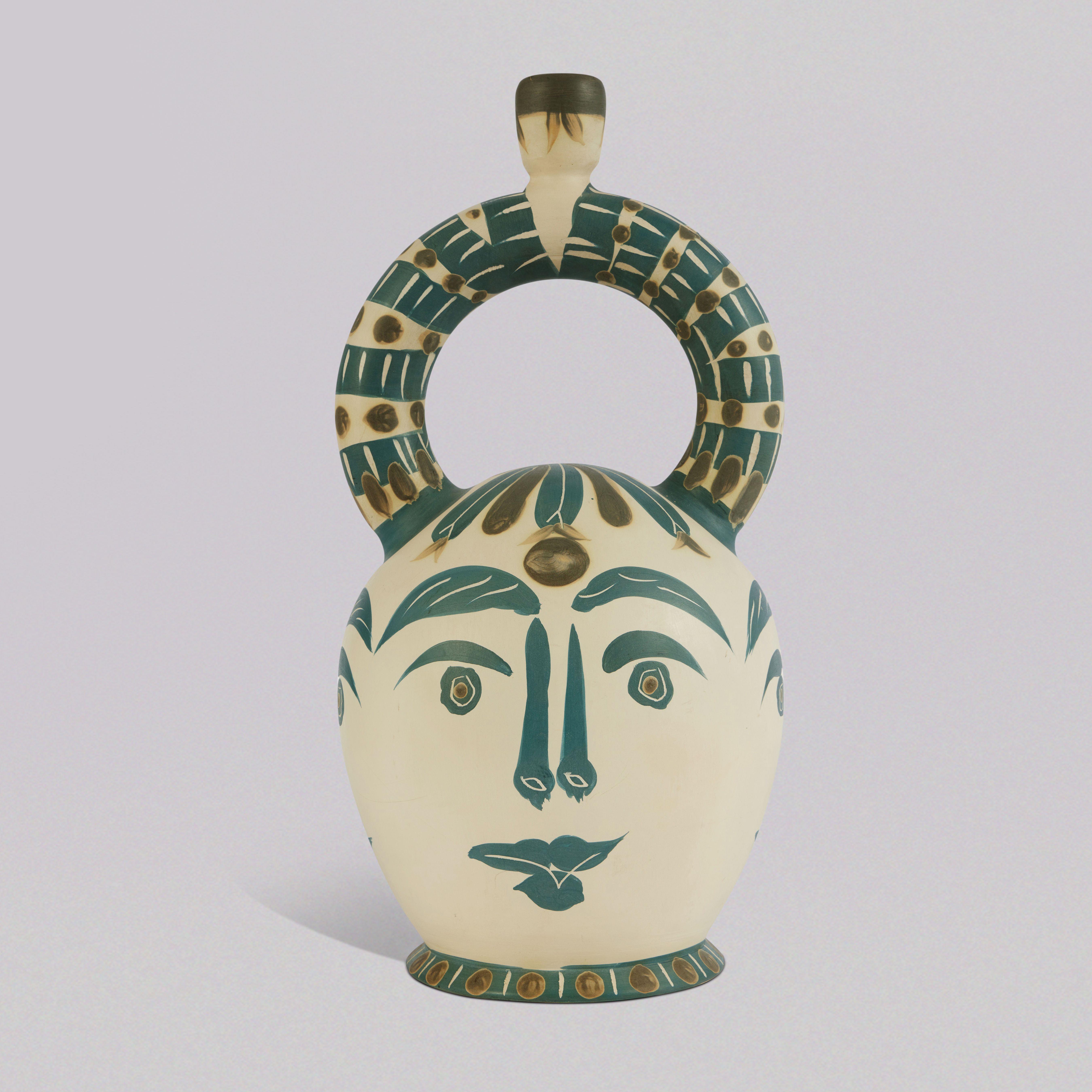
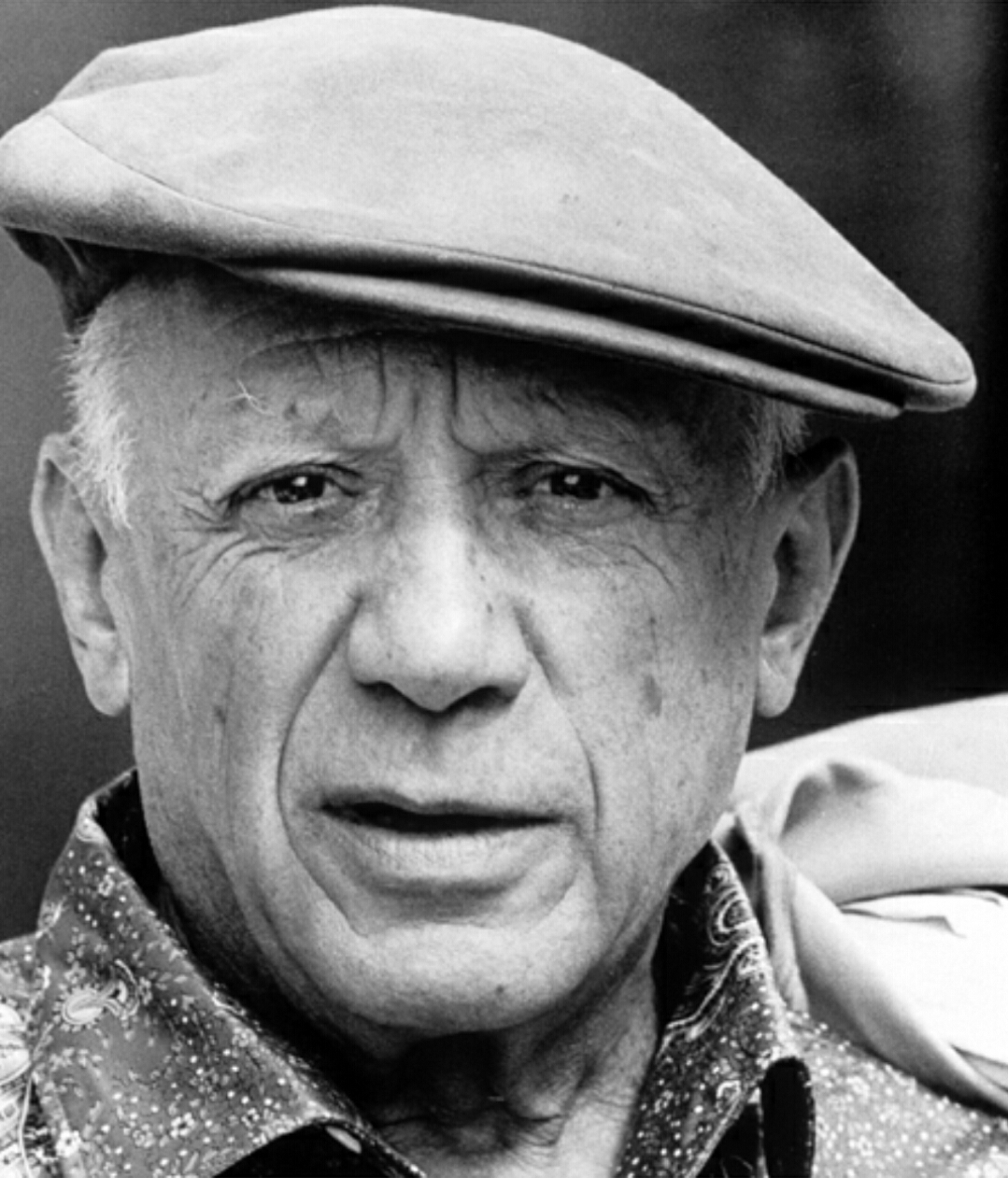
Pablo Picasso
Vase aztèque aux quatre visages (Alan Ramié 402), 1957
Pablo Picasso, whose Cubist fragmentation of the human face constitutes perhaps the most influential single act in the history of portraiture, continues to command prices that dwarf almost every contemporary counterpart. His portrait works, many of them readings of Dora Maar, Marie Thérèse Walter, and other figures from his intimate circle, routinely appear among the top results at Christie's and Sotheby's major evening sales. What is interesting, and what a serious collector should sit with, is that Picasso's dominance in this category has for decades set the psychological ceiling against which all other expressive portraiture is measured. That ceiling is now being challenged from multiple directions simultaneously.
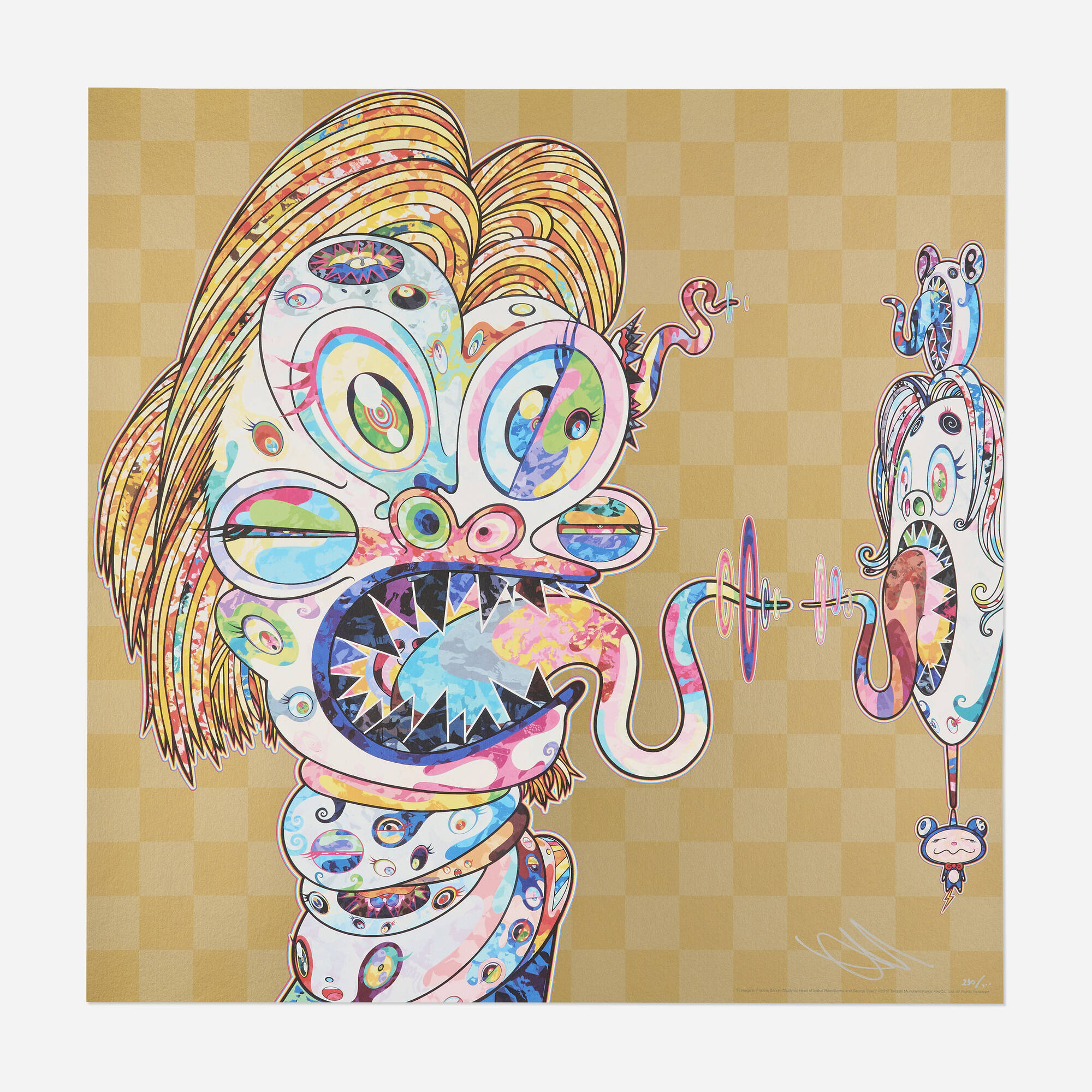
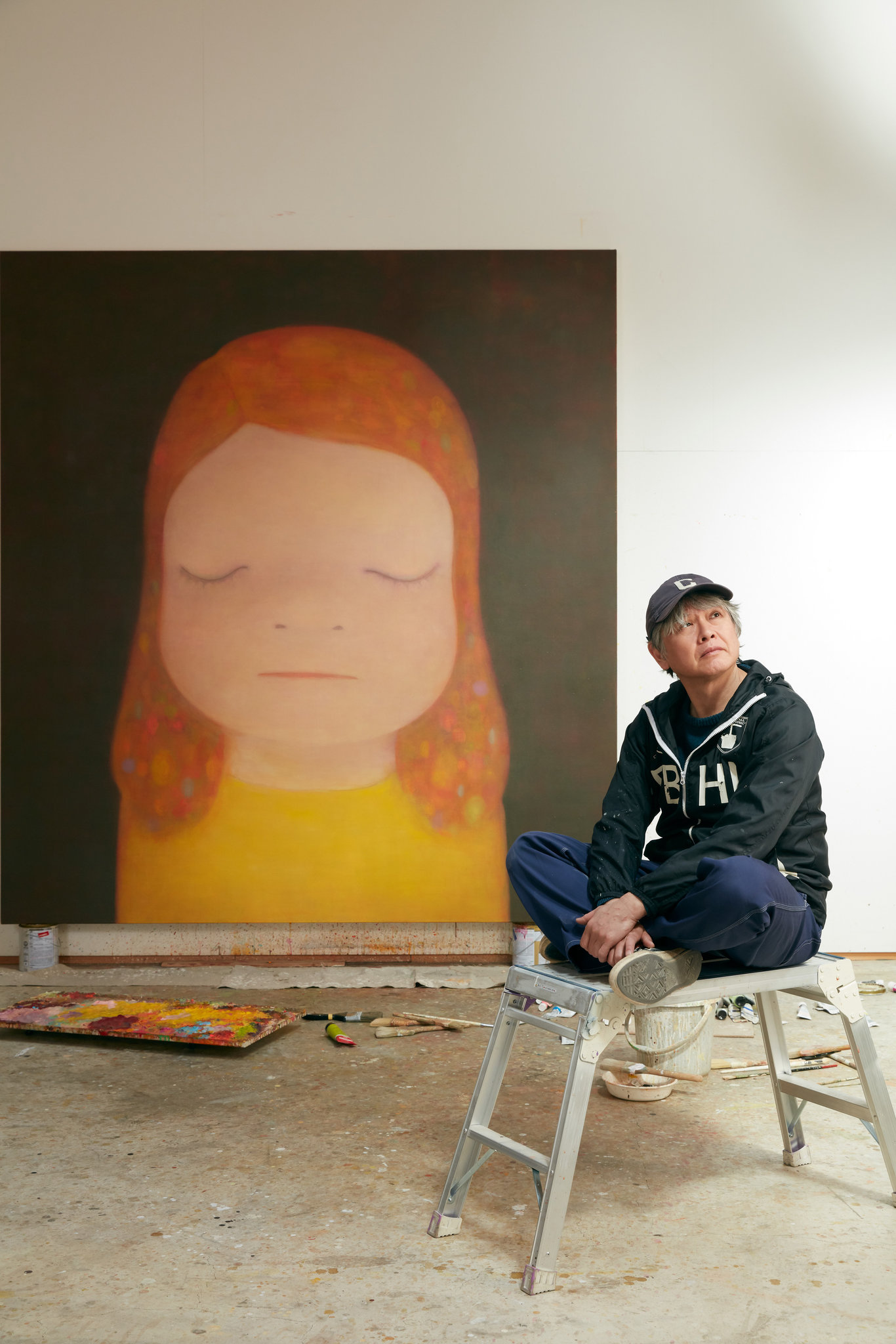
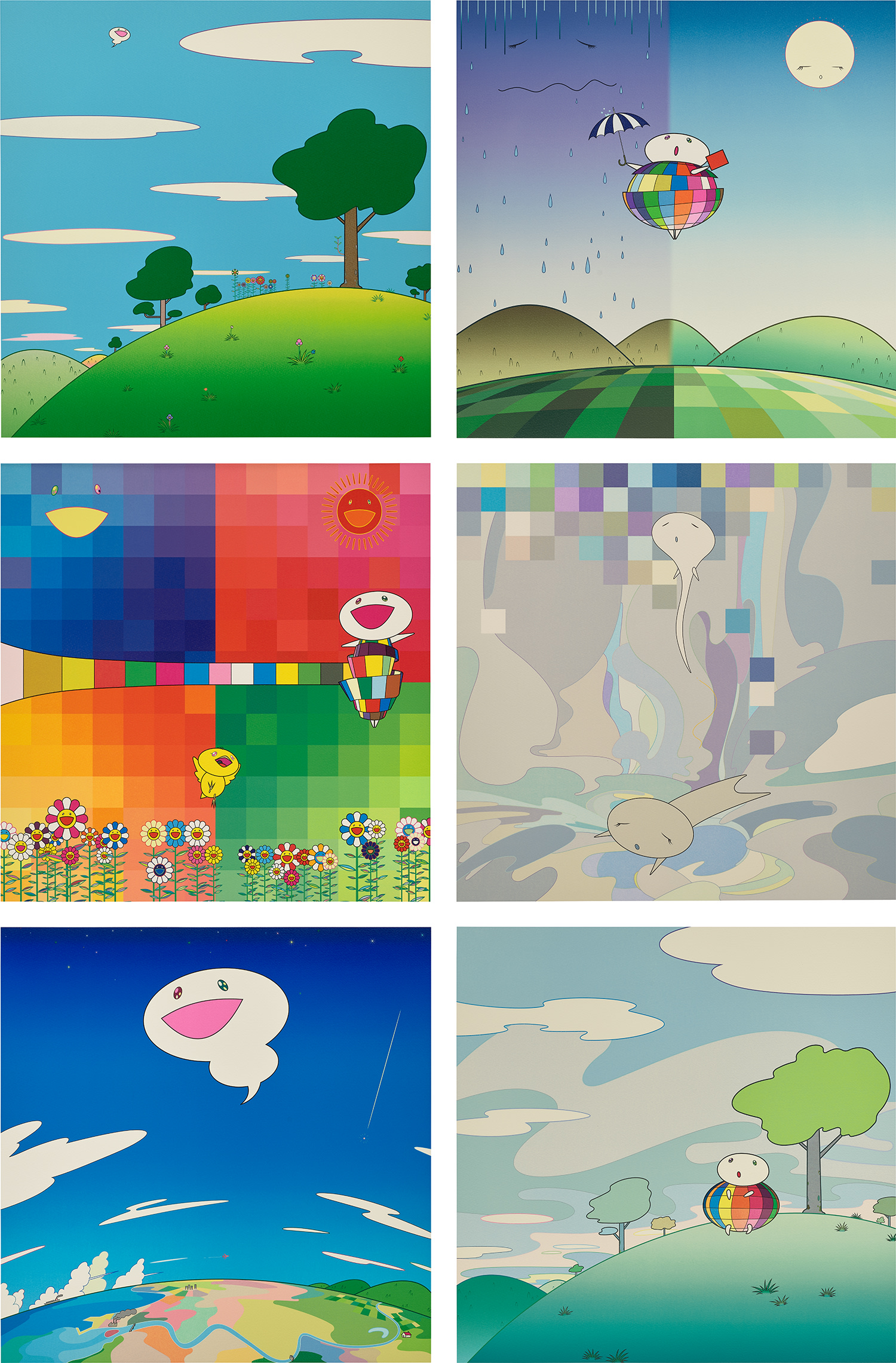
Yoshitomo Nara and Takashi Murakami represent a genuinely different genealogy within the category, one rooted in Japanese postwar consumer culture, manga aesthetics, and what critics have called a deceptive simplicity. Nara's large scale paintings of solitary children, with their unsettling expressions hovering between innocence and menace, have become some of the most sought after works in the contemporary market. His 2019 record at Sotheby's Hong Kong, where a single canvas sold for over twenty five million dollars, confirmed that his portrait language, while stylistically distinct from Western figuration, speaks with equal authority to collectors across different markets and cultural traditions. Murakami's characters carry a similar duality, their cartoon surfaces concealing a rigorous engagement with art history, Buddhism, and the anxieties of late capitalism.
Mark Grotjahn
"The ‘Face Paintings’ allow me to express myself in a way that the ‘Butterflies’ don’t. I have an idea as to what sort of face is going to happen when I do a ‘Face Painting,’ but I don’t exactly know what color it will take, or how many eyes it’s going to have, whereas the ‘Butterflies’ are fairly planned out. They’re still intuitive, but I generally know where they are going. It’s a different kind of freedom, a different kind of expressionism. It’s personal without being overtly personal."
Both artists are well represented on The Collection, and their presence here reflects a collecting sensibility that understands portraiture as a global rather than a narrowly Western conversation. Mark Grotjahn occupies an interesting position in this landscape. Known primarily for his abstract Butterfly paintings, his turn toward the mask and face series introduced a visceral, almost brutal figuration into his practice that surprised critics and galvanized collectors. His face works, built up in thick, aggressive layers of oil paint, owe something to Picasso's Cubist decomposition but arrive at something rawer and more personal.
Their appearance in major gallery presentations and their strong performance at auction signal that the market recognizes his figurative work as a serious extension of his practice rather than a departure. That kind of cross category energy, where an artist known for abstraction opens a credible dialogue with portraiture, is exactly the kind of move that serious collectors track. Institutionally, the appetite for expressive portraiture has been visible in some of the most significant acquisitions and exhibition programs of the past decade. The National Portrait Gallery in London, alongside the Museum of Modern Art in New York and the Broad in Los Angeles, has consistently signaled its interest in expanding the historical canon of portraiture to include work that challenges flattery, likeness, and the very premise of representation.
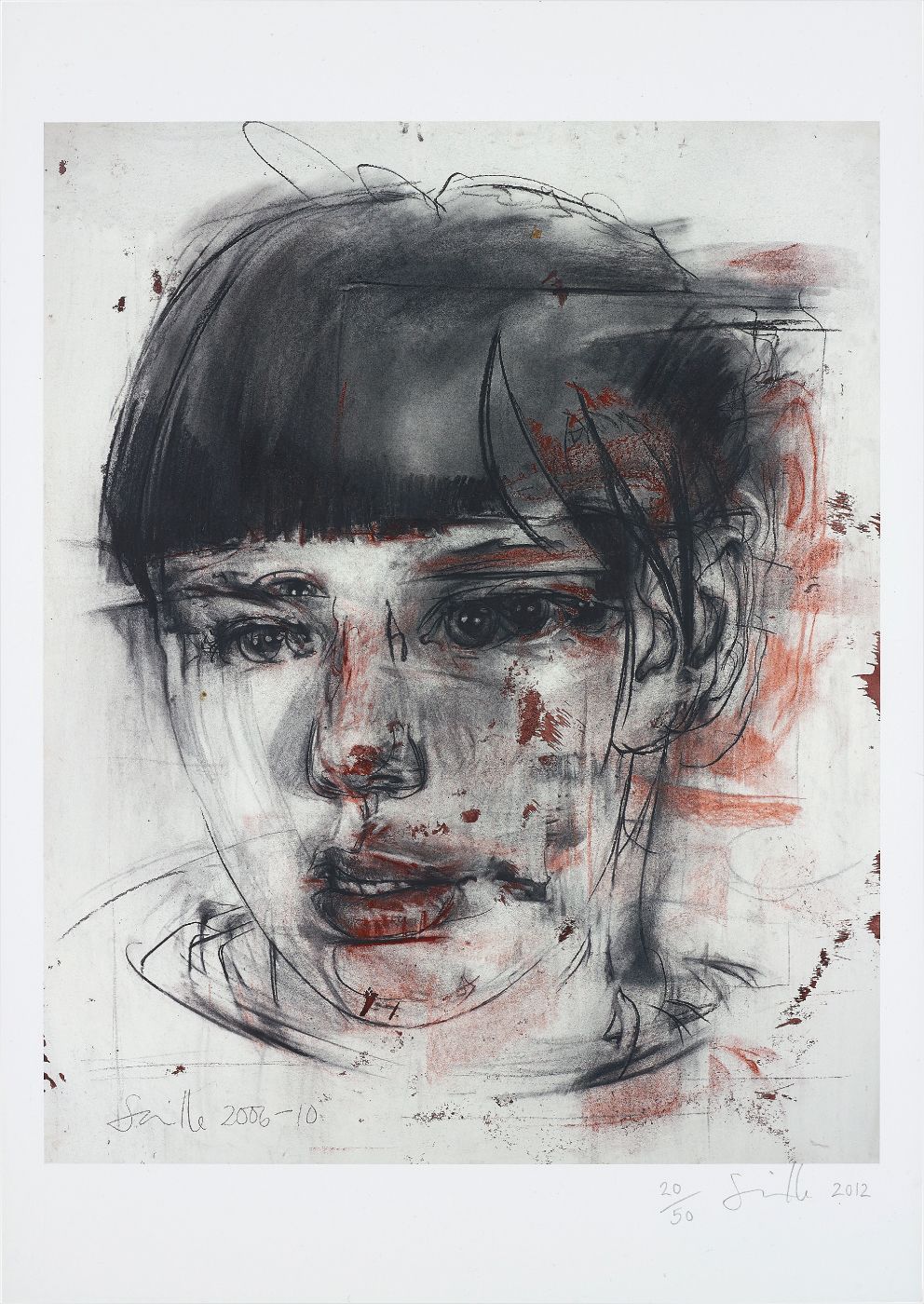
Jenny Saville
Red Stare
Curators like Hilton Als, whose writing on the relationship between portraiture, identity, and vulnerability has shaped a generation of thinking on the subject, and institutions like the Hammer Museum in Los Angeles, have positioned the genre as one of the most contested and vital arenas in contemporary art discourse. The 2021 retrospective of Lynette Yiadom Boakye at Tate Modern, though her work sits adjacent to rather than squarely within the expressive tradition, added another layer to this ongoing critical reevaluation. The publications driving the conversation are those willing to engage with portraiture on both formal and sociopolitical terms. Frieze, Artforum, and the Burlington Magazine have all published substantive critical work on the genre in recent years, with particular attention to questions of whose face gets painted, by whom, and under what economic and institutional conditions.
Those questions are not merely academic. They shape which artists enter museum collections, which appear at major auction houses, and ultimately which works accumulate the kind of institutional validation that sustains long term value. Where is the energy heading? Toward work that refuses easy categorization, that borrows from multiple traditions without being reducible to any single one, and that treats the human face as a site of complexity rather than a surface for legibility.
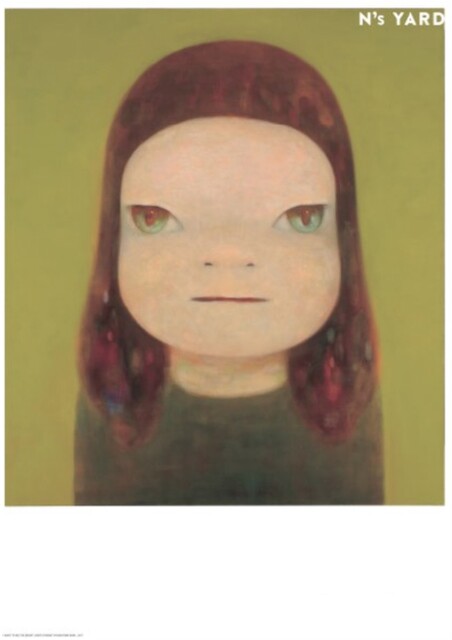
Yoshitomo Nara
I Want To See The Bright Lights Tonight, 2021
The artists on The Collection working in this space reflect that ambition. The most exciting collecting in expressive portraiture right now happens at the intersection of confidence and curiosity, where a collector trusts their own sustained looking over market consensus, and where the face on the canvas continues to ask questions the viewer has not quite found answers for yet.