Everyday Moments
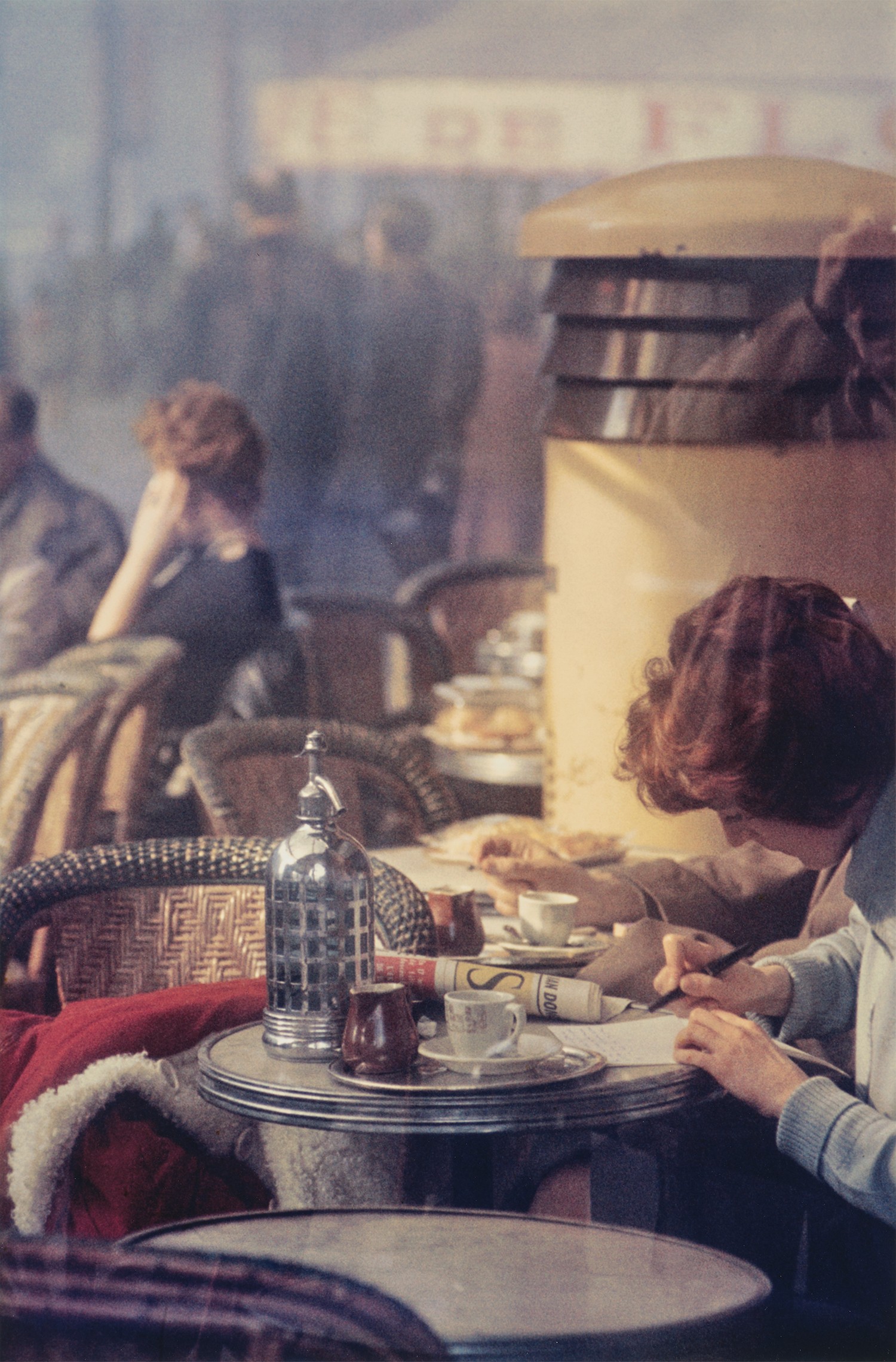
Saul Leiter
Sunday Morning
The Quiet Revolution of Looking Closely
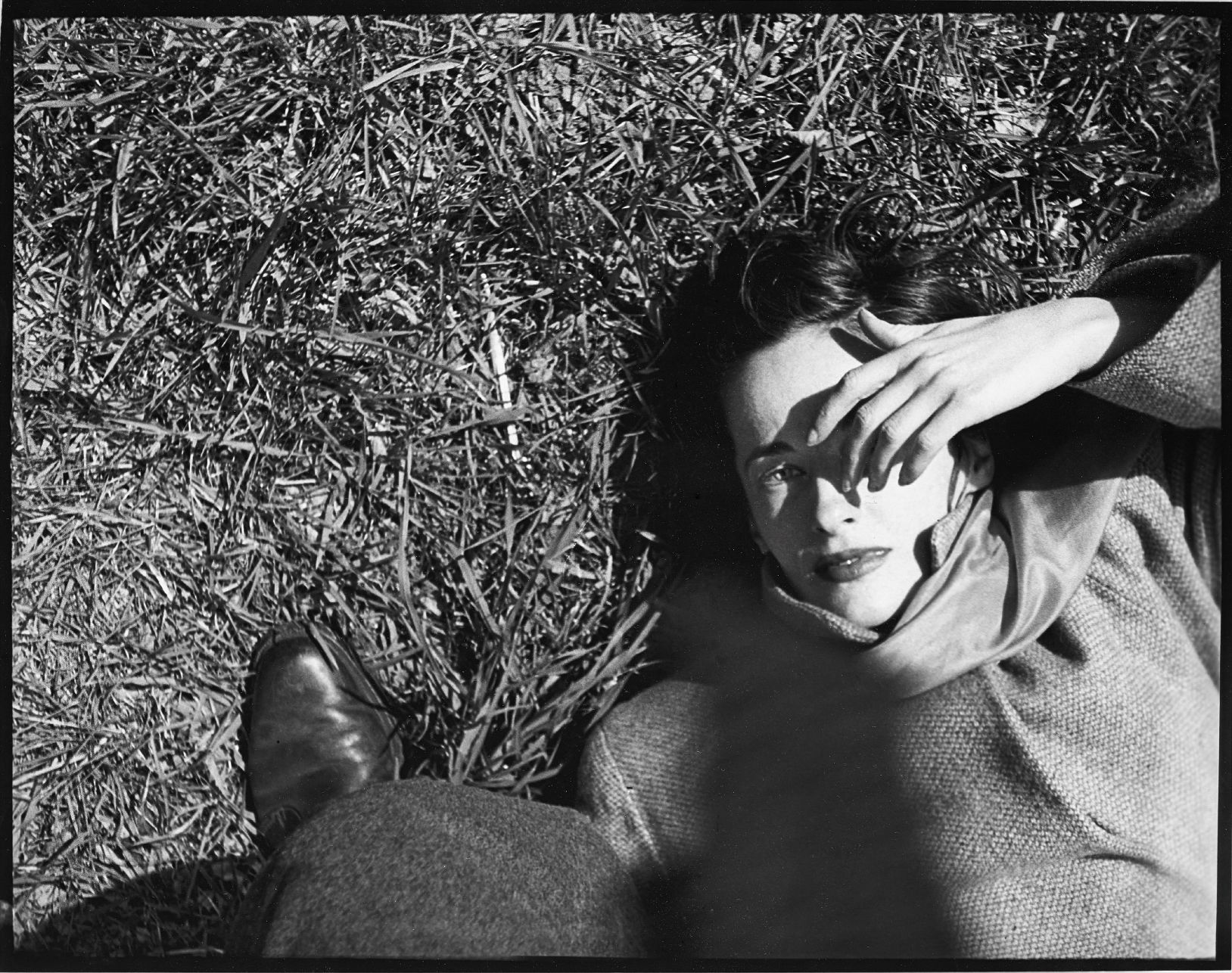
When a print by Saul Leiter sold at Phillips London for well over six figures in recent years, the room took notice in a particular way. This was not the market reacting to spectacle or scale. It was something quieter and arguably more significant: collectors paying serious money for a man looking at a shop window through rain, for color and shadow caught on a street corner in the 1950s, for the texture of an ordinary afternoon made luminous by an extraordinary eye. The appetite for that kind of seeing has not cooled.
If anything, it has deepened into something that looks a great deal like conviction. The category that curators and collectors are now calling everyday moments sits at the intersection of photography, painting, and a broader cultural hunger for intimacy after years of art world spectacle. It is not a new idea, of course. The impulse to find meaning in the unremarkable has roots stretching from Chardin's kitchen still lifes through the New York School photographers of the mid twentieth century.
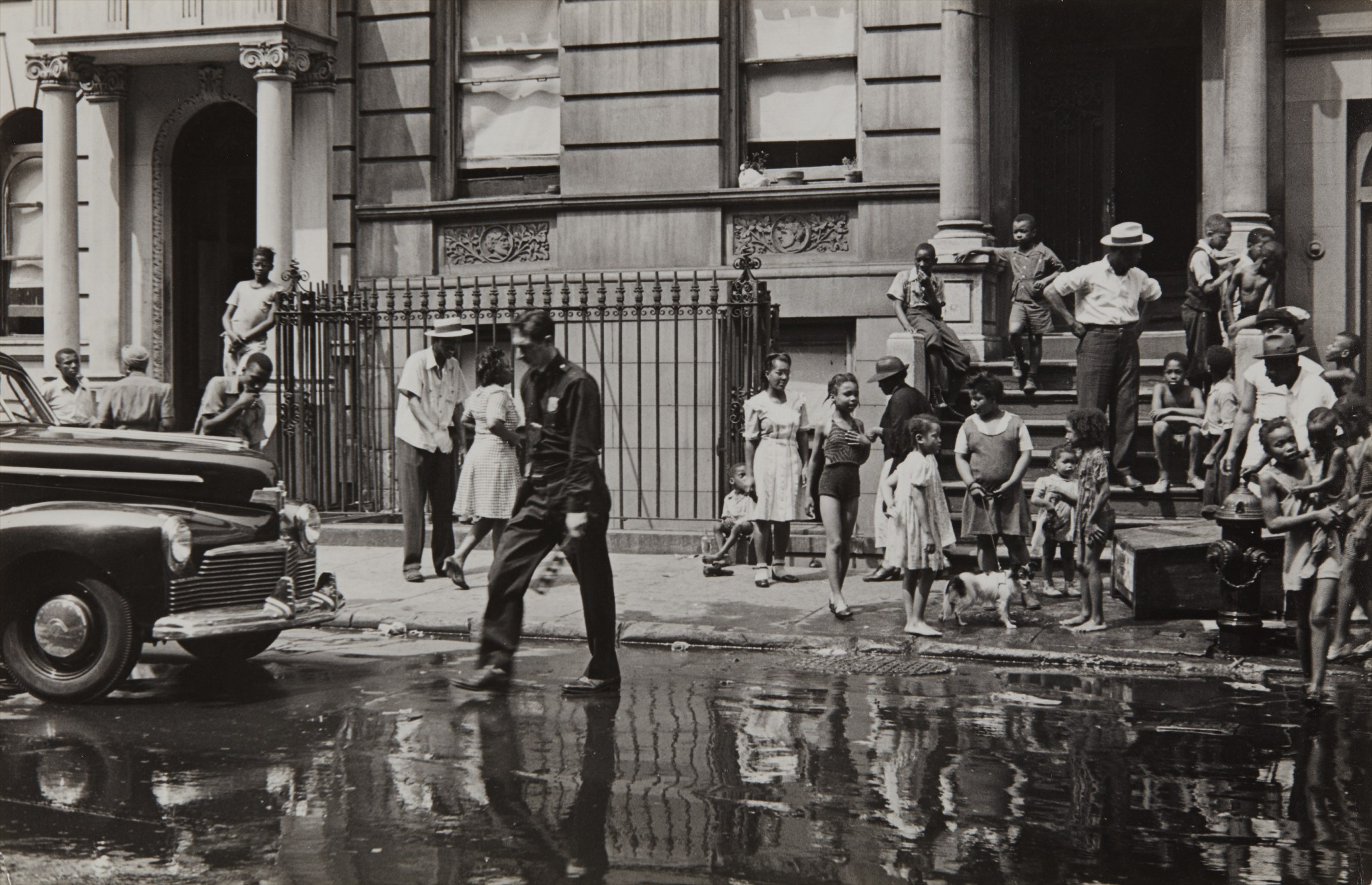
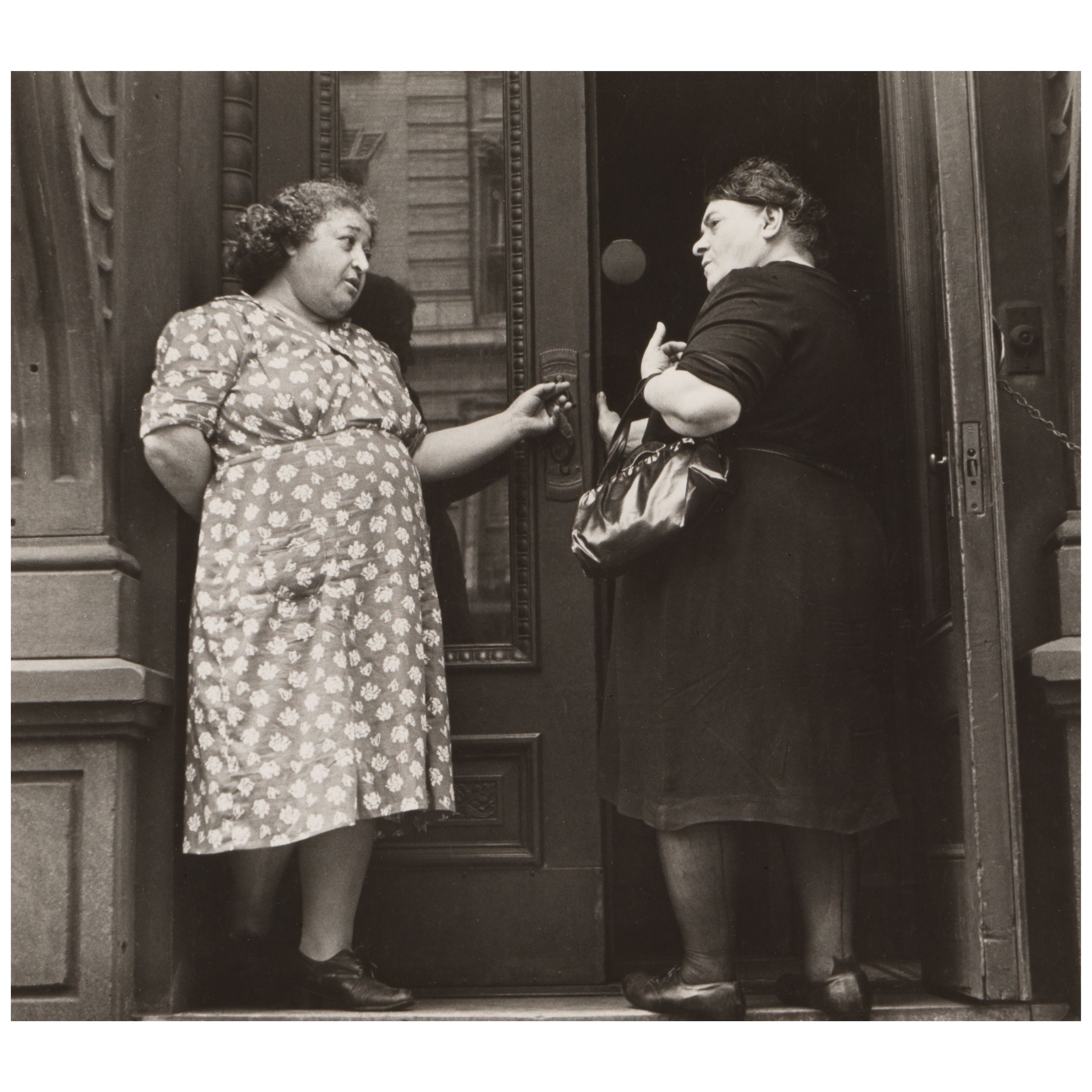
Helen Levitt
New York (NY policeman, wet street & kids)
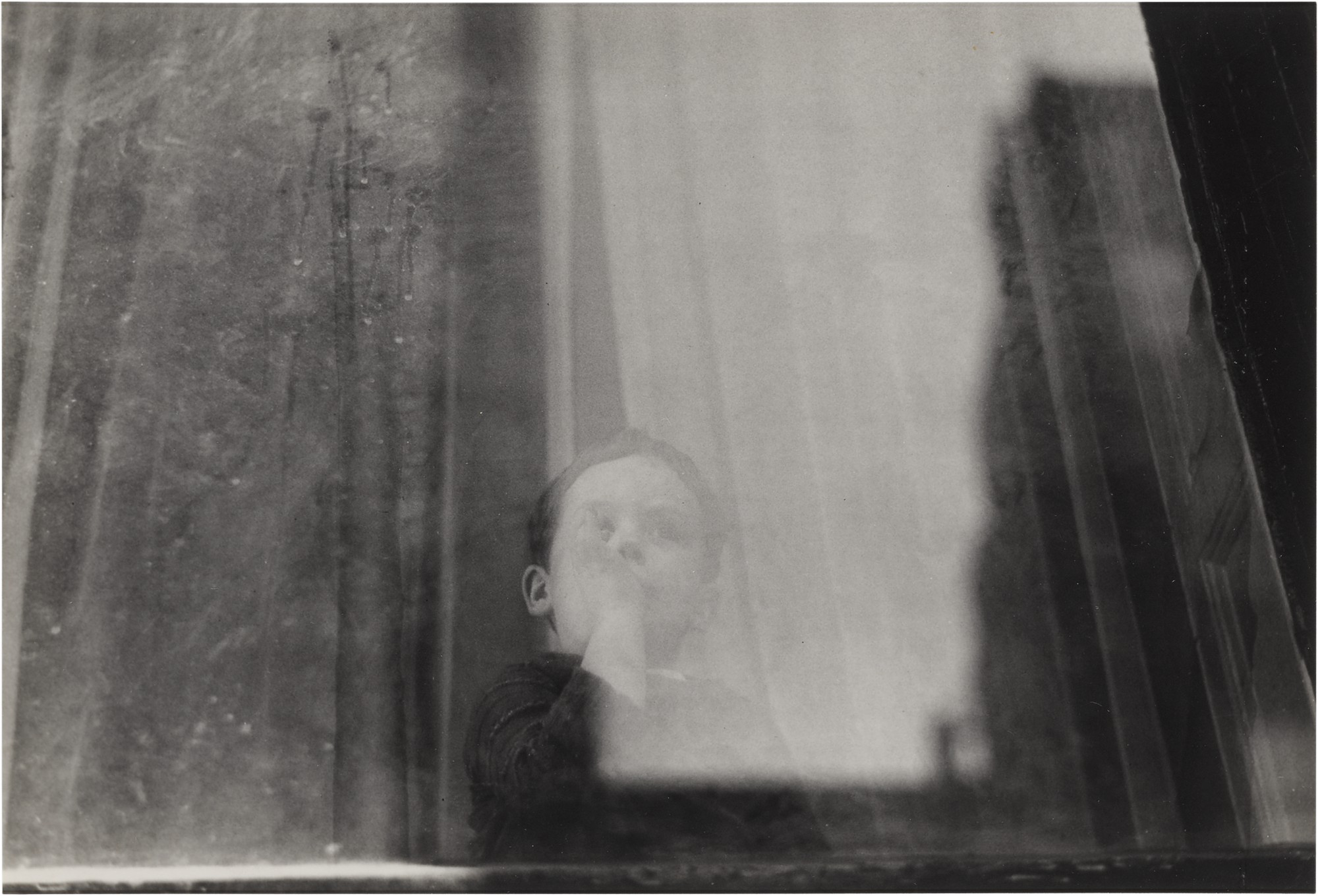
But the conversation around this work has shifted considerably in the past decade, and the market has followed in ways that reward careful attention. The exhibition that many point to as a turning point was the retrospective of Helen Levitt's work mounted by the San Francisco Museum of Modern Art in the early 2000s, which later traveled and introduced her photographs of New York street life to a generation of younger collectors who had not grown up with her name. Levitt spent decades photographing children playing in the streets of East Harlem and the Lower East Side, and her images carry a warmth that stops just short of sentiment. She had an almost documentary restraint that made the tenderness feel earned rather than manufactured.
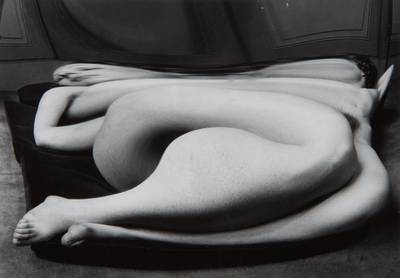
The retrospective reminded the field that her achievement was not merely historical but genuinely instructive for understanding how photography functions when it refuses to announce itself. André Kertész, whose work overlaps in spirit with this conversation, has long been understood as a foundational figure, and the market for his vintage prints has remained quietly strong through cycles that have humbled more fashionable names. His 1928 photograph "Meudon" achieved landmark status as an auction lot years ago and continues to set a benchmark for what understated compositional brilliance can command. What is interesting now is how younger collectors are returning to Kertész not through the door of photography history but through contemporary painters and image makers who cite him openly as an influence.
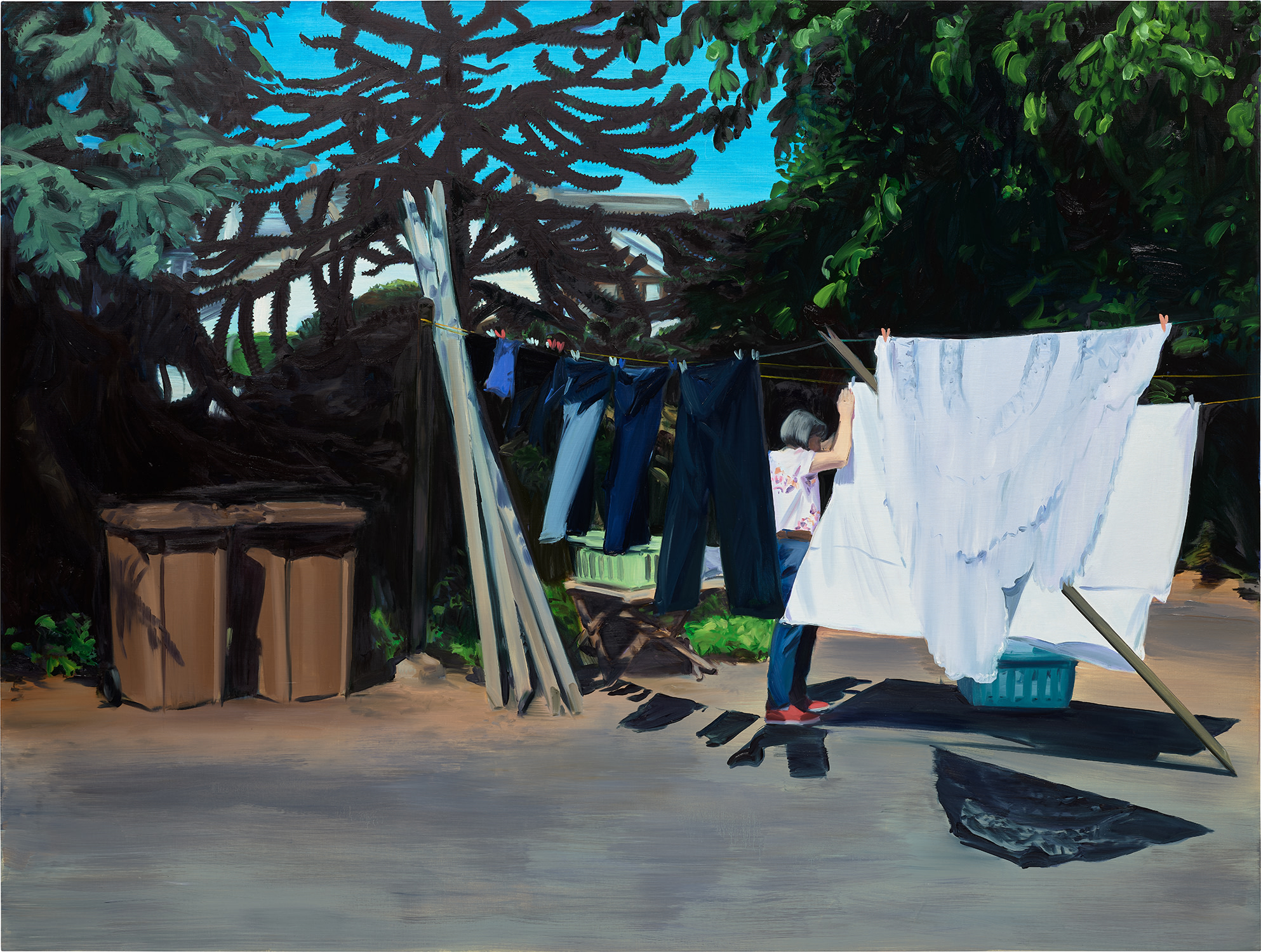
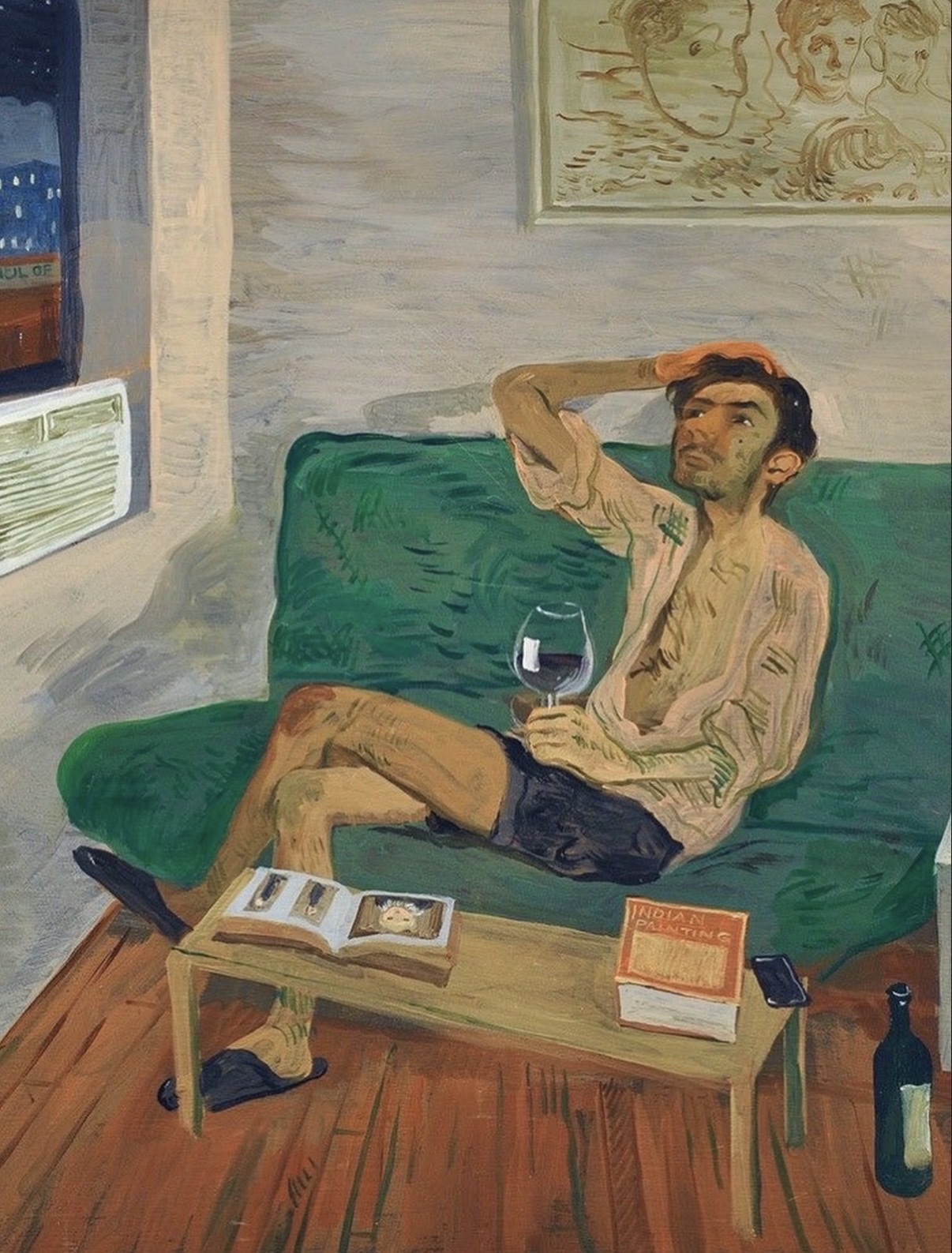
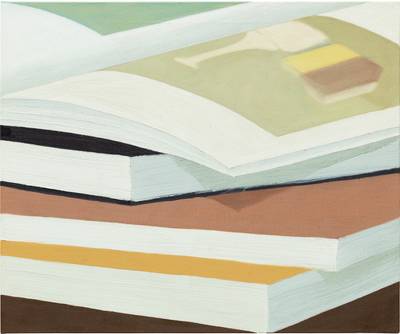
Henni Alftan
Still Water, 2017
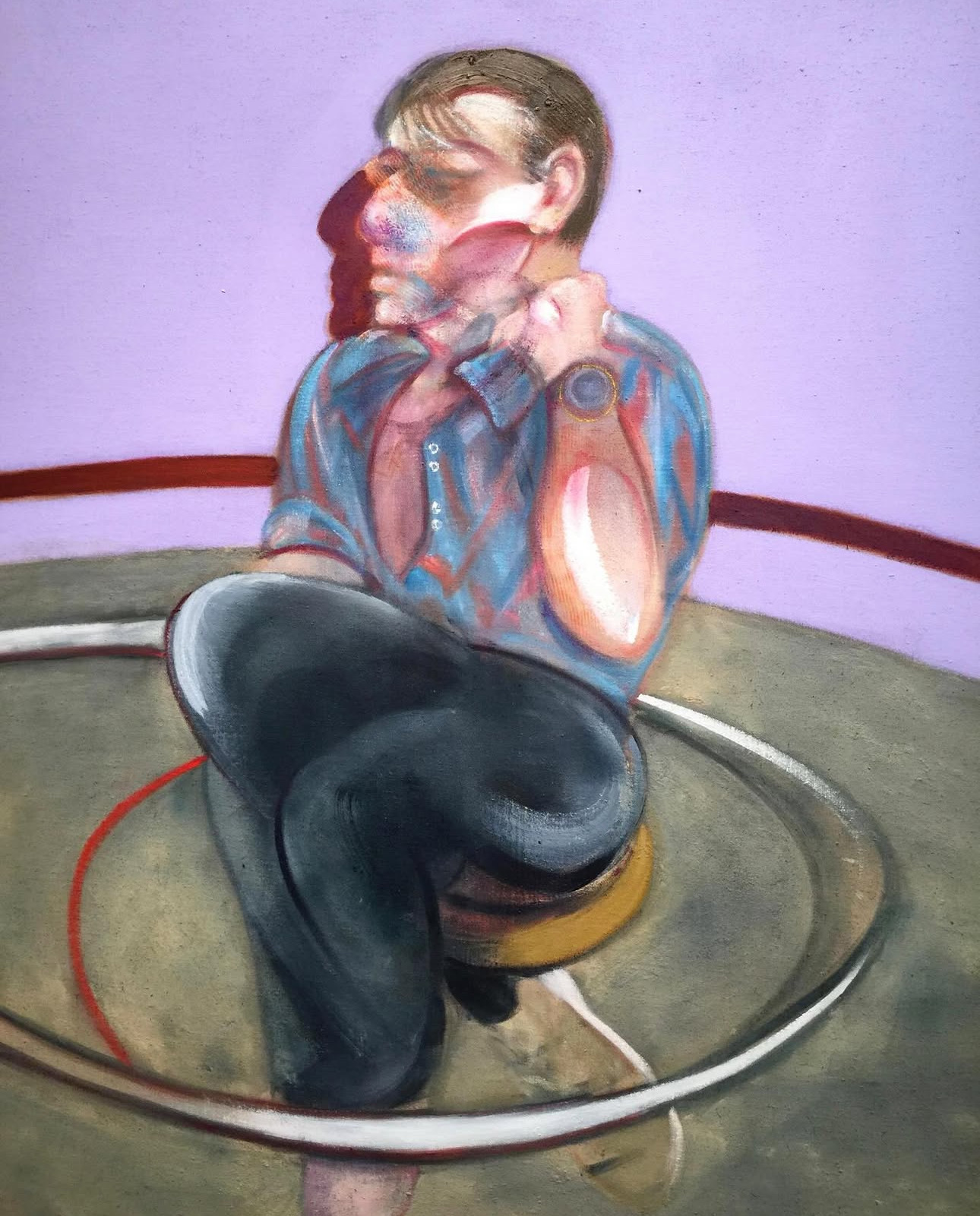
That kind of reverse discovery tends to drive sustained market interest rather than a single spike. On the painting side, Henni Alftan has emerged as the figure most urgently discussed in relation to this category. Her canvases, which isolate fragments of daily life with an almost cinematographic cropping, have moved quickly through the primary market and are now appearing at auction with results that confirm her place as one of the more serious critical propositions in contemporary European painting. Alftan's work was shown at Galerie Perrotin and picked up substantial institutional attention in Finland and France, and the critical conversation around her tends to reach back to Vuillard and Bonnard while also acknowledging something entirely contemporary in her address to domestic space.
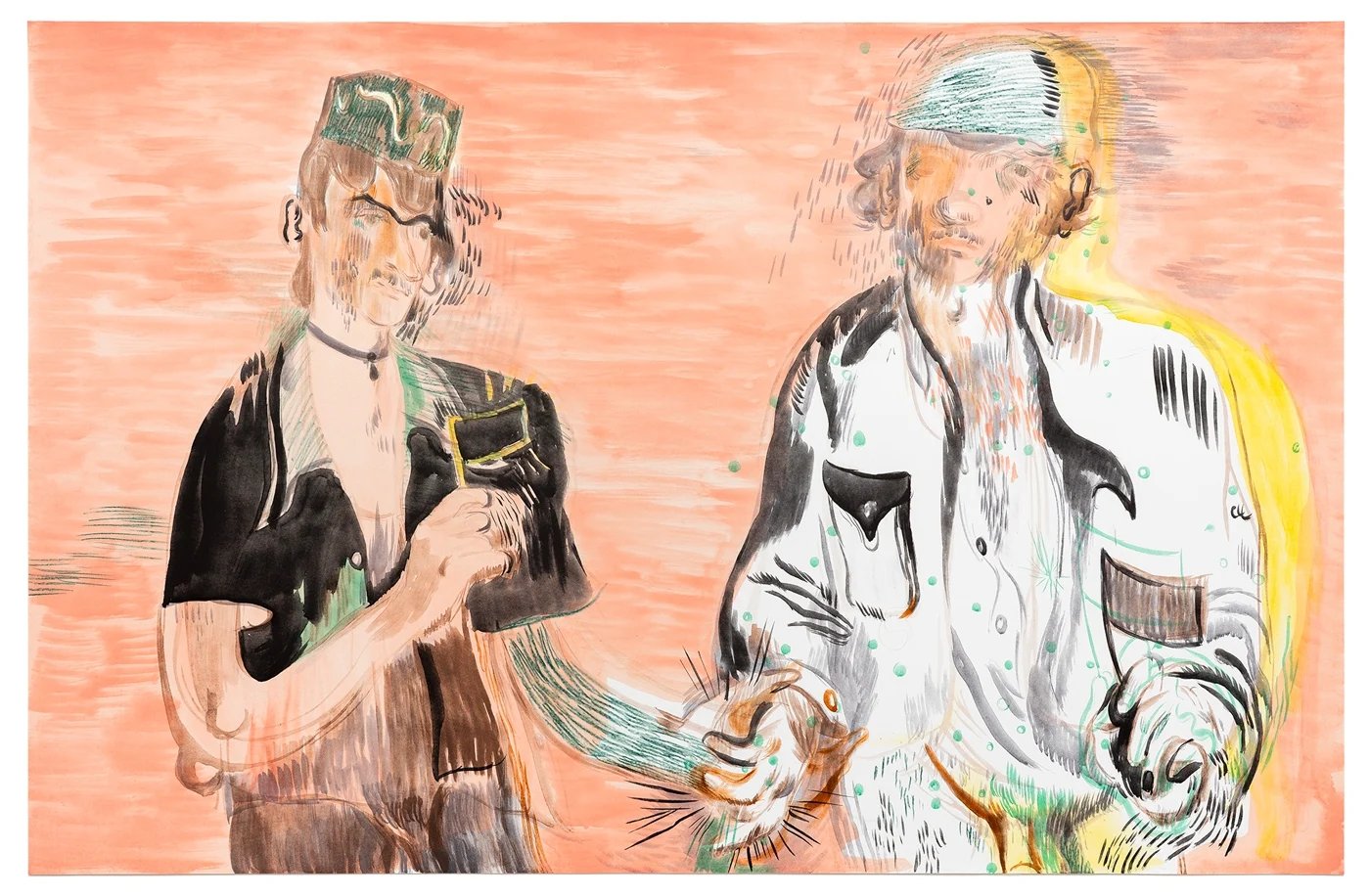
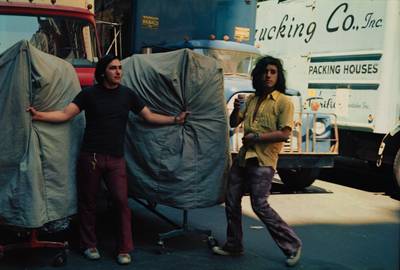
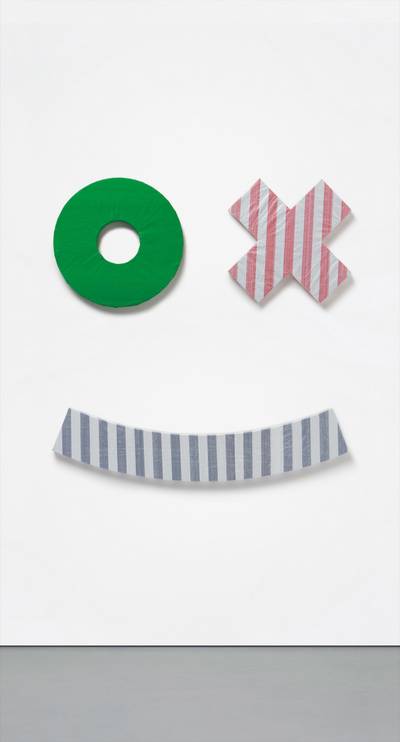
She is not painting nostalgia. She is painting attention itself. Grear Patterson represents a different kind of energy within this territory. His photographs carry a distinctly American quality of observation, rooted in the vernacular tradition but inflected with a contemporary sensibility that feels less concerned with formal rigor than with emotional accuracy.
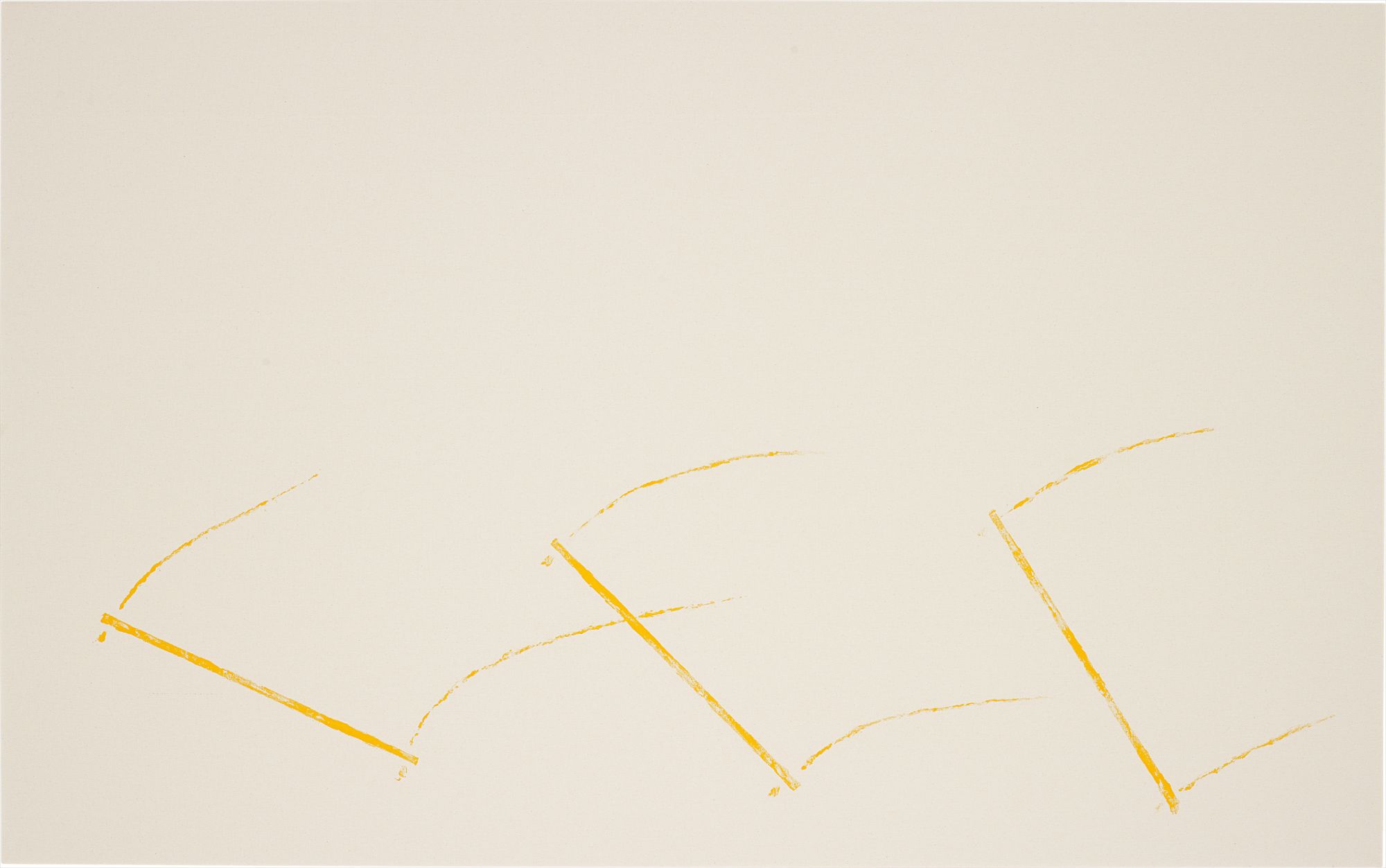
Grear Patterson
Kissing On A First Date
Patterson has shown at spaces that bridge the commercial and the critically engaged, and collectors who have followed his work from early on are watching his trajectory with the kind of calm confidence that suggests they are not in a hurry to sell. That posture, the long hold, has become a signal of sophisticated collecting in this space. The institutions that are shaping the field include the Getty, which has continued to deepen its photography holdings in ways that validate the everyday as a serious curatorial priority, and the Museum of Modern Art, whose recent reinstallations have consistently placed street photography in dialogue with painting in illuminating ways. The Victoria and Albert Museum in London has also been active, and its collecting signals a transatlantic consensus that this is not a regional conversation but a genuinely global one.
When institutions of that caliber are acquiring in a particular territory, it tends to stabilize prices and broaden the critical framework simultaneously. The writers and curators doing the most interesting work in this space include Lyle Rexer, whose writing on photography consistently resists both academicism and sentimentality, and a generation of younger critics publishing in Aperture and The Journal of Visual Culture who are asking sharper questions about what it means to valorize the ordinary at a moment of enormous global instability. There is a tension in the critical conversation between those who see everyday moment work as a form of refuge and those who argue it is actually a more honest confrontation with experience than the grandstanding scale of much contemporary art. That tension is productive.
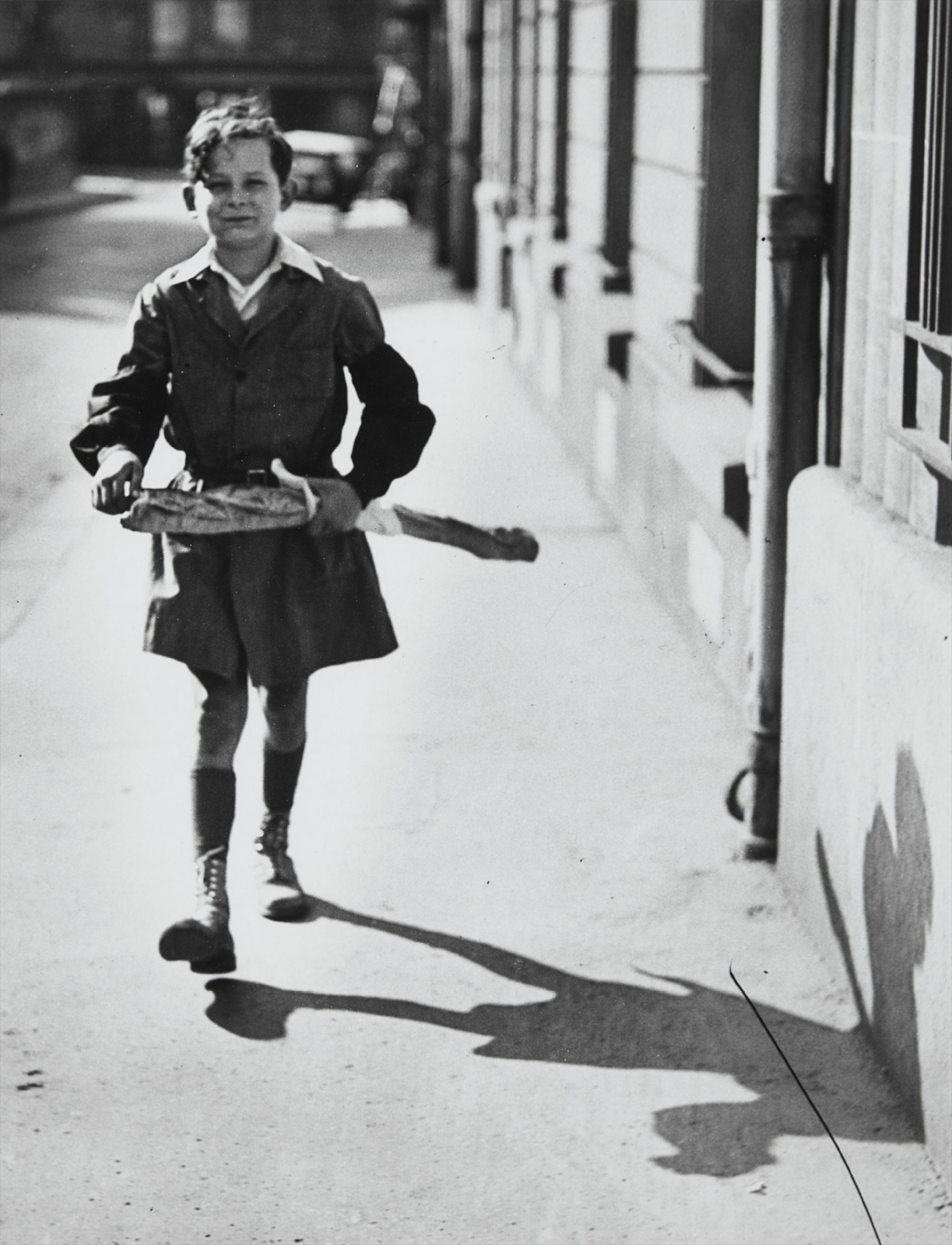
André Kertész
Paris, Morning Bread, Montparnasse
It keeps the conversation from settling into comfort. What feels alive right now is the intersection between photography and painting as collecting categories within this theme. Collectors who once thought strictly in medium terms are increasingly approaching the question through subject and sensibility, acquiring across disciplines because the underlying concern, the quality of presence in an ordinary moment, unifies the objects. What feels settled, in the best sense, is the reputation of Leiter and Levitt, whose markets have matured into something resembling permanence.
What surprises may still be coming involves the secondary market for painters like Alftan, where supply remains genuinely constrained and demand continues to build. The works on The Collection reflect exactly this range of possibility, from the canonized to the still emerging. Looking at them together, what you feel is not nostalgia but recognition. That is the category's lasting power.