Equestrian
Archived article
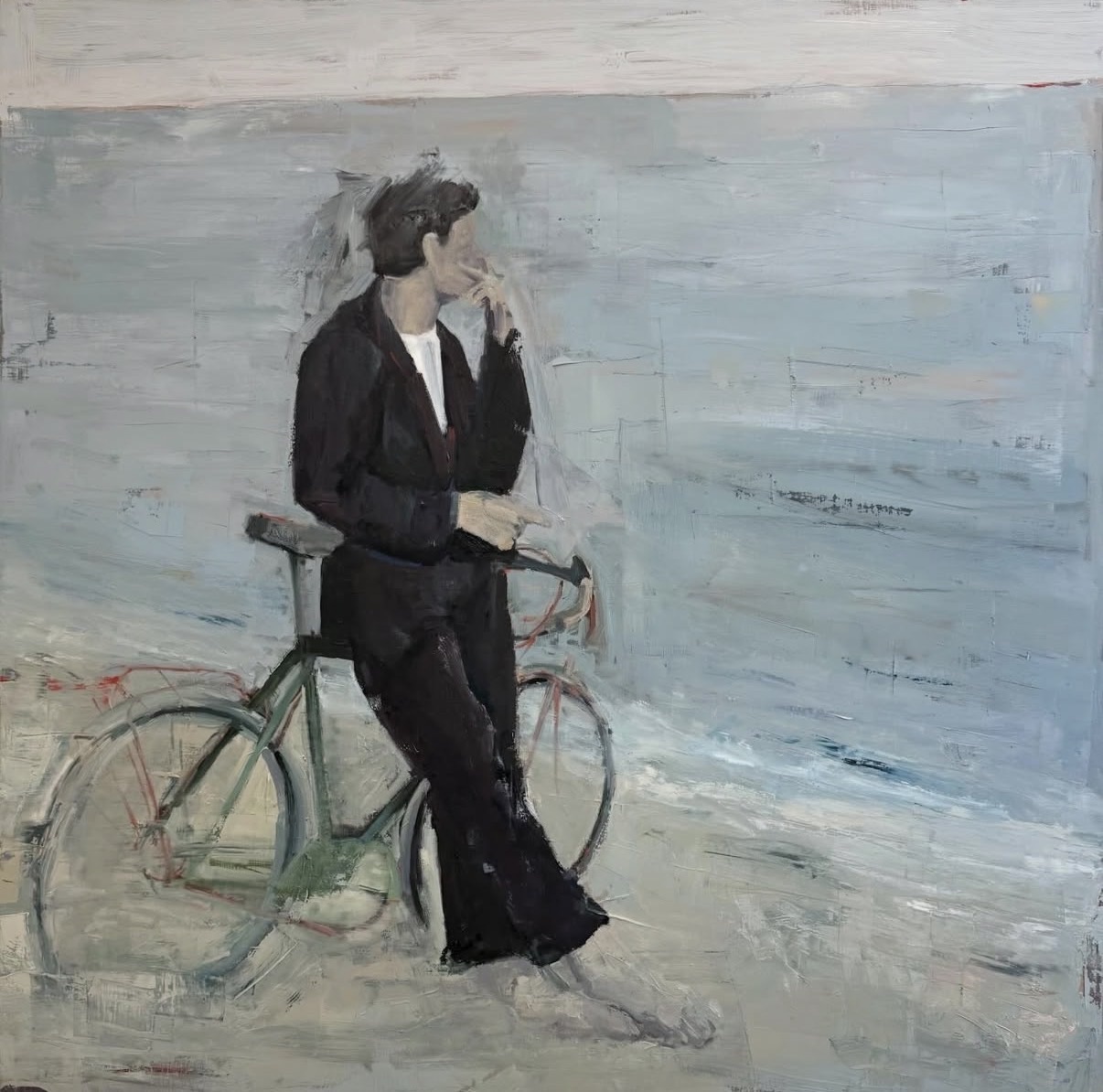
Patrick Vrem
Ride by the Water
You are reading a previous version of this article.
Read the latest version```json { "headline": "The Horse That Never Left the Canvas", "body": "There is no subject in the history of art that has moved alongside human civilization quite so faithfully as the horse. From the cave paintings at Lascaux, rendered some seventeen thousand years ago by firelight, to the gleaming bronze casts of the nineteenth century and now into the territory of machine learning and generative imagery, the equestrian figure has served as a mirror for whatever we most need art to say. Power. Grace.
Wildness brought to heel. The relationship between rider and mount has always been a proxy for something larger: the relationship between civilization and nature, between control and surrender.", "The word equestrian carries its own weight. Derived from the Latin equester, it originally denoted membership in a Roman social class defined by the ownership of horses.
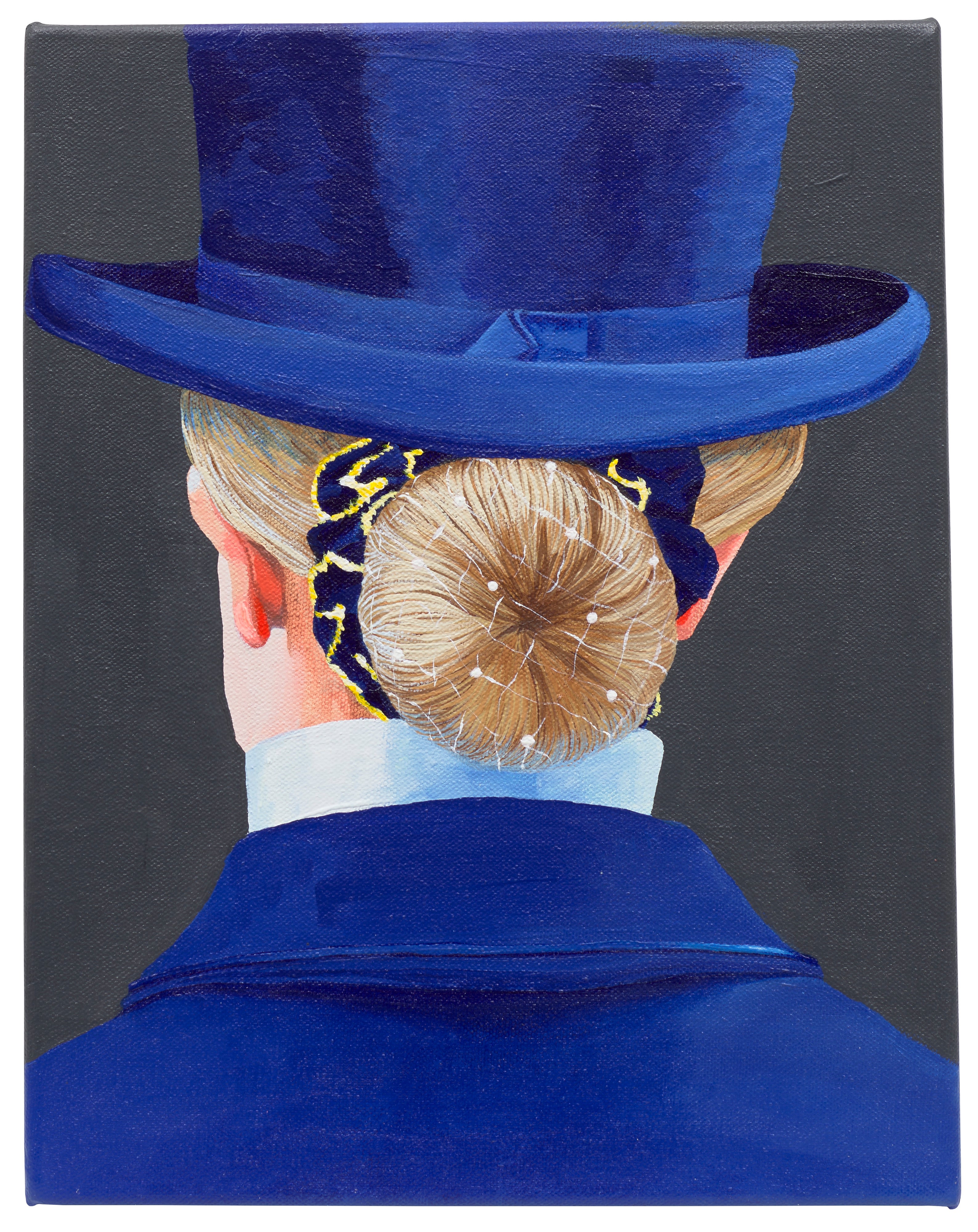
Sarah Miska
Rider with Blue Dressage Hat, 2021
To be equestrian was to be propertied, mobile, capable of force. That fusion of social status and animal energy traveled through centuries of European painting and sculpture, becoming one of the most codified genres in Western art. The equestrian portrait, in particular, became a grammar of power. Titian painted Charles V on horseback in 1548.
Velázquez did the same for Philip IV. Van Dyck made it the signature mode of aristocratic self presentation in England. By the time the genre arrived in the nineteenth century, it had accumulated so much symbolic freight that even a modest racing portrait could feel like a statement of ambition.", "It is in that nineteenth century context that so many of the artists represented on The Collection did their most significant work.
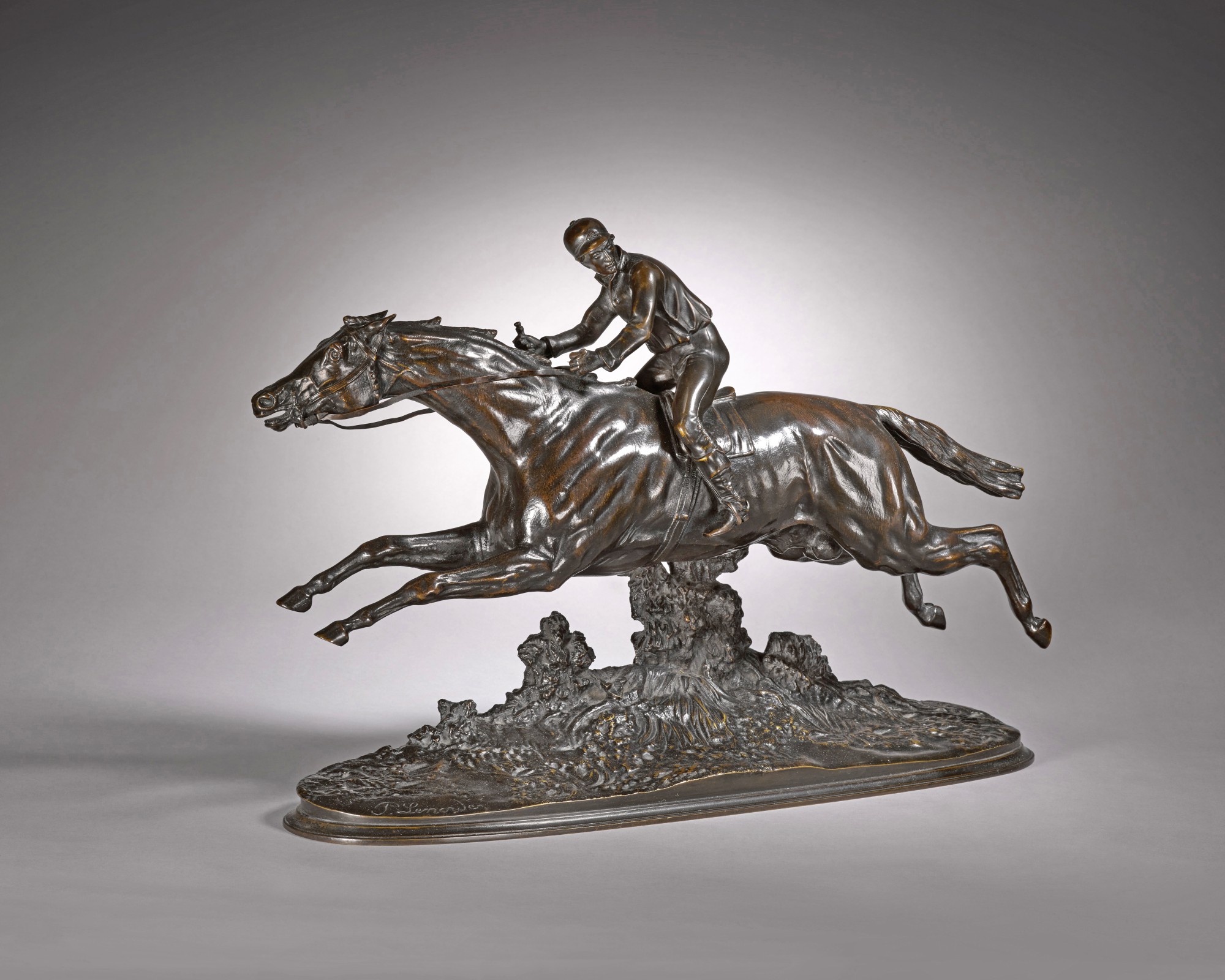
Pierre Lenordez
Horse and Jockey
Edward Troye, born in Switzerland in 1808 and active across the American South and border states, became the preeminent painter of thoroughbreds in antebellum America. His portraits of racehorses were meticulous to the point of documentary, yet suffused with a dignity that elevated the animals to something close to portraiture in the traditional sense. Henry Stull worked in similar territory later in the century, capturing the long muscles and alert intelligence of horses bred for speed. These were not decorative works.
They were records of investment, bloodline, and aspiration, commissioned by owners who understood that a fine horse was a form of biography.", "Sculpture offered its own ambitions. Antoine Louis Barye, the great French animalier who exhibited at the Paris Salon from the 1830s onward, brought a naturalist's precision to bronze casting that changed what animal sculpture could be. His horses carry tension in their haunches, weight in their stance.
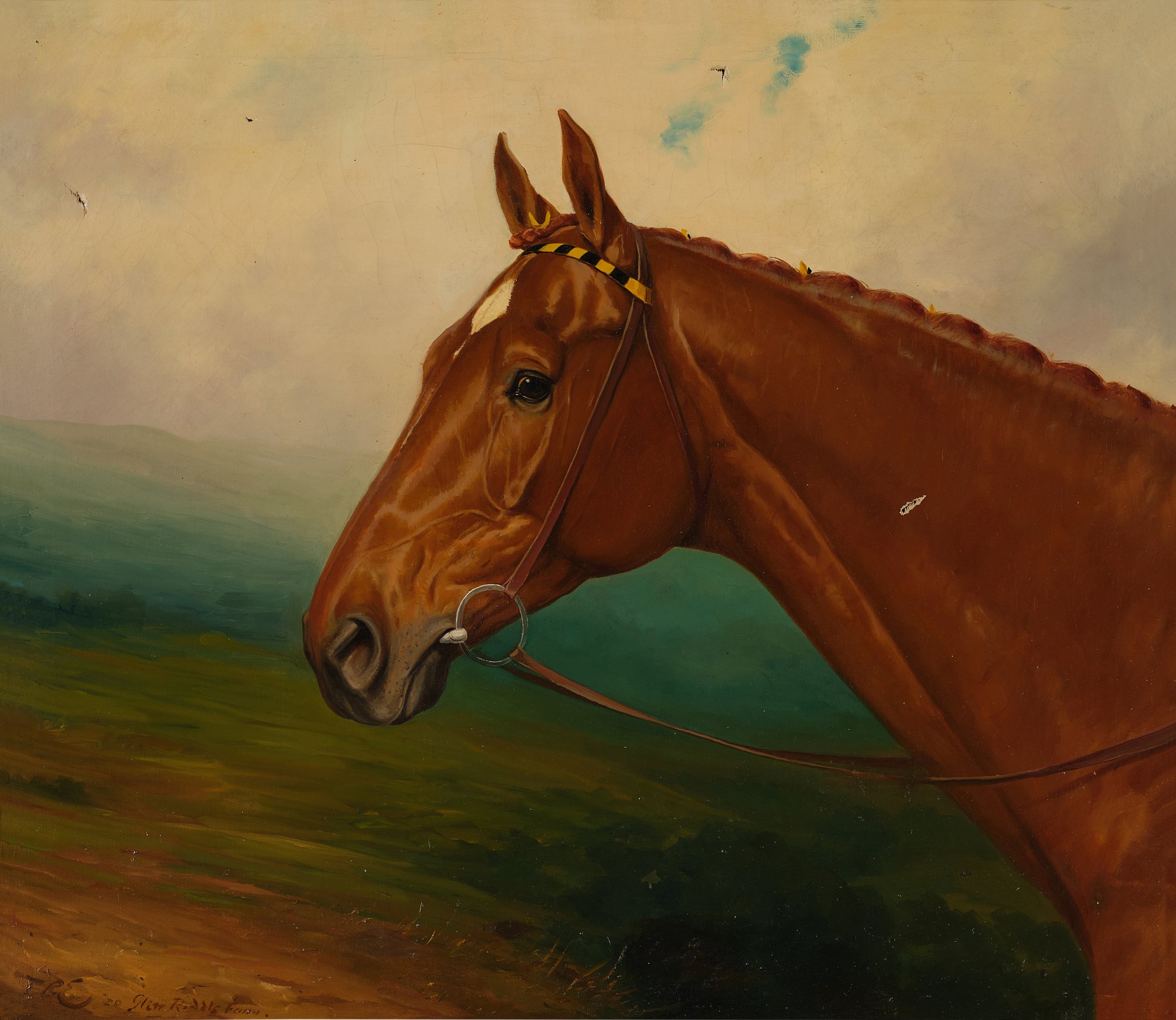
Percy Earl
Man O’War
Isidore Jules Bonheur, whose sister Rosa was arguably the most celebrated animal painter in Europe during her lifetime, worked in both bronze and canvas with a similar commitment to observed reality. These artists were products of a moment when natural history and aesthetic ambition were genuinely intertwined, when studying anatomy was considered as important as studying composition. Antoine Bourdelle pushed the form further into modernist territory, his equestrian sculptures distilling the horse into something more architectural and emotionally concentrated.", "The twentieth century complicated the equestrian subject in interesting ways.
Pablo Picasso returned to the horse throughout his career, most devastatingly in Guernica from 1937, where the screaming horse became the central symbol of innocent suffering under fascist bombardment. Marino Marini developed what became one of the most compelling private mythologies in postwar sculpture: a rider and horse locked in a relationship that grew increasingly precarious across decades of work, the rider's arms flung back, the horse rearing, a parable of modernity's loss of control. Edgar Degas had earlier transformed the horse into something almost abstract through his obsessive study of movement, using the new science of motion photography as both tool and inspiration. Marc Chagall placed horses in dreamlike suspension, freed from gravity and narrative logic alike.
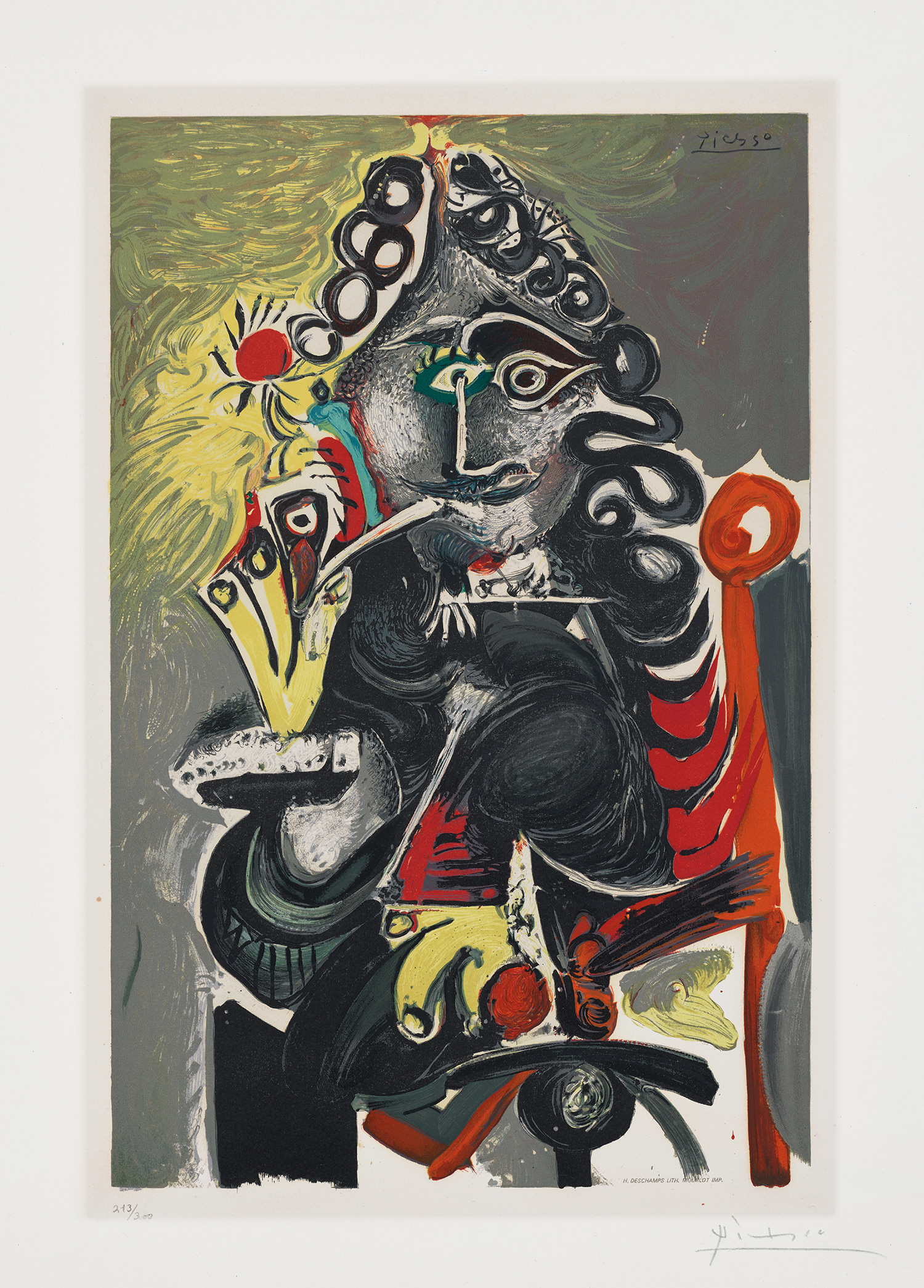
Pablo Picasso
Le Cavalier (The Rider)
Each of these artists used the horse to think about something that had little to do with horsemanship and everything to do with the human condition.", "The cultural reach of equestrian art extends well beyond Europe. Raja Deen Dayal, the remarkable Indian photographer who worked in the late nineteenth century under the patronage of the Nizam of Hyderabad, brought the equestrian tradition into conversation with South Asian royal culture. Frederic Remington, working in the American West, used horse and rider to construct and mythologize a national identity that was already disappearing as he painted it.
The Cavalier figure from Djenné in Mali, a terracotta work from the thirteenth or fourteenth century, reminds us that the equestrian tradition was never exclusively European. Across the Sahel, mounted figures signaled authority and spiritual power long before European contact. Raoul Dufy brought his characteristic lightness to racetrack scenes, finding in the pageantry of Deauville and Longchamp a subject that allowed color to do the emotional work.", "The decision to apply artificial intelligence to this particular subject is not as strange as it might first appear.
The equestrian genre has always been entangled with technology. Degas used Muybridge's photographic sequences. Barye dissected cadavers to understand musculature. Contemporary artists working with generative tools are simply the latest in a long line of practitioners who reached for new instruments when the old ones seemed insufficient.
What AI brings to equestrian imagery is something genuinely different: a kind of cultural sedimentation, images that seem to remember all the equestrian paintings that came before them, recombining that visual memory into forms that are simultaneously familiar and uncanny. The horse remains recognizable. The context has dissolved.", "What the equestrian theme ultimately reveals, across all the centuries and media and cultural contexts gathered together on The Collection, is that certain subjects accumulate meaning the way certain landscapes accumulate weather.
The horse is one of those subjects. It arrives carrying everything that has ever been painted onto it, every story of power and freedom and wildness and control. To collect in this area is to step into one of art history's deepest conversations, one that began before writing and shows no sign of ending.
Works tagged Equestrian
Sarah Miska
Rider with Blue Dressage Hat
Percy Earl
Man O’War
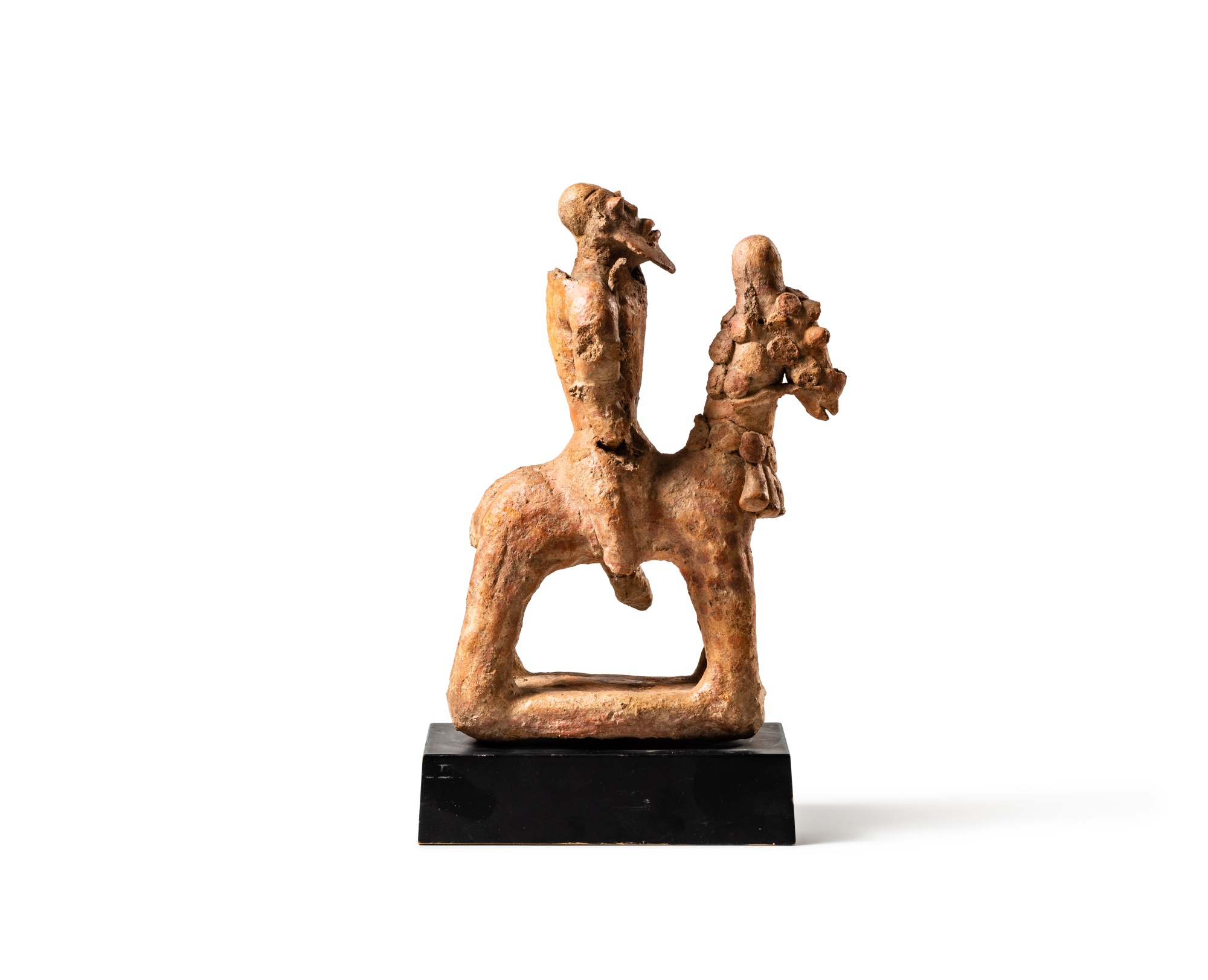
Cavalier, Djenné, Mali
Cavalier, Djenné, Mali
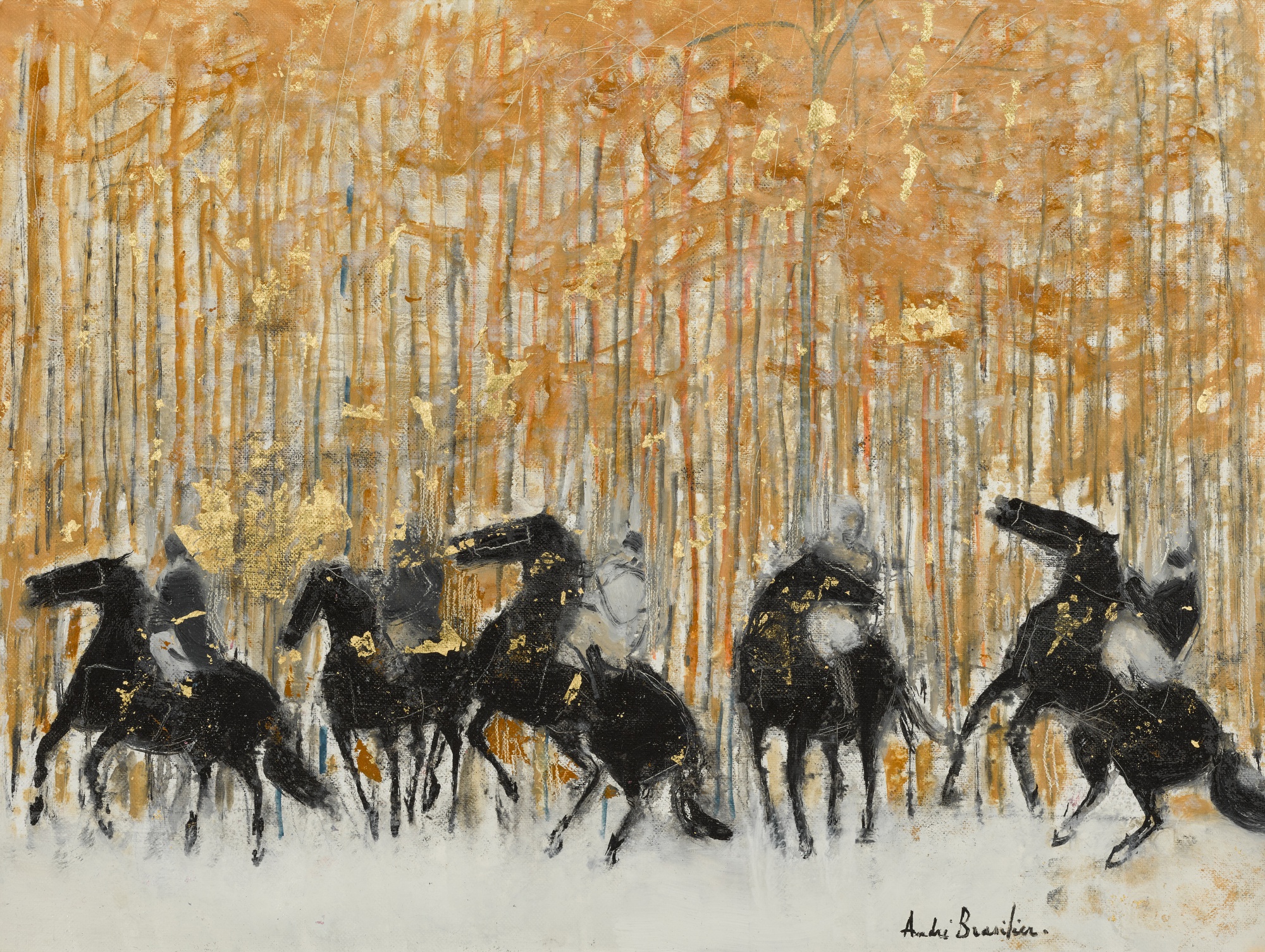
André Brasilier
Petite chevauchée au parc
Pablo Picasso
Le Cavalier (The Rider)
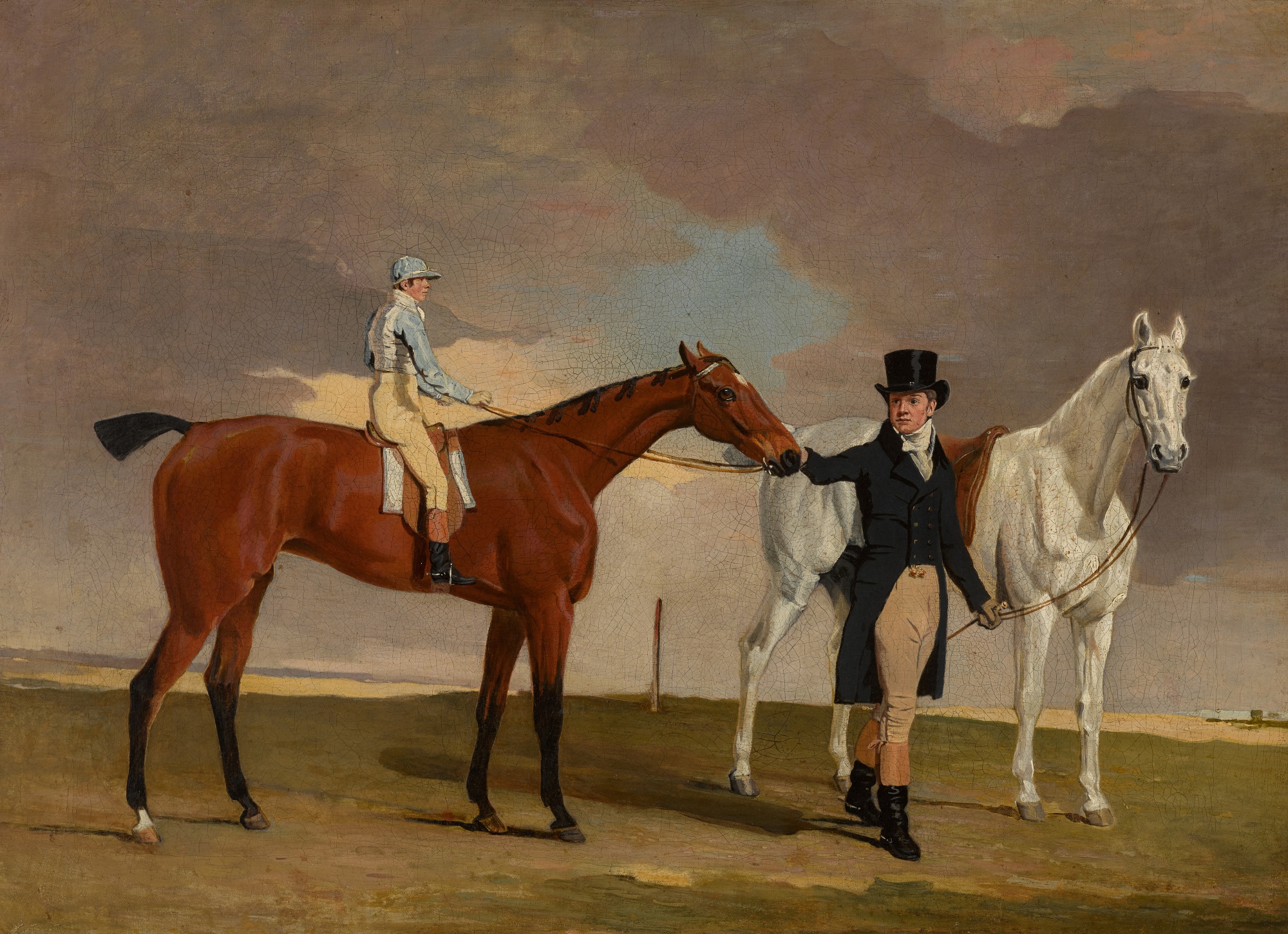
Unknown
Lord Rous's Racehorse Shrapnell, with his trainer, Dixon Boyce, and jockey, Willliam Arnull Up
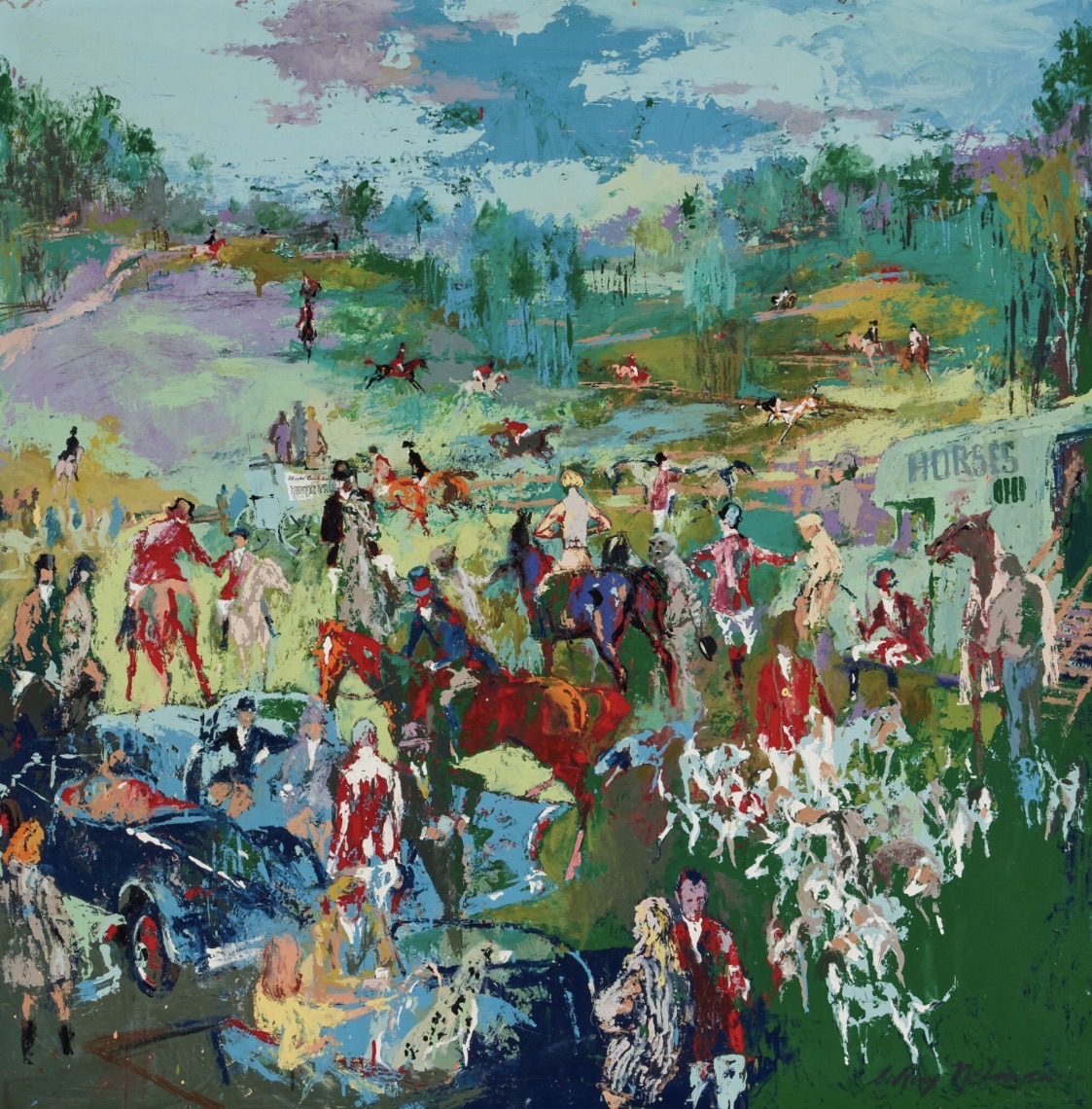
LeRoy Neiman
Moore County Hounds
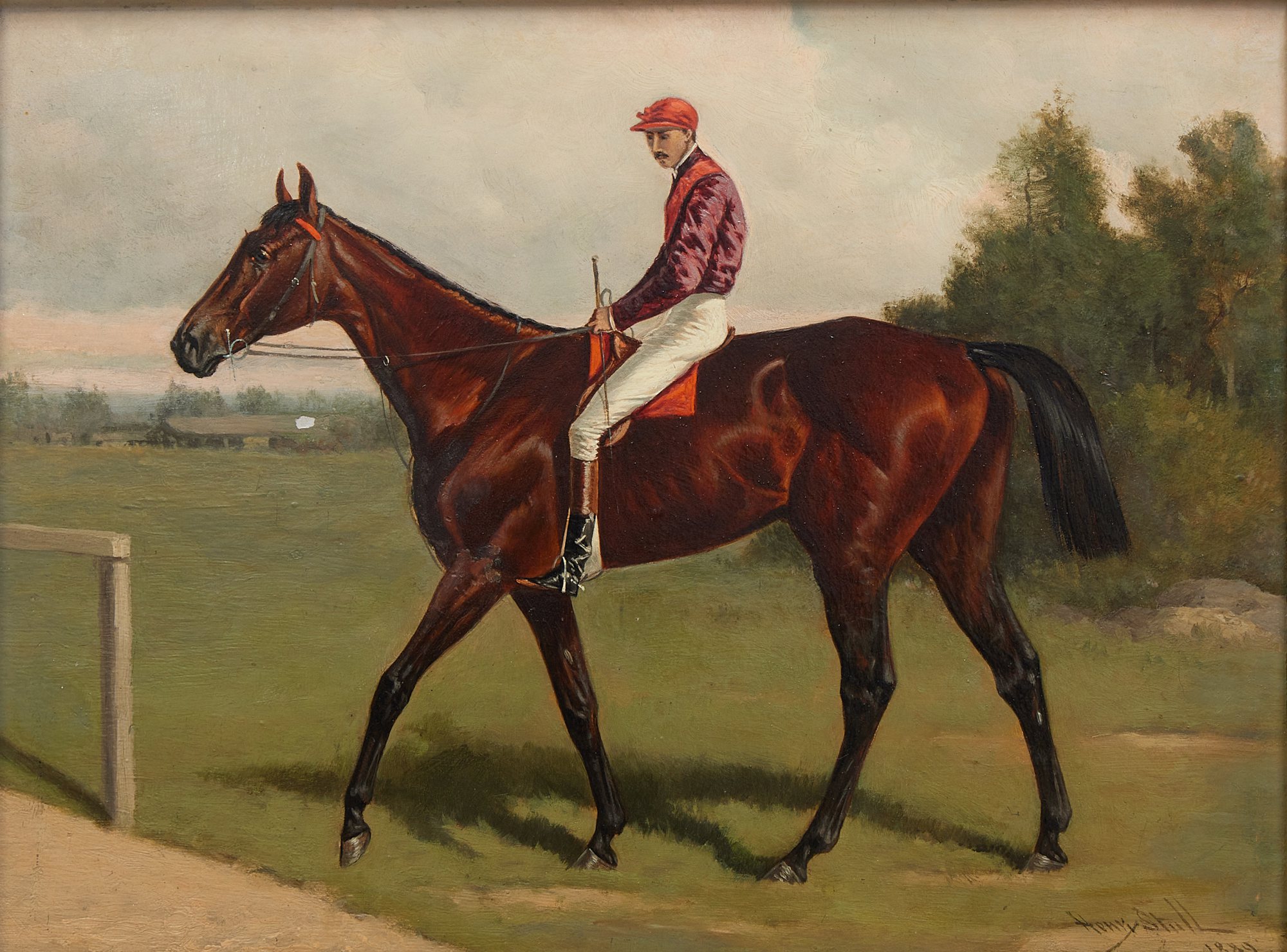
Henry Stull
Raceland with Garrison Up
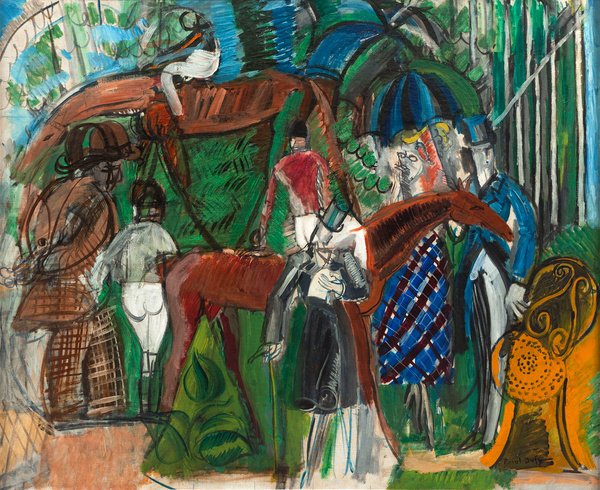
Raoul Dufy
Le paddock
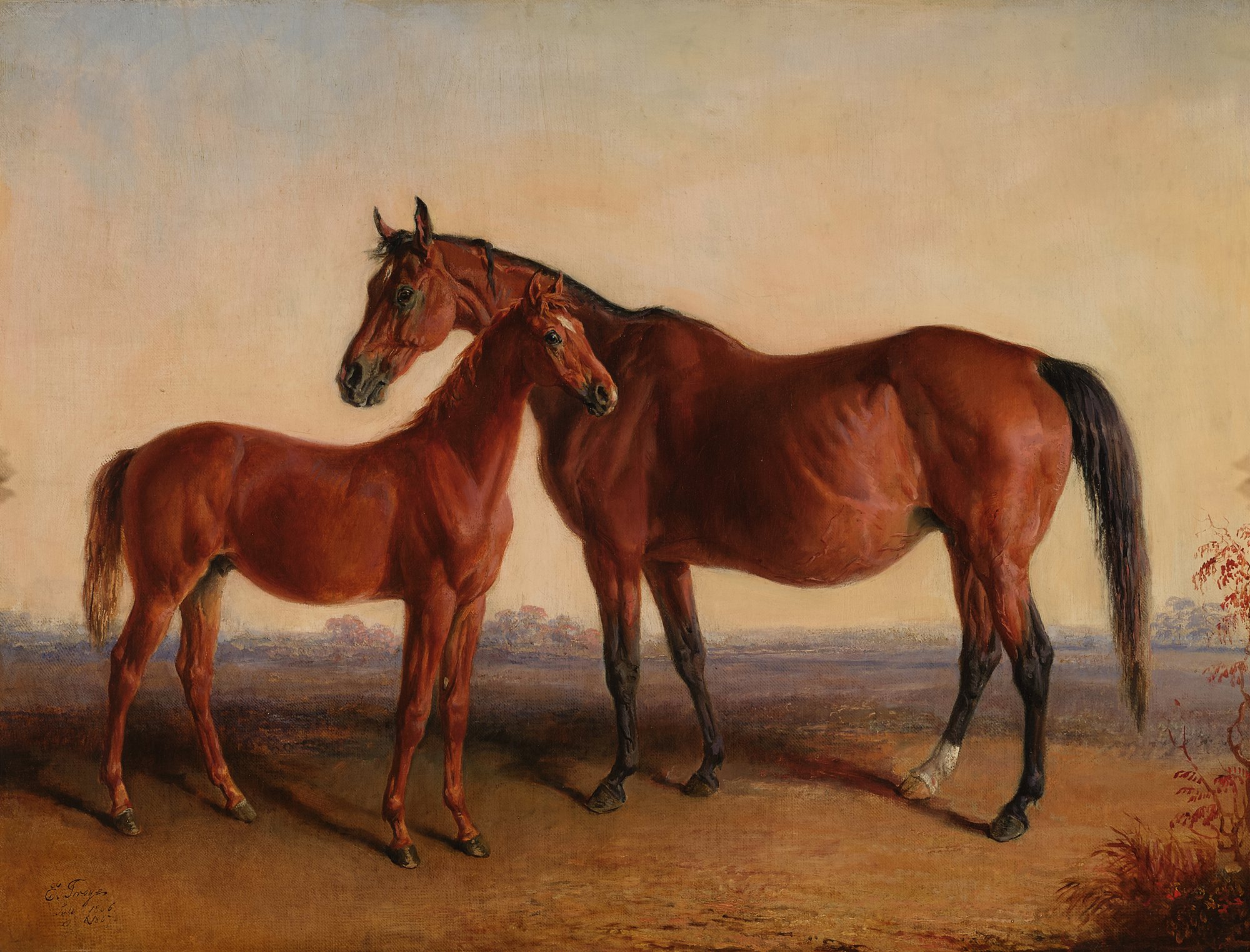
Edward Troye
Roxanna and Her Colt Blarney Stone by Rhynodyne
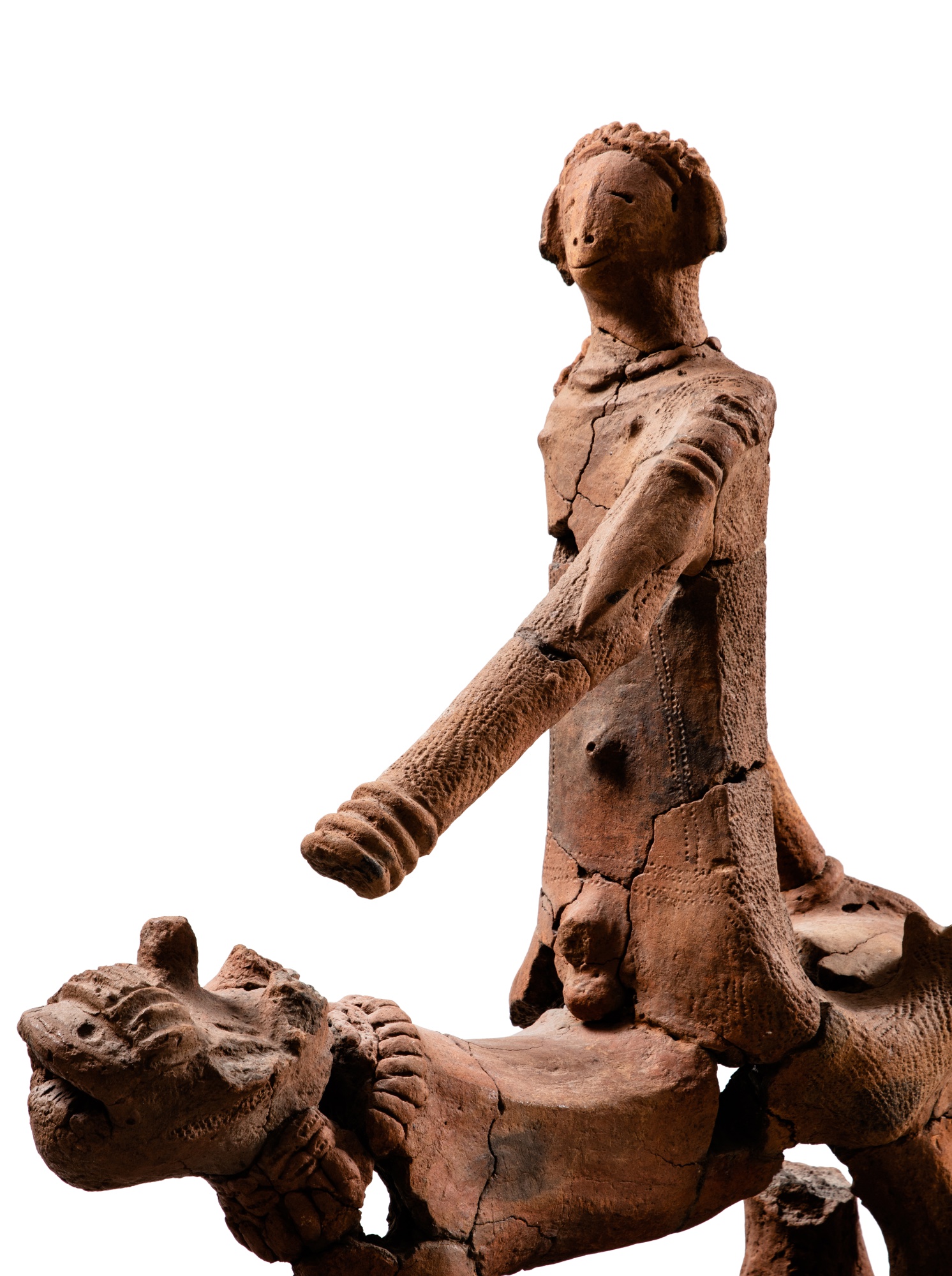
Cavalier, Bankoni, Mali
Cavalier, Bankoni, Mali
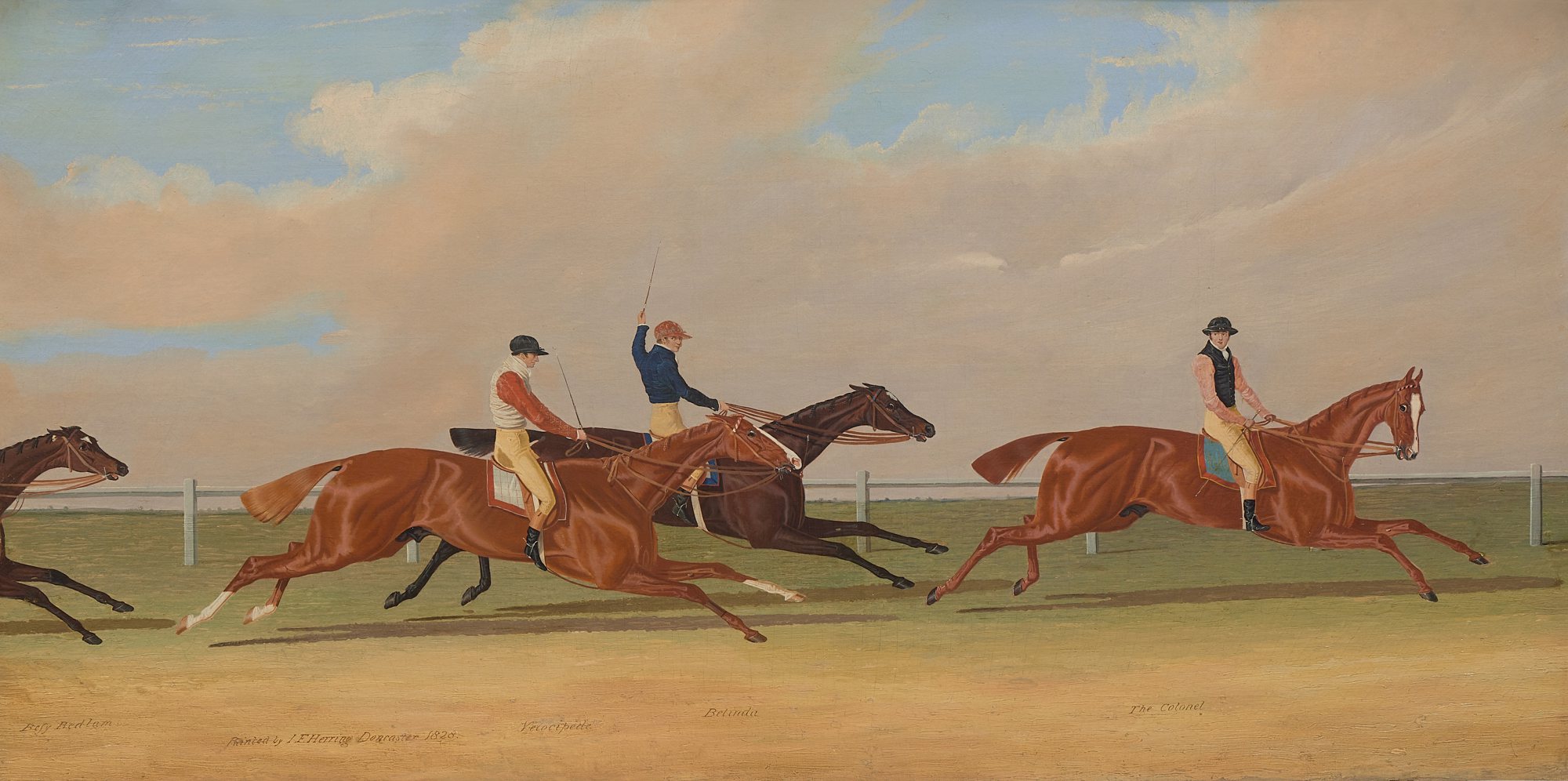
John Frederick Herring Sr.
The 1828 Doncaster St. Leger Won by The Colonel
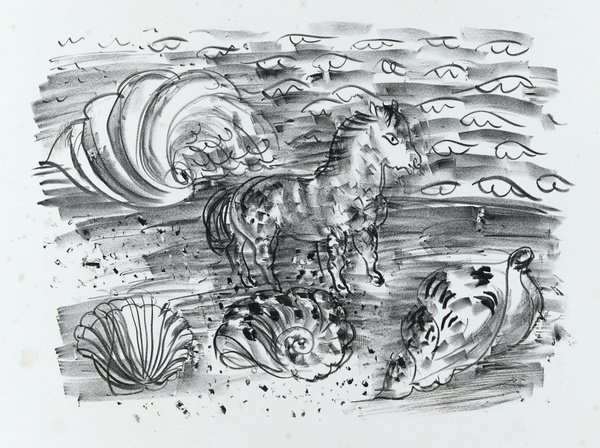
Raoul Dufy
Cheval et conques
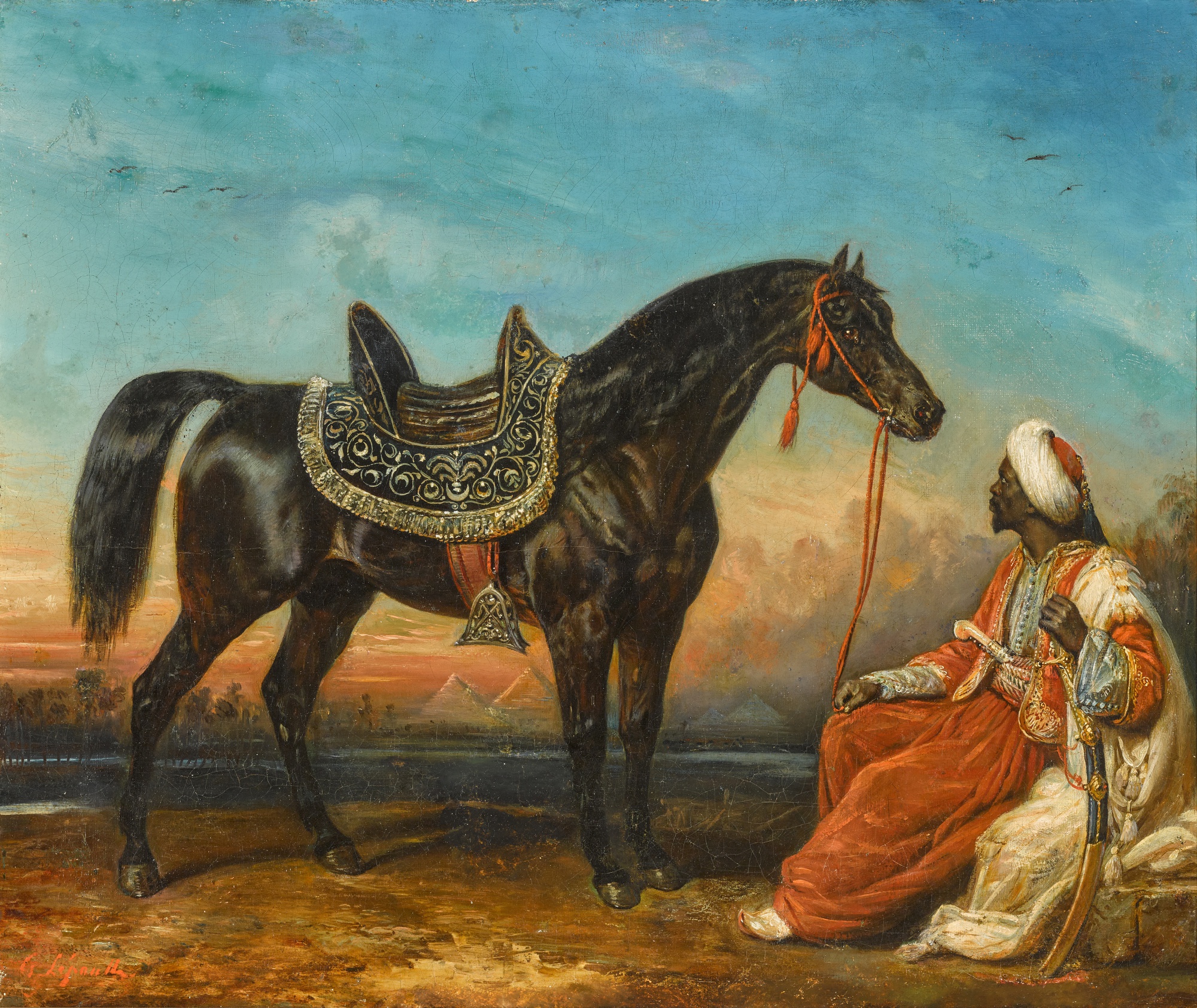
François-Gabriel Lépaulle
An Arabian Stallion and his Groom, Egypt
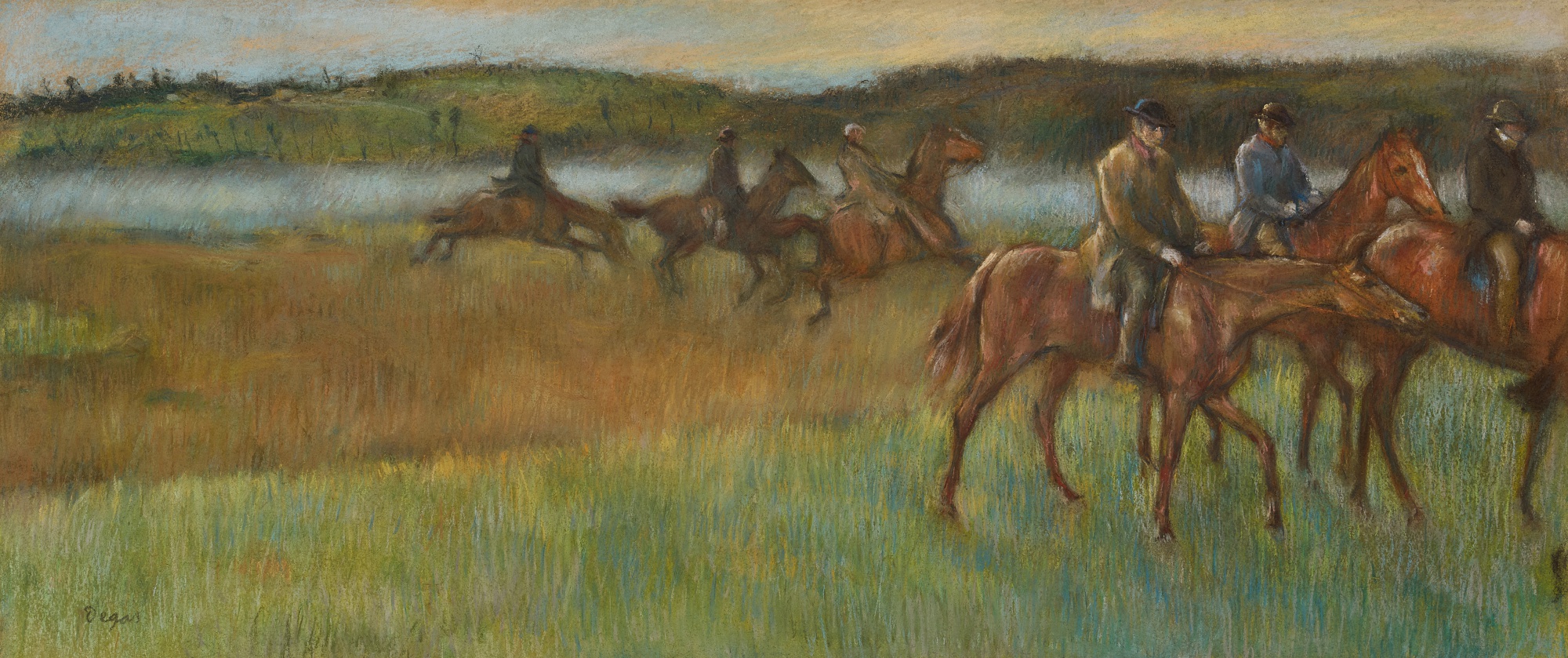
Edgar Degas
Les Entraîneurs
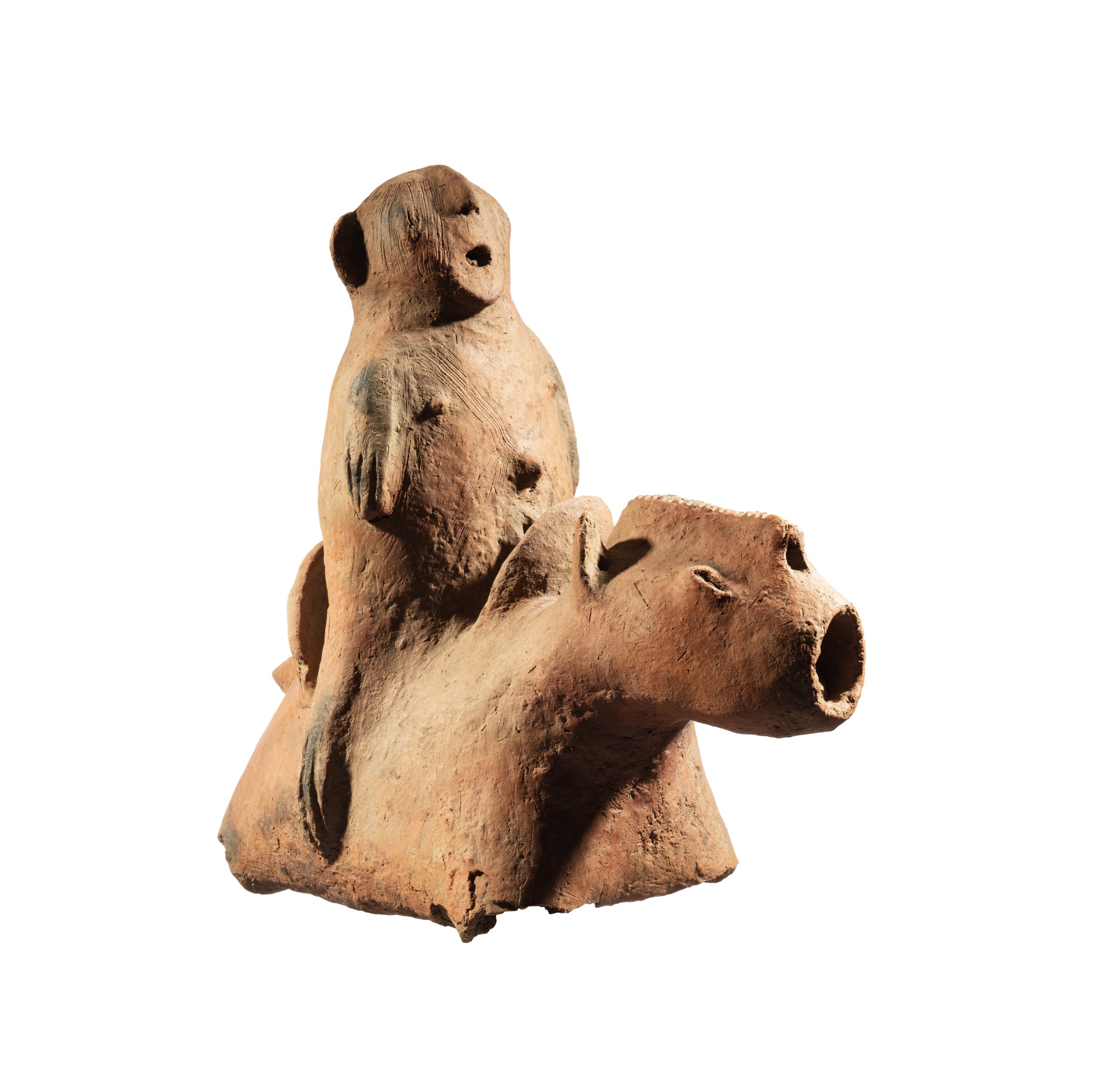
Cavalier, Dakakari, Nigéria
Cavalier, Dakakari, Nigéria
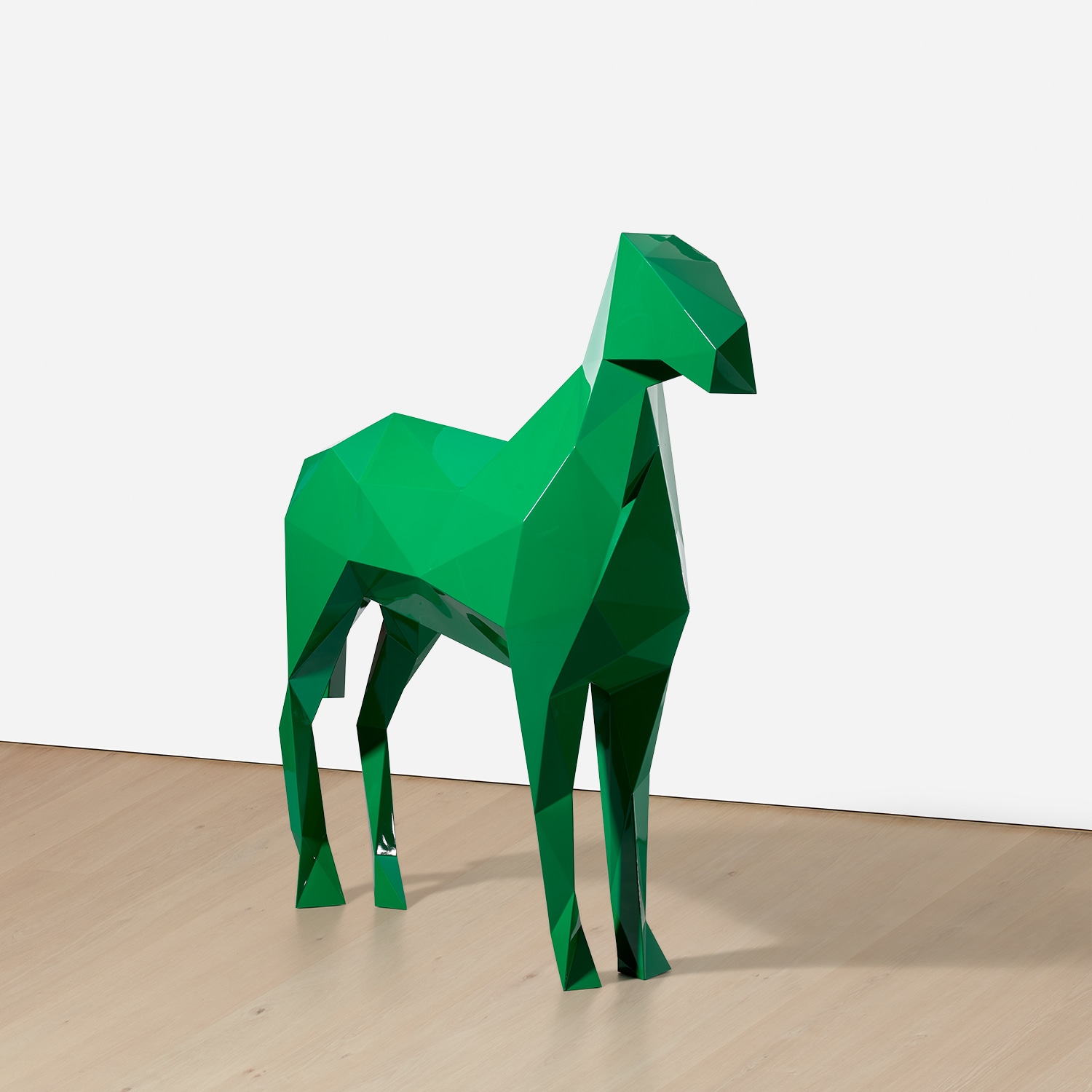
Xavier Veilhan
The Horse
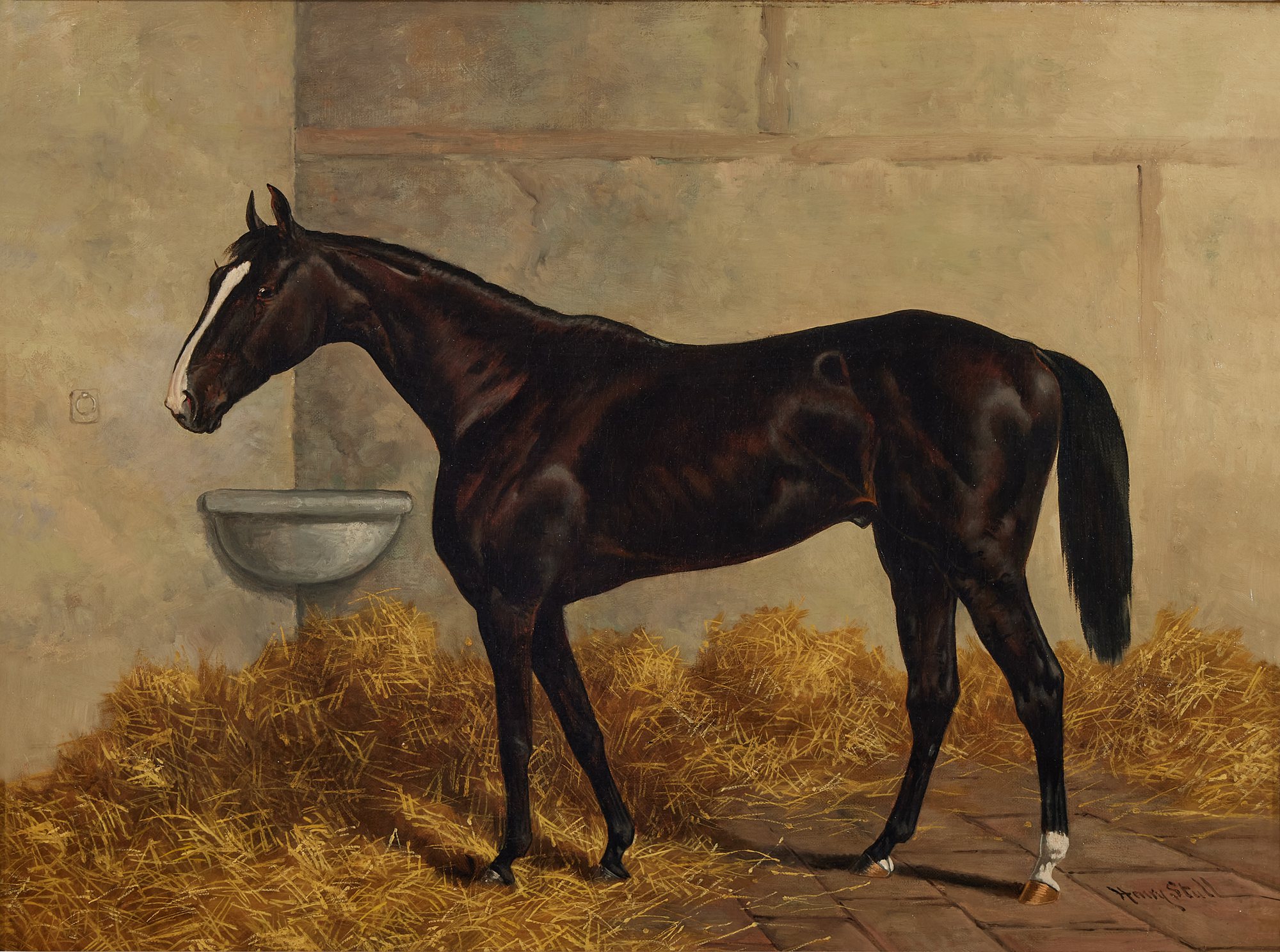
Henry Stull
Longfellow (A Dark Bay Racehorse) in a Stable
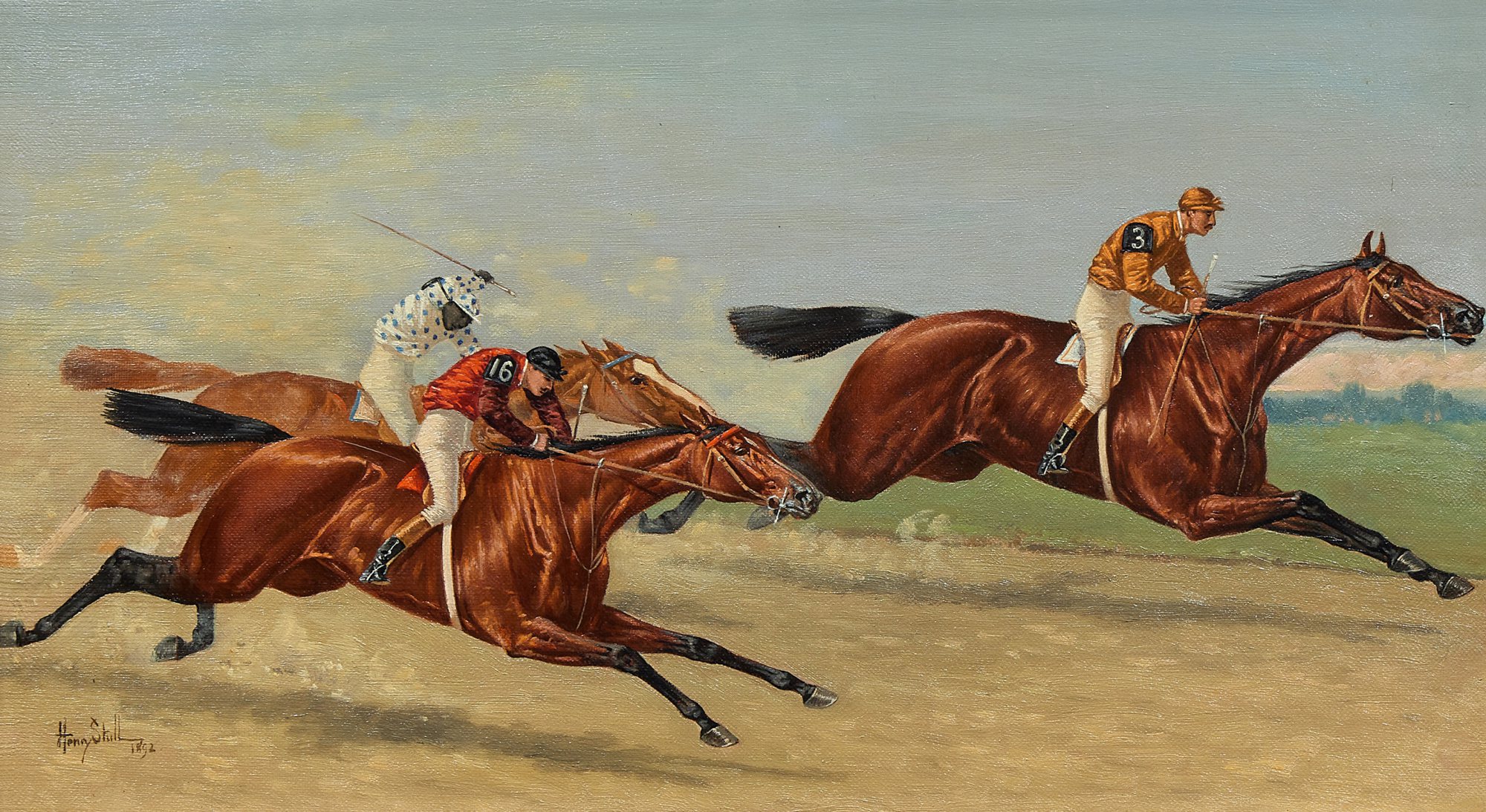
Henry Stull
The Futurity 1892 with Morello, Lady Violet and St. Leonards
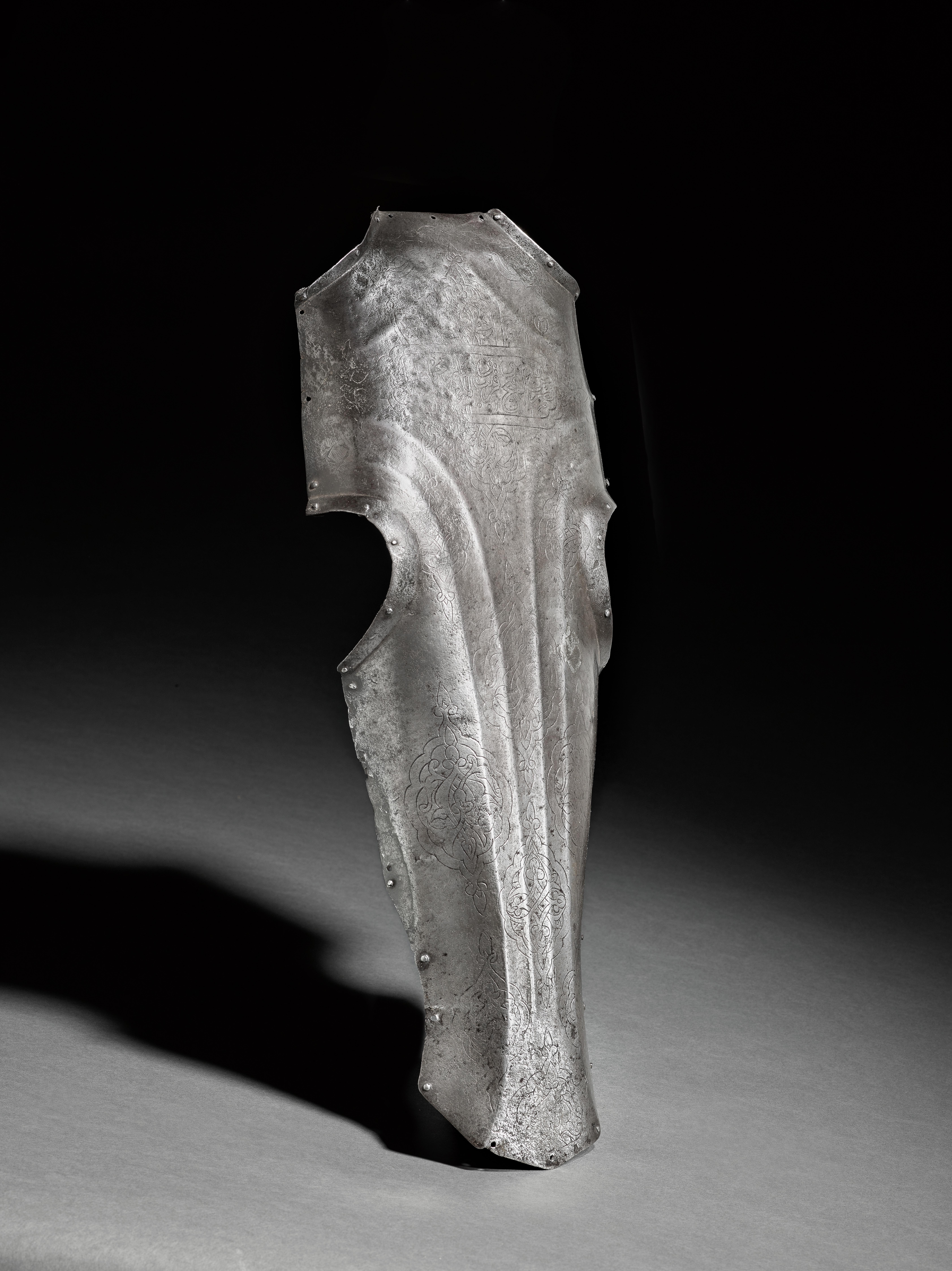
Unknown
An Ottoman Steel Chanfron, Turkey, 16th Century
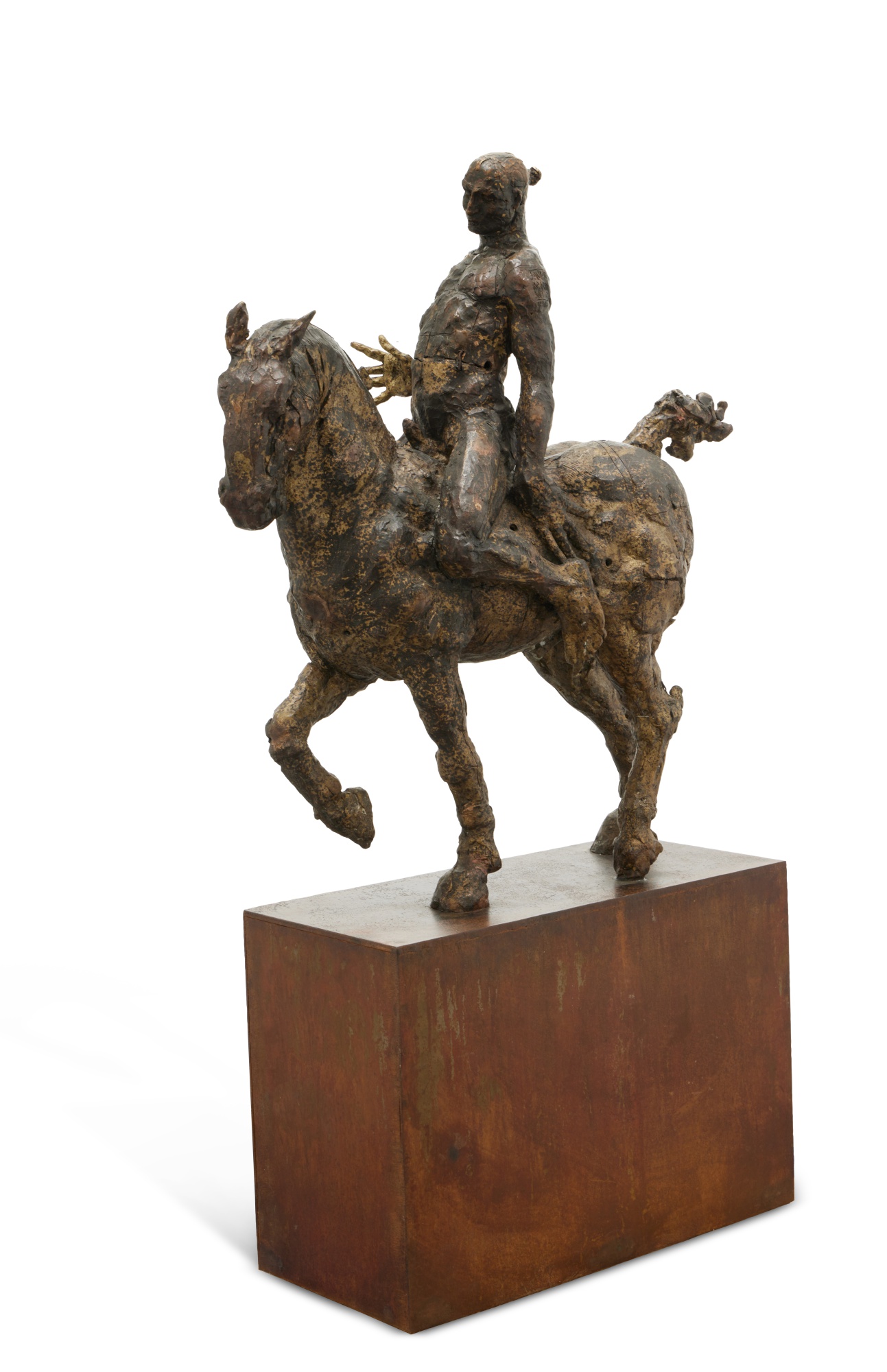
Javier Marín
Caballito IV
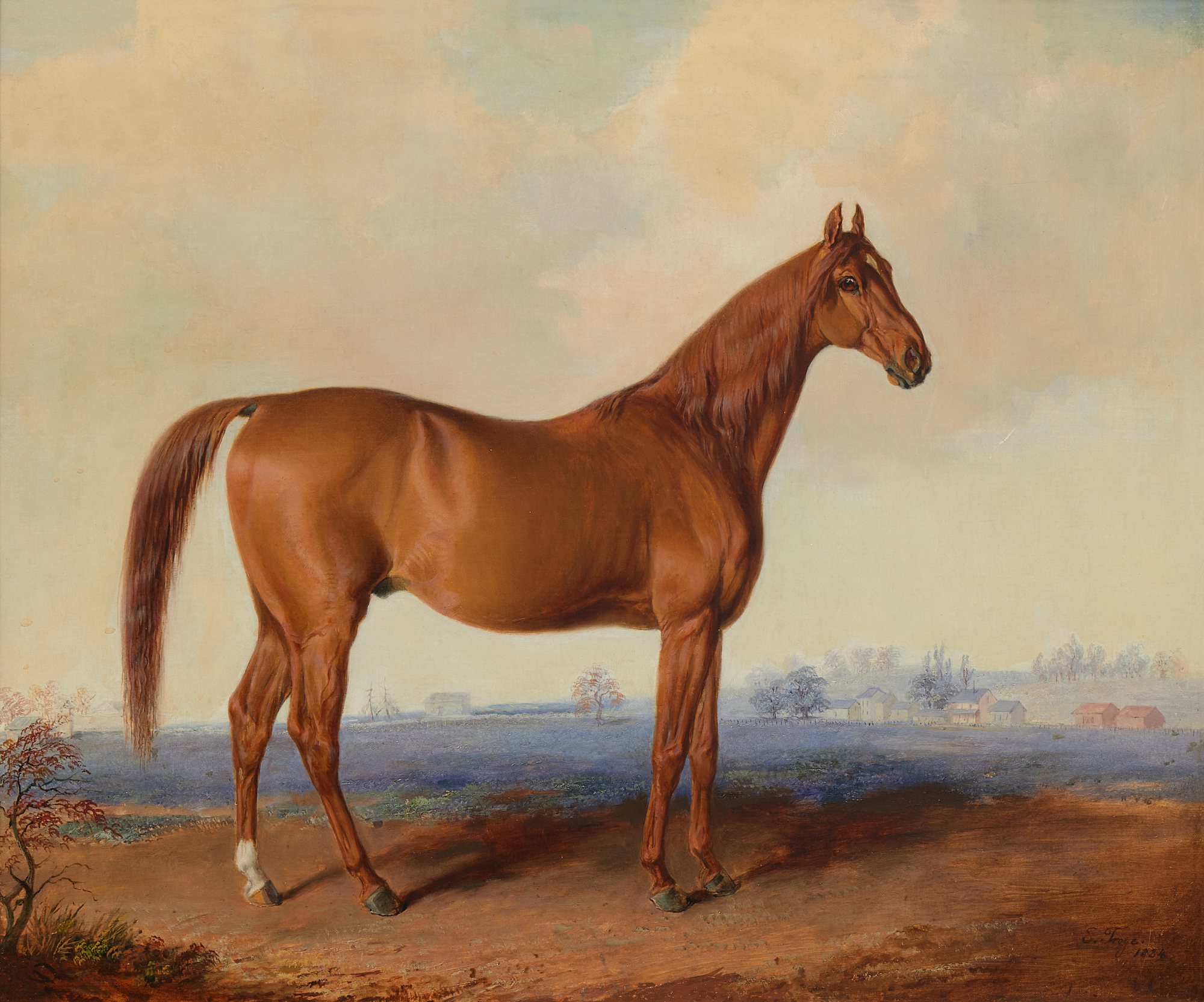
Edward Troye
American Eclipse in a Landscape
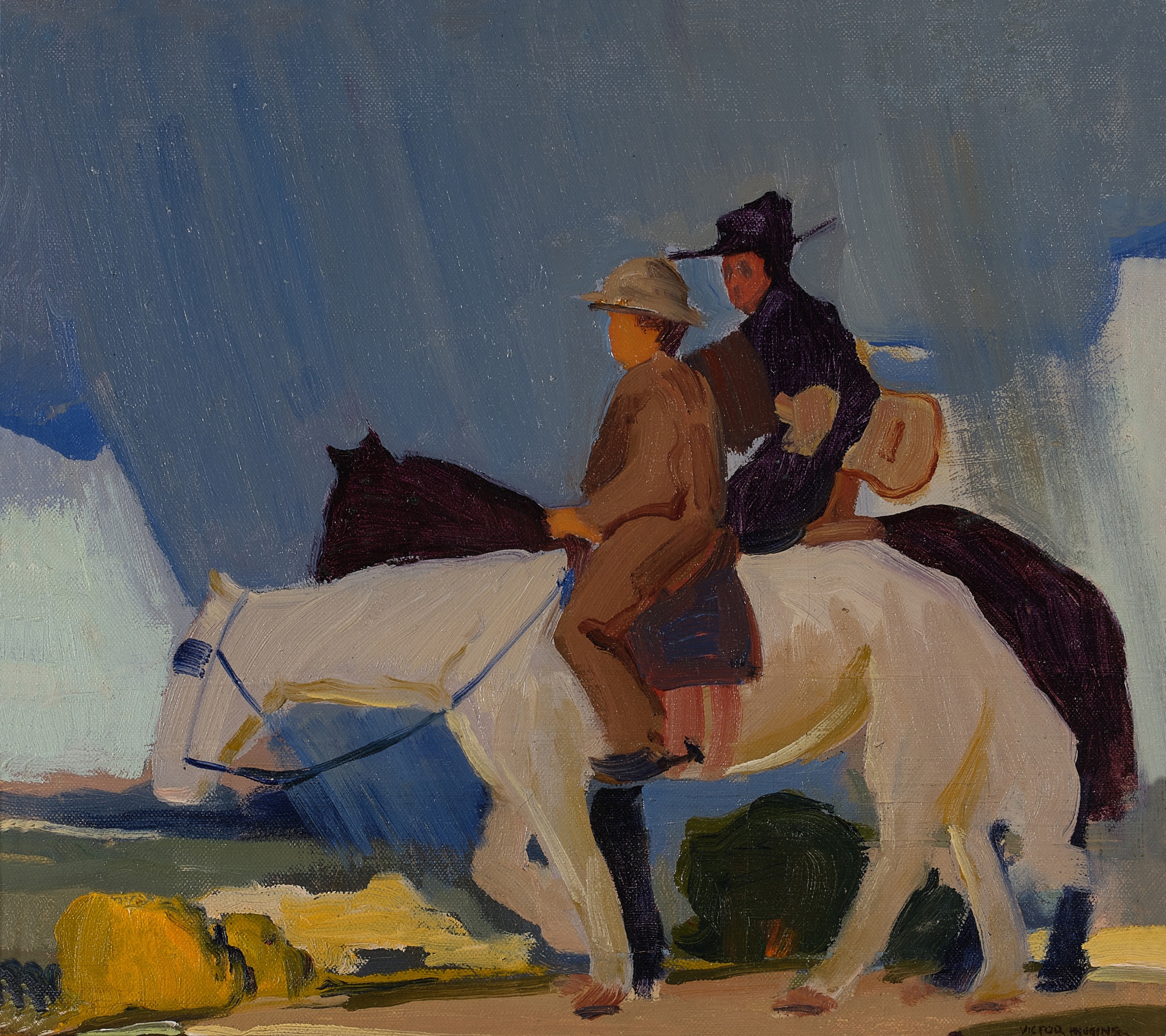
Victor Higgins
Two Riders
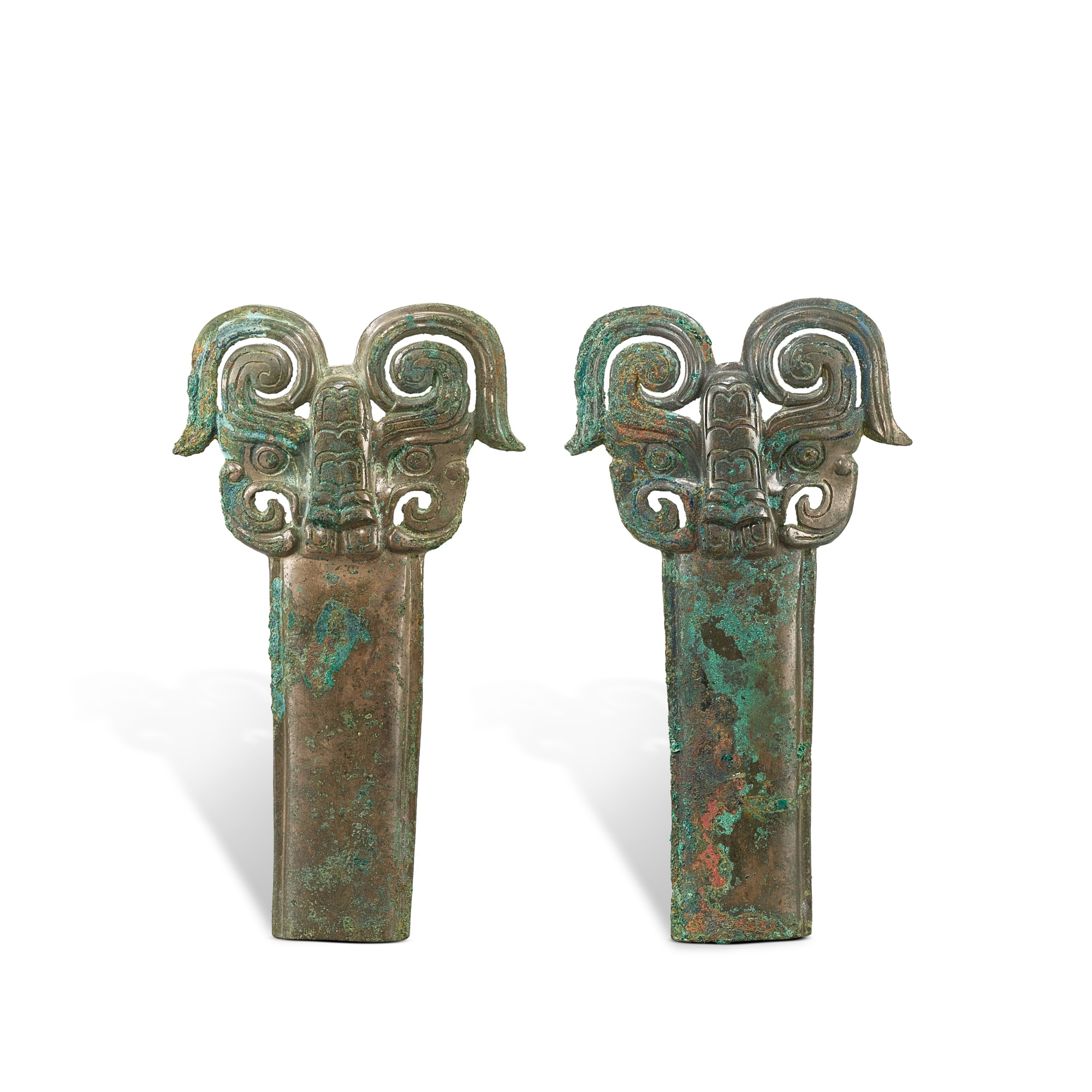
Unknown (Historical)
A pair of bronze 'mythical beast' horses' harness frontlets, Western Zhou dynasty 西周 青銅獸面馬冠飾一對