Elegant Mood
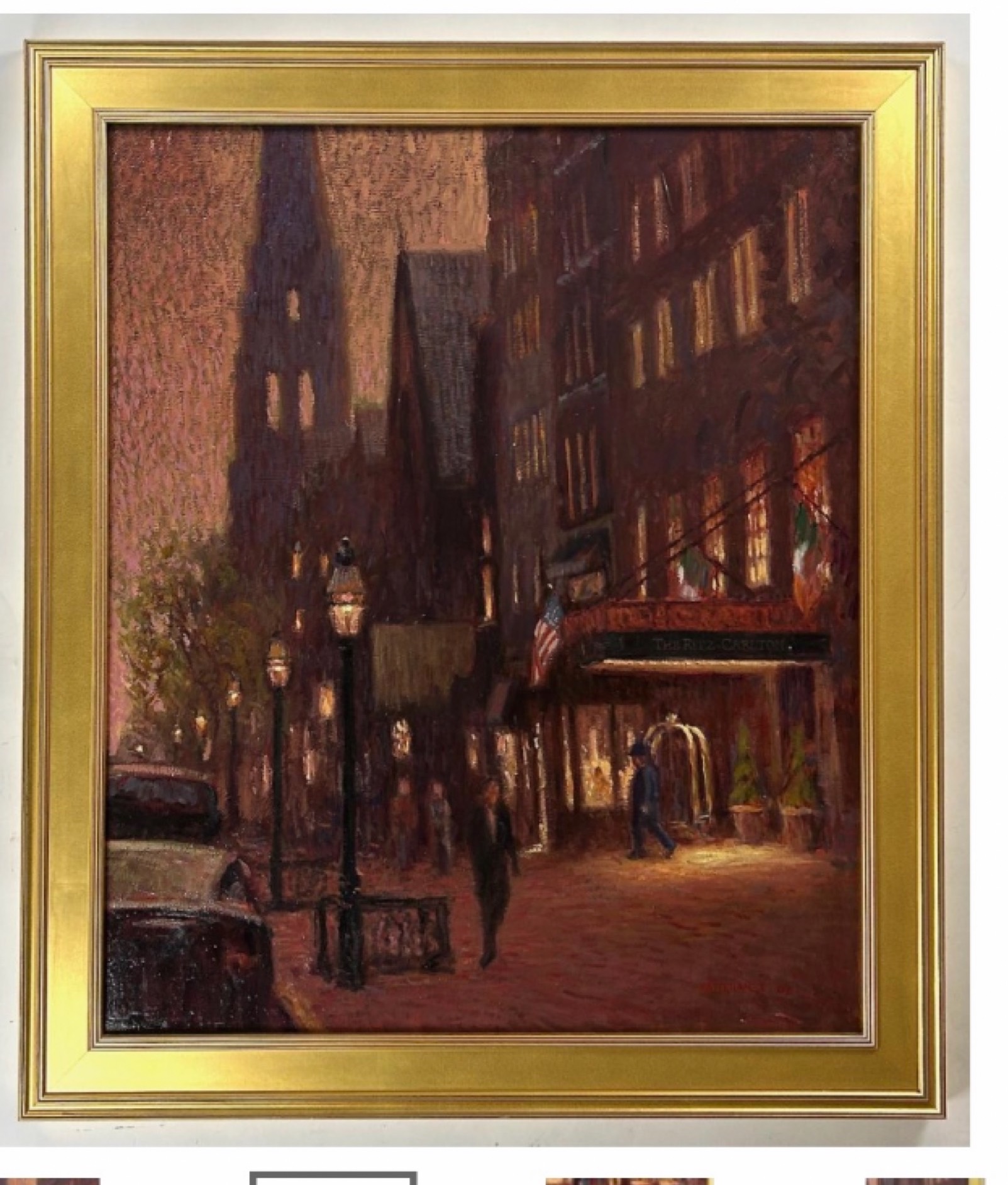
Vince Castellanet
Newbury Street, The Ritz Carlton, 2002



The Art of Atmosphere: Mood as Mastery
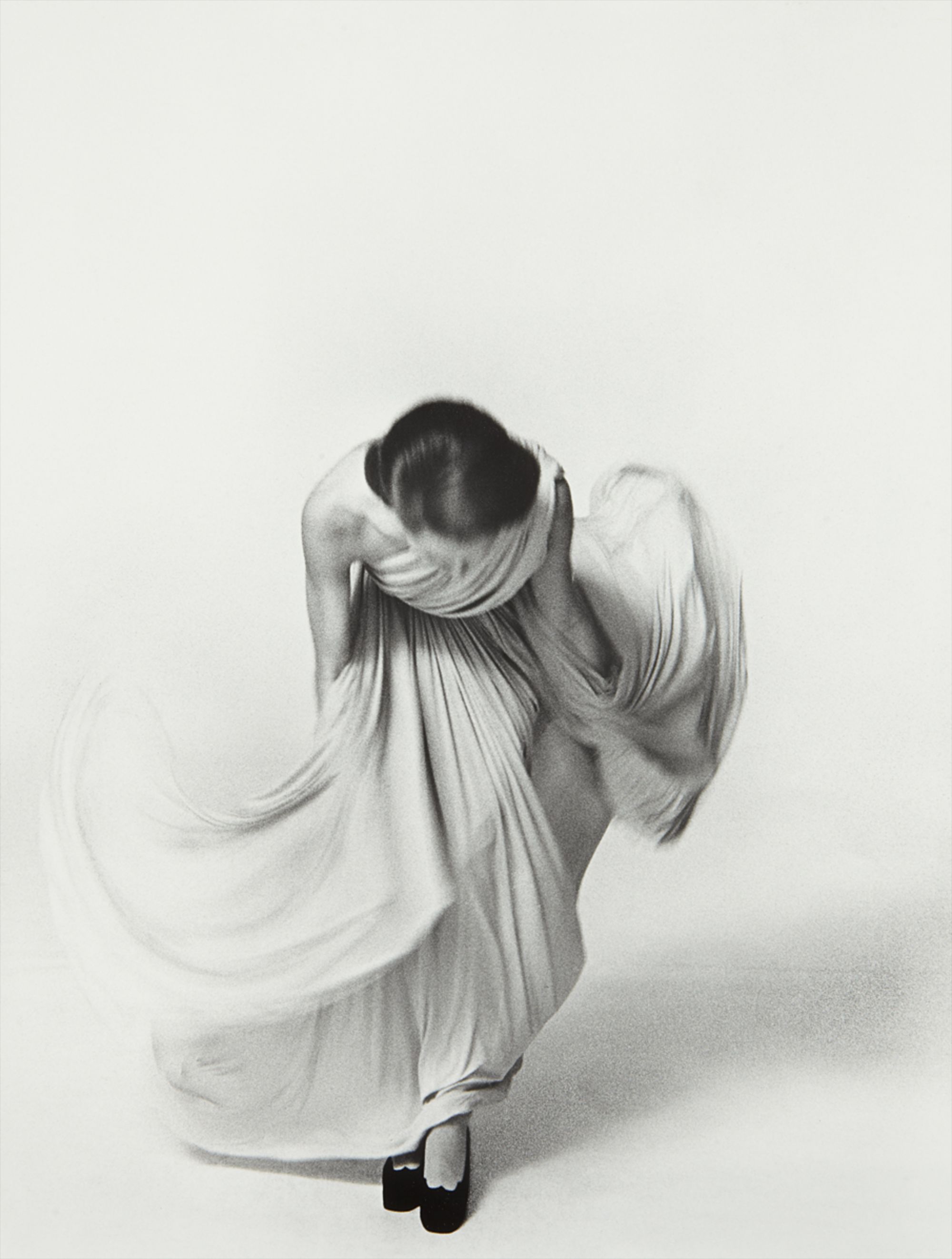
When a gelatin silver print by Irving Penn sold at Christie's New York for well over a million dollars in recent years, the room understood something that collectors had quietly known for decades: elegance is not a superficial quality. It is a compositional intelligence, a kind of emotional precision that separates the merely beautiful from the genuinely affecting. The market has been signaling this with increasing confidence, and the cultural conversation has finally caught up. What we talk about when we talk about elegant mood in art is not decoration or prettiness.
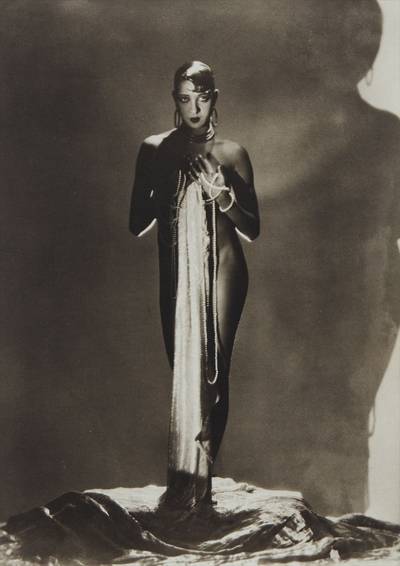
It is the quality of suspended feeling, the sense that a work holds something in tension without resolving it too quickly. Think of the way Horst P. Horst constructed his studio photographs in the 1930s and 1940s, those extraordinary arrangements of shadow and fabric and the human form that seemed to exist outside of time entirely. His 1939 image Mainbocher Corset remains one of the most reproduced photographs in fashion history, yet its power comes not from glamour but from a kind of melancholy stillness.
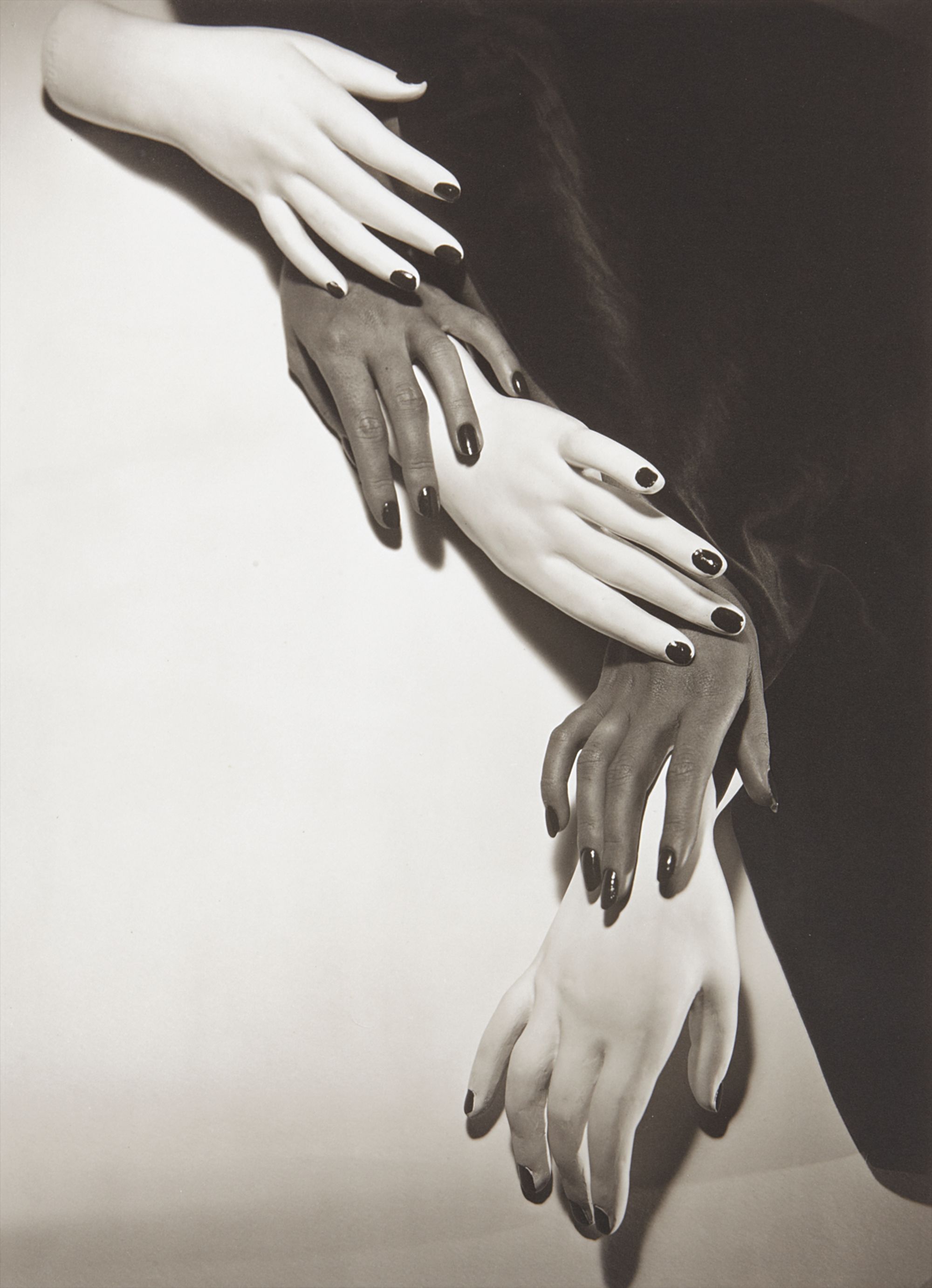
Horst P. Horst
Hands, Hands...
That combination, beauty edged with something unresolved, is precisely what collectors and institutions are pursuing right now. The exhibition landscape has reflected this appetite. The retrospective devoted to Lillian Bassman at the International Center of Photography drew serious critical attention to a photographer who spent decades working in relative obscurity before her rediscovery in the 1990s. Her images for Harper's Bazaar under Alexey Brodovitch have a quality that curators now describe as painterly abstraction, the figure dissolving into atmosphere, the mood becoming the subject.
It is a useful lens through which to understand why her work commands strong prices at auction and why institutions are actively building holdings. The Museum of Modern Art and the Victoria and Albert Museum have both deepened their photography collections in ways that prioritize exactly this kind of lyrical tension. At auction, the appetite for this territory has become unmistakable. Penn continues to set benchmarks, particularly for his still life work and his Vogue portraits, where the formal rigor and the emotional temperature of a sitting are inseparable.
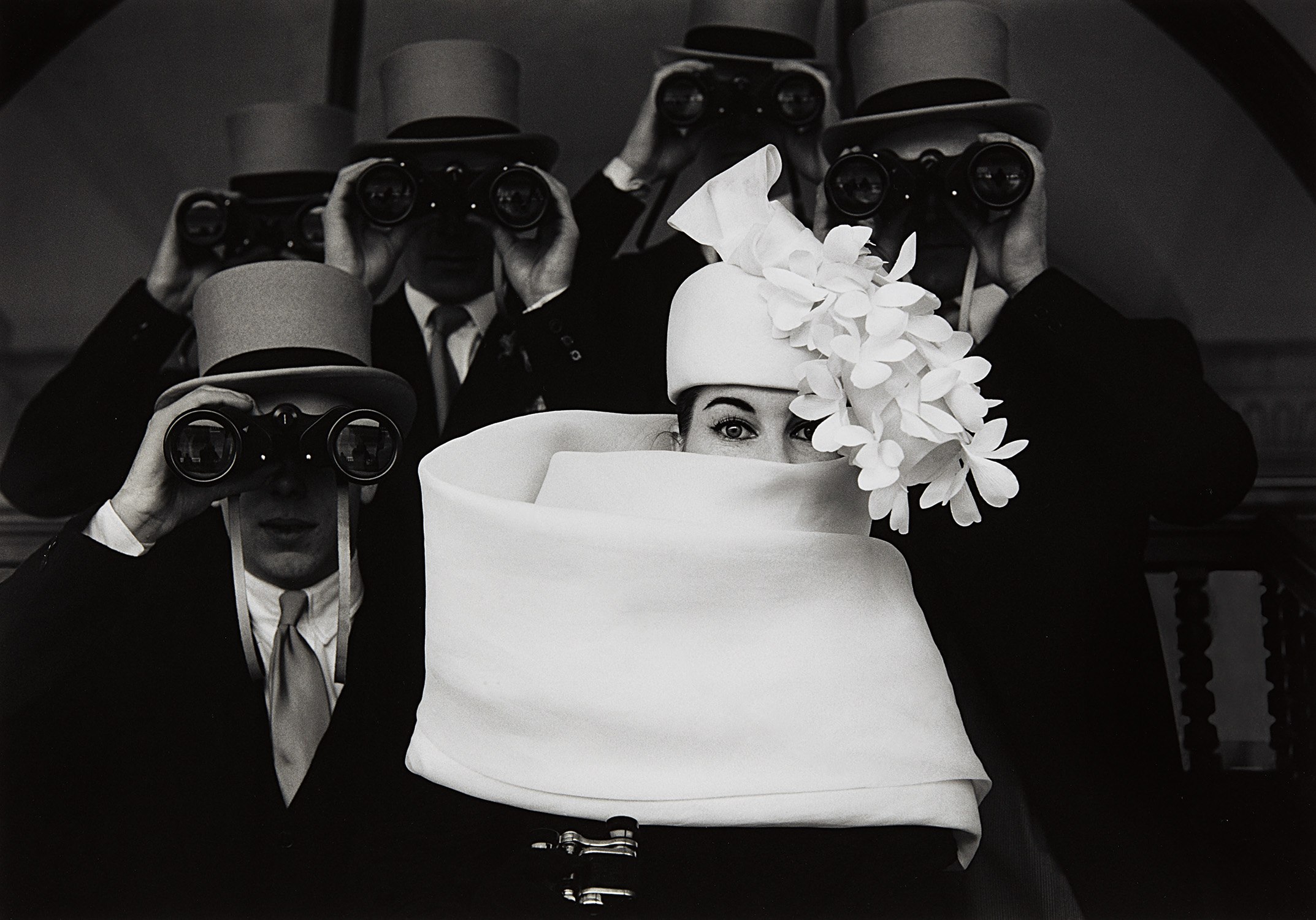
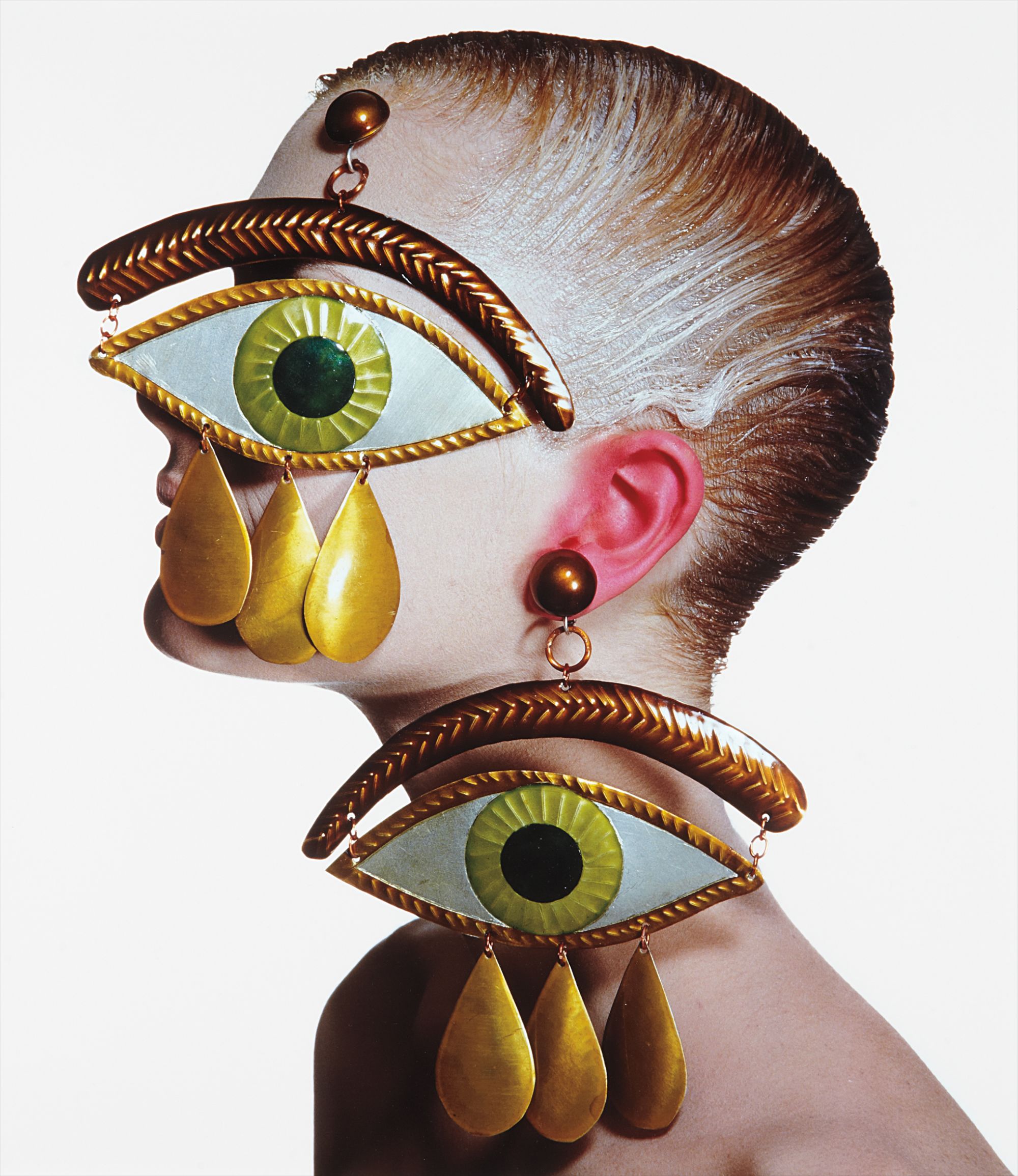
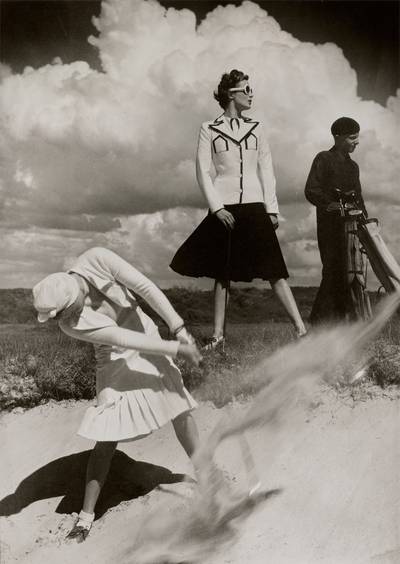
Frank Horvat
Paris, for Jardin des Modes, Givenchy Hat (b)
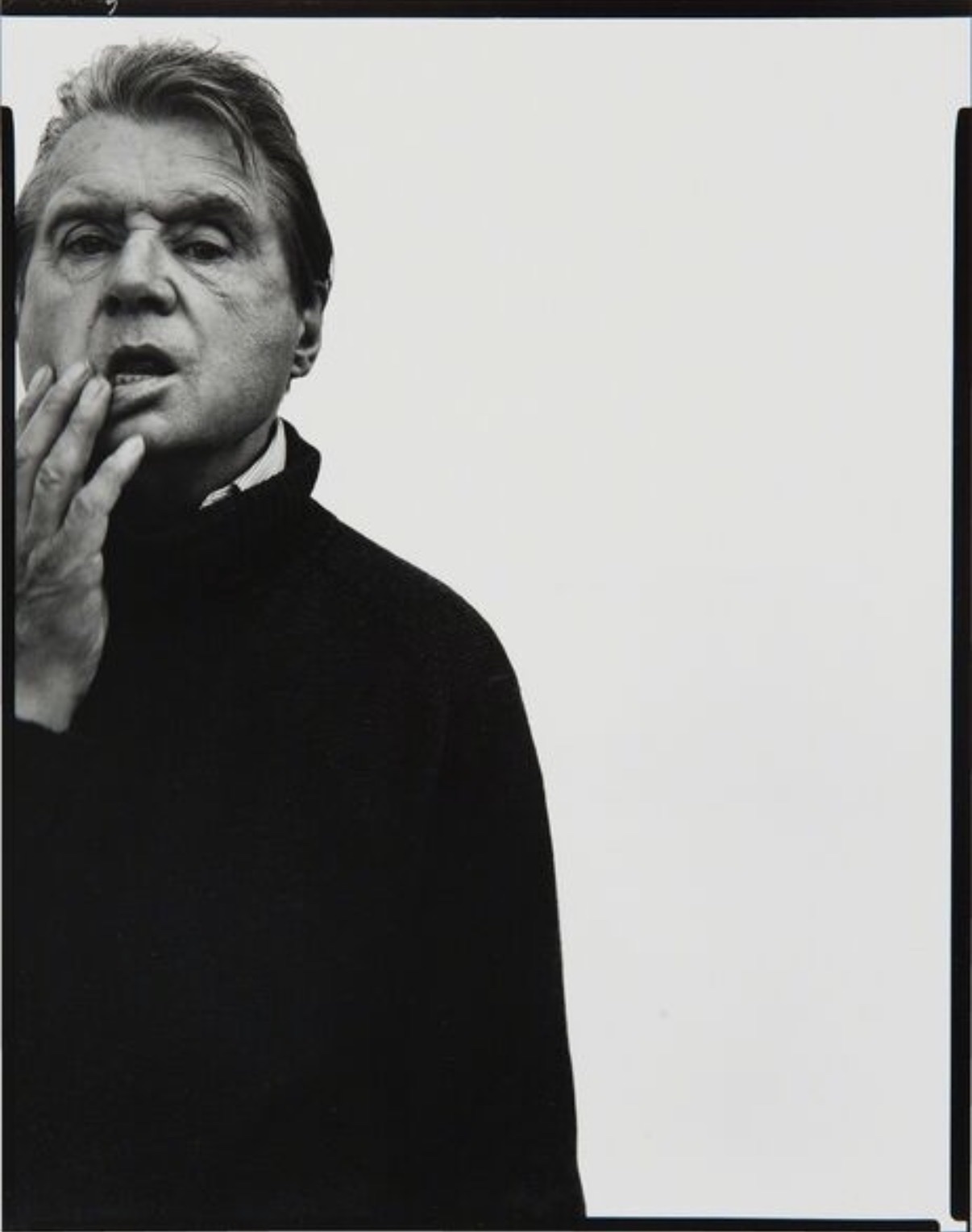
Richard Avedon, represented on The Collection with characteristic intensity, has seen sustained institutional and market interest following the major retrospective organized by the Amon Carter Museum of American Art. Frank Horvat occupies a slightly different register, his street inflected fashion work bridging documentary instinct and haute elegance in ways that feel increasingly relevant to collectors interested in work that resists easy categorization. George Hoyningen Huene, whose modernist compositions for Vogue and Harper's Bazaar in the late 1920s and 1930s established a template for the entire field, is another name whose auction results have climbed steadily as the historical argument for his importance has solidified. The institutional signals are worth reading carefully.
The Getty Museum in Los Angeles has been particularly active in acquiring fashion and portrait photography that engages with mood as a formal concern, and their programming increasingly frames these acquisitions within art historical conversations rather than isolating them as fashion documents. The same impulse drives programming at the Foam Museum in Amsterdam and at the Musée de l'Elysée in Lausanne, both of which have mounted significant exhibitions that place photographers like Norman Parkinson and Erwin Blumenfeld within broader dialogues about postwar visual culture. When institutions begin arguing for an artist's place in the canon rather than in a genre, prices and critical esteem tend to follow. The critical conversation shaping this space draws from multiple directions simultaneously.
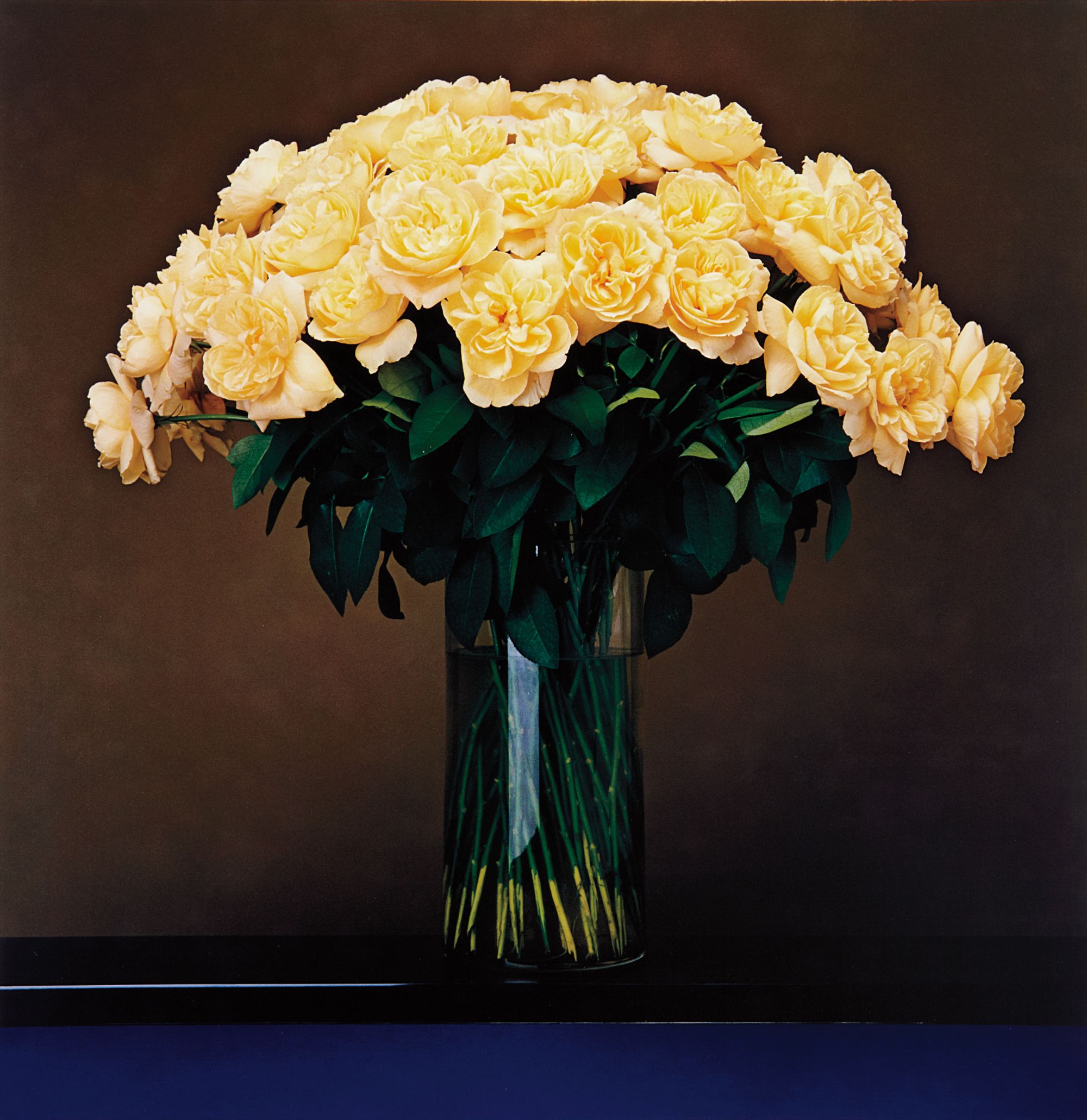
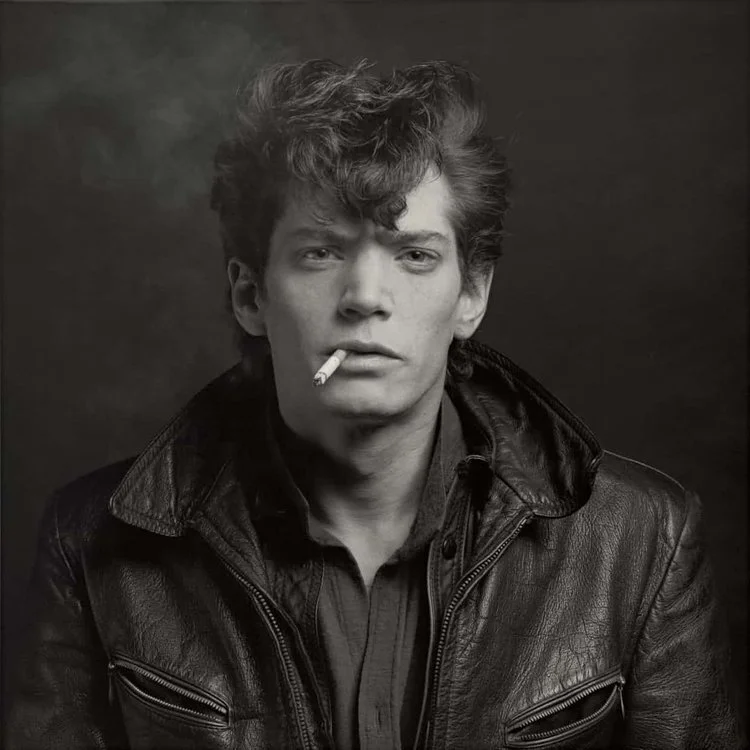
Robert Mapplethorpe
Roses
The late curator and scholar Vince Aletti spent decades insisting that photography deserved the same rigorous formal analysis applied to painting, and his influence on younger curators is evident in how they write catalog essays today. Publications like Aperture and Foam Magazine have pushed the discourse further, running substantial features on photographers such as Robert Mapplethorpe and Herb Ritts that situate their work within questions of body, mood, and the politics of idealization rather than reducing them to their biographical narratives. This critical reframing matters for collectors because it determines which works get acquired for permanent collections and which remain in the secondary market. What feels genuinely alive right now is the renewed interest in photographers who worked at the intersection of elegance and emotional ambiguity, artists whose images feel formally controlled but psychologically open.
Albert Watson is a name that comes up with increasing frequency in conversations between serious collectors, his work carrying a precision that rewards long looking. Michel Comte and Gavin Bond represent a slightly later generation whose commercial origins have not prevented serious critical reassessment. Meanwhile the market for works by Imogen Cunningham and Gertrude Käsebier, two photographers whose careers spanned the early twentieth century, reflects a broader willingness to look across eras for the quality of mood rather than period or movement. What surprises are coming is harder to say with certainty, but there are indications.
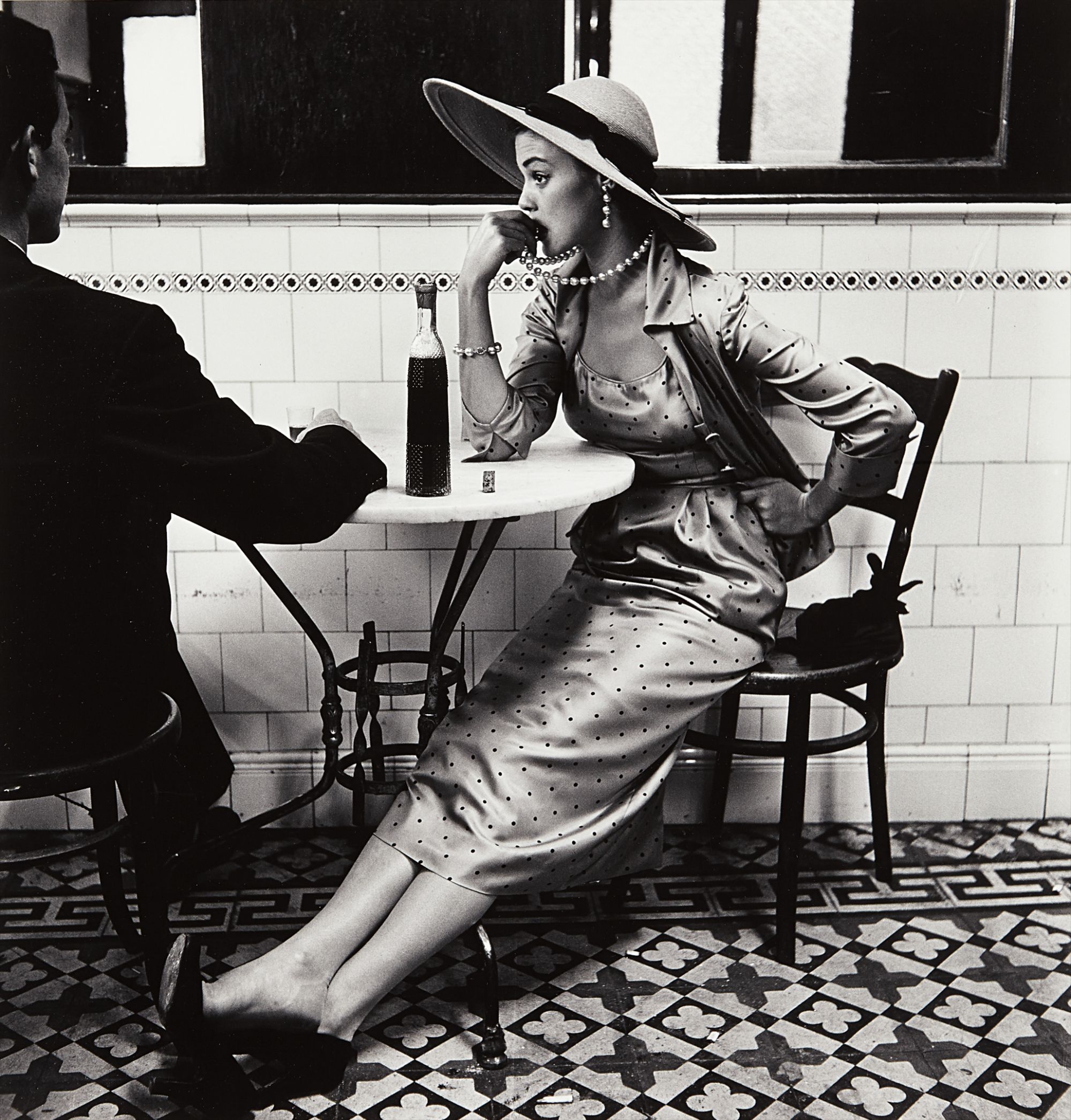
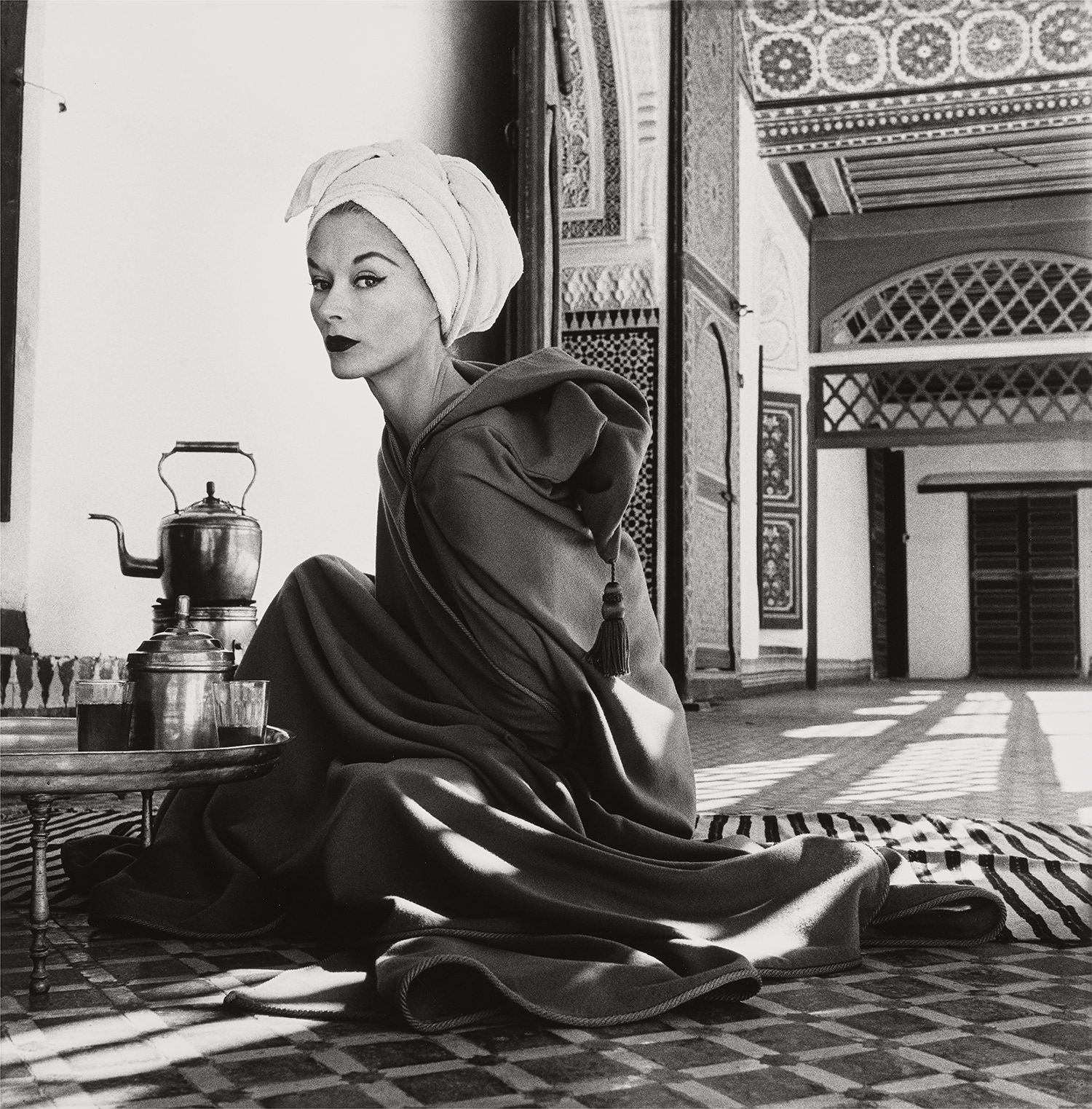
Irving Penn
Irving Penn, 1984
The crossover between photography and works on paper is generating real collector energy, with drawings and prints by artists like Henri Matisse and Georges Braque finding themselves discussed in the same breath as photographic works when the conversation centers on mood and atmosphere rather than medium. A work by Lê Phổ, the Vietnamese French painter whose luminous domestic interiors carry an extraordinarily refined emotional temperature, sits comfortably in this conversation alongside the photographers who dominate the space. The Collection reflects this breadth, bringing together artists whose work shares a commitment to a particular quality of feeling regardless of when or how they made it. The pleasure of collecting in this territory is that elegance, properly understood, is never merely a style.
It is a way of seeing that keeps revealing itself.