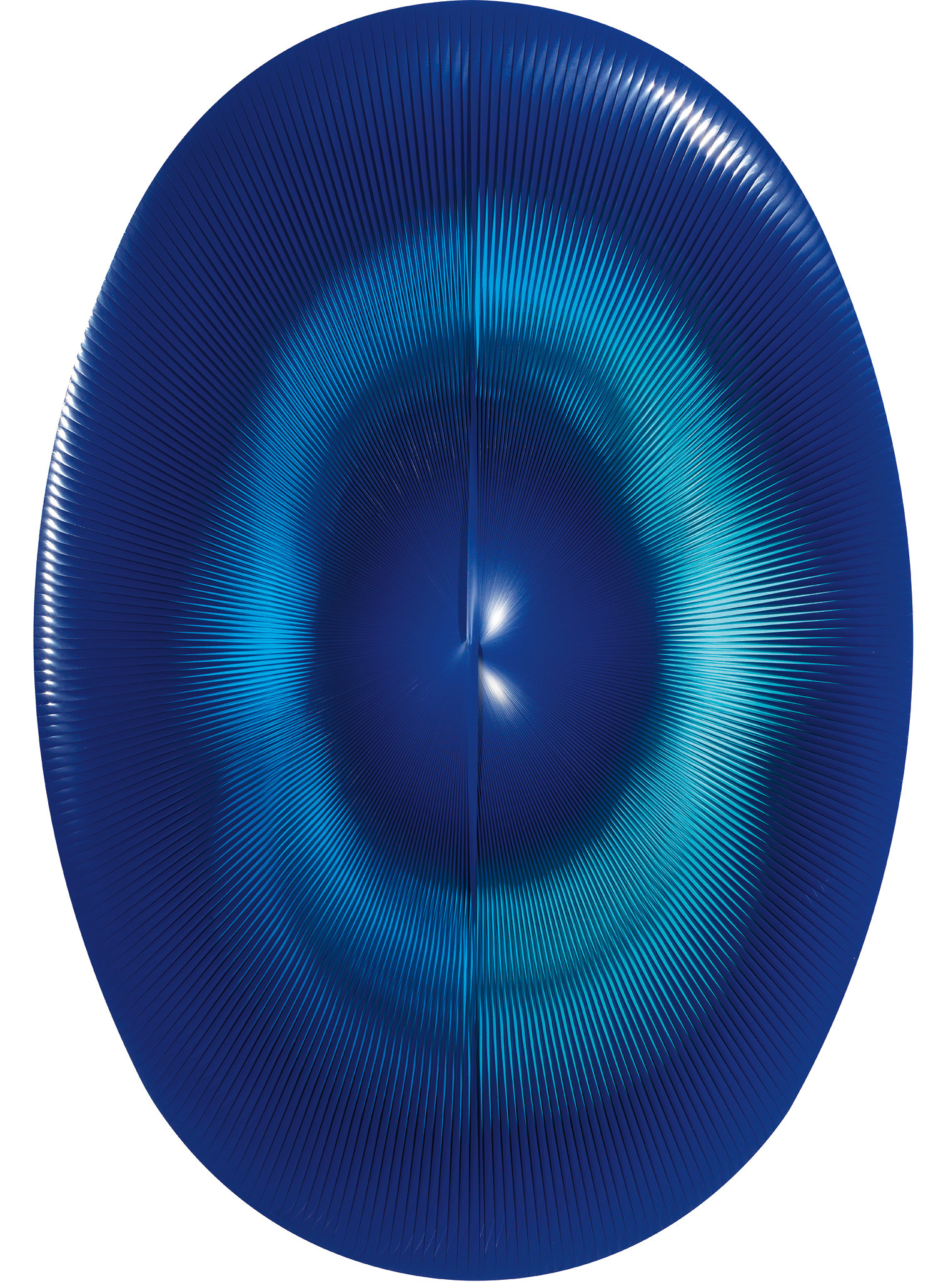
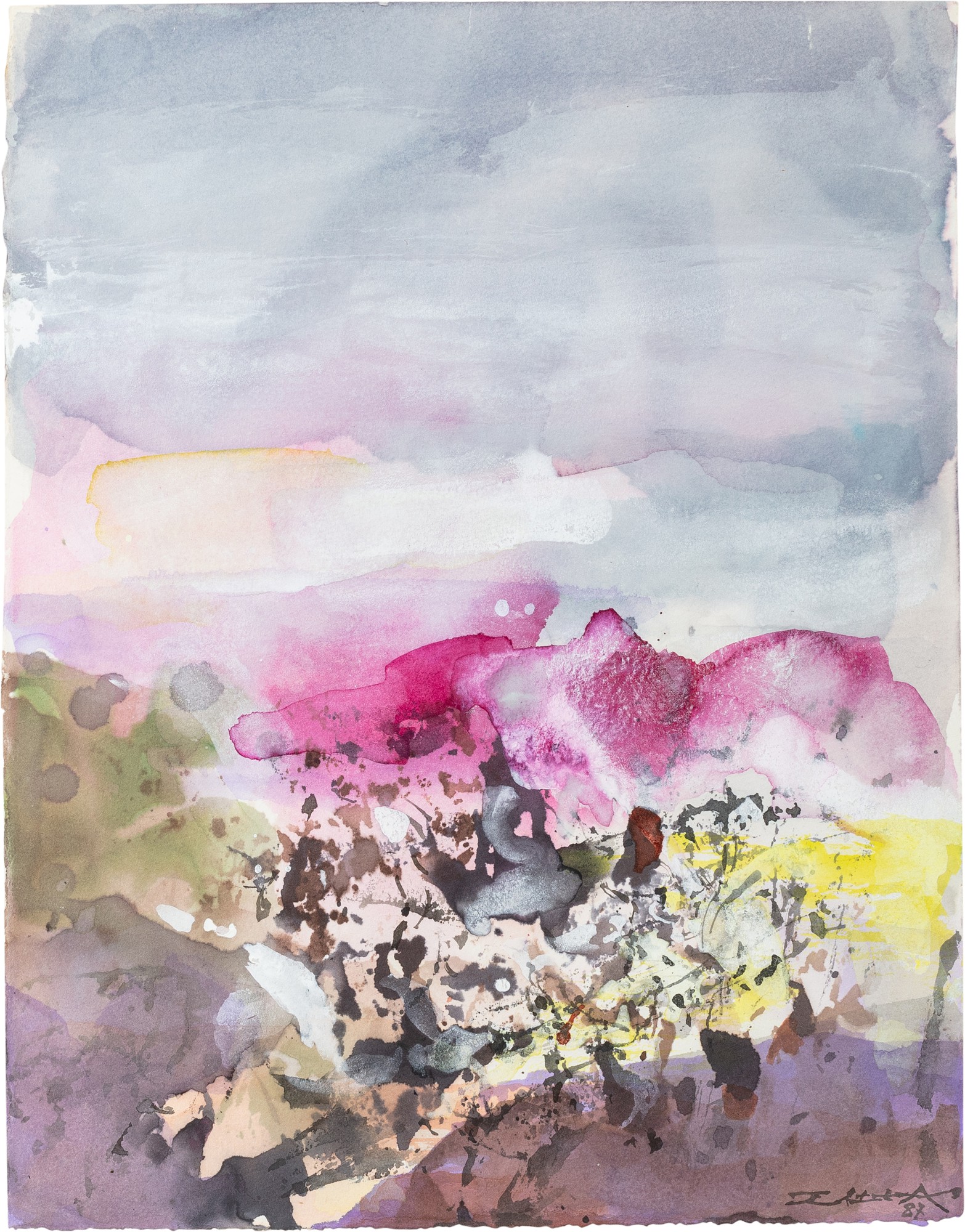
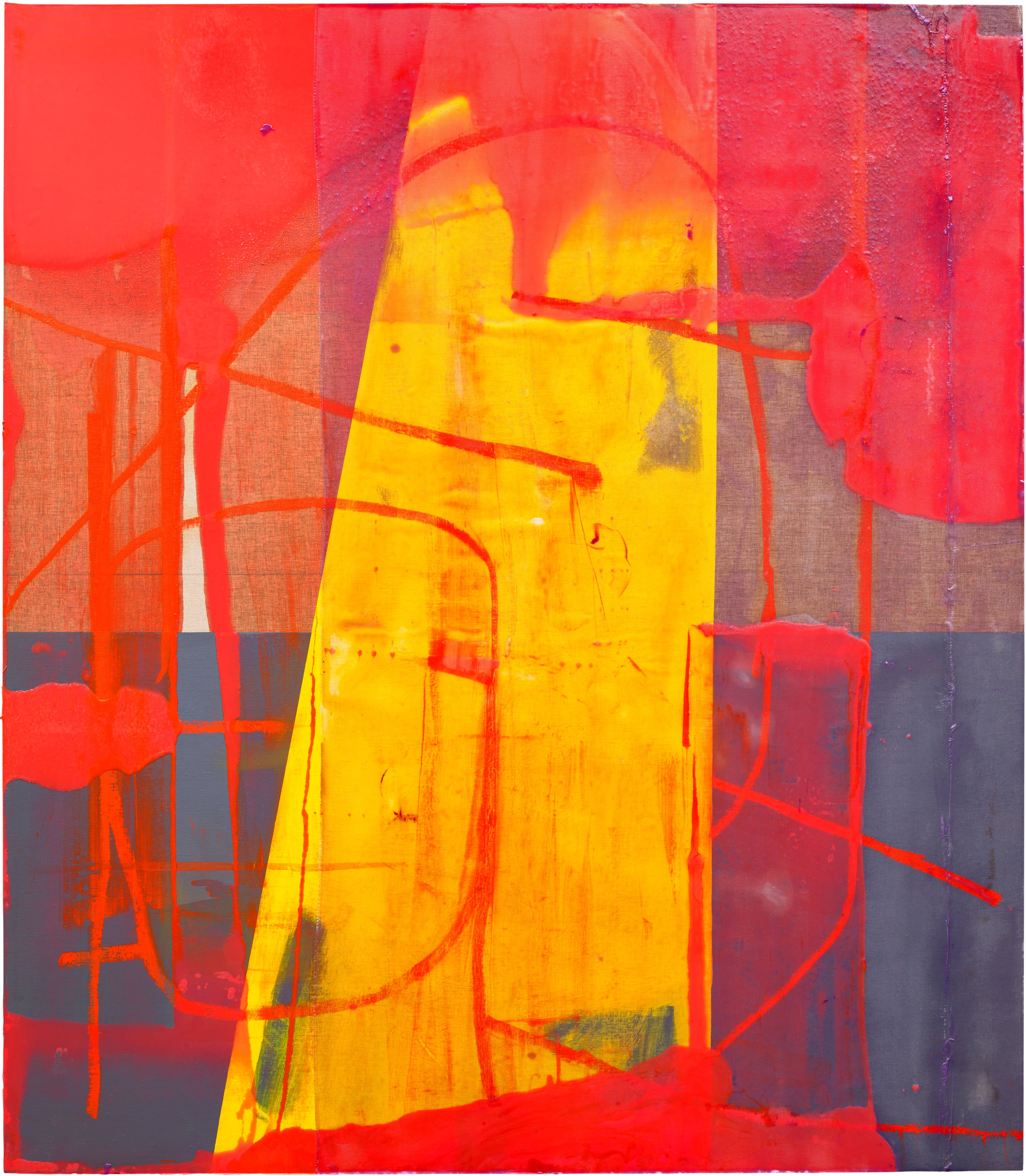
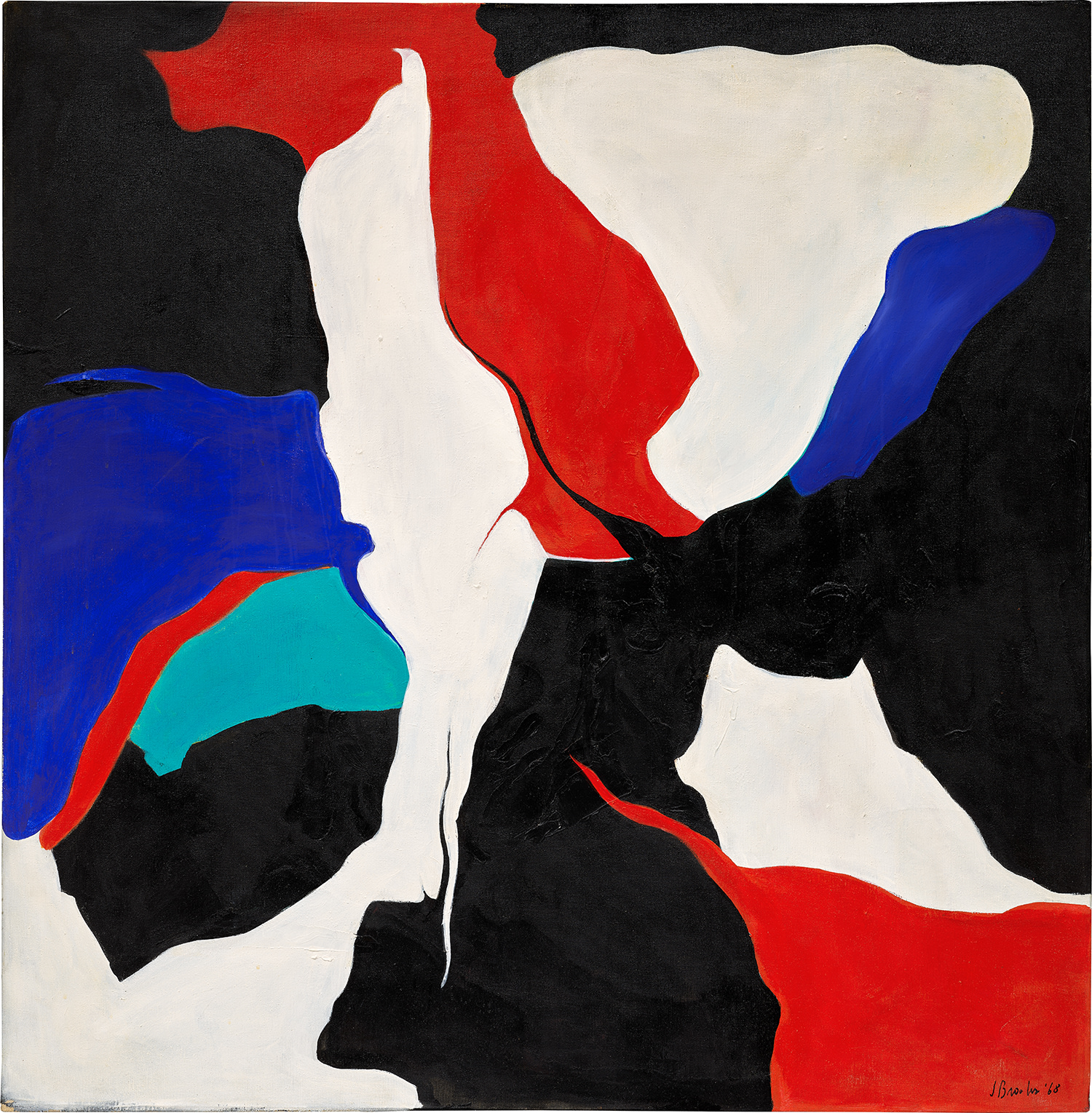
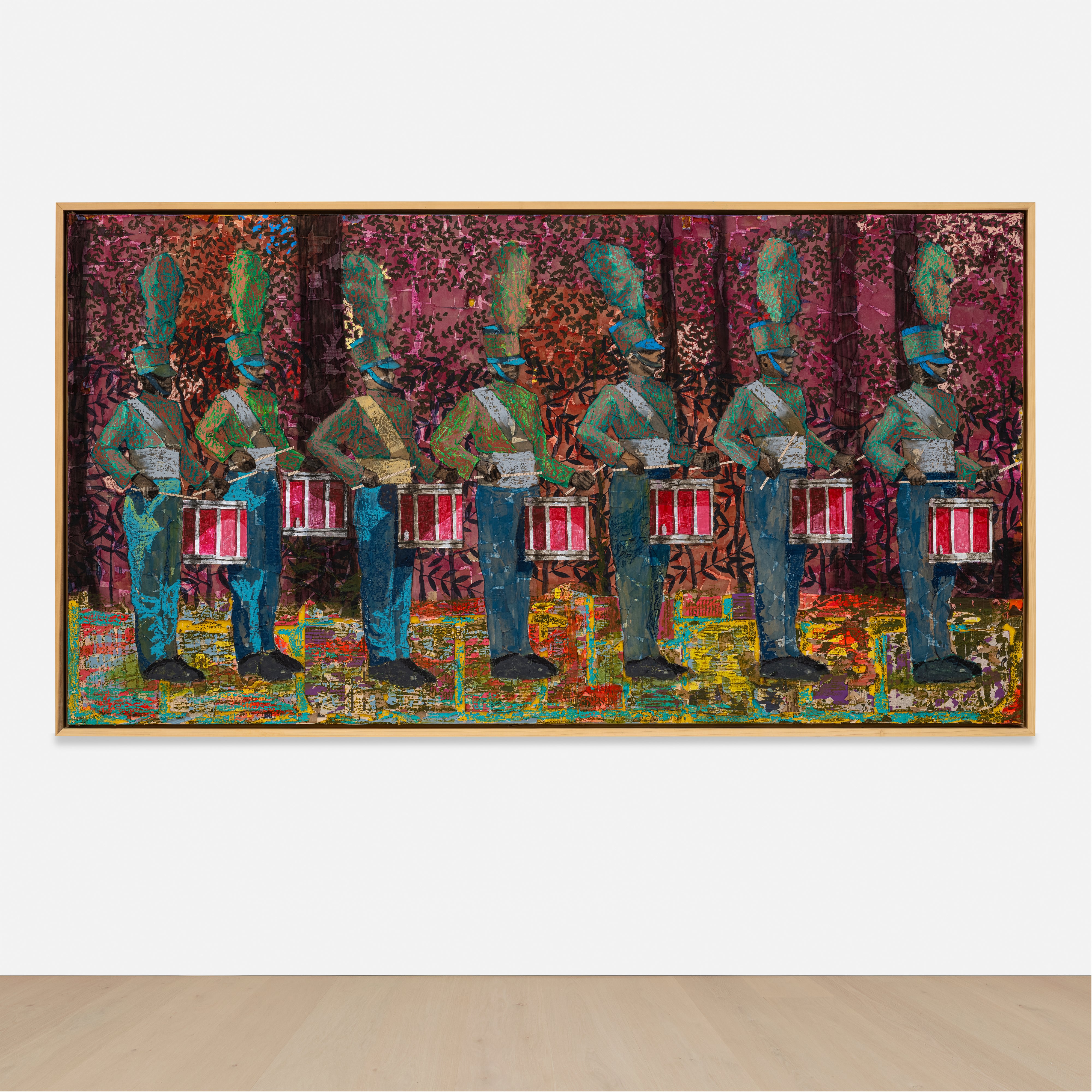
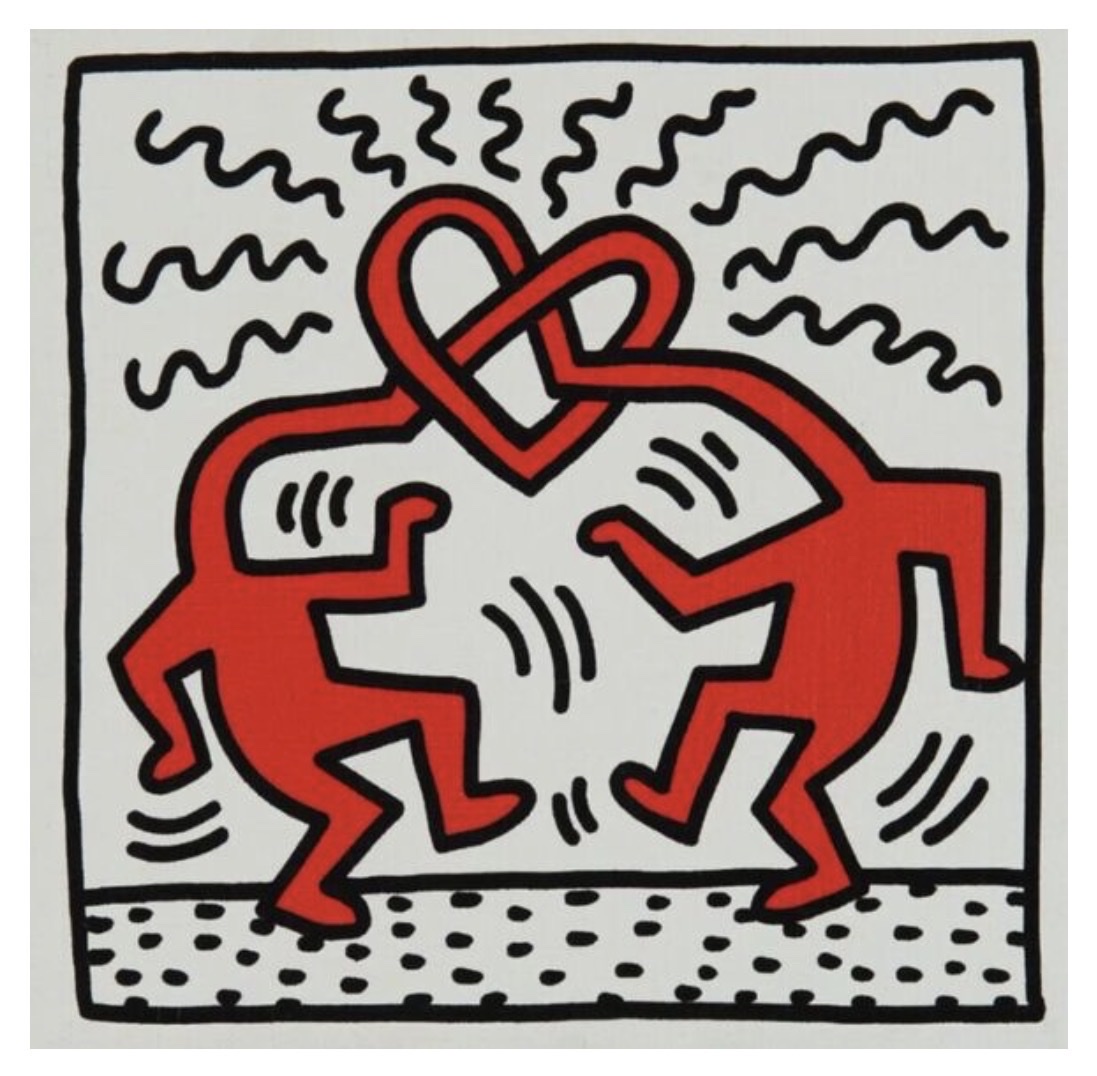
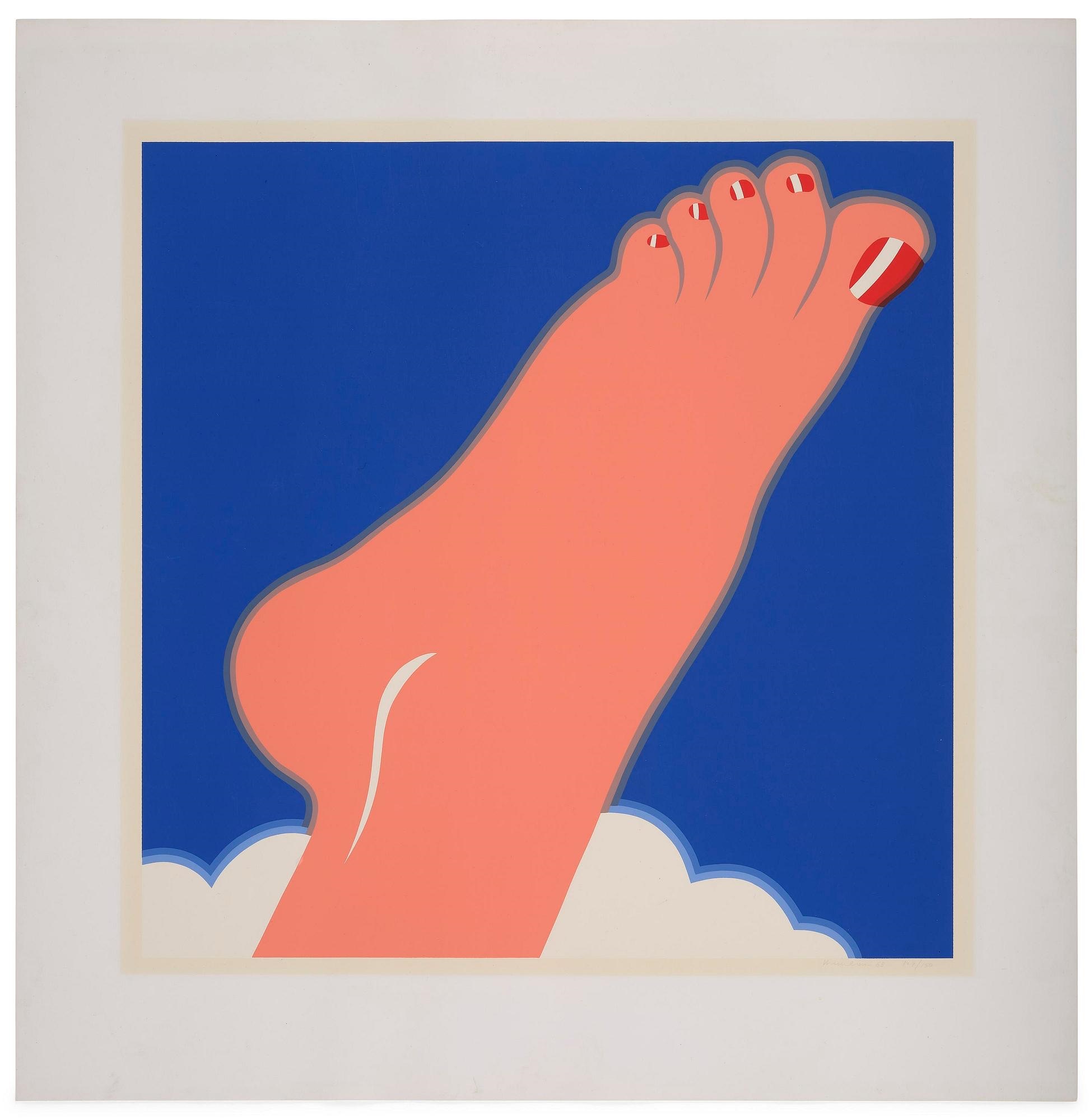
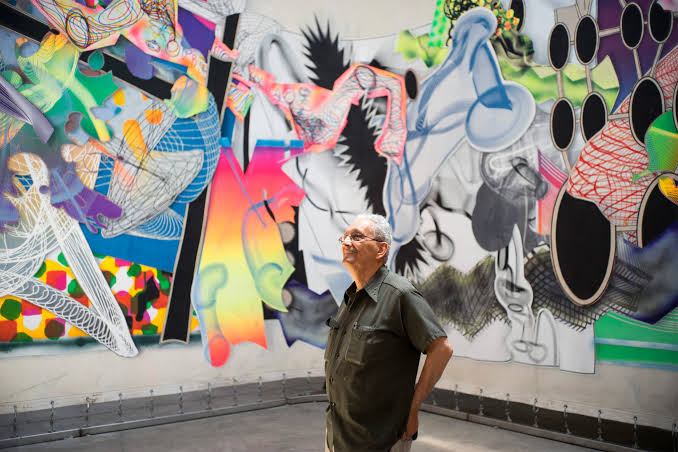
Dynamic Composition
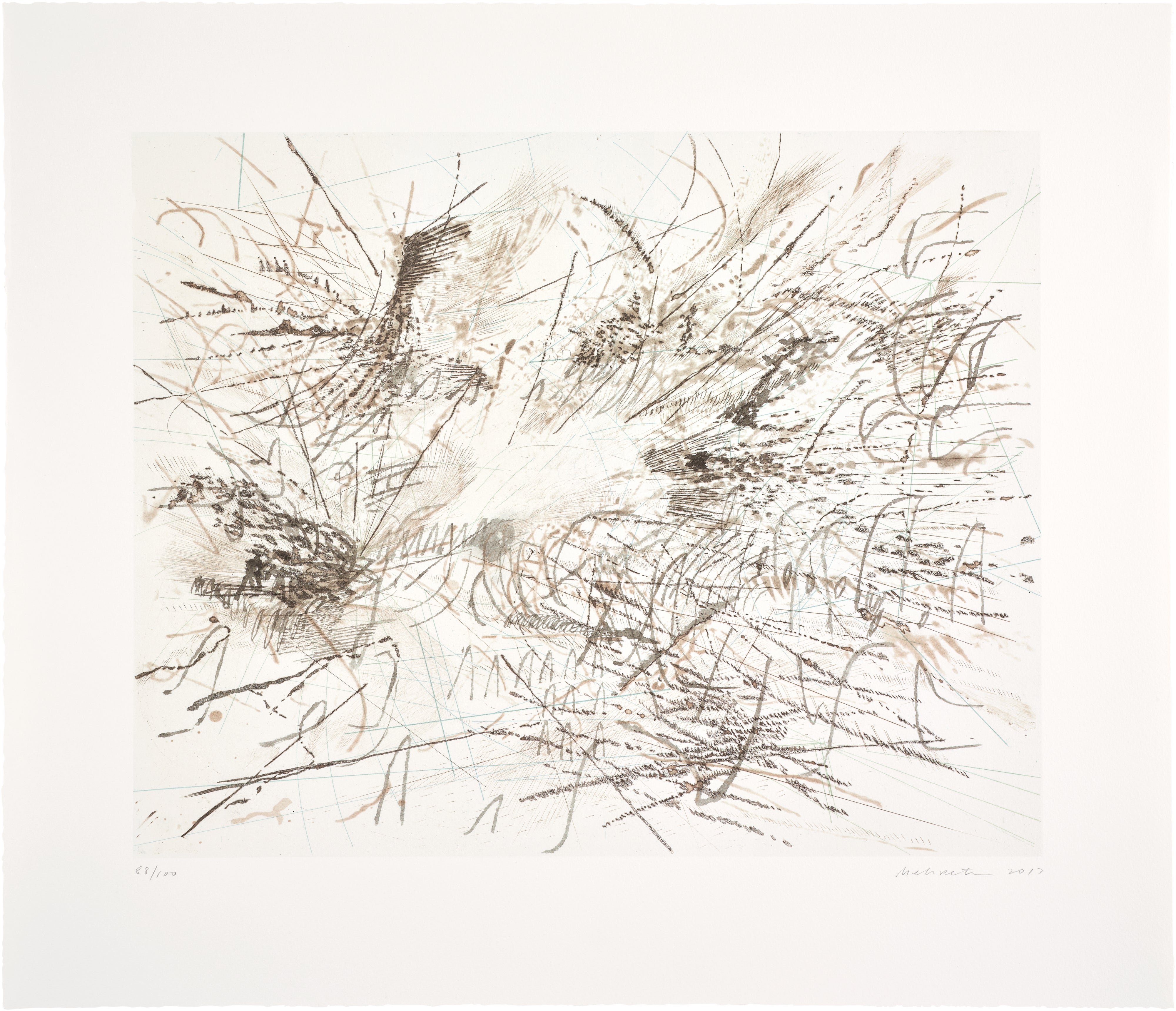
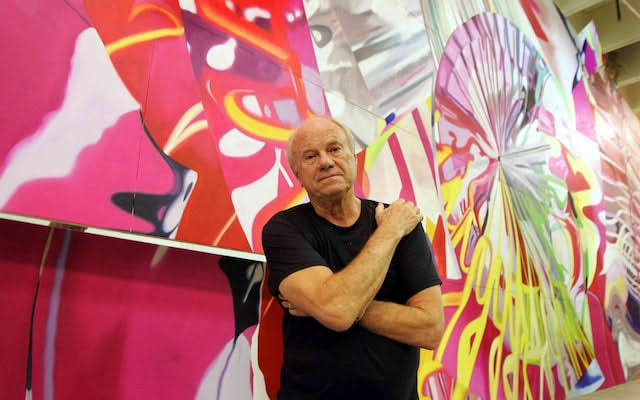
Julie Mehretu
Untitled (Pulse)



```json
{ "headline": "The Art That Never Stands Still", "body": "There is a particular kind of collector who walks into a room and gravitates immediately toward the work that seems to breathe. Not the painting that asks you to stand at a respectful distance and contemplate, but the one that pulls you in, shifts as you move, refuses to resolve itself into something safe and settled. These collectors are drawn to dynamic composition, and once you understand what they are responding to, the appeal becomes almost impossible to resist. A work built on dynamic principles is a live thing in your home.
It changes with the light, with your mood, with where you happen to be standing. That relationship is sustaining in a way that more static imagery rarely is over the long term of living with art.", "What draws people to this territory goes beyond visual excitement, though there is plenty of that. Dynamic composition speaks to something true about how we actually experience the world, which is in motion, in flux, perpetually reorganizing itself around us.

Frank Stella
Itata, from V series
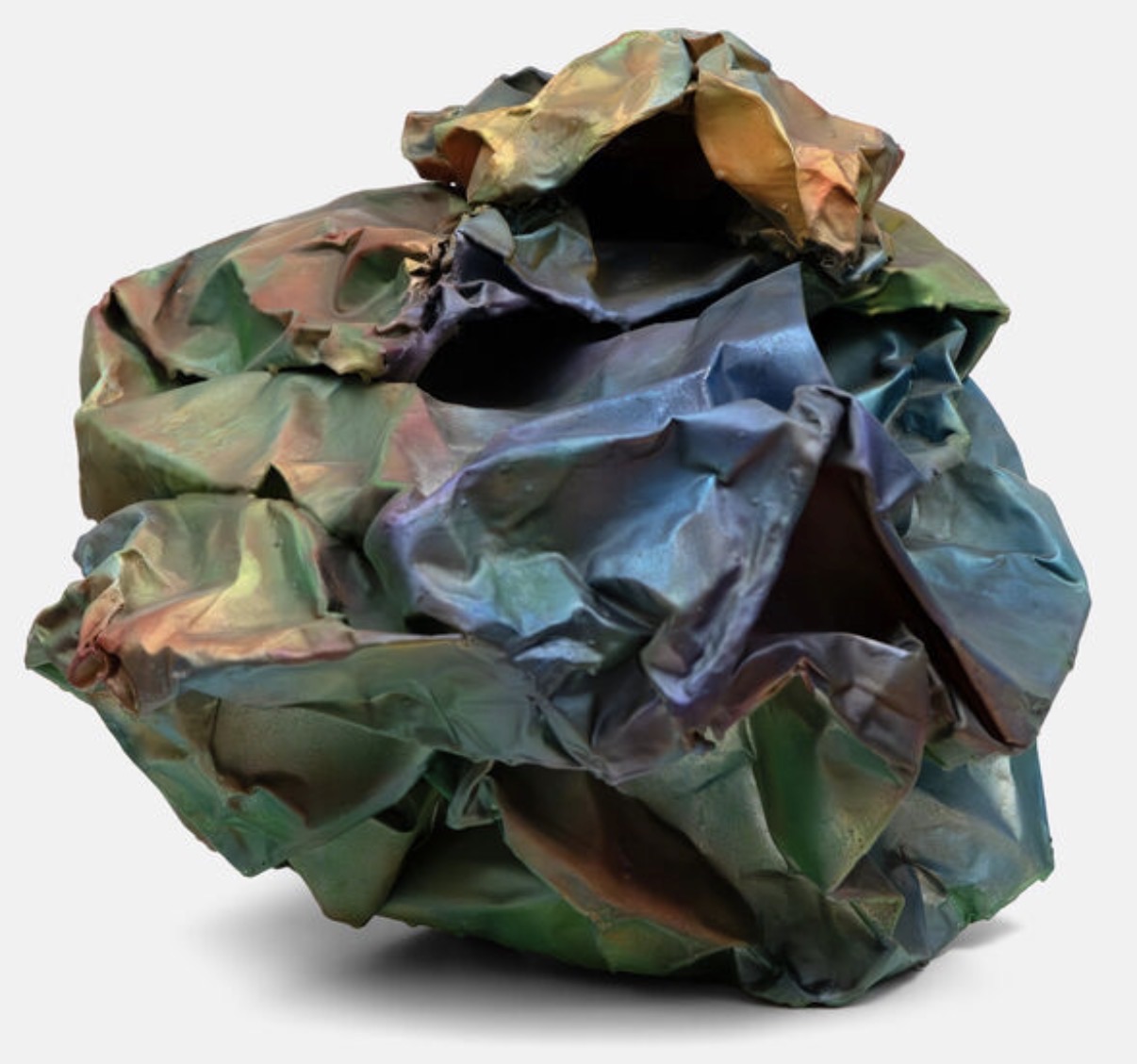
The artists who have built careers around this principle tend to share a quality of restless intelligence, an insistence that the canvas or the sculpture does not simply represent energy but actually generates it. Frank Stella understood this from the beginning, building works in which the structure itself was the subject and every formal decision created forward momentum rather than equilibrium. John Chamberlain arrived at it through entirely different means, compressing and folding automotive steel into sculptures that carry the memory of violent force while achieving something surprisingly lyrical in their final form.", "Separating a good work from a great one in this category requires paying close attention to what the composition is actually doing, and why.
A dynamic work that is merely busy, that throws a lot of visual incident at you without underlying logic, will exhaust rather than energize over time. The strongest examples create movement through deliberate structural tension: directional thrust against counterweight, color relationships that advance and recede, surfaces that reward sustained looking rather than surrendering everything in the first thirty seconds. When you are evaluating a work by Julie Mehretu, for instance, you are assessing not just the immediate impact of her layered mark making and architectural drafting but the internal coherence that makes the whole system feel necessary rather than arbitrary. The same test applies across the category.
Julie Mehretu
Untitled (Pulse)
Excitement is easy. Earned excitement is something else entirely.", "Within the artists well represented on The Collection, there are some particularly strong cases to make from a collecting perspective. Victor Vasarely occupies a strange and interesting position in the market.
Long associated with Op Art's commercial popularization, his reputation among serious collectors has been quietly rehabilitated as the formal sophistication of his best work becomes more legible in the context of contemporary abstraction. Carlos Cruz Diez and Jesús Rafael Soto belong to the same Latin American kinetic tradition and remain somewhat undervalued relative to their historical importance. Both artists were central to the Paris based kinetic movement of the 1960s and both had significant institutional recognition during their lifetimes, yet their secondary market prices have not fully reflected that standing. For a collector willing to do the research, this is a meaningful opportunity.

Lucien Smith
Five Second Frenchy, 2011
Kristin Baker works in a lineage that connects to Stella's shaped canvas experiments while drawing on racing imagery and speed culture in ways that feel genuinely original rather than derivative.", "Among younger and less established voices in this space, Katrin Fridriks deserves serious attention. Her gestural abstractions engage directly with questions of scale, velocity, and controlled release in ways that position her clearly within the dynamic tradition while remaining stylistically her own. Lucien Smith generated considerable market heat early in his career, which inevitably provoked some skepticism, but the underlying work holds up better than the hype cycle narrative would suggest.
Tomory Dodge is another name worth tracking. His paintings operate through an accumulation of gestural incident that manages to feel both spontaneous and deeply considered, a genuinely difficult balance to maintain. Emilio Perez brings a different quality of physical intensity, his surfaces built up through processes that make the painting's making a visible subject of the work itself.", "At auction, works operating in the dynamic register have generally performed with consistency at the mid to upper levels of the market, with particular strength in the postwar American abstraction segment.
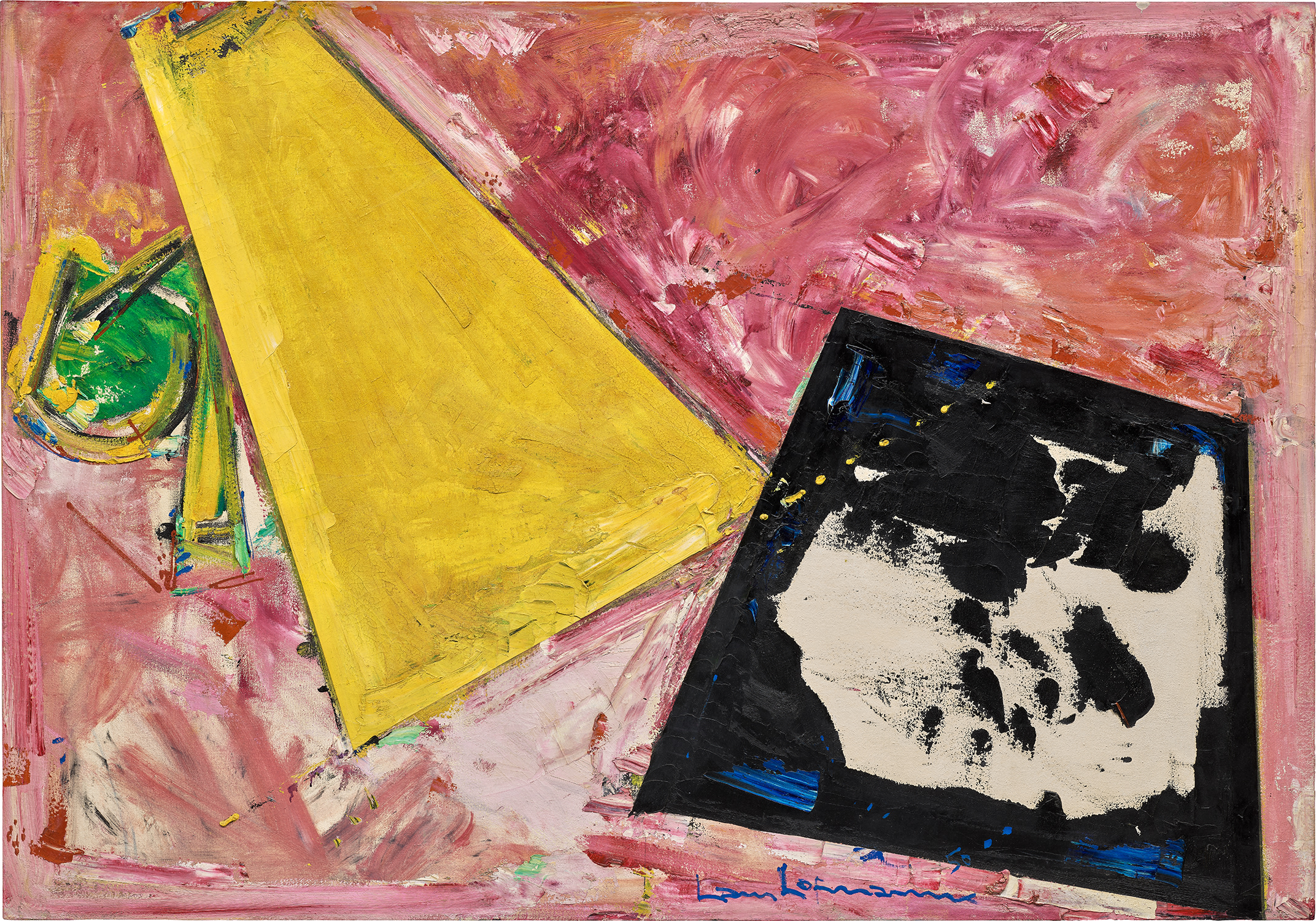
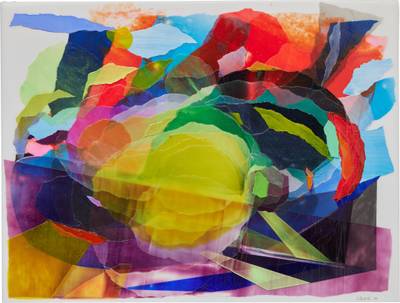
Hans Hofmann
Magenta, Yellow and Black, 1950
Hans Hofmann's push and pull theory, which described the spatial dynamism created by color relationships, gave a generation of painters a theoretical framework that auction houses now use almost as a quality signal. Works with demonstrable formal ambition and institutional exhibition history tend to hold value well. Lee Krasner has seen sustained auction interest as her independence from the Abstract Expressionist canon she helped create becomes more fully acknowledged. David Reed occupies a fascinating secondary market position because his work is relatively rare and his collectors tend to hold rather than flip, which keeps supply constrained and prices firm.
", "Practically speaking, collecting in this area comes with some specific considerations worth raising with any gallery before you buy. Dynamic works are often large in scale, sometimes very large, and their compositional logic can be radically altered by hanging them in a space that does not give them room to operate. Ask the gallery whether the work was made with a specific installation context in mind and what the artist recommends in terms of viewing distance. For works involving optical effects, as with Vasarely or Cruz Diez, ambient lighting conditions matter enormously and can be the difference between a work that sings and one that simply sits there.
When considering editions versus unique works, the honest answer is that unique works in dynamic abstraction carry a premium that is generally justified by how much the artist's individual hand contributes to the work's energy. Prints and multiples from artists like Roy Lichtenstein or Corita Kent offer a genuine entry point, but in this particular category the irreplaceable quality of the unique object tends to be especially meaningful. The work that never stands still deserves a home that gives it somewhere to go.