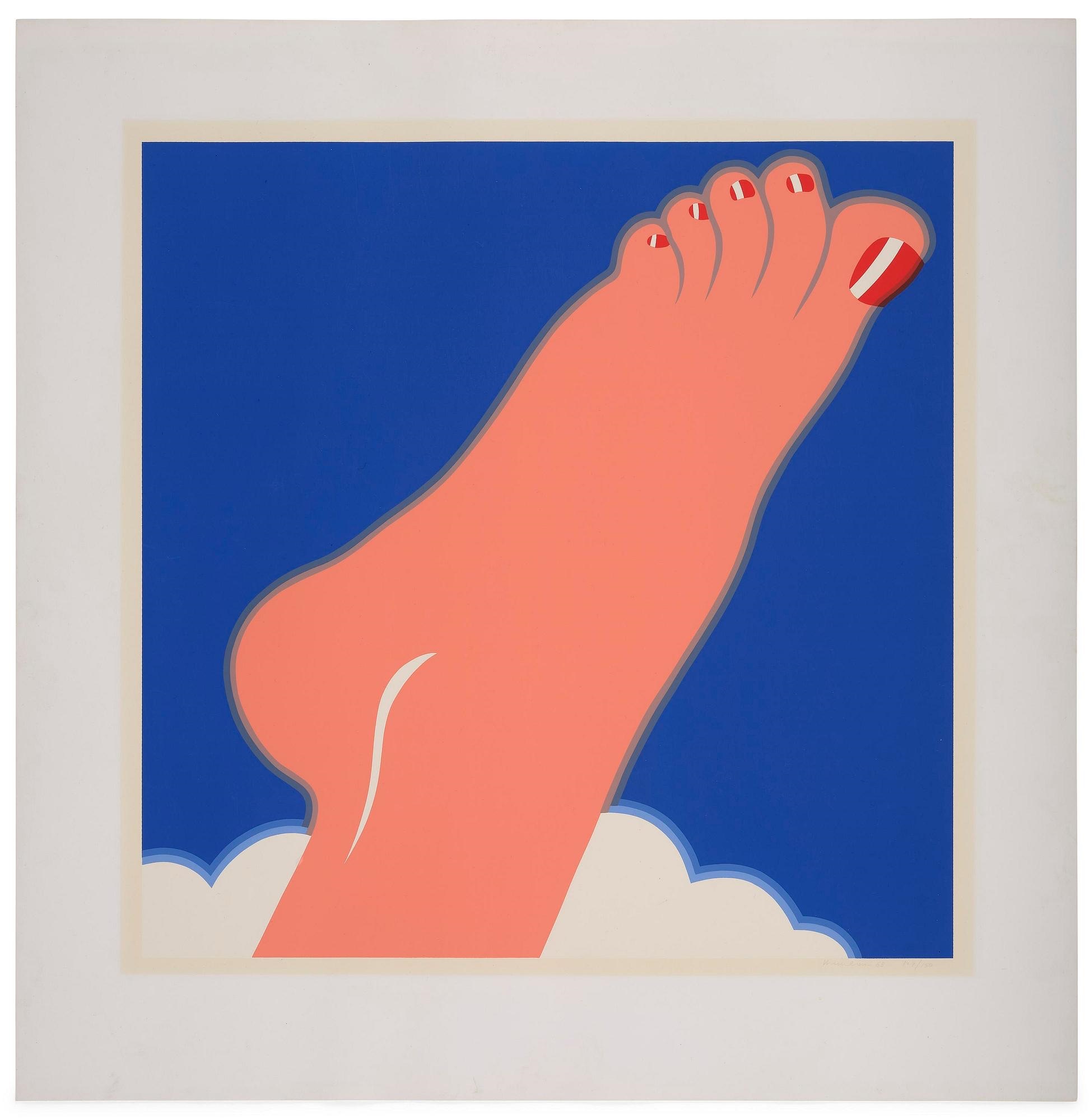
Dutch-American Artist
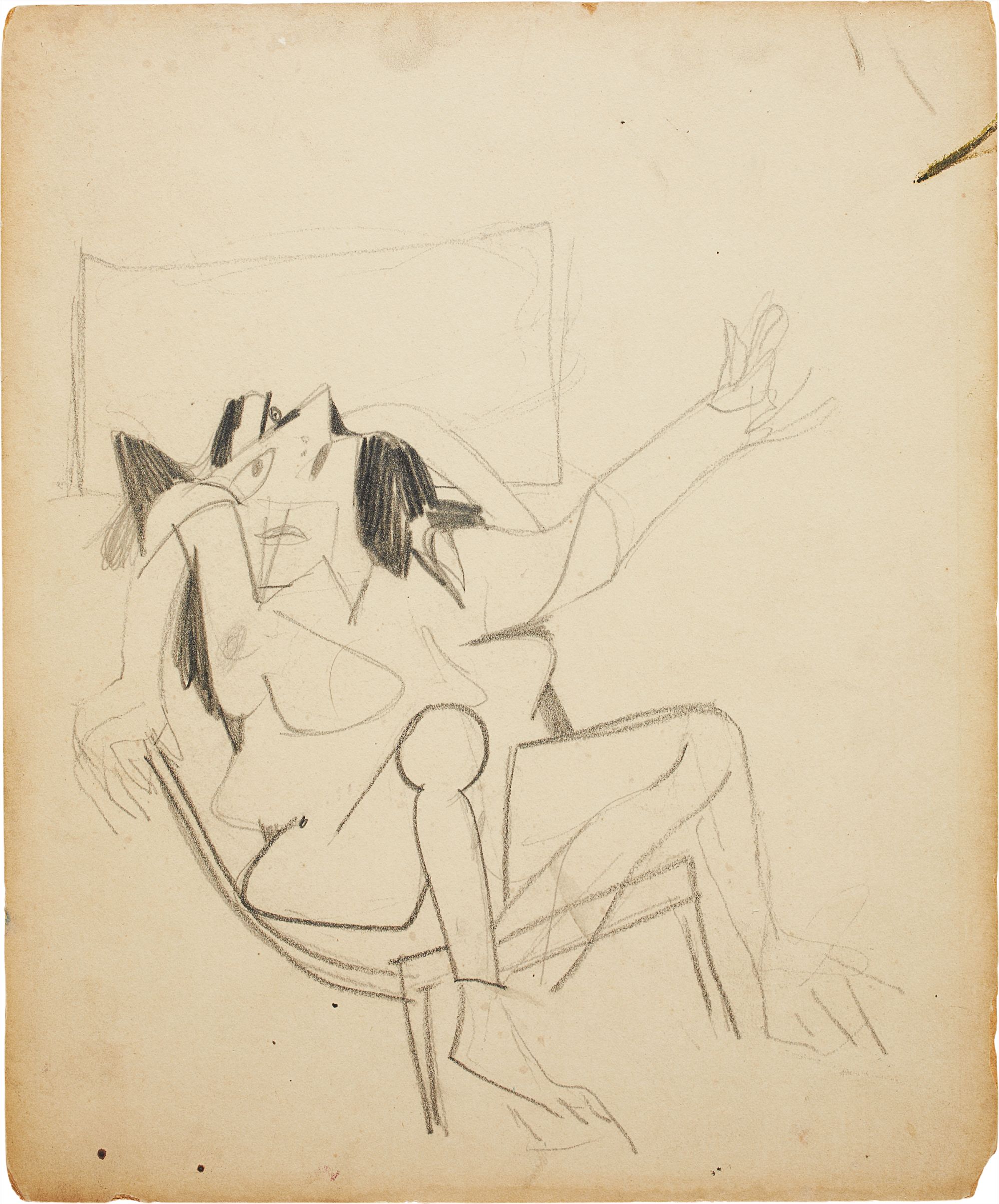
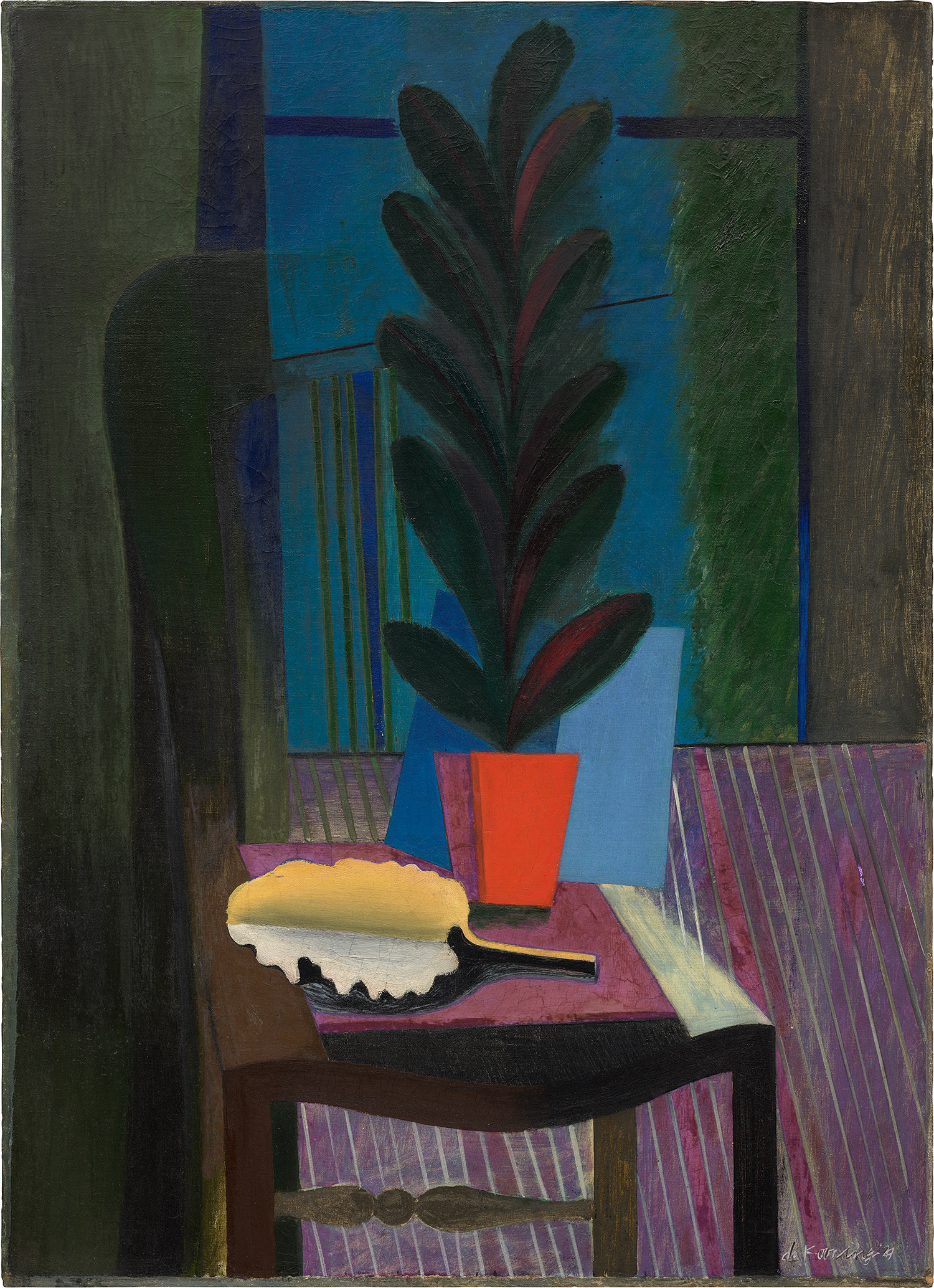
Willem de Kooning
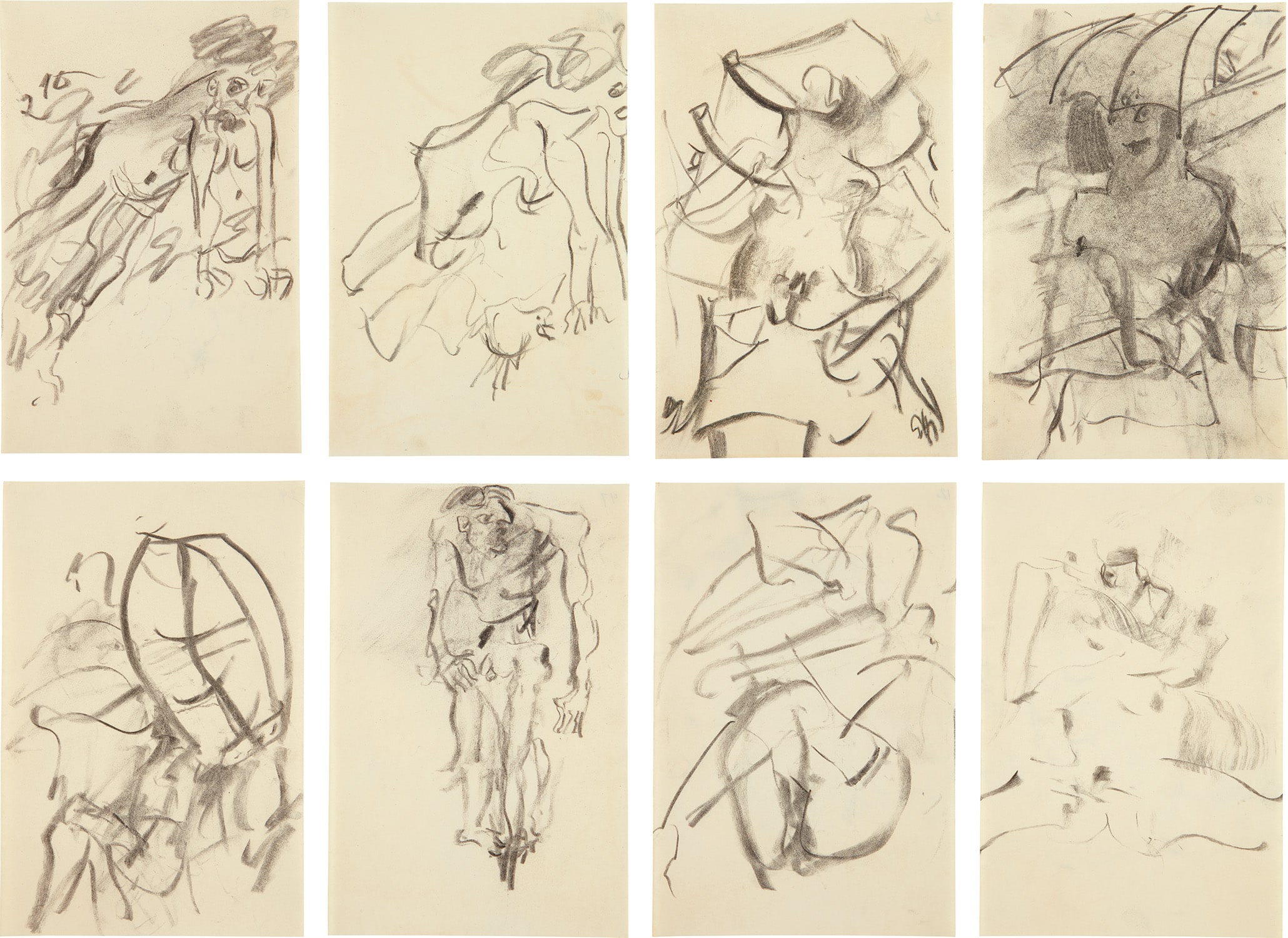
Study for Seated Woman

The Dutch Are Still Reinventing American Painting
When a late Willem de Kooning canvas crossed the block at Christie's New York for over $35 million a few seasons ago, it confirmed what serious collectors already suspected: the appetite for the Abstract Expressionist generation, and for de Kooning in particular, has not cooled. If anything, the market has grown more discerning, rewarding the raw, searching quality of his best work while quietly setting aside the more formulaic late pieces. That distinction, between the paintings that feel genuinely inhabited and those that feel produced, is now central to how advisors are counseling clients approaching this corner of the market. The story of Dutch artists making transformative contributions to American culture runs deeper than any single auction result, but de Kooning remains its most vivid chapter.
Born in Rotterdam in 1904, he arrived in New York as a stowaway in 1926 and spent the next several decades absorbing, resisting, and ultimately reshaping the city's artistic ambitions. The paintings he made in the late 1940s and through the 1950s, canvases like Excavation from 1950, now in the permanent collection of the Art Institute of Chicago, established a new grammar for what paint could do when pushed to its absolute limit. These were not pictures of things. They were events.
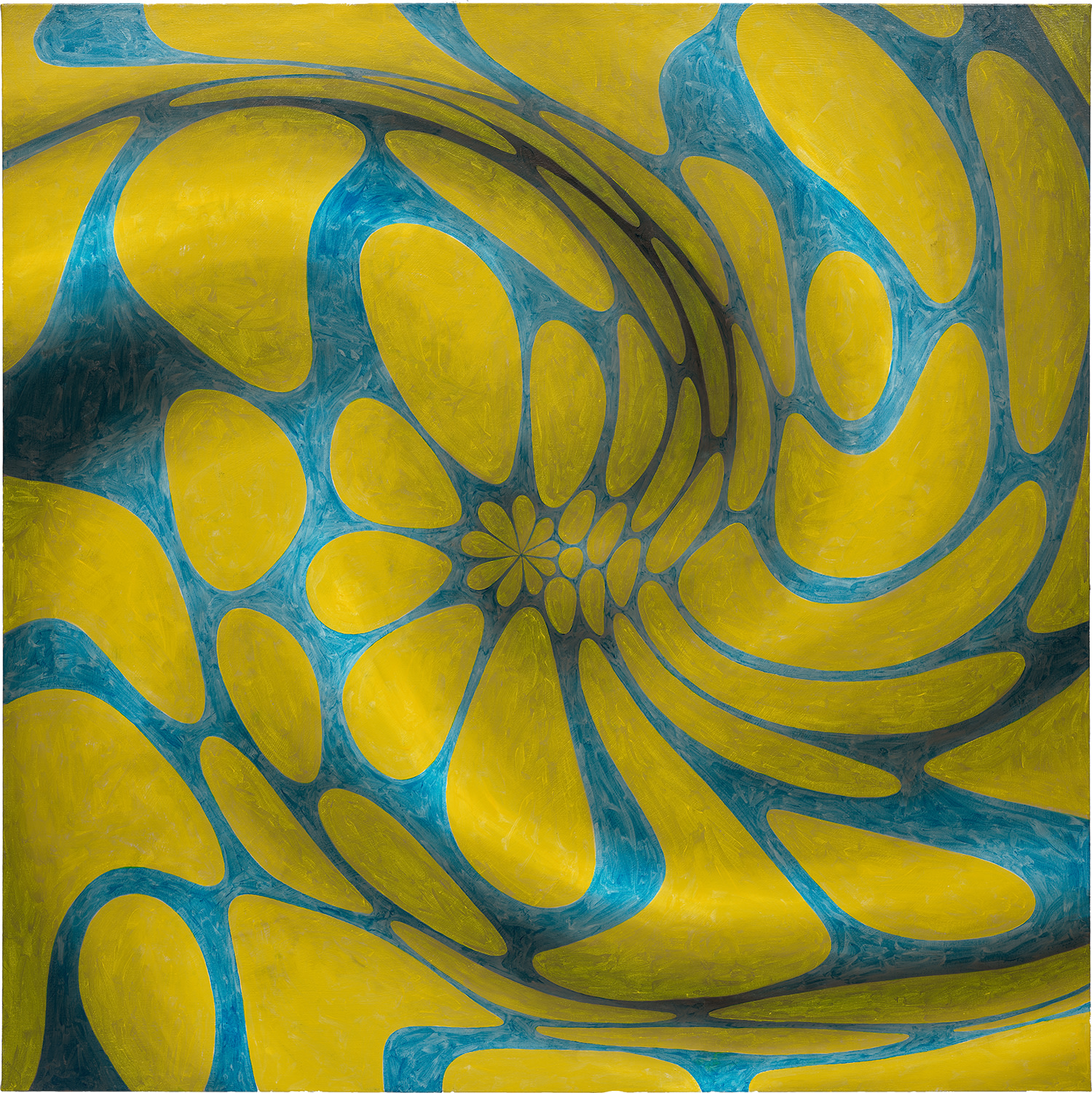
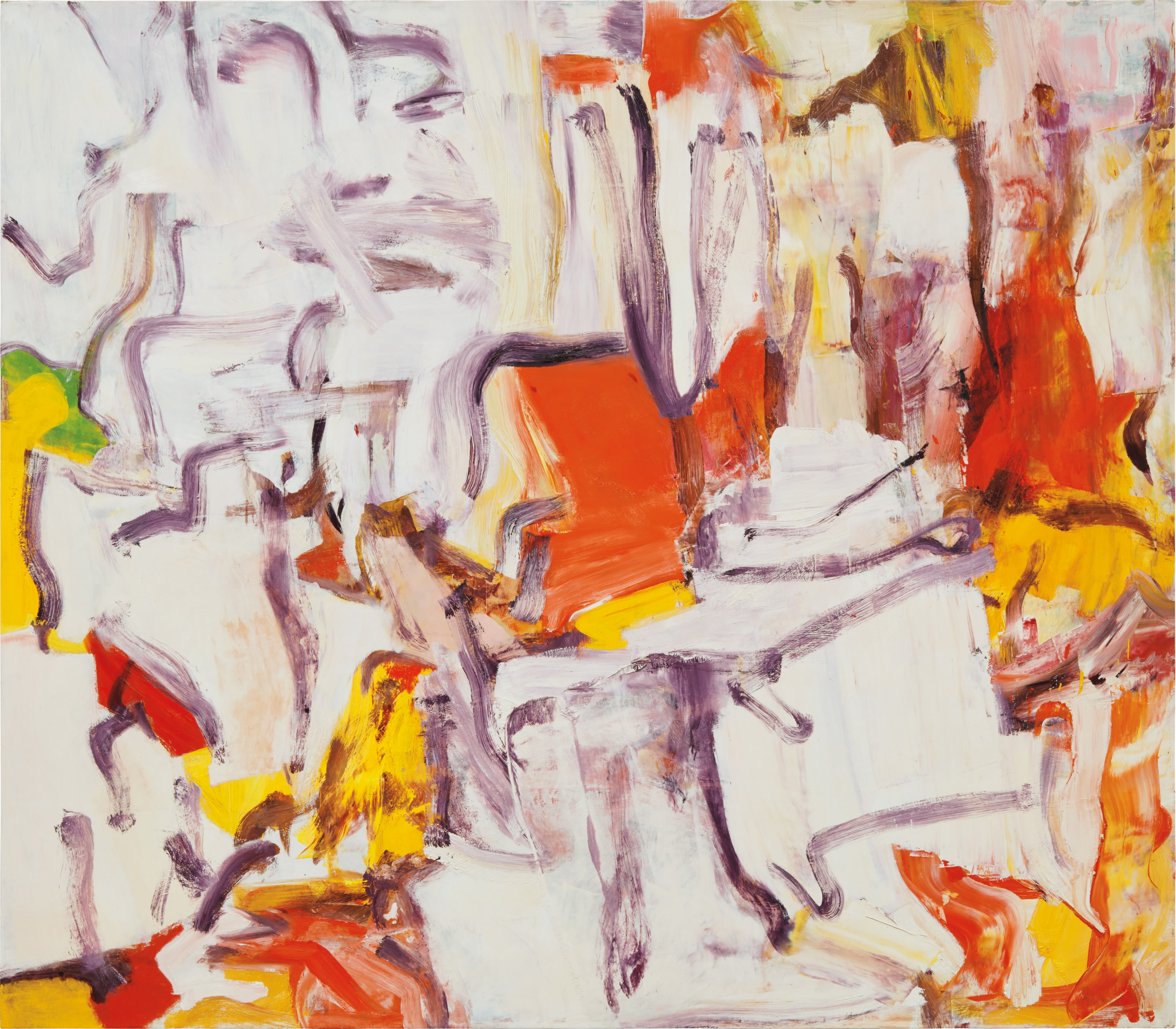
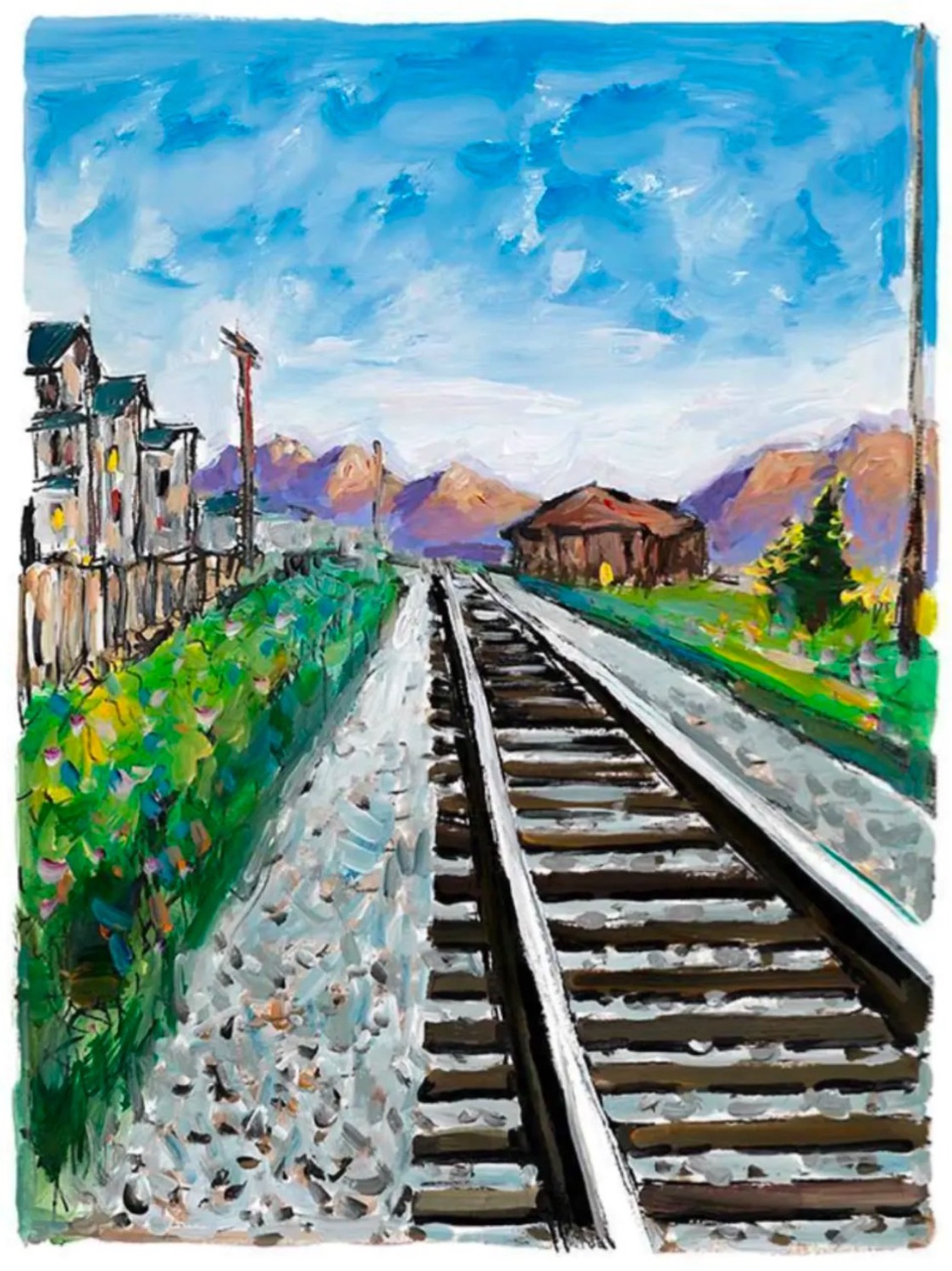
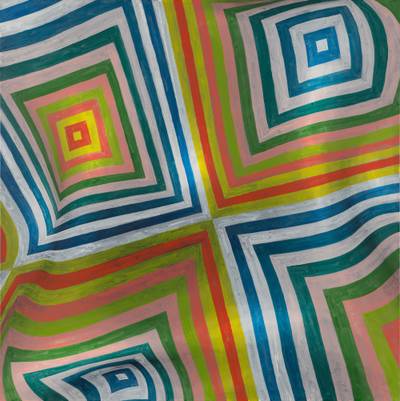
Peter Schuyff
Big Yellow Flush, 2019
Museum attention to this lineage has been consistent and serious. The Museum of Modern Art has long treated de Kooning as a cornerstone figure, and their collection reflects that commitment across decades of acquisition. But some of the more interesting institutional energy has come from smaller venues willing to frame the Dutch American story in unexpected ways. The Kunstmuseum Den Haag has periodically revisited de Kooning's Dutch roots, situating his gestural freedoms against the tradition of Flemish and Dutch painterly precision he absorbed as a student at the Rotterdam Academy of Fine Arts.
That transatlantic framing, the idea that his radicalism was seeded in Europe and then detonated in New York, continues to feel genuinely productive. Peter Schuyff, another Dutch artist who came of age in New York, occupies a different register entirely. His work emerged in the 1980s through the Pictures Generation adjacent scene, though he always sat at an odd and interesting angle to that movement. His precisely rendered, optically vertiginous paintings attracted serious attention from collectors who were drawn to their cool intelligence and their refusal to be easily categorized.
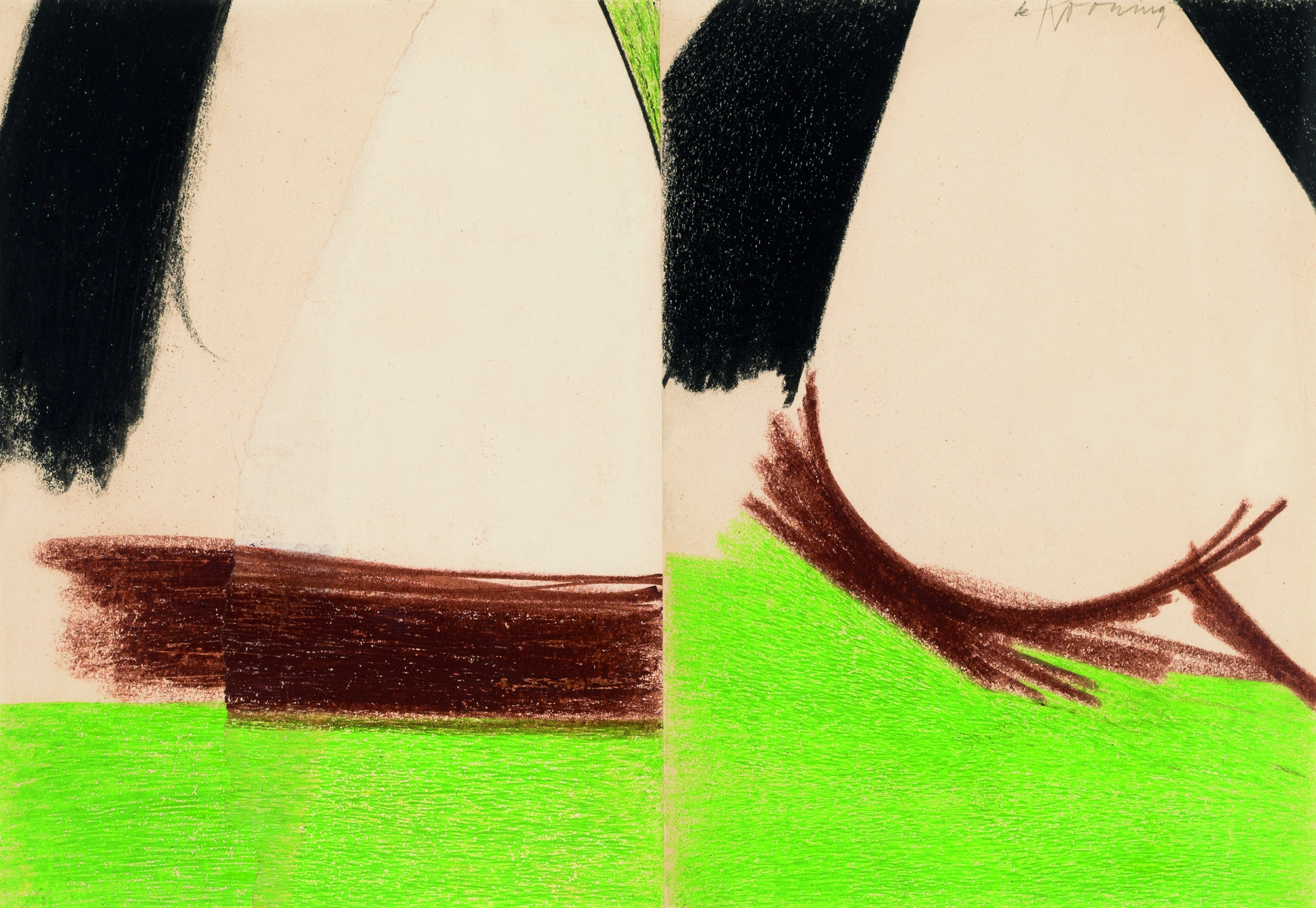
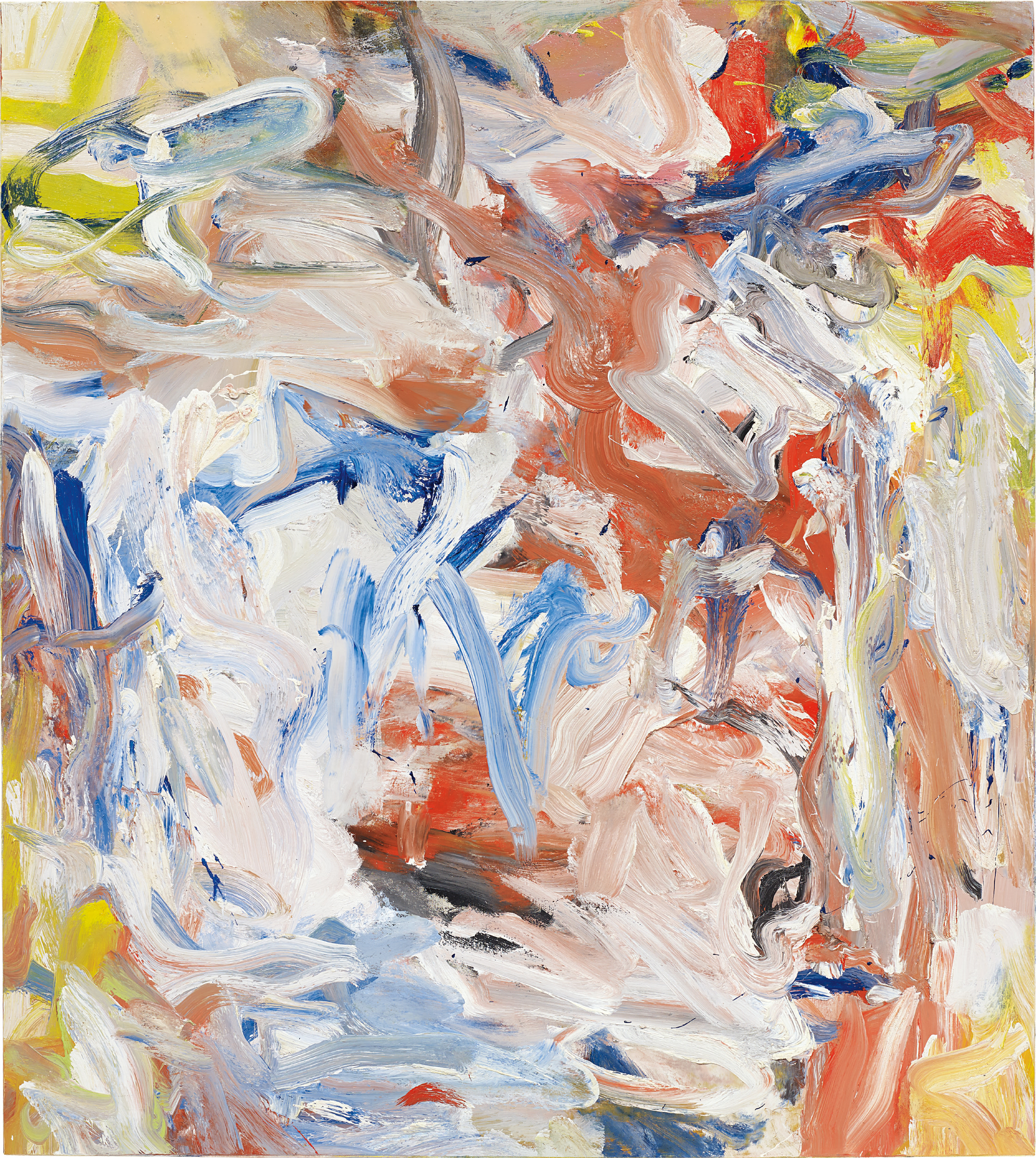
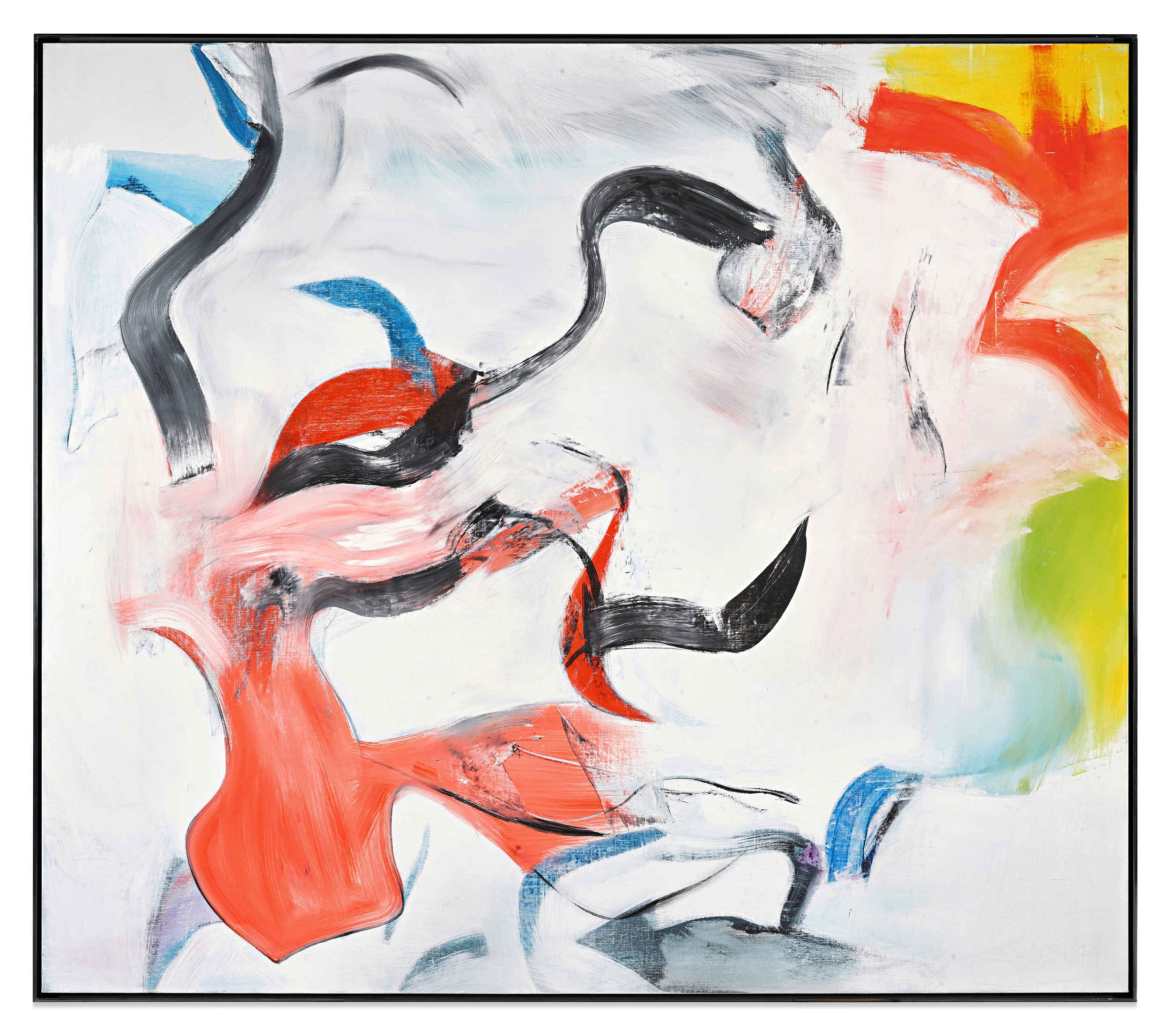
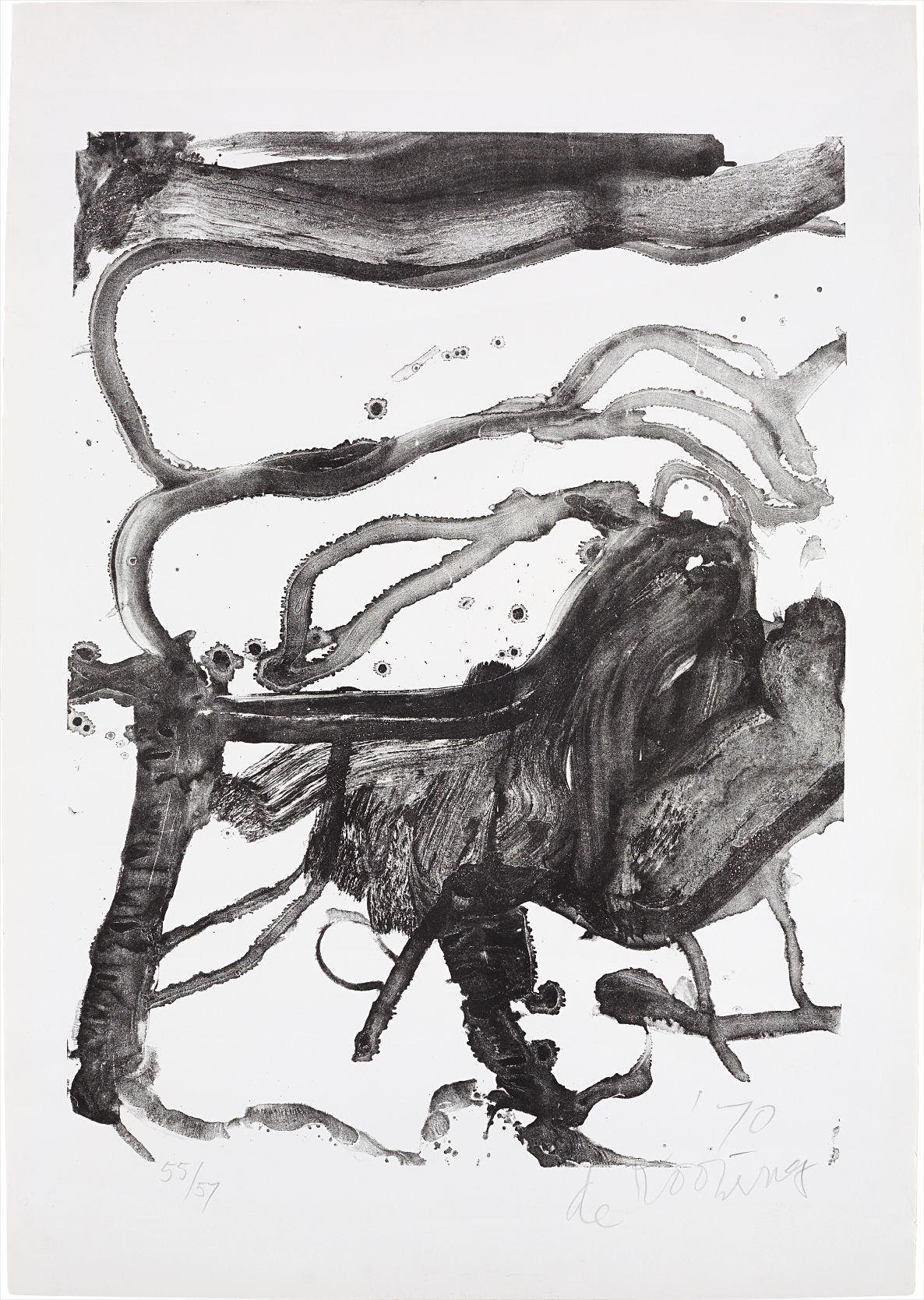
Willem De Kooning
Untitled, 1960
Schuyff studied at the Vancouver School of Art and then landed in New York at exactly the moment when the East Village was generating enormous cultural heat. He showed alongside figures like Philip Taaffe and Peter Halley, artists whose work interrogated the surfaces of modernism with a mixture of irony and genuine formal curiosity. His presence on The Collection signals an awareness that the Dutch American conversation extends well beyond the Abstract Expressionist moment. The critical conversation around this area has been shaped by a handful of writers and curators who have resisted the temptation to simply celebrate and instead pushed toward something more demanding.
Judith Zilczer's scholarship on de Kooning, particularly her work done in association with the Hirshhorn Museum, helped establish a rigorous framework for understanding his development across decades. More recently, the catalogue essays accompanying the major de Kooning retrospective that traveled from MoMA to the Art Institute in 2011 and 2012 remain indispensable reading for anyone serious about this territory. That retrospective, curated by John Elderfield, was one of the most substantive examinations of any twentieth century American artist in recent memory, and its effects continue to ripple through the market and through the way collectors talk about the work. Auction results tell their own story about institutional and private appetite.
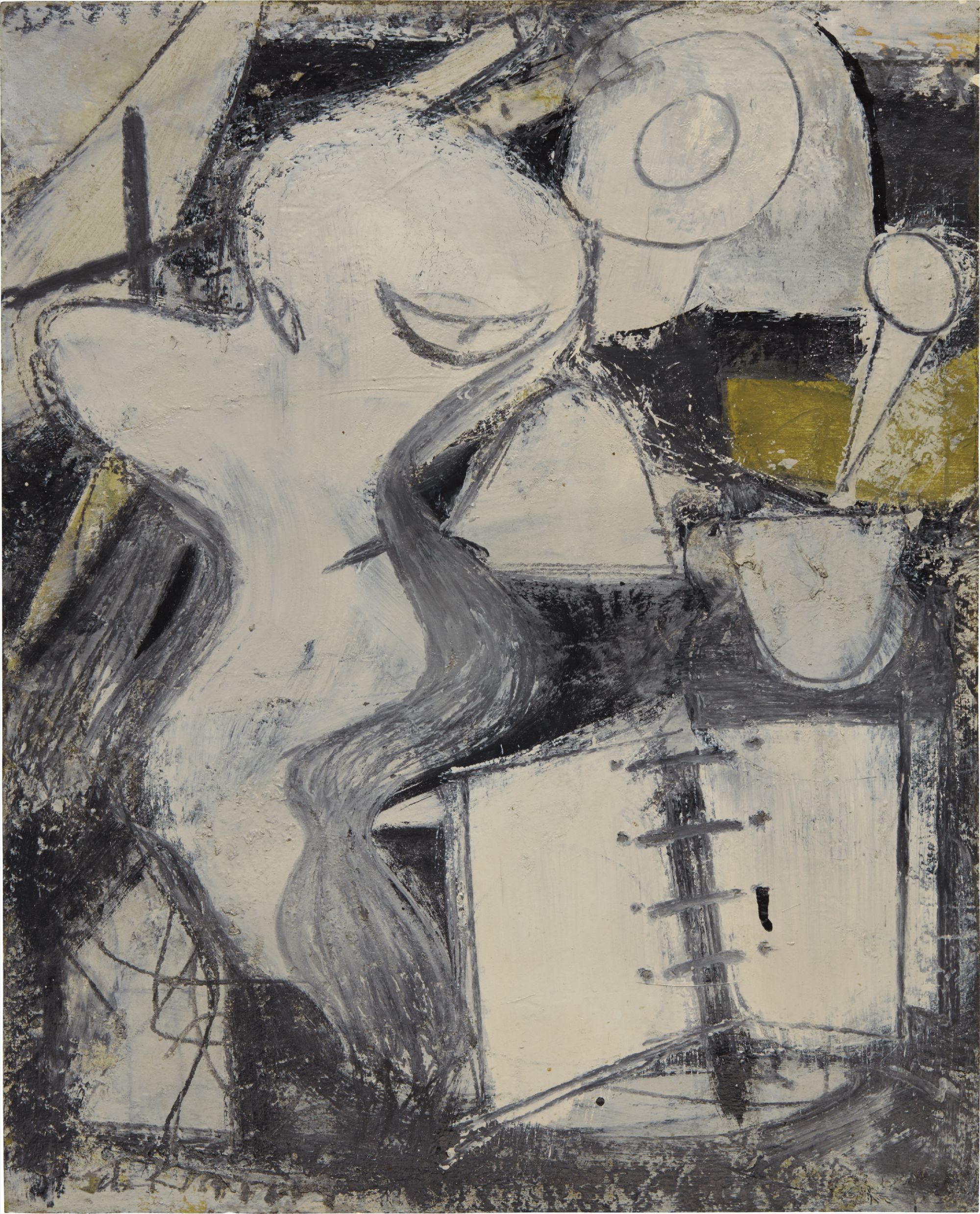
Willem de Kooning
Study for Seated Woman
De Kooning's market has stratified in ways that reward connoisseurship. The great Woman paintings from the early 1950s, when they appear, attract the most intense competition. Works from the late abstract period of the 1980s, when he was working with Alzheimer's beginning to affect him, have generated real critical debate about how to assess them. Some curators argue these late works have a purity and lightness that his earlier paintings sometimes obscured behind their muscular aggression.
Others remain unconvinced. That debate itself, the fact that it is still happening, is a mark of how alive this body of work remains. Institutions collecting seriously in this space include not only the major American museums but also a growing number of European foundations that have become interested in reclaiming de Kooning as part of a Dutch cultural heritage that was, for a long time, content to let the Americans have him. The Stedelijk Museum in Amsterdam has long held important works, and the de Kooning Foundation in Southampton has done careful work preserving the historical record and controlling the scholarly apparatus around attribution and authentication.
For collectors, this institutional infrastructure matters enormously. It creates the kind of provenance culture that underpins confident acquisition. What feels alive right now is a renewed seriousness about mid career and late career works by figures who were slightly overshadowed by the canonical giants. Schuyff's work, for instance, feels newly relevant in a moment when painting is again wrestling with questions about decoration, optical experience, and the relationship between pleasure and rigor.
There is also growing interest in how the Dutch American story connects to wider conversations about migration, cultural translation, and the way artists carry their formation across borders and time zones. That framing resonates with how collectors and curators are thinking right now, interested not just in objects but in the forces that shaped them. The surprise, if there is one, may be how much this particular thread, stretched between Rotterdam and New York, between the Golden Age and the age of Abstract Expressionism, still has left to offer.