Cultural Exchange
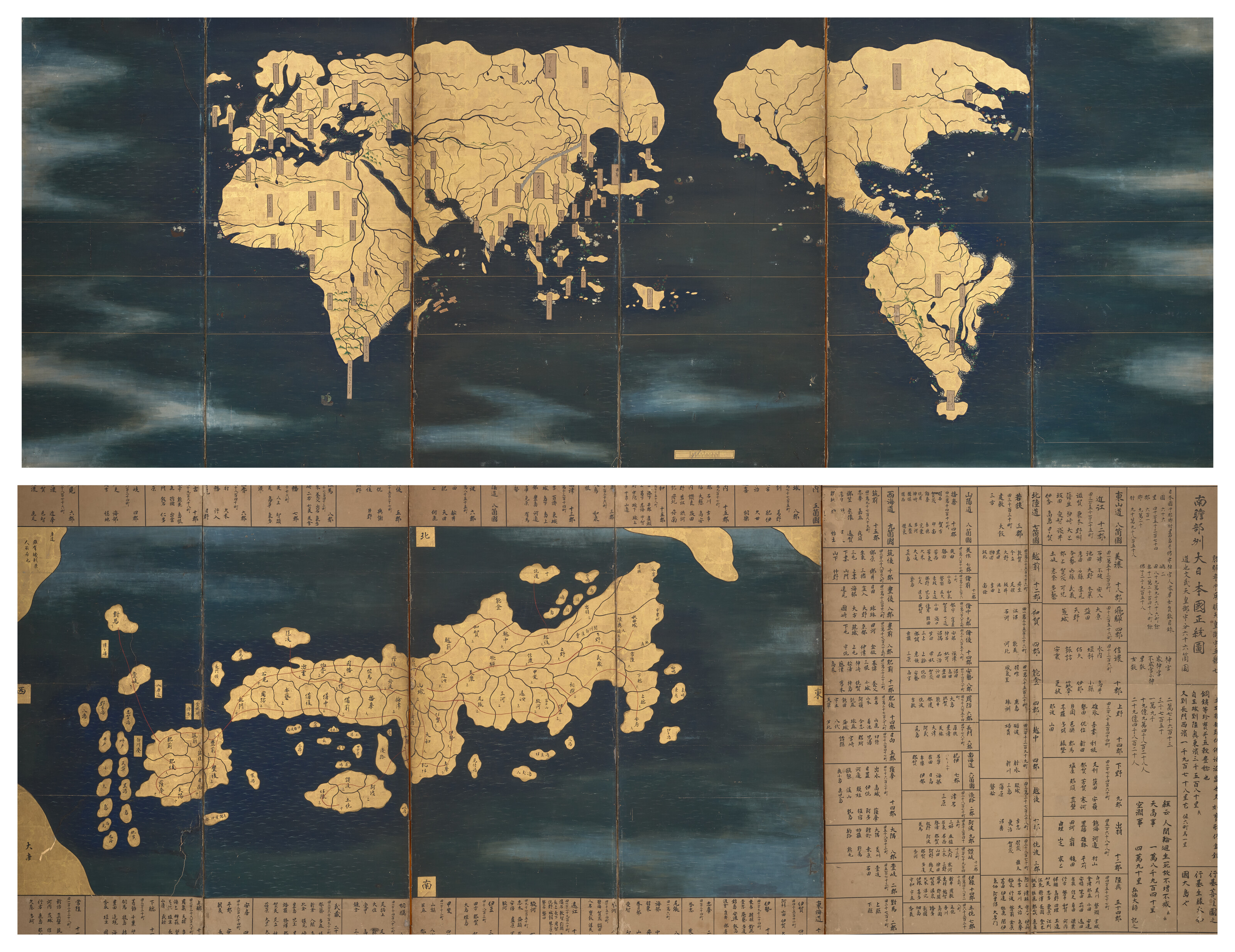
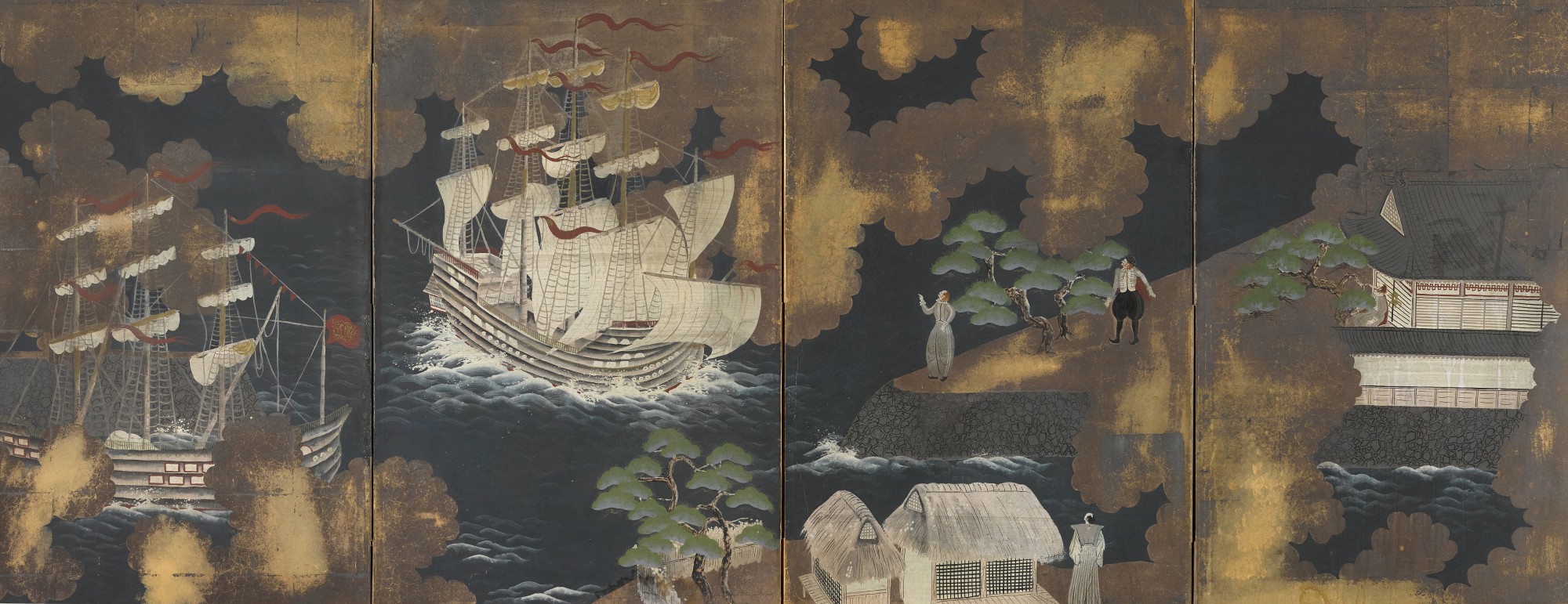
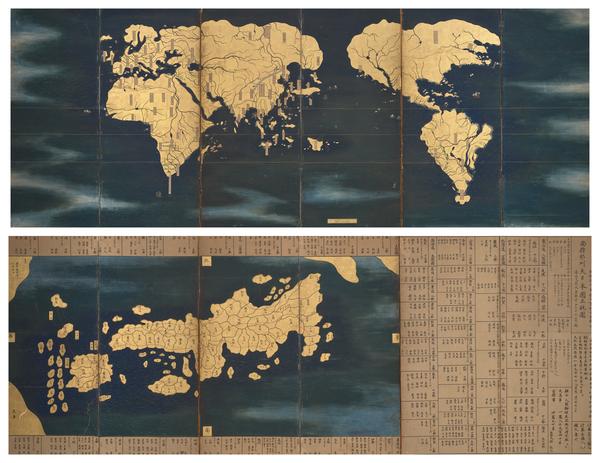
Anonymous (mid-late 18th Century)
Maps of the World and Japan
Whose Culture Is It, Anyway?
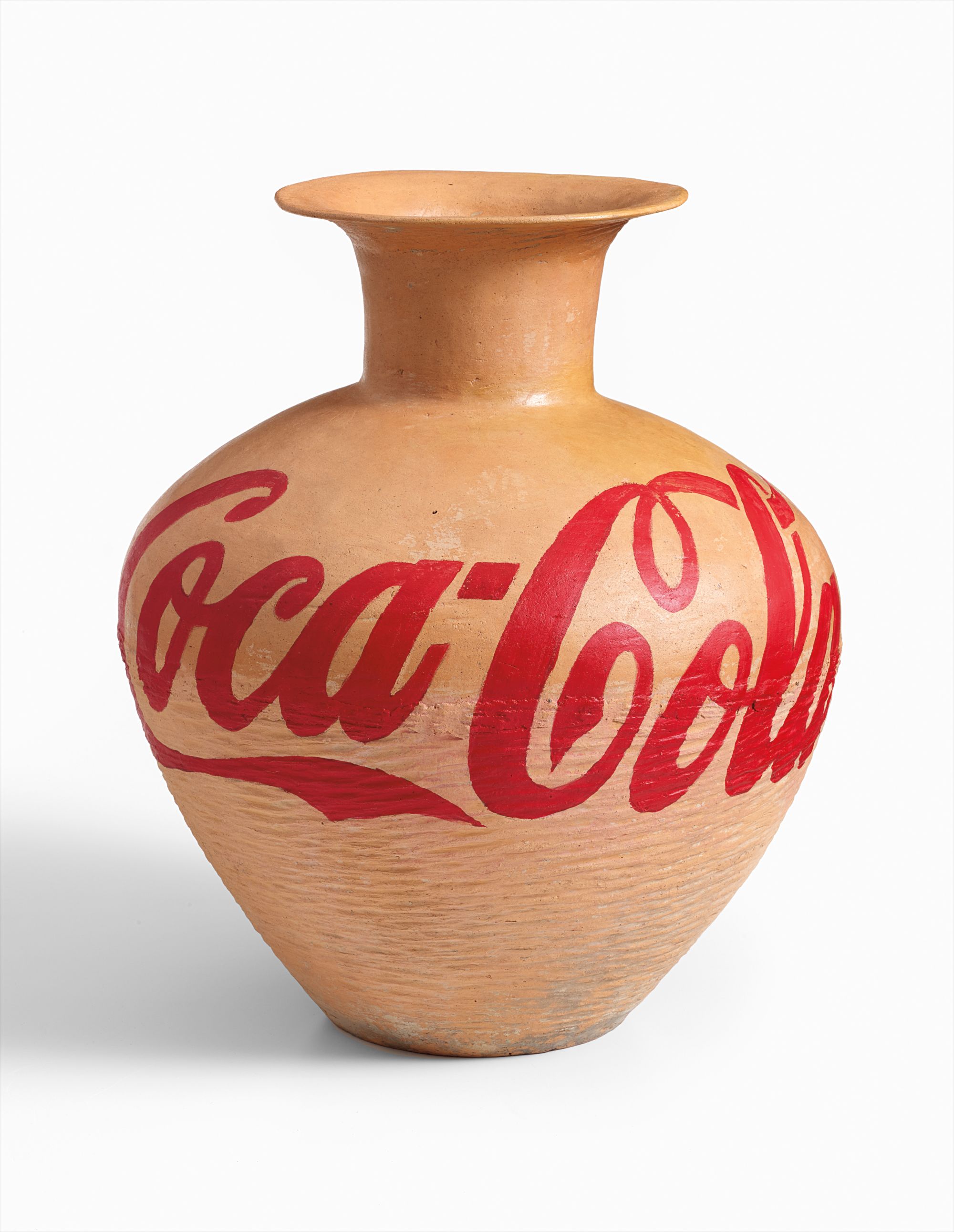
When Ai Weiwei's 'Law of the Journey' a monumental inflatable boat carrying hundreds of refugee figures, toured from the National Gallery of Prague to institutions across Europe and Asia, it did something that few contemporary works manage: it refused to belong to any single cultural conversation. The piece arrived in each city carrying the weight of every city before it, accumulating meaning the way a traveler accumulates context. That quality, the ability of an artwork to metabolize different cultural readings without surrendering its core, is precisely what makes cultural exchange such a charged and necessary lens for collecting right now. The market has registered this energy with unusual clarity over the past several years.
Works that sit at the intersection of cultural traditions, that cannot be easily claimed by one national school or another, have attracted serious institutional and private attention. Ai Weiwei commands prices at the higher end of the contemporary spectrum, with major works consistently achieving results well into the millions at Christie's and Sotheby's. His presence on The Collection signals an appetite for art that carries geopolitical weight without becoming a document, work that is aesthetically rigorous and politically legible at the same time. That is a difficult balance and the market rewards it.
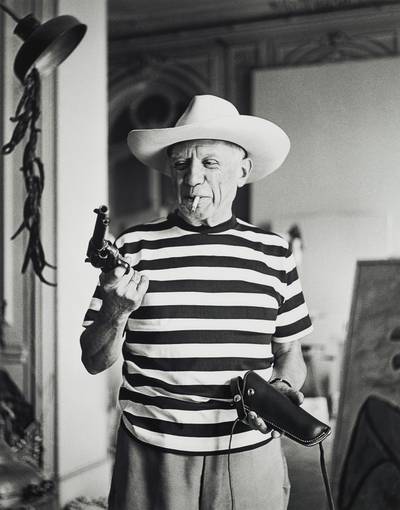
André Villers
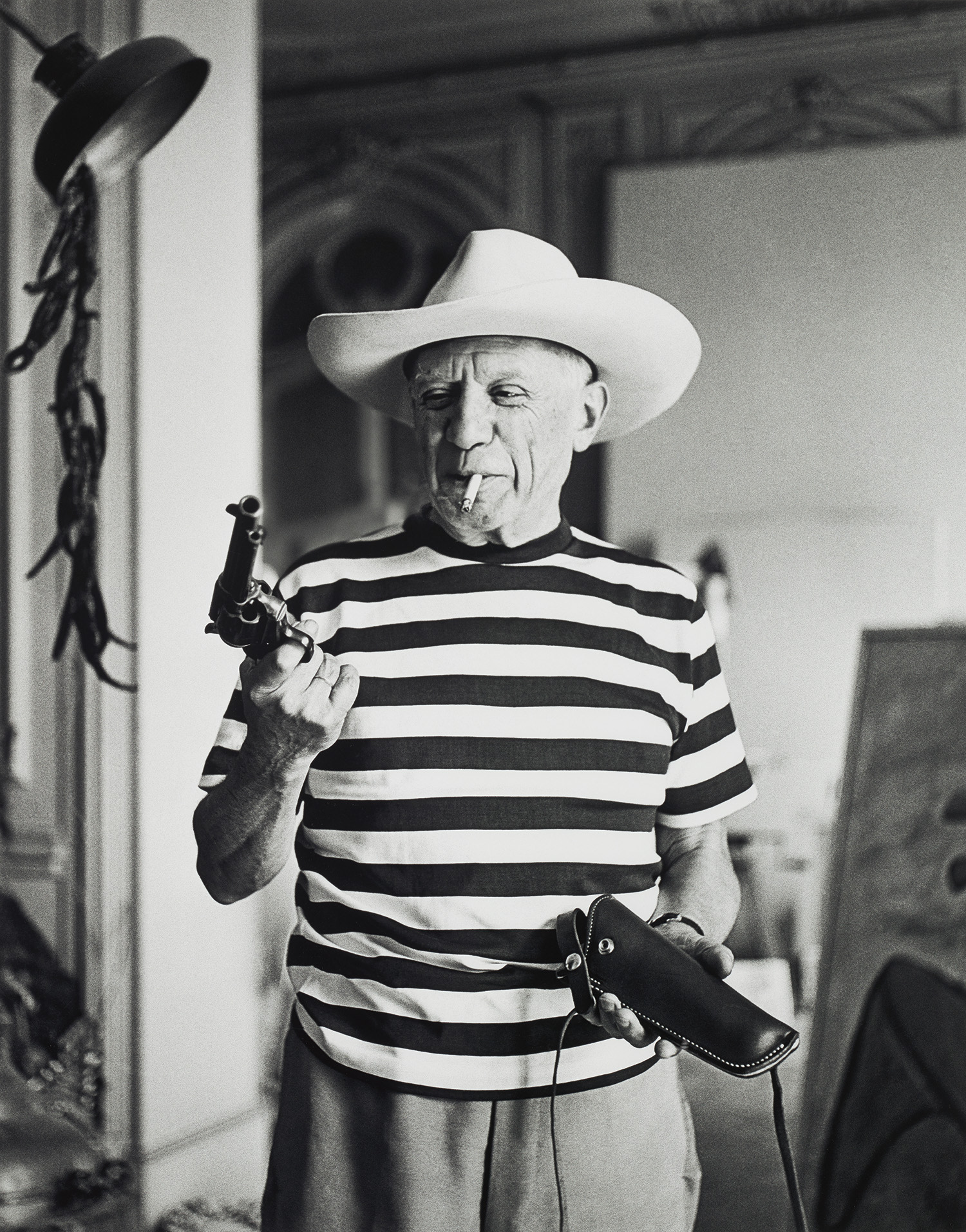
Picasso with the revolver and hat gifted by Gary Cooper
It is worth pausing on what cultural exchange actually means as a collecting category, because the phrase risks becoming vague through overuse. At its most interesting, it describes not influence in the old diffusionist sense, one culture generously imparting wisdom to another, but something more dynamic and occasionally uncomfortable. It describes collision, misreading, translation, and the creative friction that results. The work of André Villers offers a quiet example.
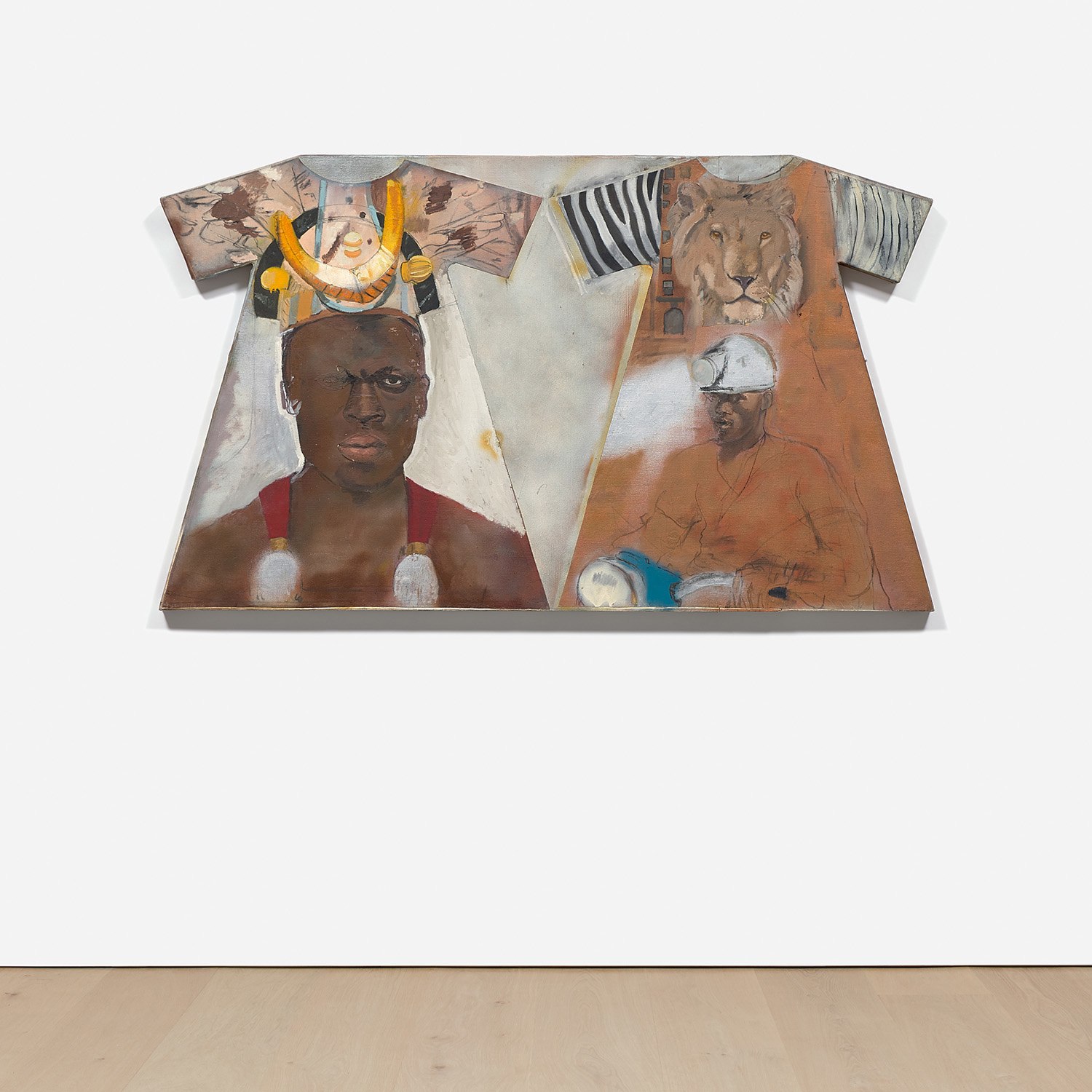
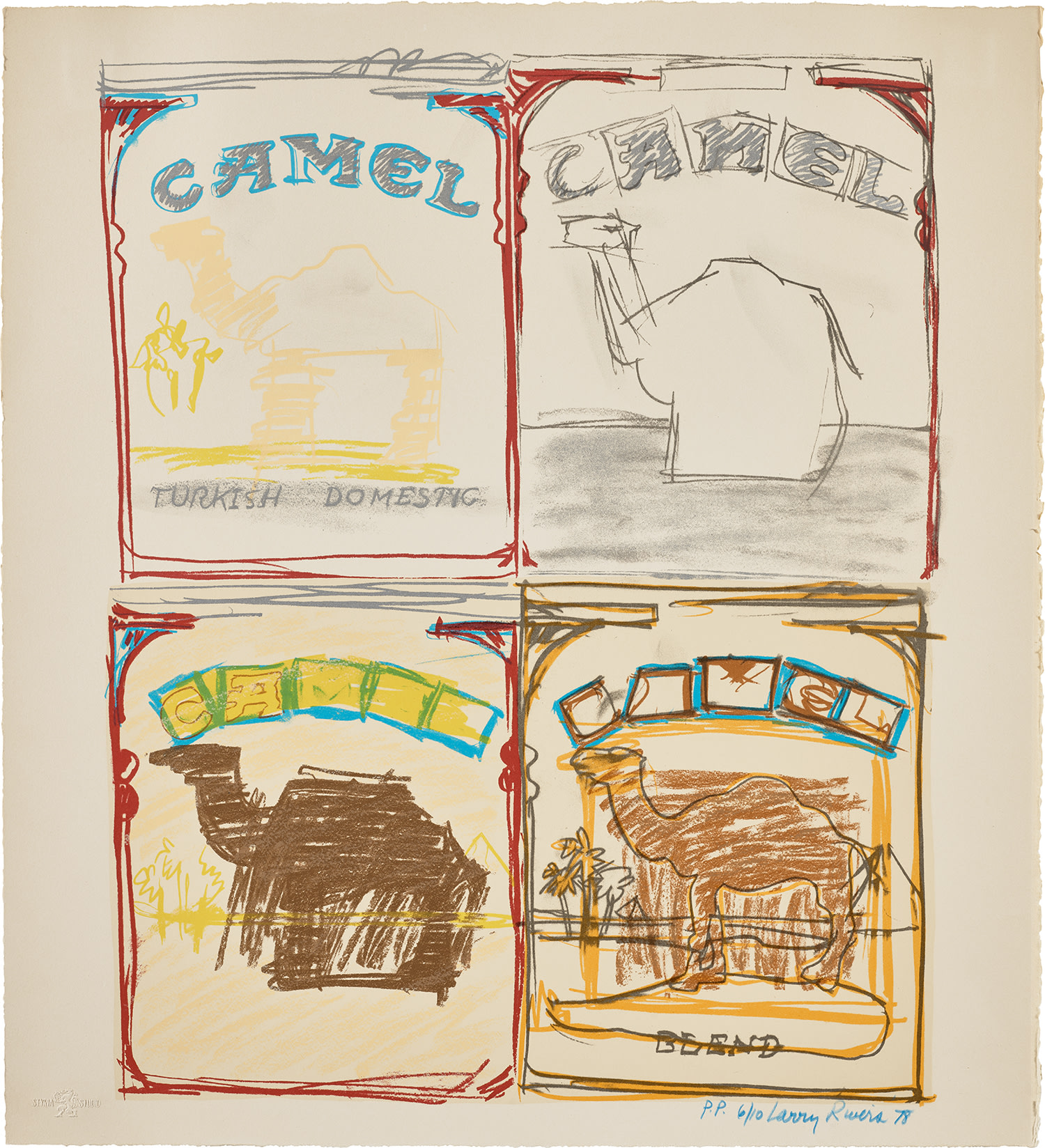
His long collaboration with Pablo Picasso in the south of France produced photographic works that moved between two very different sensibilities, and his photographs carry the imprint of that encounter without being reducible to it. His work on The Collection rewards close attention precisely because it occupies that productive in between space. Larry Rivers is another figure whose career makes most sense through this lens. Rivers moved fluidly between American vernacular imagery and European art historical references, between the jazz world and the downtown New York art scene, between figuration and abstraction at a moment when those categories felt like battle lines.
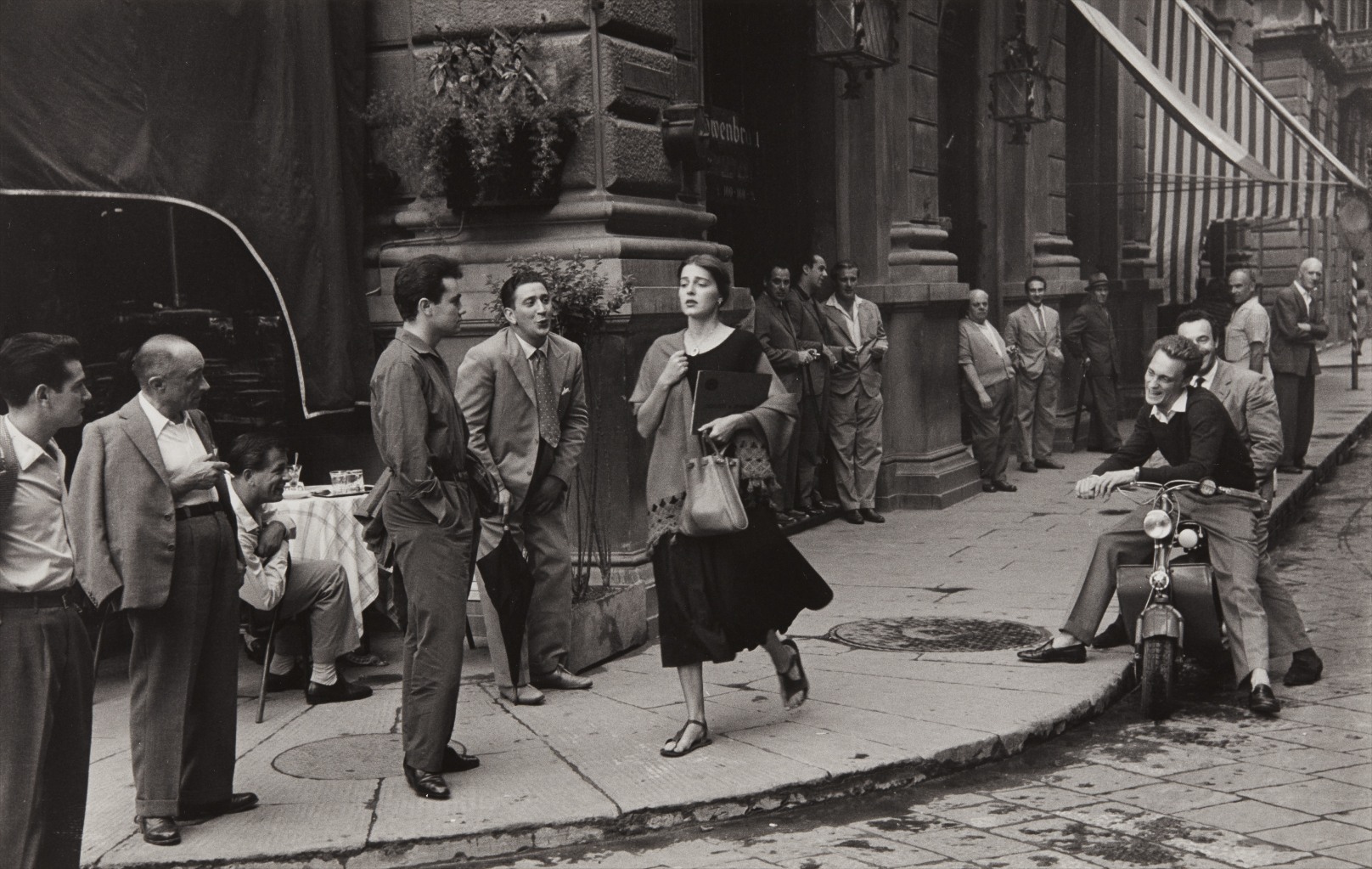
Ruth Orkin
American Girl in Italy
His engagement with identity, particularly around race and representation, anticipated critical conversations that would not fully arrive in curatorial discourse until decades later. Museum shows at the Corcoran and retrospectives examining his full career have slowly restored him to the complex position he deserves, neither simply a pop art precursor nor a second generation abstract expressionist footnote, but something genuinely his own. Ruth Orkin's photography, particularly her work made during her travels through Europe and Israel in the early 1950s, participates in this conversation from a different angle. Her images of an American girl navigating the streets of Florence, the attention and friction that encounter generates, have taken on new layers of meaning as scholars and curators revisit the male gaze debate with more sophisticated tools.
The fact that Orkin herself was a woman documenting another woman's experience of being seen transforms what might have been a straightforward street photograph into something more nuanced. Institutions including the International Center of Photography in New York have been thoughtful stewards of her legacy, and the market for her prints has strengthened considerably as her critical reputation has deepened. The institutional story is important here. The kinds of museums now actively building collections around cross cultural dialogue include not only the obvious international players like Tate Modern and the Centre Pompidou but also mid sized institutions that are using acquisitions to make argumentative claims about cultural history.
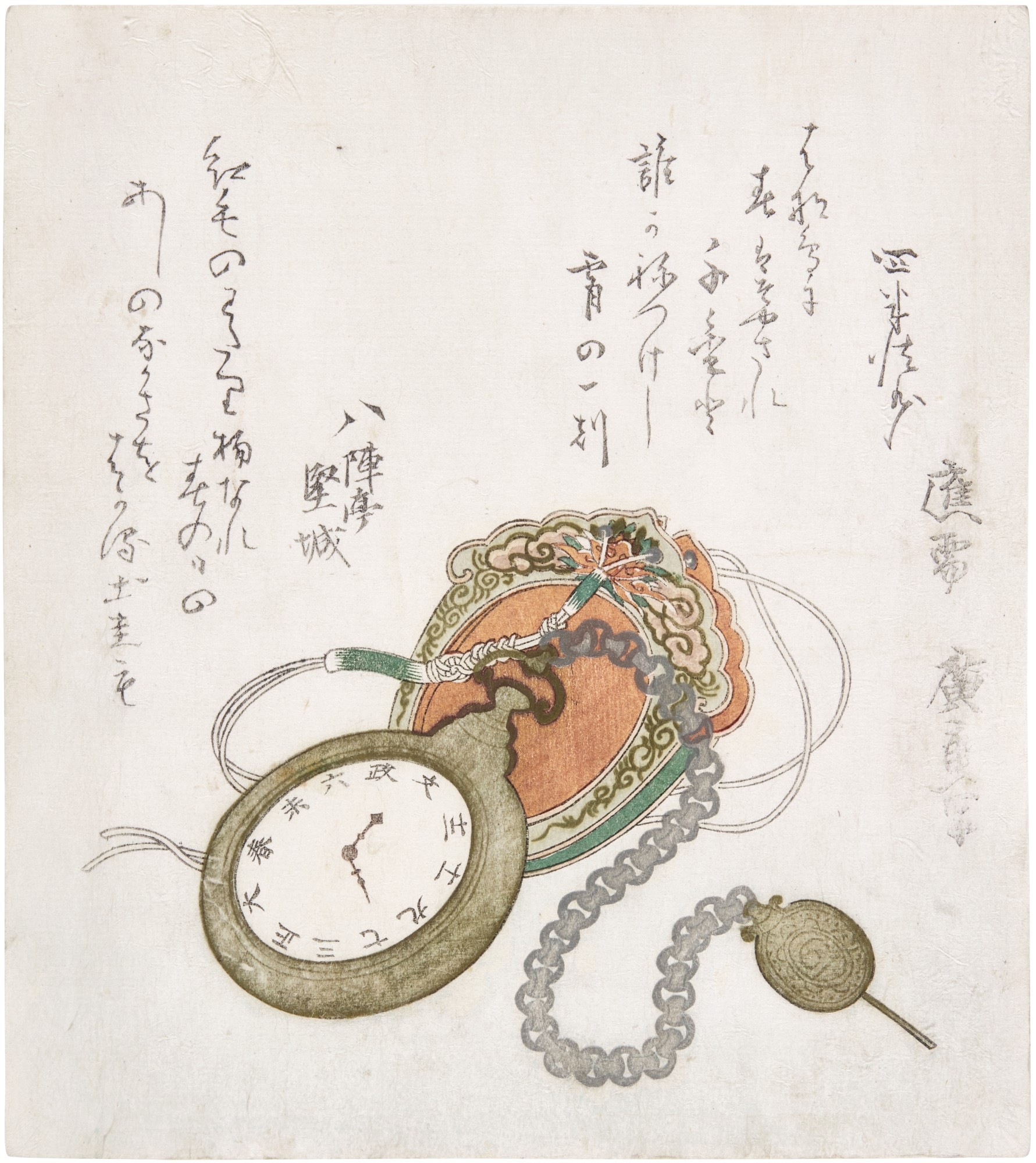
Unknown
A western pocket watch | Edo period, 19th century
The Smithsonian's various museums have been particularly active in this space, and the work being done by the Asia Society to bridge American and Asian contemporary art markets continues to shape what collectors consider essential. When a museum acquires a work, it makes a statement about what matters and to whom. Those statements are being made with increasing intentionality right now. The critical conversation around cultural exchange has also matured significantly.
Writing in publications like Artforum, frieze, and e flux, critics including Hito Steyerl, Saidiya Hartman (whose influence has crossed from literary studies into visual art criticism), and the late Okwui Enwezor have given curators and collectors a more rigorous vocabulary for discussing work that moves across borders. Enwezor's curatorial practice, from the 2015 Venice Biennale to Documenta 11, remains a touchstone. His insistence that the global south be treated as a site of production rather than subject matter permanently shifted what ambitious collecting in this space looks like. Historical works on The Collection by artists listed as anonymous or unknown carry their own kind of charge within this framework.
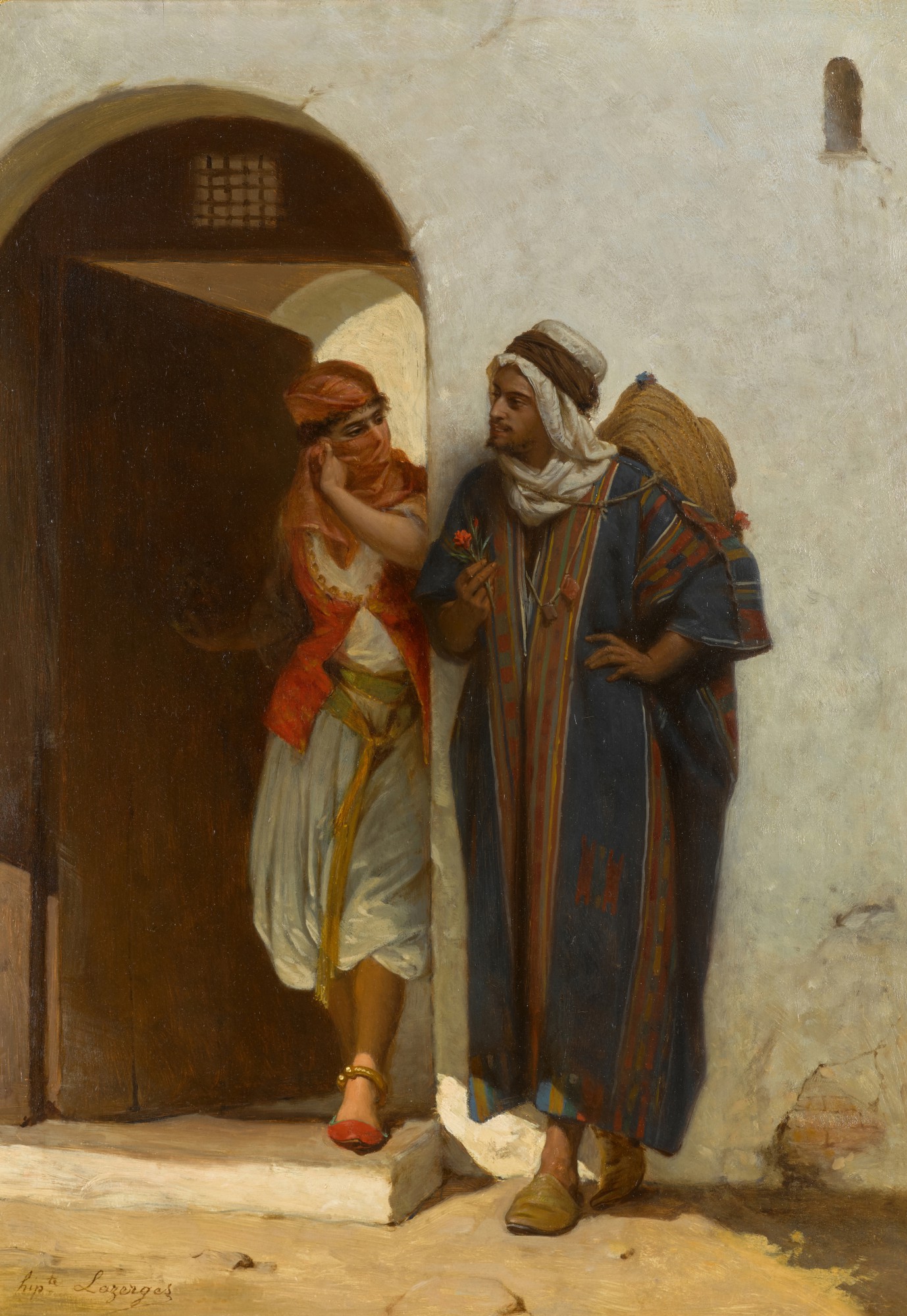
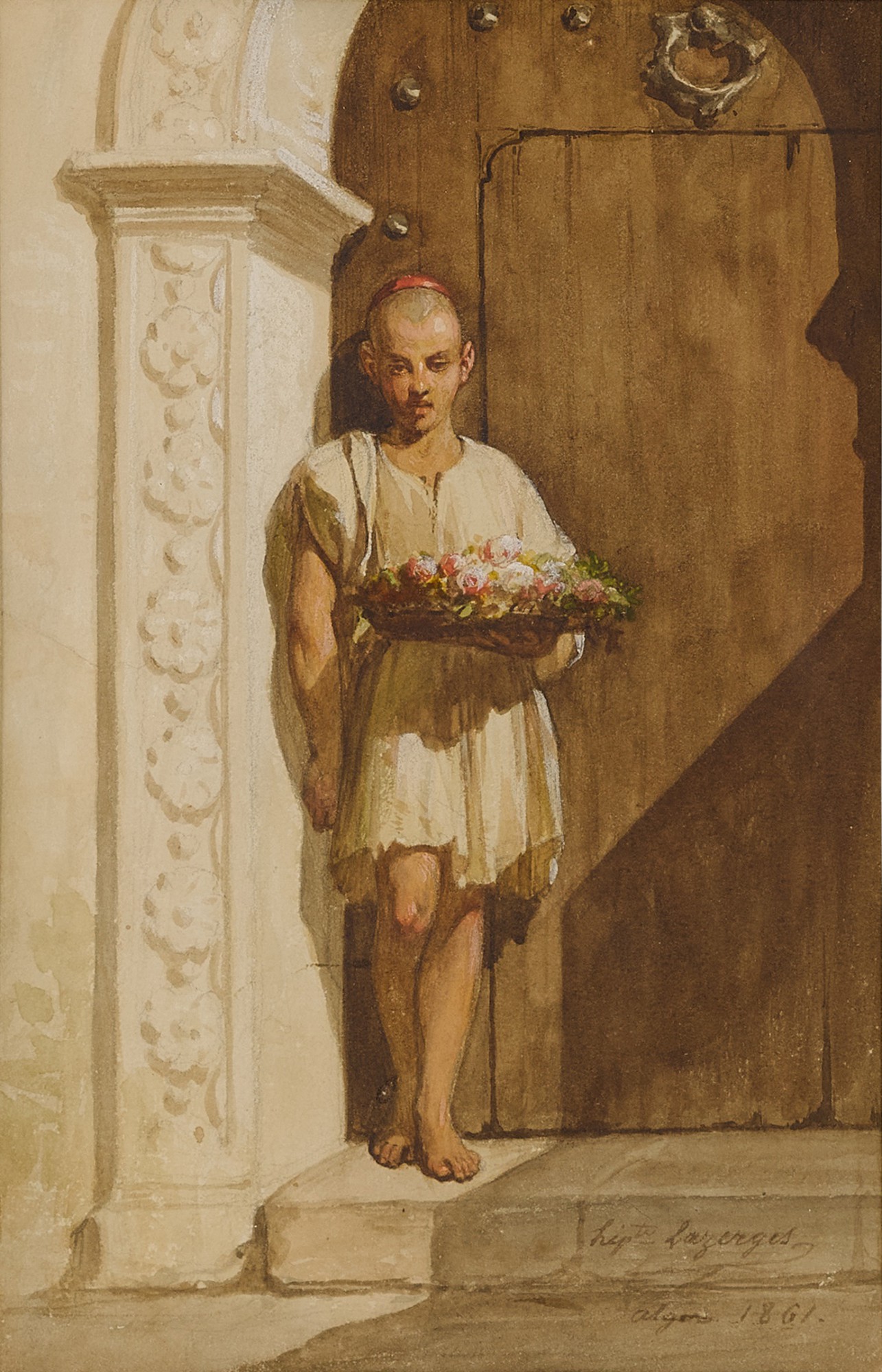
Hippolyte Lazerges
A Gift
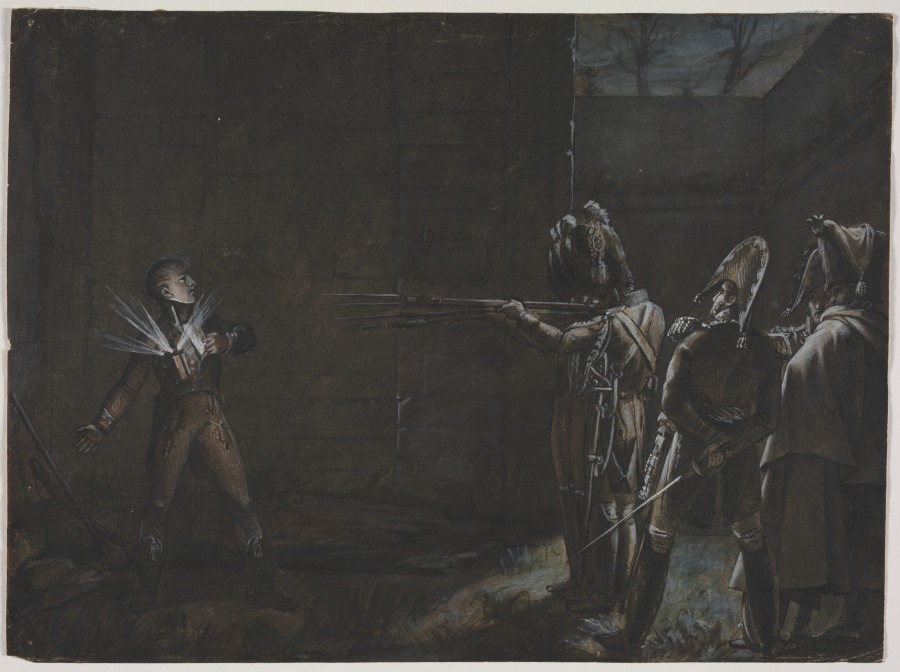
An anonymous work from the mid to late eighteenth century invites questions about authorship, attribution, and whose name gets attached to cultural production across time. Hippolyte Lazerges, the French orientalist painter who worked extensively in North Africa, raises different questions about who gets to represent whose culture and under what conditions. These are not comfortable questions, but they are generative ones, and collectors who engage with them seriously tend to build collections that hold their interest over decades rather than seasons. Where is the energy heading?
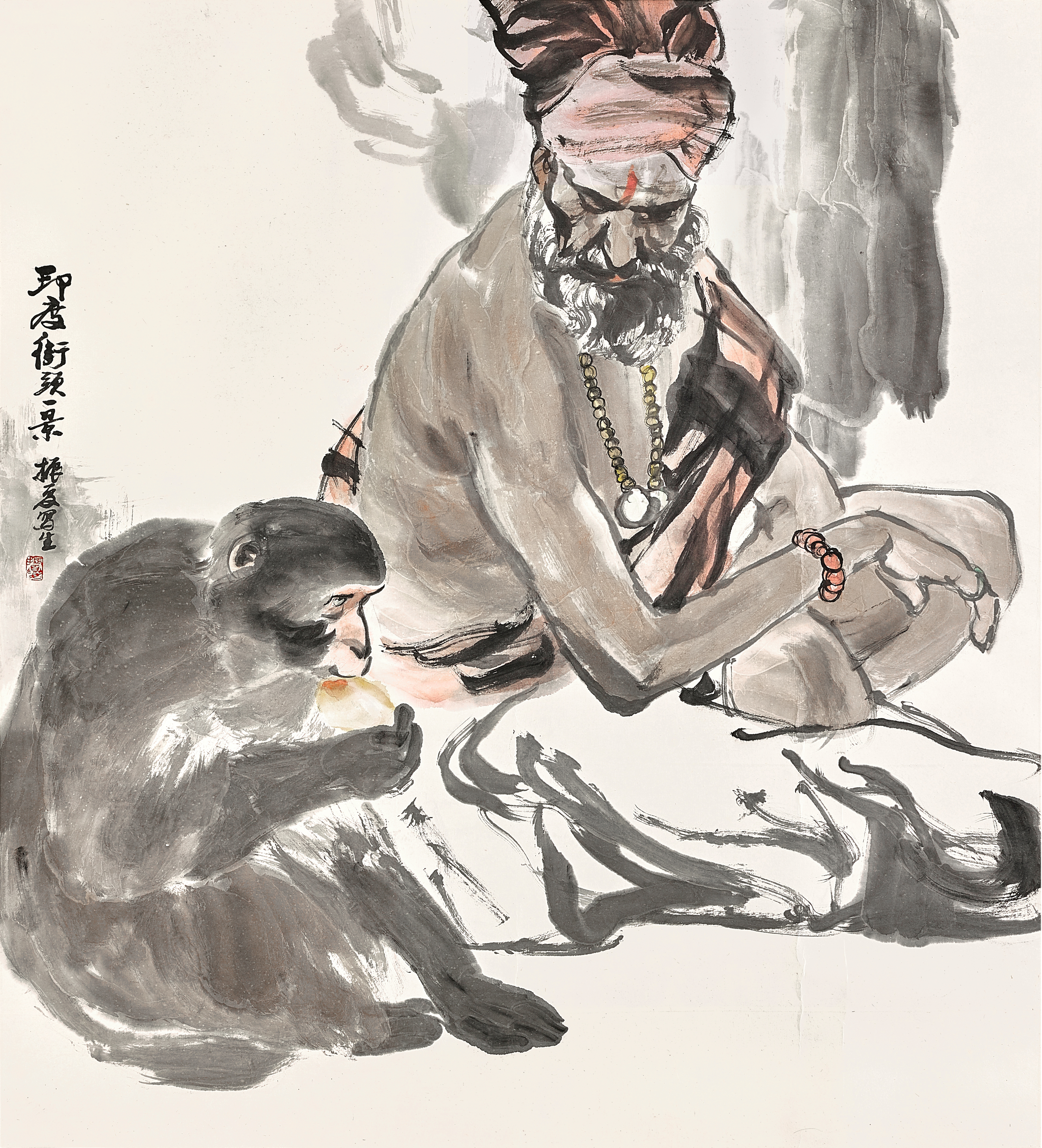
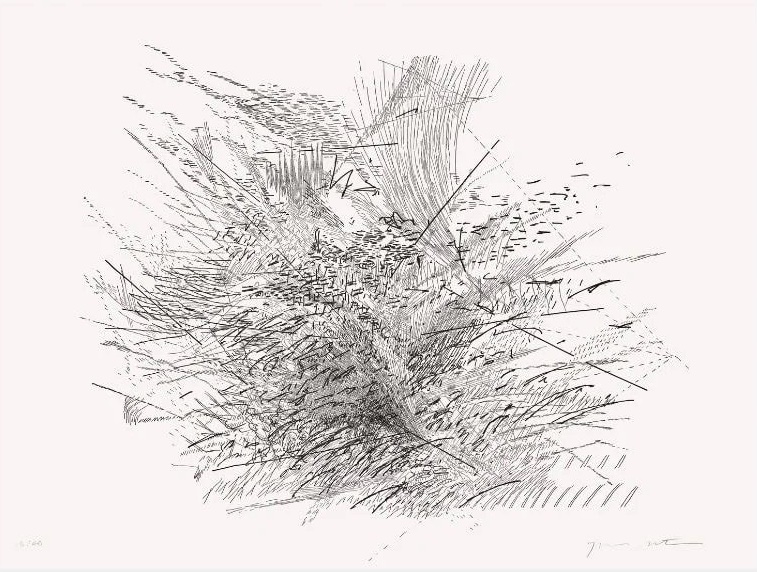
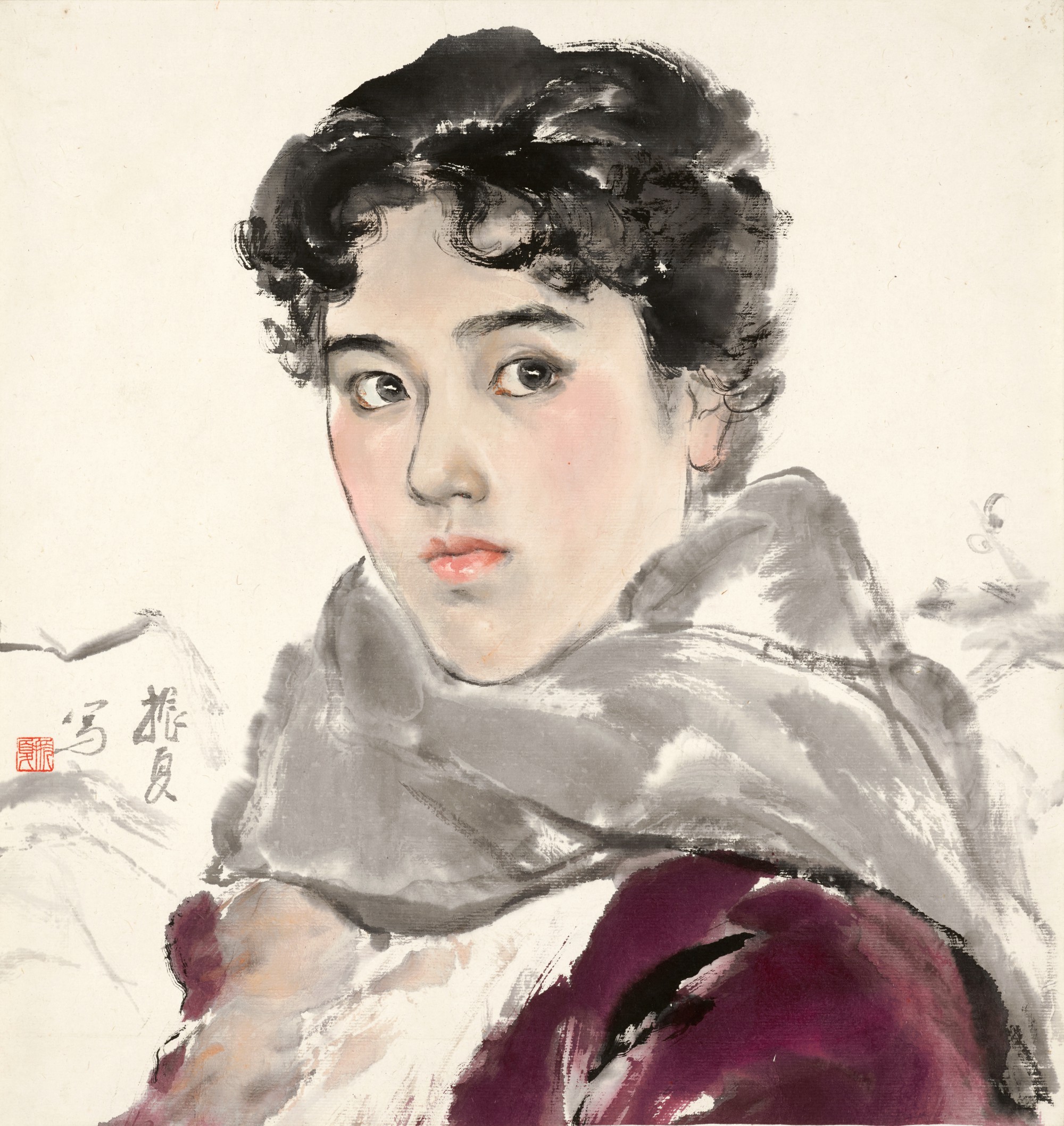
The next wave of serious attention is moving toward artists who work at the intersection of digital infrastructure and cultural identity, people asking what it means to transmit cultural meaning through platforms that were not designed with that meaning in mind. Liu Zhenxia's practice, rooted in Chinese artistic traditions but in conversation with contemporary global abstraction, points toward a space that the market is still learning to value properly. That gap between critical recognition and market pricing is where the most interesting collecting opportunities tend to live. The collectors who understand cultural exchange not as a theme but as a method, a way of asking questions rather than a category of answers, are the ones building the collections that will matter in twenty years.