Consumer Culture Critique
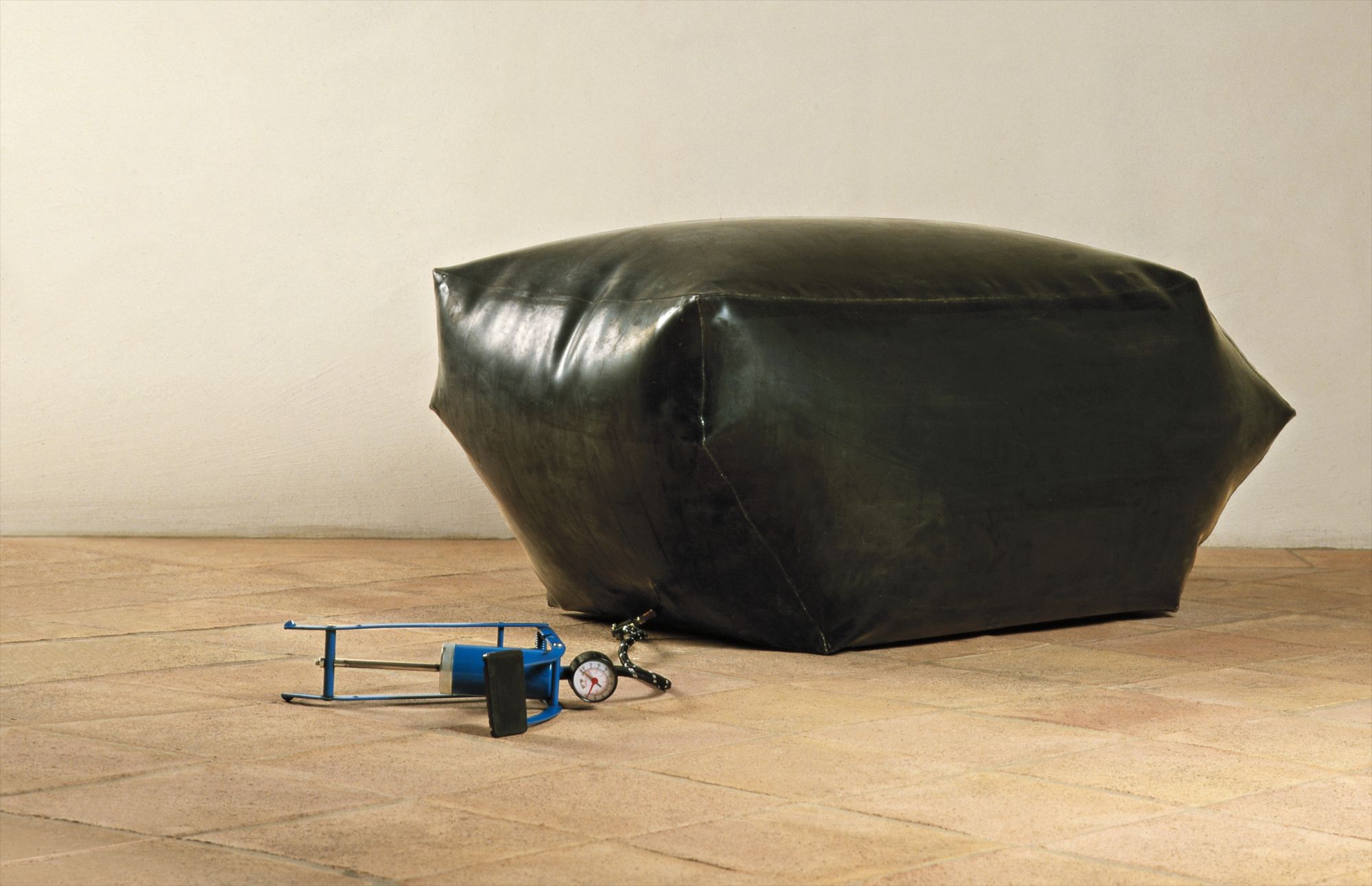
Martin Kippenberger
Aufblasbarer Minimüllcontainer











Everything Must Go: Art Bites Back
When a Banksy work self destructed through its own frame at Sotheby's London in October 2018, the art world exhaled a collective, slightly nervous laugh. The stunt was either the most elegant critique of auction culture ever staged or a brilliant piece of marketing, and the fact that we cannot quite separate those two readings is precisely the point. The buyer, rather than demanding a refund, kept the shredded canvas and watched its value climb. Consumer culture critique had just consumed itself on the auction block and come out ahead.
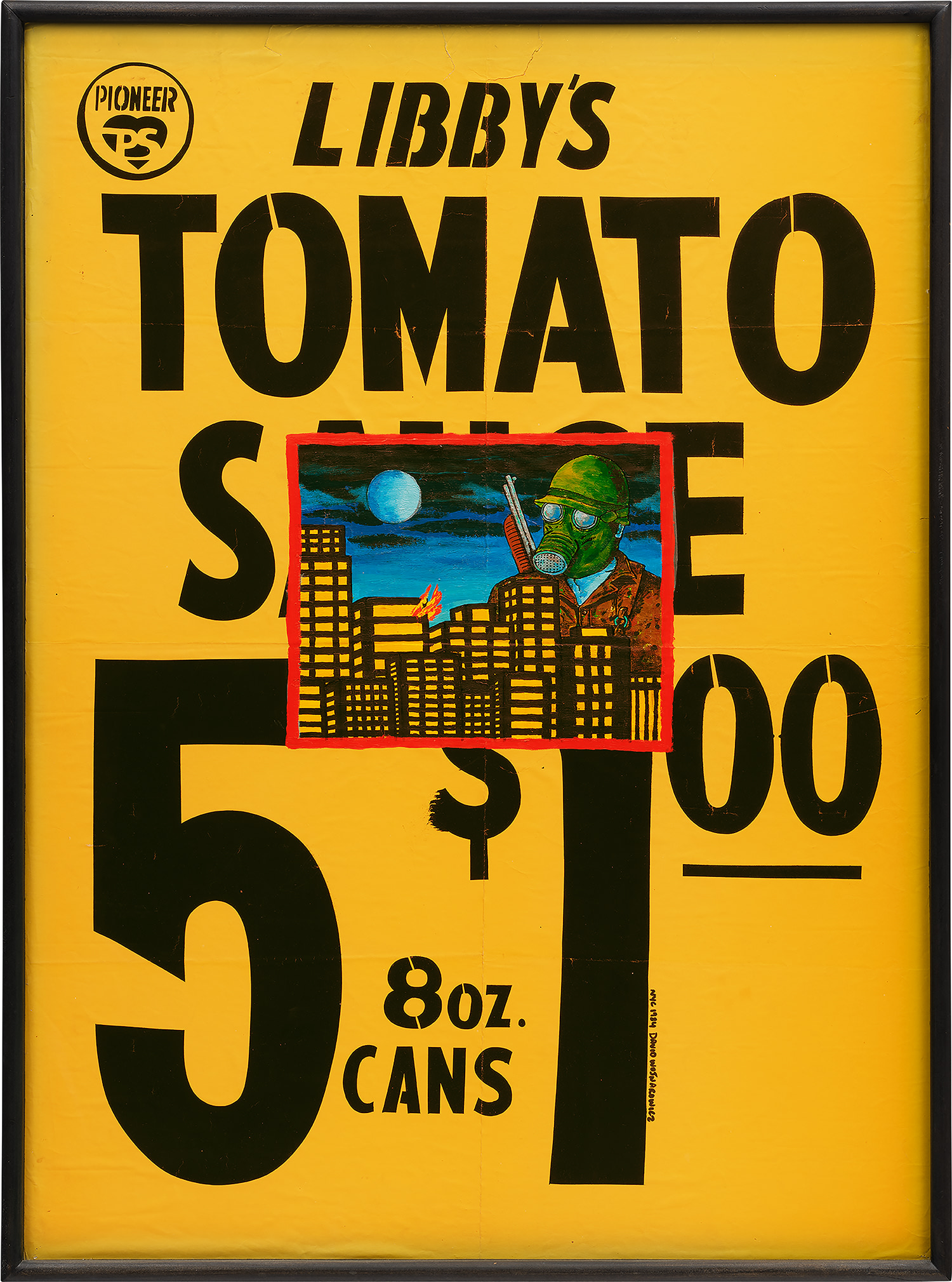
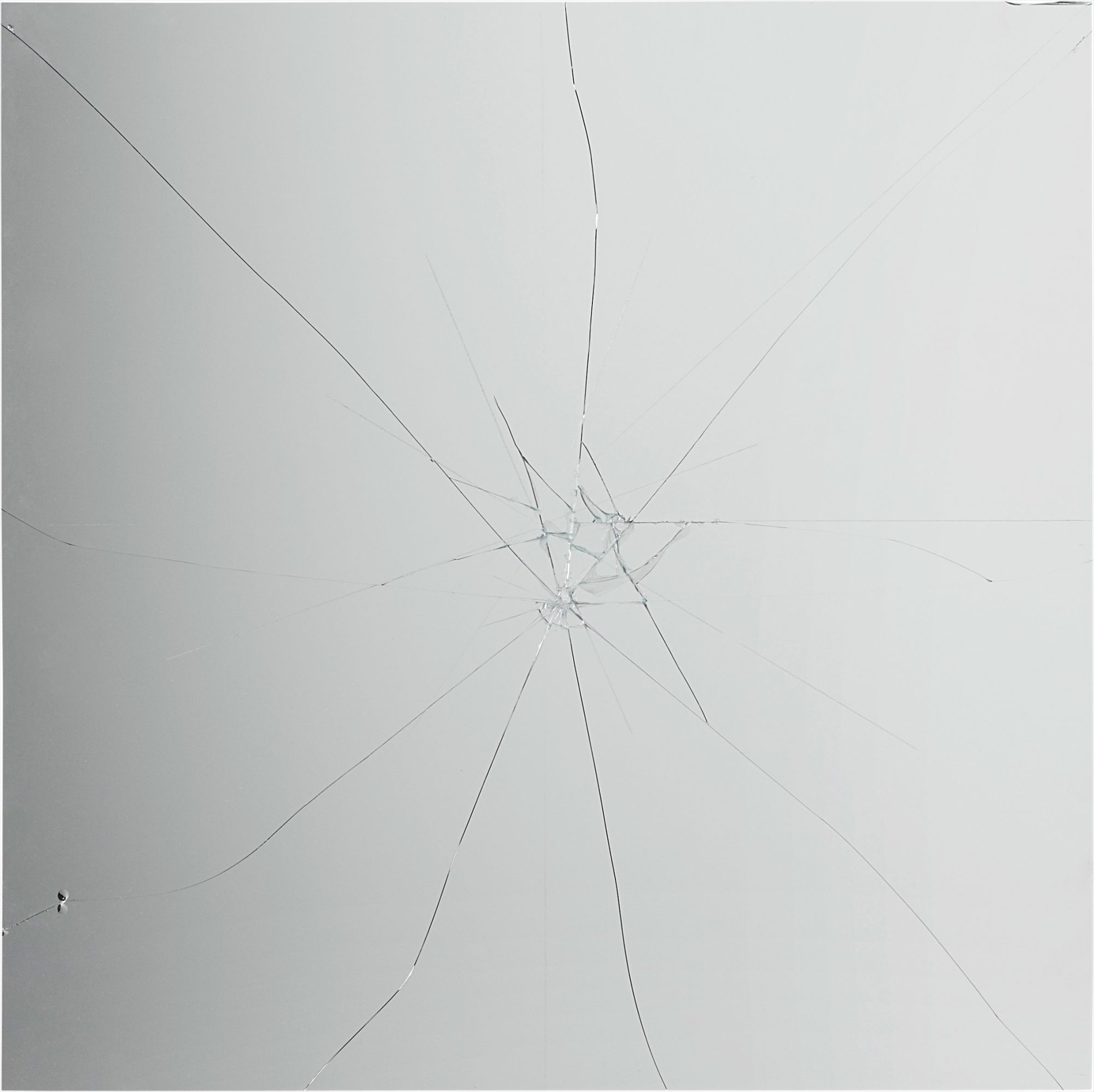
This is the paradox at the heart of one of contemporary art's most generative and genuinely uncomfortable territories. The artists working in this space have spent decades dismantling the logic of commodity fetishism, the spectacle of retail, and the seductions of brand identity, and they have done so using the very materials and mechanisms they interrogate. Sylvie Fleury wraps luxury shopping bags in bronze, installs fur coats on gallery floors, and presents beauty products as readymades with a knowing smile that is never quite a smirk. Josephine Meckseper builds immaculate display vitrines that mix political ephemera with cosmetics and mannequin parts, making the supermarket aisle and the protest march feel uncomfortably adjacent.
Josephine Meckseper
Das Ende des Panoptikums lV
The critique is always already inside the object. The auction market has responded to this work with a kind of enthusiasm that would itself make a good thesis topic. Meckseper's vitrines and large format photographs have performed consistently well at auction, particularly at Phillips and Christie's, where collectors who understand the theoretical architecture of the work compete with those who simply want something visually arresting and culturally legible for their walls. Paul McCarthy, whose grotesque reworkings of consumer mascots and fast food iconography have made him one of the most debated figures in postwar and contemporary sales, has seen significant results at the major houses.
His work unsettles in ways that apparently do not deter serious bidders. Martin Kippenberger, who belongs to a slightly earlier generation but whose sardonic relationship to value, taste, and the art market itself anticipated much of what followed, has become a genuinely blue chip name, with prices at auction reflecting his canonical status in European postwar painting. Institutional interest in this territory has intensified noticeably over the past decade. The Museum of Modern Art's 2013 survey of Claes Oldenburg, an essential ancestor for many of the artists working here, reaffirmed the museological seriousness of work that engages consumer objects.
Martin Kippenberger
Aufblasbarer Minimüllcontainer
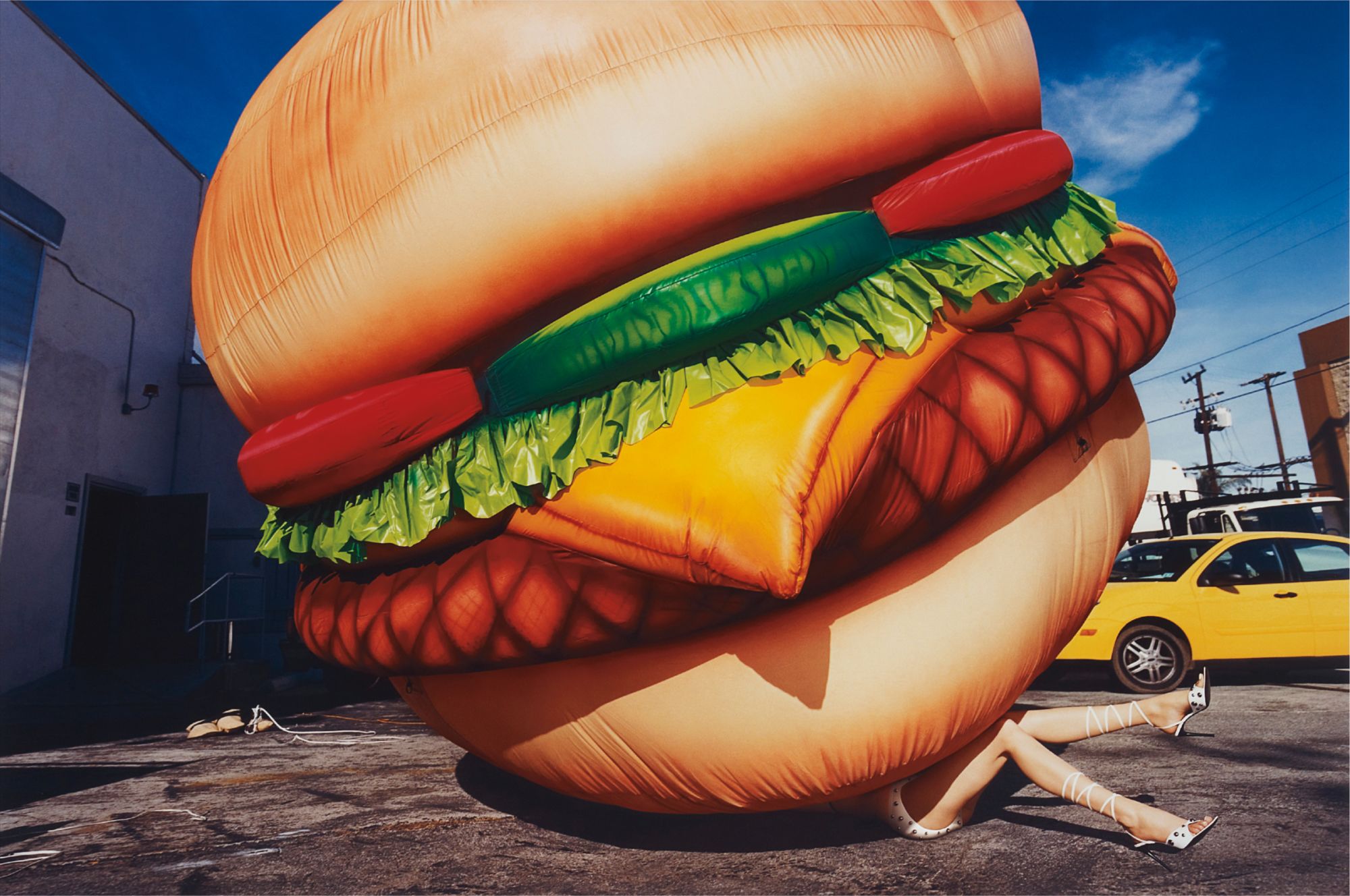
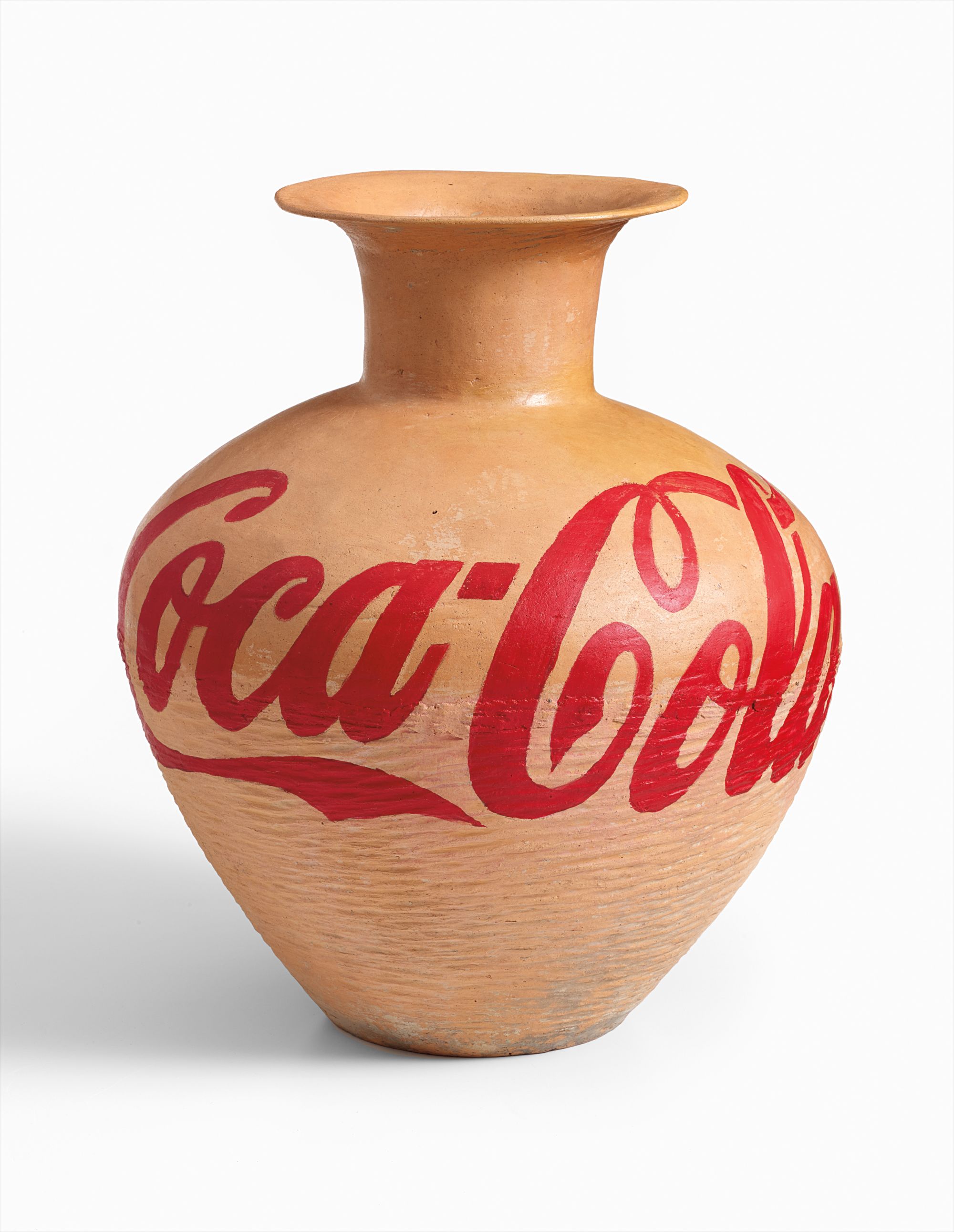
More recently, retrospectives and major group exhibitions at institutions including the Tate Modern, the Hammer Museum in Los Angeles, and the Stedelijk in Amsterdam have positioned artists like Ai Weiwei and David LaChapelle within broader conversations about spectacle, mass production, and global capitalism. LaChapelle in particular occupies an interesting position: his hyper saturated tableaux exist in a zone where advertising aesthetics and fine art critique become genuinely indistinguishable, which infuriates some viewers and delights others in roughly equal measure. The critical conversation around consumer culture critique has matured considerably since the raw energies of the Pictures Generation in the 1980s. Writers including Hal Foster, whose essays on the commodity and the readymade remain essential reading, and critics associated with publications like Artforum, October, and Frieze have provided the theoretical scaffolding.
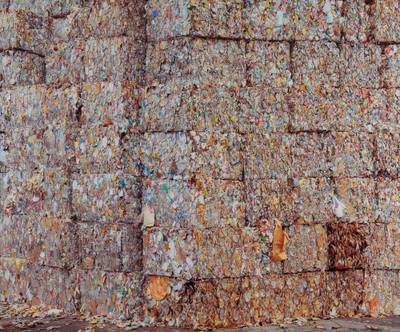
But what feels more alive right now is the conversation happening at the intersection of environmental urgency and consumption critique. Chris Jordan's large scale photographic works, which transform data about American waste and excess into images of overwhelming visual impact, have moved from being understood primarily as political documentary toward being collected and exhibited as fine art objects with real staying power. The irony of acquiring a work about overconsumption does not go unnoticed, and the best collectors seem to sit with that discomfort rather than resolving it. Arman, whose accumulations of crushed cars and compacted consumer detritus anticipated so much of what followed, has a stable and respected market that reflects both his historical importance and the ongoing relevance of his central gesture.
Walead Beshty
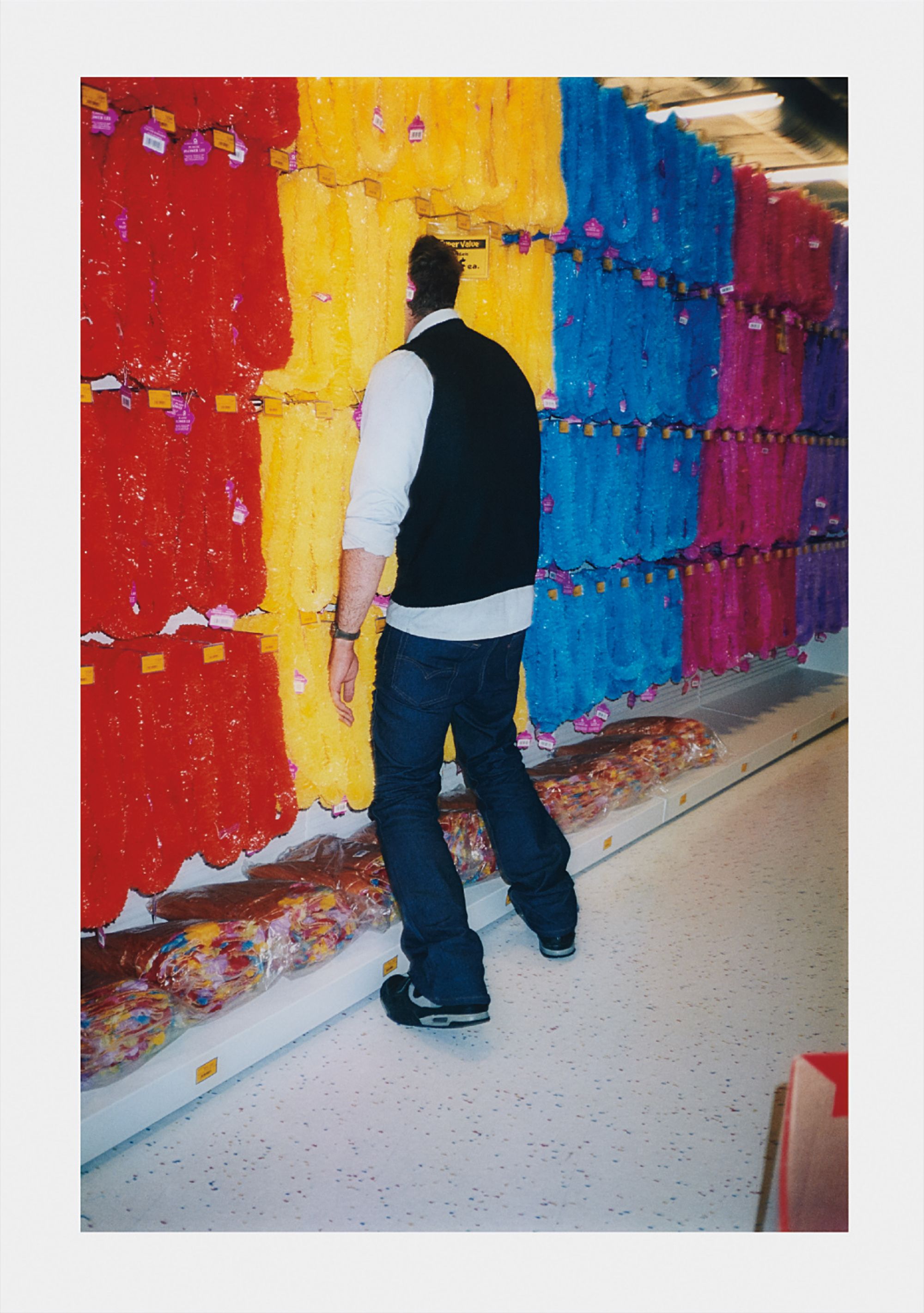
The Phenomenology of Shopping (Party America, The Grove, Los Angeles, California)
César similarly occupies this space where compression and accumulation become sculptural language, and where the destroyed commodity becomes a monument to its own former allure. These are works that reward living with: the longer you spend with them, the more the formal decisions and the conceptual stakes become inseparable. Walead Beshty's copper FedEx boxes, which document their own damage in transit and arrive as records of the global shipping infrastructure that moves luxury goods around the world, bring a more recent and more quietly devastating edge to similar concerns. Darío Escobar and Rosson Crow represent something interesting happening at the edges of this conversation.
Escobar's sculptural transformations of brand objects into devotional or ceremonial forms suggest that the relationship between consumer culture and religious culture is not merely analogical but structurally deep. Crow's large scale, densely atmospheric paintings of American interiors, lounges, casinos, and hotel bars treat vernacular commercial space as a kind of sublime. The energy here feels genuinely alive rather than settled into received positions. Tim Noble and Sue Webster, who have been making shadow sculptures from assembled refuse since the 1990s, feel newly relevant in a moment when the discourse around waste has shifted from metaphorical to existential.

Tim Noble and Sue Webster
$
Daniel Arsham occupies a different register entirely, working with nostalgia for consumer objects in ways that have proven enormously popular with a younger generation of collectors. His eroded relics of cameras, sneakers, and game consoles sit at the commercial end of this territory, and there is a serious critical debate about whether the work deepens the critique or simply aestheticizes it. That debate is, arguably, where the most interesting energy in the field currently lives. The works on The Collection across this category represent a real range of positions within that argument, from the theoretically rigorous to the viscerally immediate, and the best reason to engage with them is that the argument is not over.