Chinese-American
Walasse Ting
The Garden 花園, 1990
Between Two Worlds, Painting a Third
There is a particular kind of vision that belongs to those who have learned to see double. For Chinese American artists working across the twentieth century and into our own, that doubled vision was not a burden to be resolved but a creative engine, a way of moving between brushstroke and gesture, between ink wash and oil paint, between the weight of a classical tradition and the restless freedom of the American avant garde. The work they made from that position is some of the most quietly revolutionary art produced in the modern era, and it is only now receiving the sustained critical attention it deserves. The story begins well before the major institutional reckonings of recent decades.
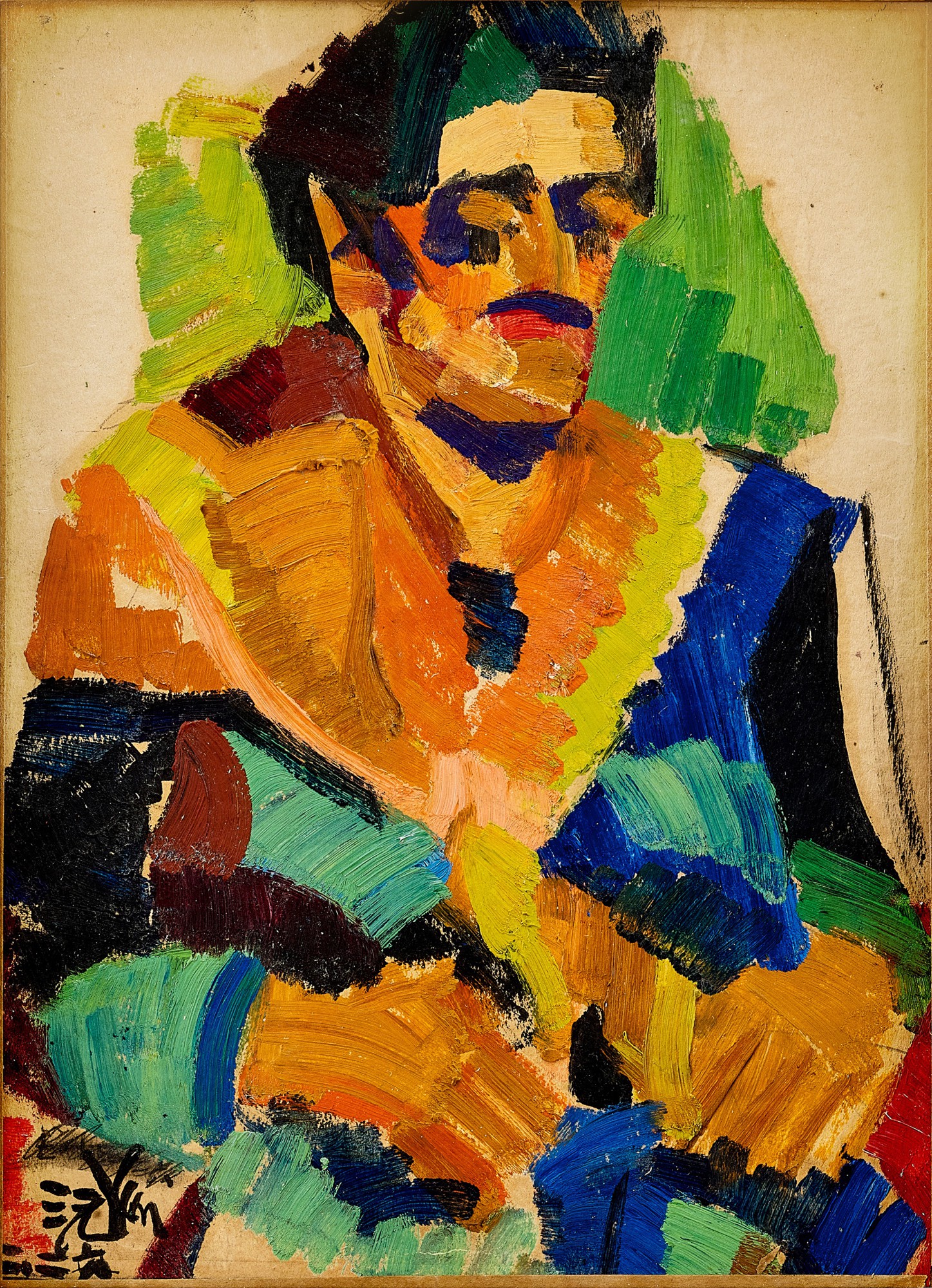
In the early years of the twentieth century, Chinese immigrants in the United States existed within a legal and social framework designed to diminish them. The Chinese Exclusion Act of 1882 had drawn a hard line around citizenship and belonging, and yet artists found ways to insist on their presence. Yun Gee, born in Guangdong province in 1906 and arriving in San Francisco as a teenager, became one of the most remarkable figures of this early period. By the late 1920s he was painting with a fierce, syncretic energy that absorbed Cézanne and Cubism without surrendering anything of his own formation.
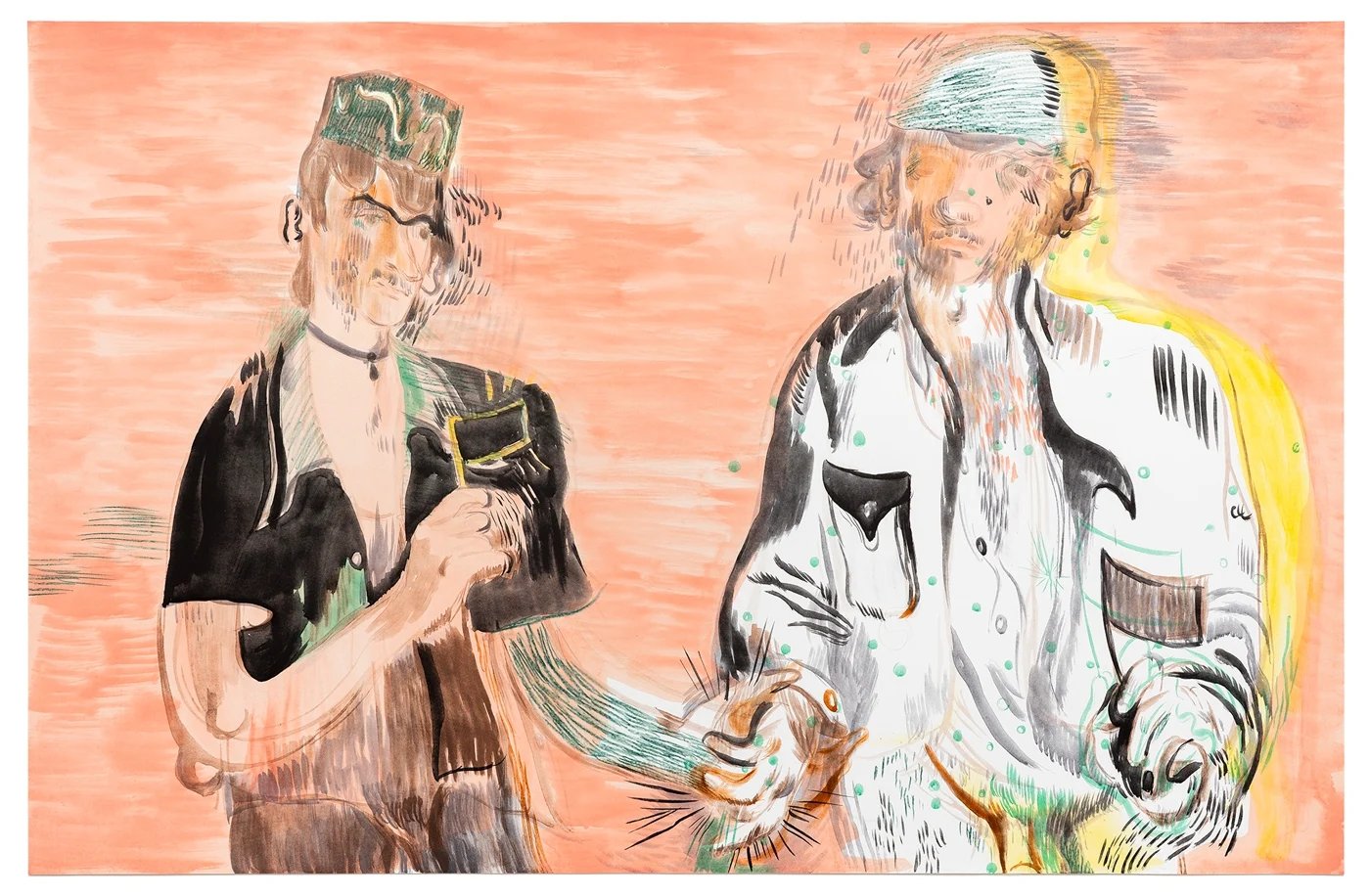
Yun Gee
Man with Beard 有鬍子的男人, 1926
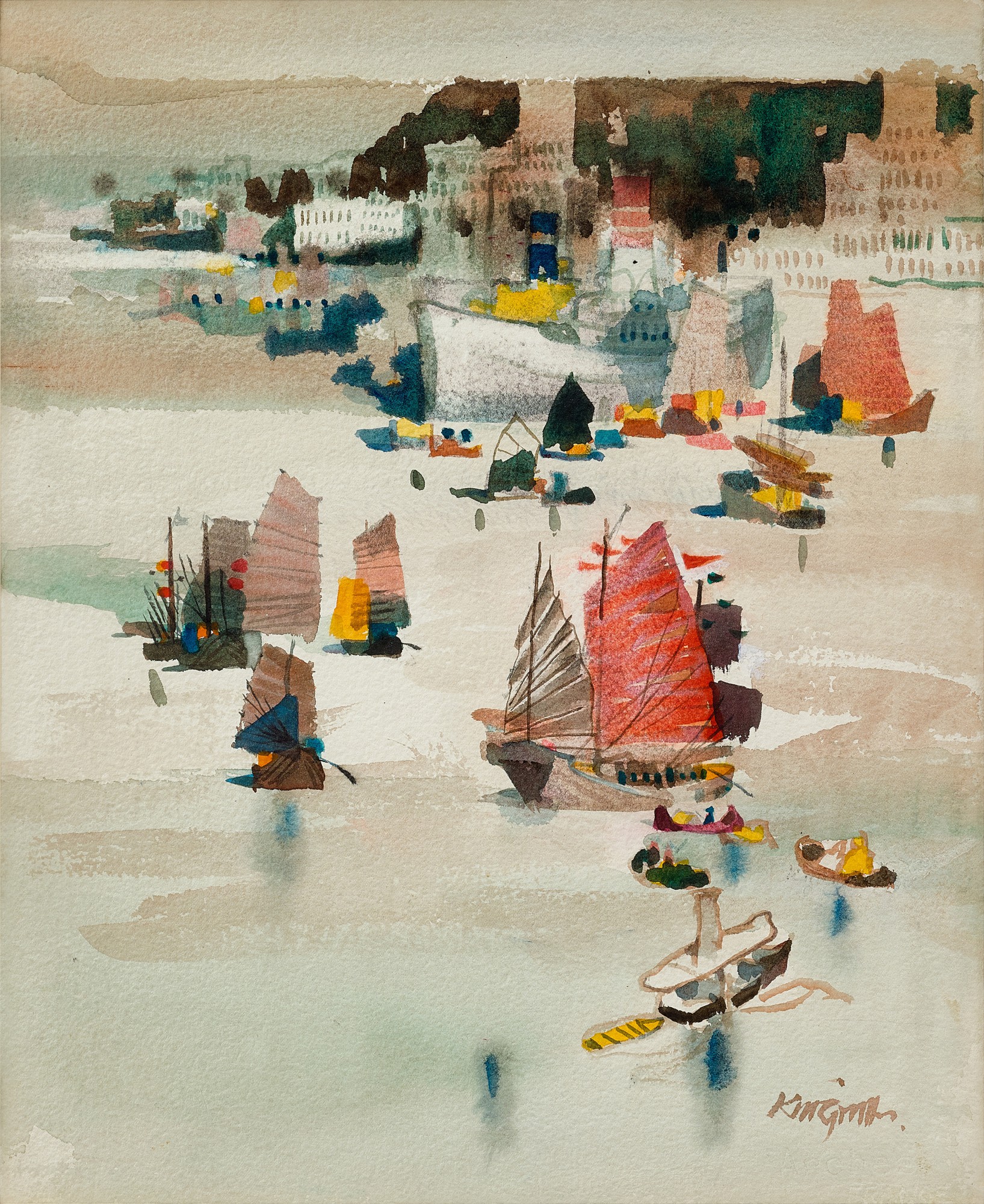
His time in Paris in the late 1920s and early 1930s brought him into contact with Gertrude Stein and the wider modernist circle, but he never became simply a satellite of European movements. The works available through The Collection give a sense of just how singular his vision was, taut with color and psychological intensity. Dong Kingman followed a different path, one that led him toward a distinctly American form of watercolor painting rooted in the urban landscape. Born in Oakland in 1911 and raised partly in Hong Kong, Kingman returned to the United States and built a career that placed him firmly within the tradition of American Scene painting while quietly transforming it from within.
His cityscapes, full of atmospheric shimmer and compressed spatial logic, drew on the tonal sensibilities of Chinese ink painting without ever announcing the debt overtly. He received a Guggenheim Fellowship in 1953 and taught for decades at Columbia University, becoming a genuinely beloved figure in New York cultural life. His presence in The Collection serves as a reminder of how much was being synthesized quietly, outside the thunder of major movements. Walasse Ting arrived in New York in 1952 after spending time in Paris, and what followed was a career of almost reckless vitality.
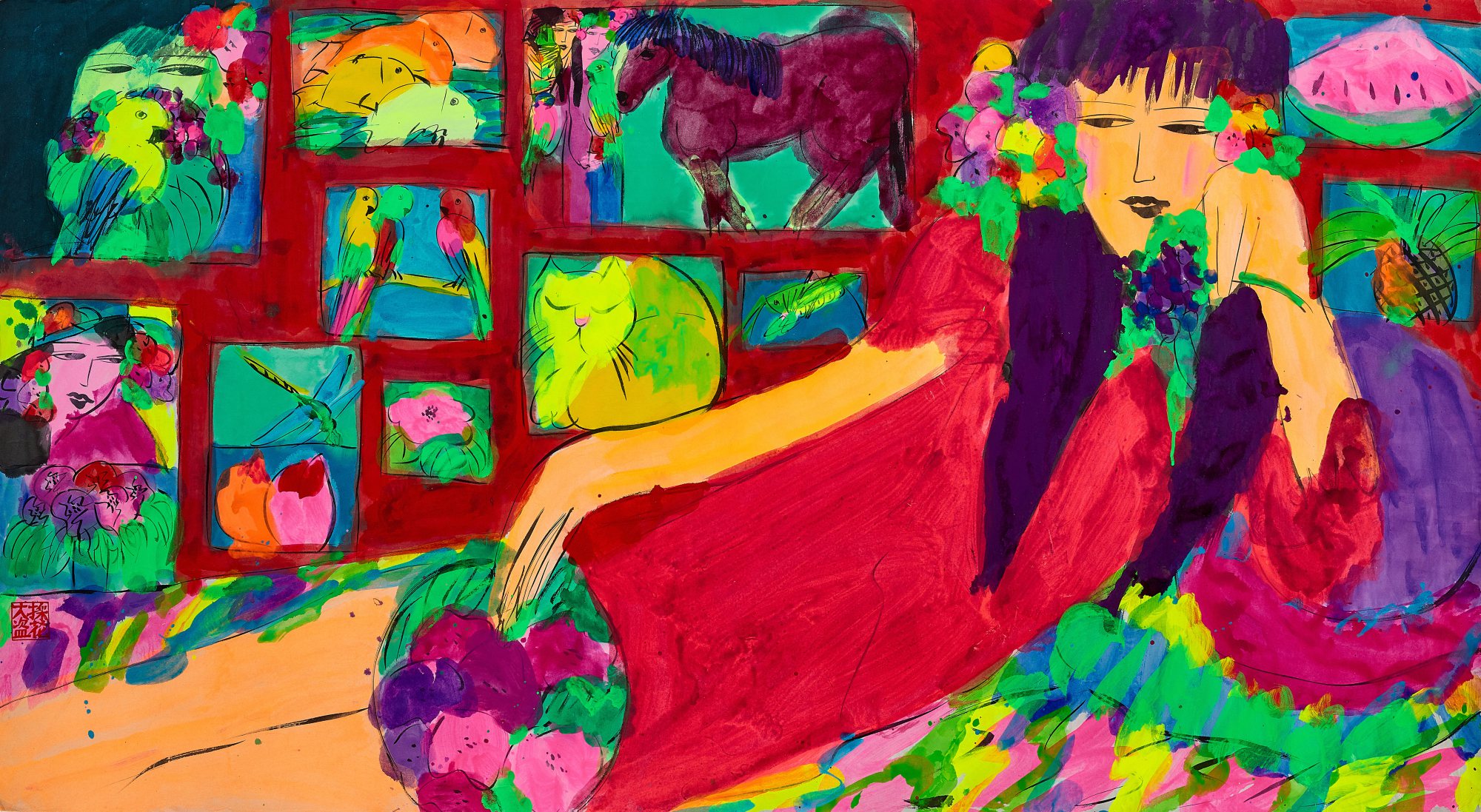
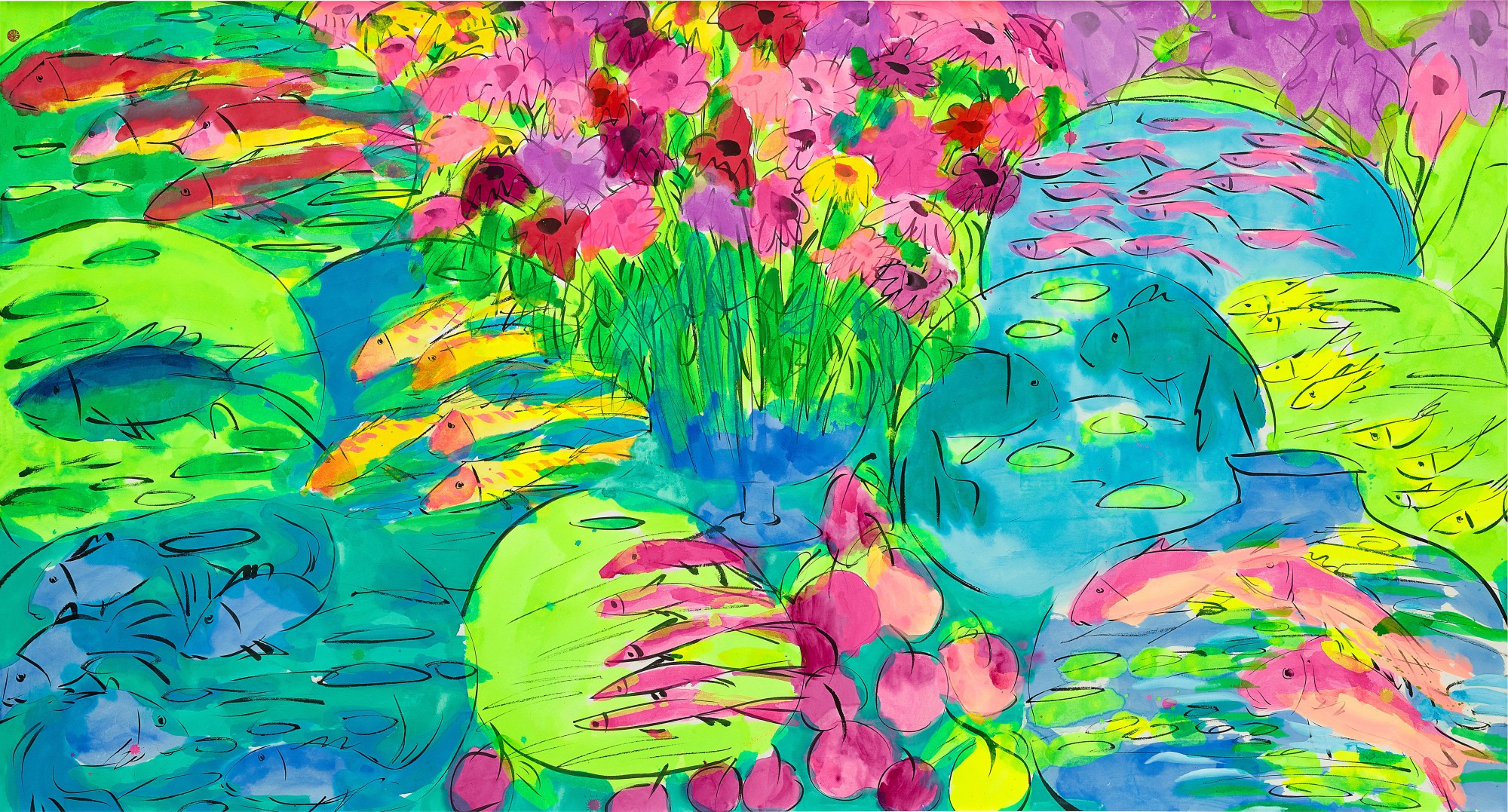
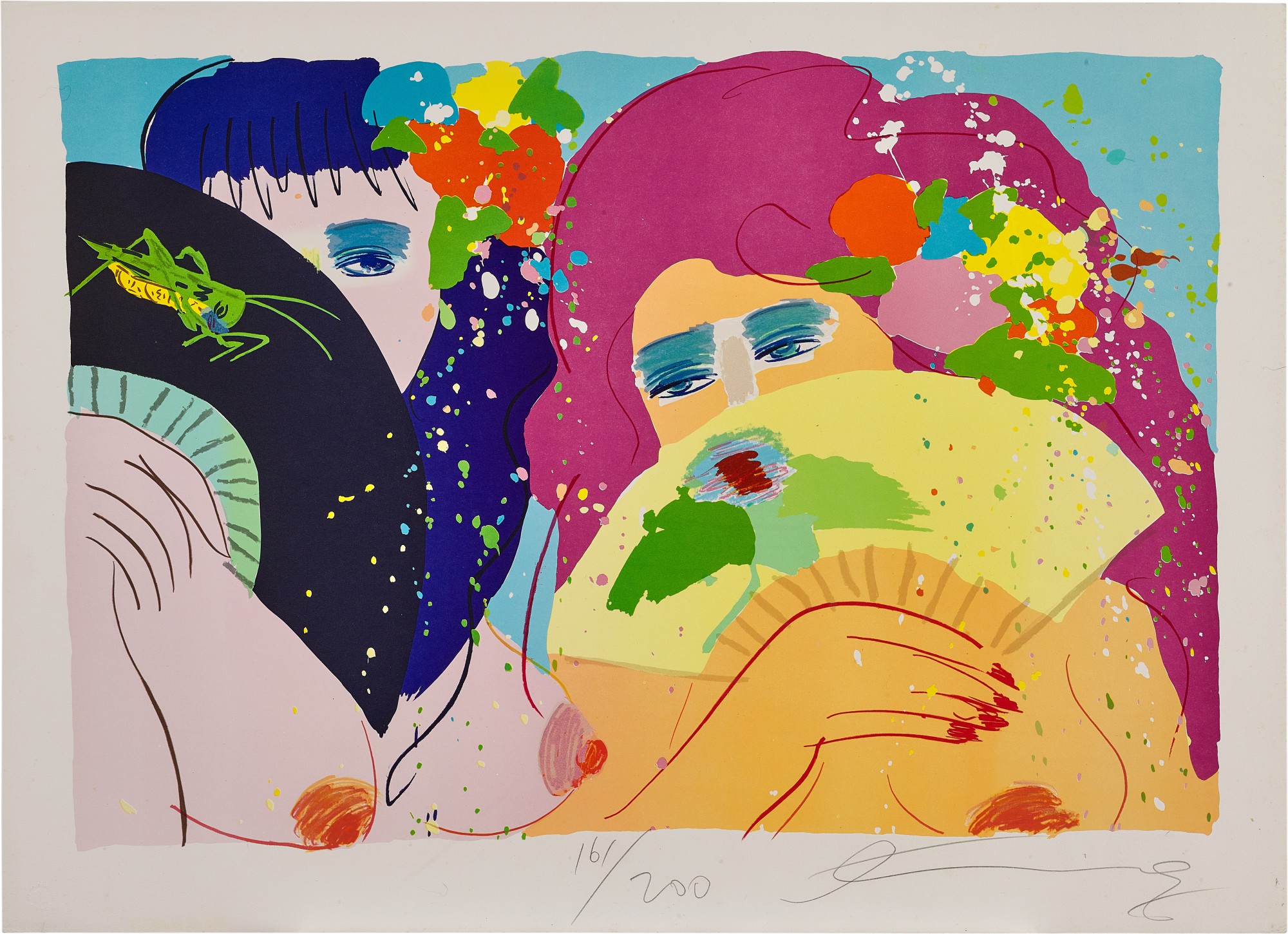
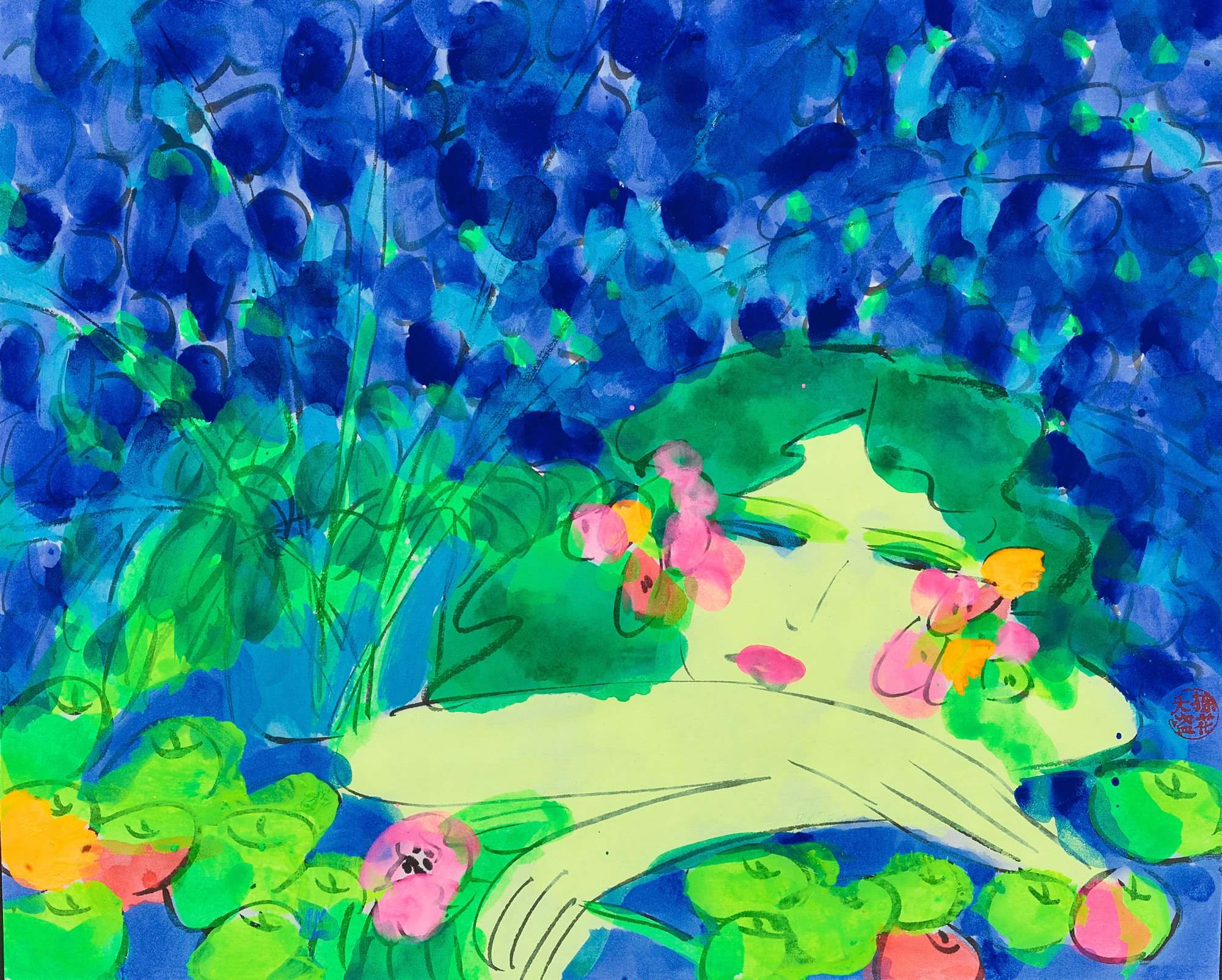
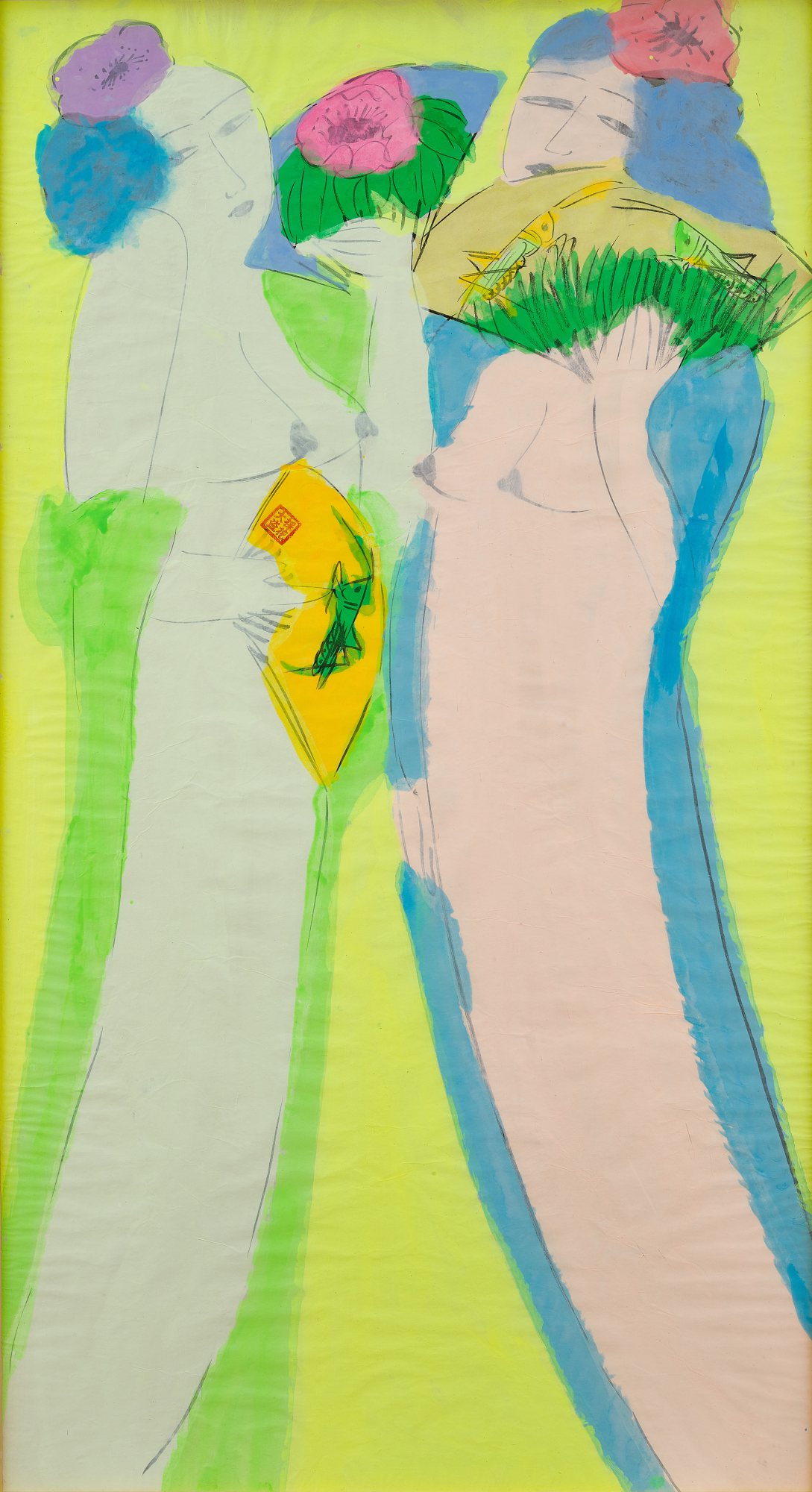
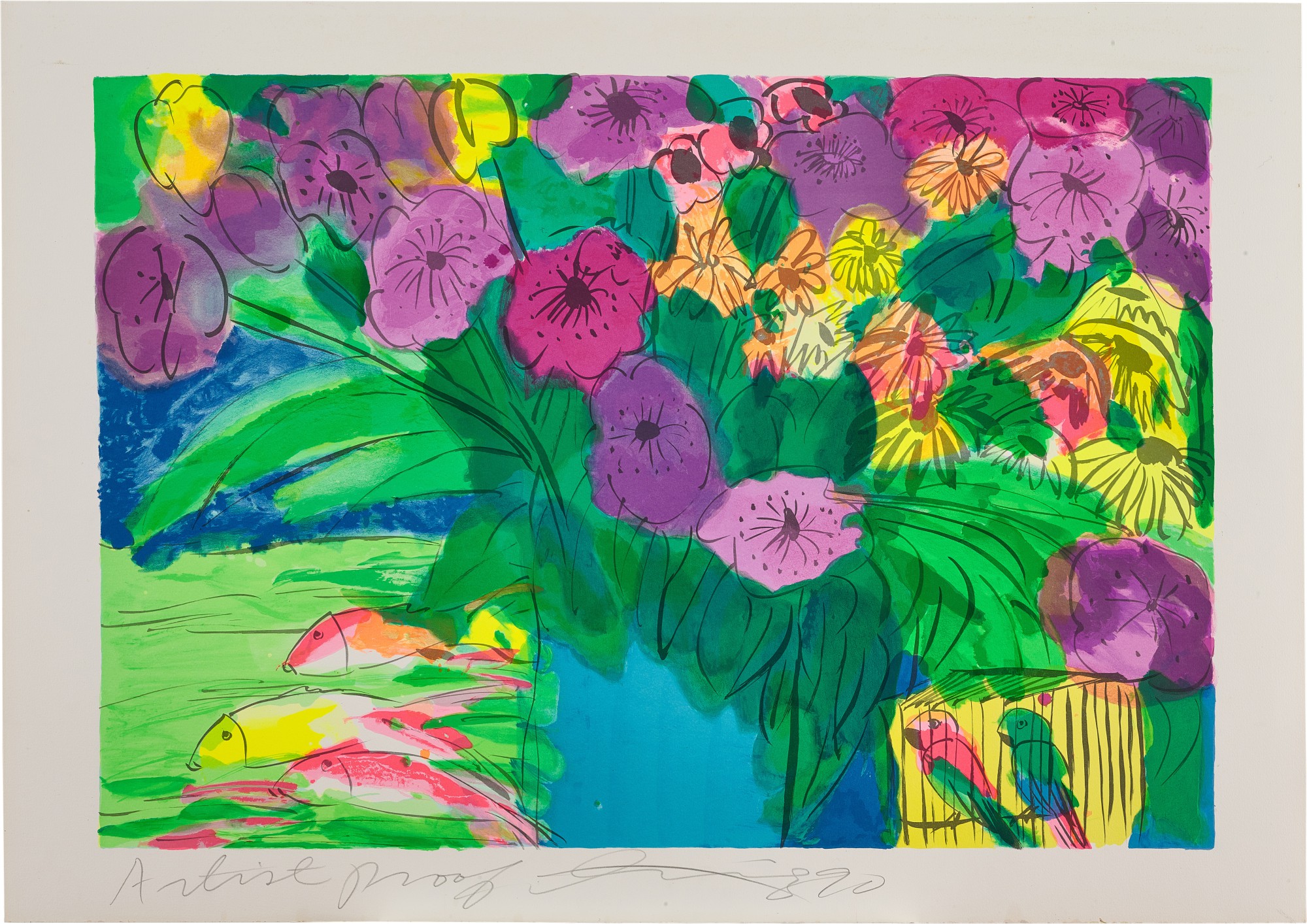
Walasse Ting
The Garden 花園, 1990
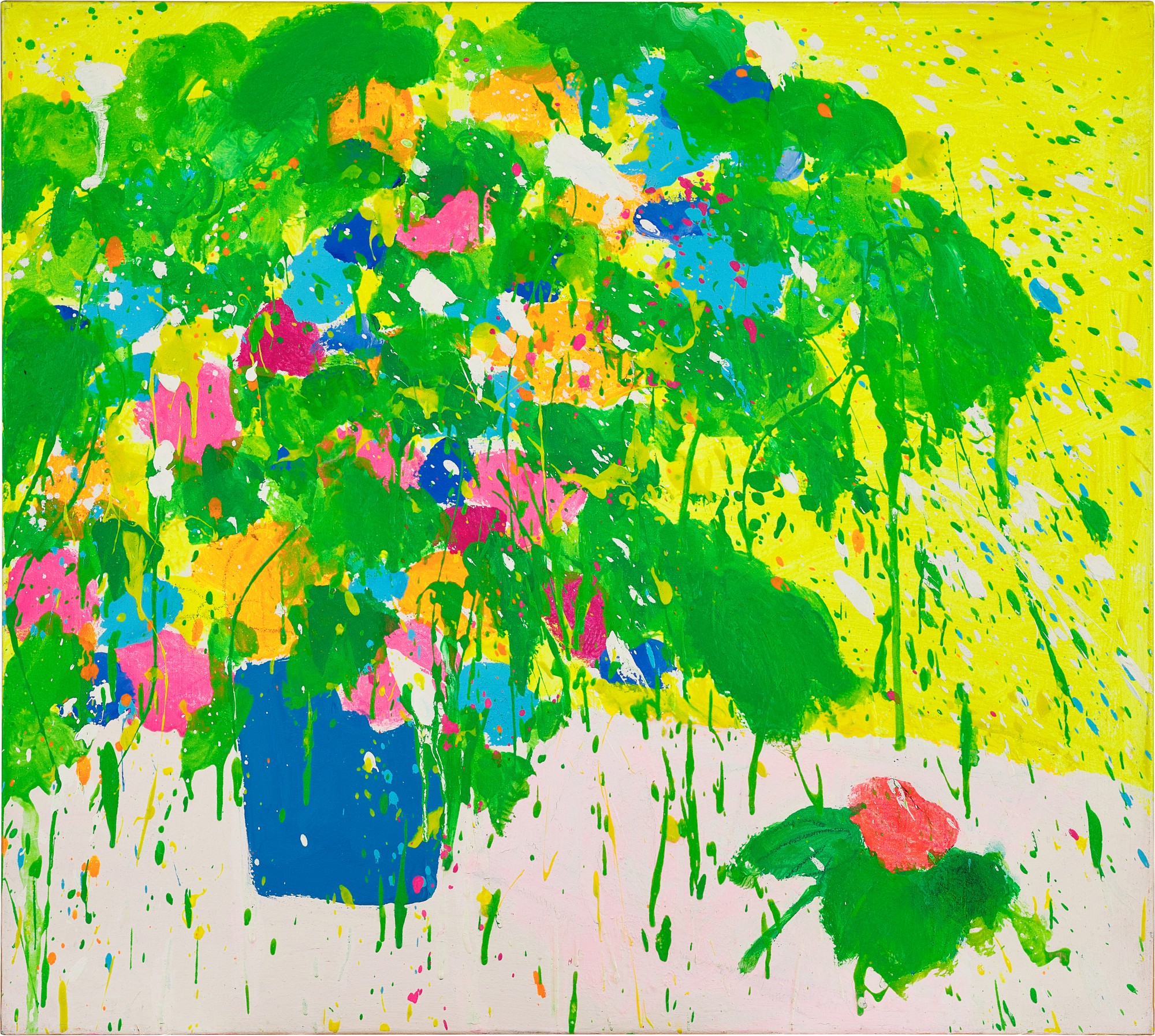
His paintings combined the spontaneous line of Chinese calligraphy with the chromatic boldness of Abstract Expressionism and the frank sensuality of Pop, producing work that felt like it belonged everywhere and nowhere simultaneously. He was a close friend of Sam Francis, and in 1963 the two collaborated on a legendary artist's book called One Cent Life, featuring prints by Francis, Karel Appel, Roy Lichtenstein, and others alongside Ting's own poetry and images. It became one of the defining artist publications of the postwar period. Ting is well represented on The Collection, and spending time with those works is to understand how his energy never settled, how each canvas remained a kind of ongoing negotiation between discipline and release.
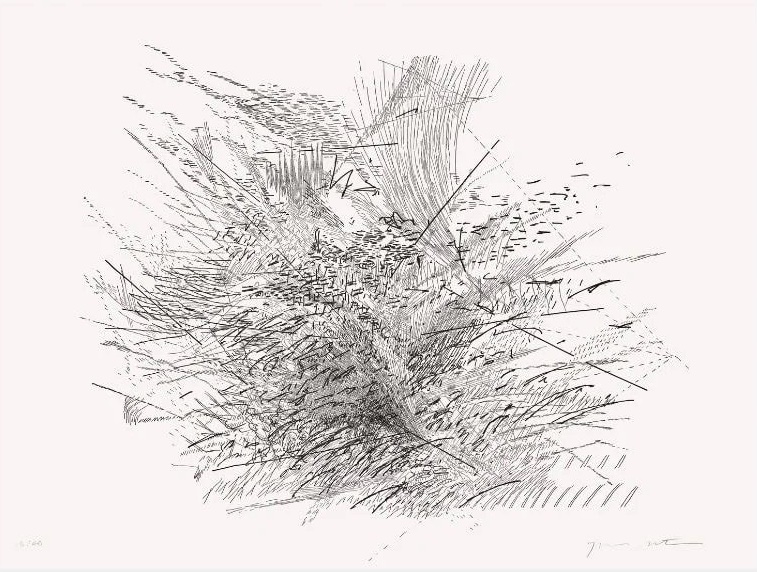
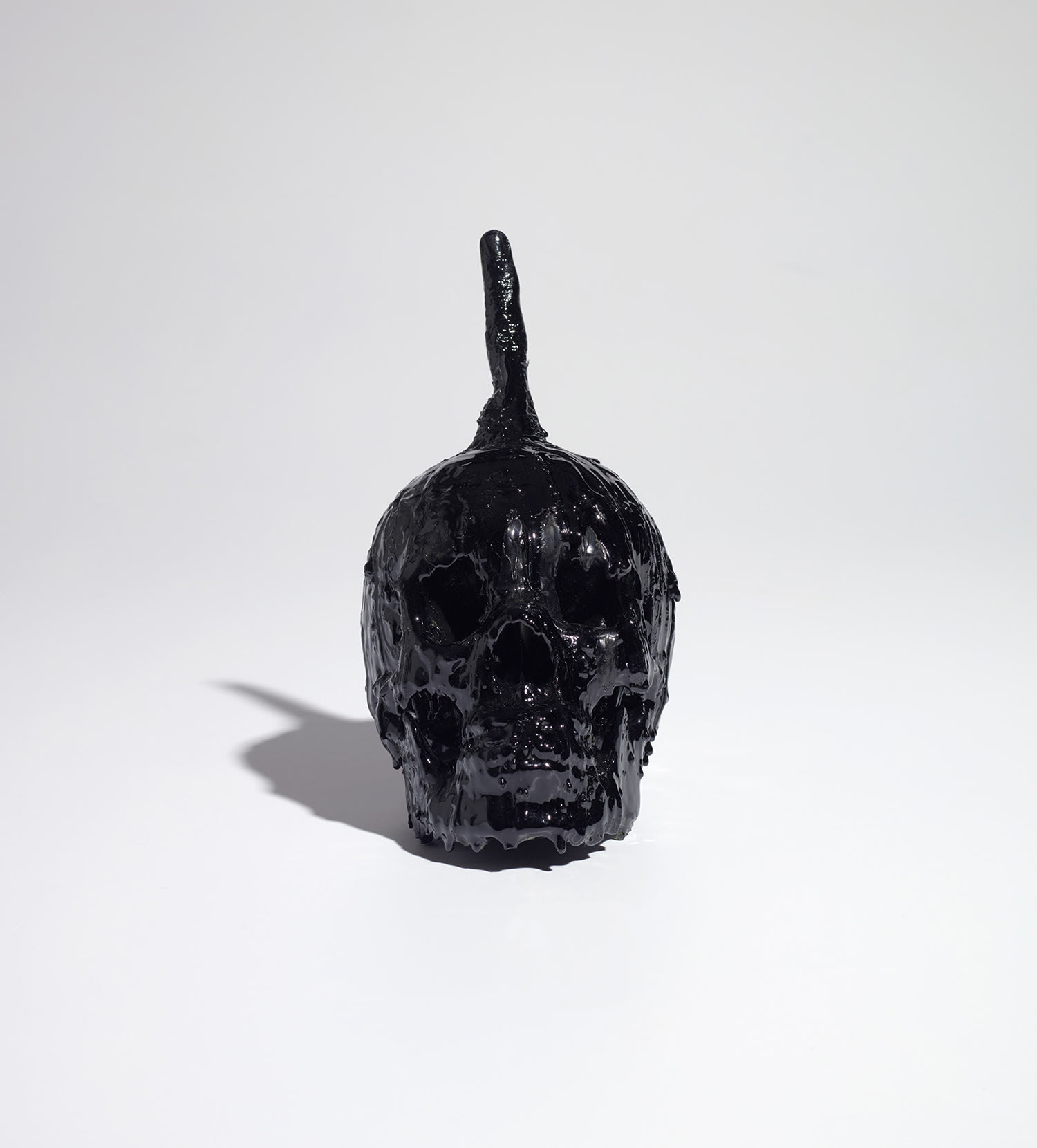
The conceptual possibilities of this dual inheritance took on new dimensions in the work of later generations. Terence Koh, born in Beijing in 1977 and raised in Vancouver and elsewhere, brought a completely different set of concerns to questions of identity and cultural positioning. His practice has encompassed sculpture, performance, installation, and drawing, and his work engages with queerness, spirituality, and the abject alongside any straightforward reckoning with ethnic or national identity. His presence in The Collection points toward the way younger artists refused the tidier narratives their predecessors had sometimes been pressed into, insisting on complexity rather than resolution.
Terence Koh
Treasure Your Vanity, 2008
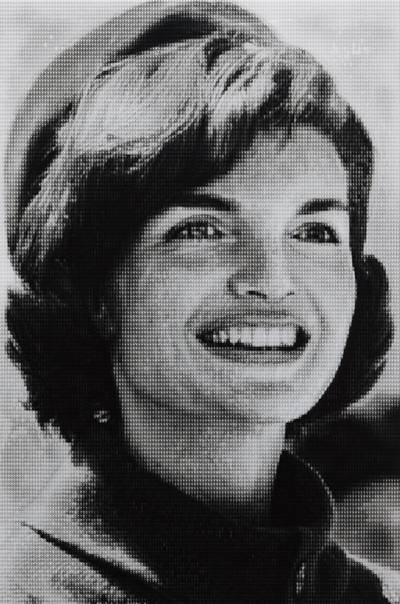
Alex Guofeng Cao, working at the intersection of painting and photography with a practice deeply engaged with popular culture and historical imagery, represents yet another register, one in which the question of what counts as Chinese and what counts as American has become almost productively unanswerable. What connects these artists across their considerable differences is less a shared style than a shared structural condition. Each has worked within an art world that alternately exoticized and ignored Chinese American contributions, that sometimes celebrated the surface novelty of cultural mixture without reckoning with its actual history and cost. The critical rediscovery of Yun Gee in the 1990s and 2000s, with renewed scholarly attention and institutional retrospectives, offered a partial corrective, as did the broader surge of interest in Asian American art history that gained momentum after 2020.
But the work was never waiting for permission. It had been there all along. Technically, what distinguishes so much of this tradition is the question of the line. In Chinese painting, the brush line carries the fundamental expressive weight, communicating the temperament of the painter through its pressure, speed, and continuity.
Dong Kingman
Hong Kong Harbor 香港海灣, 1981
When artists trained in that sensibility encountered Western painting, they brought that understanding with them, and the results were genuinely new syntheses rather than simply hybrid curiosities. Ting's line is unmistakable in this regard, as is Gee's restless contour work. The line becomes a kind of signature of the whole negotiation. For collectors today, the field of Chinese American art represents one of the genuinely underexplored areas of twentieth century modernism, with significant figures still awaiting the full critical and market recognition their work merits.
There is also the pleasure of discovering how much richer the story of American art becomes when it is told with these voices fully included, not as a supplement to a primary narrative but as central to how modernism in this country actually developed. The works gathered on The Collection offer a real opportunity to engage with that history on its own terms, with curiosity and the kind of sustained attention that good art always asks for and always rewards.