Children Subject

Micha Klein
The Arrival of the Rainbow Children


Small Figures, Outsized Power: Collecting Childhood
There is something almost irrational about the pull a great work depicting children exerts on a collector. It bypasses the analytical mind entirely and lands somewhere older and more vulnerable. Collectors who come to this subject often describe the experience in physical terms: a tightening in the chest, a sudden stillness in the gallery. What they are responding to is not sentimentality, though that trap is always nearby.
They are responding to the fact that childhood, rendered by a serious artist, becomes one of the most concentrated mirrors we have for questions about innocence, power, memory, and the passage of time. Living with such a work means agreeing to be unsettled by it, again and again, in ways you cannot always predict. The distinction between a good work and a great one in this subject area often comes down to whether the artist has resisted the obvious. The greatest works in this category refuse to be charming on demand.
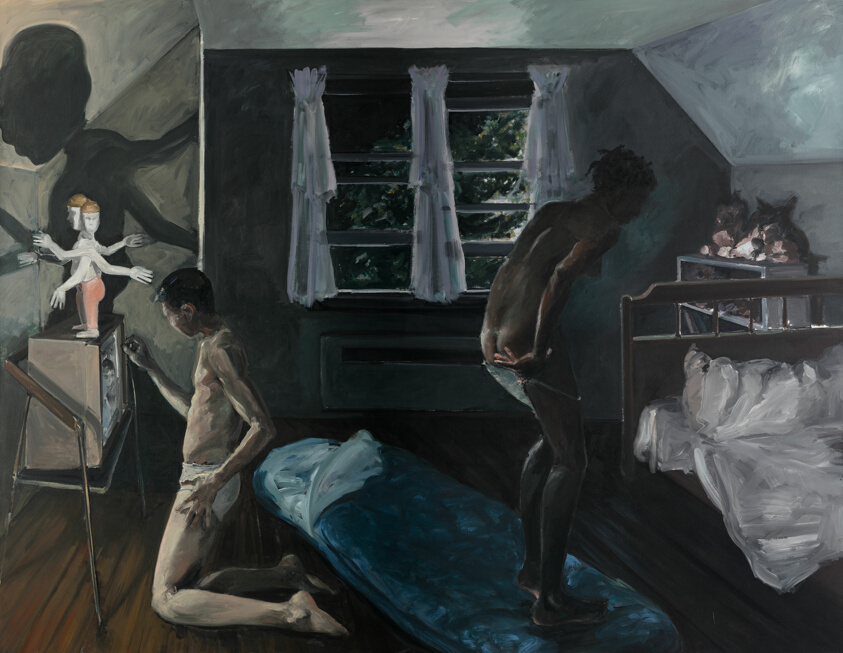
Eric Fischl
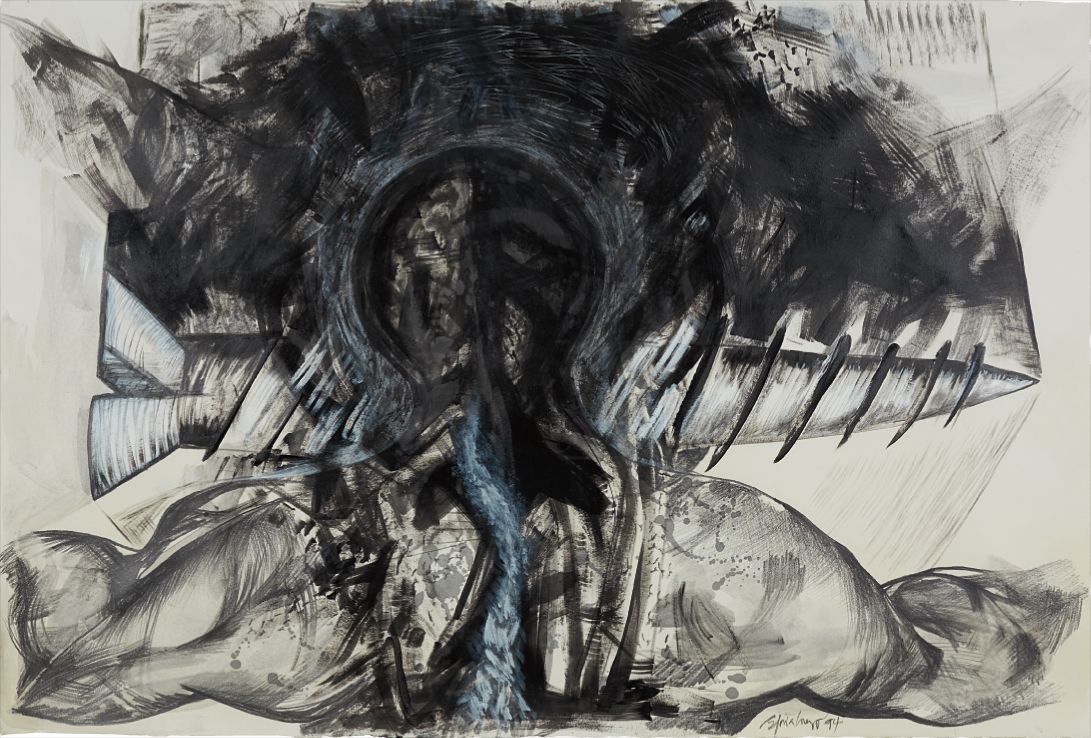
Digging Kids
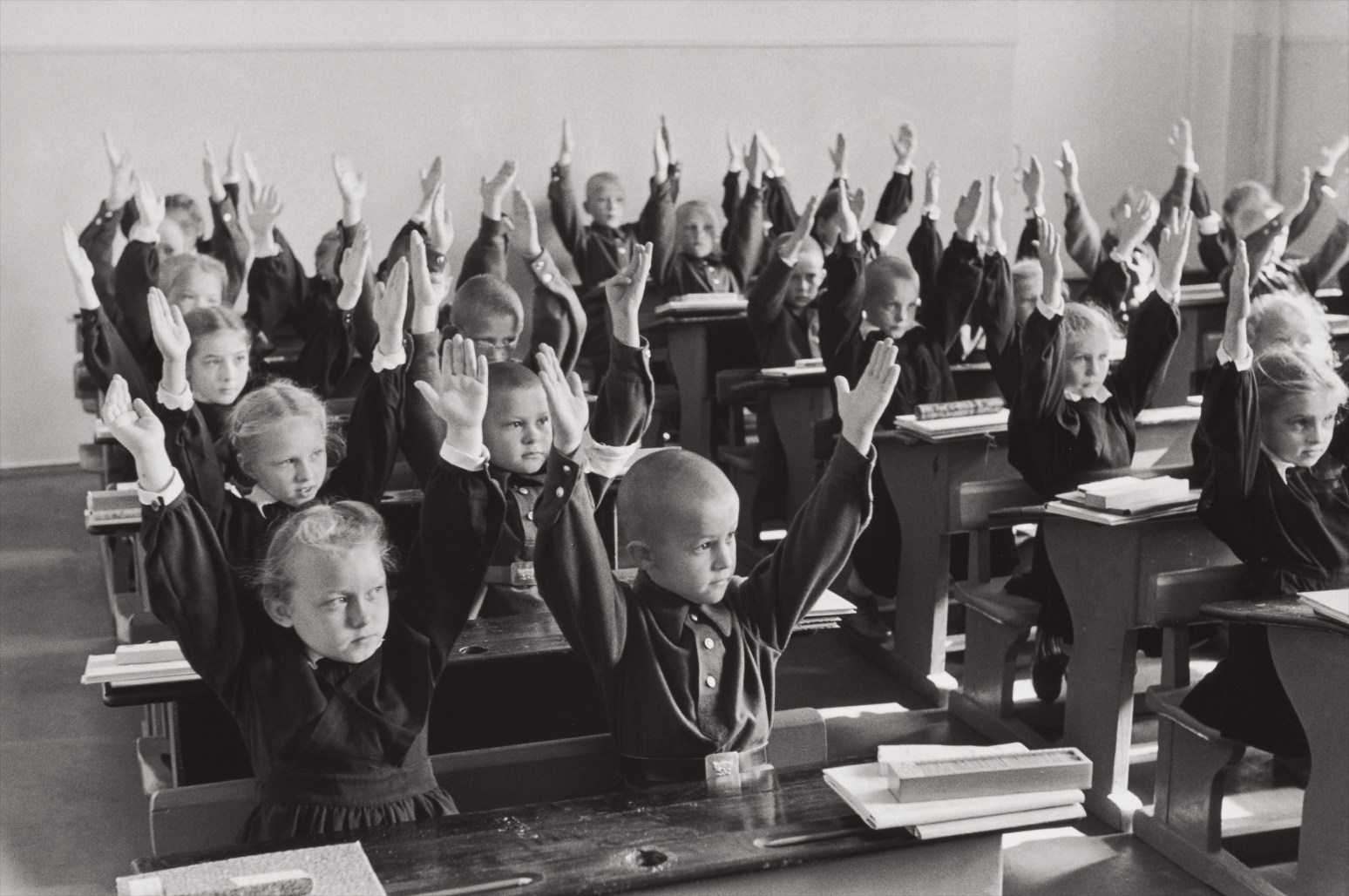
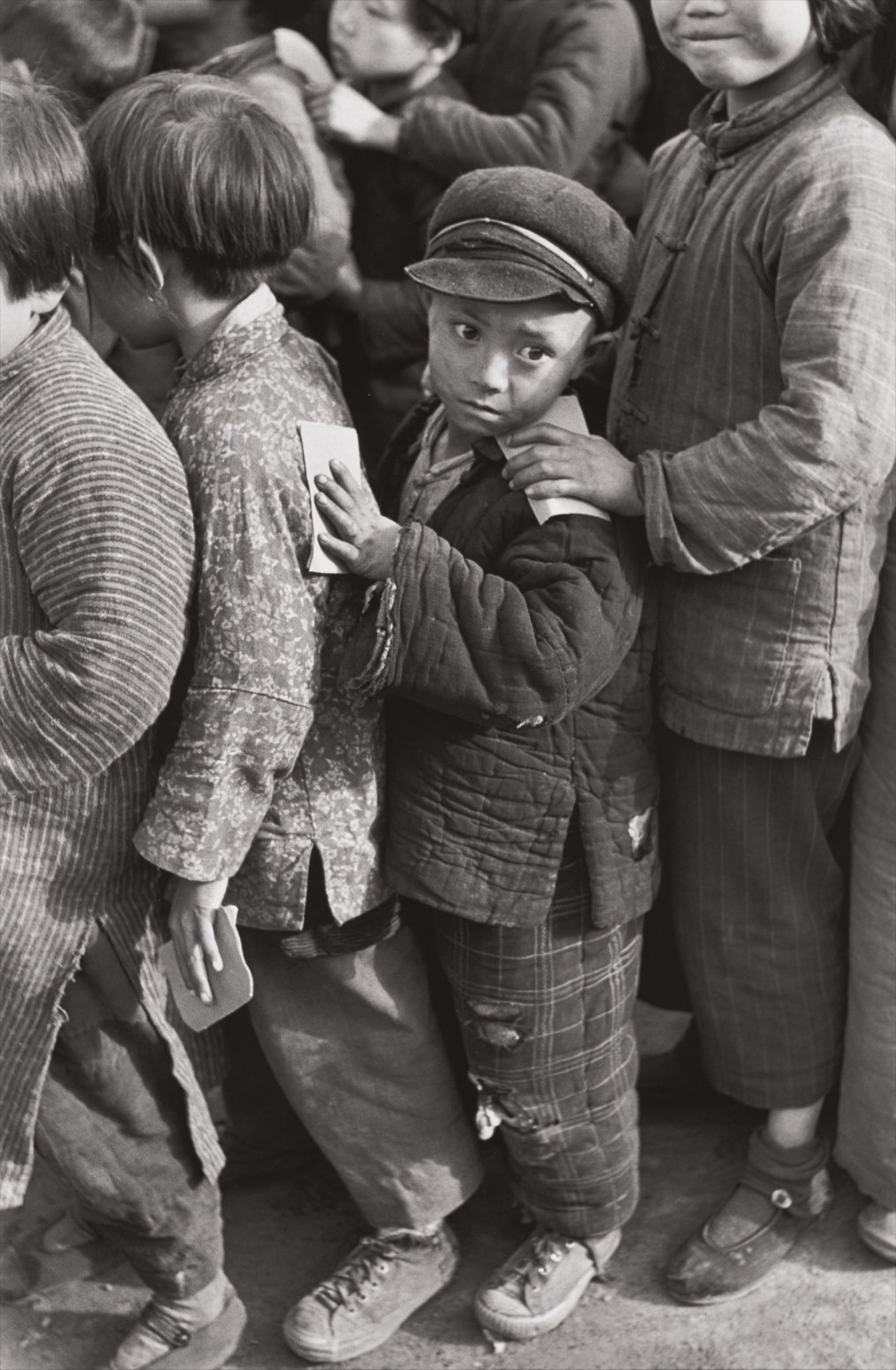
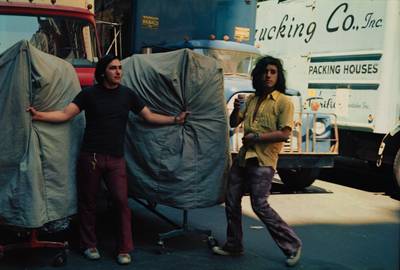
Henri Cartier Bresson understood this instinctively. His photographs of children in motion, taken throughout the 1930s and 1940s across Europe and beyond, never reduce their subjects to symbols of innocence. Instead they catch something genuinely strange: a child mid leap in a bombed out Seville lot, joy and ruin occupying the same frame without explanation or apology. When you are assessing a work in this category, ask whether the artist is looking at the child or through the child toward something larger.
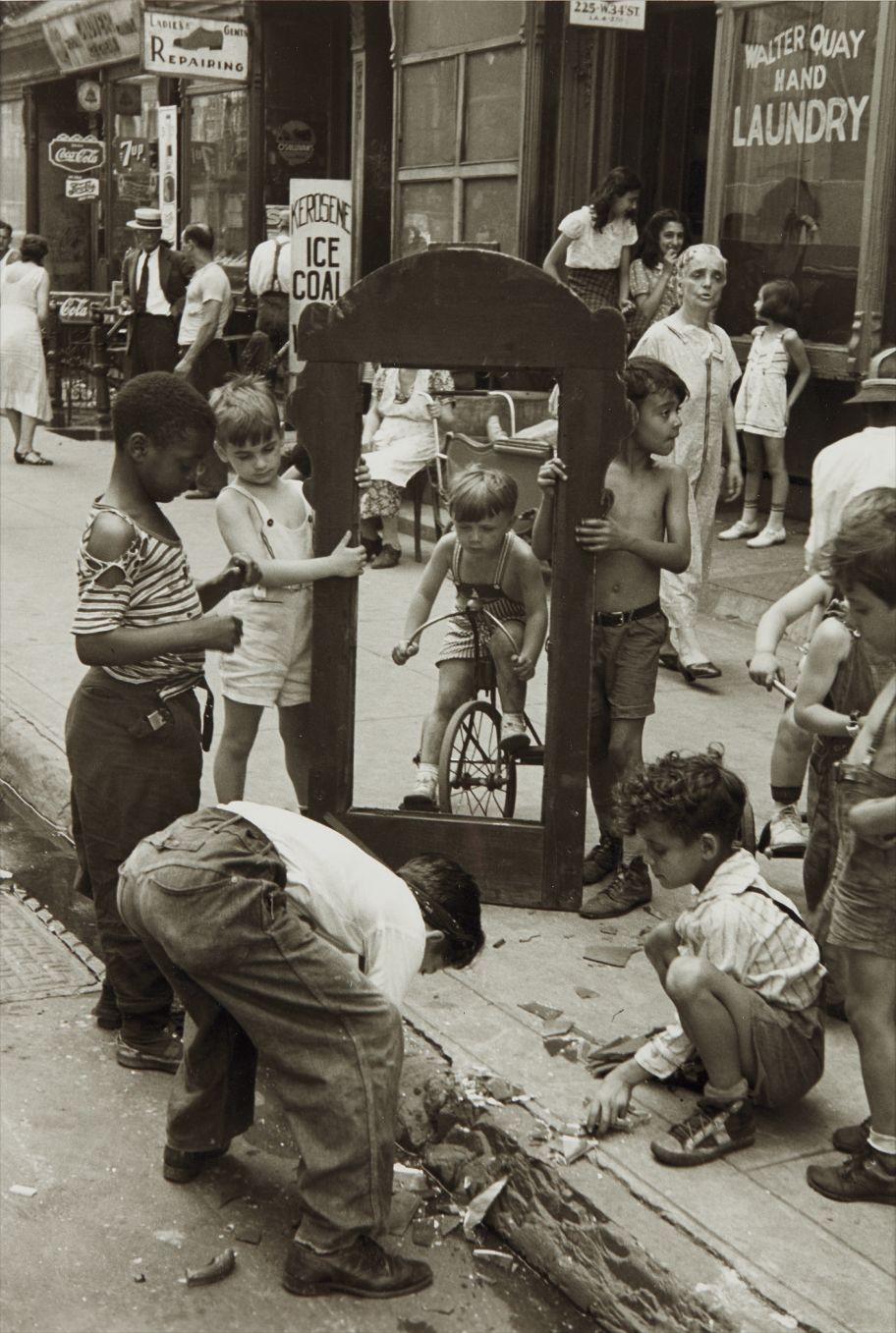
The most collectible works do the latter. Helen Levitt occupies a singular position in this conversation. Her photographs of children playing in the streets of New York from the late 1930s onward have grown enormously in critical stature over the past two decades, and the market has begun to catch up with that reassessment. Levitt rarely showed her subjects as passive or picturesque.
Helen Levitt
New York (broken mirror)
She found in street play a kind of spontaneous surrealism, children drawing chalk figures on tenement walls and wearing masks that seemed to come from dreams rather than dime stores. Works from her earliest period in particular are considered foundational documents of humanist photography and represent strong long term value for collectors who can access them. The secondary market for her prints has tightened considerably, especially for vintage silver gelatin examples. For collectors interested in painting and the more contested emotional territory this subject opens up, Eric Fischl is essential.
His large scale figurative canvases from the 1980s onward examined American suburban life with an unflinching, even clinical eye, and children appear in his work not as focal points of innocence but as witnesses and participants in adult discomfort. His 1984 painting Sleepwalker became a flashpoint in debates about figurative painting, propriety, and the male gaze, and that charged critical history has kept his market active and serious. Fischl's work rarely appears at auction without generating significant interest, and prices for major canvases have remained robust through multiple market cycles. The Japanese artist Yoshitomo Nara and the Chinese painter Liu Ye both approach childhood through a lens of cultural translation that makes their work particularly resonant for international collectors.
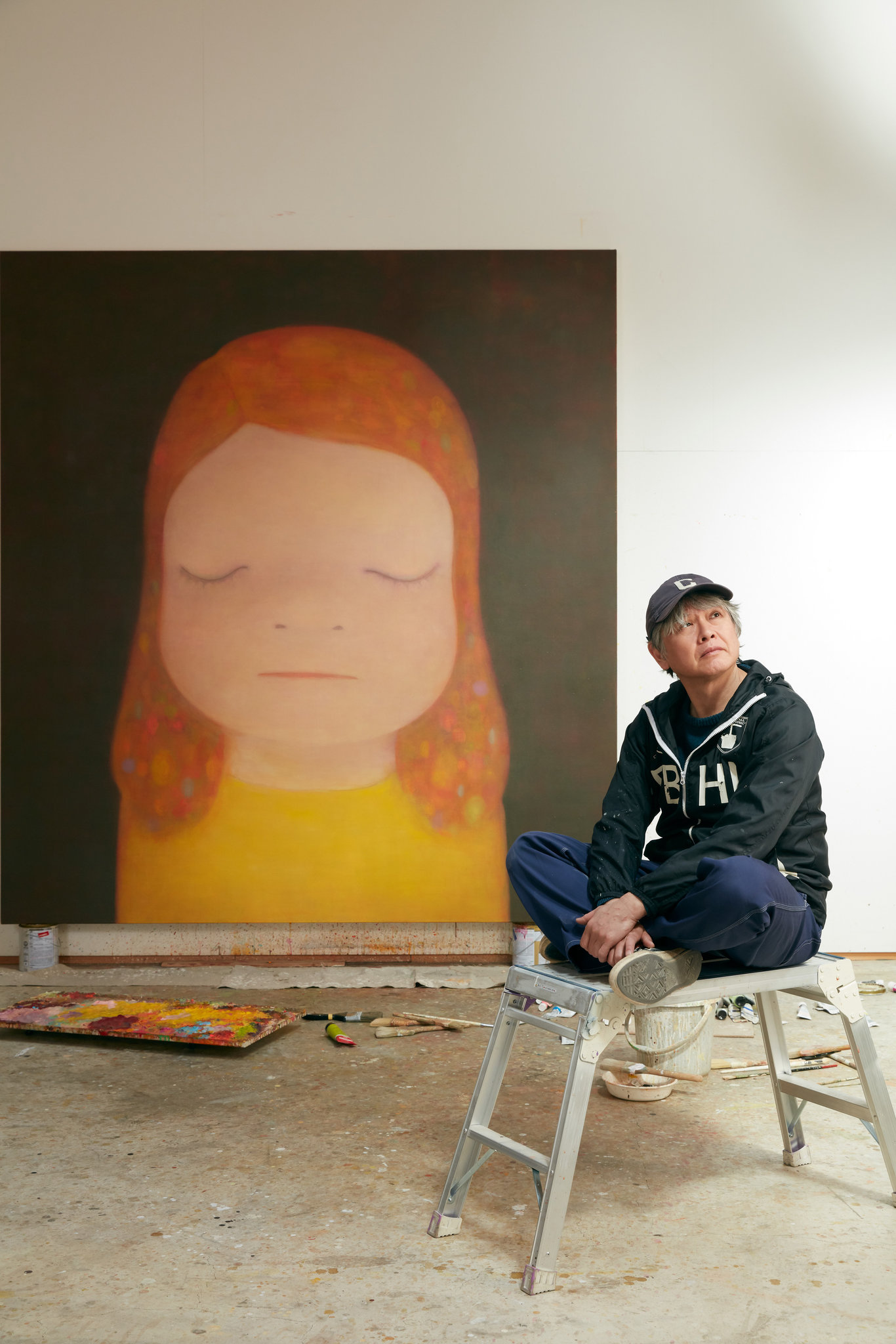
Yoshitomo Nara
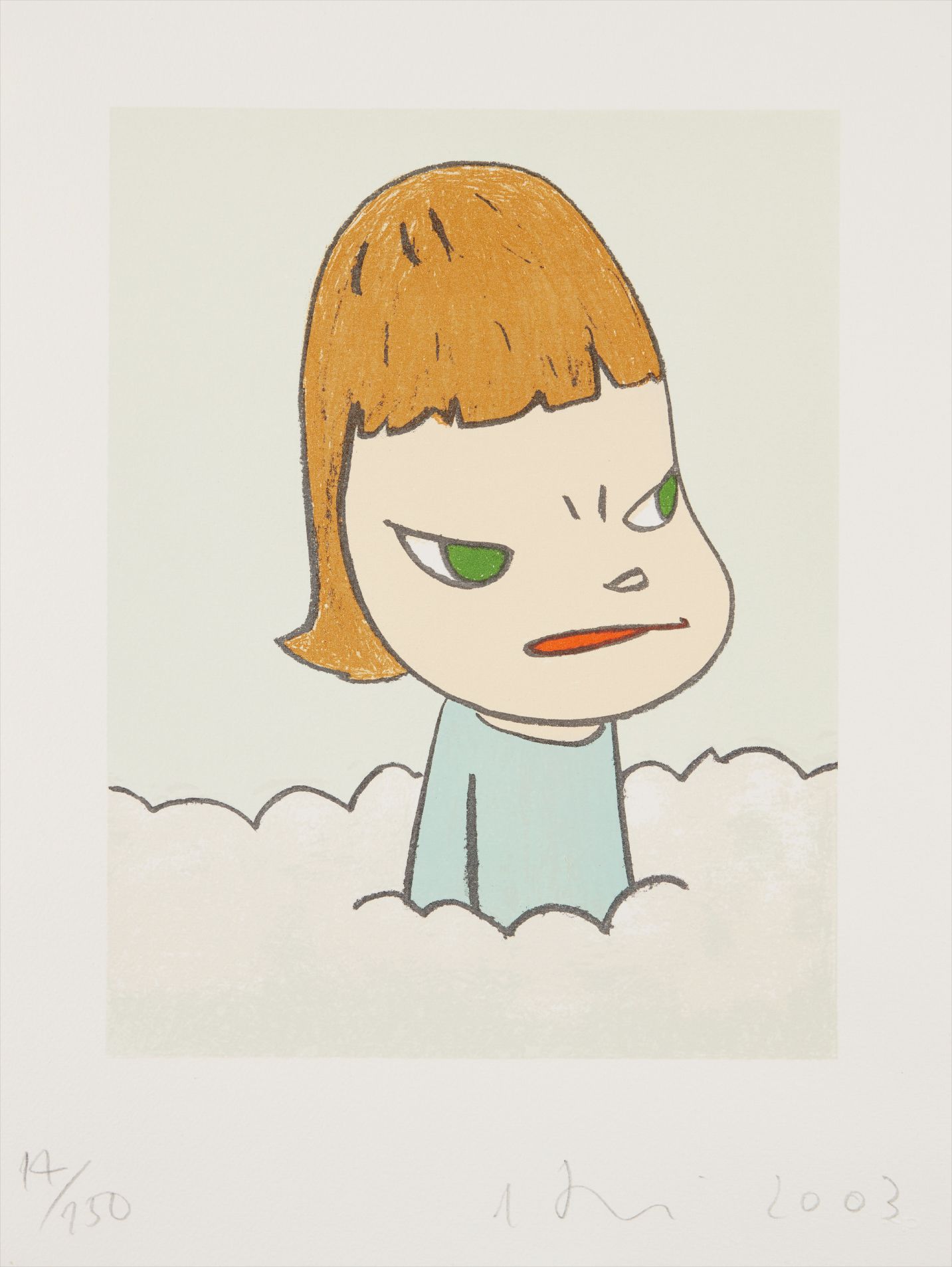
In the Clouds
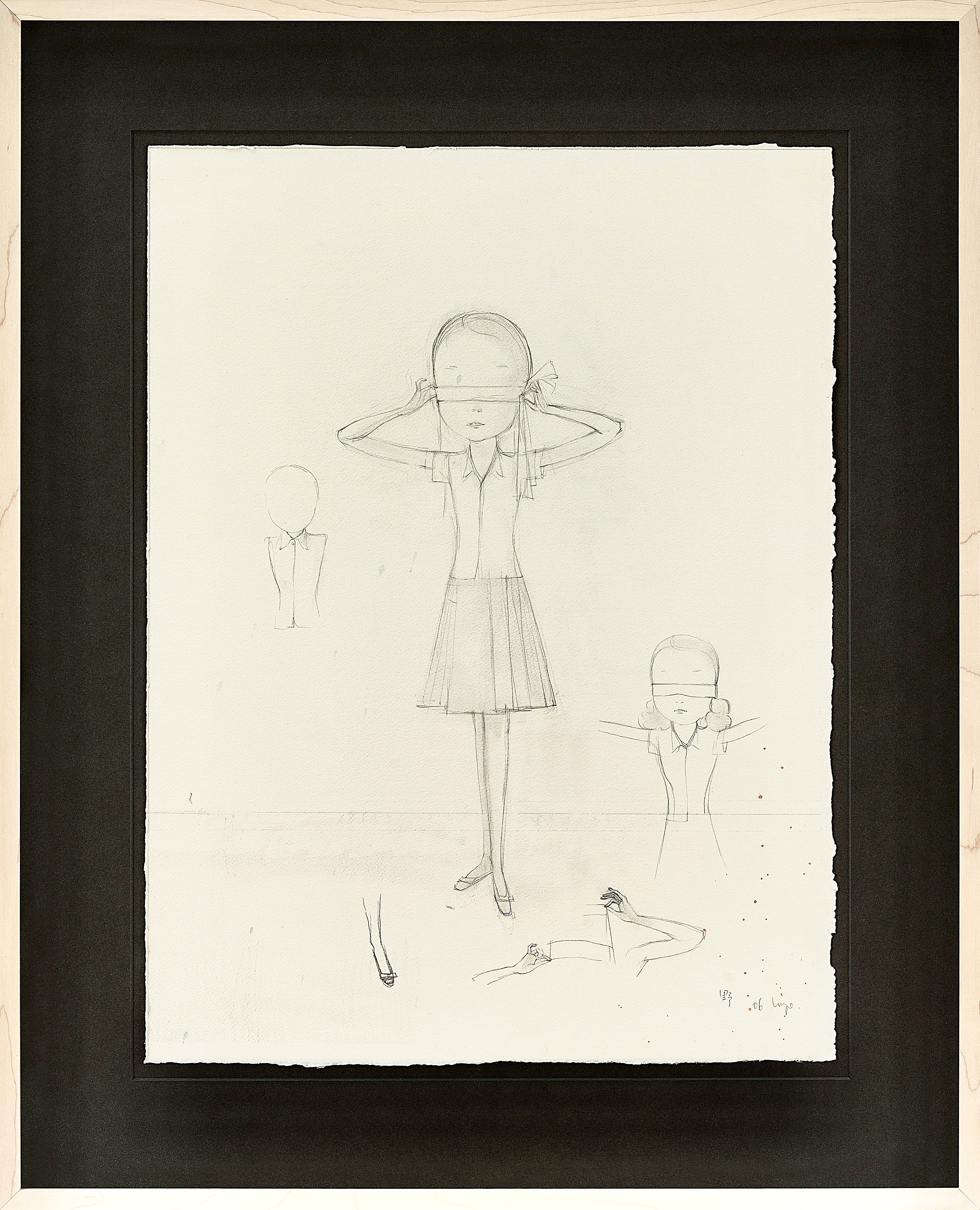
Nara's lone children, defiant and dreamy in equal measure, arrived in the early 1990s as a response to what he described as the loneliness of living abroad in Düsseldorf, far from Japan. His work carries an unmistakable emotional signature and has performed exceptionally at auction across Asia, Europe, and the United States. Liu Ye, whose paintings reference picture book illustration and Northern European modernism, has built a quieter but equally serious following. His children exist in a space between fairy tale and melancholy that rewards prolonged looking.
Both artists are well represented on The Collection, and both have established track records that give collectors genuine confidence. In the photography market specifically, the question of editions versus unique works is worth careful attention. Cartier Bresson prints made during his lifetime under the supervision of the Magnum archive carry different weight than later estate prints, and the documentation supporting a print's date and provenance matters enormously to serious buyers. The same applies to Alfred Eisenstaedt, whose warmly observed images of children at play carry a period charm that has sustained steady collector interest for decades.
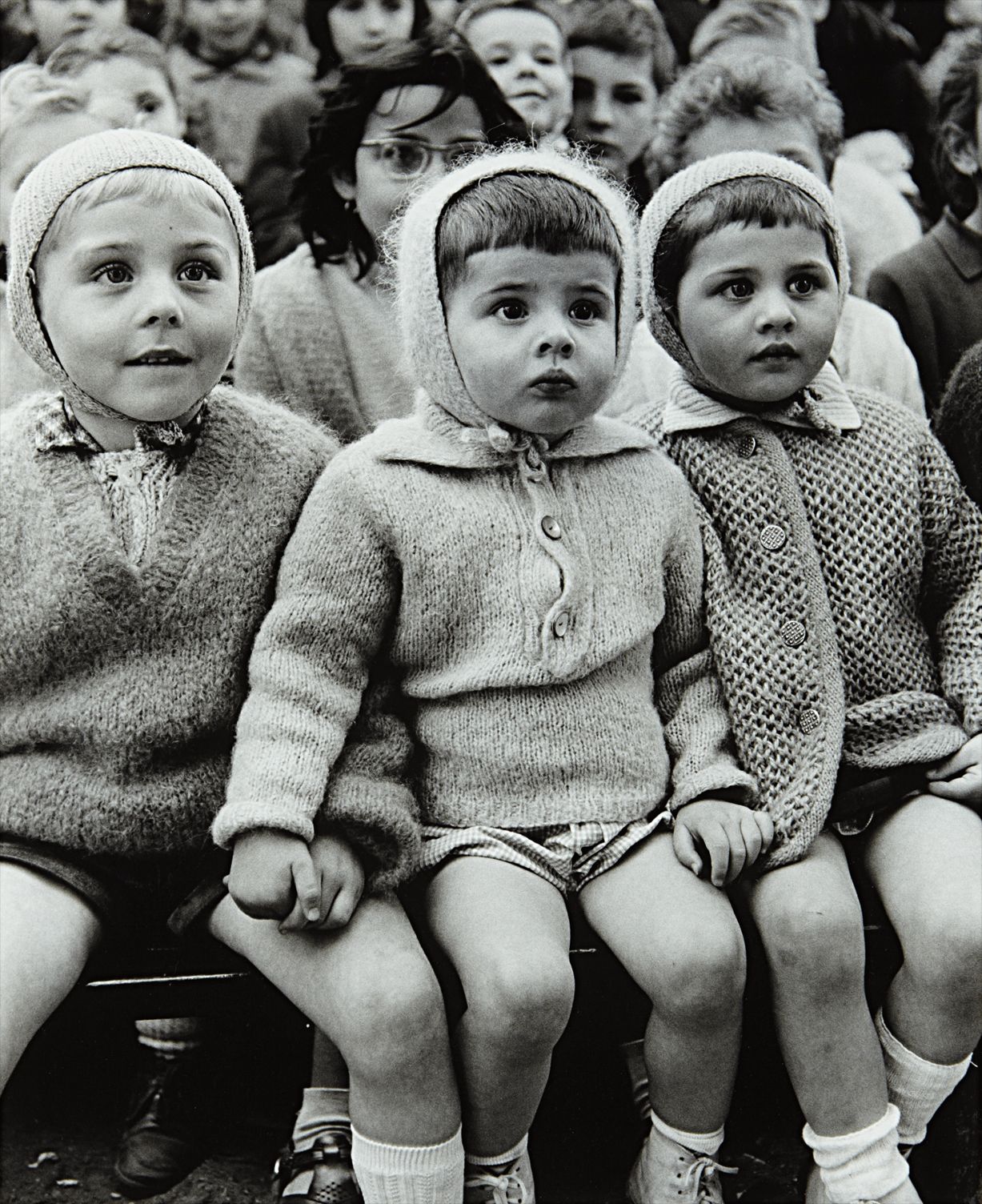
Alfred Eisenstaedt
Children at the Puppet Theater II, Paris
Always ask a gallery or vendor for the printing date, the edition number, and details about the paper and process used. For photographs, condition issues including fading, foxing, or improper mounting can significantly affect both value and the quality of the viewing experience over time. Among the more unexpected figures in this subject, Vik Muniz deserves serious attention. His reconstructed images built from unconventional materials, including chocolate, wire, and magazine clippings, often return to childhood iconography with a conceptual intelligence that places them in a different register from straightforward representation.
Muniz engages with questions about how images of childhood are constructed, circulated, and consumed, which gives his work a critical edge that pure sentiment never achieves. His market has been active at the secondary level, particularly for works from his Pictures of Magazines series from the early 2000s. For collectors newer to this category, a few practical notes are worth keeping close. Works on paper and photographs require consistent low light display conditions and UV protective glazing to prevent irreversible fading.
Unique oil paintings present fewer light sensitivity concerns but should be assessed carefully for past restoration, which is common in older works and not always disclosed upfront. Always ask galleries what conservation work, if any, has been performed on a piece. When considering editions, lower edition numbers within a print run are generally preferred by the market, though image quality and condition routinely matter more. The subject of childhood in art will always attract collectors who come to it first through feeling, but the ones who stay are those who learn to look past the feeling toward the formal and conceptual decisions that turn a touching image into an enduring one.