Cartographic
Chase Langford
Emerald Bay, 2009
Where Maps End and Meaning Begins
There is something primal about the urge to map. Long before photography, before perspective painting, before the written word had fully crystallized into the form we recognize today, human beings were scratching outlines of coastlines and trade routes onto clay and papyrus. The map is perhaps civilization's oldest act of abstraction, the translation of physical reality into a system of marks that can be understood, shared, and argued over. What is remarkable is how persistently that impulse has migrated into fine art, and how much urgency it has gathered in the contemporary moment, when the very idea of a fixed, authoritative geography feels more unstable than ever.
The roots of cartographic art as a conscious aesthetic and conceptual practice reach back at least to the twentieth century's engagement with Surrealism. The Surrealists were fascinated by maps as instruments of desire and distortion. In 1929, the journal La Révolution surréaliste published a famous world map that dramatically inflated the size of territories the movement found symbolically charged, shrinking or erasing those it dismissed. It was a provocation, but also an argument: that all maps encode power, and that the artist's job is to expose that encoding.
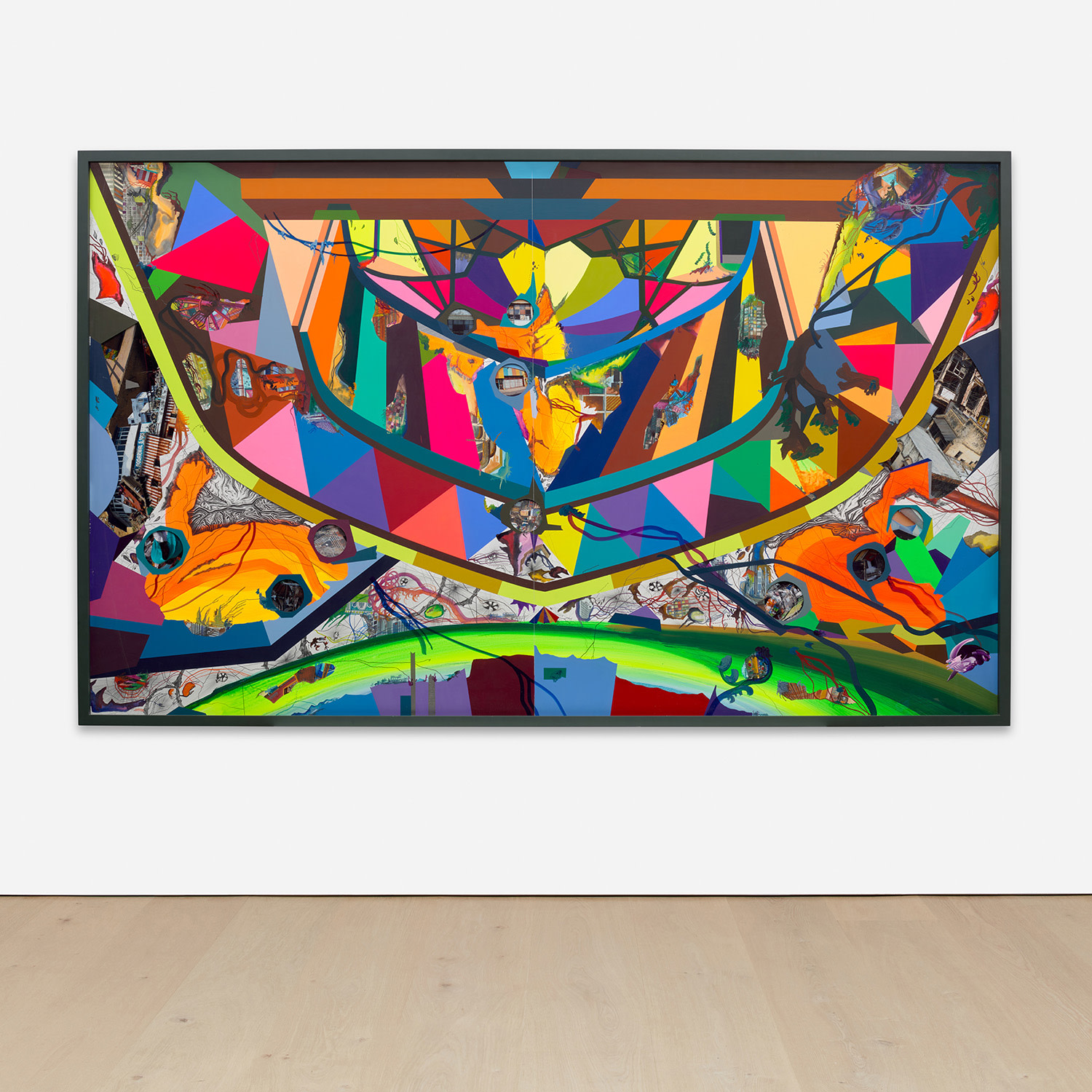
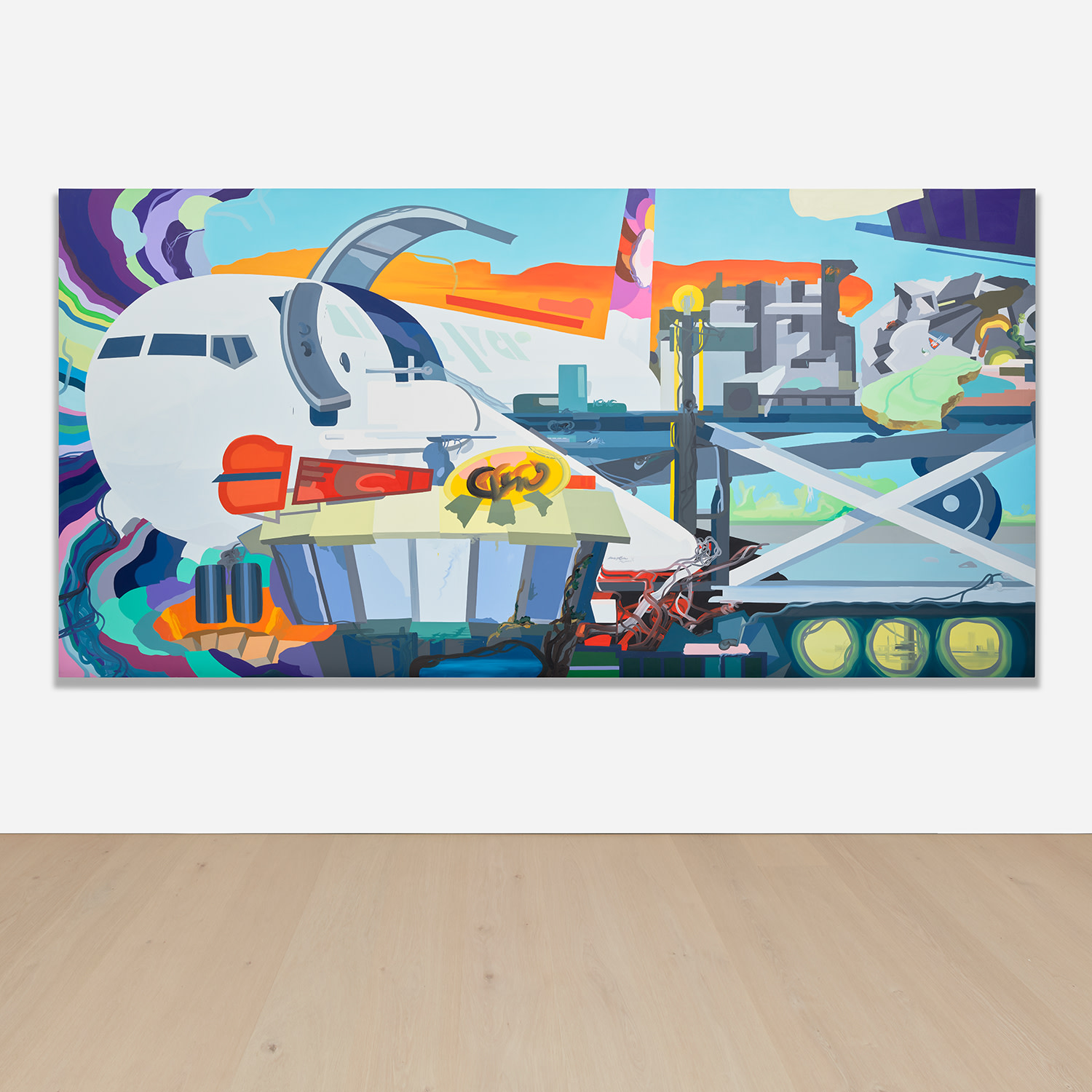
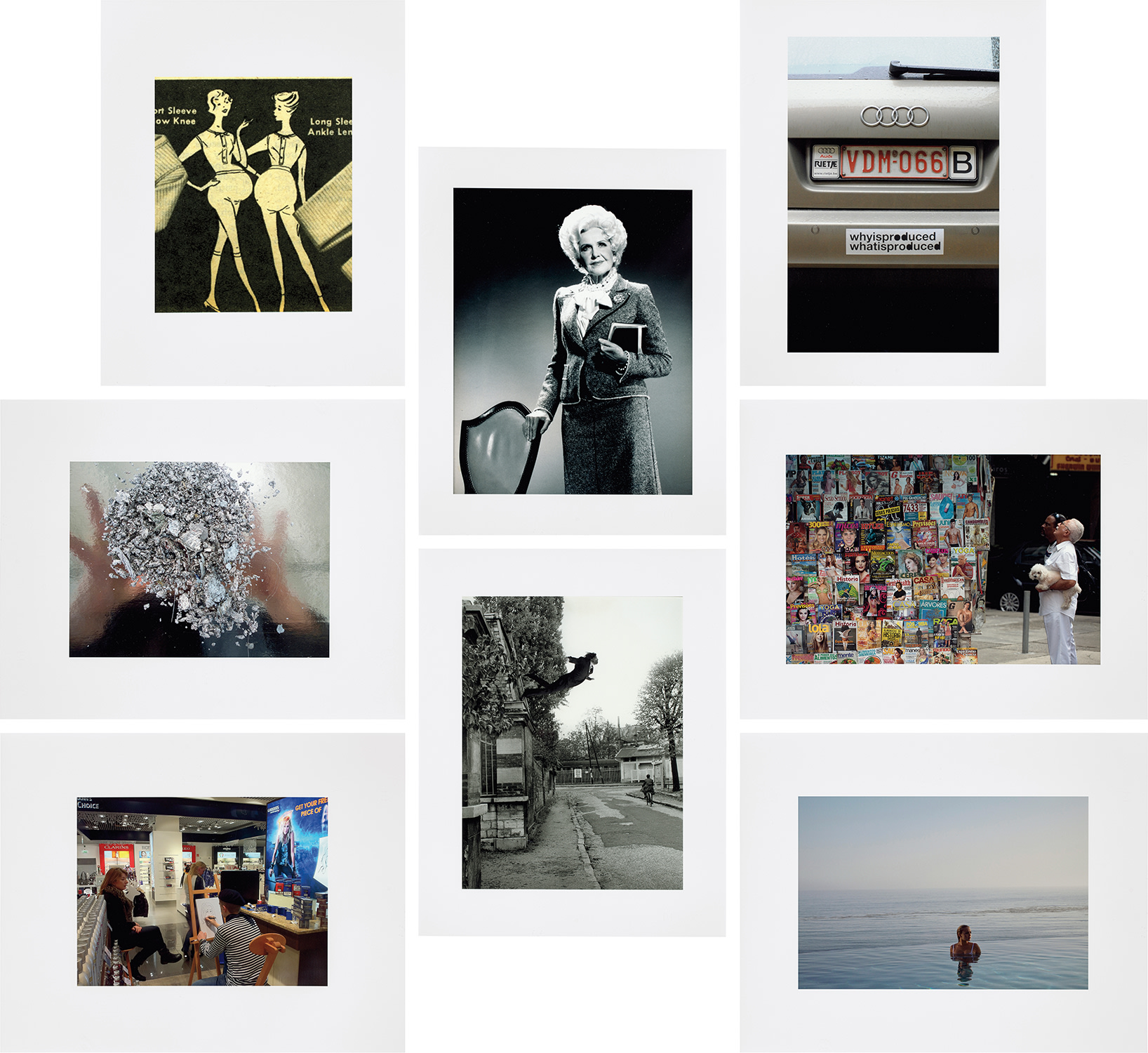
Franz Ackermann
Oh Delhi, 2012
This early challenge to cartographic authority planted a seed that would grow through Fluxus, Conceptualism, and beyond. By the 1960s and 1970s, artists working within Conceptual and Process art were treating the map as a primary medium rather than a reference tool. Jasper Johns had already done something quietly radical in the late 1950s, painting the United States as a flat, almost haptic surface in his Map series, draining the image of its authoritative certainty by making it obviously, lovingly handmade. The Italian Arte Povera movement engaged with territory and geography as political and material realities.
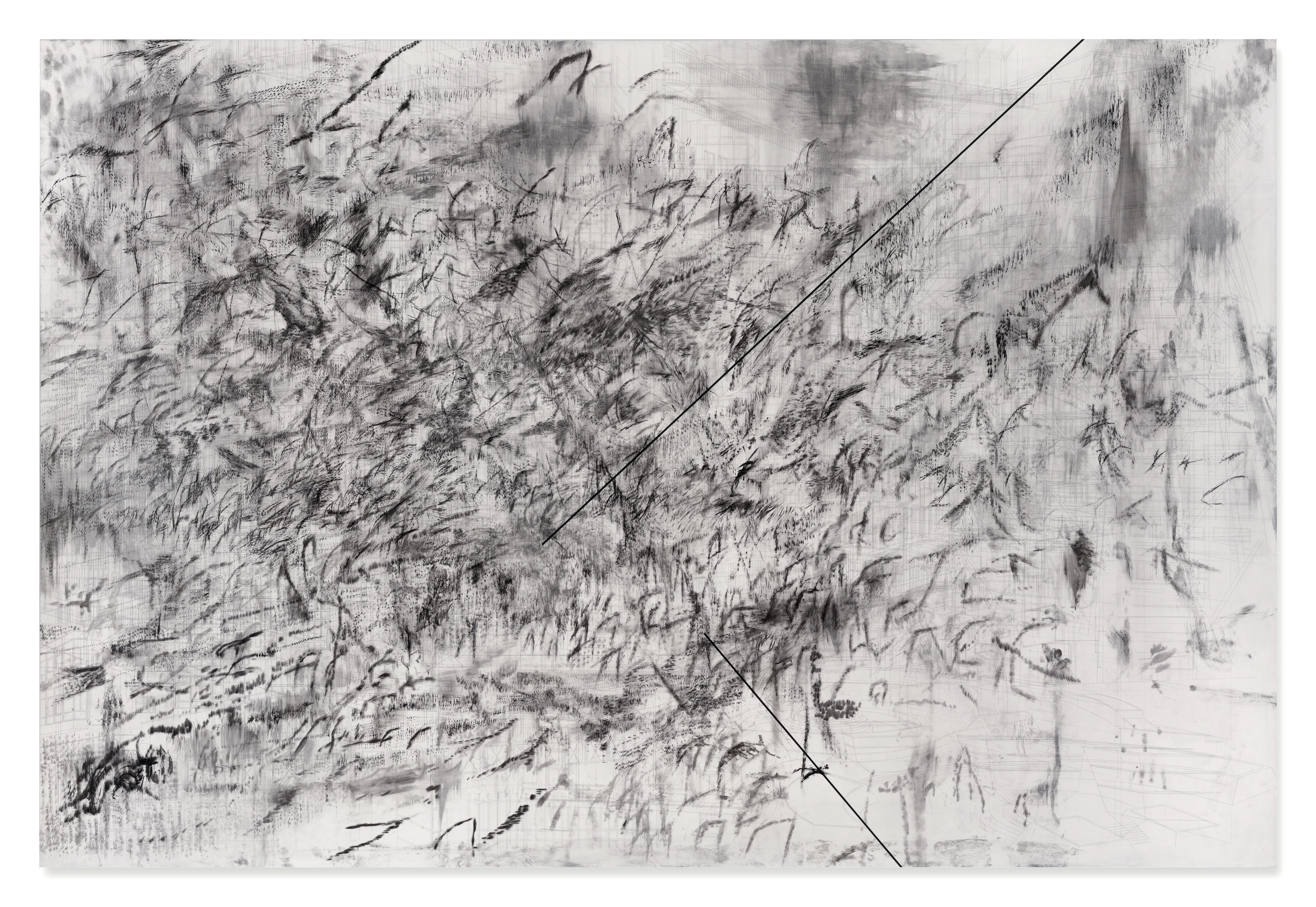
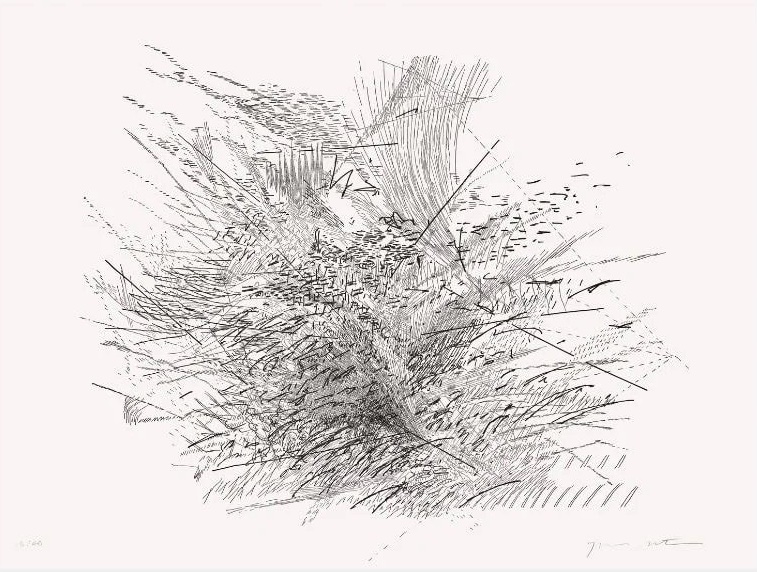
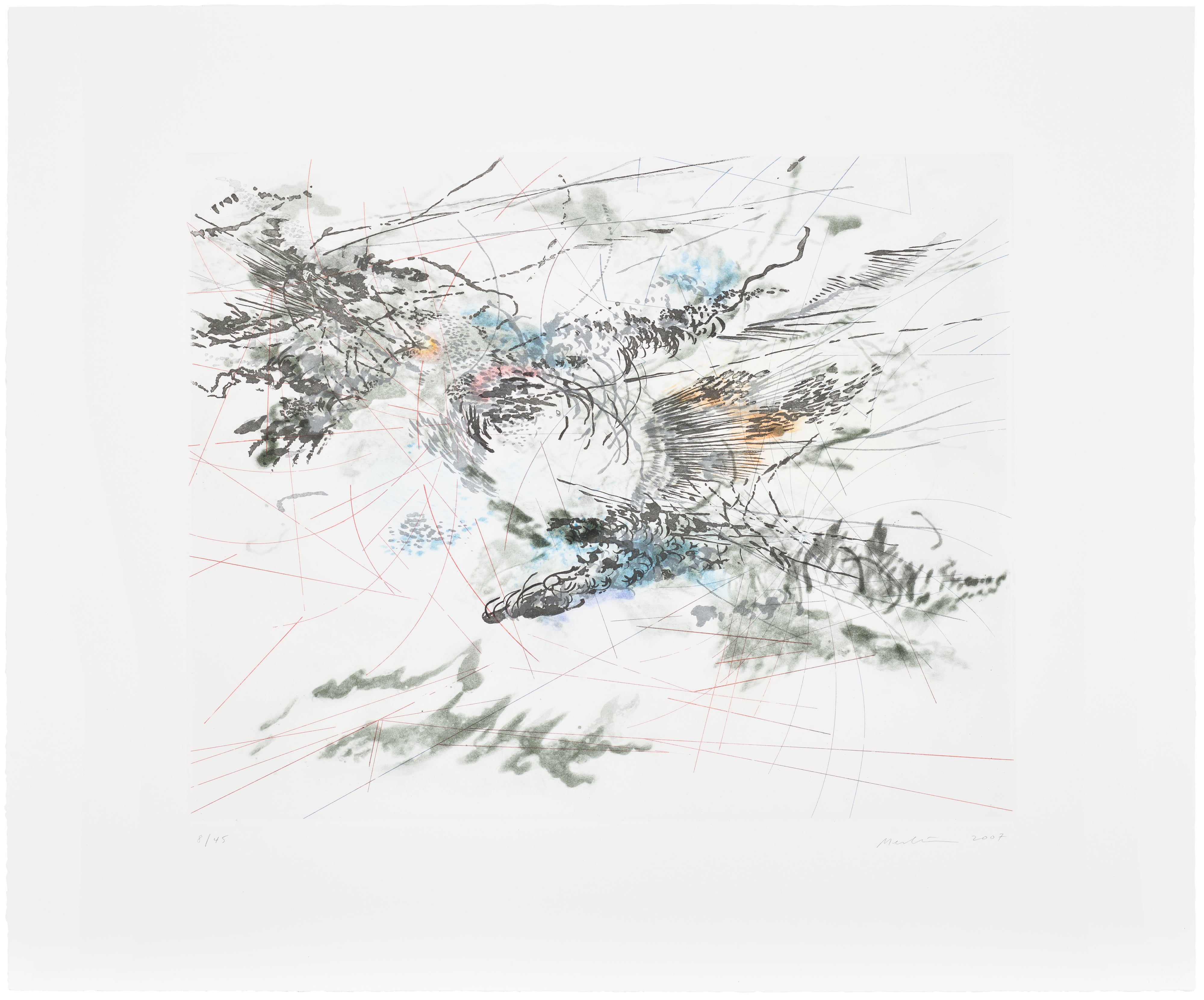
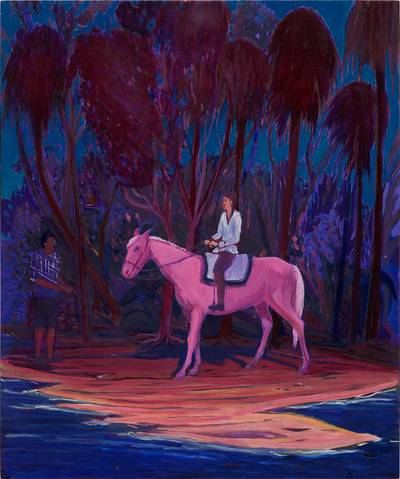
Later, artists associated with postcolonial theory would push harder still, asking whose knowledge systems get encoded in geographic representation and whose get left out entirely. It is within this long and contentious lineage that the cartographic work of Julie Mehretu finds its rightful place, and arguably its most electrifying expression. Mehretu, who was born in Addis Ababa and trained at the Rhode Island School of Design before completing her MFA at RISD in 1997, builds her monumental canvases from layers of architectural drawings, city plans, stadium diagrams, and historical maps, then erupts across their surfaces with gestural mark making that feels simultaneously global and cellular. Her large scale paintings read as histories of movement and displacement, of empire and rupture.
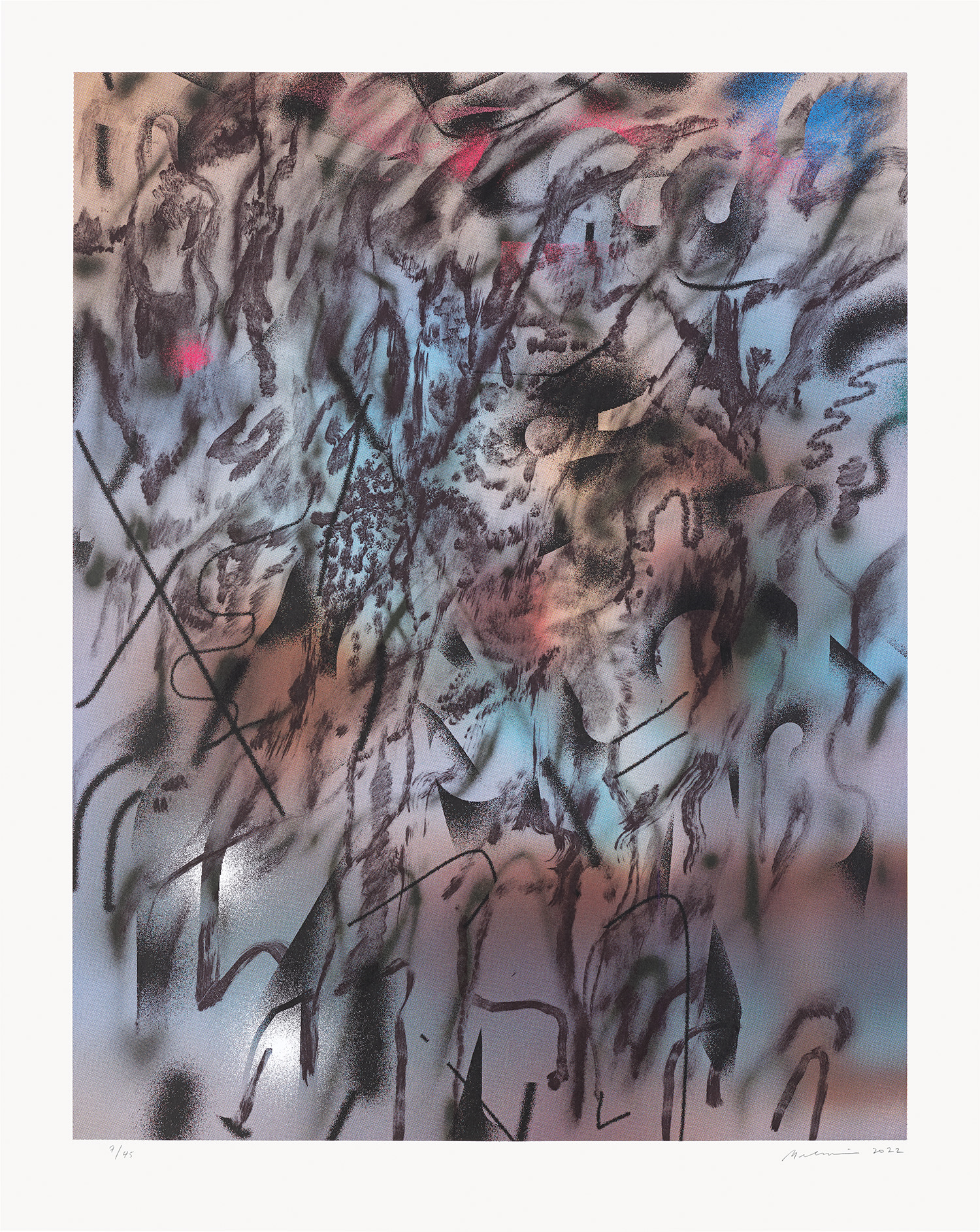
Julie Mehretu
Corner of Lake and Minnehaha (Blue)
Works like Stadia II from 2004 and her extraordinary ceiling commission for the Goldman Sachs headquarters treat cartographic space not as information but as trauma and energy. Her presence on The Collection gives collectors a window into one of the most compelling and sustained engagements with cartographic thinking in contemporary painting. Franz Ackermann brings a different sensibility to similar territory. The German artist's so called mental maps, a series he began in the early 1990s while traveling through Southeast Asia, are dense, almost hallucinatory records of place as subjective experience.
Ackermann rejects the pretense of objective geography entirely, producing instead works that feel like the inside of a jet lagged, overstimulated mind trying to process the sensory overload of global cities. His work on The Collection sits within that same tradition of mapping as autobiography and as cultural critique, reminding us that every geographic representation is also a self portrait of the person or power that made it. René Daniëls, the Dutch painter whose career was tragically interrupted by a stroke in 1987 at the height of his powers, offers yet another variation on the cartographic impulse. His paintings of the 1980s often play with the schematic logic of diagrams and spatial representation, treating the canvas as a kind of conceptual floor plan.
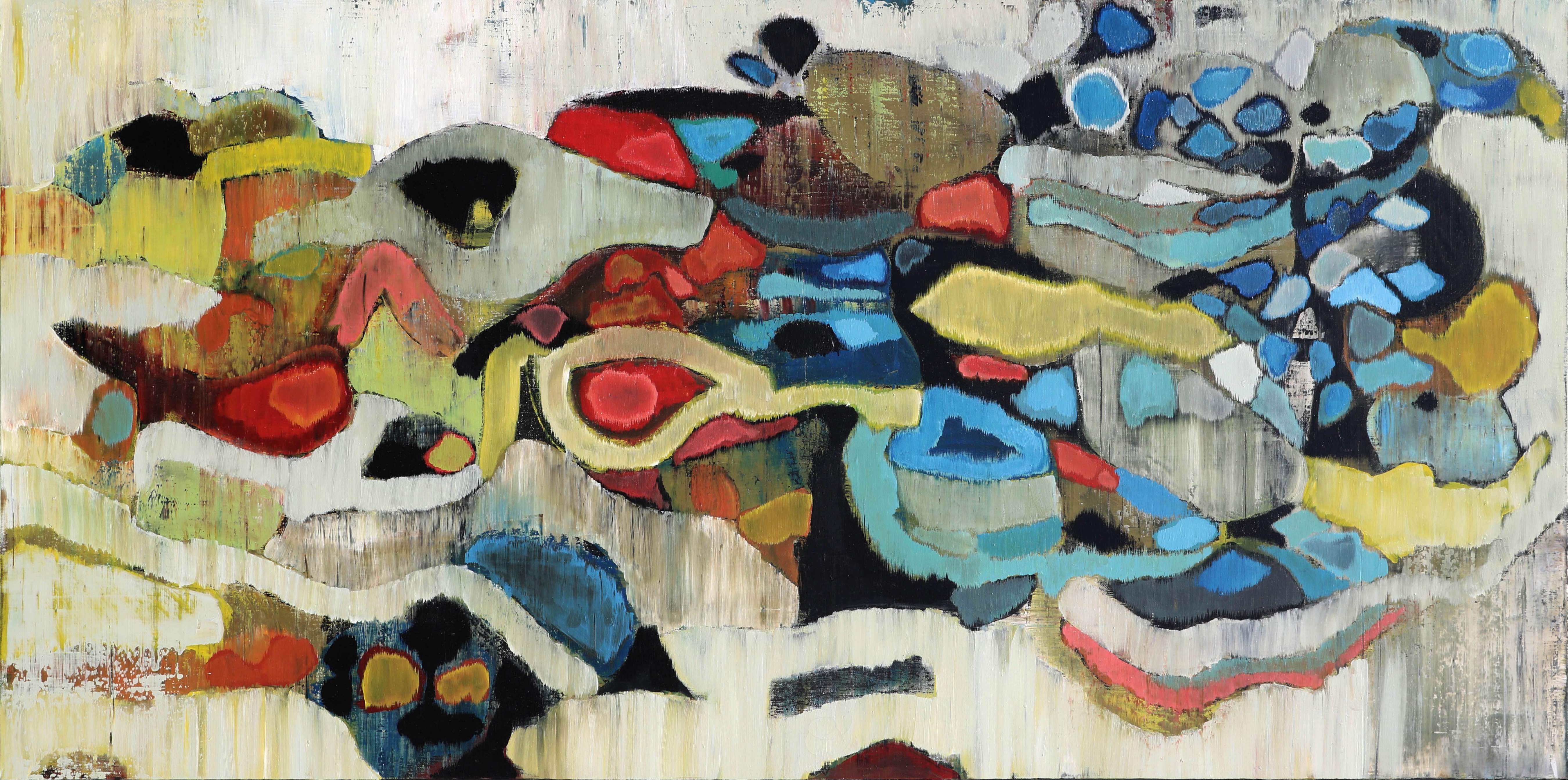
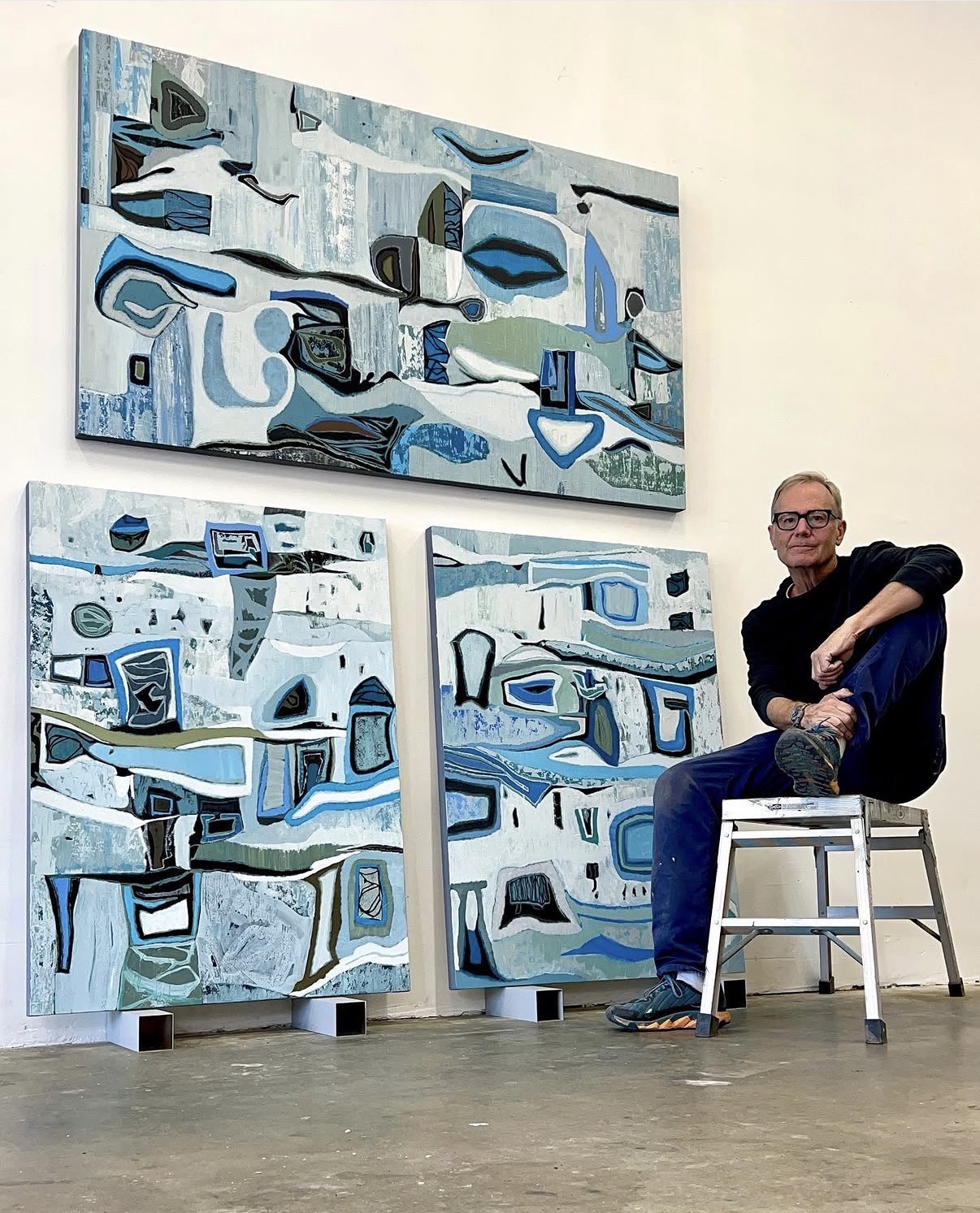
Chase Langford
Emerald Bay, 2009
There is something in Daniëls's work that feels genuinely ahead of its time, a mapping not of physical space but of thought itself, of the strange topology of an image making mind. His work rewards the kind of sustained attention that a platform like The Collection makes possible. Chase Langford, whose work is also represented here, brings a more overtly geographic sensibility to bear. Langford's paintings engage directly with the visual language of cartography, with the conventions of the surveyor and the topographer, finding within those conventions a rich vein of aesthetic possibility.
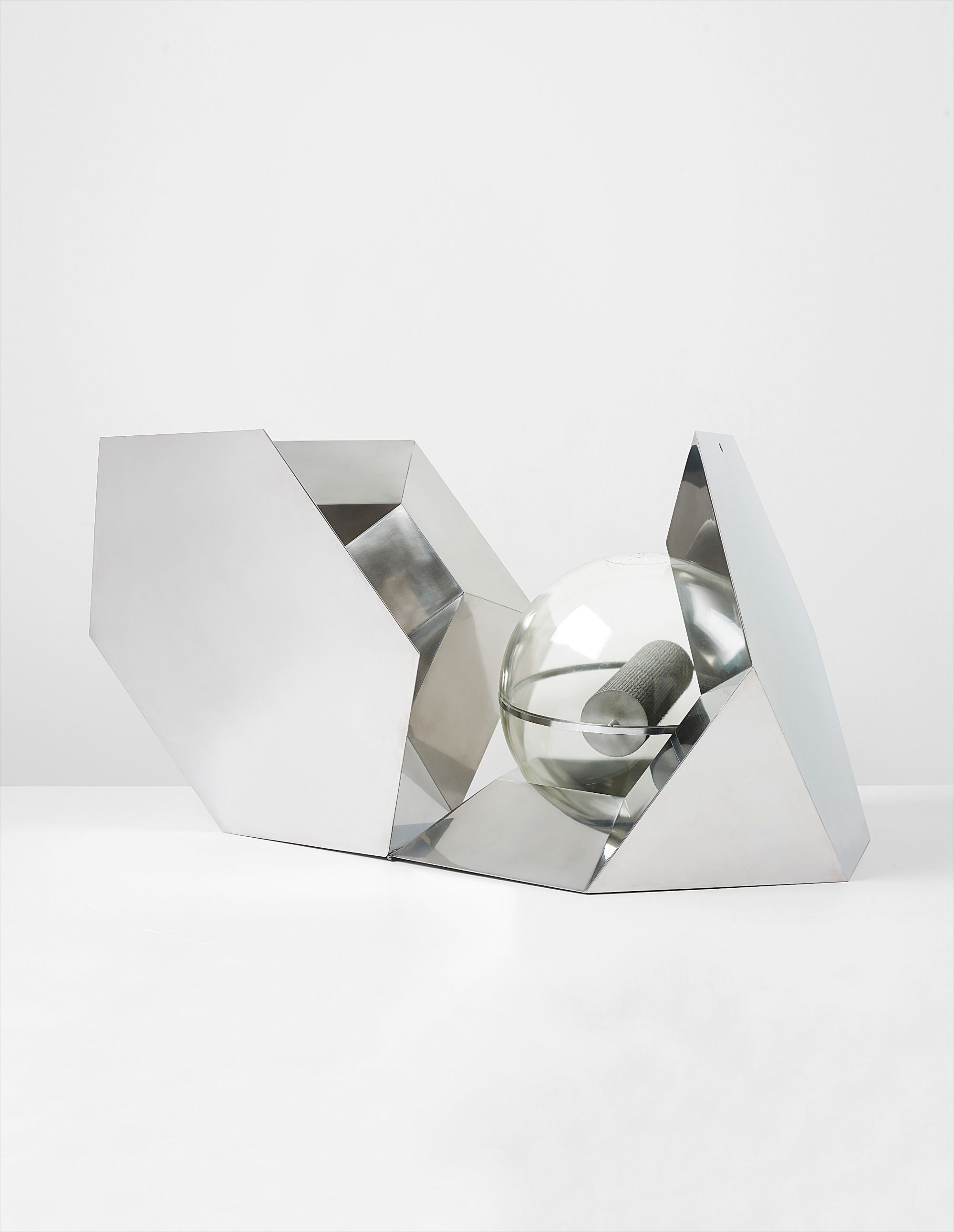
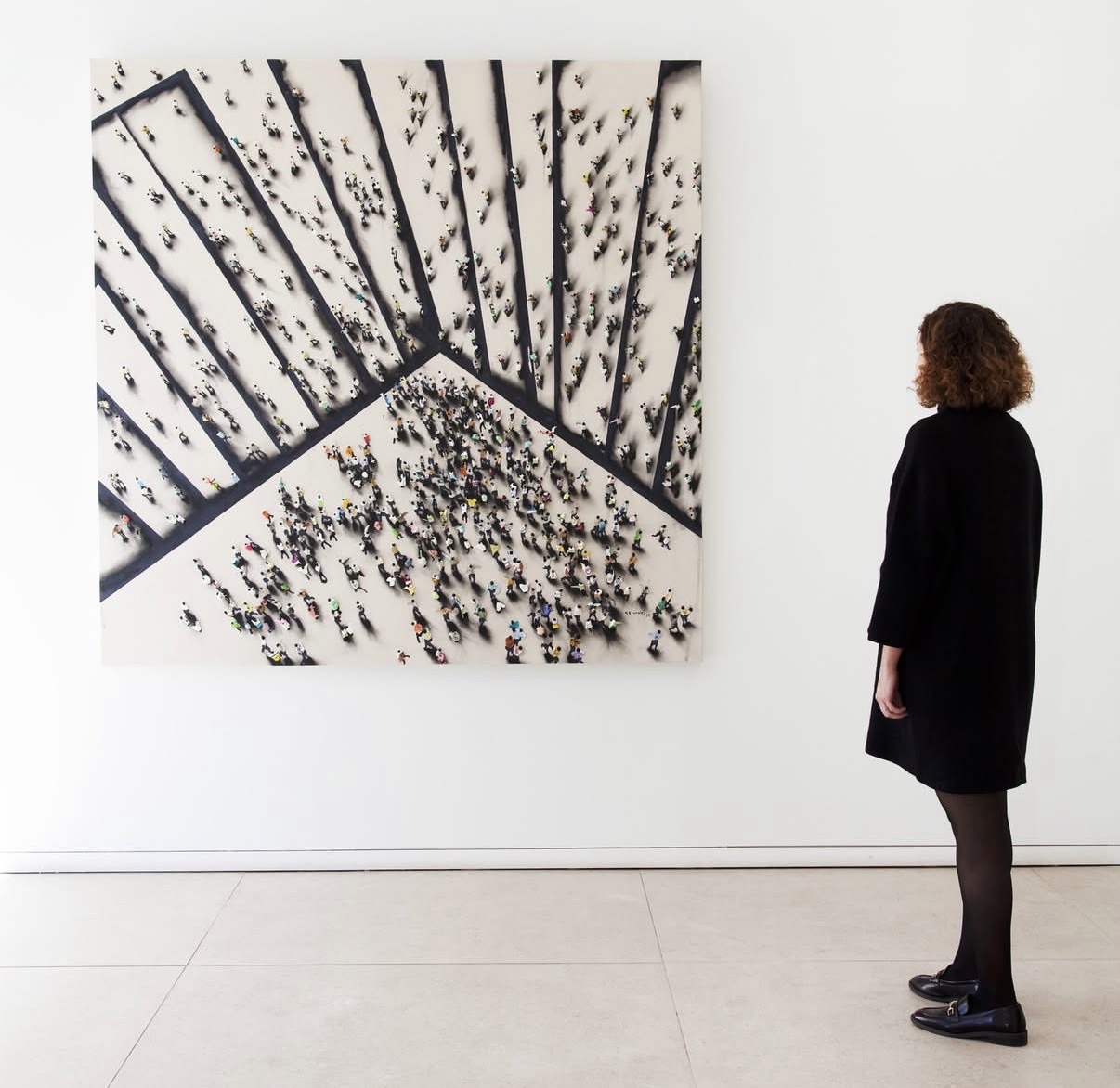
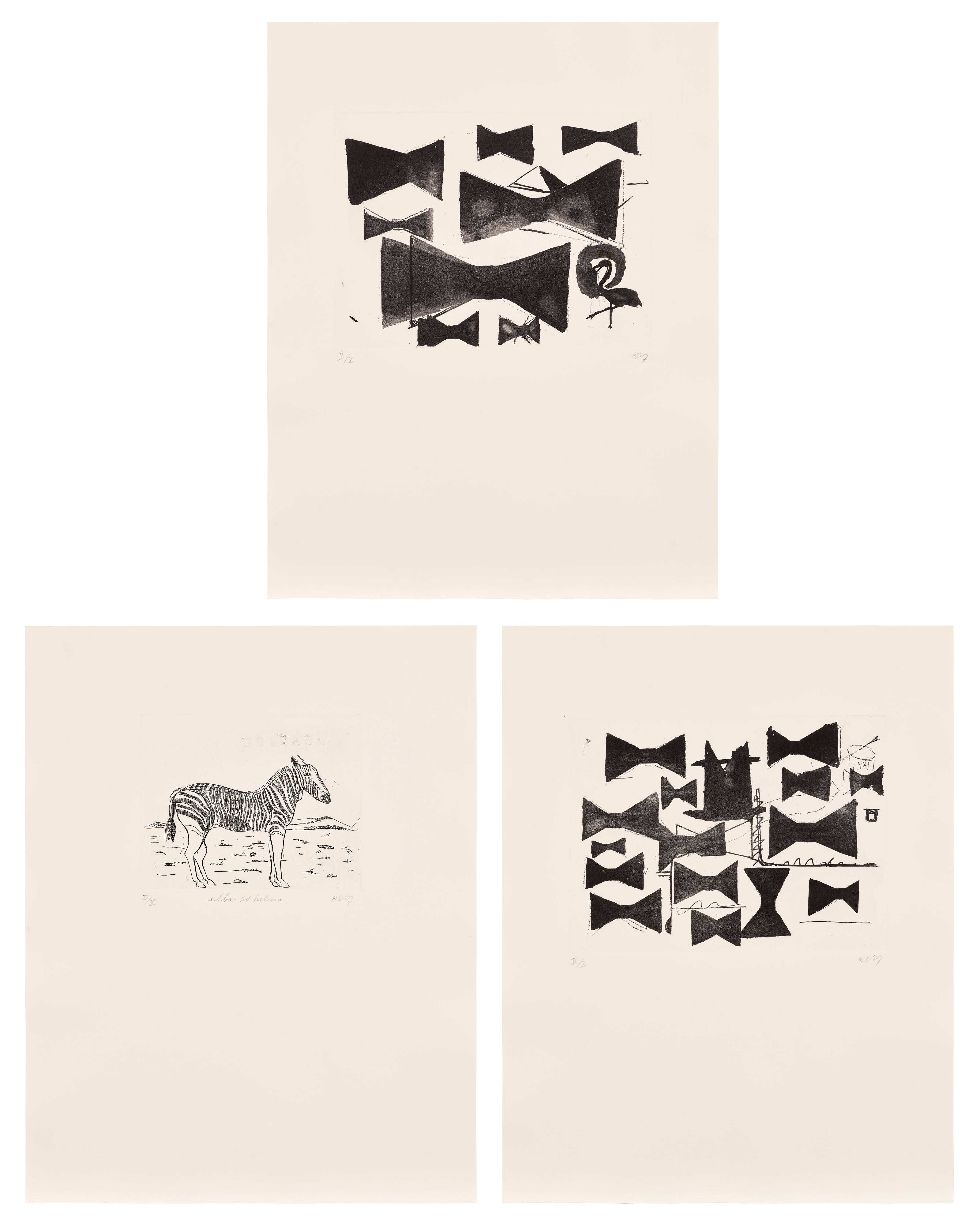
His work asks what happens when the functional apparatus of geographic description is freed from its obligation to be useful, and allowed simply to be beautiful or strange. Jules de Balincourt similarly mines the symbolic currency of maps and territories, producing works that feel both playful and politically loaded, in which imaginary geographies stand in for very real anxieties about borders, belonging, and the uneven distribution of the world's resources. What unites these artists across their considerable differences is a shared understanding that the map is never innocent. Every choice about what to include, what to omit, what to center, what to push to the margins, is a political and aesthetic act.
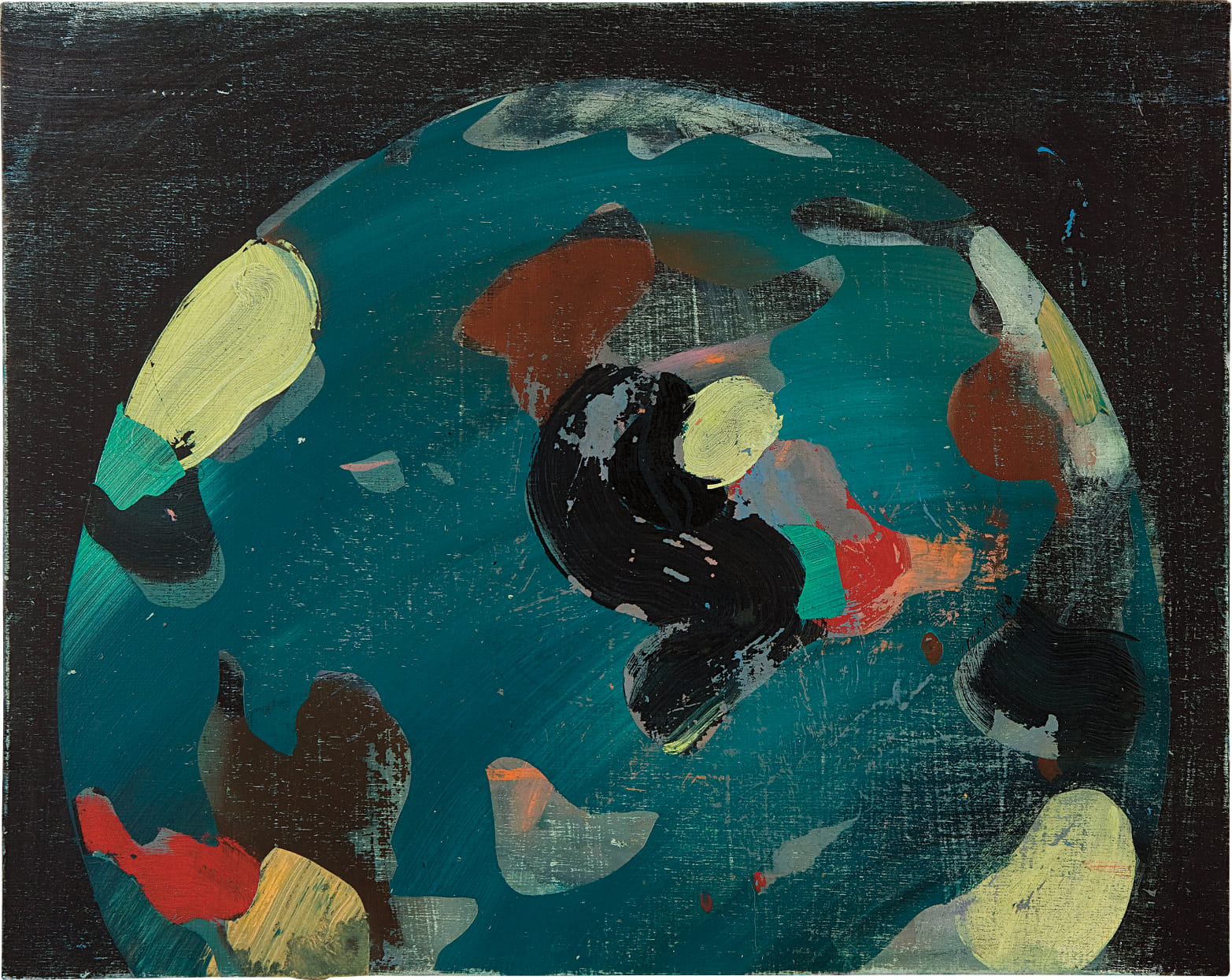
Jules de Balincourt
Painting the World, 2011
In an era of GPS and satellite imaging, when we carry in our pockets devices that can locate us to within a few meters, the handmade, subjective, politically charged cartographic artwork feels more necessary rather than less. It insists on the presence of the human hand, the fallible eye, the positioned and interested observer. The cartographic impulse in art also speaks to something the best collecting instincts recognize: the desire to understand how we are situated in the world, and how that situatedness shapes what we can see and know. A collection that includes serious cartographic work is, in a sense, building its own map of cultural meaning, its own argument about what matters and why.
The works gathered under this theme on The Collection make that argument with considerable force and sophistication, and they reward the kind of slow, attentive looking that reveals how much territory any single work can hold.