Camera Obscura
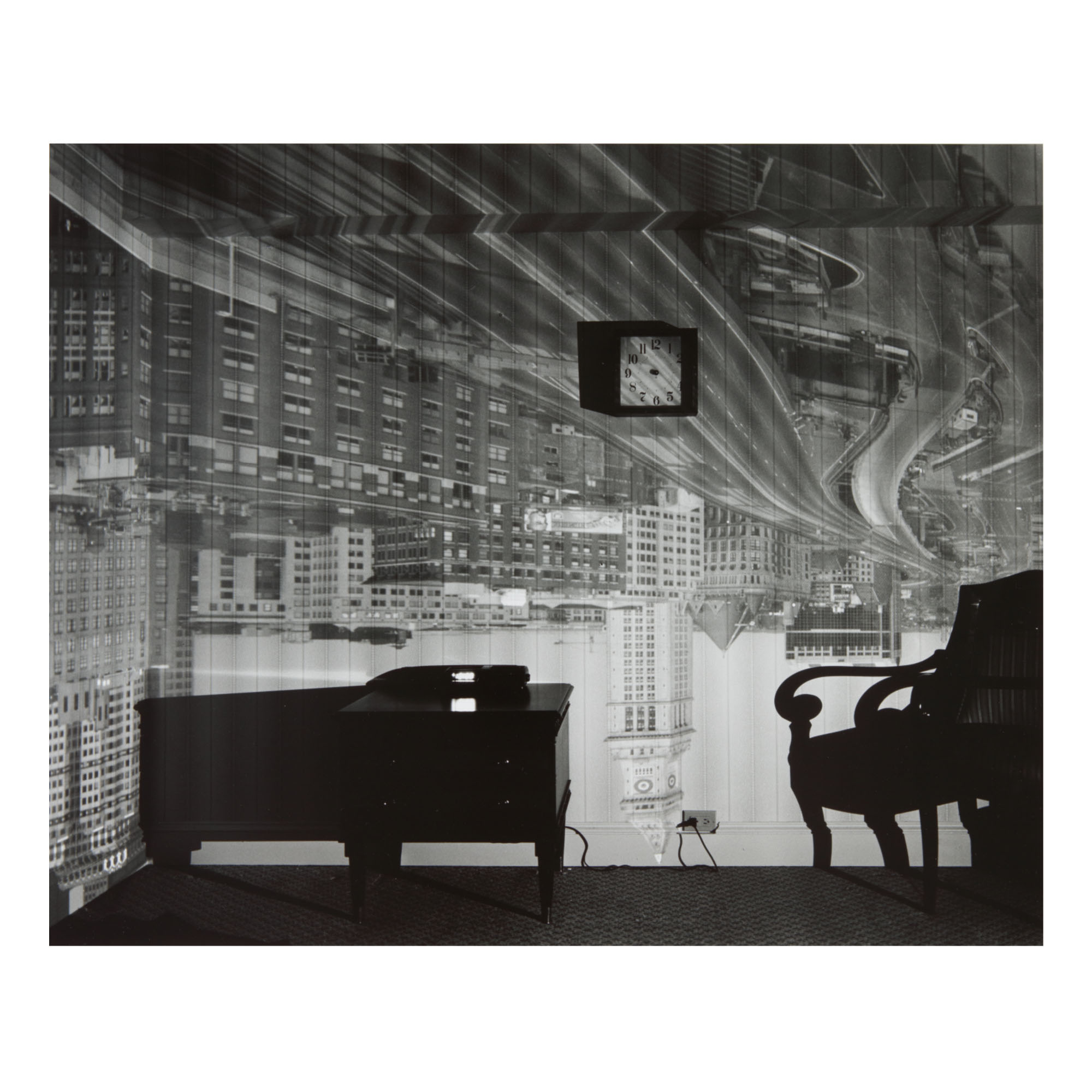
Abelardo Morell
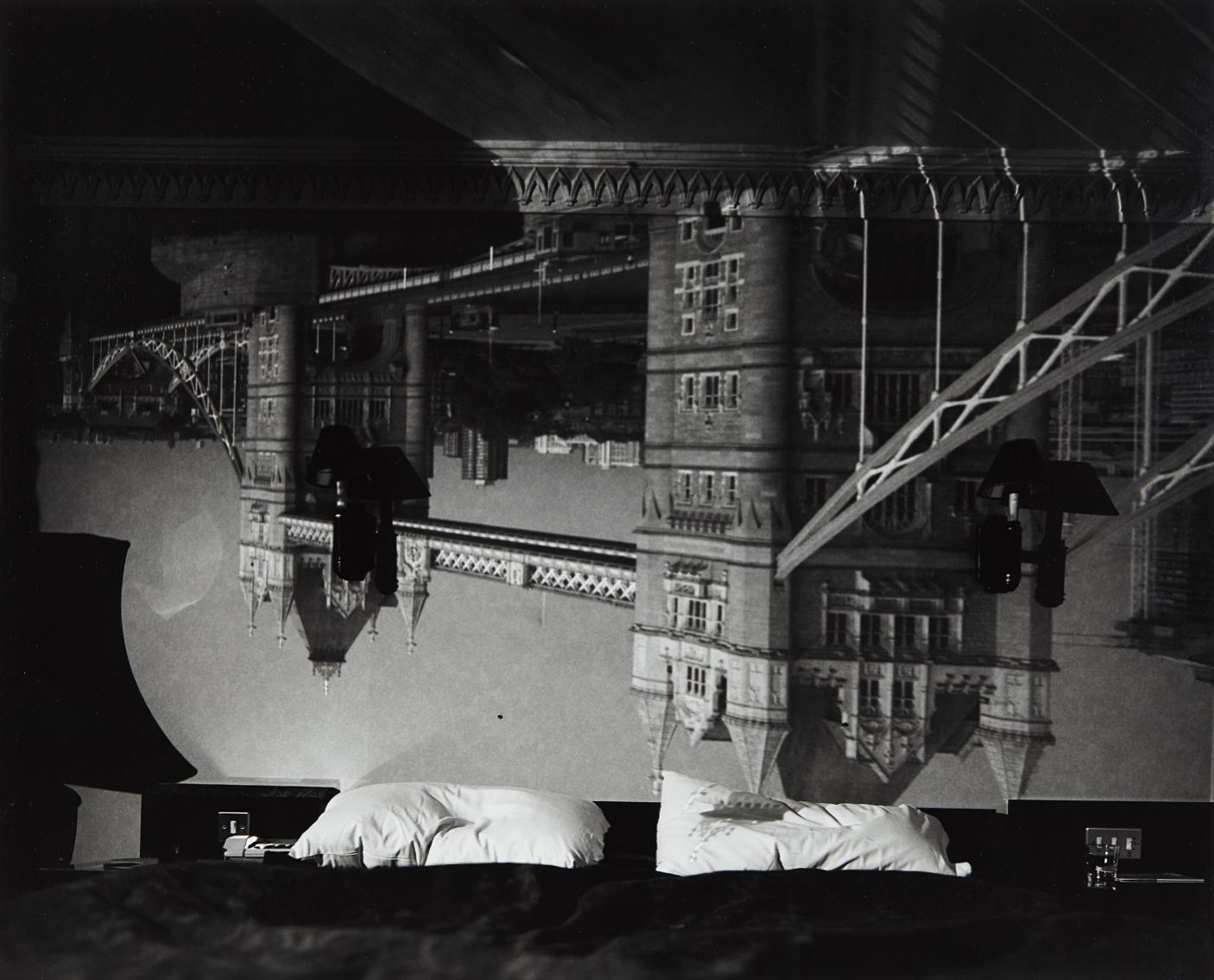
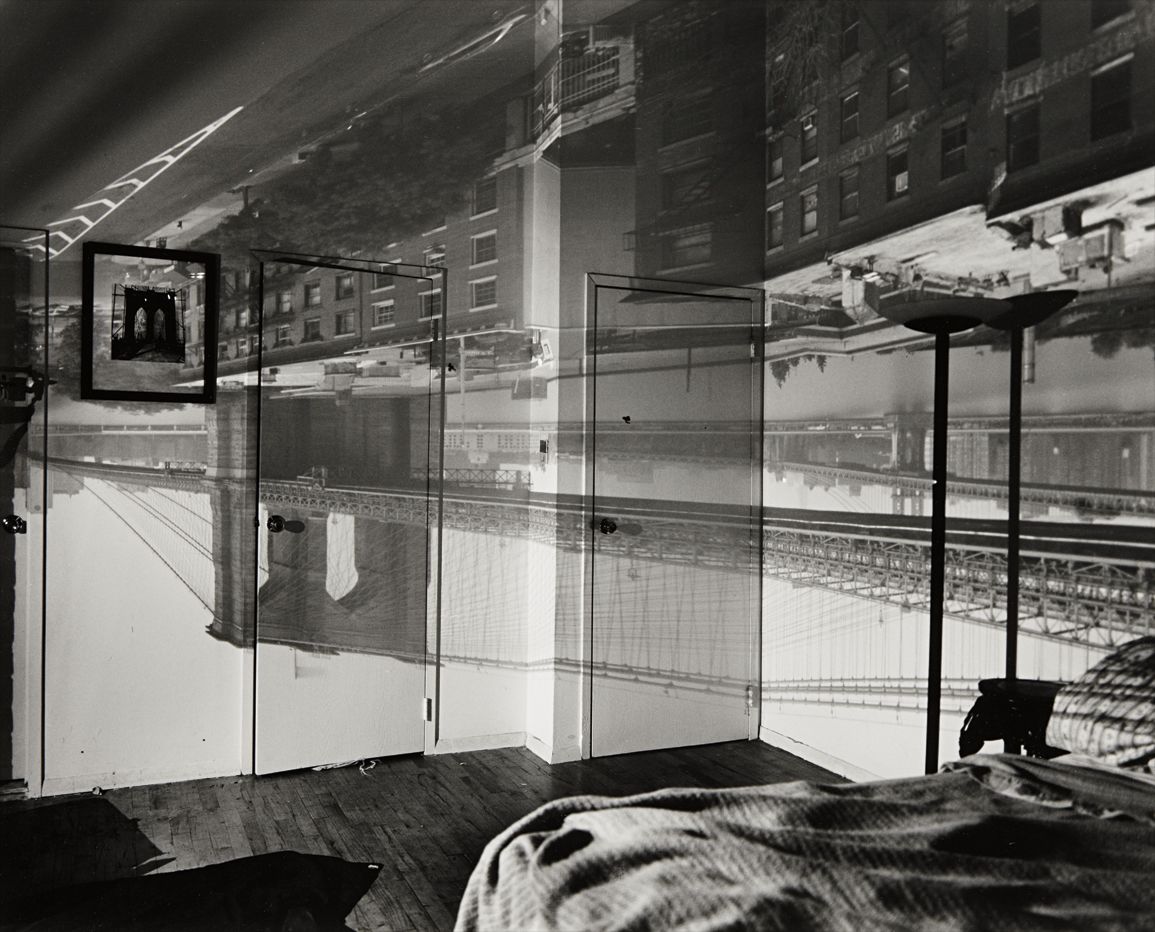
Camera Obscura: Boston's Old Custom House In Hotel Room, Boston, Ma
The Dark Room That Invented Seeing
Before photography, before cinema, before the entire modern visual apparatus we take for granted, there was a darkened room and a pinhole of light. The image that appeared on the opposite wall, upside down and shimmering, was not a representation of the world. It was the world itself, projected and made strange. The camera obscura is the oldest optical device in the history of image making, and its logic, the idea that light can be corralled and made to perform, remains the foundation of every photographic act that followed.
To look at works made with or inspired by the camera obscura today is to feel history pressing against the present in an unusually direct way. The principles behind the camera obscura were understood long before anyone gave the device a name. The Arabic scholar Ibn al Haytham described the phenomenon in his Book of Optics, completed around 1021 CE, observing how light passing through a small aperture into a darkened space would project an inverted image of whatever lay outside. European artists and natural philosophers in the Renaissance seized on this idea eagerly.
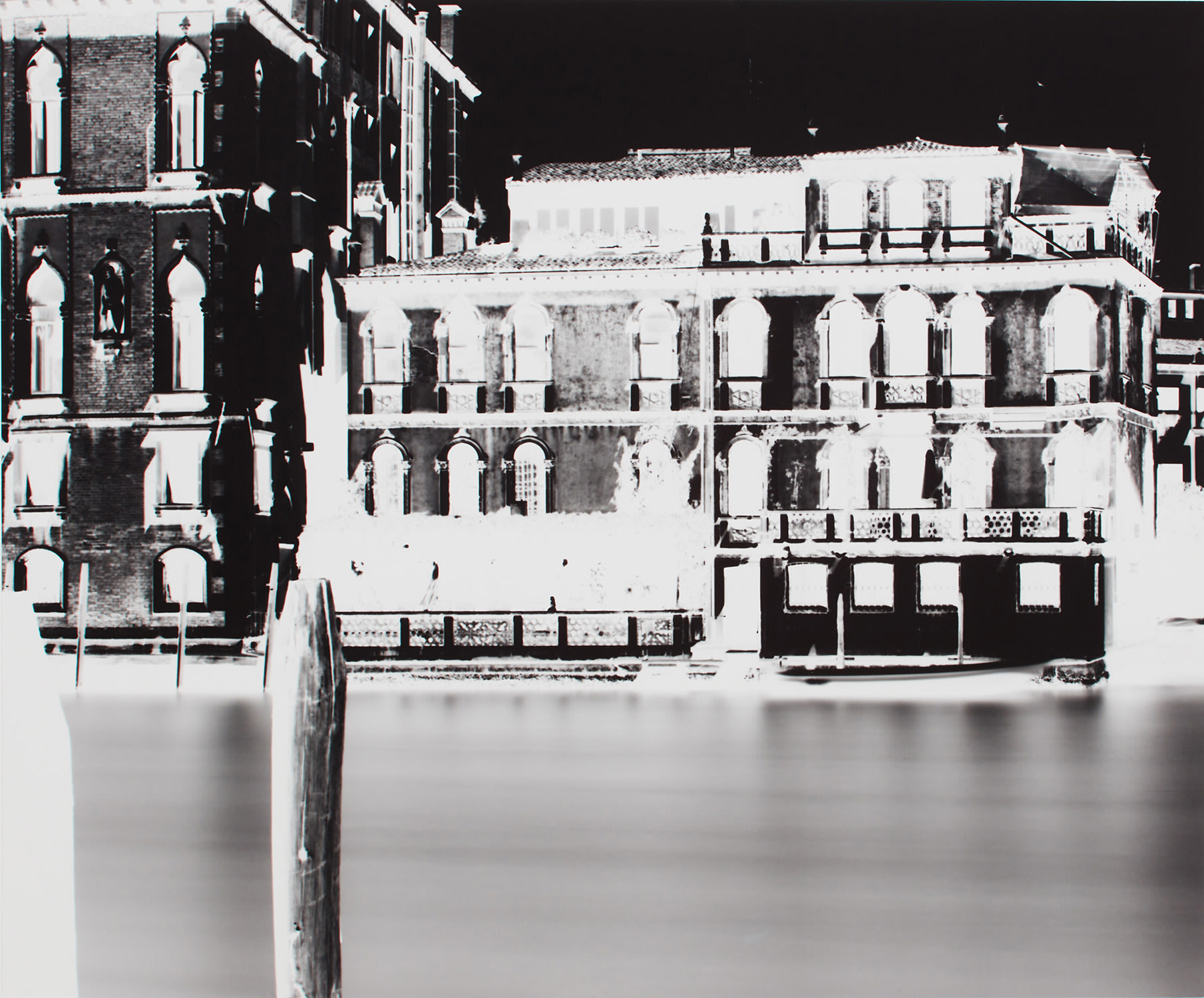
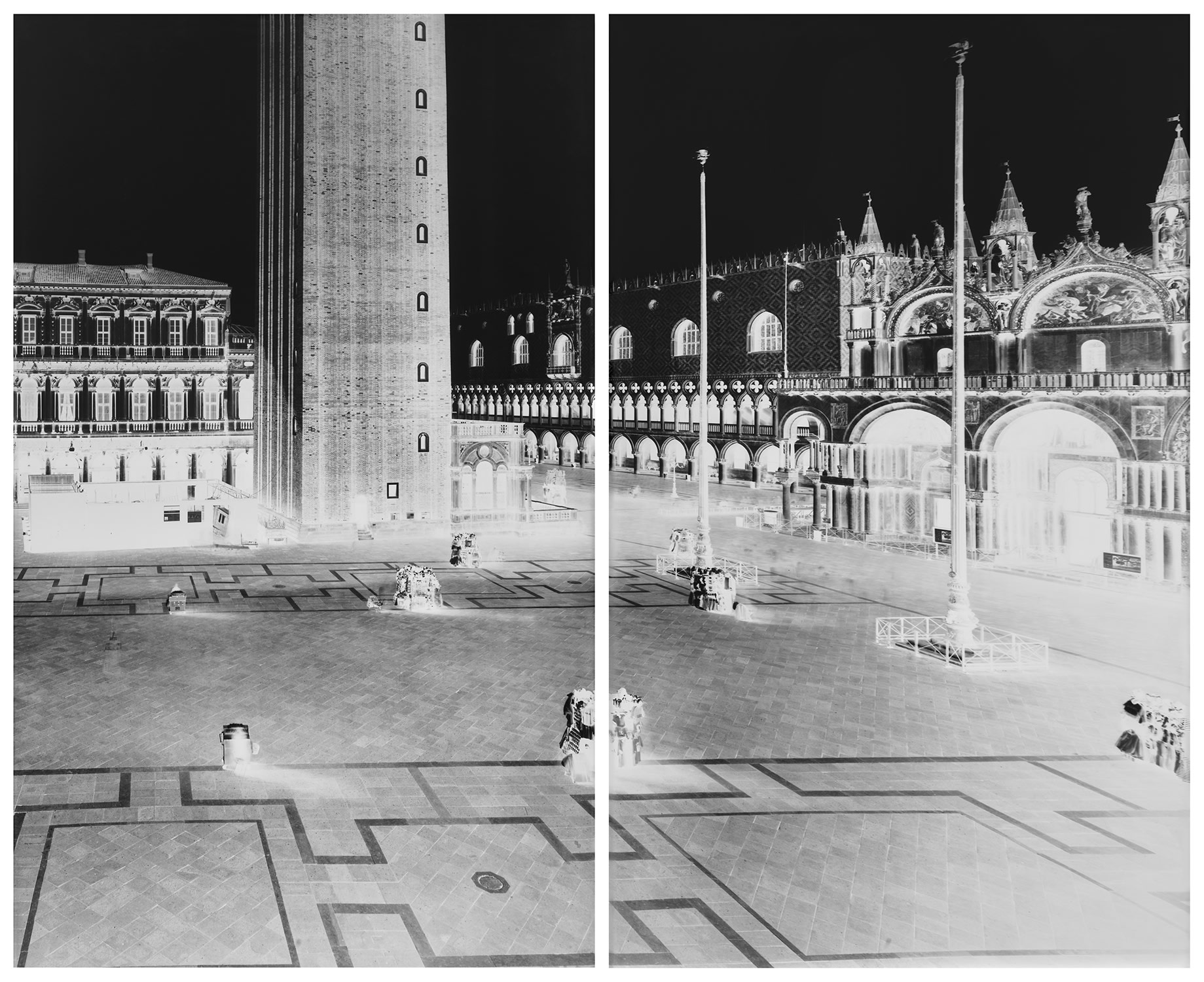
Vera Lutter
Ca’del Duca, Venice: July 23
By the sixteenth century, portable versions of the device were circulating among painters and cartographers who used the projected image as a guide for drawing accurate perspectives and proportions. Giovanni Battista della Porta wrote enthusiastically about the camera obscura in his Magia Naturalis of 1558, which helped spread its use across Europe as both a practical tool and a source of genuine wonder. The relationship between the camera obscura and painting has always been a charged and sometimes contentious one. David Hockney and the physicist Charles Falco advanced their controversial thesis in the early 2000s that numerous Old Masters, including Vermeer, Caravaggio, and Velázquez, used optical devices to achieve their extraordinary precision.
Whether or not one accepts the full scope of that argument, the idea it raised is genuinely interesting: that the history of Western painting and the history of optics were never as separate as art education has often implied. The camera obscura sits at the crossroads of science, craft, and imagination. It is a machine, but also a kind of magic. When photography proper arrived in the nineteenth century, the camera obscura was both its ancestor and its template.
Richard Learoyd
After Ingres
The word camera simply means room in Latin, and the earliest photographic apparatus was in essence a miniaturized camera obscura fitted with a light sensitive surface. What changed with Daguerre and Talbot was not the optics but the chemistry: the ability to fix the projected image in place, to stop time rather than merely borrow it. Yet something was also lost in that transition. The camera obscura had always been a shared, almost theatrical experience.
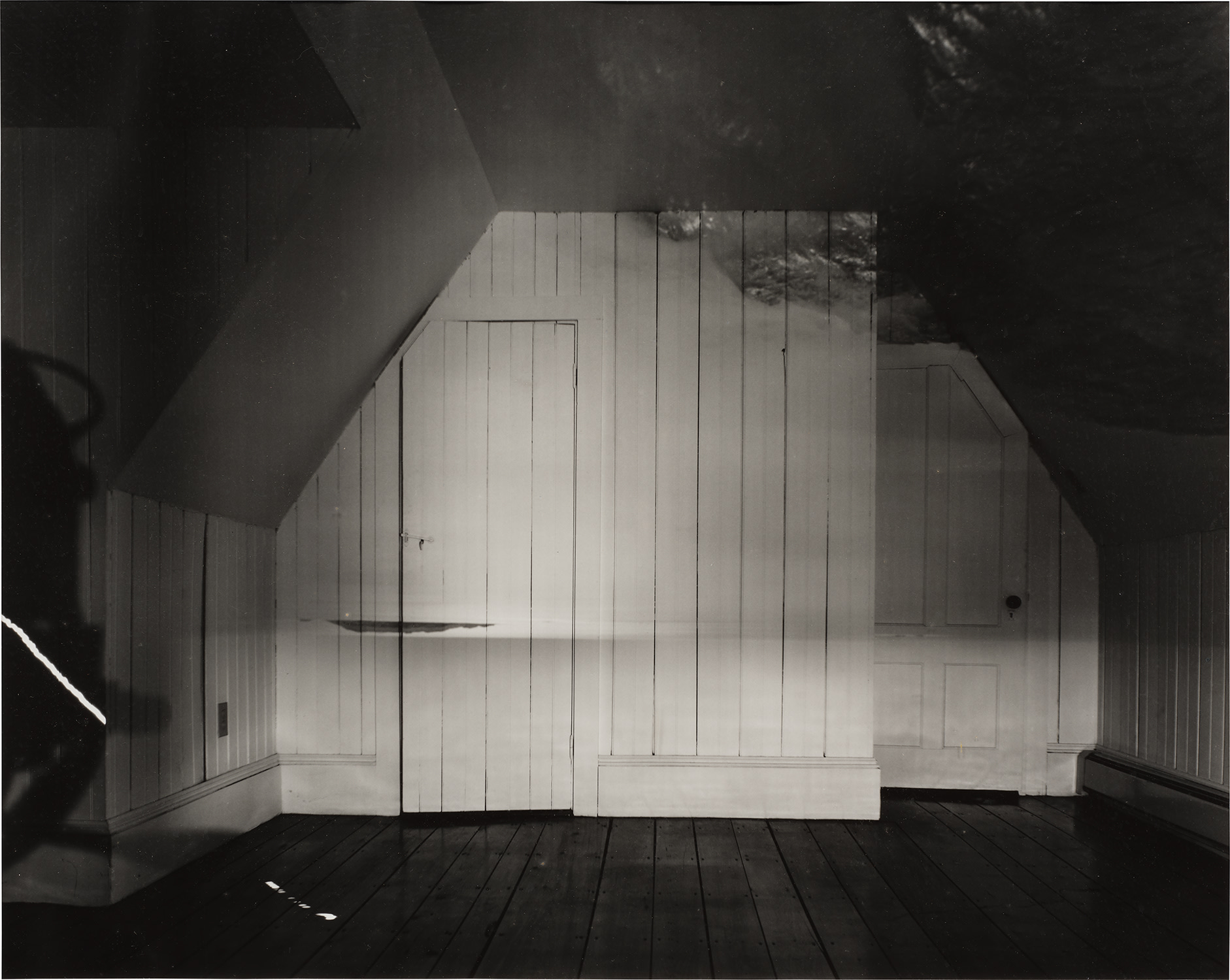
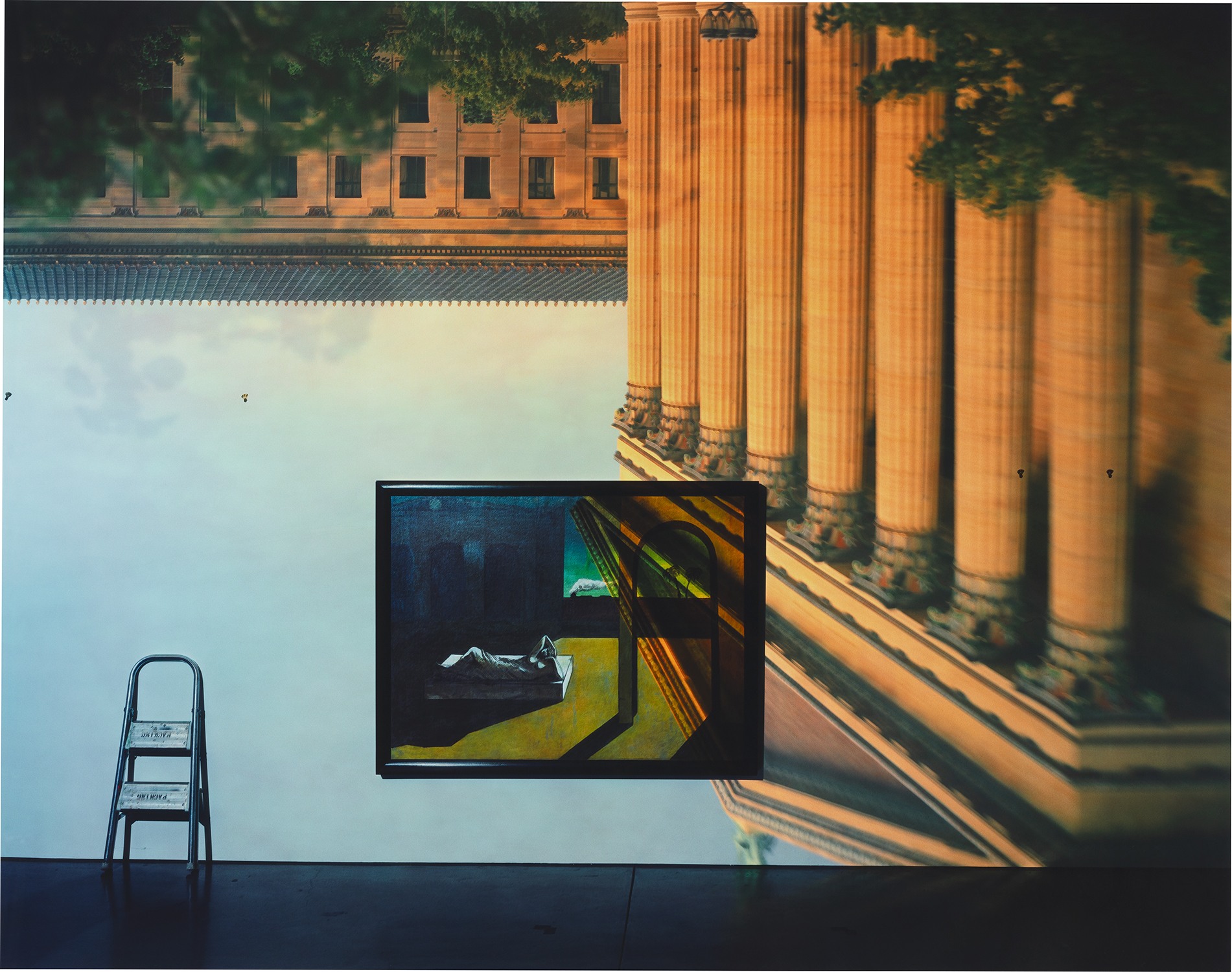
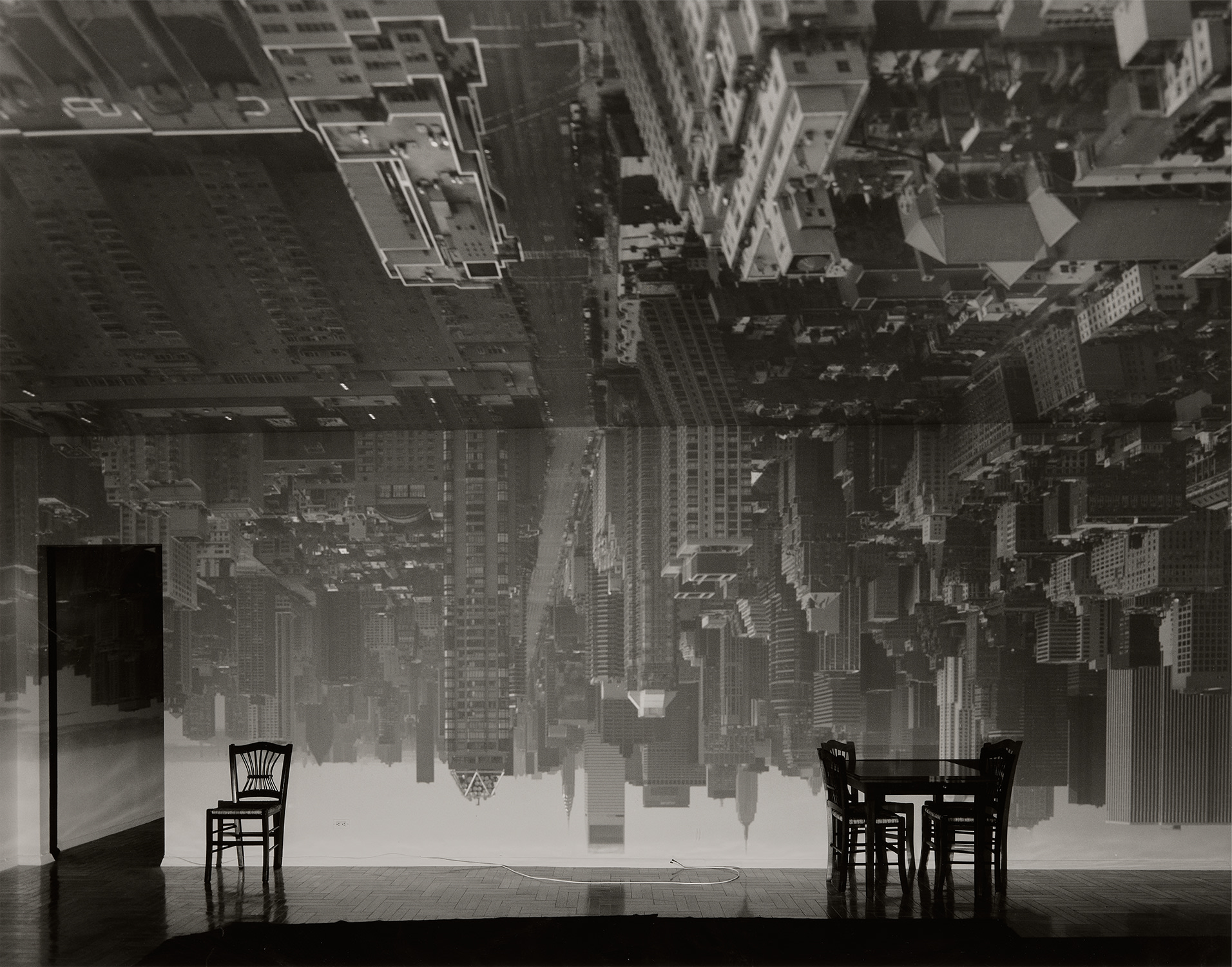
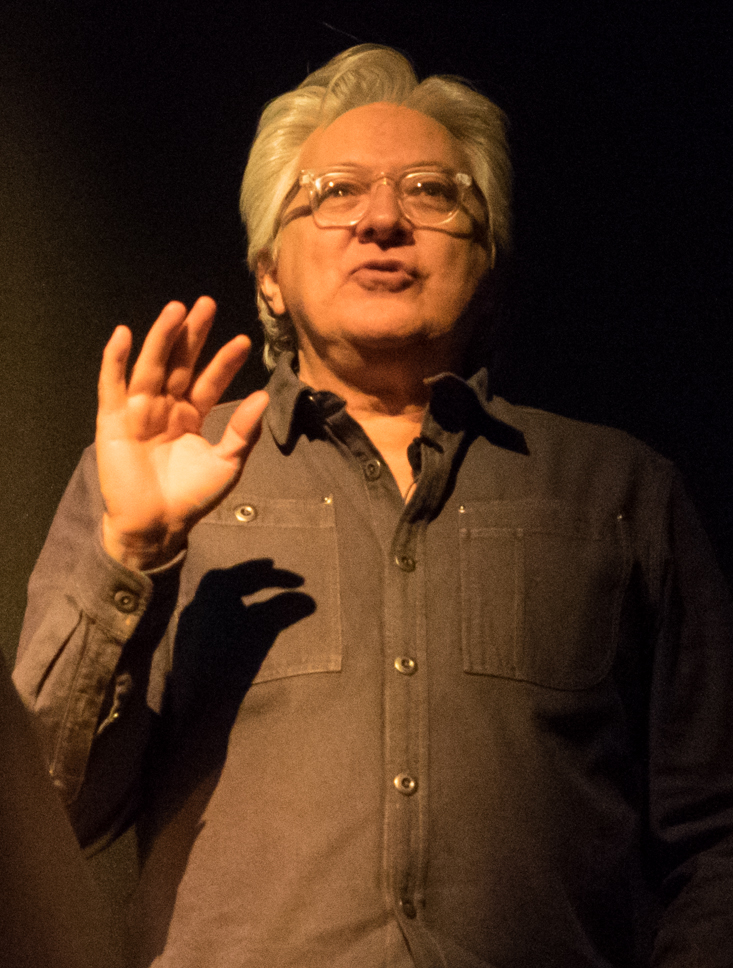
People gathered in darkened rooms to watch the world outside appear on a white wall. Photography made the image portable and reproducible, which was a revolution, but it also made it solitary and static. Several artists working today have returned to camera obscura processes precisely because of what they refuse to offer. Abelardo Morell, who is exceptionally well represented on The Collection, has spent decades transforming rooms into cameras, taping blackout cloth over windows, cutting a small hole, and then photographing the resulting projection as it falls over furniture, floors, and beds.
Abelardo Morell
Camera Obscura: Boston's Old Custom House In Hotel Room, Boston, Ma
His images do something remarkable: they collapse inside and outside into a single frame, overlaying the domestic with the panoramic, the intimate with the vast. Morell began this project seriously in the late 1980s and has continued it across cities worldwide, each location producing a genuinely unrepeatable encounter between architecture and light. The work is patient, technically demanding, and philosophically rich, a reminder that the simplest optical principle can sustain an entire artistic practice. Vera Lutter takes the logic further still, working with rooms and containers converted into enormous pinhole cameras to produce large scale photographic negatives that she presents as finished works rather than intermediate steps.
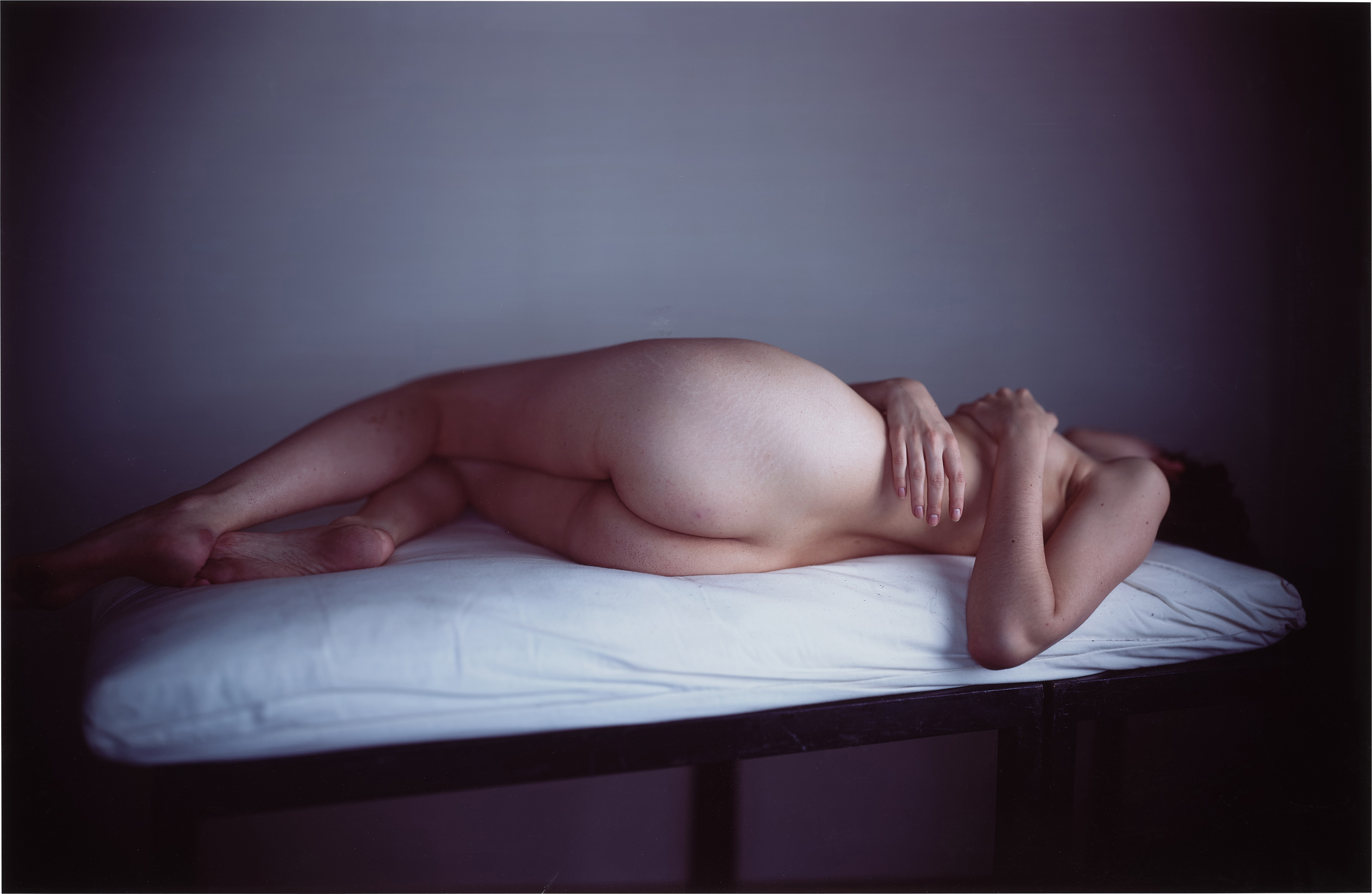
Because her exposures can last hours or even days, the resulting images have a particular quality of temporal compression that is unlike anything achievable with conventional photography. Moving objects blur or disappear entirely, while static structures take on an eerie permanence. Her images of industrial sites, airports, and urban landscapes, represented on The Collection, carry a melancholy weight that feels entirely native to the process rather than imposed upon it. Richard Learoyd, also present on The Collection, works with a room sized camera obscura of his own construction to make direct positive photographs of extraordinary tonal richness, his portraits and still lifes seeming almost to glow from within.
What unites these artists, despite their very different sensibilities, is a commitment to process as meaning. The camera obscura is not a nostalgic gesture for any of them. It is a way of thinking about time, light, and presence that conventional digital photography cannot replicate. When an image is made over the course of a day rather than a fraction of a second, when the photographer cannot immediately review and retake the shot, when the physics of the image are visible in the image itself, something philosophically significant is at stake.
The viewer is asked to think about how pictures come into being, not just what they show. The cultural significance of the camera obscura in contemporary art extends beyond any individual practice. In an era of instantaneous image production, algorithmic editing, and post photographic image generation, works that insist on the slow, irreversible physics of light feel almost polemical. They ask what we owe to the world in front of the lens.
They propose that fidelity and duration are values worth caring about. They remind us that every image is also a record of time passing, of light traveling, of the world making its imprint on a surface prepared to receive it. The darkened room and the pinhole are still doing their work, still producing images that stop us, still asking us to look again at something we thought we already understood.