Bust Length
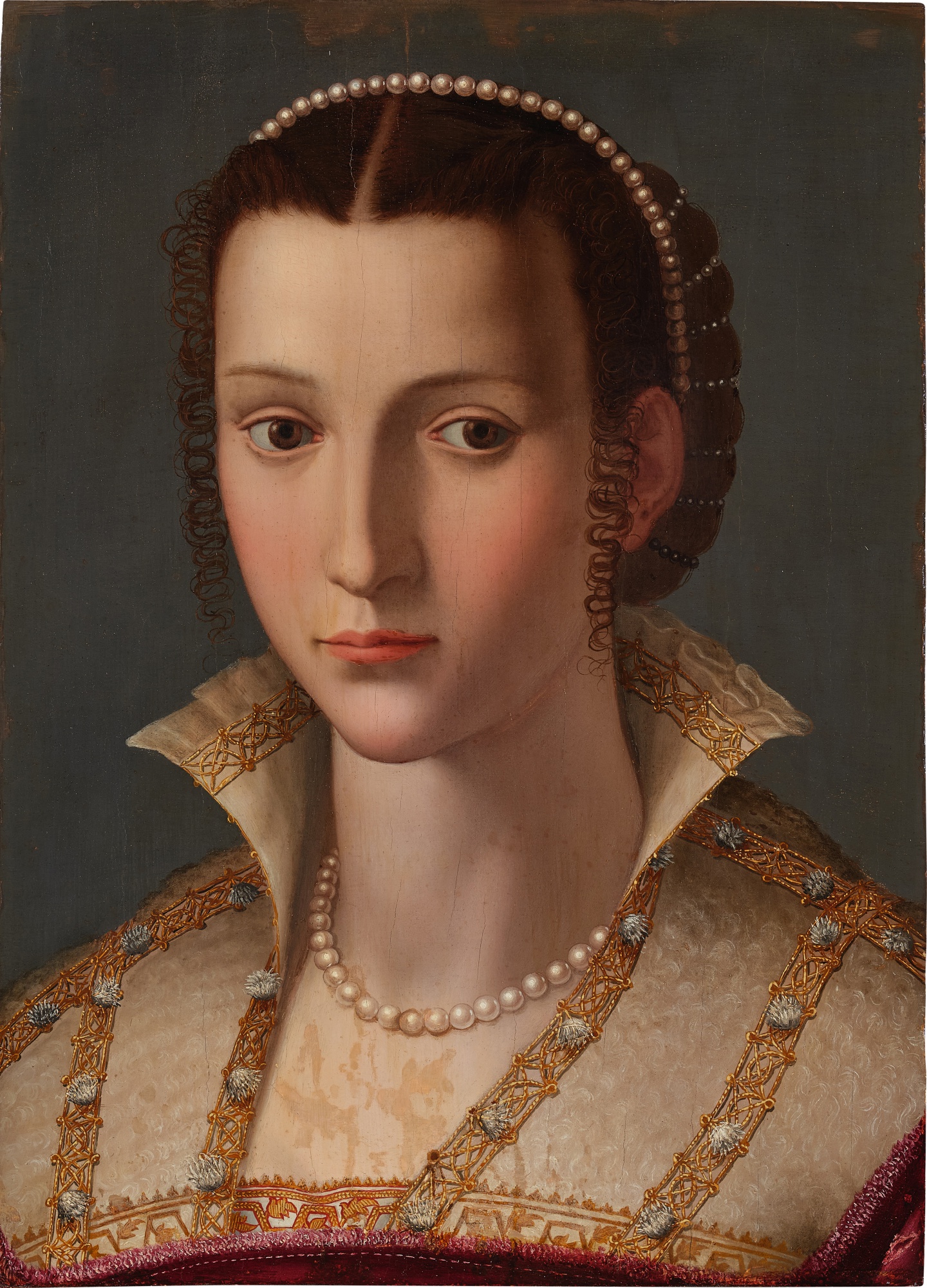
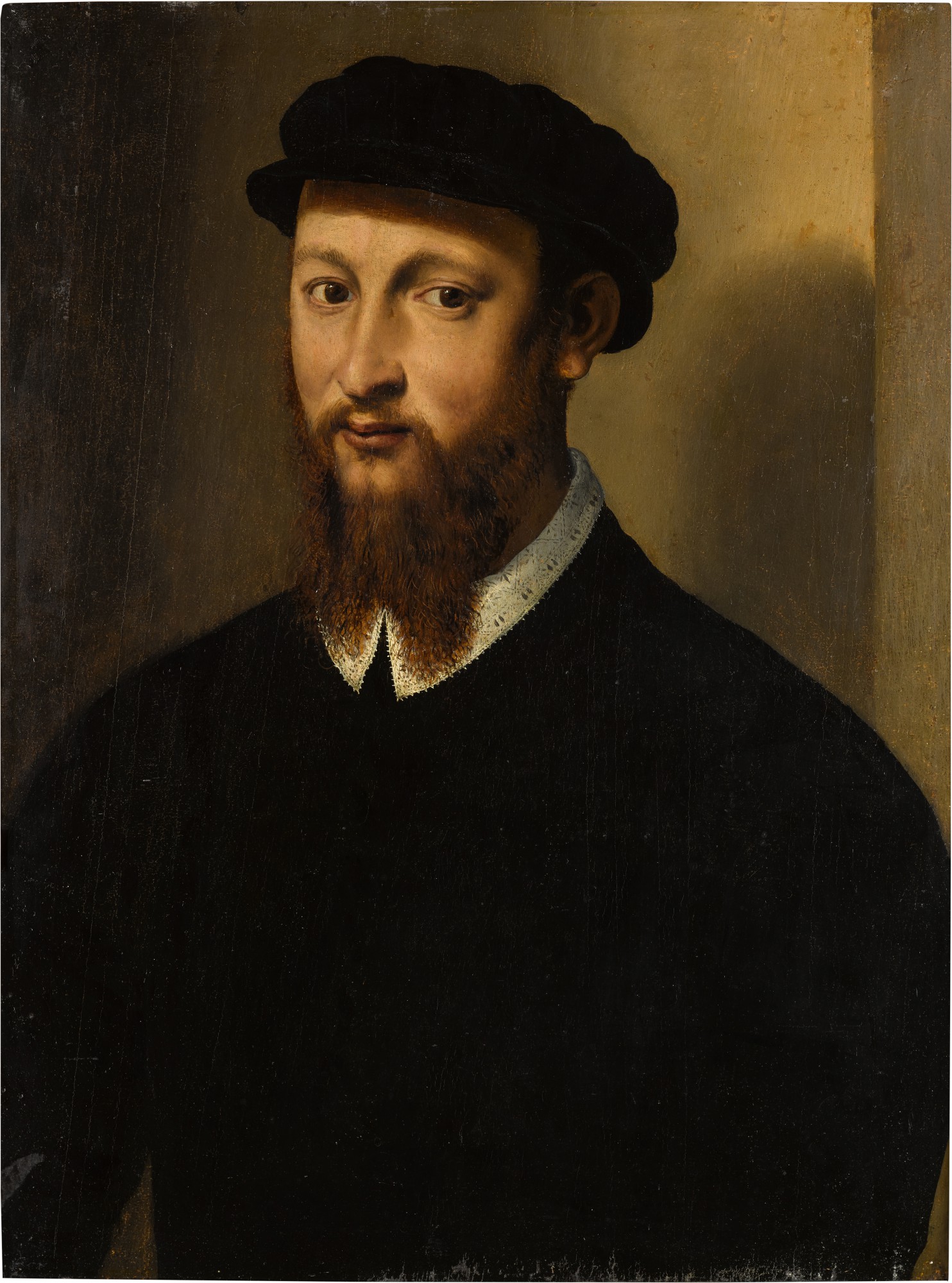
Alessandro Allori
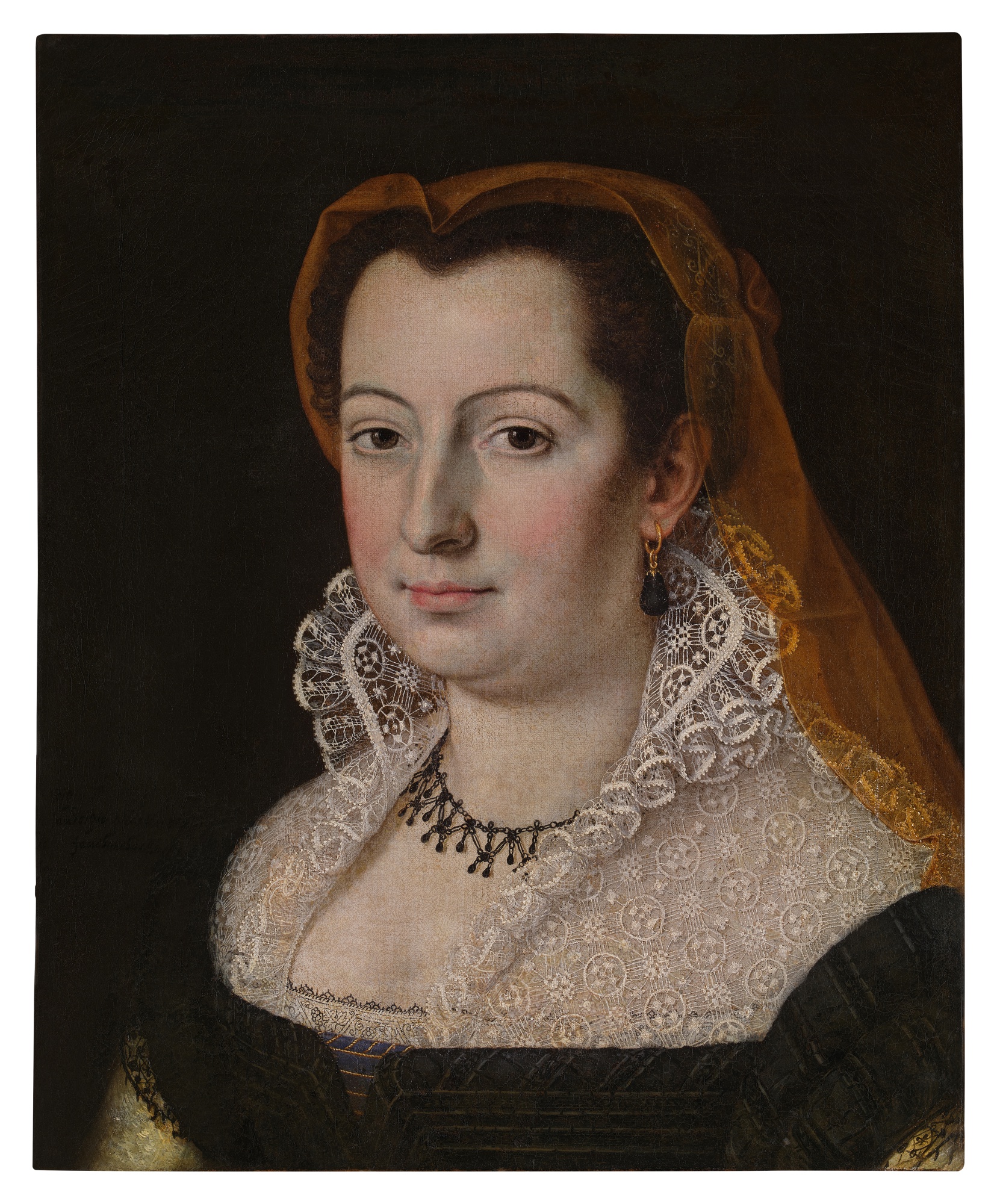
Portrait of a Florentine noblewoman, bust-length


The Bust Portrait Is Back, Brilliantly
When Sotheby's brought a searching male portrait by Annibale Carracci to auction in recent years, the bidding room went quiet in that particular way that signals collective recognition rather than polite attention. The work was small in scale, intimate in its address, and almost unbearably alive in the face. It sold well above estimate, and the result was cited in subsequent sale catalogues as a benchmark. That moment crystallised something collectors and curators had been sensing for a while: the bust length portrait, that most concentrated and demanding of formats, is enjoying a genuine critical and commercial renaissance.
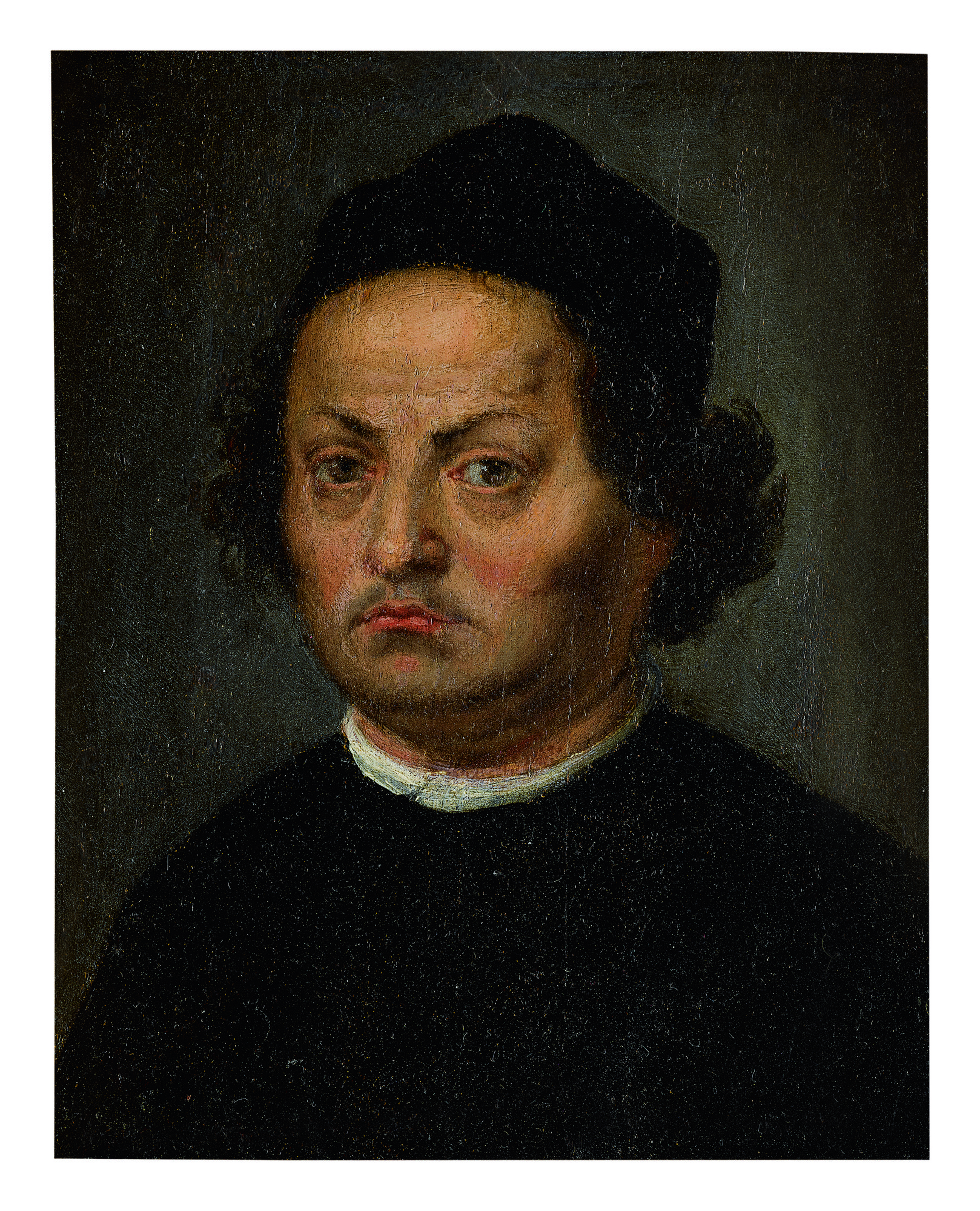
The format itself asks everything of a painter. Strip away the grand gesture, the narrative prop, the landscape backdrop, and what remains is the face, the hands if you are lucky, and the quality of attention the artist brings to another human being. This is why the bust length portrait became the proving ground for so many of the great European painters, from the Flemish masters through the Italian courts and on into the salons of eighteenth century France. The works on The Collection reflect that breadth beautifully, with paintings attributed to or associated with figures including Rembrandt van Rijn, Titian, Lavinia Fontana, Jean Baptiste Greuze, and Alessandro Allori, among others.
Alessandro Allori
Portrait of a Florentine noblewoman, bust-length
To move through that range is to trace not just a format but an entire philosophy of looking. Museum programming has increasingly acknowledged this. The National Portrait Gallery in London, following its ambitious renovation and reopening in 2023, made a pointed argument for the psychological density of the close cropped portrait across its rehung permanent collection. The Rijksmuseum in Amsterdam has long organised its thinking around the Dutch bust portrait tradition, and the scholarly apparatus it has built around figures like Jan Anthonisz.
van Ravesteyn has been enormously useful to the market. Ravesteyn, whose work appears on The Collection, is one of those artists whose reputation has quietly expanded over the past decade as institutions have paid closer attention to the formal intelligence operating beneath what first appears to be courtly convention. At auction, the results that define the upper end of this category are dominated by names that need no introduction. Rembrandt's bust length portraits, when they appear, command prices that other categories can barely approach.
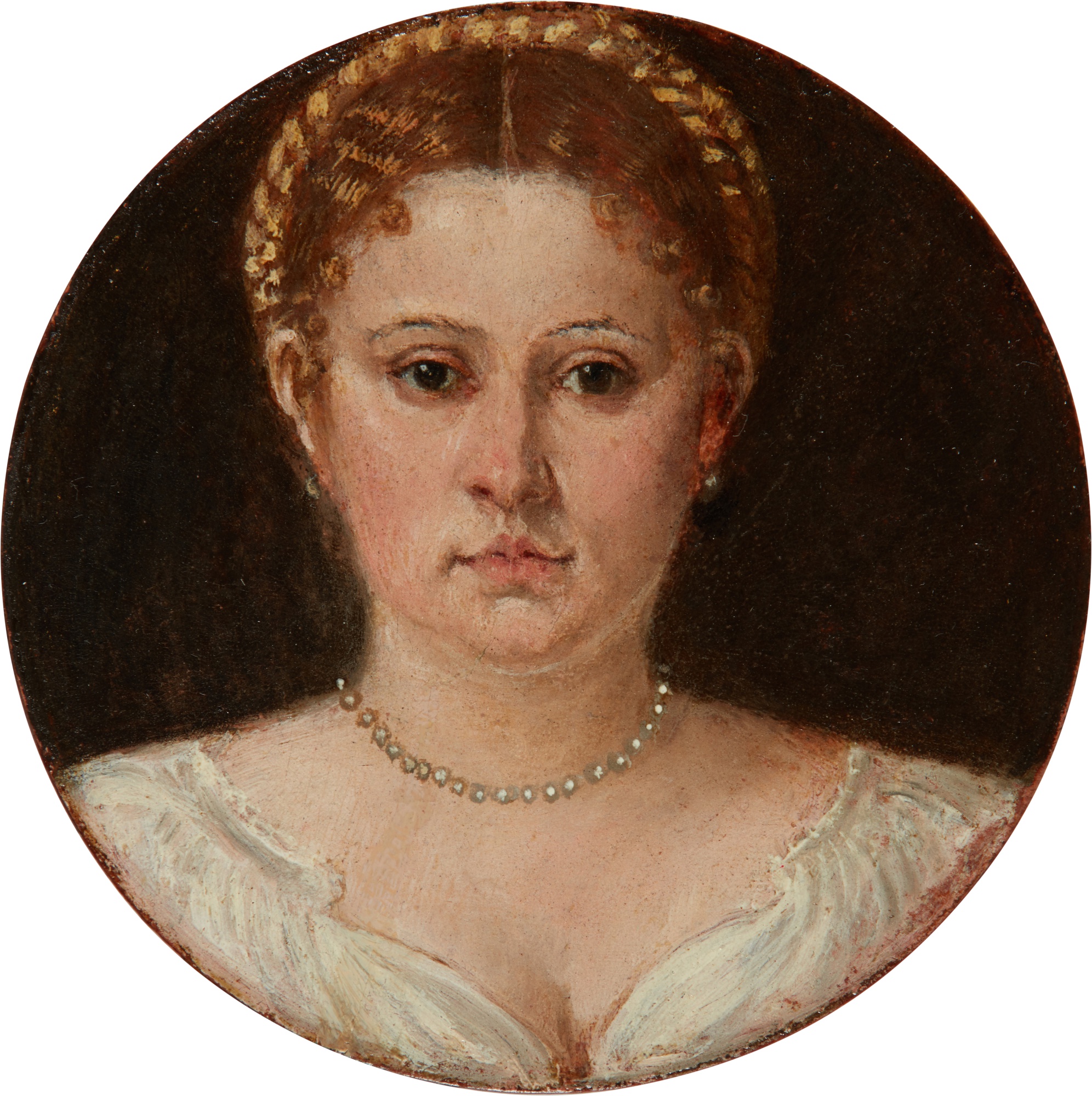
Circle of Tiziano Vecellio, called Titian
Portrait of a woman, probably Elisabetta Querini, bust-length, most likely a "kapsel" portrait
A small panel study attributed to his circle or workshop will still achieve figures that remind bidders of the extraordinary premium placed on proximity to his method. Works associated with Titian present a similar dynamic. The designation Circle of Tiziano Vecellio, called Titian carries real weight with serious collectors, precisely because the Venetian tradition of portraiture he shaped was so technically demanding that close followers still produced work of remarkable quality. Christie's and Sotheby's have both seen strong results in this zone over the past several seasons, with institutional buyers and private collectors competing in roughly equal measure.
The critical conversation around bust length portraiture has been shaped recently by a generation of curators who are less interested in attribution battles and more focused on what these paintings did socially and psychologically. Writing in the Burlington Magazine and in catalogue essays for major retrospectives, scholars like Joanna Woods Marsden and others working in the field of early modern portraiture have pressed the question of agency: who commissioned these works, what did it mean to possess an image of a face, and how did the sitter negotiate their own representation. That last question has particular resonance when you consider painters like Lavinia Fontana, the Bologna born artist who managed a successful portrait practice in a period when women painters faced extraordinary institutional resistance. Her bust length portraits of aristocratic women carry a doubled awareness that contemporary viewers find compelling.
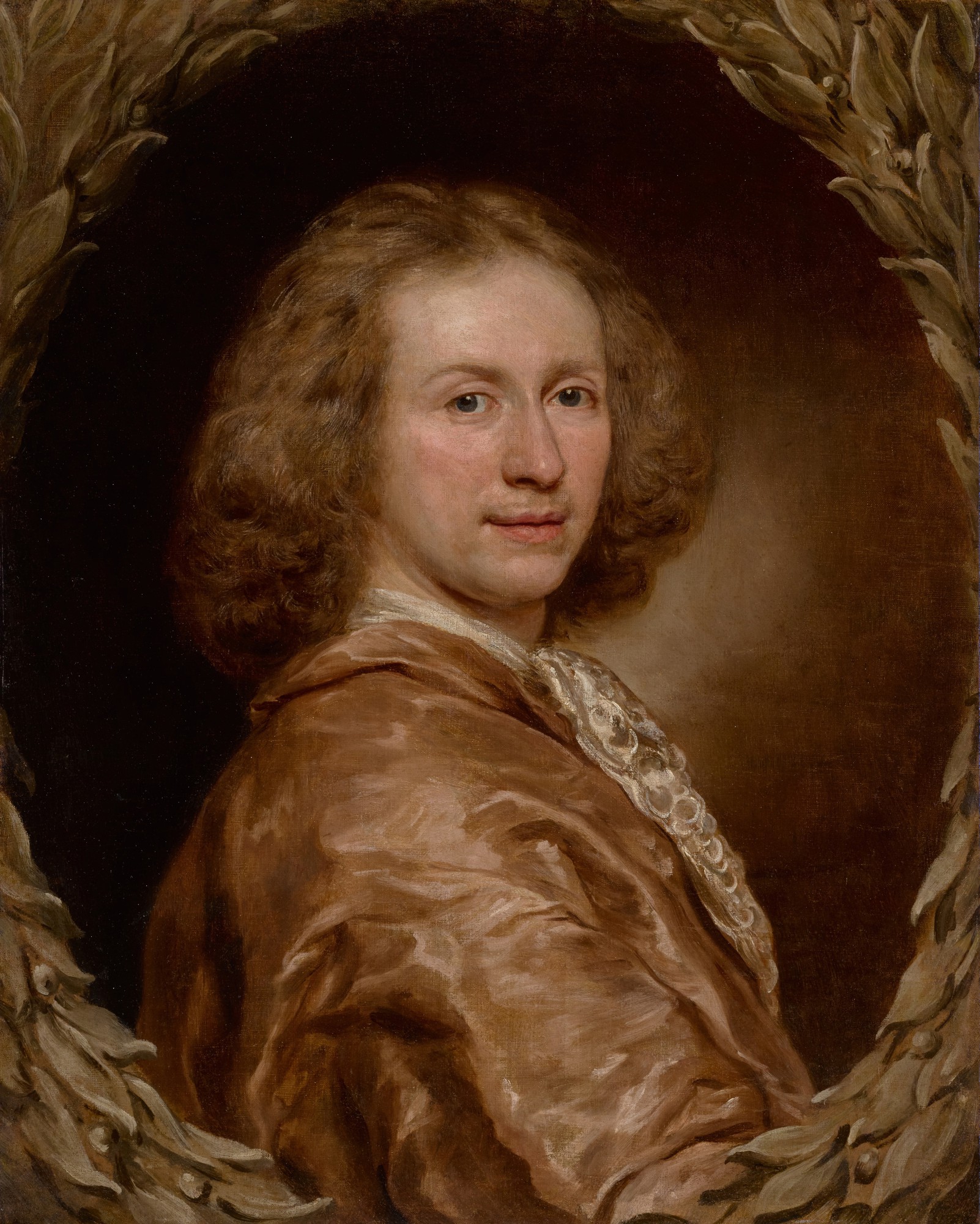
Jacob Ferdinand Voet
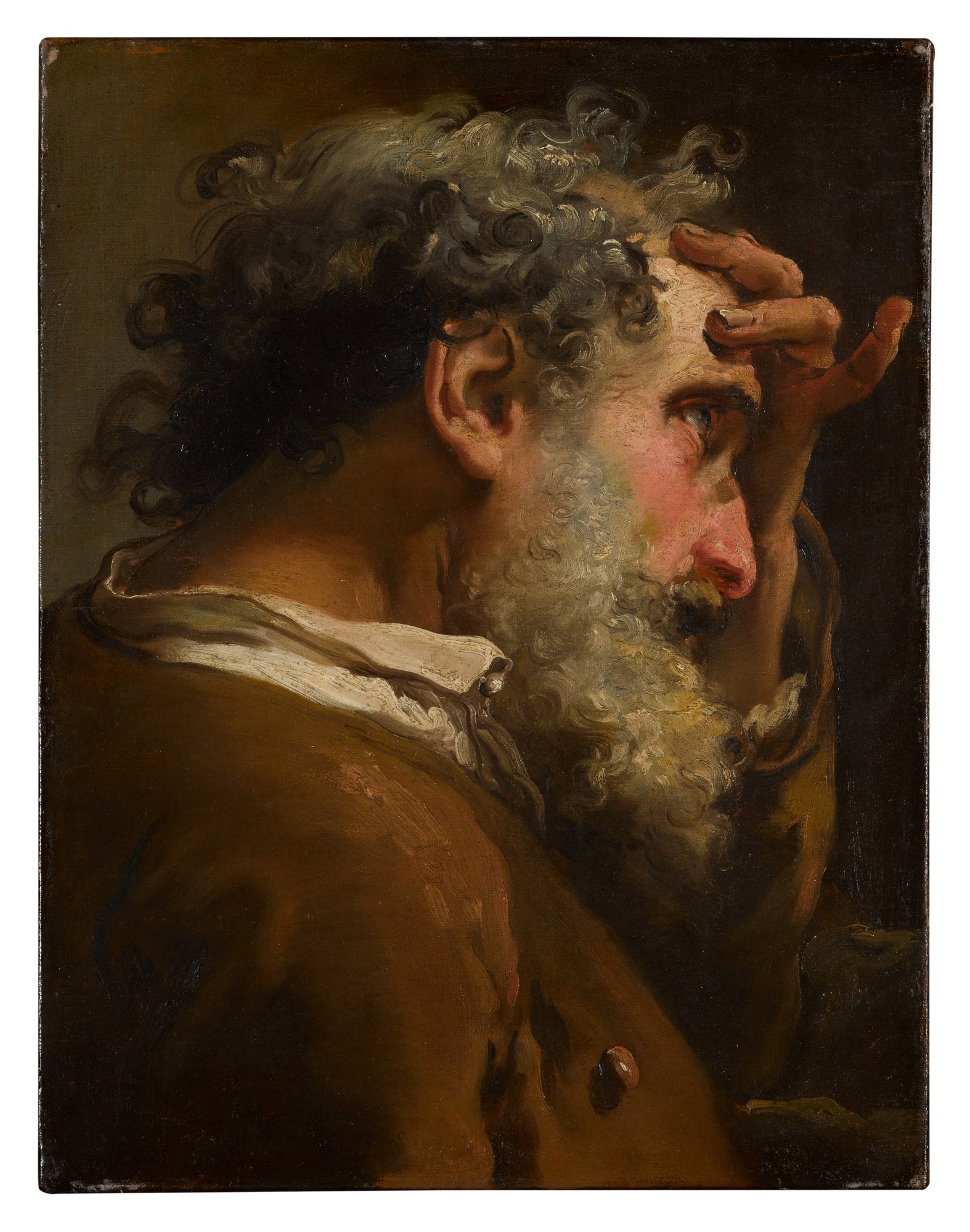
Self portrait, bust-length
Jacob Ferdinand Voet, the Flemish painter who built his career in Rome catering to a cosmopolitan clientele of cardinals, princes, and visiting grandees, represents a different but equally instructive strand of this history. His portraits have a silky surface refinement that can read as flattery until you look closely and notice the psychological acuity underneath. His work has appreciated steadily at auction as collectors have come to understand that his facility was not mere decorative accomplishment but a genuine analytical tool. Similarly, Frans Pourbus the Elder brings a northern precision to the format that feels almost forensic.
These are painters for collectors who want to understand how portraiture actually worked as a system of representation and social performance. The energy in this category right now feels concentrated around a few productive tensions. There is growing collector interest in works that sit at the edge of secure attribution, partly because the scholarship has matured enough to make those attributions meaningful rather than merely speculative. A painting described as Follower of Bronzino or attributed to Pieter Thijs used to feel like a consolation prize.
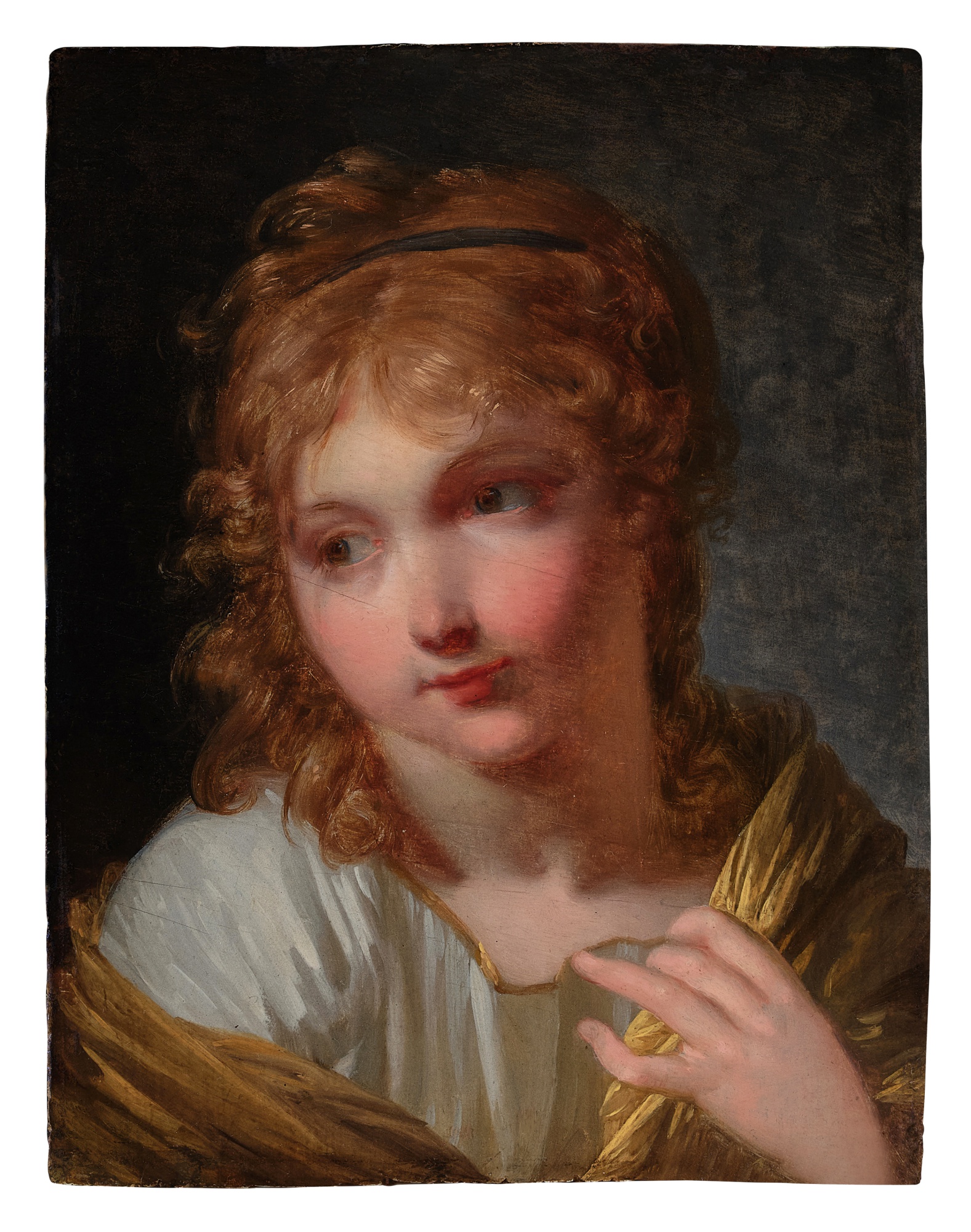
Jacques Antoine Vallin
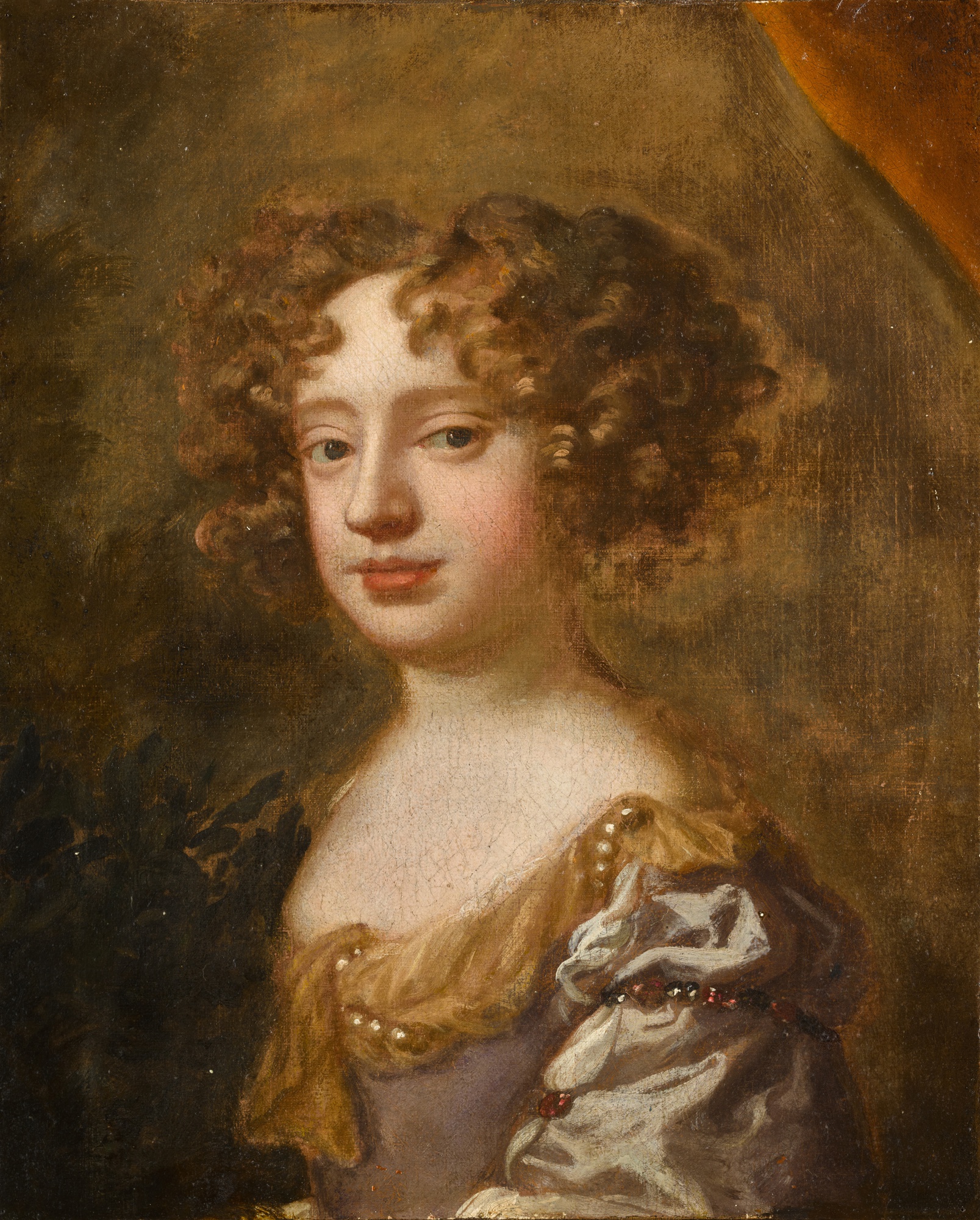
Portrait of a girl wearing a yellow shawl and blue ribbon in her hair, bust-length
Increasingly, it reads as an invitation to engage with workshop practice, influence, and the transmission of pictorial knowledge in ways that straightforward masterwork collecting does not permit. This is a more intellectually adventurous position, and it is attracting a more intellectually adventurous kind of collector. There is also fresh attention being paid to the French tradition, which has sometimes been overshadowed by the Italian and Dutch canons. The French School of the sixteenth and seventeenth centuries produced bust length portraits of real severity and psychological weight, and figures like Jacques Antoine Vallin and Jean Baptiste Greuze occupy different but equally fascinating positions within that lineage.
Greuze in particular has had a complicated critical afterlife, his sentimental reputation obscuring the genuine formal intelligence of his best portrait work. The revisionist case for Greuze as a serious portraitist rather than merely a genre painter is one of the more interesting arguments circulating in curatorial circles right now. What the bust length portrait ultimately offers, to the collector as much as to the historian, is the most unmediated encounter the painted tradition affords. No allegory to decode, no landscape to admire at a distance.
Just the question of how a painter understood another person, and whether that understanding has survived across the centuries intact. The works on The Collection make a compelling argument that it has.