Architecture Subject
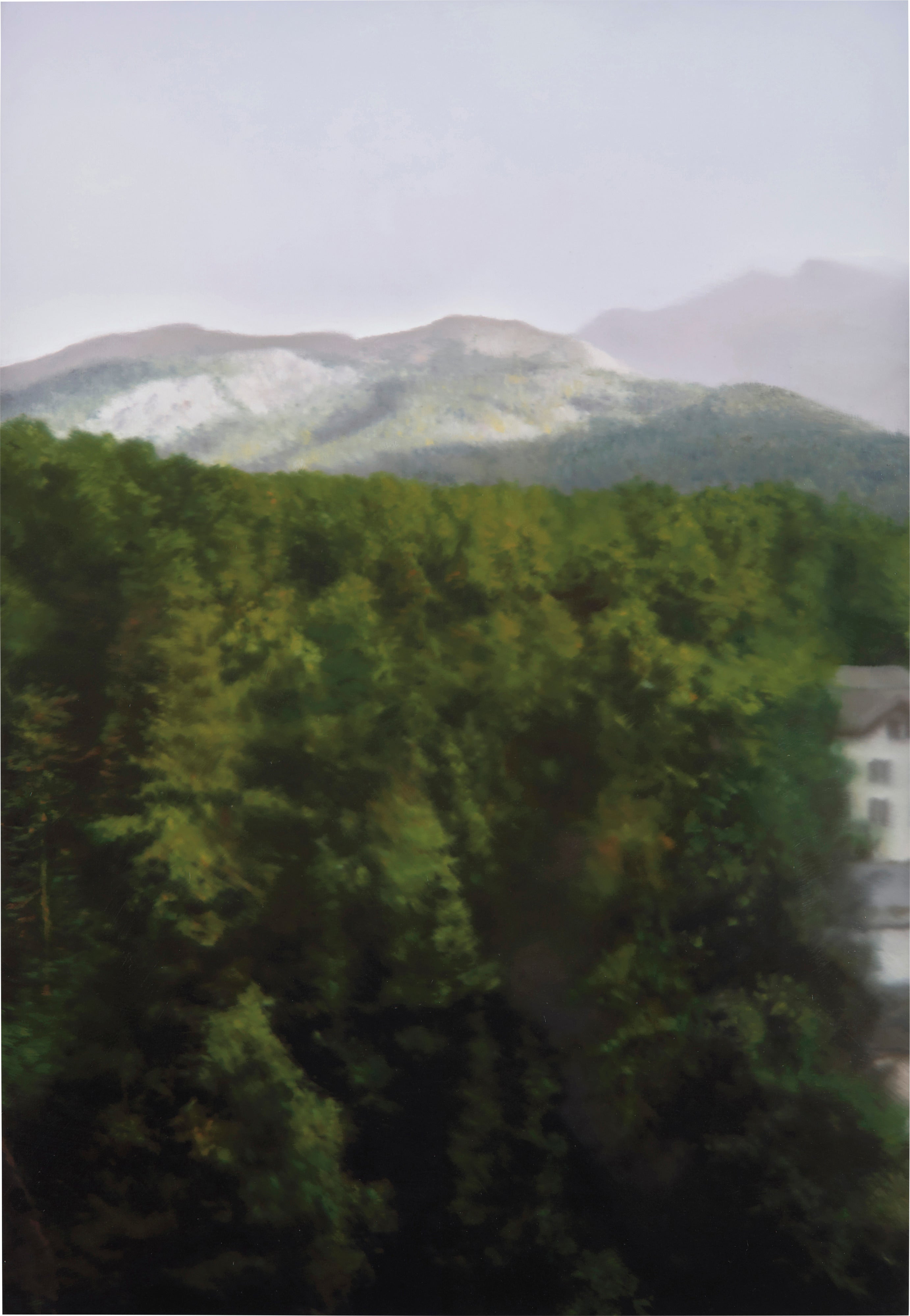
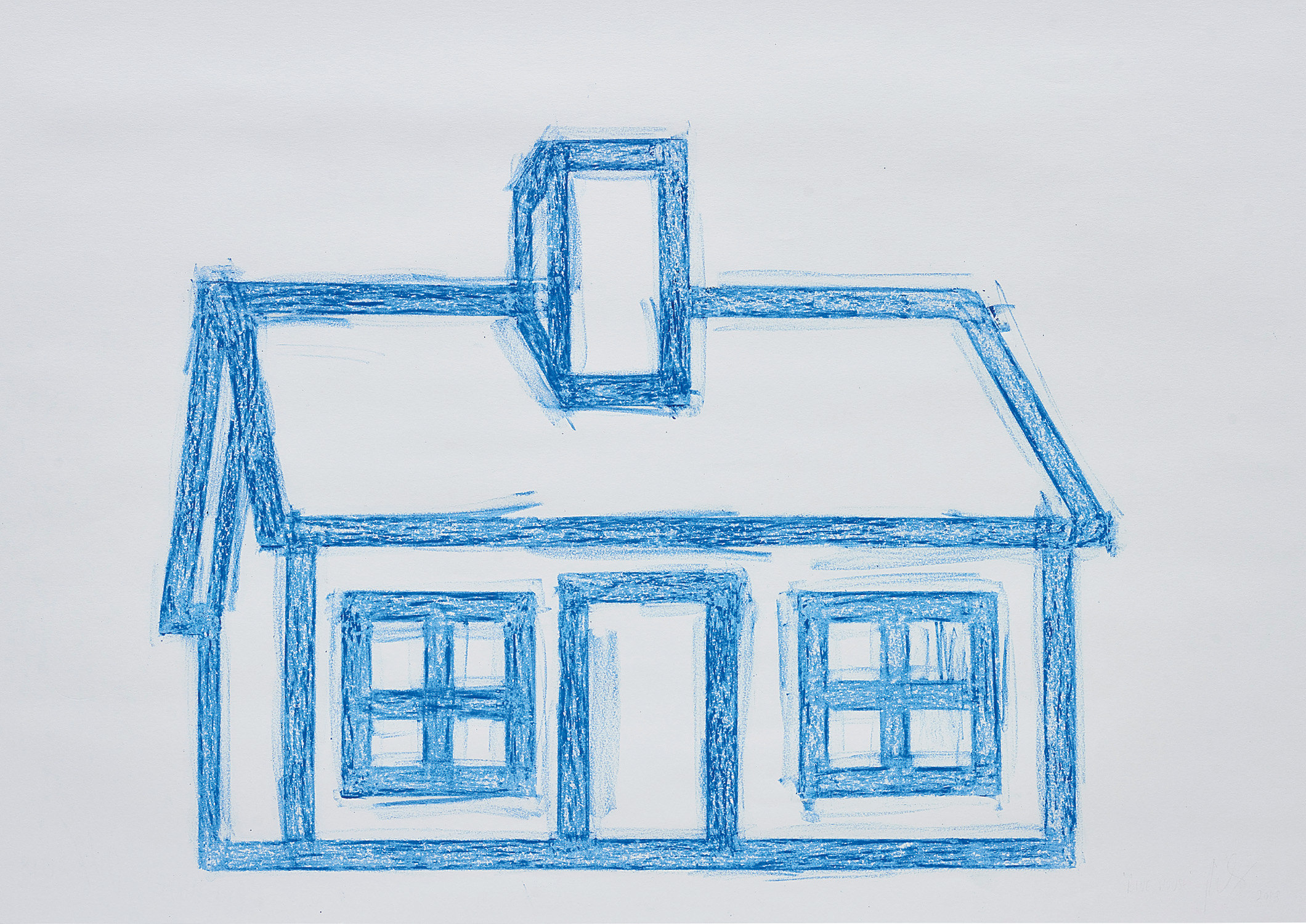
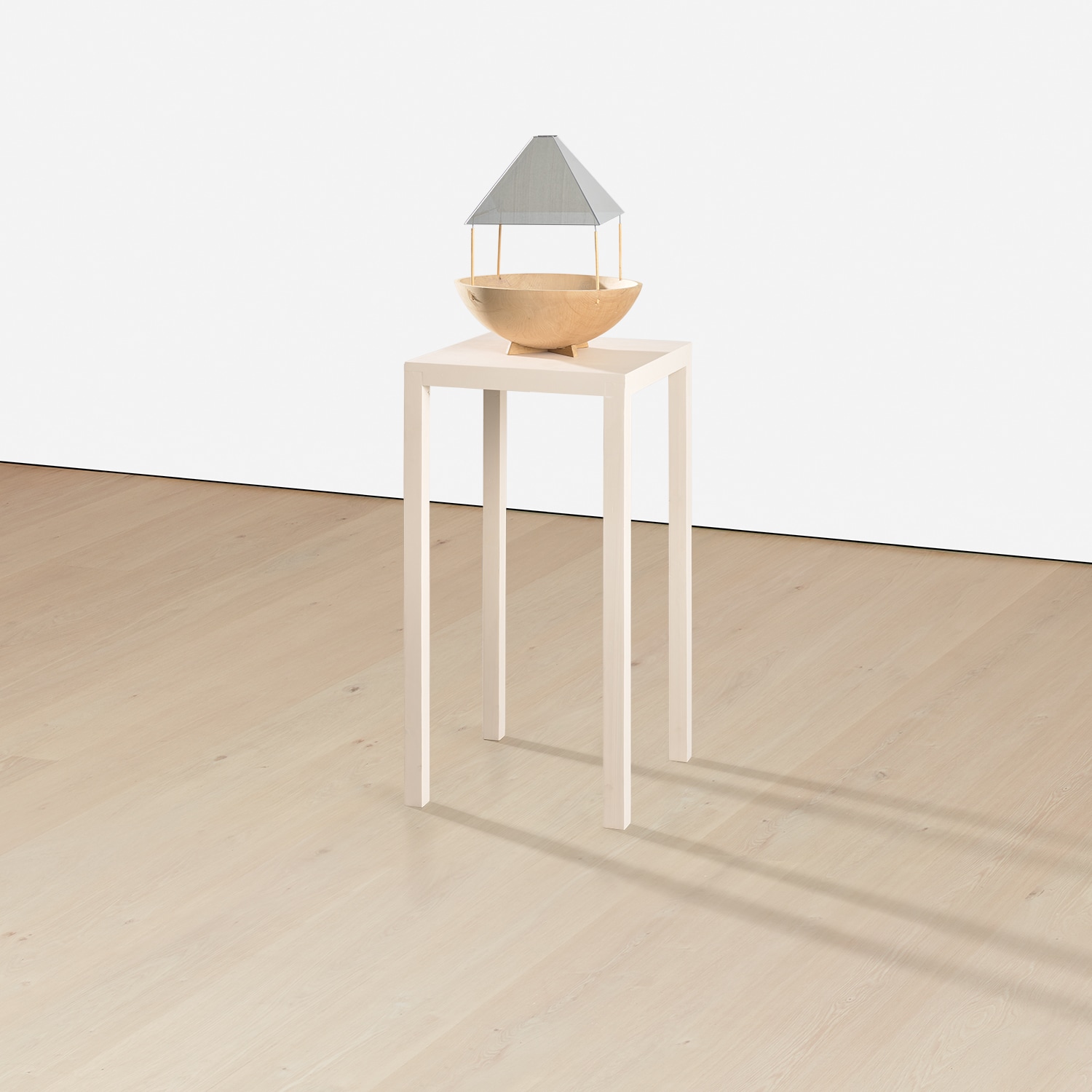
Gerhard Richter
Waldhaus (House in the Woods)
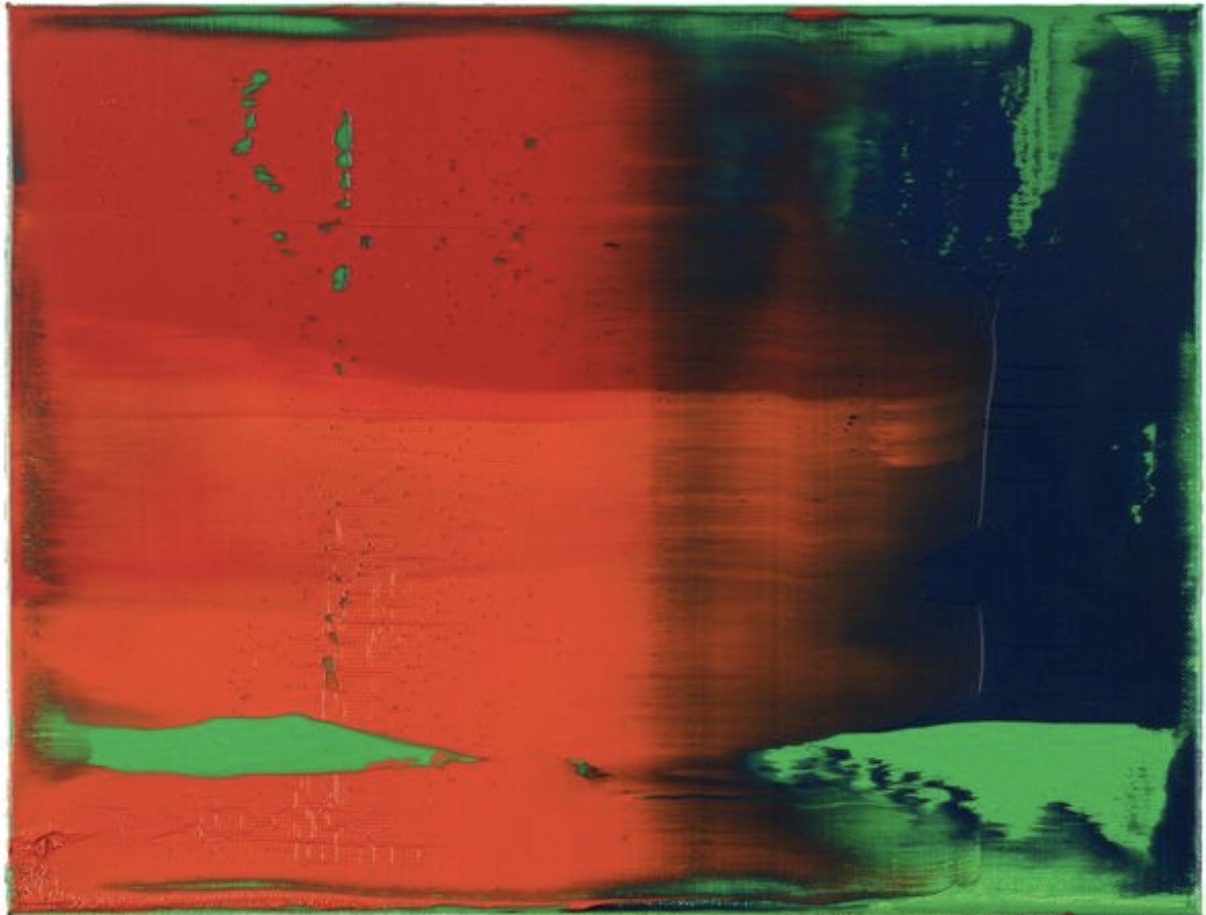
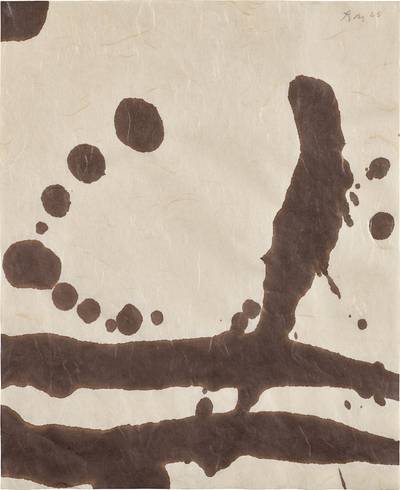
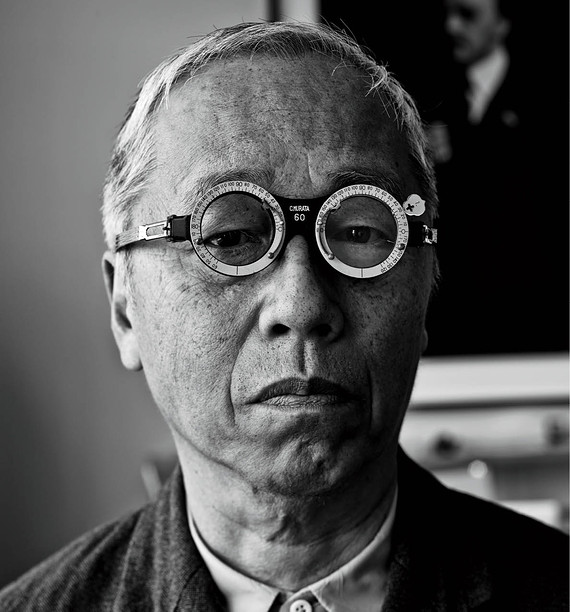




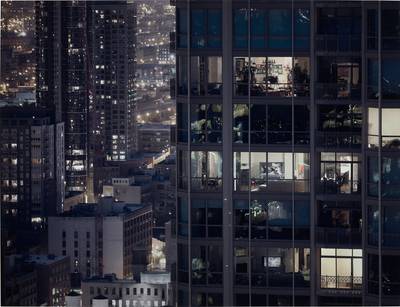
Buildings That Haunt You Long After
There is something quietly radical about choosing to live with architecture as subject matter. Unlike portraiture or landscape, which announce their emotional register immediately, architectural works operate on a slower frequency. They ask you to pay attention to the space between things, to the way light falls across a facade, to the geometry of human ambition rendered in stone and steel and glass. Collectors who find their way to this category tend to stay.
The works do not exhaust themselves on first viewing. They accumulate meaning as you move through life alongside them. What draws serious collectors to architectural subject matter is partly intellectual and partly visceral. Architecture is the one art form that structures lived experience directly, and artists who turn their gaze toward buildings are, in a sense, reflecting the container of human life back at us.
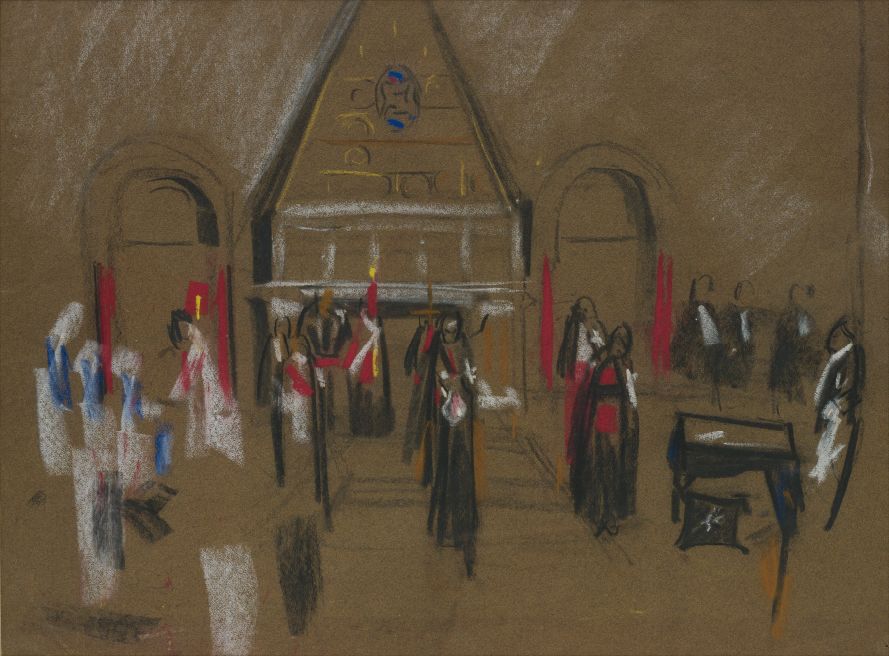
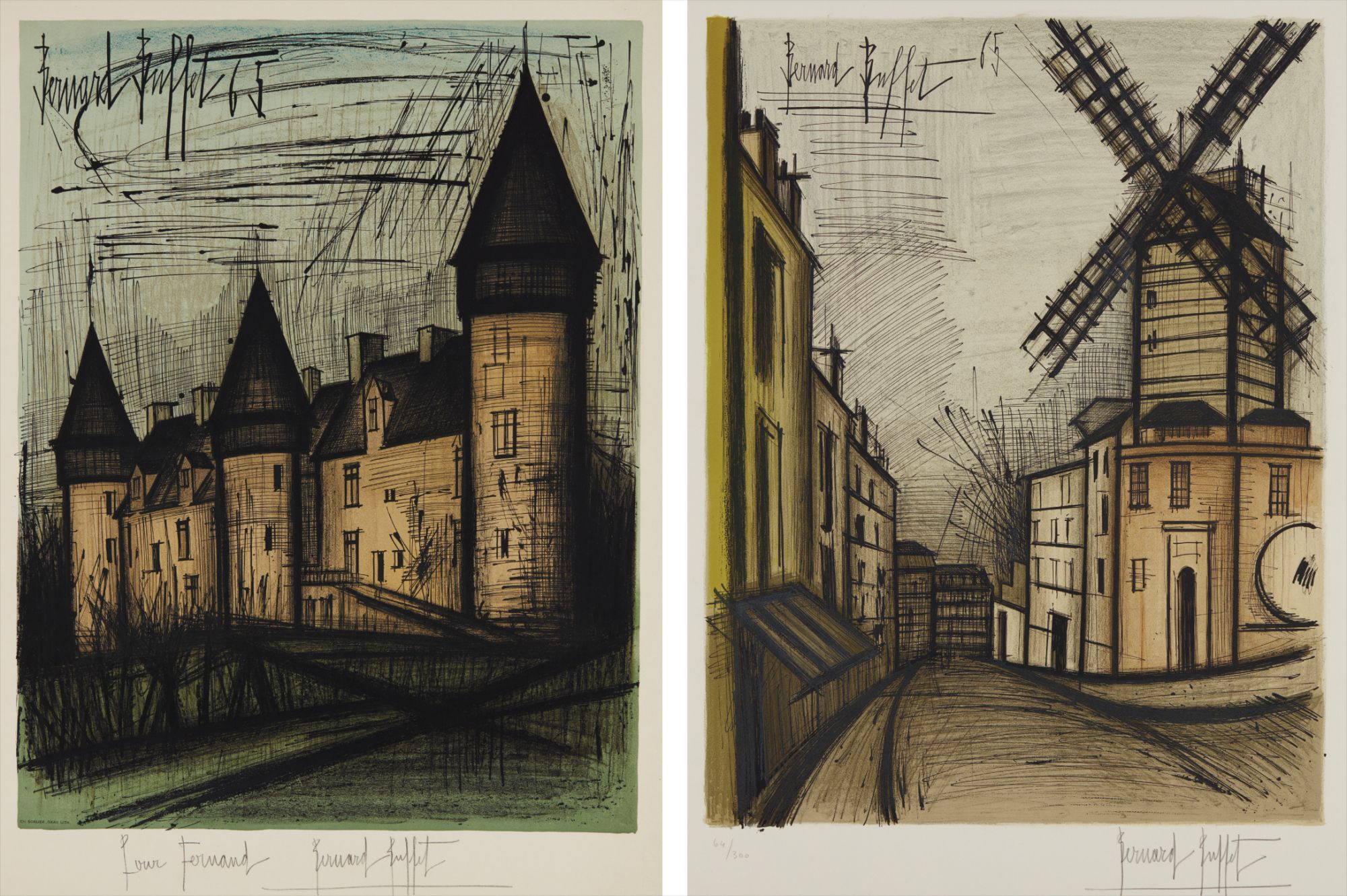
David Bomberg
Armenian Church, Jerusalem, 1923
The best works in this category carry a kind of doubled awareness: you are looking at a building, yes, but you are also looking at time, at memory, at the way civilization projects its ambitions outward into physical form. This is rich territory for a work to occupy on your wall. The difference between a good architectural work and a great one comes down to tension. A merely competent work describes a building.
A great one uses the building as a vehicle for something that resists easy description. Lyonel Feininger understood this instinctively, his Cubist inflected cathedral studies from the 1920s fragmenting Gothic architecture into something both devotional and destabilizing. What you look for as a collector is that same quality of productive unease: a sense that the artist is not documenting but interrogating. Scale matters too, as does the relationship between surface and depth.
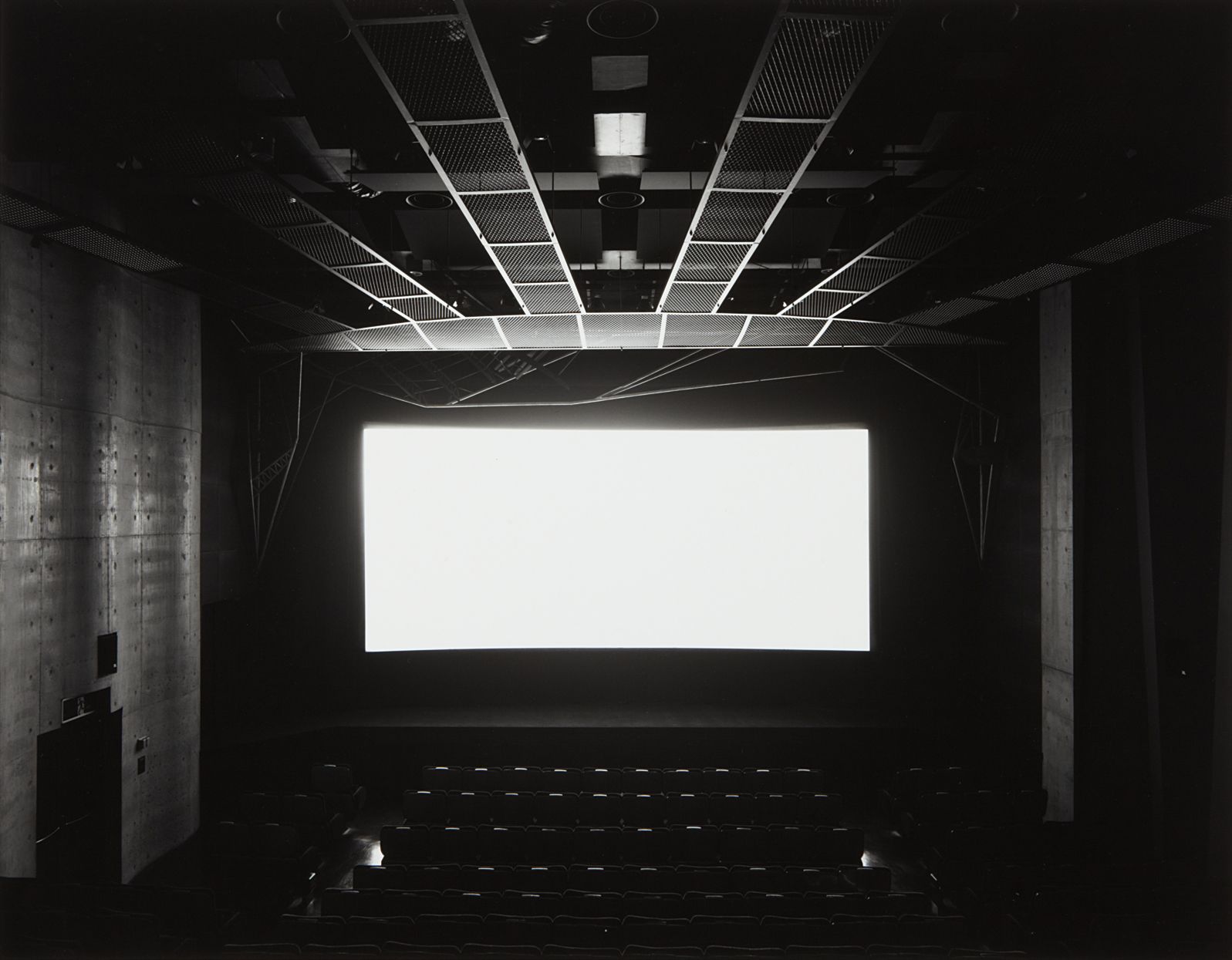
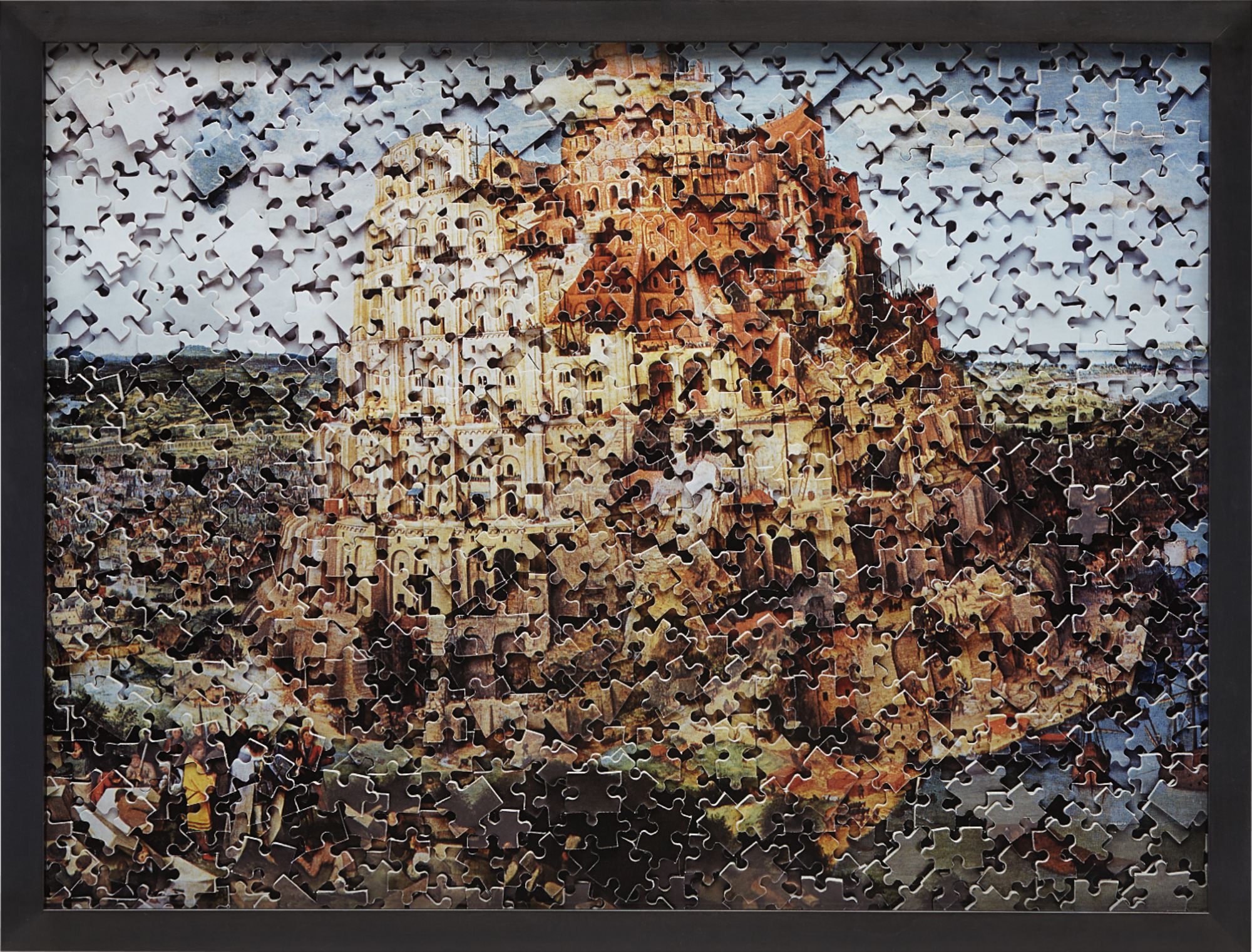
Hiroshi Sugimoto
Cinema Rise, Tokyo
Works that reward prolonged looking, that reveal new structural logic the longer you spend with them, are the ones worth acquiring seriously. Among the artists well represented on The Collection, several occupy genuinely important positions within this subject area. Hiroshi Sugimoto's architectural photographs operate at the intersection of memory and erasure. His long exposure images of theaters and modernist buildings approach the built environment as a kind of fossil record, capturing structures at the edge of legibility.
Owning a Sugimoto is owning a meditation on how architecture holds and loses time. Dan Graham, whose pavilion works and related photographs explored the phenomenology of glass and reflection throughout the 1970s and beyond, brought a conceptual rigor to architectural subject matter that still feels unresolved in the best possible sense. His works demand that you think about what a building actually does to a body in space. Peter Doig brings something altogether more painterly and atmospheric to the subject.
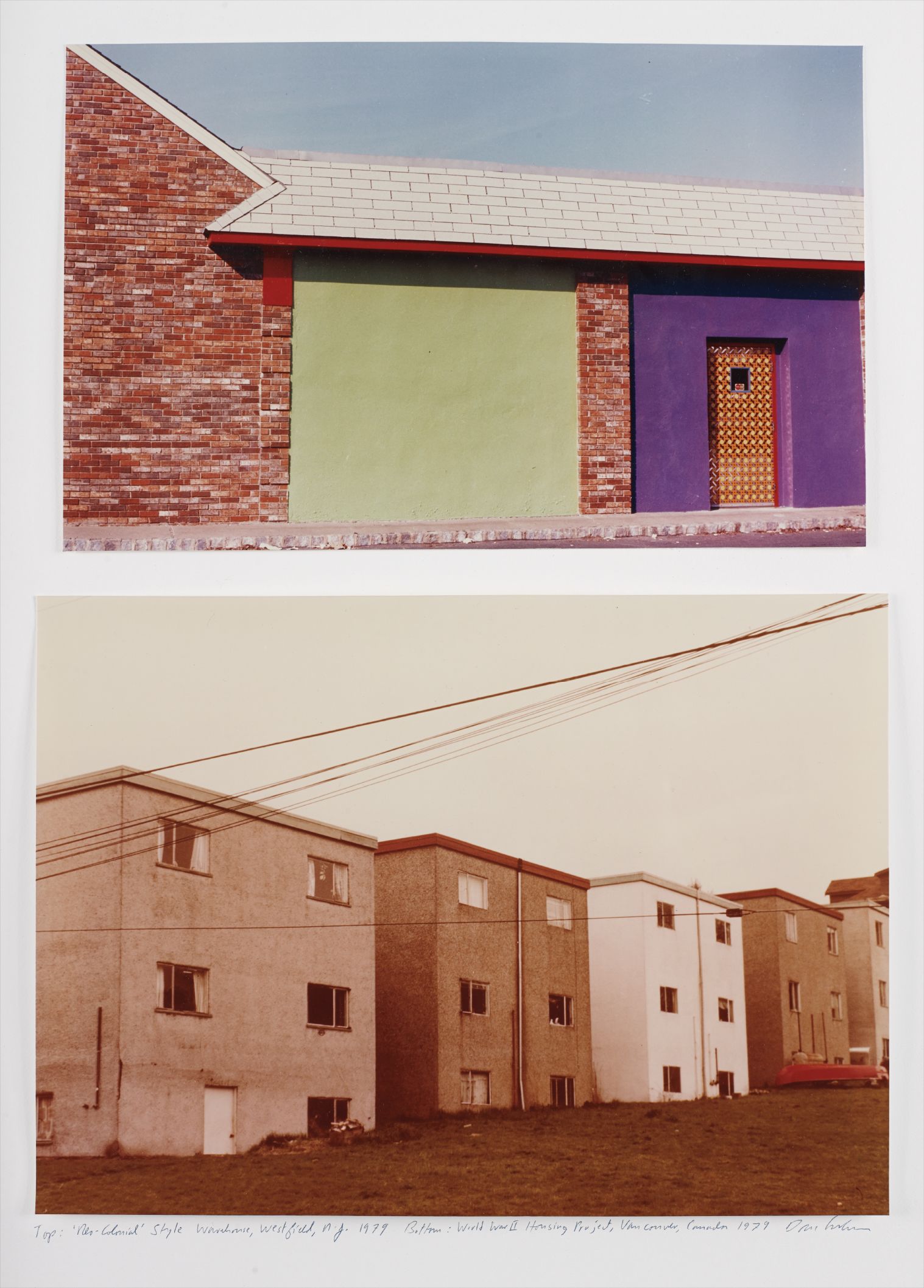
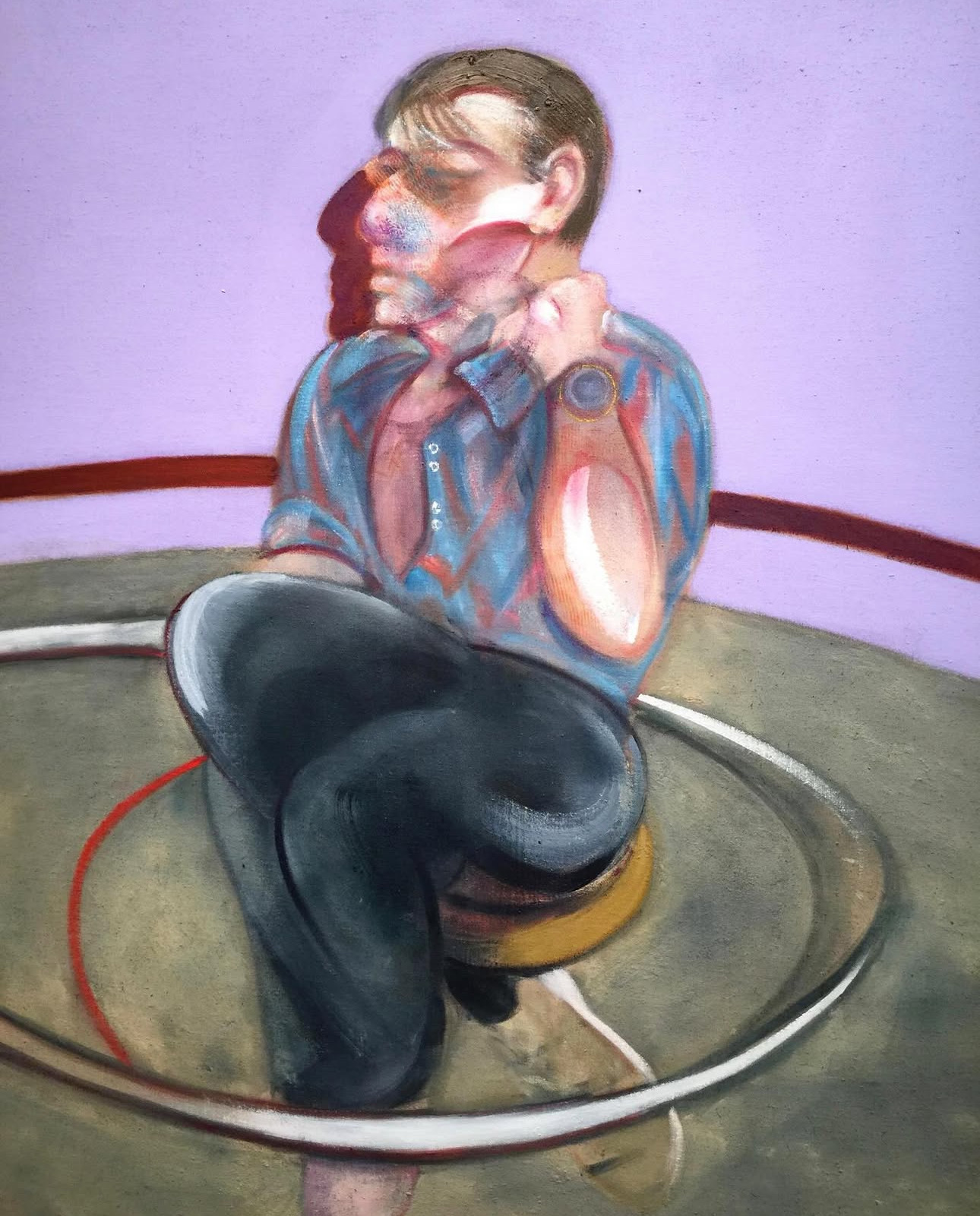
Dan Graham
Two works: (i) 'Neo-Colonial' Style Warehouse, Westfield, N.J., 1979;(ii) World War II Housing Project, Vancouver, Canada
His architectural imagery is suffused with a particular kind of northern melancholy, structures glimpsed through weather or across water, always slightly beyond reach. Dayanita Singh offers a different but equally compelling entry point. Her photographic work, much of which engages with institutional and domestic architecture across India, approaches buildings as archives of social life. Her practice resists easy categorization and that quality of resistance is precisely what makes her work so valuable to live with.
Richard Artschwager spent decades collapsing the boundary between furniture, sculpture, and architectural representation, and his works carry a dry formal wit that wears exceptionally well over time. For collectors interested in the more painterly end of architectural subject matter, Enoc Pérez produces large scale oil paintings of modernist hotels and residences, particularly structures associated with mid century American leisure culture, that manage to be both seductive and elegiac simultaneously. For collectors with an eye on emerging value, Koen van den Broek deserves serious attention. The Belgian painter works with architectural fragments, road markings, and urban surfaces in a way that owes something to American hard edge painting but feels genuinely contemporary in its sensibility.
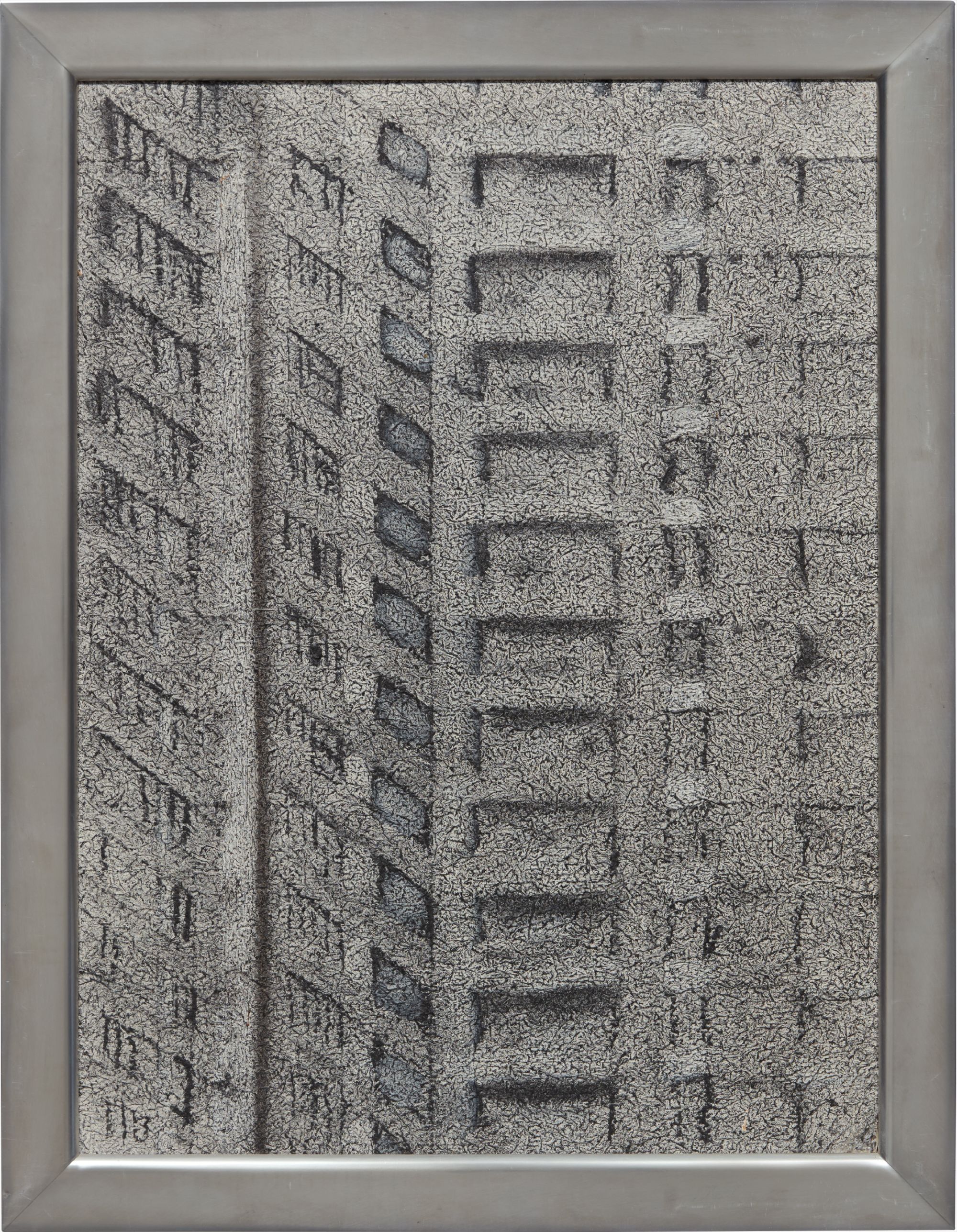
Richard Artschwager
Apartment House, 1967
His prices remain accessible relative to his critical standing, and that gap tends to close. Michael Wolf's documentary photography of Hong Kong's dense residential towers brought architectural subject matter into urgent dialogue with questions of urbanization and human density, and his body of work has continued to appreciate following his death in 2019. Collectors who missed the early market moments for Wolf should not make the same mistake twice with comparable figures working at the intersection of photography and urban form. At auction, architectural subject matter performs with notable consistency rather than dramatic volatility.
The category does not generate the headline results of portraiture or certain strands of abstraction, but it holds value reliably, and strong works by confirmed names tend to find buyers at or above estimate. Sugimoto's market is well established and his major architectural series command significant sums at the top international houses. Feininger's architectural paintings have a long track record at auction, with institutional interest from major museums providing a reliable floor. The secondary market for artists like Doig and Artschwager is liquid and active, with works changing hands regularly through both auction and private sale.
Practical considerations matter enormously in this category. If you are acquiring photographic works, edition size is the first question to ask. A Sugimoto in an edition of five occupies a fundamentally different market position than one in an edition of twenty five, and galleries are not always forthcoming about this without being asked directly. For paintings, condition issues around cracking and surface abrasion are especially relevant with heavily worked impasto surfaces.
Always request a full condition report and, for works of significant value, an independent conservation assessment. When it comes to display, architectural works tend to benefit from generous wall space and consistent lighting. They are not works that need to compete with busy surroundings. Give them room to breathe and they will reward you.
The collectors who regret acquisitions in this space almost always describe works that felt like intellectual choices at the time. The ones that last are the works you could not stop looking at in the gallery. Trust that response. It has a longer half life than any market argument.