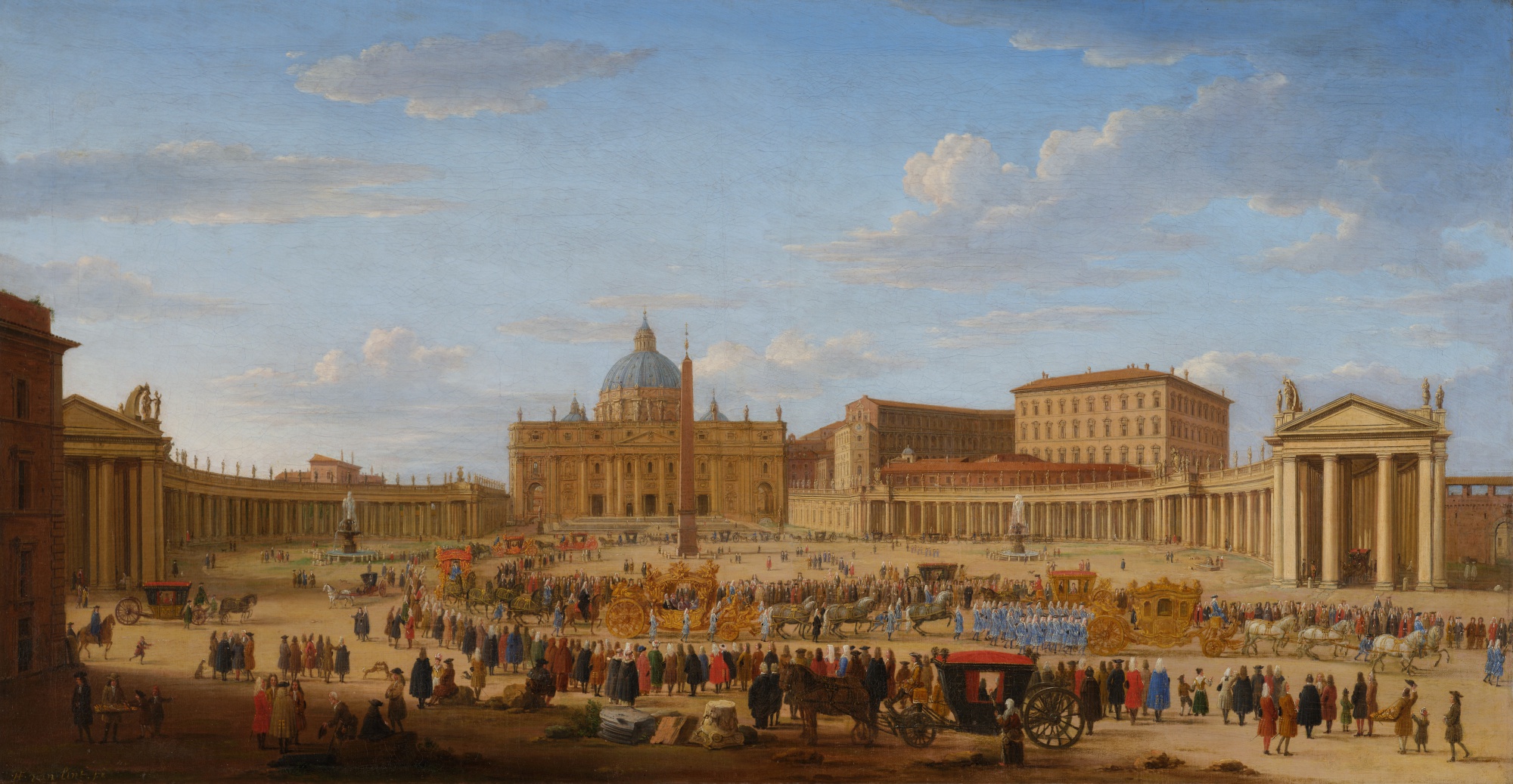
Architectural View
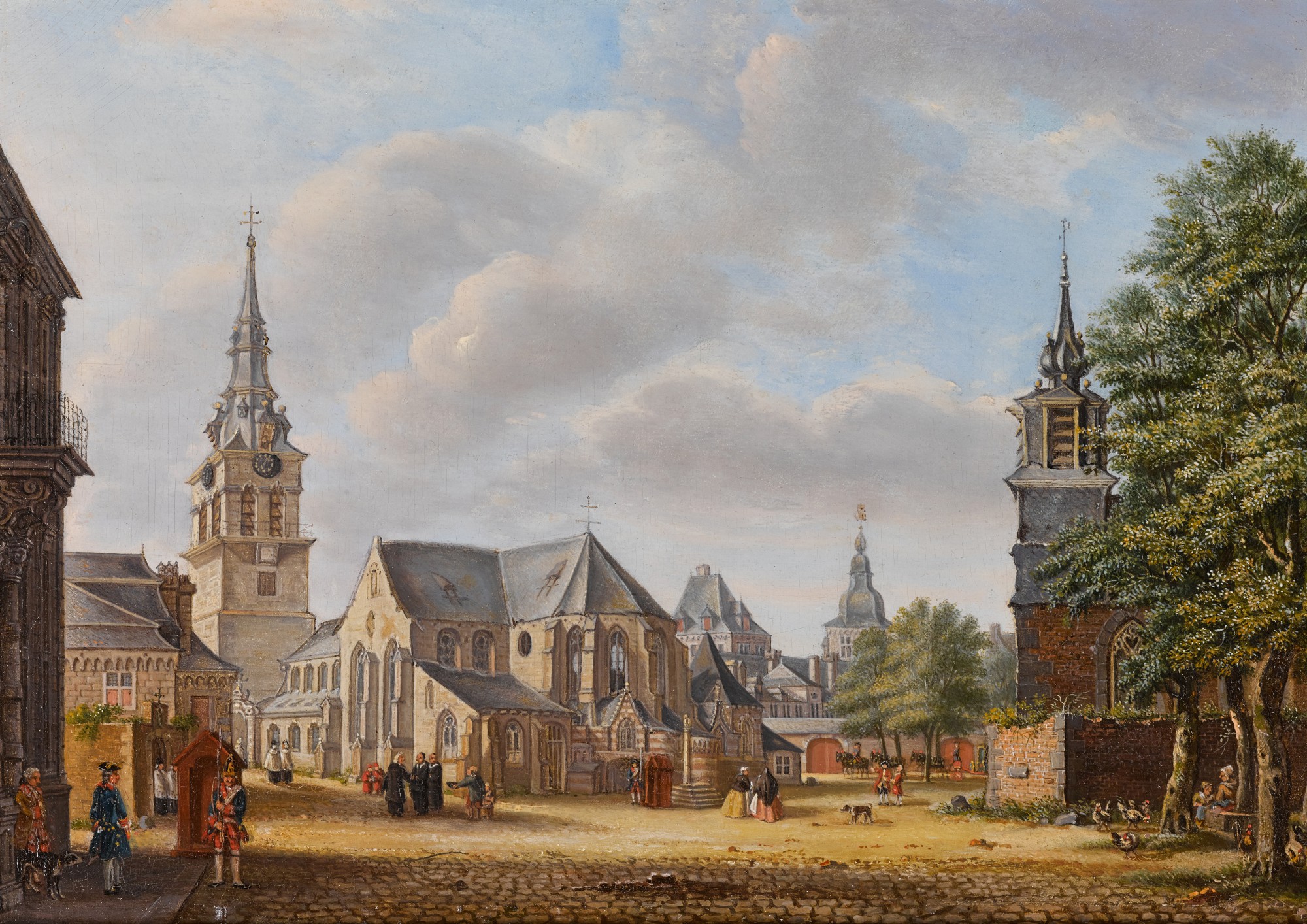
Jan de Beijer
A view of the Place Saint-Aubin, Namur, with soldiers on guard


The Room That Opens Onto Everything
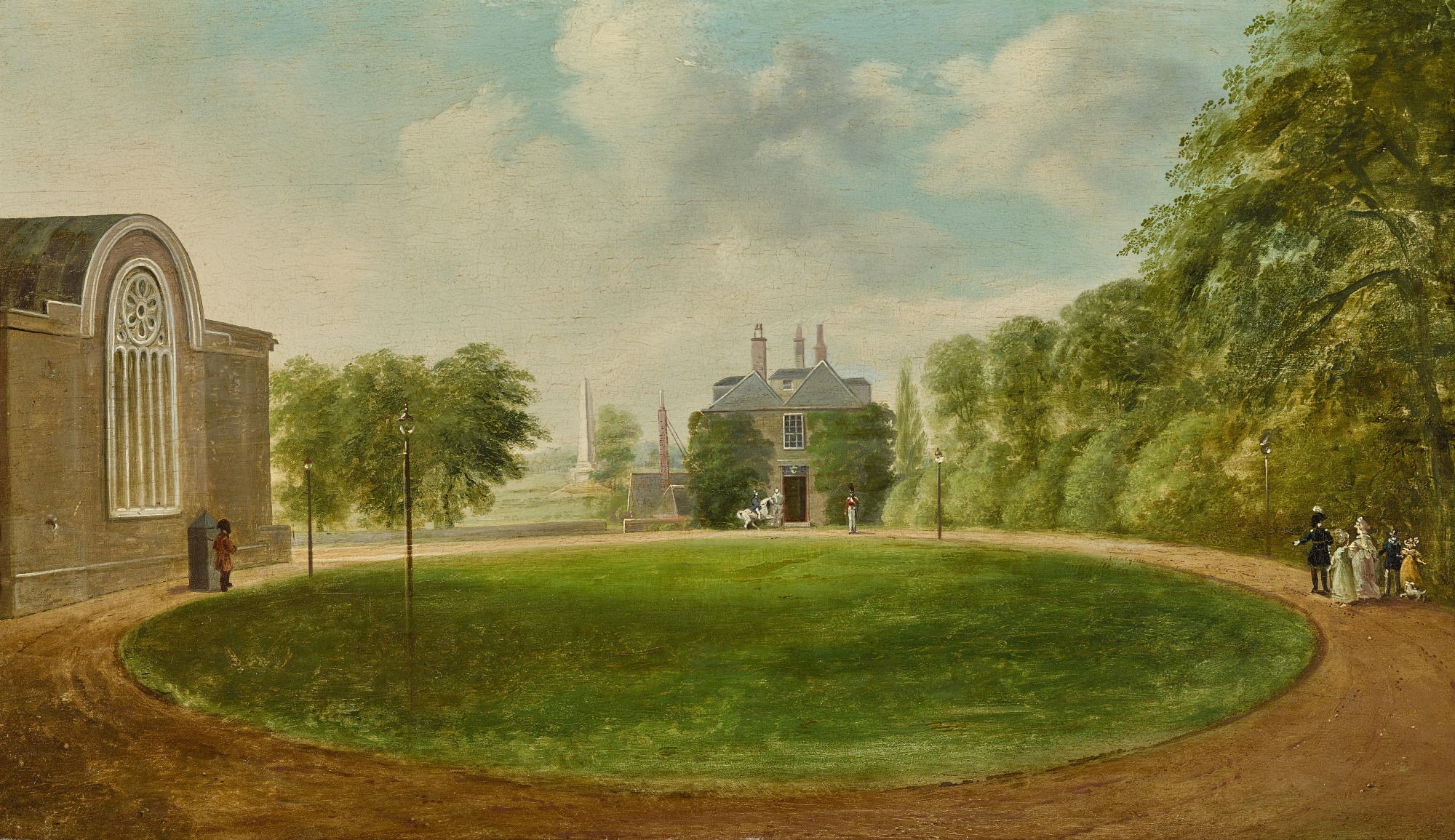
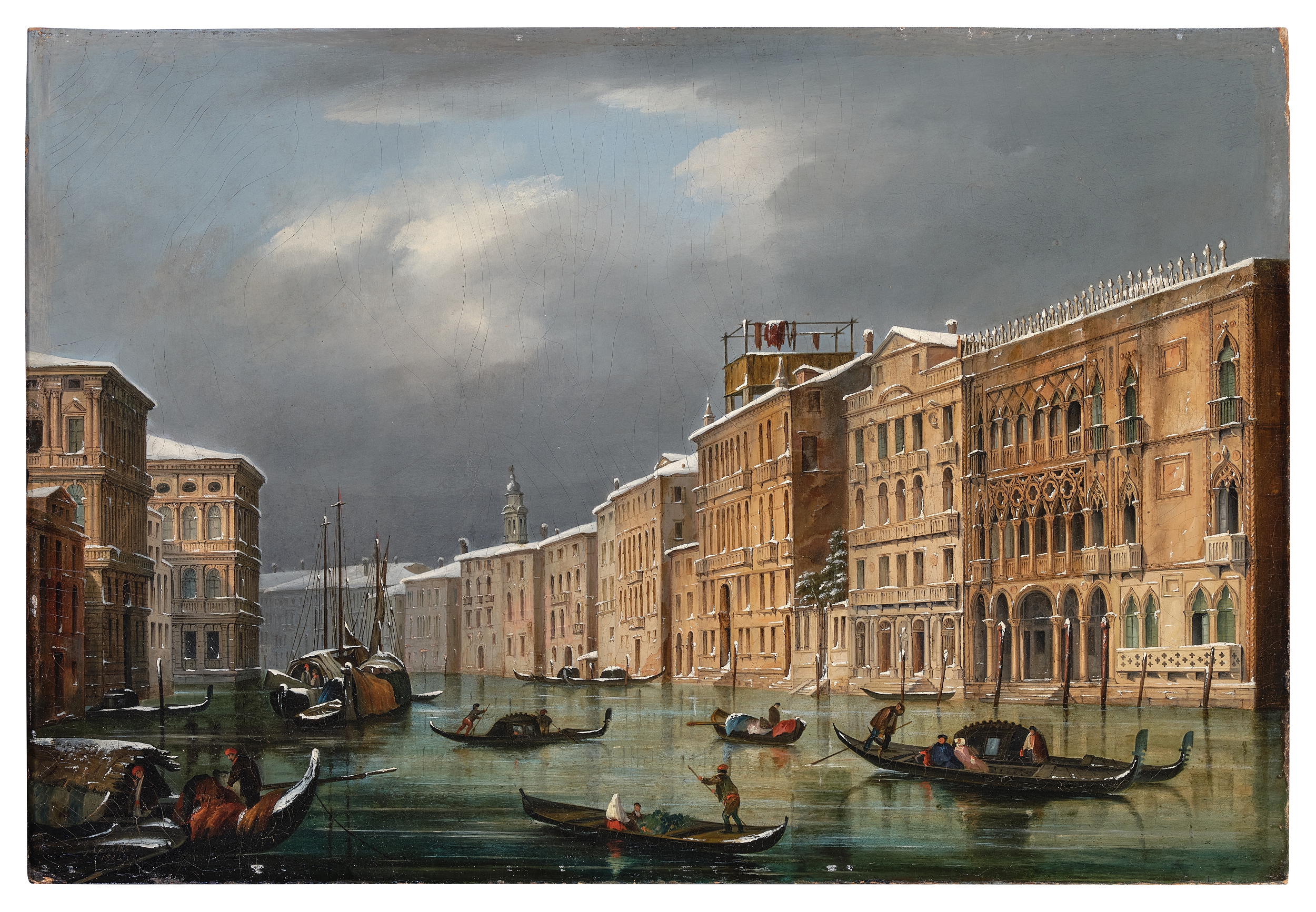
There is something almost irrational about the pull of architectural views. Collectors who acquire them often describe the same experience: the work does not merely hang on a wall, it restructures the wall entirely. A painted piazza, a canal receding toward a distant campanile, a courtyard caught in the particular amber light of late afternoon these are not records of places so much as propositions about how a place might feel when you are not quite present in it. That tension between documentation and reverie is precisely what makes the architectural view so rewarding to live with, and so difficult to stop thinking about.
The genre carries with it an inherent generosity toward the viewer. Unlike portraiture, which demands a relationship with a specific individual, or still life, which asks you to contemplate mortality through fruit, an architectural view extends an open invitation. You are welcome to walk in. The pleasure of collecting in this area is partly the pleasure of accumulation across time each new work you bring home adds another city, another century, another quality of light to the imaginative world you inhabit daily.
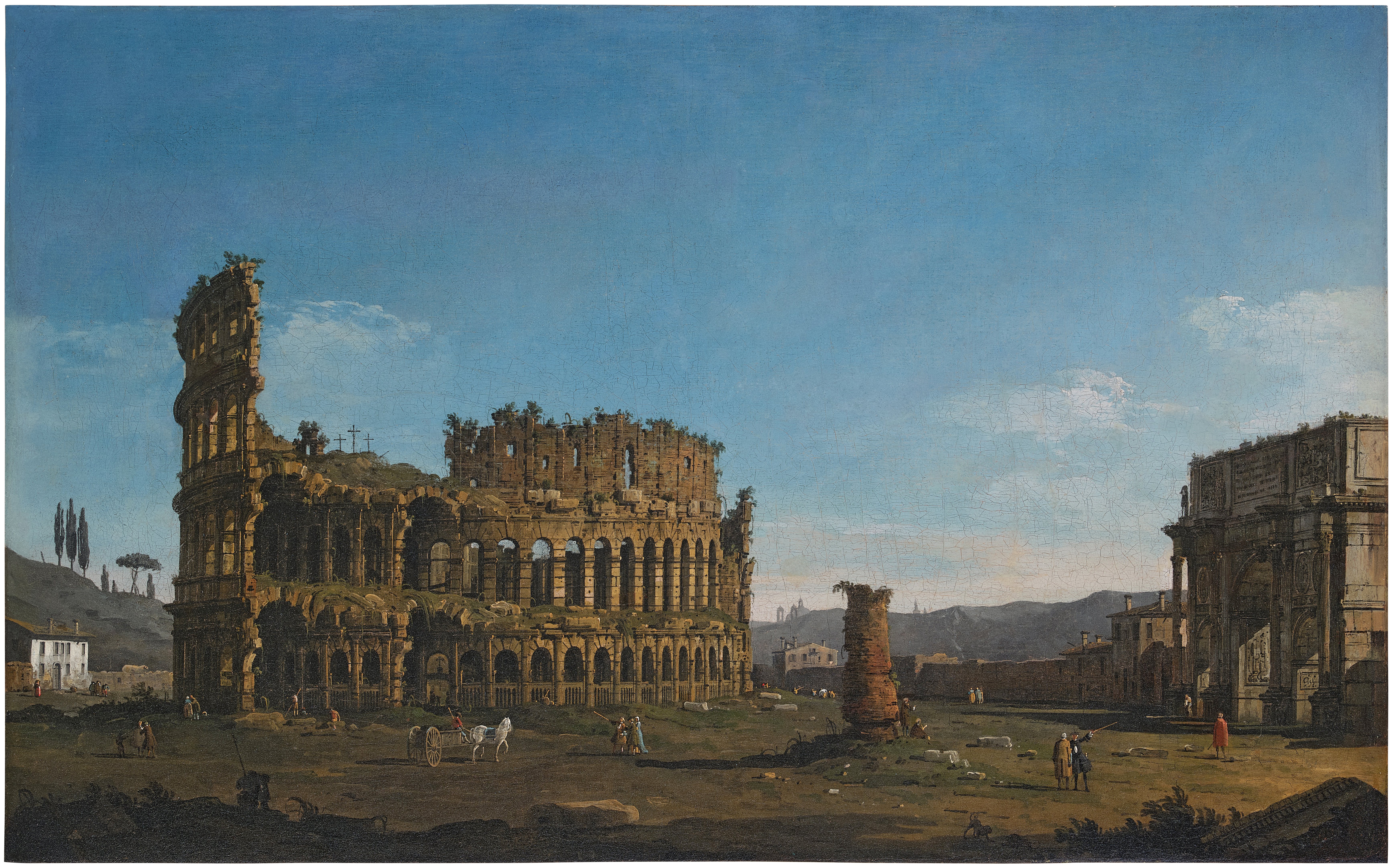
Bernardo Bellotto
Rome, a view of the Colosseum and the Arch of Constantine
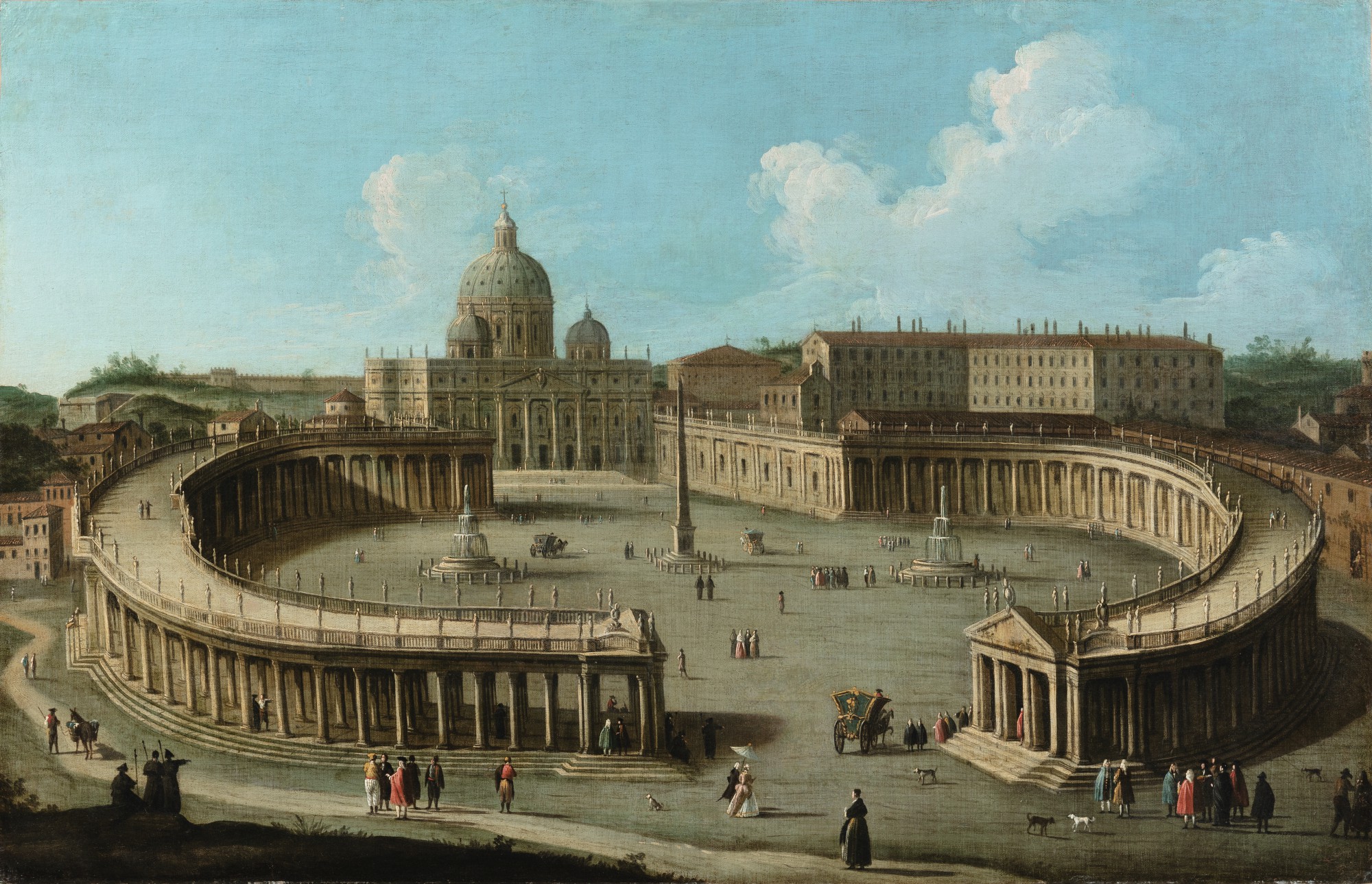
Serious collectors often find that one work leads almost inevitably to another, not out of compulsion but because the conversation between pieces becomes its own reward. Quality in this category is easier to recognize than it is to articulate. The most obvious marker is spatial conviction. A great architectural view persuades you that its creator understood the geometry of the space before they understood anything else about it.
Bernardo Bellotto, whose work appears on The Collection, exemplifies this completely. His command of perspective was forensic, almost aggressive, and the result is a kind of visual authority that lesser topographical painters never achieved. Where a competent view gives you a scene, a great one gives you an address. You feel that if you stepped through the picture plane you would know which way to turn.
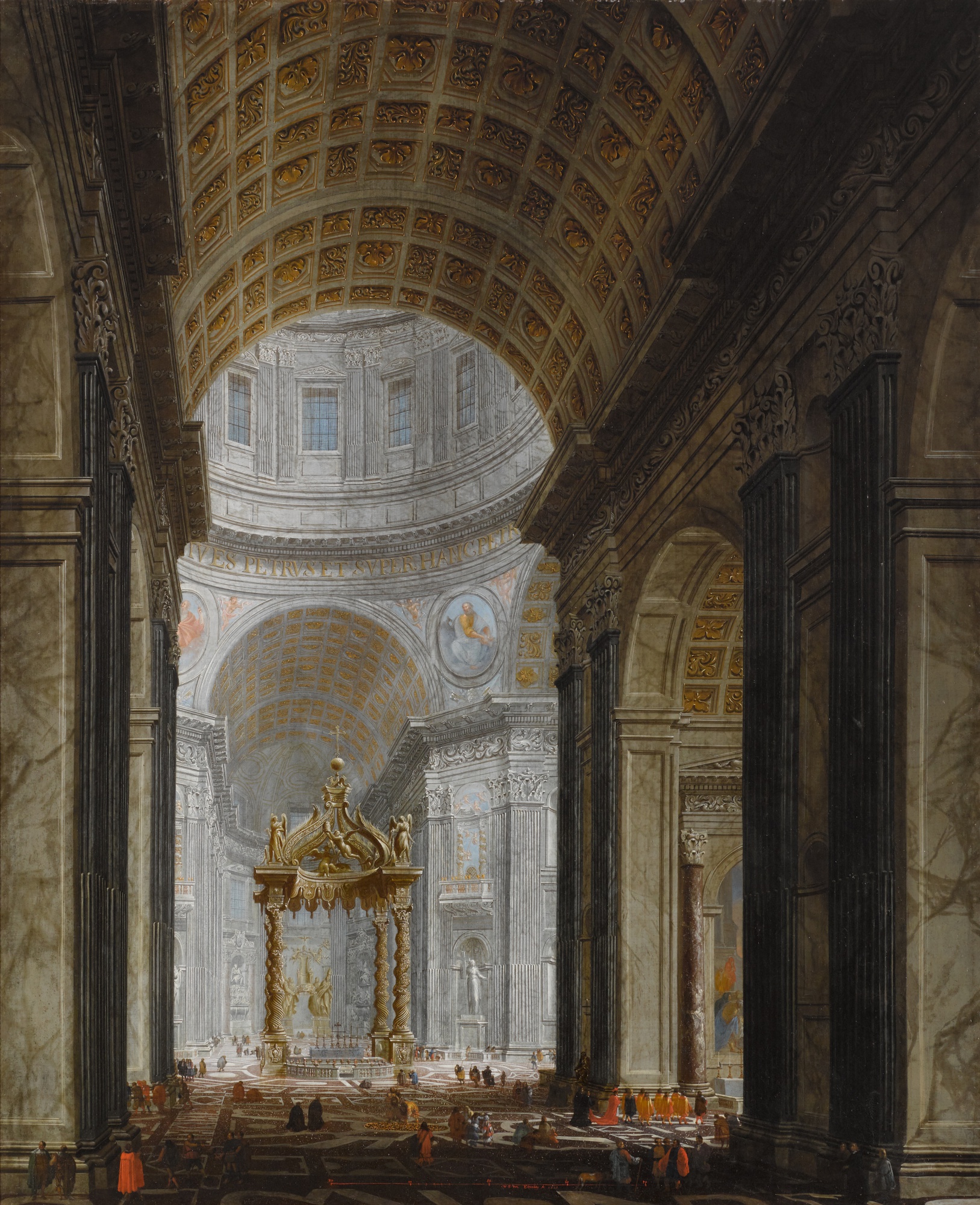
Wilhelm Schubert van Ehrenberg
A view of the interior of Saint Peter's Basilica, Rome
Alongside spatial intelligence, look for the quality of light handling. Architecture without convincing light is merely diagram, and the painters who understood this who knew how shadows fall across rusticated stonework, how reflected light behaves in narrow streets are the ones whose work continues to appreciate. Within the artists represented on The Collection, the case for Bellotto is strong and well established, but it is worth paying serious attention to figures whose reputations have not yet fully caught up with their quality. Wilhelm Schubert van Ehrenberg, a Flemish painter working in the seventeenth century with strong links to the Antwerp tradition, produced interior architectural views of remarkable technical refinement.
His work sits in a category the painted imaginary church interior that remains undervalued relative to its complexity and ambition. Similarly, Hendrik Frans van Lint, who worked in Rome through much of the eighteenth century and was known to his contemporaries as Lo Studio, produced views of the Roman campagna and the city itself that combine topographical accuracy with a genuinely lyrical sensibility. His work has benefited from growing scholarly attention to the community of Northern European artists who made Rome their permanent home, and prices have responded accordingly, though there remains room for collectors who act before the broader market does. For collectors interested in emerging opportunities, the territory of attributed and school works deserves more serious consideration than it typically receives.
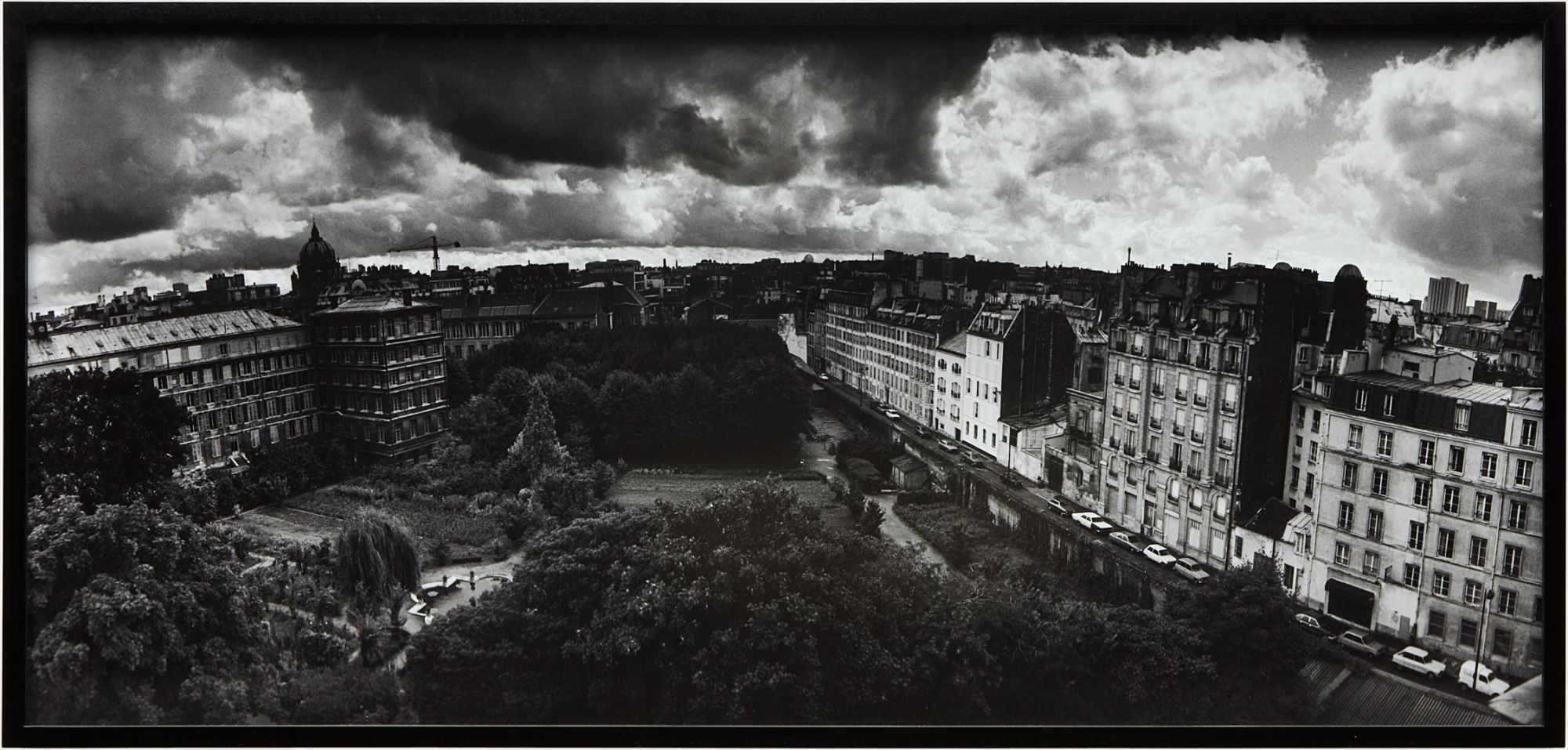
Helmut Newton
View from my window, Rue de L'Abbé-de-l'Éppé, Paris V
A work catalogued as attributed to Pietro Bellotti, for instance, represents not a problem to be solved but a genuinely interesting collecting proposition. Attribution questions in Old Master and early modern material are rarely resolved definitively, but they are often clarified over time through archival research, technical analysis, and shifting scholarly consensus. Collectors who understand this and who develop relationships with specialists in the relevant period can occasionally acquire works at prices that reflect uncertainty rather than quality. The risk is real, but so is the potential for both intellectual satisfaction and financial return when the scholarly conversation moves in your favor.
At auction, architectural views perform with notable consistency in the mid to upper ranges of the Old Master and European painting categories. Works by Bellotto and his uncle Canaletto have long commanded strong prices at the major houses, with significant pieces regularly achieving results well into seven figures. But the more interesting market action, and the more accessible one for most collectors, happens further down the value chain. Painters like Jan de Beijer, the Dutch draughtsman and topographer active in the mid eighteenth century, represent a category where deep specialist knowledge translates directly into purchasing advantage.
Jan de Beijer
A view of the Place Saint-Aubin, Namur, with soldiers on guard
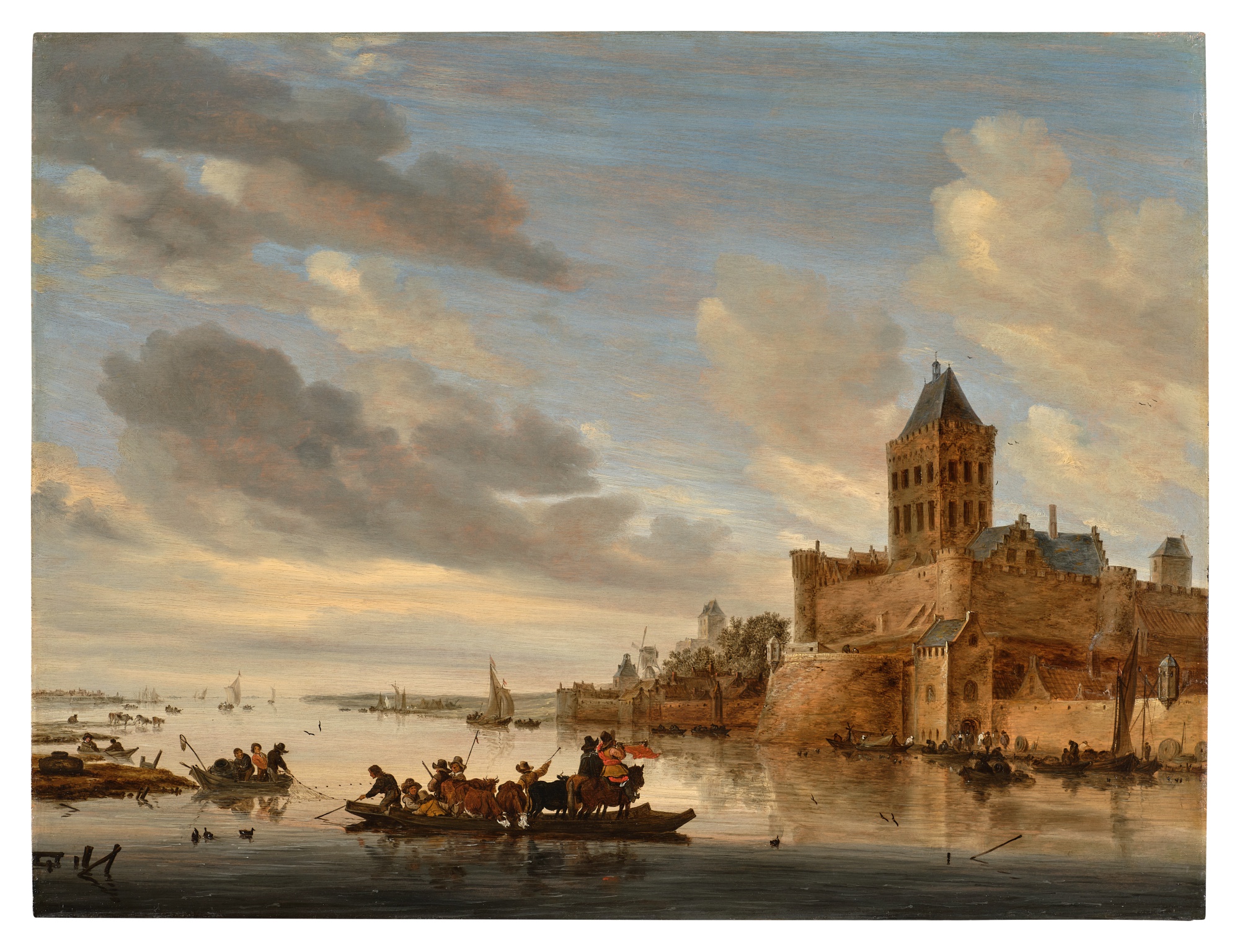
The broader market for Dutch and Flemish topographical work has strengthened considerably over the past decade, driven partly by institutional collecting in the Netherlands and partly by a renewed general interest in the relationship between cartography, urban development, and visual culture. Salomon van Ruysdael, though primarily known as a landscapist, worked in a tradition that feeds directly into this moment, and the market for his generation of Dutch painters has been resilient through recent volatility. On practical matters, condition is paramount in this category in ways that differ somewhat from other genres. Architectural views were often produced as documents as well as artworks, and many have had complicated institutional lives rolled, folded, relined, or restored at various points over their histories.
When considering a purchase, ask specifically about the condition of any architectural detail in the foreground and middle distance, as these areas are often where restoration is heaviest. Cracking and flaking in these zones can indicate old damage that may be visually stable now but that requires monitoring. For display, these works reward proper lighting more than almost any other category; a well directed light source that rakes across the surface will reveal the painter's touch in ways that flat overhead illumination entirely suppresses. Finally, if you are working with a gallery, ask directly about provenance depth.
The most desirable works in this category carry clear ownership histories that predate the Second World War, and any responsible dealer will have this documentation readily available. The architectural view has sheltered centuries of human imagination. Choose one that shelters yours.