Aquatic
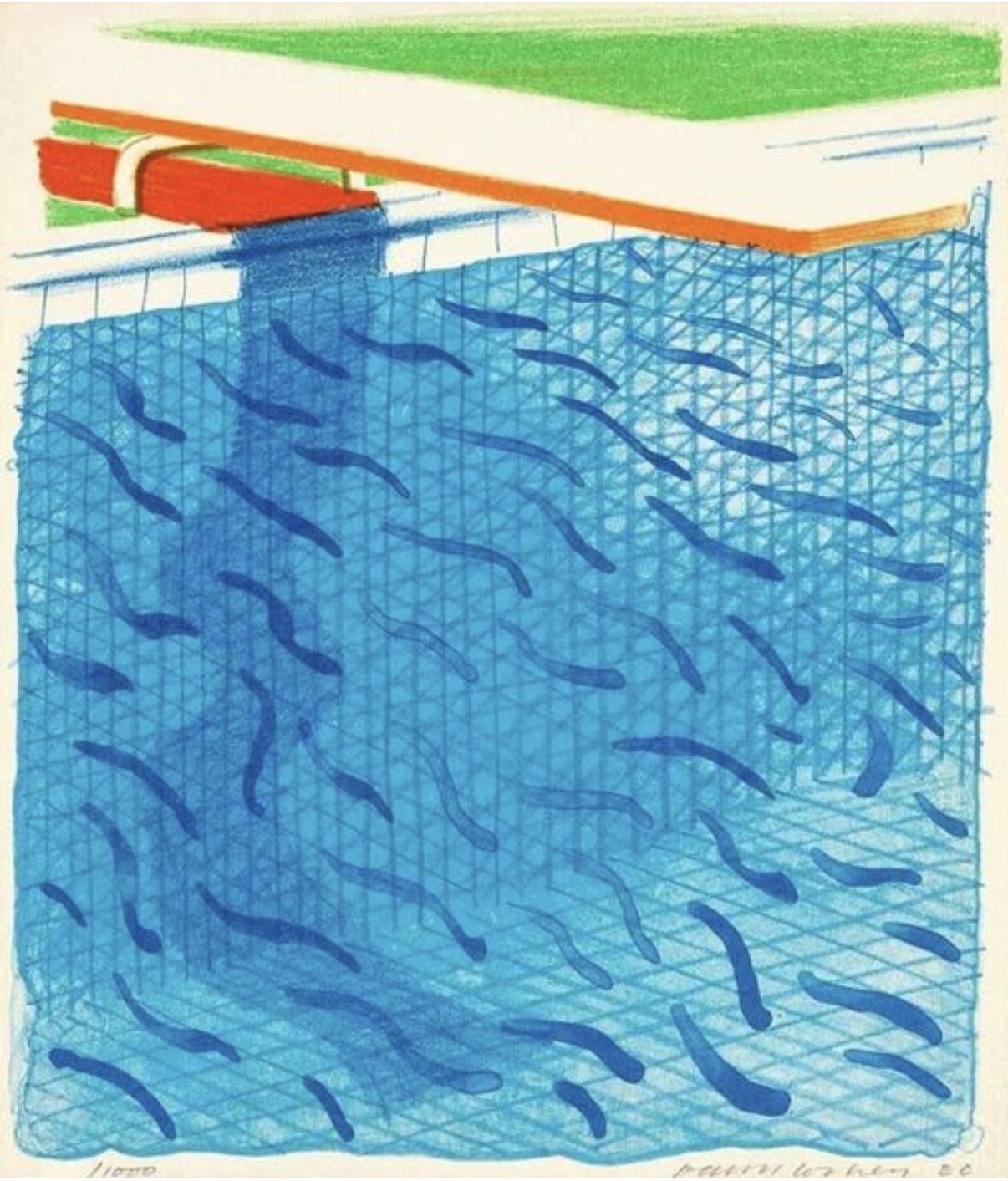
David Hockney
Pool Made with Paper and Blue Ink for Book, 1980

Into the Deep: Art's Endless Aquatic Obsession
Water has always been the element that undoes us. It reflects, distorts, drowns, and sustains. For as long as artists have made images, the aquatic world has pulled at them with a force that goes beyond the merely visual, touching something more primal about our relationship to the unknown, to the unconscious, to the sheer optical pleasure of light behaving in ways that resist easy capture. That this obsession has now found a new expression through artificial intelligence feels less like a rupture and more like an inevitable continuation of a very long conversation.
The roots of aquatic imagery in Western art run deep, from the marine paintings of the Dutch Golden Age to Turner's tumultuous seas in the nineteenth century. Jan van de Cappelle and Willem van de Velde the Younger gave the ocean a civic dignity in the 1650s and 1660s, treating water as a theater of commerce and national identity. But it was J.M.
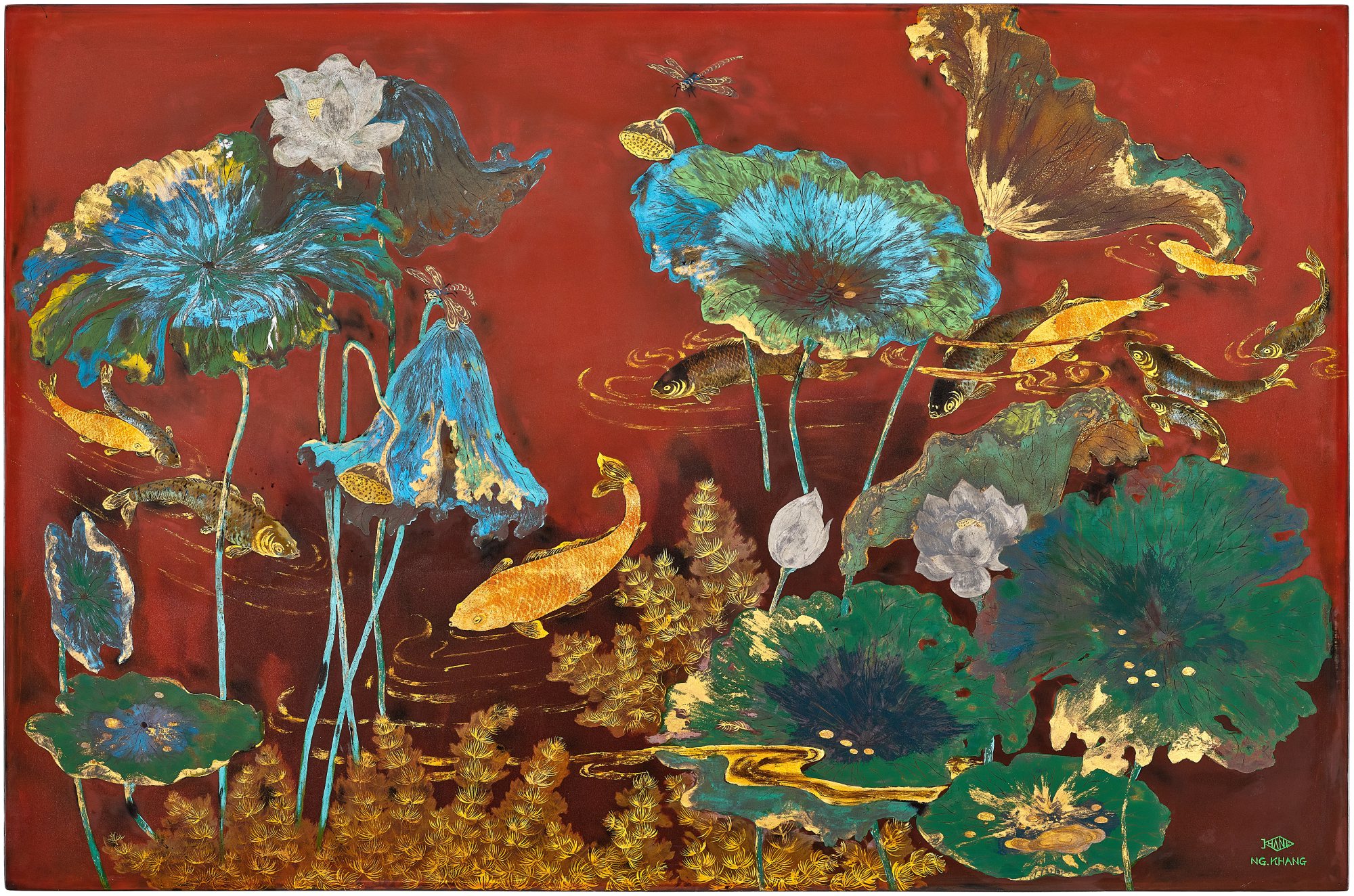
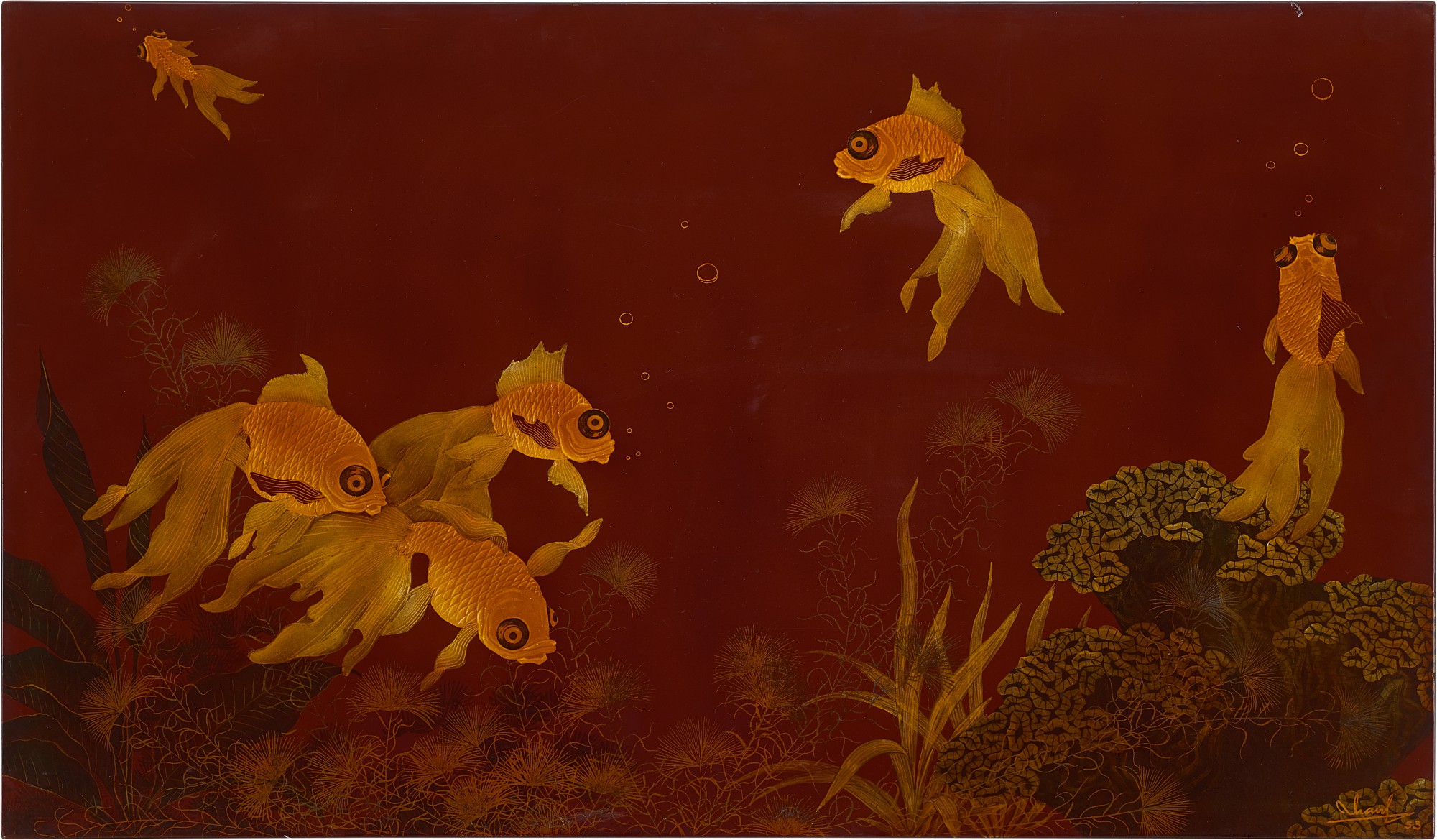
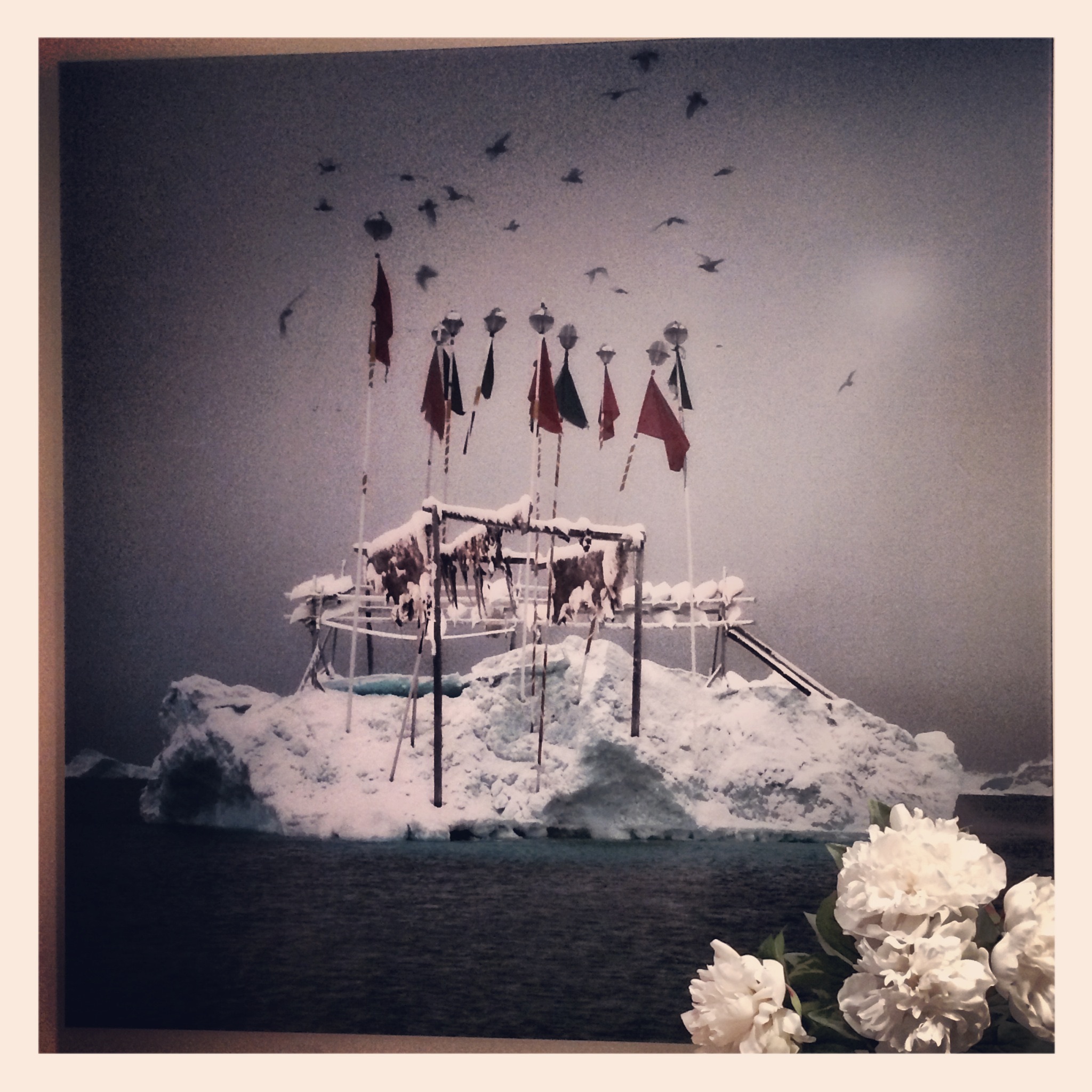
Nguyen Khang
Fish 魚
W. Turner who liberated the sea from its documentary function, treating it instead as pure sensation. His 1840 painting The Slave Ship became one of the most debated works of its century, partly because water itself was the moral actor, the indifferent witness to horror. The aquatic world had become a site for reckoning.
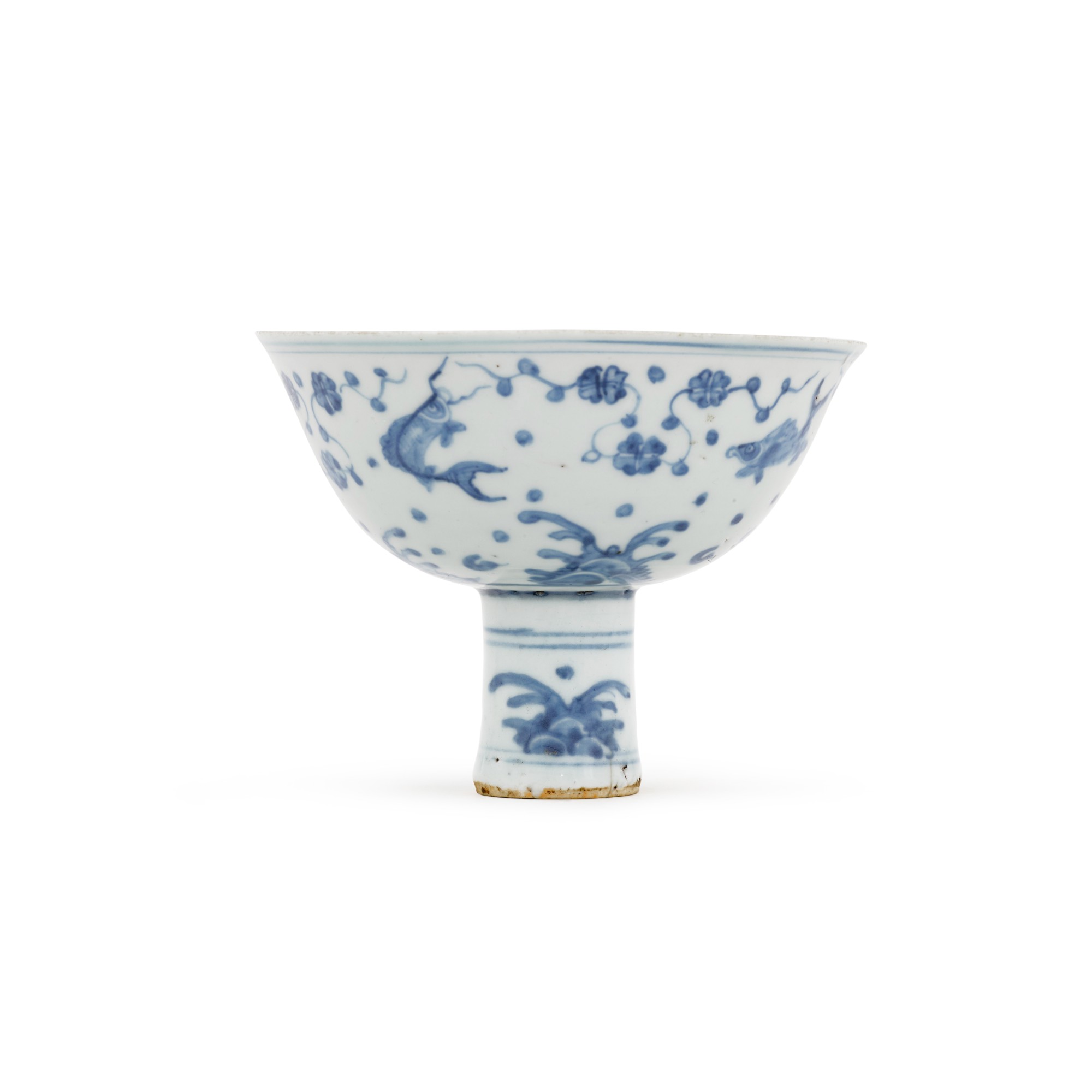
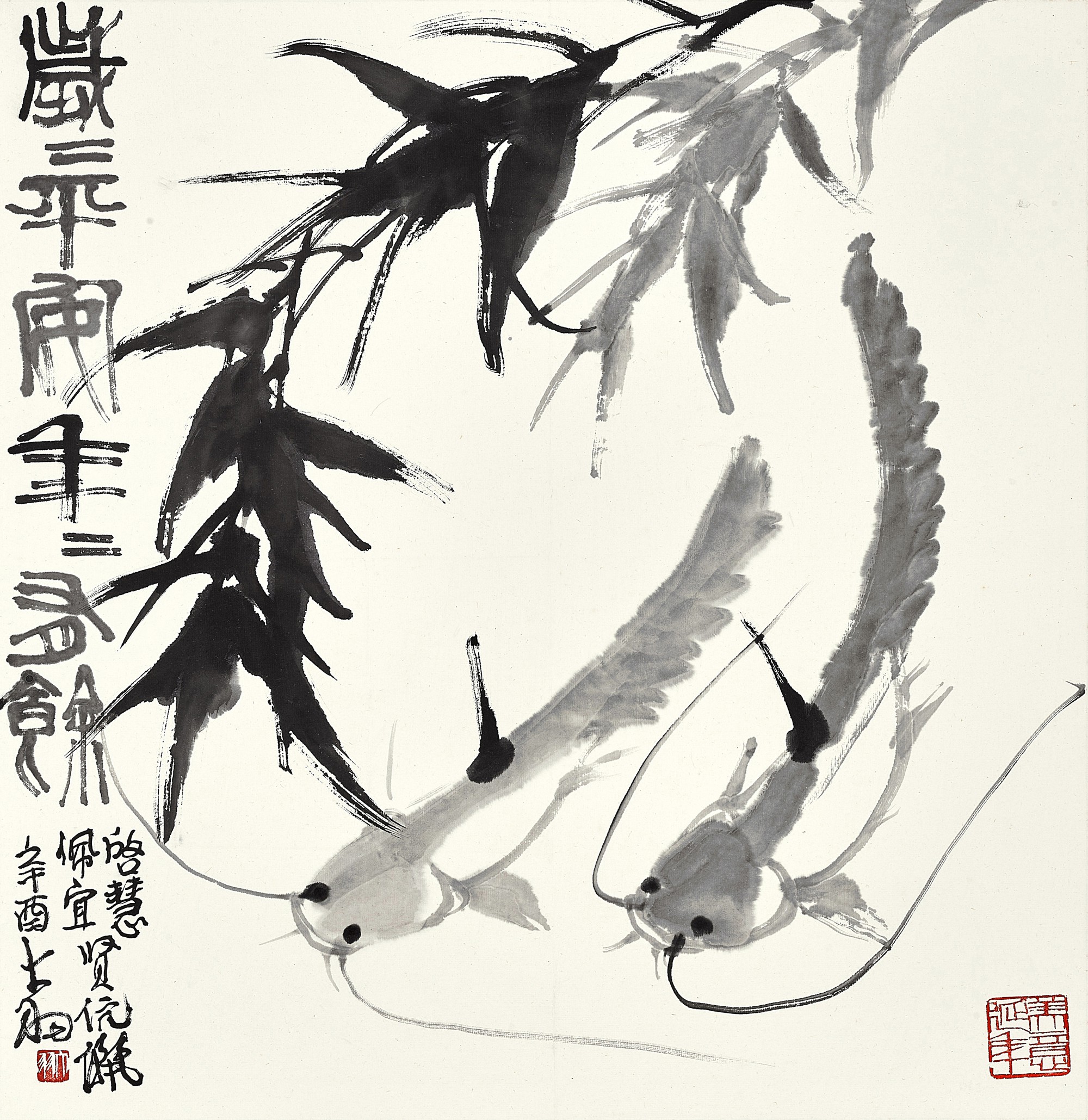
In Asia, water carried its own philosophical freight. The great Chinese painter Zhang Daqian, represented on The Collection, spent decades developing his revolutionary ink splash technique, known as pocai, in the 1960s and 1970s. His abstract landscapes often dissolve into pools of color and texture that feel genuinely aquatic, as though the boundary between mountain, mist, and water had been deliberately erased. Zhang was working in dialogue with both the Chinese literati tradition and Western abstraction simultaneously, and the resulting work has an almost tidal quality, ebbing and flowing between legibility and pure painterly experience.
David Hockney
Pool Made with Paper and Blue Ink for Book, 1980
His influence on how East Asian collectors and artists think about water and landscape cannot be overstated. The twentieth century brought fresh urgency to aquatic themes, often through the lens of leisure and the body. David Hockney's swimming pool paintings of the late 1960s and early 1970s remain among the most immediately recognizable images in postwar art. Works like A Bigger Splash from 1967 turned the California swimming pool into a philosophical proposition about surface and depth, stillness and violence, presence and absence.
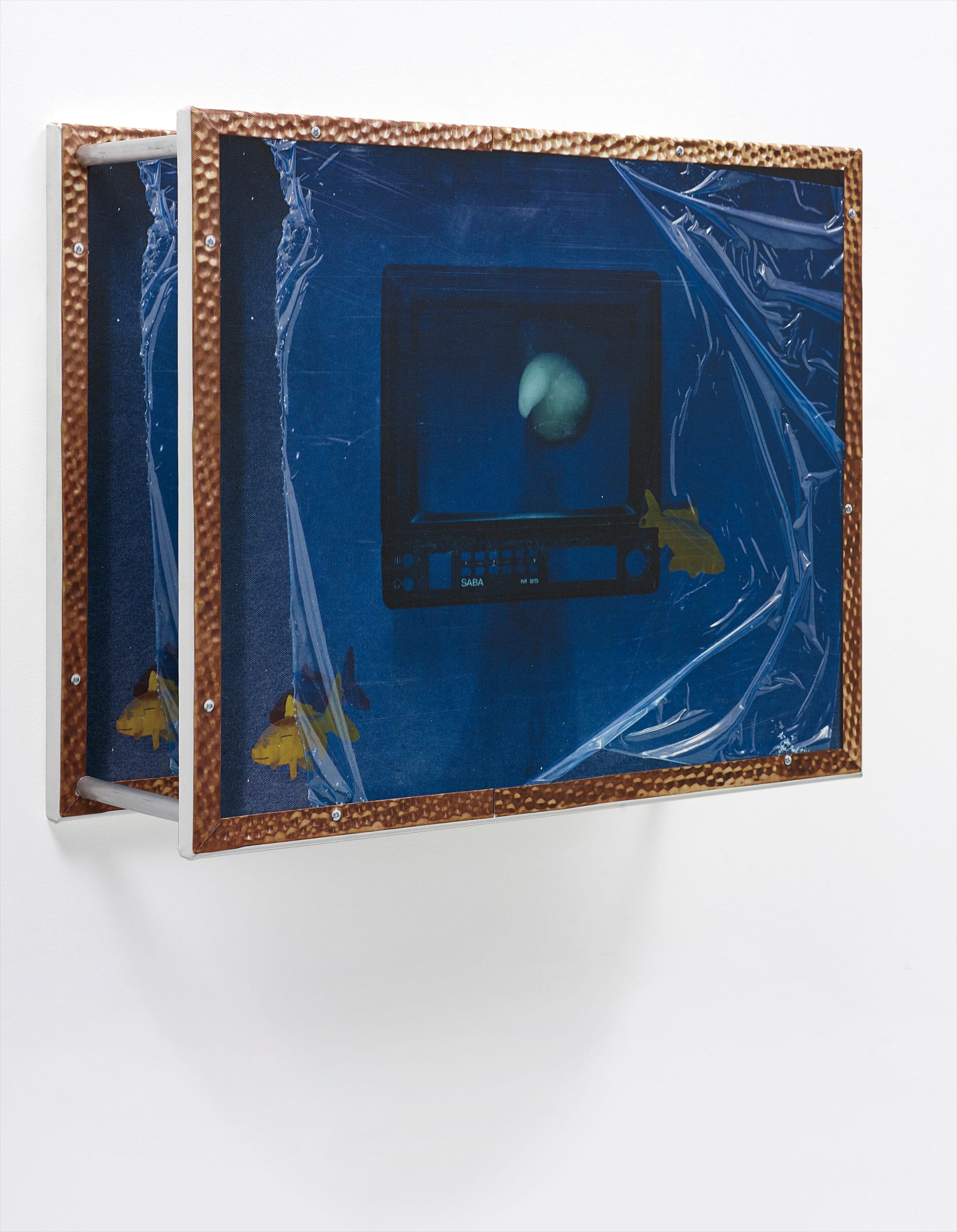
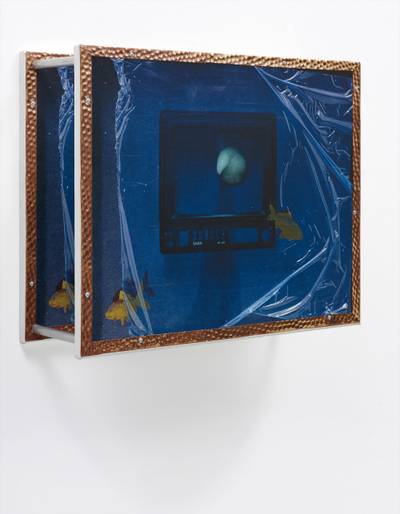
Hockney, whose work appears on The Collection, was obsessed with the visual problem of depicting water in motion, particularly the way light fractured through it in shifting patterns that photography could freeze but painting had to somehow invent. He solved this through a kind of disciplined stylization that made the pool feel more real than any photograph could manage. The photographic tradition also staked its claim. Anthony Goicolea, represented here on The Collection, has worked extensively with staged photography and video that places the body in uncanny, often aquatic settings.
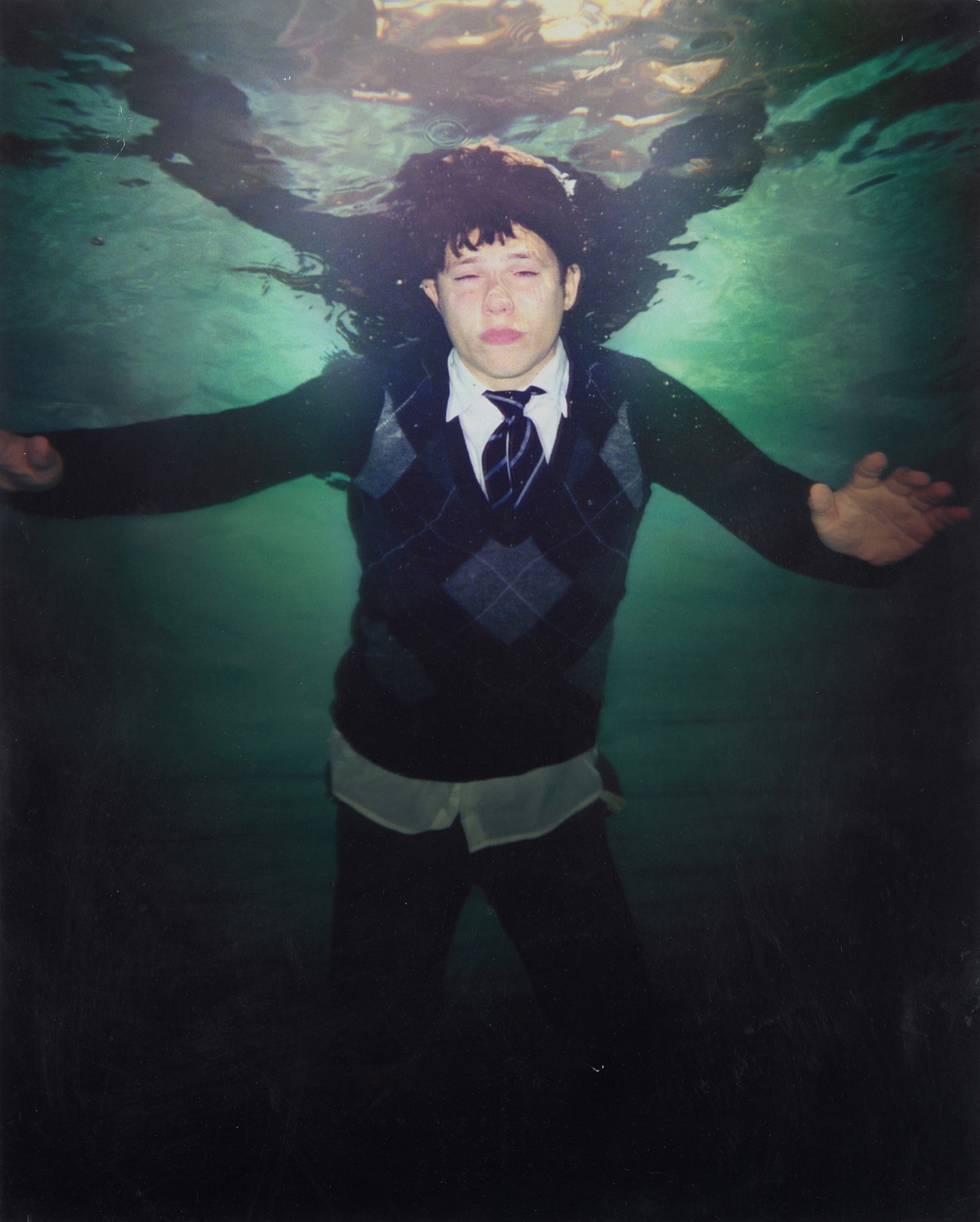
Anthony Goicolea
Under III from Underwater
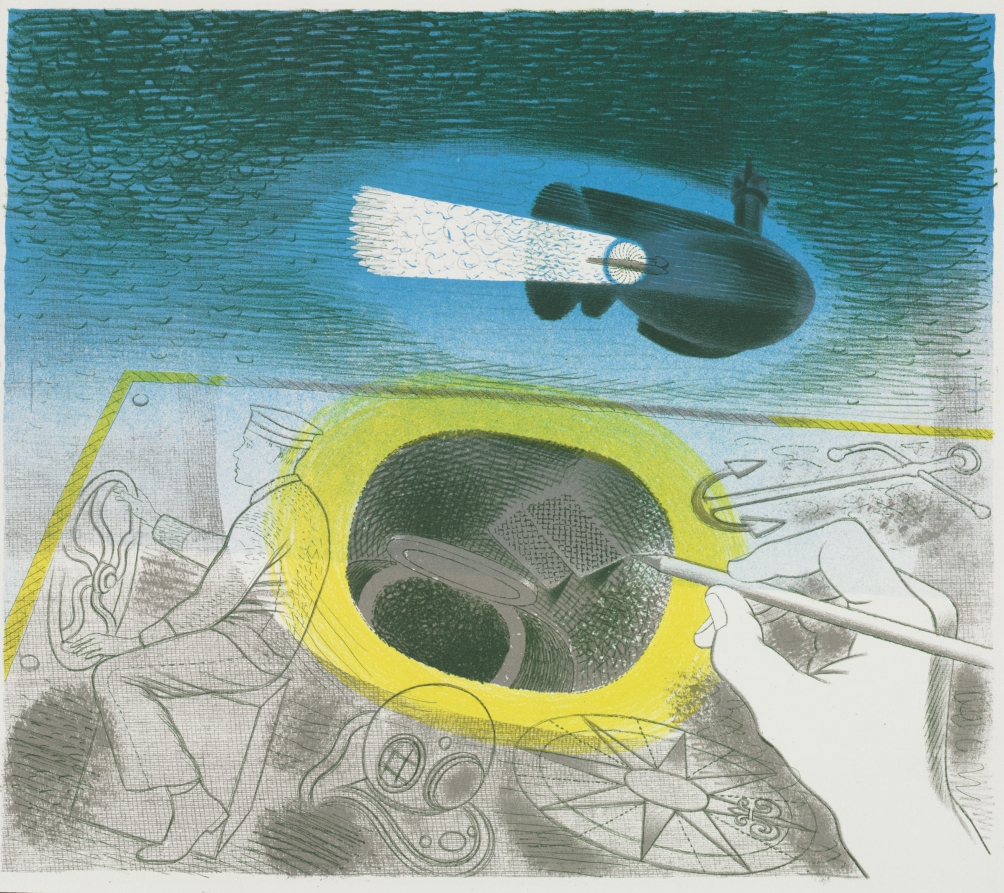
His work operates in the space between adolescent mythology and psychological unease, and water functions in it as a portal, a medium of transformation and sometimes of threat. Where Hockney's pools radiate sun drenched optimism, Goicolea's watery environments carry an undertow of something stranger and more ambivalent. This tension between the beautiful and the unsettling is part of what makes aquatic imagery so durable as a subject. Eric Ravilious, the British artist and illustrator whose work also appears on The Collection, brought a very different sensibility to water.
His coastal scenes and maritime images of the 1930s are characterized by an eerie stillness, a sense of the world holding its breath. Ravilious worked in watercolor and as a wood engraver, and his handling of the English coast captured something specific about the British relationship to the sea, that mixture of pride, melancholy, and quiet dread. He was an official war artist during the Second World War and disappeared on an RAF search mission over Iceland in 1942, lending his watery subjects a retrospective poignancy that is difficult to shake. Artificial intelligence enters this lineage not as a disruptor but as a medium with its own particular relationship to water.
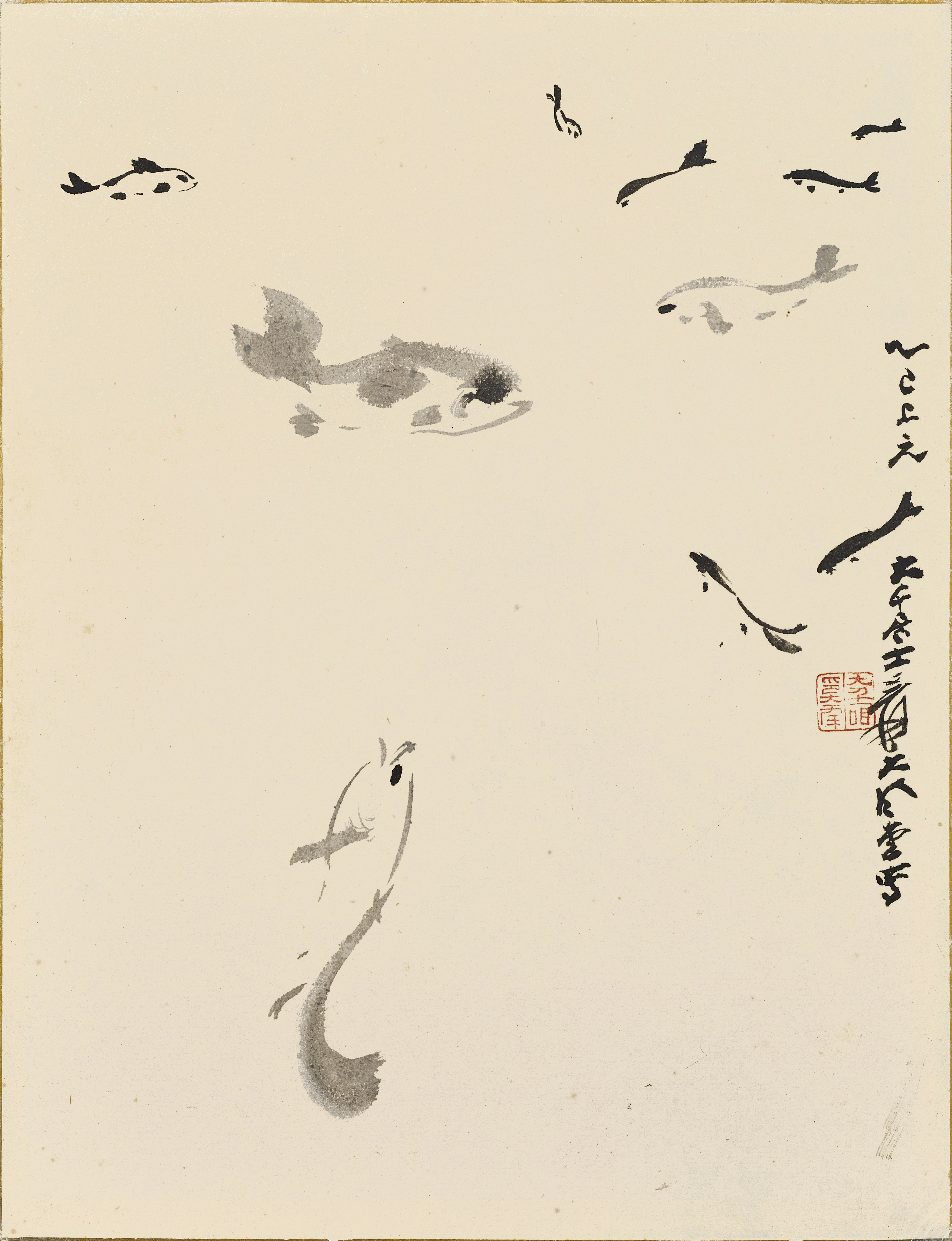
Zhang Daqian (Chang Dai-Chien, 1899-1983)
Zhang Daqian (Chang Dai-chien), Frolicking Fishes
AI image generation has a native affinity for the aquatic. The generative processes involved, the way models sample and recombine vast pools of visual data, produce results that are often most compelling when the subject is already fluid, already resistant to sharp edges. Water invites the dreamlike, the morphological, the slightly unresolved, all qualities that AI systems produce with an almost uncanny naturalness. Artists working with AI today are discovering that the aquatic subject allows them to exploit rather than fight against the medium's tendencies.
Simon Denny, whose practice engages critically with digital systems and the structures of technological power, points toward another dimension of AI aquatic work. His presence on The Collection signals an interest in art that interrogates the infrastructure of the digital world, and there is a rich vein of work to be mined in thinking about AI not just as a tool for making aquatic images but as itself a kind of ocean, vast, opaque, teeming with patterns we can sense but not fully see. The metaphor is not merely decorative. The deep learning models that generate these images were trained on enormous, largely invisible archives, and the resulting work carries that depth within it.
What the best AI aquatic work shares with the great water paintings of the past is a willingness to let the medium speak. Whether Turner was surrendering to the materiality of oil paint or a contemporary artist is surrendering to the latent biases of a generative model, the most interesting results come when the artist works with the element rather than against it. Water, in all its forms, has always been a mirror in which art sees its own processes reflected back. The pool shimmers.
The ocean moves. The image forms and dissolves and forms again.