Anthropomorphic
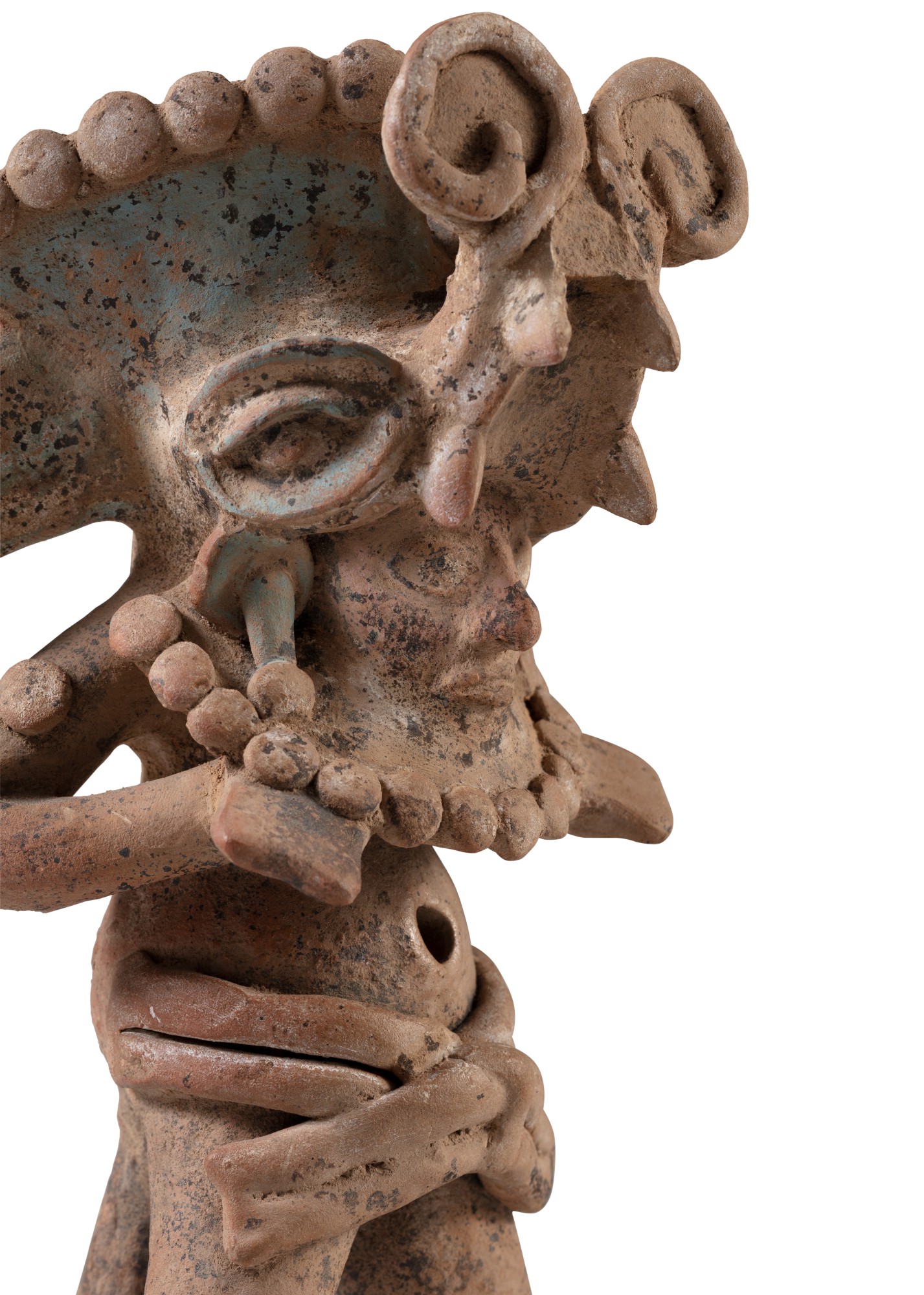
Sifflet anthropomorphe, Culture Maya, Mexique, Classique récent, 550-950 AP. J.-C.
Maya figural whistle , Mexico, Late Classic, AD 550-950
When Objects Wear a Human Face
At Christie's Paris in late 2023, a Nazca polychrome vessel from the south coast of Peru stopped the room. Painted with a stylized human face emerging from a geometric body, the piece sold well above estimate, drawing bidders from three continents. It was a small but telling moment: across every category of collecting, from ancient ceramic traditions to contemporary painting, the anthropomorphic impulse is commanding serious attention and serious money. Something in the image of the human form translated into object form refuses to lose its hold on us.
The term itself, anthropomorphic, simply means resembling the human body or projecting human characteristics onto non human forms. But the critical conversation around it has grown considerably more sophisticated. Curators are no longer content to treat figurative vessels, ceremonial pendants, or hybrid creatures as footnotes to more canonical traditions. Instead, institutions are asking harder questions about why human cultures across every continent and every era have returned obsessively to the same gesture: shaping clay, bone, ivory, or iron into something that looks back at you.
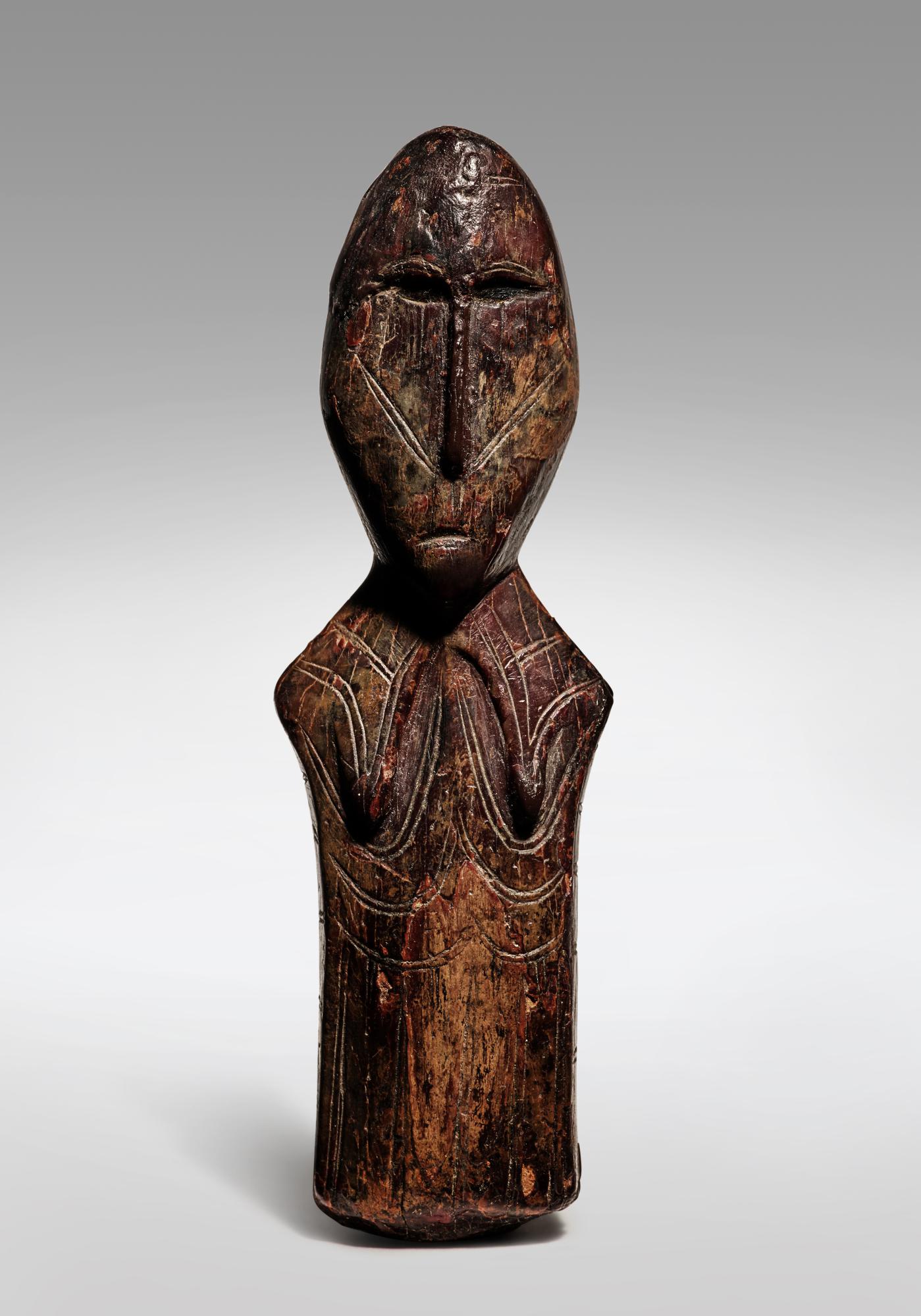
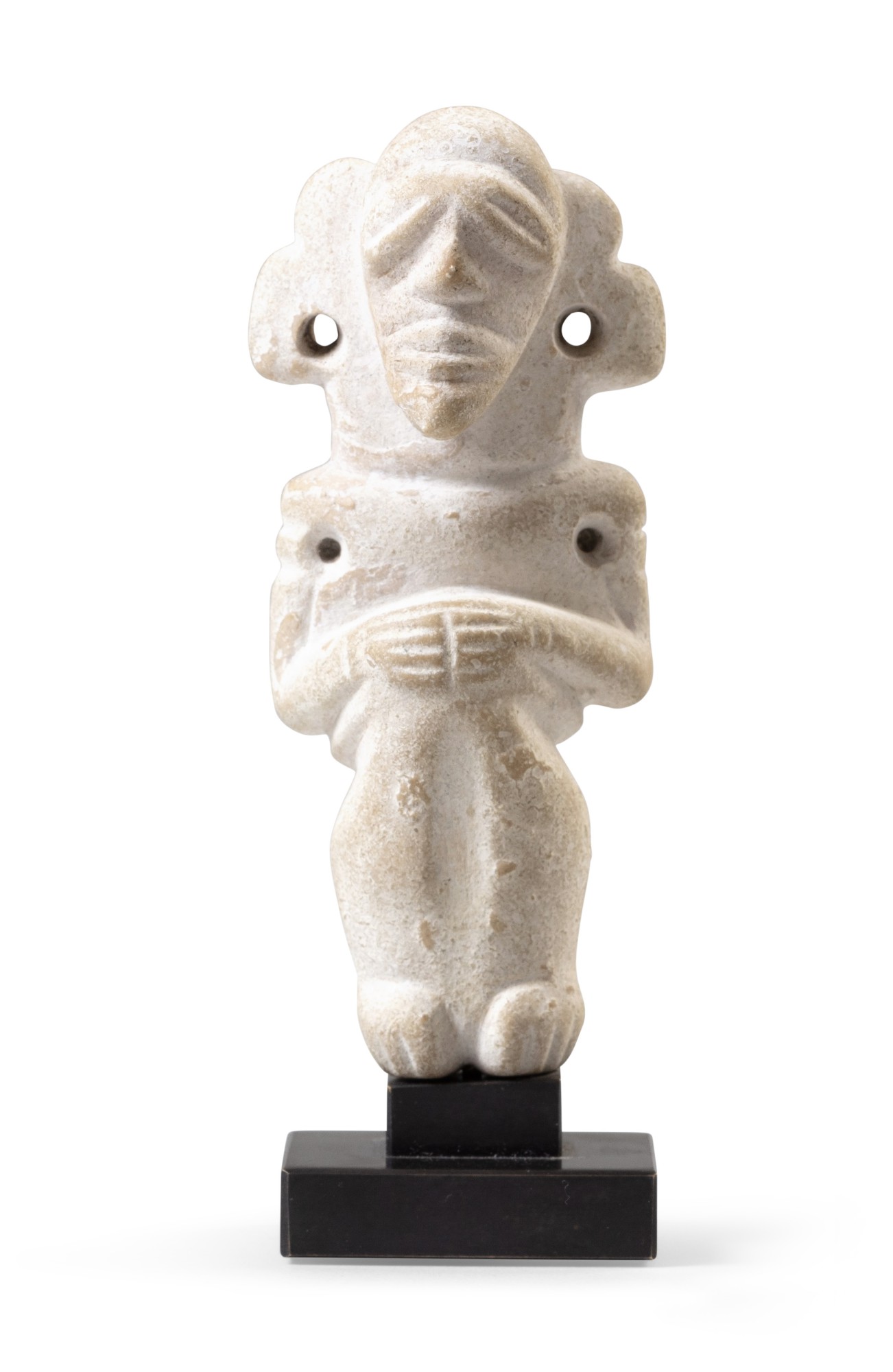
Anthropomorphic Figure, Okvik or Old Bering Sea I, 100 - 400 AD
Anthropomorphic Figure, Okvik or Old Bering Sea I, 100 - 400 AD
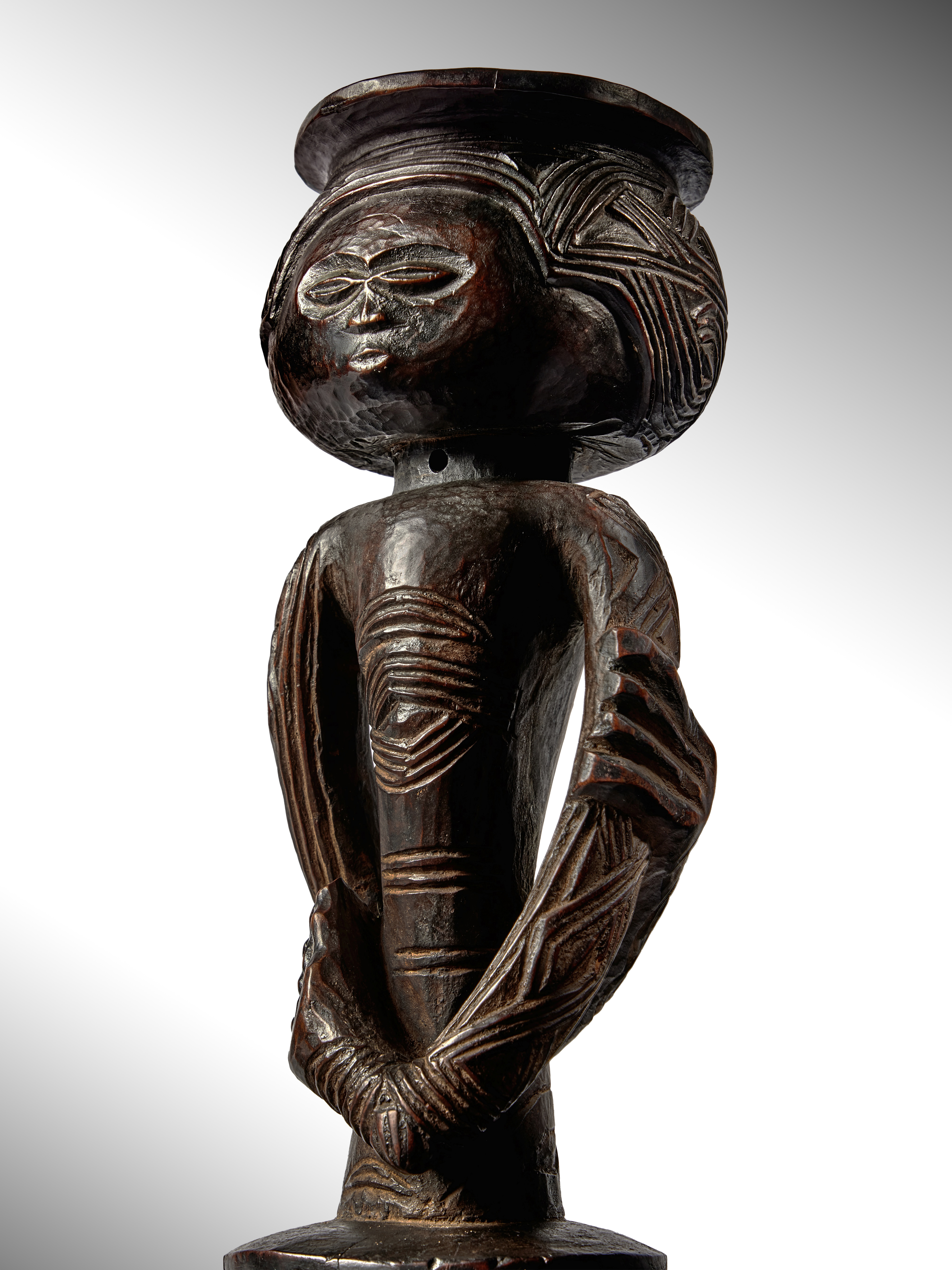
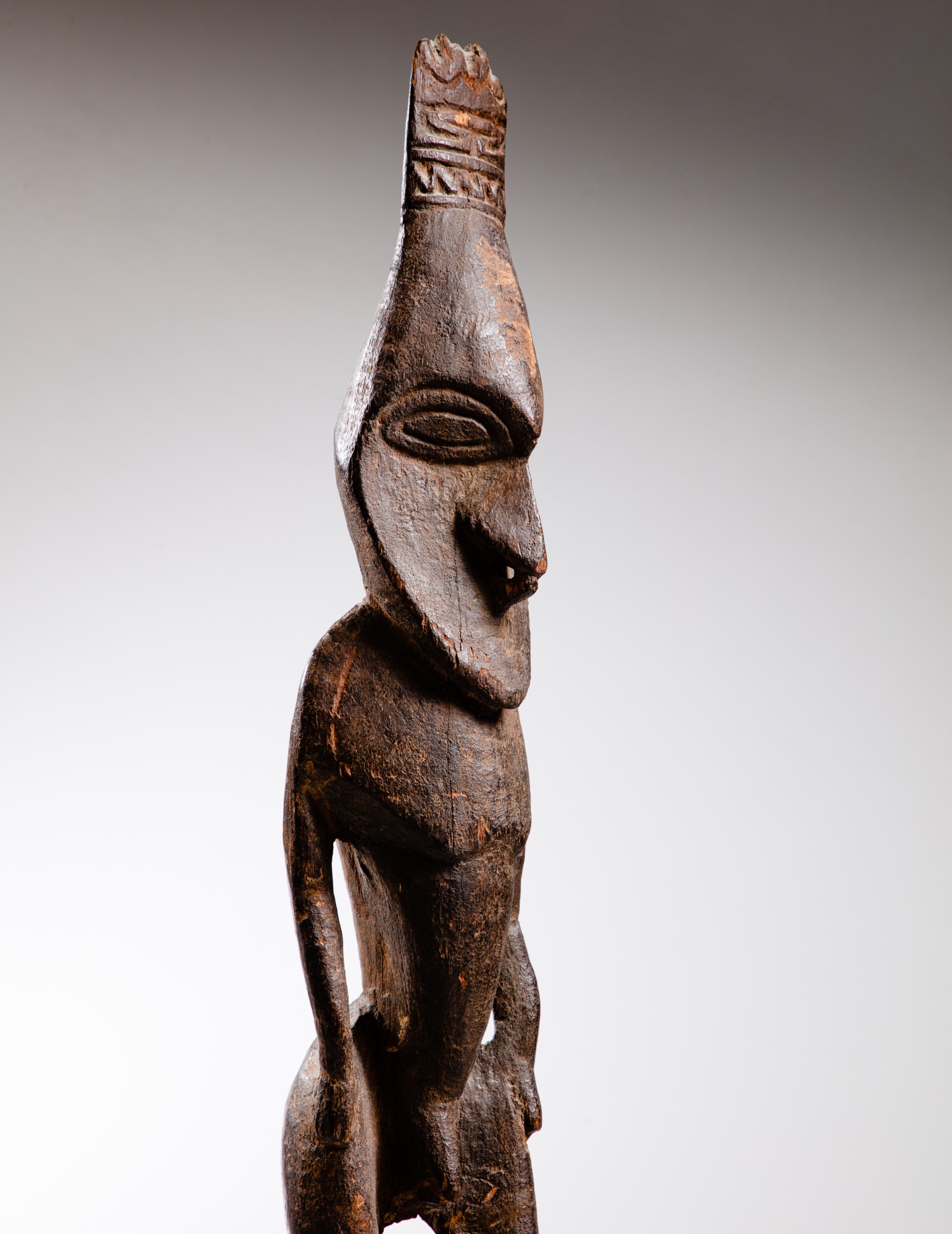
The Musée du quai Branly in Paris has been central to shifting this conversation. Its permanent galleries place objects in sustained dialogue with one another across geography and time, so that an anthropomorphic ivory horn attributed to the Kongo or Vili people of Gabon sits within a broader argument about the relationship between the human form and ritual authority. Similarly, Sepik figure carvings from Papua New Guinea, which remain among the most formally arresting objects in any ethnographic collection, are being reassessed not as ethnographic curiosities but as sculptural achievements in their own right. The institution has done consistent work to reframe what counts as significant form making.
On the ancient American side, the Taino pendants from the Greater Antilles, made between roughly 1000 and 1500 CE, and Maya whistles from the Classic period in Mexico represent a different register of anthropomorphic thinking. These objects were not merely decorative. They were functional, ceremonial, and cosmological all at once. Major pre Columbian sales at Sotheby's and Christie's in recent years have shown that collectors understand this layered quality.
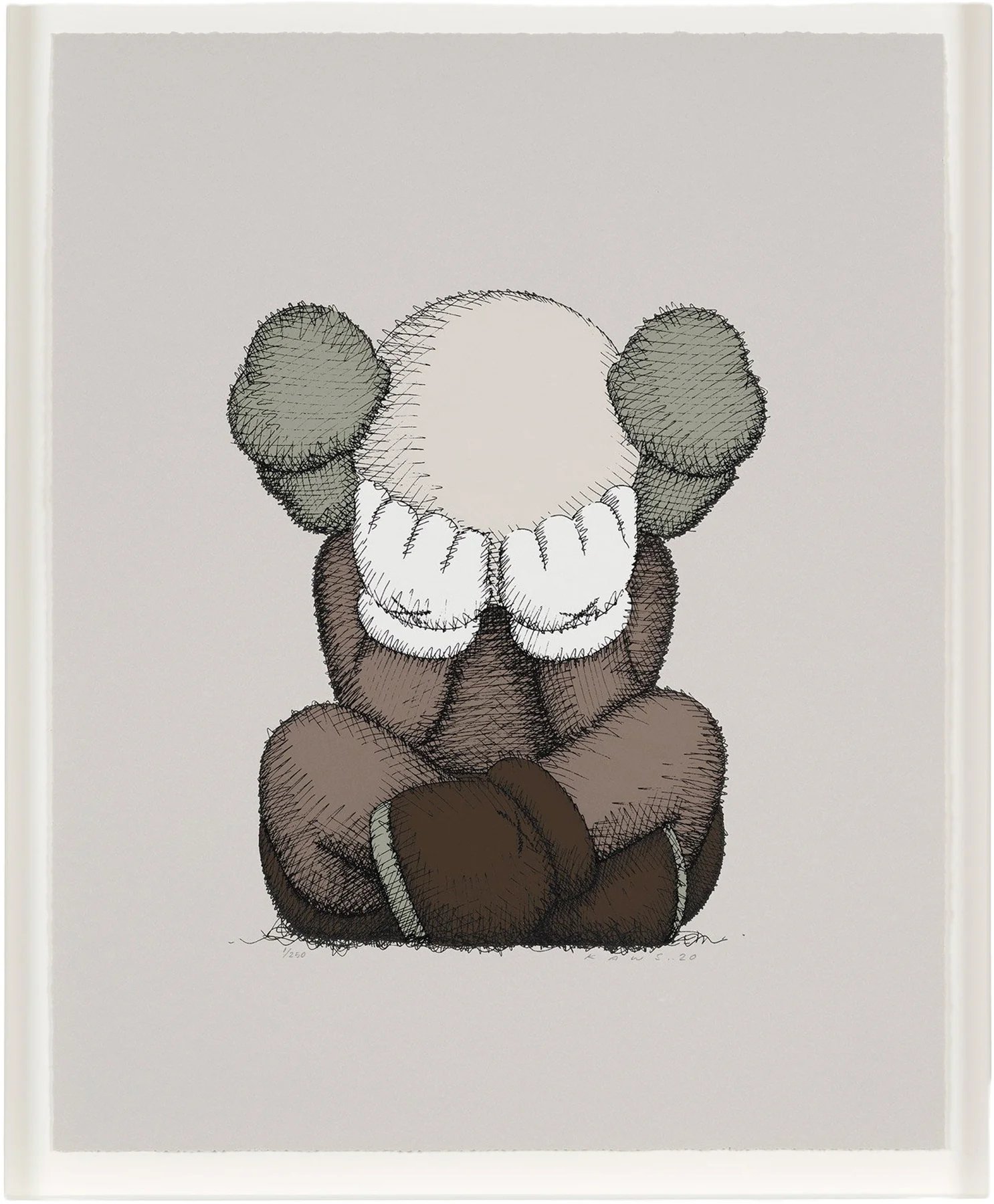
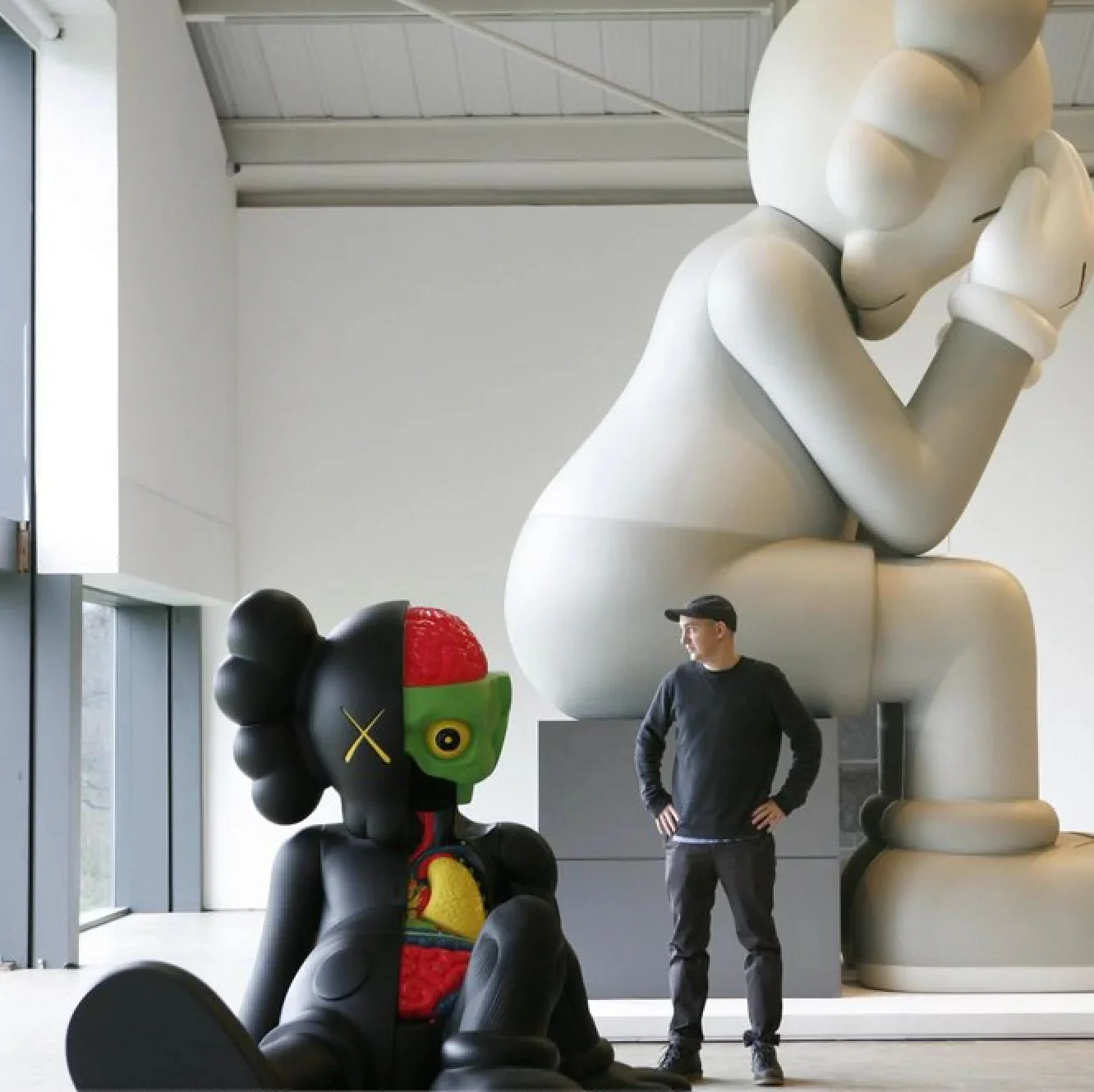
KAWS
Separated, 2021
The market for Mesoamerican and Caribbean material has deepened considerably, with institutional buyers from both Europe and the Americas competing alongside private collectors who have grown more willing to navigate the complex provenance landscape that surrounds ancient works. What makes the current moment genuinely interesting is the degree to which contemporary artists are in direct conversation with these ancient traditions, not out of nostalgia but out of a shared formal problem. KAWS, whose figures have achieved some of the highest prices of any living artist working in three dimensions, builds his visual language entirely on the anthropomorphic register: cartoon derived bodies rendered at monumental scale, faces masked or obscured, the human silhouette made strange. His 2021 retrospective in Hong Kong drew enormous crowds and confirmed that the appetite for this kind of work extends well beyond the Western art world.
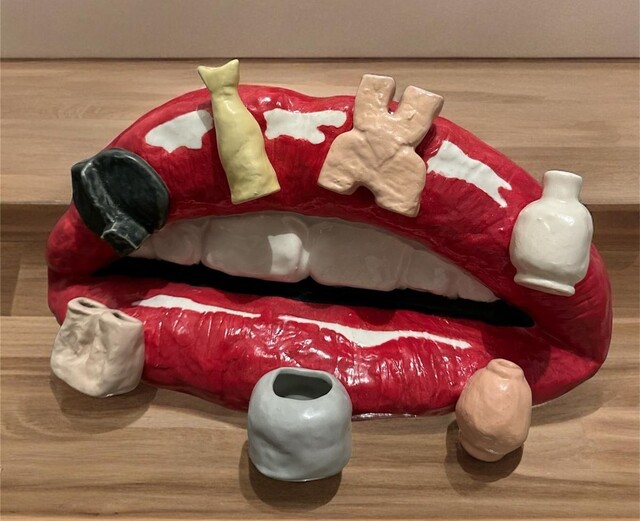
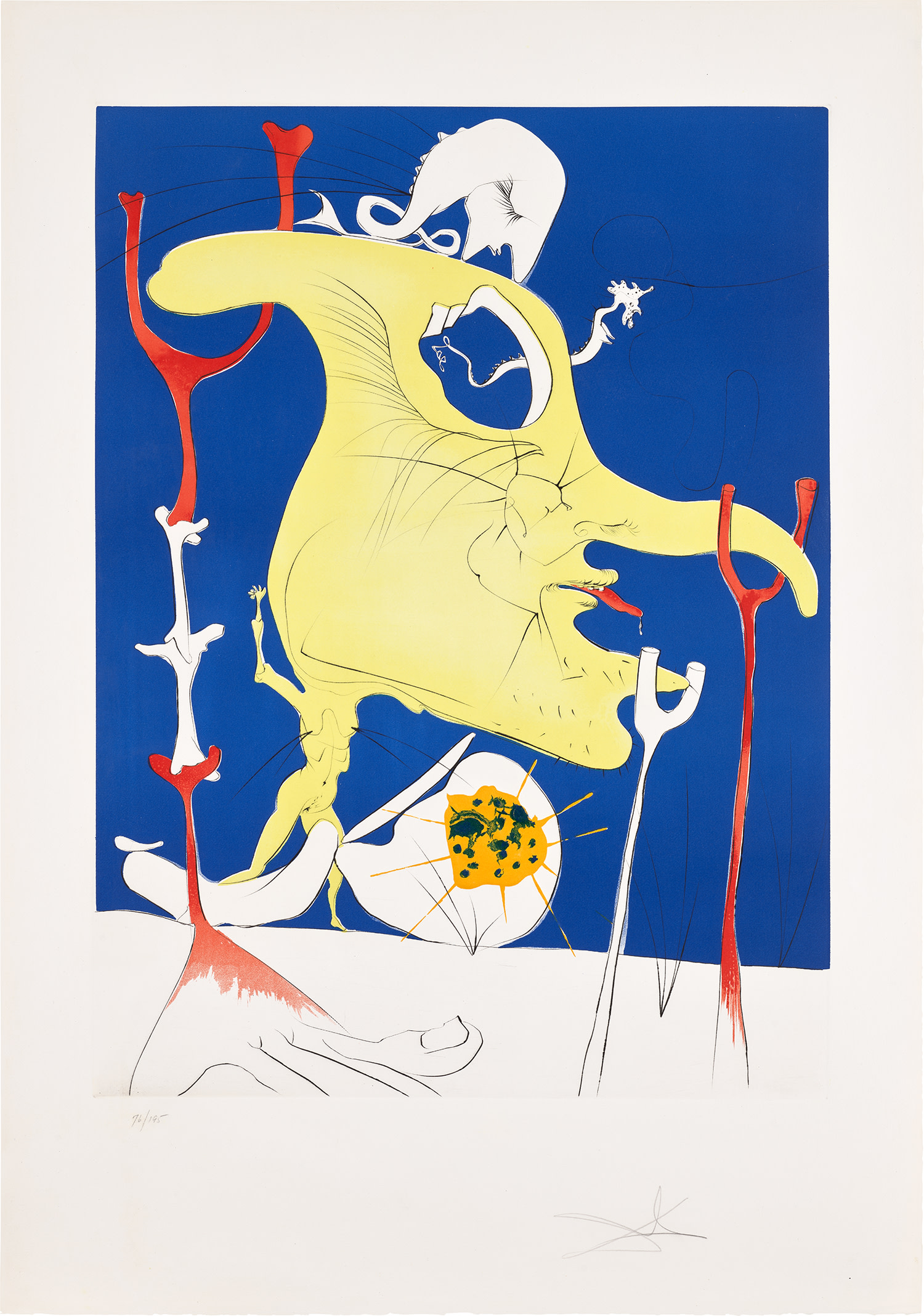
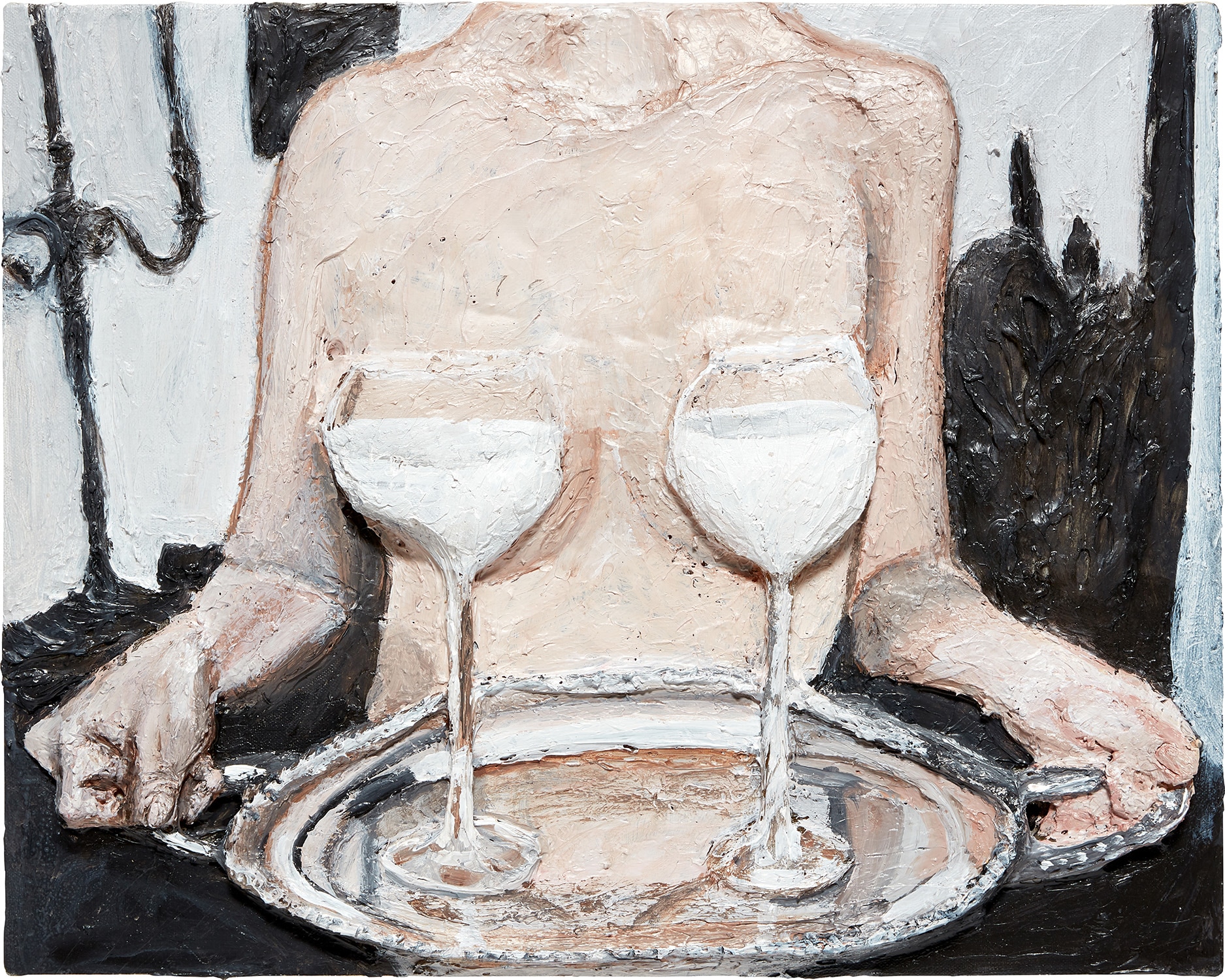
Meanwhile Salvador Dalí spent decades exploring what happens when the human body becomes unstable, when it melts into landscape or sprouts unexpected appendages. His works on The Collection remind us that surrealism was fundamentally an anthropomorphic project, one preoccupied with the body as both subject and metaphor. Gina Beavers works in a very different register but shares the obsession. Her raised acrylic paintings, built up in thick impasto to create almost sculptural surfaces, often engage with the body as image and object simultaneously.
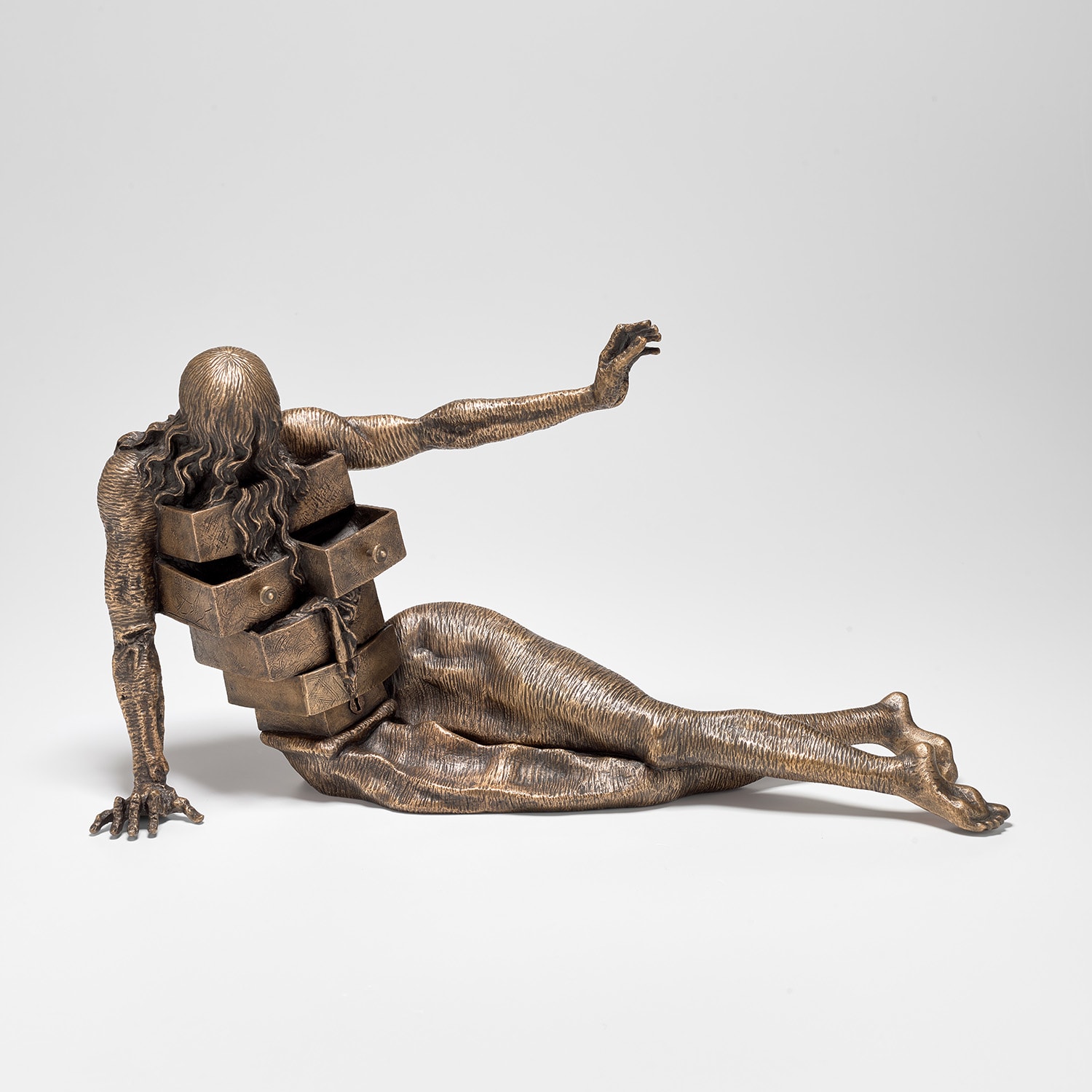
Salvador Dalí
Le cabinet anthropomorphique (The Anthropomorphic Cabinet) (D. 683)
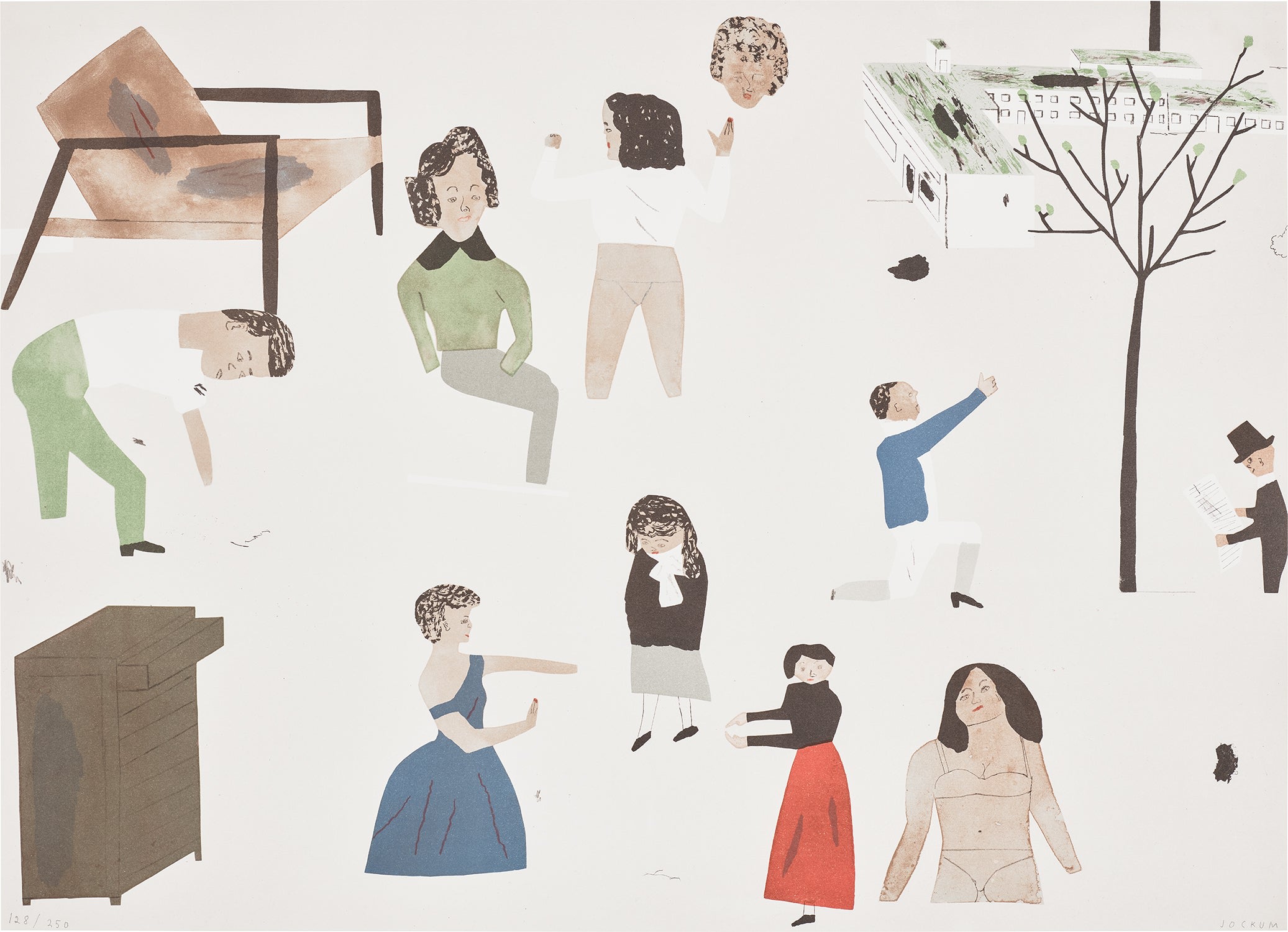
The flatness of the original source material, usually something digital or found, is transformed into something tactile and almost grotesque. Jockum Nordström brings a quieter strangeness to the same territory, his collaged figures occupying uncertain spaces between folklore, psychology, and formal invention. Both artists have attracted serious institutional interest, and their work appears in collections that also hold significant historical material, which tells you something about how curators are thinking across time periods. The Arctic material on The Collection deserves particular attention.
The Okvik and Old Bering Sea I objects, dating from roughly 100 to 400 CE, represent some of the most enigmatic anthropomorphic carving in any tradition. The ivories combine zoomorphic and anthropomorphic imagery in ways that resist easy reading: figures that are partly animal, partly human, partly something else entirely. Scholars including Ann Fienup Riordan and others working in Arctic art history have argued that these transformative qualities were not ambiguity but precision, reflecting cosmologies in which the boundary between human and animal was genuinely permeable. Auction results for authenticated Arctic prehistoric material remain relatively modest compared to pre Columbian or African works, but serious collectors have started paying close attention.
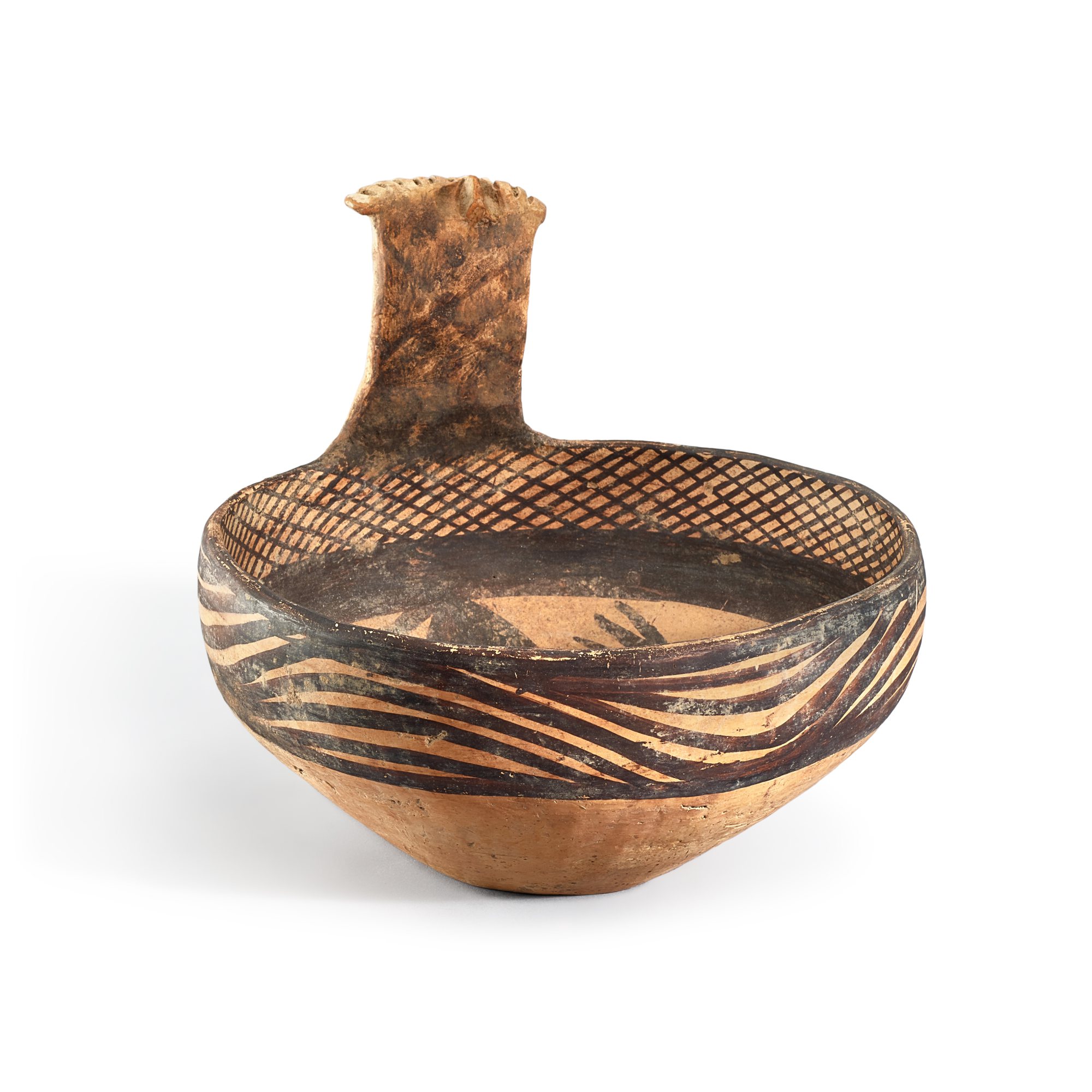
Unknown
A large painted human-face pouring vessel Majiayao culture 馬家窰文化 人面彩陶勺
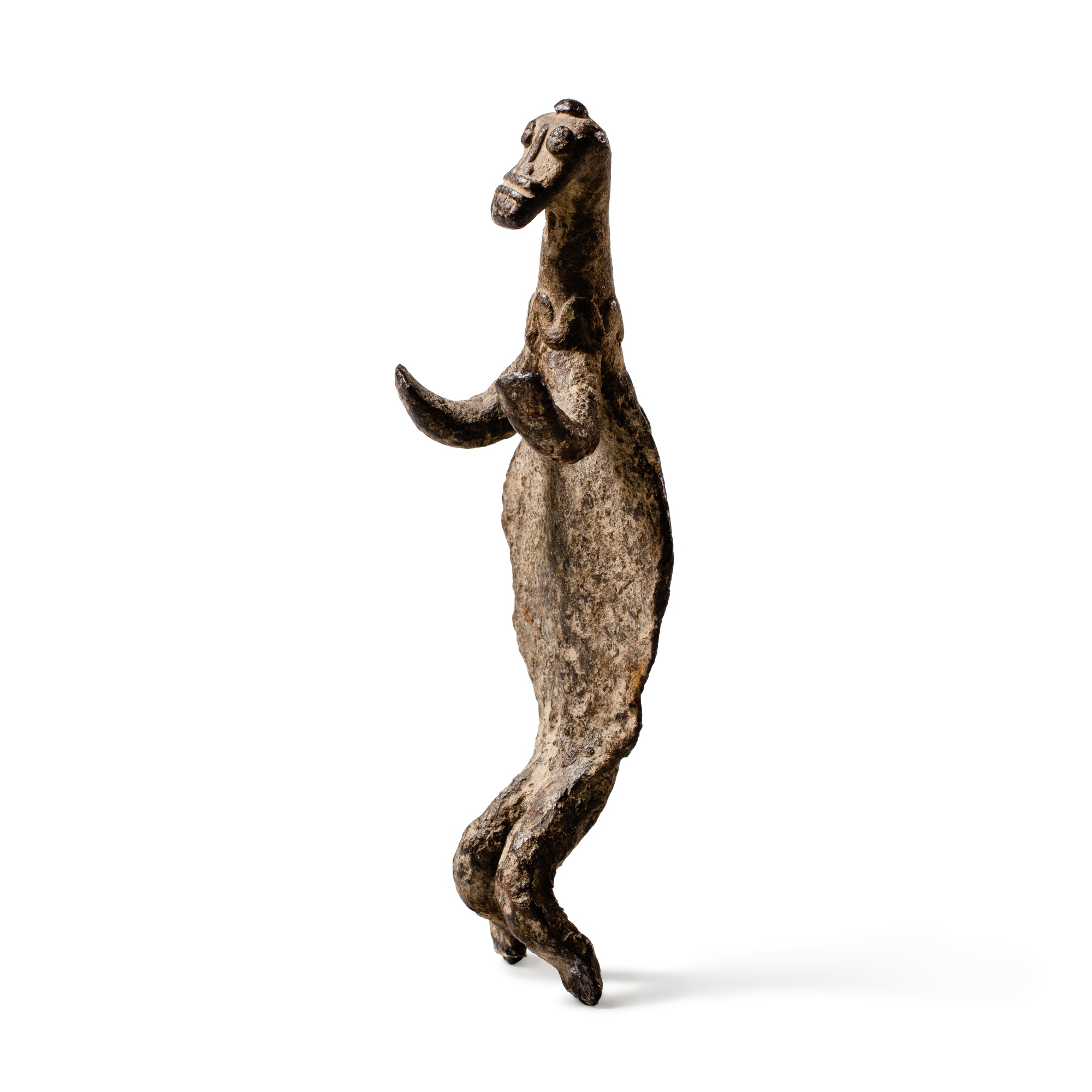
The critical writing that matters most in this space right now is coming from scholars willing to hold multiple frameworks at once. The journal African Arts has published important reassessments of Lobi iron figures from Burkina Faso, arguing for their formal sophistication on purely sculptural terms while also respecting their specific ceremonial function. The question of how to look at objects that were never made to be looked at in the way we look at them now is one the best curators refuse to resolve too quickly. That sustained discomfort is actually generative for the market, because it keeps the conversation open.
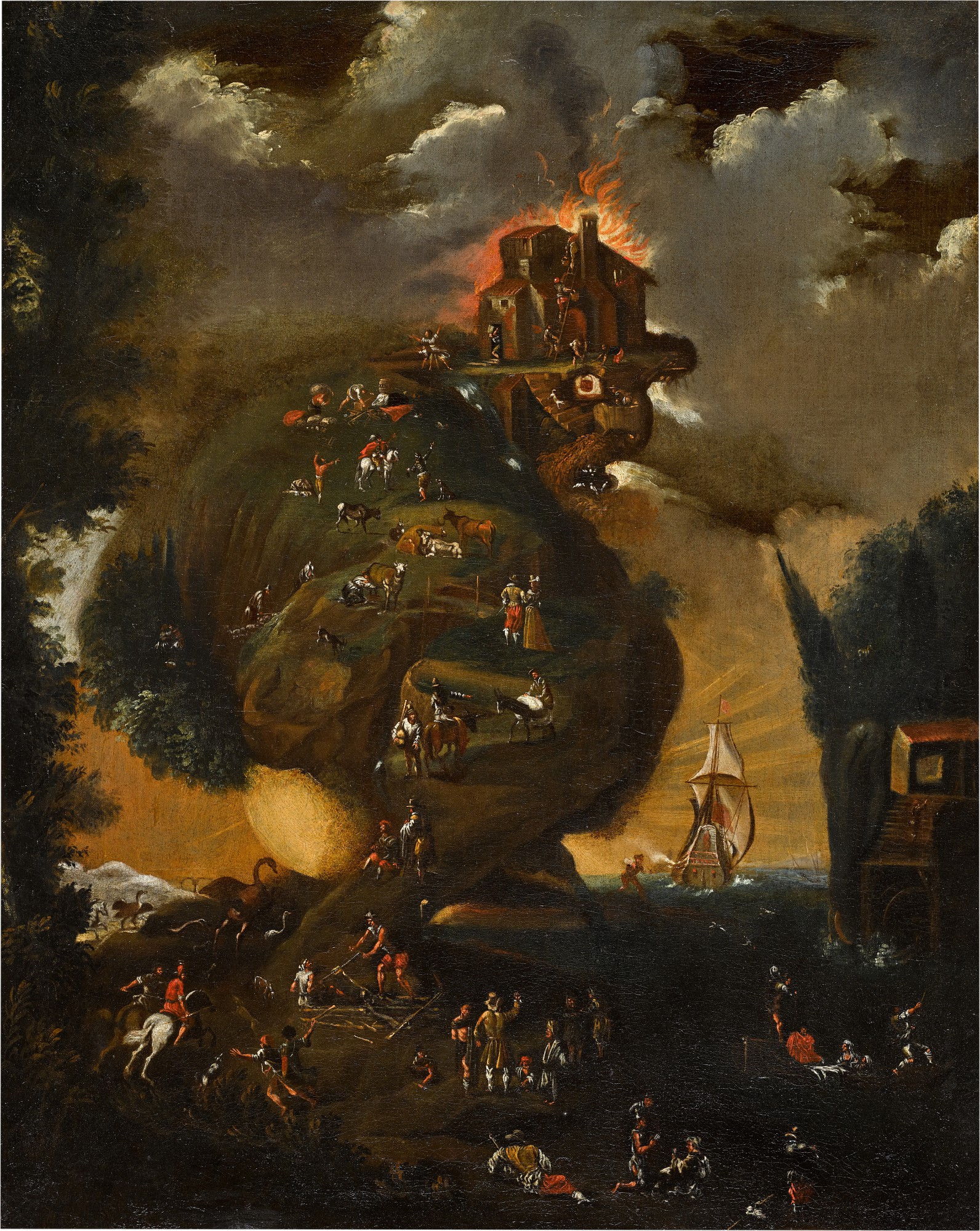
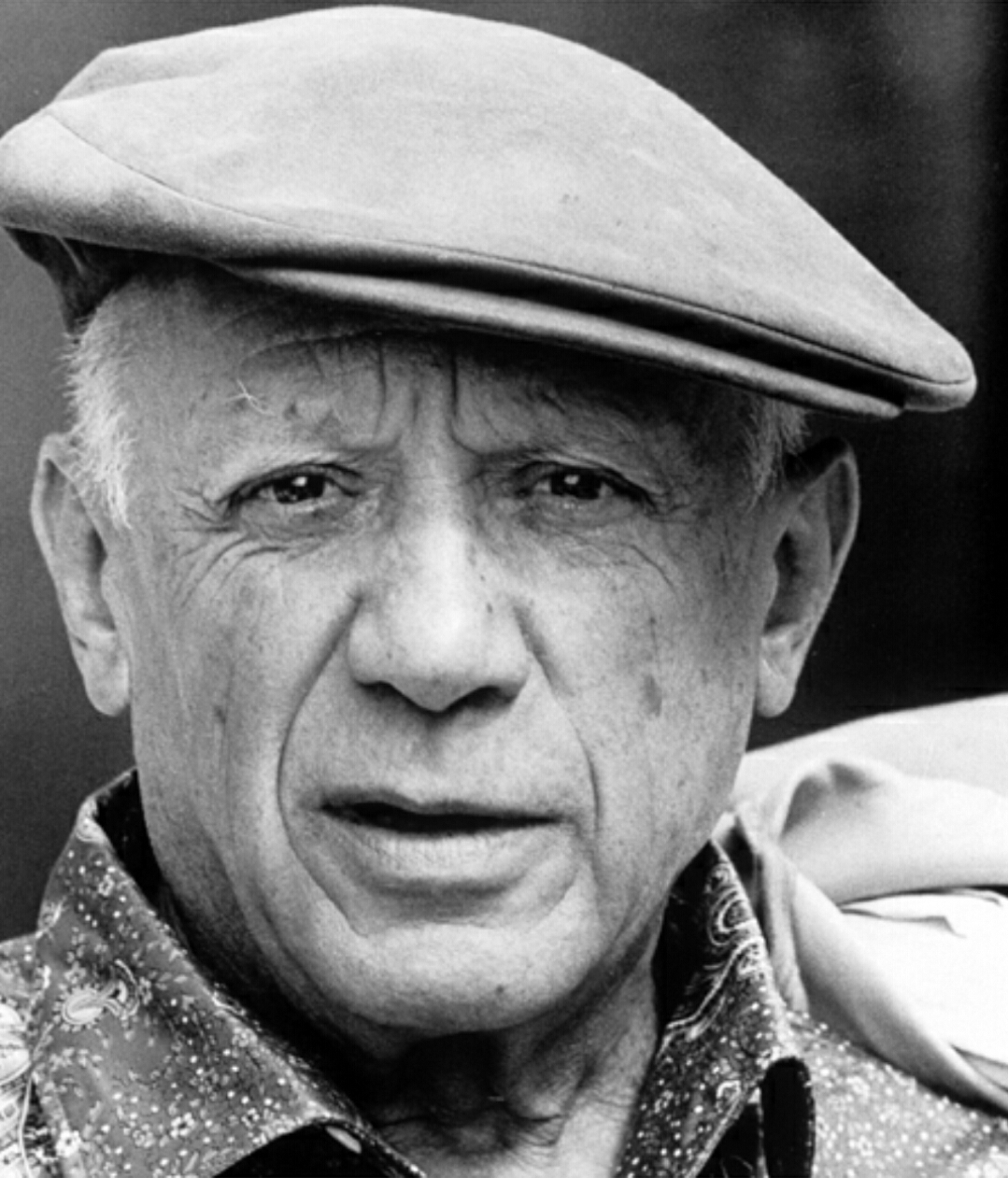
Pablo Picasso understood this better than almost anyone. His engagement with African and Oceanic anthropomorphic traditions reshaped what European modernism thought the human figure could do, and that debt continues to be reckoned with seriously and honestly. The North Italian school works on The Collection from the seventeenth century represent yet another moment when European artists were working through their own inheritance of classical figurative traditions, testing where the human form could be pushed. Where is the energy heading?
Expect more institutional focus on Arctic and Pacific material, categories that have been slower to enter the mainstream collecting conversation but are now attracting curatorial champions. Expect continued market strength for pre Columbian ceramics with strong provenance documentation, as due diligence becomes both more rigorous and more manageable with improved databases. And expect contemporary artists to keep returning to the anthropomorphic question, because it is genuinely unresolved. The human impulse to make objects that resemble us, that carry something of our form into the world, is as alive as it has ever been.