Analytical Cubism
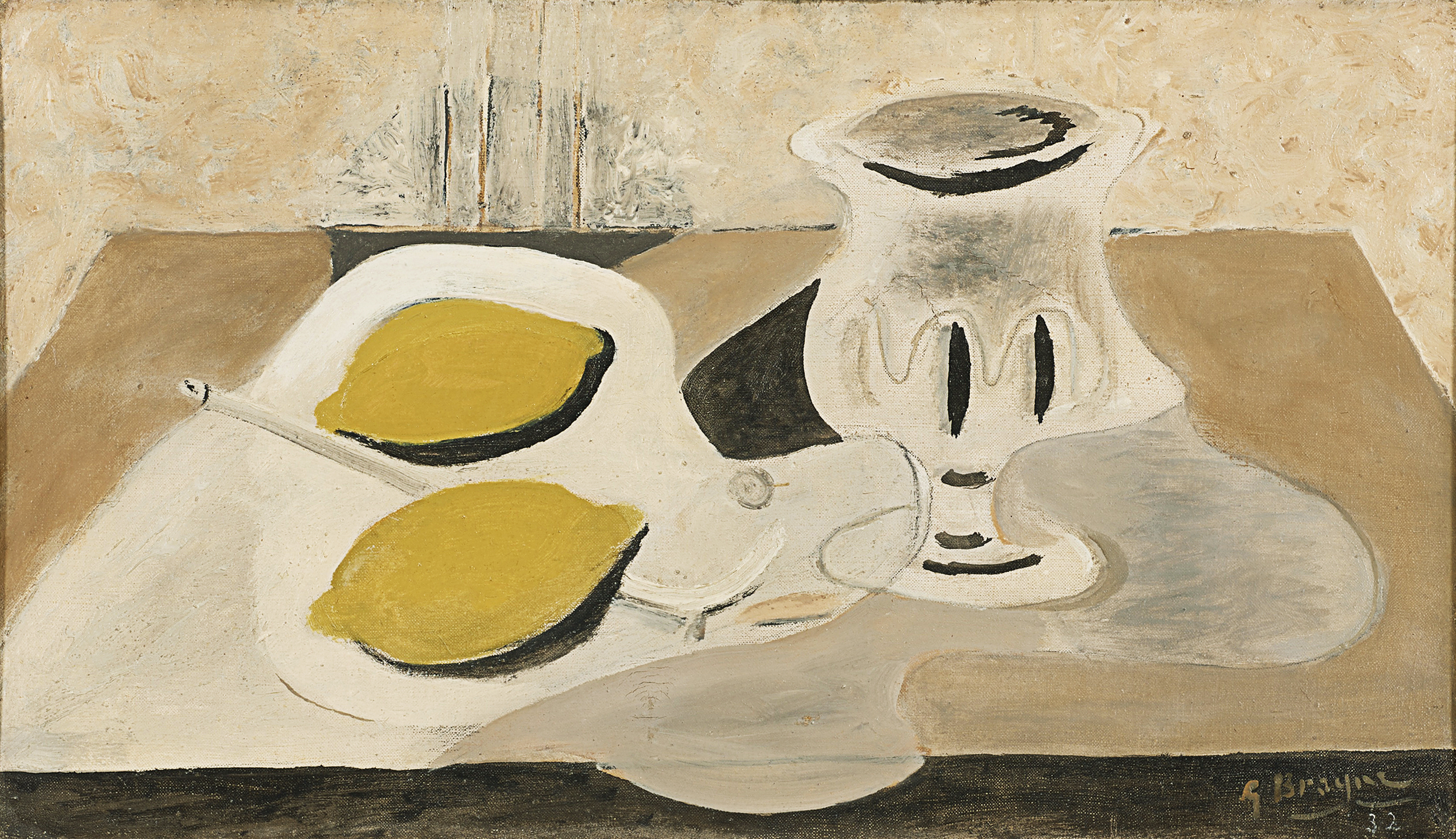
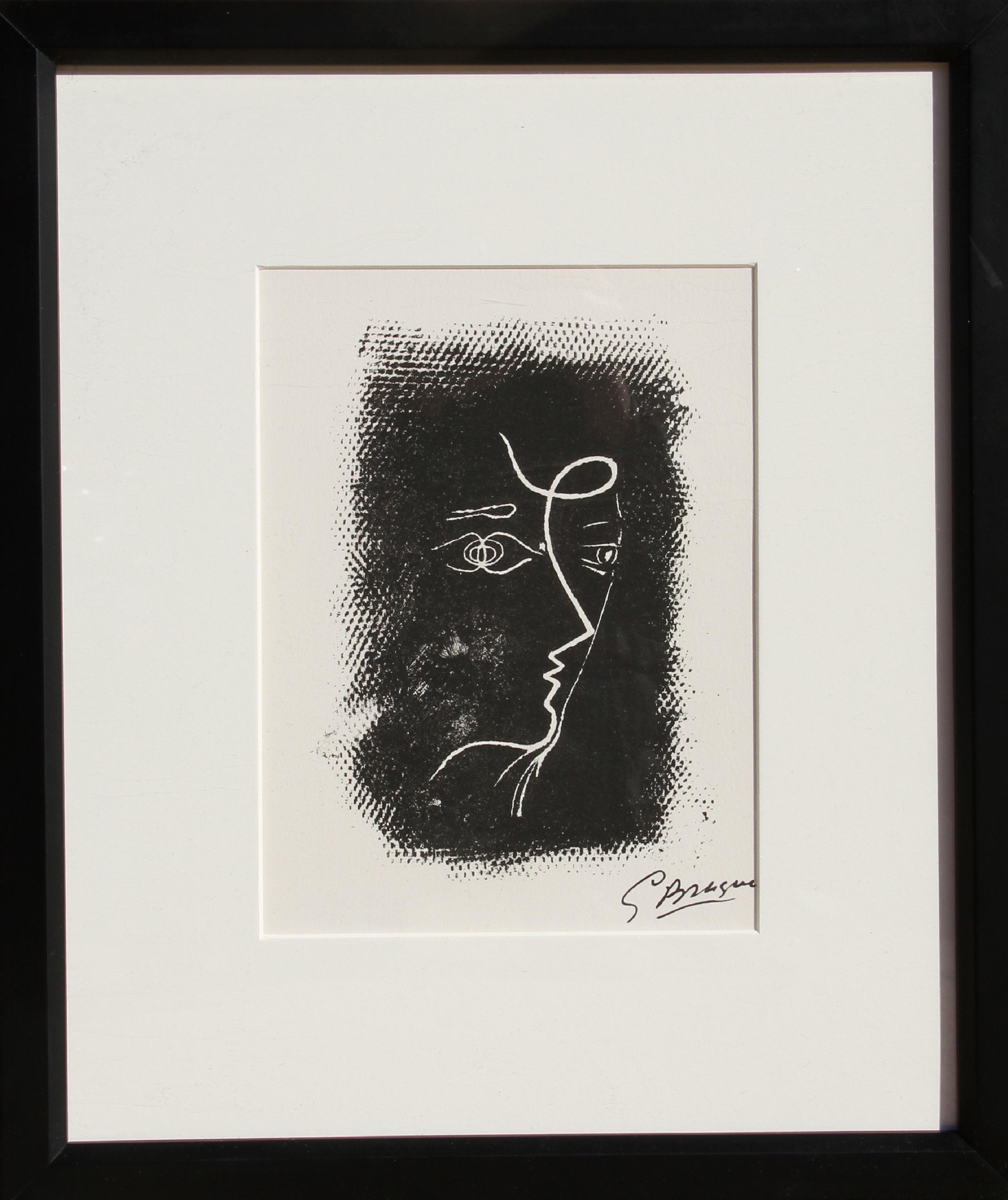
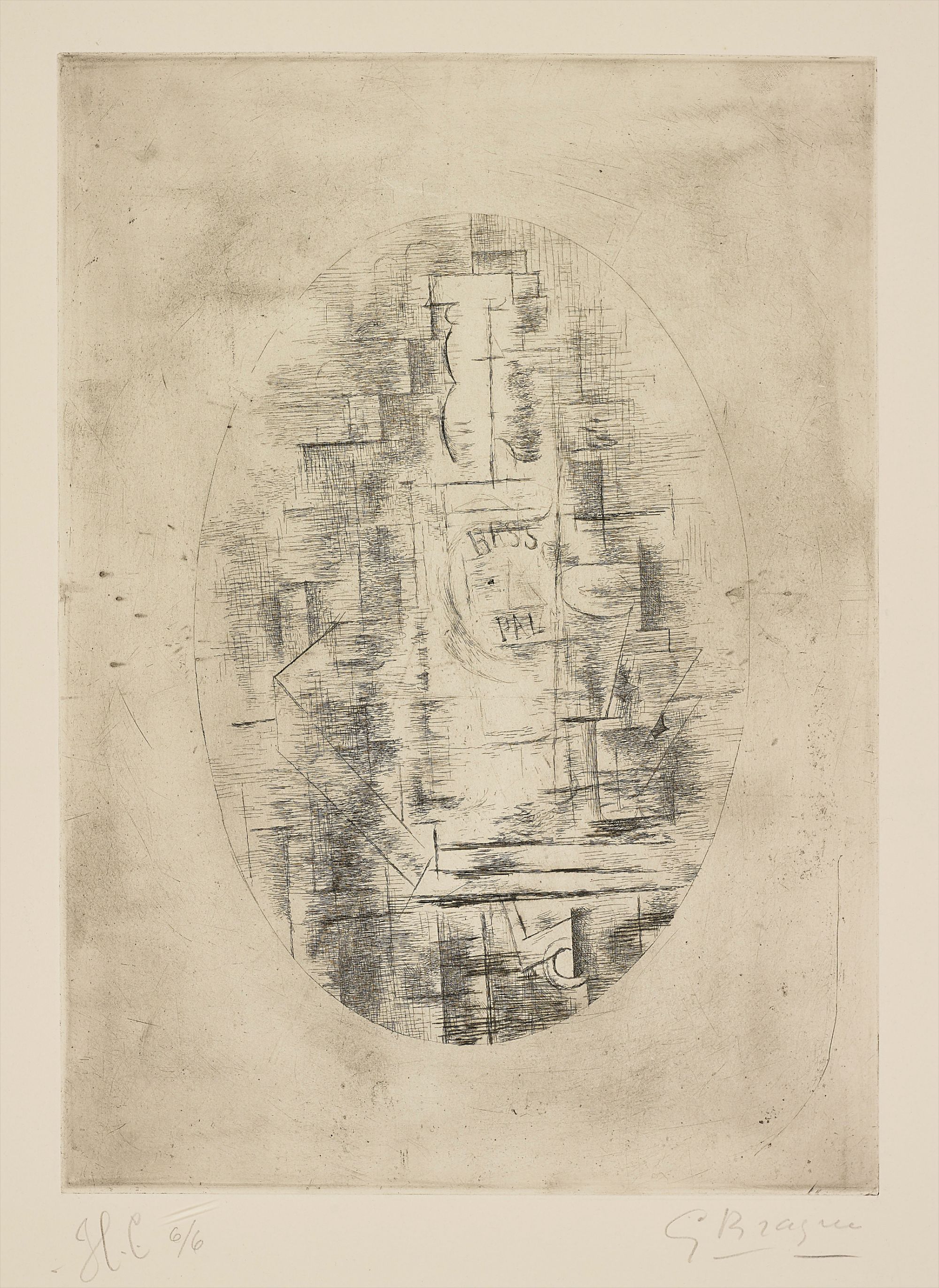
Georges Braque
Citrons, pipe et verre, 1932
Cubism Keeps Breaking the Picture Plane
When Christie's London brought a major analytical period Braque to sale a few seasons back, the room held its breath in a way that felt almost anachronistic. These are not works that photograph well, they resist the Instagram economy, and yet the bidding climbed past estimate with the kind of resolve you only see when serious money has made up its mind. That moment crystallized something many dealers and curators had been quietly noting: analytical cubism is having a sustained period of institutional and market attention that goes well beyond nostalgia or art historical obligation. The movement itself, that extraordinary window between roughly 1908 and 1912 when Georges Braque and Pablo Picasso were working in such close dialogue that their canvases became almost indistinguishable, remains one of the most intellectually demanding propositions in the history of Western art.
The fracturing of form, the rejection of single point perspective, the insistence that a painted surface could hold multiple viewpoints simultaneously: these were not aesthetic choices so much as philosophical ones. What the market is responding to now is not just the historical weight of that proposition but its continuing relevance to how we think about representation in a visually saturated world. Museum programming has reflected this appetite. The Centre Pompidou's sustained attention to its own extraordinary cubist holdings has produced a series of focused presentations over the past decade that have allowed scholars and collectors alike to spend real time with these works rather than moving through them as obligatory stops on a chronological tour.
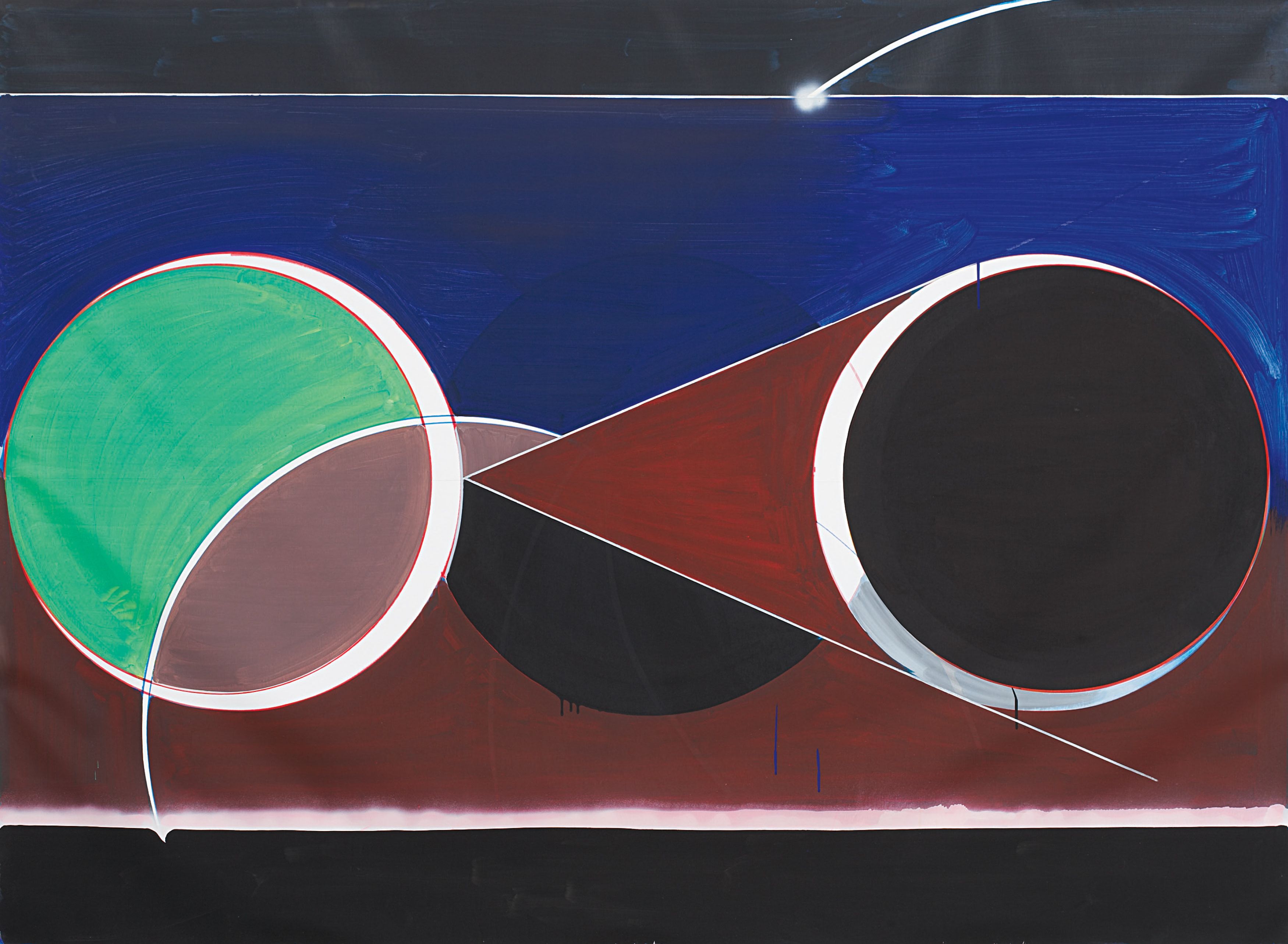
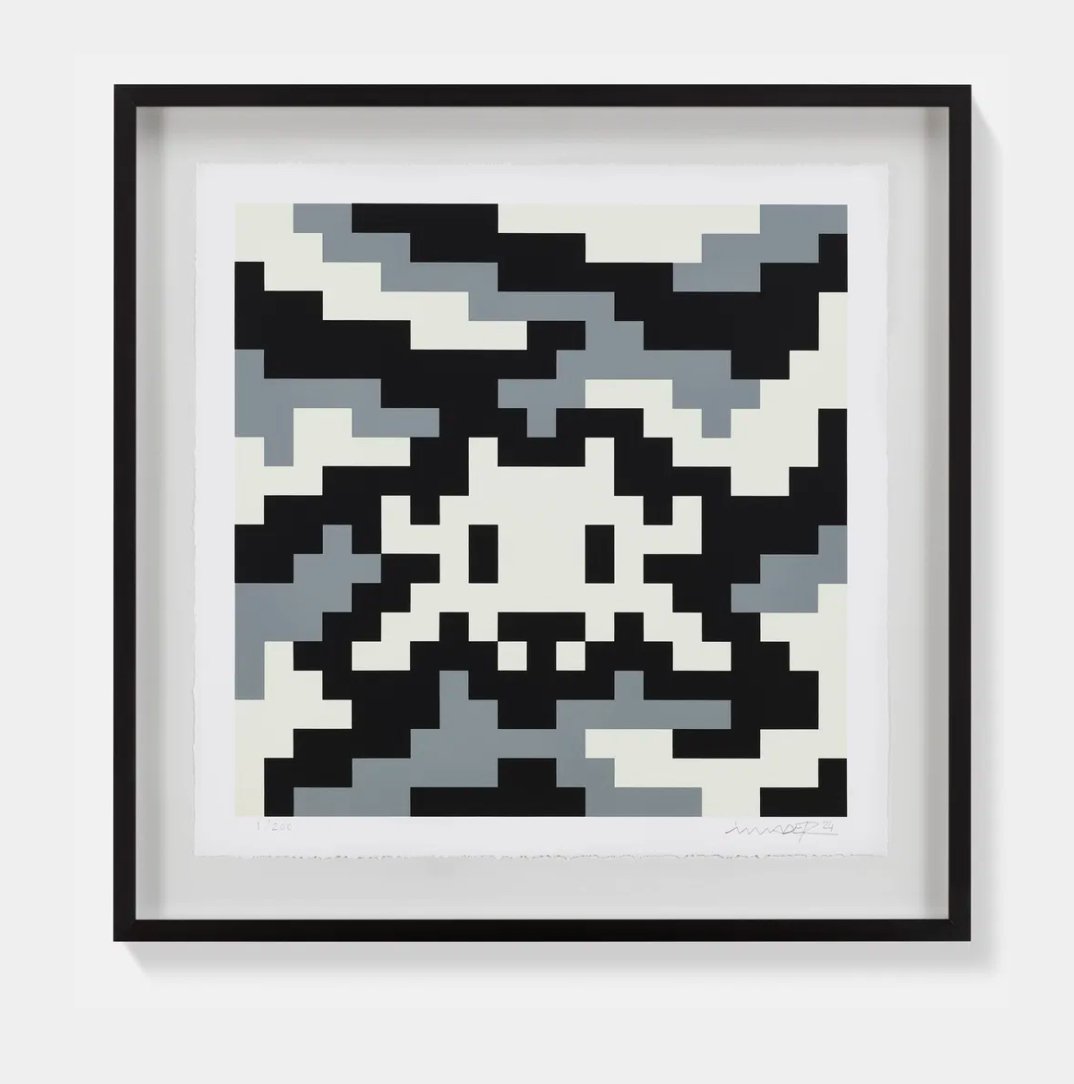
Thomas Scheibitz
Gp 103, 2005
The Musée Picasso in Paris, following its extensive renovation and reopening, has done something similar, presenting the analytical period works with a contextual generosity that invites genuine looking. The Guggenheim Bilbao has mounted presentations pairing its cubist holdings with later twentieth century abstraction in ways that have genuinely shifted how younger curators are thinking about lineage and influence. At auction, the hierarchy is clear. Picasso's analytical period canvases, when they appear, are among the most hotly contested lots in any modern art sale.
His works from 1910 and 1911 in particular, those densely faceted compositions in grey, ochre, and brown that push legibility to its absolute limit, regularly achieve results that place them among the most valuable paintings ever sold. Braque commands serious attention too, and collectors who have focused on his contributions to the movement rather than treating him as a footnote to Picasso's story have been well rewarded. The works by Braque represented on The Collection reflect that seriousness, demonstrating why his particular sensibility, more restrained perhaps but no less rigorous, has its own devoted following among informed buyers. What is interesting about the current market moment is the way that period proximity functions as a kind of quality signal.
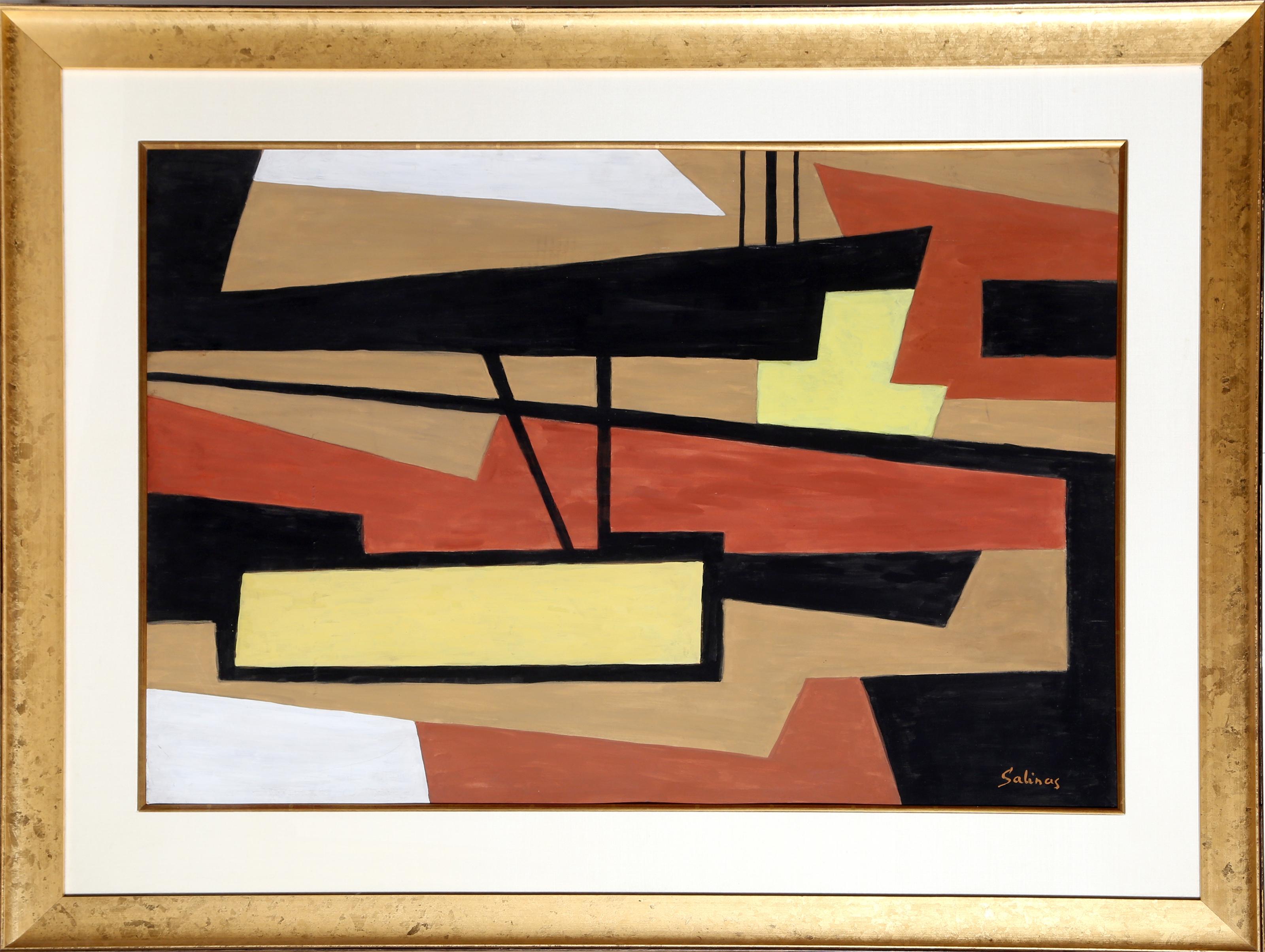
Laurent Marcel Salinas
Cubist Composition
Works made after the analytical period, pieces that engage with cubist language without having been made inside the crucible of its invention, trade on a different set of values. The work attributed to after Braque on The Collection raises exactly the questions that serious collectors find generative: what is the difference between influence, continuation, and something more ambiguous. The market for these works is sophisticated and requires a different kind of due diligence, but for collectors who do that work, the rewards can be considerable. Laurent Marcel Salinas, also represented here, offers another angle of entry into this conversation.
Artists who absorbed the lessons of the School of Paris and carried cubist syntax into mid century practice occupy a critical space that auction houses have been reassessing with some enthusiasm. The prices for this category of work have moved meaningfully over the past five years as collectors who built positions in the canonical figures have begun looking for adjacent territory with genuine quality and more accessible price points. It is a pattern familiar from other movements and it tends to reward early movers. The critical conversation around analytical cubism has been energized in recent years by writers who are less interested in celebrating its historical achievements than in interrogating its assumptions.
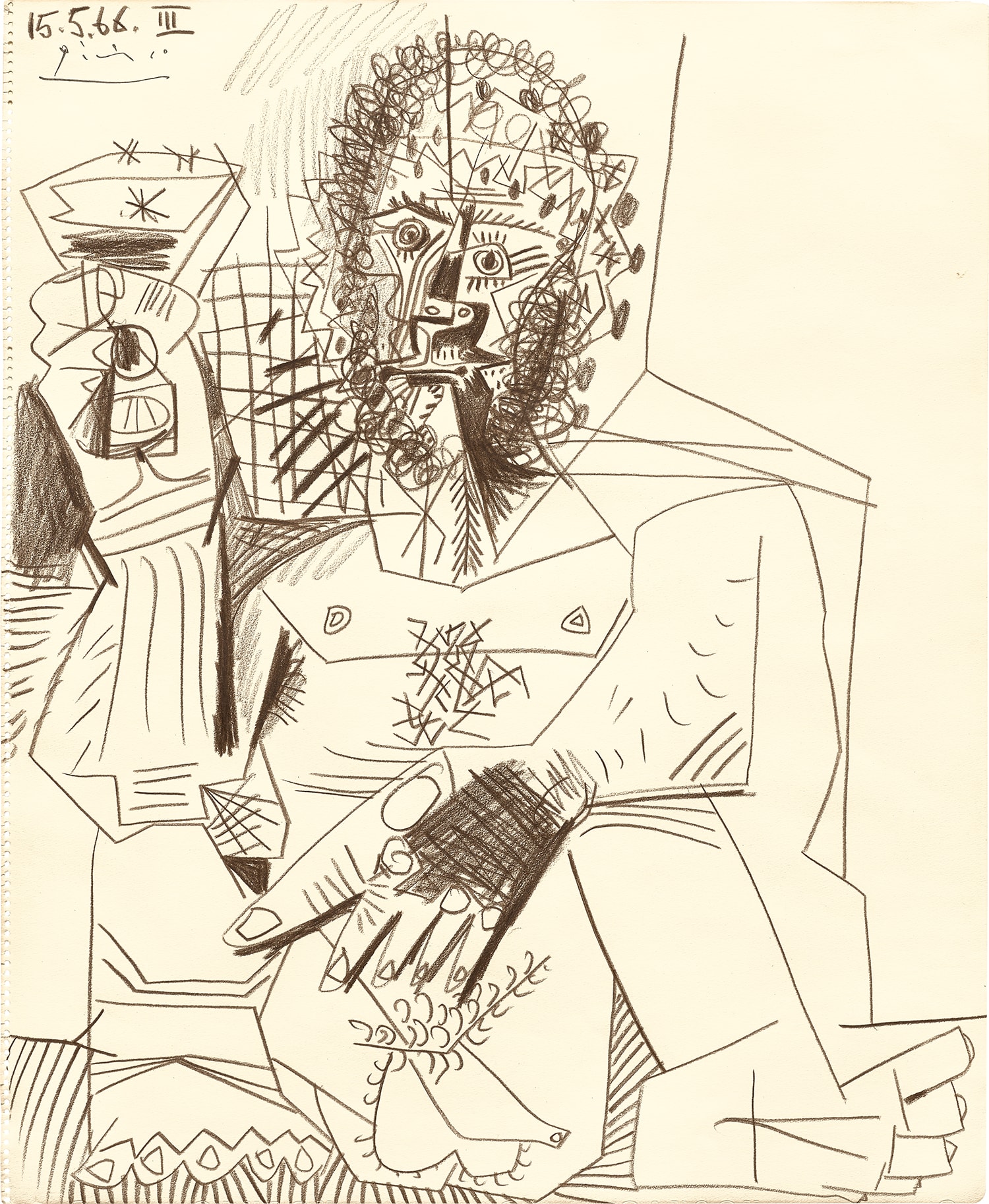
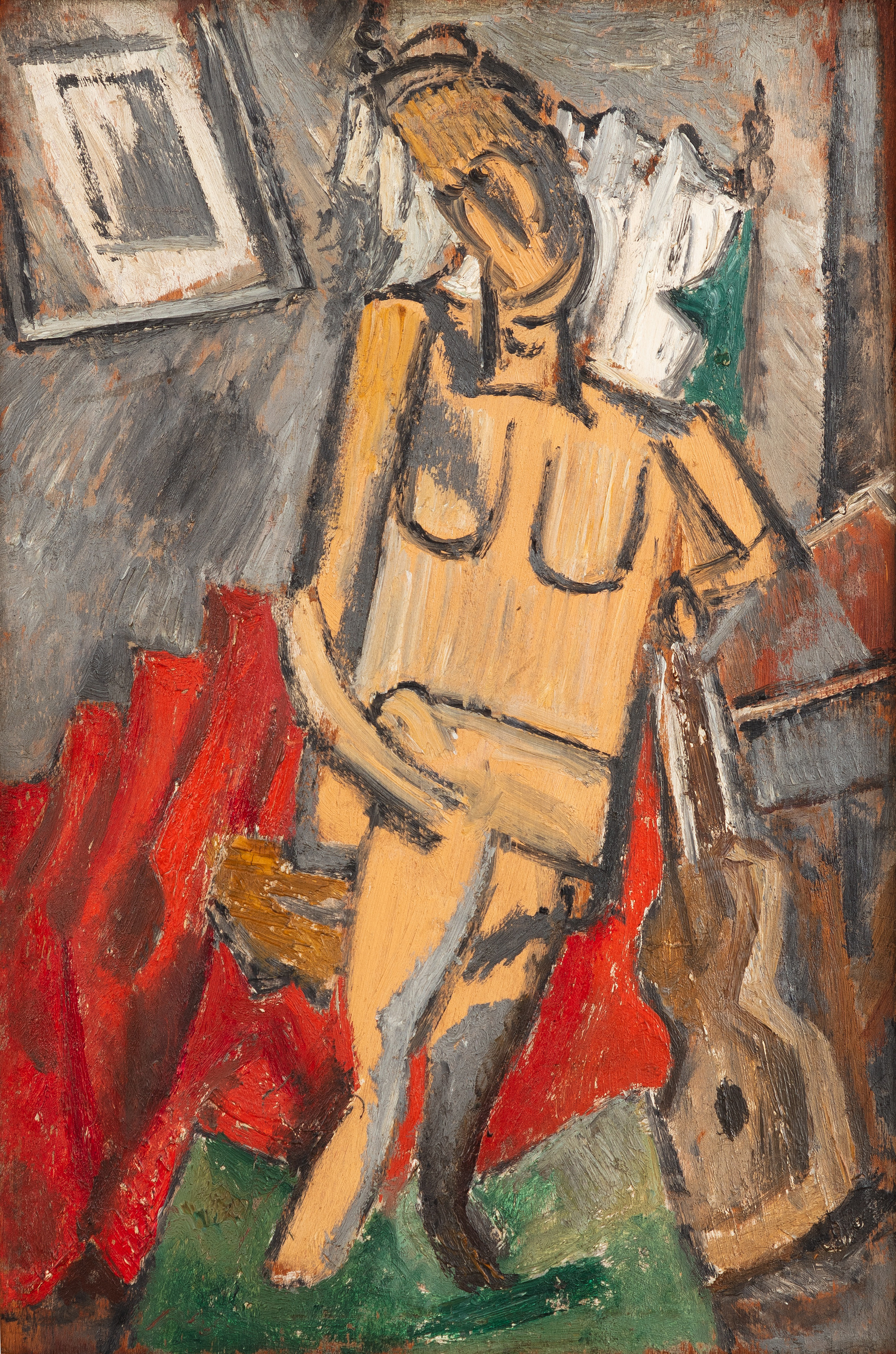
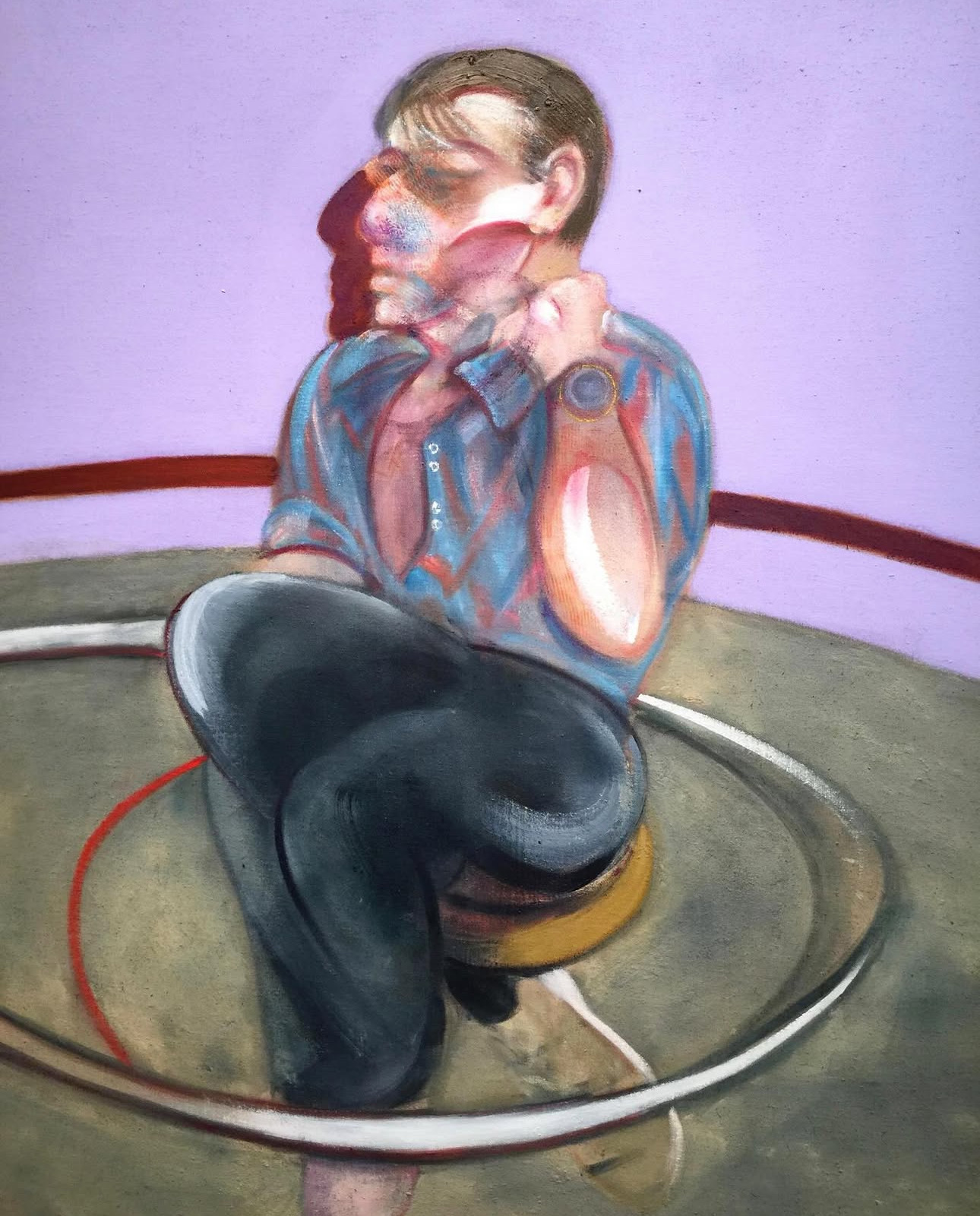
Pablo Picasso
Homme à la coupe assis
T.J. Clark's ongoing engagement with cubism, including his examination of what it meant for painting to abandon its representative contract with the world, has given curators a framework that feels genuinely alive rather than settled. Patricia Leighten's work on the political context in which Picasso and Braque were operating has complicated the formalist readings that dominated for so long.
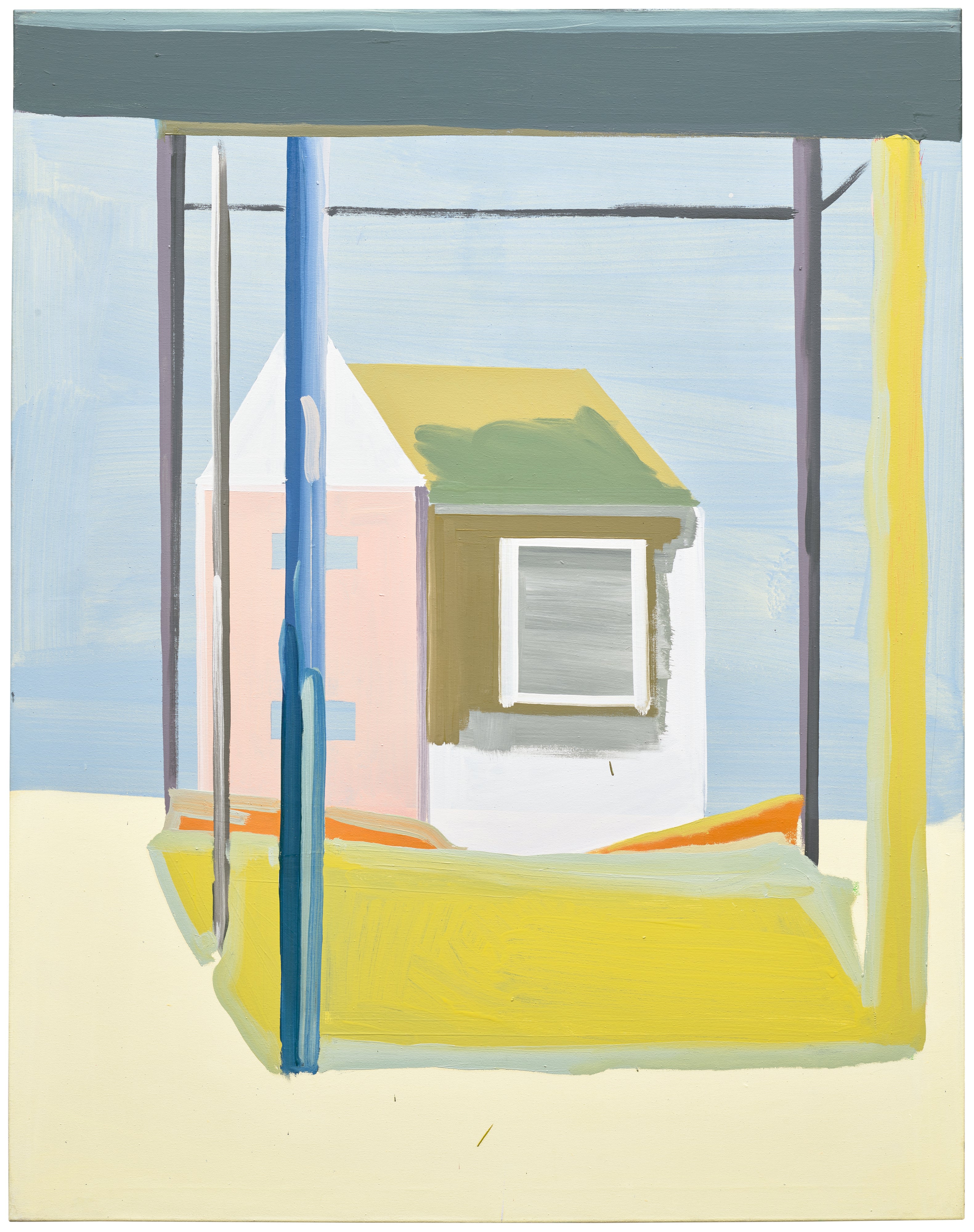
Rosalind Krauss and the October school of criticism established a theoretical foundation decades ago that continues to shape how the movement is discussed in serious academic and institutional contexts. Thomas Scheibitz, whose work appears on The Collection alongside these historical figures, represents one compelling answer to the question of where cubist thinking lives today. His paintings operate in a visual register that is clearly in dialogue with the analytical period without being nostalgic for it, treating fragmentation and multiple viewpoint not as historical problems to be solved but as permanent conditions of visual experience. That his work sits in proximity to Braque and Picasso on a platform like The Collection is not incidental.
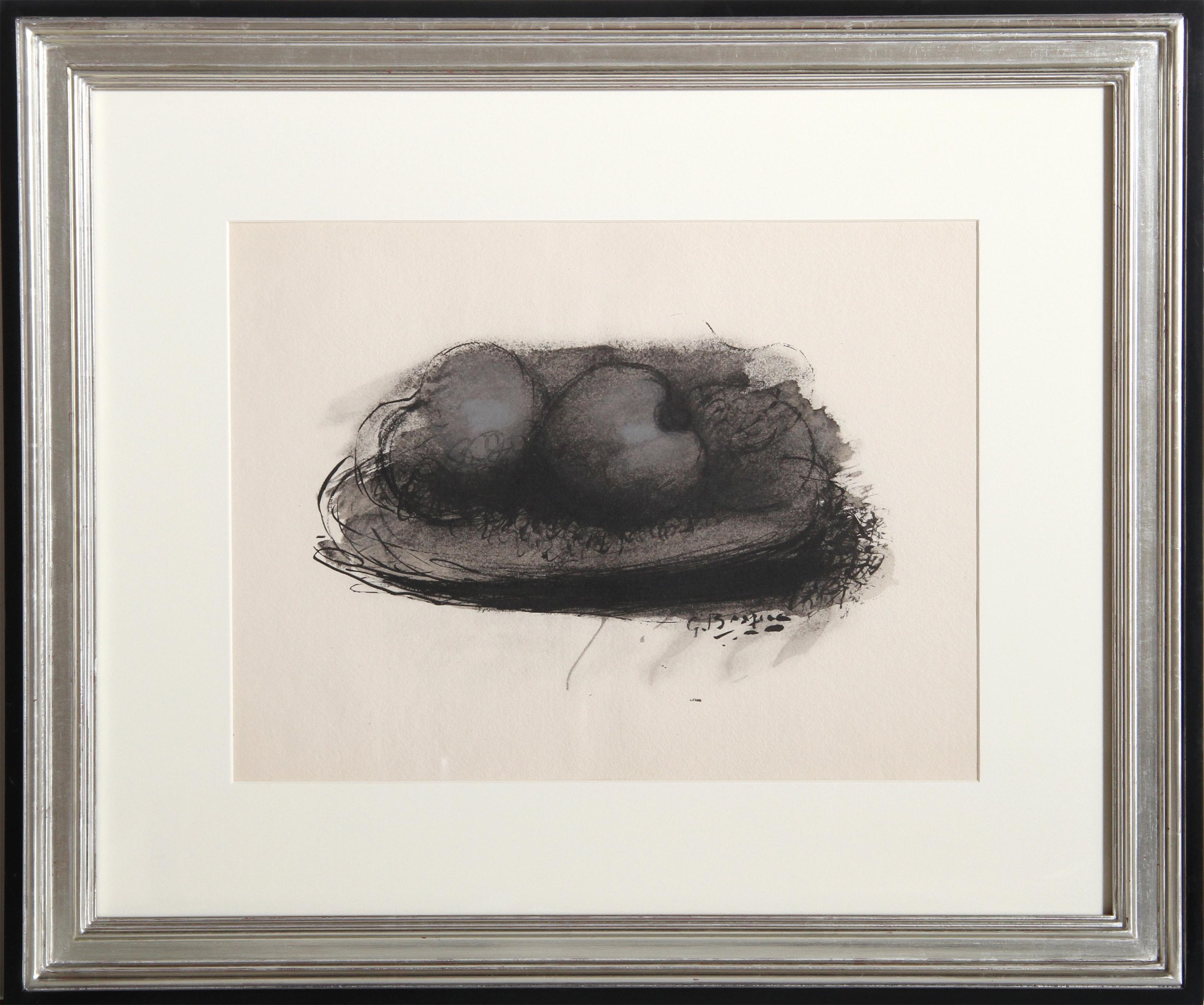
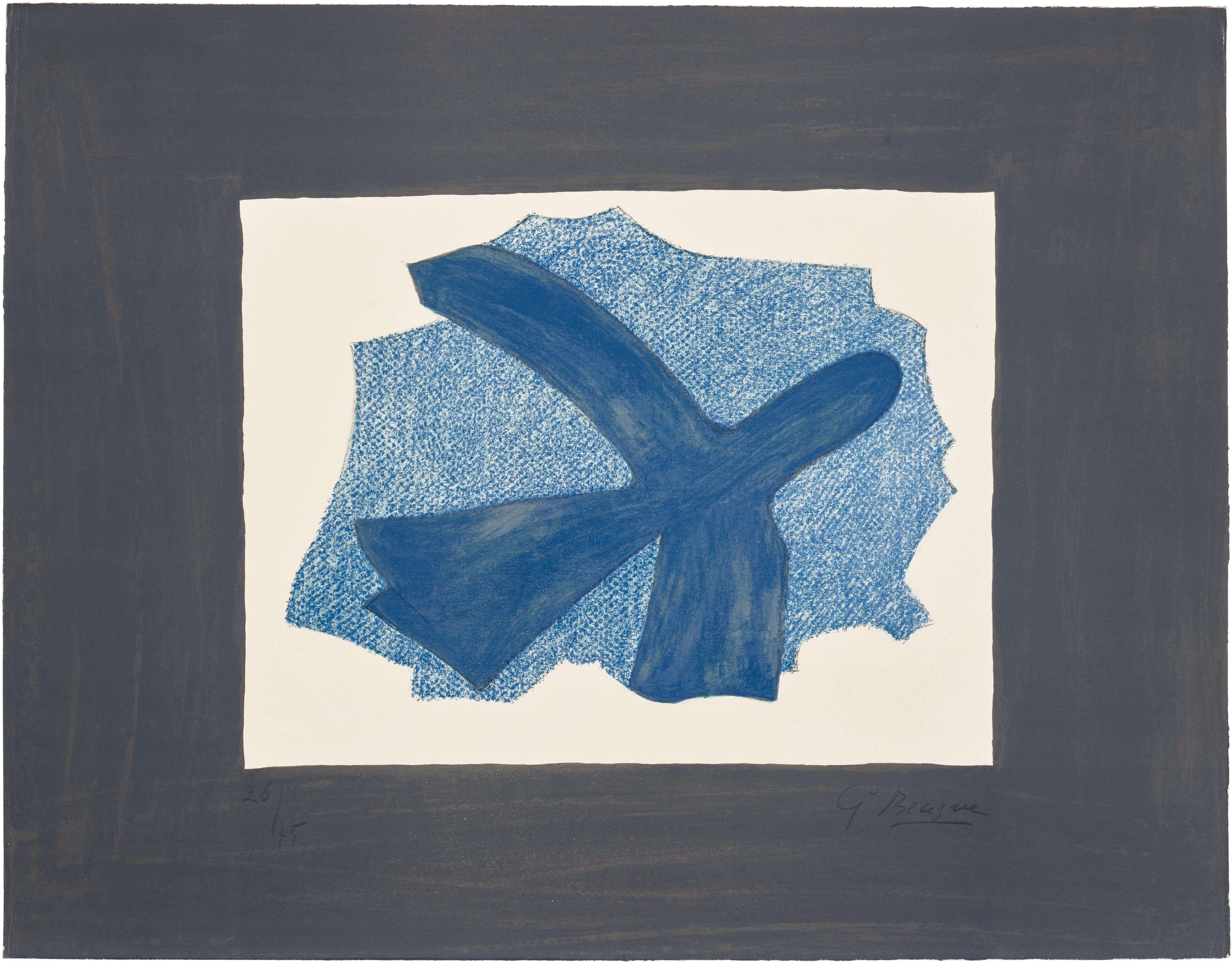
After Georges Braque
Les Pommes from Espace
It suggests a collecting logic that understands movements as living conversations rather than closed chapters. Where the energy is heading feels genuinely open. There is serious scholarly interest in reassessing artists who worked within cubist frameworks outside the Paris circle, including practitioners from Latin America, Eastern Europe, and beyond whose contributions were marginalized by a critical history organized around a small number of canonical figures. Auction houses have begun to respond to this, placing works by these artists in contexts that invite comparison rather than relegation.
For collectors paying attention, this represents one of the more interesting areas of genuine price discovery in the modern market. The picture plane keeps breaking, and the pieces keep surprising us.