Actor
Unknown
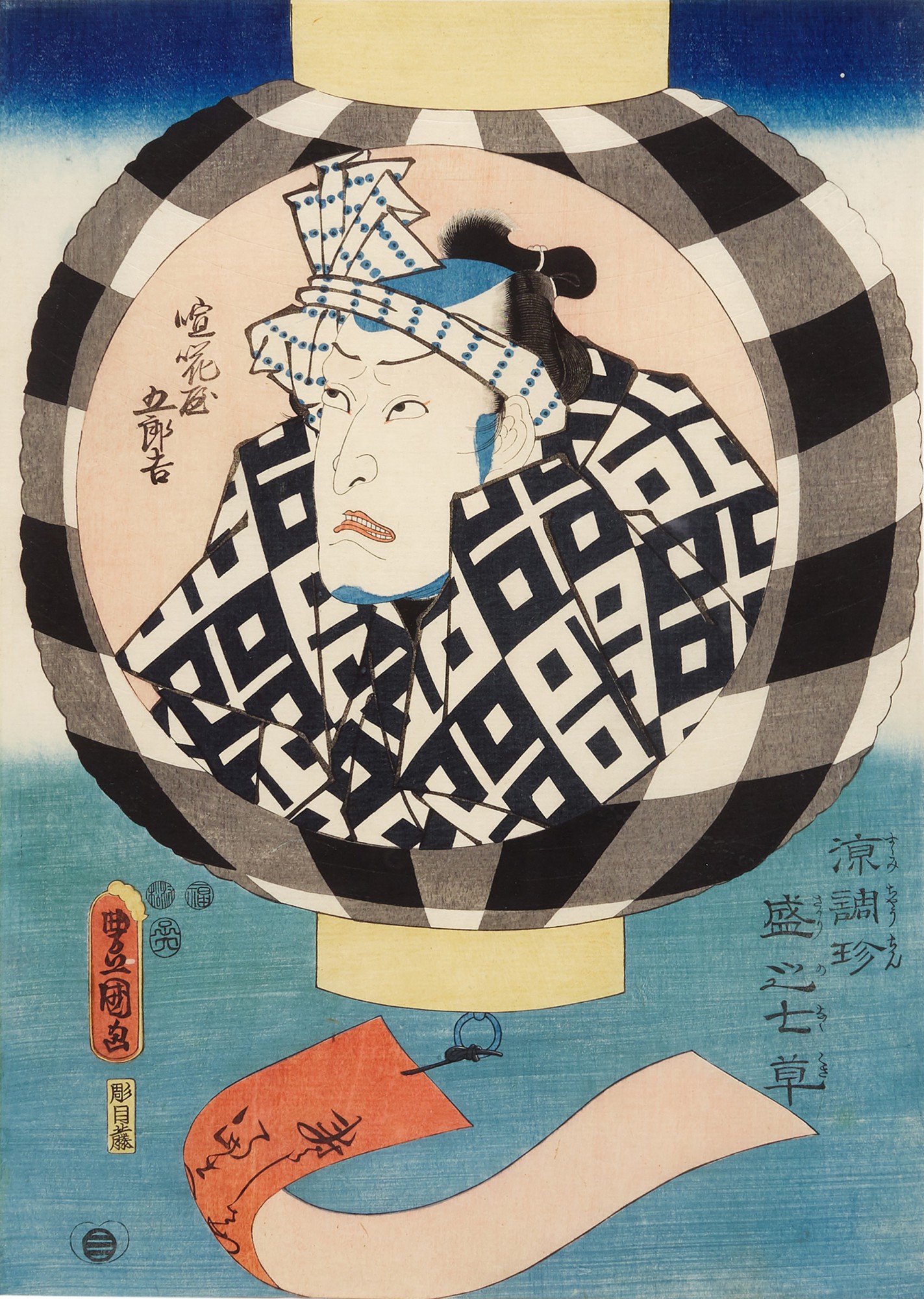
The actor Ichikawa Kodanji IV in the role of Kenkaya Gorokichi | Edo period, 19th century
The Stage Is Never Empty for Long
When a rare print by Katsukawa Shunsho sold at Christie's a few seasons ago for well above its estimate, the room paid attention. Not because kabuki actor prints had been dormant exactly, but because the result confirmed something collectors of Japanese woodblock prints had suspected for a while: the appetite for theatrical imagery from the Edo period is deepening, not softening. Buyers who once circled these works cautiously are now competing for them with the same conviction they bring to landscape prints or bijinga. The actor, it turns out, has never been more compelling.
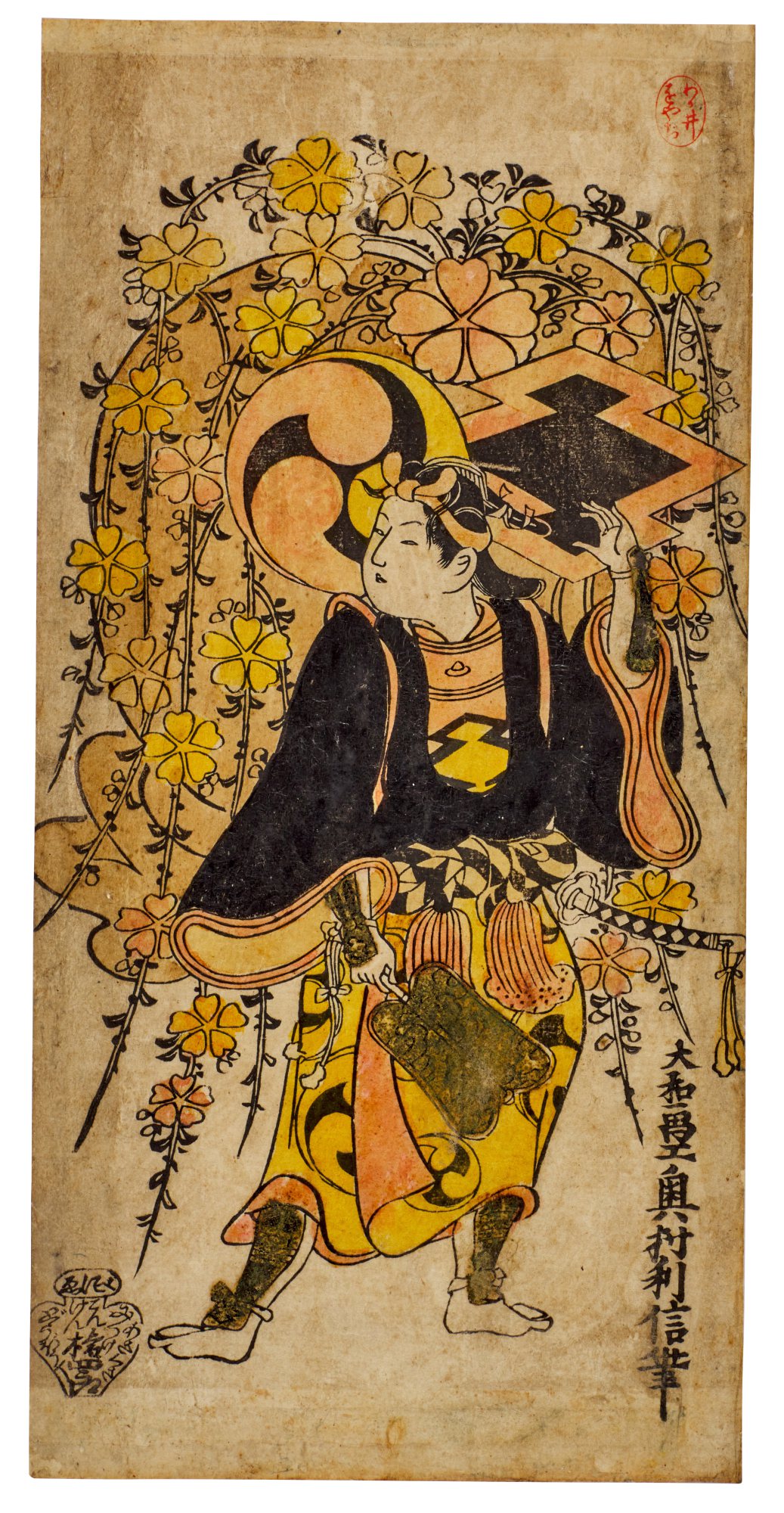
There is something particular about images of performers that refuses to age. Across cultures and centuries, the actor occupies a strange and privileged position in visual art, simultaneously real and invented, present and masked. The ukiyo e masters understood this intuitively. Artists like Shunsho and Okumura Toshinobu, whose work appears on The Collection, were not simply documenting the kabuki theatre of their era.
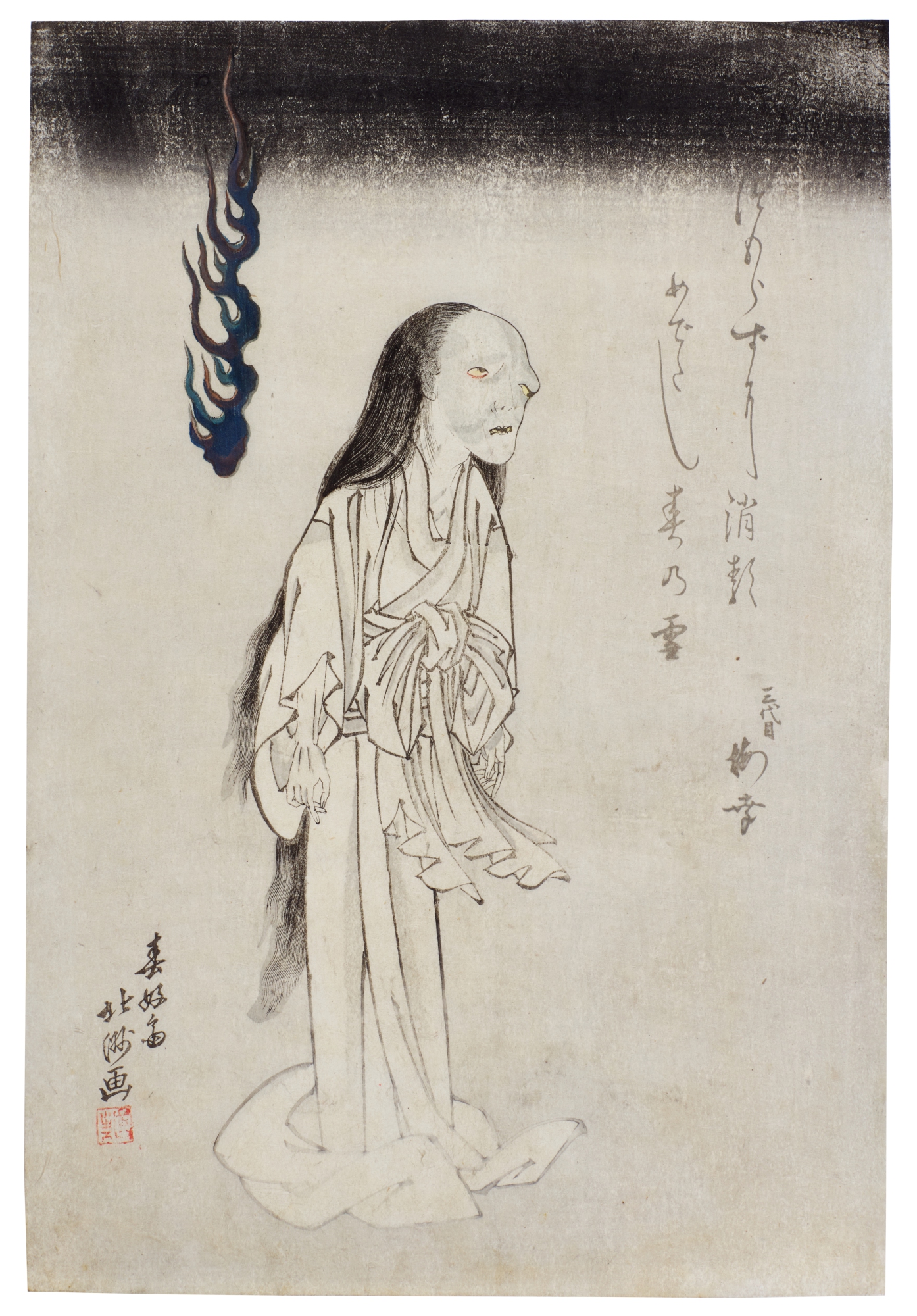
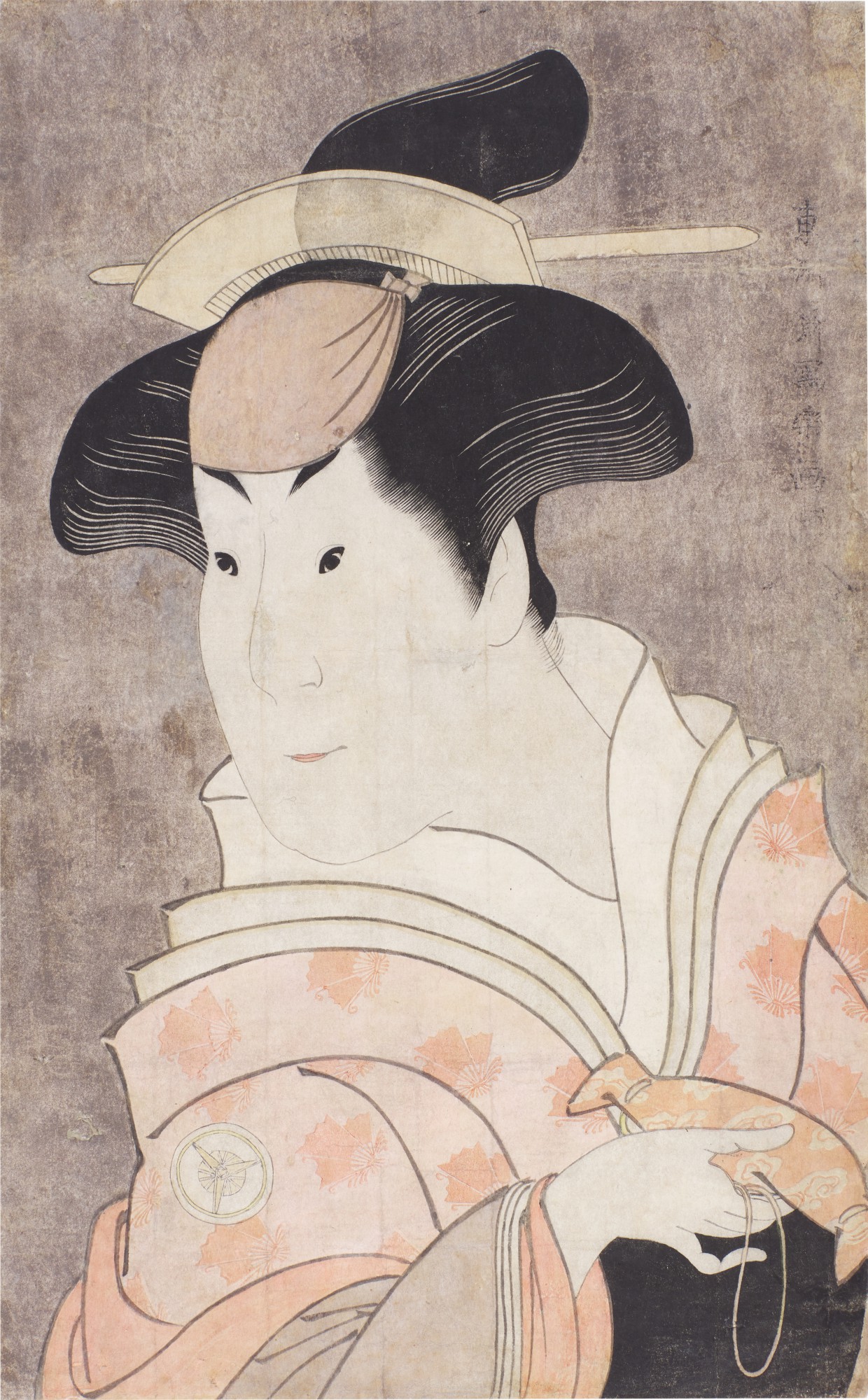
Shunkosai Hokushu
The actor Onoe Kikugoro III as the Ghost of Oiwa | Edo period, 19th century
They were constructing a mythology around individual performers, turning the stage into a space of almost sacred intensity. Toshinobu, active in the early eighteenth century, worked in a period when the actor print was still finding its formal language, his figures carrying a decorative formality that later artists would push toward something rawer and more psychologically charged. By the time Shunkosai Hokushu was producing actor prints in the early nineteenth century in Osaka, the genre had become genuinely sophisticated. The Osaka school brought a different sensibility than Edo, more emotionally concentrated, with compositions that pressed faces close to the picture plane in ways that feel almost cinematic in retrospect.
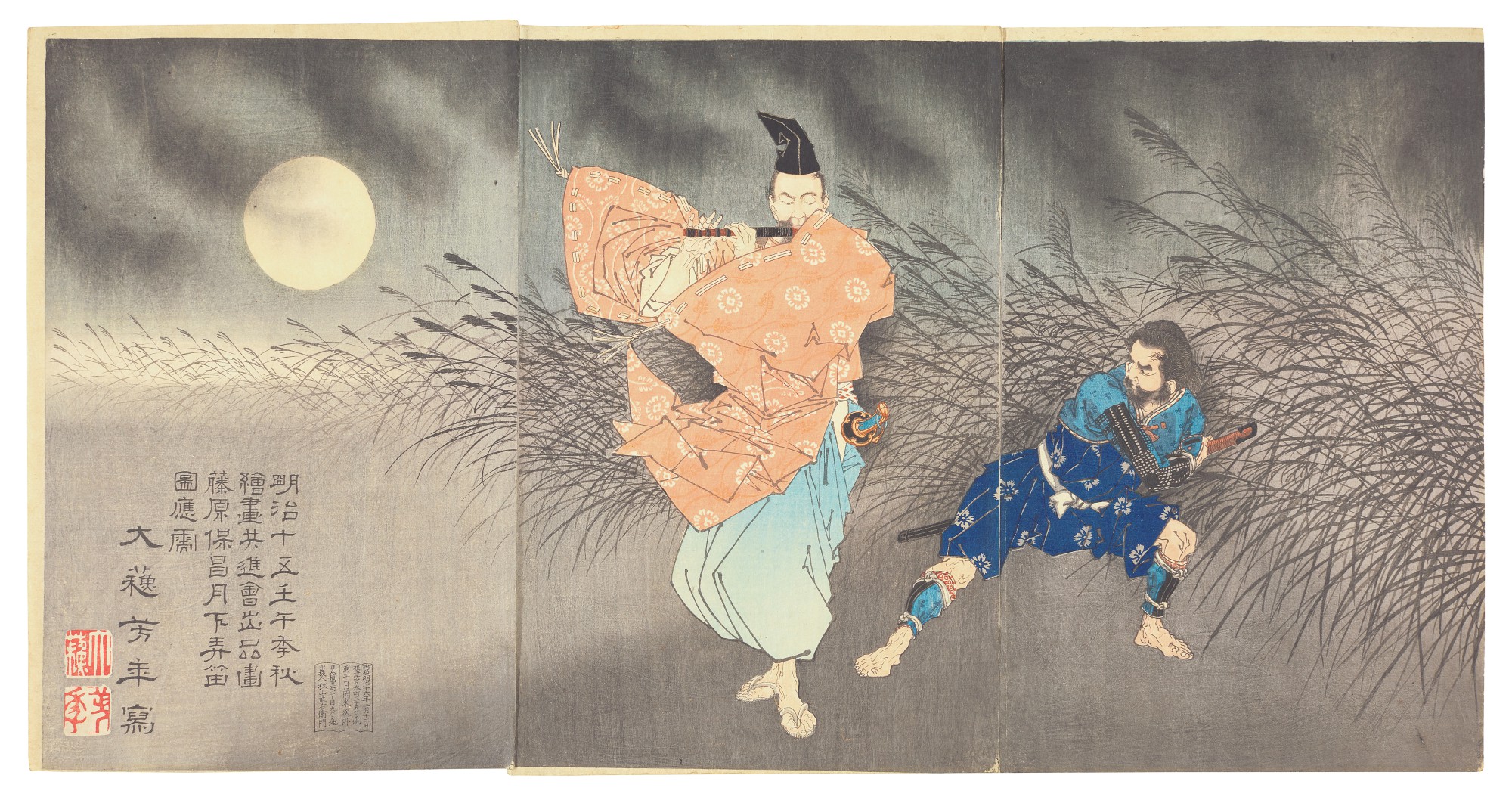
Hokushu's work in particular rewards sustained looking. The tension between stylization and expression in his portraits of actors in role is something curators and scholars have returned to repeatedly in recent years, and rightly so. His prints have been featured in significant survey exhibitions at institutions including the Art Institute of Chicago and the Museum of Fine Arts in Boston, both of which hold substantial ukiyo e collections and have done serious curatorial work in making the theatrical dimension of this tradition legible to contemporary audiences. Tsukioka Yoshitoshi, whose work is also represented on The Collection, offers a bridge of sorts between the classical actor print tradition and something more turbulent.
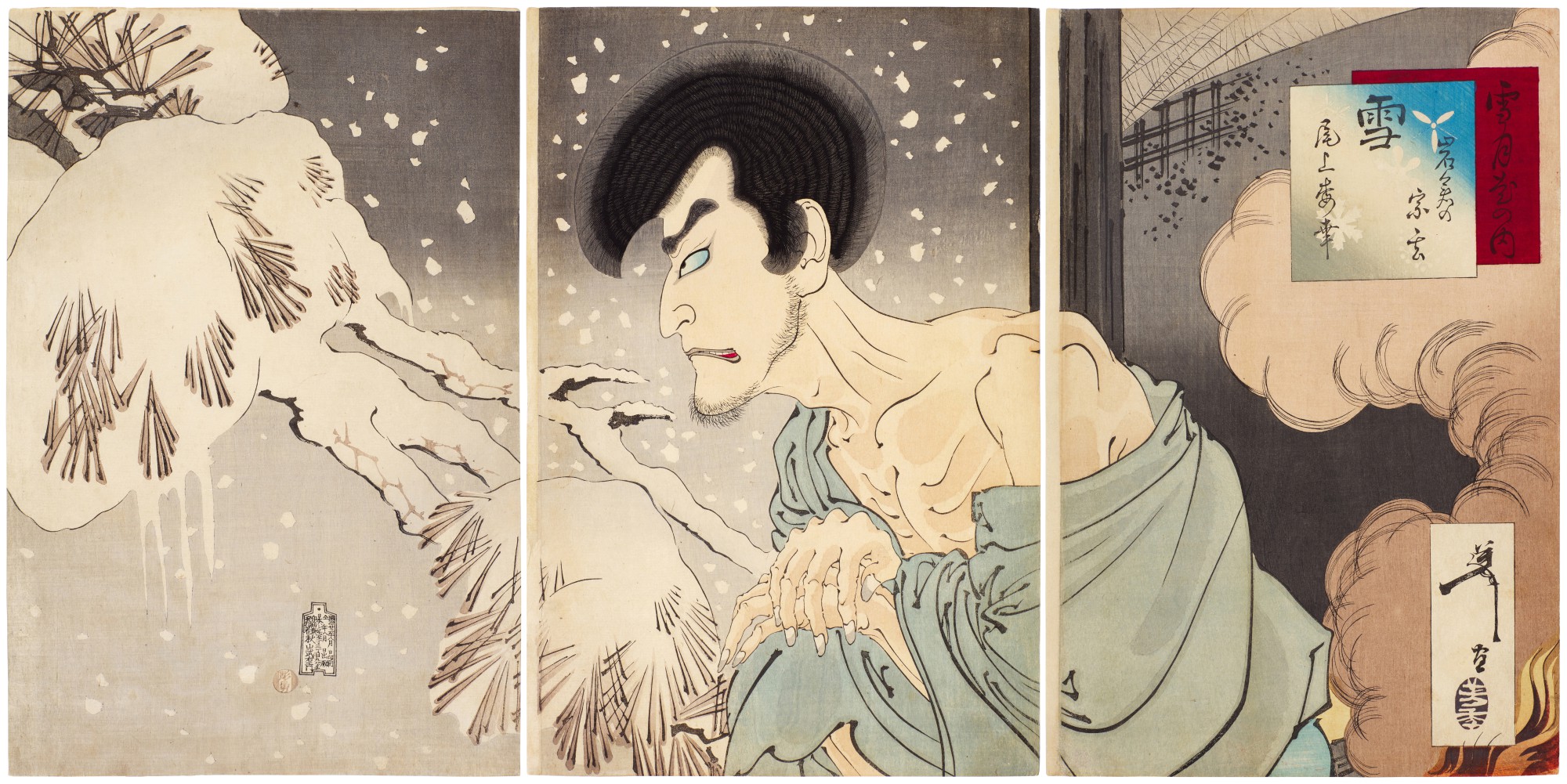
Tsukioka Yoshitoshi
Tsukioka Yoshitoshi (1839-1892) Snow: The actor Onoe Baiko V in the role of Iwakura Sogen (Yuki: Iwakura no Sogen, Onoe Baiko), Meiji period, late 19th century
Working in the Meiji period, Yoshitoshi brought an almost hallucinatory intensity to his depictions of warriors, ghosts, and historical figures, many of whom blur the line between actor and character. His series such as One Hundred Aspects of the Moon and New Forms of Thirty Six Ghosts have been the subject of renewed critical interest, with exhibitions in Tokyo and at the Van Gogh Museum in Amsterdam drawing significant attention. At auction, strong Yoshitoshi prints now regularly achieve prices that situate him firmly among the most collectible artists of his period, his more dramatic compositions in particular generating competitive bidding. The Western tradition of actor imagery presents a different set of considerations, though one equally rich.
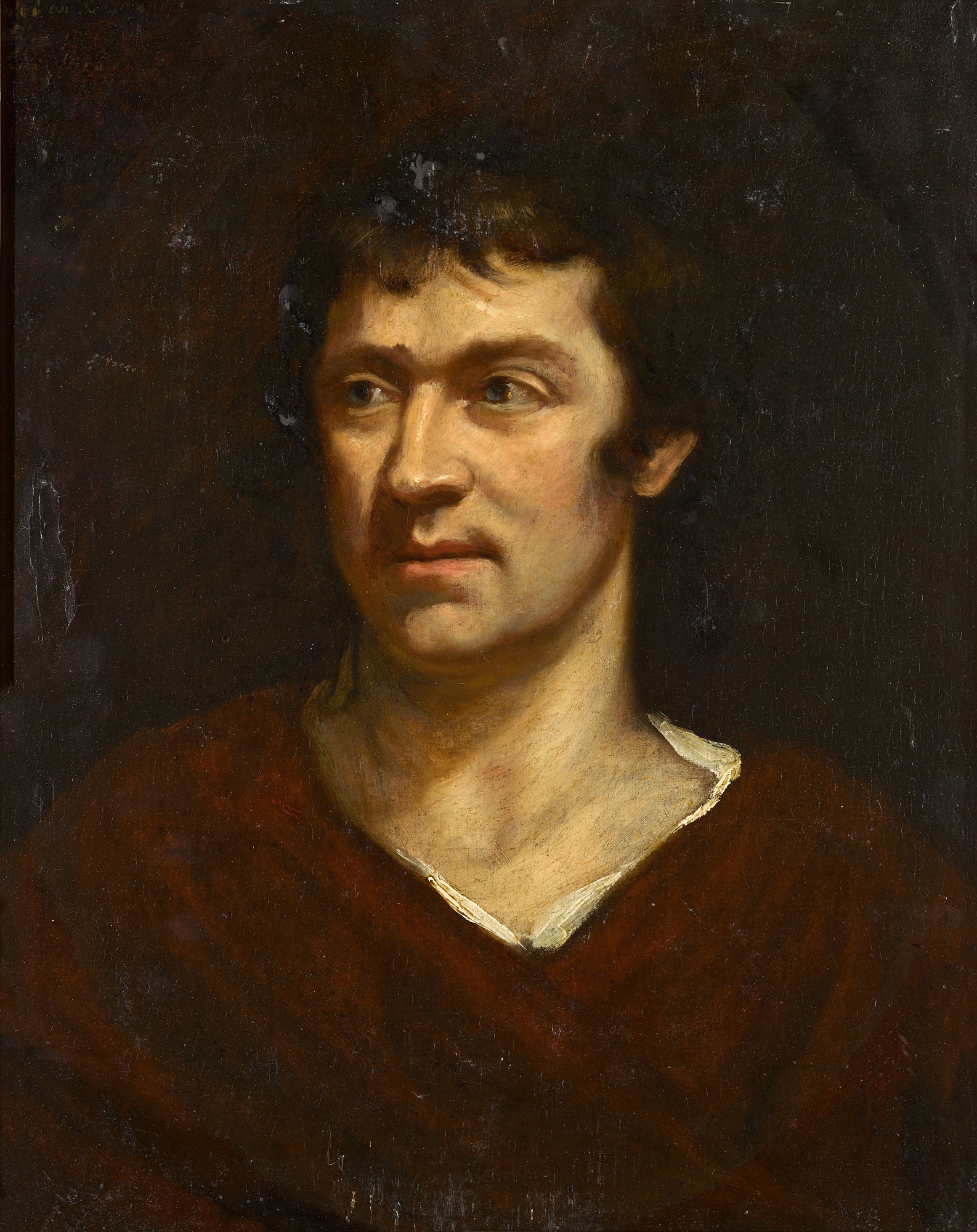
James Northcote, the British painter whose work appears on The Collection, operated within a portrait tradition that celebrated theatrical celebrity in oils, connecting stage presence to social legitimacy. His era was one in which the great actors of the London stage, figures like Sarah Siddons and David Garrick, became subjects for the most ambitious painters of the day. The National Portrait Gallery in London has done sustained work in recent years reexamining how theatre shaped the visual culture of Georgian Britain, and Northcote's place in that story is more interesting than his relative obscurity today might suggest. Robert Mapplethorpe enters this conversation from an entirely different angle, and his presence here is worth sitting with.
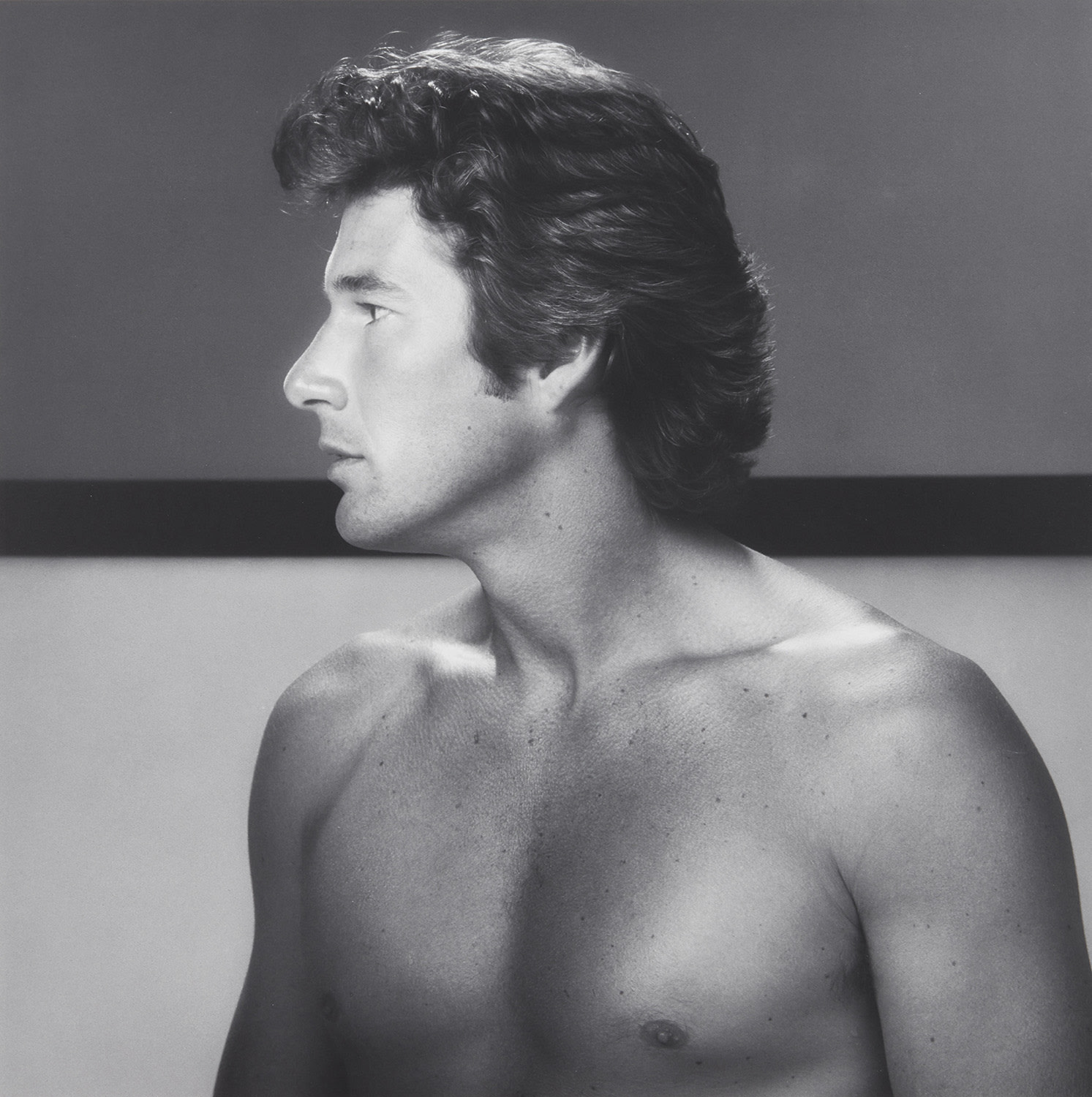
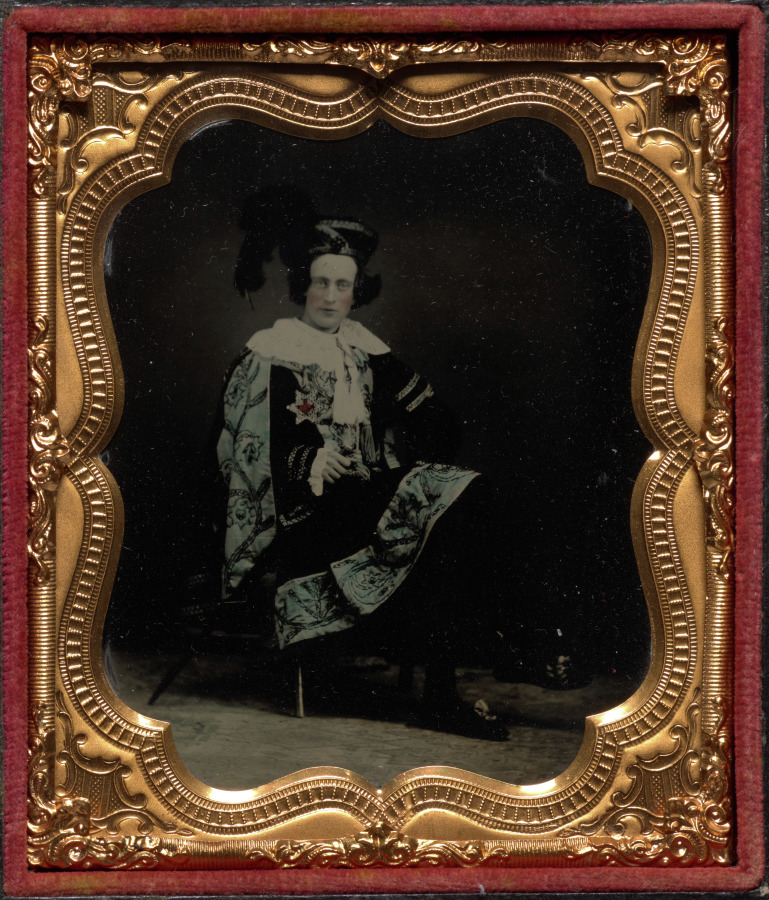
Robert Mapplethorpe
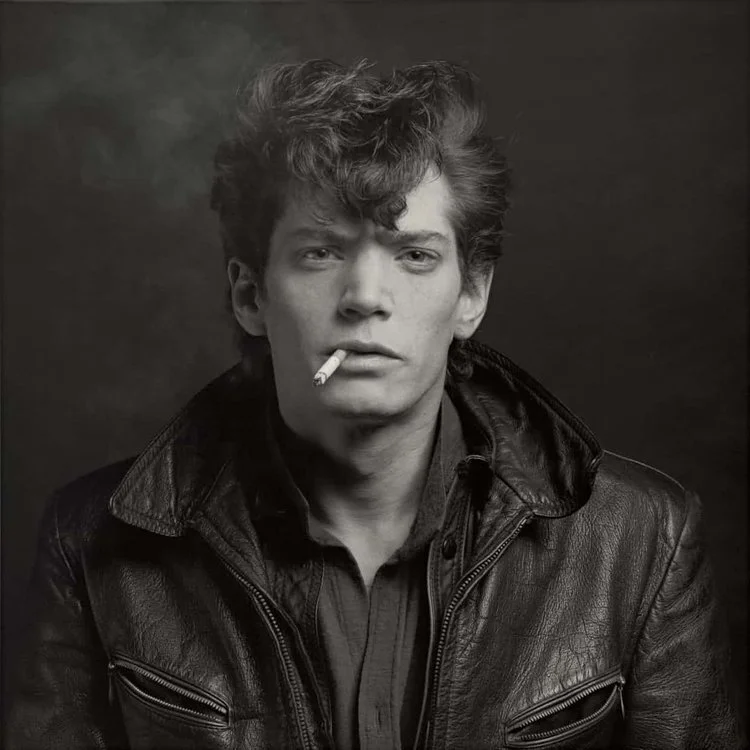
Richard Gere
His portraits of performers, artists, and cultural figures transformed the grammar of photographic portraiture in ways that still feel unresolved in the best sense. The retrospective that traveled to the Getty Center and the Guggenheim Bilbao in recent years reminded viewers of just how precisely Mapplethorpe understood the theatrical dimension of sitting for a portrait, the way a subject becomes performer the moment a camera is present. At auction, his prints command prices that reflect both his canonical status and continued institutional acquisition. The J.
Paul Getty Museum and the San Francisco Museum of Modern Art have both made significant Mapplethorpe acquisitions in recent years, a signal that collecting institutions see his work as foundational rather than merely important. The critical conversation around actor imagery and theatrical representation in art has grown genuinely interesting in the past decade. Writers like Christine Guth, whose scholarship on Japanese visual culture is indispensable, and curators at the Museum of Fine Arts Boston and the Brooklyn Museum have been instrumental in shifting the framework through which we understand ukiyo e actor prints, moving away from purely aesthetic readings toward something more attentive to the social and economic structures that produced and consumed these images. At the same time, younger curators are asking what it means that so many of the most celebrated actors depicted in this tradition were onnagata, male performers who specialized in female roles.
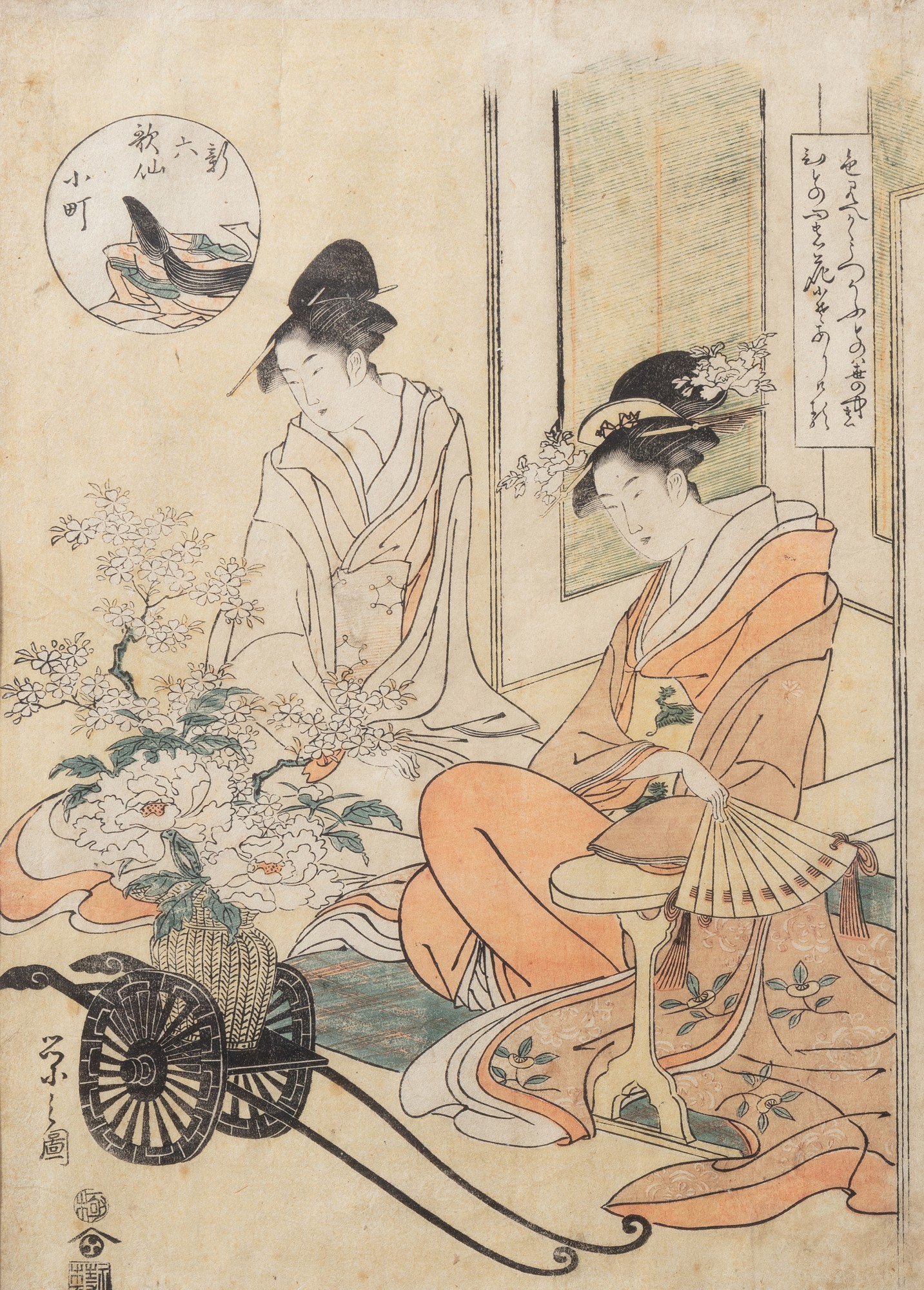
A group of three woodblock prints by various artists
日本 江戶時代 木刻版畫一組三幀
The gender complexity that was simply assumed in Edo period theatre becomes, when examined through a contemporary lens, a genuinely rich area for critical inquiry. What feels alive right now is the intersection of these traditions, the recognition that the impulse to celebrate, scrutinize, and mythologize the performer runs through visual culture in ways that cut across the usual period and medium boundaries. Collectors are beginning to build around this theme rather than simply within a single tradition, pairing Edo actor prints with twentieth century photographic portraiture in ways that produce unexpected resonances. The works on The Collection reflect exactly this range, from the early theatrical prints of Toshinobu to the charged studio photography of Mapplethorpe, suggesting a collecting sensibility that is genuinely thematic rather than merely taxonomic.
The stage, as ever, is set for something worth watching.