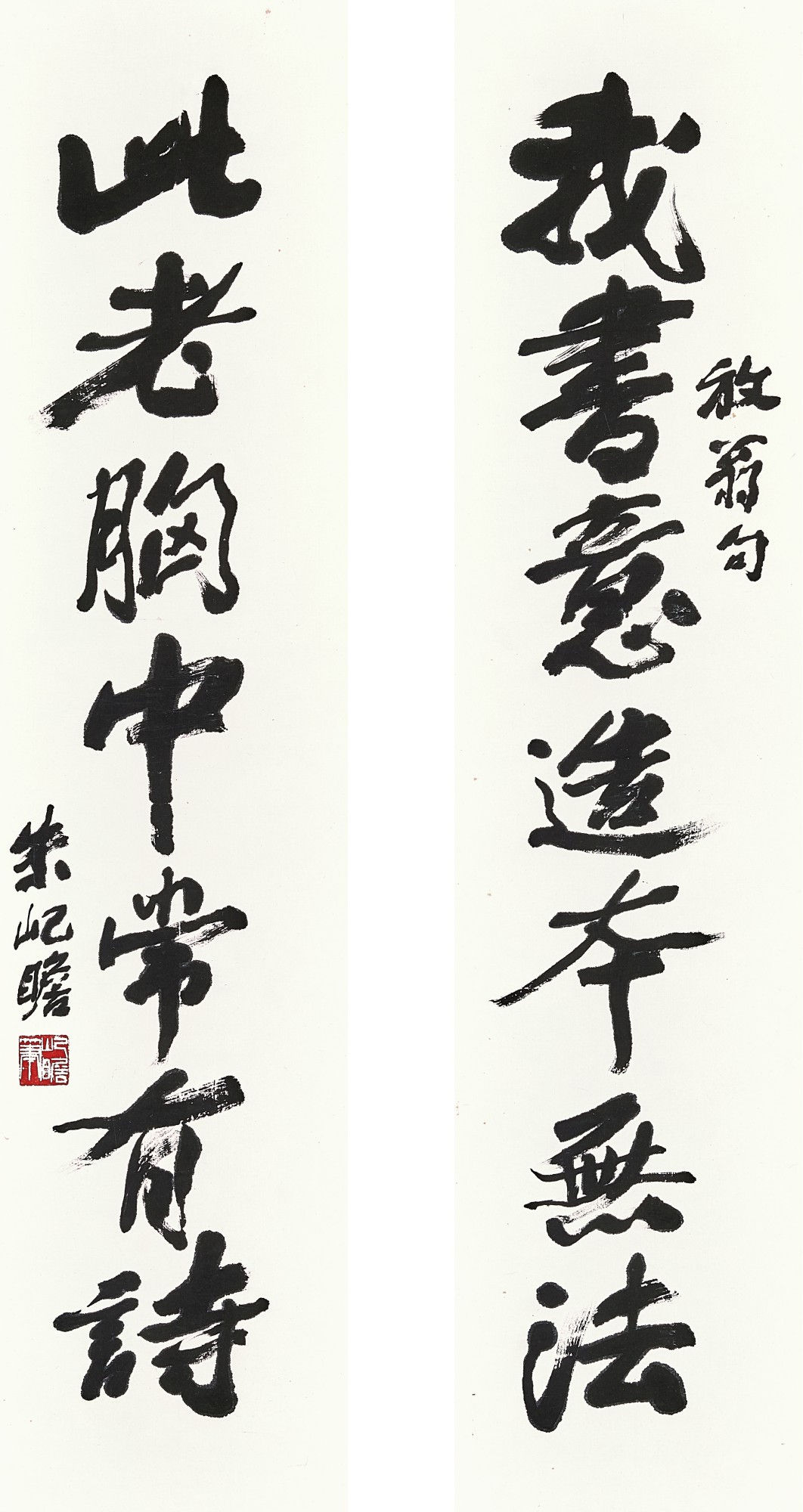
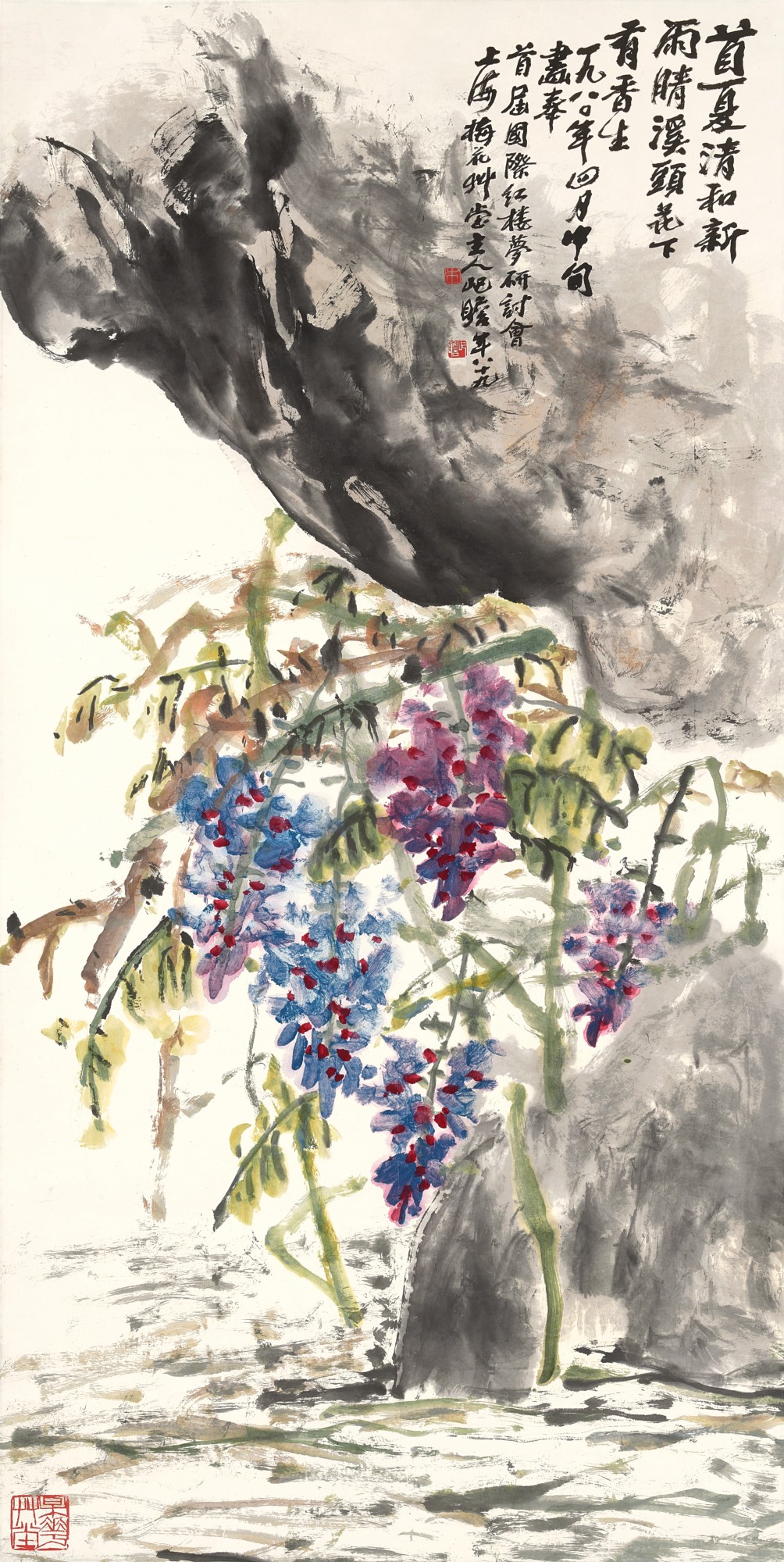
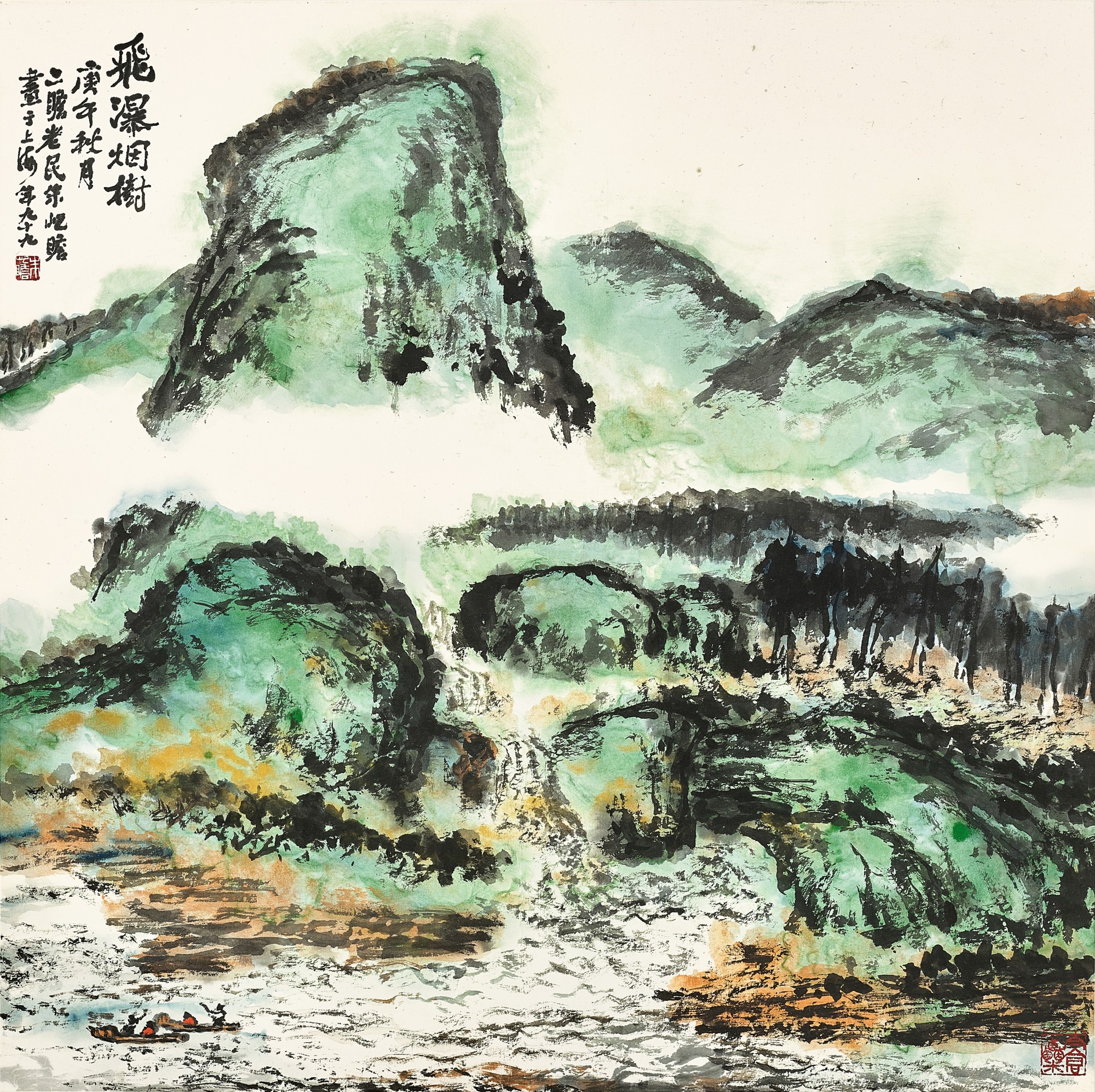
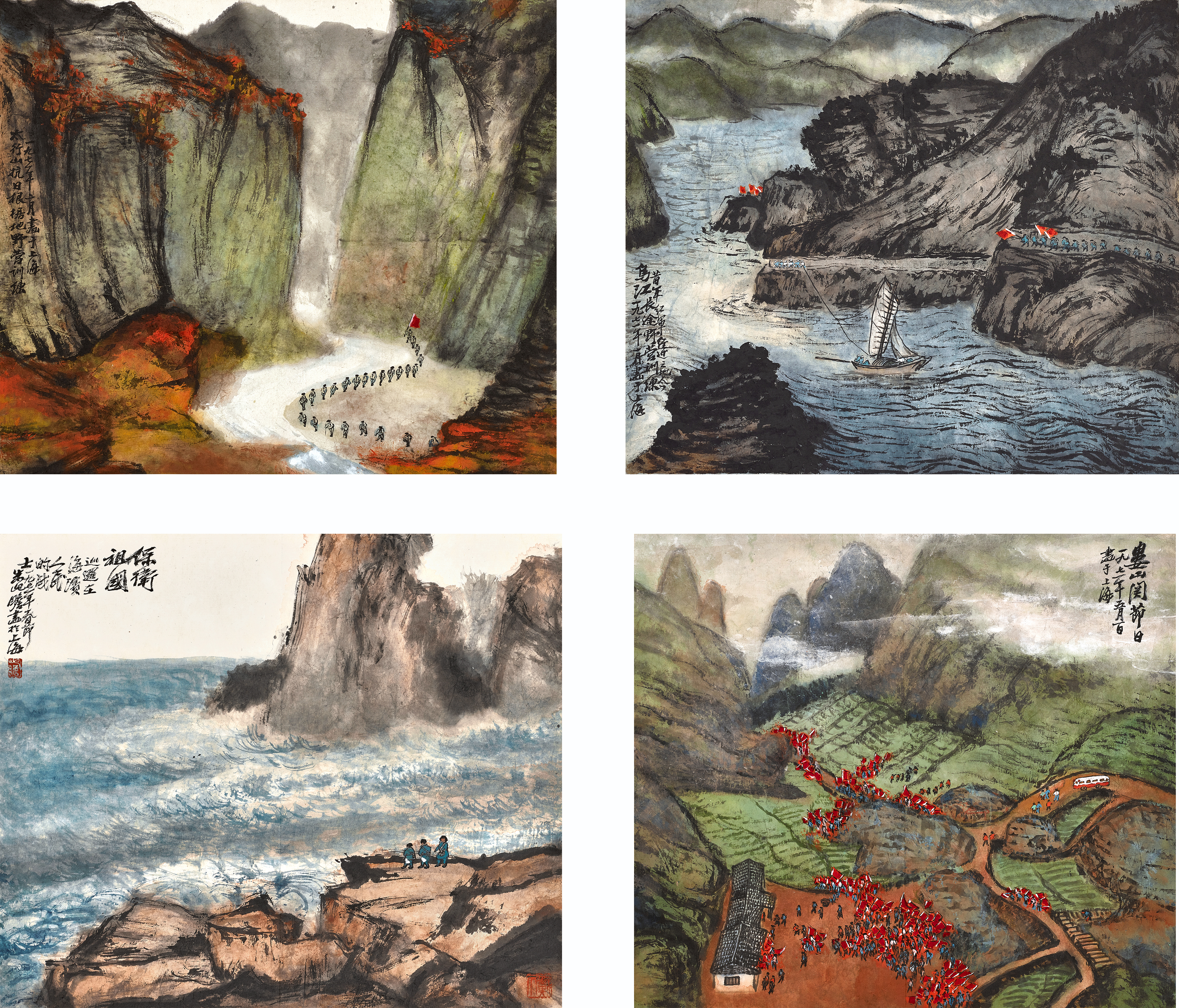
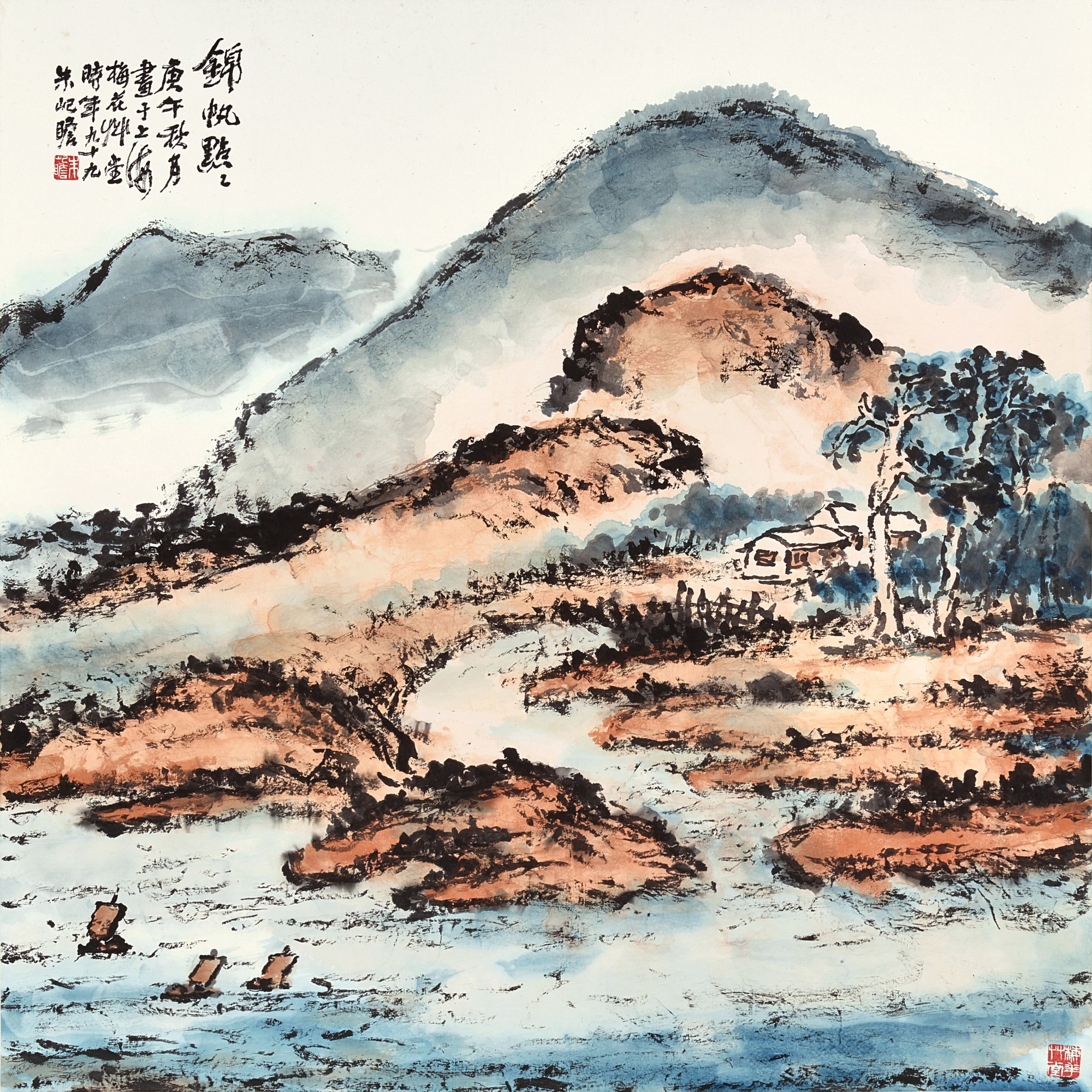
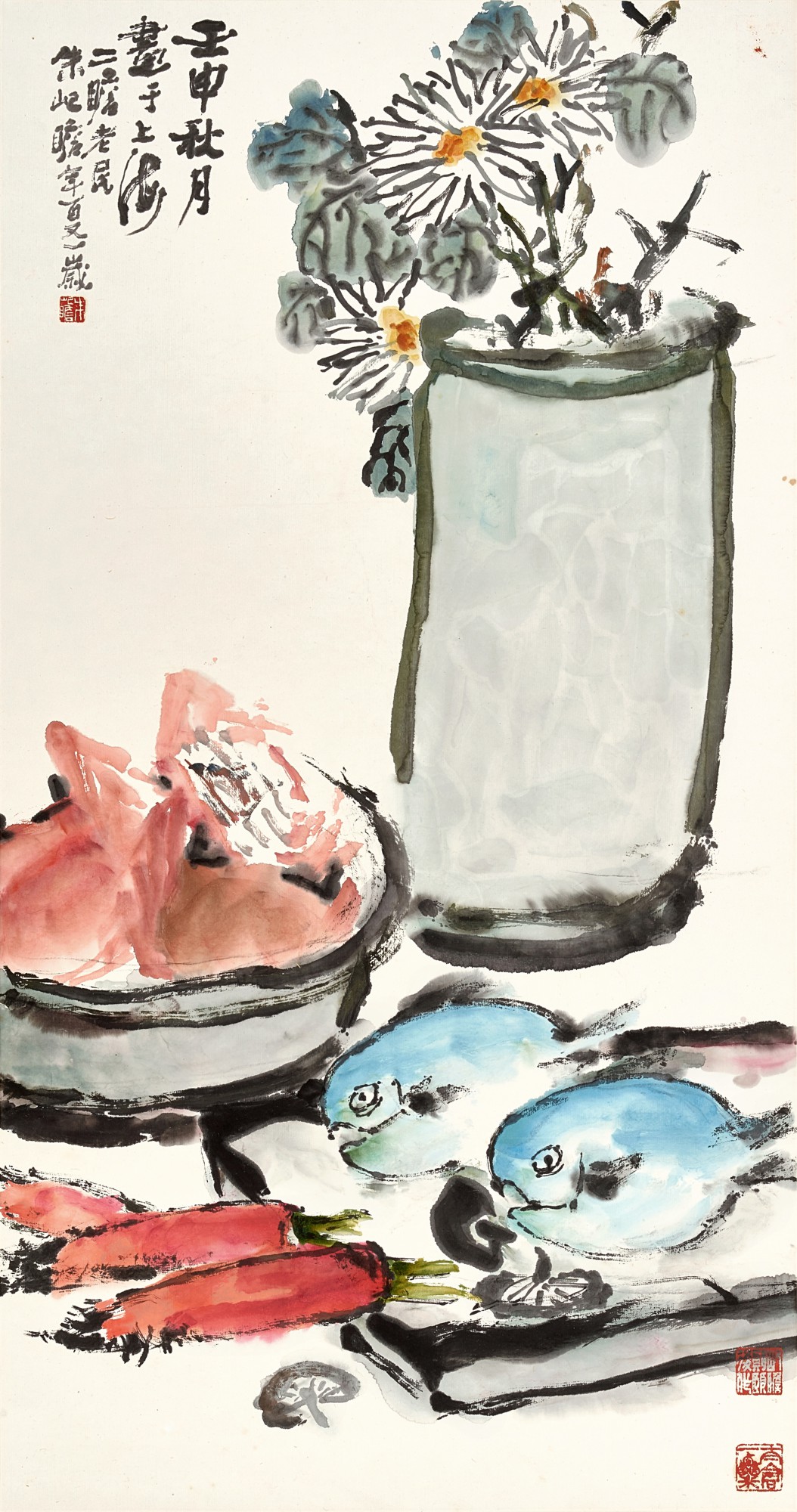
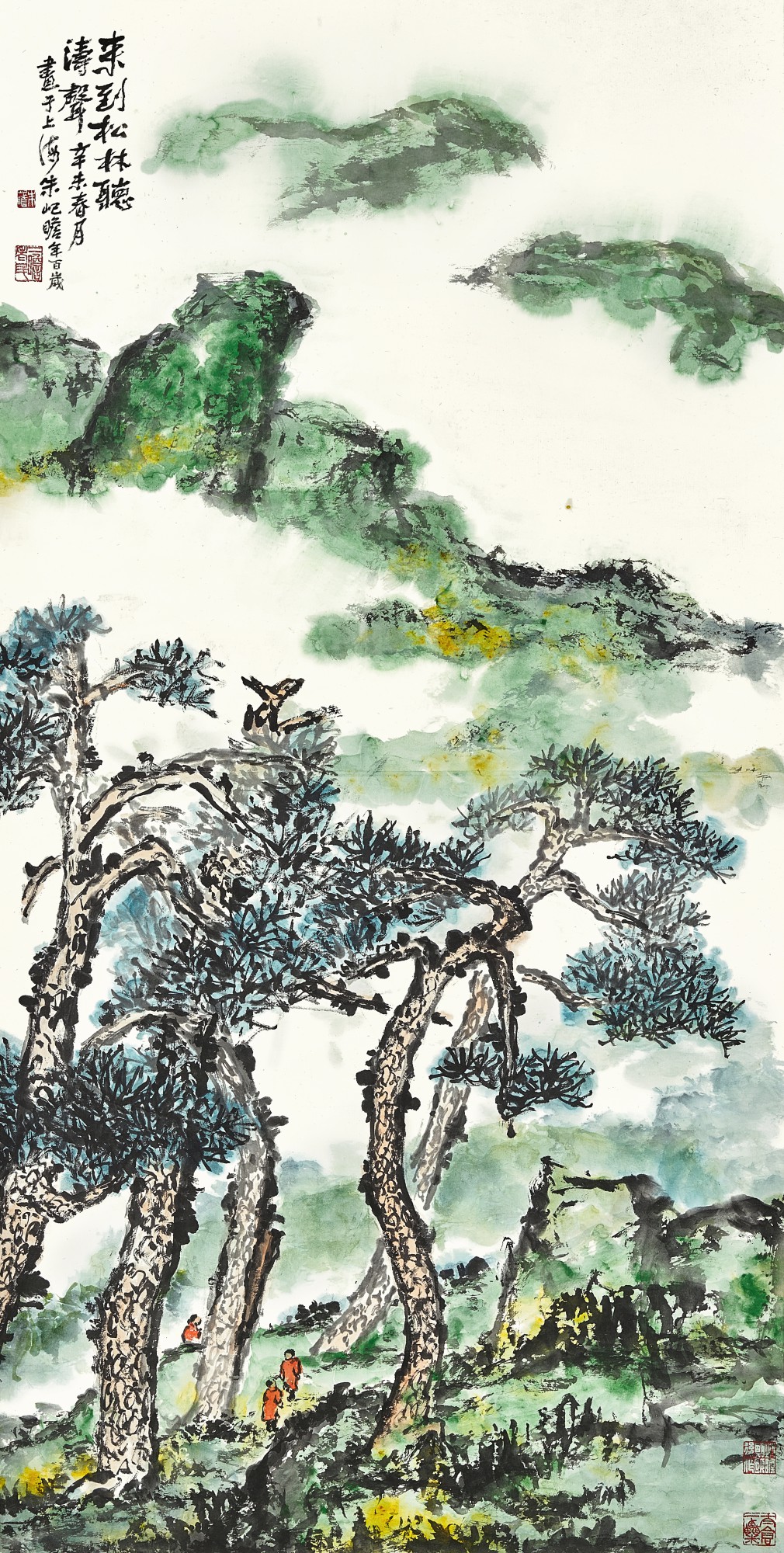
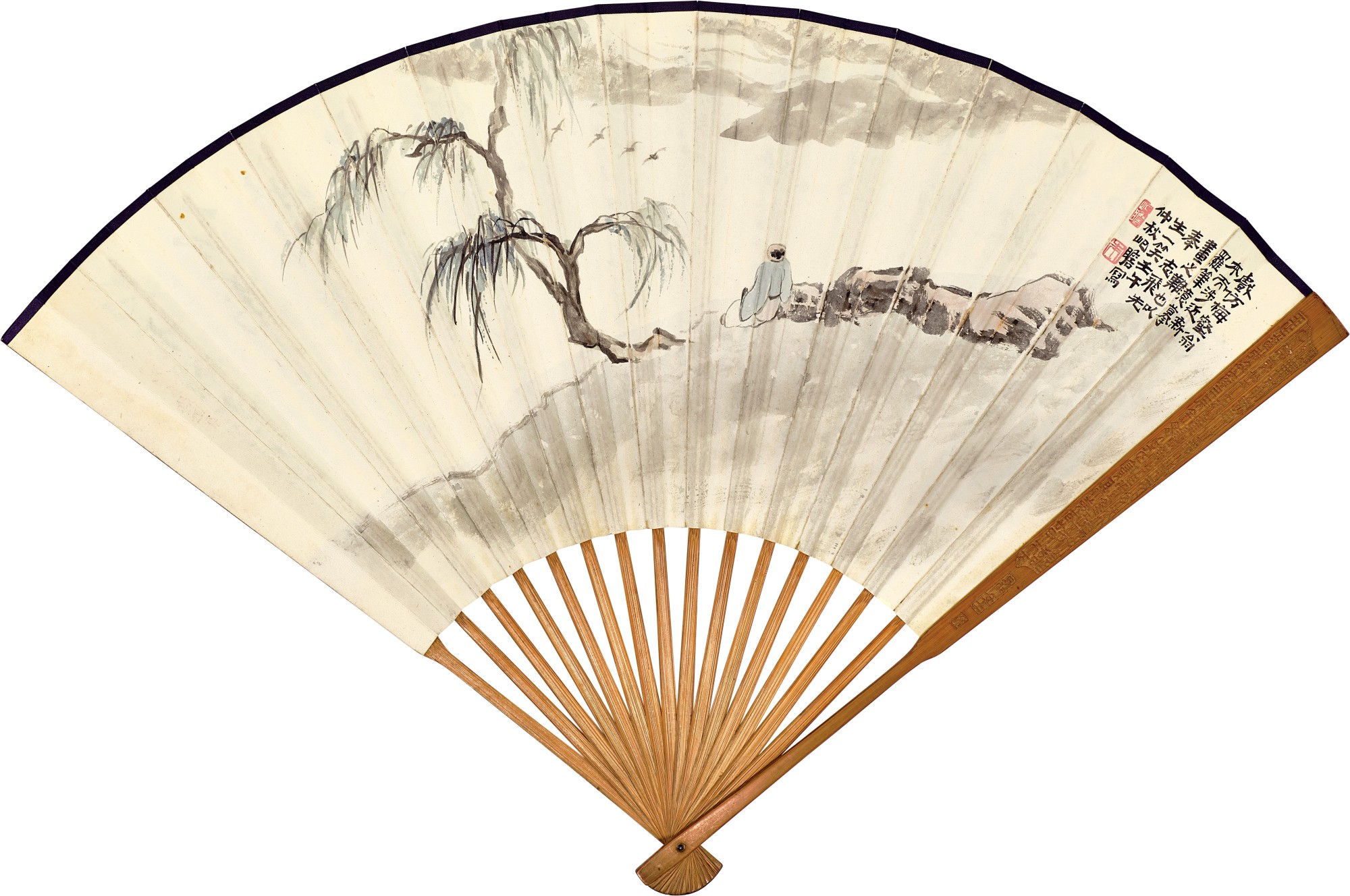
In the grand sweep of twentieth century Chinese art, few lives speak as eloquently as that of Zhu Qizhan. Born in 1892 in Taicang, Jiangsu Province, he lived to the extraordinary age of 104, witnessing the fall of the Qing dynasty, the birth of the People's Republic, and the gradual opening of China to the world. His longevity was not merely biographical curiosity; it meant that he painted across virtually every major shift in Chinese cultural life, accumulating a body of work that is at once deeply rooted in tradition and quietly radical in its ambitions. Today, as collectors and institutions across Asia and the West rediscover the richness of modern Chinese ink painting, Zhu Qizhan stands as one of its most compelling and beloved figures. His early formation was shaped by the particular tension of early Republican China, a society reaching simultaneously backward toward classical learning and forward toward modernity. Zhu studied painting in Shanghai, then the most cosmopolitan city in East Asia, where traditional literati aesthetics collided with Western oil painting techniques and a restless appetite for the new. He traveled to Japan in the 1910s to study Western painting, an experience that gave him a sensitivity to color, composition, and pictorial structure that would distinguish his work from more conservative contemporaries. Returning to China, he carried both worlds inside him, and the negotiation between them became the quiet engine of his entire artistic career. Zhu Qizhan's development as a painter unfolded across several distinct phases, each revealing a deepening confidence and an increasingly personal visual language. His earlier works demonstrate a careful command of traditional Chinese landscape conventions, deploying ink wash with the controlled elegance expected of a scholar painter. As he moved through middle age and into his later decades, however, something looser and more lyrical began to emerge. His brushwork grew bolder, his color more expressive, and his compositions more adventurous. By the time he was in his seventies and eighties, widely considered the period of his greatest output, he was painting with a freedom and authority that astonished younger artists and critics alike. It was as though the accumulated discipline of a lifetime had finally given him permission to be entirely himself. The works available on The Collection offer a generous window into the range and depth of his practice. Works such as Wisteria under the Rock and Lush Mountains in Mist demonstrate his mastery of ink and colour on paper, a medium he treated not as a vehicle for documentation but as a means of capturing atmosphere, mood, and the felt experience of the natural world. Boating by Lush Mountains and Sailing Along the Shore reveal his enduring love for the river landscapes of his native Jiangsu, rendered with a painterly looseness that owes something to his early encounter with Western art while remaining unmistakably Chinese in spirit. His Pine, executed in pure ink on paper, is a study in restraint and strength, a single subject rendered with the kind of focused intensity that only decades of practice can produce. The Calligraphy Couplet in Xingshu reminds us that for Zhu, painting and calligraphy were never separate disciplines but complementary expressions of the same cultivated sensibility. For collectors, Zhu Qizhan represents an exceptional intersection of historical significance and aesthetic pleasure. His works have appeared regularly at major auction houses including Christie's, Sotheby's, and Bonhams, where his hanging scrolls and framed compositions have found enthusiastic buyers across Hong Kong, Shanghai, and international markets. Works from his mature period, roughly from the 1960s onward, are particularly sought after, as they display the full flowering of his personal style and tend to carry strong provenance from private collections in Shanghai and beyond. Collectors are drawn not only to the visual warmth and technical accomplishment of his work but to the remarkable biographical fact that so many of his finest paintings were made when he was already past seventy or eighty years old. There is something deeply moving about art that improves with age, and Zhu Qizhan is one of its finest arguments. To understand Zhu Qizhan fully is to place him within the broader constellation of modern Chinese masters who navigated the transition between classical tradition and the demands of a new era. His contemporaries and near contemporaries include figures such as Wu Changshuo, whose bold, abbreviated brushwork influenced an entire generation of Shanghai painters, and Qi Baishi, whose joyful reinvention of literati subjects brought ink painting to a vast popular audience. Like them, Zhu absorbed the lessons of the past without being imprisoned by them. He is also productively compared to Lin Fengmian, another artist who studied in the West and returned to forge a distinctly modern Chinese visual language. Together, these painters represent the remarkable vitality of Chinese art in a century of transformation, each finding his own way to honor tradition while insisting on personal expression. Zhu Qizhan's legacy endures for reasons that go well beyond his remarkable lifespan. He was a devoted teacher who shaped generations of students at art institutions in Shanghai, passing on not just technical skill but a philosophy of painting rooted in direct observation, classical learning, and genuine feeling. His influence can be traced through the work of countless artists who studied under him or alongside him, and the Shanghai art world he helped to shape remains one of the most dynamic in the world. In an era when the relationship between Eastern and Western artistic traditions continues to evolve, his work offers a model of creative synthesis that feels not dated but prescient. To collect Zhu Qizhan is to bring into one's home a painting that carries a century of Chinese cultural life within it, held lightly, with grace and with joy.