World War II
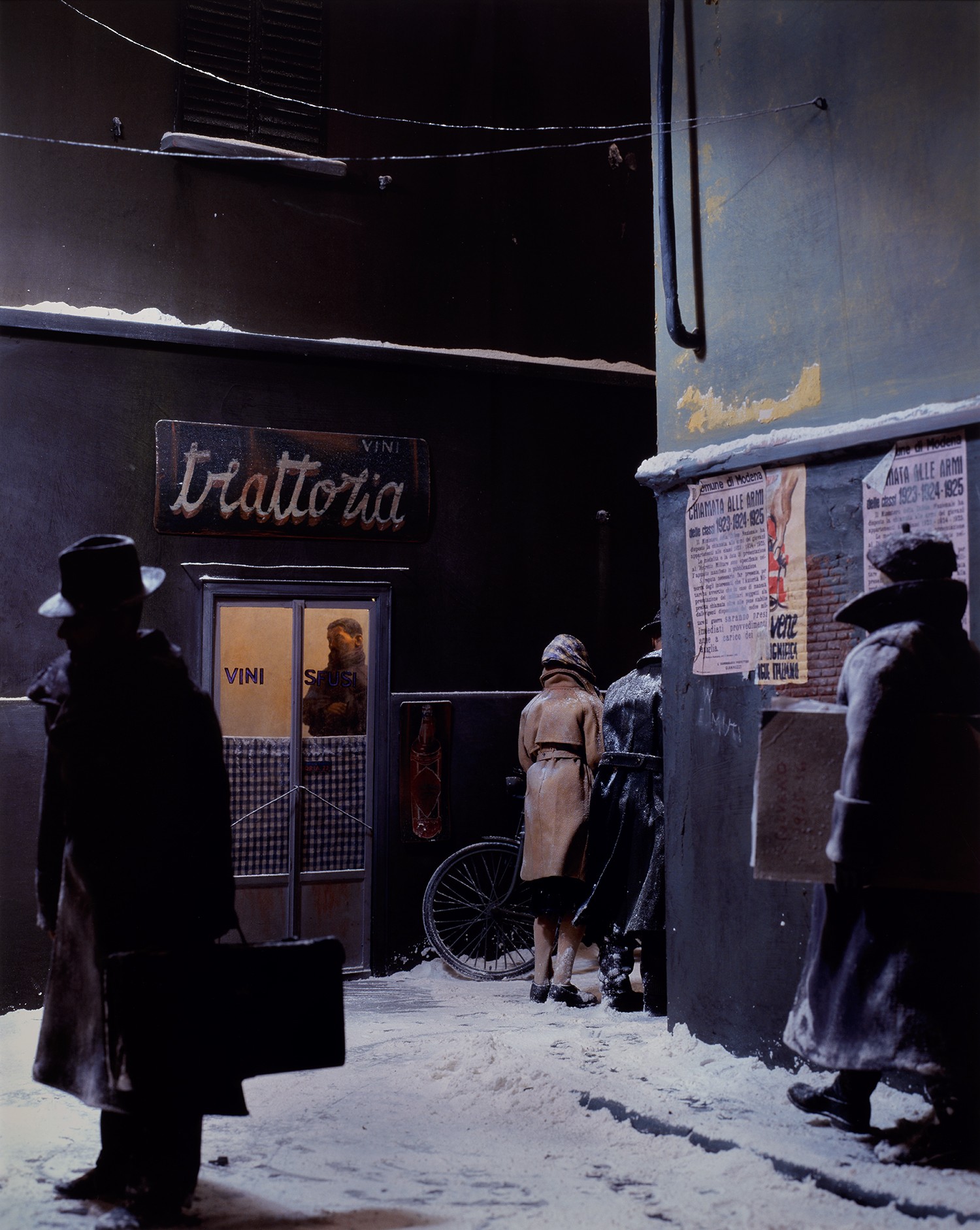
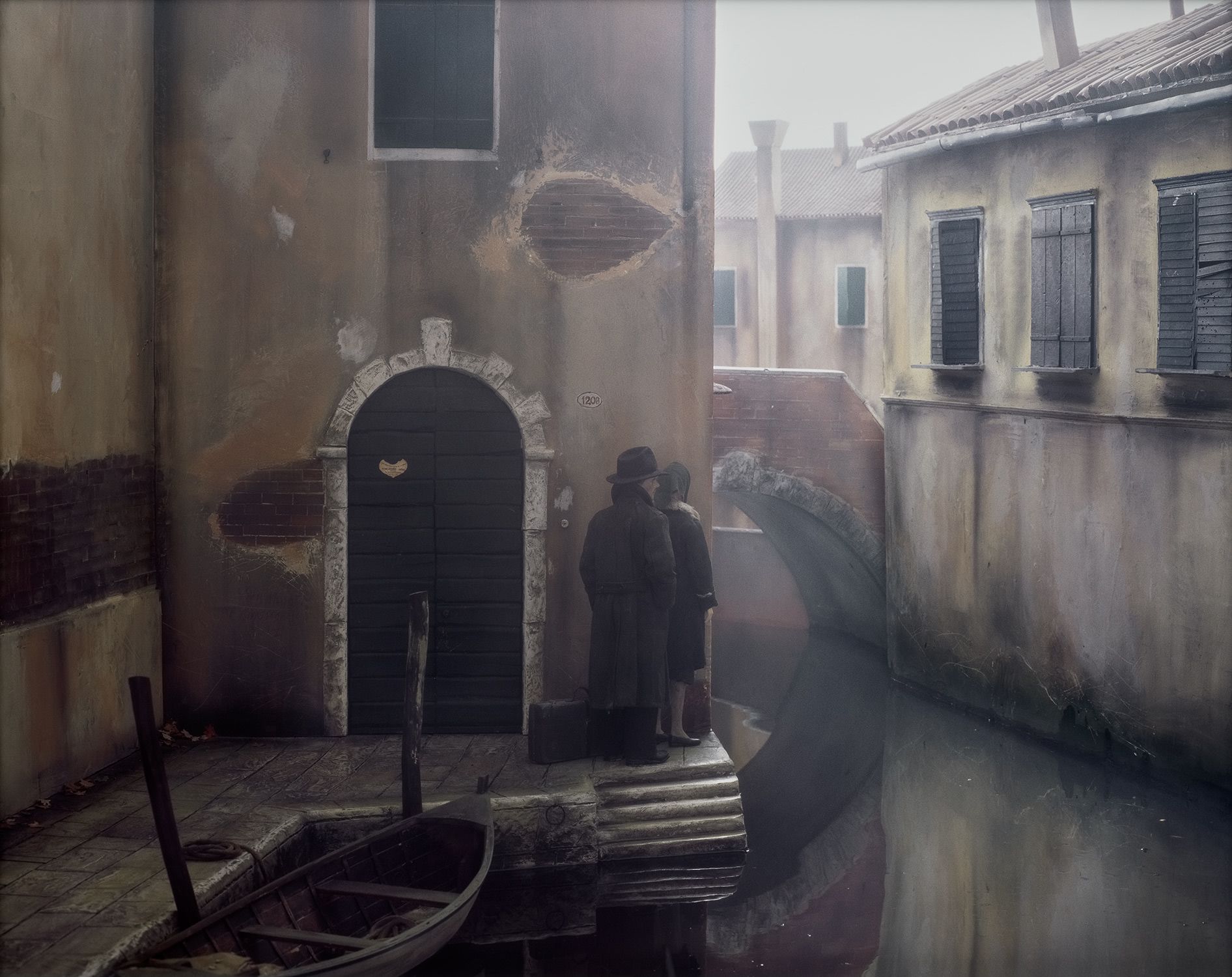
Paolo Ventura
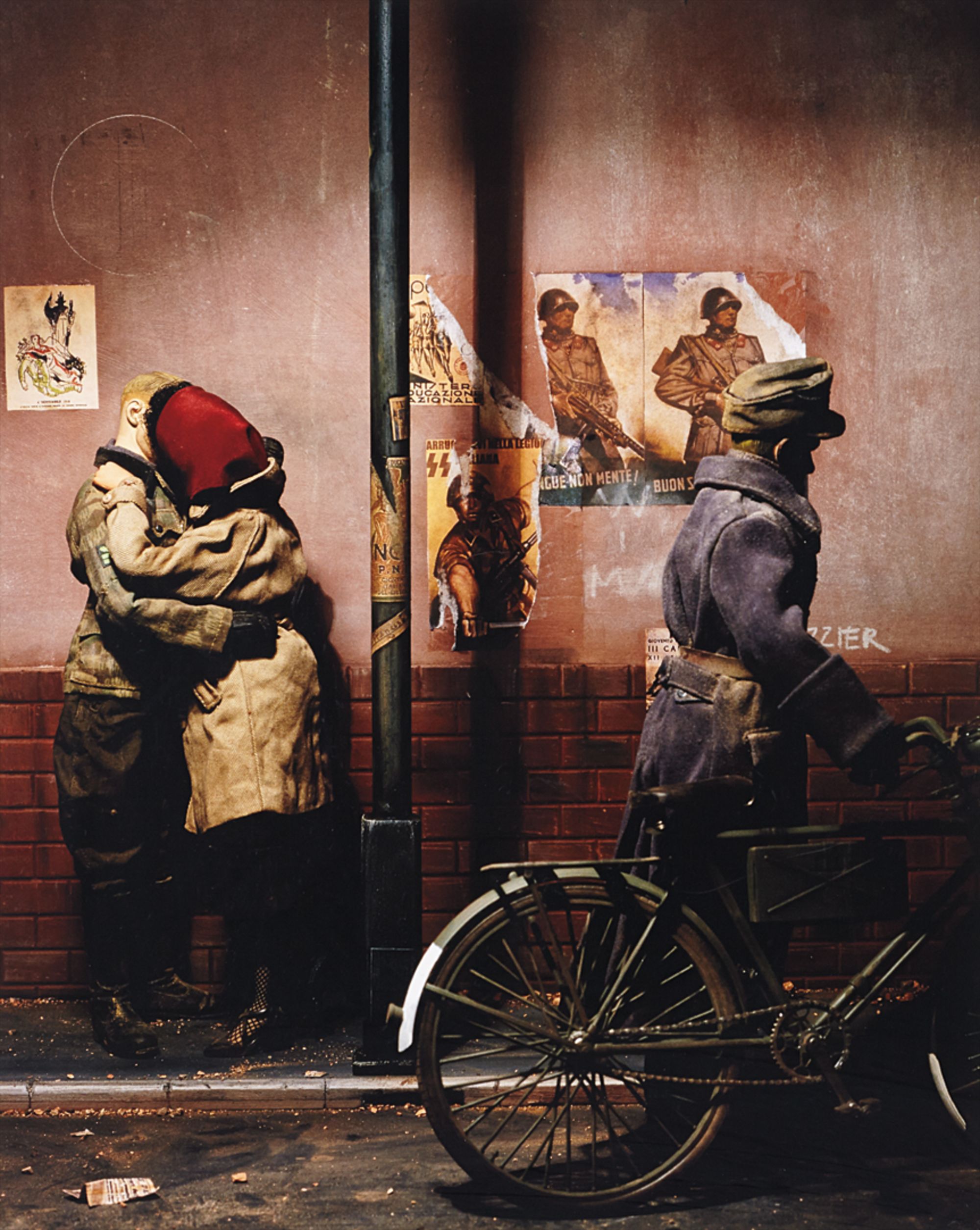
War Souvenir #26 (Christmas 1944)


The War We Cannot Stop Looking At
When a vintage print by Robert Capa appeared at a major auction house several years ago, the room went quiet in a particular way that signals something beyond commerce. These were not merely photographs being sold. They were arguments about what human beings are capable of, both the worst and the extraordinary courage that sometimes answers it. The Second World War remains one of the most contested and consequential subjects in contemporary art collecting, drawing serious institutional money, rigorous curatorial attention, and a generation of collectors who understand that proximity to this material is not just historical appetite but a form of moral reckoning.
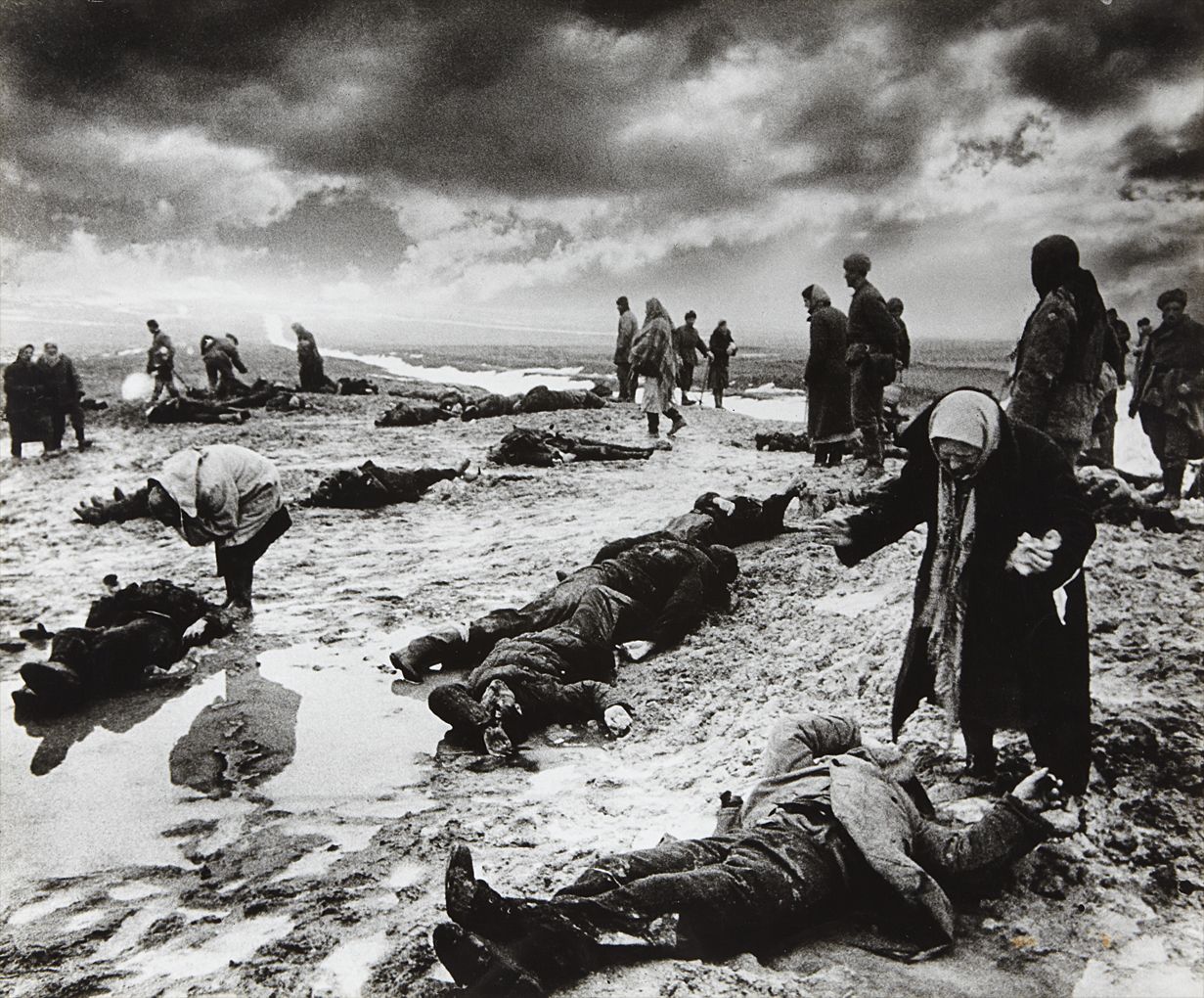
The market for photography rooted in World War II has been remarkably resilient. Robert Capa, whose images from the Normandy landings and the Spanish Civil War defined what conflict photography could be, consistently achieves strong results at auction. His prints carry a particular weight because they exist at the intersection of document and artwork, a duality that collectors and institutions find irresistible. Dmitri Baltermants, the Soviet photographer whose image Grief from 1942 remains one of the most devastating photographs ever made, has seen sustained institutional interest as Western collections expand their understanding of how the war was seen from the Eastern Front.
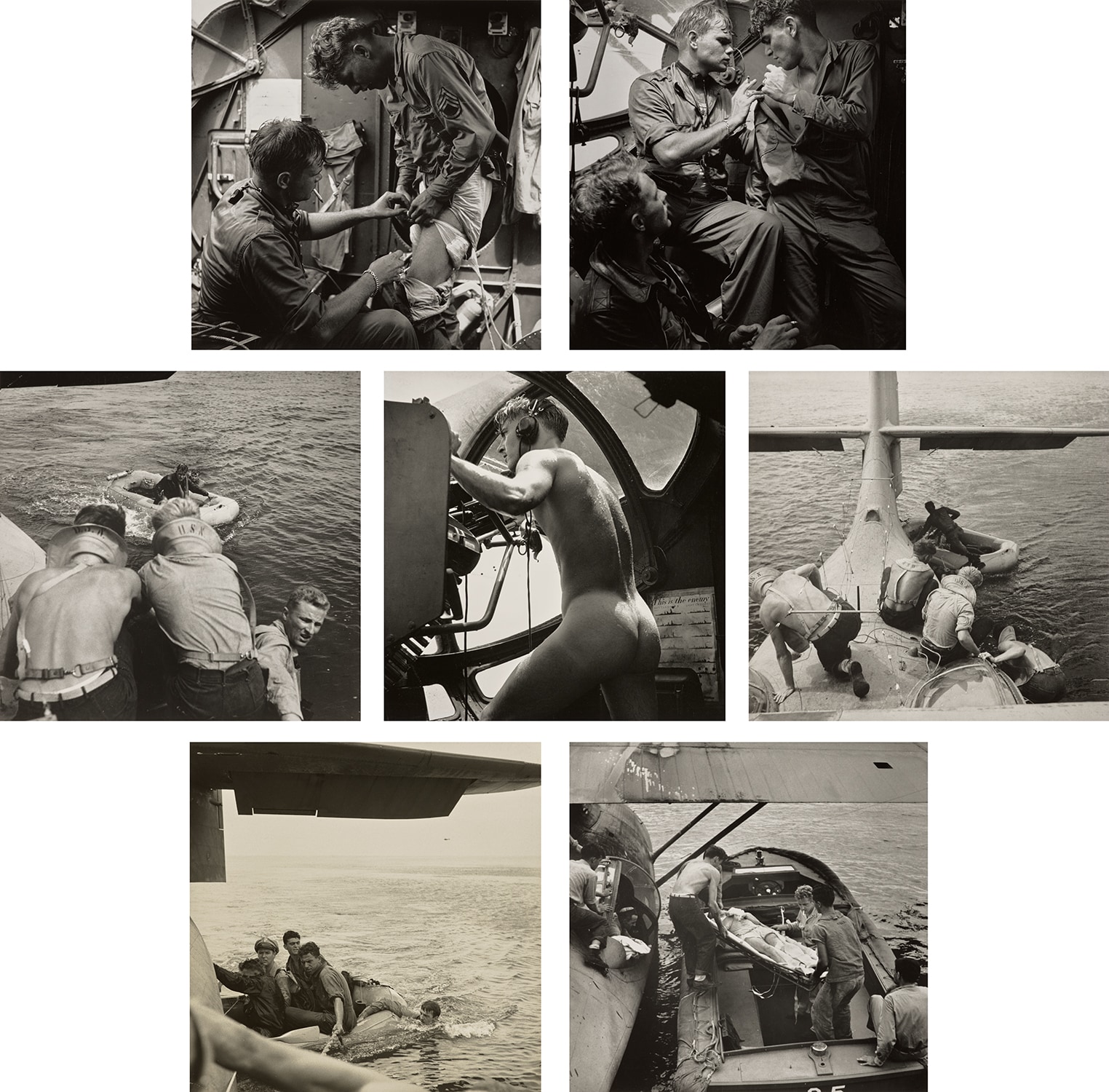
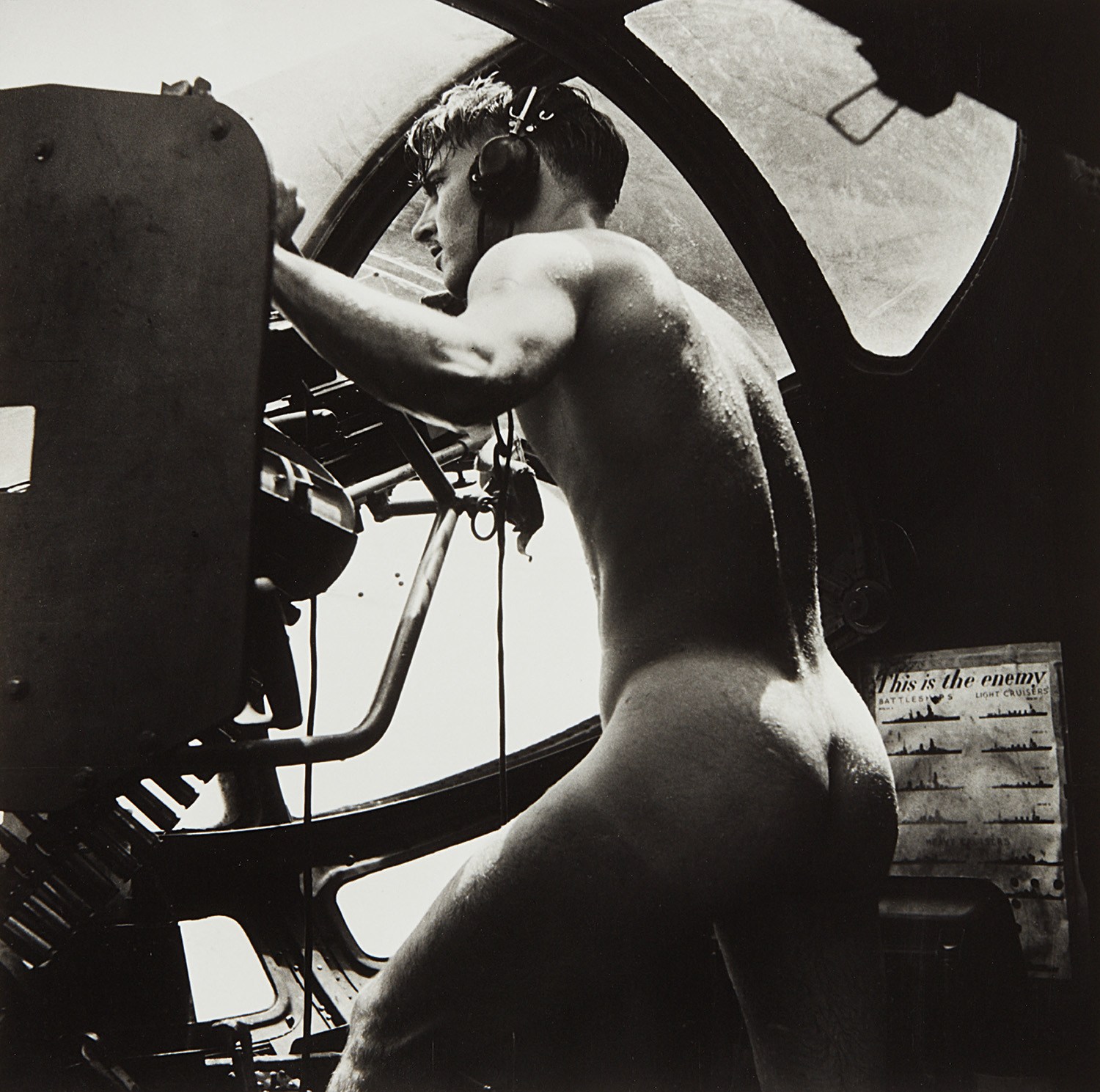
Horace Bristol
Selected Images of PBY Blister Gunner
His presence in serious collections signals a broadening of the canonical lens beyond the Anglo American perspective that dominated collecting for decades. Horace Bristol, well represented on The Collection, occupies a fascinating position in this conversation. Known primarily for his work with John Steinbeck documenting the Dust Bowl migration, Bristol spent significant time in the Pacific Theater during the war, producing images that carry the same documentary humanism that defined his earlier work. His photographs of naval operations and Pacific island communities offer a counterpoint to the European theater imagery that dominates the art historical narrative.
At auction, Bristol's work has benefited from renewed interest in mid century American documentary photography, and collectors are increasingly recognizing the depth of his wartime archive. The critical conversation has shifted considerably in the past decade. Scholars and curators are questioning which stories were told, by whom, and for what purpose. The 2017 exhibition on wartime photography at the International Center of Photography in New York pushed this inquiry into the mainstream collecting world, prompting serious reassessment of photographers who worked outside the wire services and whose images reached fewer eyes at the time but carry equal or greater artistic weight today.
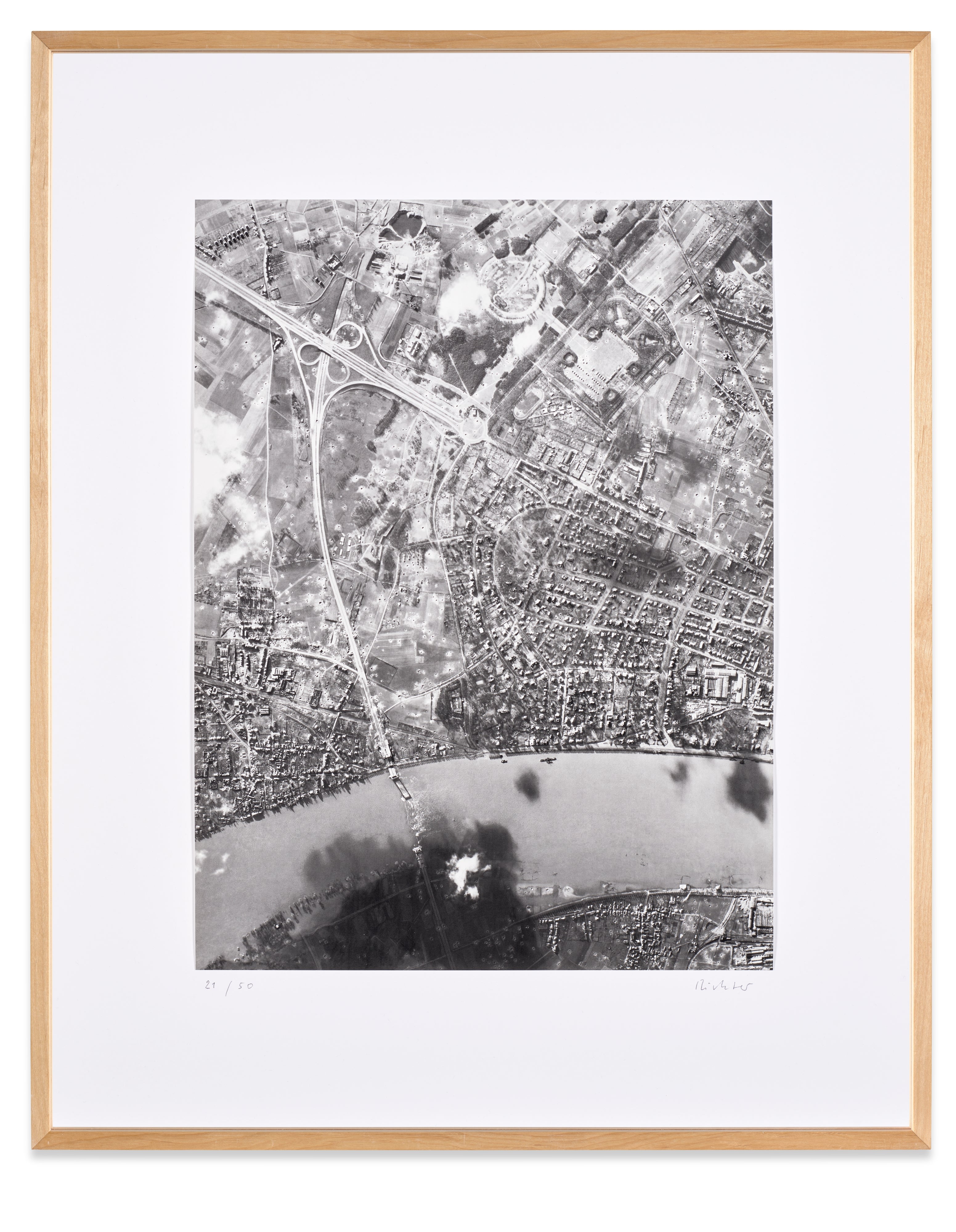
Gerhard Richter
Bridge 14 Feb 45 (I)
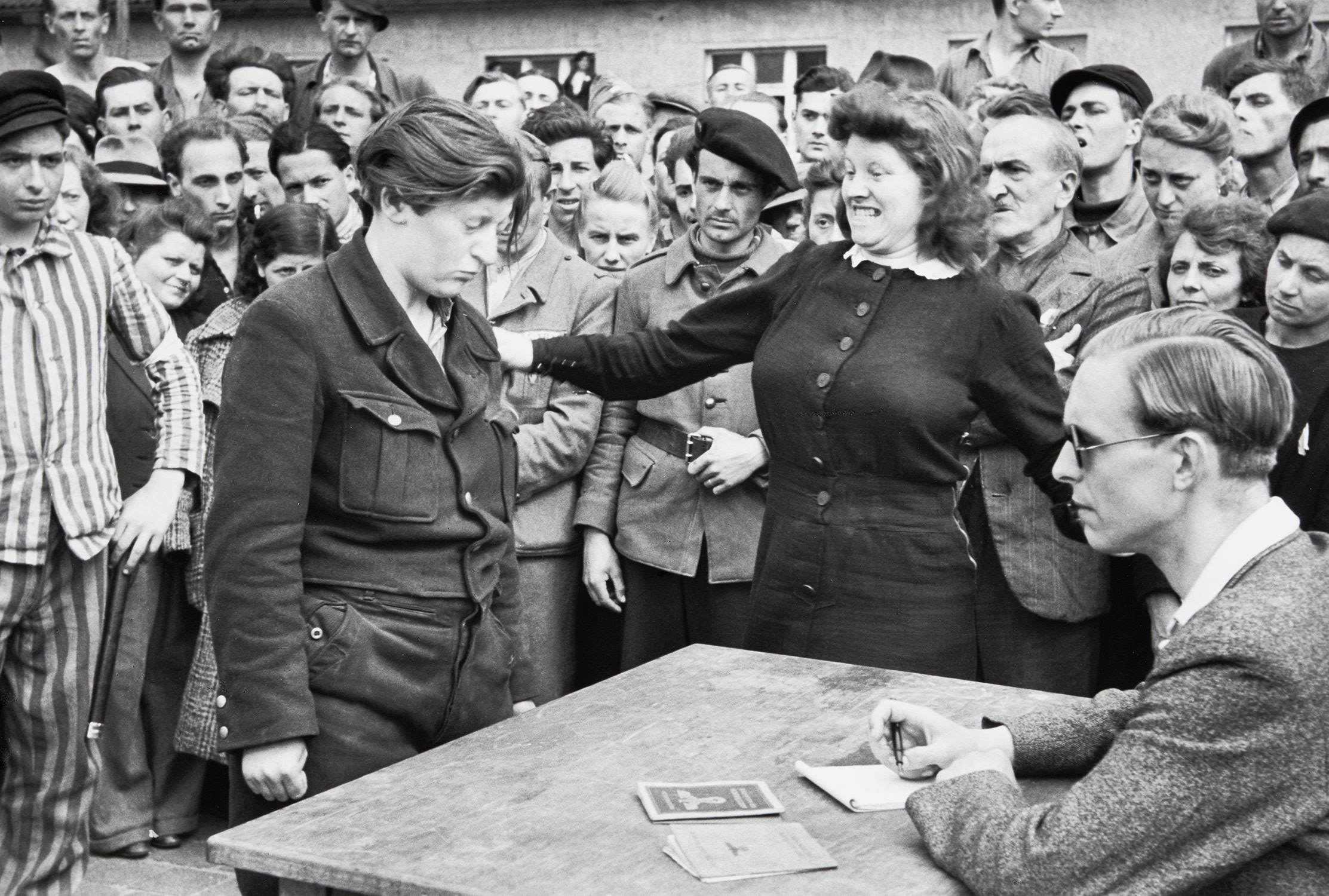
Henri Cartier Bresson, who was himself a prisoner of war before escaping and joining the French Resistance, brought his formative Decisive Moment sensibility to postwar documentation. His images of liberated France and the immediate aftermath of occupation carry a different emotional register than frontline combat photography, and that quieter witness has found a devoted audience among collectors who want complexity rather than spectacle. Gerhard Richter occupies a singular position in this landscape. His work confronting German memory, guilt, and the visual residue of the Nazi period has been the subject of landmark exhibitions including the major retrospective at the Museum of Modern Art in New York in 2002 and subsequent shows at Tate Modern that drew unprecedented attention to the relationship between painting, photography, and collective trauma.
A single Richter work touching on this history can anchor an entire collection thematically, and institutions from the Städel Museum in Frankfurt to the Art Institute of Chicago have positioned his work as central to how they tell the story of twentieth century European consciousness. At auction, Richter's wartime adjacent paintings have achieved results that reflect their status not just as art objects but as cultural monuments. Paolo Ventura, whose work on The Collection takes a different approach entirely, uses constructed tableaux to reimagine wartime experience through the lens of memory, theater, and childhood imagination. His War Souvenir series transforms the visual language of documentary into something closer to fable, and major European galleries have championed his work as a meditation on how subsequent generations inherit and narrativize catastrophe they never witnessed directly.
Paolo Ventura
War Souvenir #26 (Christmas 1944)
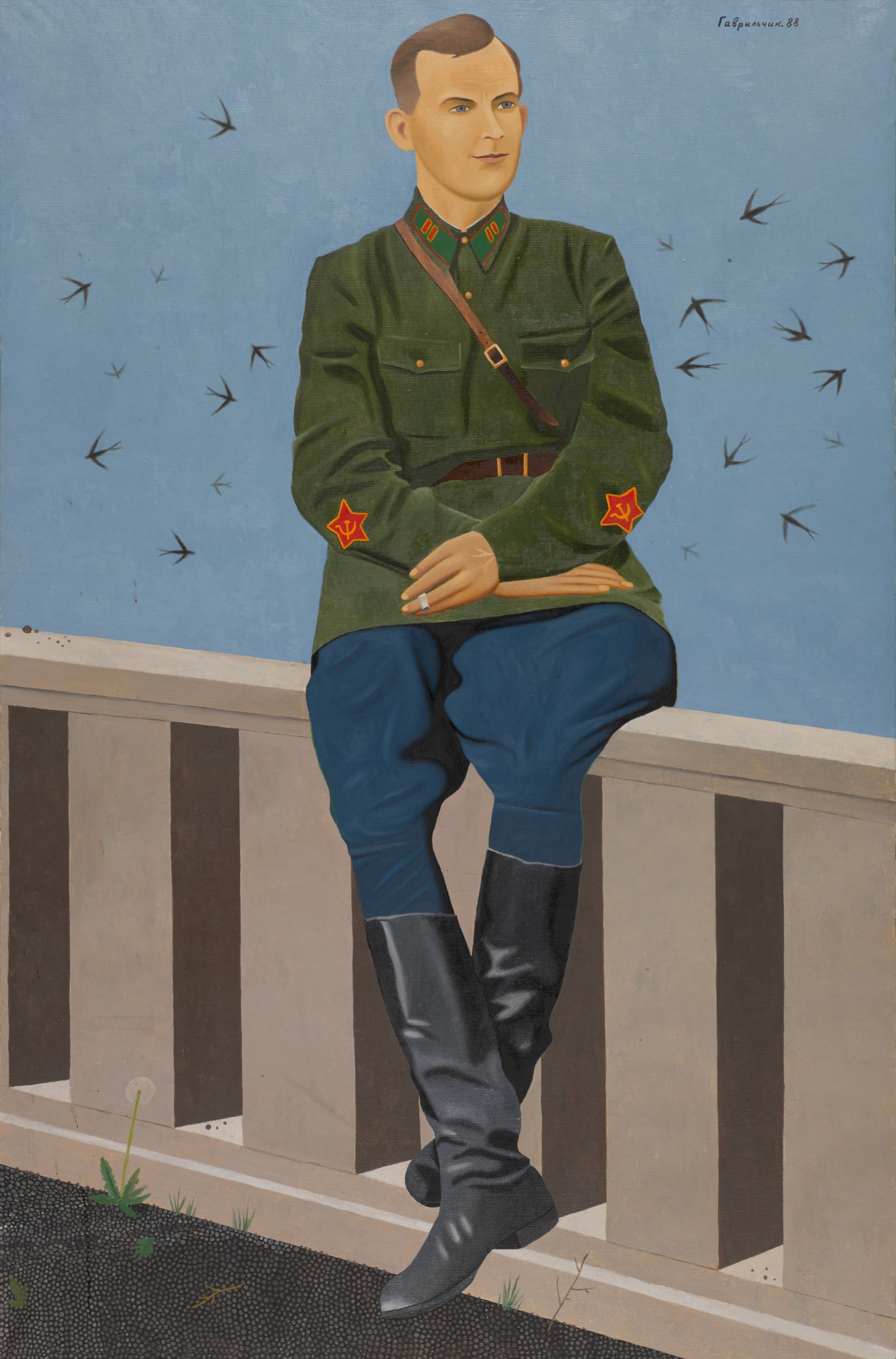
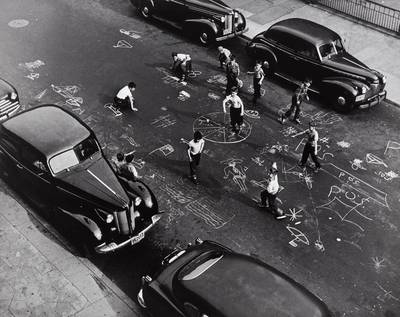
Arthur Leipzig, who documented Brooklyn and New York life in the 1940s, reminds us that the home front had its own profound visual record, and his work increasingly appears in shows that complicate the geography of wartime experience. Vladlen Gavrilchik, the Russian artist working with the memory of Soviet suffering, adds yet another dimension to the conversation about how nations process mass violence through artistic form. Institutional collecting in this area is becoming more globally minded. The Imperial War Museum in London has expanded its contemporary acquisitions beyond traditional documentary work, engaging with artists who use the archive as raw material for new inquiry.
The Jewish Museum in New York and the Mémorial de la Shoah in Paris have both mounted shows in recent years that blur the line between historical exhibition and contemporary art installation, creating space for works that meditate on inherited trauma rather than simply illustrating it. These institutional moves influence collector behavior in meaningful ways, lending critical validation to artists whose relationship to the subject is oblique or conceptual rather than directly documentary. What feels alive right now is the interest in artists from underrepresented perspectives within this history, specifically photographers and artists working within Soviet, Asian, and North African contexts whose work is only beginning to receive the exhibition infrastructure and scholarly attention it warrants. What feels settled, perhaps too settled, is the canonical status of certain images that have become so familiar as to risk losing their power through repetition.
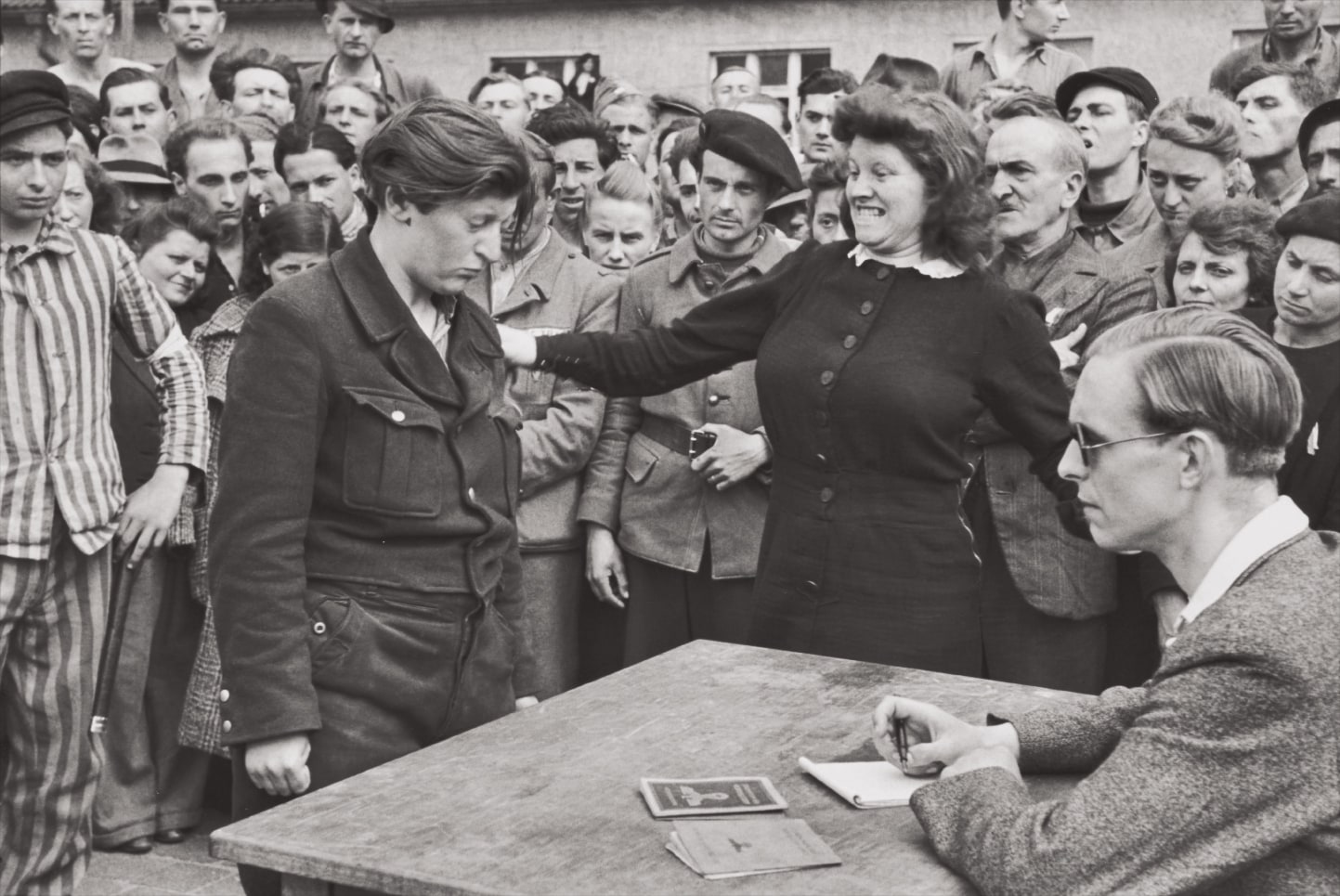
Henri Cartier-Bresson
Gestapo informer recognized by a woman she had denounced, Transit Camp, Dessau, Germany
The surprise, and it is a genuine one, is how younger collectors are approaching this material not as history but as a living conversation about image ethics, about who gets to make the definitive picture of suffering, and about what we owe the people who appear in these frames. That question is not going away, and the artists and photographs that keep provoking it are exactly the ones worth watching.