Wooden Board

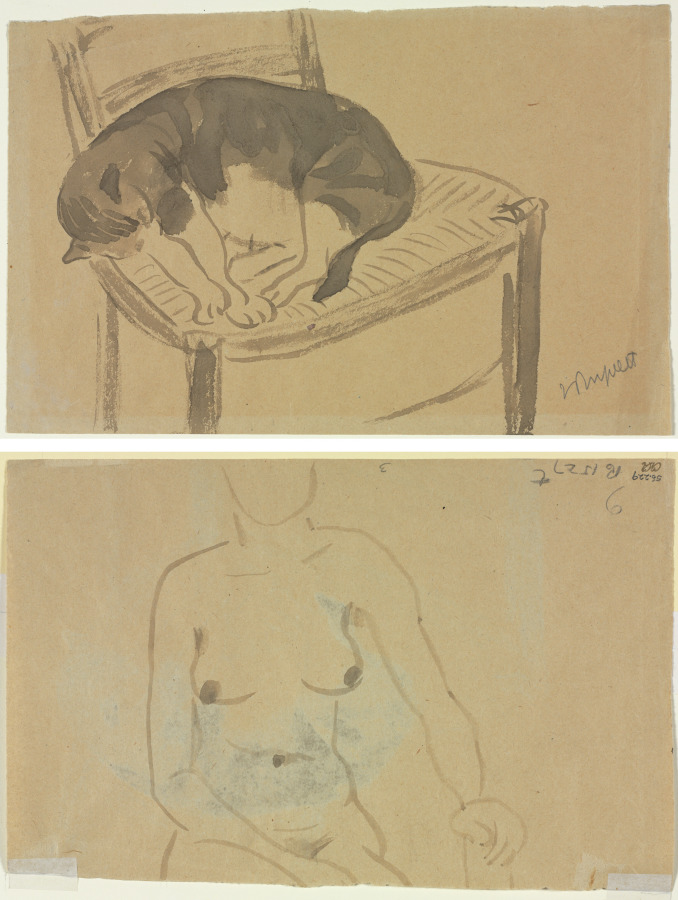
Qian Hui'an
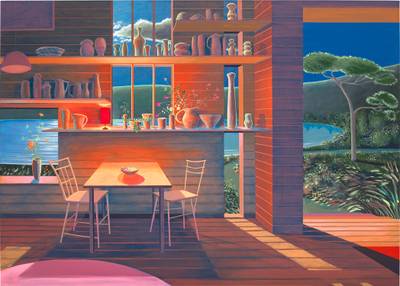
Qian Hui'an, Immortals Crossing the Sea
The Plank That Outlasted the Canvas
There is something almost defiant about wood as a support for art. It predates canvas by millennia, survives moisture and war and the careless hands of centuries, and yet it carries none of the romantic mythology that linen has accumulated. Wood is blunt, structural, honest. When an artist chooses a wooden board, they are not reaching for the painterly ideal.
They are reaching for something older, stranger, and more demanding of attention. The history of painting on wooden panels is essentially the history of Western art in its earliest recognizable form. Before the stretched canvas became standard practice in the sixteenth century, wood was simply what painters used. Tempera on poplar drove the Italian Renaissance forward.
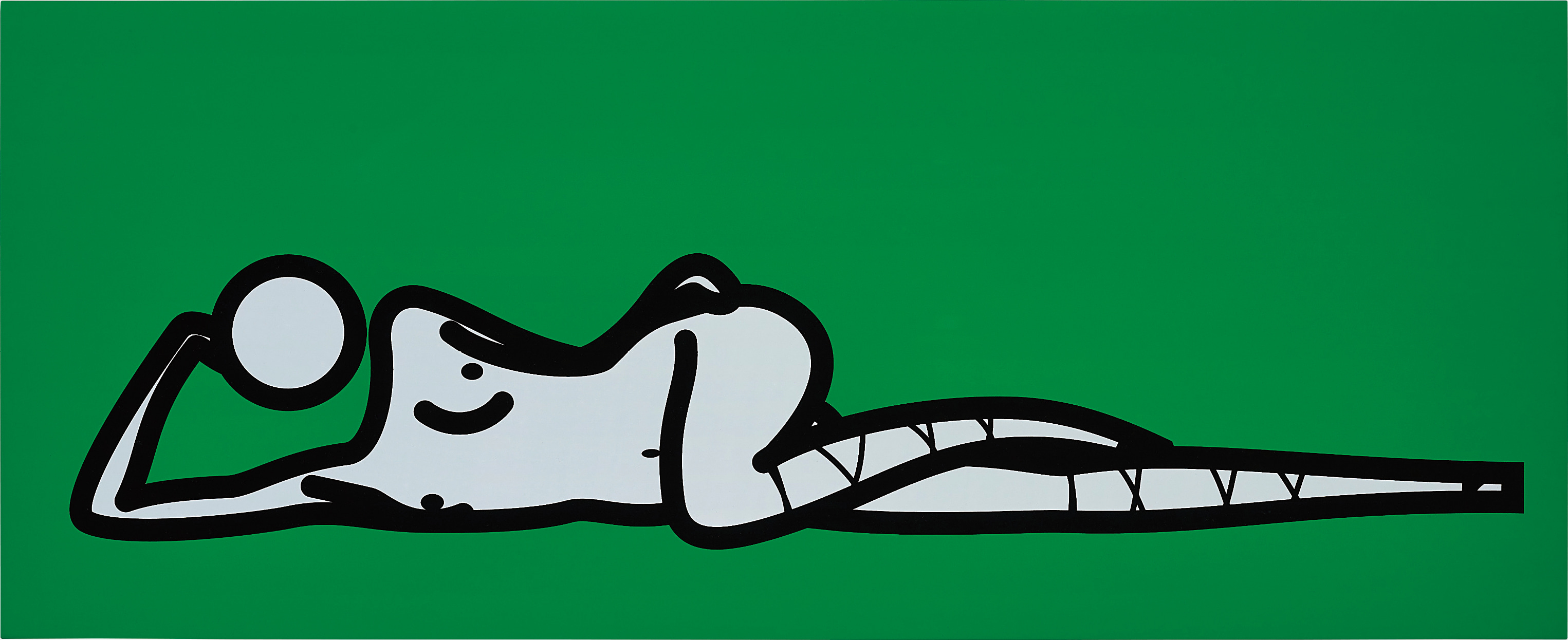
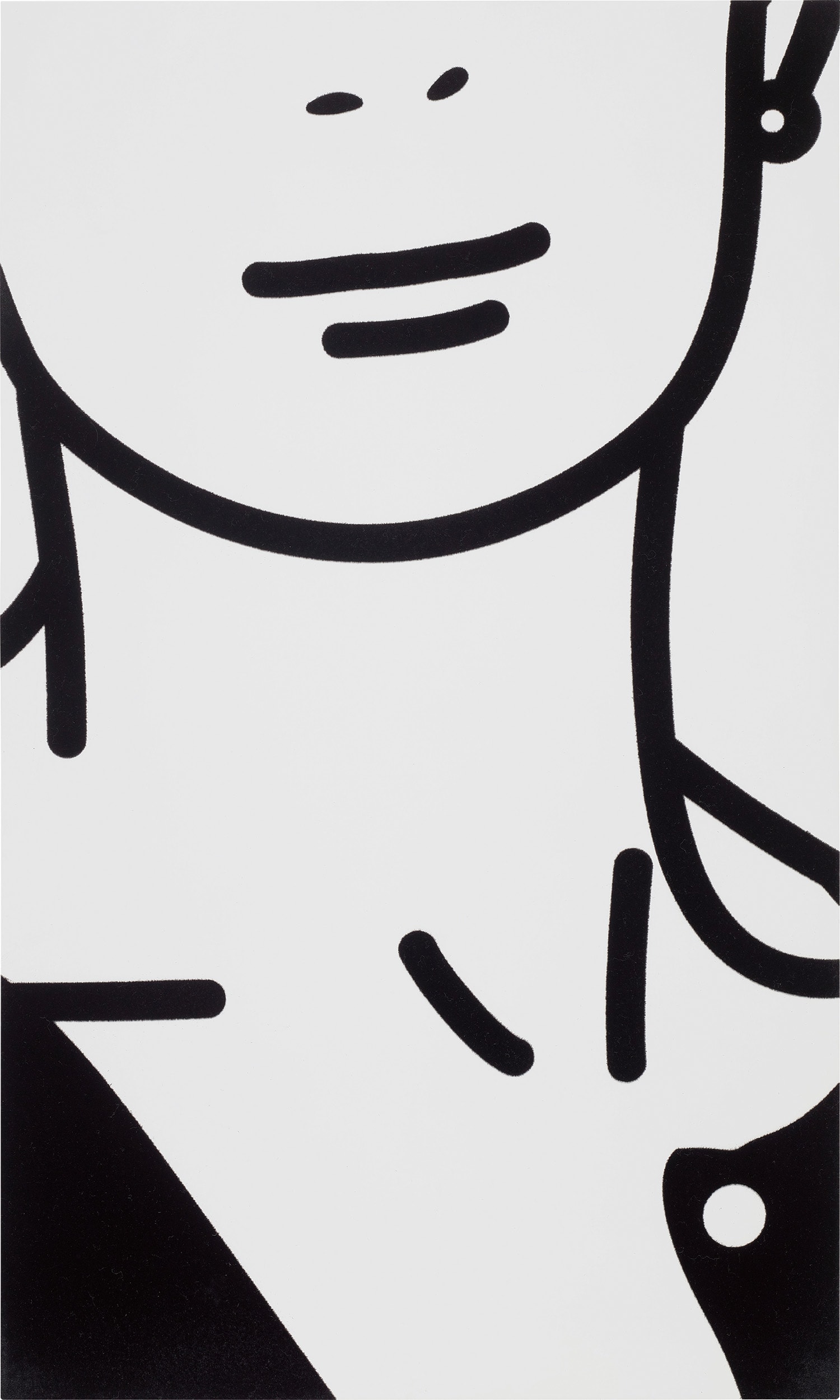
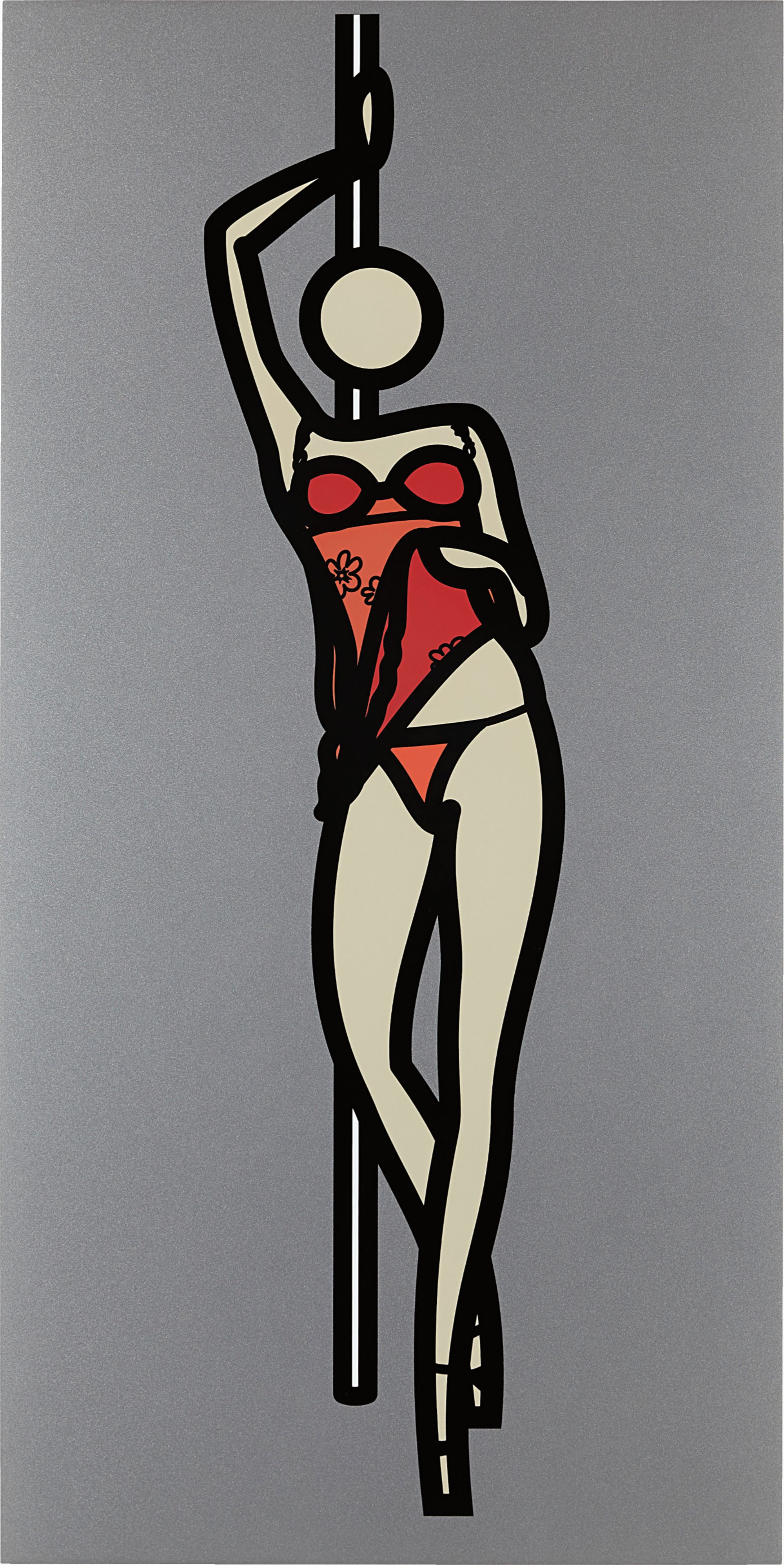
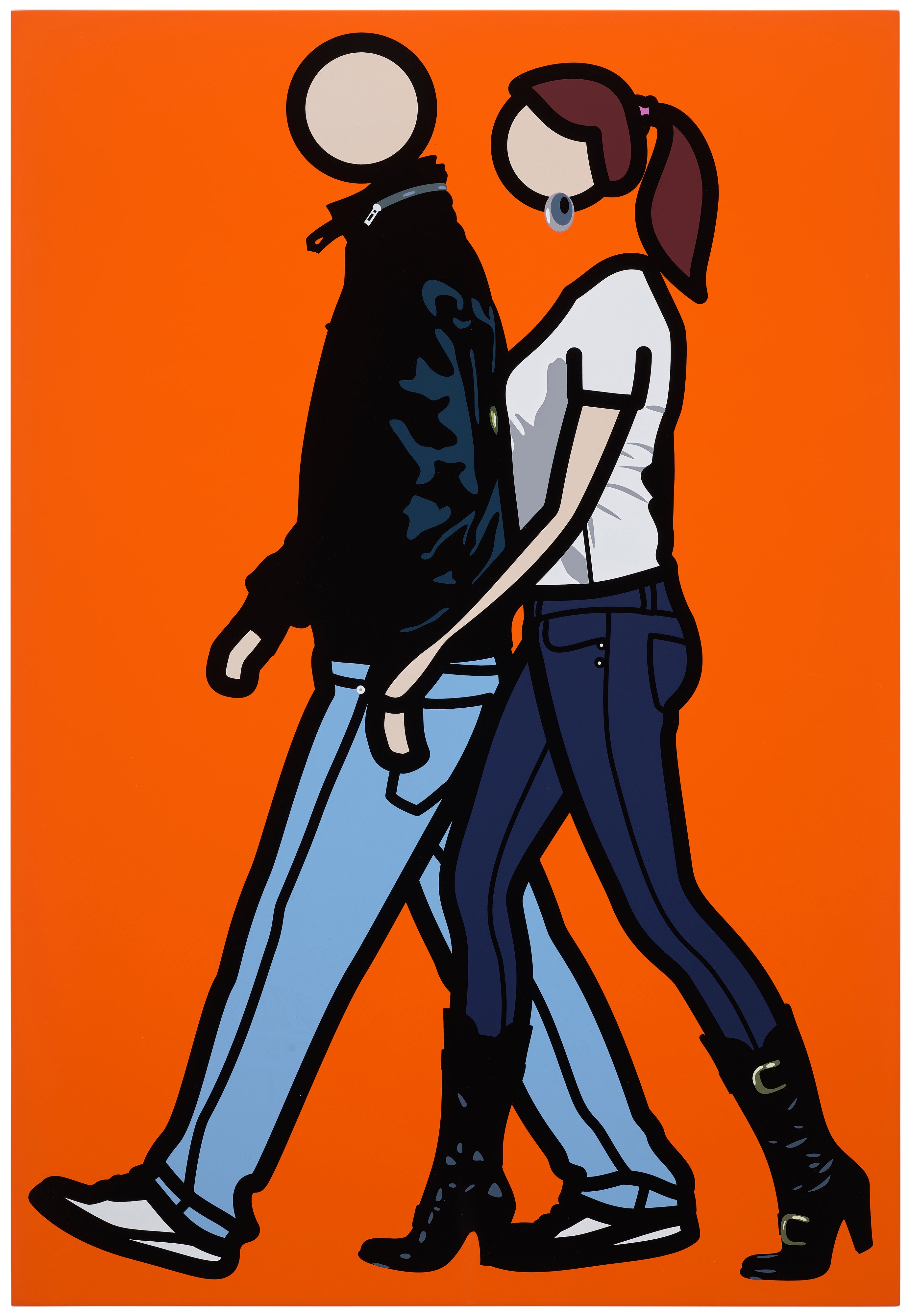
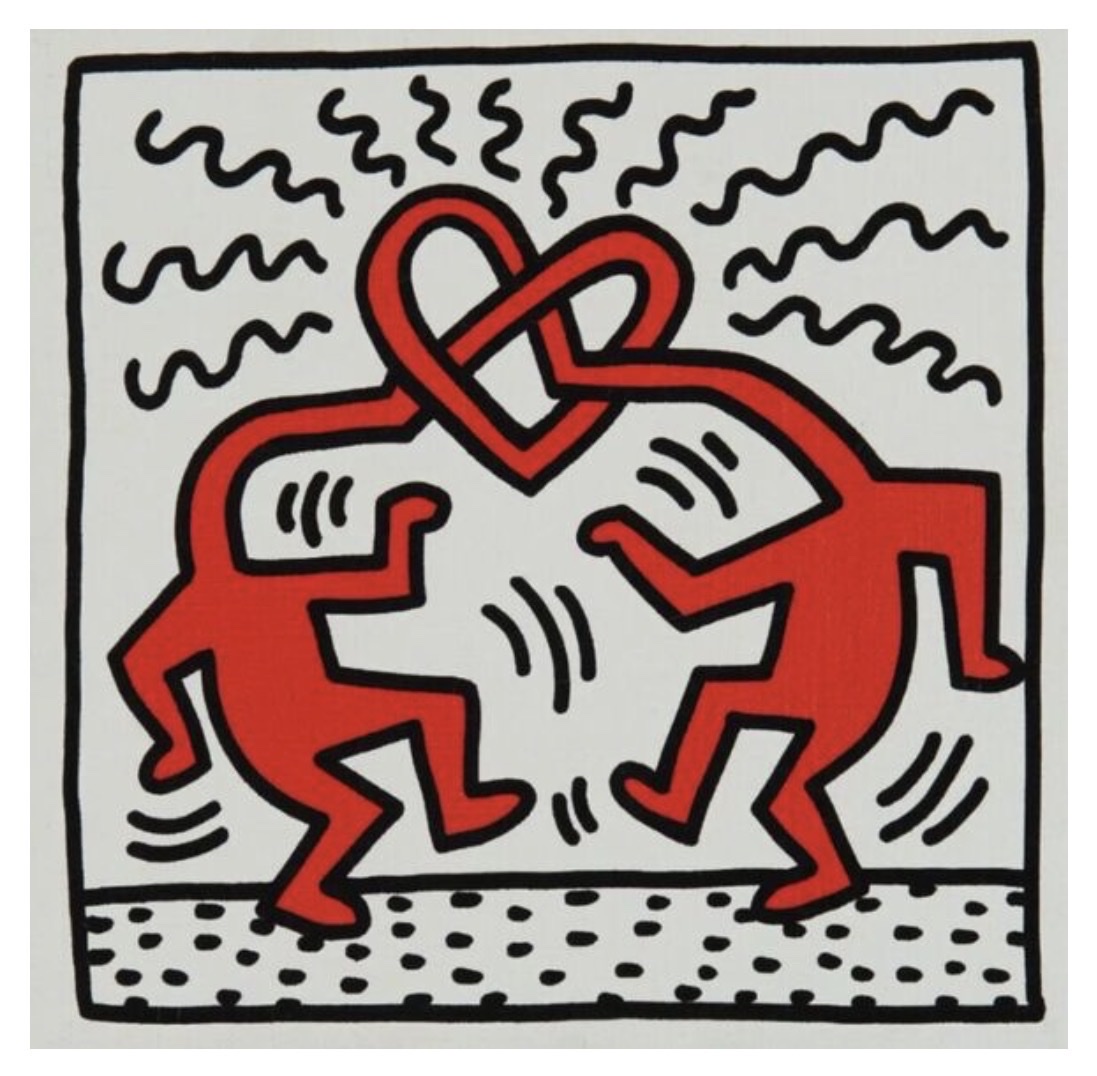
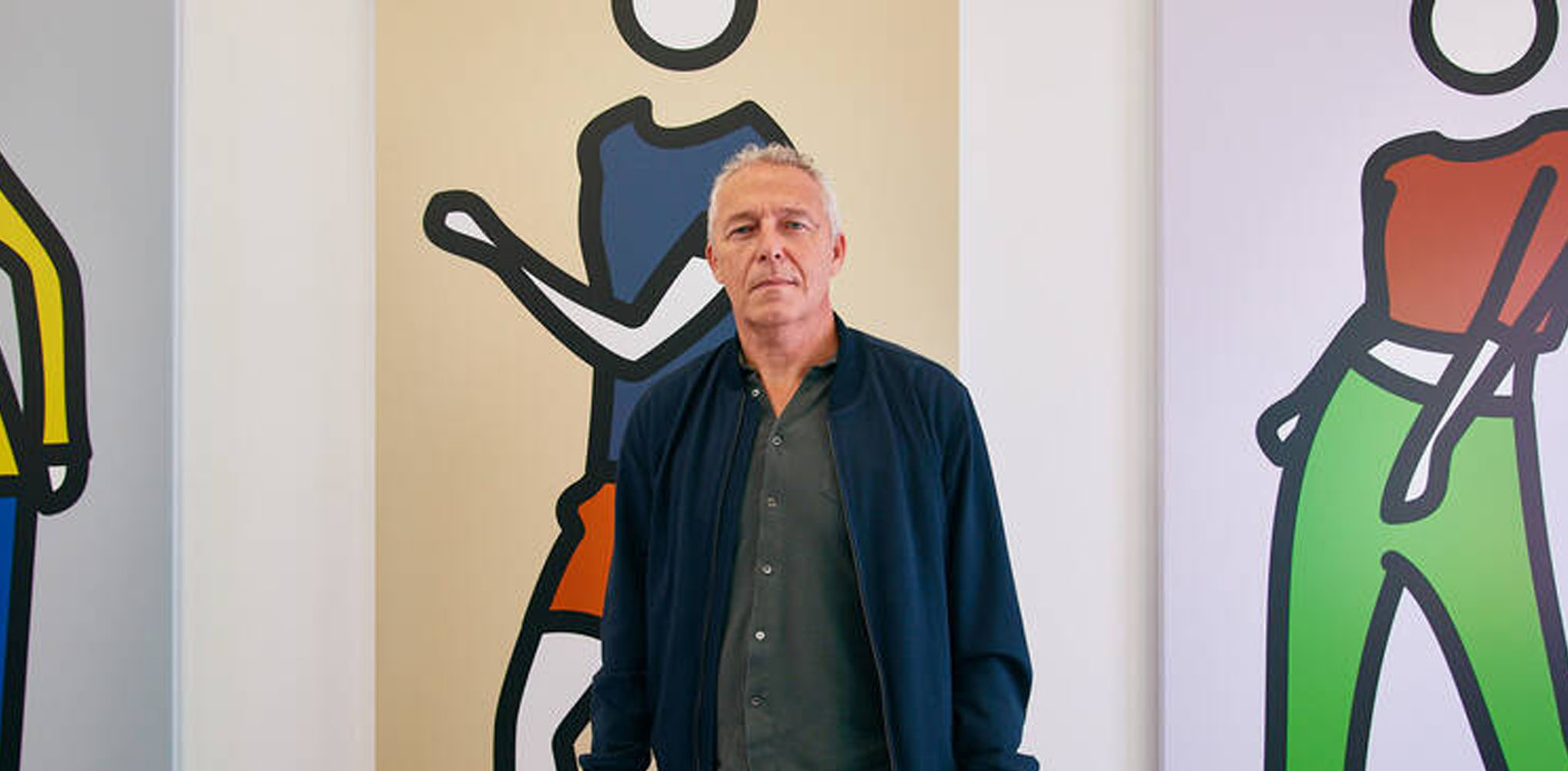
Julian Opie
This is Shahnoza horizontal. 06., 2007
Rogier van der Weyden worked on oak. Jan van Eyck, whose technical ambitions shaped everything that followed, built his luminous surfaces on prepared wooden grounds that have survived in near perfect condition for nearly six hundred years. The board was not a choice then so much as a given, but what artists discovered in that given was extraordinary: wood breathes, wood warps, wood insists on its own presence beneath whatever is layered on top of it. When canvas eventually dominated, wood did not disappear.
It became something more pointed. Artists who returned to it in later centuries were making a conscious decision, aligning themselves with durability and craft at moments when those values were being questioned or abandoned. The Impressionists occasionally painted on wood when canvas was not available, and the results often have a different quality of surface tension, tighter, more resistant to the brush. The Expressionists, particularly Emil Nolde and Ernst Ludwig Kirchner, used rough wooden boards to achieve exactly that resistance, forcing a rawness of mark that softer grounds could not provide.
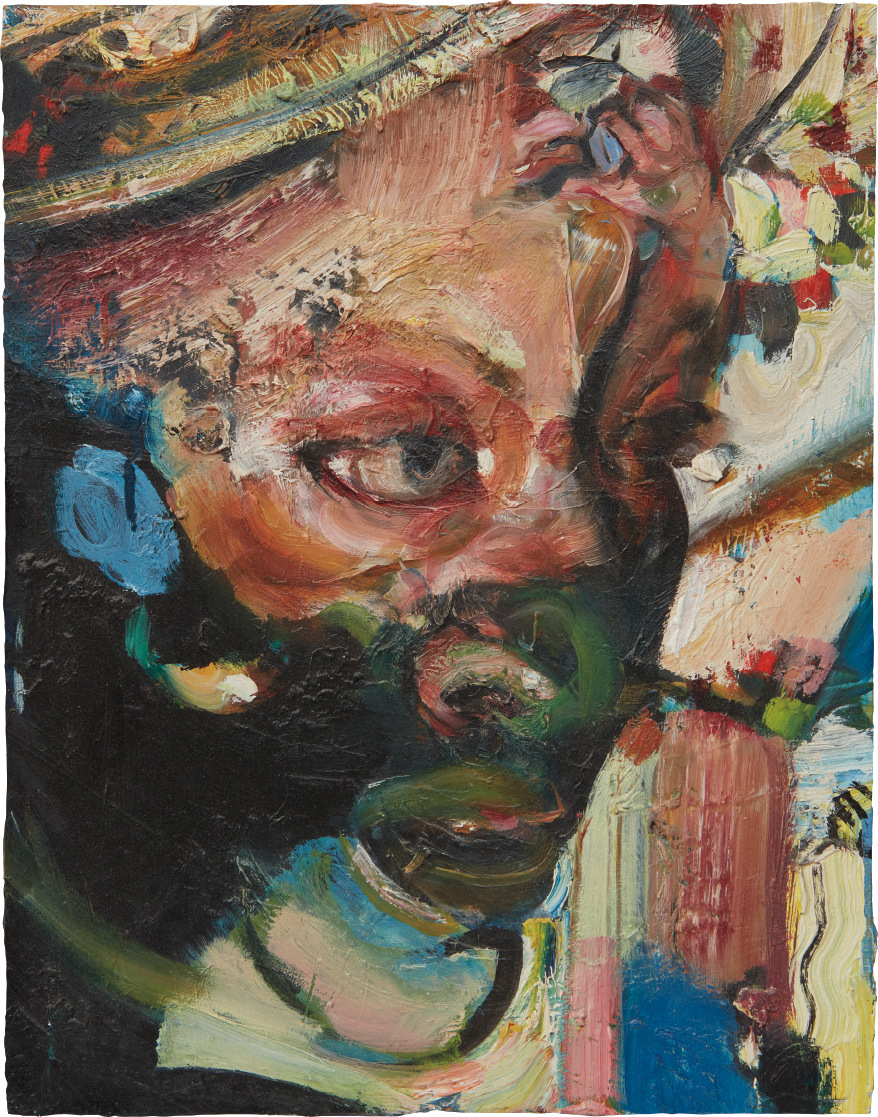
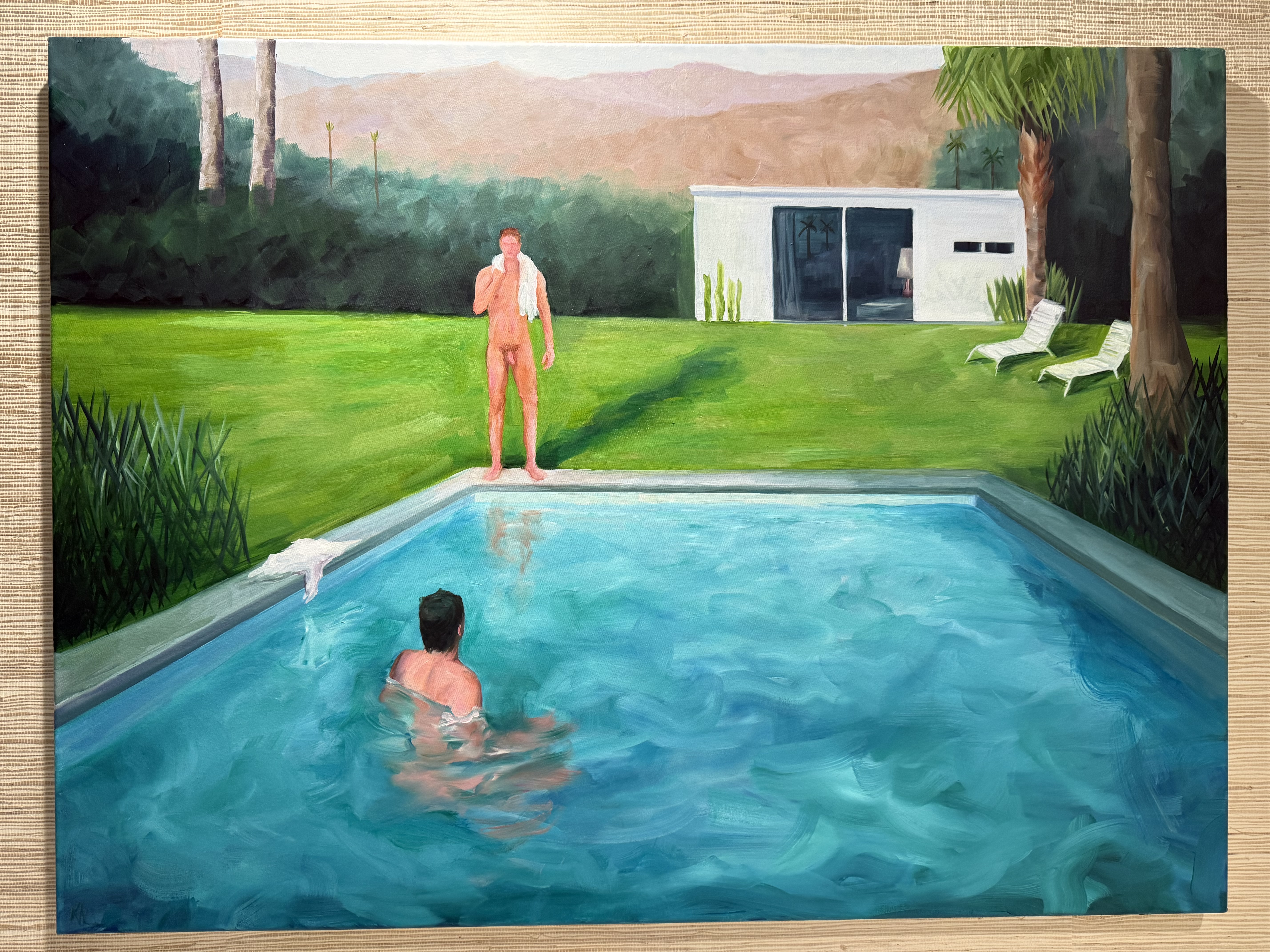
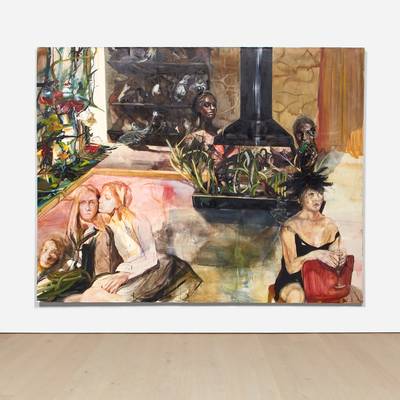
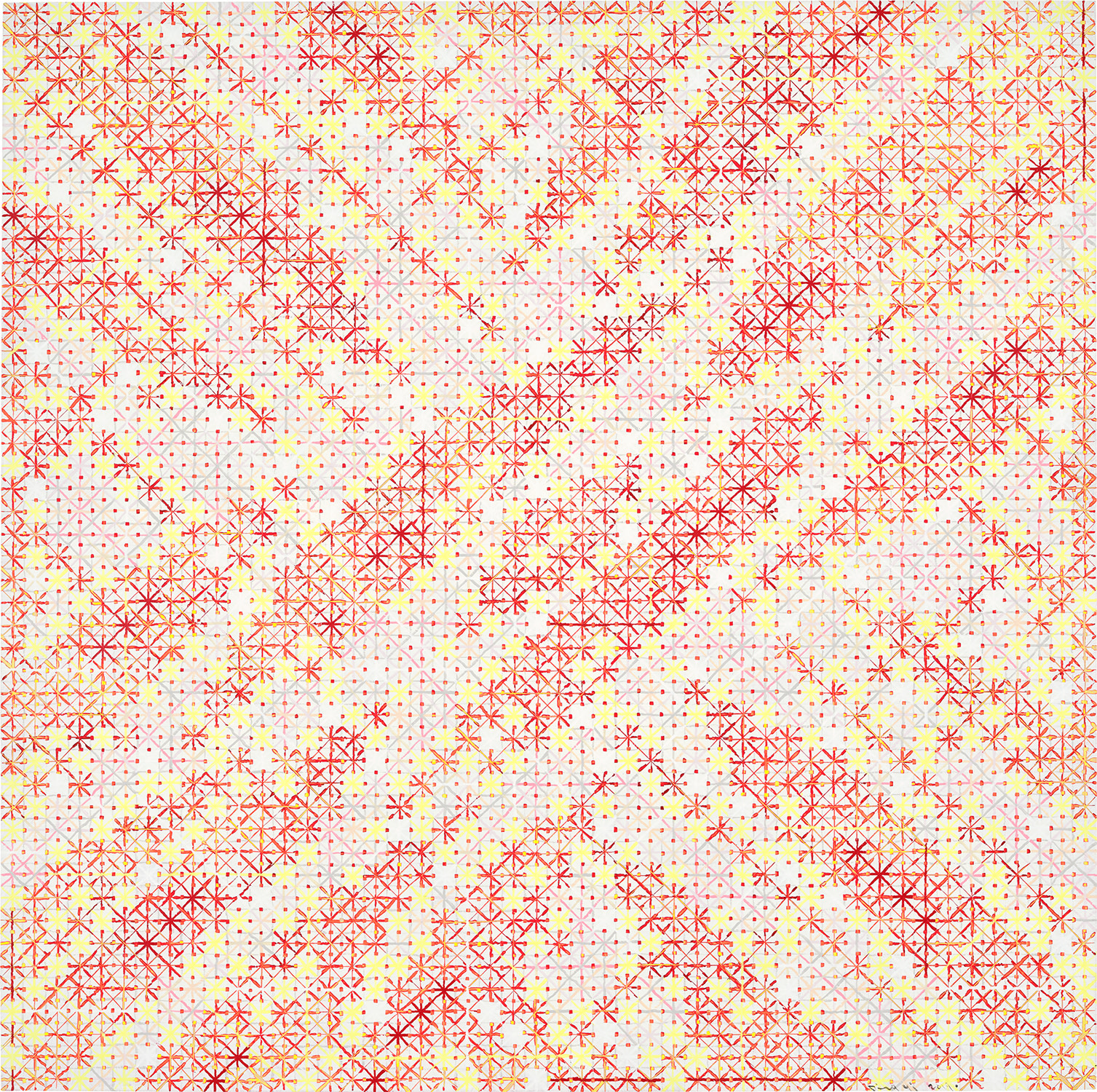
Natalie Frank
Portrait 3, 2011
The twentieth century turned wood into a conceptual proposition. Robert Rauschenberg incorporated found wood into his Combines in the 1950s, collapsing the distinction between support and subject. Arte Povera artists in Italy during the late 1960s embraced wood as part of their broader commitment to humble, industrial, and natural materials that rejected the clean white cube of institutional art. For Giovanni Anselmo and Mario Merz, the grain of a board was not background texture but active content.
The artwork did not sit on the wood. The wood was the artwork, insisting on time and process and the visible evidence of both. Contemporary artists working with wooden boards inherit all of this at once: the devotional patience of Renaissance panel painters, the Expressionist hunger for resistance, the conceptual legacy of Arte Povera, and something else entirely, the awareness that every material carries cultural memory whether the artist intends it or not. Ding Yi, whose precise and systematic use of cross and plus signs has defined his practice since the late 1980s, has explored wooden surfaces as a way of introducing unpredictability into his otherwise rigidly controlled visual system.
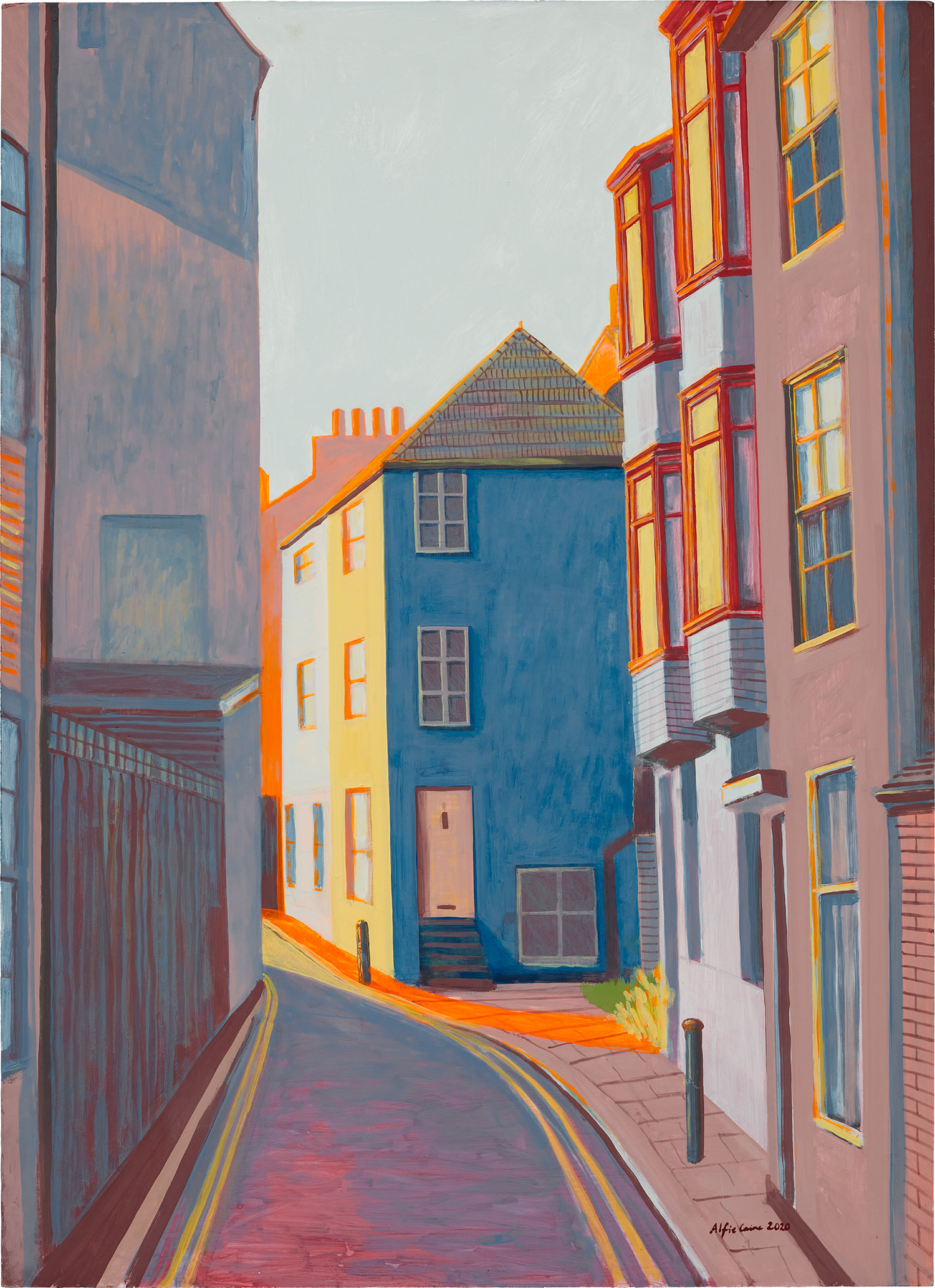
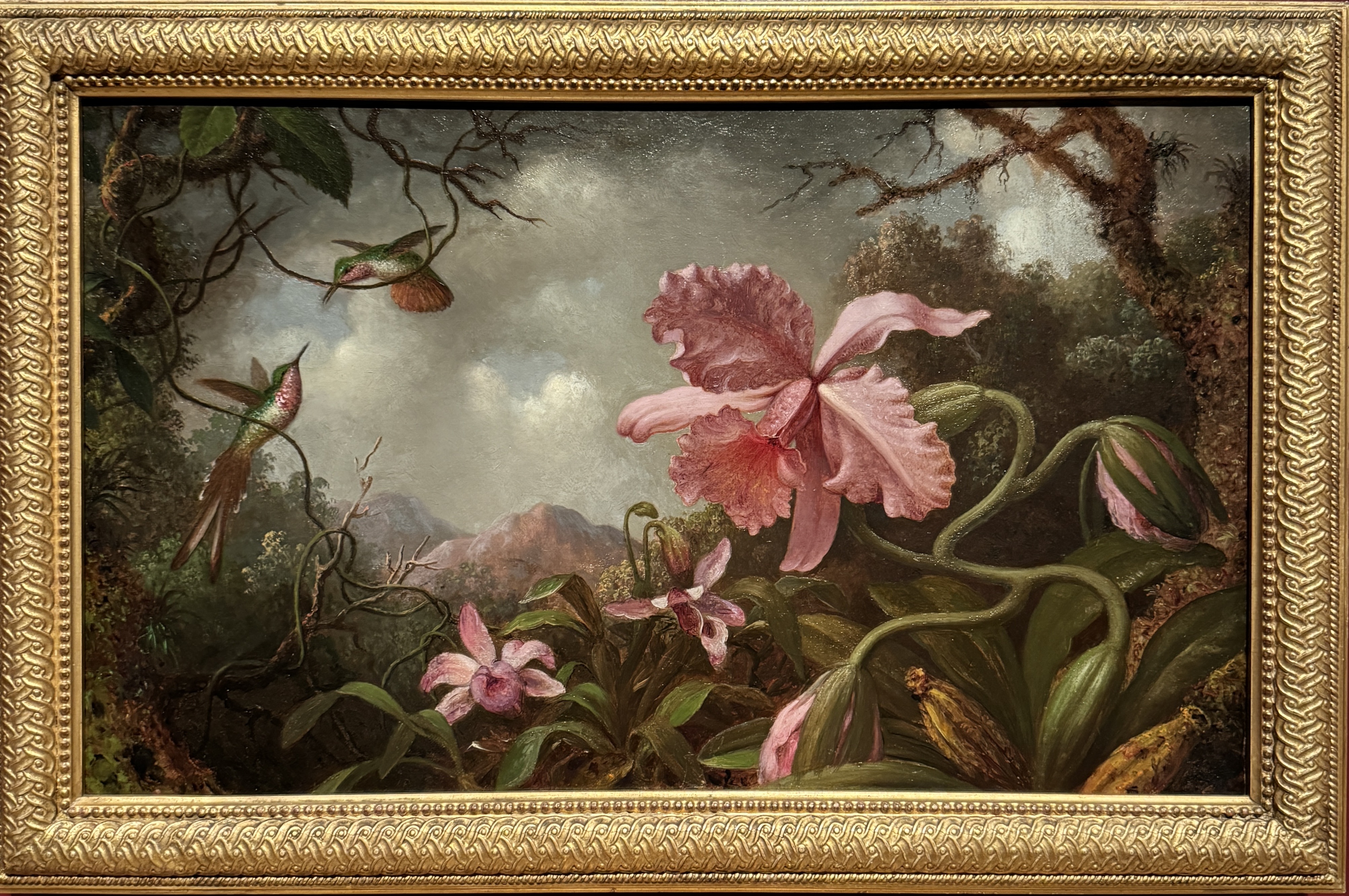
Alfie Caine
Hastings Old Town, 2020
The grain of the wood pushes back against the regularity of his marks, creating a dialogue between the human and the natural that no other support could produce in quite the same way. His work on wood is a reminder that even the most systematic painter is in conversation with materials that have their own ideas. Alfie Caine approaches wood from a different angle, using found and repurposed boards in ways that honor the object's prior life without sentimentalizing it. The history embedded in a used plank, the nail holes, the weathering, the staining, becomes part of the visual and conceptual content of the finished piece.
This approach sits within a lineage that runs through Arte Povera and on through artists like David Hammons, who has long understood that the materials most dismissed by the mainstream art world carry the most concentrated social and historical charge. When Caine works on wood, the board itself is already speaking before a mark is made. Julian Opie, whose work is well represented on The Collection, offers a pointed contrast. His surfaces tend toward the immaculate, the graphic, the almost industrial in their refusal of visible touch.
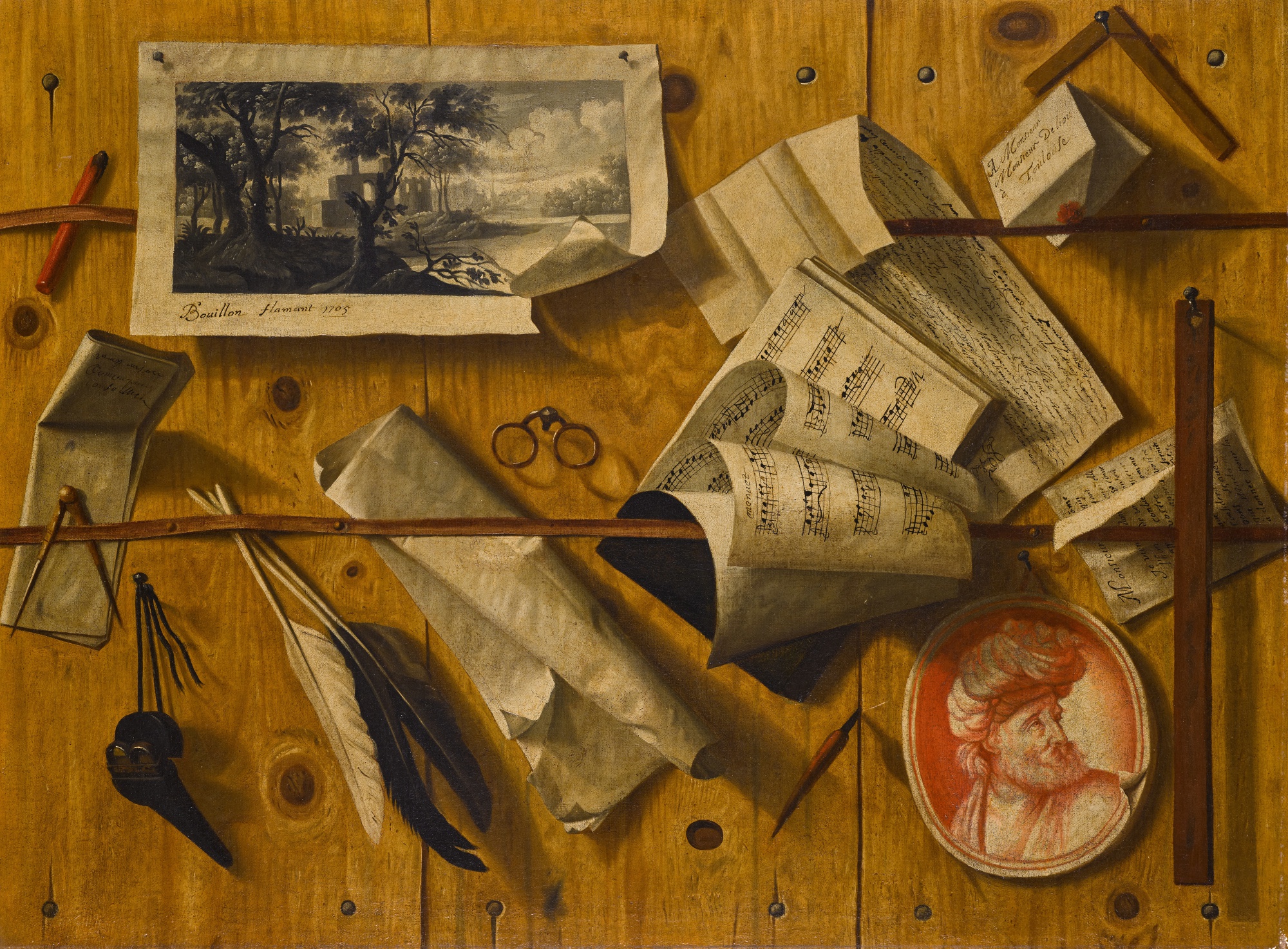
Unknown
Trompe l'œil still life of letters, sheet music, an engraving, a drawing and writing implements affixed to a wooden board
And yet even within that visual language, the question of support matters. The flatness that defines an Opie is a considered flatness, a rejection of the handmade texture that wood traditionally implies. His practice makes visible, by deliberate contrast, what the choice of a rough or natural wooden board communicates about presence and materiality. Seeing work by an artist like Opie alongside pieces that embrace the rawness of wood clarifies what is at stake in either direction.
The broader cultural significance of the wooden board lies partly in its frankness. At a moment when digital reproduction makes every image available everywhere at no apparent cost, the physicality of a painted or worked wooden panel is almost confrontational. It cannot be reproduced without loss. It occupies space.
It is heavy. It changes with humidity and temperature in ways that no screen can approximate. Collectors who are drawn to works on board often describe the same thing: a sense that the object is holding something in reserve, that there is more happening at the surface and beneath it than any photograph can reveal. That feeling is not nostalgia.
It is a response to genuine material density. What the best works on wooden board offer is a kind of compressed art history in a single object. The support itself is an argument about time. Paint or mark or image on wood is always in dialogue with five hundred years of decisions made by artists who used the same material for reasons that range from pure practicality to the deepest levels of conceptual intent.
To collect a work on board is to collect that argument too, to bring into a home or a collection an object that knows something about its own place in a very long story.