Silhouette Art
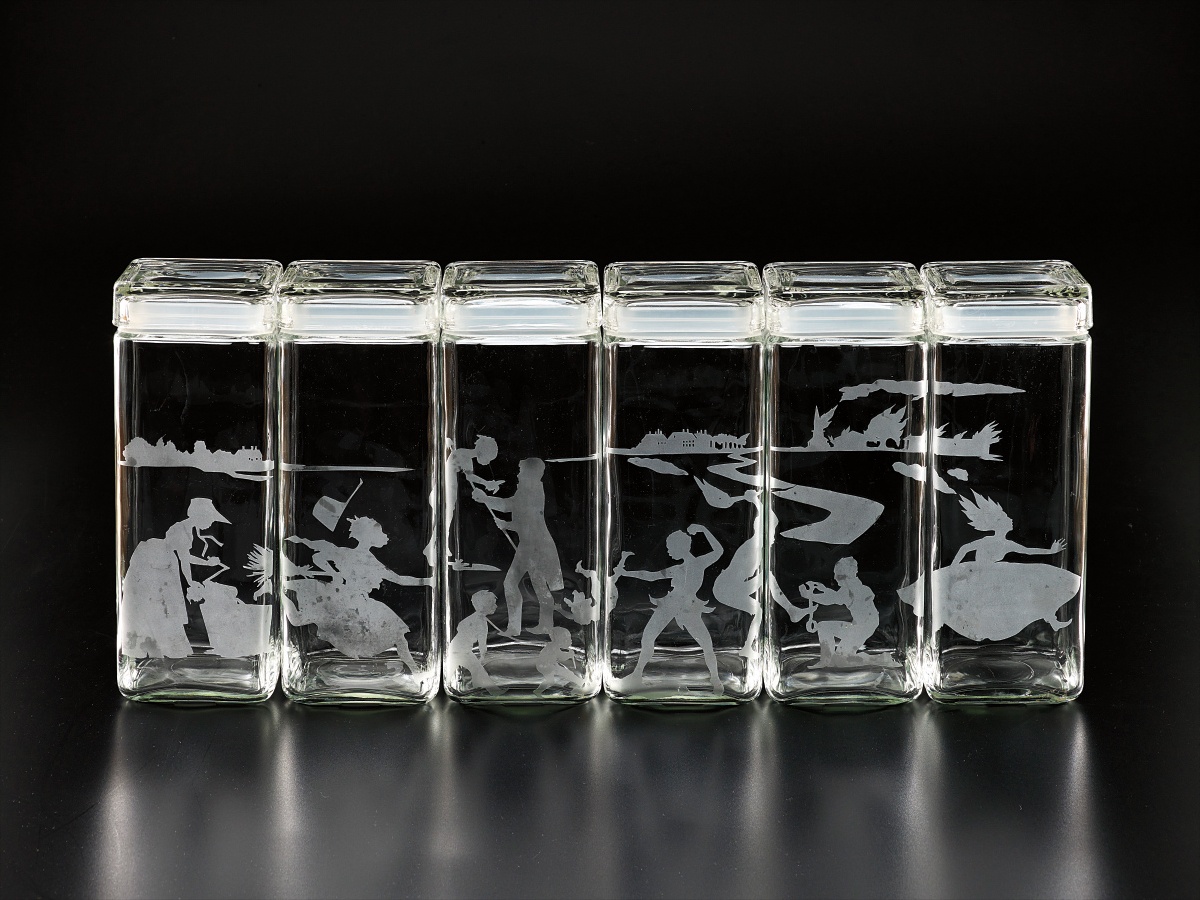
Kara Walker
Kara Walker
Artists
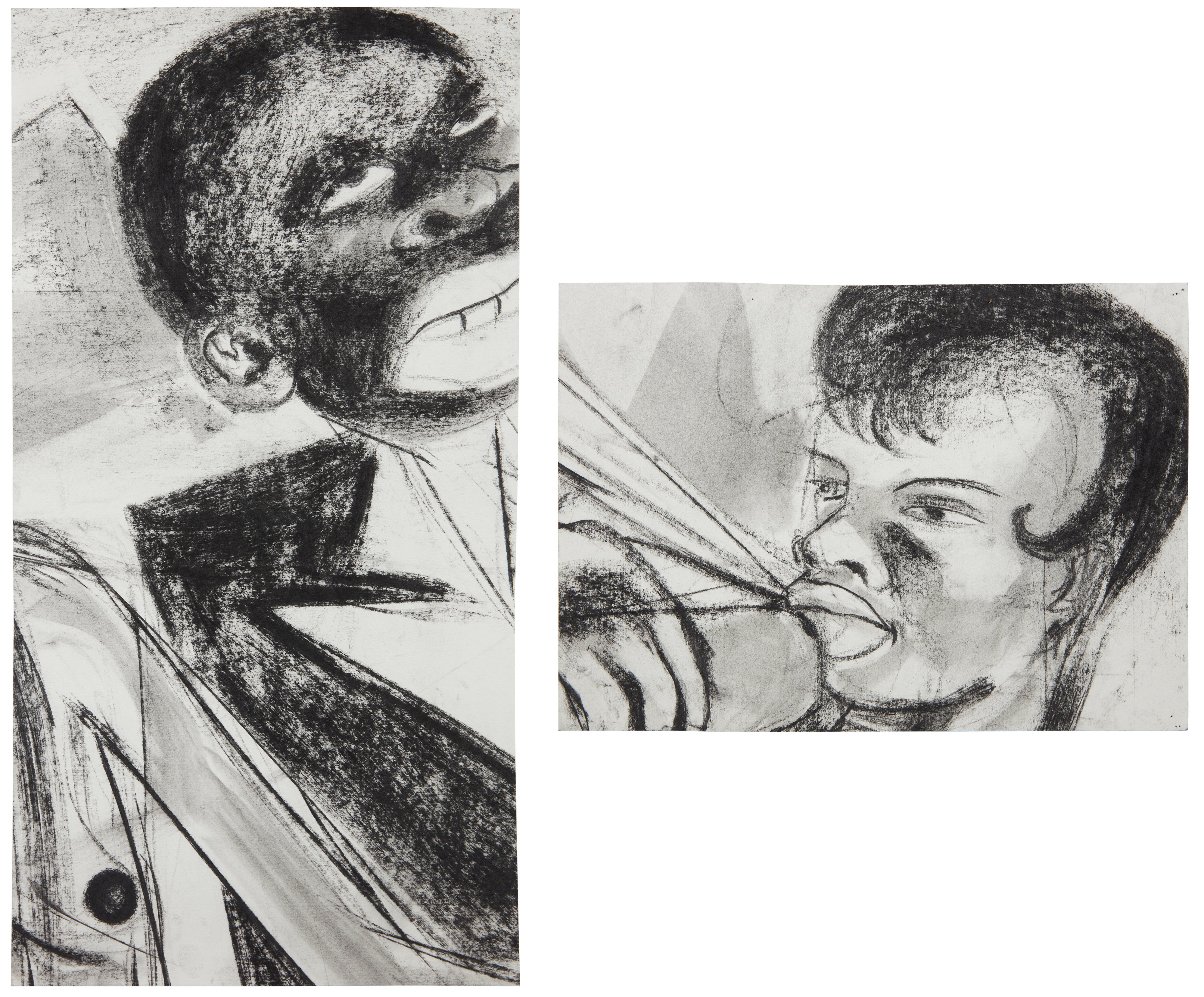
The Art of Absence That Says Everything
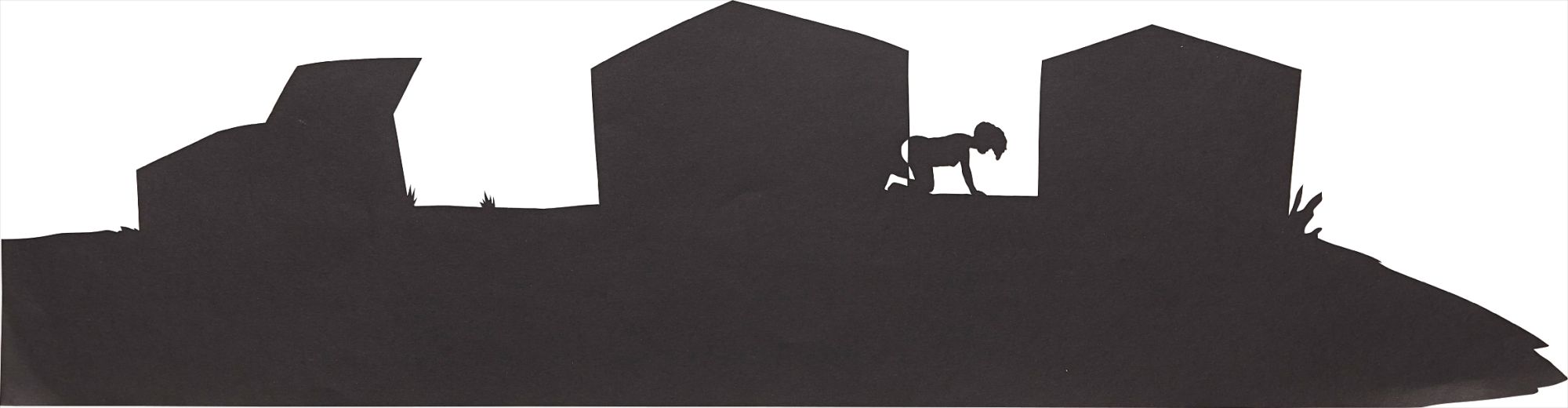
There is something almost primal about the pull of a silhouette. Strip away color, texture, and detail, and what remains is pure form, pure recognition, pure psychological charge. Collectors who live with silhouette works often describe a similar experience: the work changes on you. What first reads as graphic and immediate reveals itself, over time, to carry extraordinary psychological depth.
That tension between simplicity of means and complexity of meaning is, for many, the defining pleasure of collecting in this space. The silhouette also has a rare quality that seasoned collectors prize: it performs brilliantly across contexts. A strong work holds its own in a spare, minimalist interior just as readily as it anchors a dense, salon style hang. The contrast of a deep black form against a luminous ground creates a visual anchor that does not compete but commands.
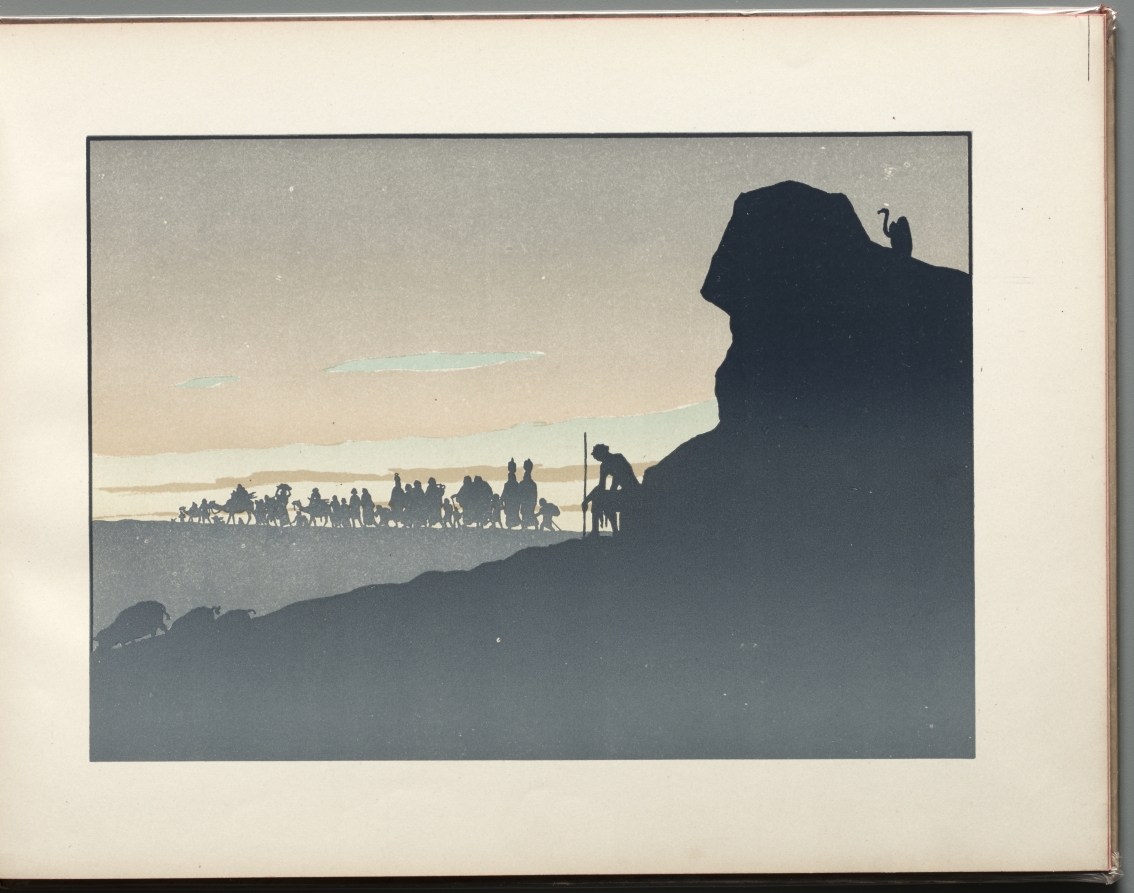
Henri Rivière
The Prodigal Son: Cinquième Tableau, 1895
There is also something democratic about the format at first glance, which makes it all the more satisfying when a work reveals its ambition. The best pieces in this category reward sustained attention in a way that more immediately decorative work sometimes does not. What separates a genuinely great silhouette work from a merely handsome one comes down to a few qualities that are worth training your eye to see. First, consider the relationship between figure and ground.
In a weak work, the silhouette sits inertly on the surface. In a great one, the negative space is as charged as the form itself, so that your eye moves continuously between the two. Second, look at the edge. The silhouette lives and dies by its contour line, and the finest artists in this tradition know how to use that edge to carry narrative, emotion, and formal invention simultaneously.
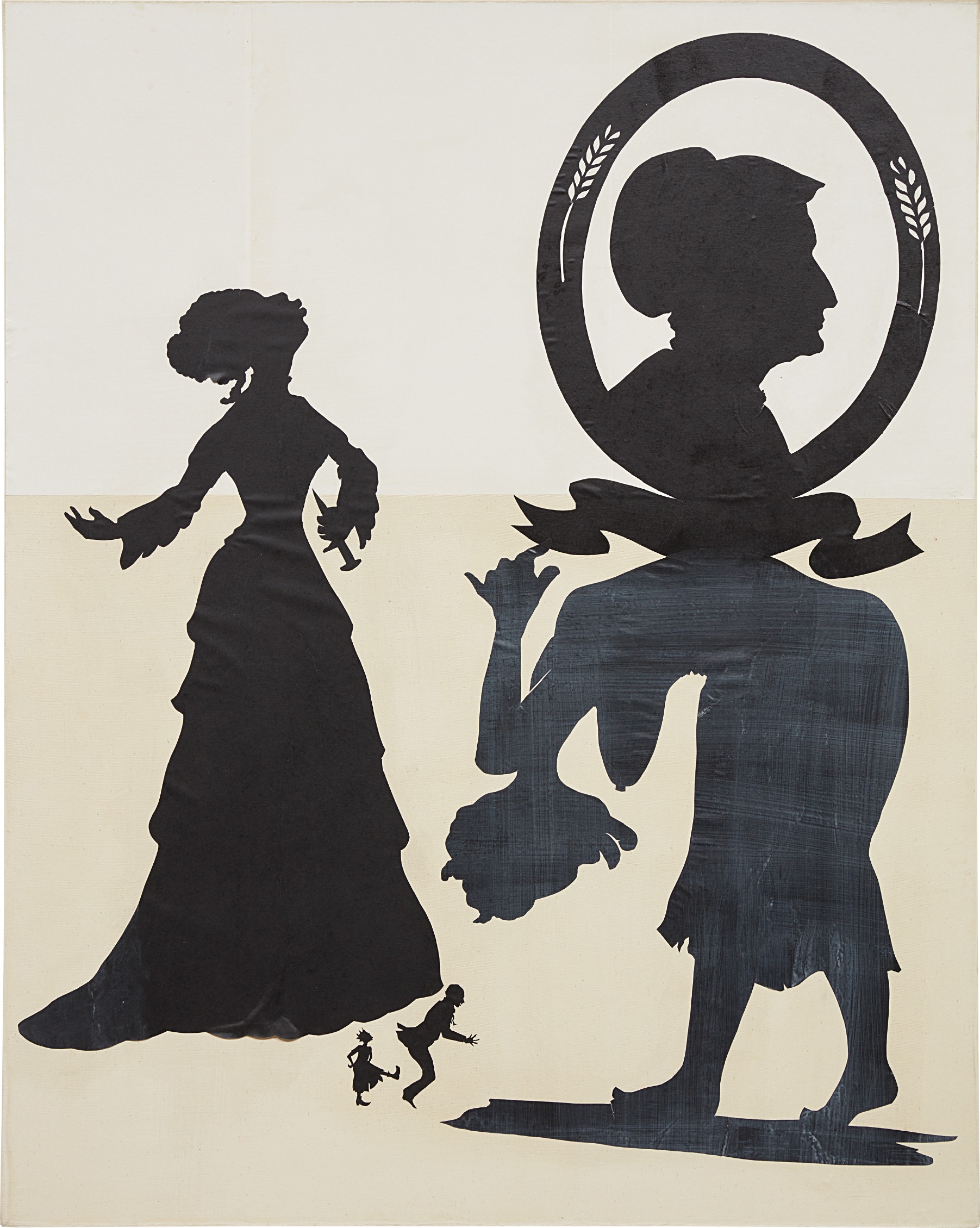
Kara Walker
O! The Pathos of Black Womanhood, 1994
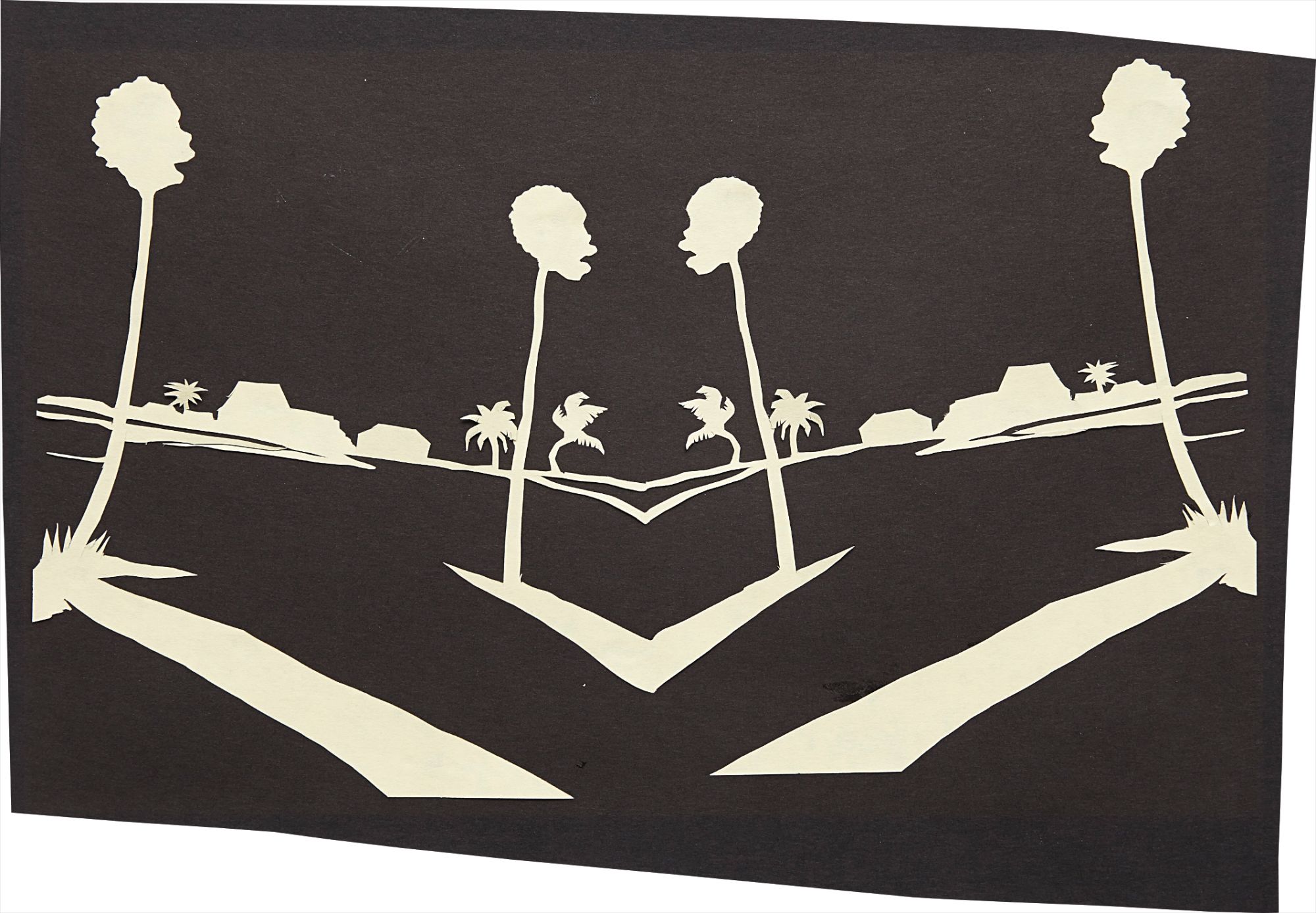
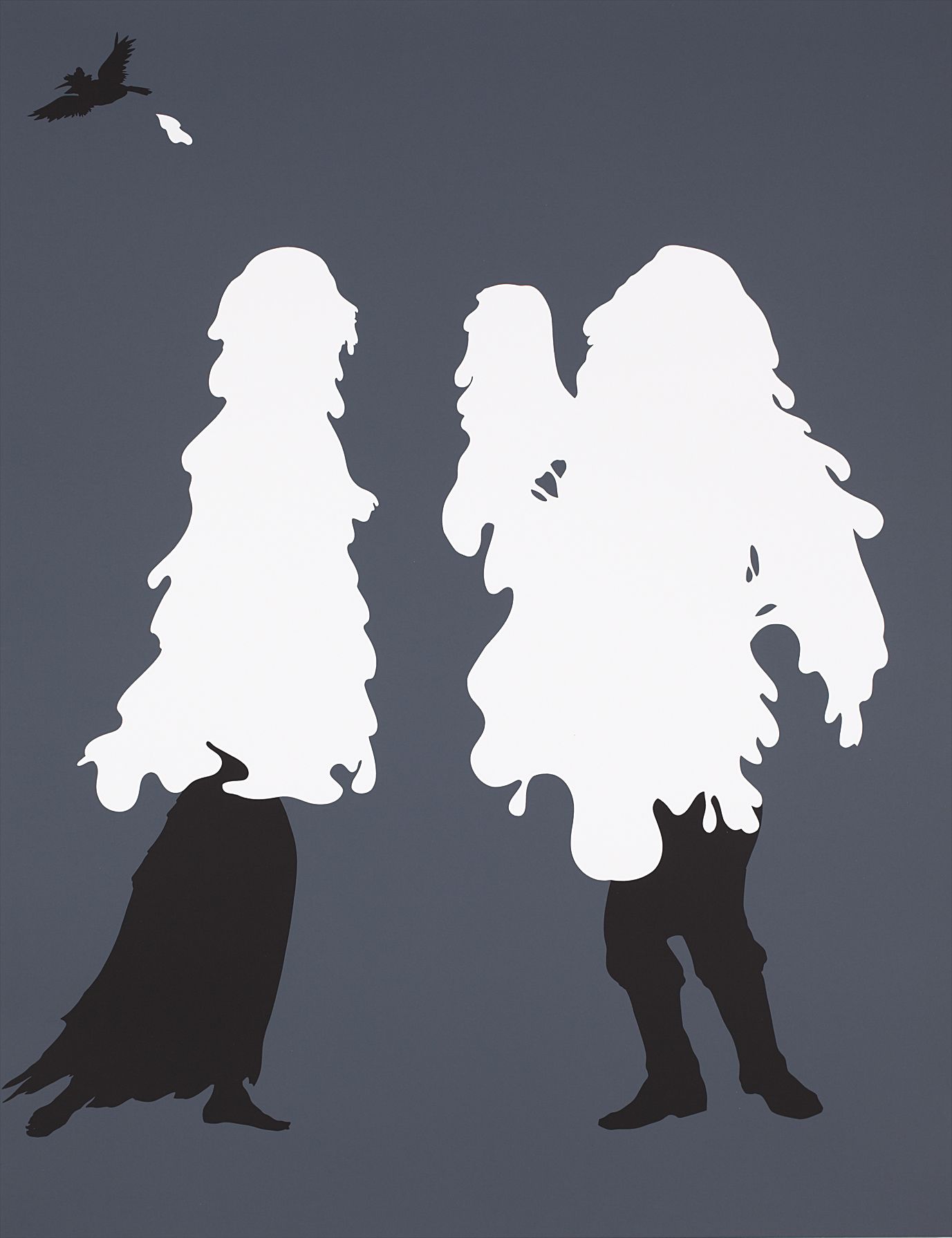
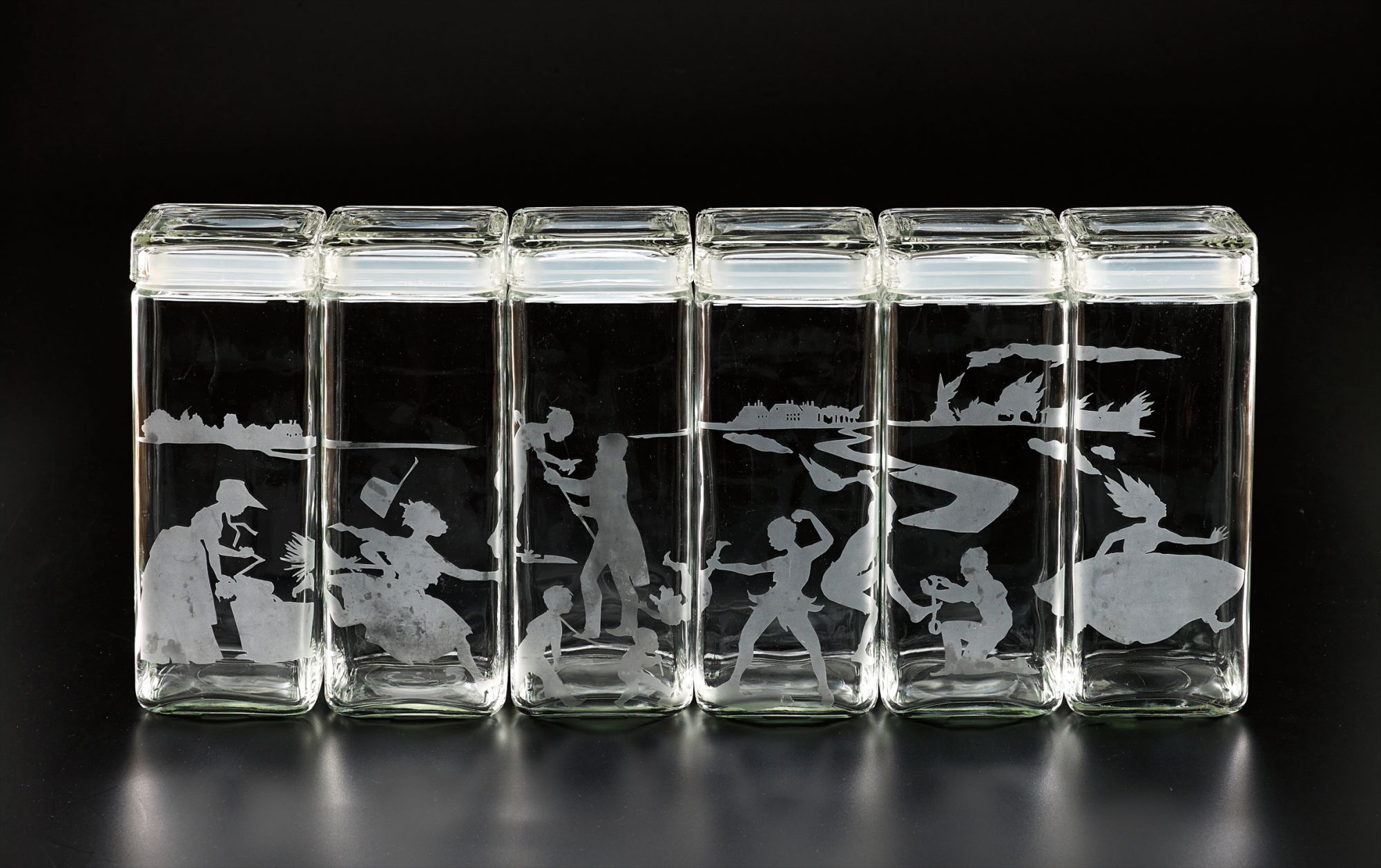
A hesitation in the cut, a baroque elaboration of a profile, can shift the meaning of an entire work. Kara Walker is, without question, one of the most significant artists working in any medium today, and her silhouette practice sits at the absolute center of contemporary art historical discourse. Since her emergence in the mid 1990s, following the sensation caused by her installation at the Drawing Center in New York, Walker has used the cut paper silhouette to excavate American history with a ferocity and intelligence that few artists in any medium have matched. Her work draws on the 18th century parlor tradition of silhouette portraiture, that genteel domestic art form, and weaponizes it, filling the graceful curves of the format with scenes that refuse to let the viewer remain comfortable.
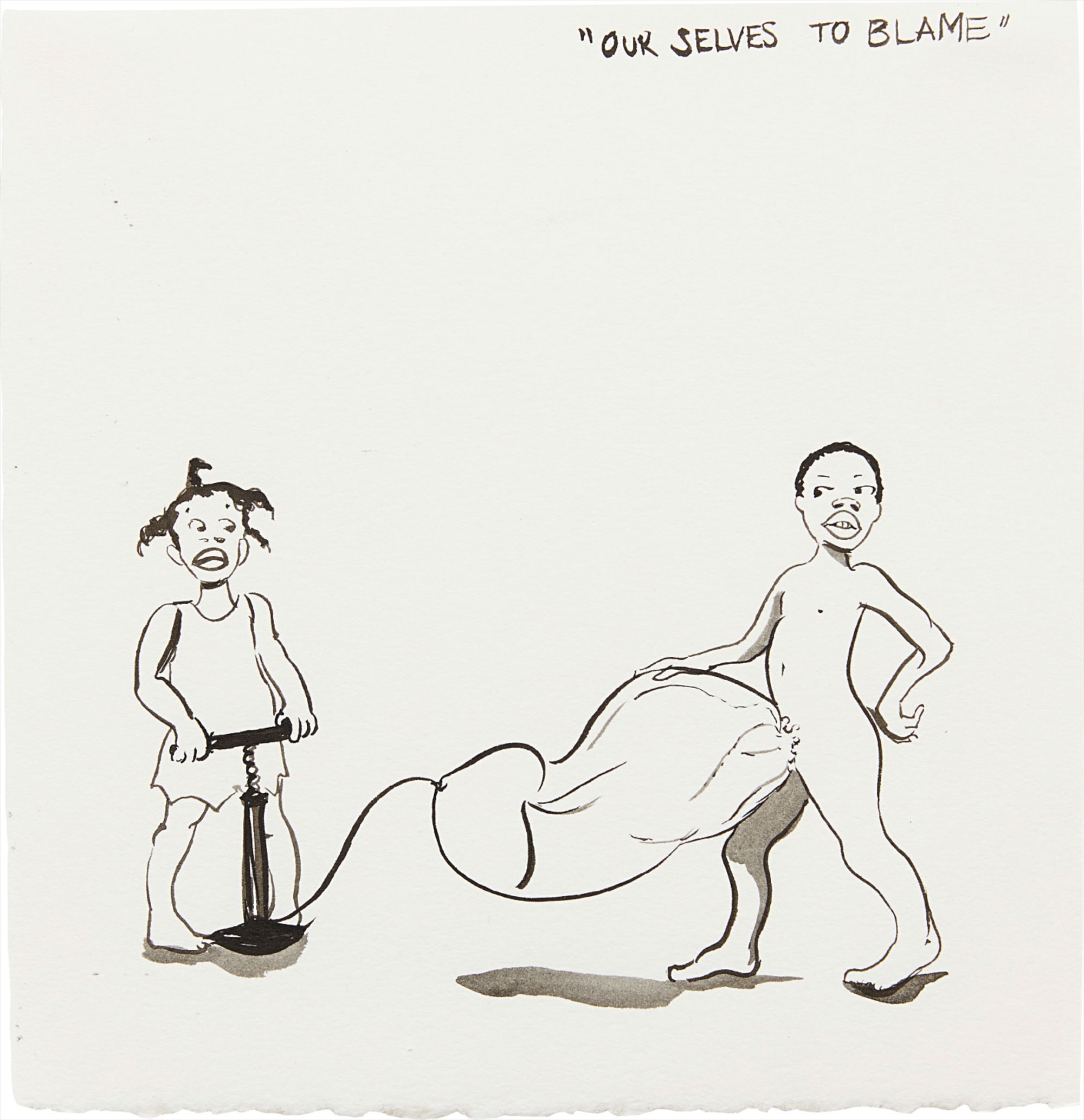
Collectors who have acquired Walker's works have seen them become foundational pieces in their collections, works that define not just a wall but a collecting philosophy. Her prints, drawings, and cut paper works are well represented on The Collection, and they offer different points of entry at different price thresholds, though make no mistake that even her editions carry serious institutional weight. Henri Rivière offers a very different but equally compelling proposition. The French artist, working primarily in the 1890s and early 1900s, was a central figure in the Post Impressionist moment and one of the great popularizers of the Japanese woodblock aesthetic in European printmaking.
His series Les Trente Six Vues de la Tour Eiffel, a deliberate homage to Hokusai's views of Mount Fuji, uses silhouetted architectural and human forms against atmospheric grounds to remarkable effect. Rivière understood that the silhouette was not a reduction but a transformation, and his works have the quality of memory itself: precise and yet dreamlike. For collectors interested in works on paper with strong art historical pedigree and genuine rarity, Rivière represents exceptional value. His prints appear rarely at auction and are still underpriced relative to their cultural significance.
For collectors with an eye toward emerging practice, the silhouette is enjoying a remarkable generational renewal. A number of younger artists, many of them working at the intersection of personal and collective identity, have returned to the format precisely because of its historical freight. Artists engaging with questions of race, visibility, and erasure have found in the silhouette an almost perfect formal metaphor. The shadow form, simultaneously present and absent, known and unknowable, speaks directly to those concerns.
Collecting in this space now, before institutional recognition fully consolidates, represents one of the more intelligent opportunities in the contemporary market. At auction, silhouette works have shown considerable resilience, particularly over the past decade. Walker's works have achieved record prices at Christie's and Sotheby's, with major cut paper installations and large scale drawings regularly exceeding estimates. More importantly, they hold their value with the kind of consistency that reflects genuine institutional demand rather than speculative enthusiasm.
Rivière's prints, when they appear, tend to attract a knowing pool of buyers, often print specialists and French modernism collectors, and can move well above low estimates when in strong condition. The secondary market for silhouette work generally rewards patience. These are not flipping pieces. They are foundation pieces.
Practically speaking, condition is paramount in this category, particularly for works on paper. Silhouettes are acutely sensitive to light, and even brief exposure to direct sunlight can cause irreversible fading or discoloration of the ground. Ask your gallery or vendor for full condition reports and provenance documentation. For cut paper works specifically, inquire about how the work has been stored and whether it has been previously framed, since old acidic mounts can cause lasting damage.
When considering editions versus unique works, understand that Walker's print editions, while produced in limited runs, carry her full artistic authority and have appreciated accordingly. Unique cut paper works command a premium and offer maximum rarity, but a thoughtfully acquired print can be equally meaningful and significantly more accessible. Display these works behind UV protective glass, keep them away from exterior walls where humidity fluctuates, and if you are acquiring something significant, commission a conservator's assessment before finalizing the purchase. The works reward that level of care.