Russian-French Artist
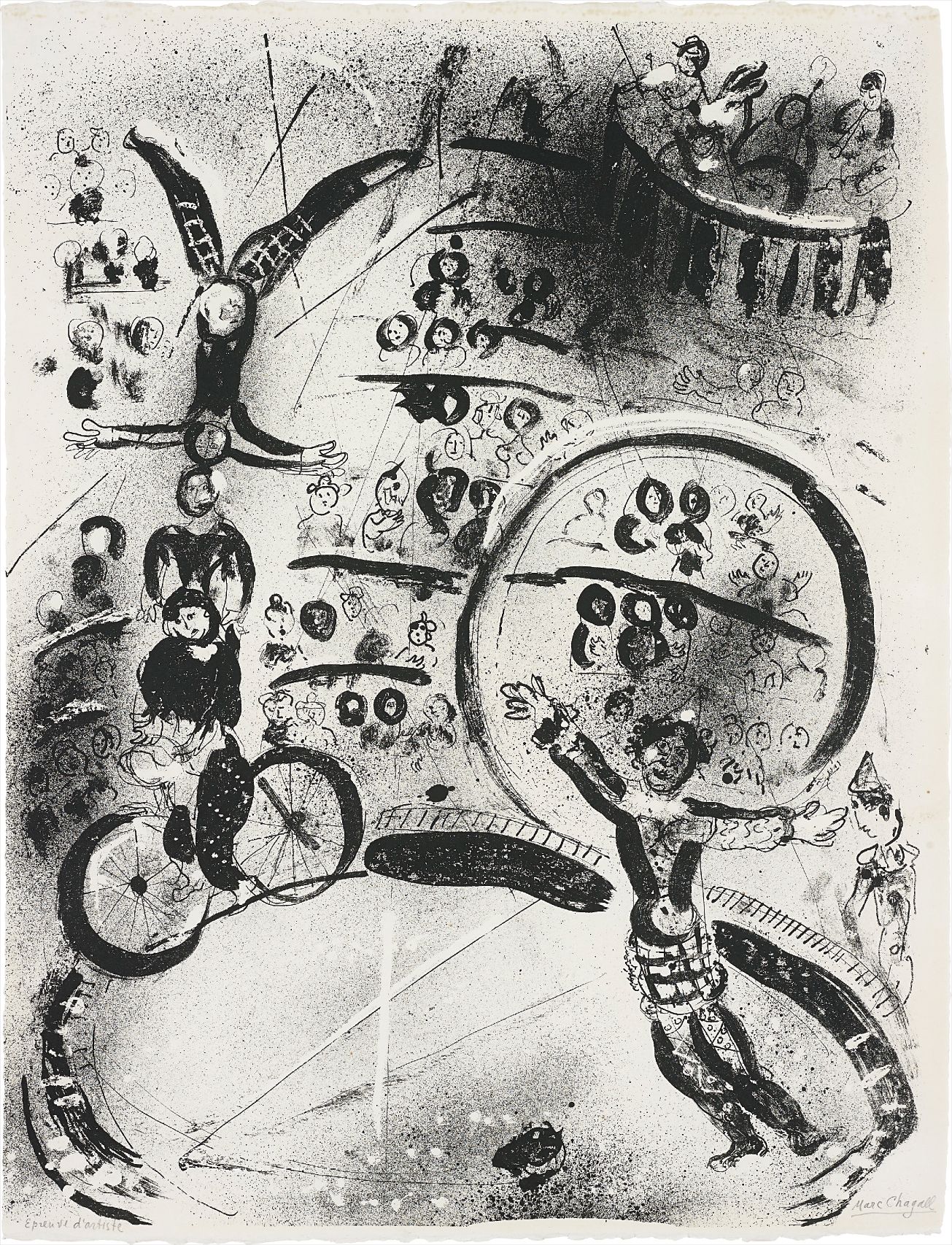
Marc Chagall
Les Cyclistes (The Cyclists)



Between Two Worlds, One Singular Vision
There is something particular about living with a work made by an artist who belonged, fully and passionately, to two cultures at once. The Russian émigré artists who found their way to Paris in the early decades of the twentieth century brought with them a visual inheritance that was ancient, folk tinged, and spiritually charged, and they collided it with the radical energy of the École de Paris. The result was art that feels simultaneously rooted and rootless, intimate and cosmically ambitious. Collectors who discover this world tend to stay in it for a long time, drawn back again and again by works that seem to shift and breathe depending on the light and the hour.
What makes this category so compelling to live with is precisely that duality. A canvas from this tradition rarely asks you to simply look at it. It asks something more reciprocal. The chromatic intensity, the floating figures, the way memory and myth pool together in the same pictorial space, these qualities reward sustained attention in a way that more purely formalist work sometimes does not.
Marc Chagall
Les Cyclistes (The Cyclists)
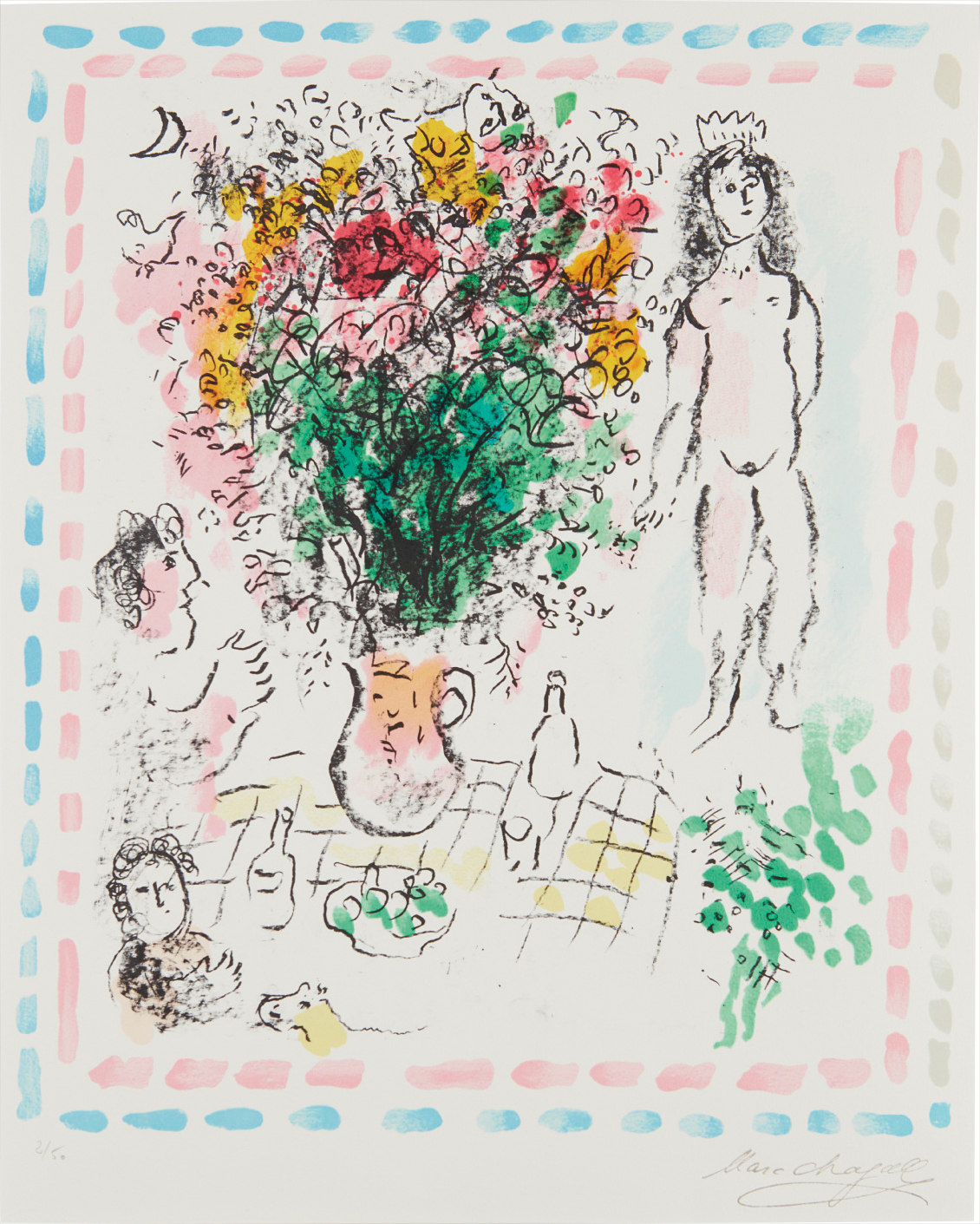
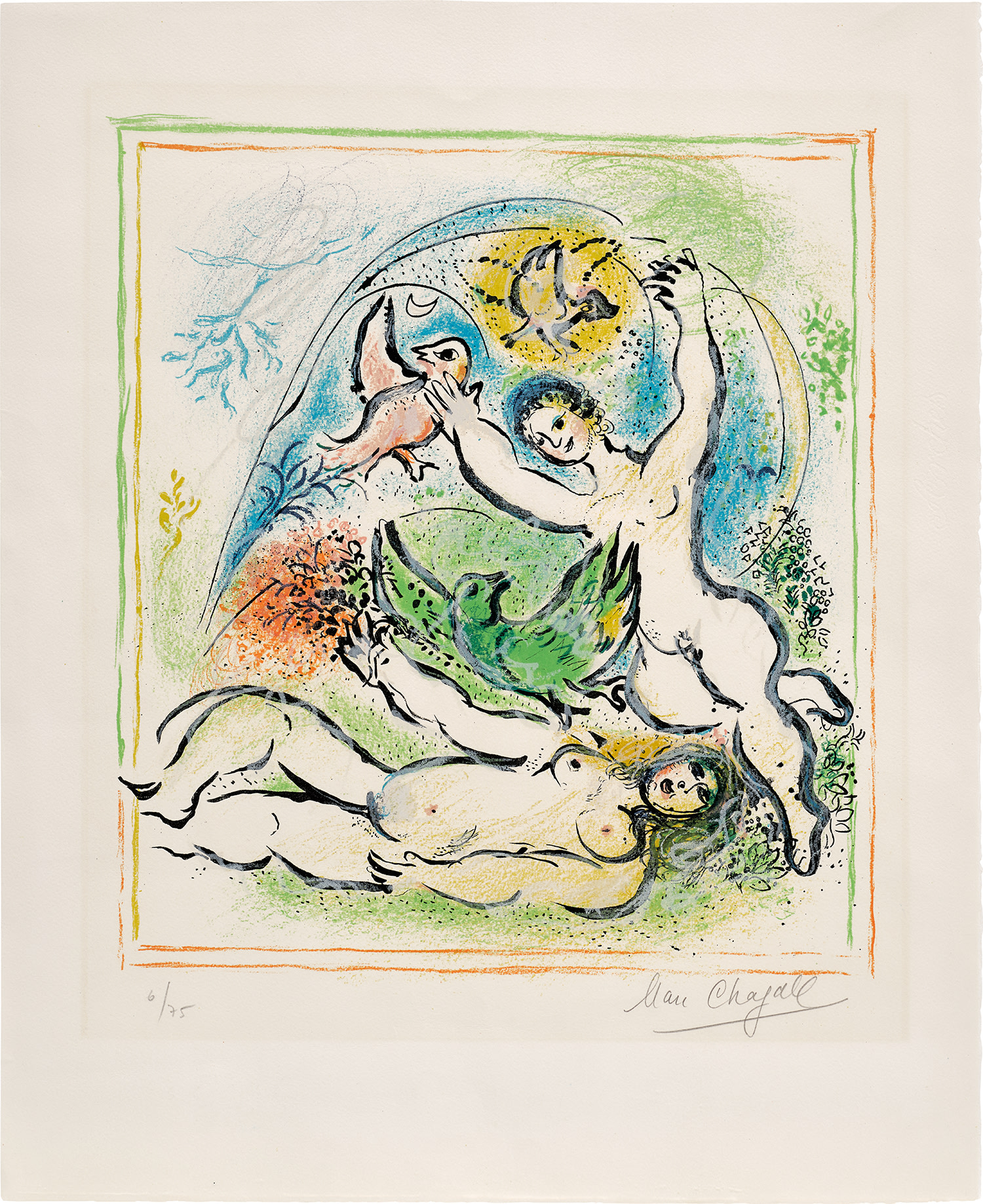
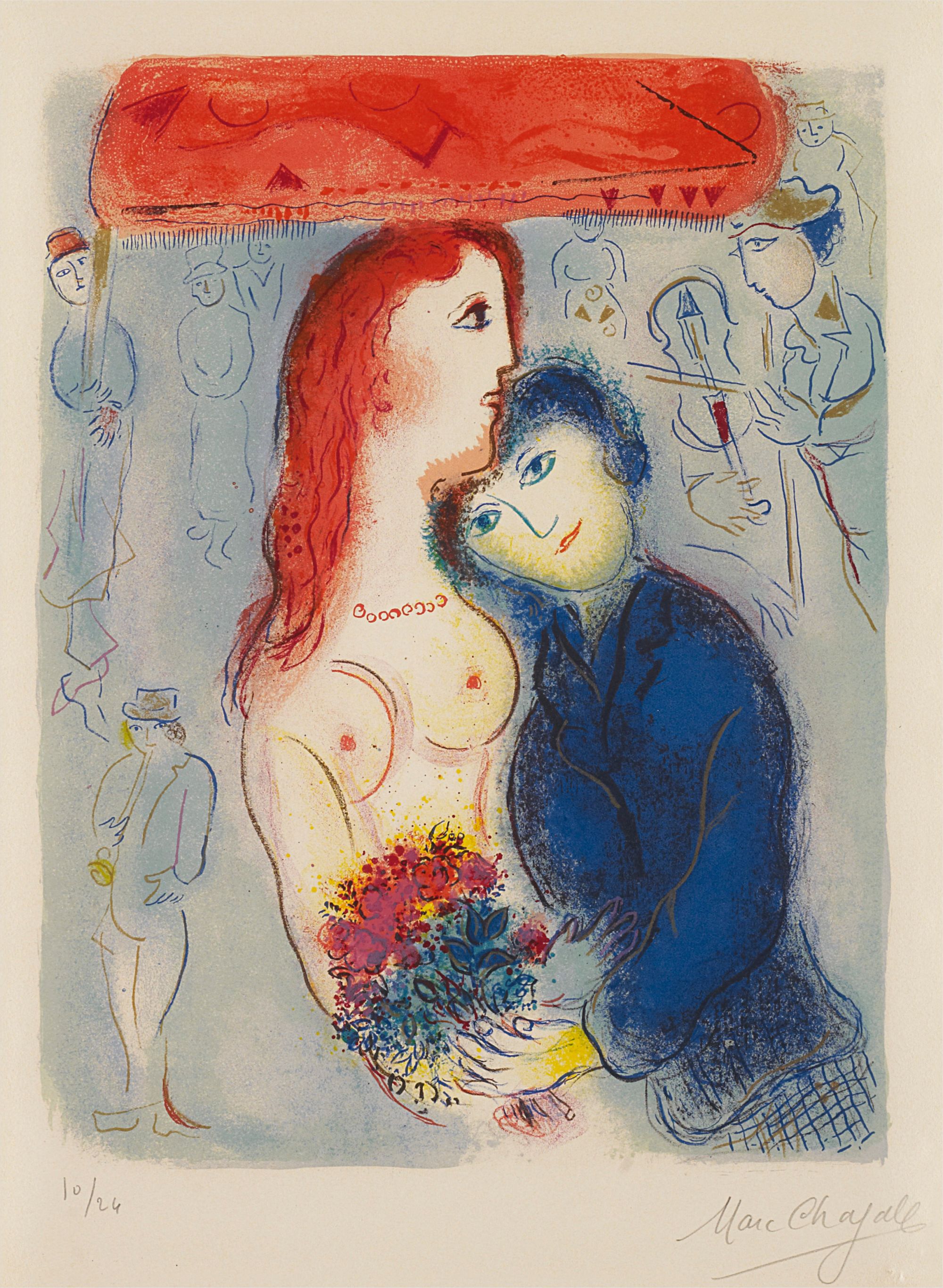
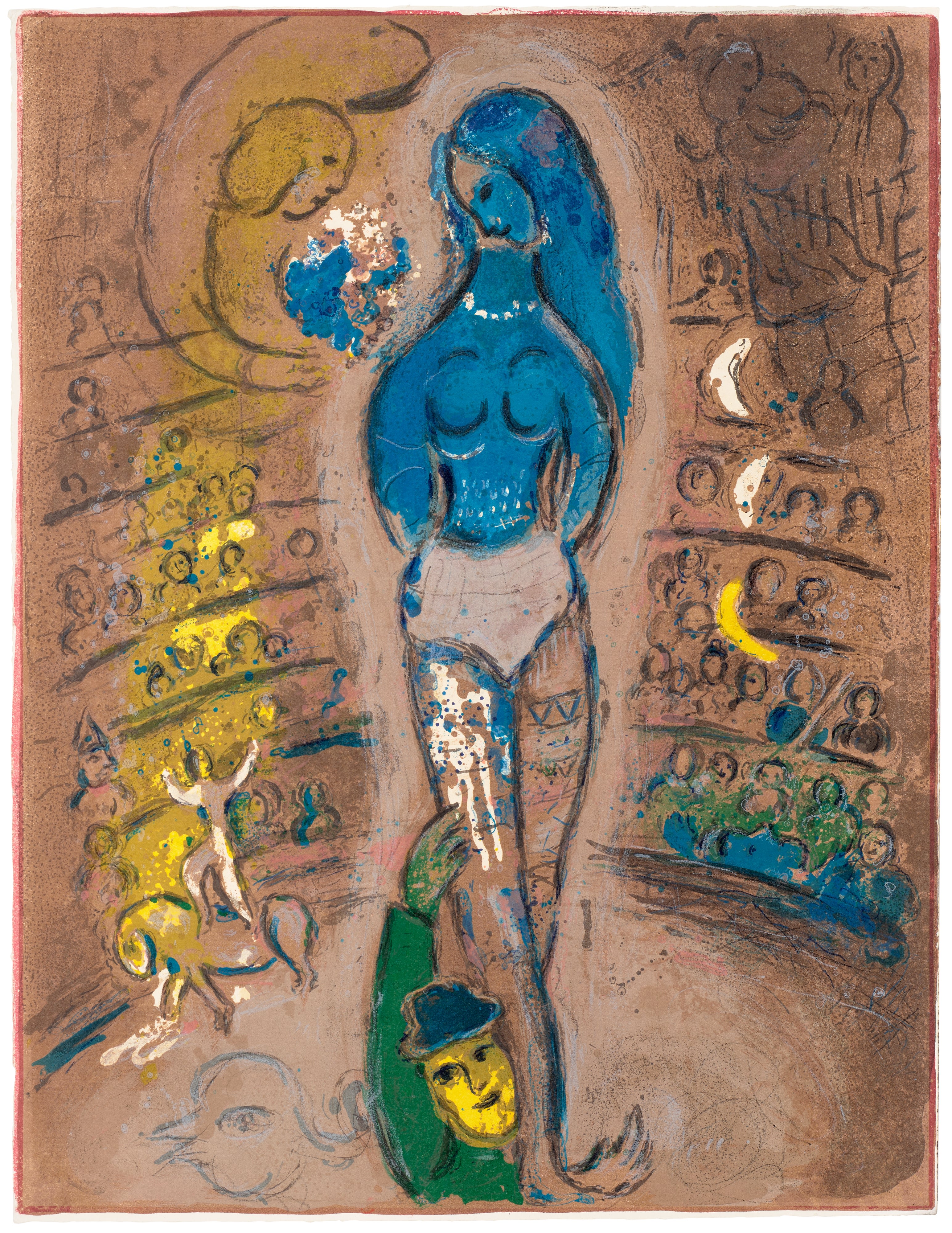
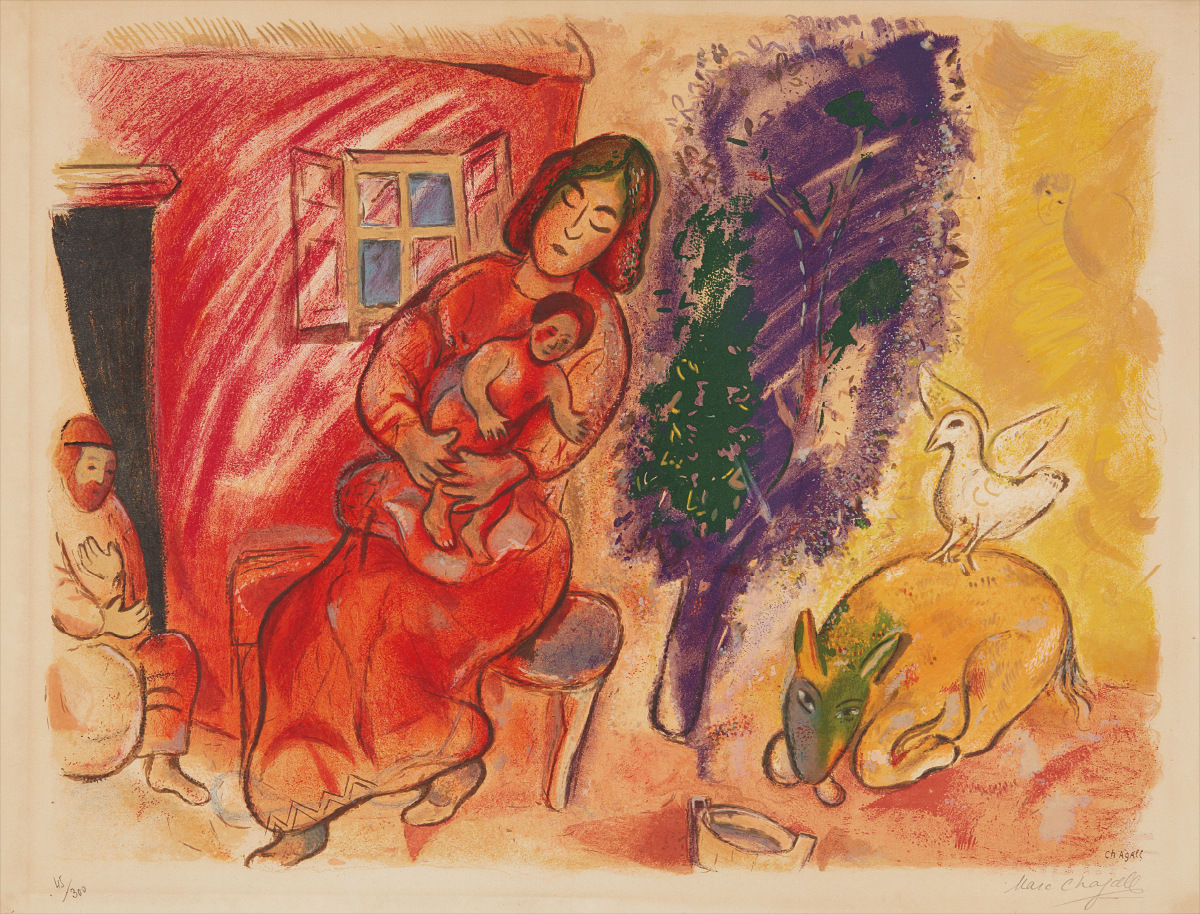
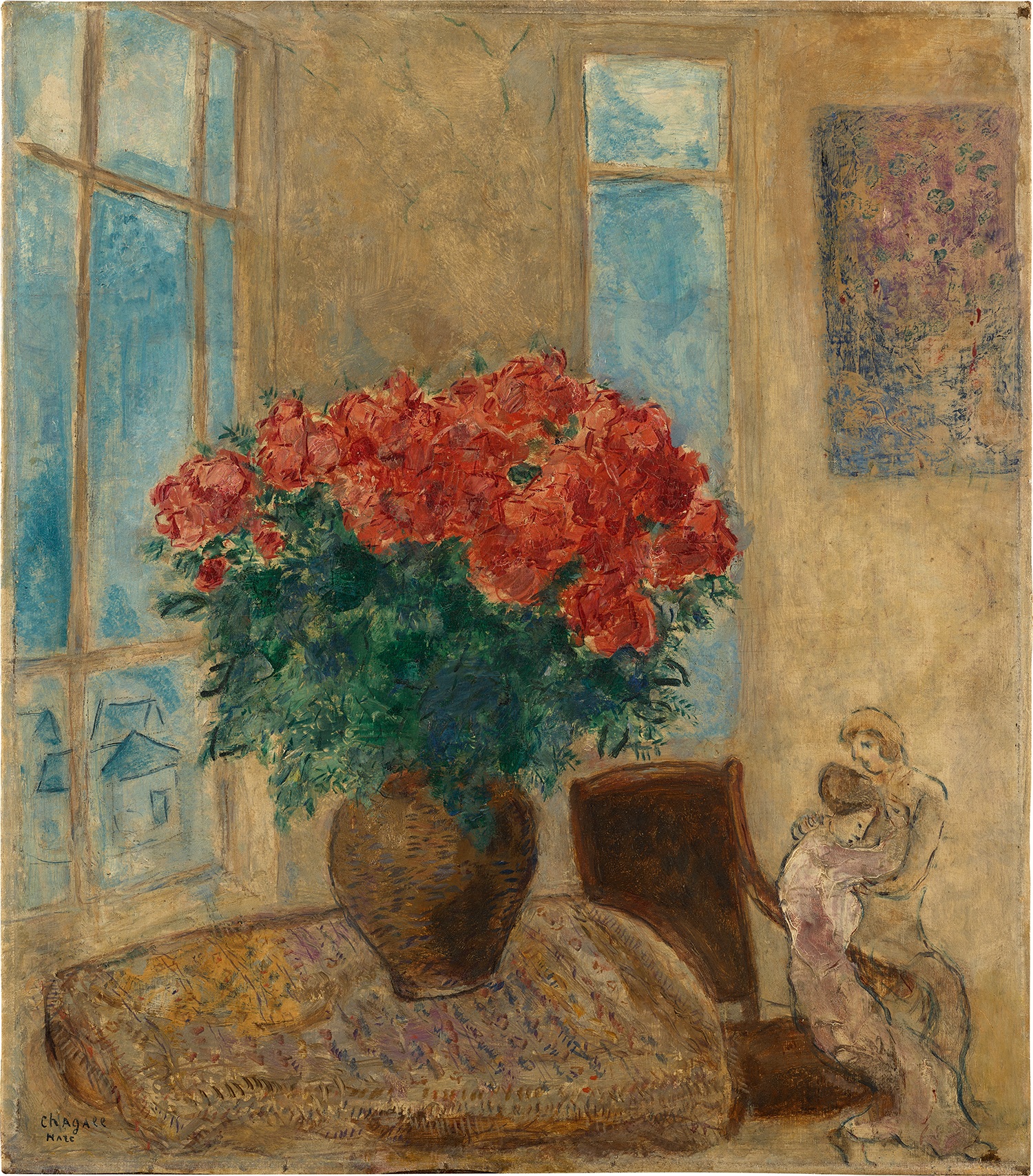
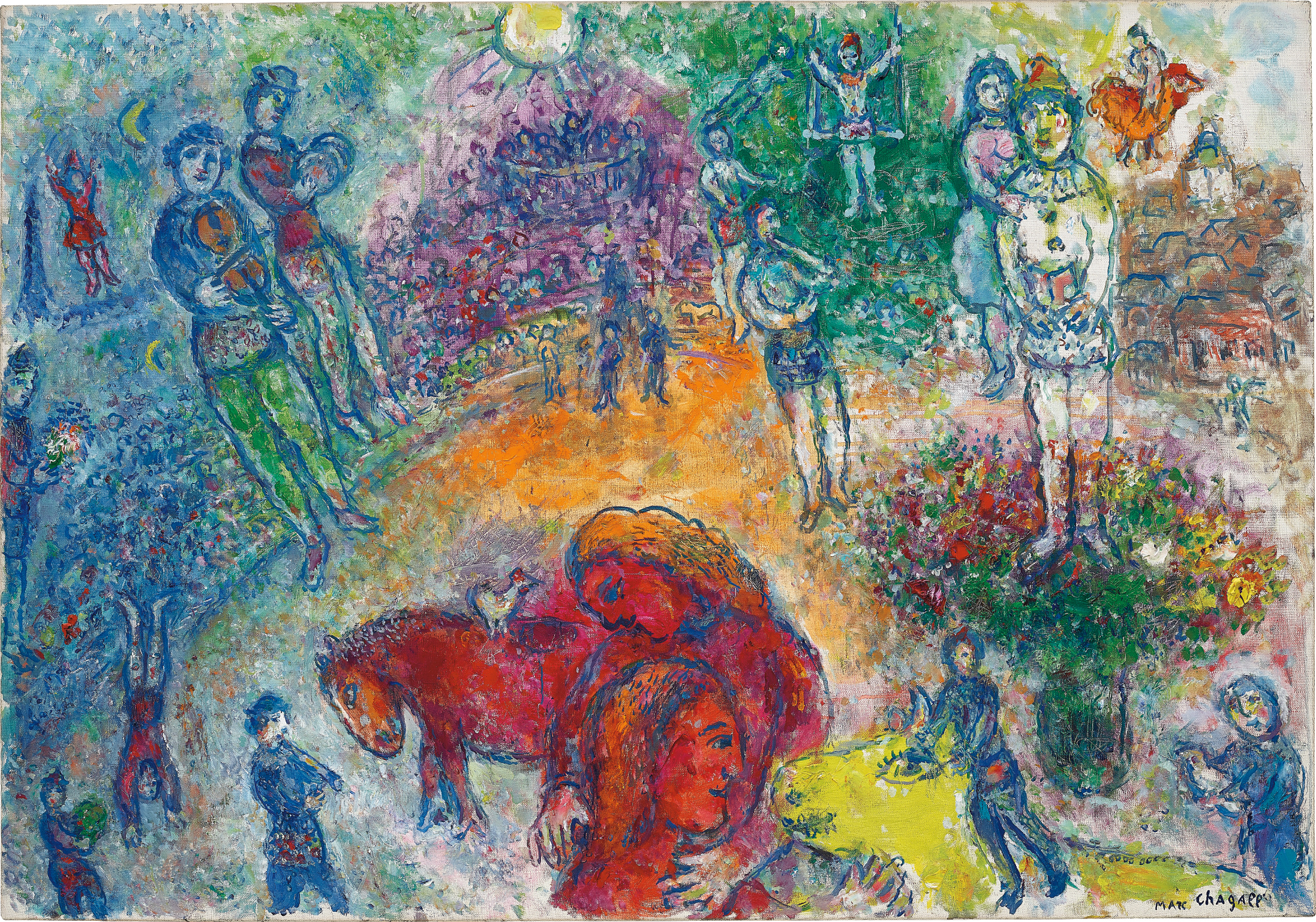
Collectors often describe a specific moment when a work from this tradition stopped being an acquisition and became a presence in the room. When it comes to separating a good work from a great one, the question to ask is whether the piece carries the full emotional charge of the artist's most personal period. In the case of Marc Chagall, whose work is exceptionally well represented on The Collection, the gouaches and oils from the 1940s through the 1960s tend to hold the strongest position both critically and at market. Works made during his years in France and later in the south, around the time of his large stained glass commissions and the Venice Biennale retrospective of 1948, show a mature synthesis of colour, symbol, and autobiographical feeling that his earlier or more commercial work sometimes lacks.
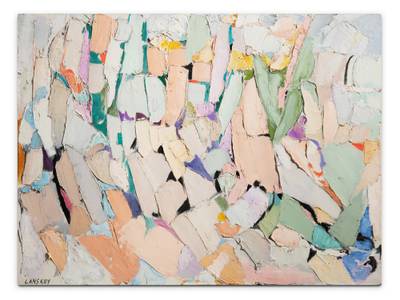
A collector should also pay close attention to provenance. Works that passed through Parisian galleries such as Maeght, which showed Chagall and his circle consistently, carry a lineage that adds both scholarly credibility and market confidence. André Lanskoy represents a different and arguably underappreciated current within the same tradition. Born in Moscow in 1902, he arrived in Paris in 1921 and eventually found his voice in pure abstraction, becoming associated with lyrical abstraction and the Cobra adjacent movements of the postwar decades.
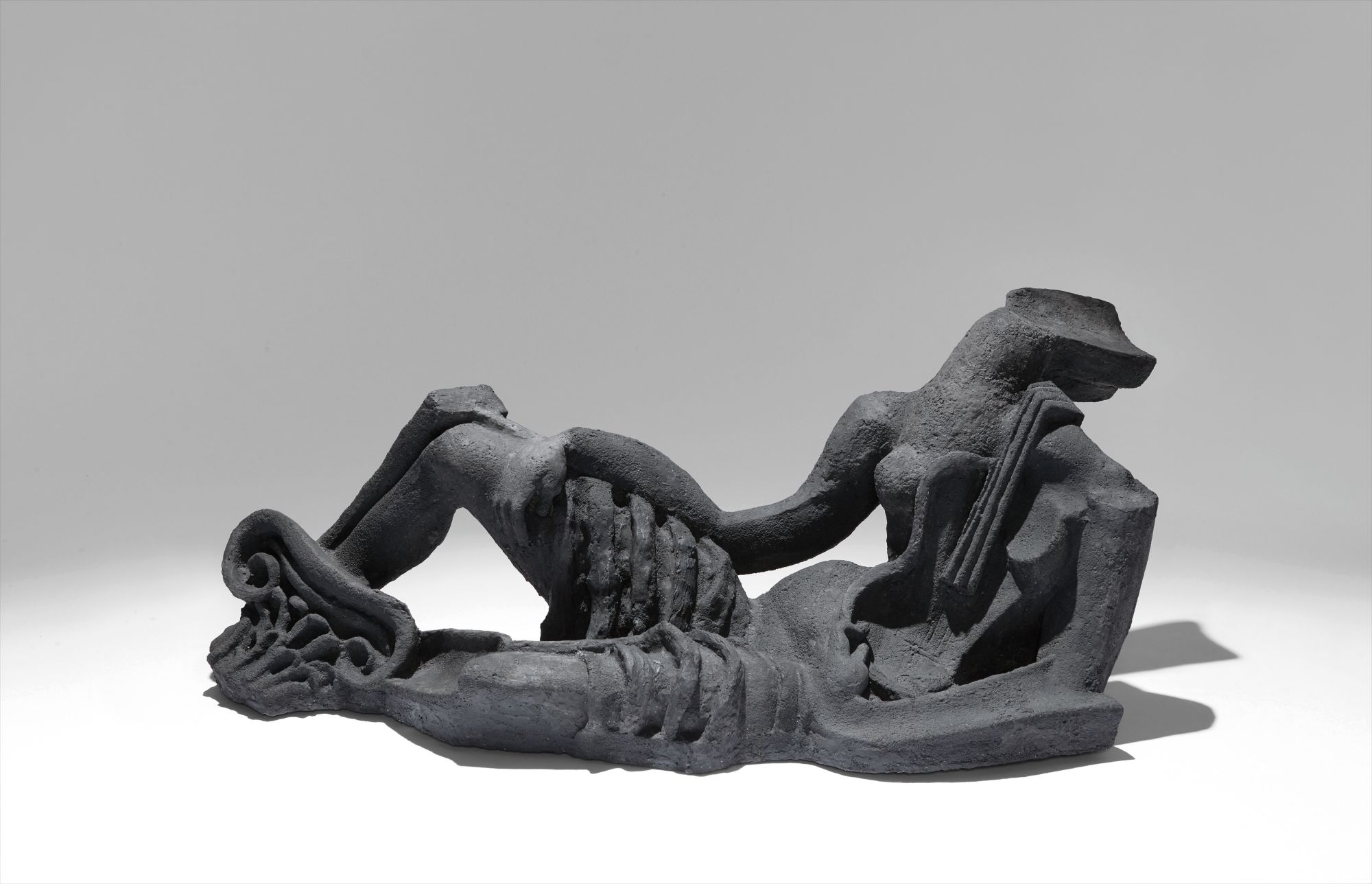
Ossip Zadkine
Statue pour jardin, 1943
His canvases are dense with pigment, joyful and turbulent at once, and they occupy a fascinating position at the intersection of Russian expressionist roots and Western European gestural painting. Collectors who have focused on Chagall as a primary holding would do well to consider whether a Lanskoy might deepen the conversation within a collection, offering a view of what the same cultural inheritance looked like when it surrendered entirely to abstraction. Sonia Delaunay is in a category of her own and her place in the Russian French tradition often gets underplayed because her contribution to modernism is so broad. Her work in simultanism, the theory of colour contrast she developed alongside Robert Delaunay, was not decorative in any reductive sense.
It was a serious inquiry into perception. Works on paper, textiles elevated to fine art status, paintings that reorganize the retina, all of these carry strong institutional support today following major retrospectives at the Tate Modern in 2015 and the Musée d'Art Moderne de la Ville de Paris. Her market has become more competitive as a result, but the right work, acquired with care and good advice, represents a position in art history that remains far from fully priced. Ossip Zadkine, the Cubist sculptor whose studio in Montparnasse became a gathering point for several generations of artists, offers collectors an entry into three dimensions within the same cultural world.
His bronzes, with their dramatic hollowing of form and their debt to both African art and Cubist fragmentation, are physically arresting and hold up beautifully in domestic settings as well as in garden or exterior contexts. The monumental version of his famous Rotterdam sculpture destroyed and rebuilt comes to mind, but smaller bronzes cast in editions during his lifetime can still be found through specialist dealers at prices that feel reasonable given his institutional standing. At auction, works from this tradition have shown consistent resilience across market cycles. Chagall in particular commands strong results at the major houses, with Sotheby's and Christie's regularly featuring significant works in their Impressionist and Modern evening and day sales.
The secondary market for Lanskoy has been quieter but there are signs of renewed interest following scholarly attention to the lyrical abstraction movement. The general advice from advisors who specialize in this period is that the market rewards quality over name recognition, meaning a fine small work by a lesser known figure from this circle can outperform a tired or condition compromised work by a better known name. On the subject of condition, it cannot be overstated how much the specific physicality of a work matters here. Chagall's use of rich impasto, his fondness for building surfaces with egg tempera mixed into oil, means that works should be examined carefully under raking light for any historic restoration or cracking.
For works on paper, ask about past light exposure and storage. Delaunay's gouaches and textile based works are particularly light sensitive. Any serious acquisition should include a condition report from a conservator before purchase, not after. For collectors who want to look at what is still forming rather than what is already canonical, there are artists working now, particularly in France and in the diaspora communities between Eastern Europe and Western Europe, who are drawing consciously on this tradition of double belonging.
Their work questions national identity, explores the aesthetics of displacement, and reclaims folk imagery without nostalgia. The platforms and gallery spaces in Paris, Berlin, and London that champion this emerging generation are worth following closely. The tradition of the Russian French artist is not an archive. It is still being written.