Pioneer Artist
Archived article
You are reading a previous version of this article.
Read the latest version```json { "headline": "Before the Rules, There Were Pioneers", "body": "There is a particular kind of artist who arrives before the vocabulary exists to describe what they are doing. They work without a safety net of precedent, without the reassurance of a market that understands them, and often without the institutional support that later generations will take for granted. We call them pioneers retrospectively, as though the designation were always obvious, but the truth is that pioneer artists are only recognized as such once the ground they broke has been built upon by others. To collect their work is to hold something genuinely generative, not merely historically significant but causally important to everything that came after.
", "The story of the pioneer artist is inseparable from the story of modernism itself. The late nineteenth and early twentieth centuries produced an extraordinary concentration of figures who refused inherited forms and invented new ones in their place. Cézanne dismantled pictorial space so thoroughly that Picasso and Braque could reassemble it as Cubism. Malevich painted a black square in 1915 and meant it as a declaration of total aesthetic freedom.
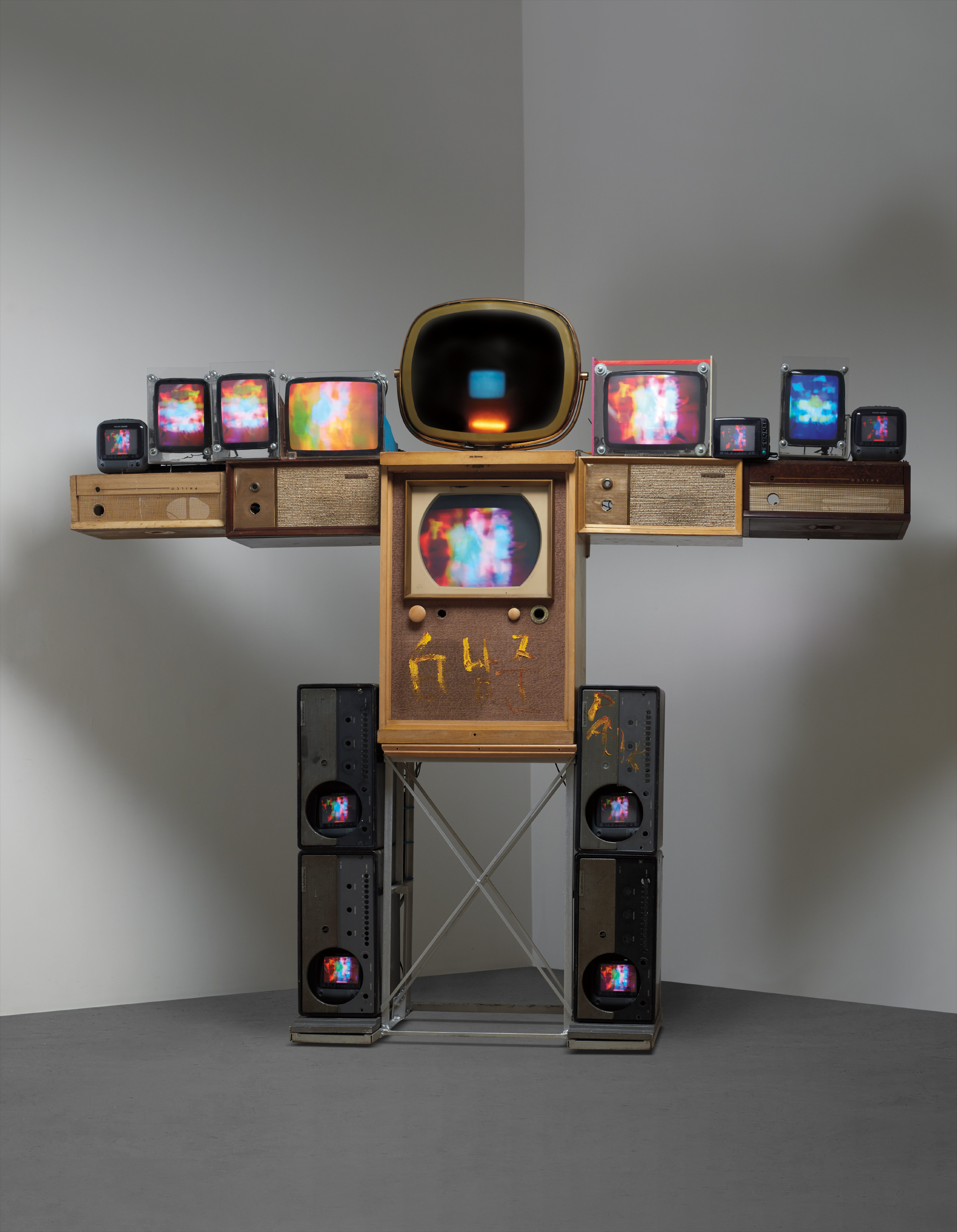
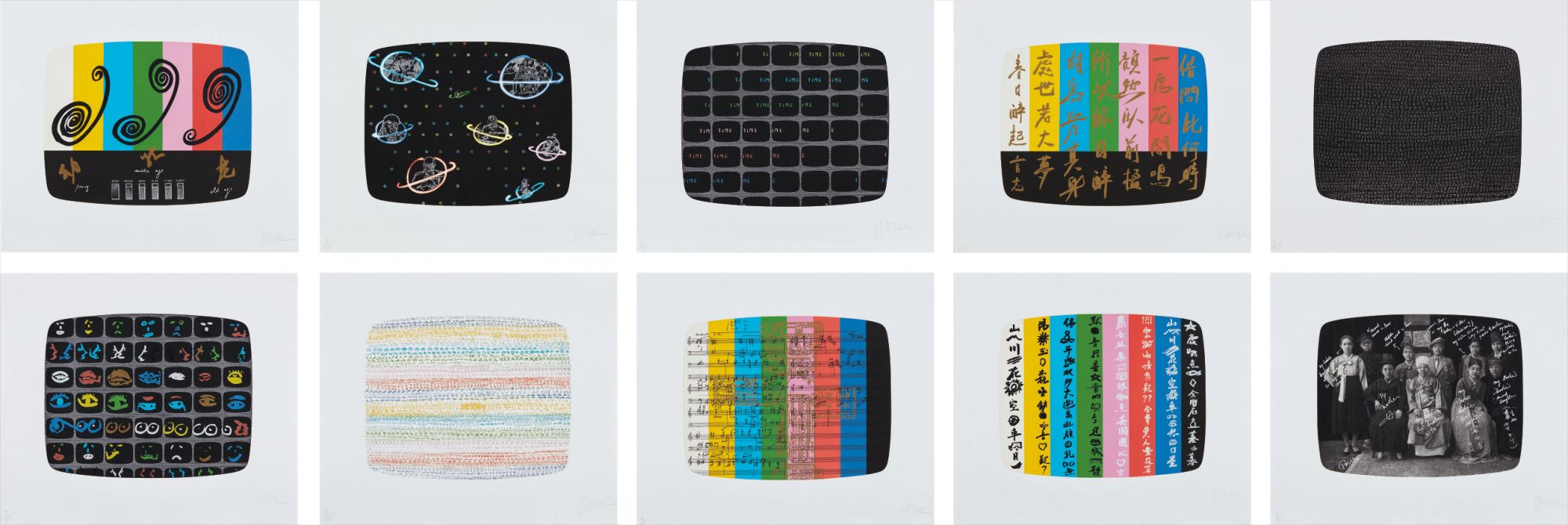
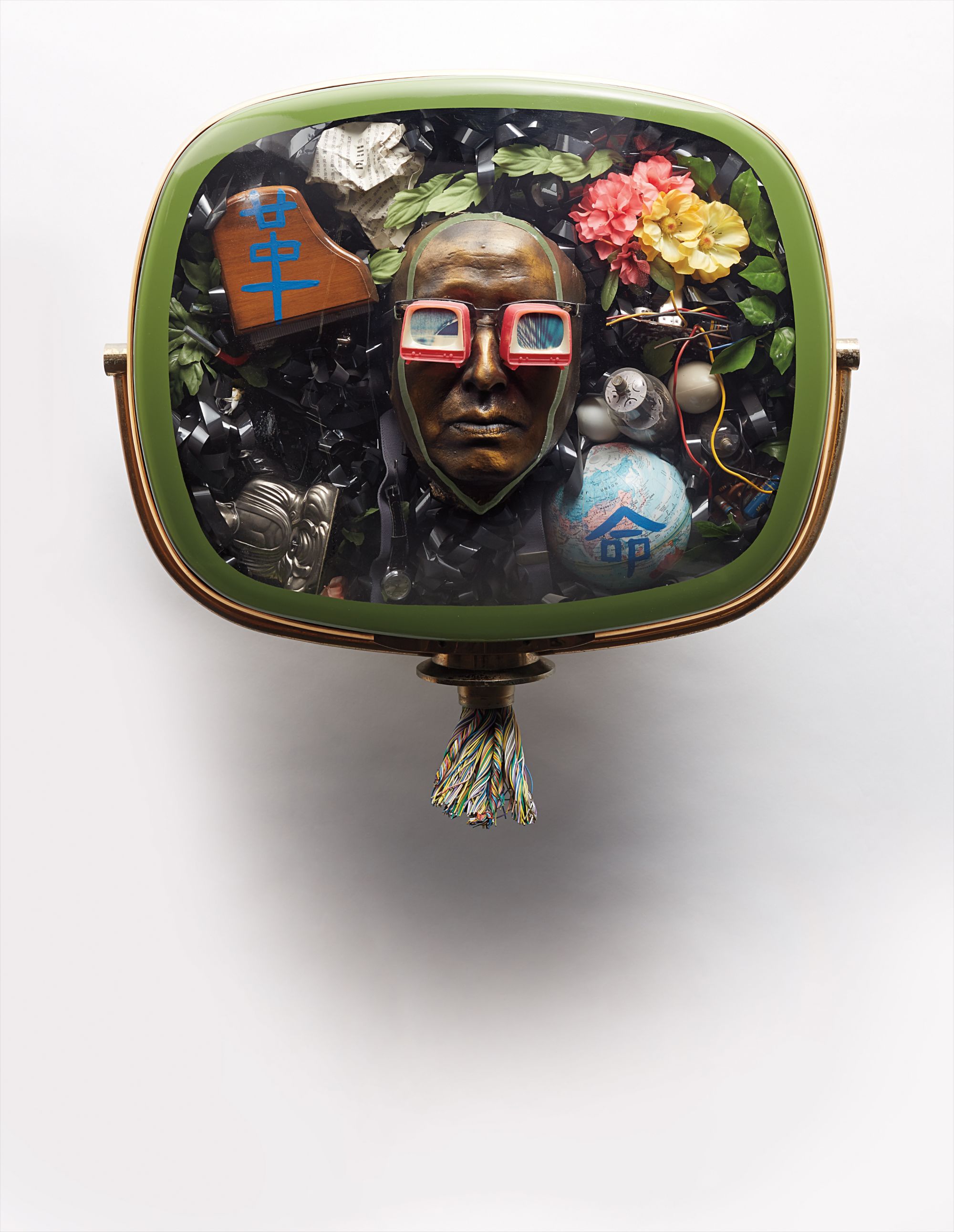
Nam June Paik
Big Shoulder, 1998
These gestures were not immediately celebrated. They were often met with bewilderment, hostility, or simple indifference. The pioneer artist has always had to be comfortable with the long game.", "By the midpoint of the twentieth century, pioneering had taken on new dimensions as technology began to reshape what art could be made of and what it could do.
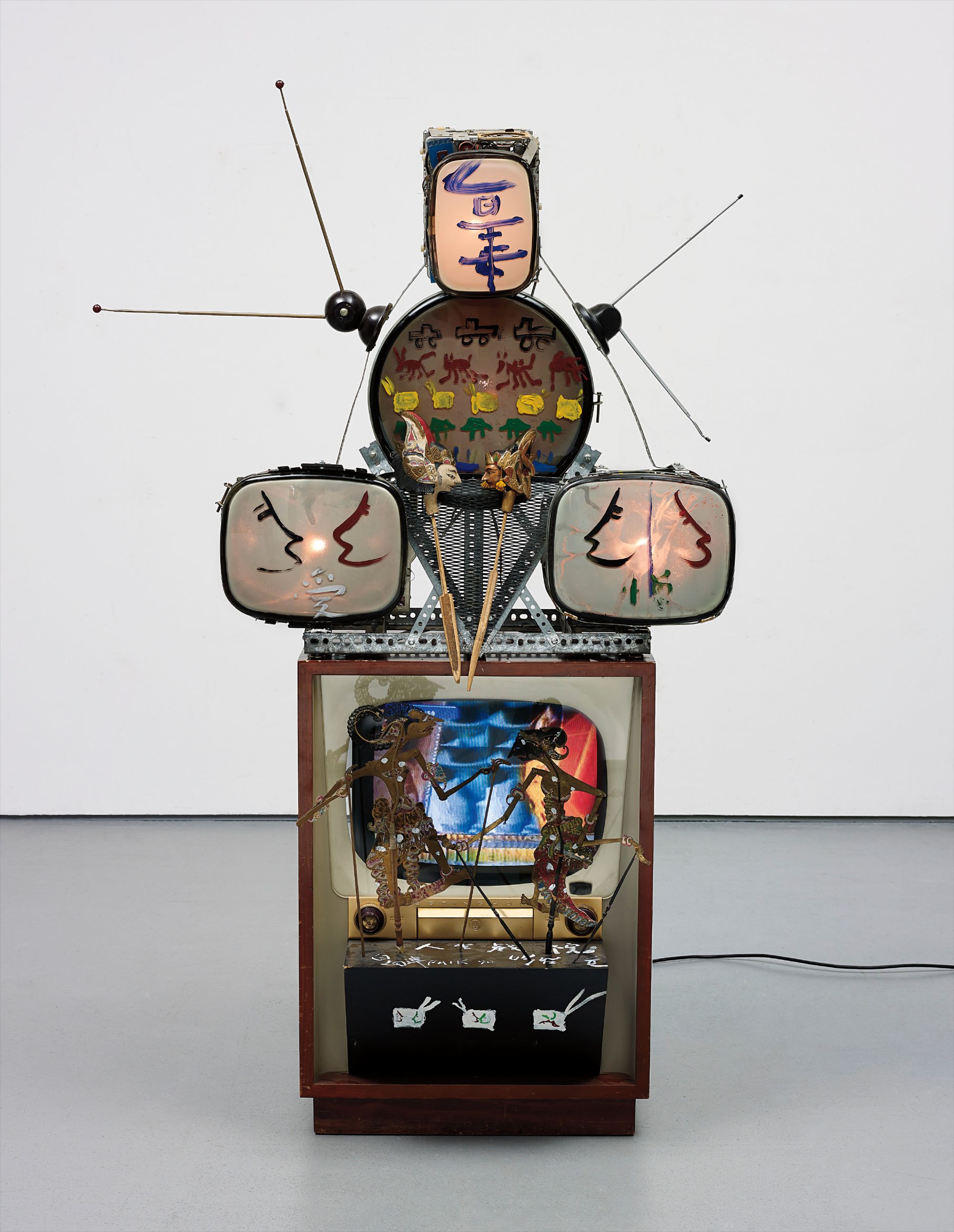
Nam June Paik, whose work is well represented on The Collection, stands as one of the defining figures of this technological turn. A student of avant garde music who trained under Karlheinz Stockhausen in Cologne, Paik made his first decisive moves in the early 1960s as part of the Fluxus movement, that loose and gloriously undisciplined international network of artists who wanted to dissolve the boundary between art and everyday life. By 1963, when he presented his Exposition of Music and Electronic Television in Wuppertal, Germany, Paik had become something genuinely new: an artist who treated the television set not as furniture but as a medium, as plastic and expressive as oil paint. His subsequent decades of work would pioneer video art as a discipline, and his influence rippled outward to shape how artists, filmmakers, and designers understand the moving image to this day.
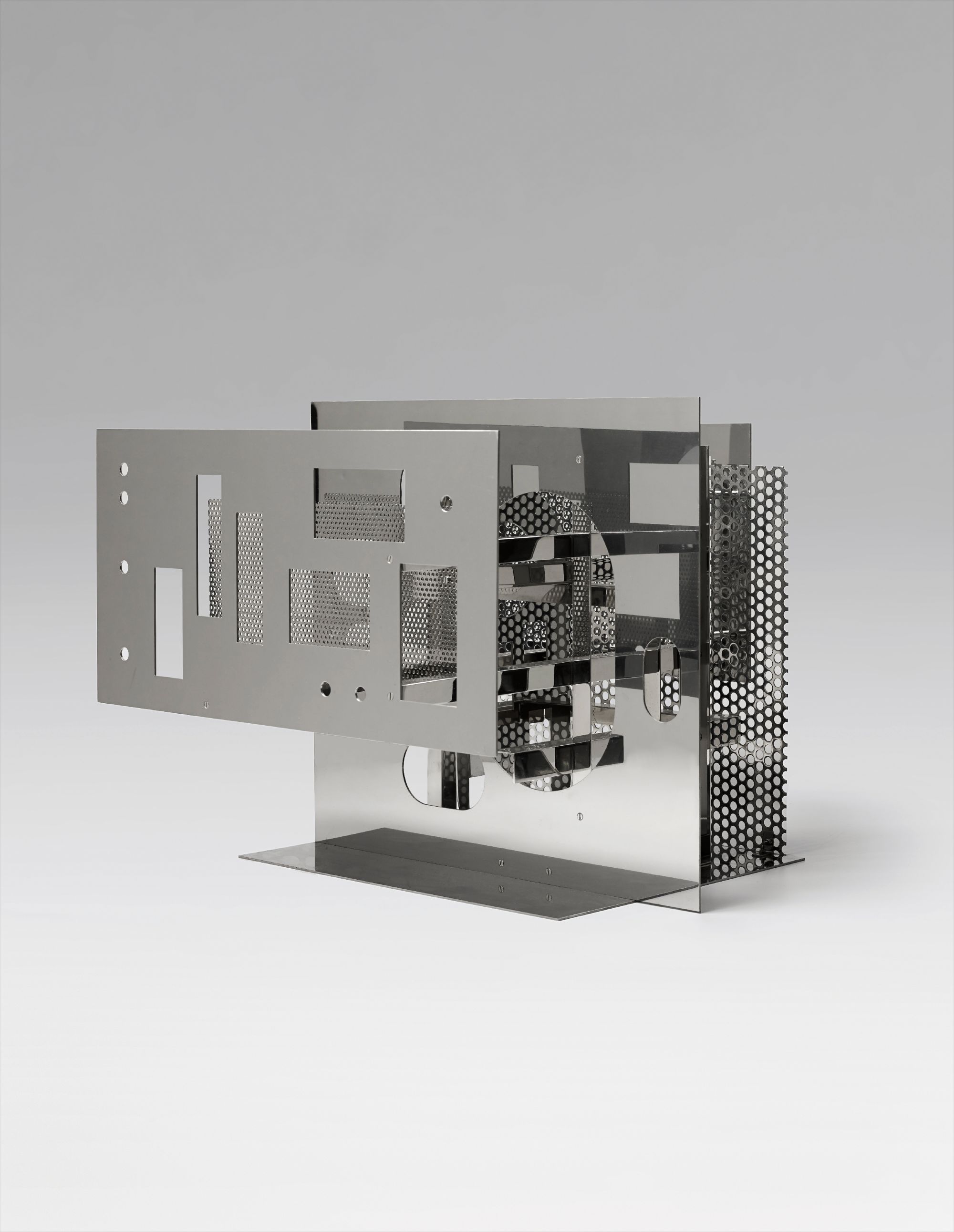
Nicolas Schöffer
Lux XII
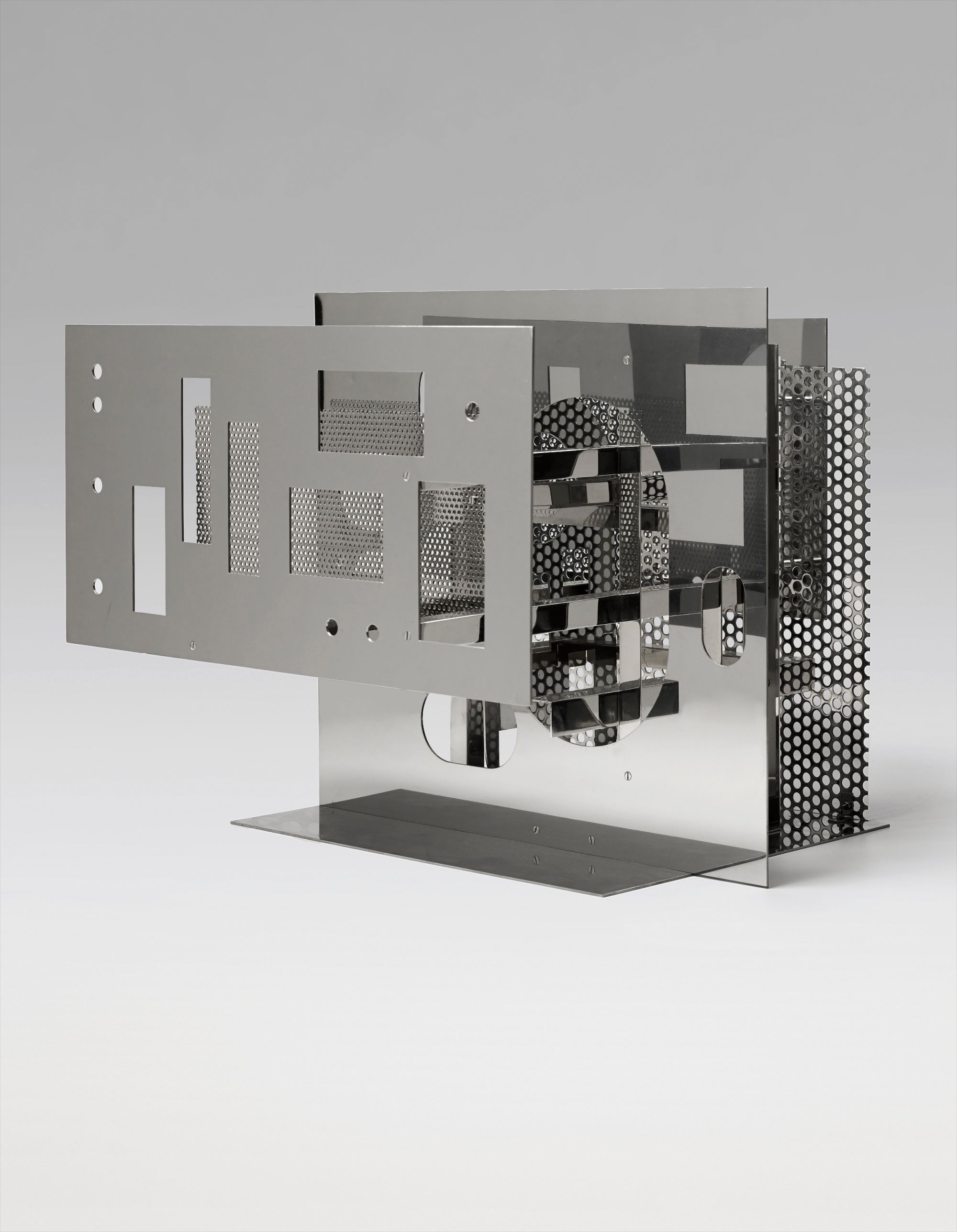
", "The pioneering impulse often manifests as an obsession with systems, with understanding how underlying structures generate visible reality. Nicolas Schöffer, another figure represented on The Collection, pursued this idea with extraordinary rigor across several decades of practice. Working in Paris from the late 1940s onward, Schöffer developed what he called spatiodynamism, a theory of art that brought together cybernetics, light, movement, and architecture into a unified vision of aesthetic experience. His CYSP 1, created in 1956 in collaboration with the Philips electronics company, is widely regarded as among the first genuinely cybernetic sculptures, capable of responding to sound and light in its environment.
Schöffer was not merely experimenting with technology for novelty's sake. He was arguing, seriously and at length, that art had a social and even civic function, that the environments artists created could change the psychological and perceptual lives of the people who moved through them.", "Richard Hamilton, whose contributions are also present on The Collection, operated from a different but equally radical starting point. Hamilton was fascinated by consumer culture, by advertising, by the visual language of mass production, and he saw in these vernacular forms not a degradation of aesthetic experience but a rich and largely untapped subject matter.
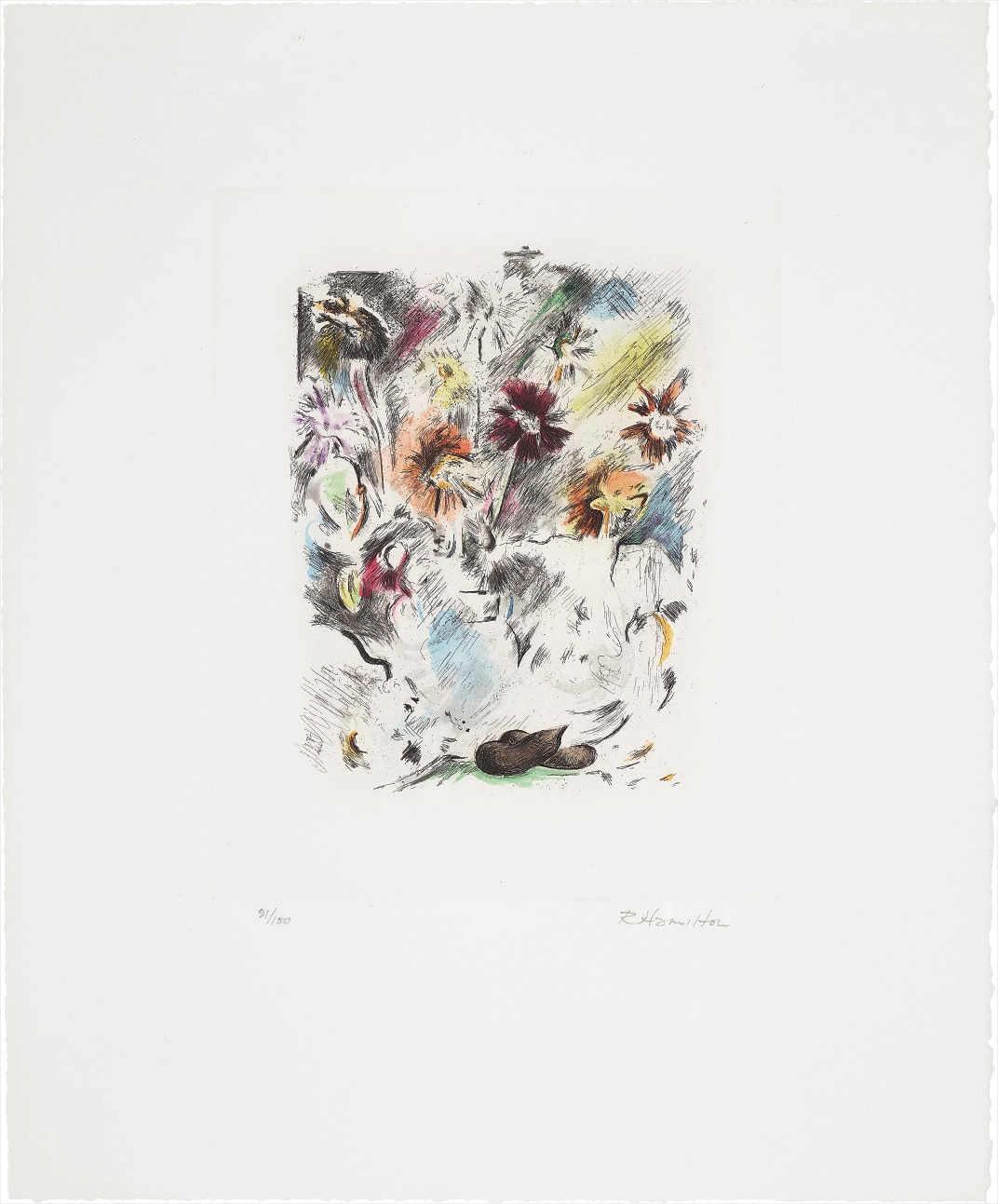
Richard Hamilton
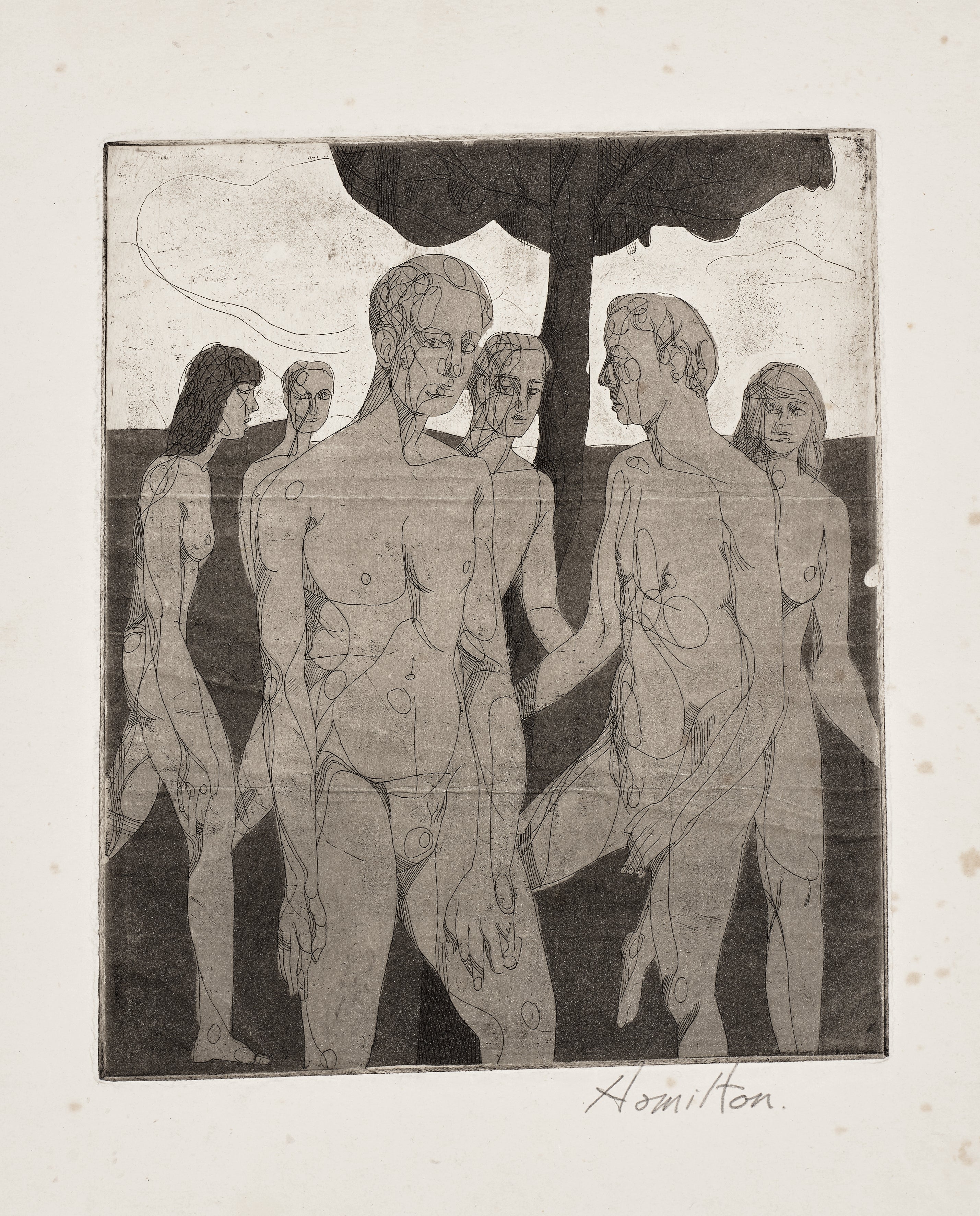
Richard Hamilton
His 1956 collage, Just what is it that makes today's homes so different, so appealing, created for the This Is Tomorrow exhibition at the Whitechapel Gallery in London, is often cited as a foundational document of Pop Art. Hamilton was a pioneer not simply because he used popular imagery but because he understood that the conditions of postwar consumer society had fundamentally altered the relationship between image and meaning. His work demanded a new critical framework, and the frameworks that emerged in response shaped Anglo American art criticism for generations.", "The body, politics, and documentary practice offered another frontier for the pioneer artist.
Tina Modotti, whose work appears on The Collection, is a figure who resists easy categorization precisely because she was working across so many registers simultaneously. Active primarily in Mexico during the 1920s, Modotti used photography to document workers, political movements, and everyday life with a formal precision that drew on her close collaboration with Edward Weston while developing a distinctly political vision that was entirely her own. At a time when photography was still fighting for recognition as a fine art form, and when women photographers faced institutional barriers that were largely invisible to their male counterparts, Modotti was producing images of extraordinary compositional intelligence that also functioned as acts of solidarity and witness. Her legacy has grown substantially in recent decades as scholars have revisited the full range of her practice.
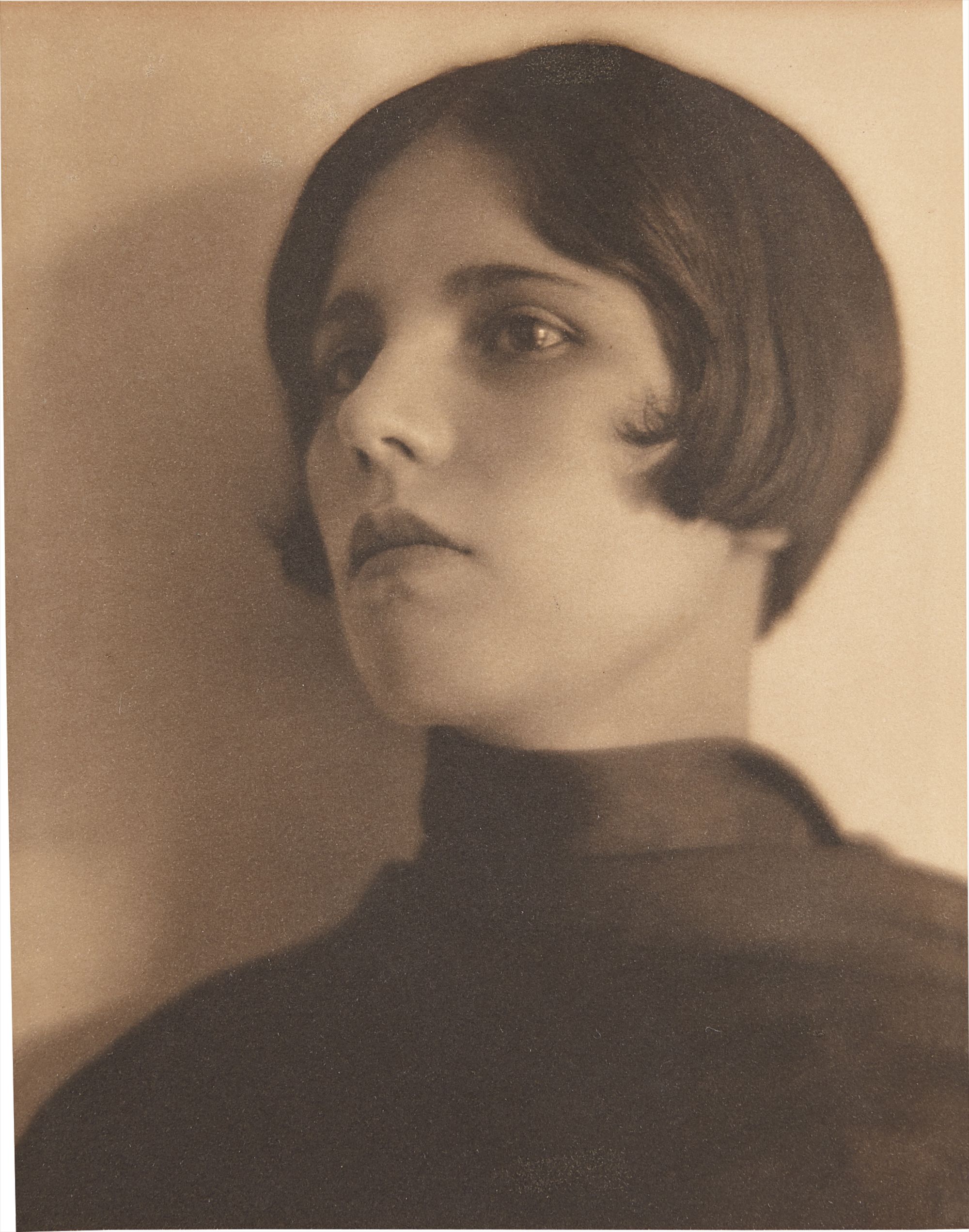
Tina Modotti
María Marín de Orozco
", "What unites these artists across their very different materials and preoccupations is a willingness to follow a question wherever it leads, even when the destination is somewhere the art world is not yet prepared to go. The pioneer artist is not necessarily the one who makes the most dramatic gesture but the one whose questions turn out to be the most durable. The questions Paik asked about television and time, that Schöffer asked about environment and perception, that Hamilton asked about consumer imagery and desire, that Modotti asked about photography and political commitment: these questions have not been answered and set aside. They have ramified, generating new work and new thinking in every subsequent generation.
", "For collectors, pioneer works carry a particular weight and responsibility. To acquire work by an artist who genuinely changed the terms of the conversation is to participate in the history of ideas in a very direct way. These are not decorative objects or status signals, though they may function as both. They are evidence of the moment when a particular possibility became visible for the first time.
Engaging with them seriously, understanding the context from which they emerged and the tradition they initiated, is one of the genuine pleasures that art collecting at its best can offer. The Collection brings together work by artists of this caliber precisely because the category of the pioneer is not merely historical. There are artists working right now whose questions will define the conversations of the next fifty years, and recognizing them requires the same quality of attention that the great pioneers always demanded.
Works tagged Pioneer Artist