Pioneer Artist
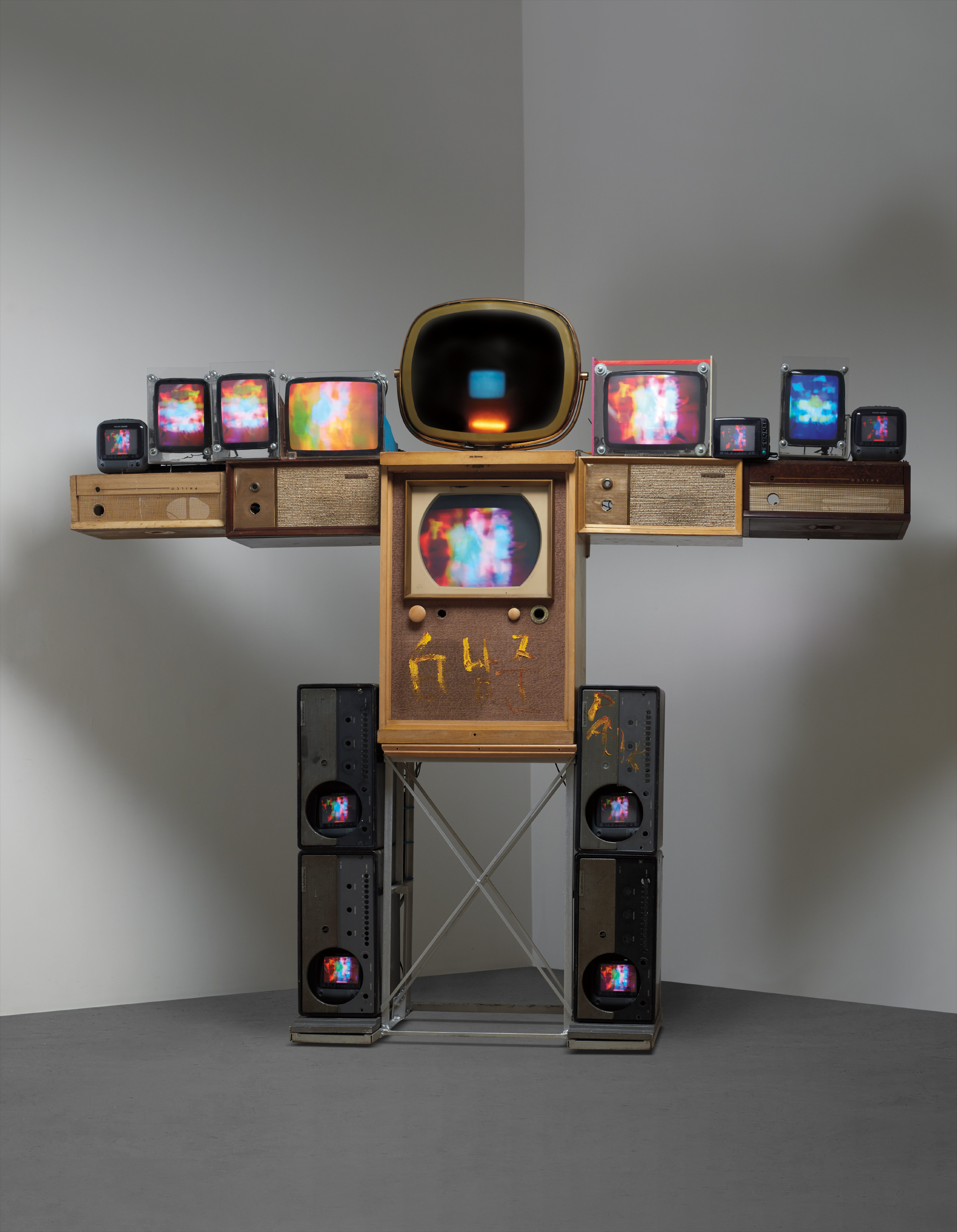
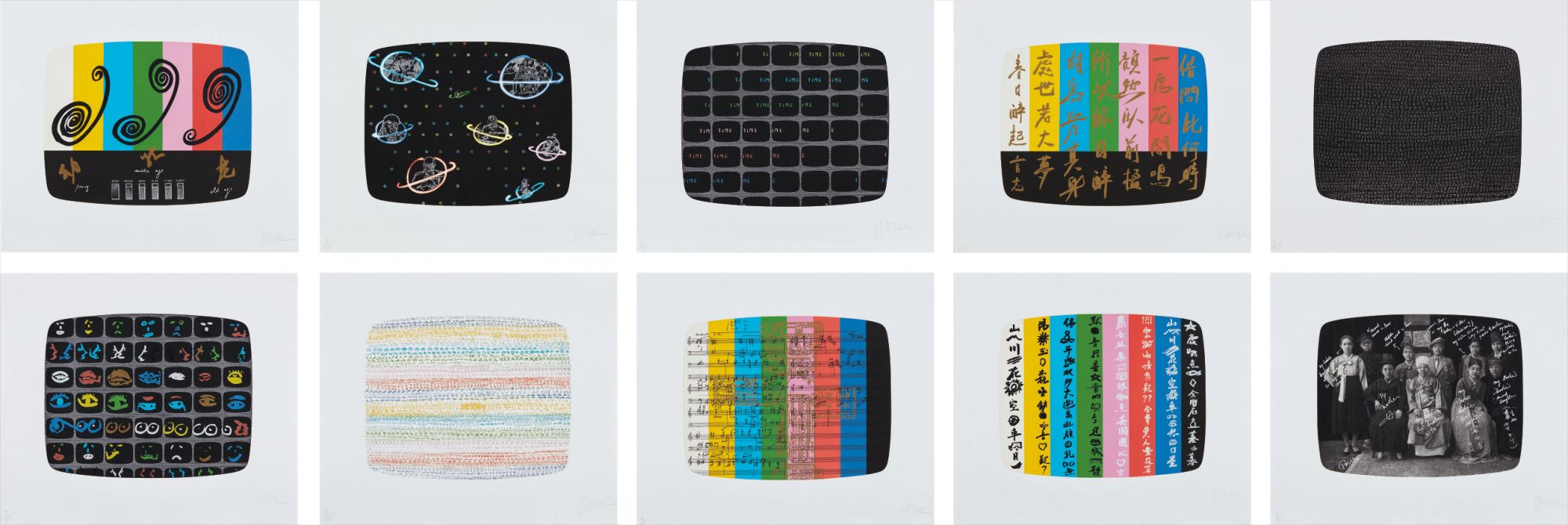
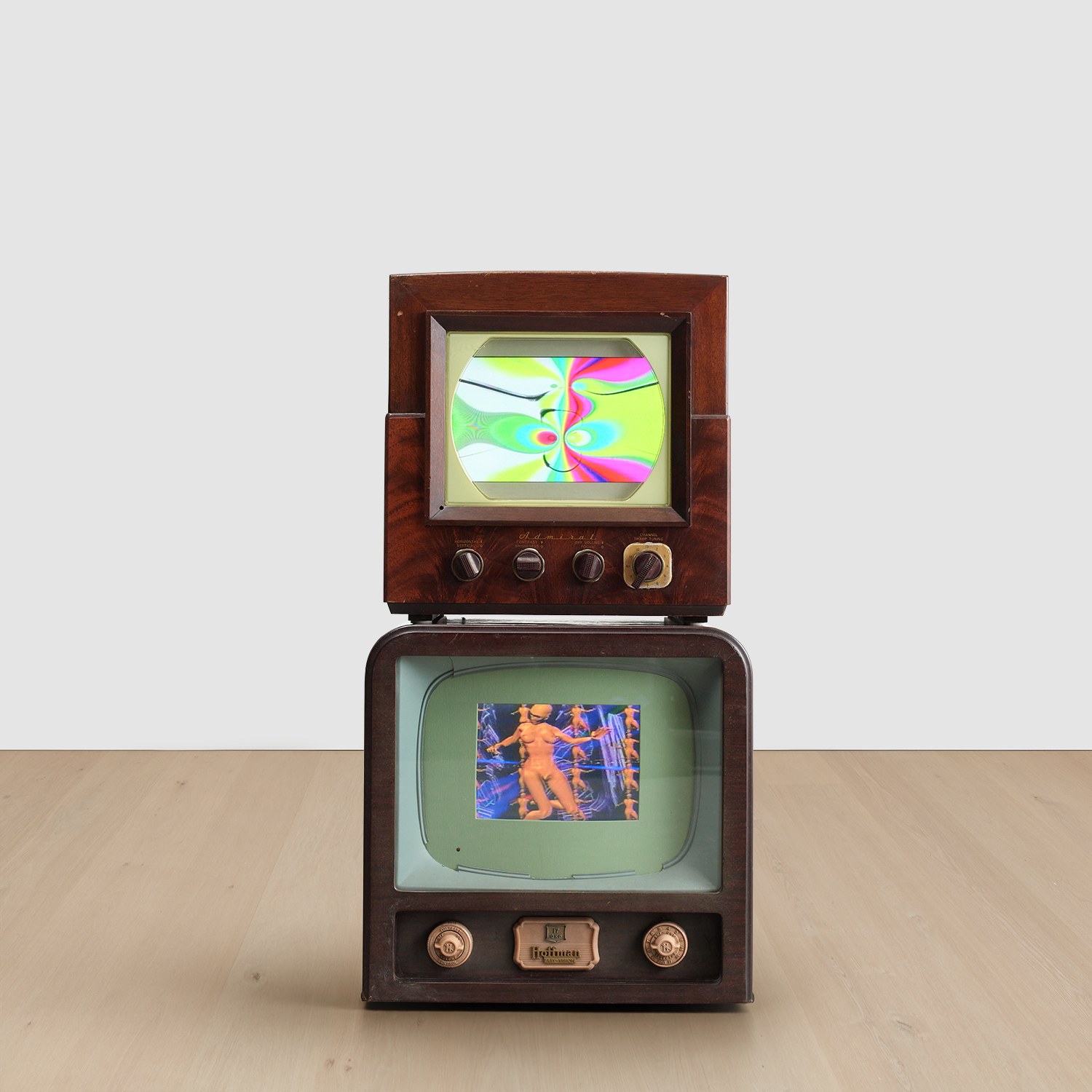
Nam June Paik
Big Shoulder, 1998
Before the Rules, Someone Had to Break Them
There is a particular kind of courage required to make work that has no precedent. Not the courage of the contrarian, who positions against a known tradition, but something quieter and more radical: the willingness to operate in a space where there is no established audience, no critical language, and no guarantee that what you are making will be understood in your lifetime. Pioneer artists, across every era, share this quality. They are the figures who sense a shift in the cultural atmosphere before anyone else has named it, and who respond with their hands, their cameras, their circuits, their bodies.
The history of art is, in many ways, the history of those first, lonely steps into unknown territory. The idea of the artistic pioneer is not simply romantic mythology. It describes a structural reality in how art movements form and how culture advances. In the mid twentieth century, as postwar energy collided with new technologies and political upheaval, the conditions for genuine pioneering work were unusually fertile.
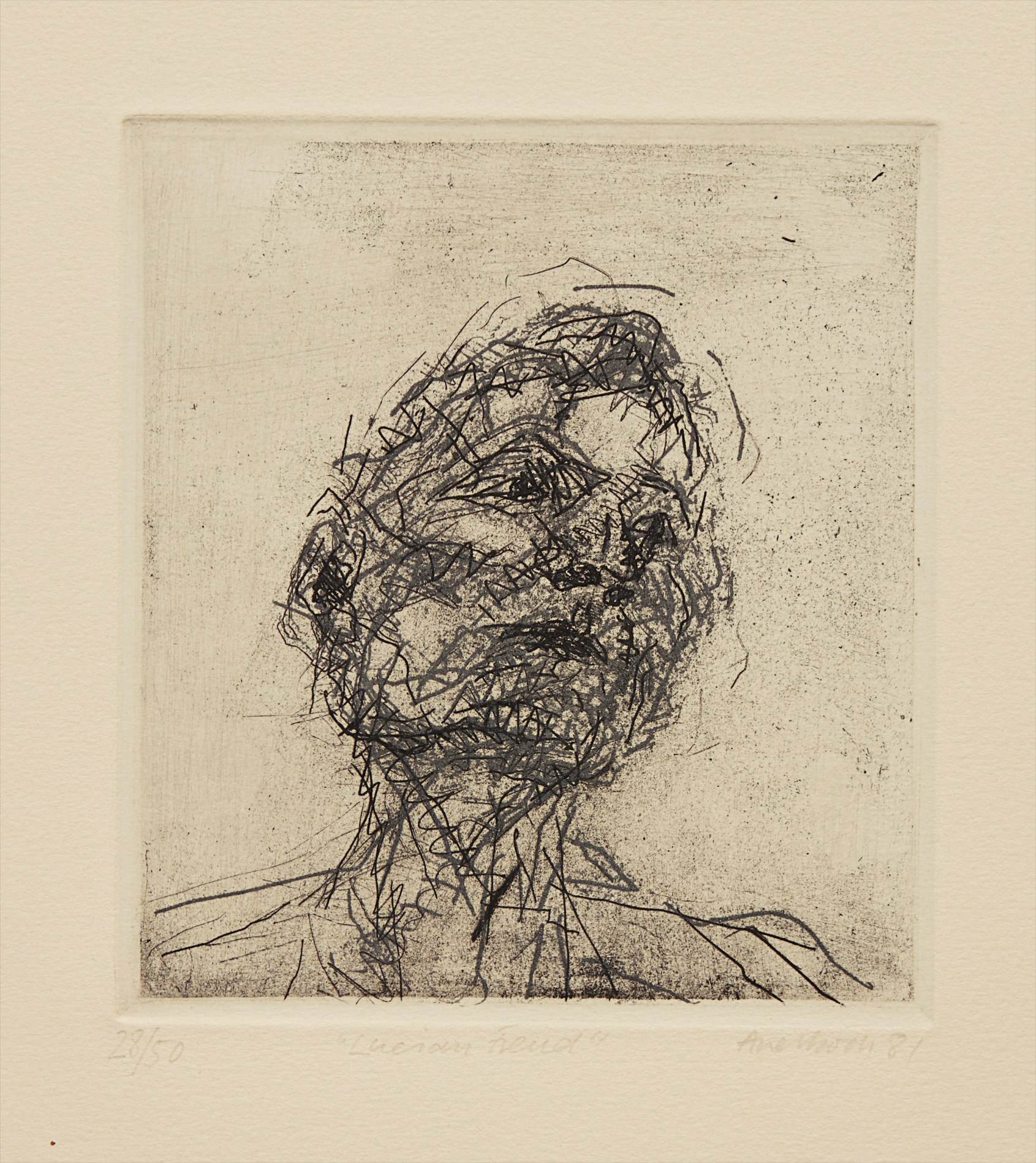
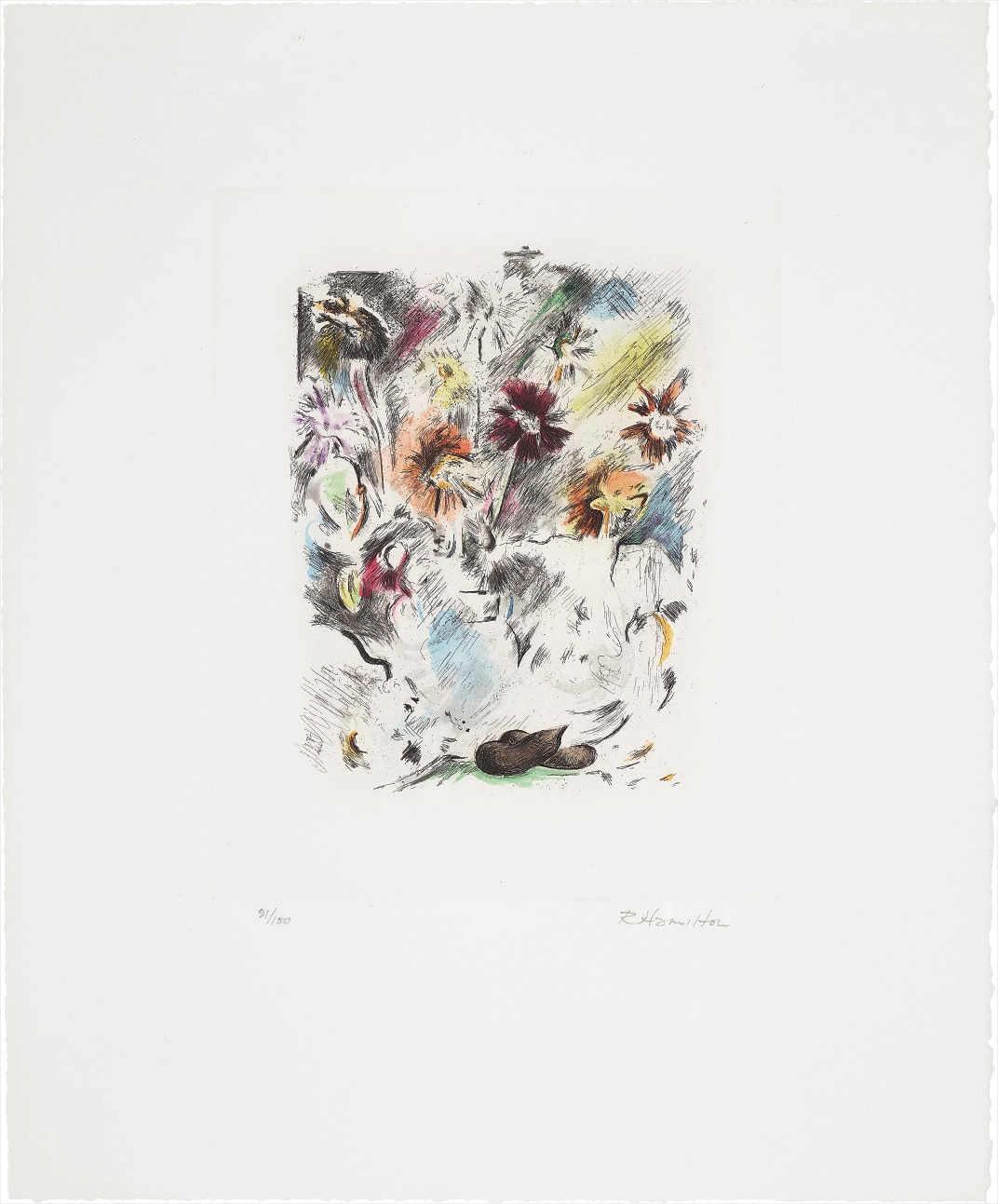
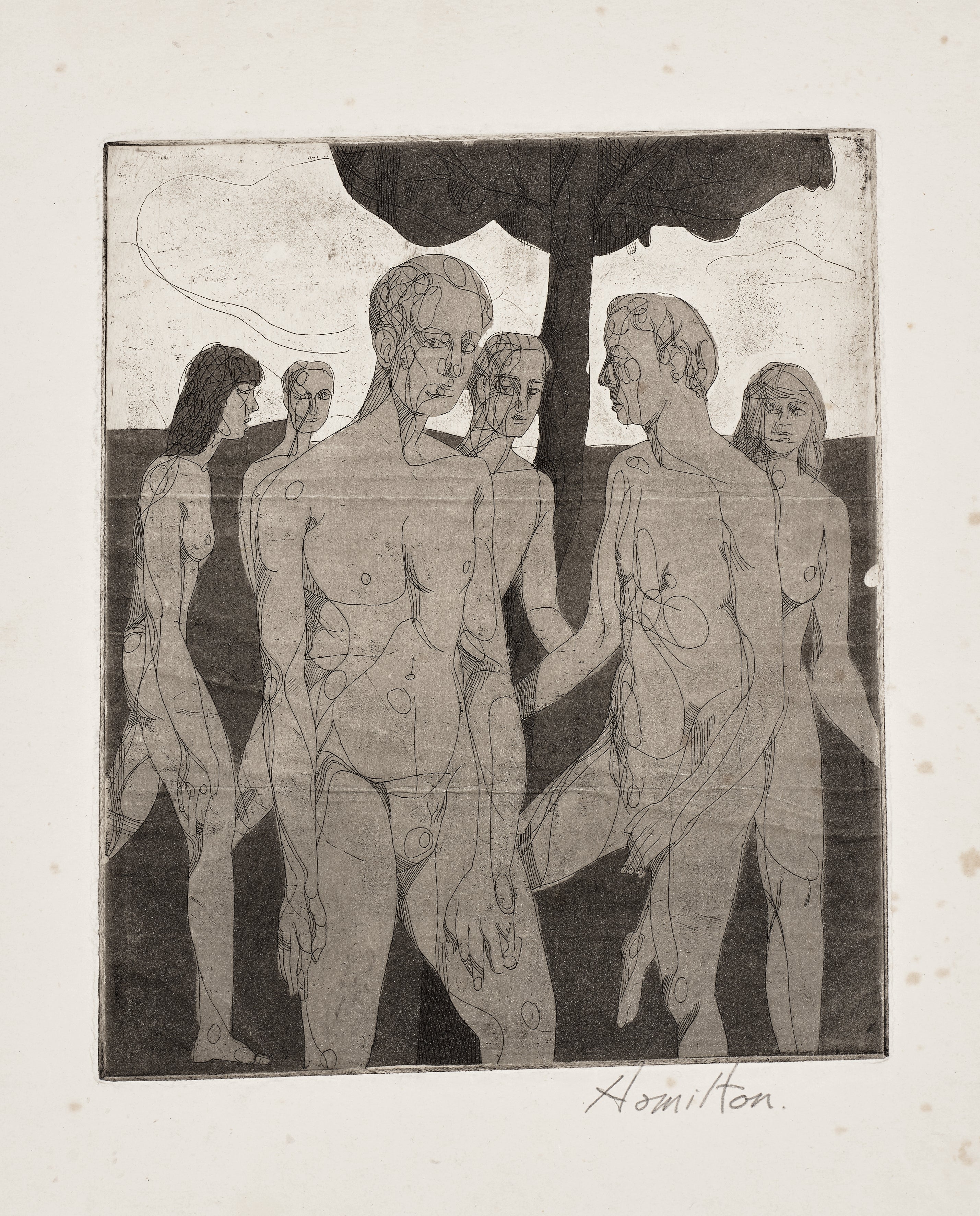
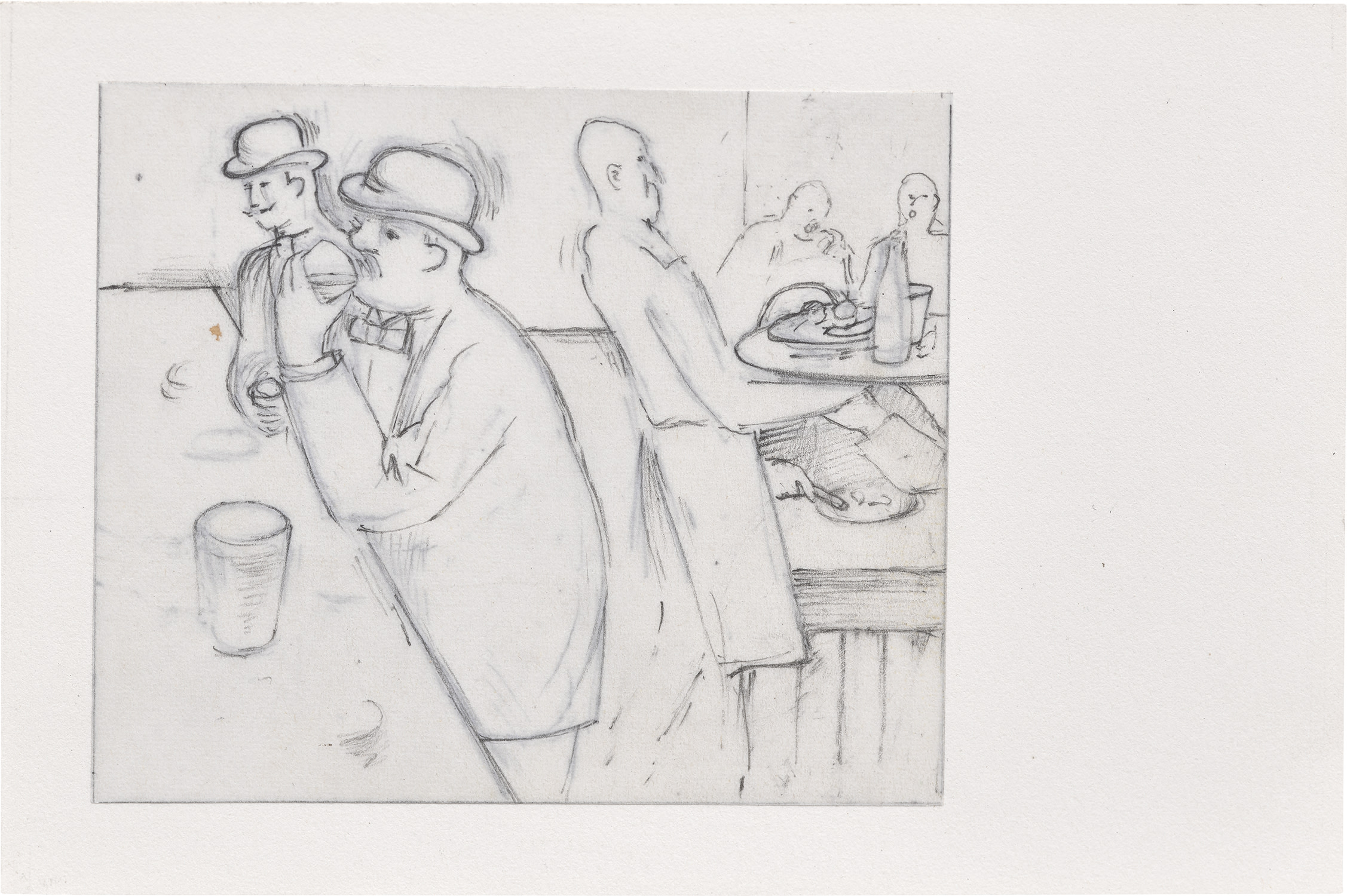
Richard Hamilton
Richard Hamilton
The boundaries between disciplines were dissolving. Painters became philosophers, photographers became activists, engineers became poets. What it meant to make art was genuinely up for debate, and certain figures stepped into that debate with work so strange and so prescient that critics and institutions struggled to keep pace. Understanding these figures requires more than biographical attention.
It requires tracing the conceptual fault lines they exposed. Richard Hamilton is as good a place as any to begin. His 1956 collage, created for the This Is Tomorrow exhibition at the Whitechapel Gallery in London, is often cited as a founding gesture of Pop Art, though Hamilton himself would have resisted the neatness of that label. What made Hamilton a pioneer was not simply that he incorporated mass media imagery into fine art, but that he did so with analytical precision.
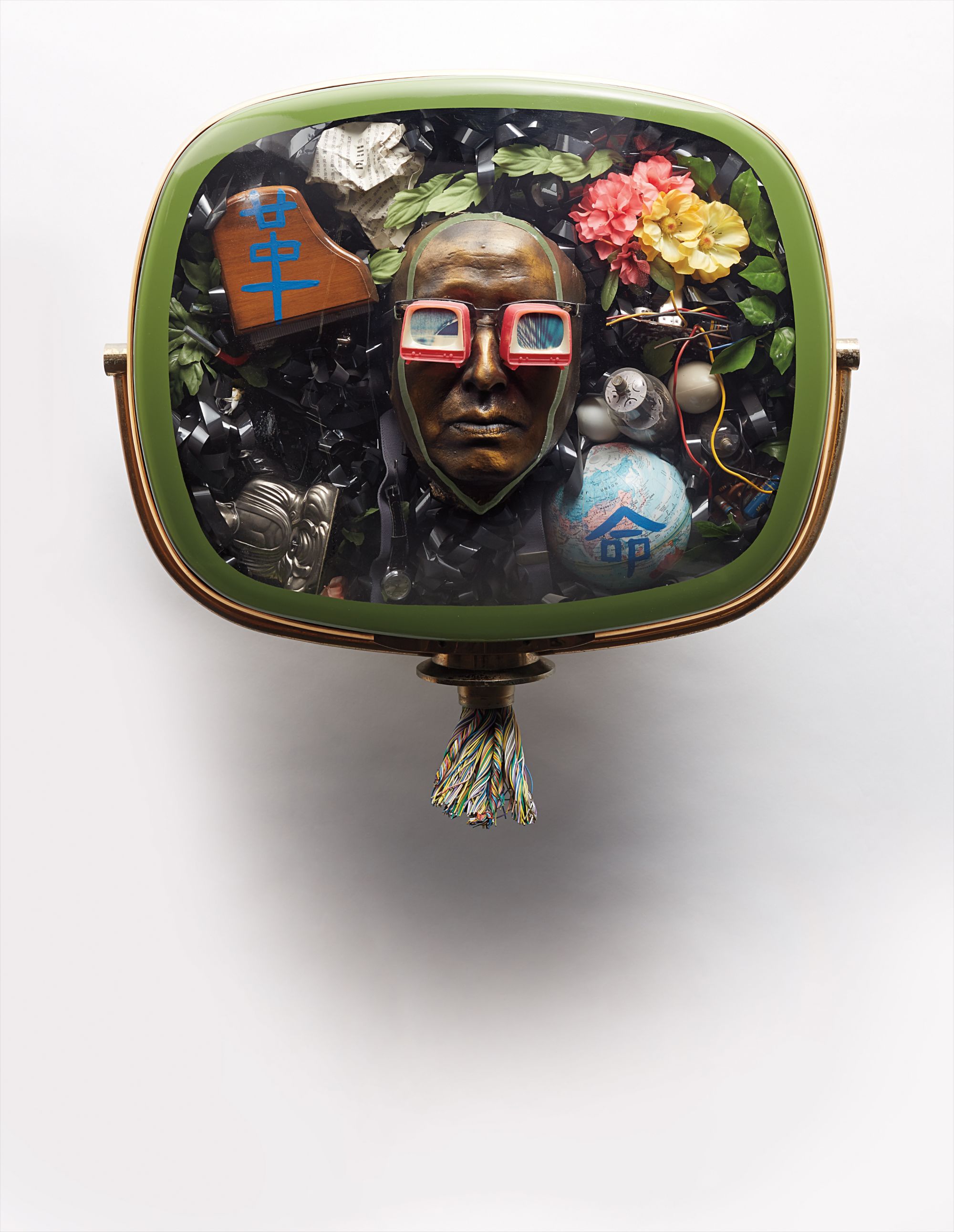
Nam June Paik
Big Shoulder, 1998
He was interrogating consumer culture rather than celebrating it, bringing an almost scientific detachment to questions about desire, advertising, and the formation of taste. His practice bridged fine art and graphic design, critical theory and visual pleasure, and in doing so he opened pathways that generations of artists would follow without always knowing who had cleared the ground. Nam June Paik arrived at his pioneering moment through an equally unlikely route. Trained as a classical musician and influenced by the composer John Cage, Paik became obsessed with the television set not as entertainment but as sculptural material and as a site of cultural power.
His early video works in the 1960s, including his manipulation of broadcast signals using magnets, treated technology as something to be subverted rather than consumed. When he exhibited modified television sets at the Galerie Parnass in Wuppertal in 1963, he was essentially inventing video art as a discipline. The works of his held in collections today, and he is well represented on The Collection, document a mind that saw in every technological development both a threat and an invitation. Paik understood that whoever controlled the image controlled the future, and he wanted artists to have a seat at that table.
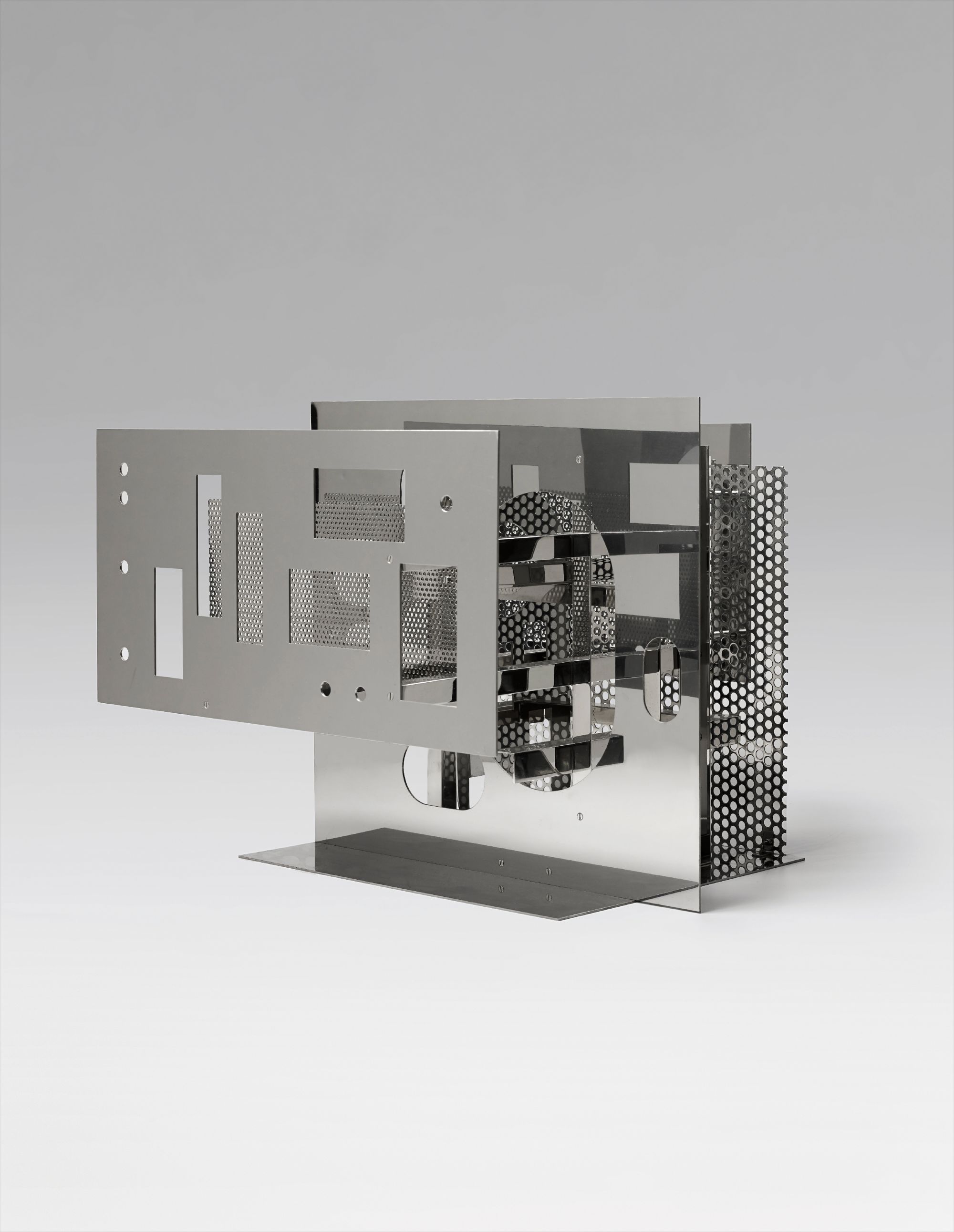
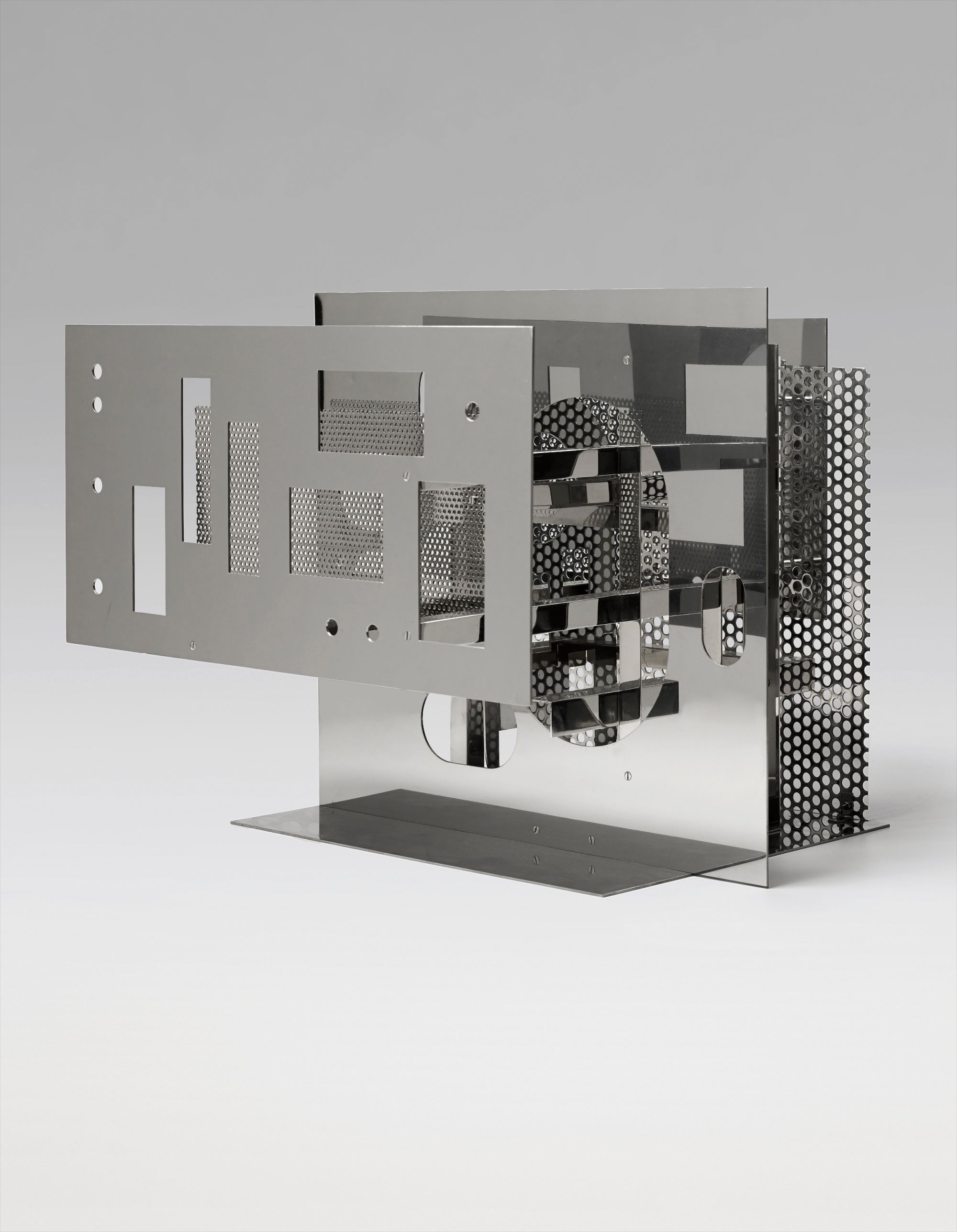
Nicolas Schöffer
Lux XII
Nicolas Schöffer was working in a parallel register, though his focus was on kinetics and cybernetics. His CYSP sculptures, developed in collaboration with the electronics company Philips in 1956, were among the first artworks to respond in real time to environmental inputs including light, sound, and movement. Schöffer believed that art had a responsibility to engage with the technological systems reshaping modern life, and his towering cybernetic towers, installed in public spaces across Europe, proposed a new relationship between the artwork and its surroundings. Where traditional sculpture demanded contemplation, Schöffer demanded participation.
His works on The Collection offer a window into a vision of art that was simultaneously utopian and rigorous, always reaching toward a future that has not quite caught up with him. The pioneering impulse is not exclusive to technology. Tina Modotti, working in Mexico in the 1920s and 1930s, was doing something equally radical with the photographic medium. A student and collaborator of Edward Weston, Modotti rapidly developed a visual language entirely her own: one that wove together formal beauty with political urgency.
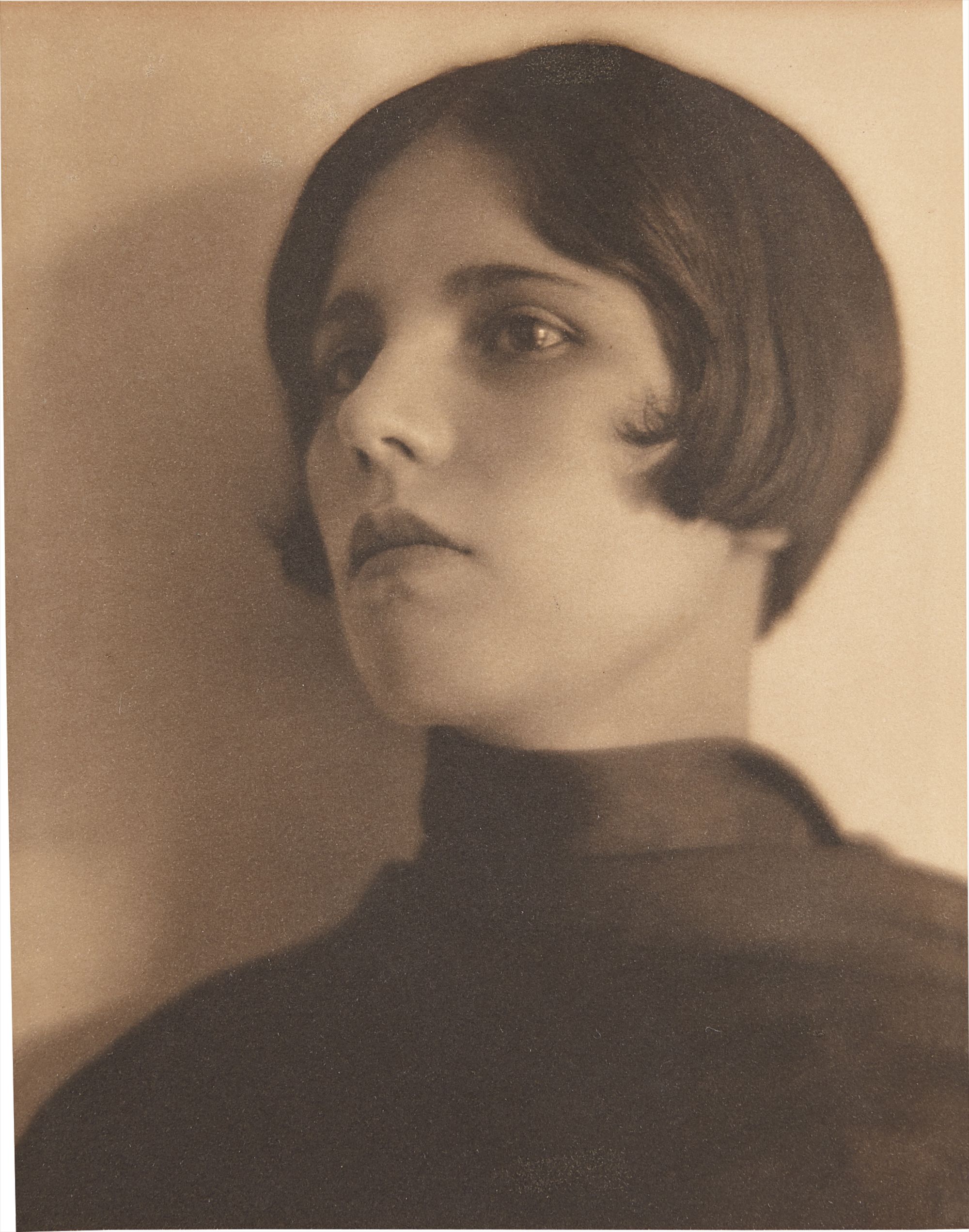
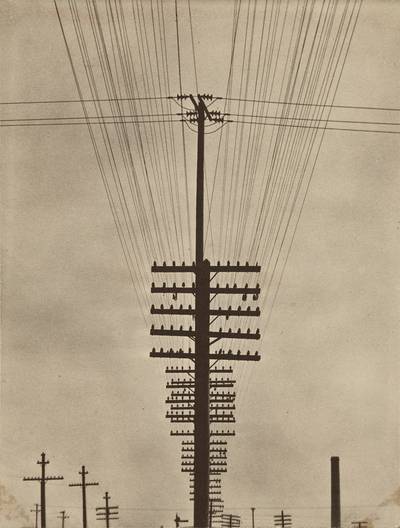
Tina Modotti
María Marín de Orozco
Her images of workers, of flowers, of everyday objects used by the poor, proposed that documentary photography could be an instrument of both aesthetic and social transformation. At a time when photography was still fighting for recognition as an art form, Modotti was using it to argue about class, labor, and justice. Her single work on The Collection carries the weight of that conviction. What connects these figures across their different media and historical moments is a shared refusal to accept the terms they were handed.
They did not ask permission from existing institutions or wait for critical frameworks to validate their instincts. They worked from a position of genuine inquiry, often at personal cost, always ahead of the comfort zone of their contemporaries. Hamilton was dismissed by some as a mere illustrator before Pop Art became the dominant cultural conversation of the 1960s. Paik was treated as an eccentric before video became the central medium of contemporary practice.
Modotti's work was largely overlooked during her lifetime and rediscovered decades after her death. The lesson for collectors today is both humbling and energizing. Pioneering work rarely announces itself with fanfare. It tends to arrive quietly, incompletely understood, making demands on its audience that the audience is not yet equipped to meet.
The collection that engages seriously with pioneer artists is not simply acquiring historical significance, though that significance is real and considerable. It is also developing an eye for the kind of restless, forward leaning intelligence that has always driven culture at its most vital. To live with work made at the frontier is to be reminded, daily, that the history of art is still being written, and that someone, somewhere right now, is doing something that will take the rest of us twenty years to understand.