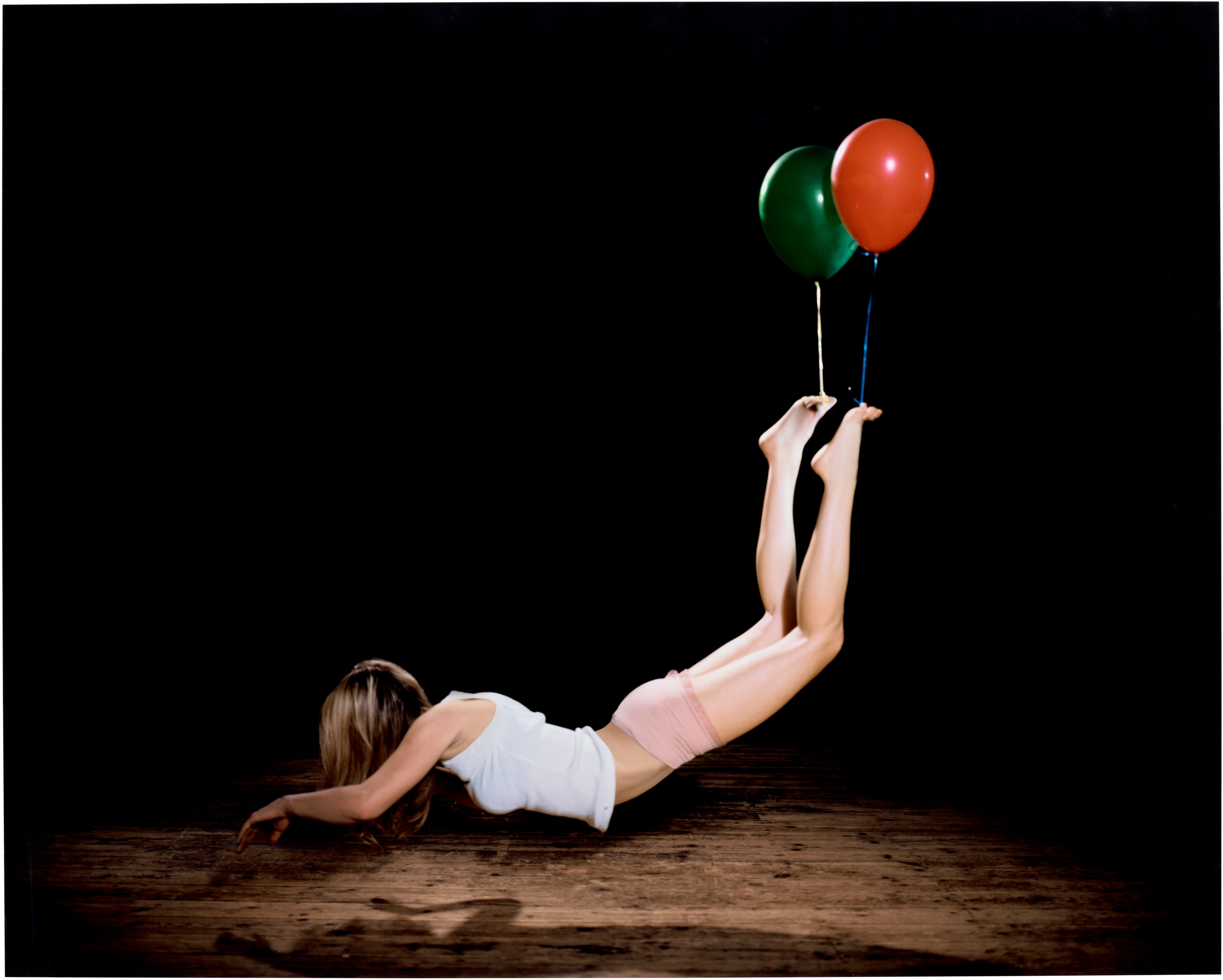
Photographer
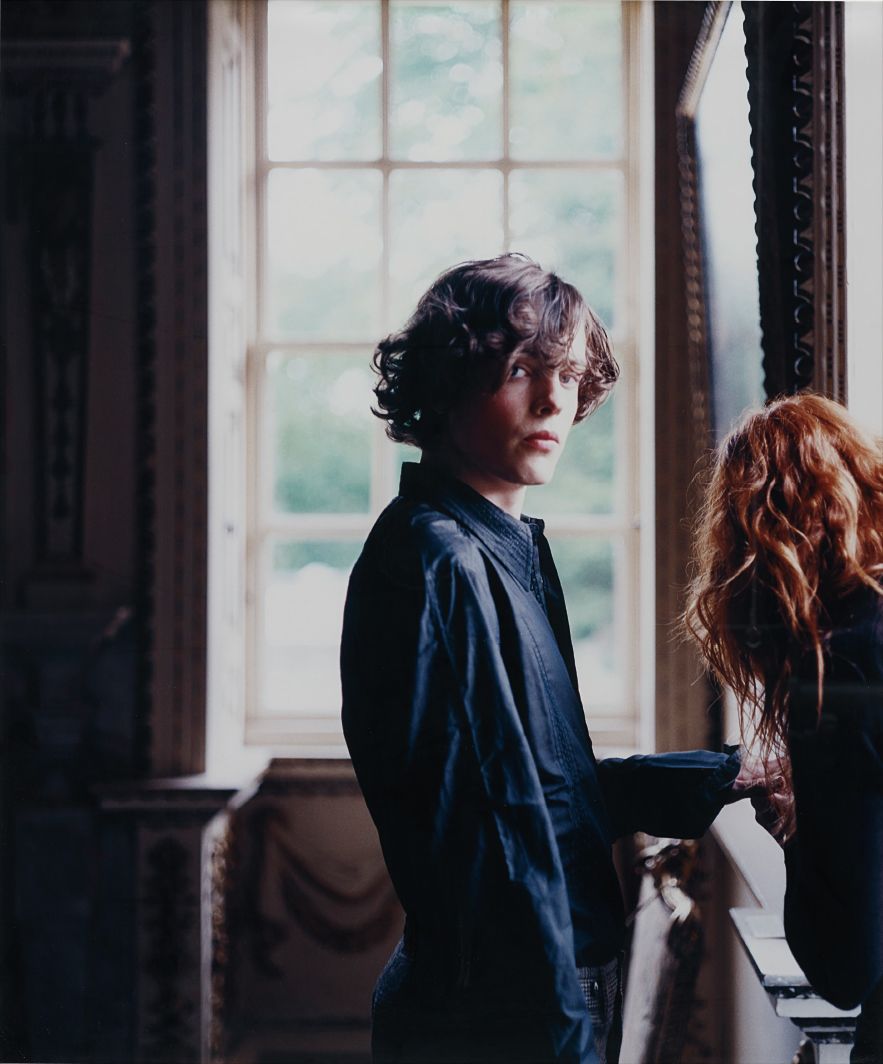
Sam Taylor-Johnson
c-print, 1999
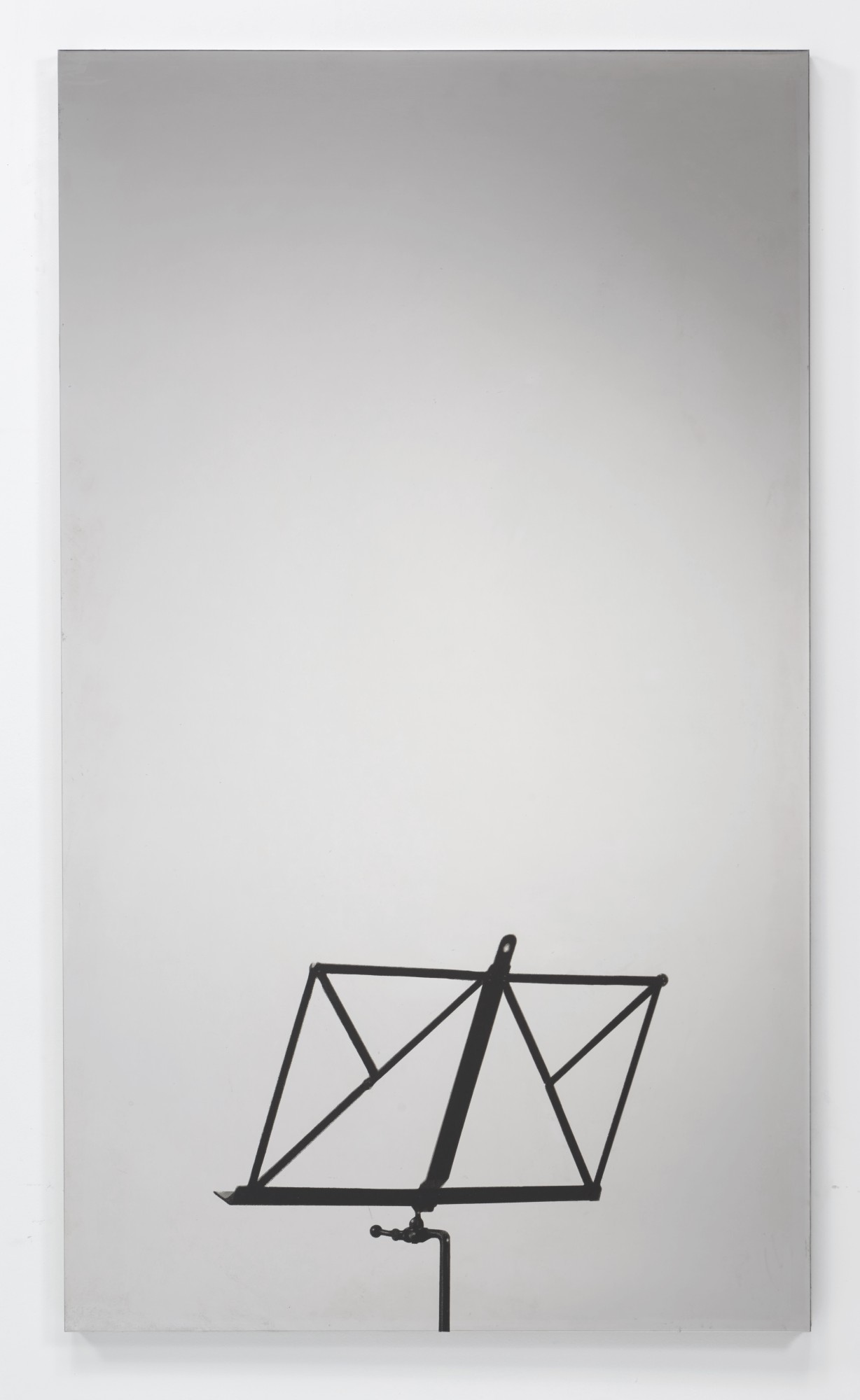
The Camera Never Lies, But Always Surprises
When a print by Sam Taylor Johnson sold at auction in recent years for a sum that would have startled even the most bullish photography dealers of the 1990s, it confirmed something collectors had been quietly saying to each other for a while: photography is no longer the overlooked sibling of the art world. It is, in many rooms, the main event. The market has absorbed the medium fully, and the prices now reflect not just rarity or condition but the same intangible quality that drives demand for painting, that sense of irreplaceable vision. The shift has been building for decades but accelerated sharply after major institutions began treating photography with the same curatorial seriousness they once reserved for oil on canvas.
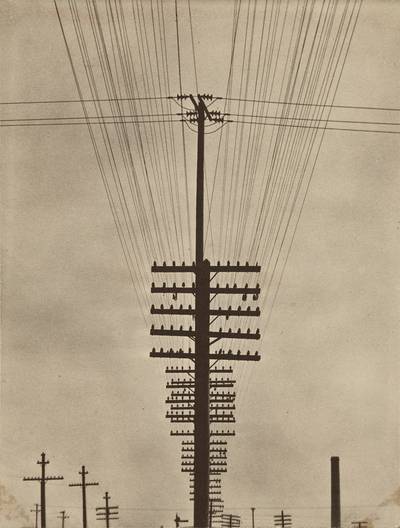
The Museum of Modern Art's department of photography, established in 1940 under Edward Steichen, laid theoretical groundwork, but it was the expansion of that thinking through shows like the Tate Modern's landmark surveys and the Centre Pompidou's deep investigations into conceptual photography that truly changed the conversation. Collectors followed the curators, as they often do, and the category has never looked back. Tina Modotti is a name that appears with increasing frequency in serious collections, and her presence on The Collection reflects a growing appetite for work that sits at the intersection of documentary urgency and formal beauty. Modotti's photographs from Mexico in the 1920s and early 1930s carry a political and aesthetic charge that feels entirely contemporary, and institutions from the San Francisco Museum of Modern Art to the Museo Nacional de Arte in Mexico City have mounted significant shows of her work.
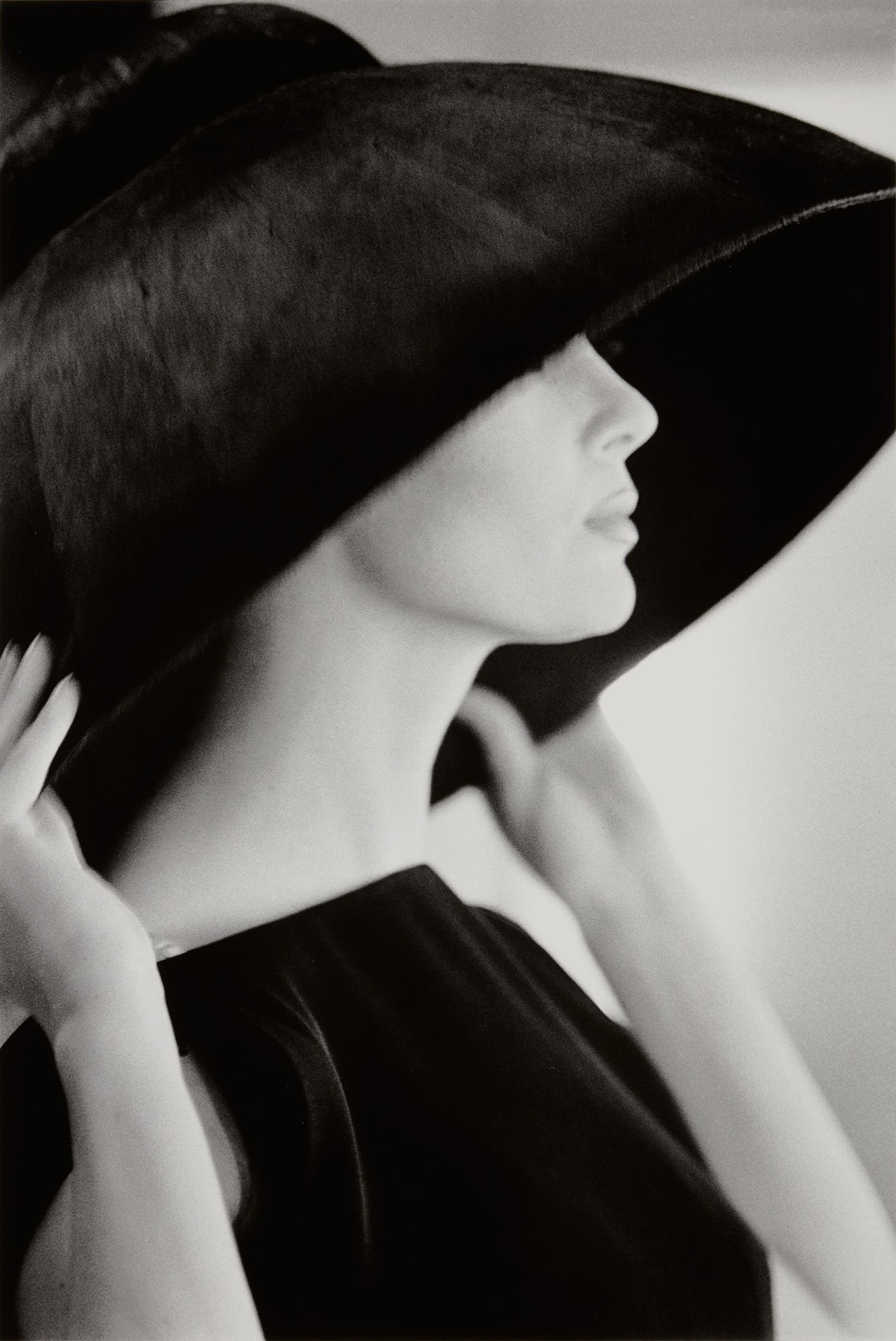
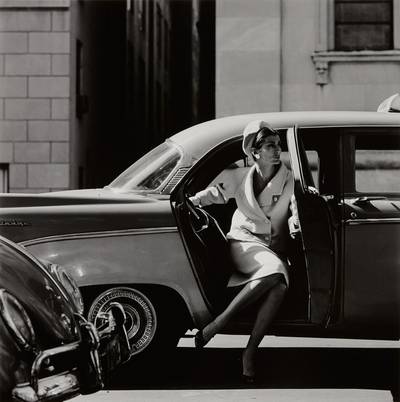
Jerry Schatzberg
Jerry Schatzberg
Her prints are rare, and when they appear at auction, they attract the kind of attention usually reserved for much more commercially familiar names. The market for her work rewards patience and knowledge in equal measure. Jerry Schatzberg occupies a different register, one shaped by the fertile overlap between commercial fashion photography and fine art practice that defined New York in the 1960s. His portraits of musicians, actors, and cultural figures from that era have a looseness and intimacy that set them apart from the more formal studio work of his contemporaries.
Schatzberg photographed Bob Dylan for the cover of Blonde on Blonde in 1966, and that image alone has secured his place in the cultural memory. But serious collectors know that the work extends well beyond that single iconic frame, into a body of street photography and portraiture that deserves sustained attention. Michelangelo Pistoletto may seem like an unexpected presence in a conversation about photography, given that his reputation rests primarily on mirror paintings and Arte Povera interventions. But his engagement with photographic imagery, particularly his early work incorporating photographic silkscreen on reflective steel, reveals how permeable the boundaries between photography and other media have always been for the most rigorous artists.
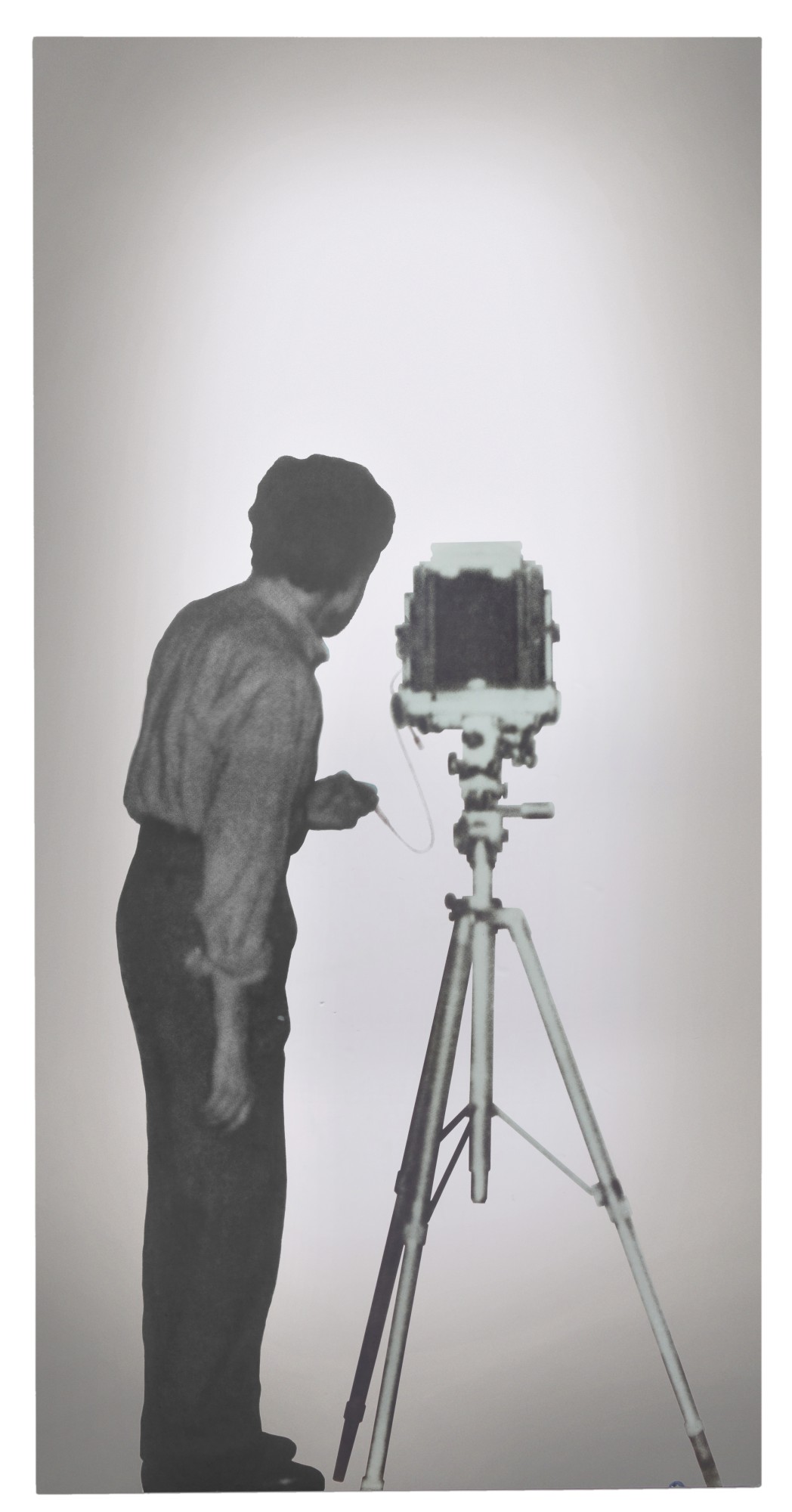
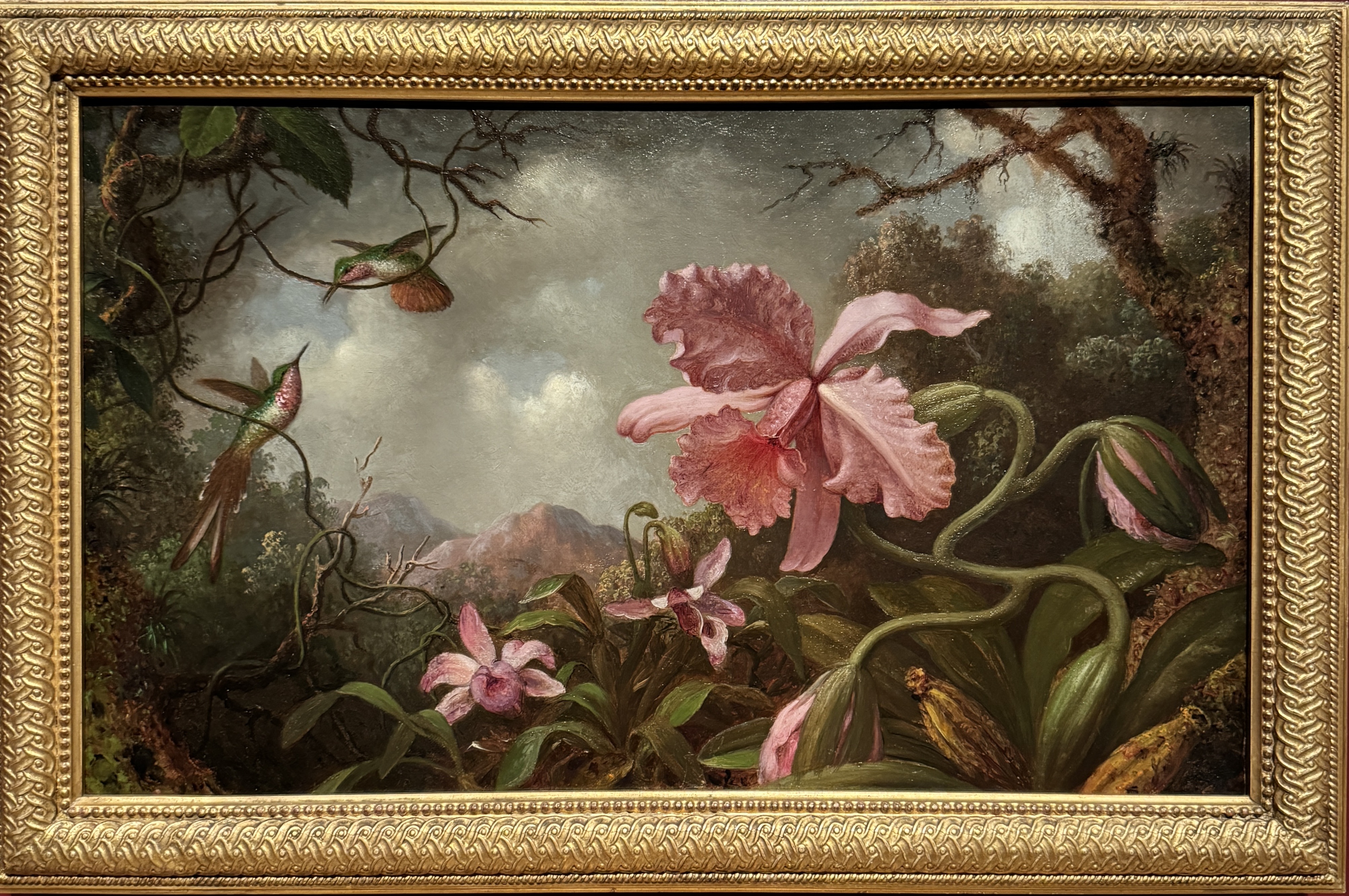
Michelangelo Pistoletto
《一個攝影師》, 1962
His inclusion in any collection thinking seriously about photography is not surprising at all. It is a reminder that the medium has never belonged exclusively to photographers. The critical conversation around photography has been shaped recently by a wave of writing that refuses the old hierarchies. Geoff Dyer's book The Ongoing Moment, published in 2005, remains a touchstone, but newer voices like Teju Cole and writers working across publications such as Aperture magazine and Foam have pushed the discourse in directions that feel more genuinely global and less tied to a narrow Euro American canon.
Curators like Okwui Enwezor, whose exhibition All the World's Futures at the Venice Biennale in 2015 placed documentary and photographic practices at the center of international art discourse, have permanently expanded what counts as significant in this space. The question of attribution and authorship also haunts the market in productive ways. The presence of works listed under Unknown in a serious collection is not a weakness but an honest acknowledgment that photography's history includes vast quantities of important, unattributed work. Anonymous photographs from the 19th and early 20th centuries have been the subject of significant museum acquisitions and scholarly attention, and collectors who understand the value of these images are operating with a sophistication that goes beyond name recognition.
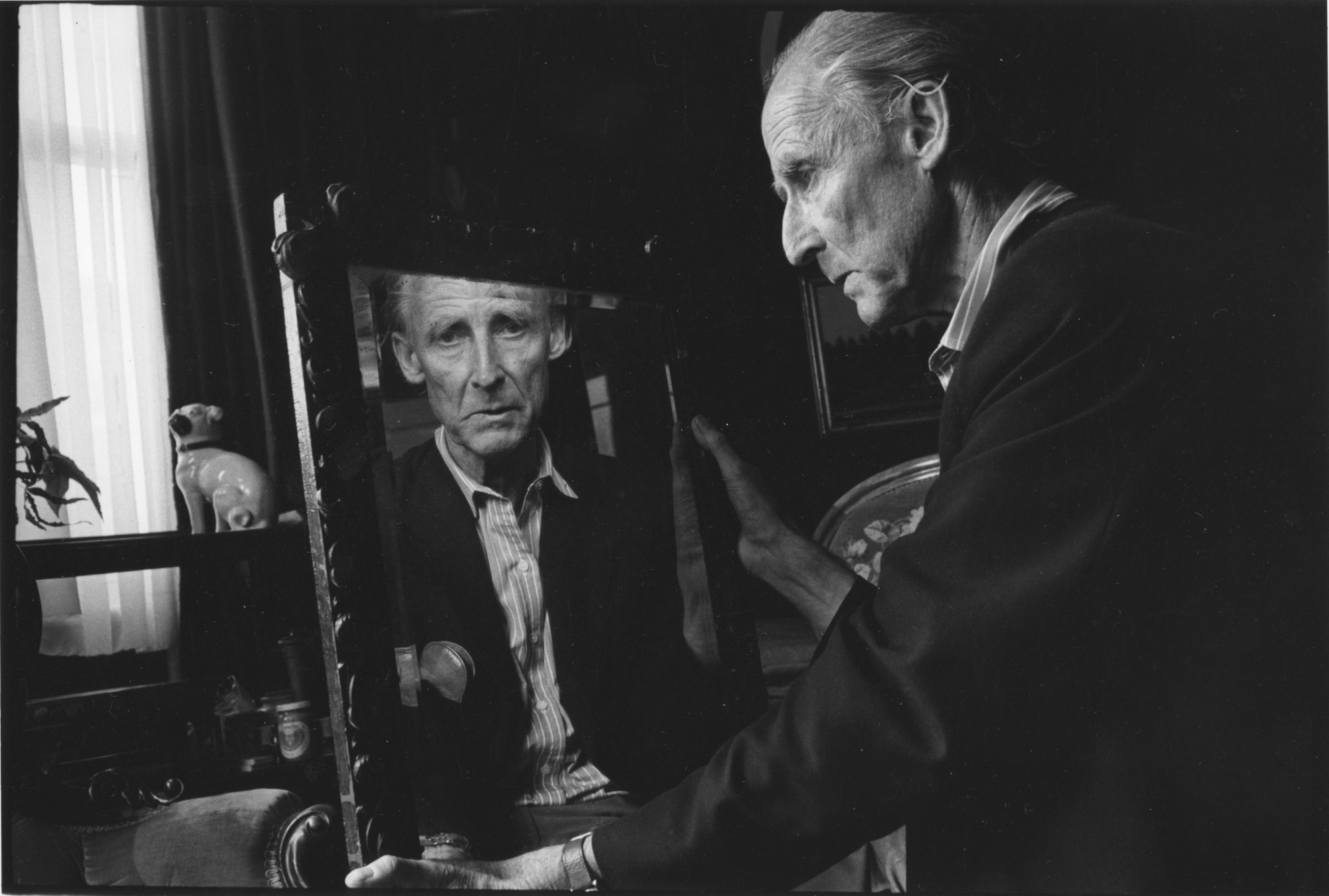
Unknown
'Bill Brandt', 1980
The J. Paul Getty Museum and the Metropolitan Museum of Art both hold extensive archives of unattributed photographs that they treat with the same care as works by known masters. What feels alive right now is the renewed interest in photographs that exist at the boundary of performance, document, and fine art object. Sam Taylor Johnson's work, for instance, cannot be reduced to any single category.
Her Still Life from 2001, a video work documenting the decay of a bowl of fruit that was also distributed as a photograph, raised questions about time and medium that continue to resonate in how curators and collectors think about photographic practice. The line between photography and moving image has blurred in ways that are commercially significant, since collectors now have to decide what kind of object they are actually acquiring. The energy in the room, at fairs from Paris Photo to AIPAD, has shifted noticeably toward work from photographers who operated outside the dominant Western narratives of the medium's history. Latin American photography in particular, a category that encompasses Modotti as well as Manuel Álvarez Bravo and a generation of Brazilian modernists, is receiving long overdue institutional and market attention.
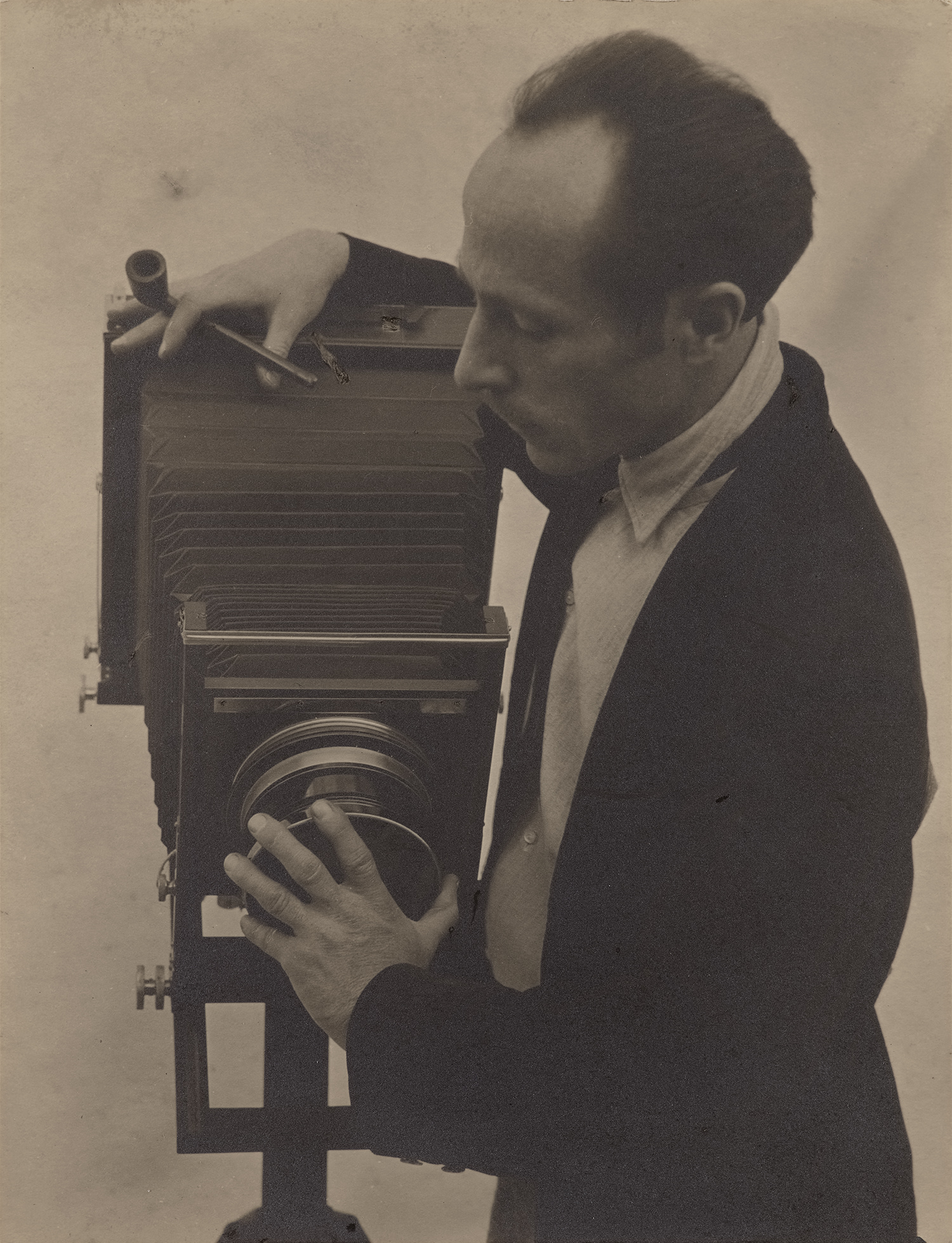
Tina Modotti
Edward Weston with a Camera
Prices are rising, but from a base that still offers genuine value compared to equivalent work in painting or sculpture. For collectors with serious intentions, the current moment offers something rare: a category that combines genuine art historical depth with market momentum that has not yet priced out the thoughtful buyer. The works represented on The Collection reflect exactly the kind of range that characterizes the most interesting collections right now, from the politically charged documentary tradition to the formally ambitious crossovers of Arte Povera. Photography rewards looking slowly, and the collectors who look slowest tend to see the most.