Parisian Life
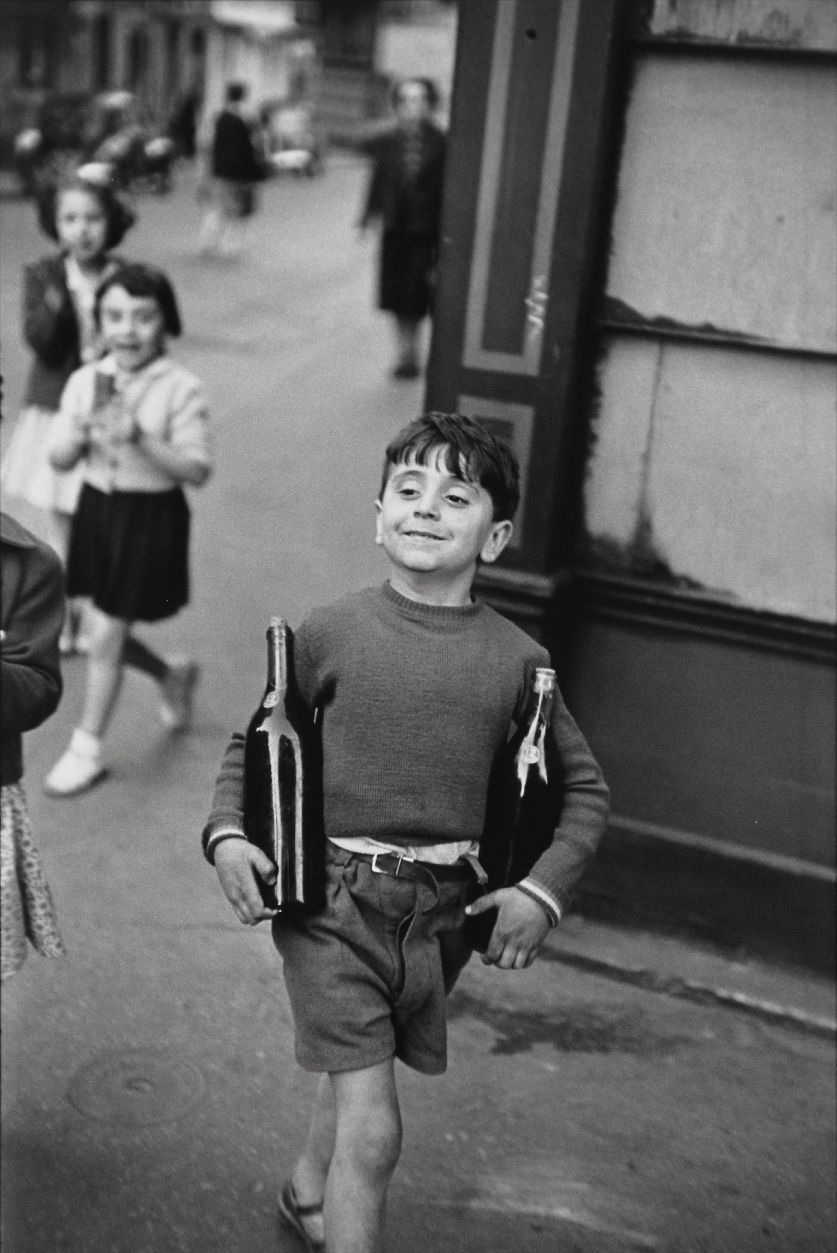
Henri Cartier-Bresson
Rue Mouffetard, Paris


Paris Never Stops Being the Subject
There is a particular quality of light in Paris, something to do with the way it filters through cloud cover and bounces off limestone facades, that has seduced artists for the better part of two centuries. It is not merely romantic mythology. Painters, printmakers, and photographers have returned to this city generation after generation not out of nostalgia but out of genuine optical compulsion. Paris rewards looking.
It always has. And the body of work produced in its streets, cafés, brothels, boulevards, and rain soaked courtyards constitutes one of the most sustained collaborative portraits any city has ever inspired. The serious artistic documentation of Parisian life takes root in the mid nineteenth century, when the city itself was being violently remade. Baron Haussmann's sweeping demolitions and the construction of the grand boulevards under Napoleon III transformed Paris between the 1850s and 1870s, displacing working class neighborhoods and replacing medieval warrens with wide, surveilled streets.
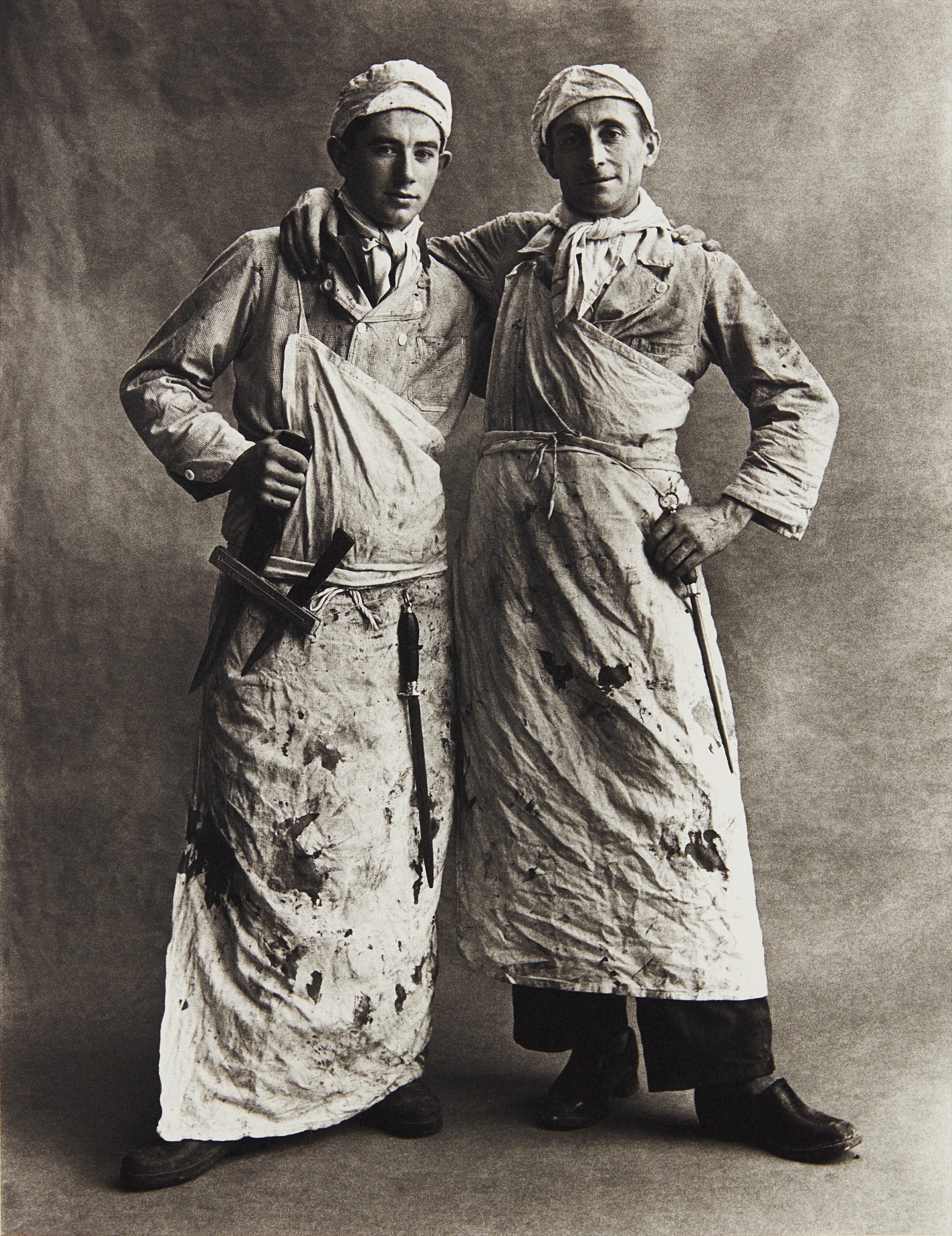
Irving Penn
Butchers, Paris, 1976
Artists responded with urgency. Honoré Daumier, working across lithography and painting, captured the social textures of this upheaval with caustic wit, his figures of lawyers, washerwomen, and theater audiences rendered with an almost grotesque empathy. His lithographs for publications like Le Charivari gave visual form to class anxiety at a moment when Paris was consuming itself and rebuilding simultaneously. By the close of the nineteenth century, the city's nightlife had become its own visual genre.
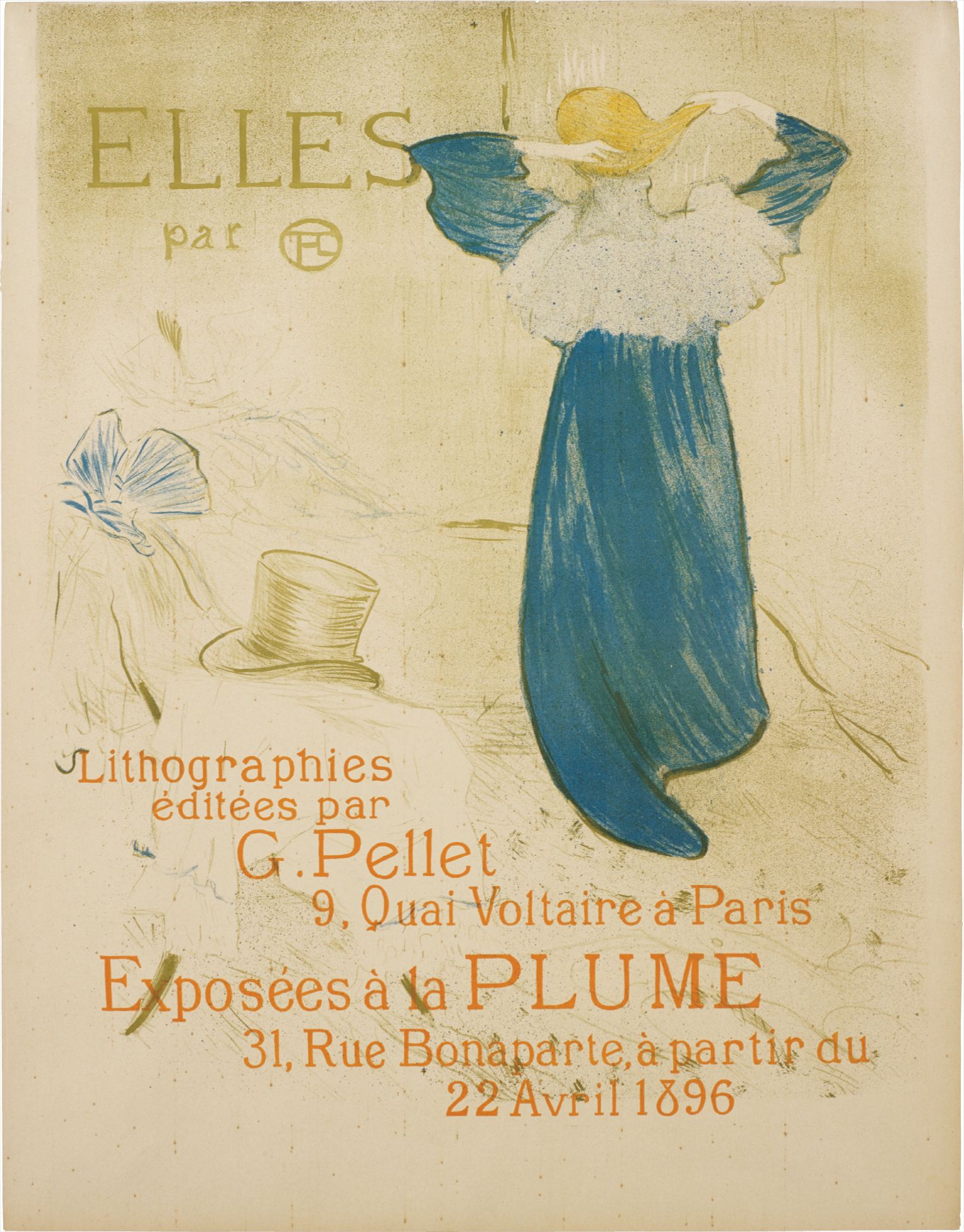
Henri de Toulouse Lautrec spent the late 1880s and 1890s embedded in Montmartre, producing posters, prints, and oils that transformed the Moulin Rouge and its performers into icons of modern desire. His work is remarkable not for glamorizing the demi monde but for refusing to do so, depicting performers like Jane Avril and La Goulue with a psychological directness that felt almost journalistic. Toulouse Lautrec understood that spectacle and melancholy coexist, that the woman on stage is also the woman who goes home exhausted. That tension gives his Parisian work its lasting charge, and it runs like a current through everything that followed.
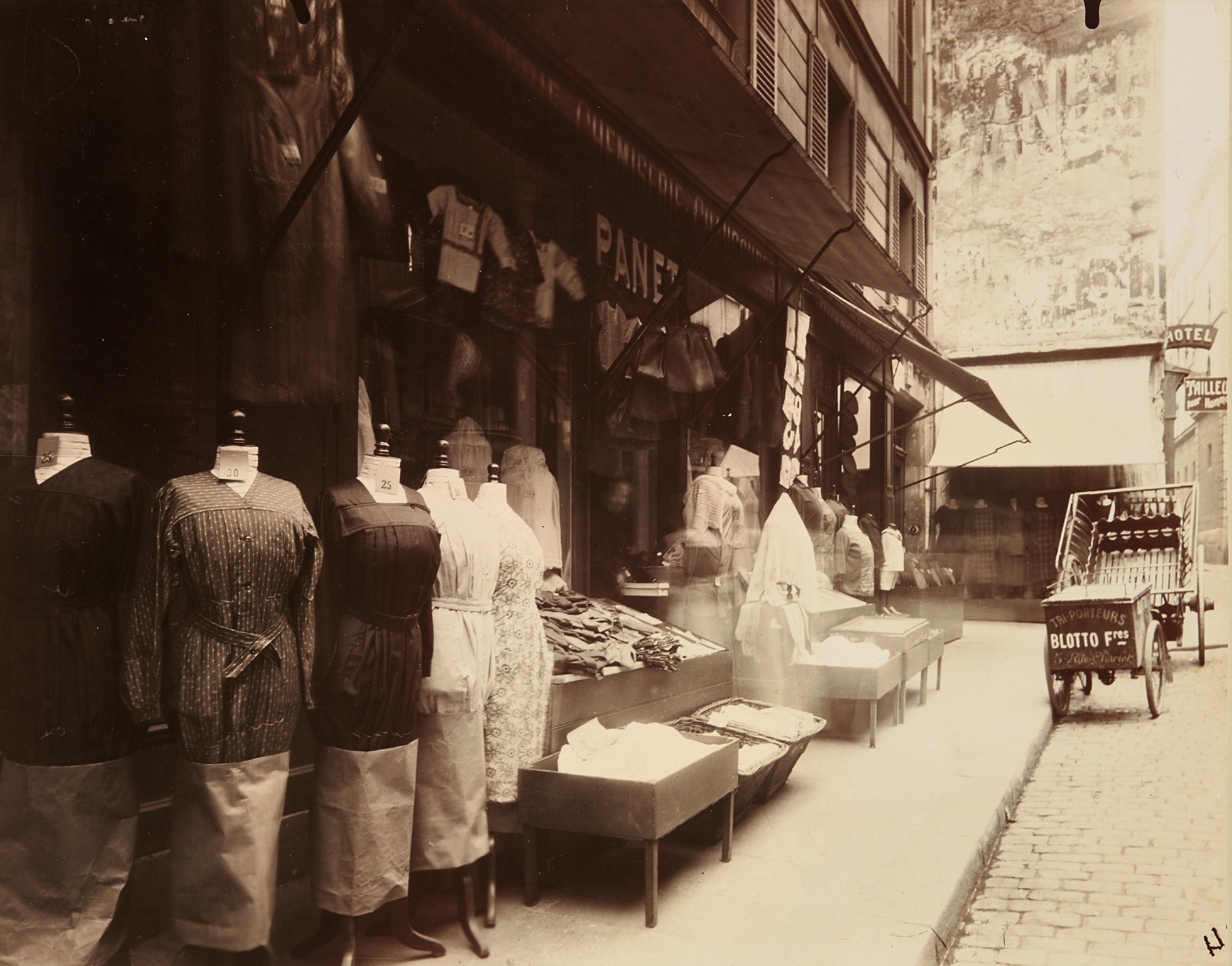
Eugène Atget
Rue Mouffetard
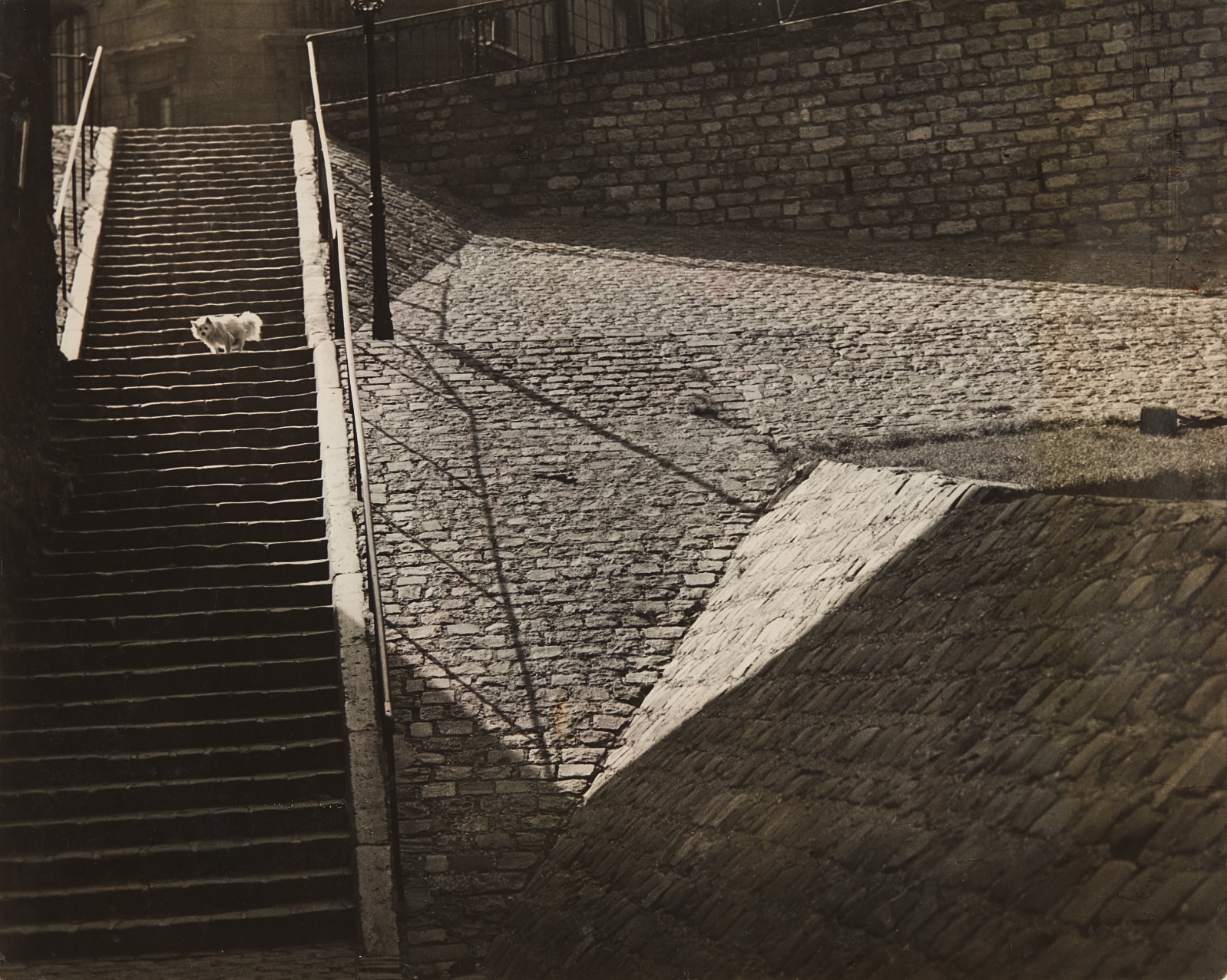
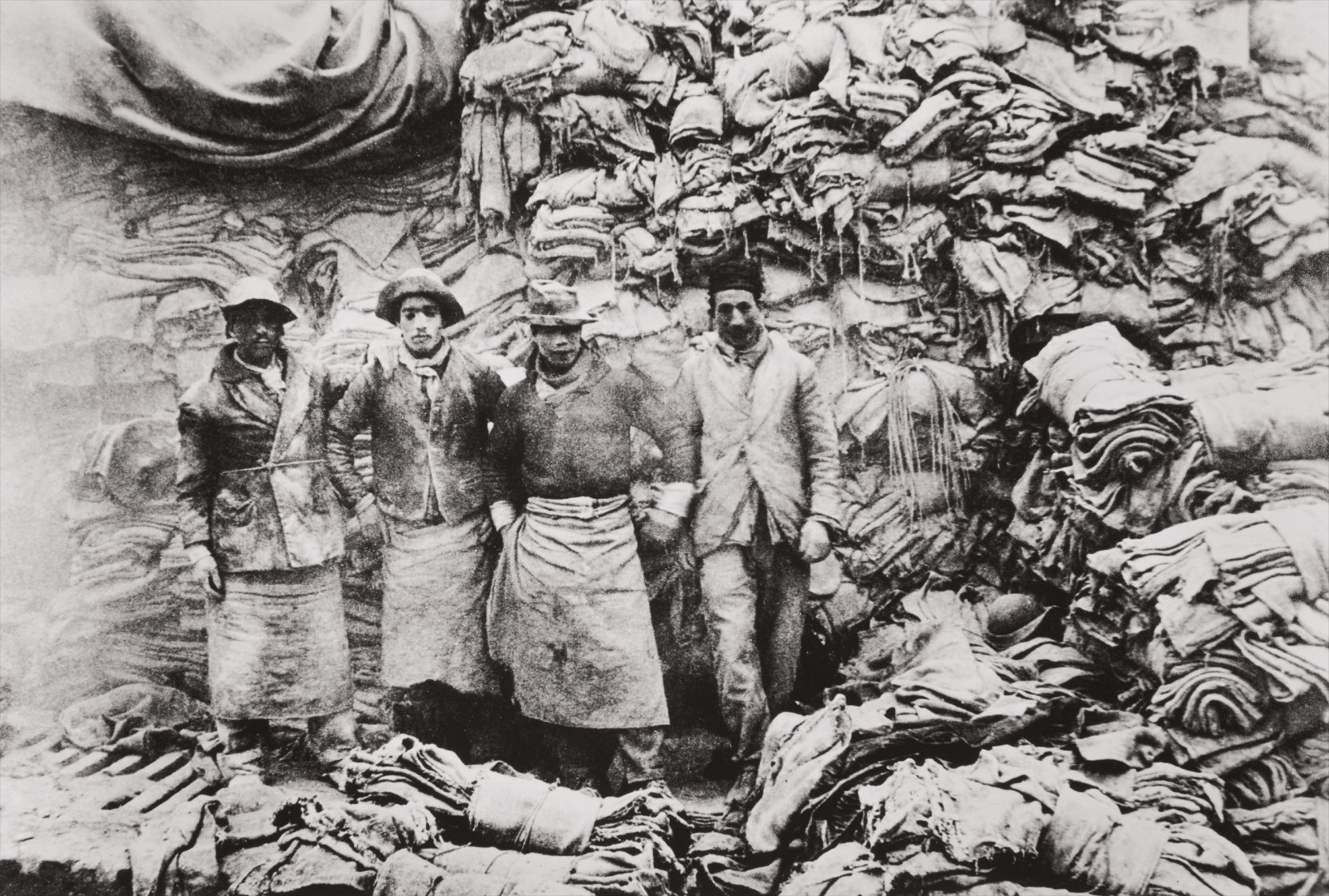
With the arrival of photography as a mature artistic medium, the documentation of Paris became something else entirely. Where painting required selection and composition, the photograph could appear to simply receive the world. Eugène Atget spent roughly three decades from the 1890s onward creating an extraordinary archive of old Paris, his large format plates capturing doorways, storefronts, courtyards, and markets that were already disappearing. Atget was not generally recognized as an artist in his own time, working more as a supplier of documentary reference images for painters and institutions.
It was not until the Surrealists, particularly Man Ray and later Berenice Abbott, championed his work in the late 1920s that his images entered serious art historical conversation. Abbott brought his archive to New York after his death in 1927 and worked to ensure his legacy. Looking at an Atget photograph now is to feel a kind of double vertigo, seeing a Paris that no longer exists through a medium that was itself then new. The interwar years produced perhaps the richest concentration of photographic talent the city had ever seen.
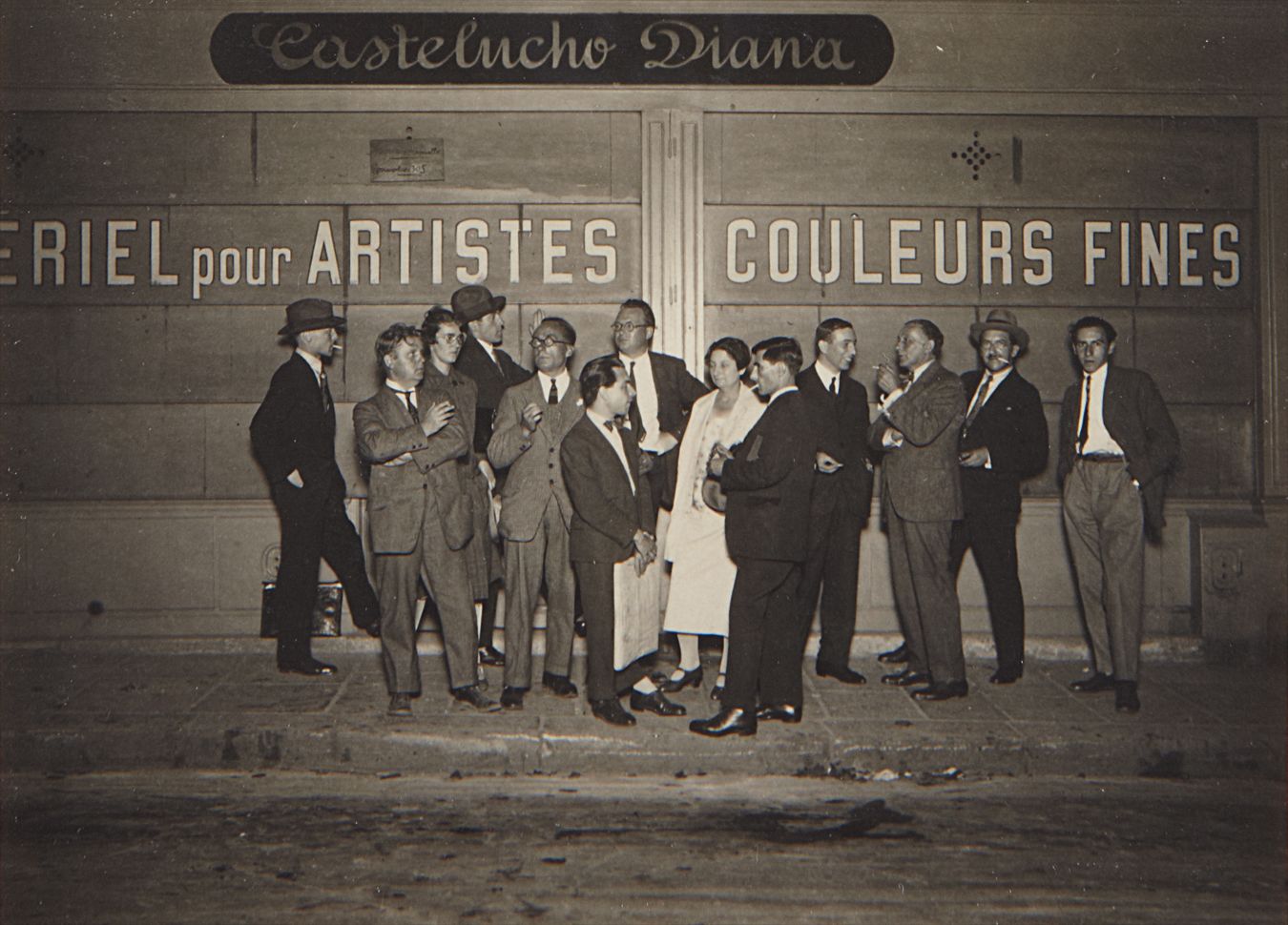
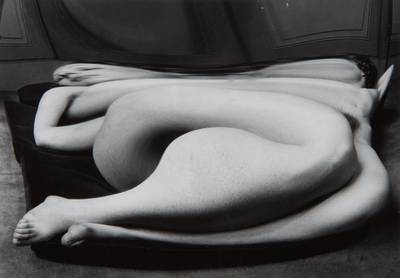
André Kertész
After the Soirée
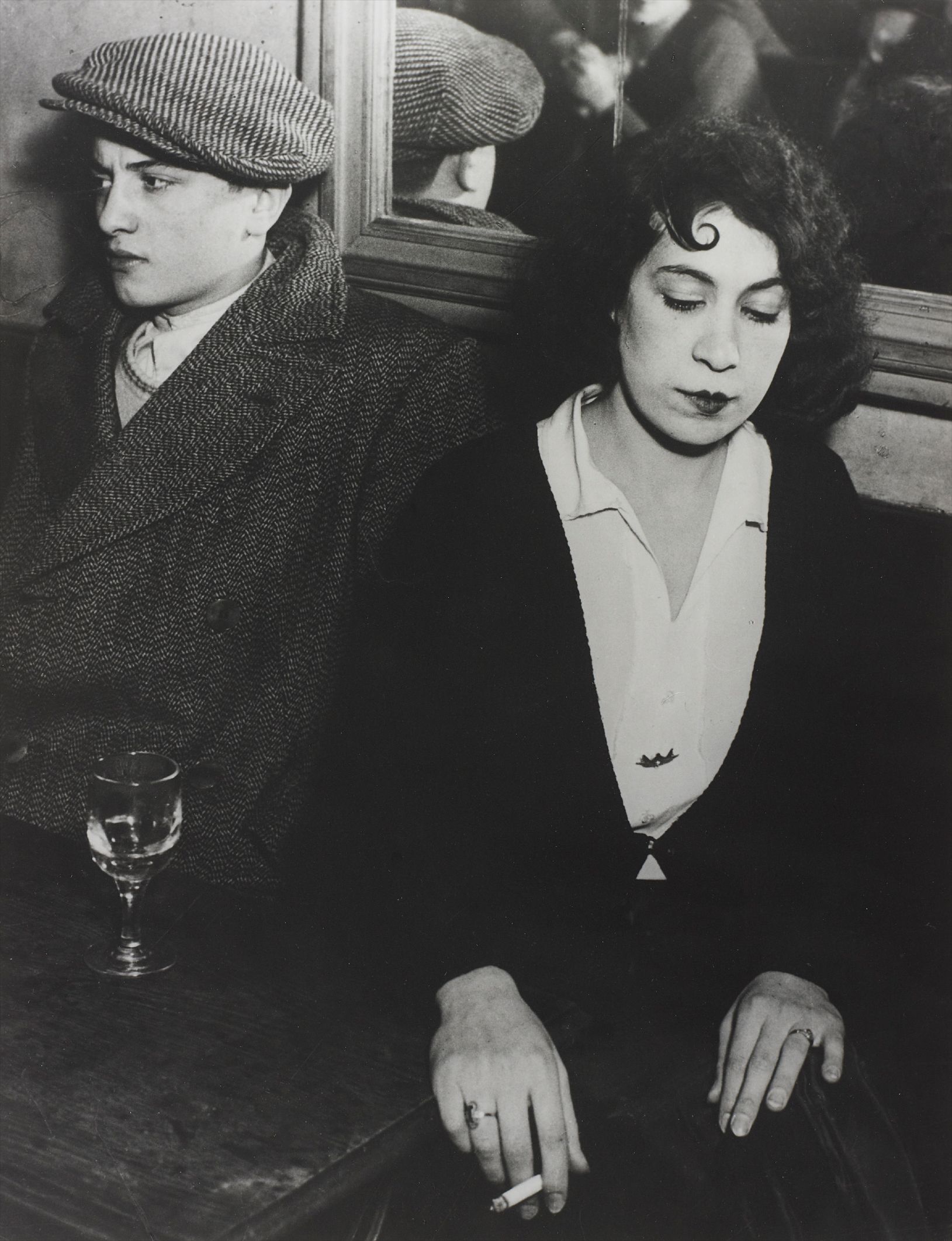
Brassaï, born Gyula Halász in Transylvania, arrived in Paris in the 1920s and began his systematic nocturnal surveys of the city in the early 1930s. His book Paris de Nuit, published in 1933, was a revelation, bringing gaslit streets, prostitutes, lovers, and vagabonds into the pictorial mainstream with a combination of technical daring and genuine tenderness. Working around the same period, André Kertész was exploring the city with a formal elegance that felt almost painterly, his instinct for geometry and shadow giving even mundane street scenes a sense of quiet revelation. Both photographers understood that Paris at night was a different city entirely, one that operated outside the codes of bourgeois daylight.
Henri Cartier Bresson, perhaps the most consequential figure in the entire tradition, formalized his approach in Paris during the 1930s and codified what he would later describe as the decisive moment, the fraction of a second when form and content align into something irreducible. He co founded the Magnum Photos agency in 1947 alongside Robert Capa and others, an act that fundamentally changed how photojournalism and art photography related to one another. Cartier Bresson's Parisian photographs are well represented on The Collection, and they repay sustained attention. He was not a sentimentalist.
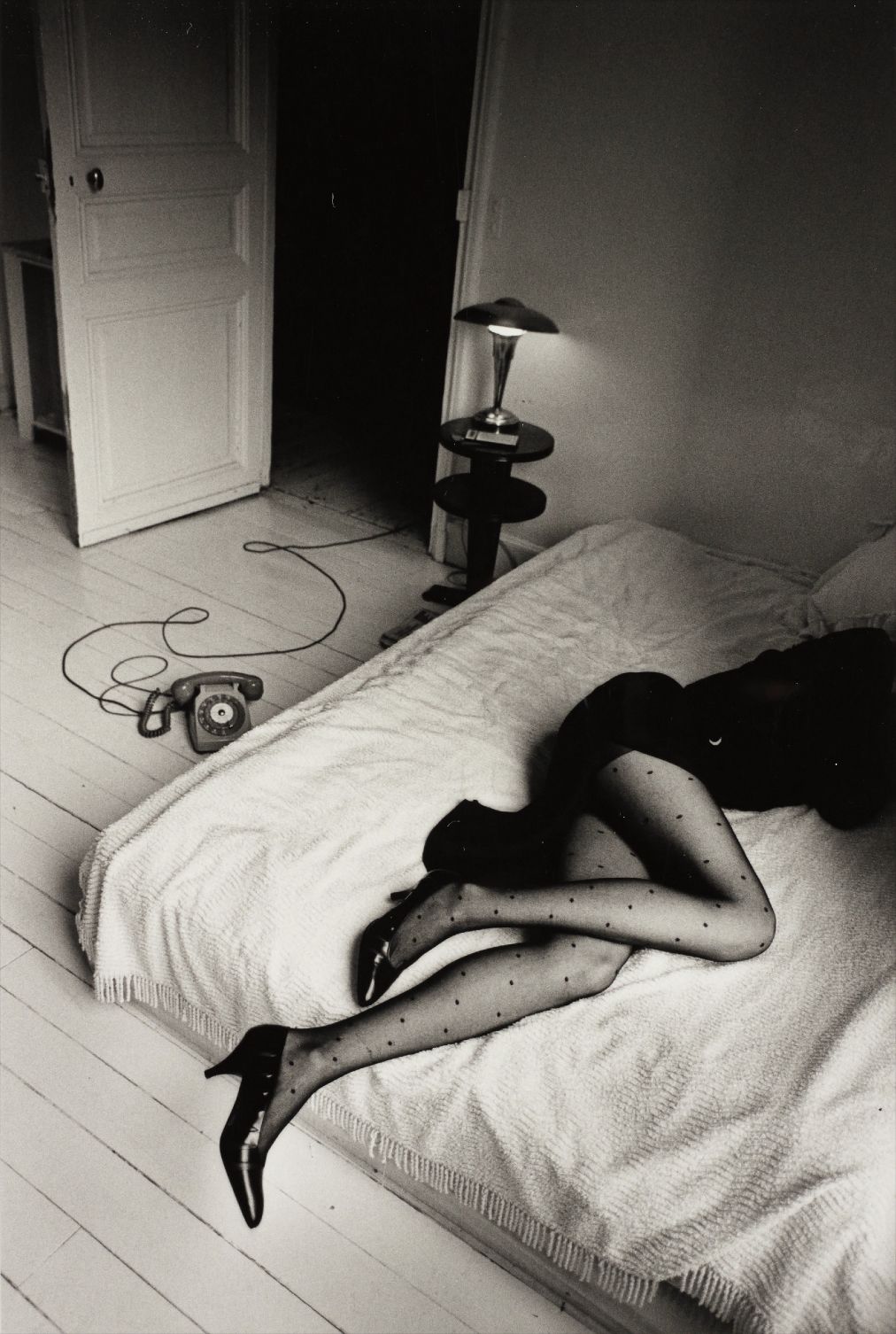
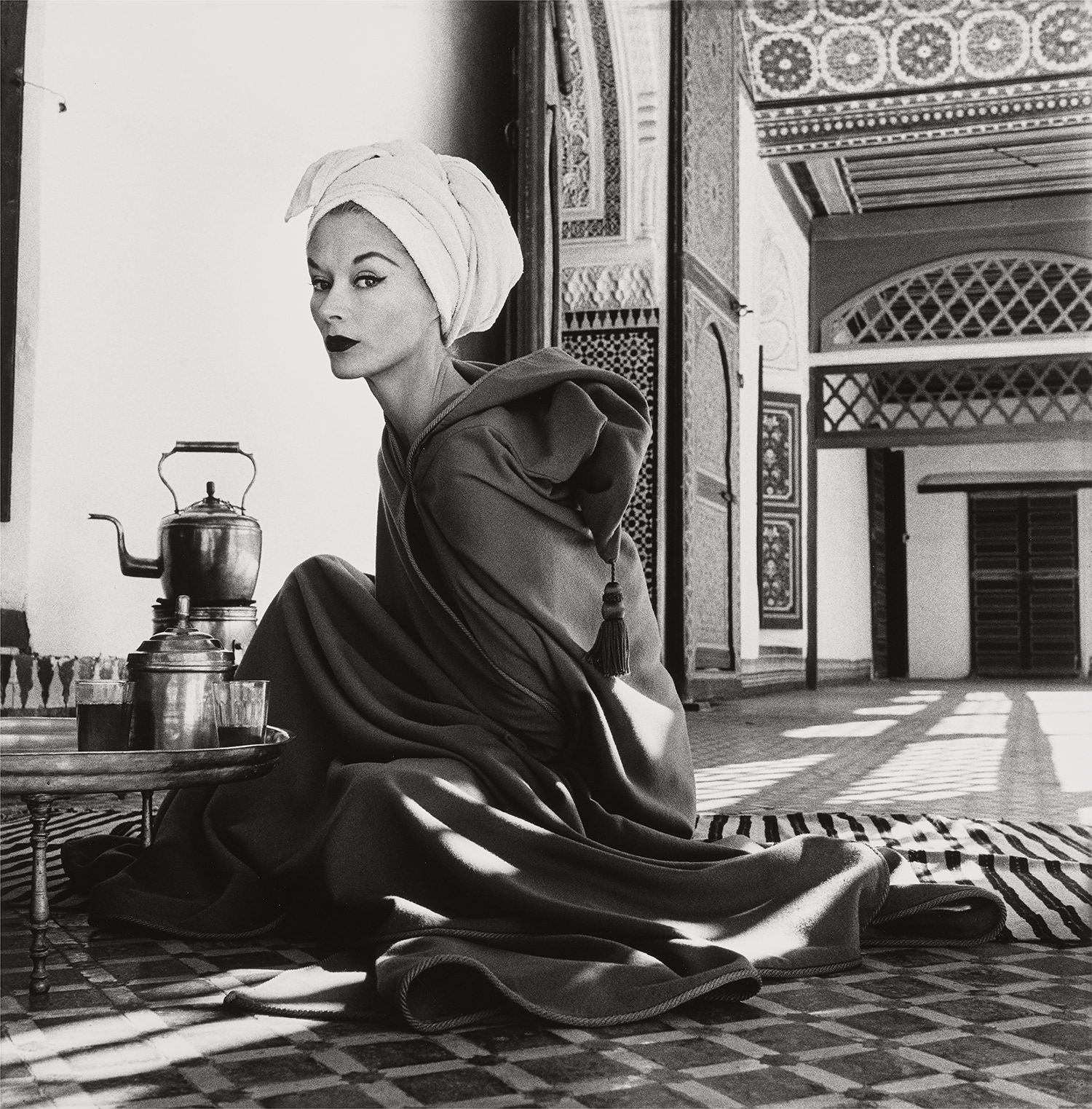
Jeanloup Sieff
Telephone, Paris
He was a geometer who happened to work in time. Jacques Henri Lartigue offers an instructive counterpoint. Where Cartier Bresson approached the street with the discipline of a hunter, Lartigue photographed Paris from childhood onward with the delight of someone who cannot quite believe what he is seeing. His images of the Belle Époque and the années folles feel like evidence of joy, all racing automobiles, fashionable women, and family games in the Bois de Boulogne.
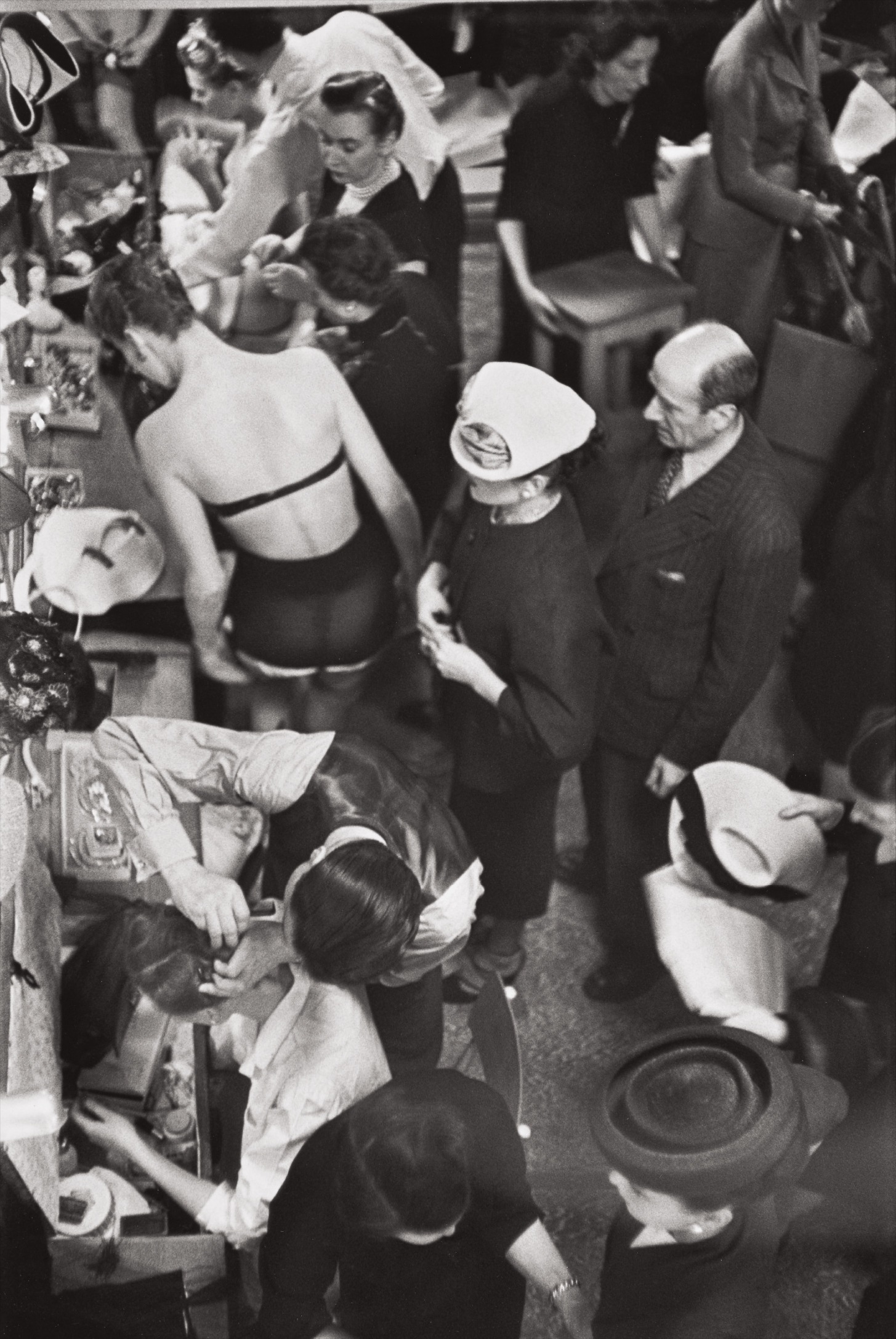
The Museum of Modern Art gave him his first major solo exhibition in 1963, by which point he was already in his late sixties, and the show was a sensation. Irving Penn and Jeanloup Sieff brought a different kind of elegance to Parisian imagery, one shaped by the fashion world but never entirely contained by it. Jean Béraud, working as a painter in the late nineteenth century, contributed his own precise sociological record of bourgeois Paris, his canvases of boulevard life and church interiors operating almost like a painted equivalent of the documentary photograph. What unites this tradition across its many forms and centuries is a shared conviction that ordinary life in this particular city is worth sustained, serious attention.
Not because Paris is exceptional in some vague tourist sense, but because its streets have consistently produced encounters between people and their environment that crystallize something true about modern existence. Elliott Eisenstaedt and Elliott Erwitt each found moments in Paris that could only have happened there, shaped by the city's peculiar mixture of formality and spontaneity, grandeur and intimacy. The city keeps generating new work because it keeps changing while insisting it is the same. For collectors, engaging with this tradition means joining a conversation that has been ongoing for nearly two hundred years, one with no sign of reaching a conclusion.