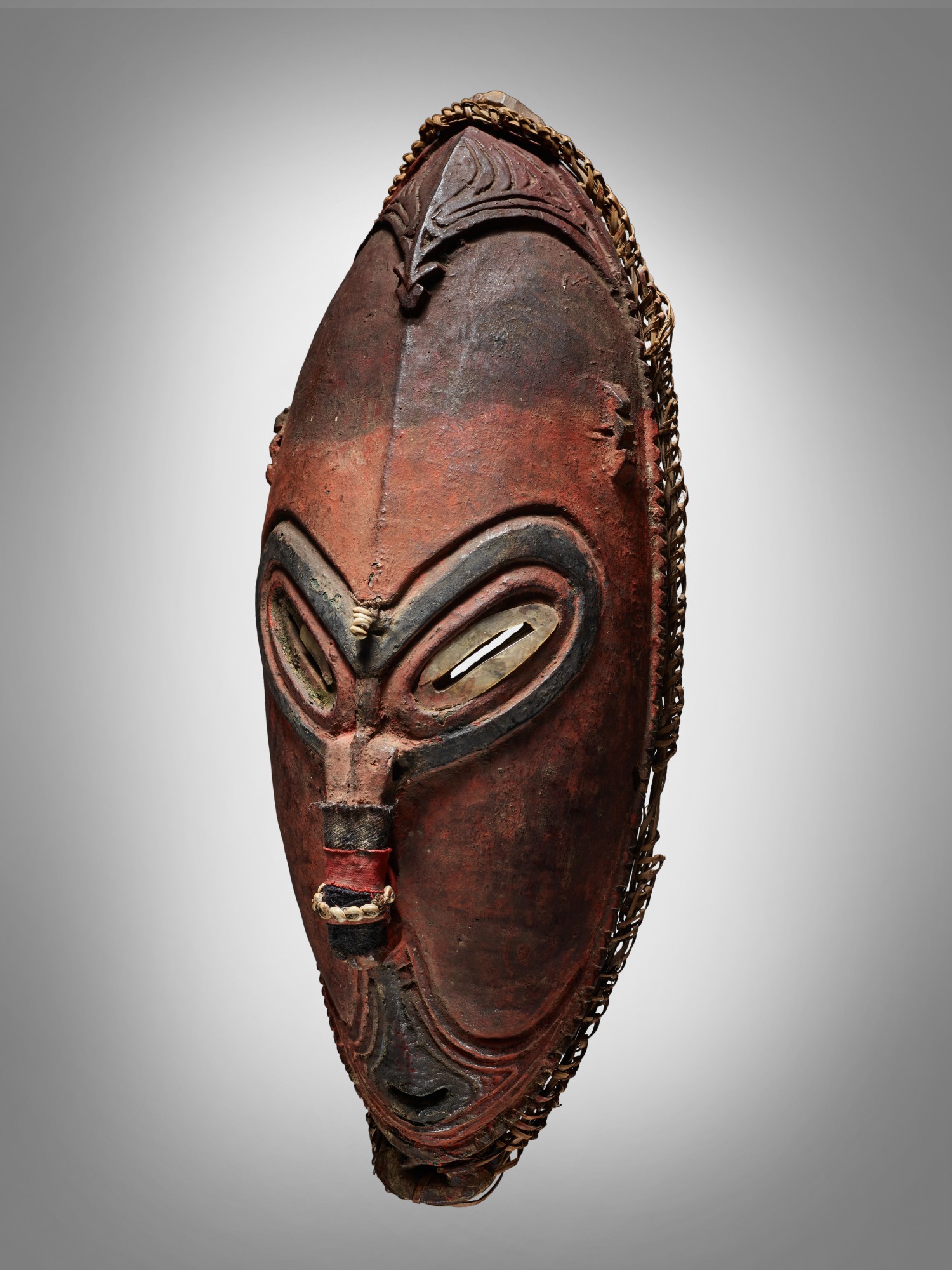
Papua New Guinean
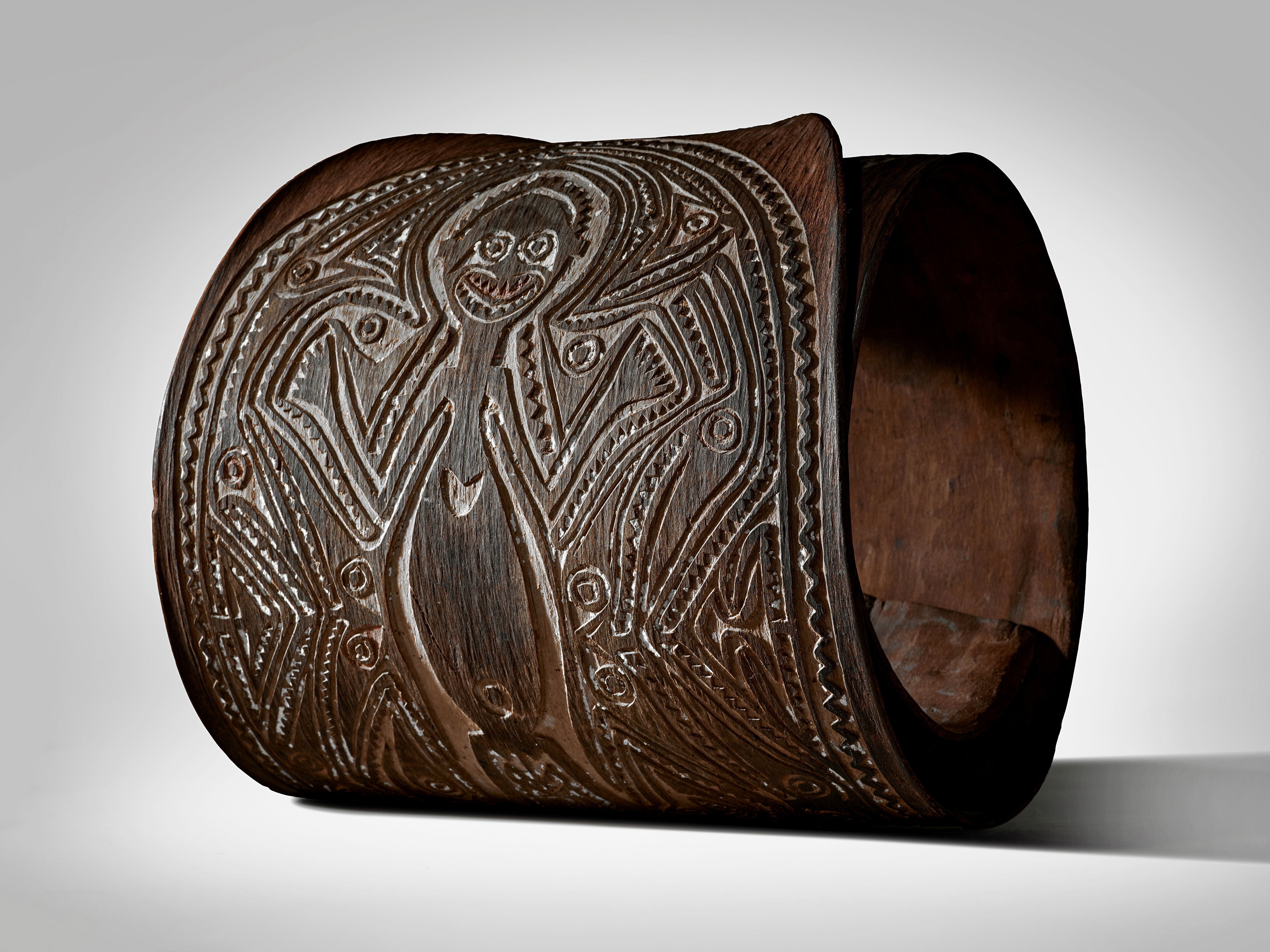
Unknown (Historical)
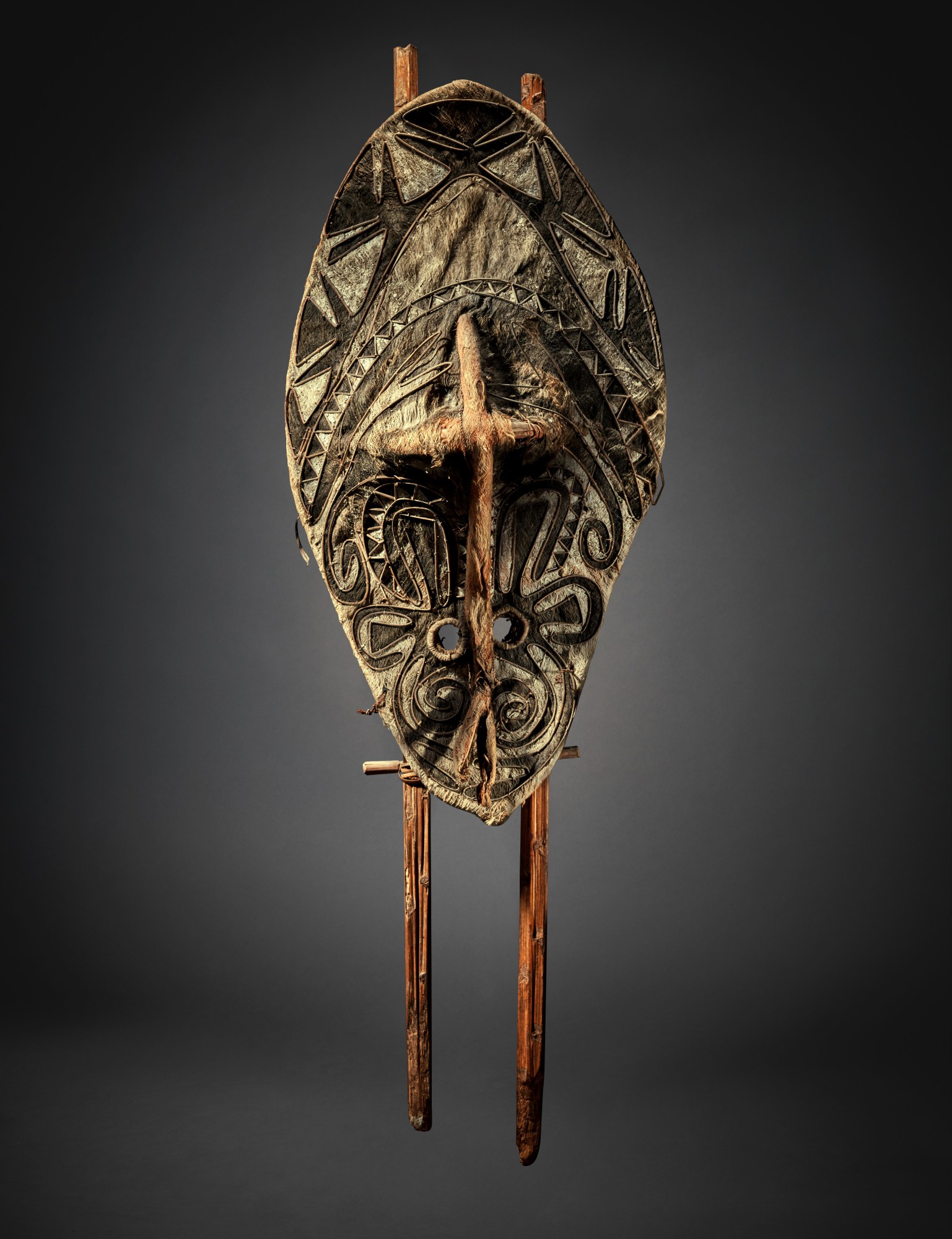
Bark Belt, Gulf of Papua, Gulf Province, Papua New Guinea
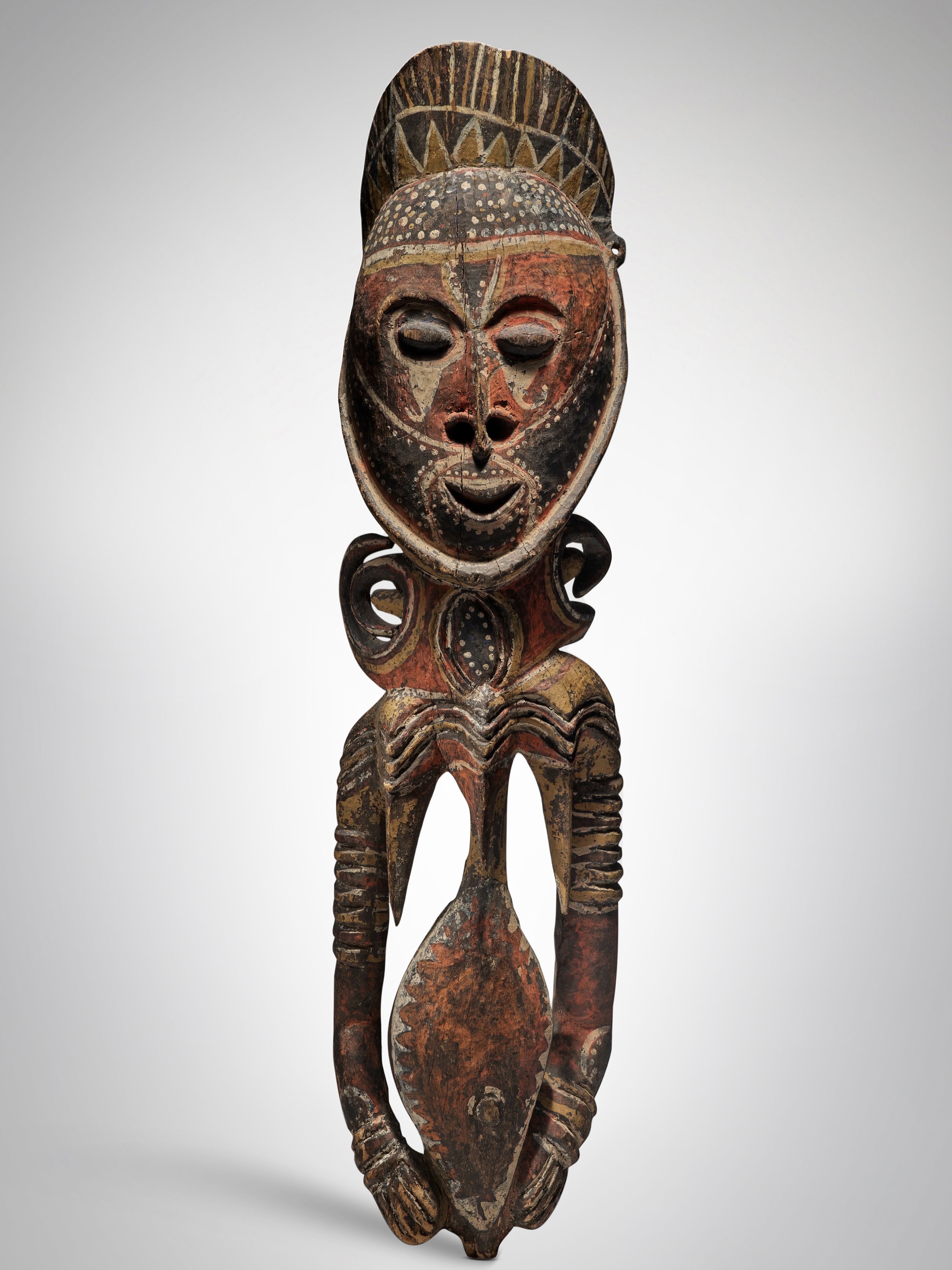
The Sepik River Still Has Secrets
When a towering Sepik figure carved from a single trunk of hardwood sold at a Paris auction house in recent years for well above its high estimate, the room paused. These are not objects that politely hold their ground in a sale. They command it. The result was a reminder that Papua New Guinean art, particularly works from the Sepik River region, continues to surprise even seasoned buyers who thought they understood where the ceiling was.
The appetite is real, the supply is finite, and collectors who have been circling this area for years are finally moving with conviction. The Sepik River basin in northern Papua New Guinea produced some of the most formally inventive sculpture of the twentieth century, a fact that Western artists recognized long before the art market caught up. Picasso and the Surrealists were drawn to the psychological intensity of Sepik masks and figures, but that influence was largely absorbed without credit and certainly without financial benefit flowing back to the communities of origin. What feels different now is the seriousness with which institutions are engaging the ethical and aesthetic dimensions of these works simultaneously, rather than treating them as separate conversations.
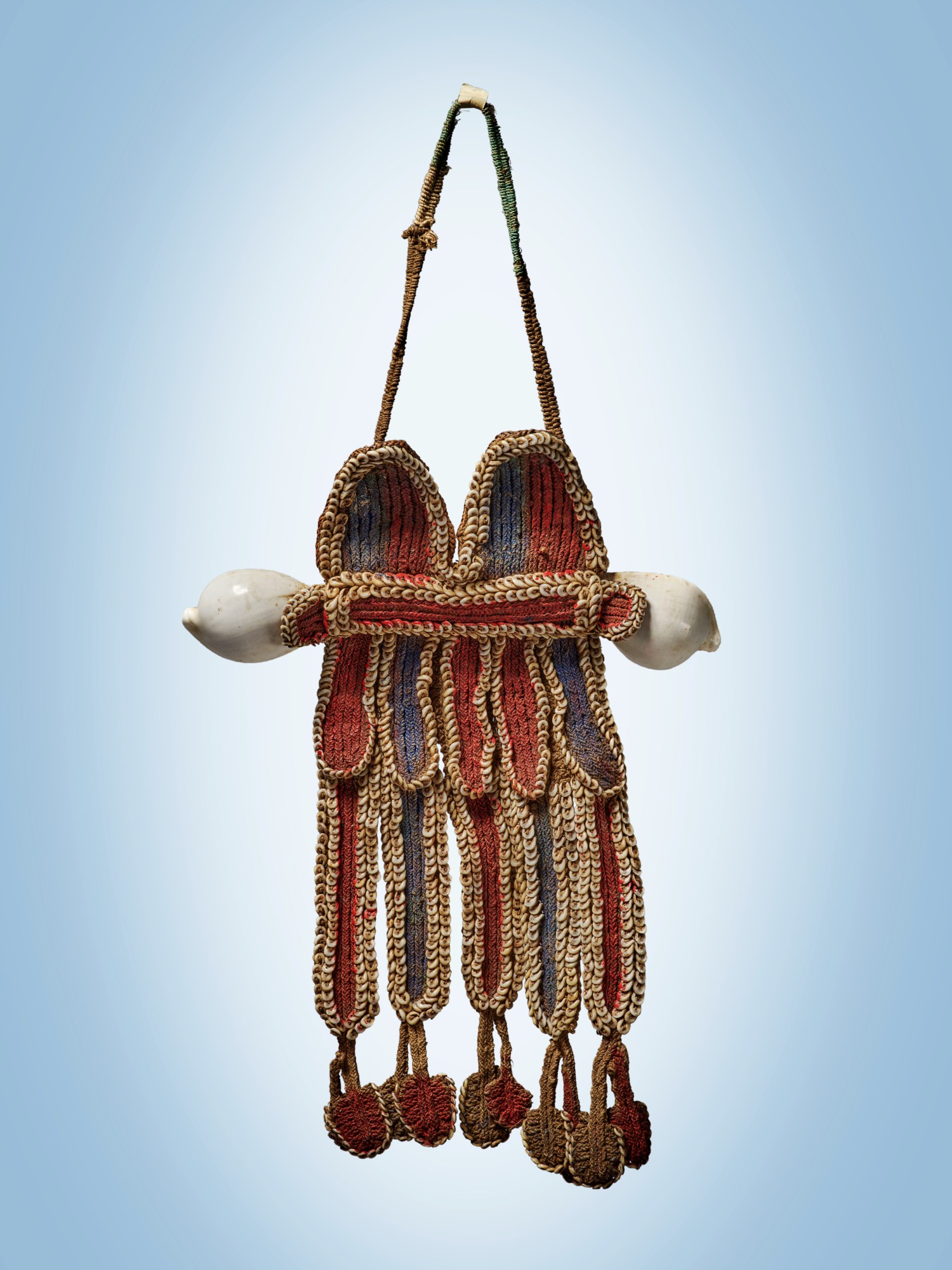
Unknown
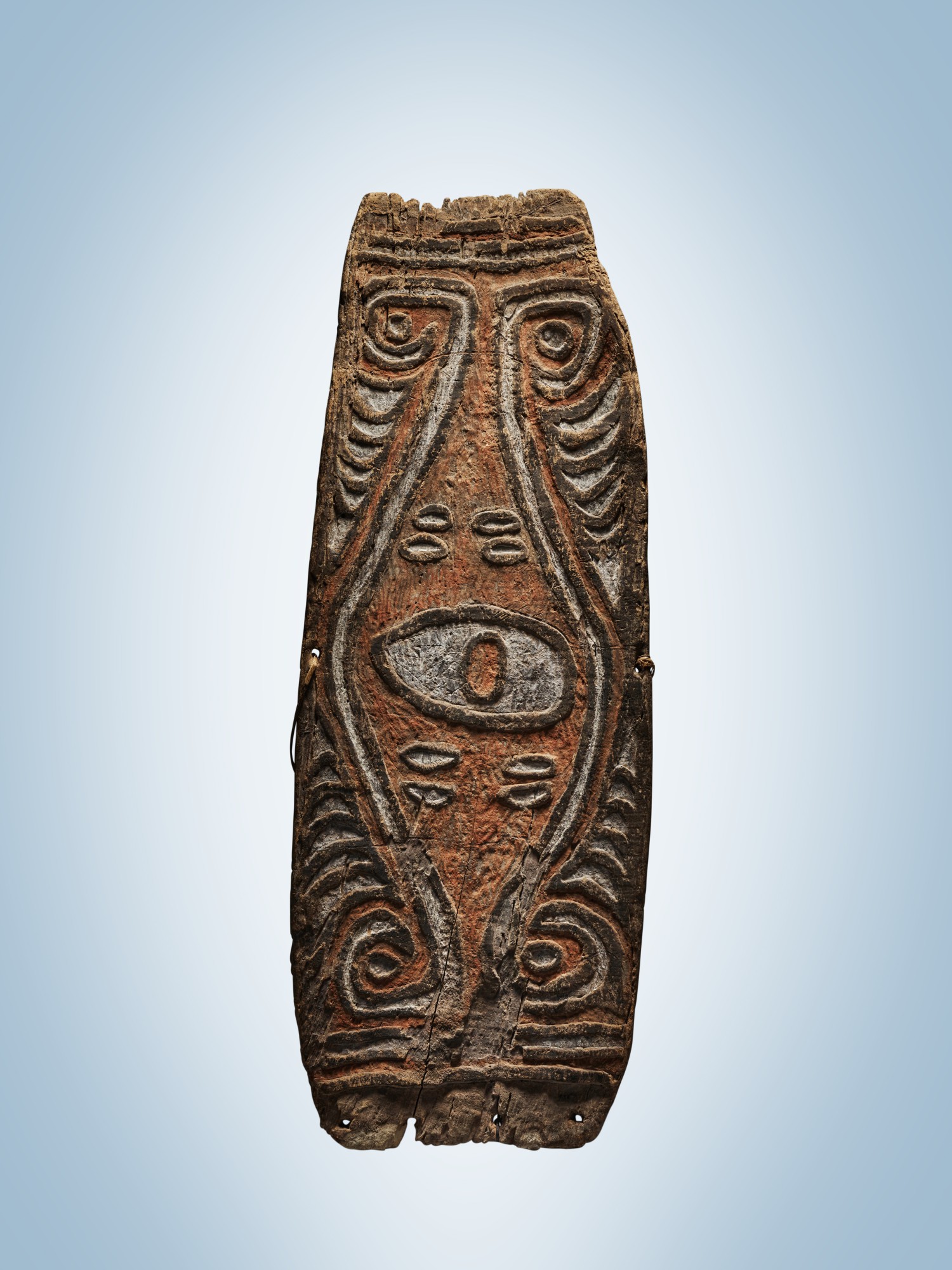
Bena Bena Pectoral, Eastern Highlands Province, Papua New Guinea
The Metropolitan Museum of Art and the British Museum both hold significant collections of Papua New Guinean material, but it is smaller and more nimble institutions that have driven the most generative recent scholarship. The Musée du quai Branly in Paris has been particularly active, mounting exhibitions that situate Oceanic art within broader global modernism rather than quarantining it in an ethnographic category. Their curatorial framing has influenced how auction catalogues are written and how dealers position these works, which has measurable effects on price. At auction, the works that consistently attract the most serious bidding are large scale figural sculptures from the Sepik region, particularly those with strong provenance connecting them to early twentieth century collections or expeditions.
A standing figure at 43 inches commands a different conversation than a smaller ceremonial object, not because size alone determines value but because monumental scale speaks to the ceremonial ambition of the original commission. Works approaching 48 inches in height, when they appear, tend to stop bidding wars cold because there is simply nothing else at that scale available. The market for Sepik sculpture at the upper end is a market of scarcity, and buyers understand that. The attribution question adds a layer of complexity that is also, honestly, part of the fascination.
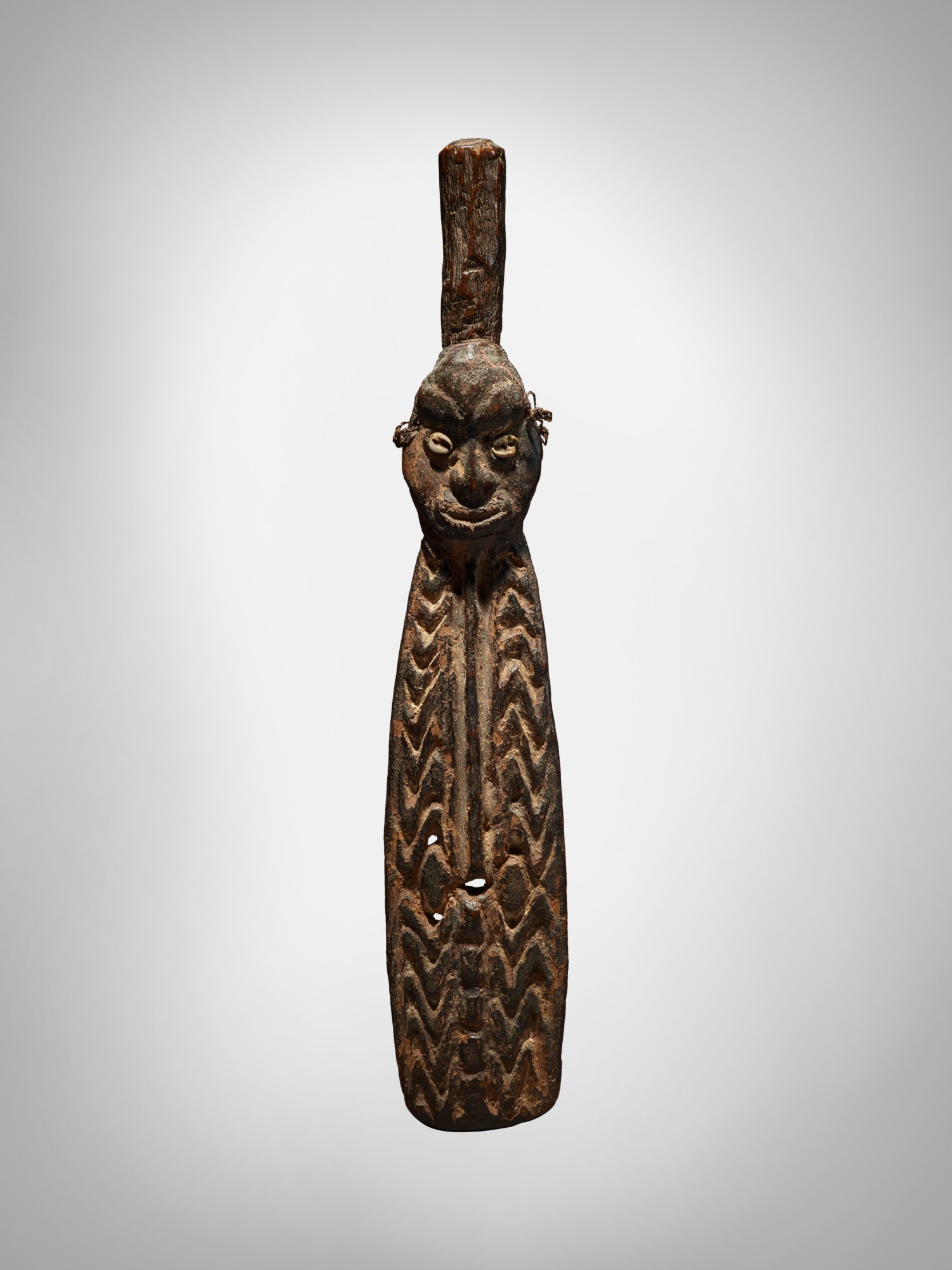
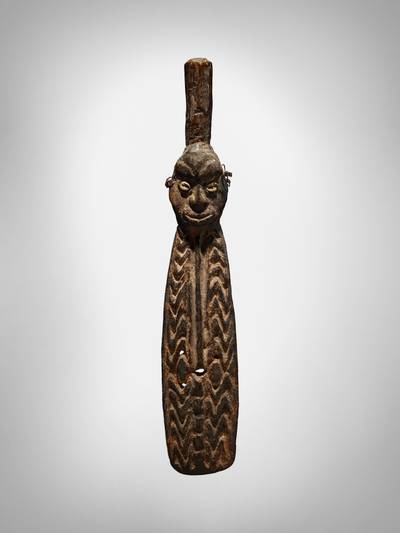
Height: 15 7/8 in (40.4 cm)
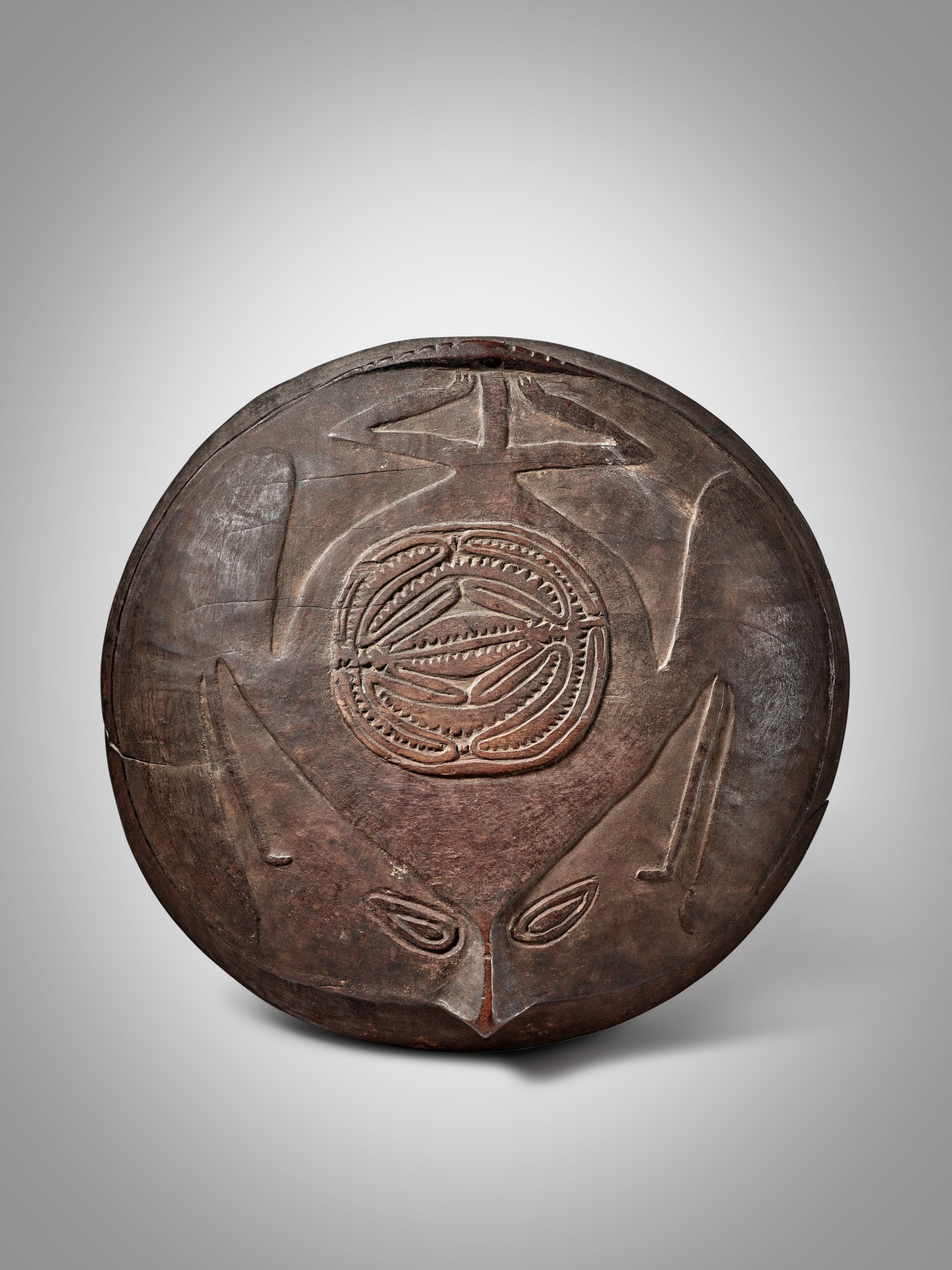
Iatmul Ritual Implement, Middle Sepik River, East Sepik Province, Papua New Guinea
So many of the most powerful works in this category are attributed to unknown historical makers, and the field is wrestling productively with what that means. It is not a weakness in the scholarship so much as an honest acknowledgment that the individualist framework of Western art history does not map cleanly onto traditions where artistic authority was communal, ritual, and encoded in ways that colonial documentation simply did not capture. Curators like Hermione Waterfield, whose research into provenance and field collection has shaped the field for decades, have argued that the anonymity of these objects is not a gap to be filled but a condition to be understood on its own terms. Institutional collecting signals are worth watching closely.
When the Barbican in London gave significant space to Oceanic art in a contemporary context, or when major American museums began reviewing their Oceanic holdings through the lens of repatriation policy, these were not isolated events. They reflected a broader repositioning of Papua New Guinean art from the margins of non Western holdings to something closer to the center of a reckoning that the art world is still in the middle of. Collectors who pay attention to institutional momentum know that what museums take seriously today shapes what the secondary market values tomorrow. The critical writing around this area has become genuinely exciting.
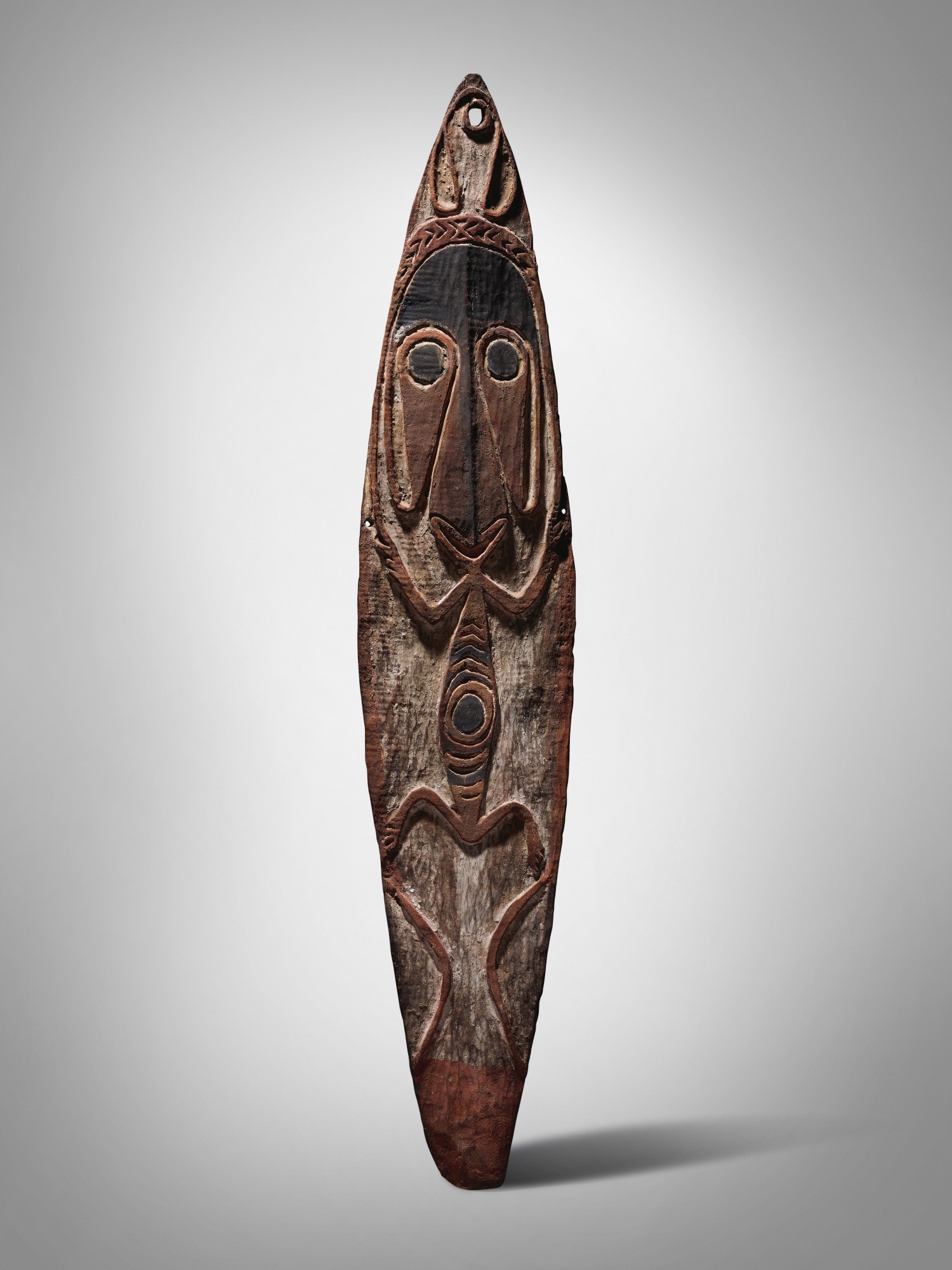
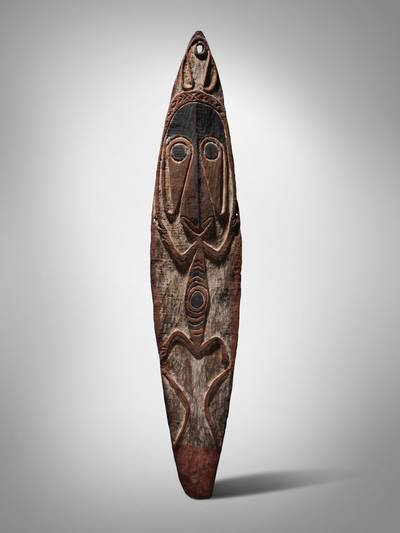
Height: 48 1/4 in (122.6 cm)
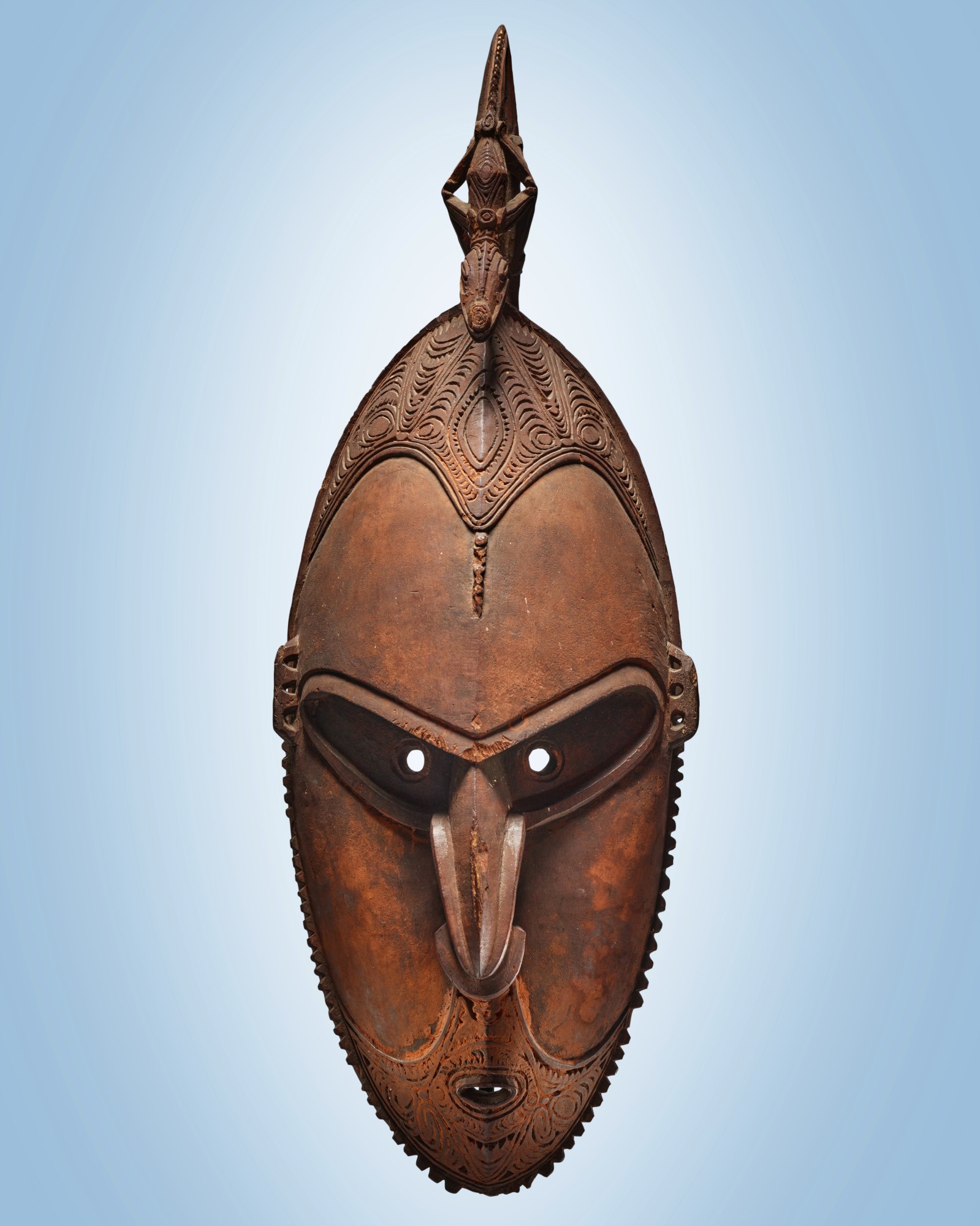
Kerewa Spirit Board, Kikori River Delta, Gulf of Papua, Gulf Province, Papua New Guinea
Beyond the standard ethnographic literature, younger scholars drawing on postcolonial theory and Indigenous methodologies are asking harder questions about how objects were collected, what ceremonies they interrupted, and what communities want now. Publications like RES: Anthropology and Aesthetics have published work that crosses disciplines in ways that feel alive rather than academic. The conversation is not just about the objects themselves but about the entire infrastructure of collection, display, and valuation that surrounds them. What feels settled is the formal recognition that Sepik sculpture belongs in the same rooms as African art and pre Columbian work at the upper tier of the market.
That battle is largely won. What feels genuinely open and genuinely interesting is the question of how repatriation claims, ongoing dialogue with Papua New Guinean communities, and the growing presence of contemporary Papua New Guinean artists in international exhibitions will reshape both the canon and the market over the next decade. The Sepik figure that sold above estimate in Paris was not just a beautiful object. It was a signal that these questions are not slowing the market down.
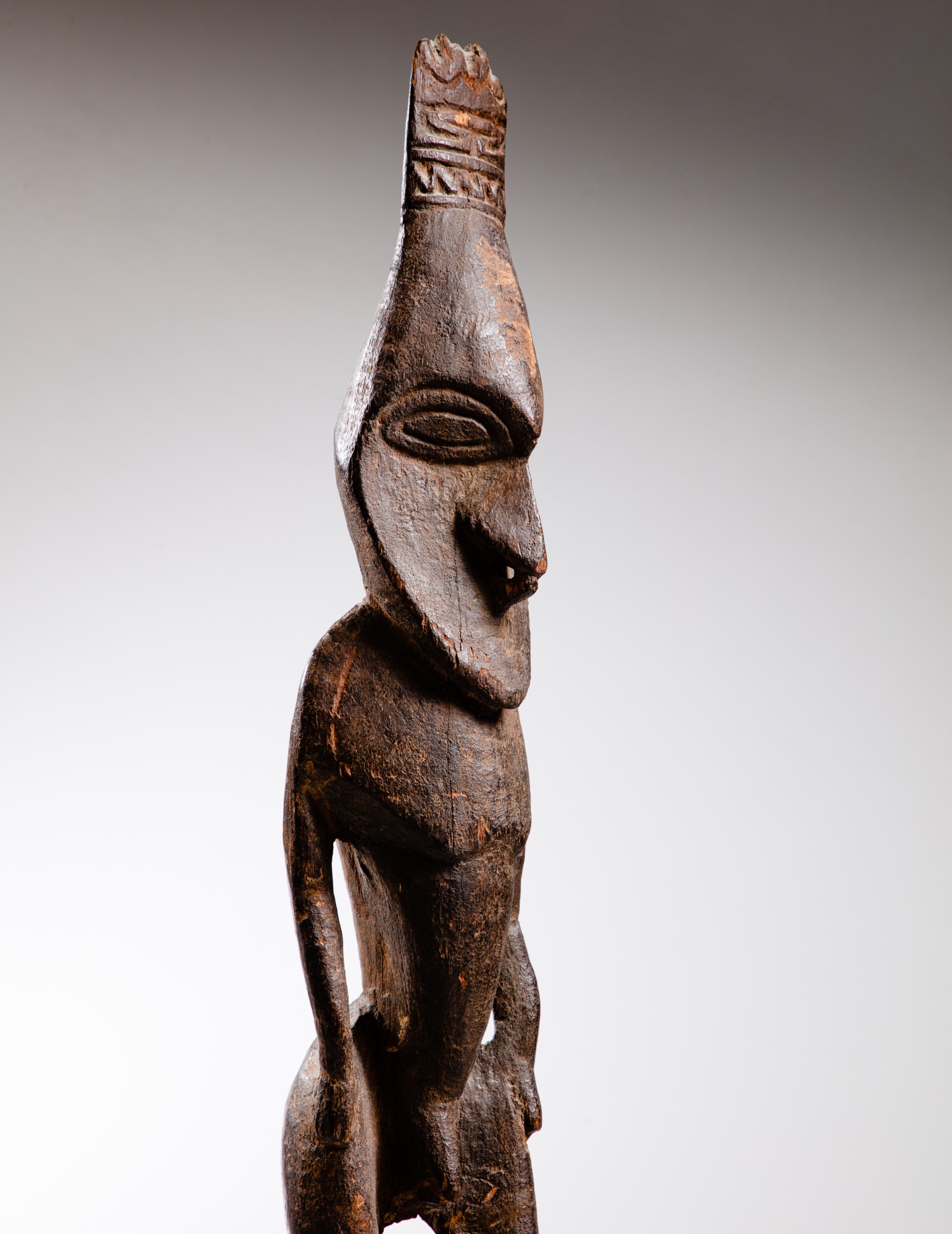
Statue, Sépik, Papouasie-Nouvelle-Guinée
Sepik Figure, Papua New Guinea
If anything, the ethical seriousness of the conversation is drawing in a new generation of collectors who want to engage with complexity rather than avoid it. That is where the energy is, and it is not going anywhere quietly.