Oil Print
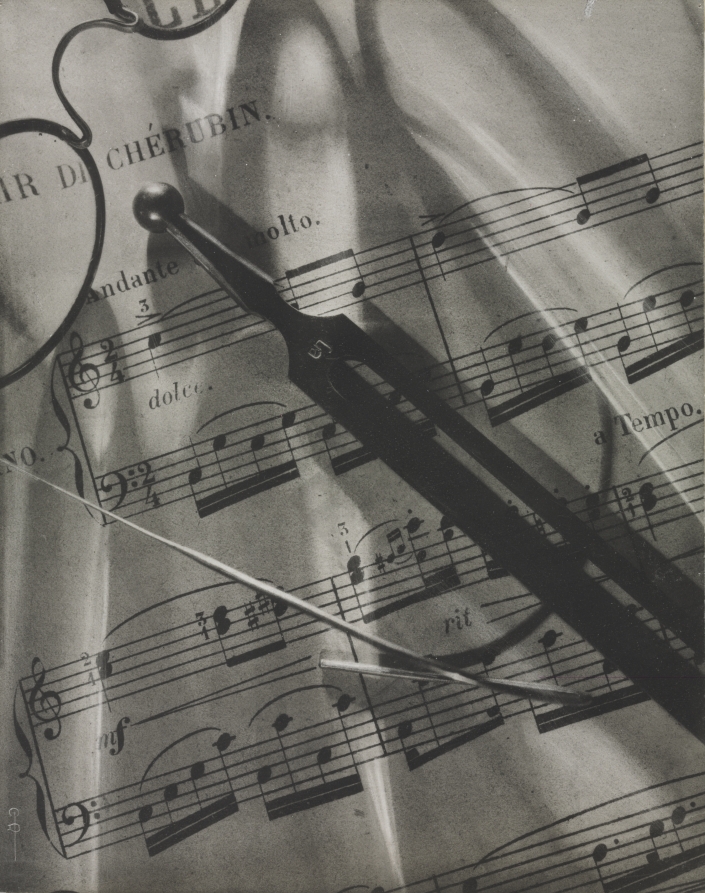
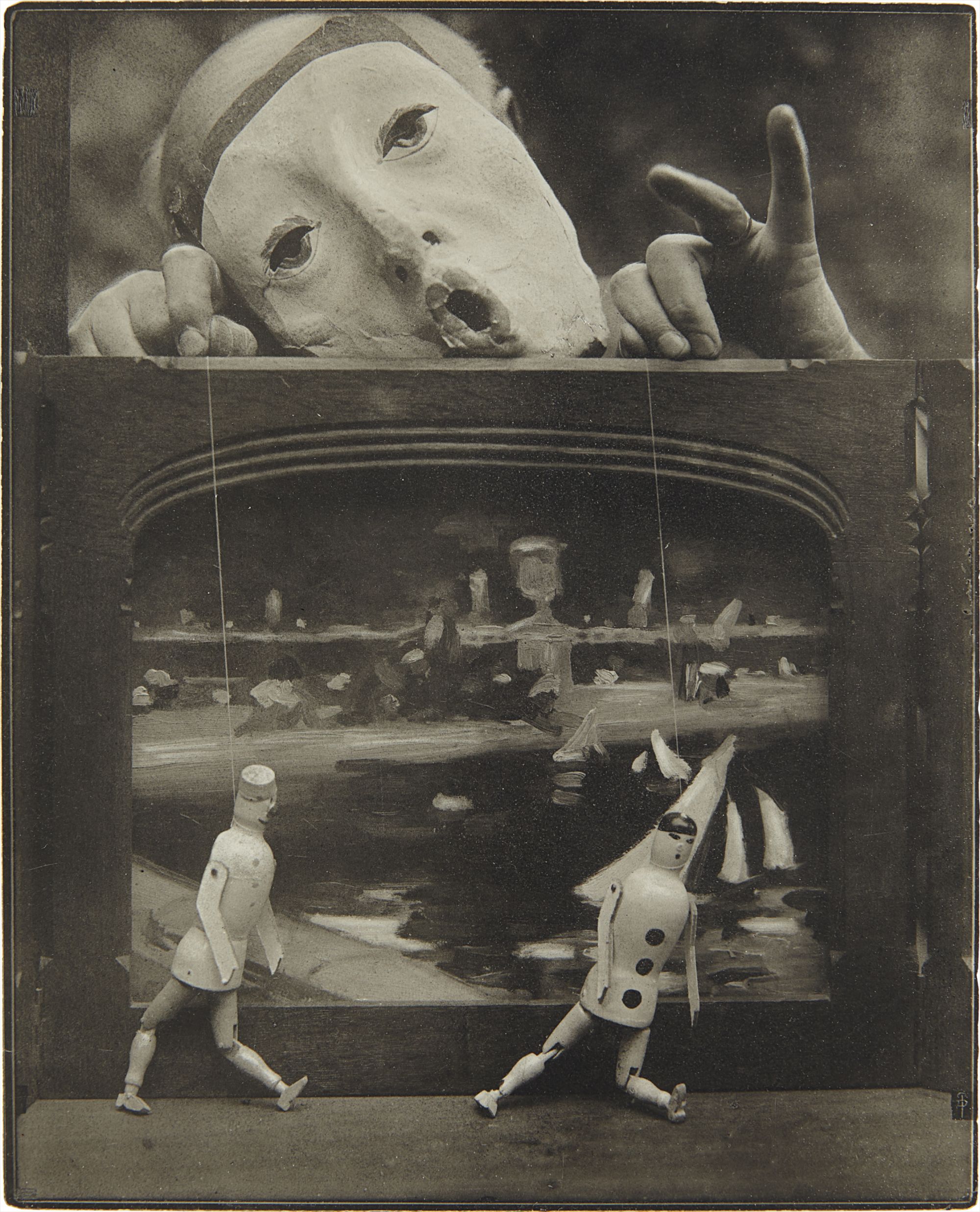
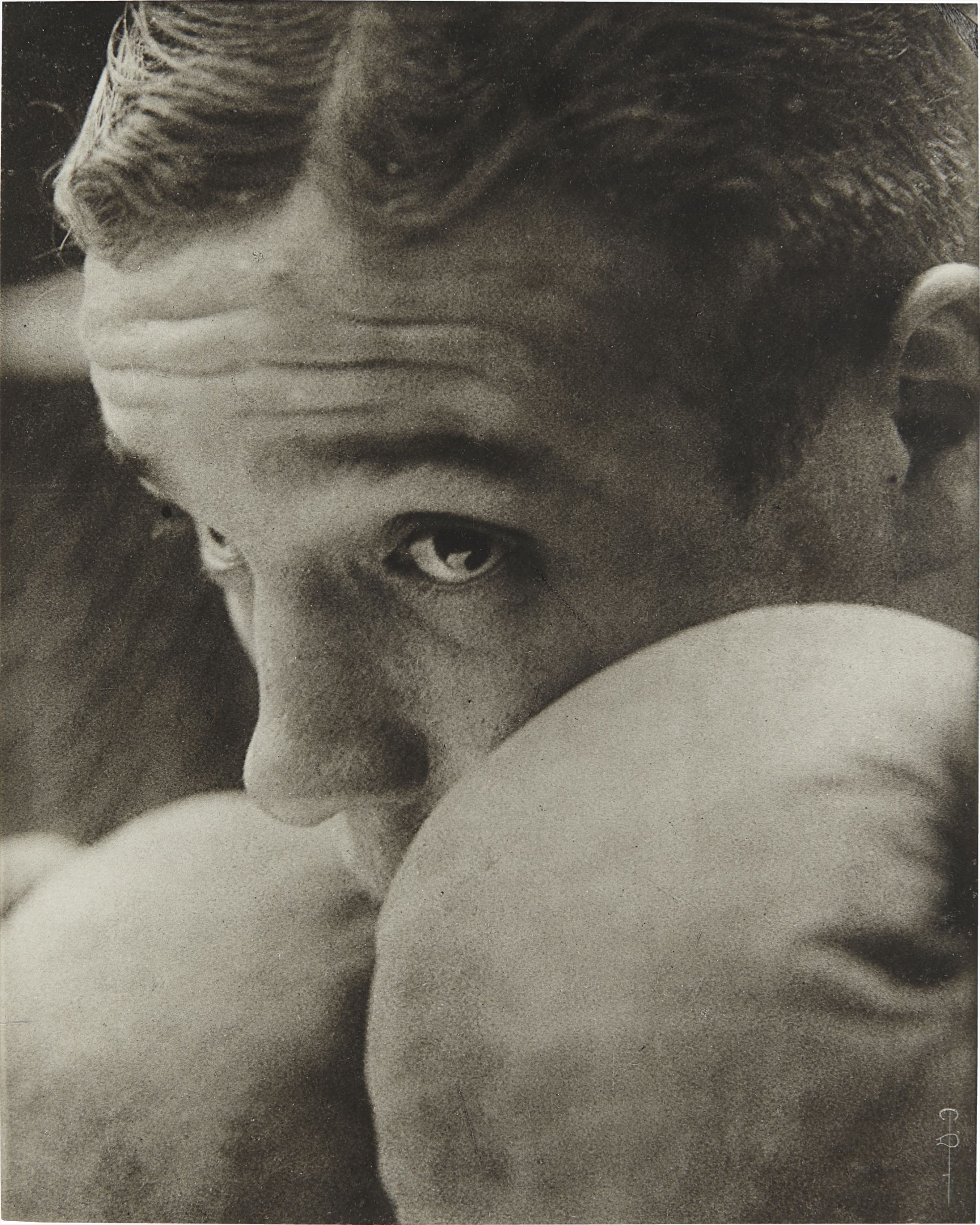
Pierre Dubreuil
Interlude, 1932
Artists
The Slow Burn of Oil Print
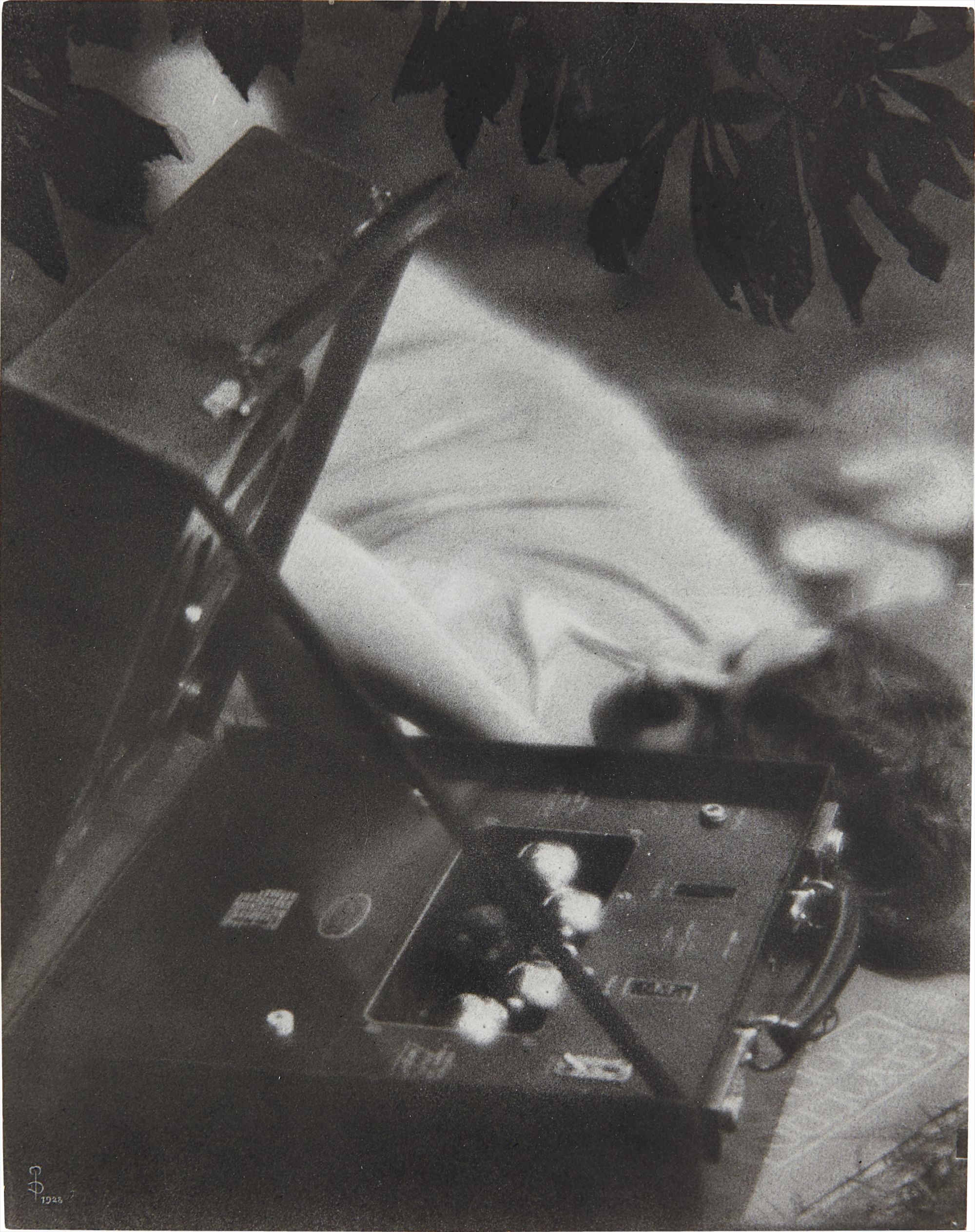
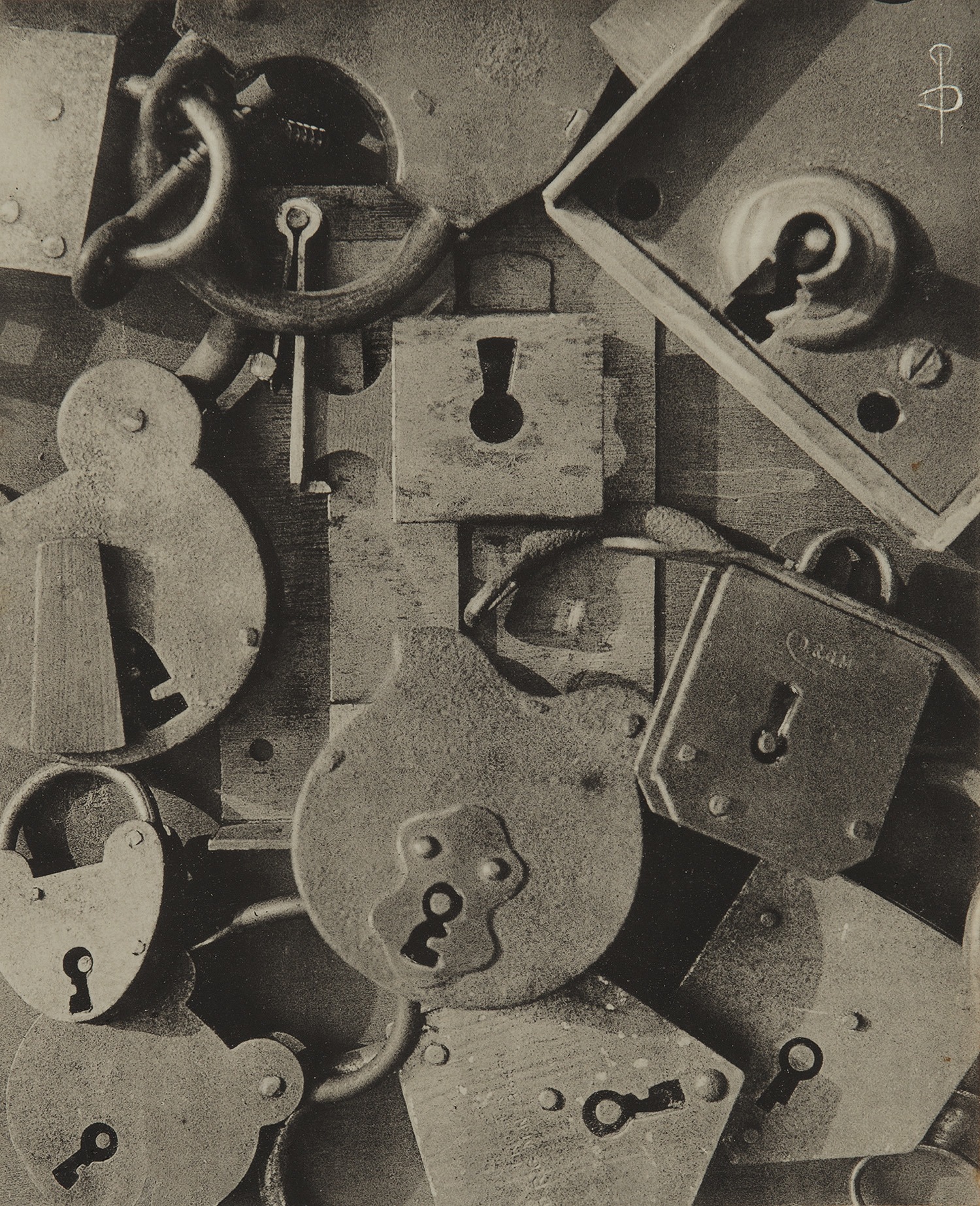
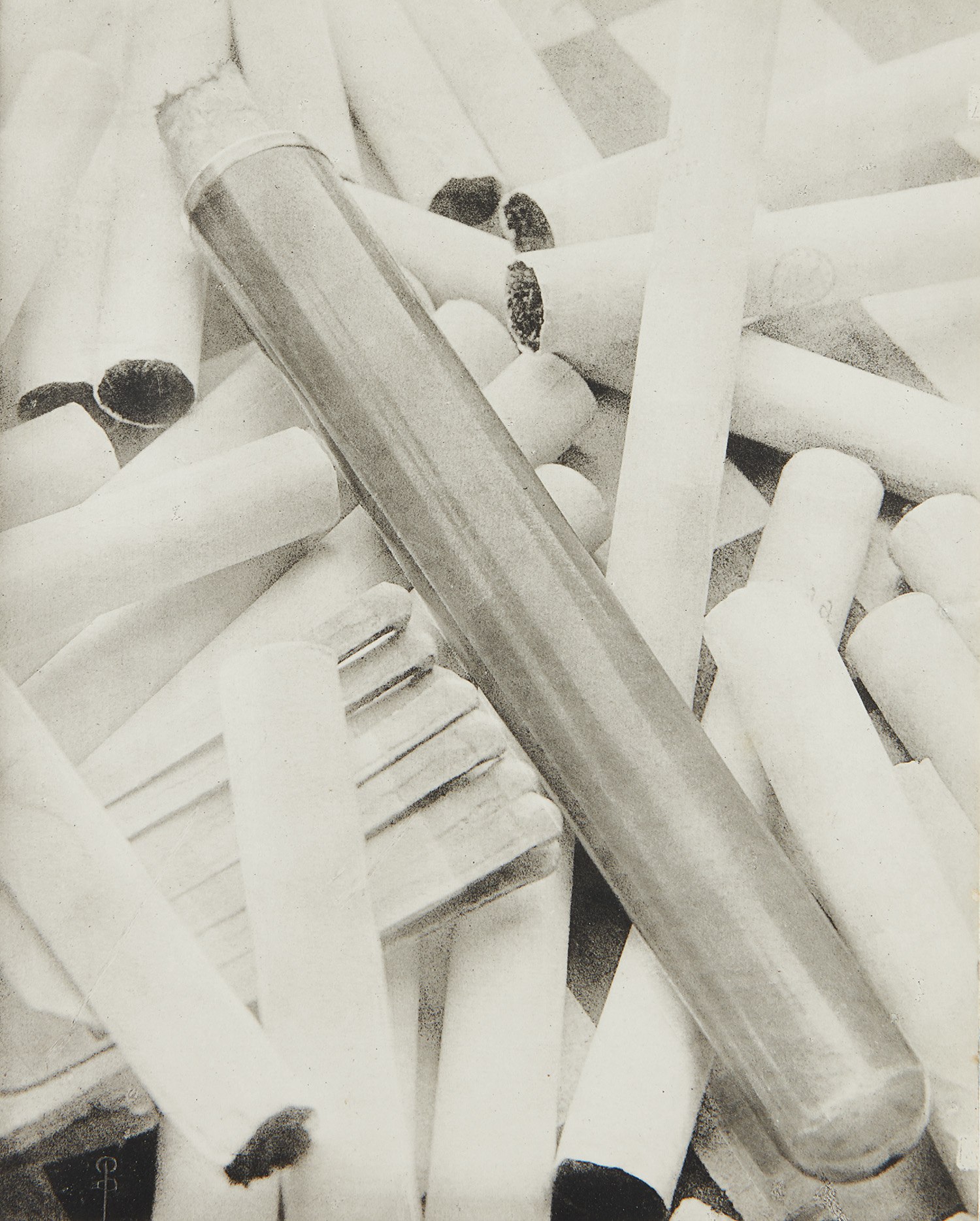
When a Pierre Dubreuil oil print appeared at auction in Paris a few years ago and sailed past its estimate with quiet authority, it was not a surprise to those who had been paying attention. What surprised people was the energy in the room, the sense that this was not a historical footnote going under the hammer but something genuinely alive and contested. Dubreuil, the Belgian born photographer who spent decades pushing the oil print process to its absolute expressive limits, has become something of a touchstone for a new generation of collectors who are rethinking what photography can be and always could have been. The oil print process itself occupies a fascinating and somewhat unresolved position in the history of photography.
Developed in the early twentieth century as part of the broader Pictorialist movement, oil printing allowed photographers to manipulate their images by hand, applying oil based pigments to a gelatin surface that had been rendered selectively sticky through exposure to light. The result was something closer to a painting or a lithograph than to a conventional photograph, and that ambiguity was precisely the point. For practitioners like Dubreuil and his contemporary Léonard Missone, the process was not a workaround or a novelty but a serious artistic commitment, a way of insisting that photography was a fine art medium deserving the same critical attention as any other. Missone, who worked primarily in Belgium and built a body of work defined by atmospheric landscapes and an almost cinematic sense of light, brought something quieter and more melancholic to the medium than Dubreuil.
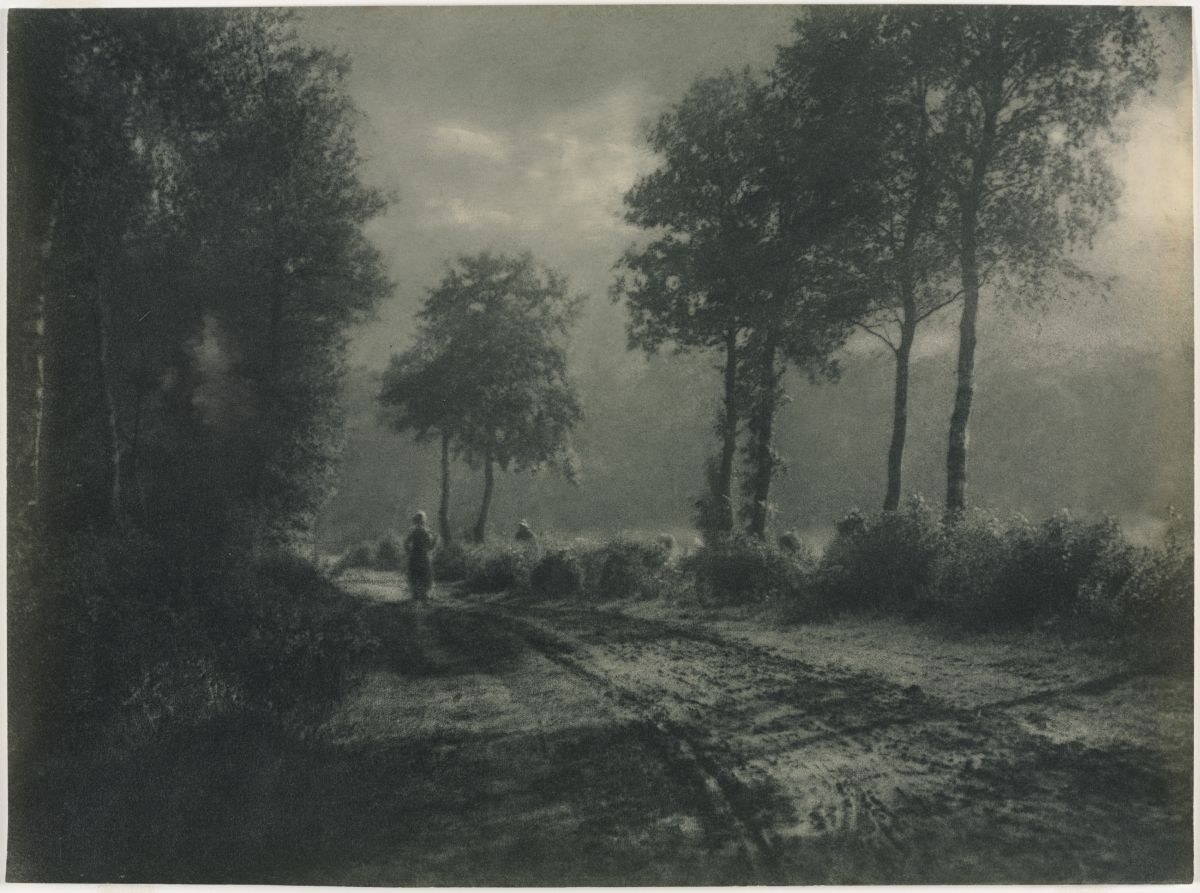
Léonard Missone
Women on a Country Road, 1928
Where Dubreuil pushed toward formal abstraction and graphic intensity, Missone drew on the tradition of Barbizon painting and the northern European landscape sensibility, creating images that feel suspended between memory and observation. His work has found a devoted audience among collectors who appreciate restraint and tonal subtlety, and museum holdings in Belgium and elsewhere have helped anchor his reputation across generations. The exhibition history around oil print photography has gained real momentum since the late 2000s, when several important shows began placing Pictorialist photography in dialogue with Symbolist painting and early modernism rather than treating it as a footnote to the development of straight photography. The Getty Museum in Los Angeles has been particularly significant here, both through its publications and through exhibitions that examined the global reach of Pictorialism and the technical ingenuity of processes like oil printing.
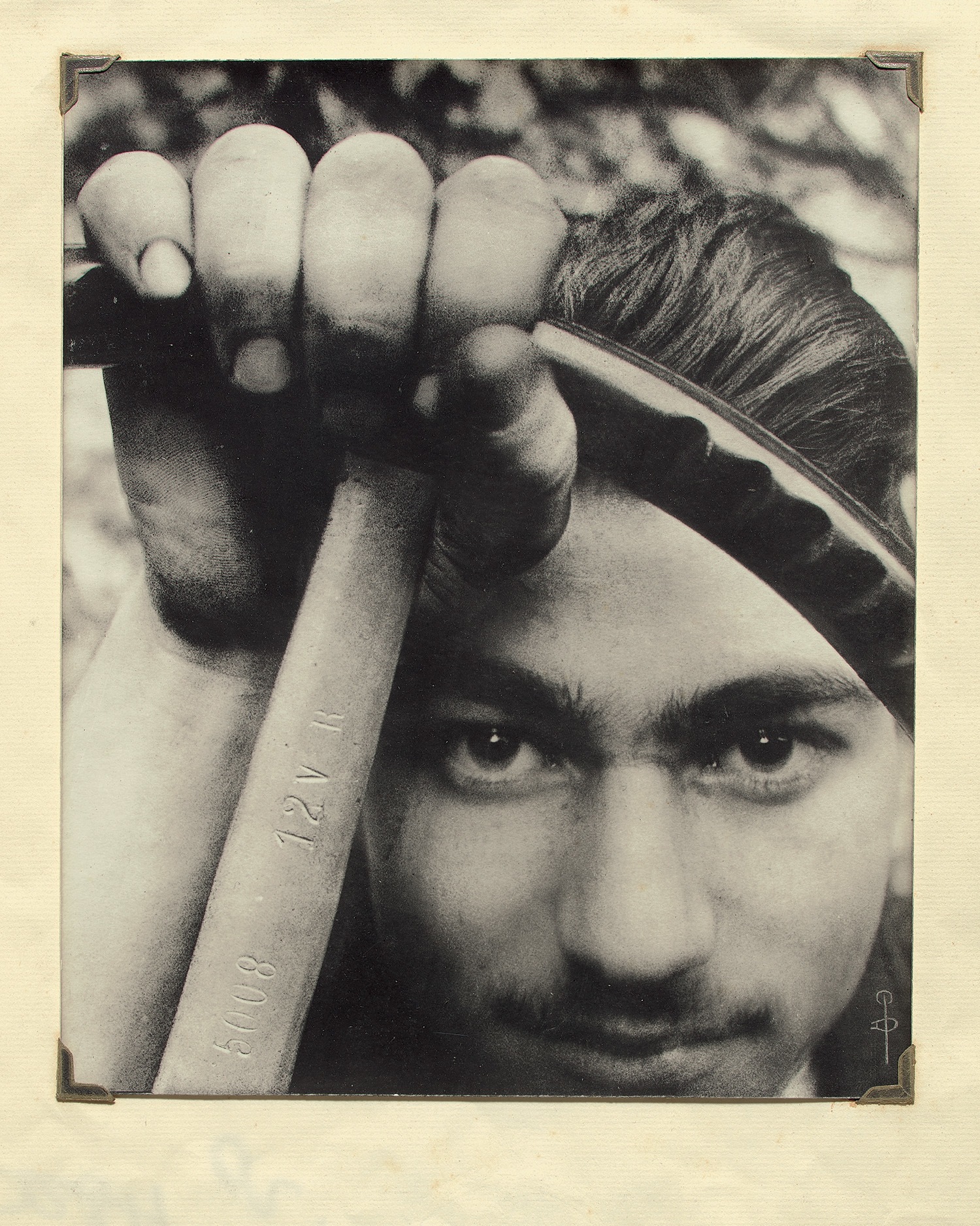
The Royal Museum of Fine Arts of Belgium has done serious curatorial work around Missone specifically, and that institutional endorsement matters enormously for how the market perceives an artist's long term stability. At auction, Dubreuil continues to attract the most competitive bidding among photographers working in the oil print tradition. His images, which often fragment industrial subjects or push portraiture toward near abstraction, appeal to collectors who came to photography through modernist painting and who recognize in his work a rigorous formal intelligence. Christie's and Sotheby's have both handled significant Dubreuil material over the past decade, and the results have consistently demonstrated that condition, rarity, and size all bear heavily on final prices, as they do with any works on paper.
Pierre Dubreuil
Interlude, 1932
What is interesting about the current moment is that mid tier examples are also finding buyers, which suggests a broadening collector base rather than a trophy driven market concentrated at the very top. The critical conversation around oil print photography is being shaped by a handful of scholars and curators who are interested in materiality and process as much as in image content. Writers like Lori Pauli, whose work on Pictorialism through the National Gallery of Canada has been influential, and the broader network of scholars affiliated with the Photo Historians network in Europe have helped create a rigorous intellectual framework for understanding these works. Photography journals including History of Photography and Études photographiques have published important essays in recent years examining the chemistry and aesthetics of the oil print in new ways, moving beyond the old debates about whether Pictorialism was progressive or reactionary and asking instead what these objects do, how they work on us, and what they tell us about the relationship between medium and meaning.
Institutional collecting in this area has been notably active in Europe, where national museums in Belgium, France, and Germany have long recognized oil print photography as part of their patrimony. In the United States, institutions like the Metropolitan Museum of Art and the Art Institute of Chicago hold important examples and have begun integrating them more visibly into displays of early twentieth century art rather than sequestering them in photography only contexts. That shift in hanging strategy is significant. It signals that curators are increasingly willing to make the argument that a Dubreuil oil print belongs in conversation with a Whistler nocturne or a Klimt drawing, not because photography needs legitimation but because the works themselves demand it.
What feels genuinely alive in the market right now is the appetite among younger collectors for objects that carry a visible hand, a sense of the artist's physical presence and decision making in the work itself. Oil prints deliver that in abundance. Every one is unique in ways that even other alternative process photographs are not, because the application of pigment was entirely manual and entirely unrepeatable. That singularity resonates in an art world that has spent years debating the ontology of the digital image, and it positions oil print photography as a surprisingly contemporary conversation even as it draws on techniques that are well over a century old.
The works represented on The Collection, from Dubreuil especially, offer collectors an entry point into a corner of photography history that continues to yield new discoveries for those willing to look closely and think carefully about what a photograph can be.