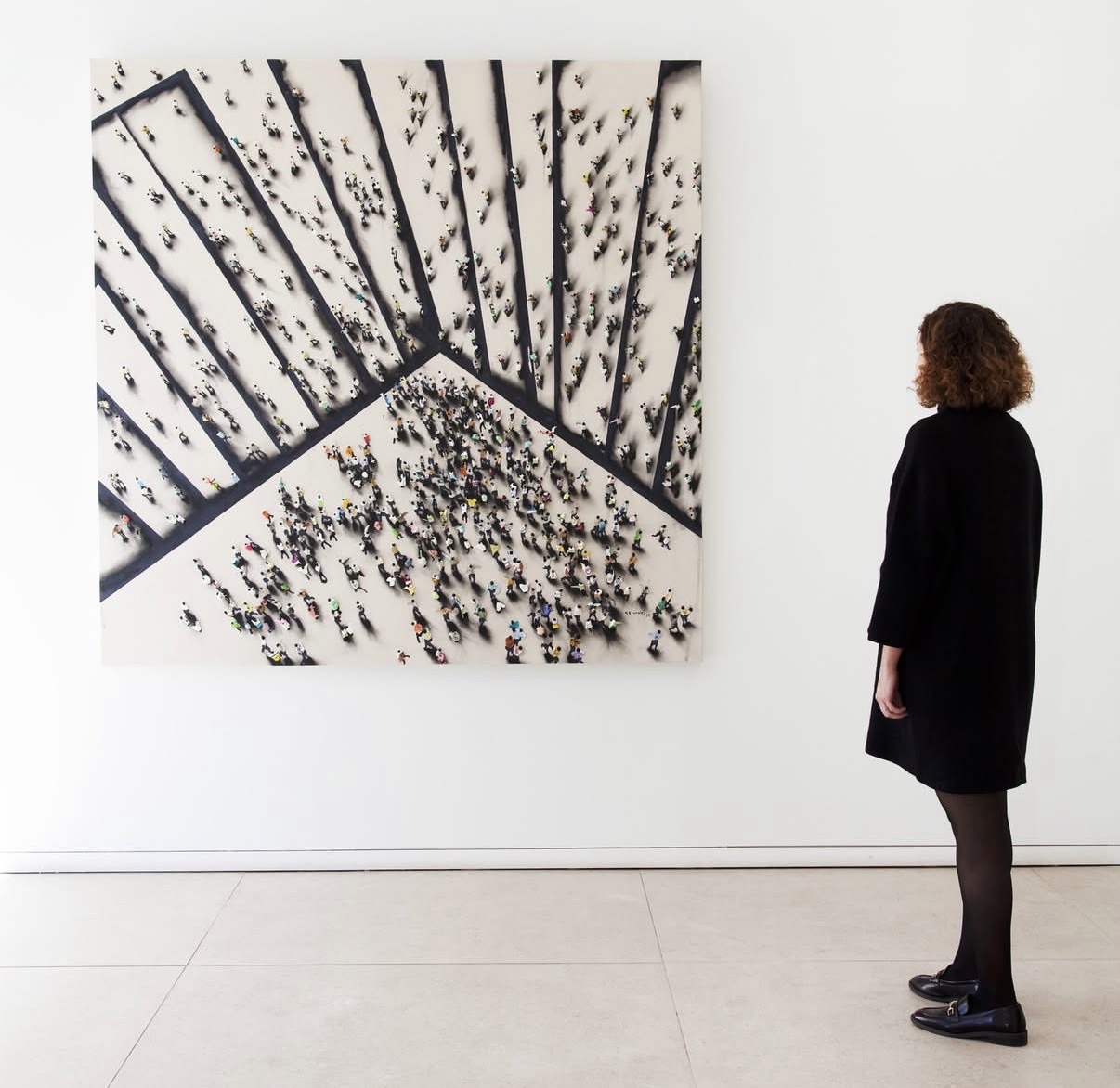
Oil On Vellum
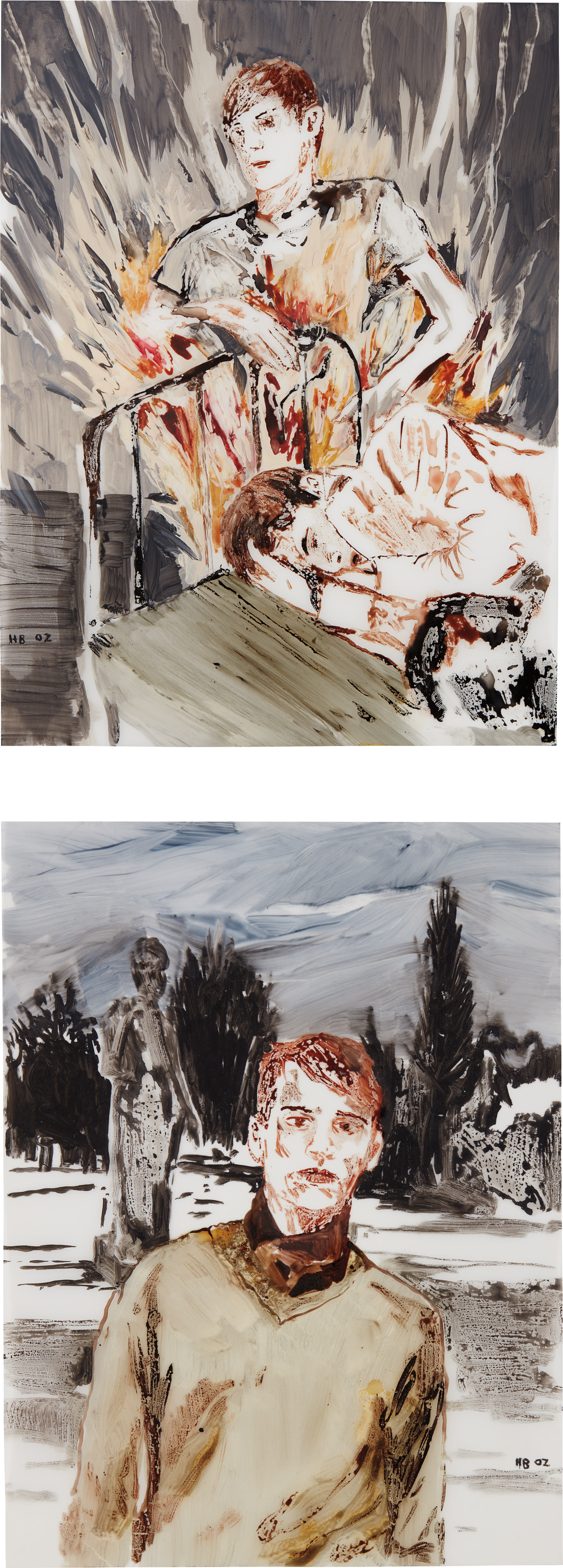
Hernan Bas
Two Works: (i) Your Private Friend (ii) Brandon, 16, Satanist, UK, 2002


The Skin of Painting Has Changed
When a small oil on vellum attributed to a seventeenth century Dutch master sold at Christie's Amsterdam for nearly four times its estimate a few years ago, the room went quiet in that particular way rooms do when something has shifted. The work was modest in scale, roughly the size of a paperback novel, and depicted a sprig of botanicals with the kind of exacting tenderness that only an artist who truly loved the subject could sustain. What the result confirmed was not simply that there was appetite for the medium, but that collectors had become newly attentive to the intimacy vellum demands, both from the artist and from the viewer. Oil on vellum occupies a strange and quietly prestigious position in the history of painting.
Prepared animal skin, most often calf or goat, was the support of choice for medieval illuminators and Renaissance miniaturists before canvas and panel claimed dominance. But it never disappeared entirely, and what is remarkable about the current cultural moment is the degree to which contemporary artists have returned to it not as an exercise in revival but as a genuine material choice. Vellum has a translucency that oil paint responds to differently than it does on linen or board. The skin holds light in a way that feels almost biological, and that quality is not lost on painters who are thinking carefully about presence.
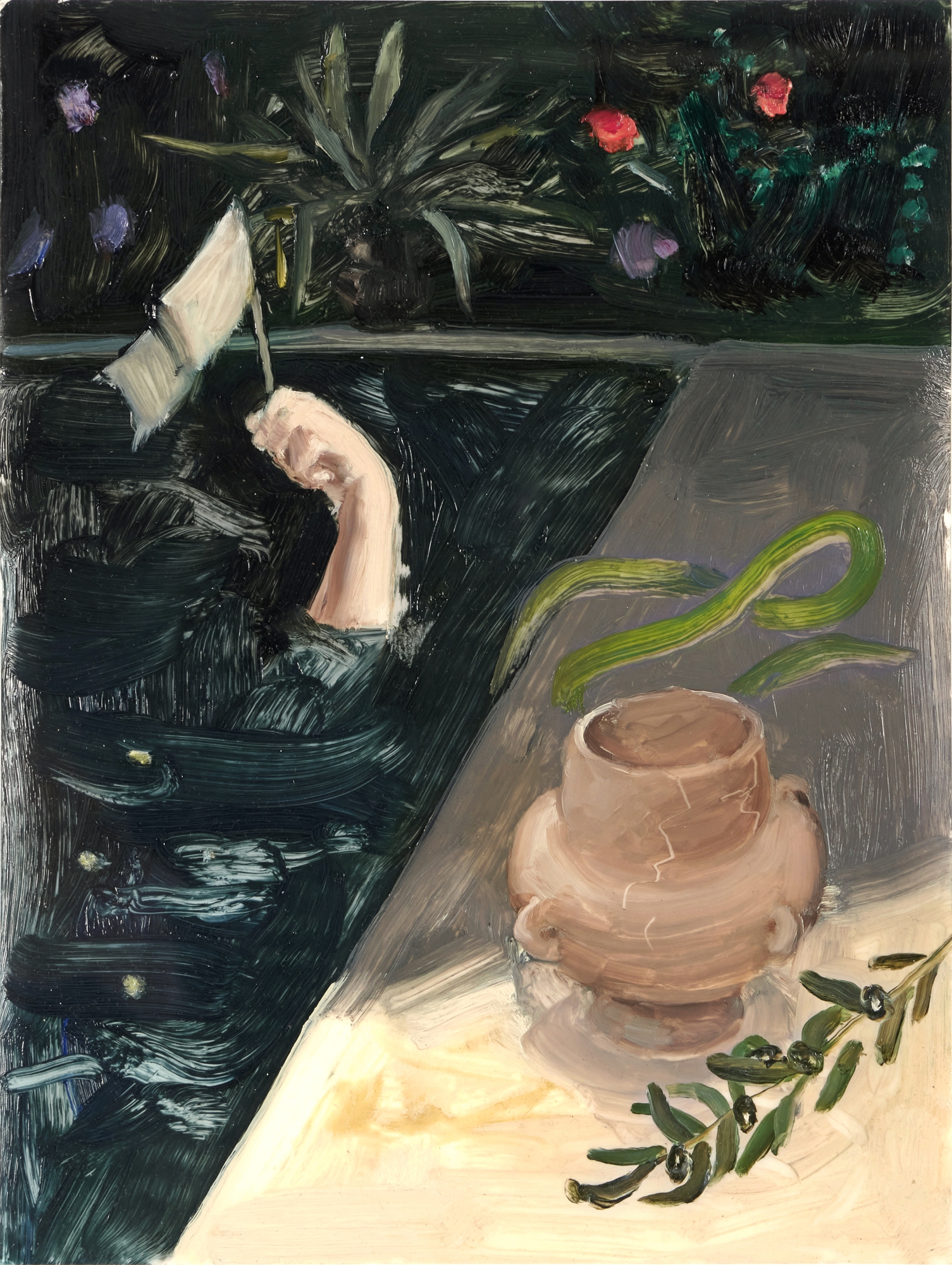
Jenna Gribbon
Summer forfeit, 2014
Jenna Gribbon, whose work appears on The Collection, is among the most compelling figures working in oil today precisely because her paintings are so insistently about looking and being looked at. Her intimately scaled works carry a charge that aligns naturally with the vellum tradition, even when she works on other supports. The psychological compression that vellum demands, its resistance to overworking, its refusal to let a painter bluff through a passage, produces exactly the kind of tension her work thrives on. When critics write about Gribbon's surfaces, they are often reaching for the same vocabulary that historians use to describe vellum miniatures: skin, membrane, proximity.
The market for historical oil on vellum has been shaped significantly by the sustained institutional and critical rehabilitation of botanical, scientific, and devotional works from the sixteenth through eighteenth centuries. The Getty and the Victoria and Albert Museum have both organized exhibitions in recent decades that repositioned vellum works not as decorative curiosities but as serious objects of intellectual ambition. The V and A's holdings of portrait miniatures, many of them executed in watercolor and gouache on vellum, have anchored scholarship in this area, and their influence on how collectors understand scale and surface has been considerable. When Sotheby's London dedicates a discrete sale category to works on vellum and parchment, as it has periodically, the results reveal a buyer base that is informed, patient, and willing to pay for condition and rarity in combination.
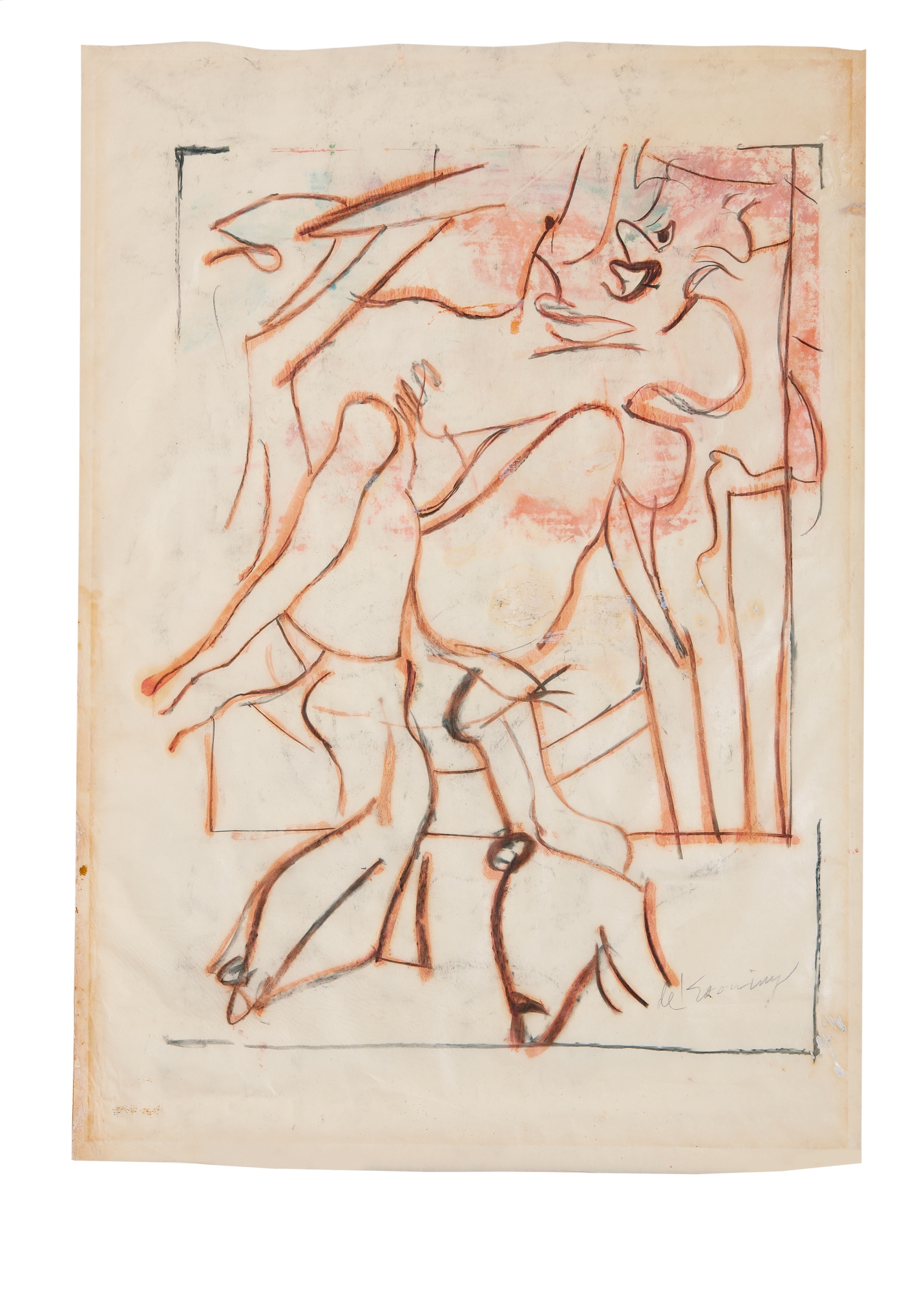
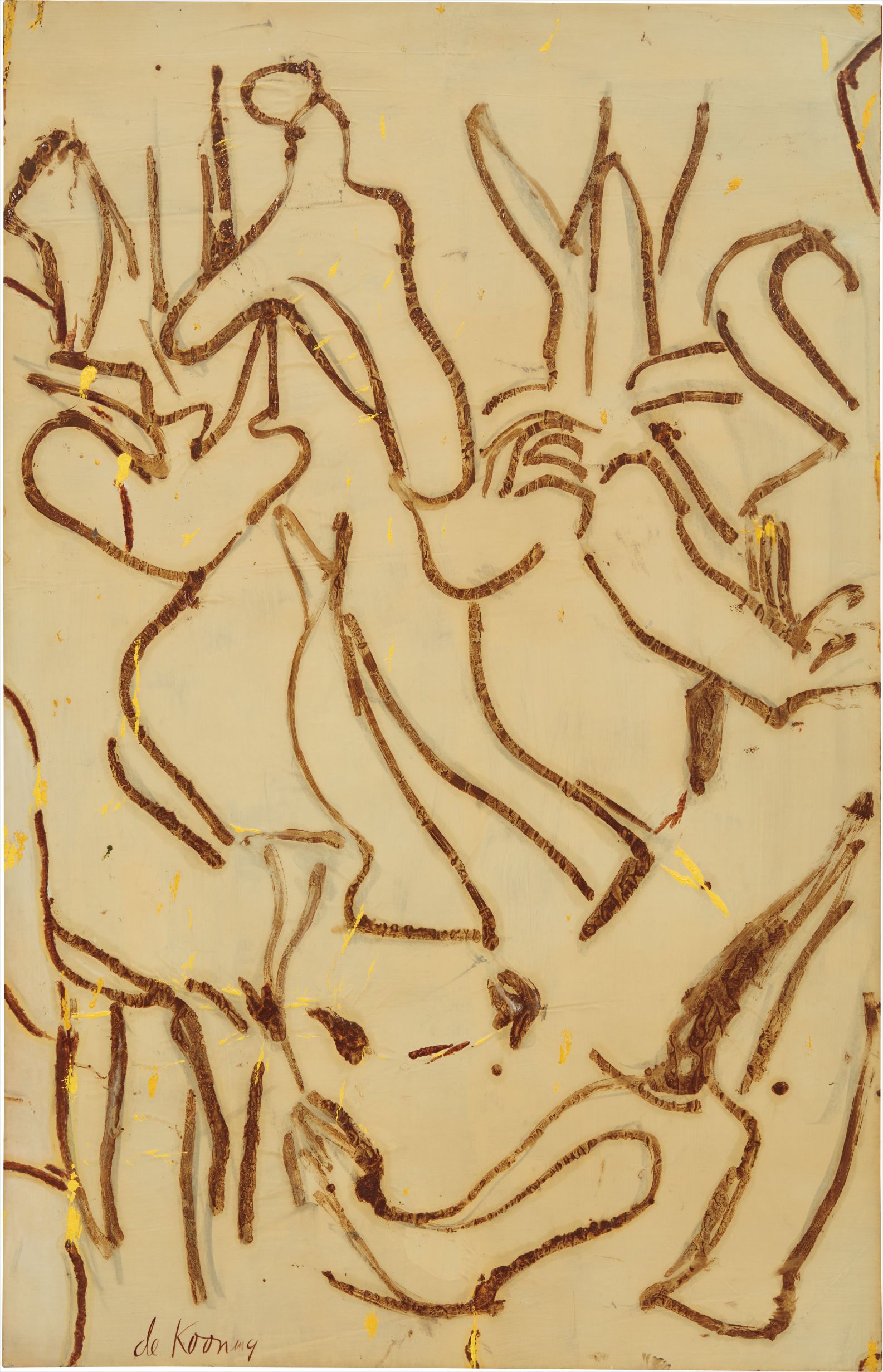
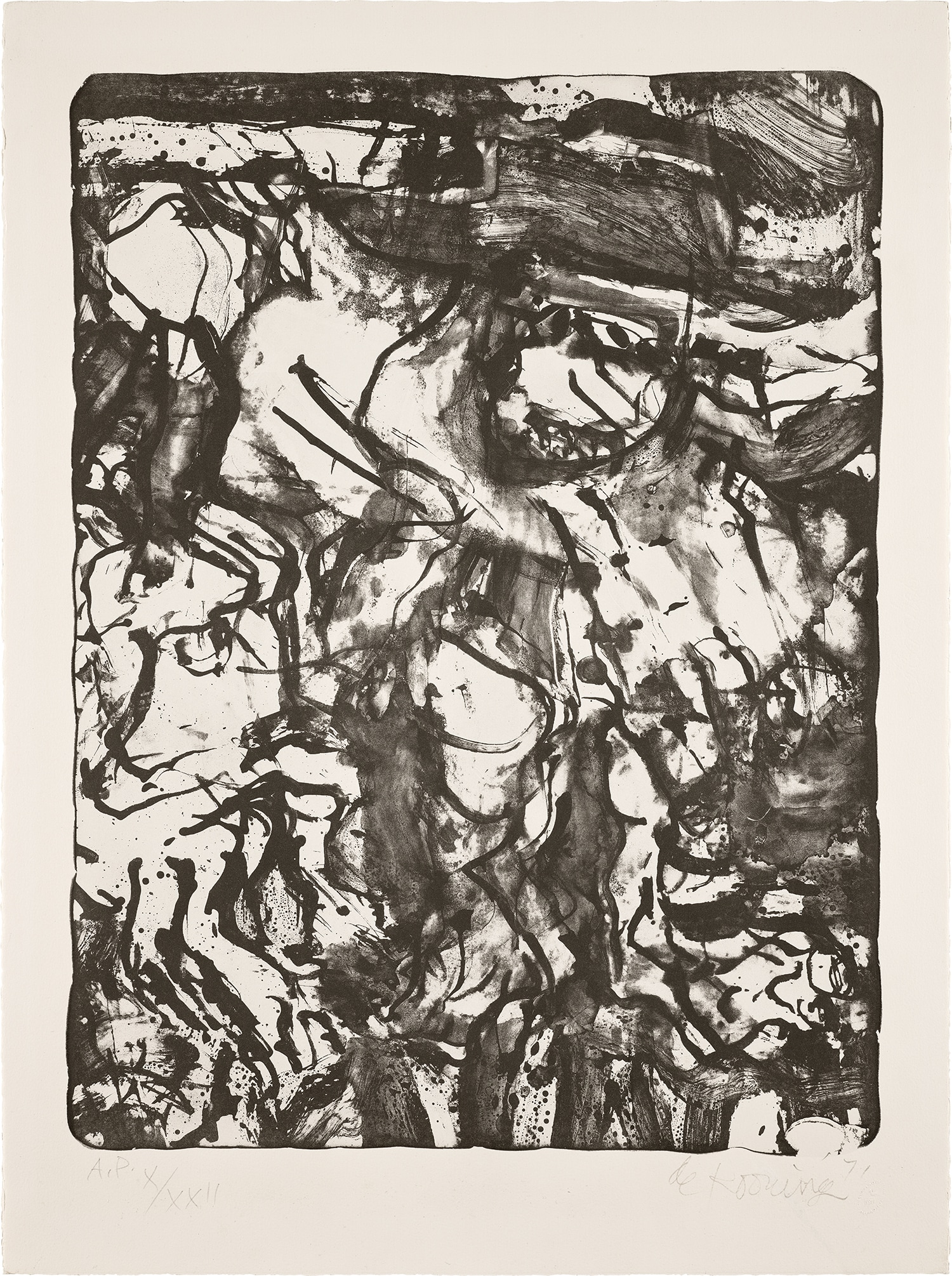
Willem de Kooning
Untitled (Woman with High Heels), 1964
Willem de Kooning's presence on The Collection is a reminder that the conversation around surface, ground, and support is never purely historical. De Kooning was famously obsessive about the materials he worked with, experimenting with additives and grounds throughout his career in ways that were sometimes controversial and always deliberate. His late works in particular, with their ribboning passages of color and their liquid openness, seem to be in dialogue with the idea of a ground that pushes back, that has its own quality of resistance. Toulouse Lautrec, also represented here, worked extensively on cardboard precisely because he wanted a surface that absorbed paint differently, that made his marks read with a particular directness.
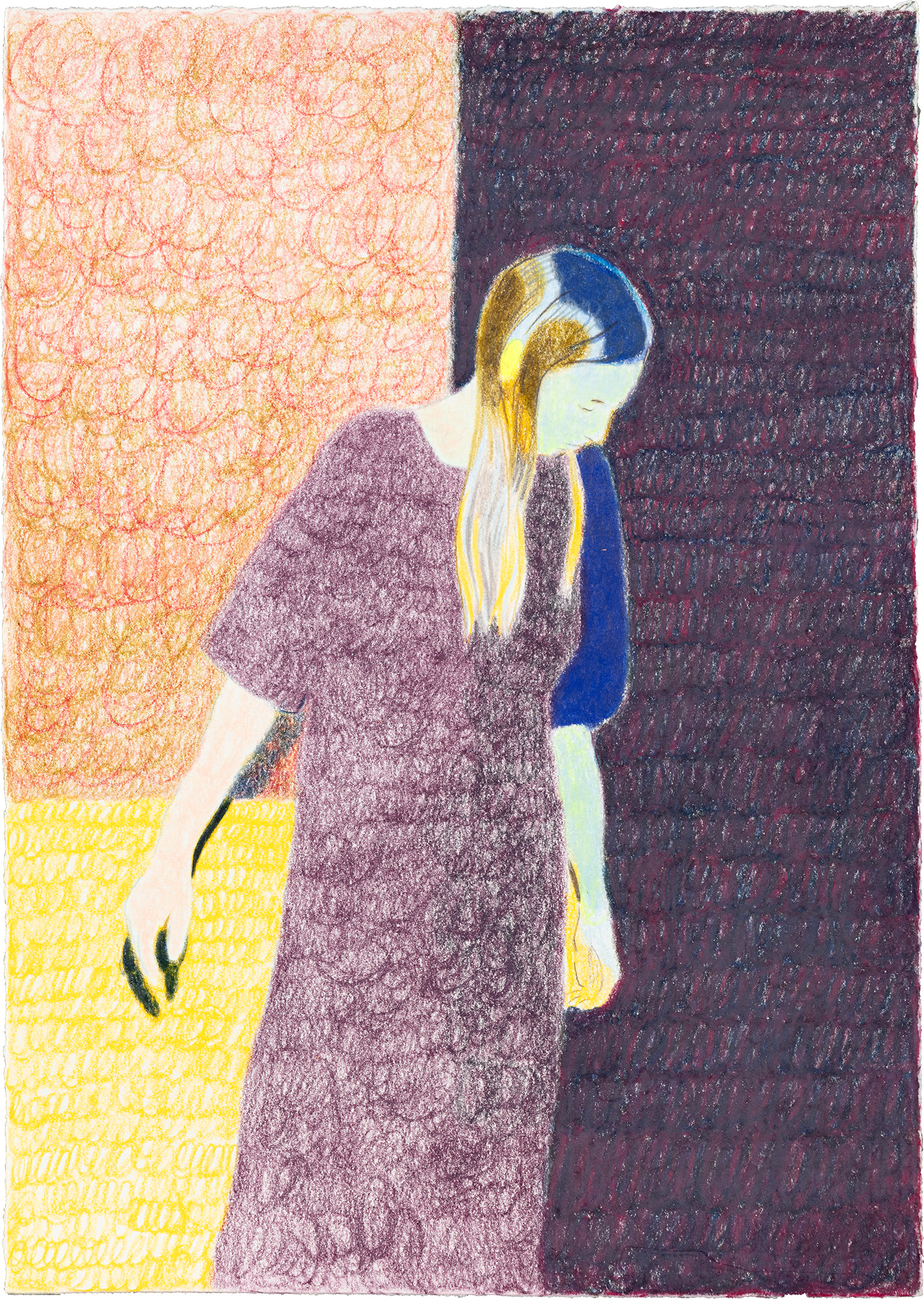
The impulse behind both artists connects to what draws painters to vellum: the desire for a surface that is a collaborator rather than a neutral field. Hernan Bas and Karyn Lyons, both represented on The Collection, approach materiality from very different angles, but each engages with a kind of painting that rewards sustained, close attention. Bas's gothic and psychologically loaded imagery demands a viewer who is willing to sit with ambiguity, and his works have attracted the attention of institutions including the Museum of Contemporary Art in Miami and the Rubell Family Collection. Lyons's practice, meanwhile, rewards exactly the kind of intimate looking that vellum historically solicited.
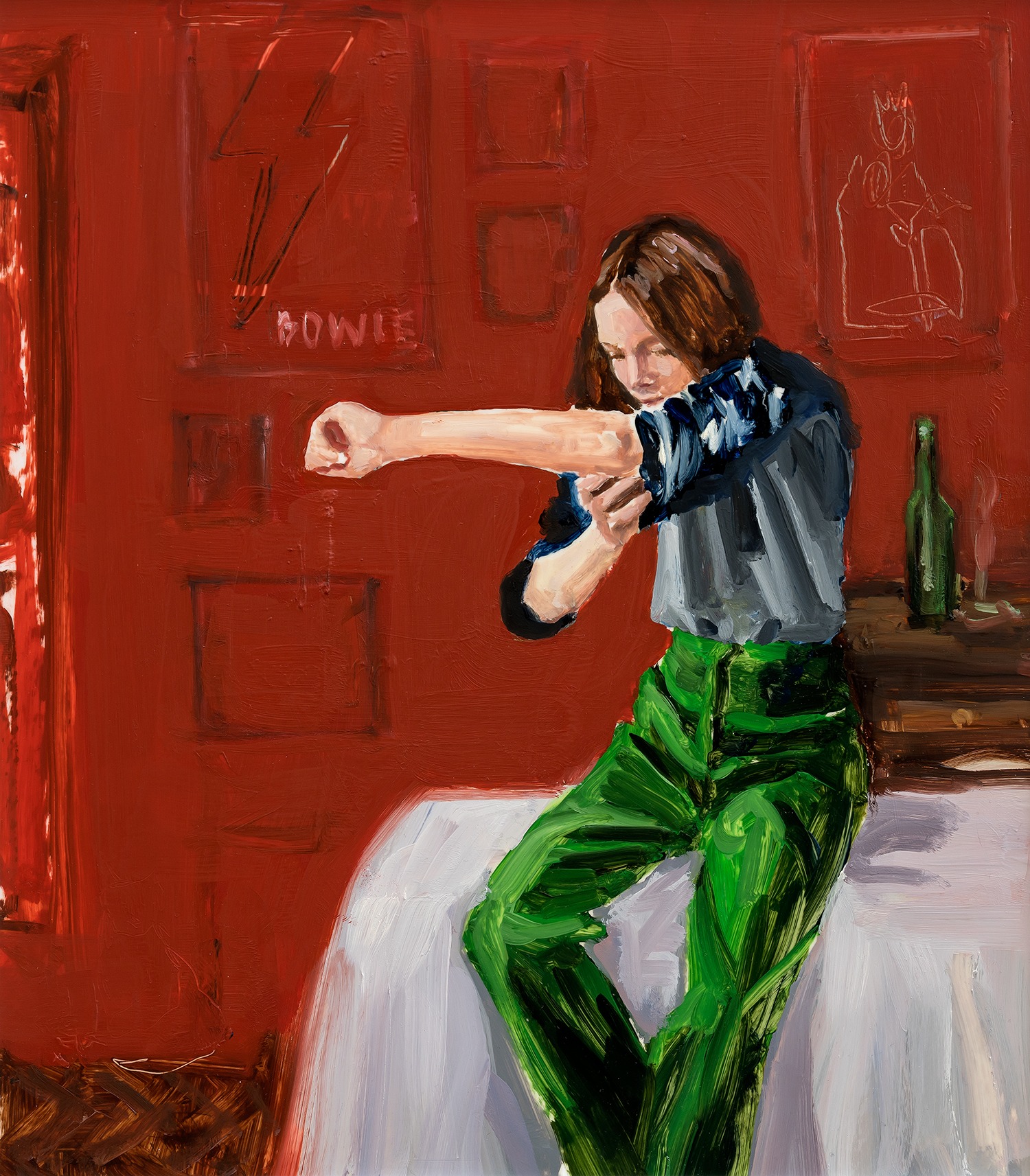
Karyn Lyons
Heartbreaker, 2021
There is a lineage here that runs from the portrait miniature carried in a locket to the small painting held in the hand at a studio visit, a tradition of art made for close proximity and private contemplation. The critical conversation shaping this area is coming from several directions at once. Historians like Marcia Pointon, whose writing on portraiture and miniature has been foundational, established frameworks that contemporary curators have expanded. Publications including The Burlington Magazine and, in the American context, Master Drawings, continue to publish serious scholarship on works on vellum from historical periods.
But the more surprising energy is coming from critics covering contemporary painting who are reaching back toward these materials as a way of explaining what certain painters are doing now. When reviewers write about luminosity, about the ethics of close looking, about the relationship between surface and skin, they are drawing on a vocabulary that vellum made necessary. What feels alive in this space right now is the convergence of historical connoisseurship and contemporary practice. Collectors who built expertise in Old Master works on vellum are finding that their eye, trained to read subtleties of surface and condition, serves them equally well when looking at contemporary painting on unconventional supports.
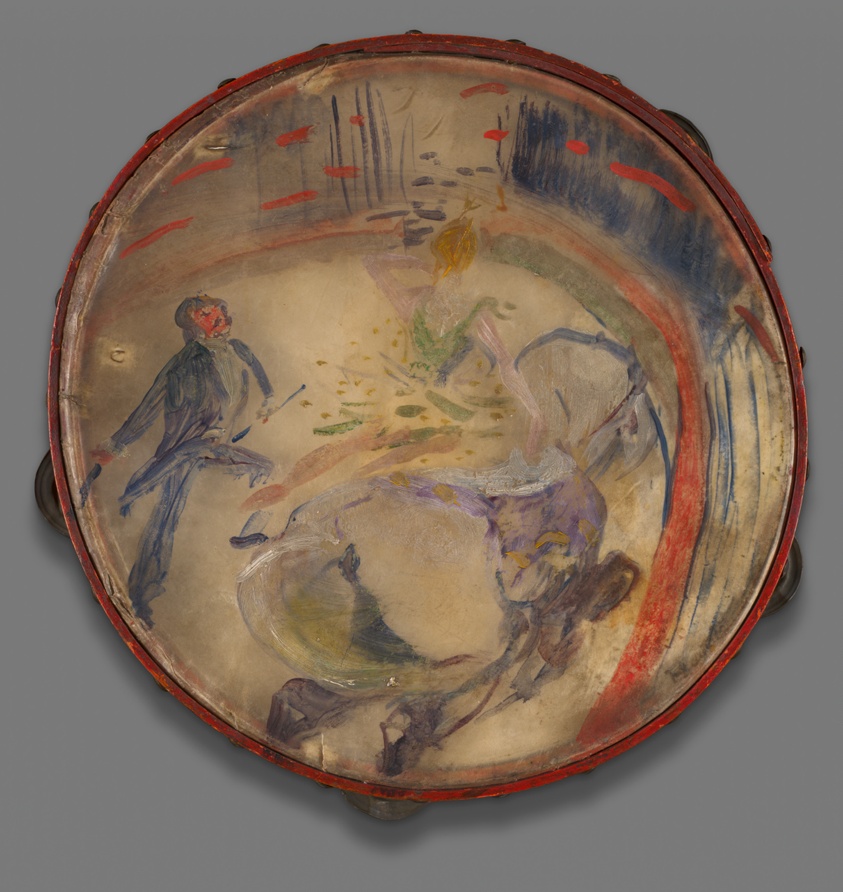
Henri de Toulouse-Lautrec
At the Circus: The Bareback Rider (Au Cirque: Écuyère), 1888
The surprises are likely to come from artists who take the material seriously without making it the subject, who use vellum because it is the right answer to a specific problem rather than because they want to signal historical awareness. That is, after all, how the great vellum painters of the past worked. They chose it because nothing else would do.