New Media Art
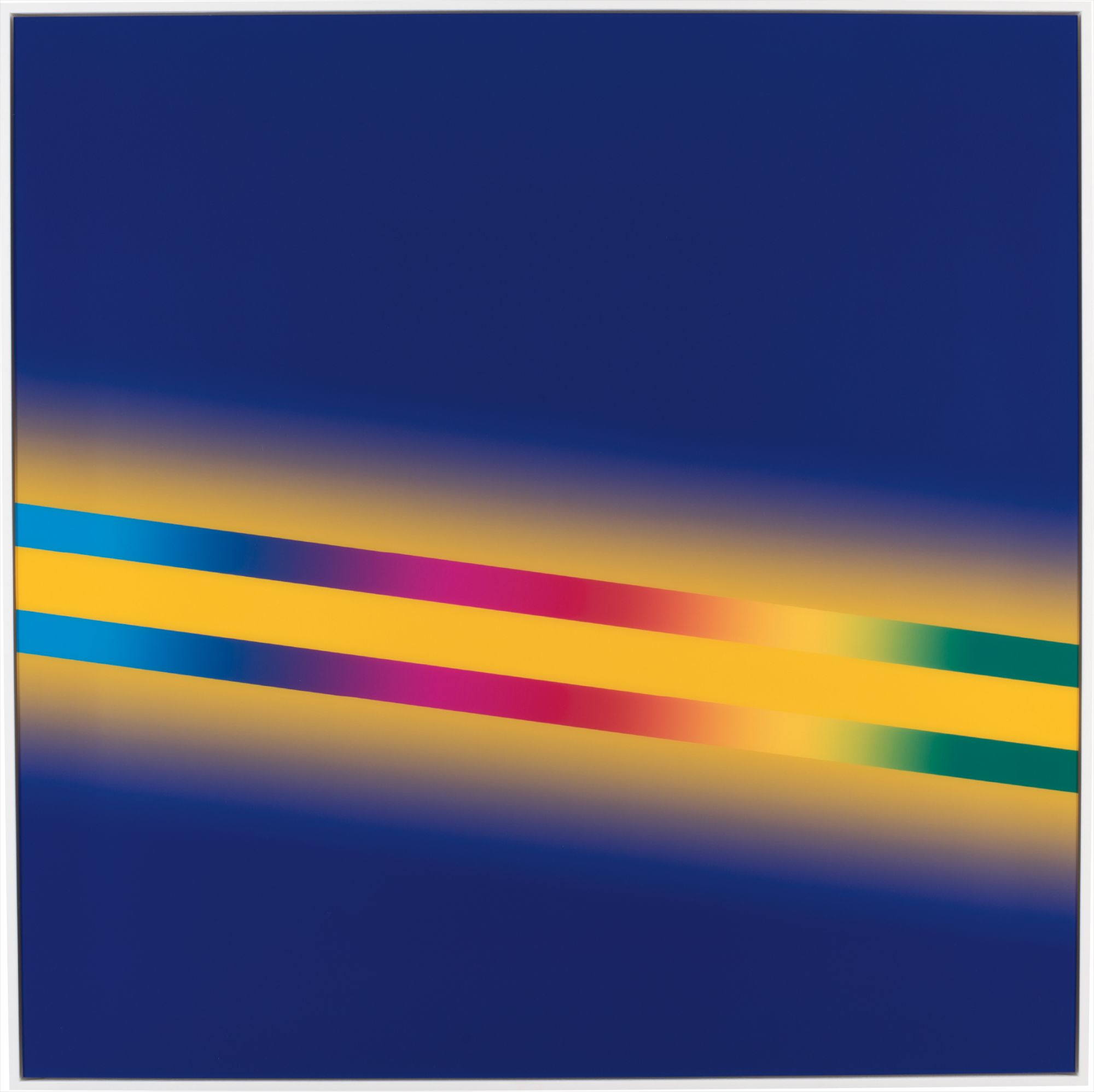
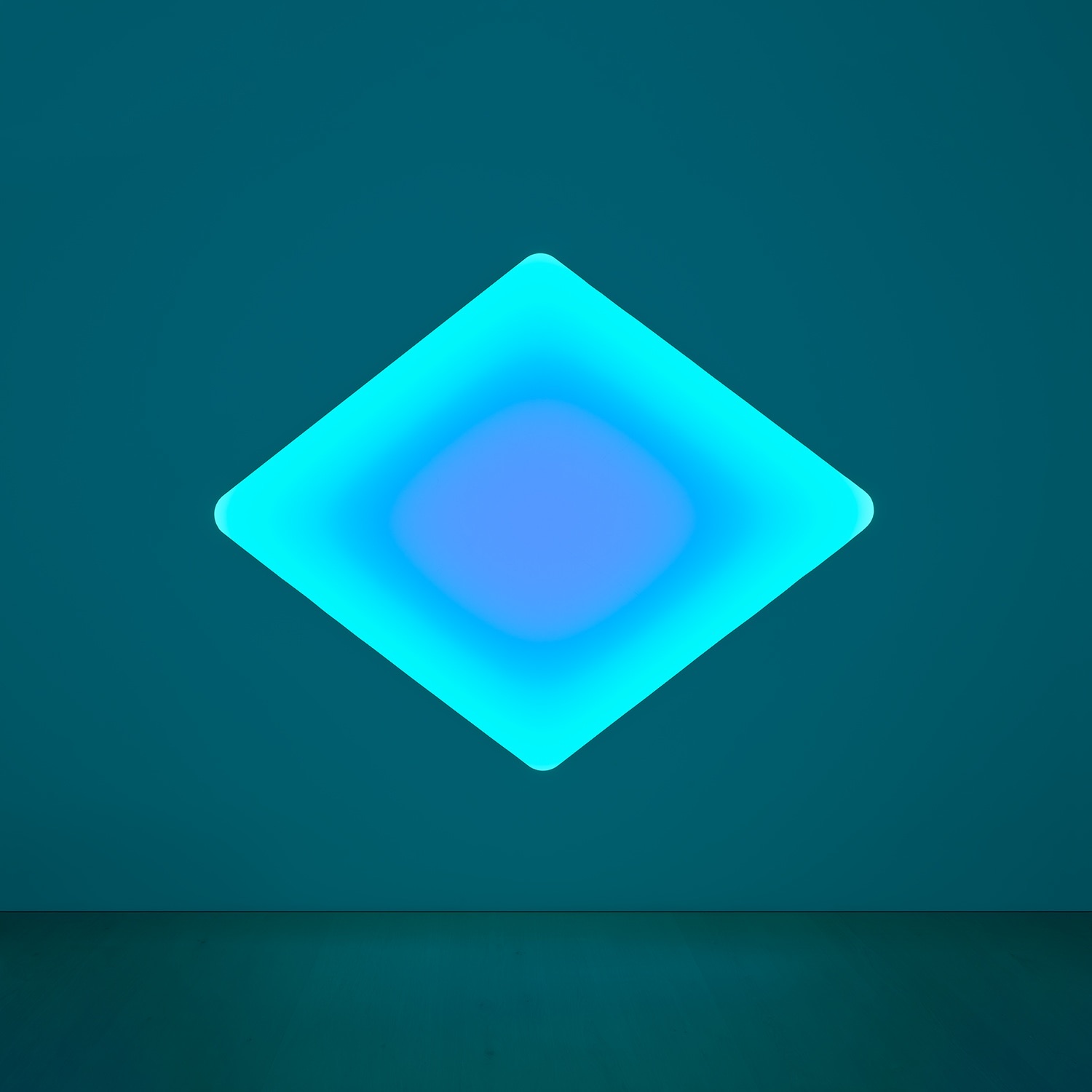
Cory Arcangel
Photoshop CS: 60 by 60 inches, 300 DPI, RGB, square pixels, default gradient "Blue, Yellow, Blue", mousedown y=15000 x=2130, mouseup y=4680 x=3570; photoshop tool "Wand", click= y=9120 x=4780, tolerance=30; default gradient "Spectrum", mousedown y=8790 x=1410, mouseup y=10770 x=16230, 2013




The Screen Is the Canvas Now
When Sotheby's offered a major time based media work in its contemporary evening sale a few seasons ago, the room went quiet in a way that felt different from the usual pre lot tension. It was not nervousness exactly. It was more like collective recalibration, the sense of an audience trying to decide what it was actually looking at and what that looking was worth. New media art has been staging these small confrontations with the market for decades, but something has shifted.
The prices are higher, the institutional confidence is firmer, and the conversation has moved from whether this work belongs in serious collections to which works belong in the most serious ones. The clearest signal of mainstream arrival came not from an auction house but from a museum. When the Museum of Modern Art completed its significant reinstallation of its permanent collection galleries in 2019, time based media works were integrated throughout rather than sequenced into a separate room for difficult objects. Bill Viola's immersive video pieces sat in dialogue with painting and sculpture as equals, not curiosities.

Bill Viola
Catherine's Dream
That curatorial decision carried enormous weight. It told collectors, advisors, and the broader market that the institutional framework for this work was no longer provisional. MoMA was not experimenting. It was settling a question.
Viola remains one of the foundational figures in this conversation, and his presence on The Collection reflects how seriously the platform treats the historical depth of the field. But the more instructive market story right now involves artists who came of age with the internet as a native condition rather than a new technology. Cory Arcangel, whose work is well represented on The Collection, has moved from being a critical darling to a genuine market presence. His appropriations of obsolete software and consumer technology, pieces built from modified Nintendo cartridges and degraded YouTube footage, carry a conceptual rigor that holds up under serious scrutiny.
Cory Arcangel
Photoshop CS: 60 by 60 inches, 300 DPI, RGB, square pixels, default gradient "Blue, Yellow, Blue", mousedown y=15000 x=2130, mouseup y=4680 x=3570; photoshop tool "Wand", click= y=9120 x=4780, tolerance=30; default gradient "Spectrum", mousedown y=8790 x=1410, mouseup y=10770 x=16230, 2013
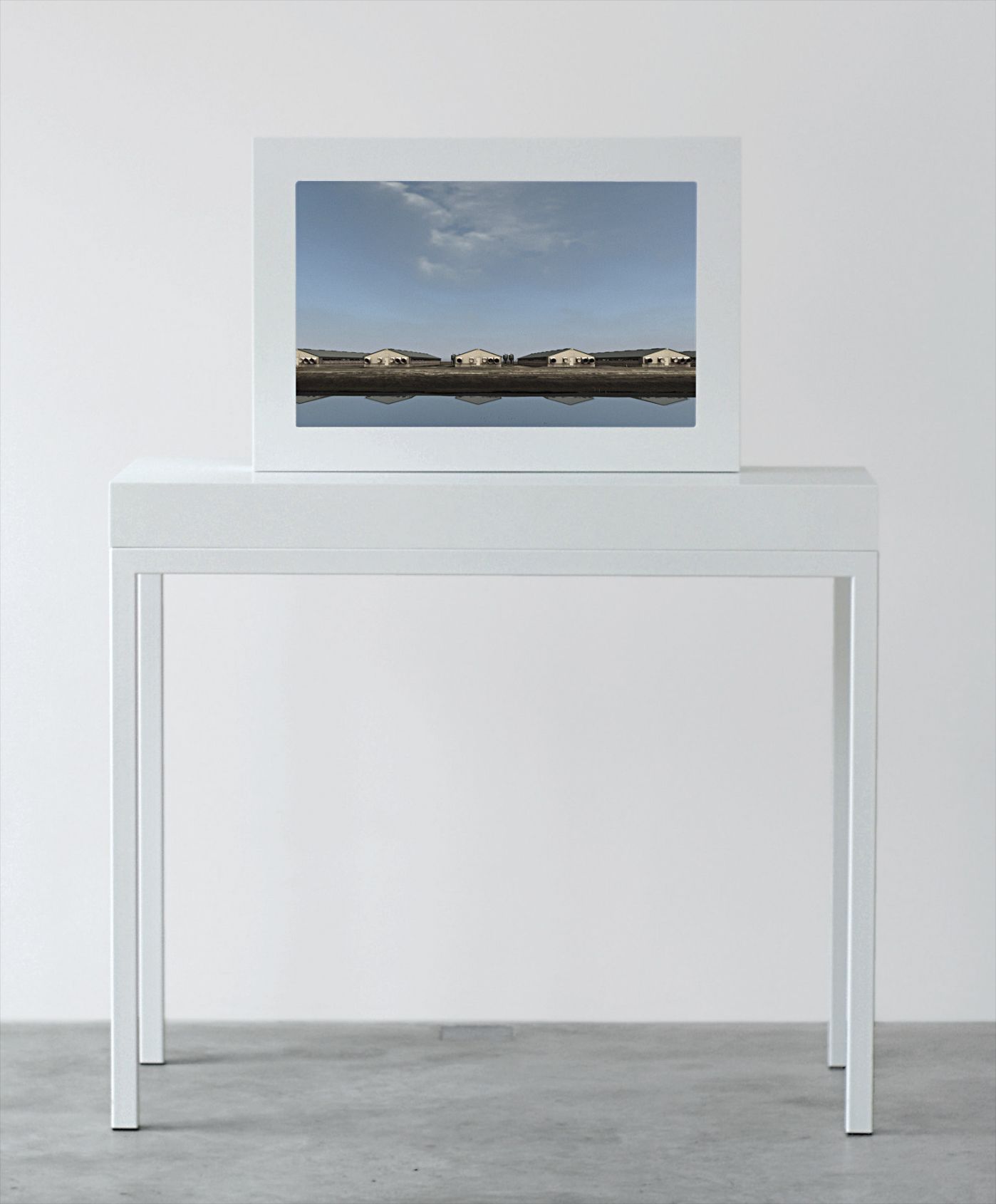
Christie's and Phillips have both handled his work at meaningful price points, and the collector base for Arcangel skews younger and more digitally fluent, which suggests a durable market rather than a speculative one. John Gerrard occupies a different register entirely. His slow simulations, photorealistic environments rendered in real time by custom software and displayed across long durational loops, have attracted the attention of institutions like the Irish Museum of Modern Art and major international biennials including the Venice Biennale. Gerrard's work is difficult to reproduce, difficult to summarize, and genuinely beautiful in a way that resists easy categorization.
Those qualities have made him a favorite of curators and a slightly harder sell at auction, but the collectors who have committed to his practice tend to be the kind who build around conviction rather than momentum. His works on The Collection reward that same kind of attention. Jennifer Steinkamp's luminous, algorithmically generated botanical animations have found homes in major public and corporate collections across the United States and Europe. Her solo exhibitions at venues including the Dayton Art Institute and the San Jose Museum of Art demonstrated that new media work could anchor a full institutional survey without any apology or framing crutch.
Alan Rath
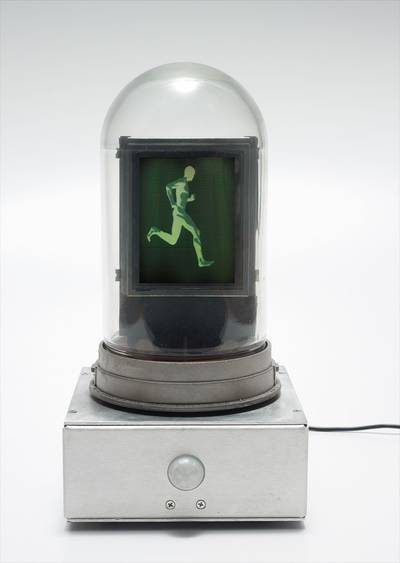
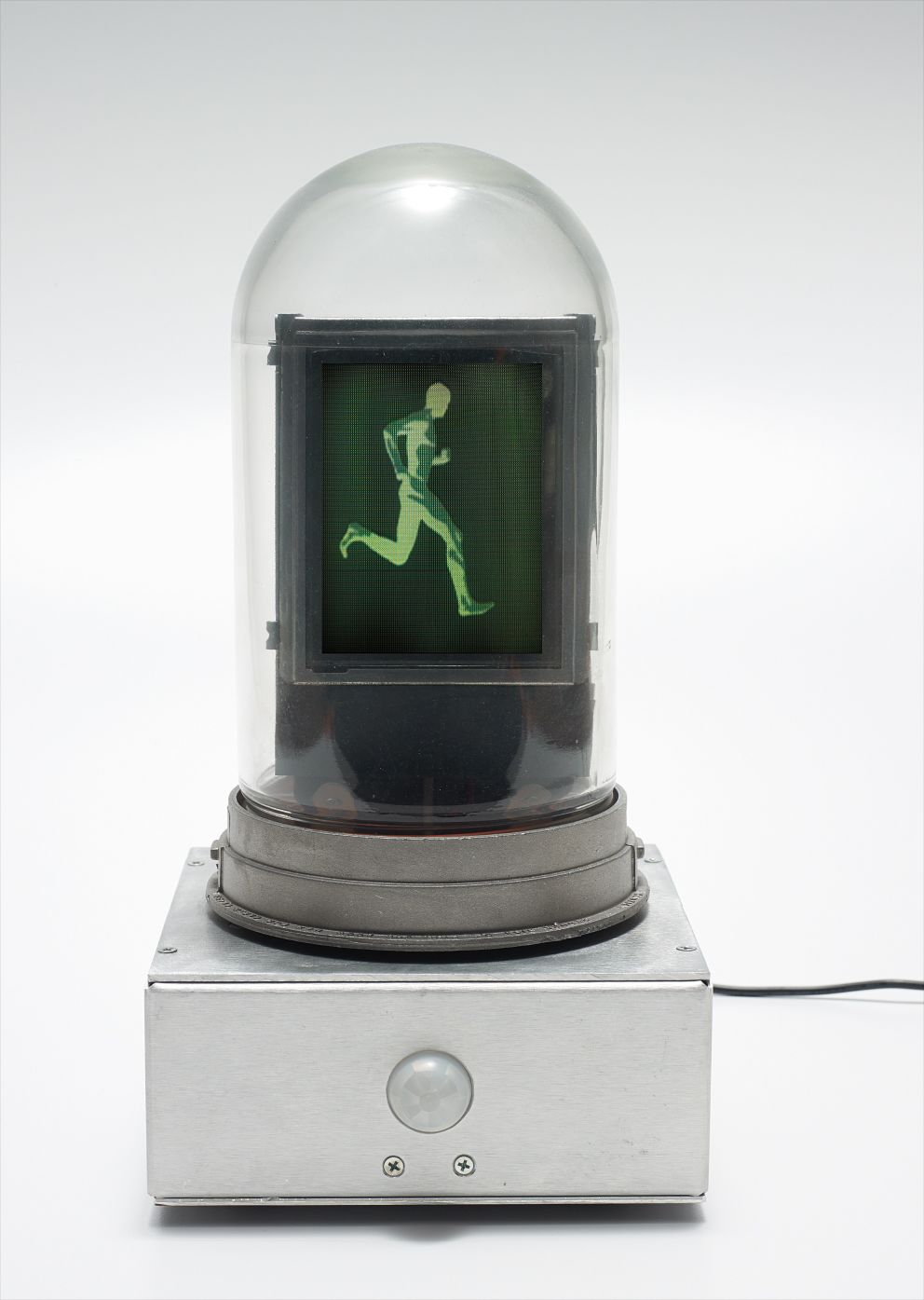
Little Running Man
Alan Rath, whose robotic sculptures incorporate early video technology with a kind of tender absurdism, has been collected by the San Francisco Museum of Modern Art and the Los Angeles County Museum of Art for decades. His presence in those permanent collections helped normalize the idea that technology based art could have a life measured in generations rather than upgrade cycles. The critical conversation has been shaped most productively by a handful of writers and curators willing to think carefully about what it means to conserve, display, and value work that exists as code, signal, and instruction rather than pigment and canvas. Christiane Paul, curator of digital art at the Whitney Museum of American Art and author of the essential survey Digital Art, has done more than almost anyone to provide a serious intellectual framework for this territory.
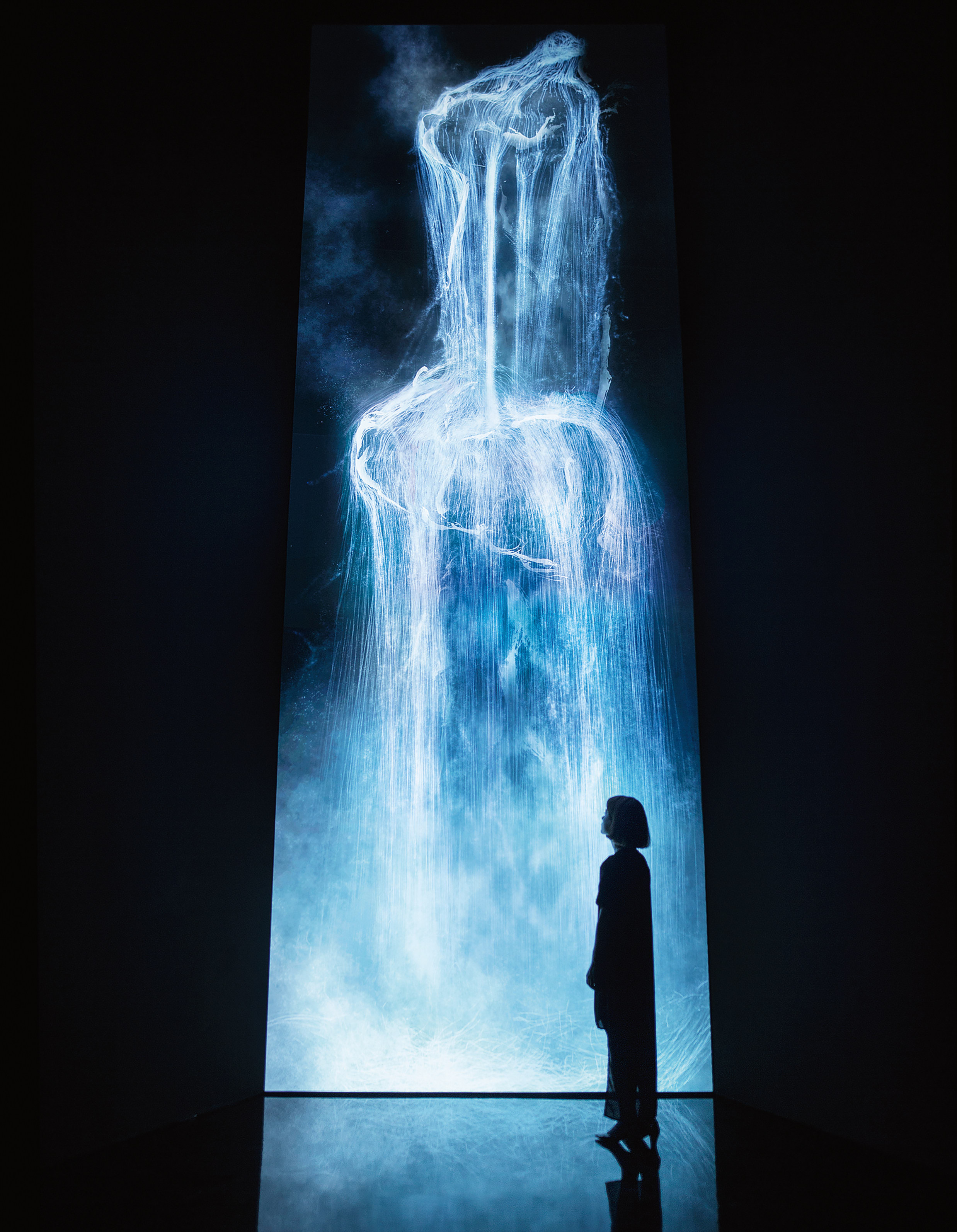
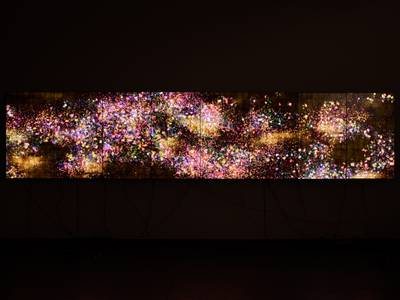
Her writing refuses both the breathless futurism of the tech world and the defensive traditionalism of certain corners of the art market. Rhizome, the digital preservation organization affiliated with the New Museum, has made the question of archiving and exhibiting born digital work feel urgent in practical terms, not just theoretical ones. TeamLab, the Japanese collective whose immersive environments have attracted enormous popular audiences from Tokyo to New York to the Saadiyat Island cultural district in Abu Dhabi, represents one pole of the new media spectrum: work that is spectacular, accessible, and commercially formidable. Their single work on The Collection offers a way into a practice that has genuinely changed how general audiences think about the relationship between bodies, space, and image.
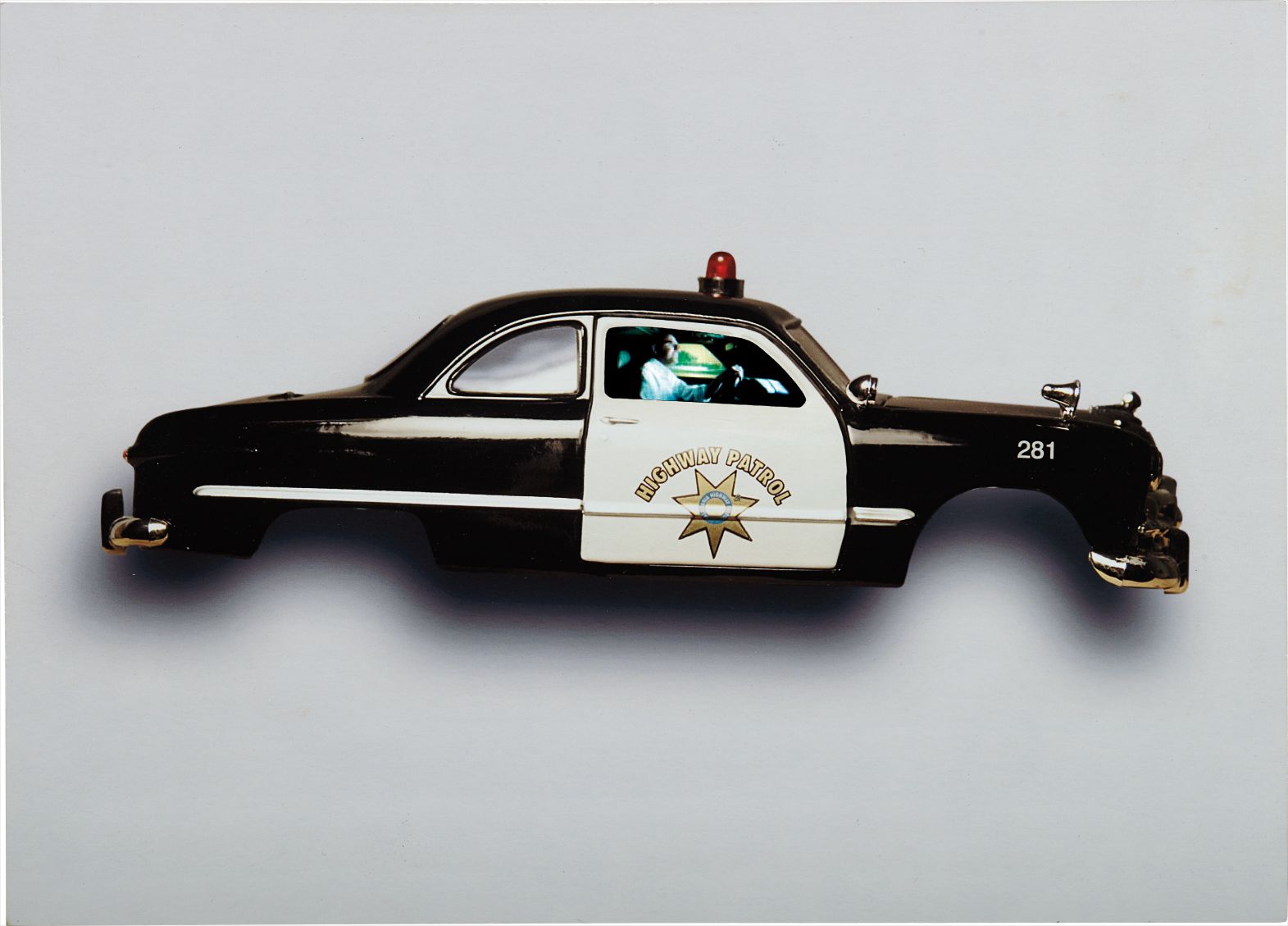
Peter Sarkisian
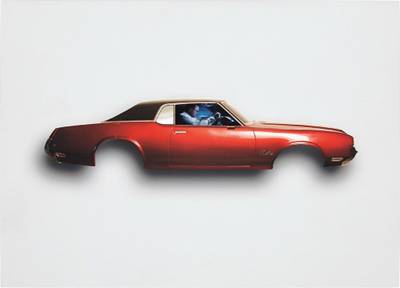
Registered Driver Flat Series: 1949 Ford Police Cruiser
Tony Oursler, whose video projections onto sculptural faces and forms carry a psychologically charged quality that connects back to body art and performance, represents a different pole: work rooted in personal and political anxiety rather than wonder. Both poles matter, and both are finding serious buyers. Peter Sarkisian's video sculptures, in which projected footage and physical objects are integrated so seamlessly that the boundary between image and thing dissolves, have attracted collectors who think carefully about space and installation. His work requires a committed environment rather than a wall and a hook, which has historically limited his market.
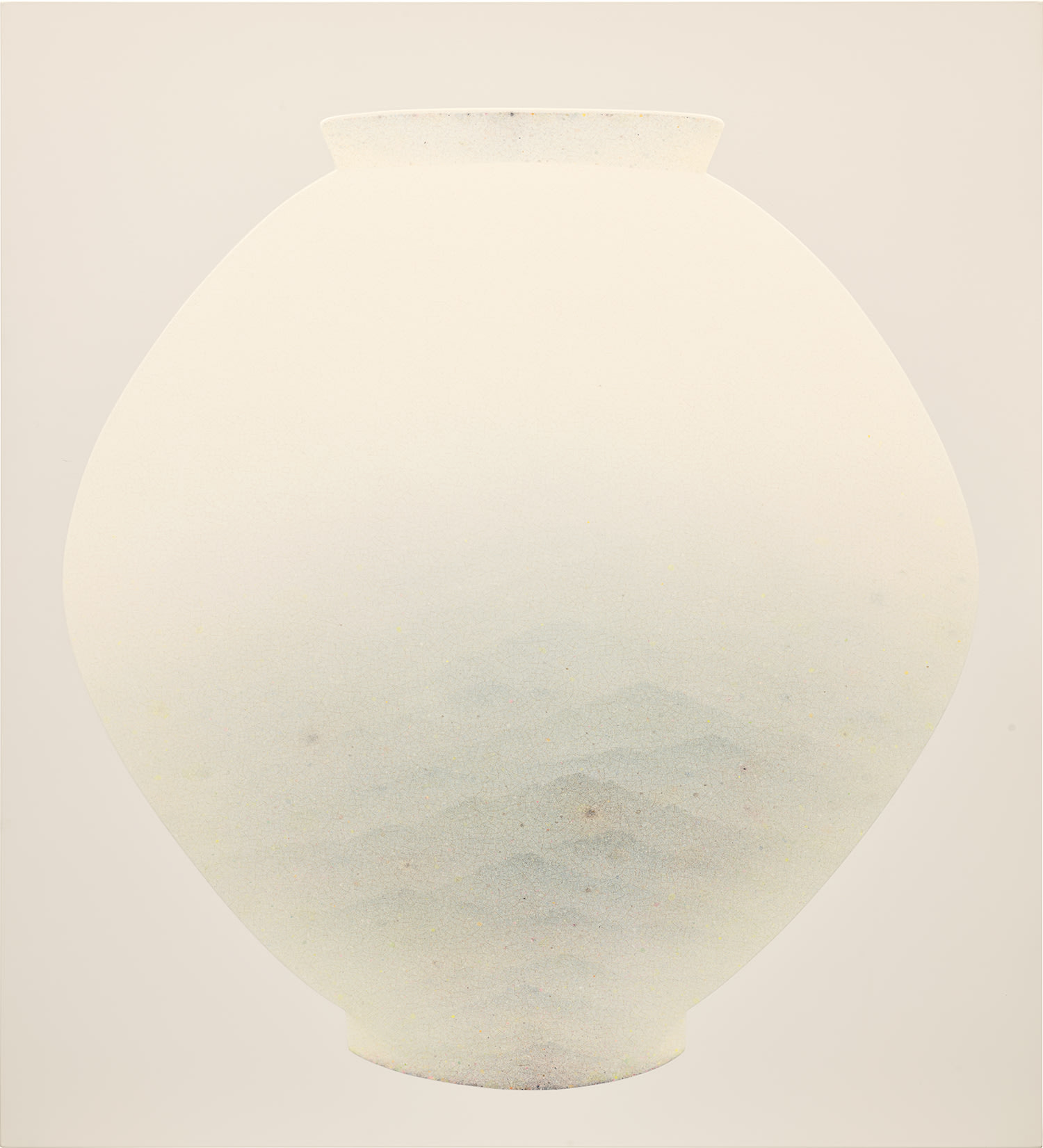
That constraint is becoming less limiting as collectors build more sophisticated domestic and commercial spaces for display. The same is true for artists like Kim Heewon and Choi Young Wook, whose practices engage with light, time, and digital materiality in ways that demand patient looking rather than quick comprehension. Where is the energy heading? The most alive part of this conversation right now is not about artificial intelligence generated imagery, which has attracted enormous speculative attention but relatively little critical depth.
The genuine energy is in the space between software and physical presence, in works that cannot be fully experienced on a screen because they require a body in a room. Stepan Ryabchenko's luminous sculptural objects, which blur the line between digital aesthetics and physical craft, feel like one answer to a question the market is still forming. The collectors positioning themselves at this intersection now, with serious works by artists who have earned sustained critical attention, are making the kind of decisions that look obvious only in retrospect.